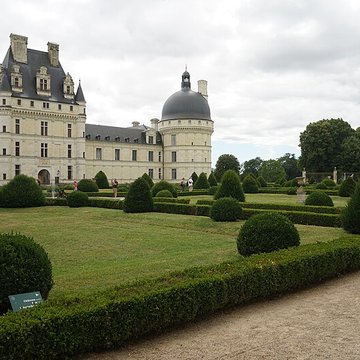
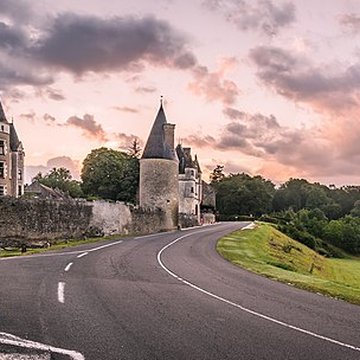
Een kasteel is een residentie gereserveerd voor een persoon van hoge adel, in tegenstelling tot een herenhuis of een sterk huis, gereserveerd voor de kleine adel.
Drie soorten kastelen kunnen worden onderscheiden volgens hun openingen en tuinen:
Fort kastelen zijn zuiver defensief. Als zodanig zijn ze uitgerust met kleine eenvliegende ramen en hebben geen aangename tuin. Dus wonen in een sterk kasteel moet triest zijn geweest om te sterven...
De renaissancekastelen verschenen aan het einde van de Honderdjarige Oorlog. Het was niet langer nodig om oorlog te voeren. Dus laten we het licht binnen door raam-tot-muur ramen aan te nemen. Daarnaast zijn er recreatietuinen aangelegd, zoals de tuin van Diane de Poitiers en Catherine de Médicis in Chenonceau.
Klassieke kastelen werden door timmerlieden van grote houten ramen geboren tijdens de heerschappijen van Hendrik IV en Lodewijk XIII. De architectuur van het Place des Vosges in Parijs markeert de komst van de stad. Bovendien zijn deze kastelen vaak gemaakt ex nihilo met lange symmetrische gevels, in grote eigenschappen versierd met Franse tuinen en waterlichamen. Het archetype is natuurlijk het Château de Versailles.
U vindt hier meer dan 5.000 kastelen ingedeeld naar regio, departement en 3 subcategorieën hierboven. NB: Voor regio's die niet zijn gegroepeerd, namelijk Bretagne, Centre-Val-de-Loire, Corse, Île-de-France, Pays-de-la-Loire en Provence-Alpes-Côte-d'Azur, moet u niet door de navigatie heen navigeren, maar door de "klasssieke" route hieronder om de subcategorieën van uw departement te ontdekken.