Logo Musée du Patrimoine

All French heritage classified by regions, departments and cities

Castles and Military Heritage Religious heritage Industrial heritage Heritage of cities Archaeological heritage Museums Attractions and tourist attractions The most beautiful villages The most beautiful monuments in France

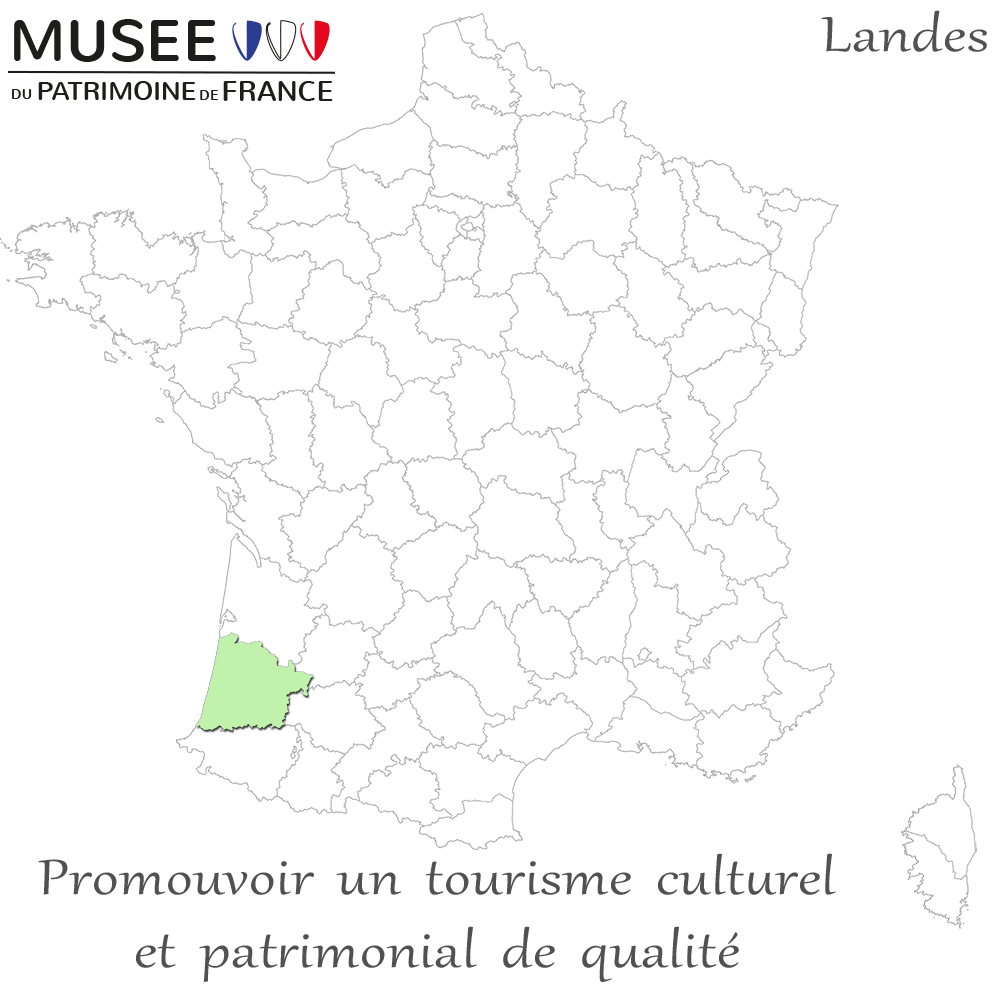
Castles in the Landes

Retrouvez les 17 Castles in the Landes recensés par Musée du Patrimoine de France.
Nous proposons également plusieurs hébergements dans les Landes

Sélection de 8 castles sur 17 dans les Landes

Montreal Castle in Peyrehorade
Castle
40300 Peyrehorade

The castle of Montreal, a former 16th century fortified castle transformed in the 18th and 19th centuries, dominates Peyrehorade (Landes) and now houses the city hall. Its round towers and military history make it an emblematic monument.
Castle of Castillon
Louis XIII style castle
40110 Arengosse

The Château de Castillon, a 17th and 19th century building, combines Louis XIII architecture and subsequent additions to Arengosse (Landes). Ranked a historic monument, it embodies gasconic and literary history with Captain Fracasse.
Castle of Aon
Castle
40190 Hontanx

The castle of Aon, a 13th century fortress in Hontanx (Landes), is built on a castral motte with a Romanesque chapel. It illustrates the evolution of medieval fortifications in New Aquitaine.
Château d'Amou
Classic style castle
40330 Amou

The Château d'Amou, built between 1678 and 1692 in the Landes, is a classic jewel combining Louis XIII influences, still owned by the same family since its construction.
Vestiges du Château de Labrit
Castle
40420 Labrit

The remains of the château de Labrit, known as château d'Albret, are a 13th century medieval castral site located in Labrit, New Aquitaine, the historic cradle of the Albret family.
Château de Saint-Martin-de-Seignanx
Renaissance style castle
40390 Saint-Martin-de-Seignanx

The castle of Saint-Martin-de-Seignanx, built between the late 16th and 19th centuries, is a historic monument located in the Landes, in New Aquitaine. This L-shaped castle, marked by major transformations in the 17th and 19th centuries, combines classical architecture and restored defensive elements.