Logo Musée du Patrimoine

All French heritage classified by regions, departments and cities

Castles and Military Heritage Religious heritage Industrial heritage Heritage of cities Archaeological heritage Museums Attractions and tourist attractions The most beautiful villages The most beautiful monuments in France

Cathedrals and Collegiates in Saône-et-Loire

Retrouvez les 4 Cathedrals and Collegiates in Saône-et-Loire recensés par Musée du Patrimoine de France.
Nous proposons également plusieurs hébergements en Saône-et-Loire

4 cathedral and college en Saône-et-Loire

Cathedral and Canon Group

71400 Autun

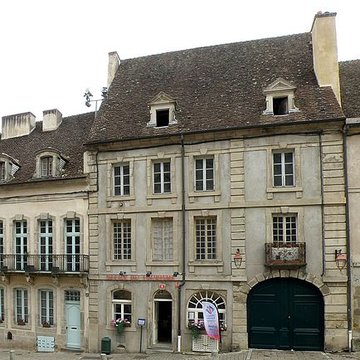
The cathedral and canonical group of Autun, religious ensemble of the 15th and 18th centuries, is located in Place du Terreau. It includes medieval remains and episcopal buildings classified as historical monuments in 2017.
Collégiale Saint-Hilaire de Semur-en-Brionnais
Romanesque Church
71110 Semur-en-Brionnais

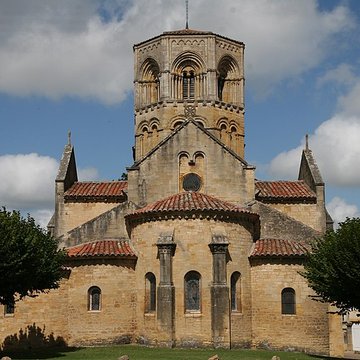
The Collège Saint-Hilaire de Semur-en-Brionnais, built in the 12th century, is a Burgundy Romanesque jewel combining clunisian and local influences, classified as a historical monument since 1862 in Saône-et-Loire.
Old Saint Vincent Cathedral of Mâcon
Romanesque and Gothic Church
71000 Mâcon

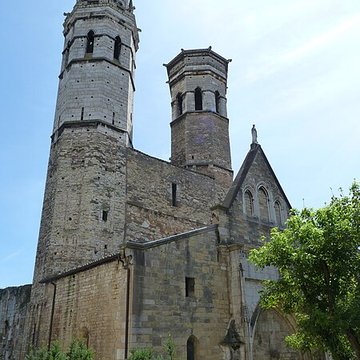
The Vieux-Saint-Vincent de Mâcon Cathedral, a 12th century Romanesque building located in Burgundy-Franche-Comté, is famous for its sculpted tympanum representing the Last Judgment and its octagonal towers.
Cathédrale Saint-Vincent de Chalon-sur-Saône
Gothic Church
71100 Chalon-sur-Saône

La cathédrale Saint-Vincent de Chalon-sur-Saône, édifice gothique et roman des XIIIe–XIXe siècles, domine la ville en Bourgogne-Franche-Comté. Ancien siège épiscopal, elle allie façade néo-gothique et cloître flamboyant, témoin de l’histoire religieuse bourguignonne.
Cathedral of Saint Lazare d'Autun
Romanesque and Gothic Church
71400 Autun

Saint-Lazare d'Autun Cathedral, a 12th-century Burgundian Romanesque masterpiece, stands in Autun in Saône-et-Loire. Ranked in 1840, it is famous for its tympanum of Last Judgment carved by Gislebertus and his relics of Saint Lazarus, attracting pilgrims and lovers of medieval art for nearly nine centuries.