Logo Musée du Patrimoine

All French heritage classified by regions, departments and cities

Castles and Military Heritage Religious heritage Industrial heritage Heritage of cities Archaeological heritage Museums Attractions and tourist attractions The most beautiful villages The most beautiful monuments in France

Bridges classified in Tarn

Retrouvez les 6 Bridges classified in Tarn recensés par Musée du Patrimoine de France.
Nous proposons également plusieurs hébergements dans le Tarn
Département

Sélection de 8 bridges classified sur 6 dans le Tarn

Old bridge over the Dadou de Graulhet
Old bridge
81300 Graulhet

The old bridge over the Dadou in Graulhet, built in the 13th and 18th centuries, is a medieval two arched structure in the middle of the hangar, classified as Historic Monument in 1937, located in Occitanie.
Lavaur Bridge
Bridge
81500 Lavaur

The Saint-Roch Bridge, built in the 18th century in Lavaur, Occitanie, is a masonry bridge remarkable for its unique arch of 48.75 m, world record from 1822 to 1833. Ranked a historic monument, it crossed the Agout with monumental stone sandstone architecture.
Laval Bridge to Puycelsi
Bridge
81140 Puycelsi

The Laval Bridge, built in the 14th and 15th centuries in Puycelsi, Occitanie, is a medieval stonework of 86 metres, once crossing the Vère to connect two villages.
Pont des Anes de Vindrac-Alayrac
Bridge
81170 Vindrac-Alayrac

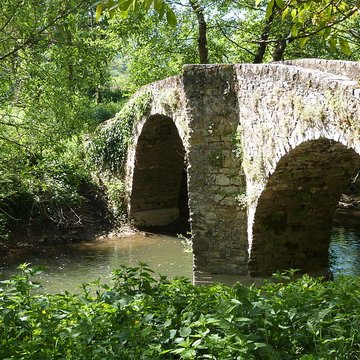
The bridge of the Anes, built in the 14th century in Vindrac-Alayrac (Tarn), is a medieval double arch bridge linked to the local milling activity and registered with the Historical Monuments since 2006.
Old Bridge of Brassac
Medieval bridge
81260 Brassac

Brassac's old bridge, built in the 12th to 13th centuries, is a medieval schist and granite bridge crossing the Agout in Brassac (Tarn), classified as a historic monument in 1990.
Old Albi Bridge
Old bridge
81990 Albi

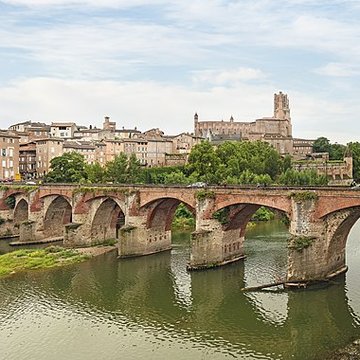
The Old Bridge of Albi, built in the 11th century and rebuilt in the 17th century, is a 150-metre medieval bridge crossing the Tarn, classified as a historical monument and integrated into the Episcopal City of Albi, a UNESCO site.