Logo Musée du Patrimoine

All French heritage classified by regions, departments and cities

Castles and Military Heritage Religious heritage Industrial heritage Heritage of cities Archaeological heritage Museums Attractions and tourist attractions The most beautiful villages The most beautiful monuments in France

Houses and villas classified in Oise

Retrouvez les 10 Houses and villas classified in Oise recensés par Musée du Patrimoine de France.
Nous proposons également plusieurs hébergements dans l'Oise

Sélection de 8 houses and villas classified sur 10 dans l'Oise

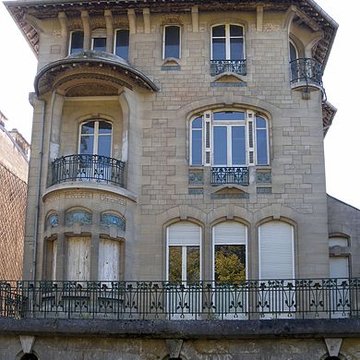
Villa Marcot, today annex of Jacques-Monod College

60200 Compiègne

The Marcot villa, built at the beginning of the 20th century in Compiègne, is a rich bourgeois residence in Art Nouveau style, today an annex to a college. Its architecture combines stone, brick and ceramics signed Gentil and Bourdet.
House

60200 Compiègne

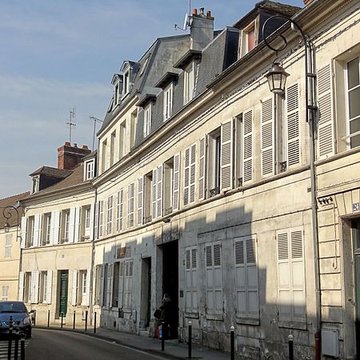
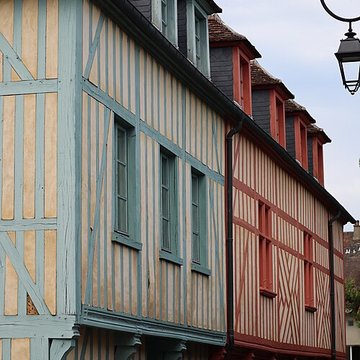
19th-century house in Compiègne, listed as a historical monument, remarkable for its old wooden vultures Louis-Philippe.
House

60200 Compiègne

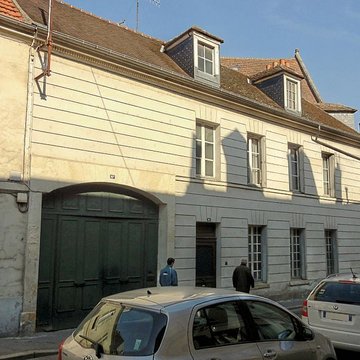
This 16th century house, located in Compiègne in the Hauts-de-France, is a historic monument with facades and roofs protected since 1950.
House

60200 Compiègne

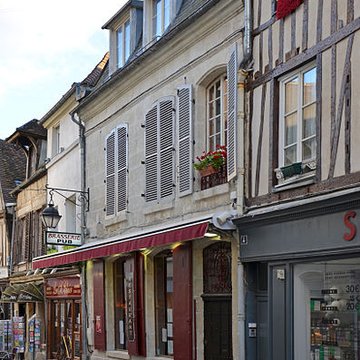
This 18th century house, located in Compiègne in the Hauts-de-France, is classified as a Historic Monument for its facade and preserved interior decorations.
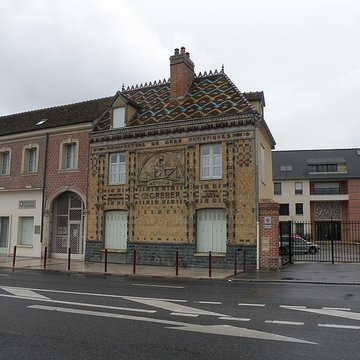
House Gréber

60000 Beauvais

The Maison Gréber, an early 20th-century ceramic factory in Beauvais, illustrates industrial architecture with its ceramic sandstone facade and local artisanal history.
House

60000 Beauvais

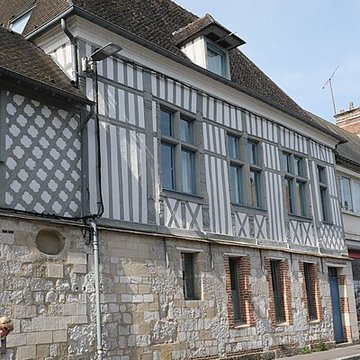
Medieval house of the 14th and 16th centuries in Beauvais, the only vestige of the former canonial district of the cathedral. Combining wood-pan architecture and medieval cellars, it bears witness to local urban history.
House

60000 Beauvais

Classified historic house located in Beauvais (Hauts-de-France), protected for its facade and roof. Not known, registered in 1933.
Canon Houses of Noyon
Canon house
60400 Noyon

The canonical houses of Noyon, built in the 17th and 18th centuries, form a historical complex located Place du Parvis, a witness of post-medieval religious architecture in the Hauts-de-France.