Logo Musée du Patrimoine

All French heritage classified by regions, departments and cities

Castles and Military Heritage Religious heritage Industrial heritage Heritage of cities Archaeological heritage Museums Attractions and tourist attractions The most beautiful villages The most beautiful monuments in France

City gate, ramparts and city walls in Lozère

Retrouvez les 4 City gate, ramparts and city walls in Lozère recensés par Musée du Patrimoine de France.
Nous proposons également plusieurs hébergements en Lozère
Département
Refine and see also
City gates en Lozère

4 city gate, rampart, city hall en Lozère

Former ramparts

48000 Mende

The old walls of Mende, built in the 12th century and modified in the 16th century, are fortified remains located in Occitanie, witness to the military adaptations facing the artillery.
Replacements

48140 au Malzieu-Ville

The ramparts of Malzieu-Ville, built in the 15th century in Lozère, form a partially preserved medieval trapezoidal fortification, with historical towers and gates in this Occitan village.
Repparts and Portes du Malzieu-Ville
Replaces
48140 Le Malzieu-Ville

The ramparts and gates of Malzieu-Ville, built in the 14th century, are a fortified complex emblematic of this medieval town of Lozer in Occitanie, marked by the 17th century High Gate.
Porte du Thérond de Marvejols
City gate
48100 Marvejols

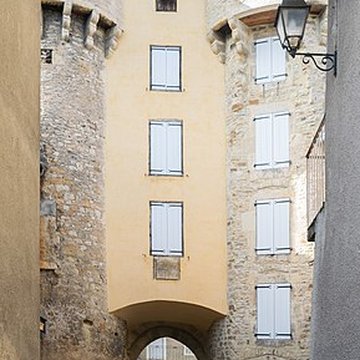
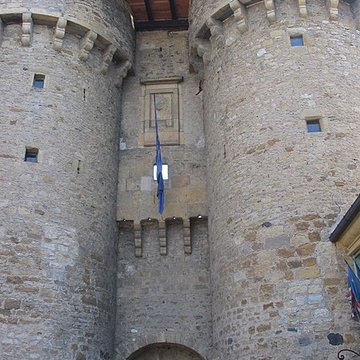
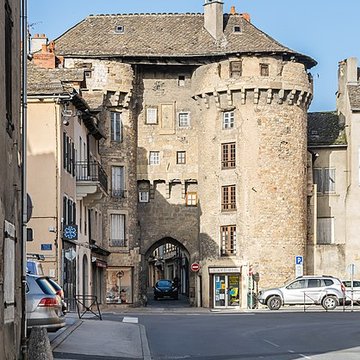
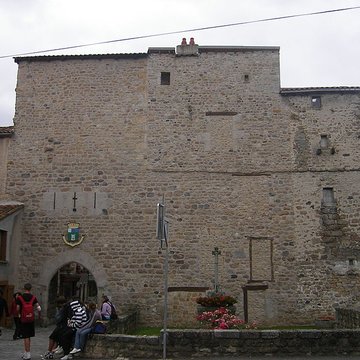
The Therond Gate is a 14th century fortified gate in Marvejols (Lozère), marking the eastern entrance to the old town. Classified as a historical monument in 1925, it bears witness to medieval fortifications and the wars of Religion.
Soubeyran door in Marvejols
City gate
48100 Marvejols

The Soubeyran Gate is a 14th-century fortified gate in Marvejols, Occitanie, the only accessible vestige of the city's medieval ramparts, listed as historical monuments in 1925.
Gate of Chanelles to Marvejols
City gate
48100 Marvejols

Chanelles Gate is a 14th century fortified gate in Marvejols (Lozère), marking the southern entrance to the old town. Classified as a historical monument in 1925, it bears witness to medieval fortifications and the wars of Religion.