Logo Musée du Patrimoine

All French heritage classified by regions, departments and cities

Castles and Military Heritage Religious heritage Industrial heritage Heritage of cities Archaeological heritage Museums Attractions and tourist attractions The most beautiful villages The most beautiful monuments in France

Gallo-Roman vestiges in Lower Rhine

Retrouvez les 4 Gallo-Roman vestiges in Lower Rhine recensés par Musée du Patrimoine de France.
Nous proposons également plusieurs hébergements dans le Bas-Rhin
Département

4 gallo-Roman vestige dans le Bas-Rhin

Gallo-Roman vestiges of Wasserwald

67700 Haegen

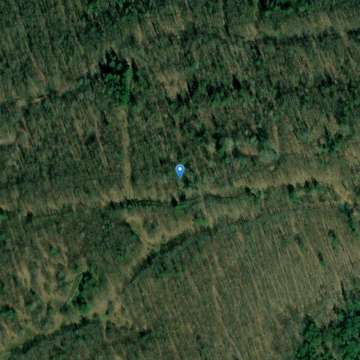
The Gallo-Roman remains of the Wasserwald, located in Haegen (Bas-Rhin), are an archaeological site showing an ancient agricultural occupation, with parcellars and a historical path preserved in the forest.
Roman Tour of Strasbourg
Gallo-Roman jackets
67000 Strasbourg

The Roman Tower of Strasbourg is an archaeological vestige of the Legionary Camp of Argentoratum, dated the fourth century, located in the current city centre. These ruins, classified in 1920, bear witness to the Roman occupation and the three successive enclosures built by the VIII Legion Augusta between the 1st and the 4th centuries.
Pagan wall of Mount Sainte-Odile in Ottrott
Roman wall
67530 Ottrott

The pagan wall of Mount Sainte-Odile, in Ottrott (Great East), is a protohistoric enclosure of 11 km in cyclopean blocks, overlooking the plain of Alsace. Ranked a historical monument in 1840, its origin (Celtic, Roman or Merovingian) remains debated.
Gallo-Roman Mackwiller Thermos
Gallo-Roman baths
67430 Mackwiller

The Gallo-Roman thermal baths of Mackwiller, built between the 2nd and 4th centuries, are an ancient thermal complex located in the Bas-Rhin, linked to an aristocratic villa disappeared under the present village.
Temple of Donon in Grandfontaine
Temple
67130 Grandfontaine

The Donon Temple, built in the 3rd quarter of the 19th century in Grandfontaine (Bas-Rhin), is a neo-classical building erected at the top of Mount Donon to house Gallo-Roman archaeological remains. Symbol of the Sliceful Vosges, it dominates the area at 1,008 meters altitude.