Logo Musée du Patrimoine

All French heritage classified by regions, departments and cities

Castles and Military Heritage Religious heritage Industrial heritage Heritage of cities Archaeological heritage Museums Attractions and tourist attractions The most beautiful villages The most beautiful monuments in France

Channels, aqueducts, locks, gazes classified in New Aquitaine

Retrouvez les 6 canals, aqueducts, locks and gazes classified in the New Aquitaine region recensés par Musée du Patrimoine de France.
Nous proposons également plusieurs hébergements en Nouvelle-Aquitaine
Blason Nouvelle-Aquitaine

Sélection de 8 canals, aqueducts, locks and gazes classified sur 6 en Nouvelle-Aquitaine

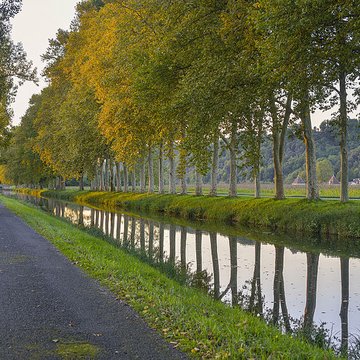
Canal de Lalinde in Baneuil
Canal
24150 Baneuil

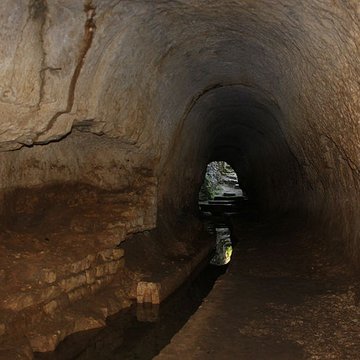
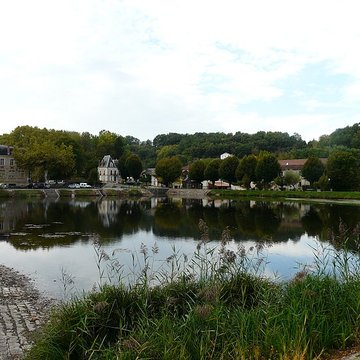
The canal from Lalinde to Baneuil, built in the 19th century in New Aquitaine, is a 15 km hydraulic structure linking Mauzac to Tuilières, equipped with locks and aqueducts to facilitate navigation on the Dordogne.
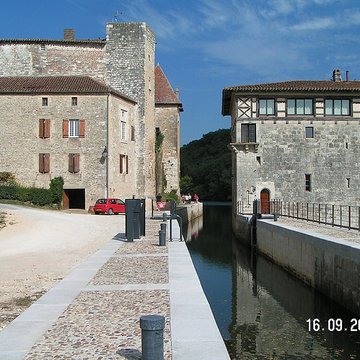
Lustrac Lock and Mill
Moulin
47140 Trentels

The Lustrac Lock and Mill, built between the 13th and 14th centuries in Trentels, New Aquitaine, form a historical complex linked to the airworthiness of the Lot and the medieval milling activity, transformed into a dwelling after industrial use.
Lalinde Canal (Mauzac Lock, including the canal supply aqueduct, the upper bridge that follows it and the façades and roofs of the Mauzac Lock House)

24150 Mauzac-et-Grand-Castang

The canal of Lalinde, built in the 19th century in Mauzac-et-Grand-Castang, New Aquitaine, is a remarkable hydraulic structure including a lock, an aqueduct and a lock house, designed to facilitate navigation on the Dordogne.
Gallo-Roman aqueduct of Saintes

17100 Saintes

The Gallo-Roman canal of Saintes, built in the first century, was an 11 km hydraulic structure supplying the ancient city with water through sources such as Font Morillon. Its remains, partially underground, testify to Roman engineering in New Aquitaine.
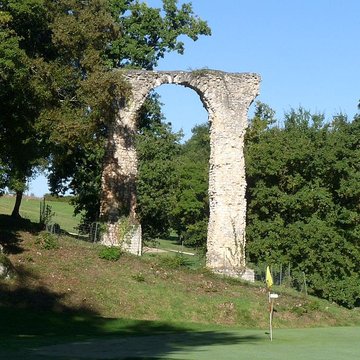
Aqueduct

17100 au Douhet

The Roman aqueduct of the Douhet, built in the first century under the High Empire, was part of the hydraulic system supplying Mediolanum Santorum (Saints) with drinking water, with remains still visible today in New Aquitaine.
Canal de Lalinde (aqueduct and reverse bridge of the Tuilerie de Villeneuve)

24150 Lalinde

Aqueduct and bridge-diver of the Tuilerie de Villeneuve, built in the 2nd quarter of the 19th century in Lalinde, is part of the canal of Lalinde, a major hydraulic structure of Nouvelle-Aquitaine to facilitate navigation on the Dordogne.
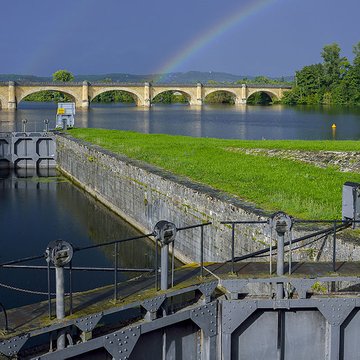
Lalinde Canal (a group of locks, including the crossing basin, upper and lower bridges, fronts and roofs of downstream and upstream lock houses, located Tuileries)

24520 Mouleydier

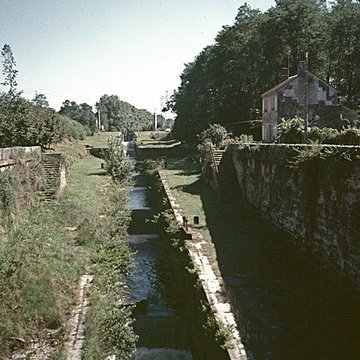
The canal of Lalinde, built in the 2nd quarter of the 19th century in Mouleydier (Nouveau-Aquitaine), is a remarkable 15 km hydraulic structure, including locks, bridges and lock houses, designed to bypass the rapids of the Dordogne.
Sable-Vignier Fish Locks

17190 Saint-Georges-d'Oléron

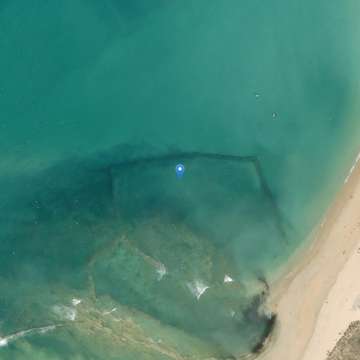
The fish locks of Les Sables-Vignier, built in the 15th century (?), are a set of five dry stone walls located in Saint-Georges-d'Oléron, reflecting traditional oléronese fishing techniques.