Establishment of bail vers 1635 (≈ 1635)
Construction of secondary judicial headquarters.
1778
Major work
Major work 1778 (≈ 1778)
Renovations before reassignment.
1790
Headquarters of the Municipal Council
Headquarters of the Municipal Council 1790 (≈ 1790)
Post-Revolution transition.
1804
Becoming a town hall
Becoming a town hall 1804 (≈ 1804)
New administrative function.
1971
Sale to an industrialist
Sale to an industrialist 1971 (≈ 1971)
Change of ownership.
1998
Purchase by the municipality
Purchase by the municipality 1998 (≈ 1998)
Back to the public domain.
2003
Historical Monument
Historical Monument 2003 (≈ 2003)
Full site protection.
Aujourd'hui
Aujourd'hui
Aujourd'hui Aujourd'hui (≈ 2025)
Position de référence.
Heritage classified
The old bailiff in full, including the floors and walls of enclosures (Box B 1901): inscription by order of 5 February 2003
Key figures
Information non disponible - No character cited
The source text does not mention any names.
Origin and history
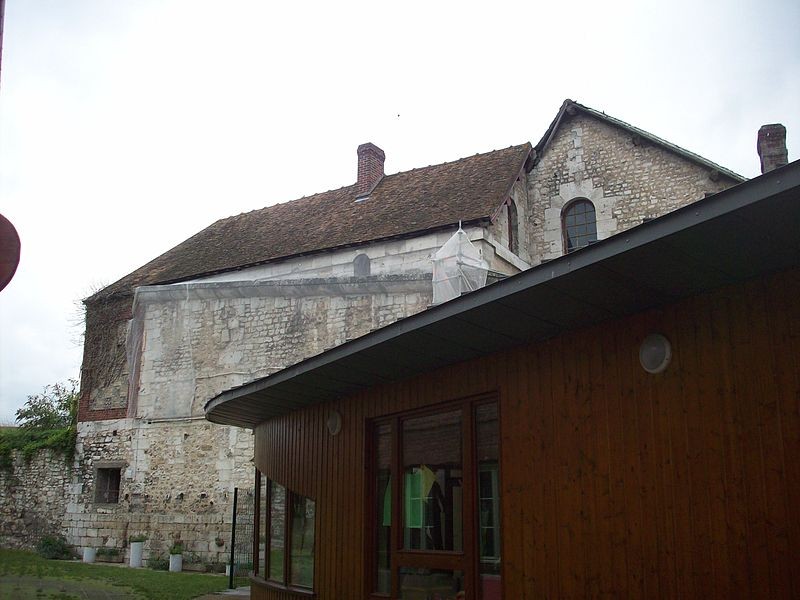
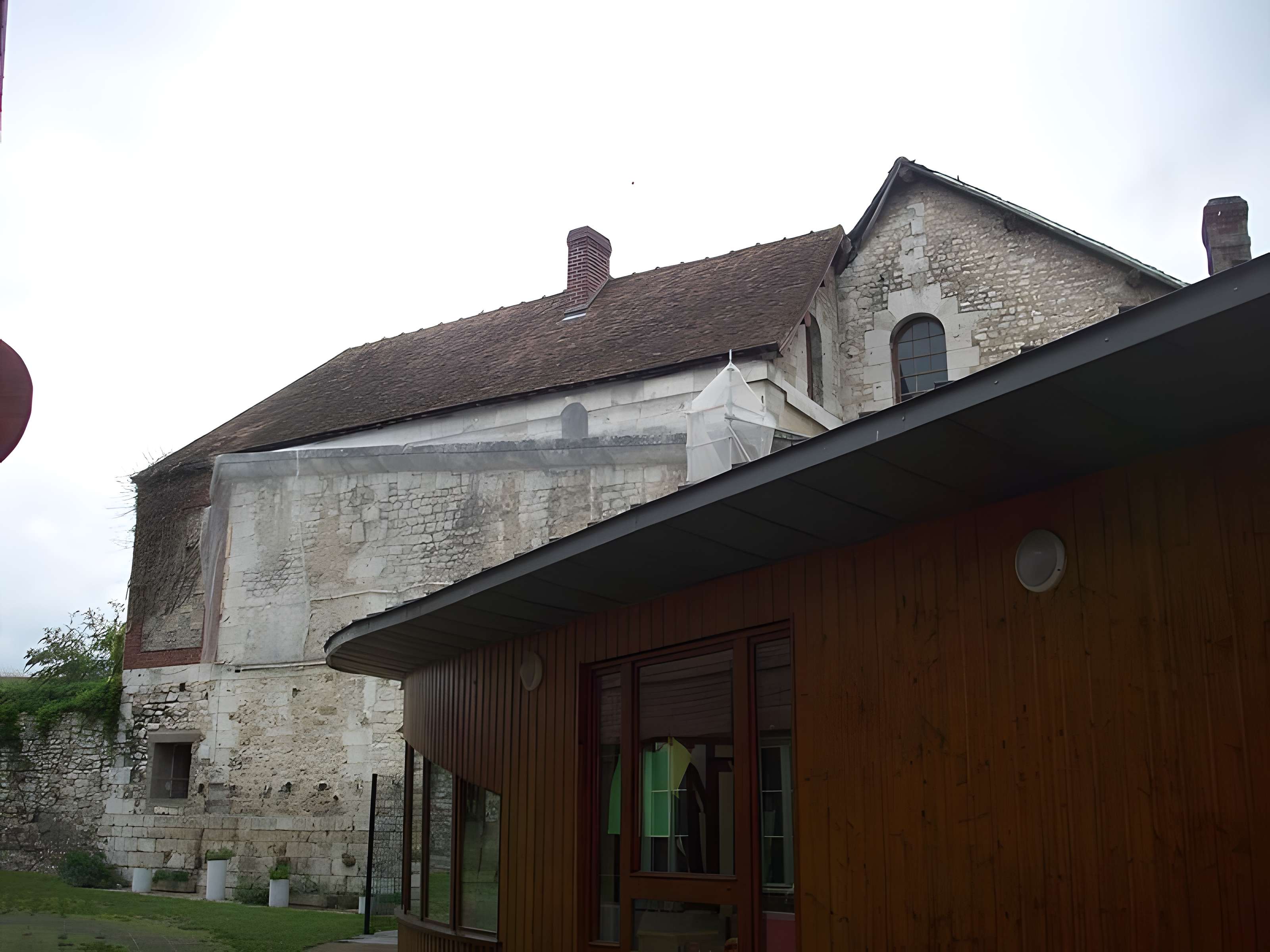
The secondary bailliage of Pont-de-l'Arche was created around 1635 and installed in an architectural complex backed by the northern rampart of the city. The complex consisted of a courtroom, separate prisons for men and women, a jailer's home, a chapel, and the Master of Waters and Forests building. The judicial and administrative functions were centralized there, reflecting the local organisation under the former regime.
Around 1778, major works changed the site before the building welcomed in 1790 the first Municipal Council of Pont-de-l'Arche. He was transformed into a town hall in 1804 and retained this vocation until his sale to an industrialist in 1971. Repurchased by the municipality in 1998, the building preserved a large part of its original volumes, including prison spaces and some interior fittings, despite the disappearance of the old audience.
Ranked Historic Monument in 2003, the site now includes all buildings, floors and walls of enclosures. Although the accuracy of its location is considered satisfactory (note 7/10), its history illustrates the evolution of local institutions, from seigneurial justice to modern municipal management. The official address, 21bis rue Blin, places the monument in the historic centre of Pont-de-l'Arche, Normandy.






Announcements
Please log in to post a review