Visit to Vauban 1675 (≈ 1675)
Strategic evaluation of Metz by Vauban.
1732-1733
Construction of hospital
Construction of hospital 1732-1733 (≈ 1733)
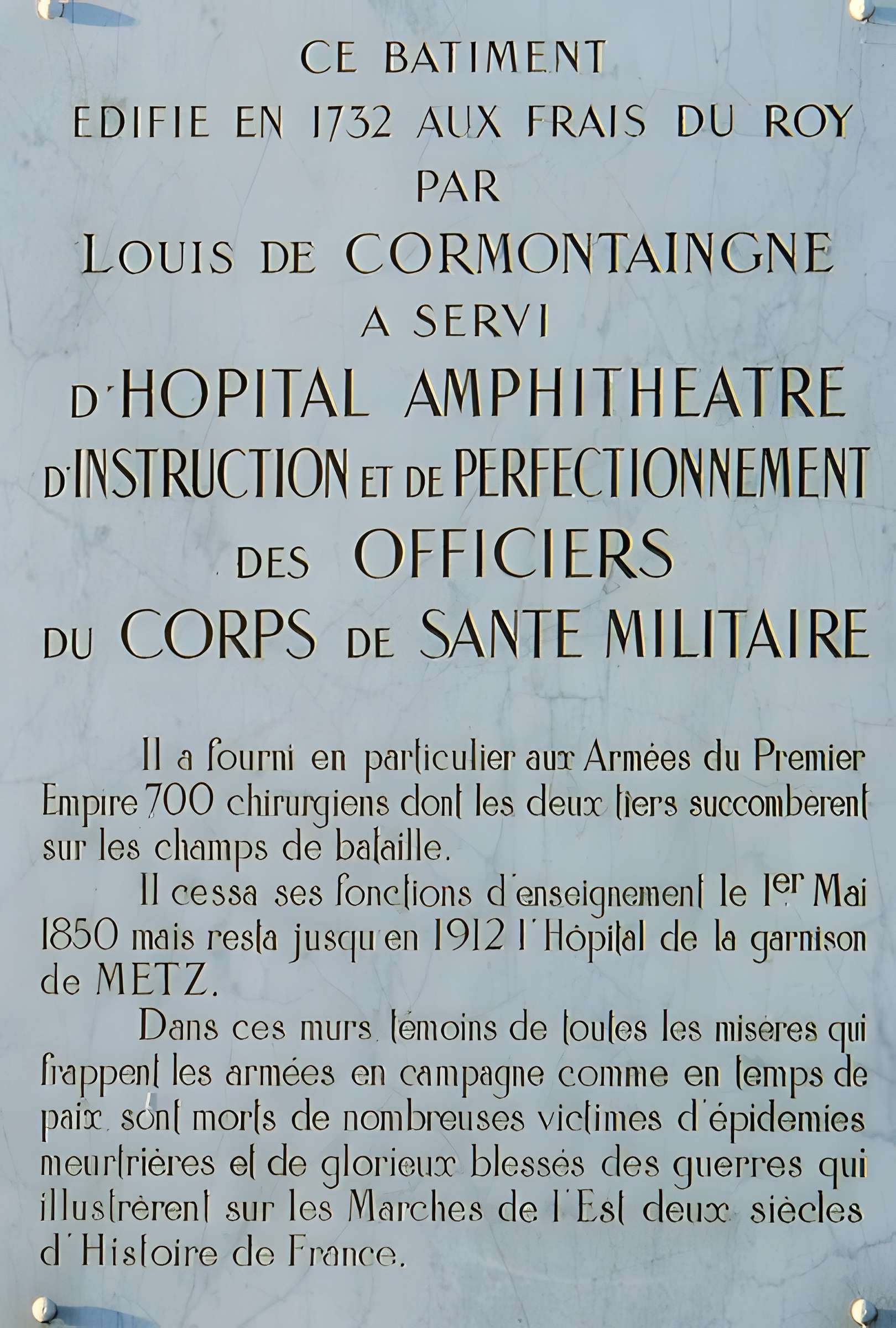
Edited by Louis de Cormontaigne for 2,000 beds.
4 février 1774
Destroyer fire
Destroyer fire 4 février 1774 (≈ 1774)
Immediate reconstruction according to original plans.
1792-1815
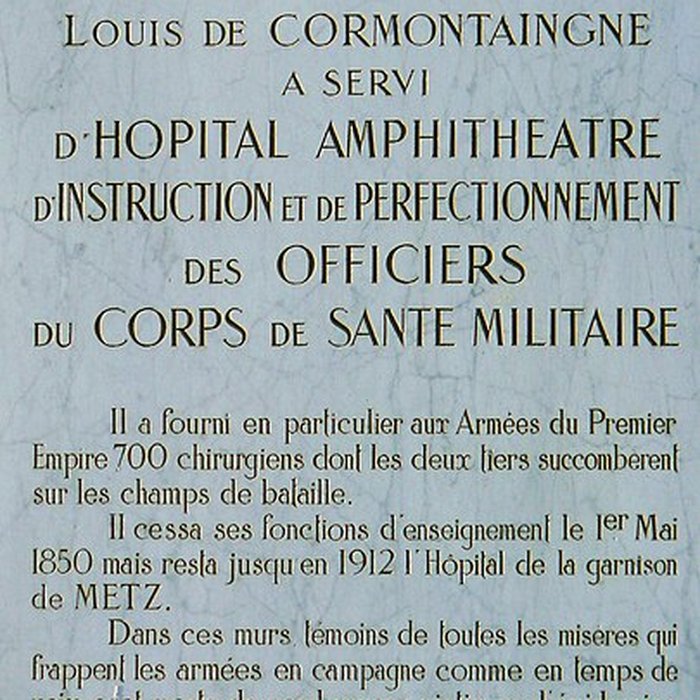
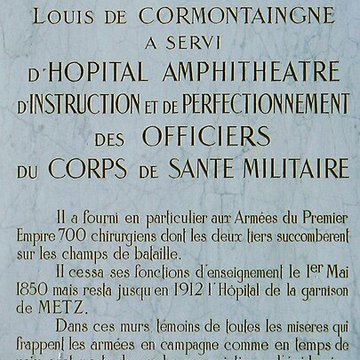
Training of 700 surgeons
Training of 700 surgeons 1792-1815 (≈ 1804)
For Napoleonic armies, high mortality.
1814-1815
Post-Russia health crisis
Post-Russia health crisis 1814-1815 (≈ 1815)
9,046 deaths (typhus) among 31,000 injured.
1er mai 1850
End of education
End of education 1er mai 1850 (≈ 1850)
Becomes garrison hospital until 1912.
17 septembre 1937
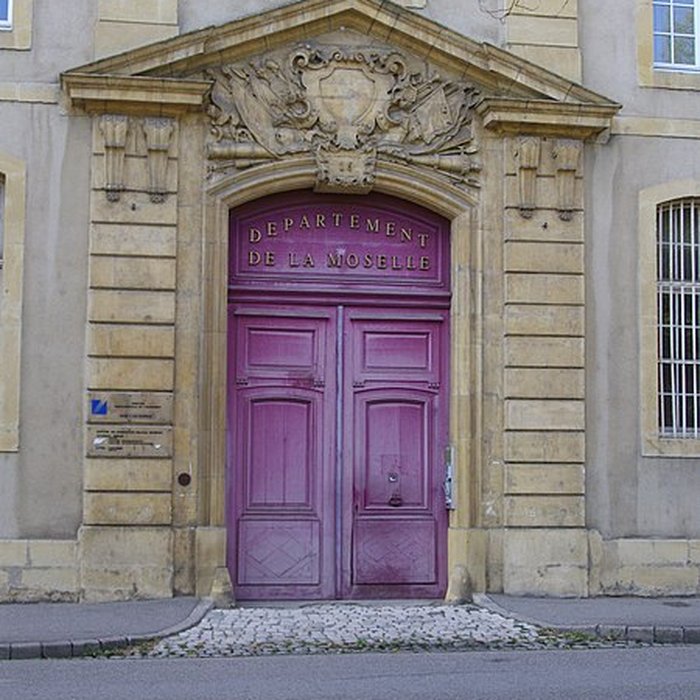
Partial classification
Partial classification 17 septembre 1937 (≈ 1937)
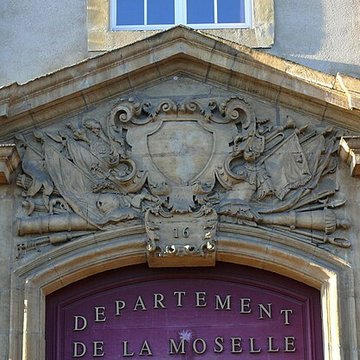
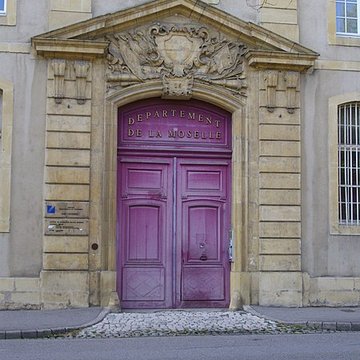
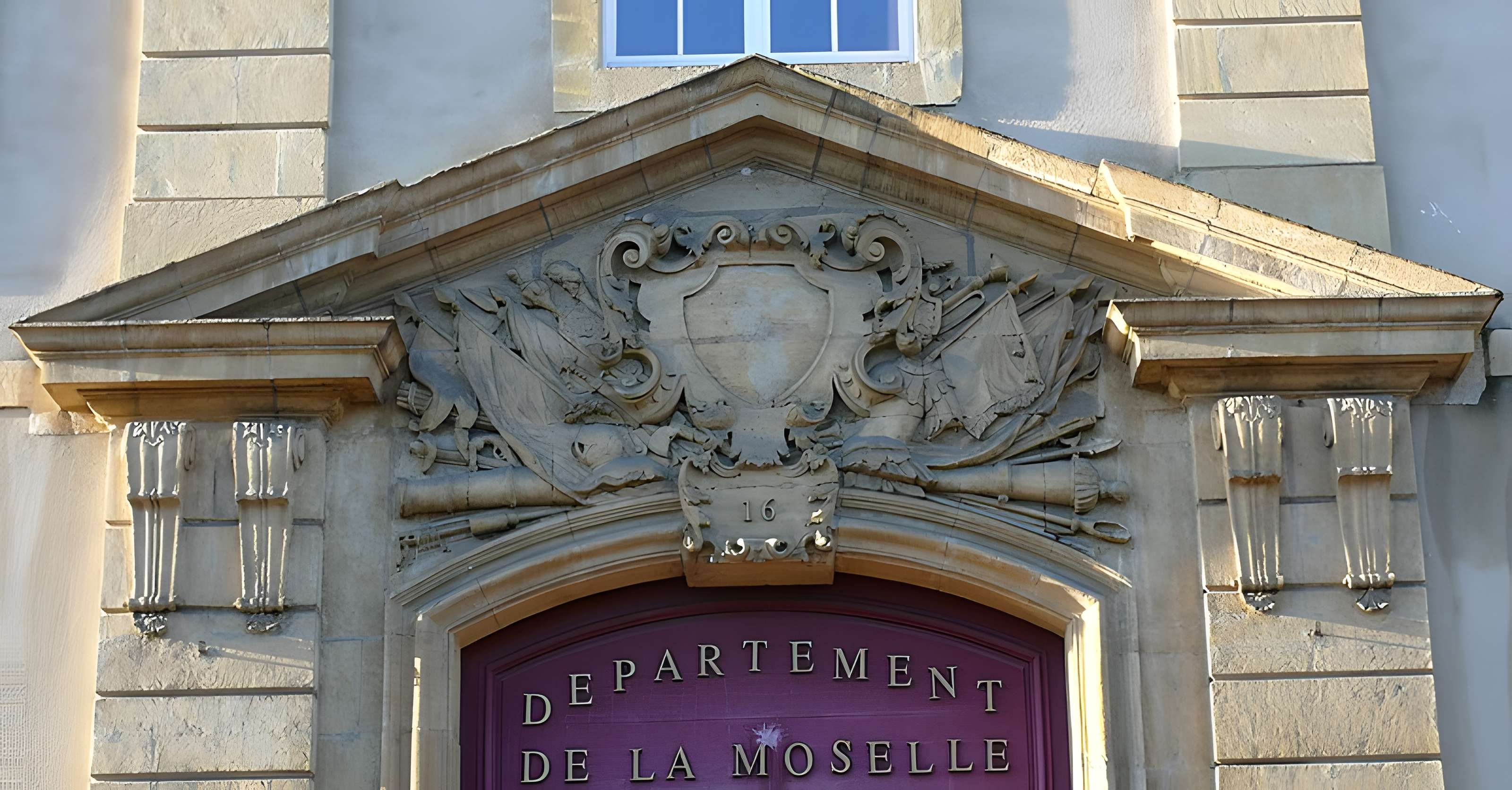
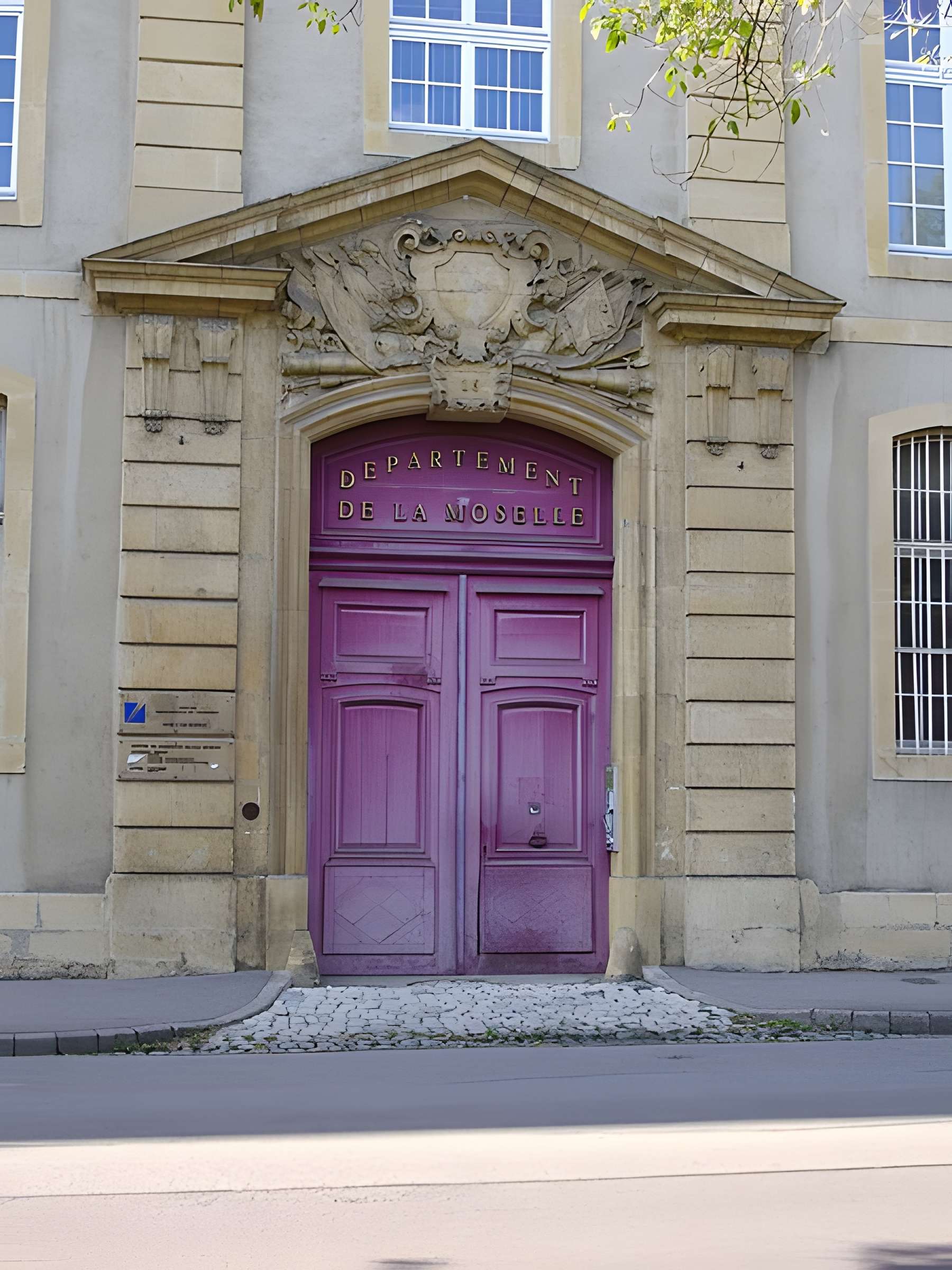
Doors and facades inscribed in historical monuments.
1946
Military decommissioning
Military decommissioning 1946 (≈ 1946)
Transfer to the city of Metz.
Aujourd'hui
Aujourd'hui
Aujourd'hui Aujourd'hui (≈ 2025)
Position de référence.
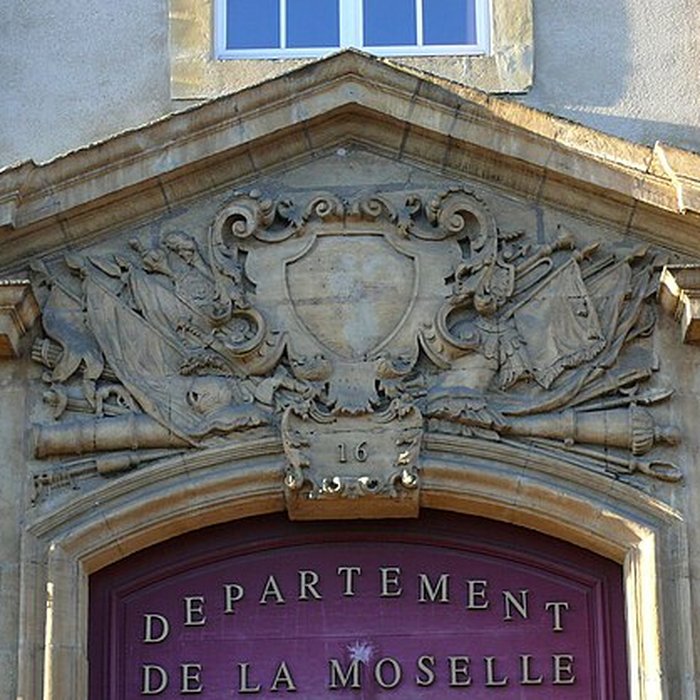
Heritage classified
Door: inscription by order of 17 September 1937
Key figures
Louis XIV - King of France
Sponsor of the Metz fortifications.
Vauban - Military engineer
Assessed the strategic importance of Metz.
Louis de Cormontaigne - Engineer and architect
Manufacturer of hospital and fortifications.
Origin and history
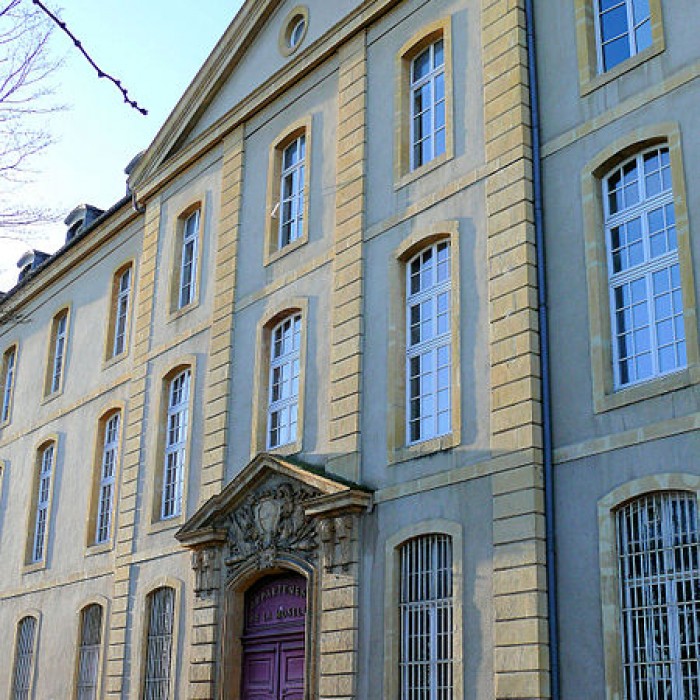
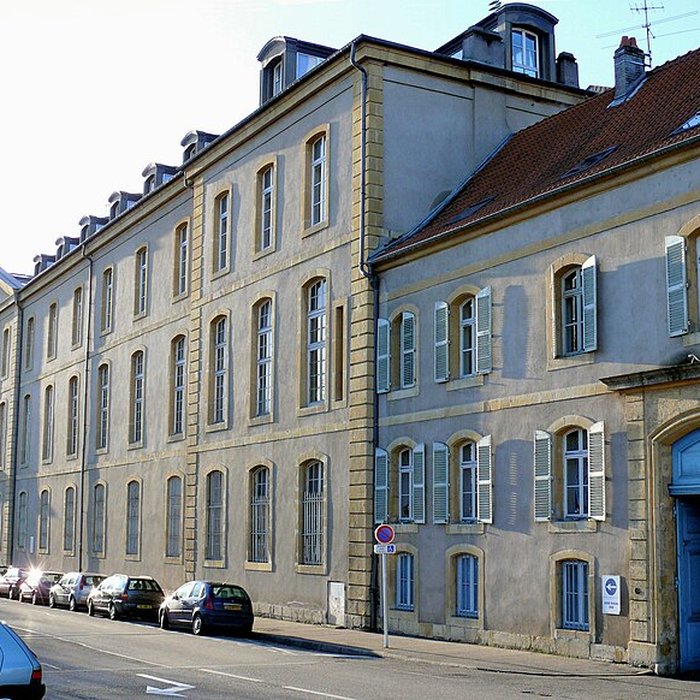
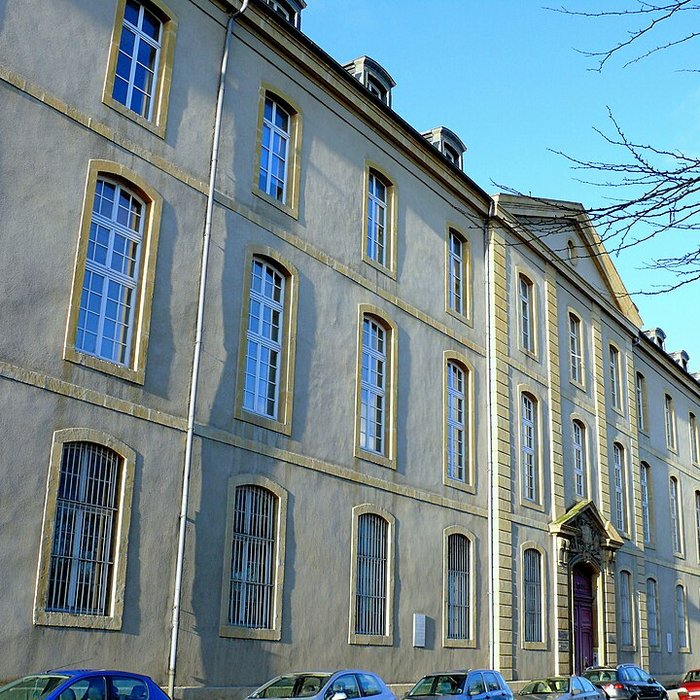
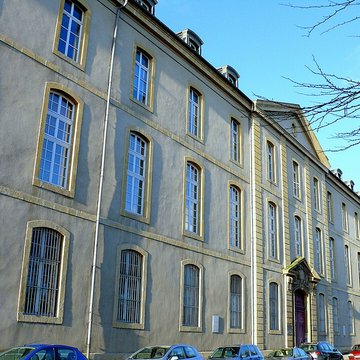
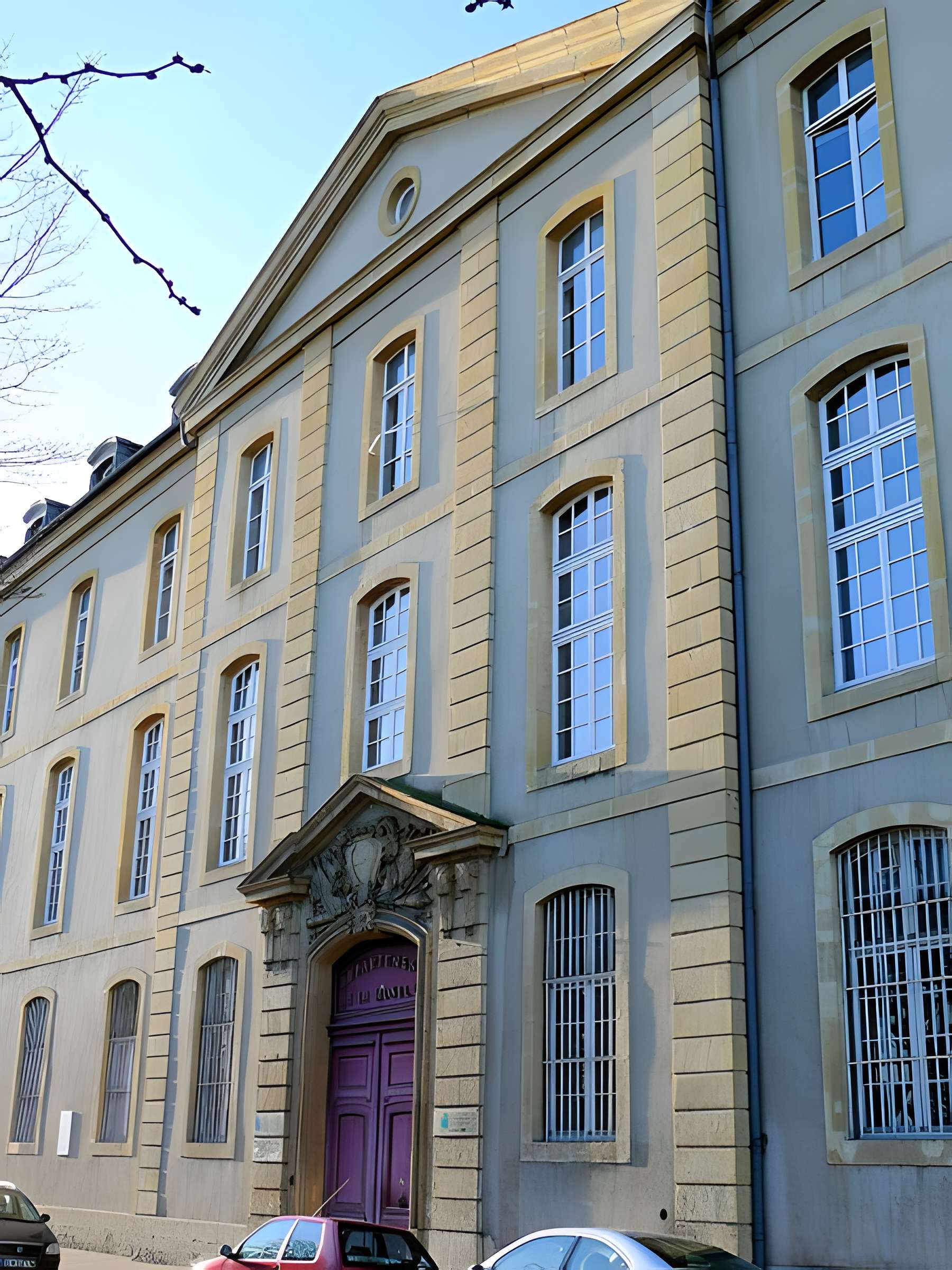
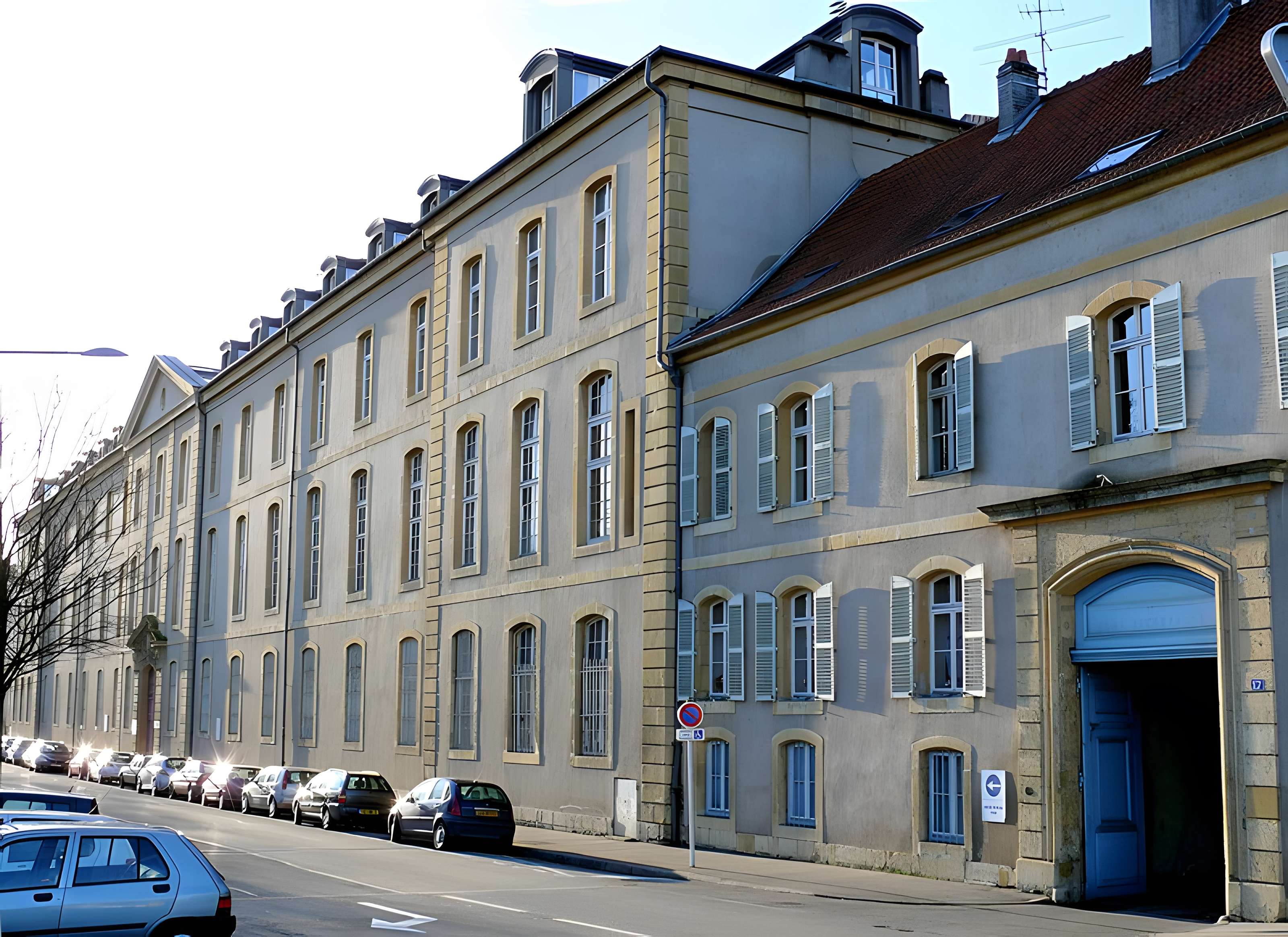
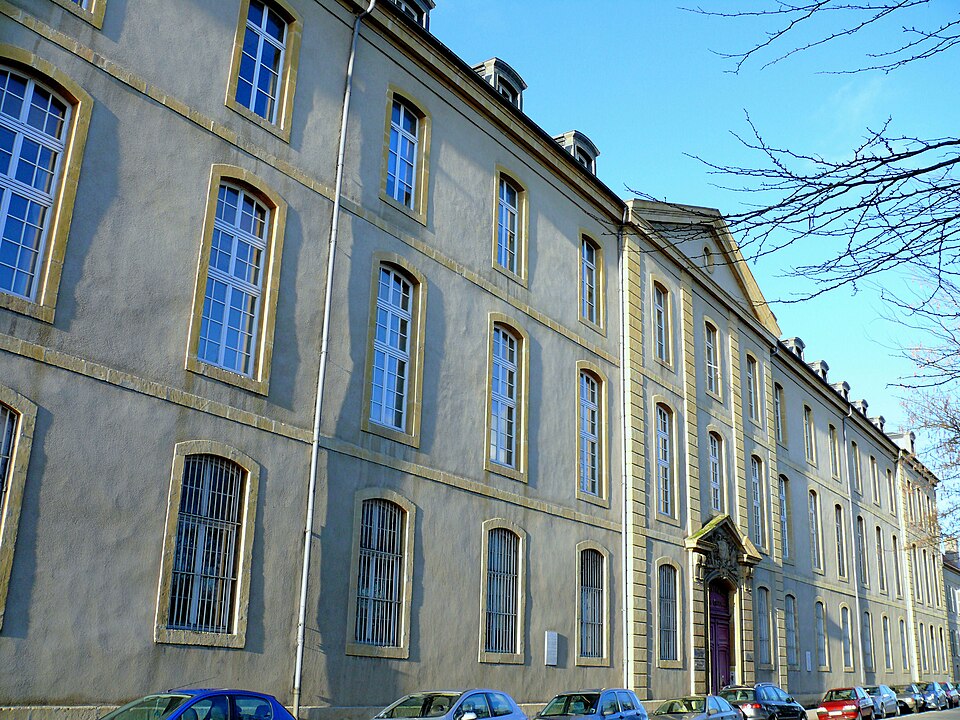
The military hospital at Fort Moselle de Metz, built in 1732-1733 by engineer Louis de Cormontaigne, was part of a large fortification project commissioned to strengthen the stronghold of Metz, deemed essential by Louis XIV. It was provided for 912 beds but was able to accommodate up to 2,000, and served as an amphitheatre hospital to train military health personnel. Its architecture, organised around a quadrilateral with a wooded courtyard, was designed to optimize ventilation thanks to 194 windows.
The establishment played a key role in the training of French military surgeons, alongside hospitals in Lille, Strasbourg and Toulon. Between 1792 and 1815 he trained 700 surgeons for Napoleonic armies, two thirds of whom died in combat. In 1814-1815, after the Russian campaign, he became a dying man with more than 9,000 deaths (military and civilian), mainly typhus, in the face of an influx of 31,000 wounded or ill.
The hospital ceased its teaching activities in 1850 but remained a garrison hospital until 1912, when it was replaced by Legouest Hospital. Damaged by fire in 1774, it was reconstructed identically. Disused in 1946, its buildings were transferred to the city of Metz and now house public services. Its doors and facades, classified as historical monuments since 1937, bear witness to its military and medical history.
Fort Moselle was part of a double crown of fortifications designed by Vauban's disciple Cormontaigne (1728-1749) to protect Metz from invasions. Vauban himself stressed the strategic importance of the city as early as 1675: "The other squares cover the province, Metz covers the state. This defensive network, including the fort of Bellecroix, was designed to secure the fronts of the Seille and the Moselle, strengthening Metz' role as the military hub of the kingdom.
The construction of the hospital was part of a broader modernization of the medieval ramparts, partially demolished in the 18th century to give way to fortified structures adapted to new war techniques. Funded "at the expense of the King", the establishment reflected the monarchy's investment in military health infrastructure, then in full development to meet the needs of the military in the field.







Announcements
Please log in to post a review