Initial construction 2e moitié du XIIIe siècle (≈ 1350)
Presumed period of foundation of the Hôtel-Dieu.
XVe siècle
Major changes
Major changes XVe siècle (≈ 1550)
Attested architectural changes.
3 octobre 1986
Registration MH
Registration MH 3 octobre 1986 (≈ 1986)
Protection for historical monuments.
Aujourd'hui
Aujourd'hui
Aujourd'hui Aujourd'hui (≈ 2025)
Position de référence.
Heritage classified
Manoir or Hôtel-Dieu (old) (cad. AC 282) : inscription by order of 3 October 1986
Key figures
Information non disponible - No character identified
Sources insufficient to assign a role.
Origin and history
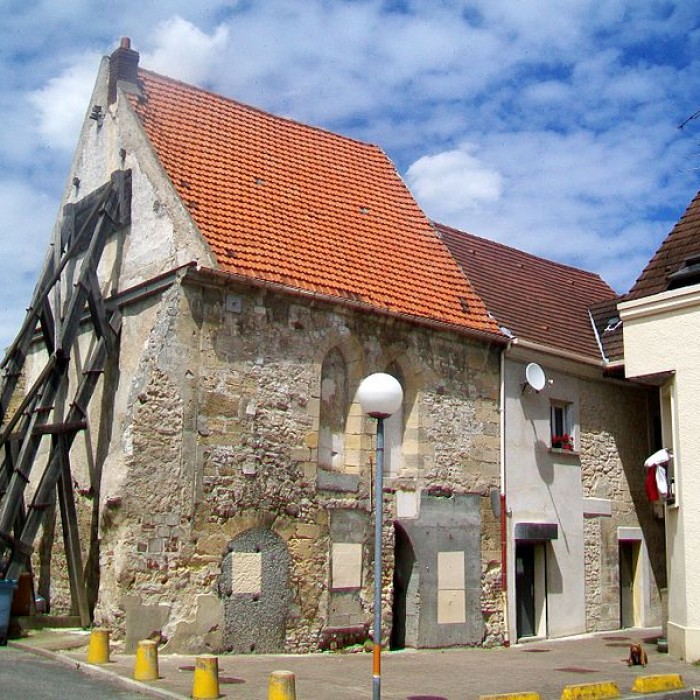
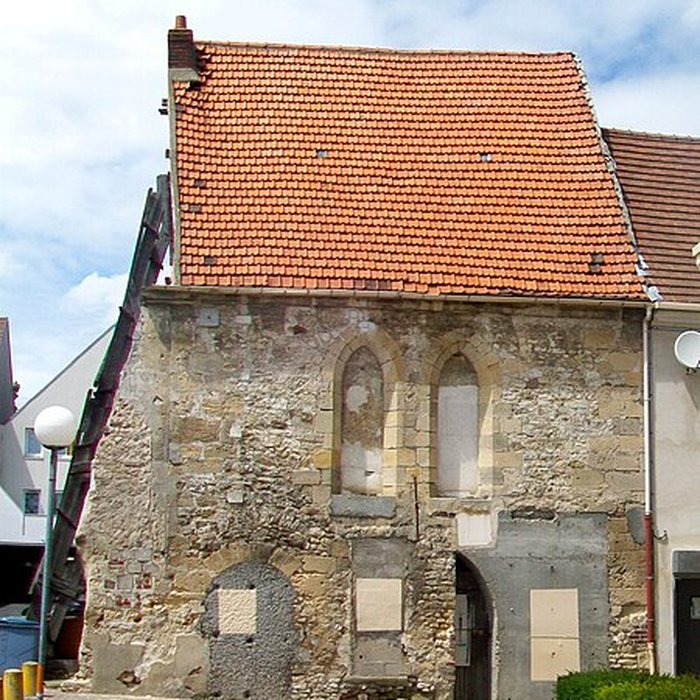
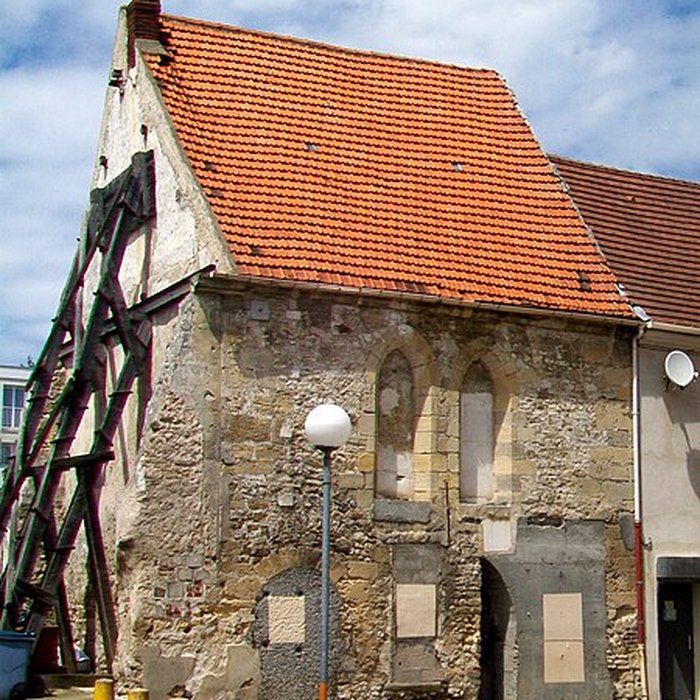
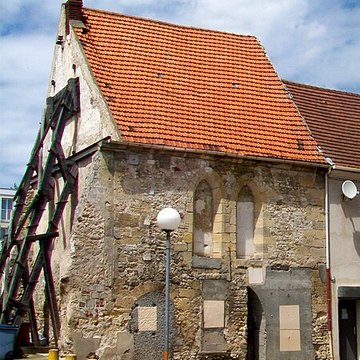
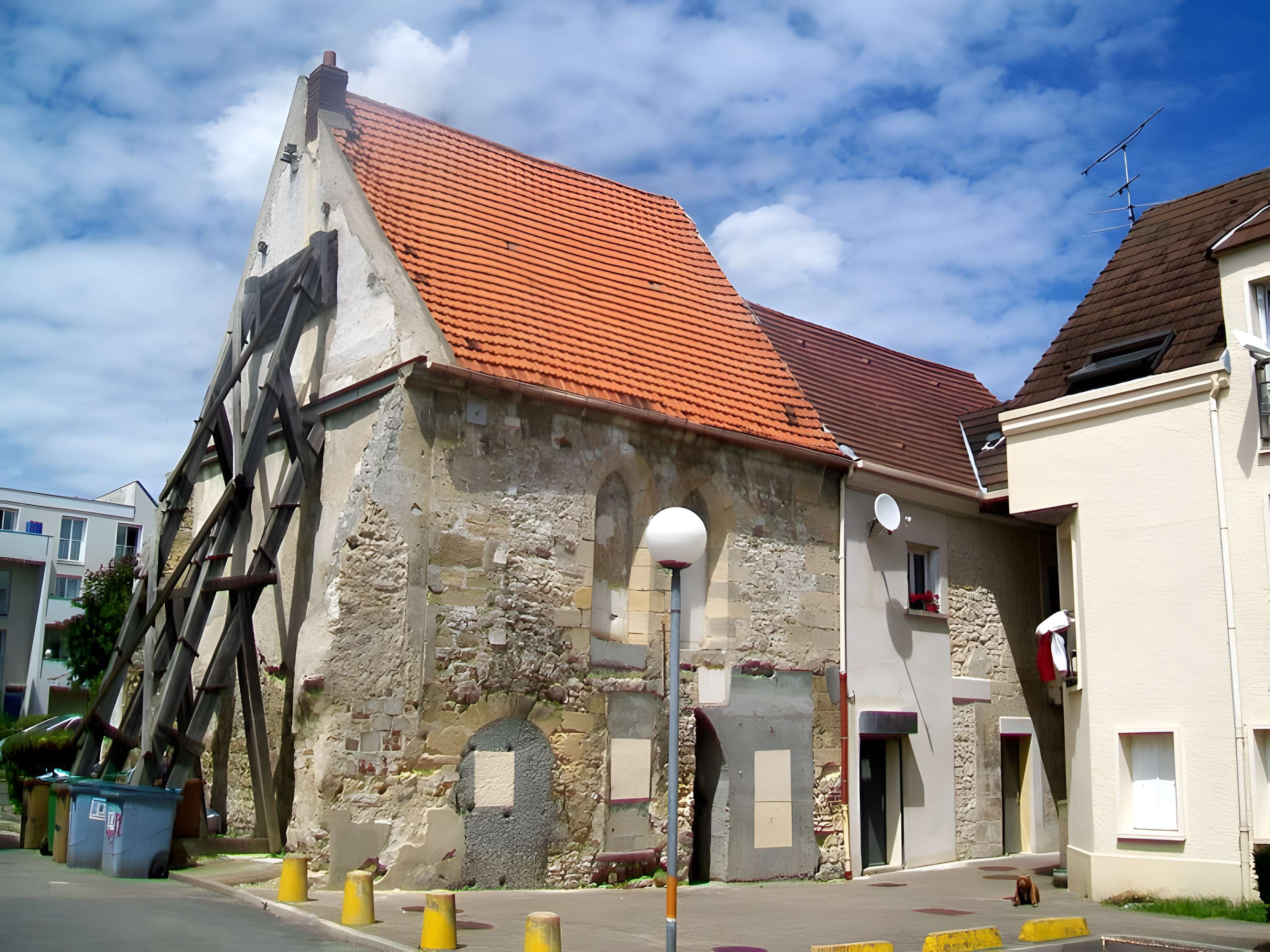
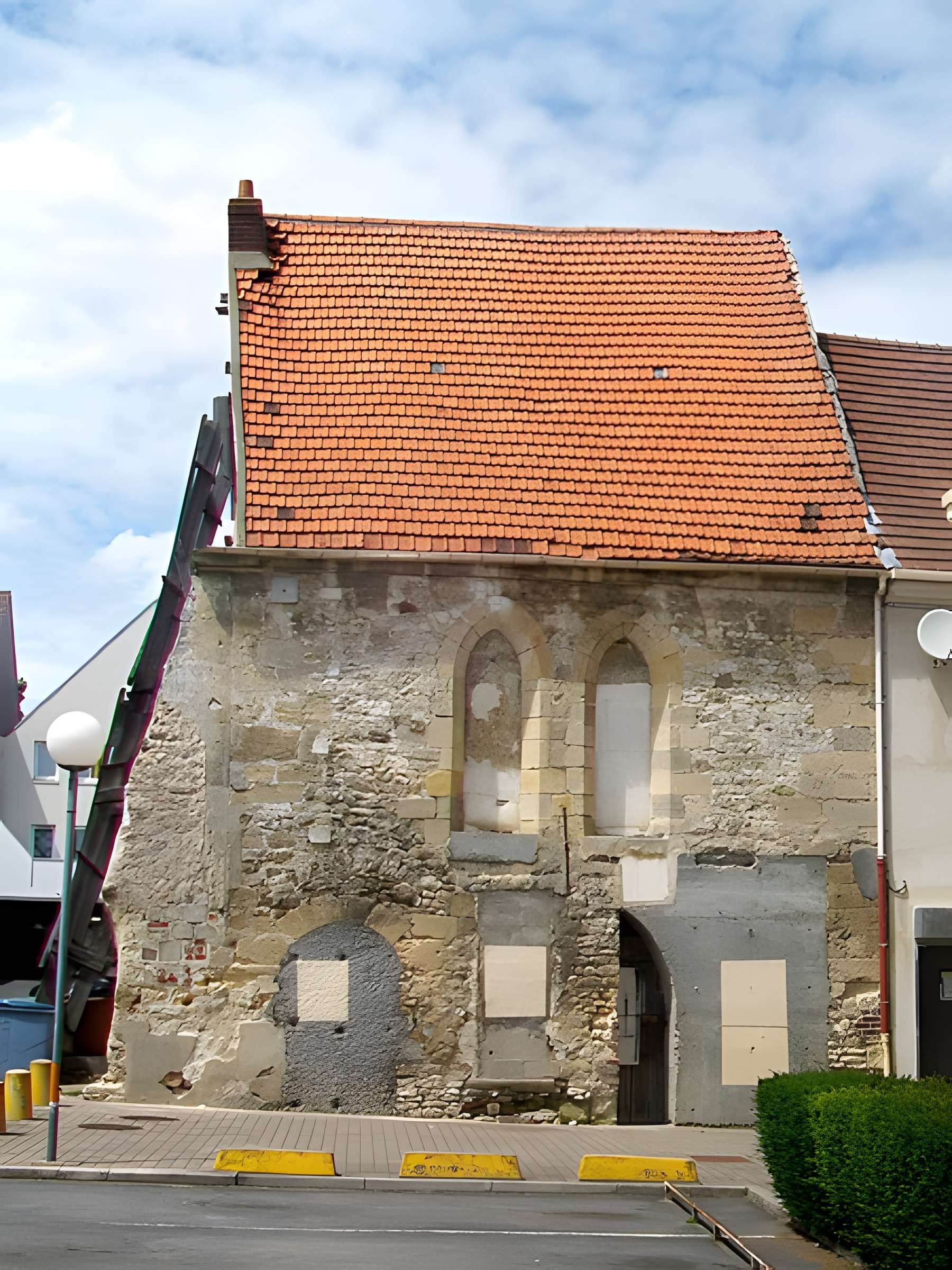
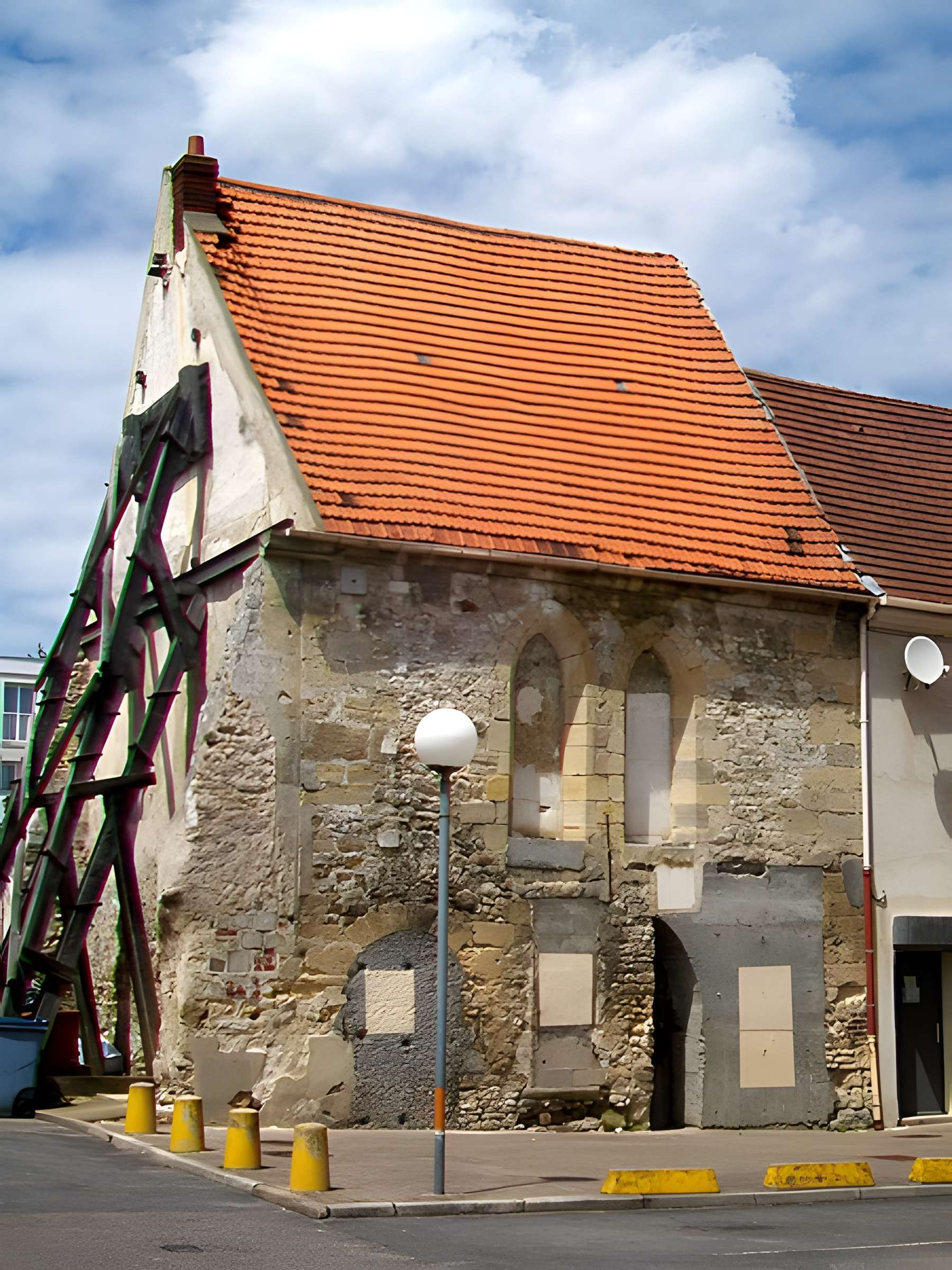
The Hôtel-Dieu de Champagne-sur-Oise is a medieval building dating back to the second half of the 13th century, with significant changes in the 15th century. Ranked as a historical monument, it bears witness to the hospital architecture of this period, although its exact function and evolution remain partially documented. The building, now referred to as a "manor house or Hôtel-Dieu (old)", was registered by order of 3 October 1986, attesting to its heritage value recognized by the authorities.
Located at 26 rue des Martyrs in Champagne-sur-Oise, in Val-d Localization, assessed as "a priori satisfactory" (note 6/10), places the building in an urban context marked by its medieval history. Owned by a regional public institution, its current use (visits, rental, accommodation) is not specified in the available sources, leaving open the question of its accessibility to the public.
Protected elements are limited to the main building, identified under cadastral reference AC 282. No additional information is provided on any interior arrangements, outbuildings or associated movable objects. The sources consulted (Monumentum, Fondation Mérimée) do not mention sponsors, significant events related to its history, or historical characters directly associated with its foundation or past use.
In the wider context of the medieval Île-de-France, the Hôtels-Dieu played a central role in welcoming the poor, the sick and the pilgrims. These institutions, often founded by local lords, bourgeois or religious communities, reflected a social organization where Christian charity structured a part of collective life. In Champagne-sur-Oise, as elsewhere, such an establishment could also be used as a burial place or as a relief distribution, although the local archives did not allow its exact functions to be clarified.
The lack of architectural or iconographic details in the sources limits the understanding of its stylistic specificities. However, its dual construction period (11th-15th centuries) suggests an adaptation to the changing needs of the community, possibly linked to epidemics, conflicts or demographic changes. The Hôtels-Dieu of that time were usually organized around a chapel, dormitories and common rooms, but no plan or description confirms this arrangement for the Champagne-sur-Oise site.
Today, the Hôtel-Dieu de Champagne-sur-Oise embodies an unknown heritage but representative of medieval hospital infrastructures in rural France. Its designation as a historical monument in 1986 underlines the importance of its preservation, even though its present state and its methods of valorisation remain poorly documented. Available photographs (under Creative Commons license) and geo-localized data provide leads for future research or development projects.








Announcements
Please log in to post a review