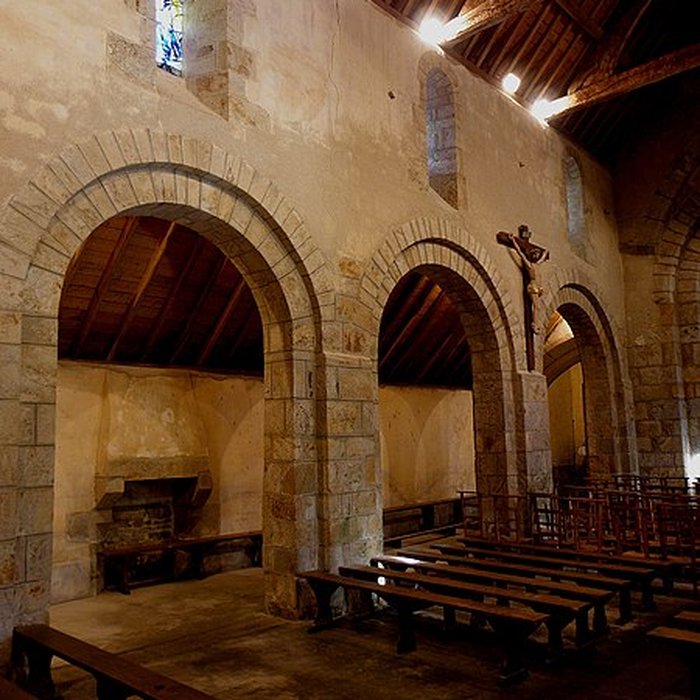
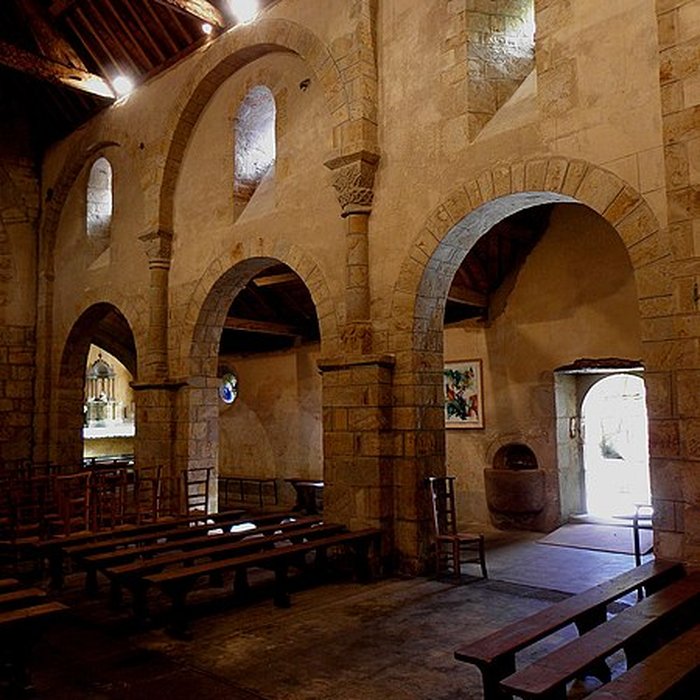
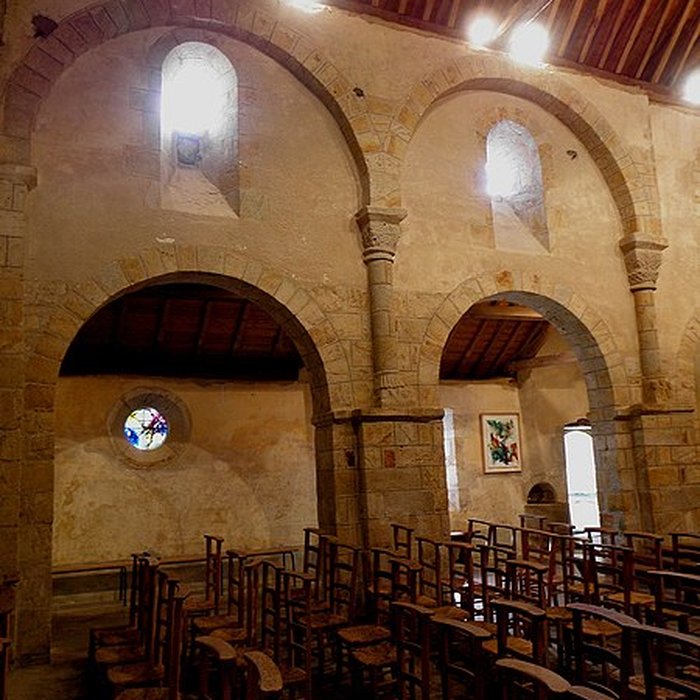
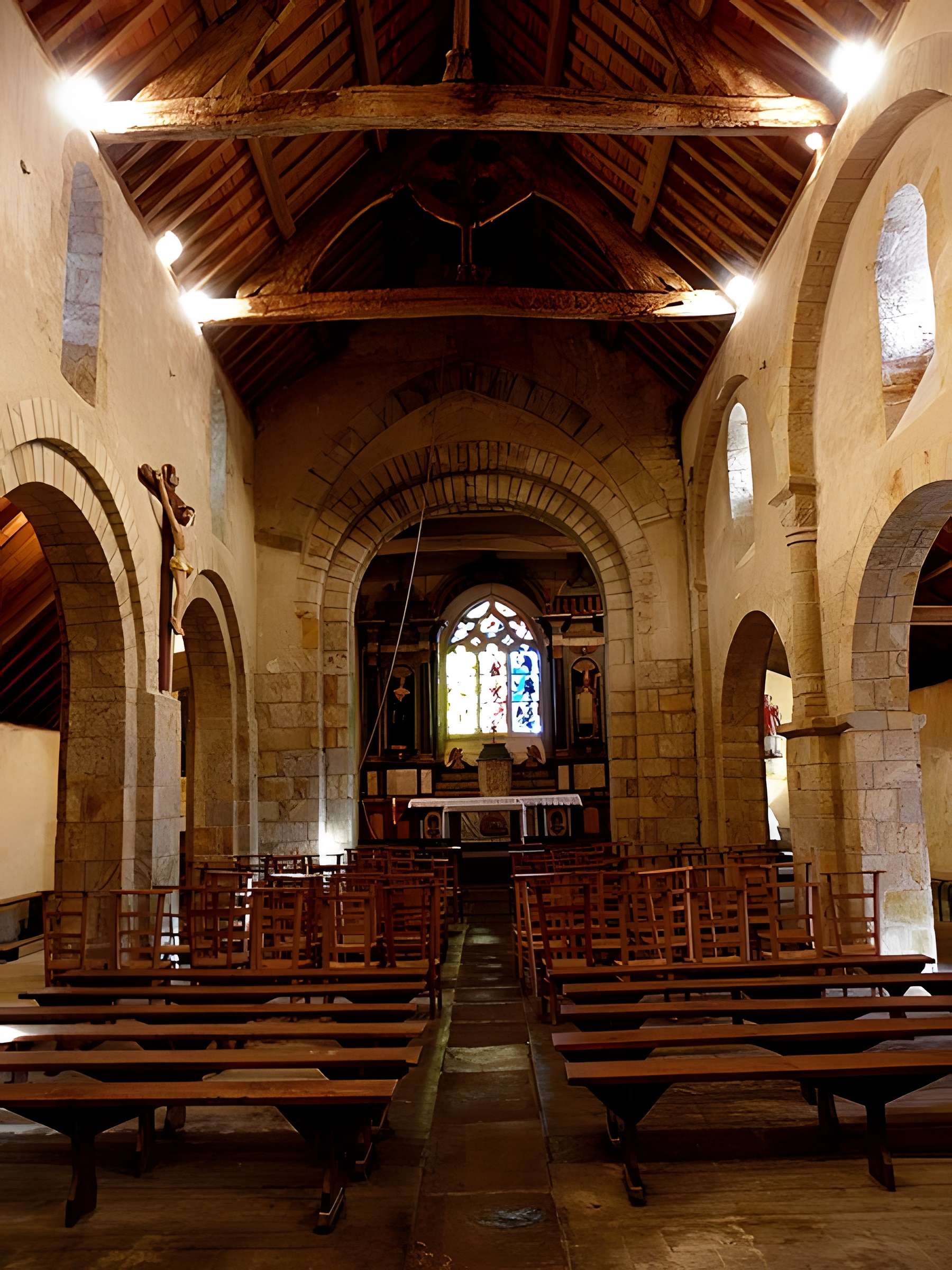
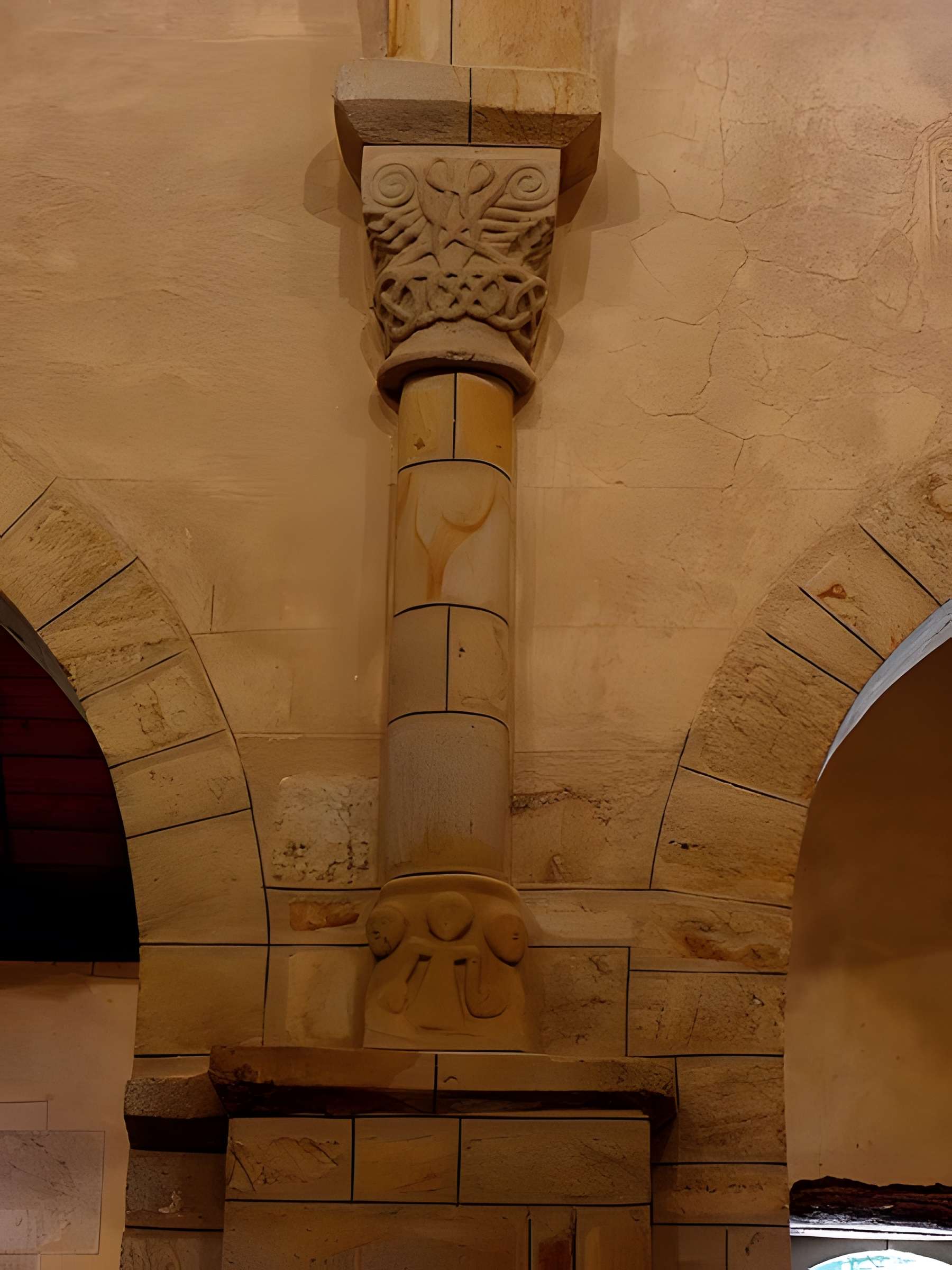
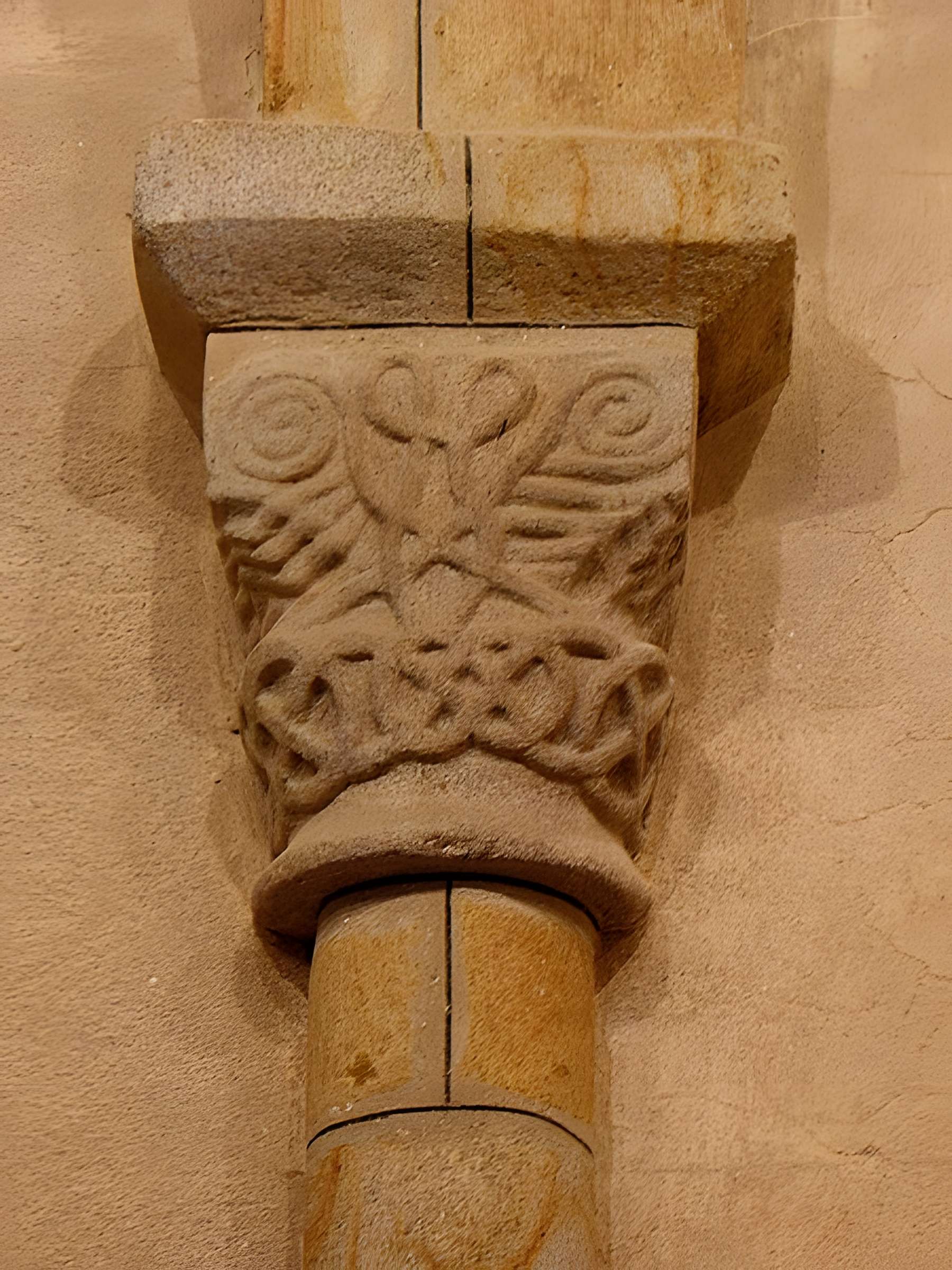
Construction of the Romanesque nave fin XIIe siècle (≈ 1295)
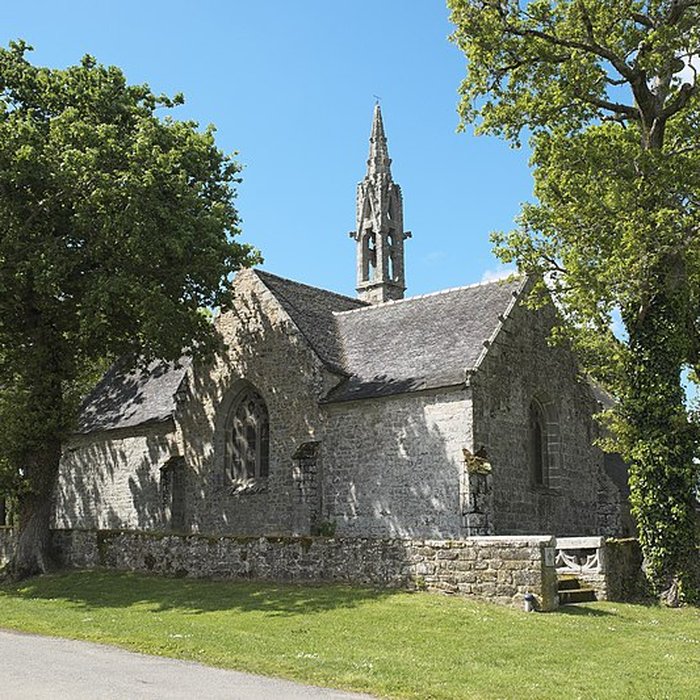
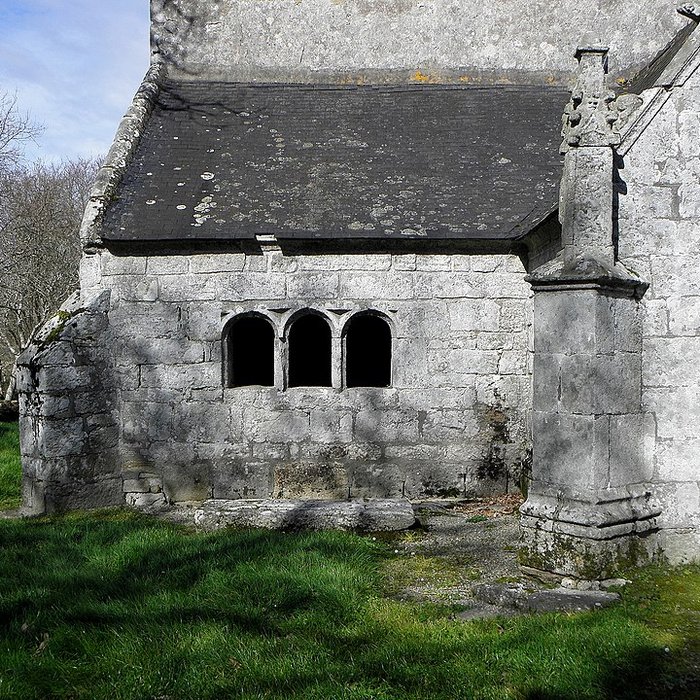
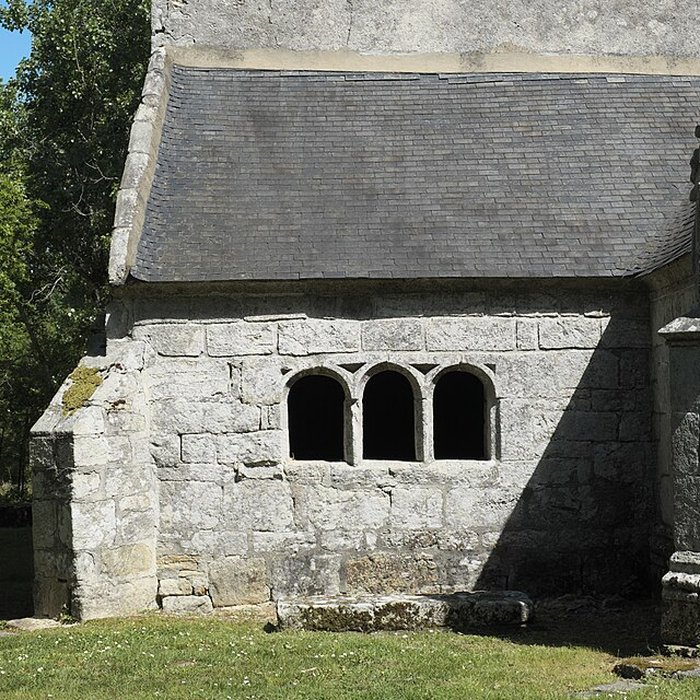
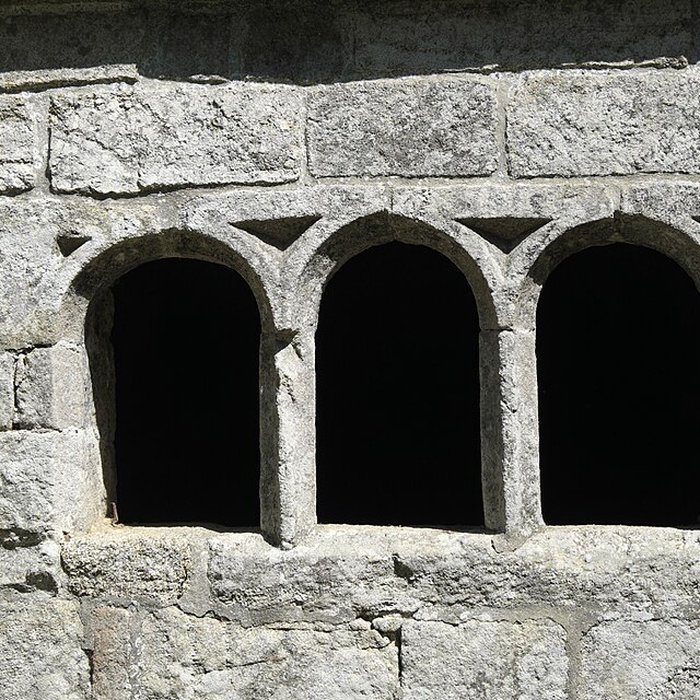
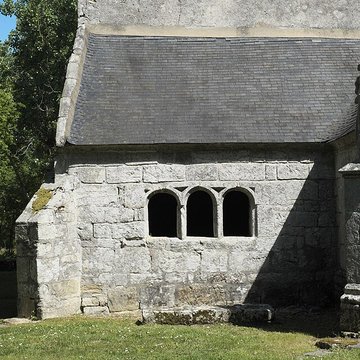
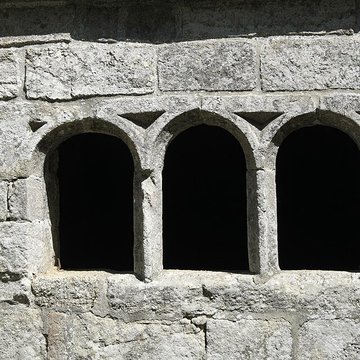
Origin of Romanesque style on the north side.
1595
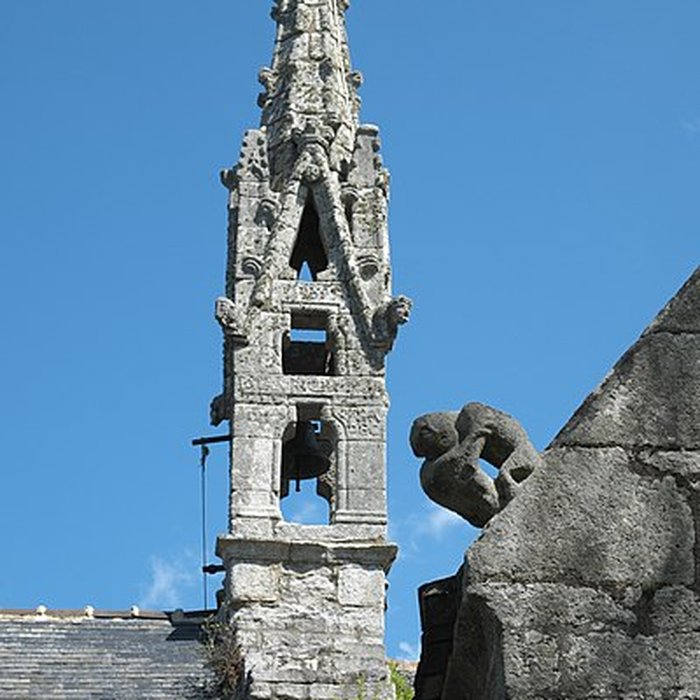
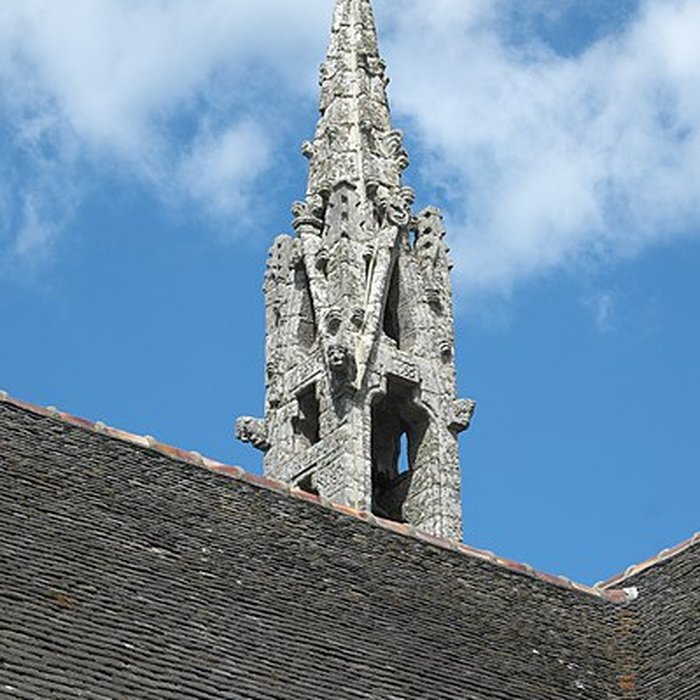
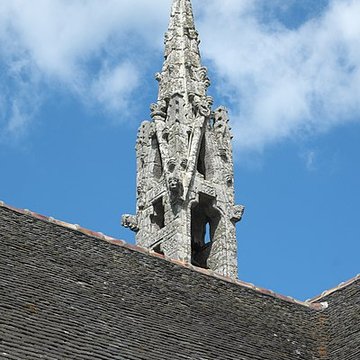
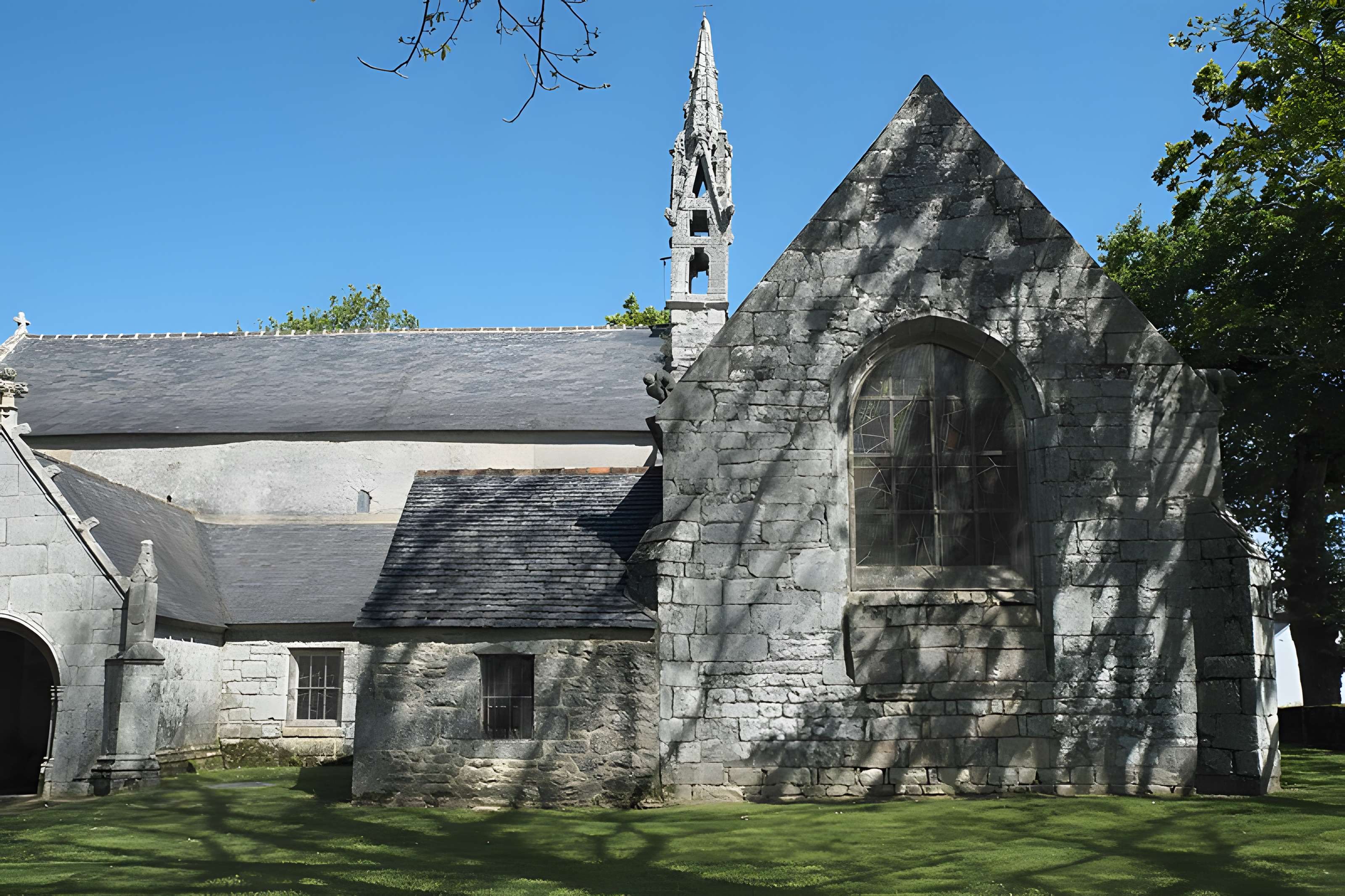
Date engraved on the campanile
Date engraved on the campanile 1595 (≈ 1595)
Inscriptions by Jan Christien and Caradec.
4e quart XVIe siècle
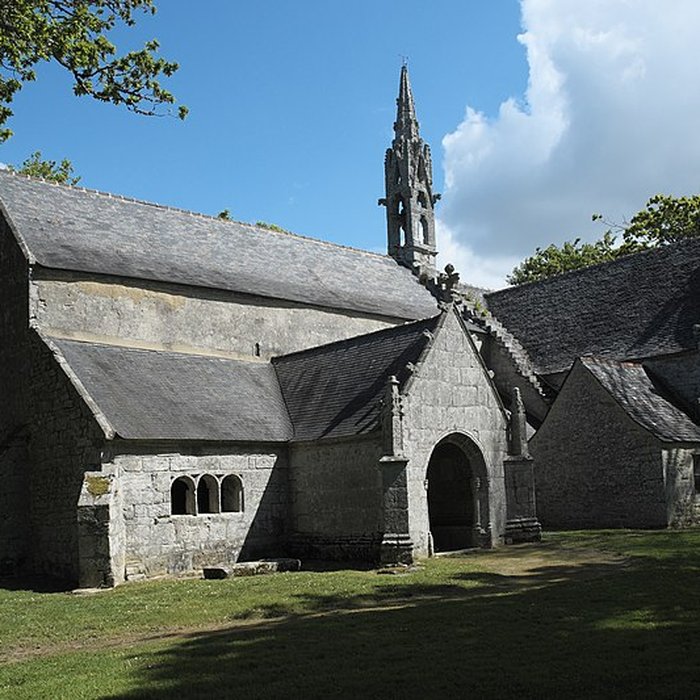
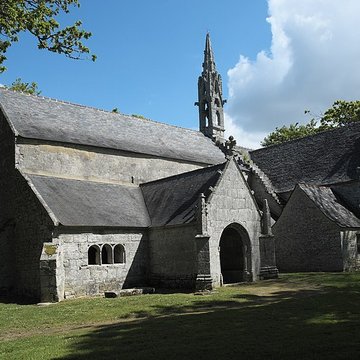
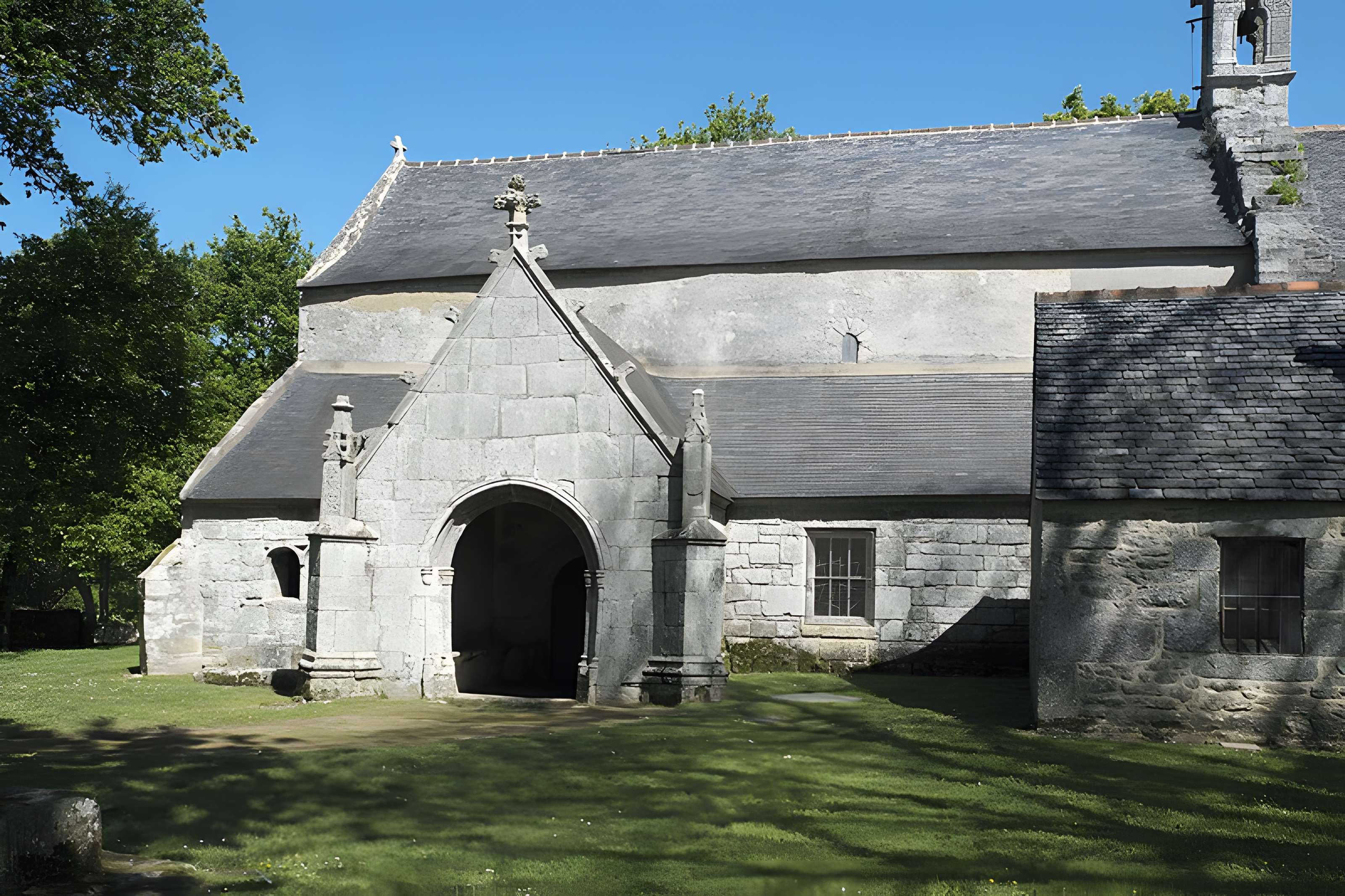
Added transept and porch
Added transept and porch 4e quart XVIe siècle (≈ 1687)
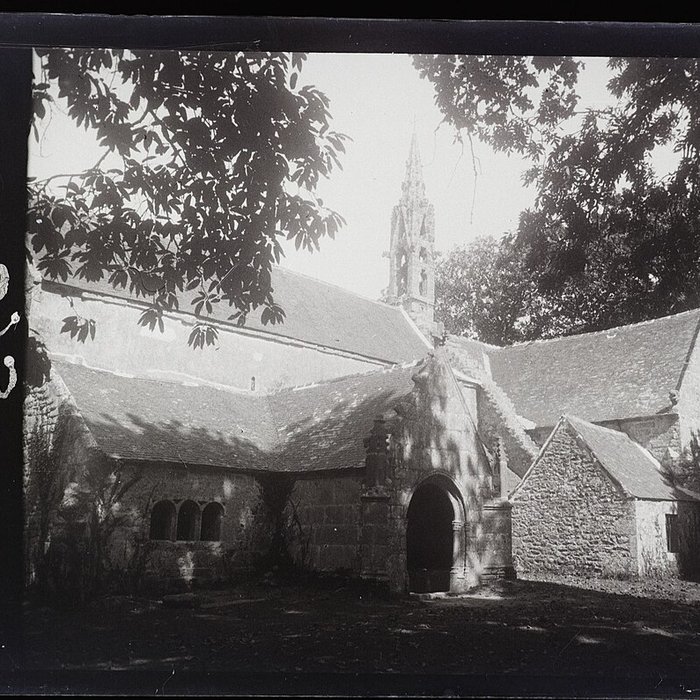
Southern modification, Renaissance style.
18 avril 1916
Historical monument classification
Historical monument classification 18 avril 1916 (≈ 1916)
Official protection of the chapel.
Aujourd'hui
Aujourd'hui
Aujourd'hui Aujourd'hui (≈ 2025)
Position de référence.
Heritage classified
Chapelle de Perguet (cad. C 336) : classification by decree of 18 April 1916
Key figures
Jan Christien - Prior of Daoulas
Mentioned on the campanile in 1595.
Caradec - Curé de Bénodet
Name engraved on the campanile.
Origin and history
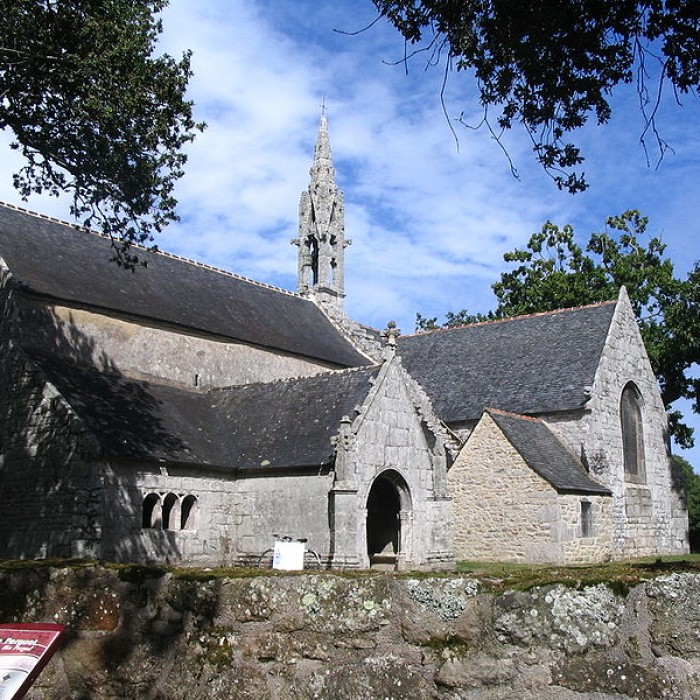
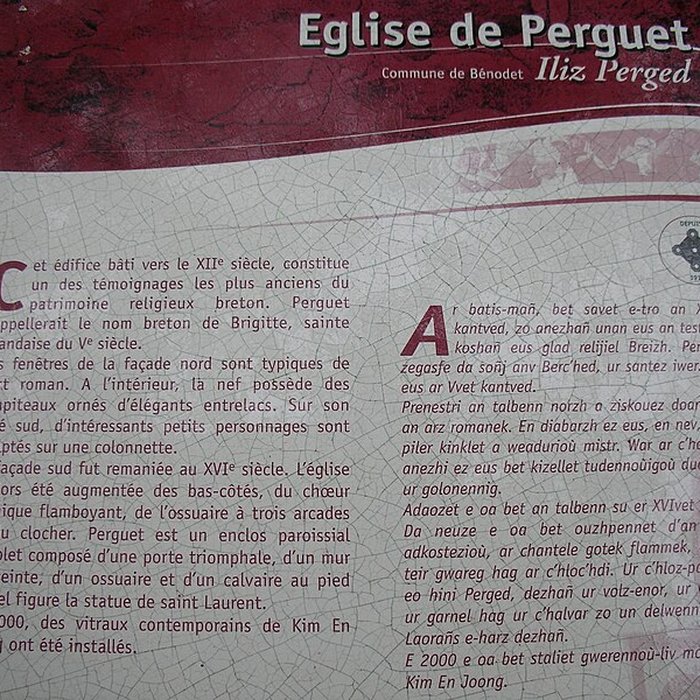
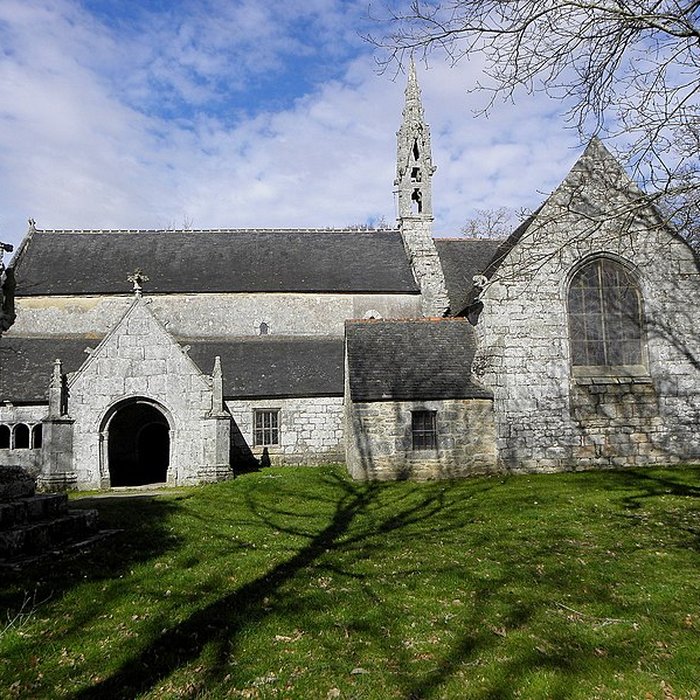
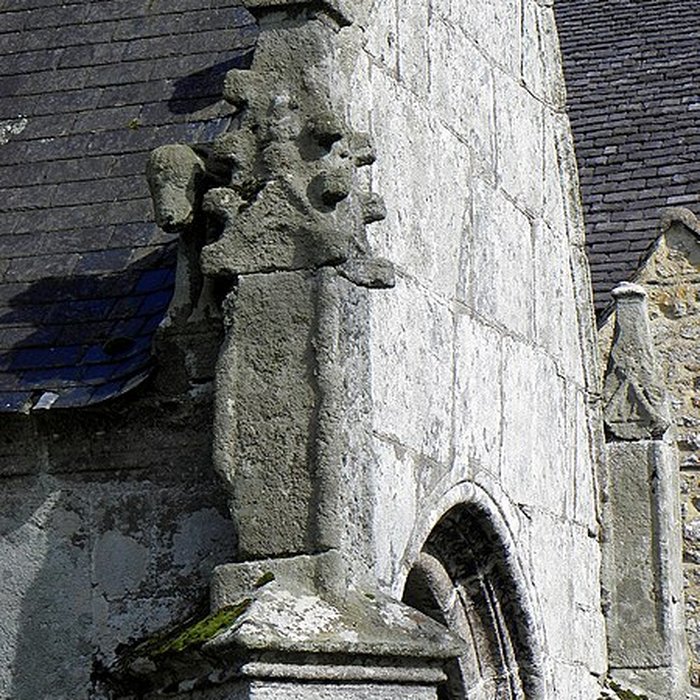
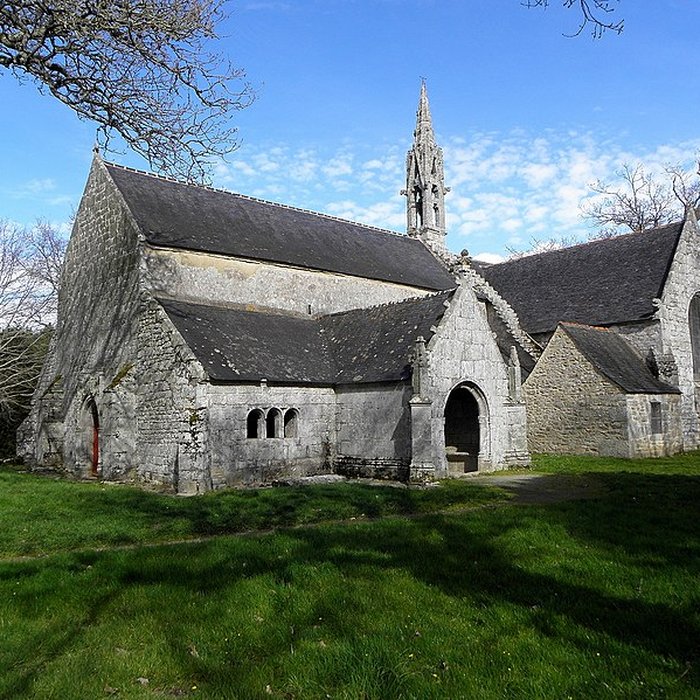
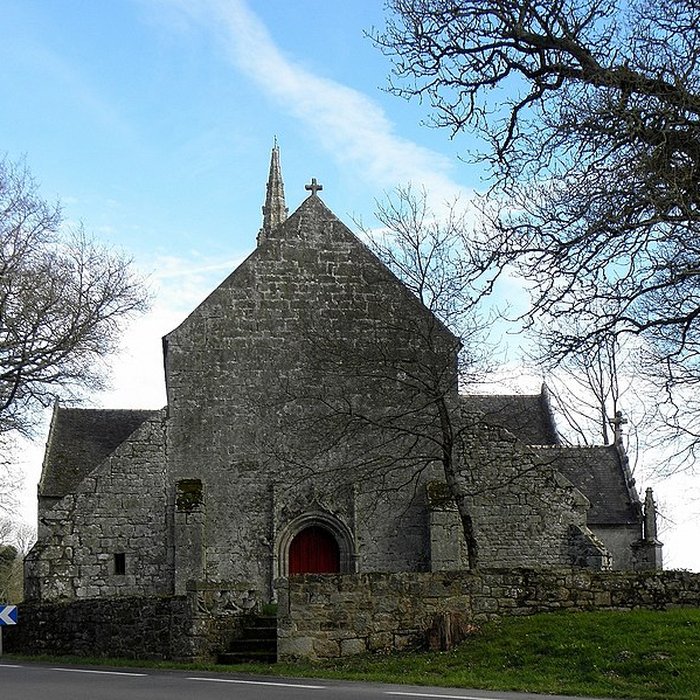
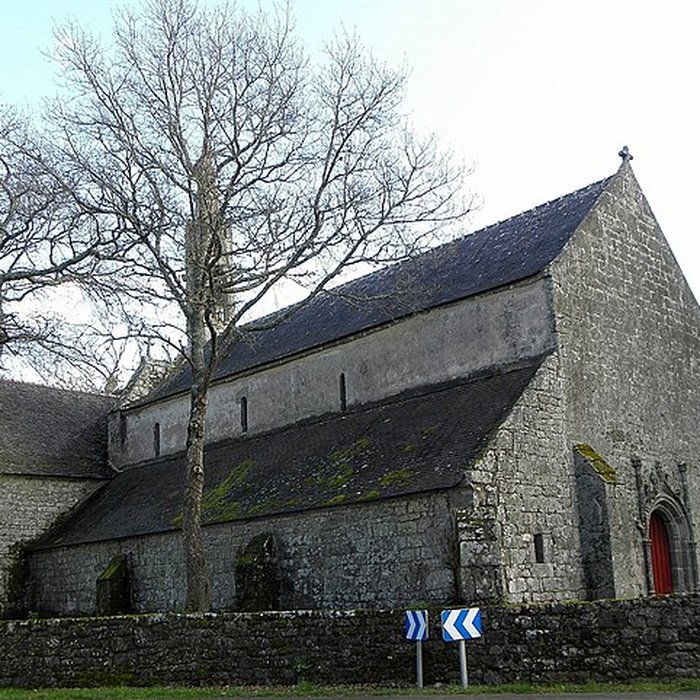
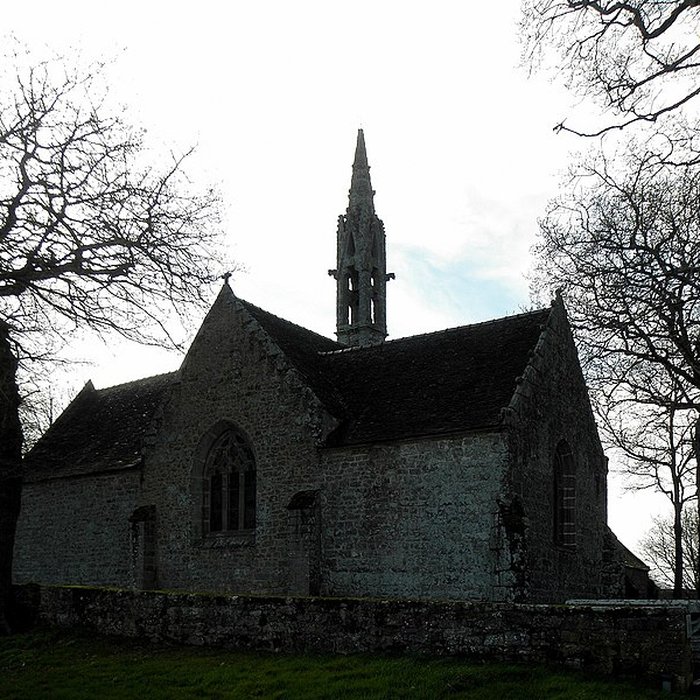
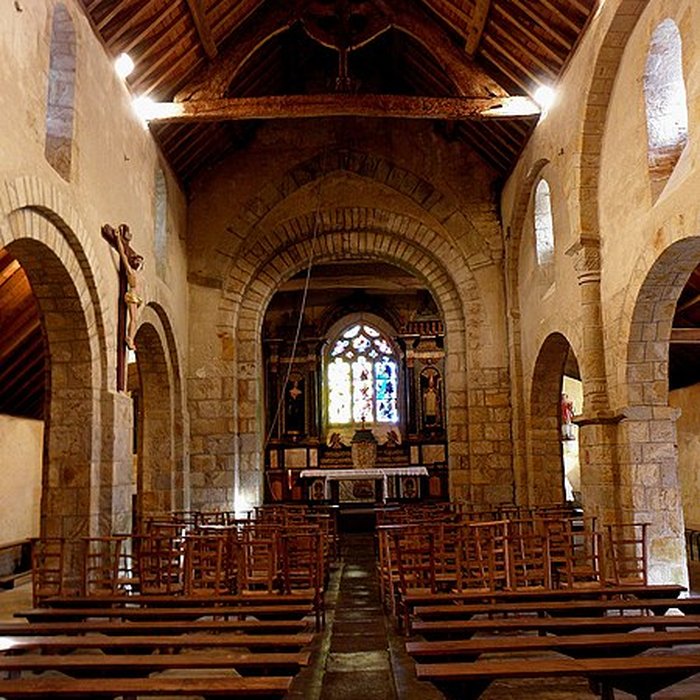
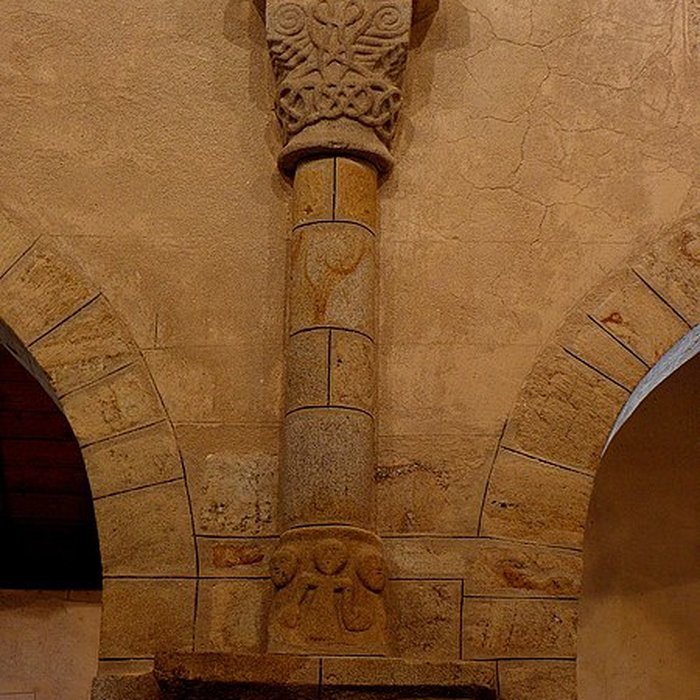
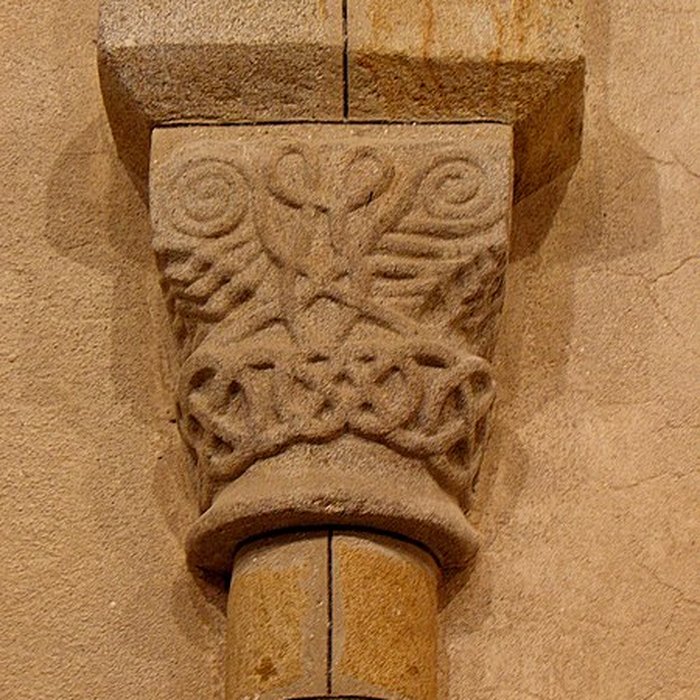
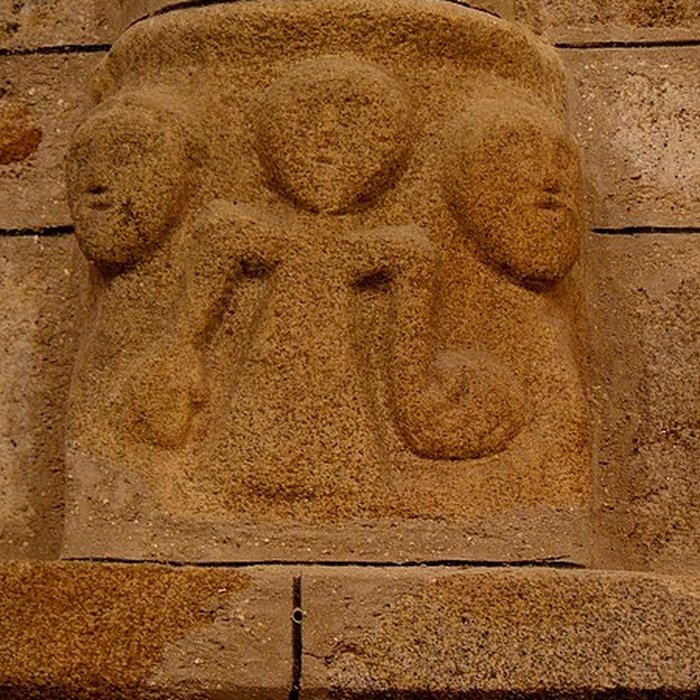
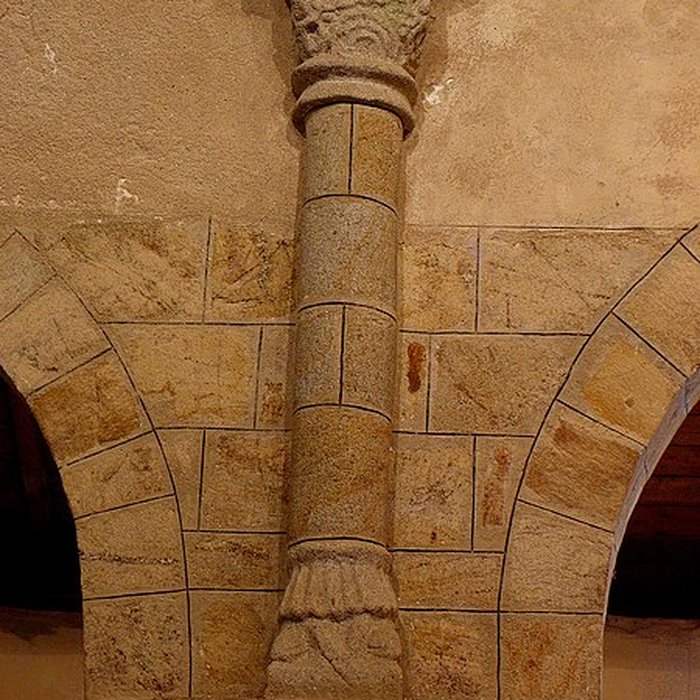
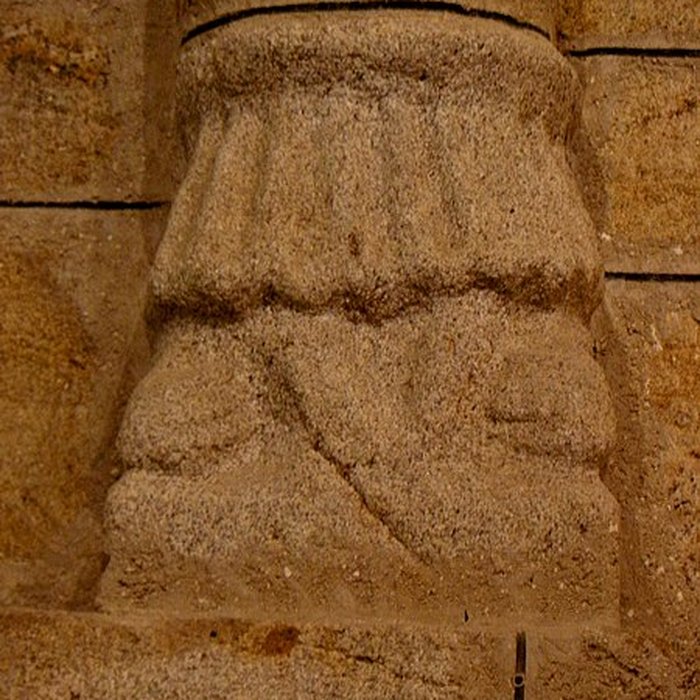
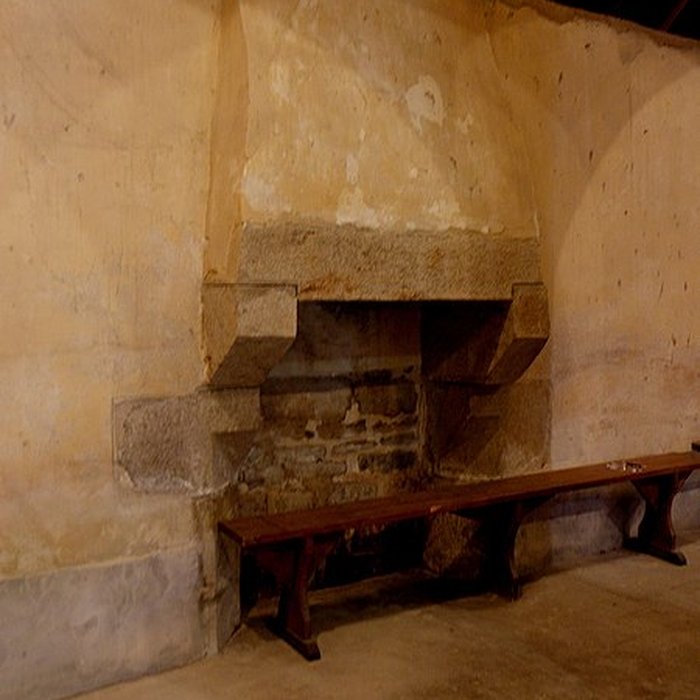
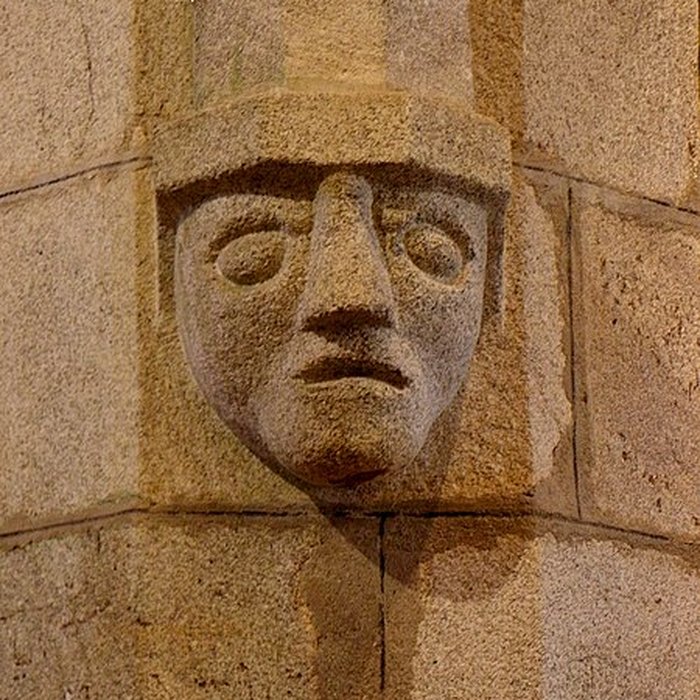
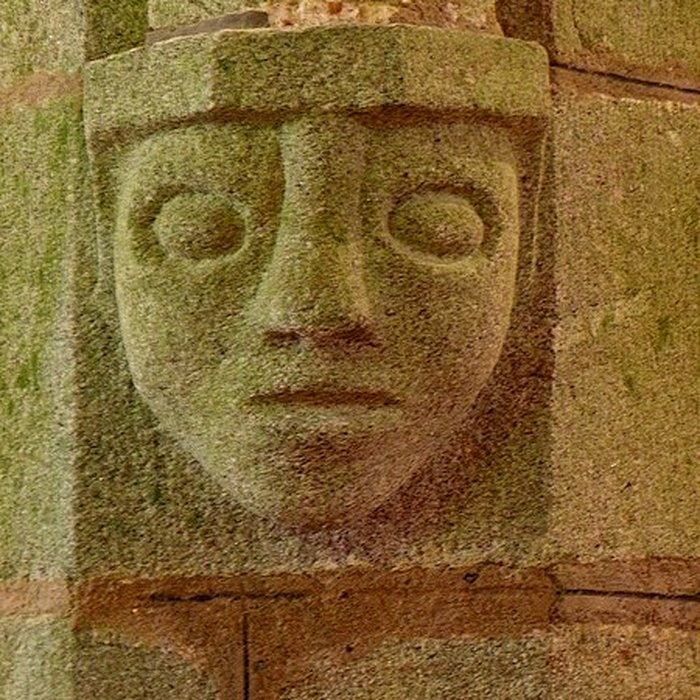
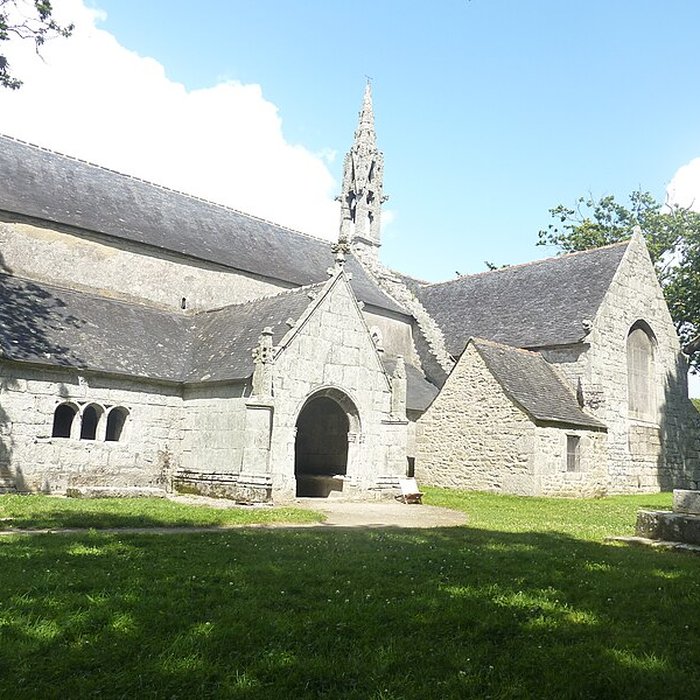
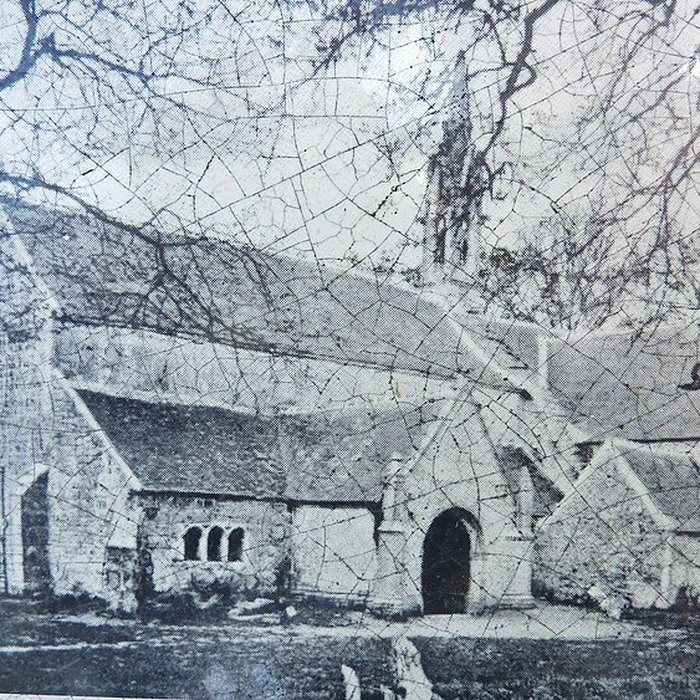
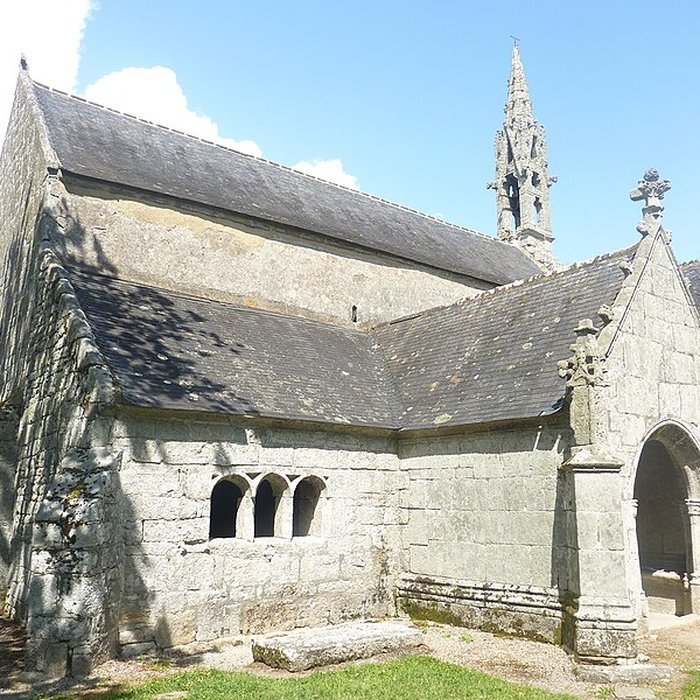
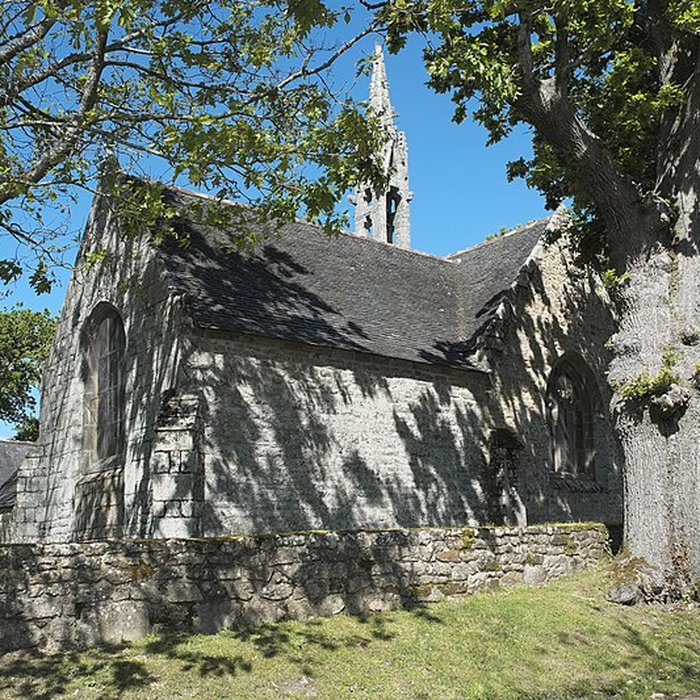
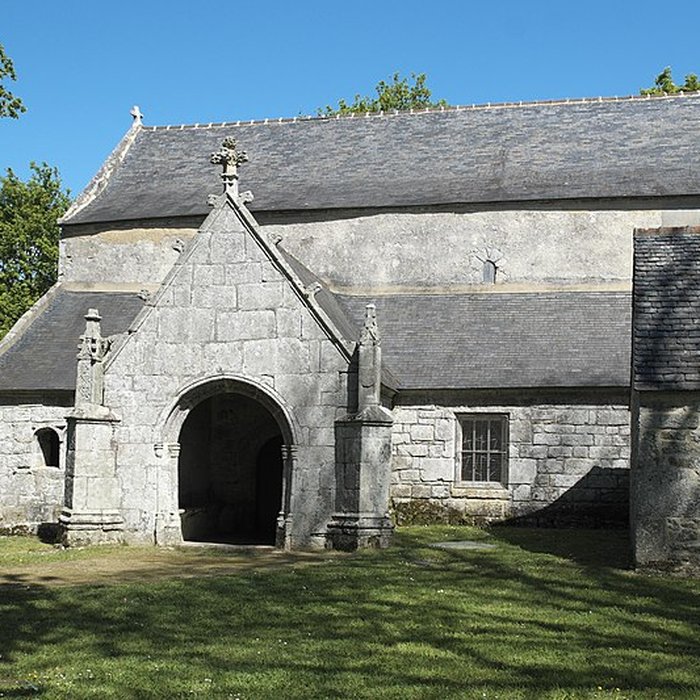
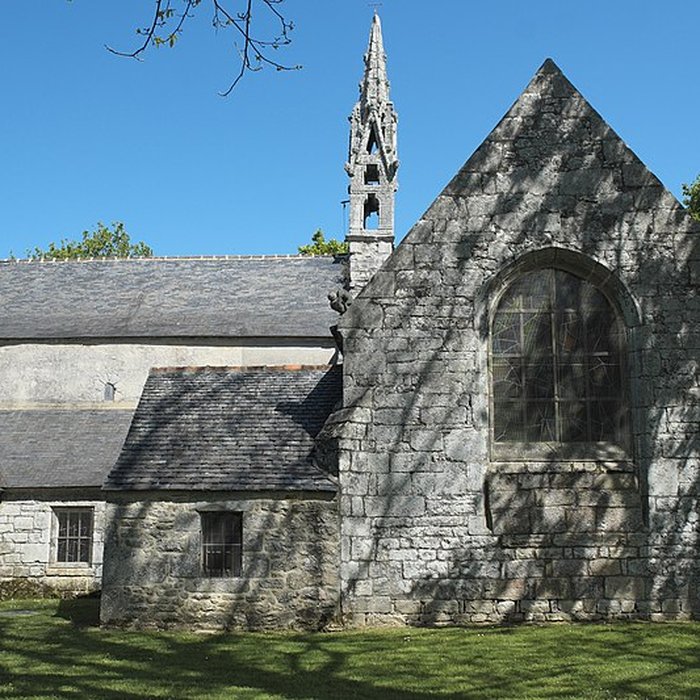
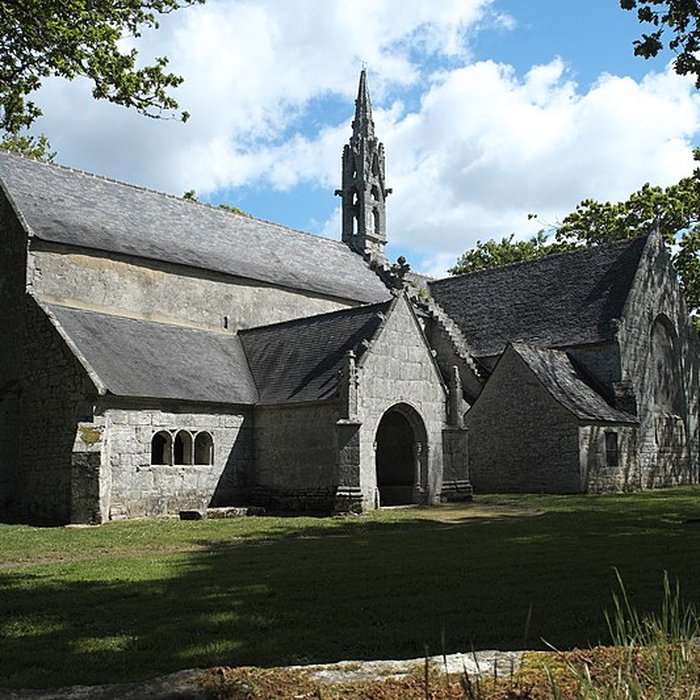
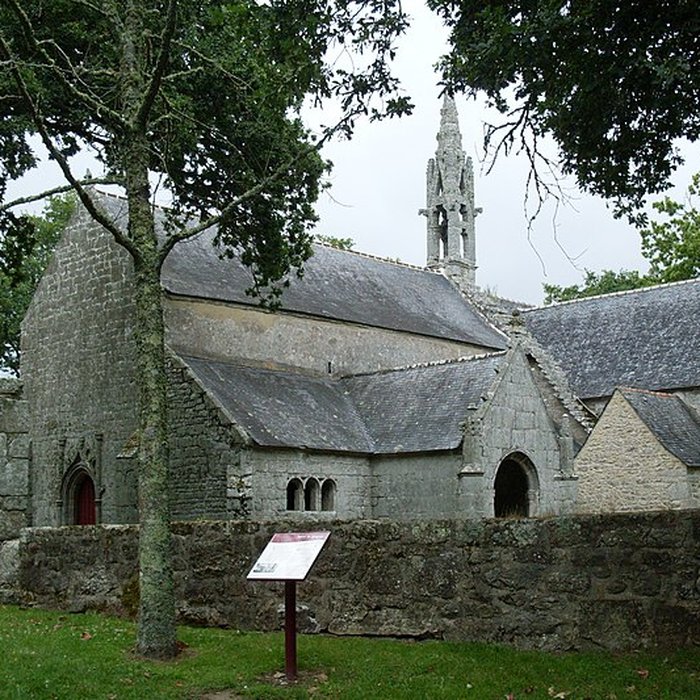
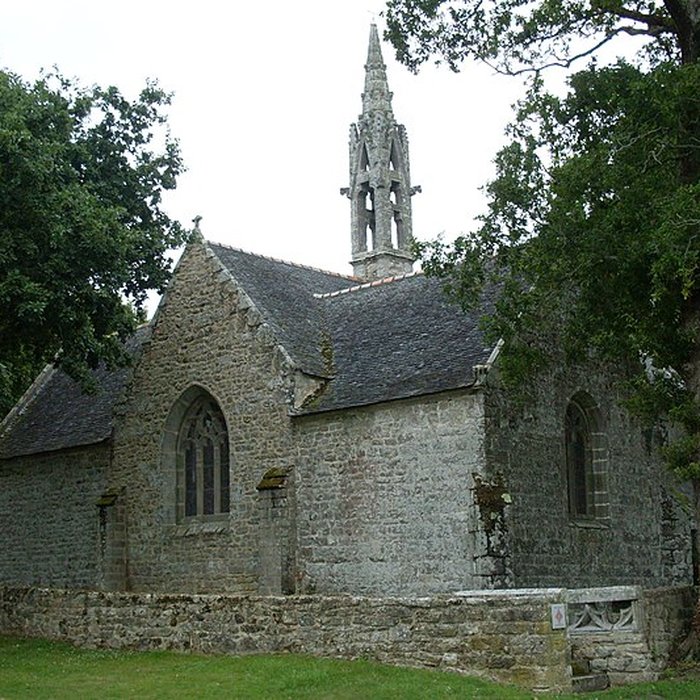
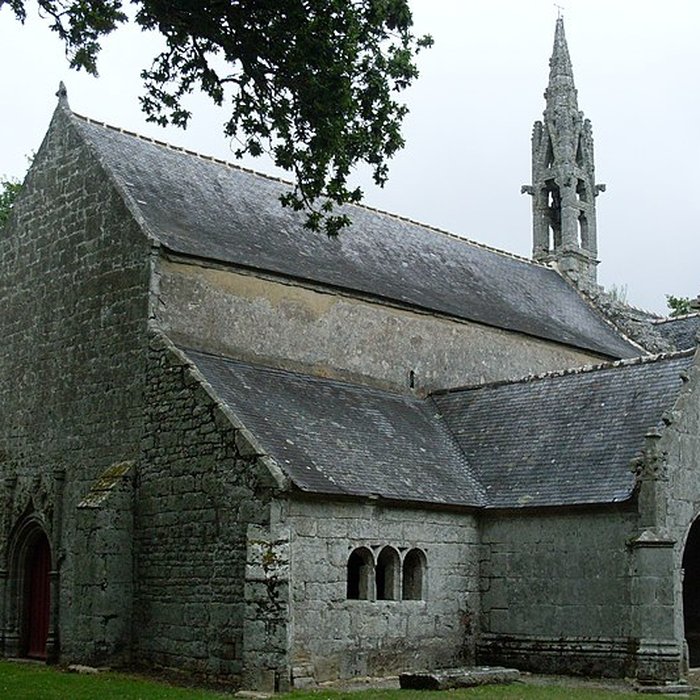
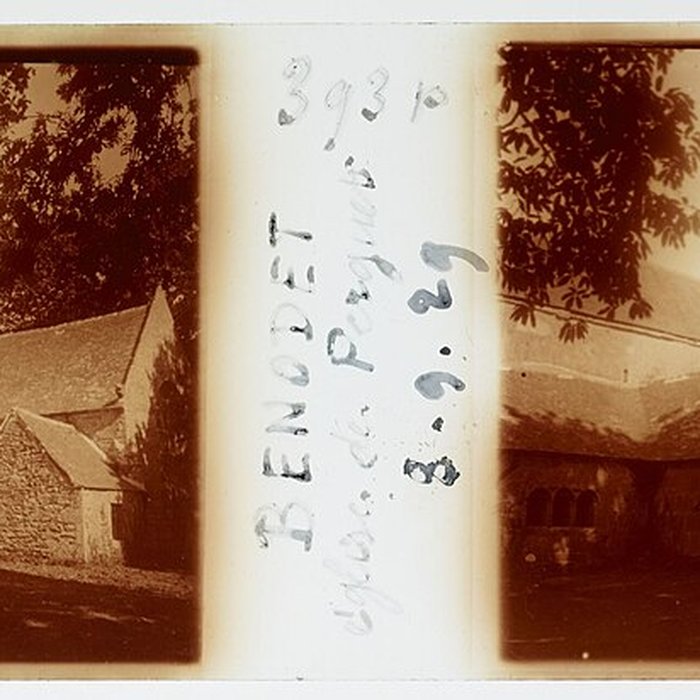
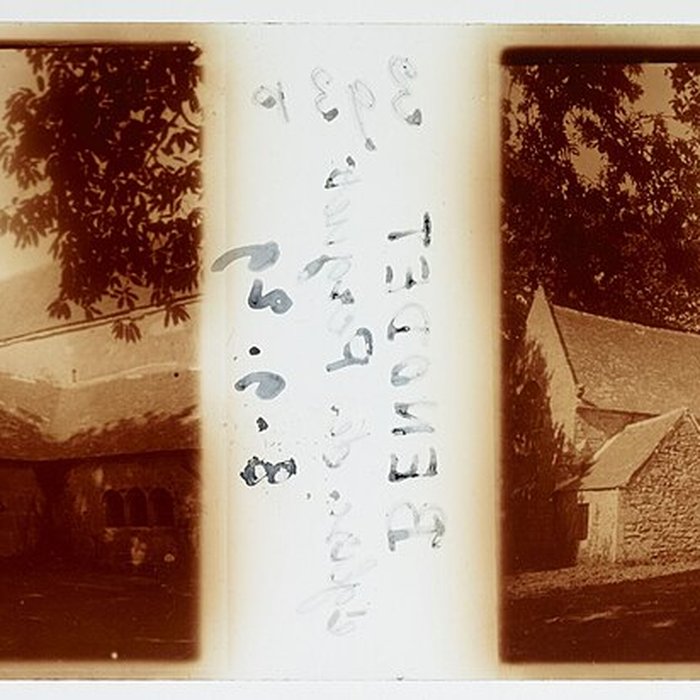
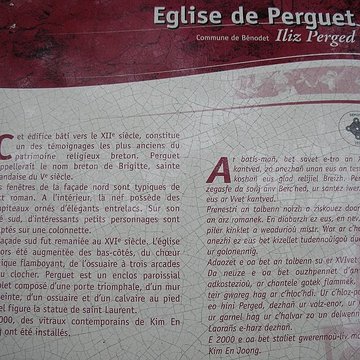
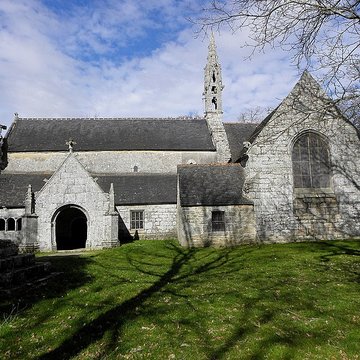
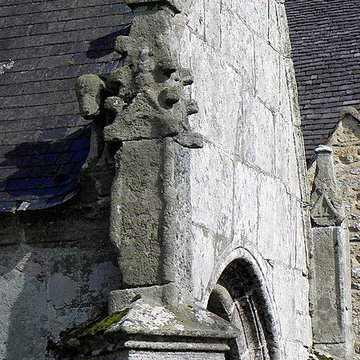
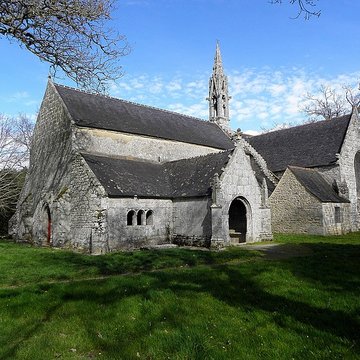
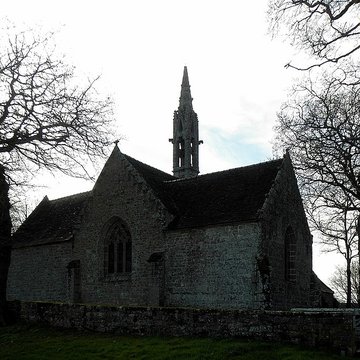
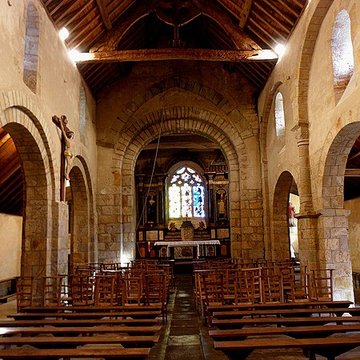
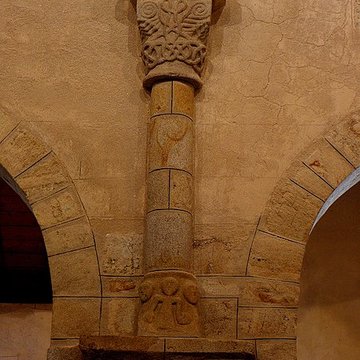
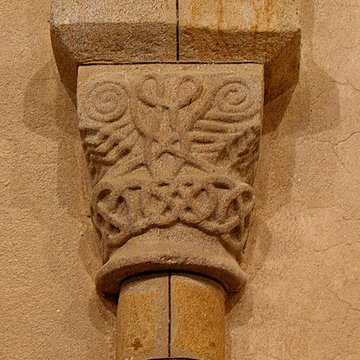
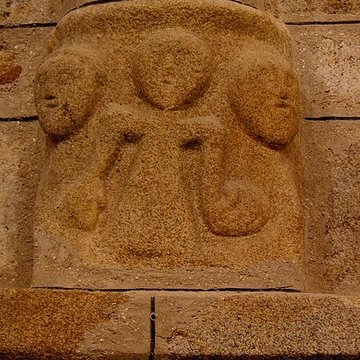
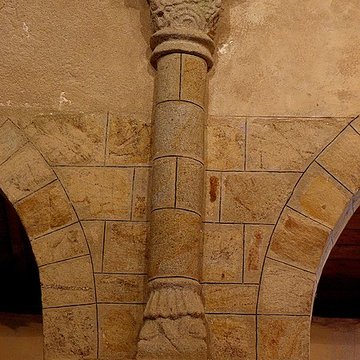
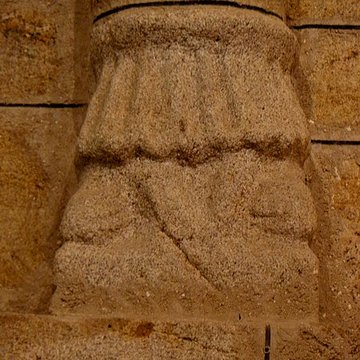
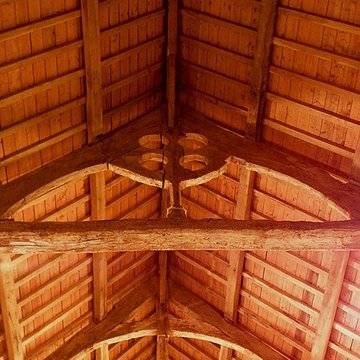
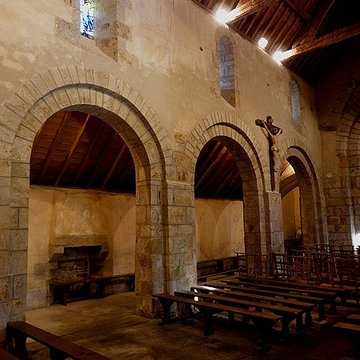
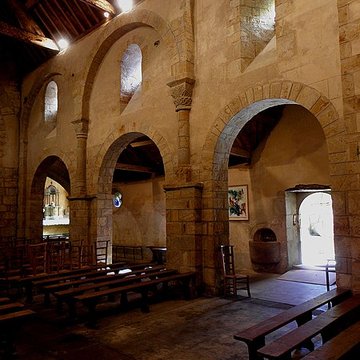
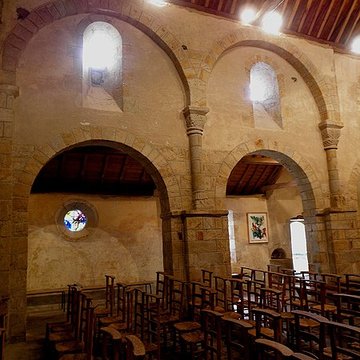
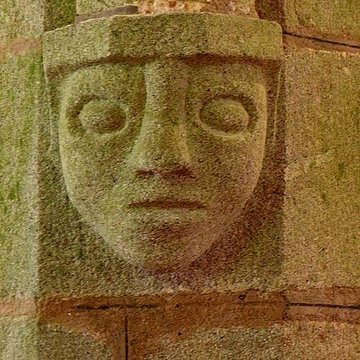
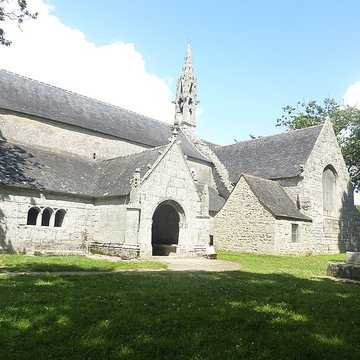
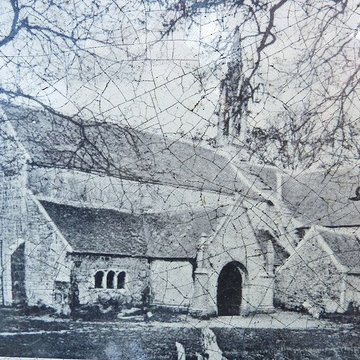
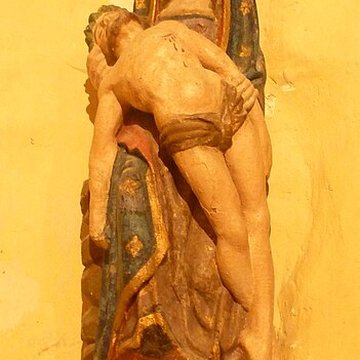
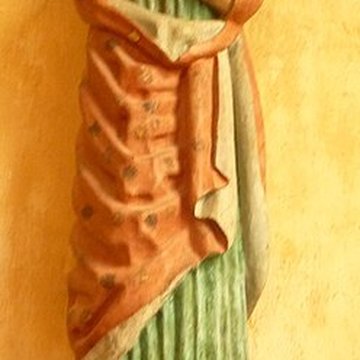
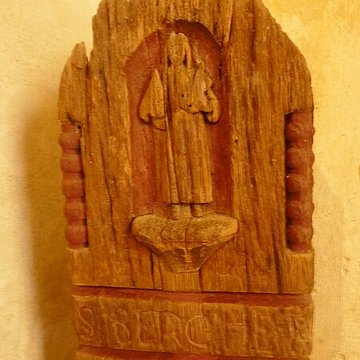
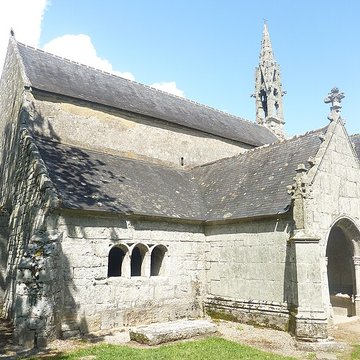
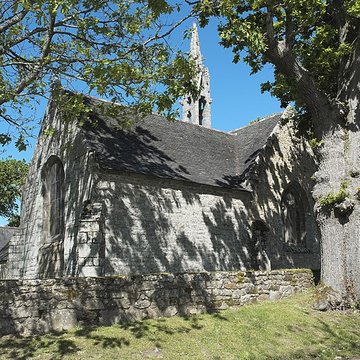
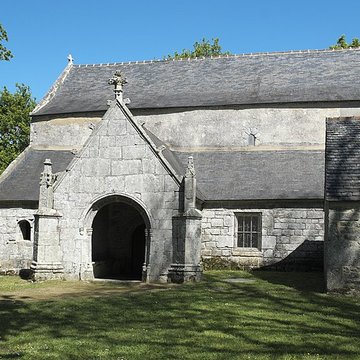
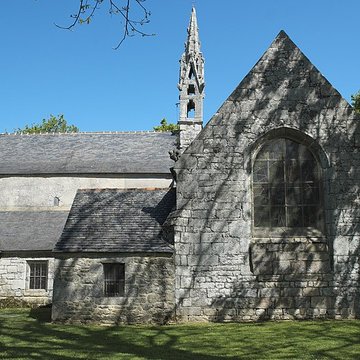
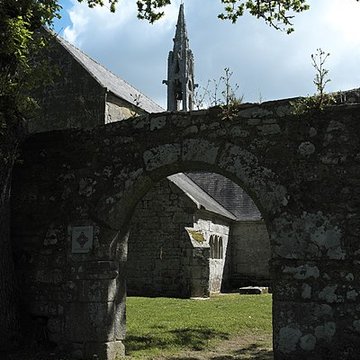
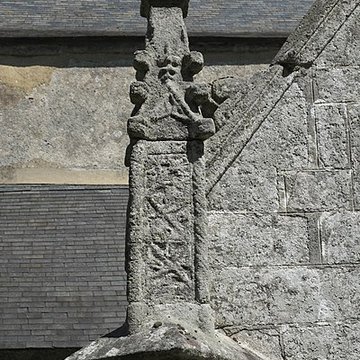
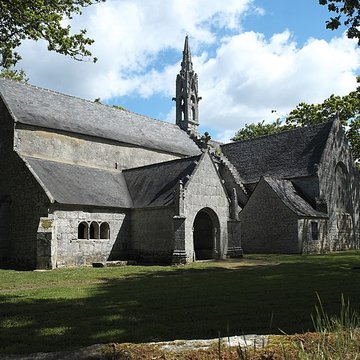
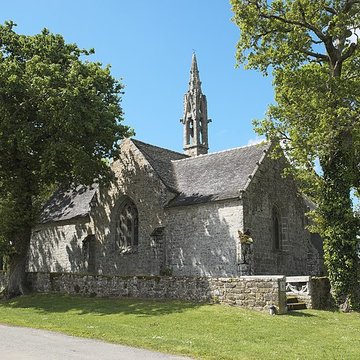
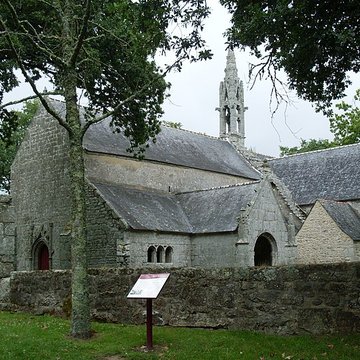
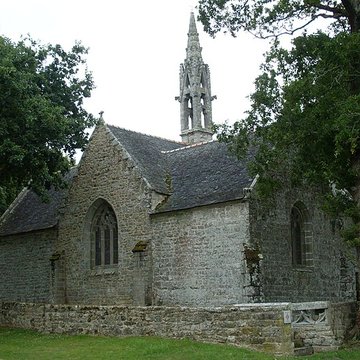
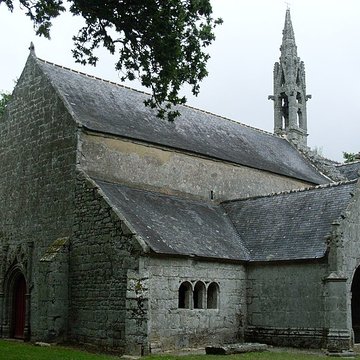
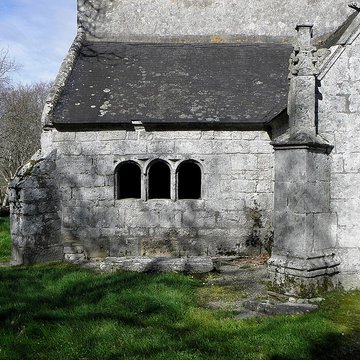
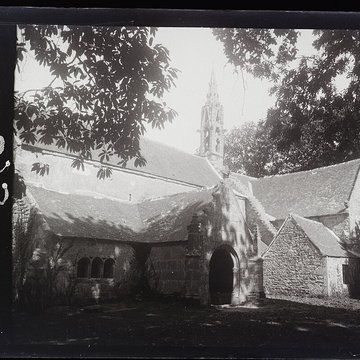
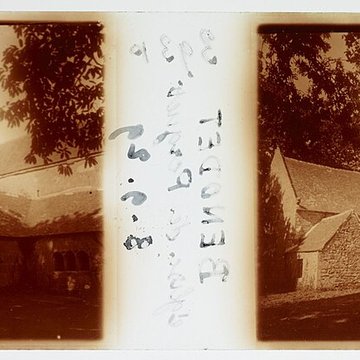
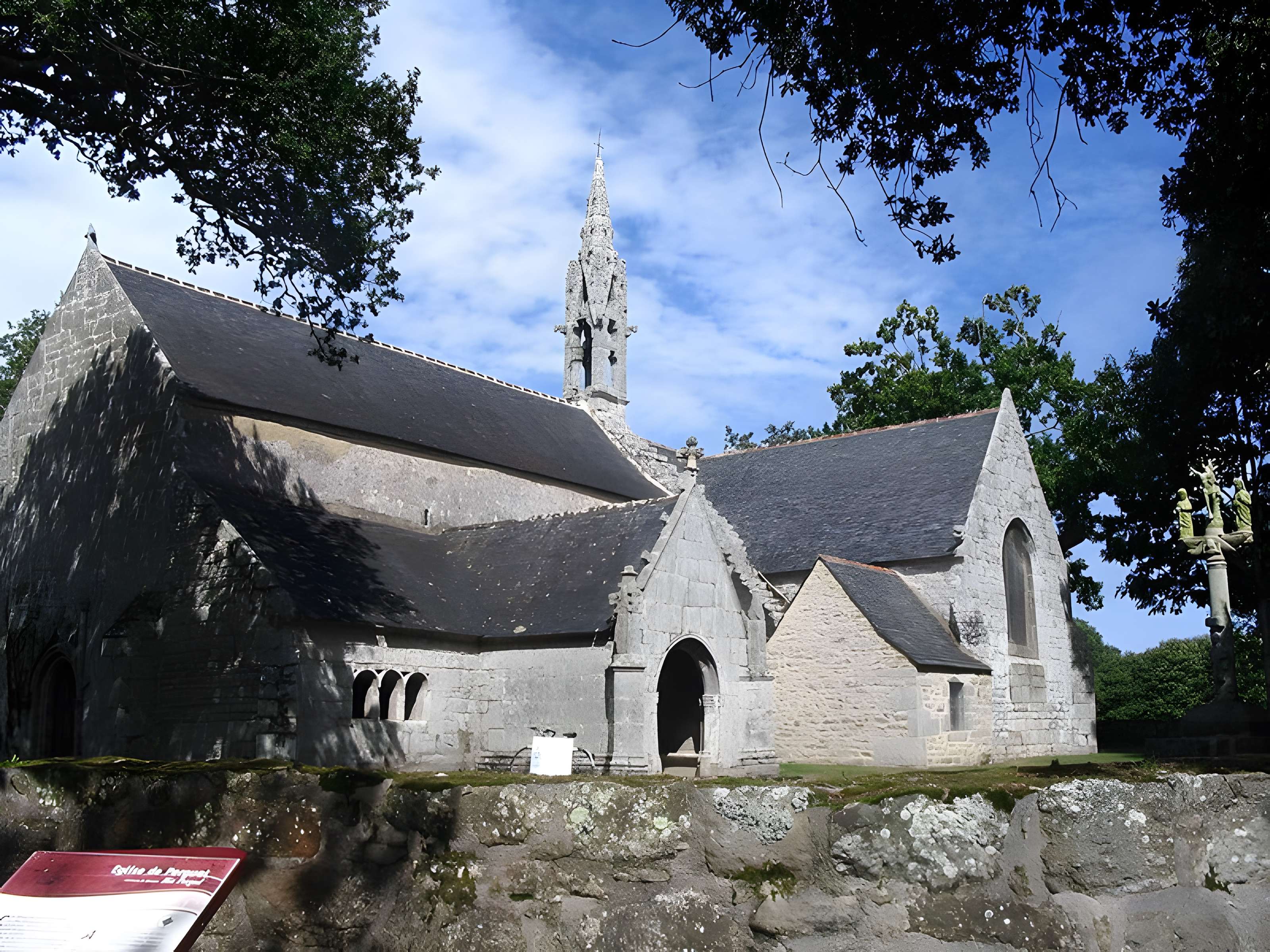
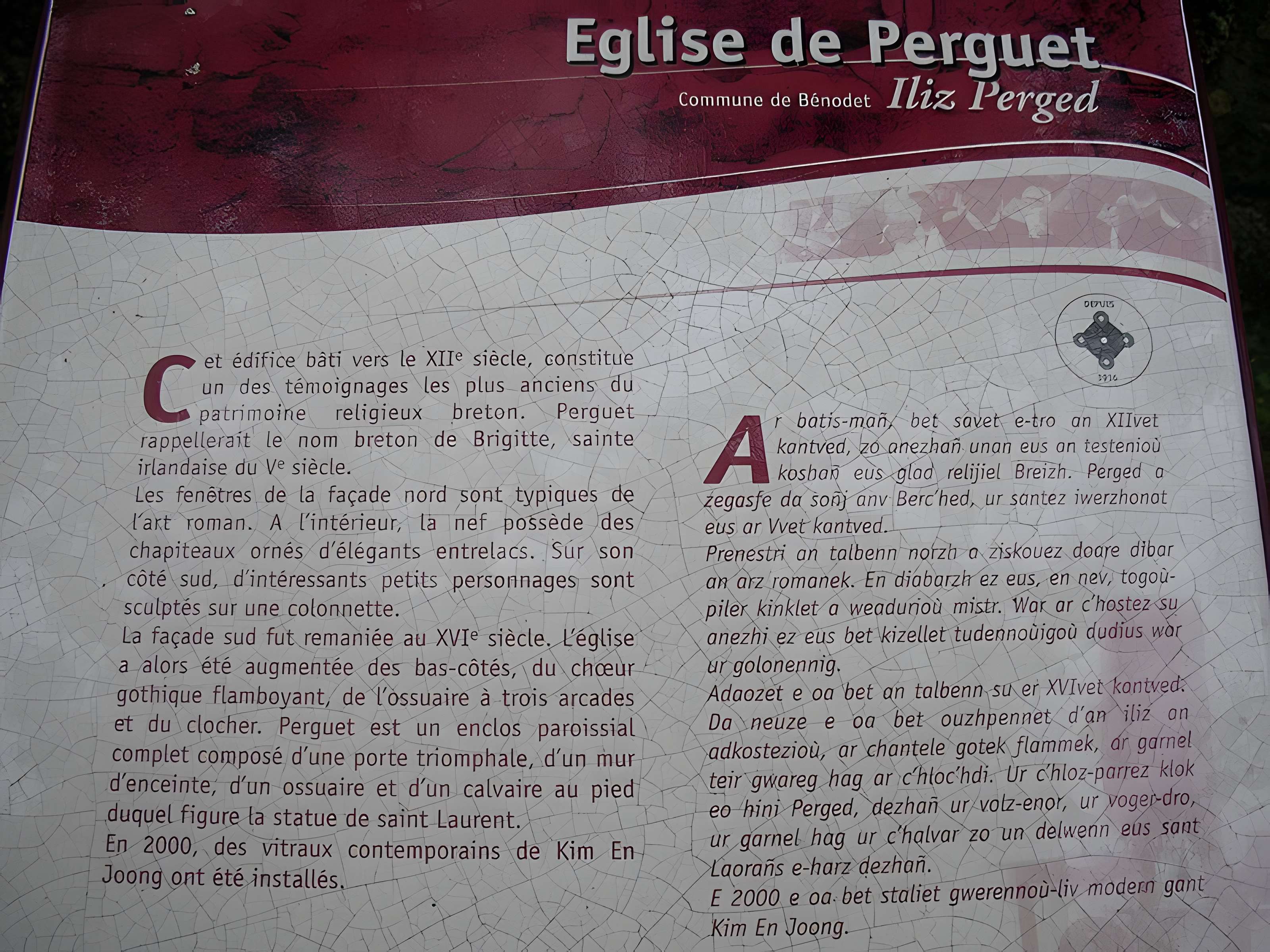
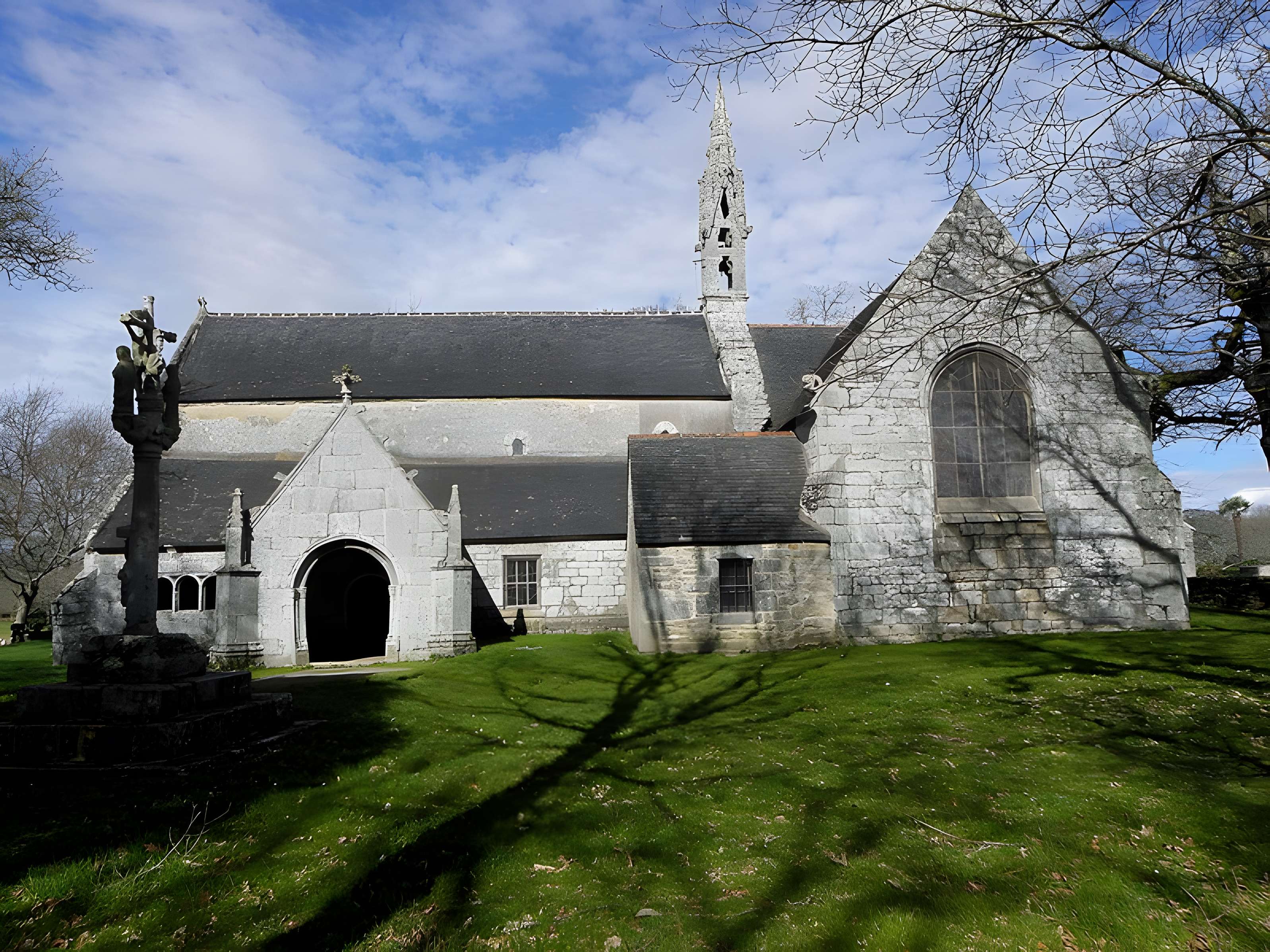
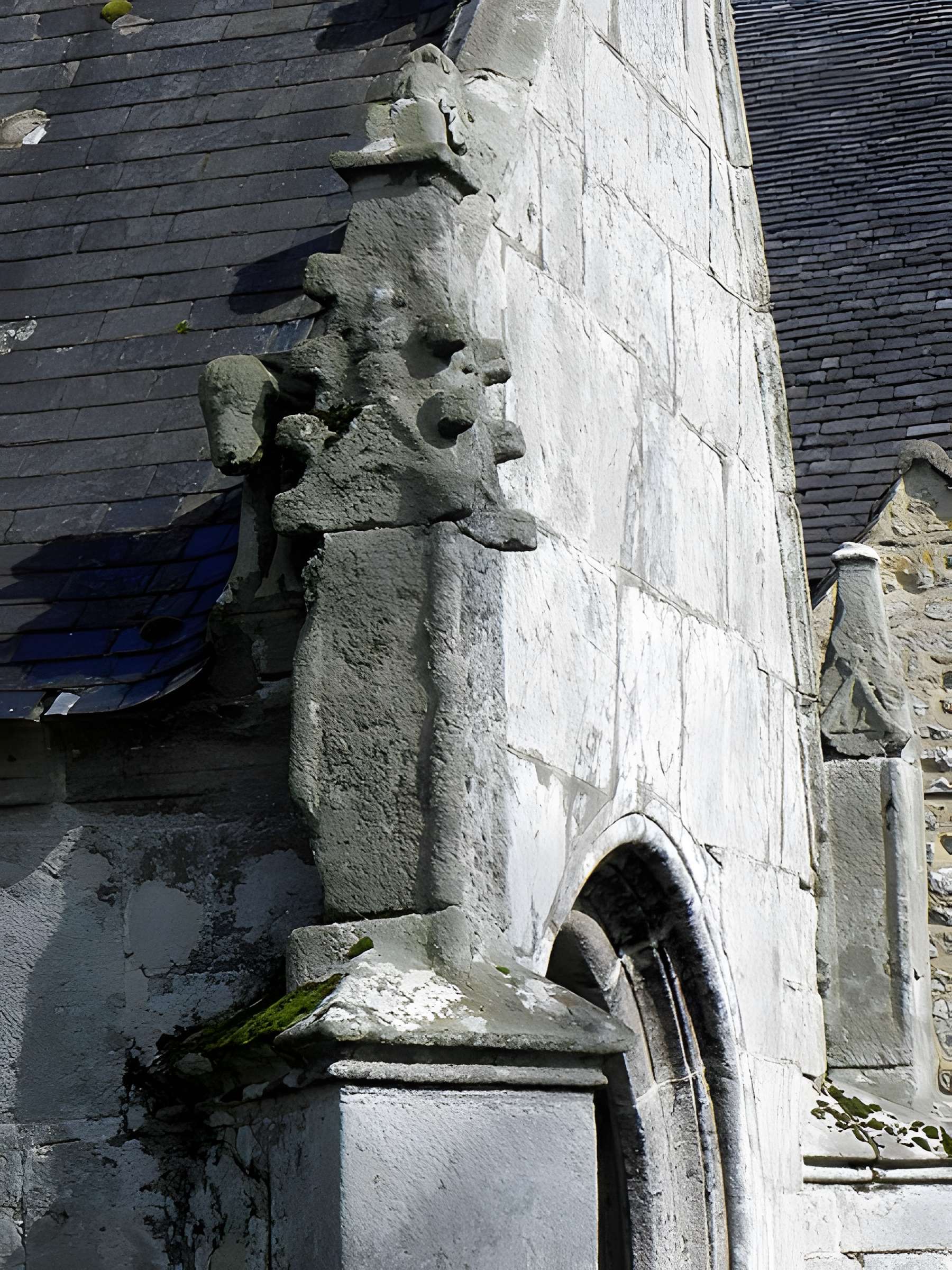
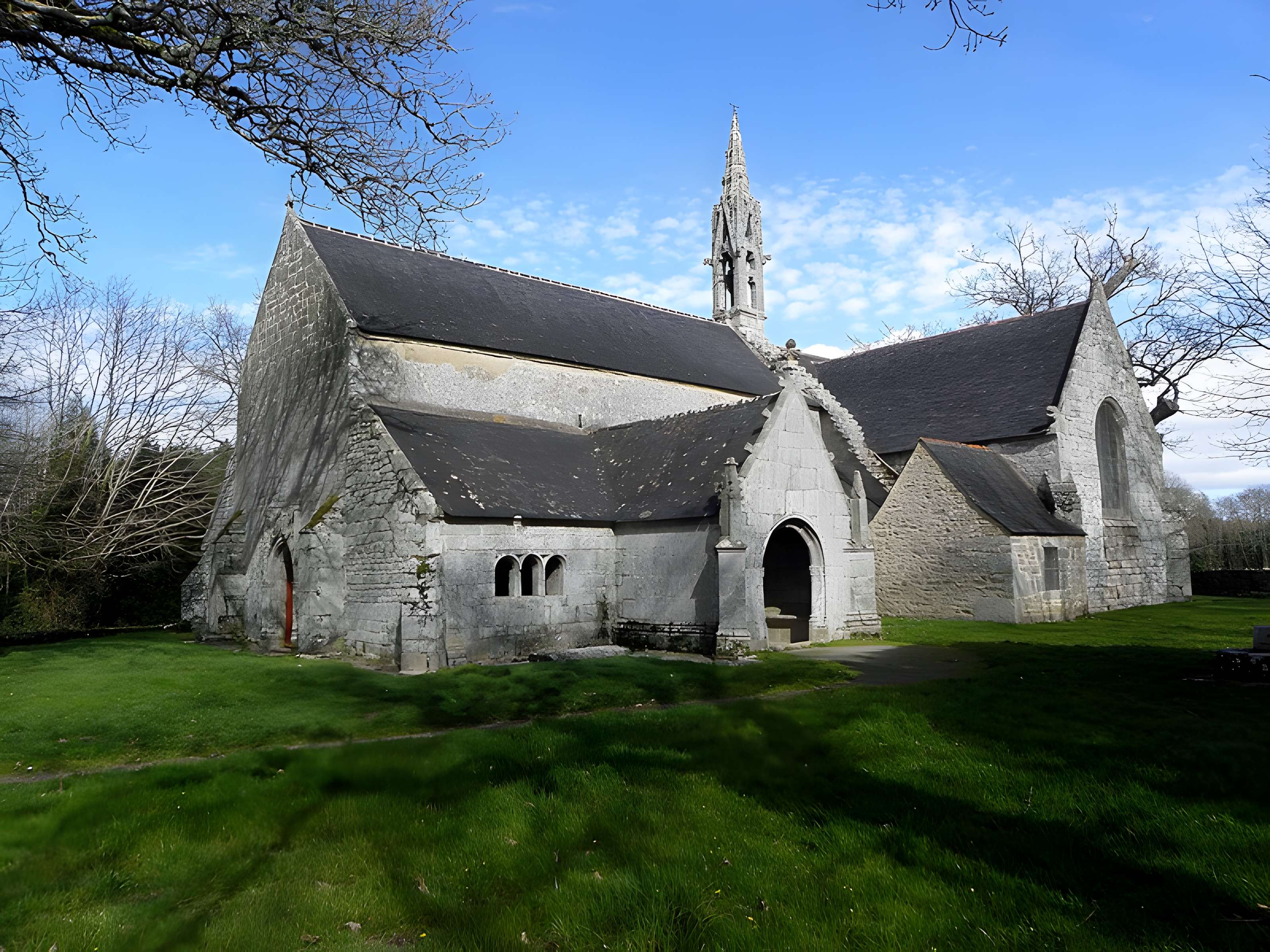
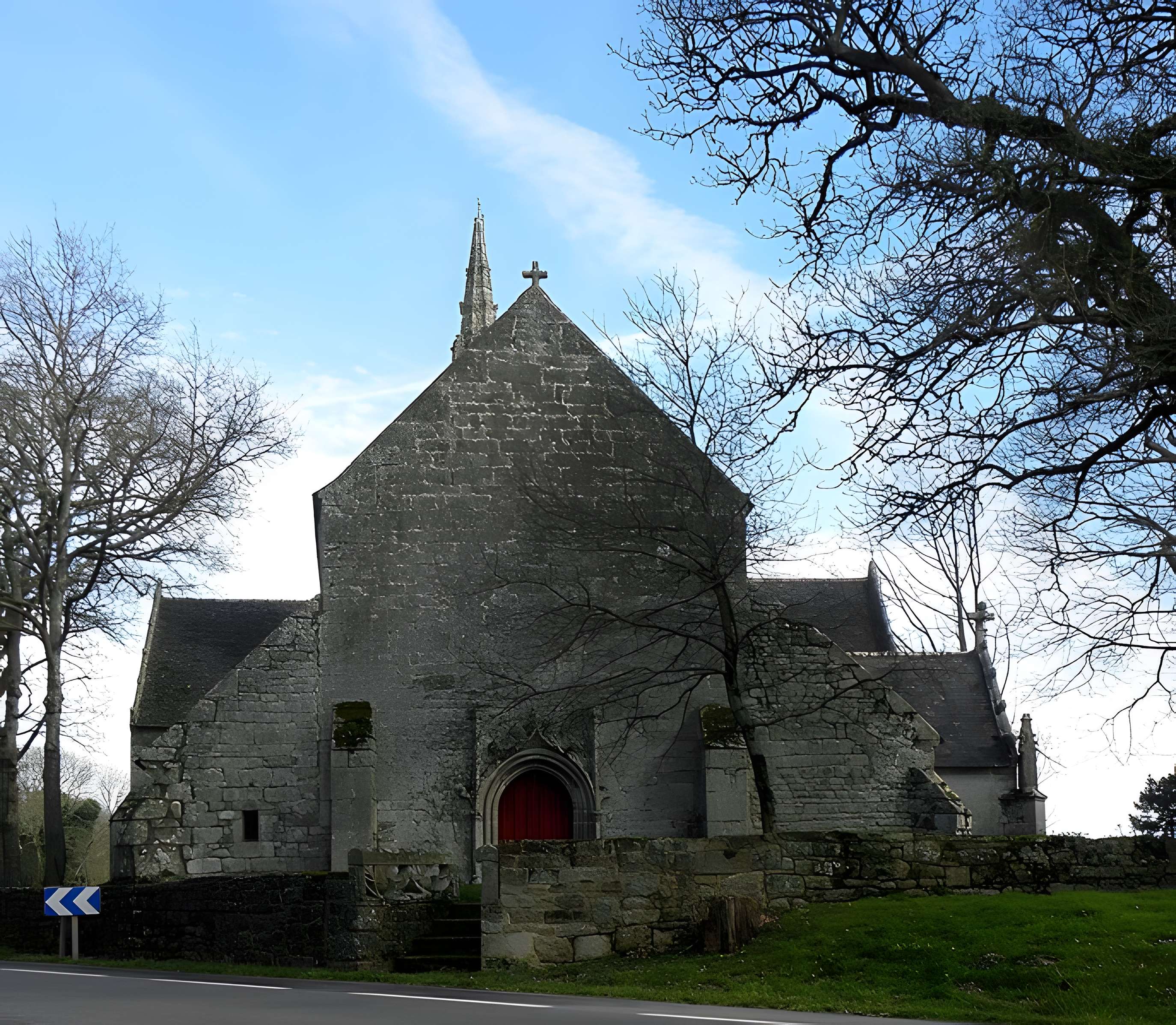
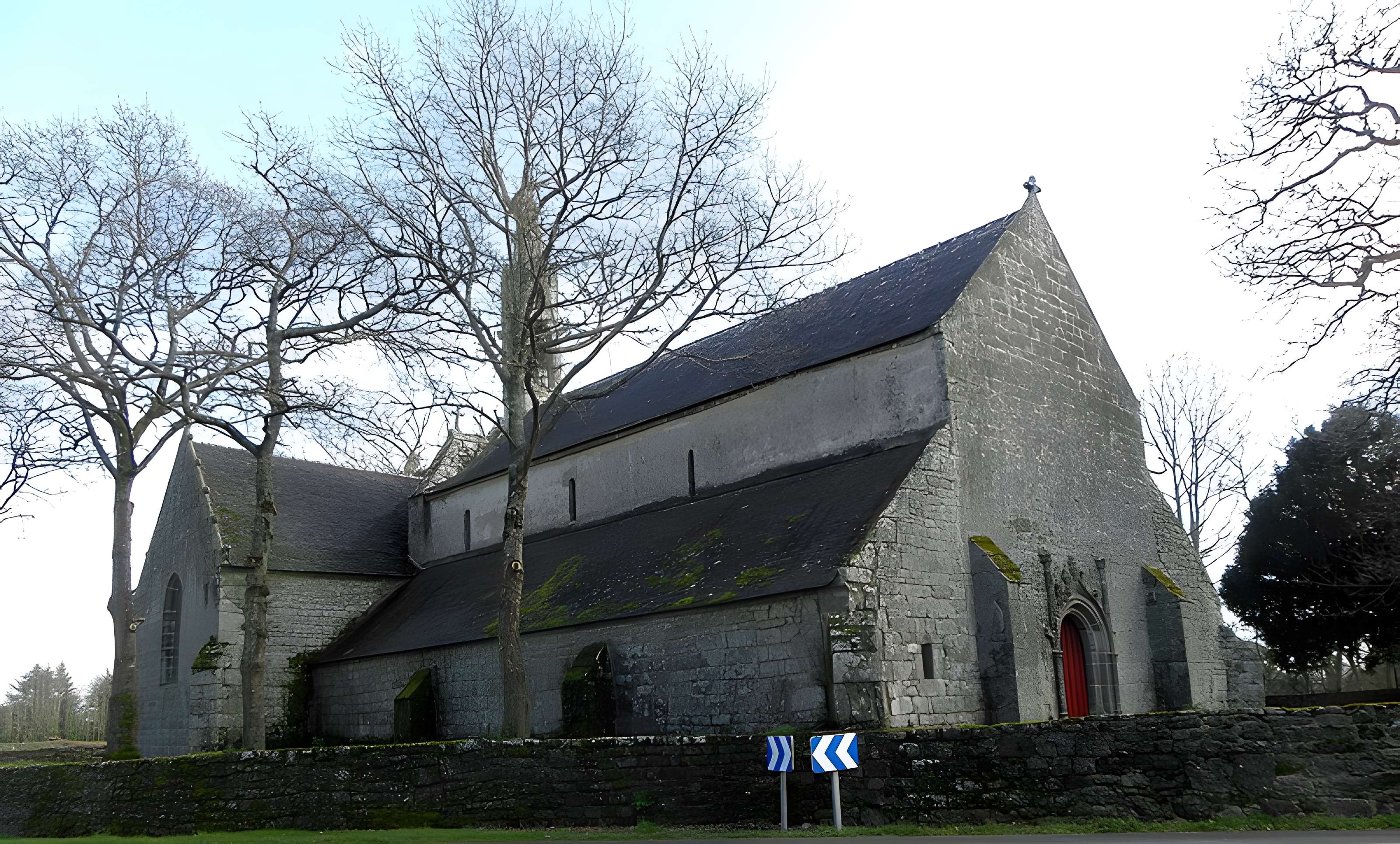
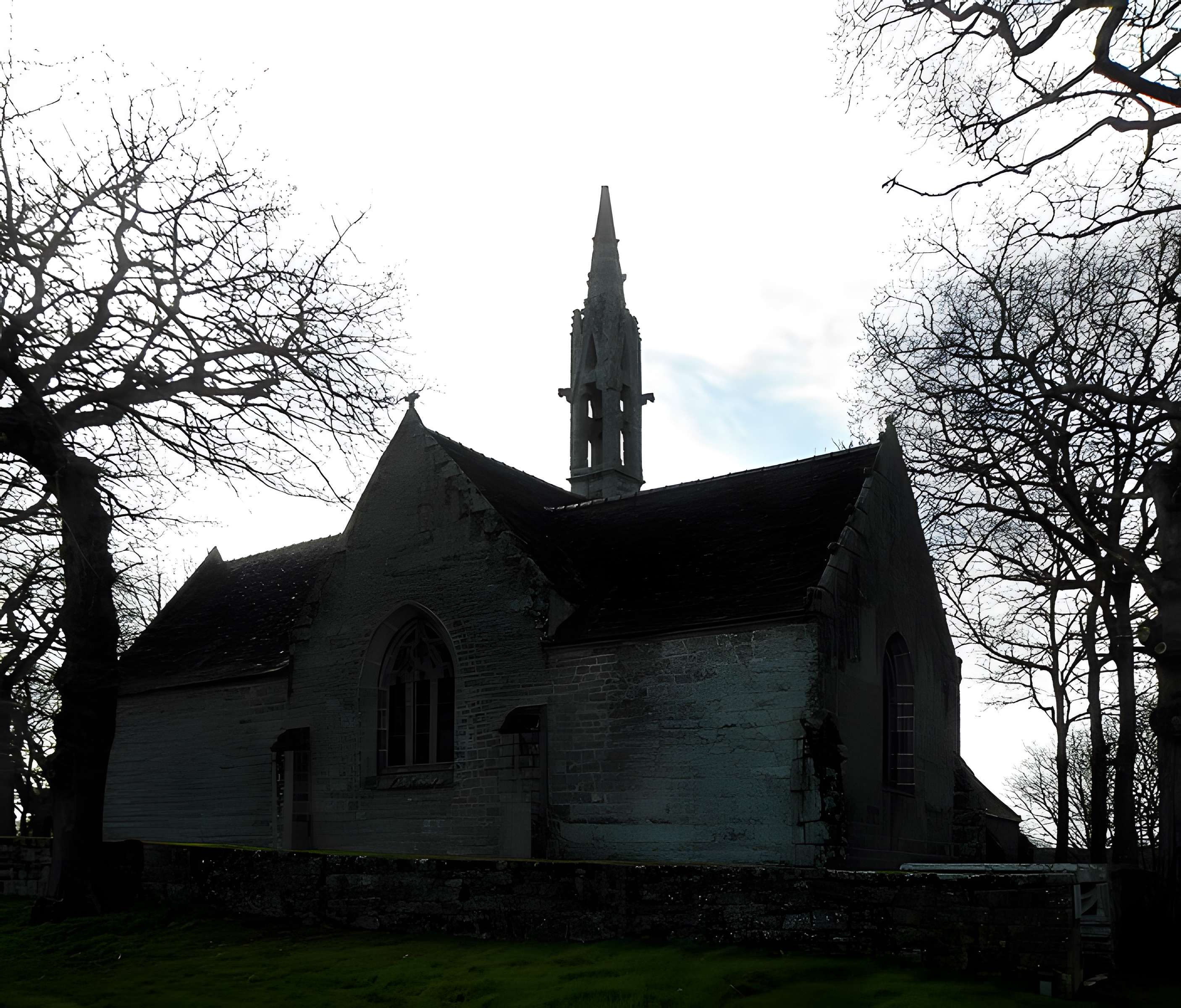
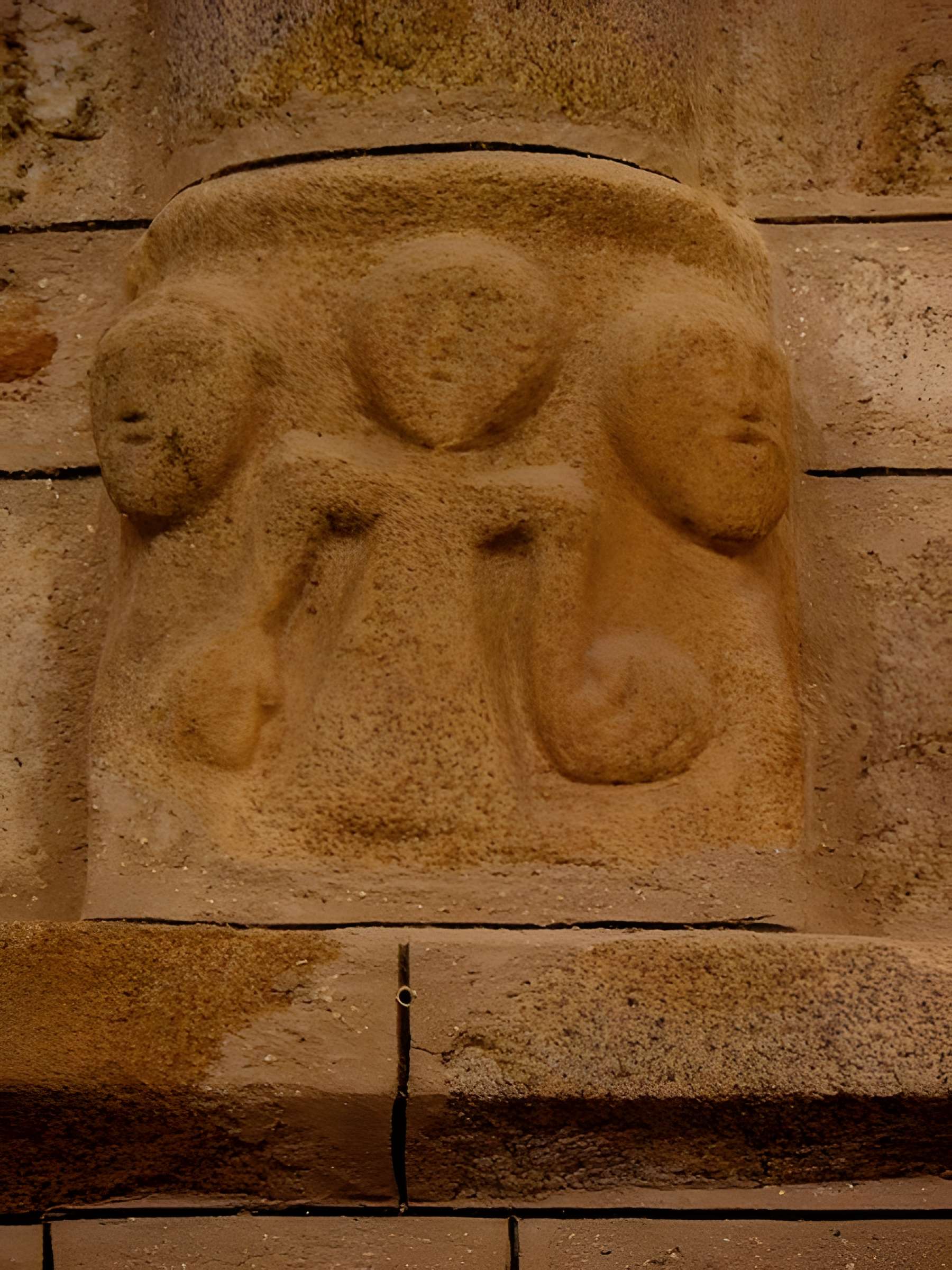
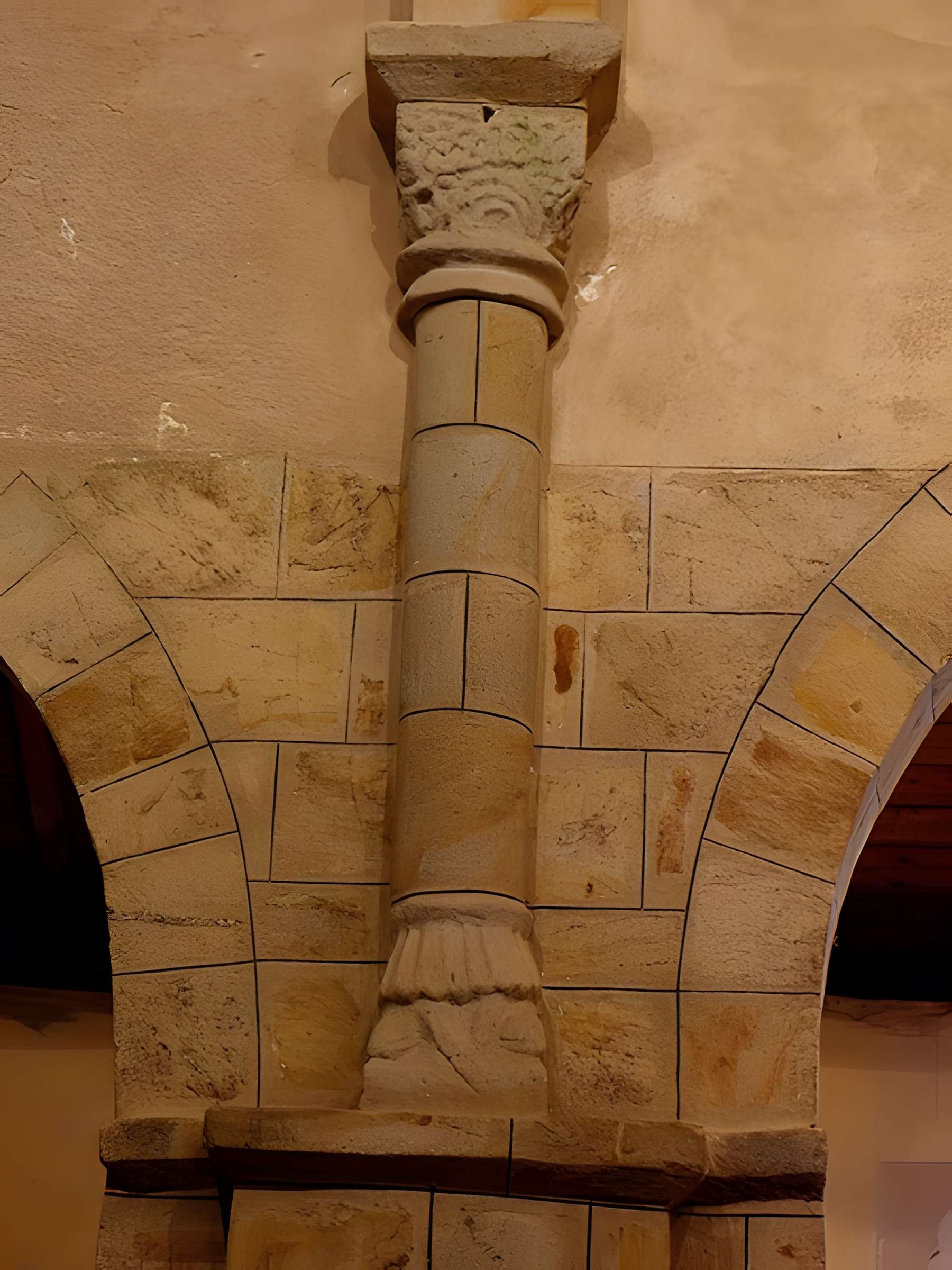
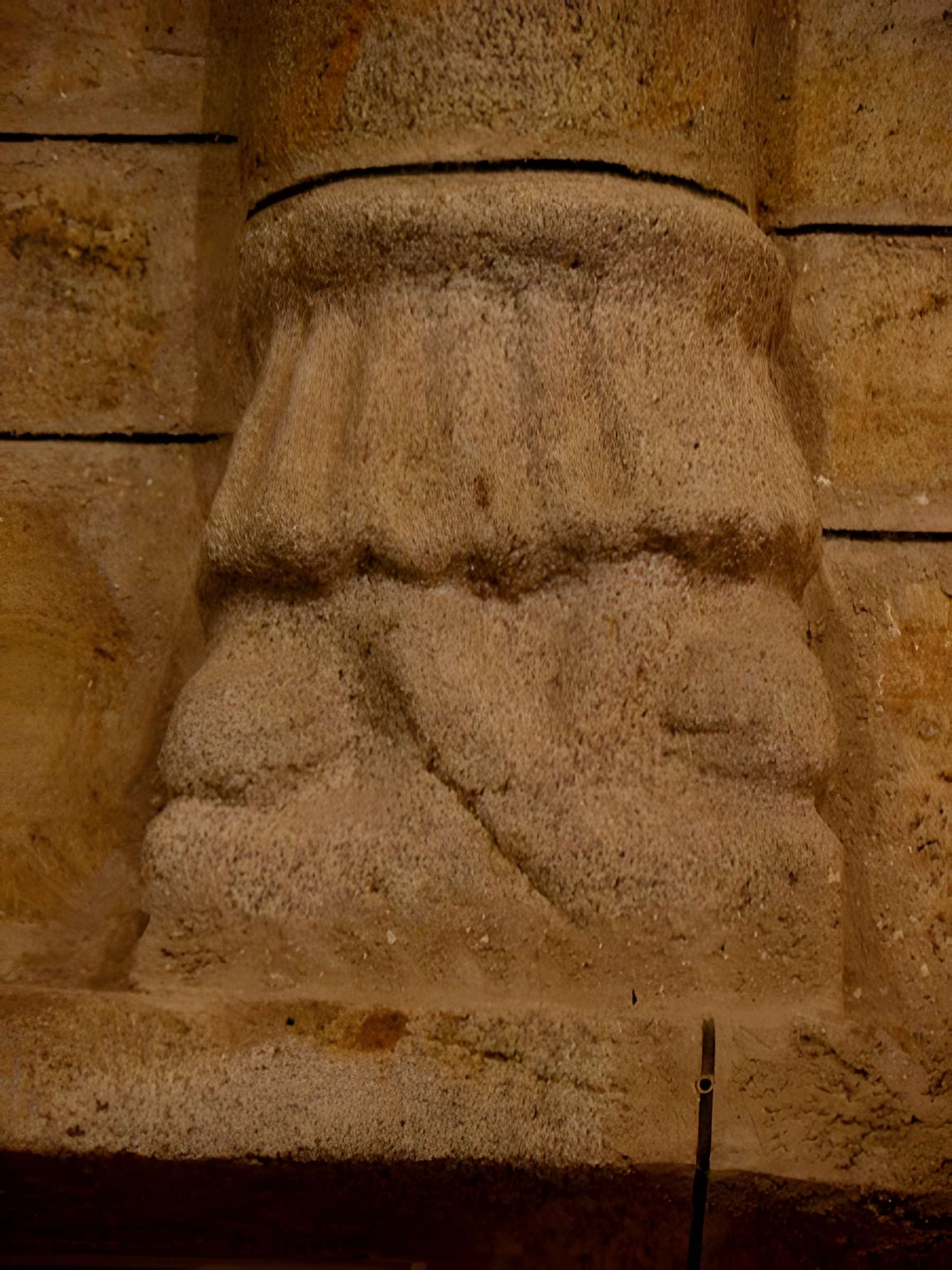
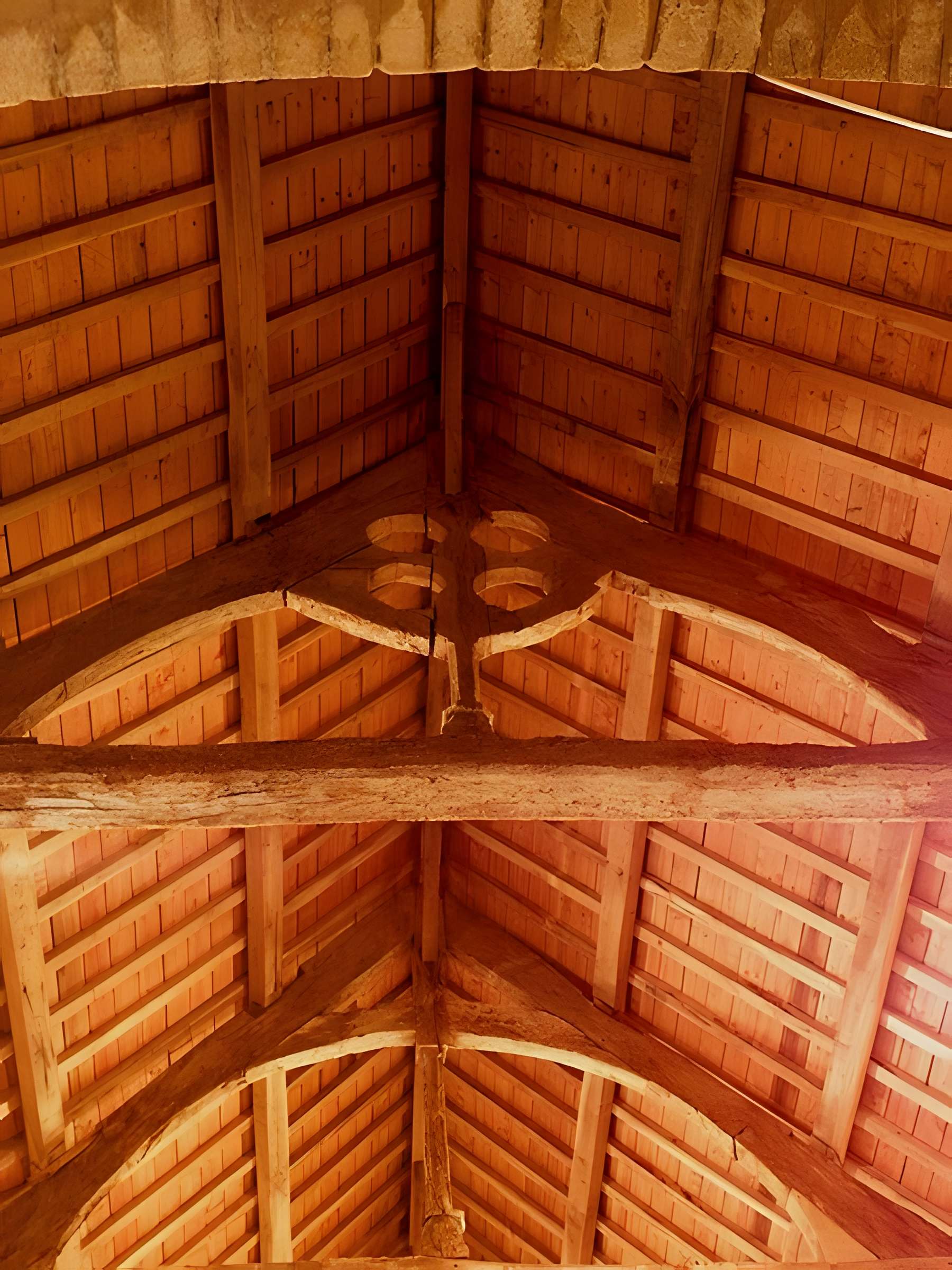
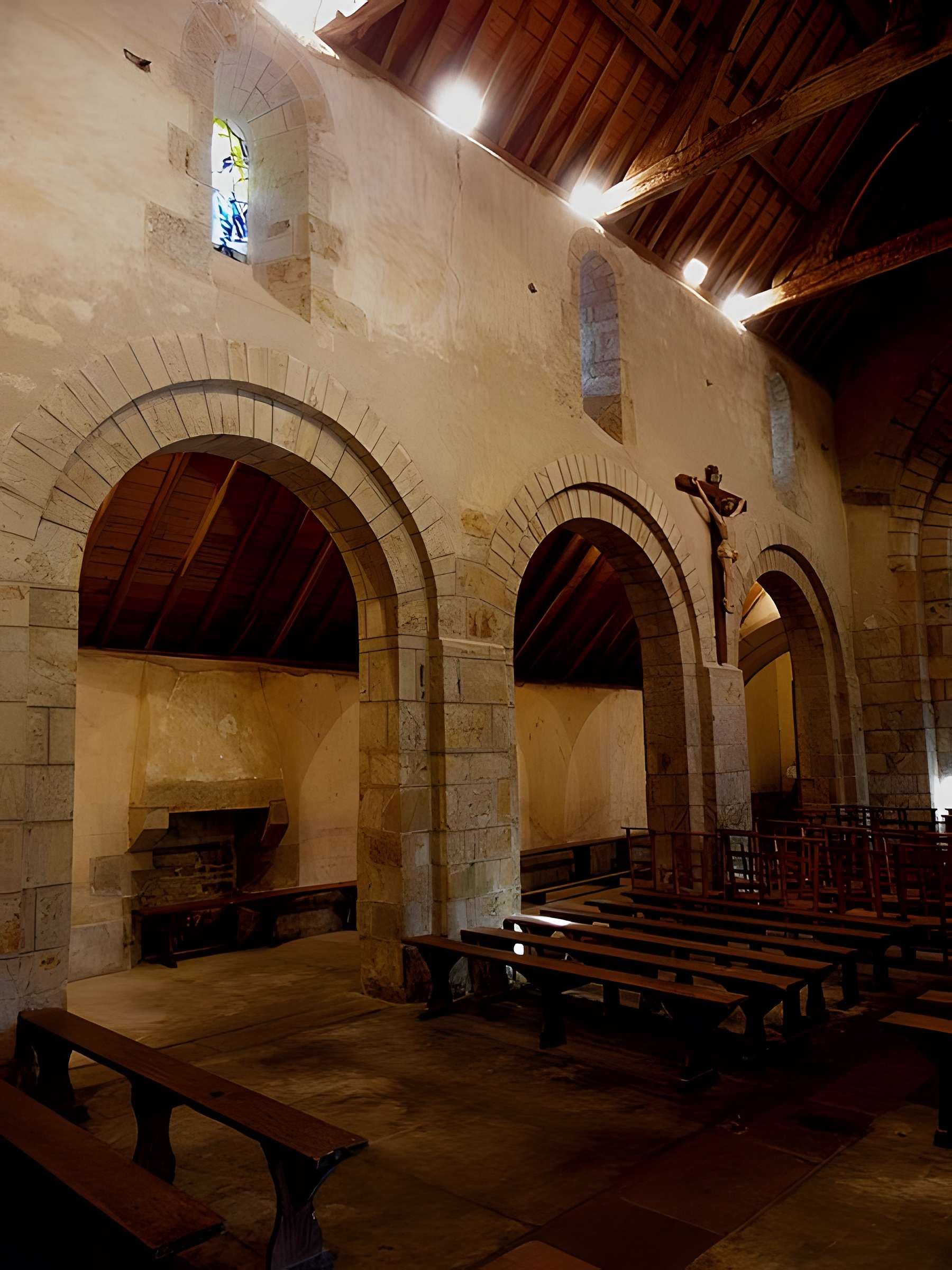
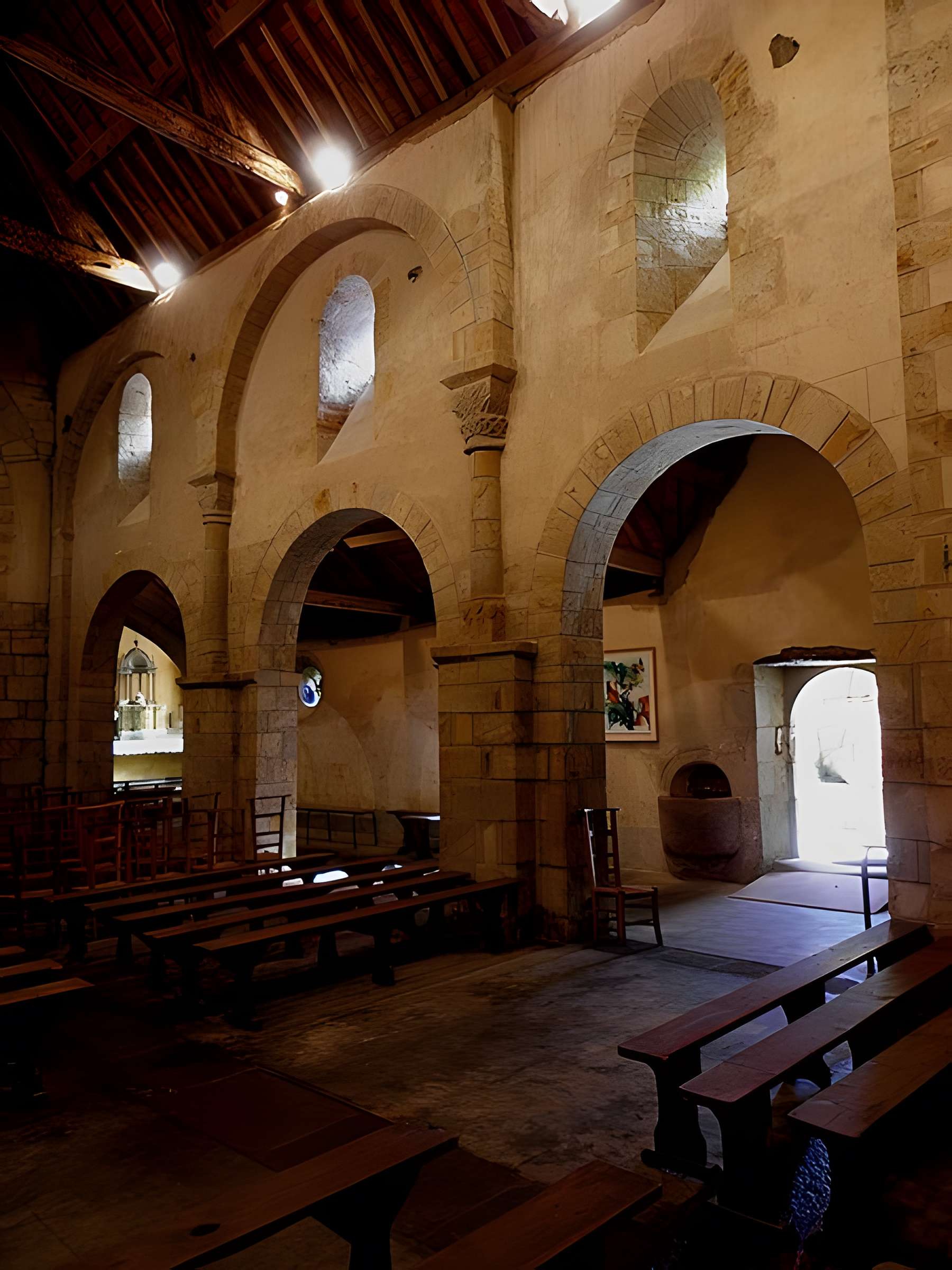
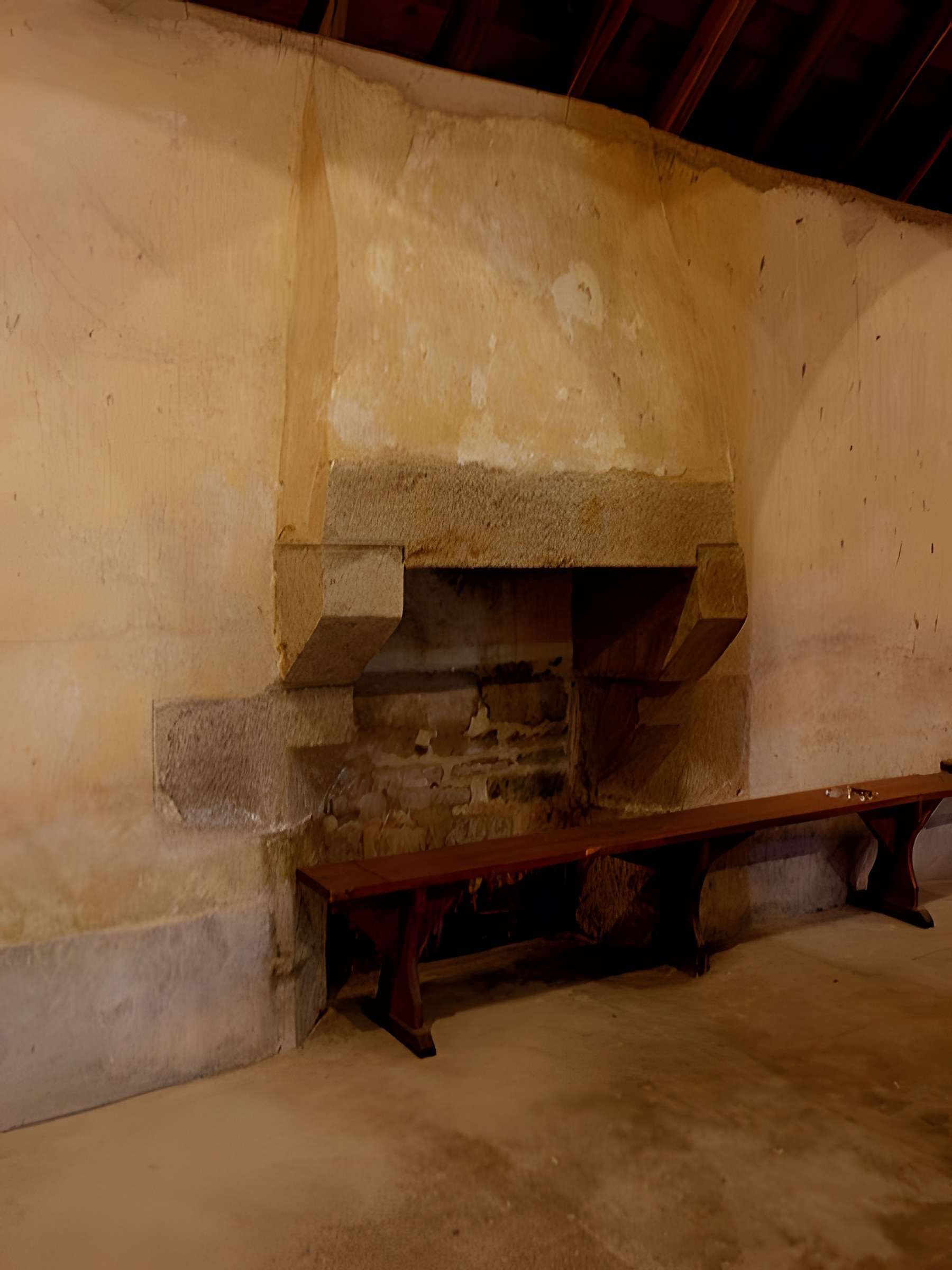
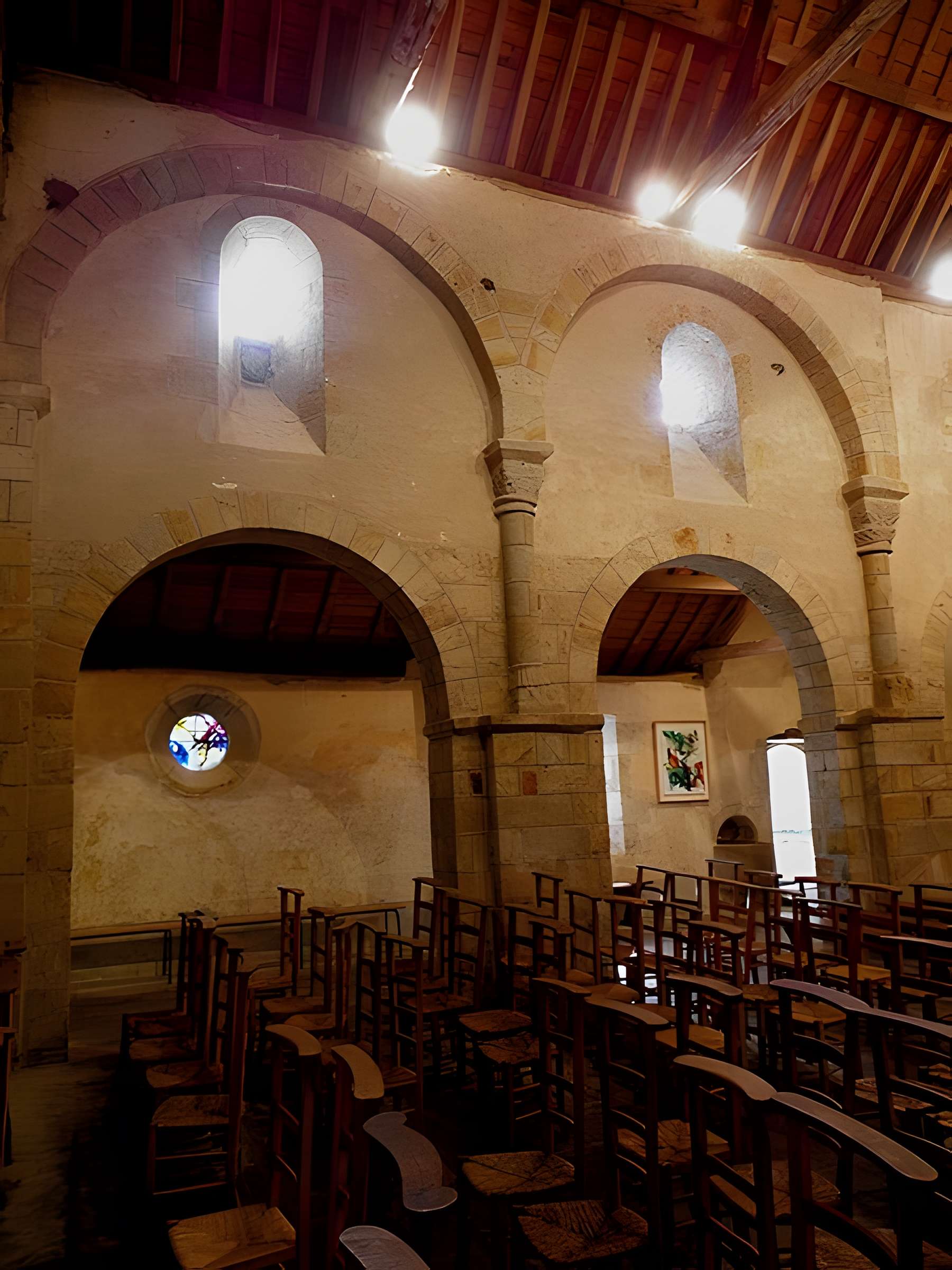
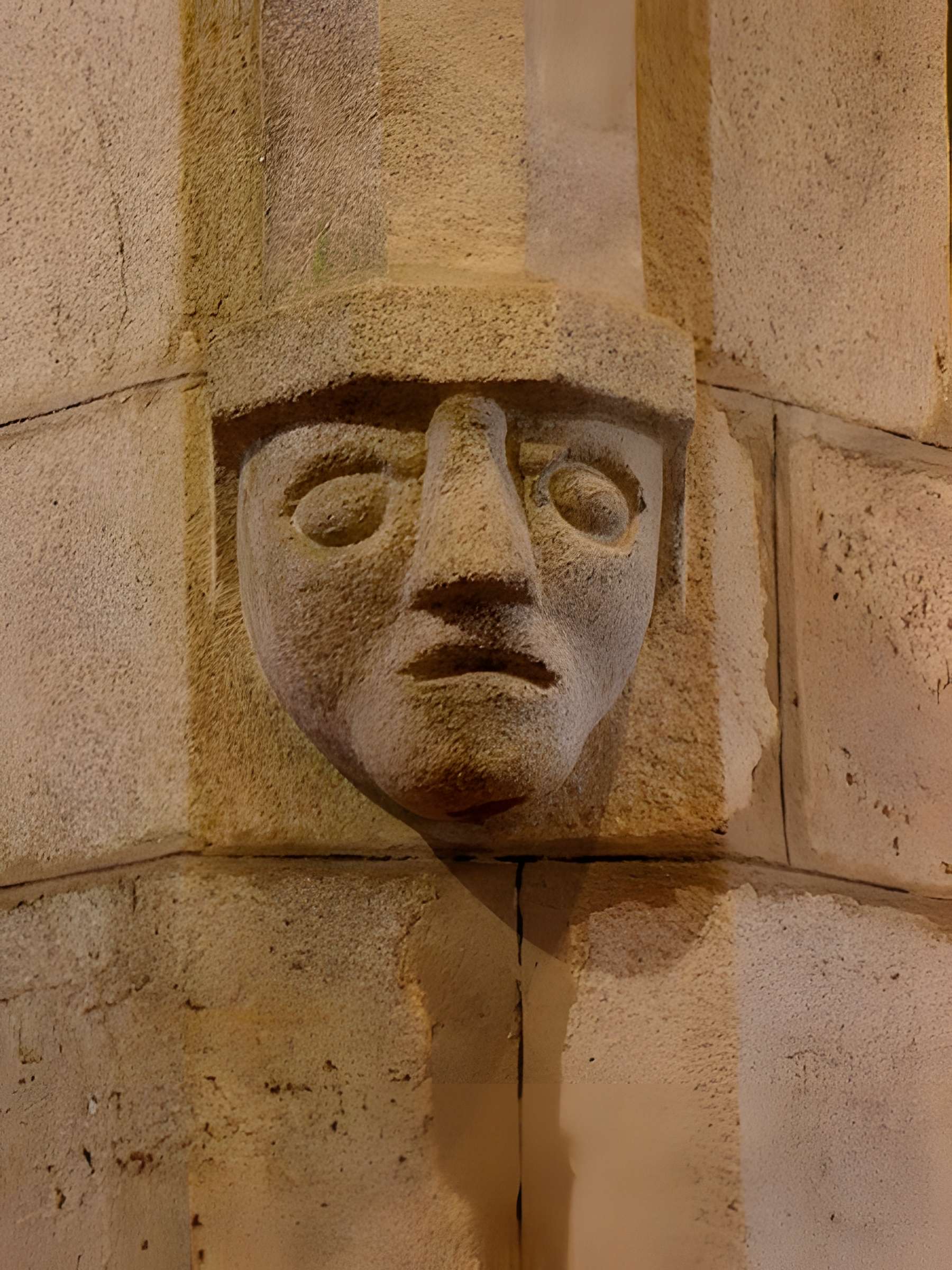
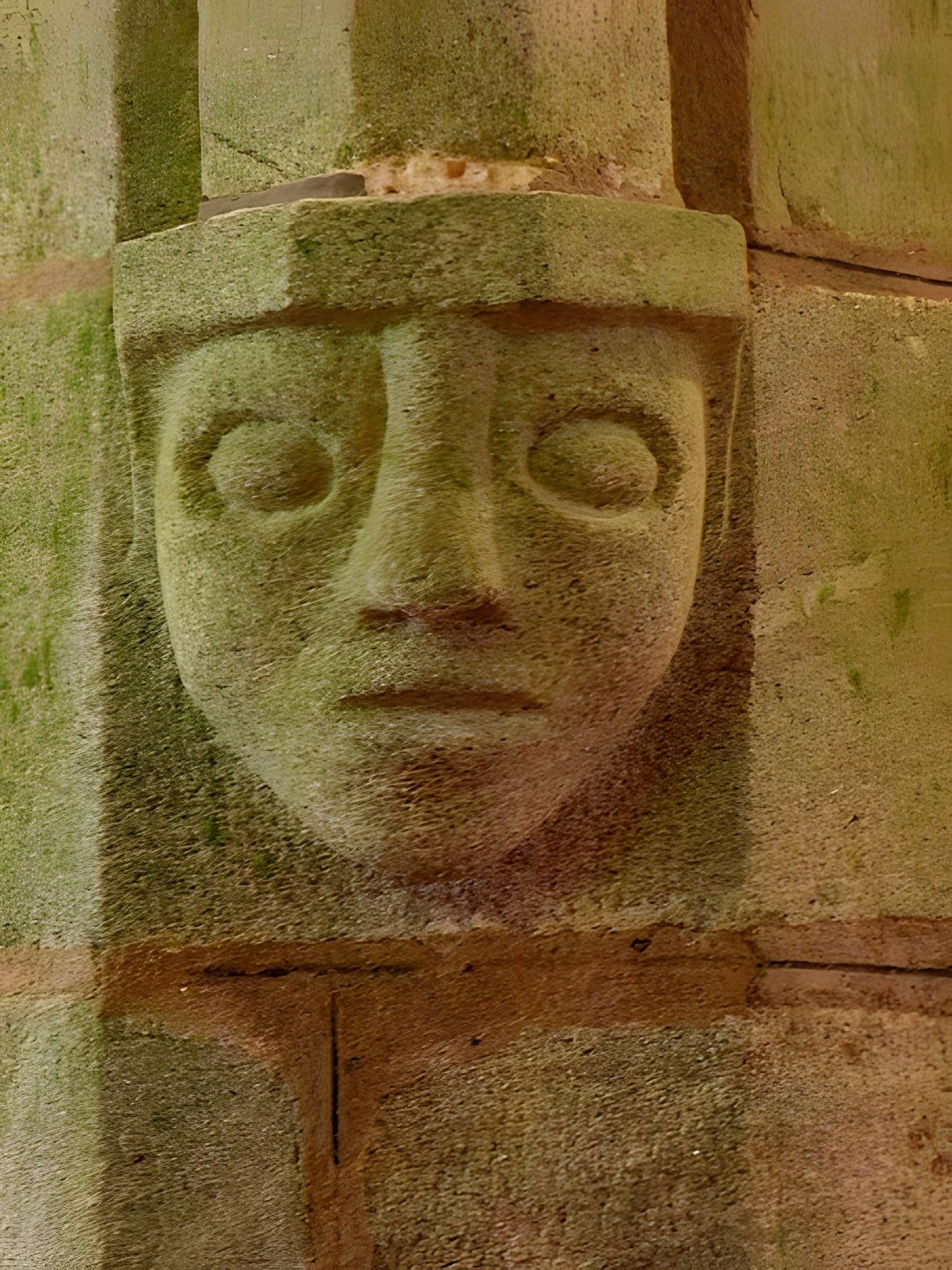
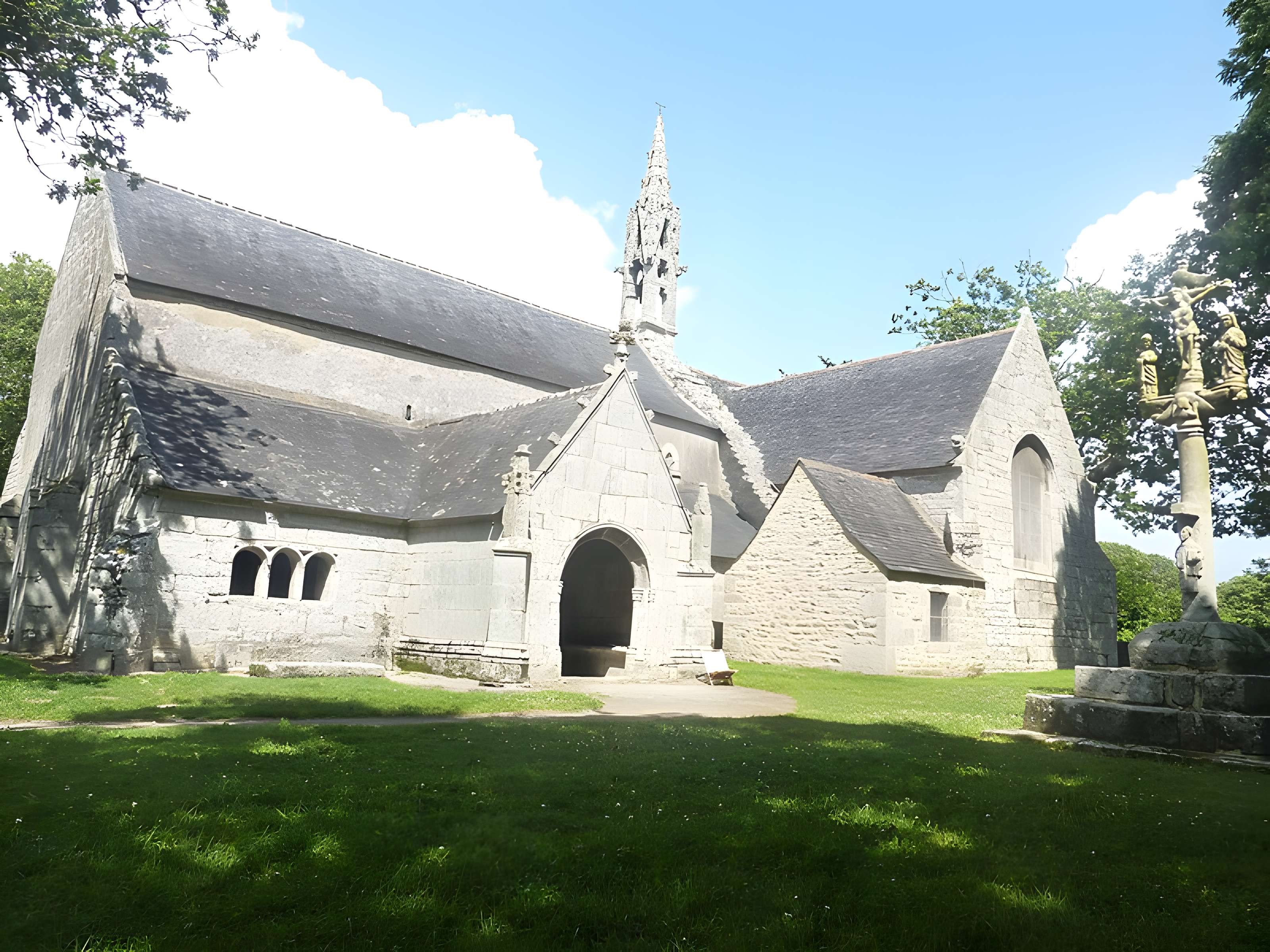
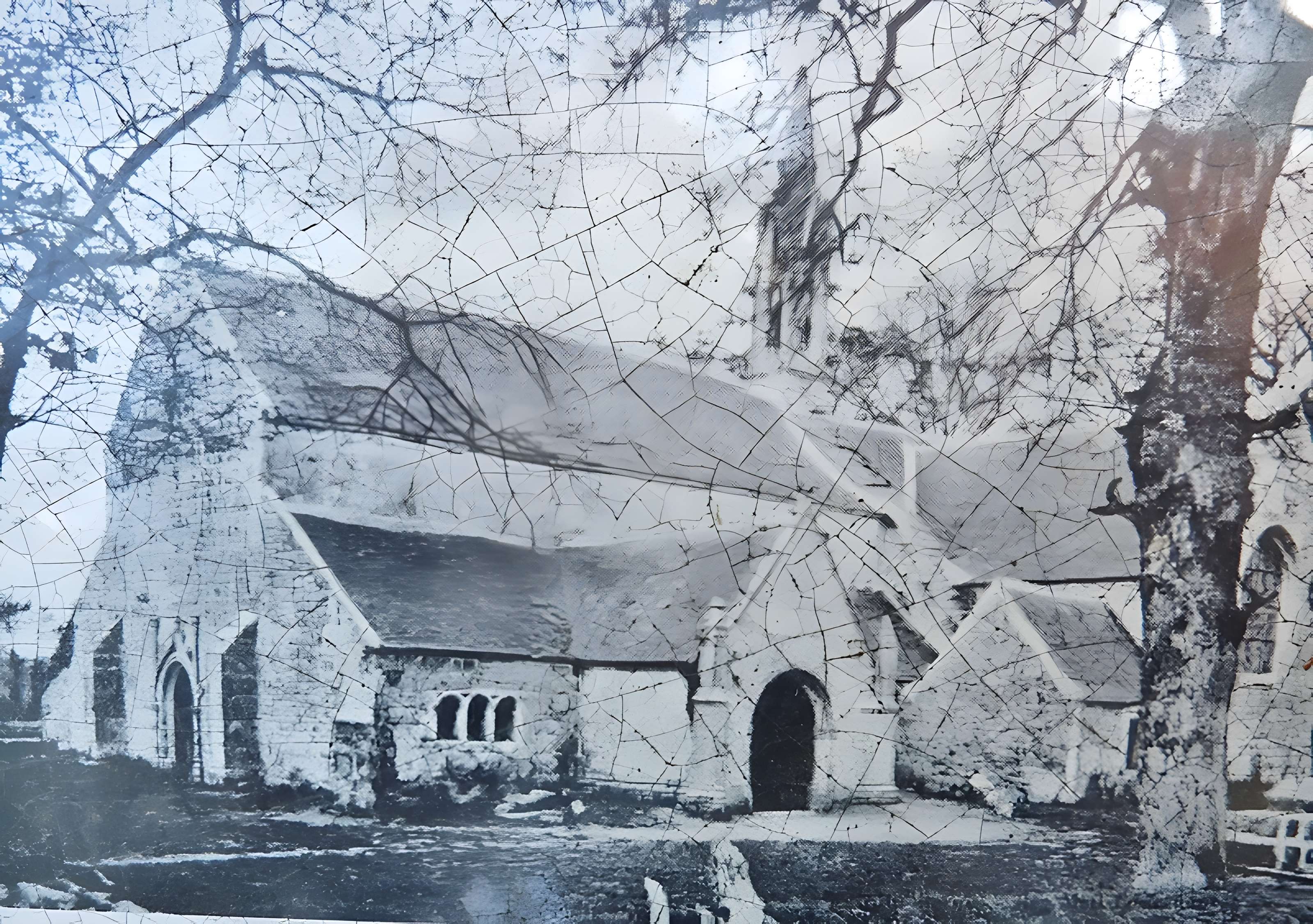
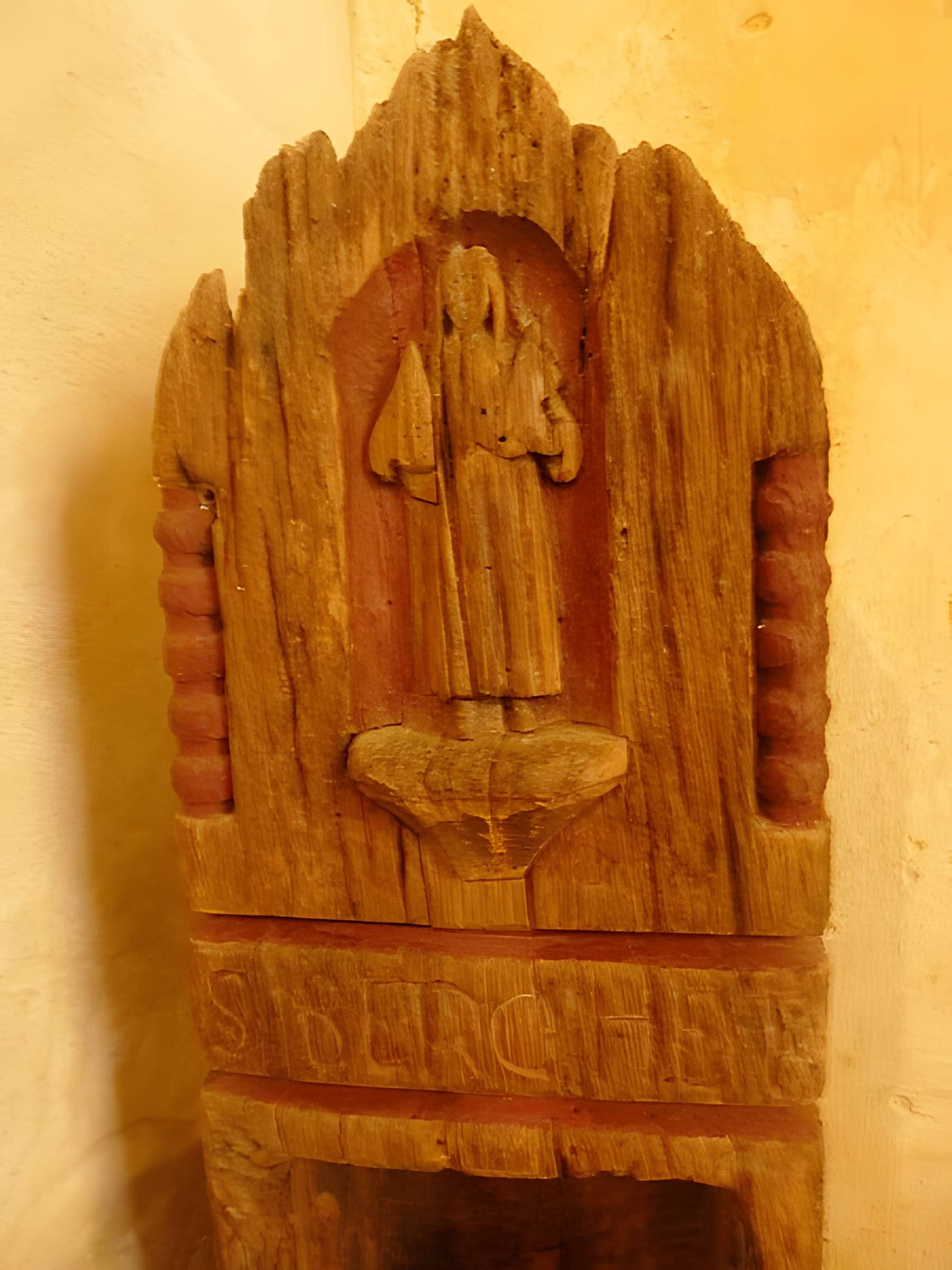
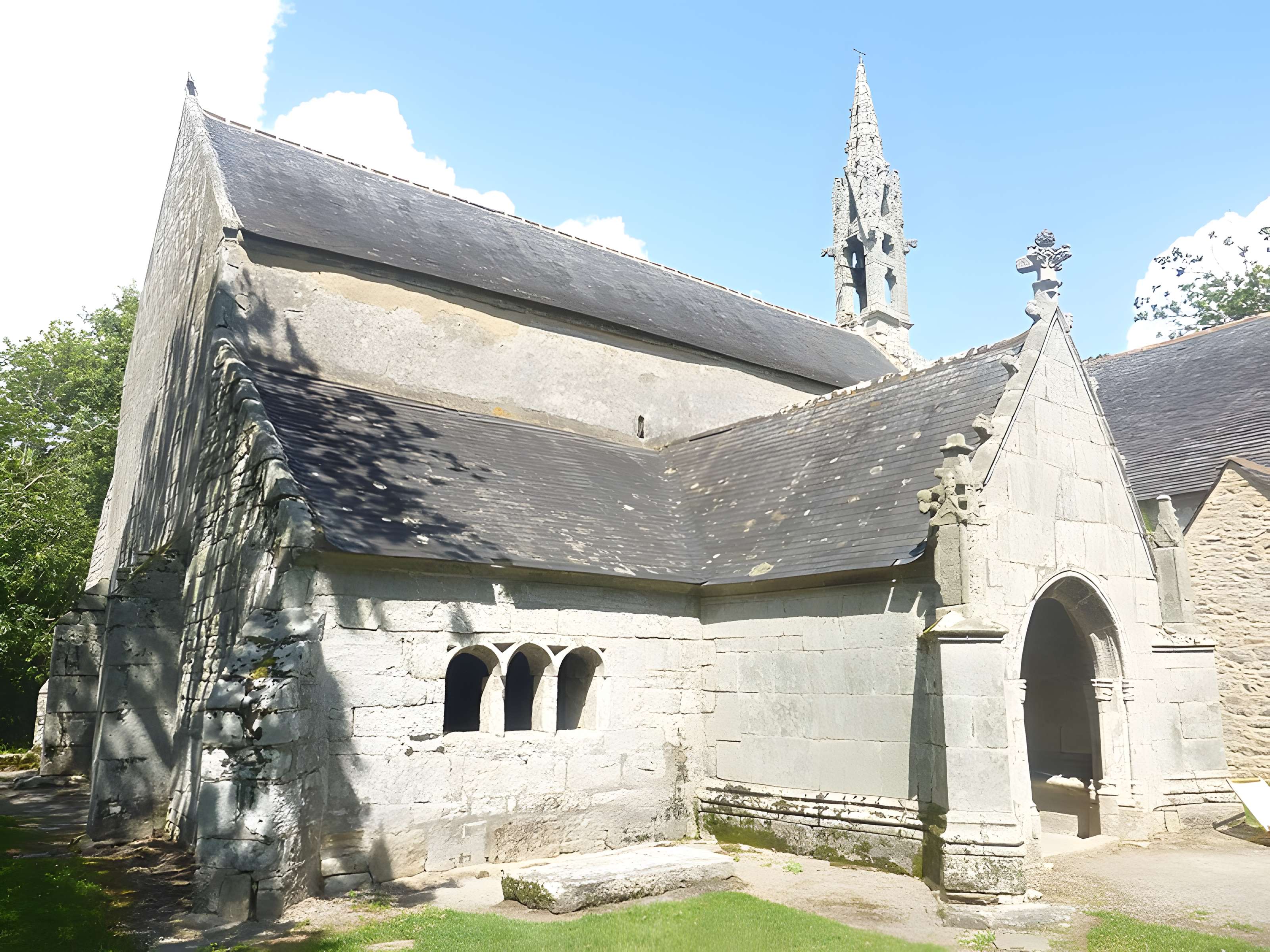
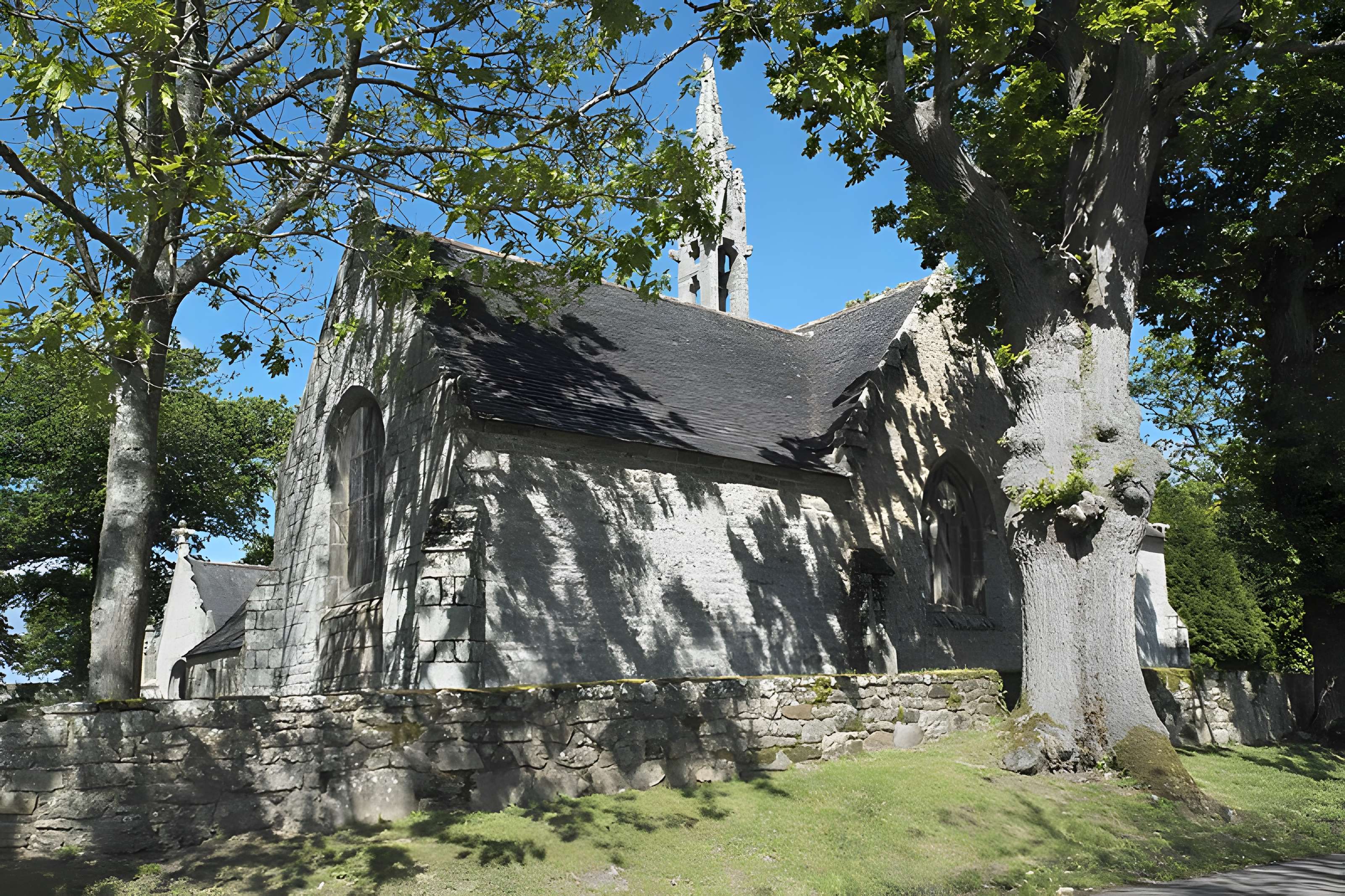
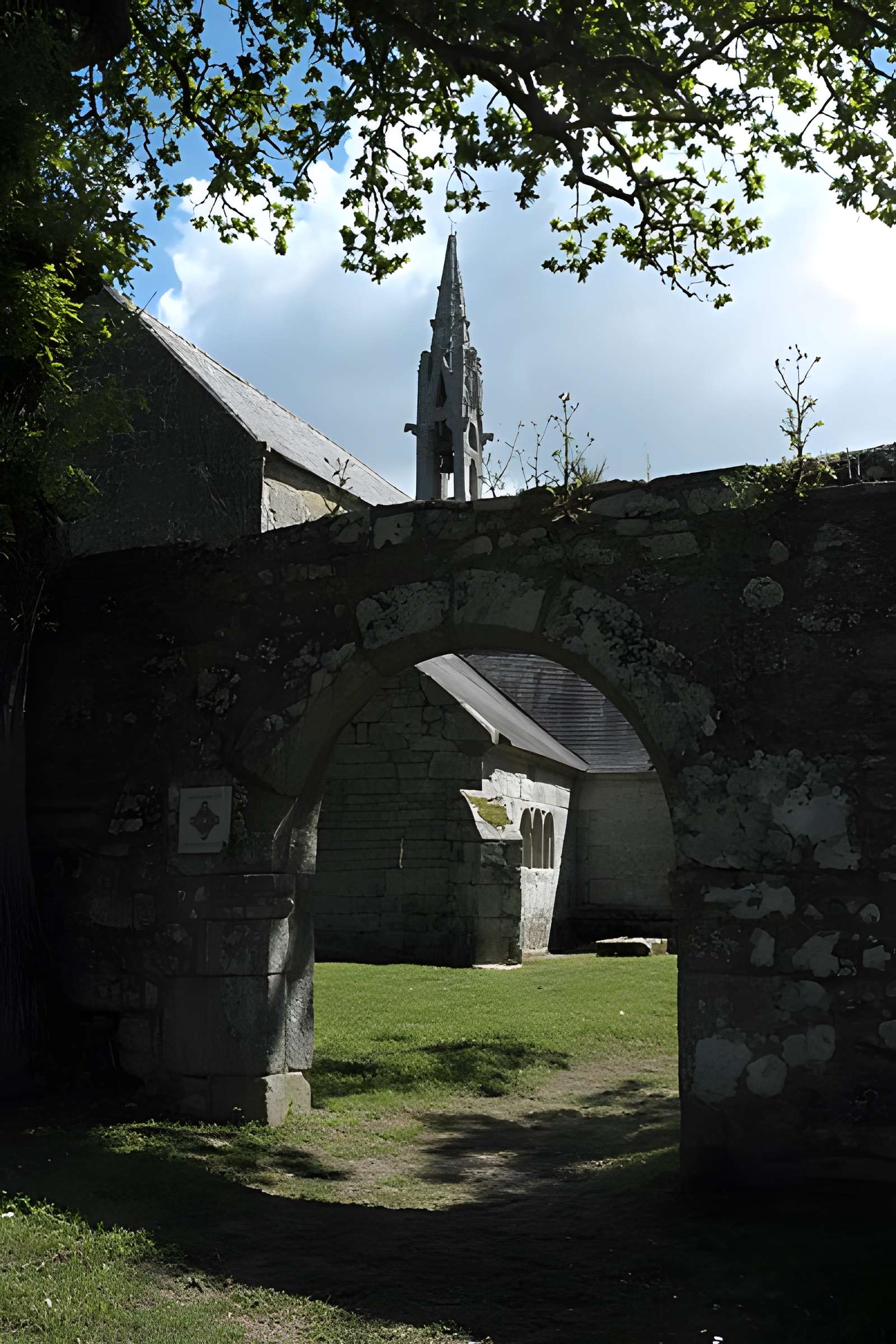
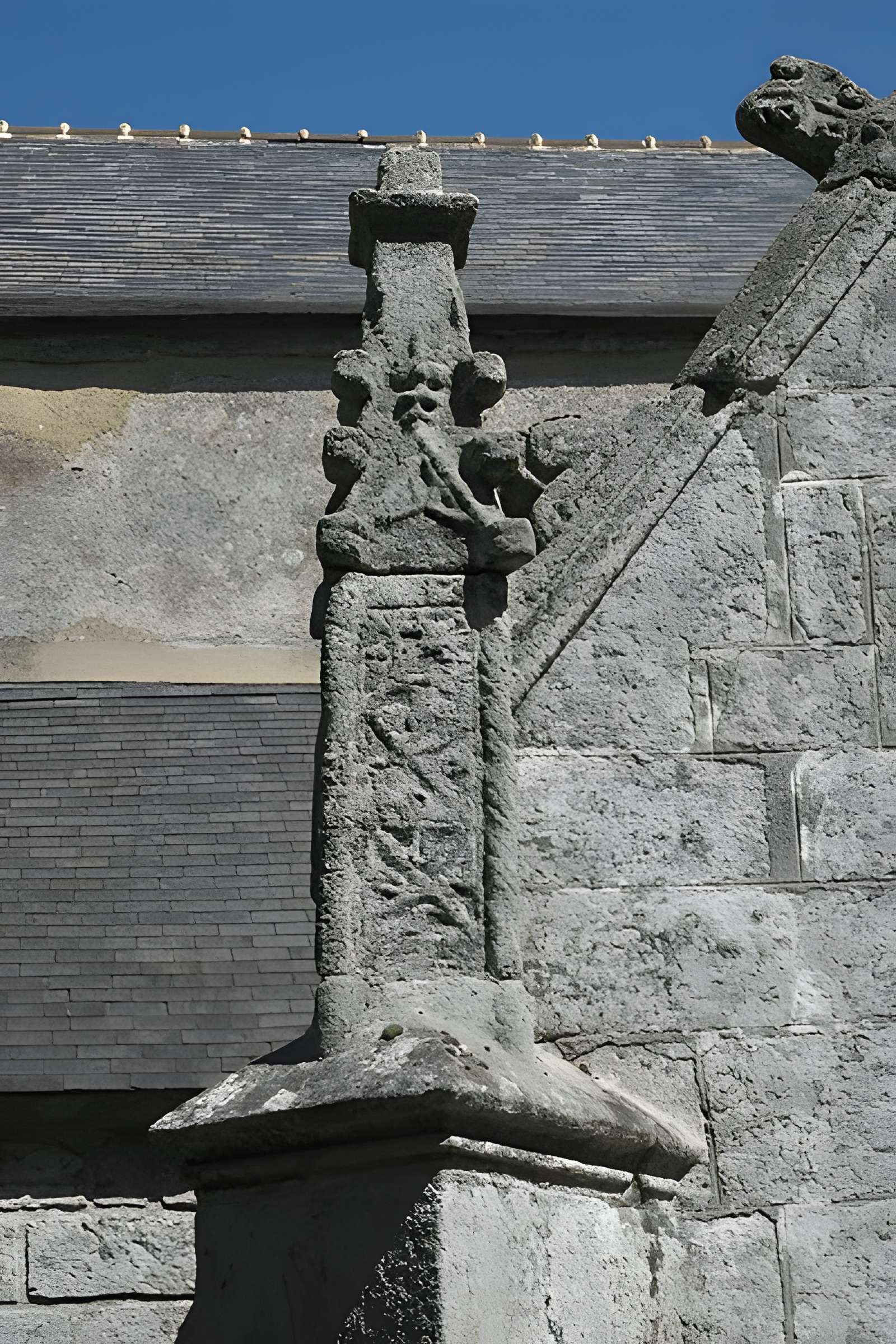
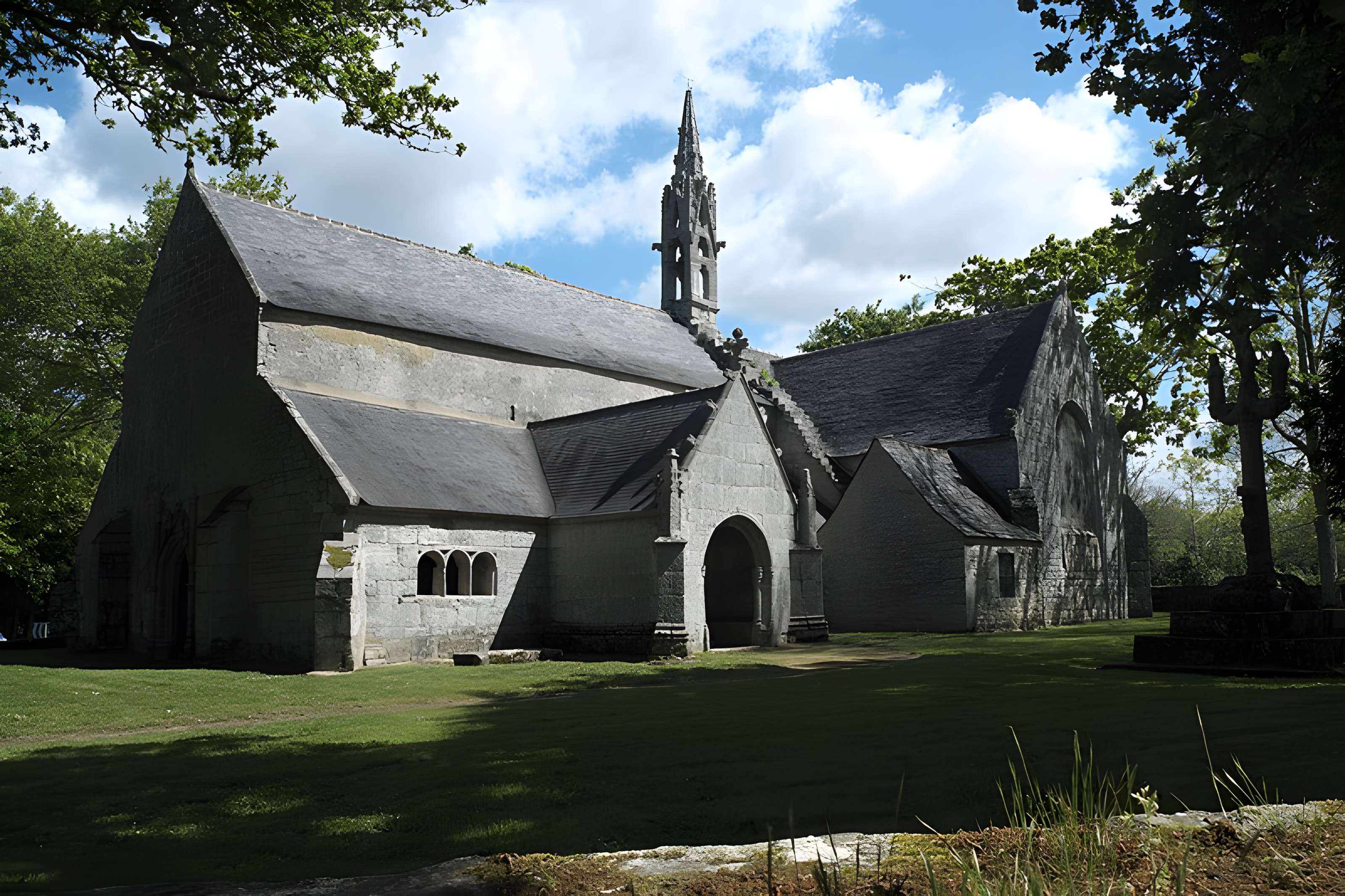
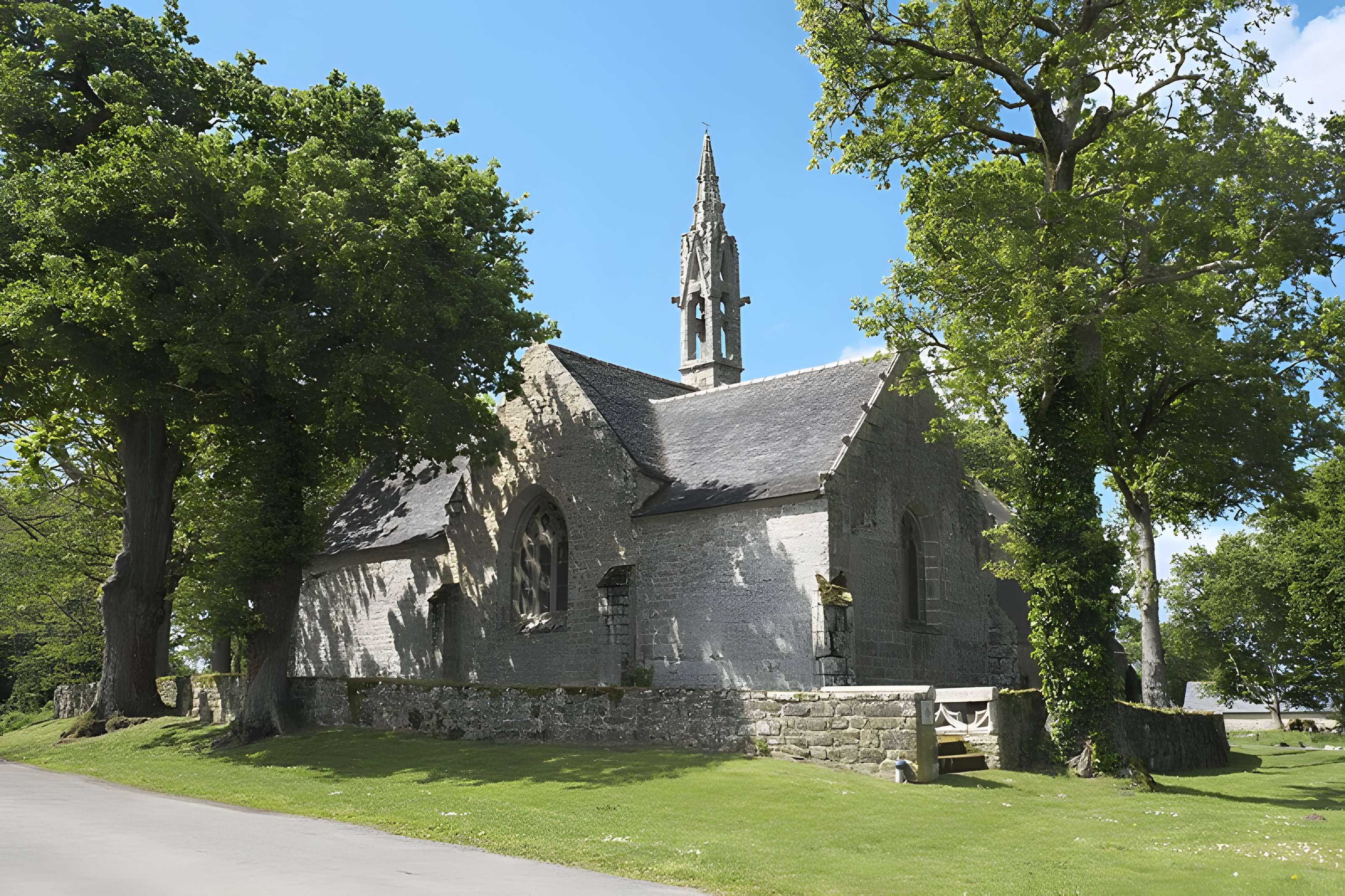
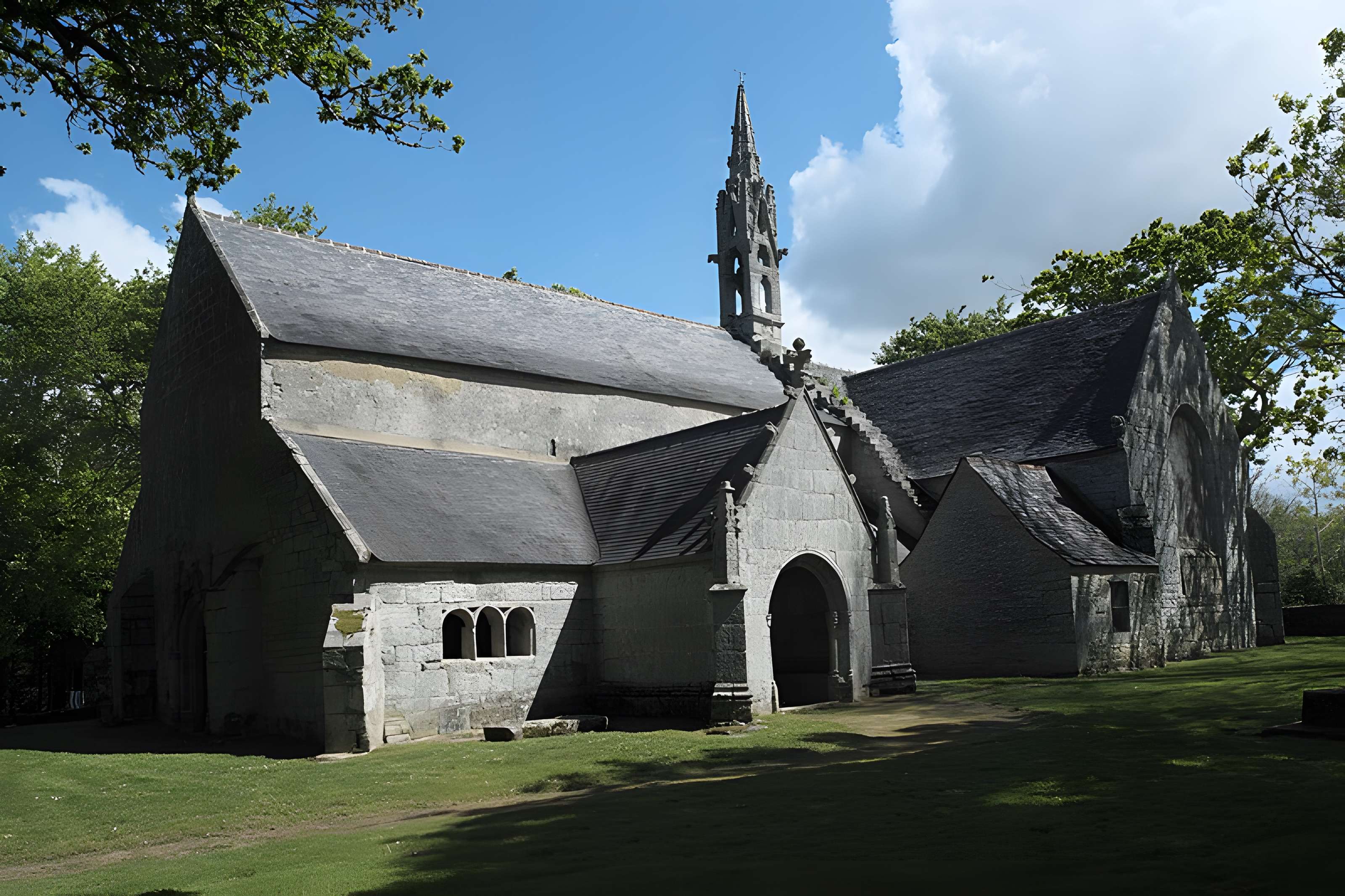
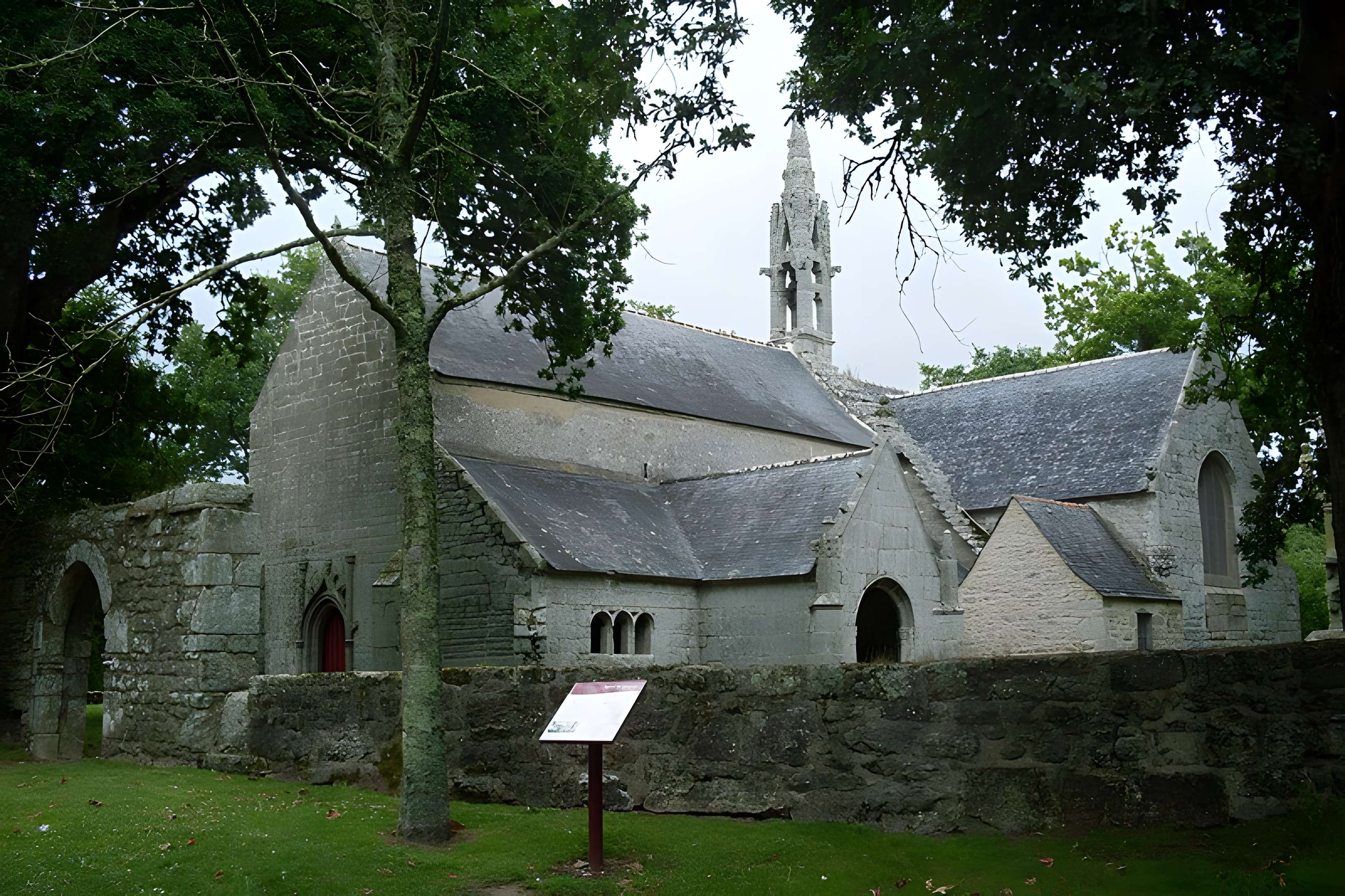
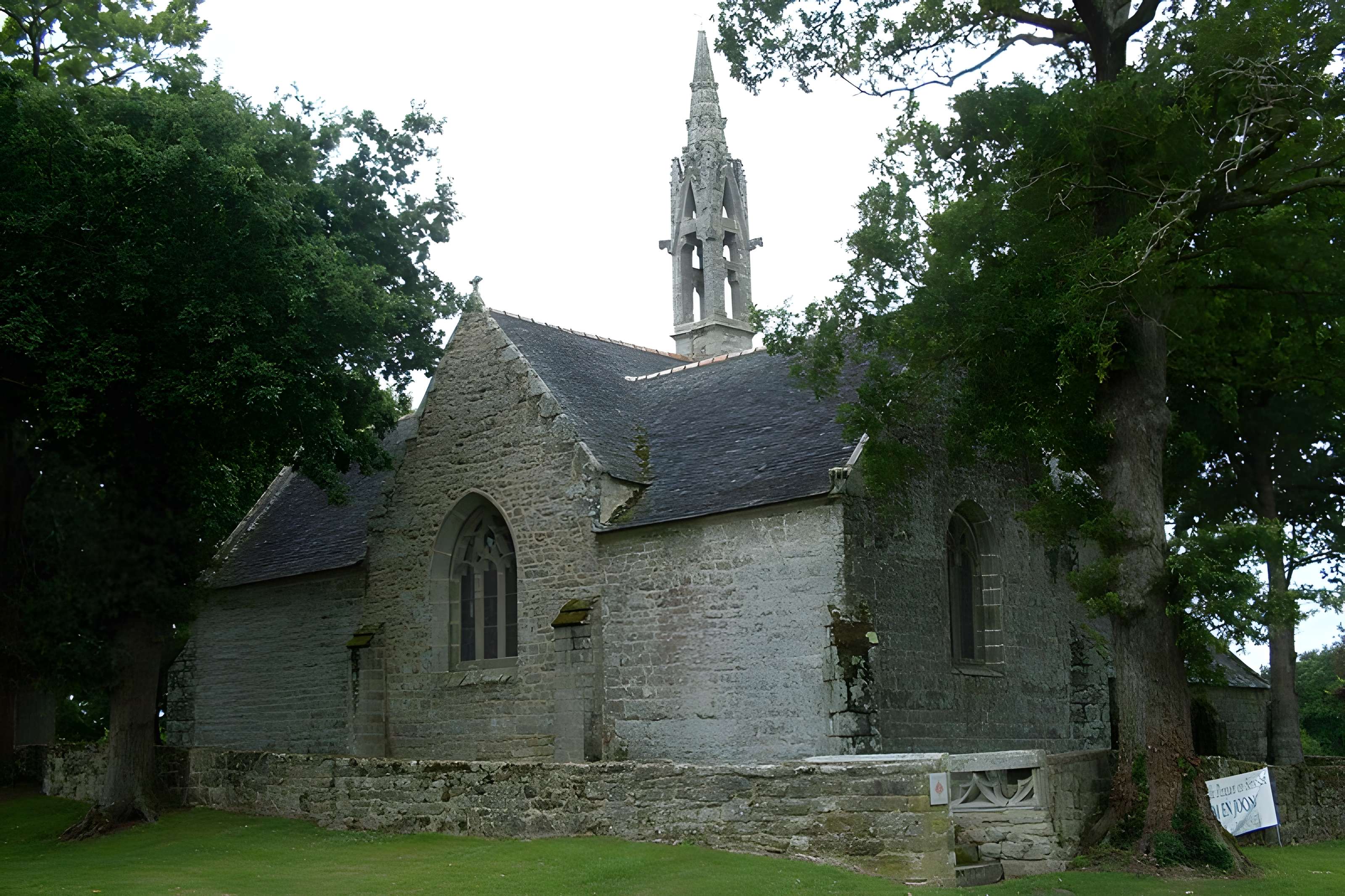
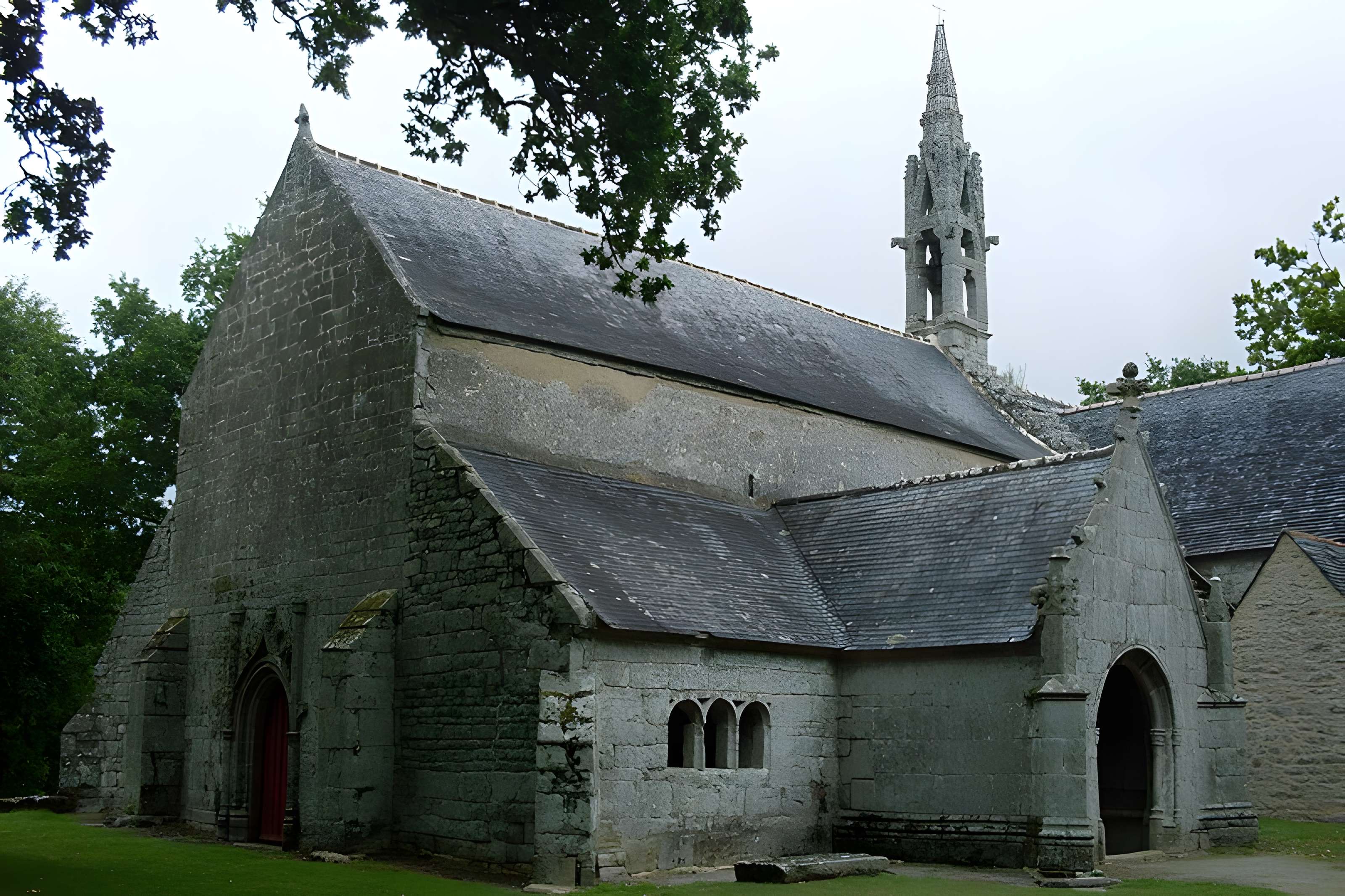
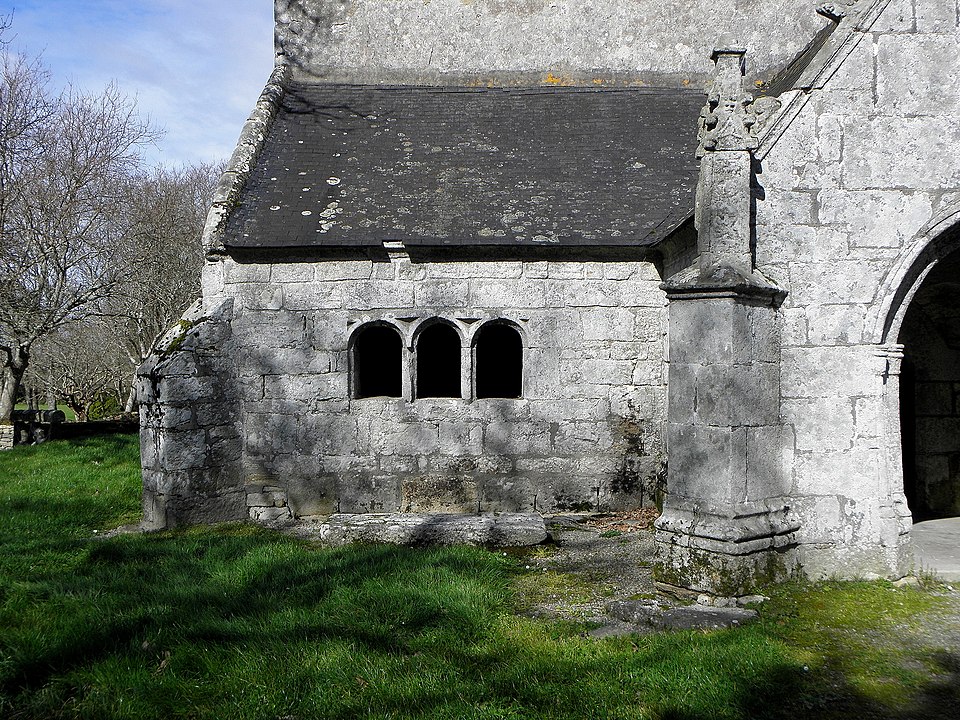
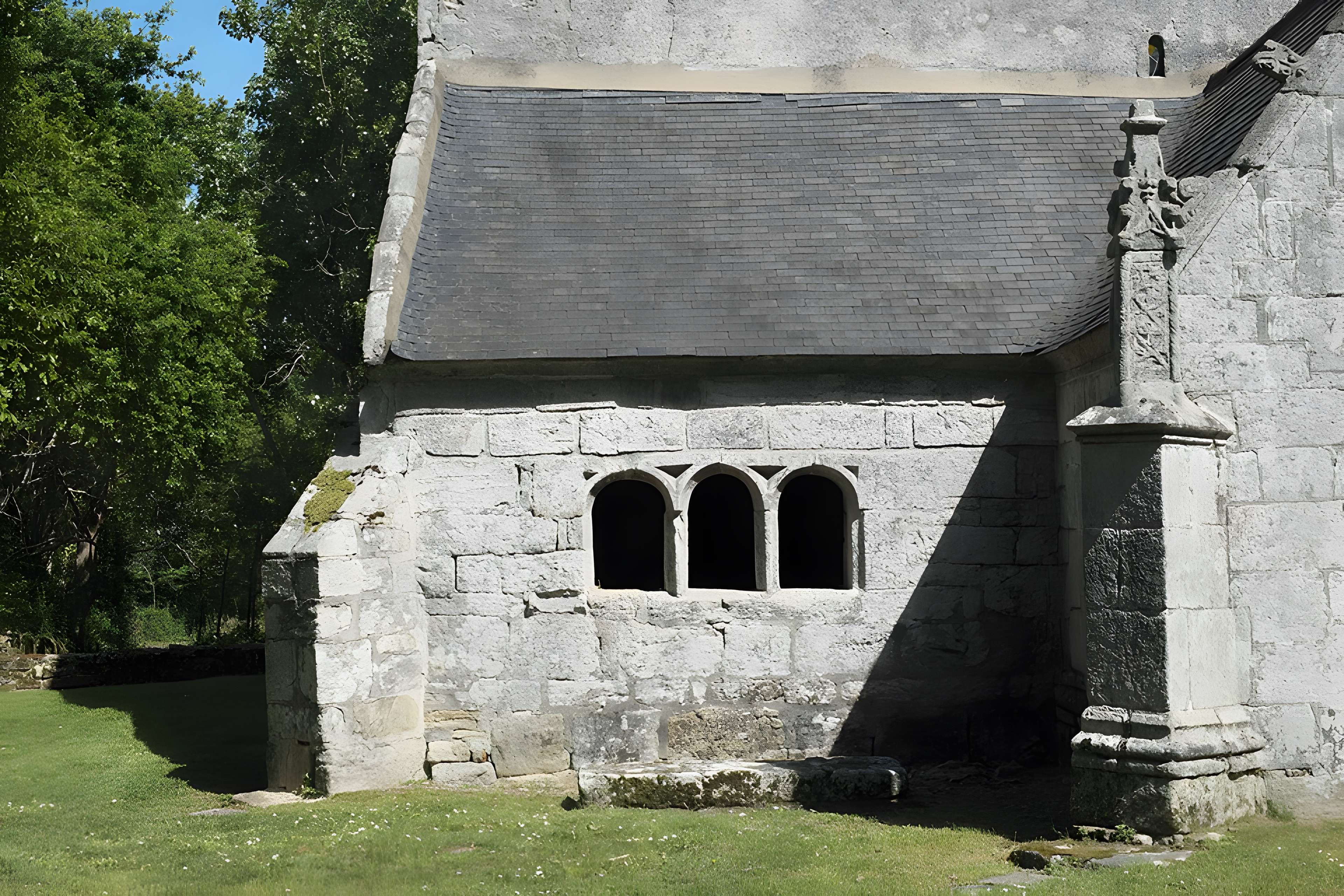
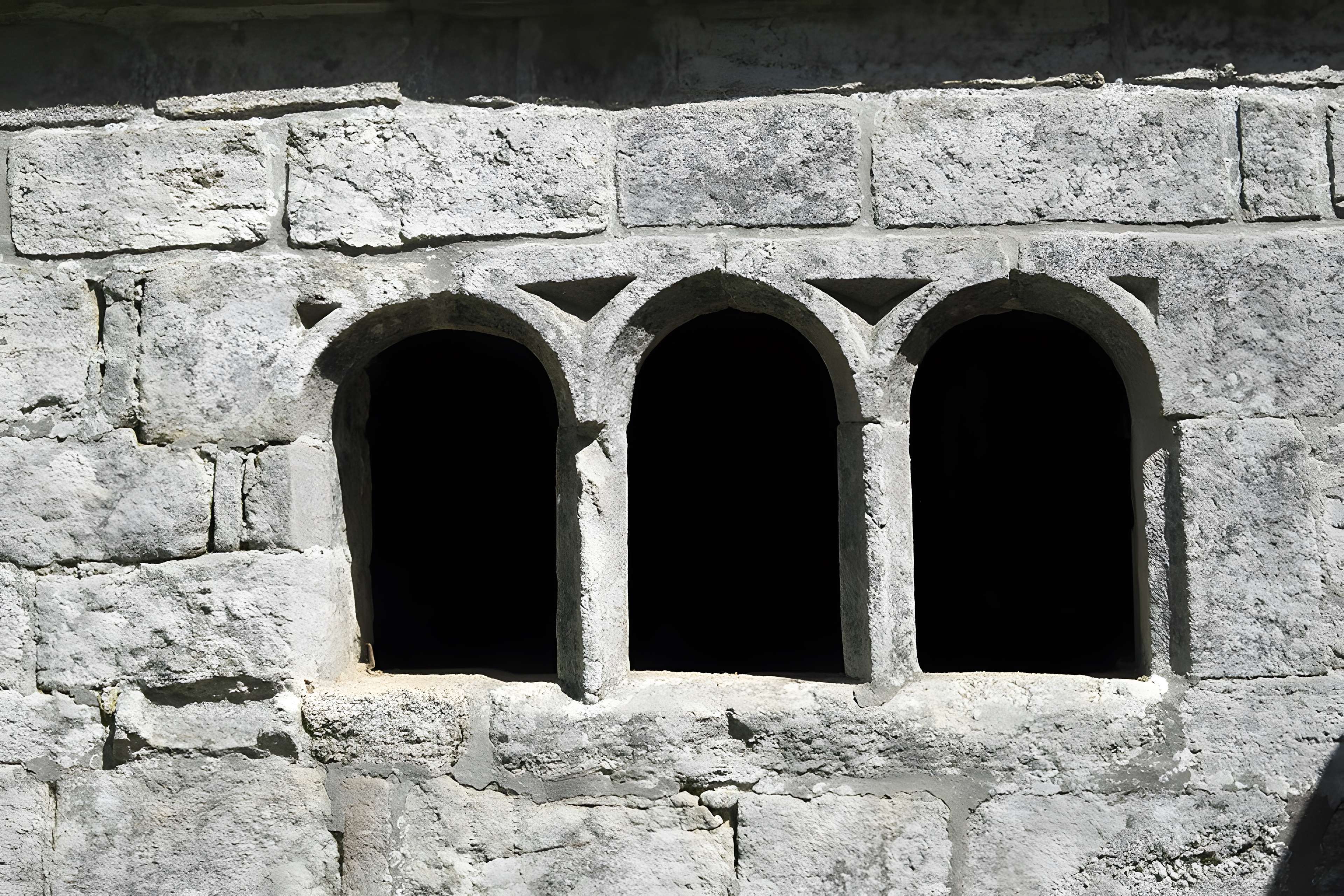
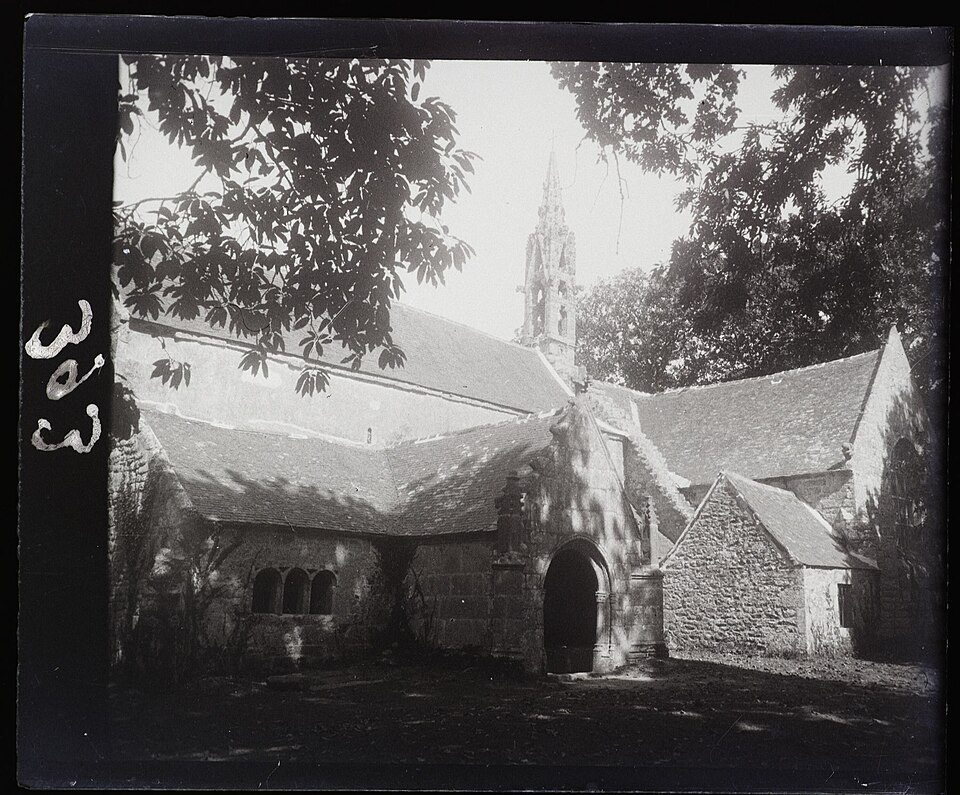
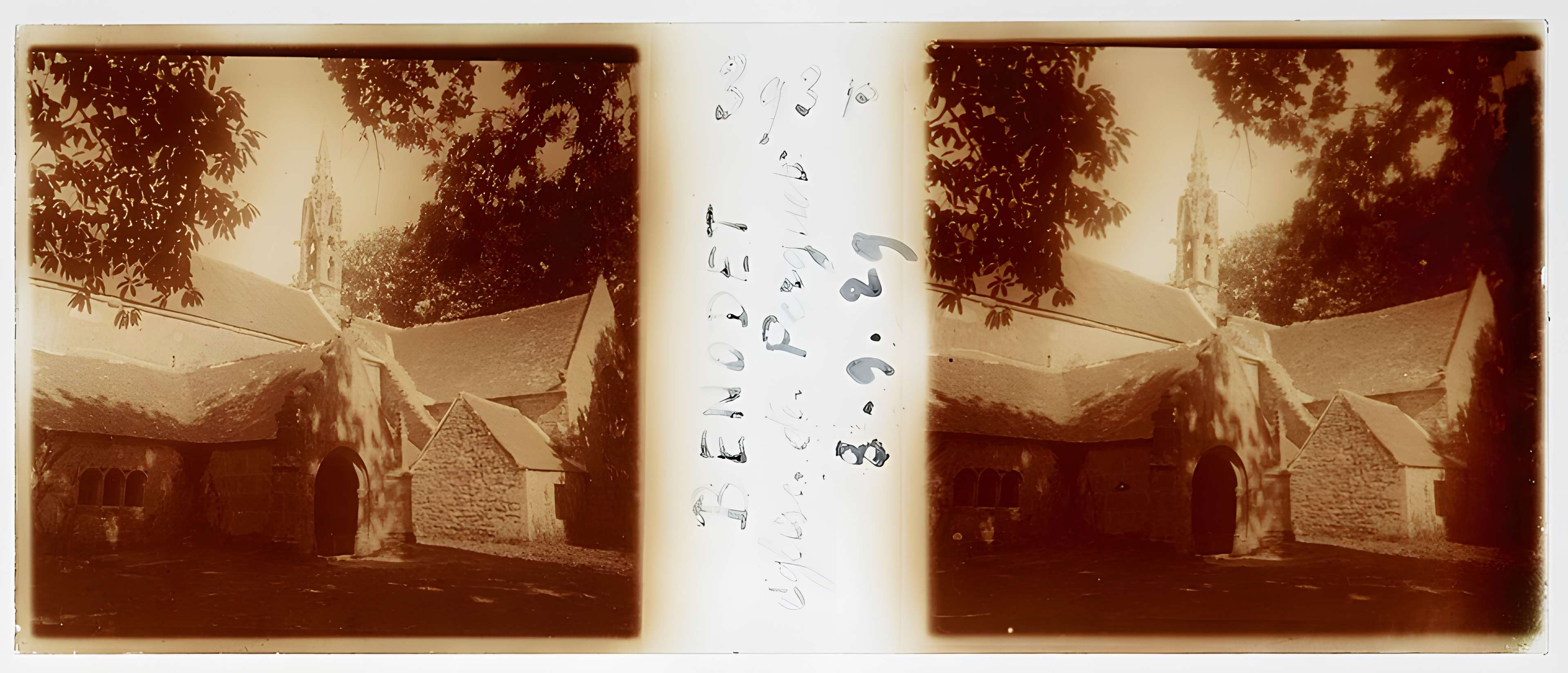
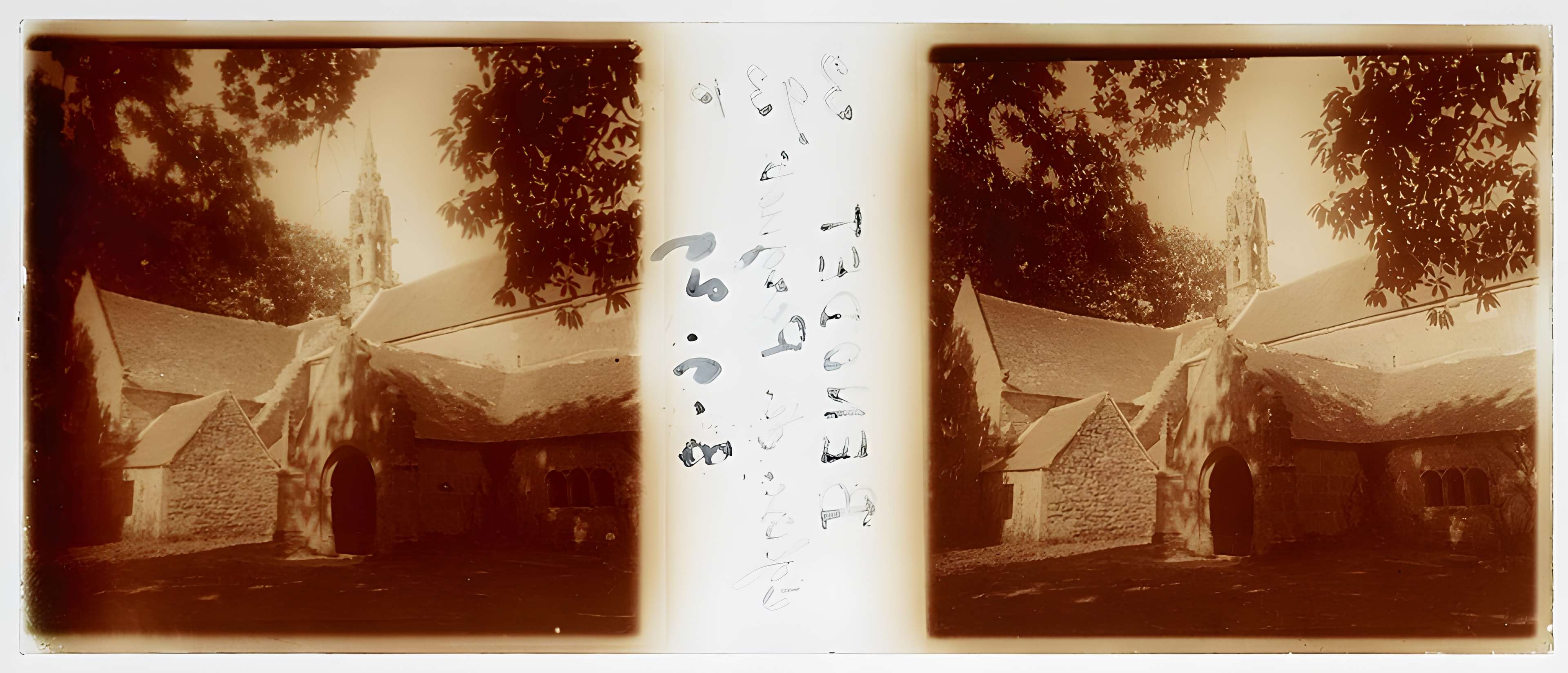
The chapel Sainte-Brigitte de Perguet, located in Benodet in the Finistère, is a building built between the late 12th century and the last quarter of the 16th century. It illustrates a hybrid architecture: the nave, on the north side, retains its original Romanesque appearance, while the transept, the ossuary and the porch, added in the 16th century, transforms its southern appearance. This mix of styles reflects architectural and religious evolution over centuries.
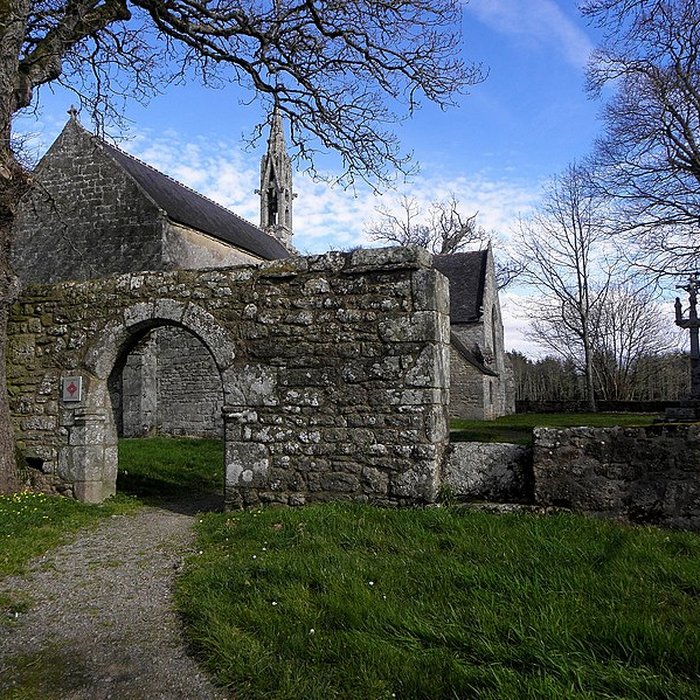
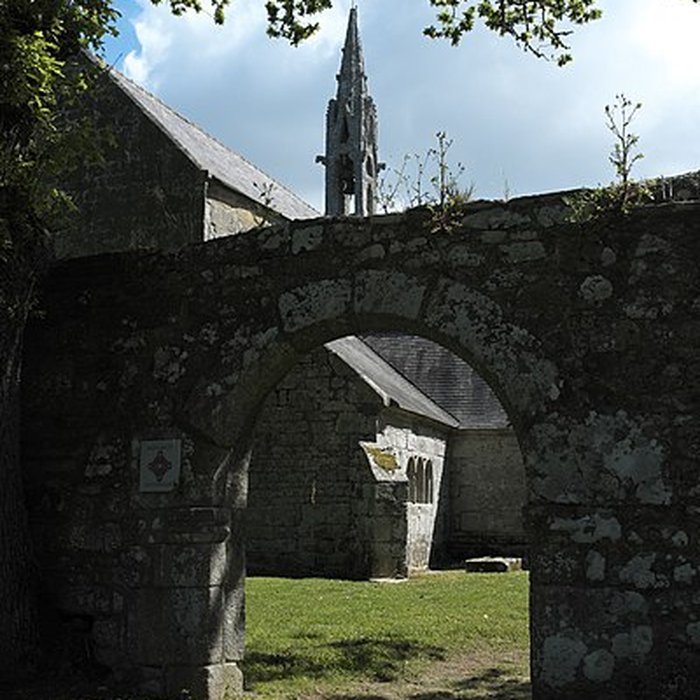
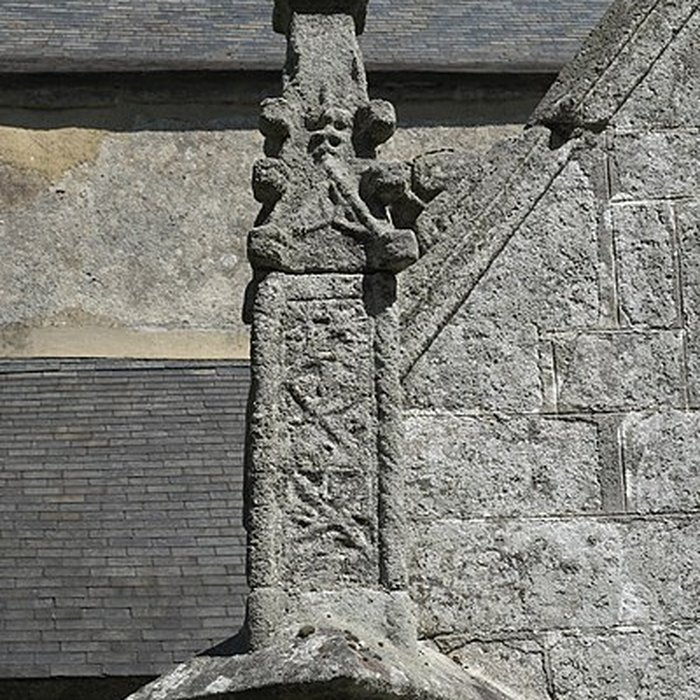
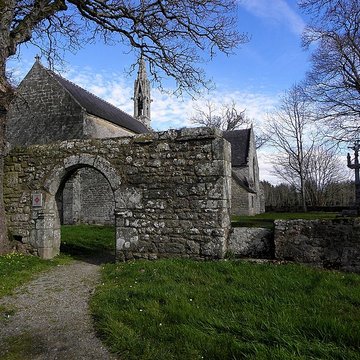
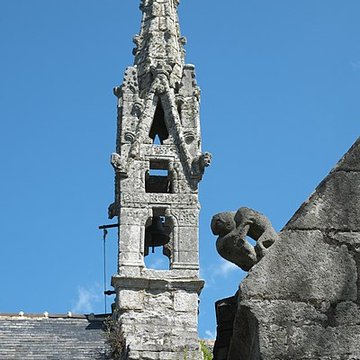
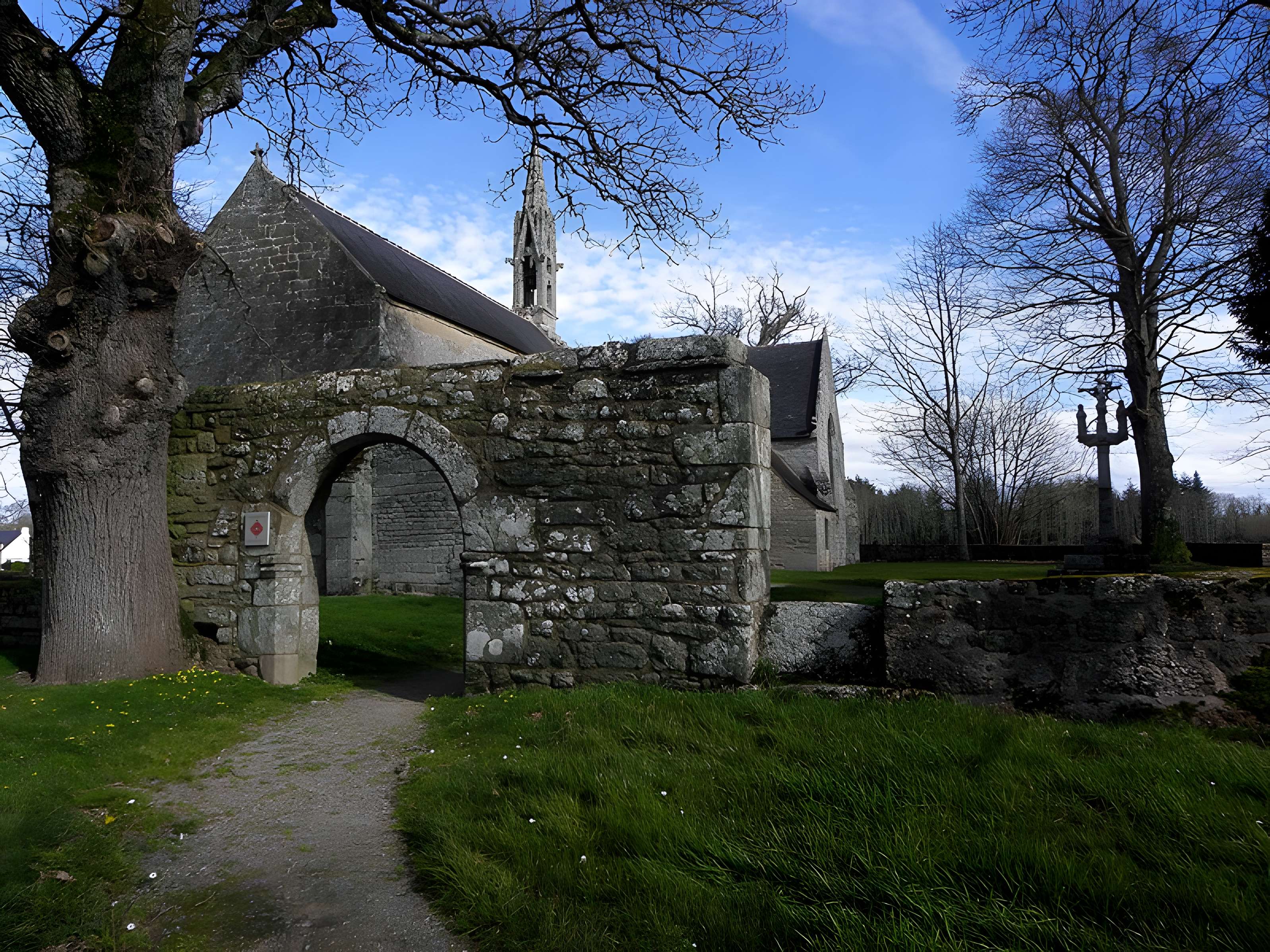
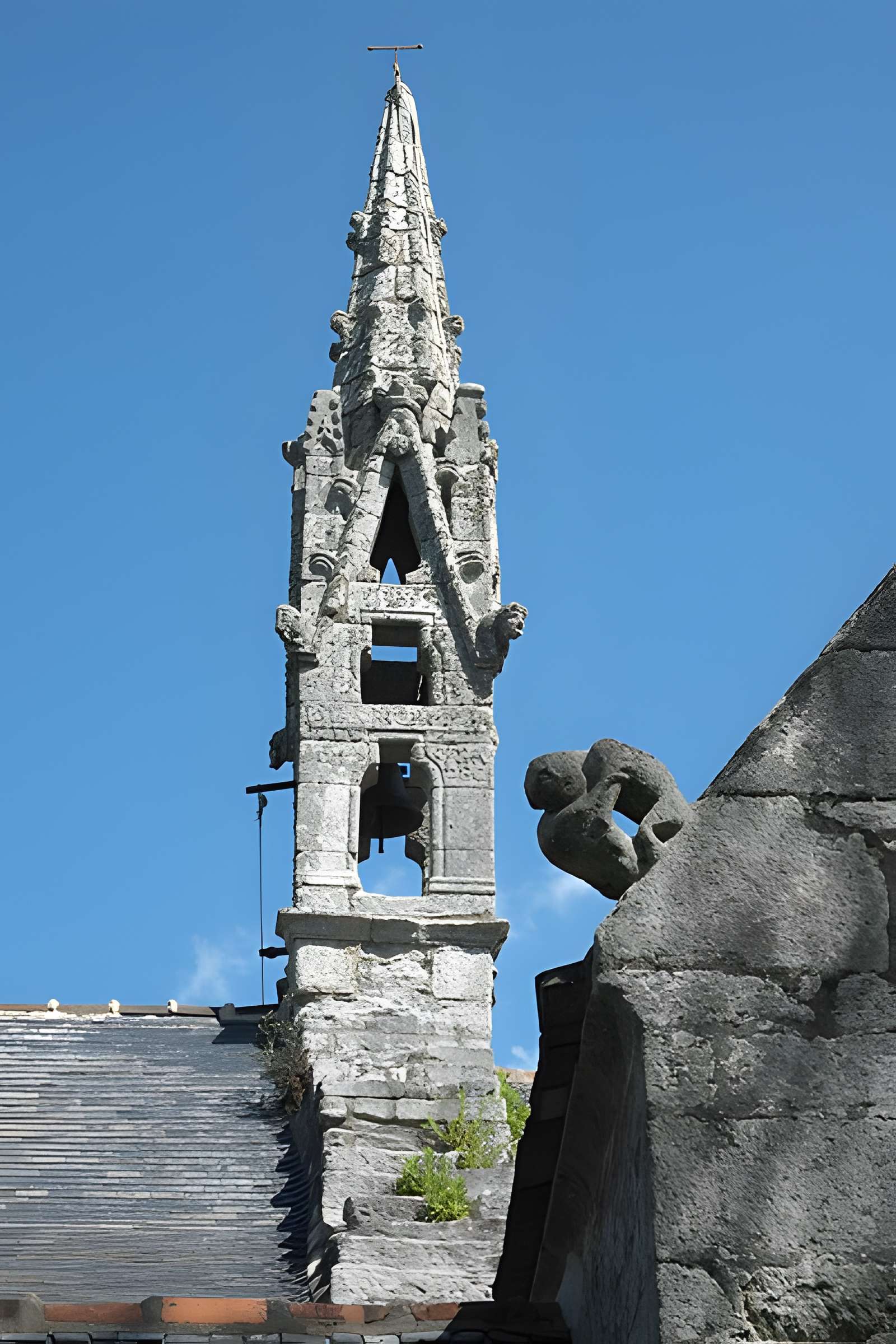
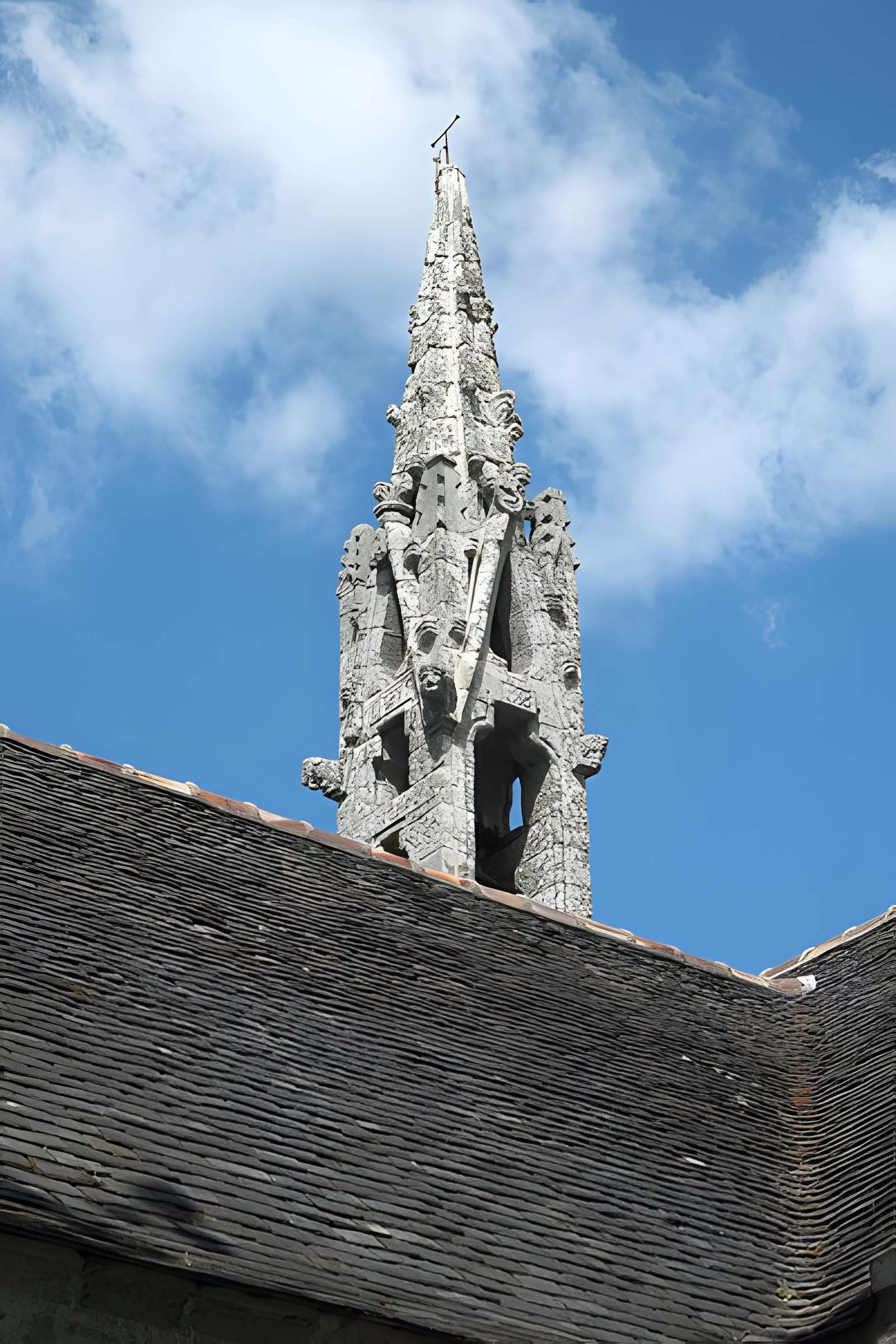
The campanile of the chapel bears two notable inscriptions: the date of 1595 and the names of the prior of Daoulas, Jan Christien, as well as the pastor of the period, Caradec. These elements suggest local importance, linked to both religious life and the ecclesiastical administration of the region. The chapel, classified as a historic monument since 1916, also includes its fence wall and entrances in this protection.
From a historical point of view, the chapel is part of a Breton context marked by the worship of local saints, such as Saint Brigitte, and by the evolution of funeral practices, illustrated by the presence of an ossuary. Its location in Benodet, near the coast, also reflects the anchoring of coastal communities around shared places of devotion. Available sources, such as Pierre Lescot's studies or the Mérimée bases, highlight his heritage and cultural role in Finistère.












Announcements
Please log in to post a review