Logo Musée du Patrimoine

All French heritage classified by regions, departments and cities

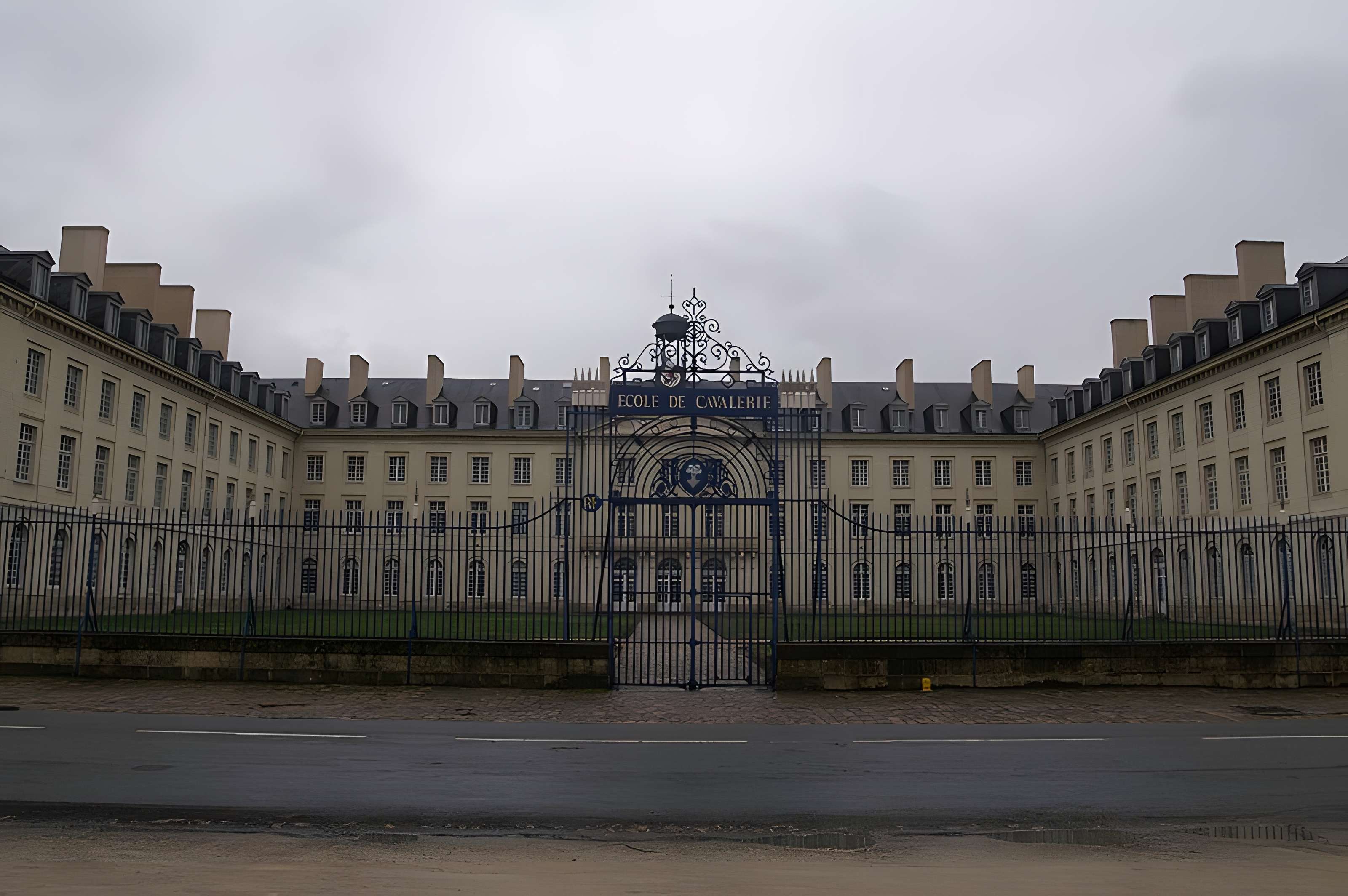
Saumur Cavalry School en Maine-et-Loire

Patrimoine classé
Patrimoine urbain
École
Maine-et-Loire

Saumur Cavalry School

    Place du Chardonnet
    49400 Saumur
State ownership
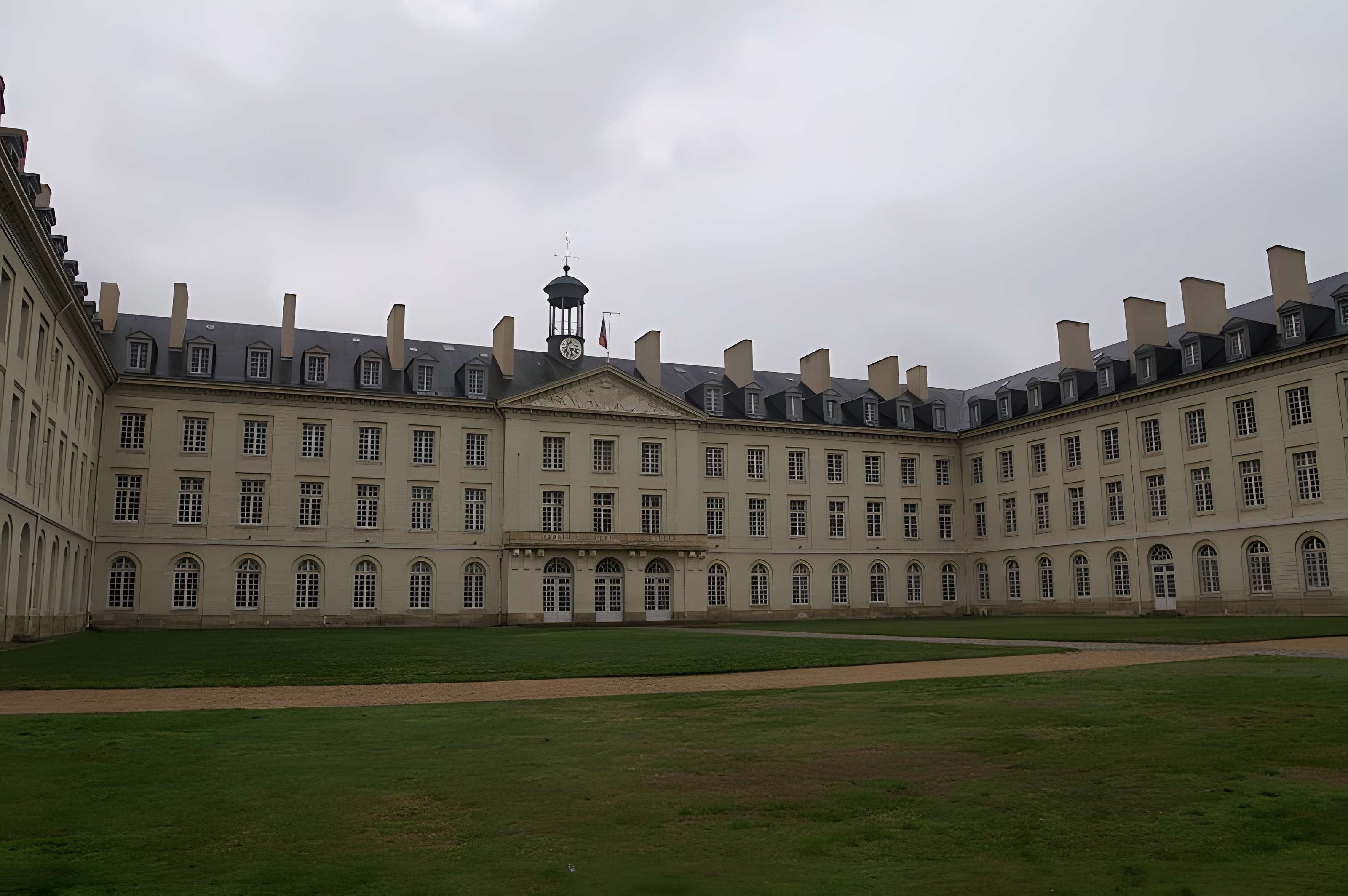
École de cavalerie de Saumur
Crédit photo : Pymouss - Sous licence Creative Commons

Timeline

Temps modernes
Révolution/Empire
XIXe siècle
Époque contemporaine
1800
1900
2000
1763
Foundation of cavalry schools
1771
Unique cavalry school
1814
Refoundation by Louis XVIII
1830
French equestrian monopoly
juin 1940
Resistance to Germans
1972
Establishment of the National Riding School
2009
Current adopted name
Aujourd'hui
Aujourd'hui

Heritage classified

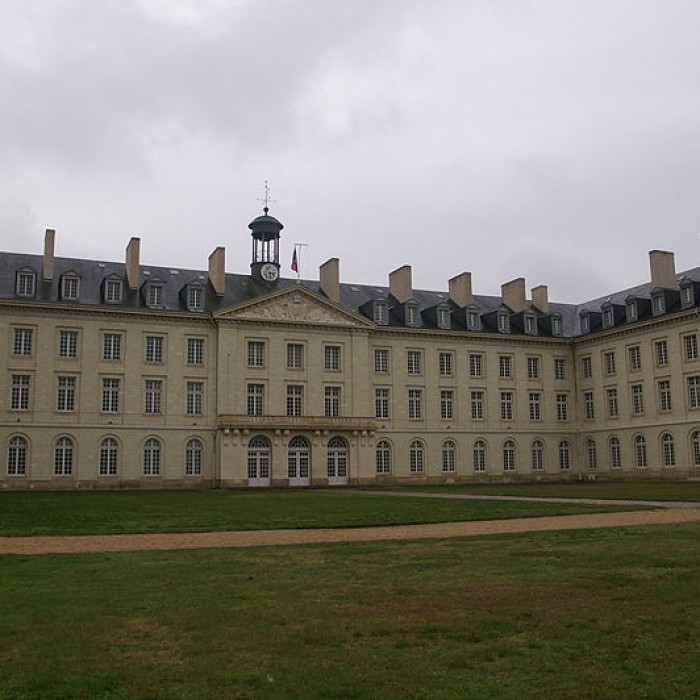
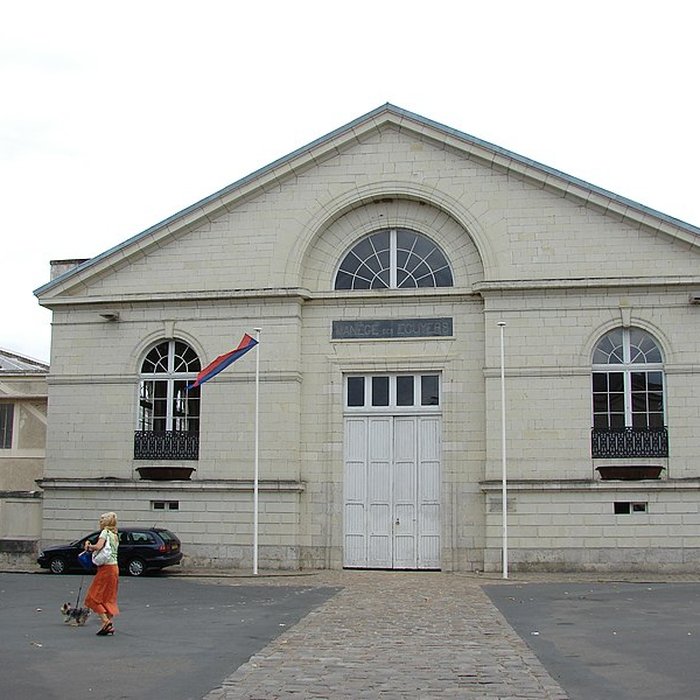
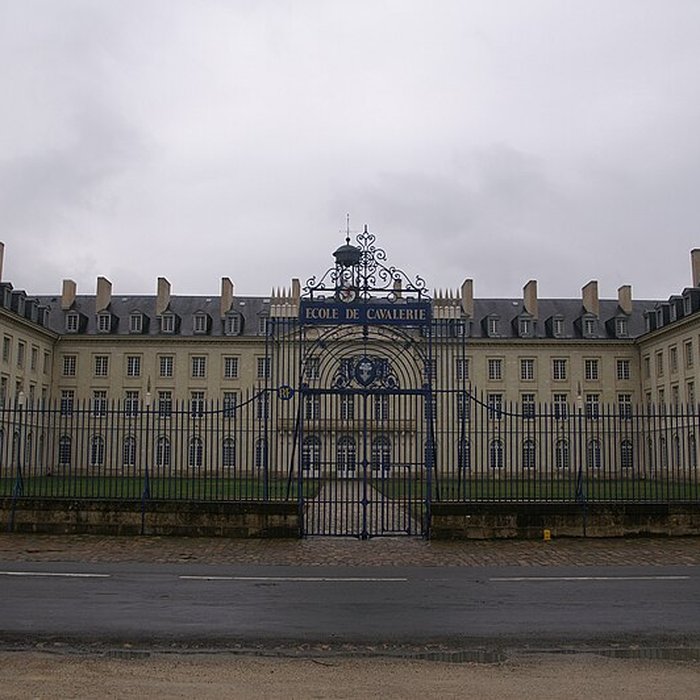
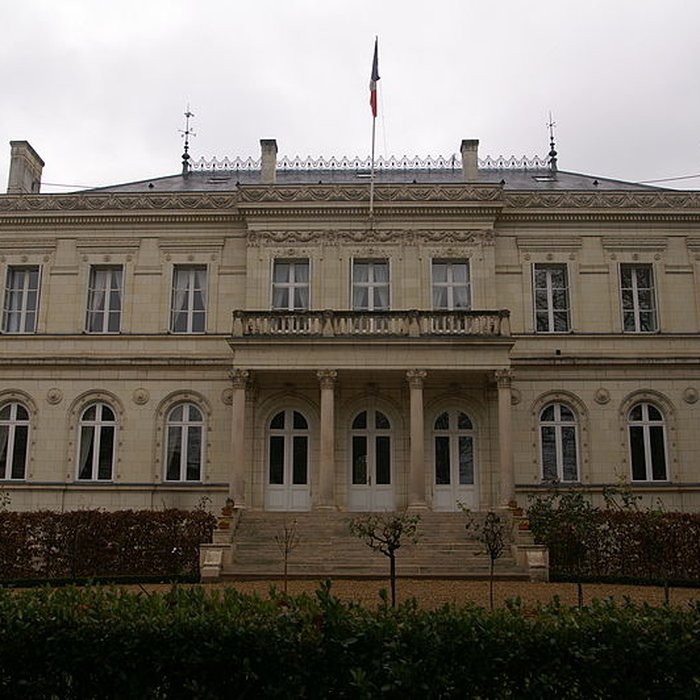
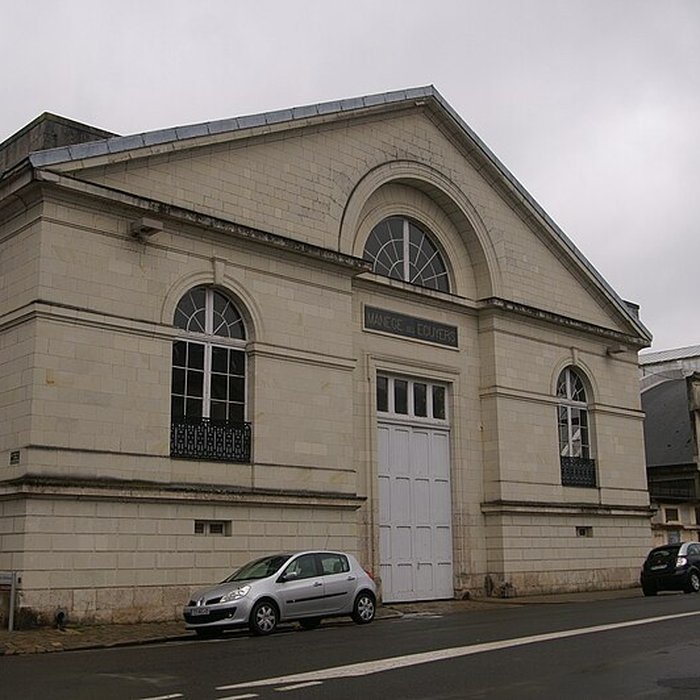
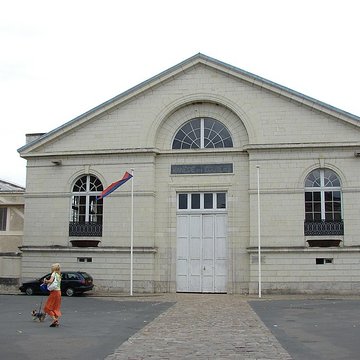
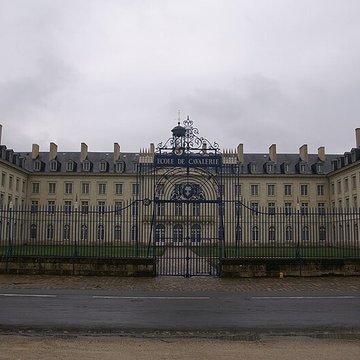
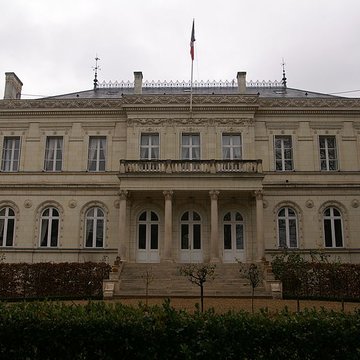
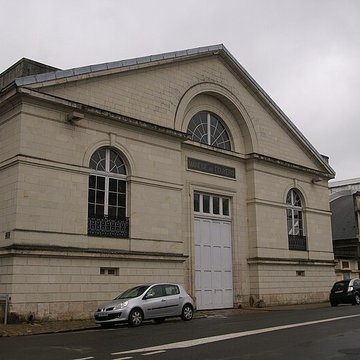
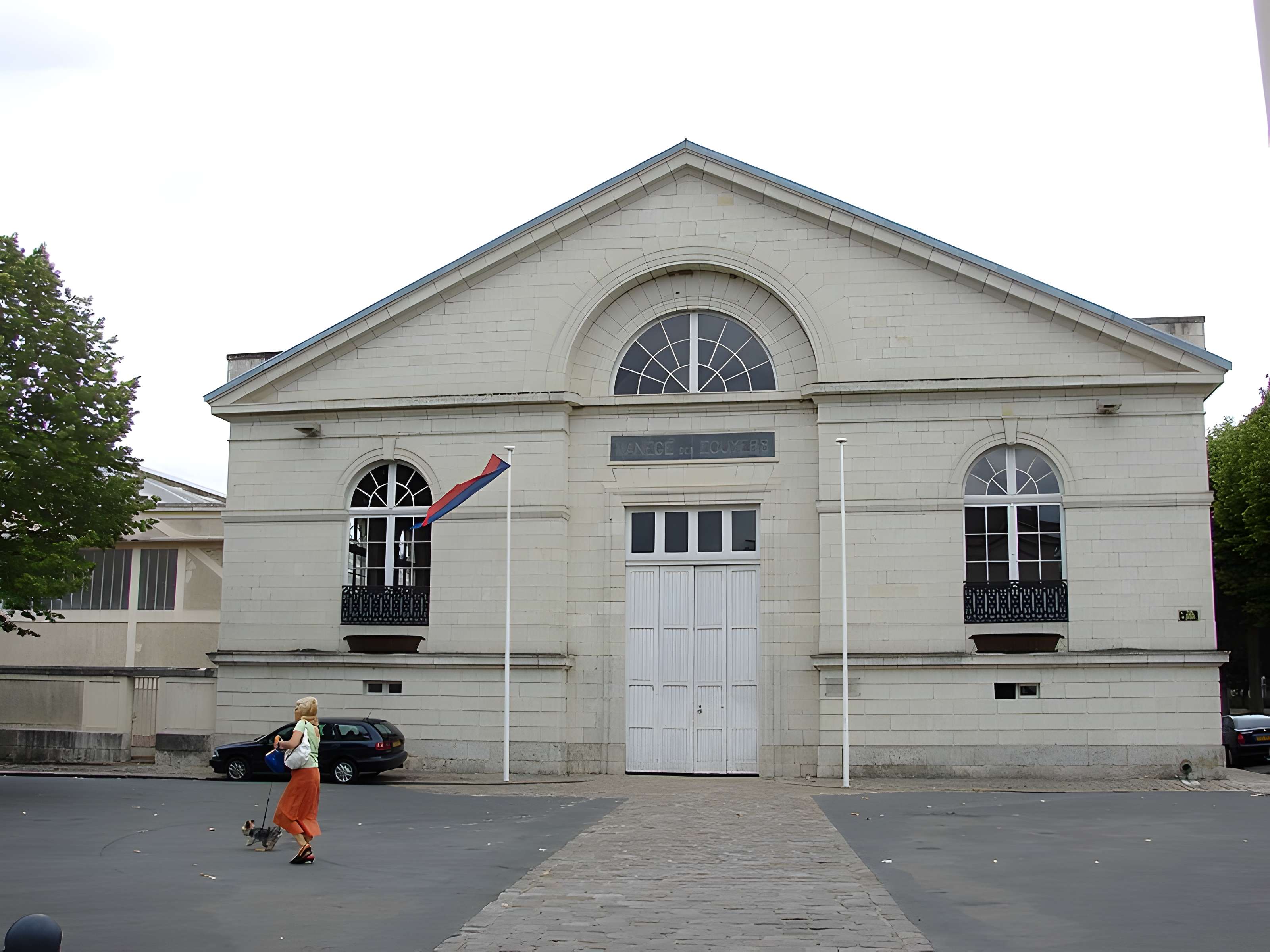
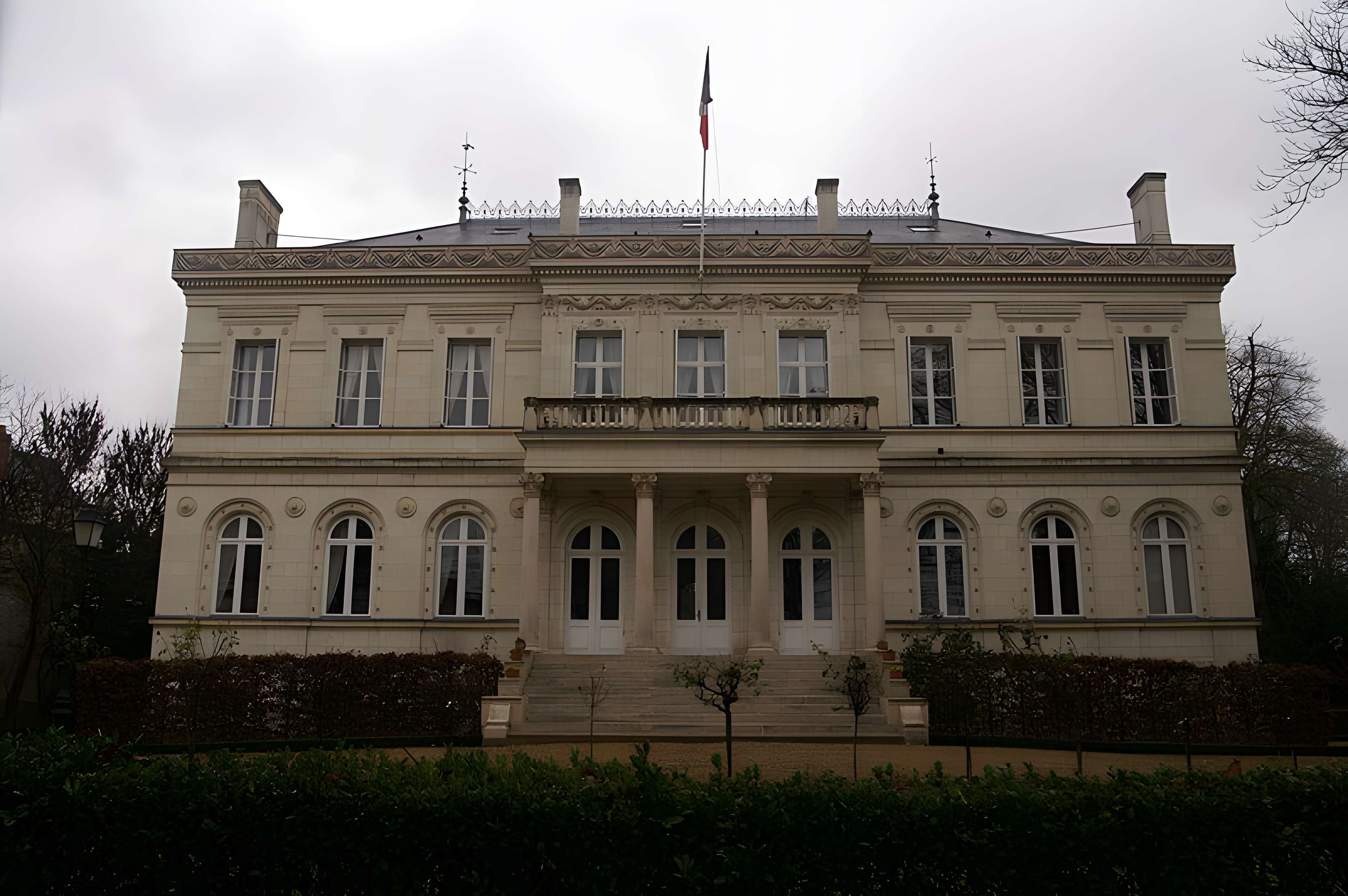
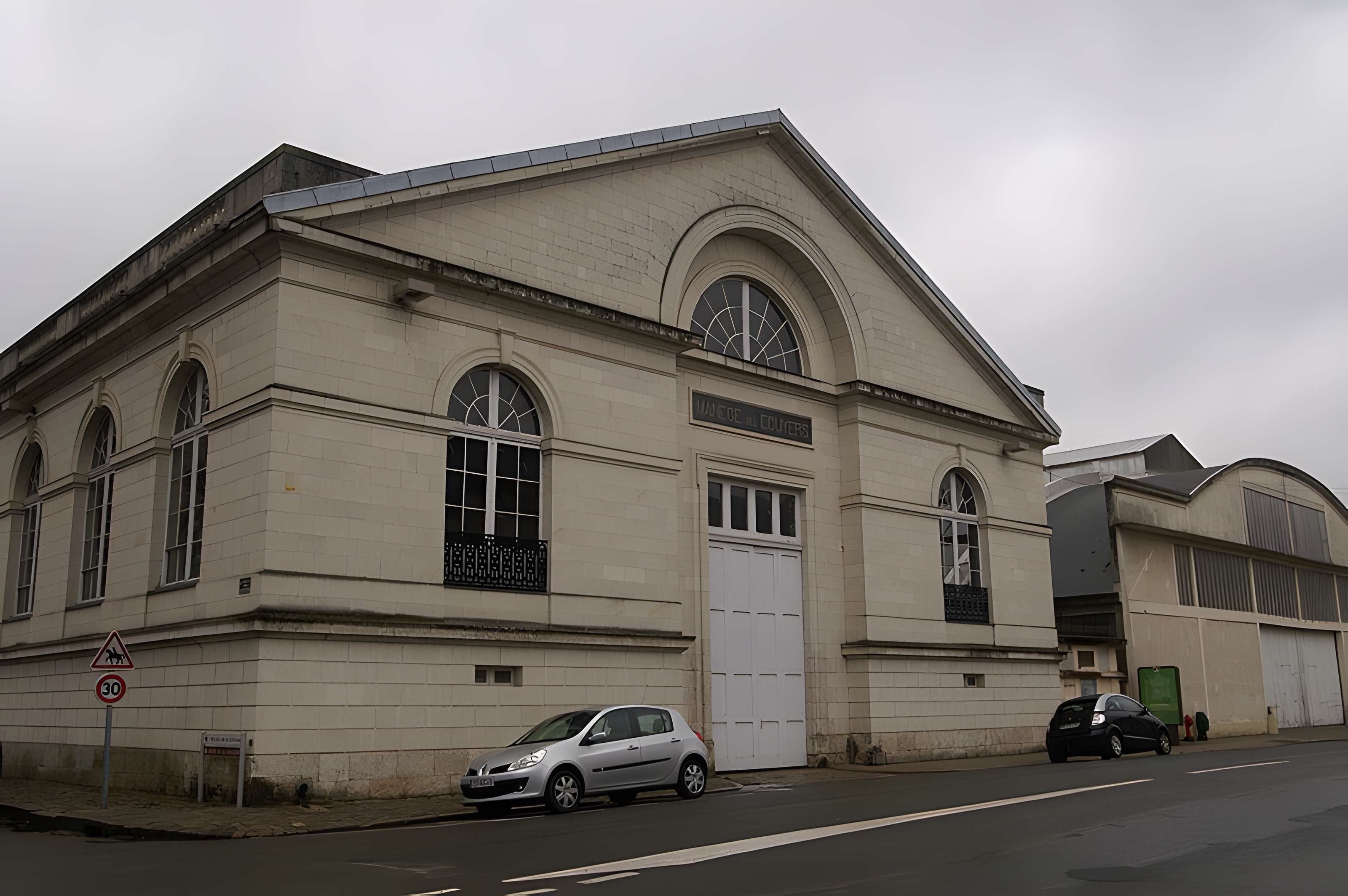
Former barracks of the Royal Carabinieri Corps (cad. AM 84): inscription by order of 3 February 1971 - The following buildings of the cavalry school, depending on the application school of the Armée Armée Cavalerie: 1/ in total, the following buildings: the Kellermann Armoire -1834-, with the exception of the floors (for gymnasium use) (Box AM 77); the Ecuyers Armoire -1767 and 1861- (Box AM 79). 2/ facades and roofs of the following buildings: the Moshowa -1769 stable ride (Box AM 75); the stables of the Manège -1827 to 1840-, the manège Lasalle -1875 to 1877-, the forage store -1867, including frames, bearing structure and interior staircase-, the manège Montbrun -1768, burned and "rebuilt" in 1866-1867-, the former stables of Bouvines -1878-1882-, the former stables of Isly -1886-, the former stables of Denaim -1865-1866-, the former stables of Valmy -1862-, the former stables of Texel -1861- (Box AM 77); the Margueritte Manège -1907- (cad. AM 157) (all these buildings delimit the Place du Chardonnet, cf. plan annexed to the decree): inscription by order of 13 October 2000 - The following buildings, depending on the School of Armored Army Application Cavalry: 1/ In total: the feed shop (box AM 77); the "New Command Hotel" (cad. AM 81), with its plate plot (park) and its walls and fences. 2/ For their facades and roofs: the old infirmary (current officer's mess (cad. AM 82) , with its two entrance pavilions and its fence on Avenue Foch ; veterinary buildings (Box AM 159); Concierge stables of the "New Command Hotel" (Box AM 81); fences (grills, monumental gate, guardhouses) visible from Foch Avenue (Box AM 82, 159): inscription by order of 22 September 2005

Key figures

Louis XV - King of France Initiator of the 1763 reform.
Duc de Choiseul - Minister of War Organizer of cavalry schools.
Colonel Michon - Commander 1940 Leads resistance against Germany.
Général Estienne - Armoured pioneer The Blind Museum bears his name.

Origin and history

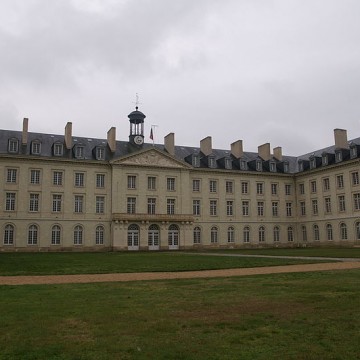
The Saumur Cavalry School was founded in 1763, when Louis XV and the Duke of Choiseul reorganized the French cavalry by creating five schools, one in Saumur after tensions with the bishop of Angers. In 1771 Saumur became the only training centre for cavalry officers, replacing the other schools. The Carabinieri district, built in the years 1767-1769 in symmetrical plane, houses the school, with rides and stables added to the nineteenth century. The institution established itself as the cradle of French military horse riding, especially after 1830 with the closure of the school of Versailles.

In 1814, Louis XVIII re-launched the school as the School of Training for Horse Troops, later renamed the Royal Cavalry School by Charles X. The site develops with infrastructure such as the Kellermann Armoury (1834) or the Command Hotel (1853-1855). The Black Frame, created in 1825, embodies Saumur's equestrian excellence, making the city the French capital of horse riding. The school also played a key role in World War II: in June 1940, his cadets heroically resisted the German invasion under Colonel Michon, before a reorganization in Tarbes and then a dissolution in 1942.

After 1945, the school merged with the battle tanks to form the armoured weapon and cavalry (ABC), becoming the training centre for this specialty. In 1972, the National Riding School formed around the Black Frame. Today, the school trains officers and non-commissioned officers in armoured combat and reconnaissance, while ensuring a technological watch. Its buildings, partially classified as Historical Monuments (manèges, stables, hotel of command), bear witness to its architectural and military heritage.

The site also houses the Cavalry Museum, while the Shield Museum was transferred to Saumur Heights. The school, decorated with the Legion of Honour and two War Crosses (1939-1945 and Theatres of Outside Operations), remains a symbol of military tradition and innovation. His history is marked by figures such as Colonel Michon (1940) or General Estienne, pioneer of the armored.

External links