Construction Treaty 1495 (≈ 1495)
Agreement between the parish priest of Coldres and the inhabitants.
1512
Appointment of a vicar
Appointment of a vicar 1512 (≈ 1512)
Briod gets his first vicar.
XVIIe siècle
Added bell tower
Added bell tower XVIIe siècle (≈ 1750)
Construction of the current bell tower.
21 mai 1970
MH classification
MH classification 21 mai 1970 (≈ 1970)
Registration for historical monuments.
Aujourd'hui
Aujourd'hui
Aujourd'hui Aujourd'hui (≈ 2025)
Position de référence.
Heritage classified
Church (Box B 123): registration by order of 21 May 1970
Key figures
Curé de Saint-Étienne de Coldres - Sponsor
Signatory of the Treaty of 1495.
Saint Jérôme - Boss of the chapel
Represented by a 16th century statue.
Origin and history
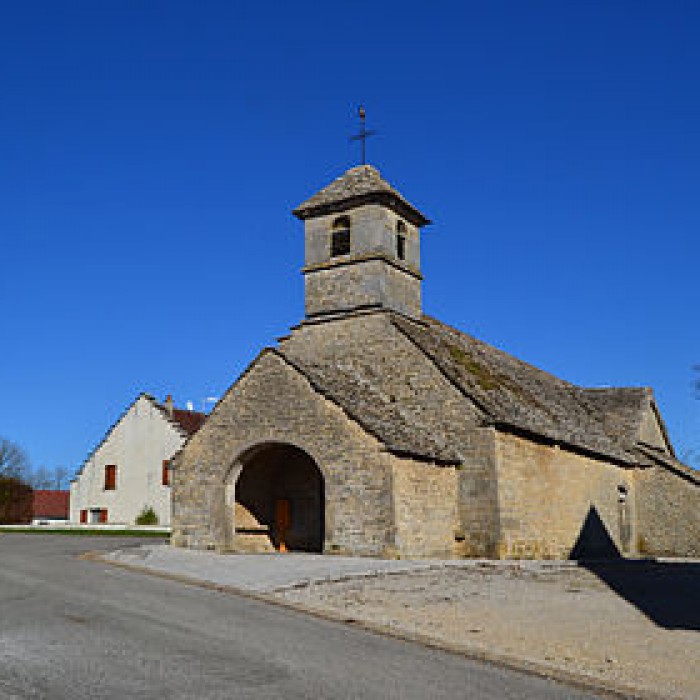
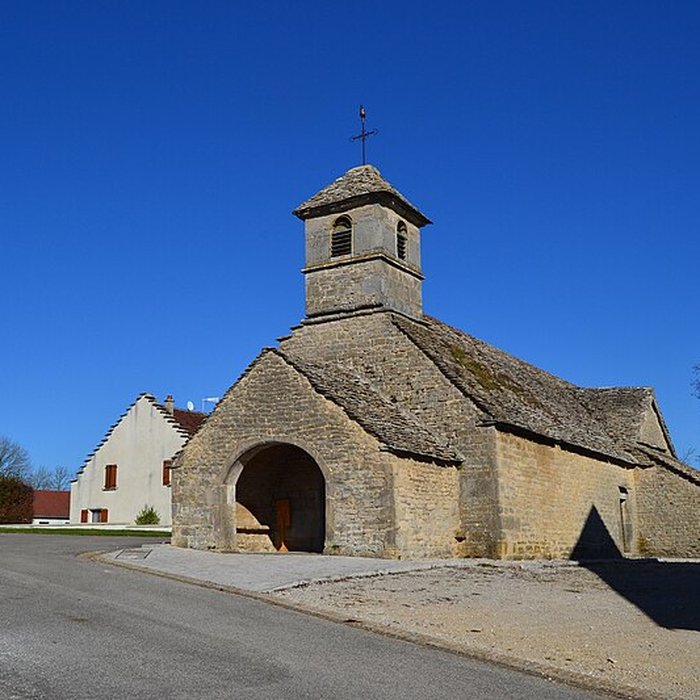
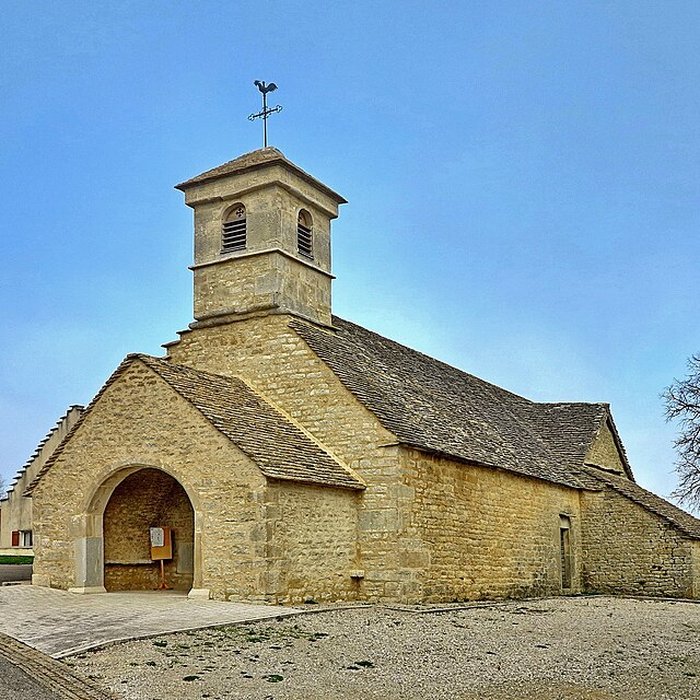
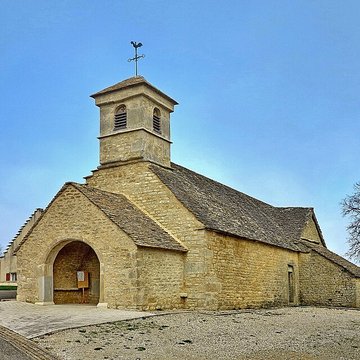
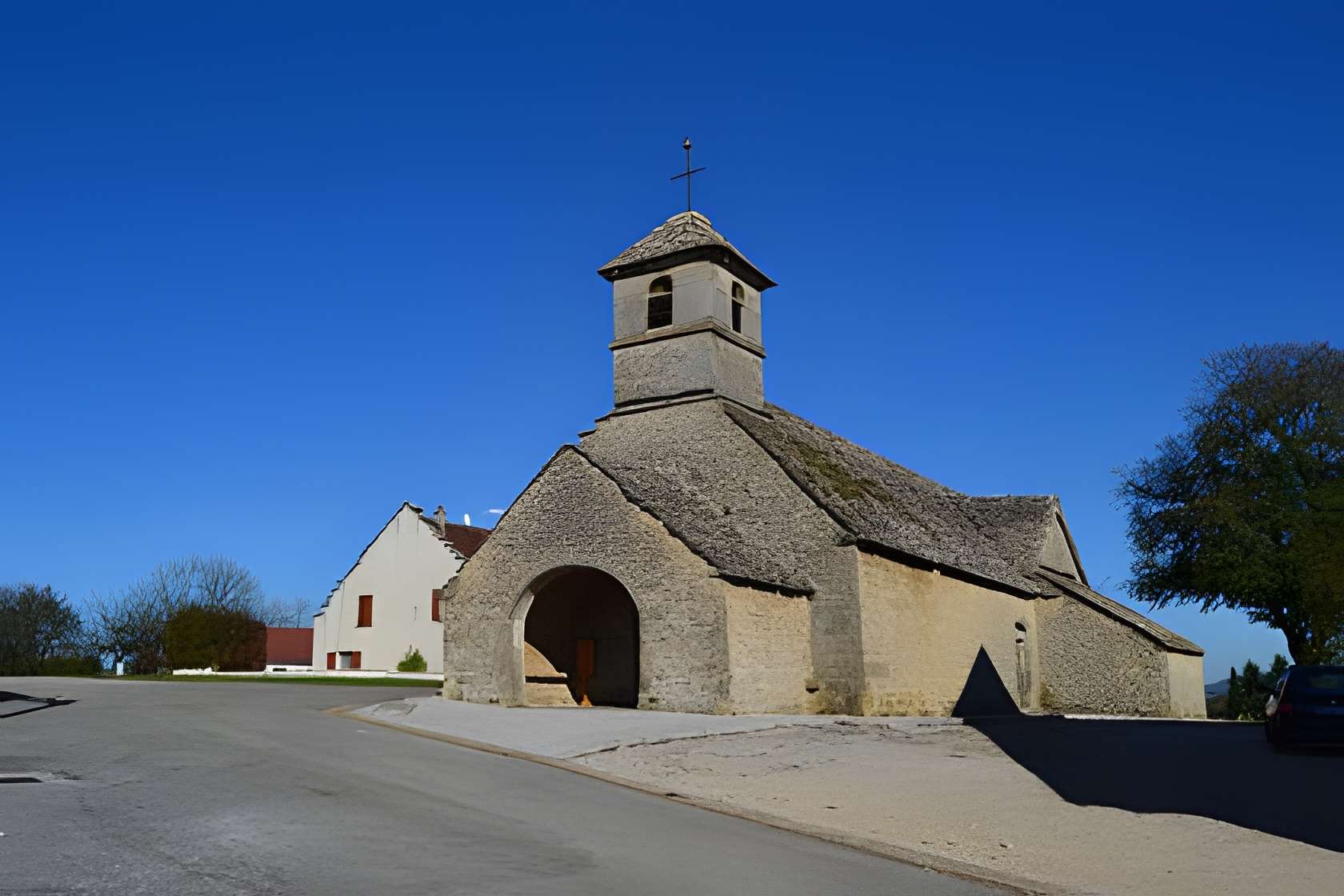
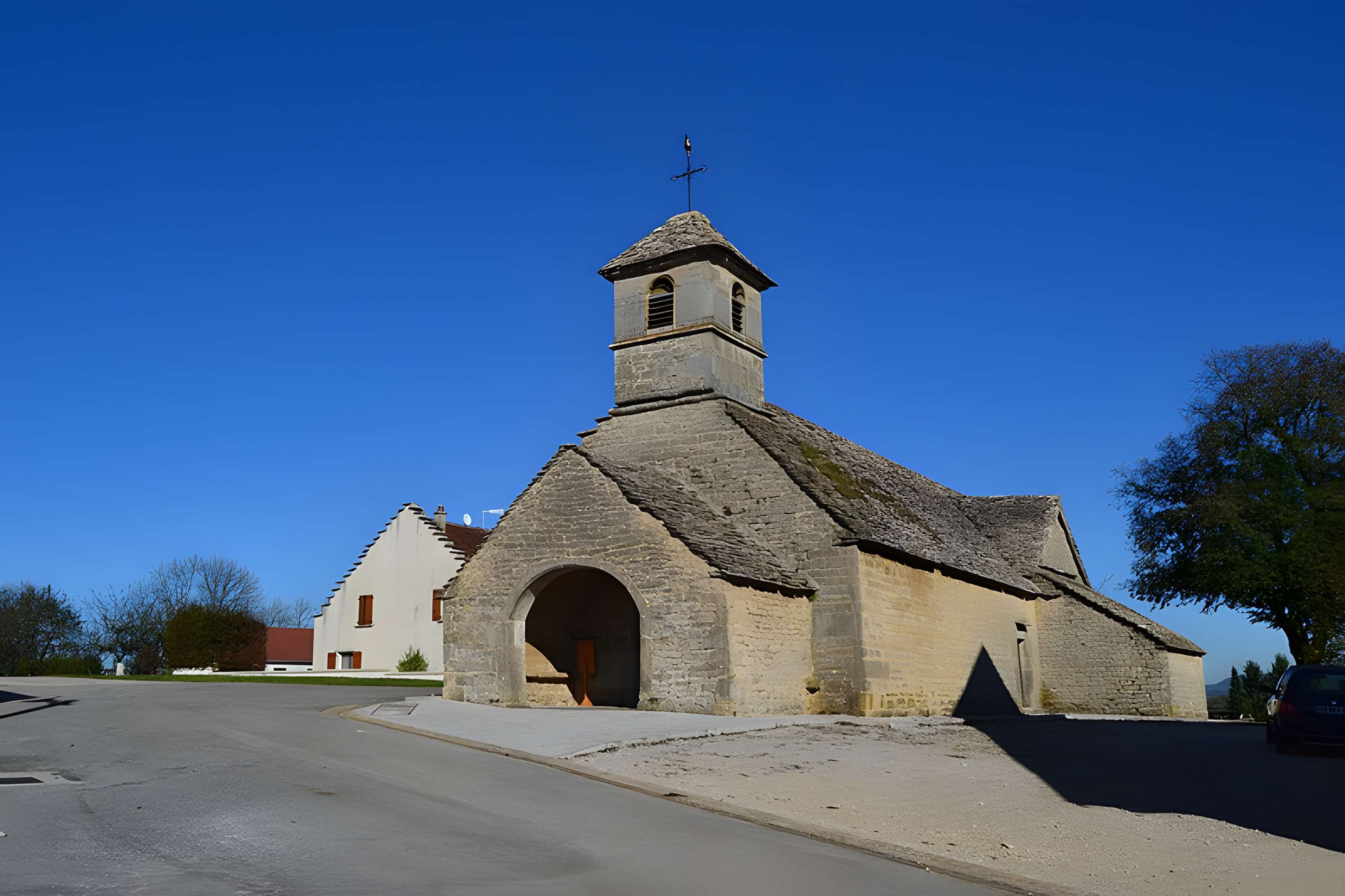
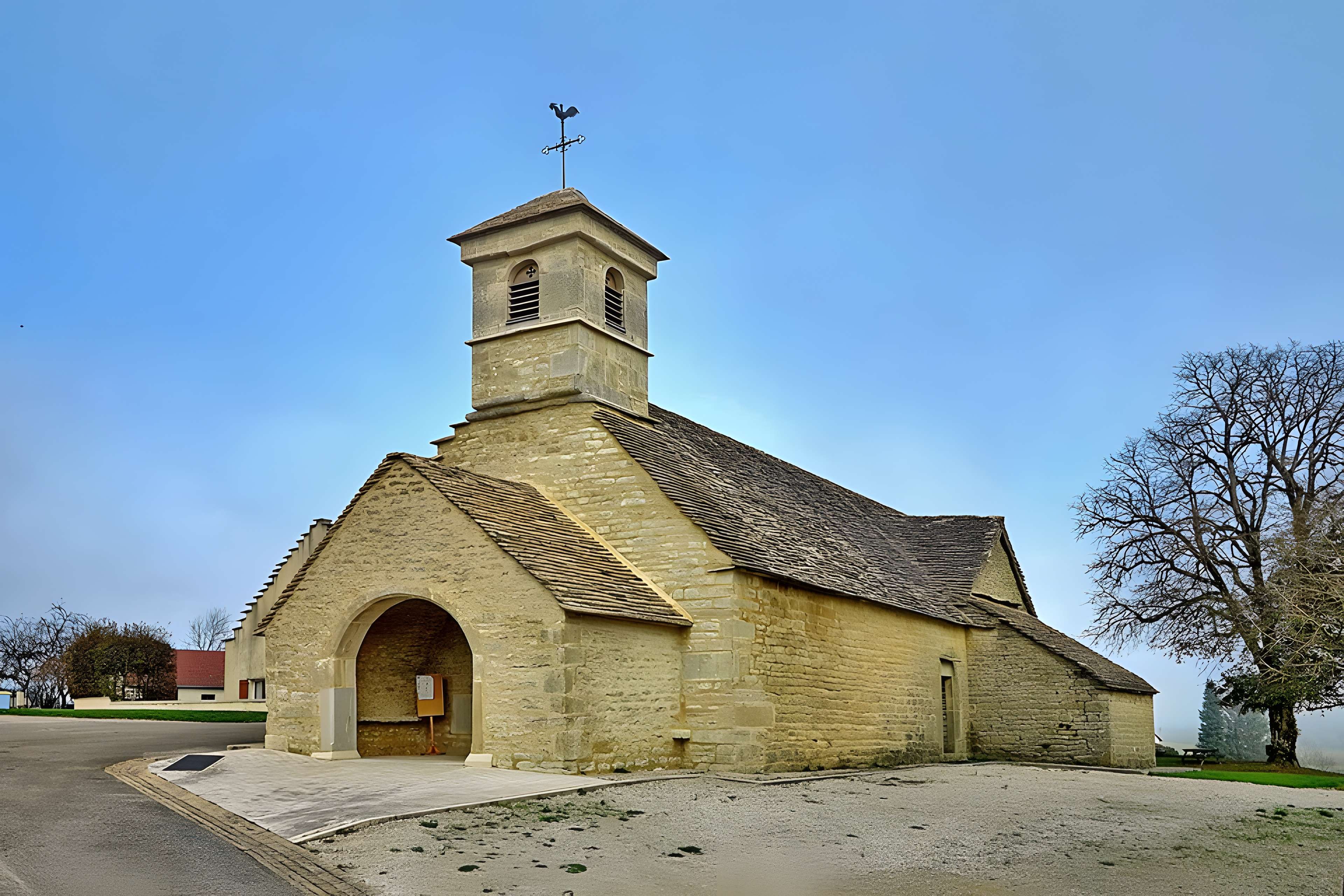
The church Saint-Jérôme de Briod, located in the Jura department in Burgundy-Franche-Comté, was built between the end of the 15th century and the beginning of the 16th century. In 1495 a treaty was signed between the parish priest of Saint-Étienne de Coldres and the inhabitants of Briod for its construction, and in 1512 the village obtained its own vicar. A bell tower was added in the 17th century, completing the building that combines late Romanesque and Gothic elements, as evidenced by its trilobed bays and its flamboyant flat bedside.
The chapel, dedicated to St Jerome, never had a cemetery and depended on that of Coldres. It is located on an elevated square, offering views of the Jura mountains and, in clear weather, Mont Blanc. Its interior contains remarkable statues, including a 16th-century St Jerome accompanied by a lion, a Virgin with Child, and a 17th-century altarpiece decorated with holy figures such as St Stephen and St Peter. The stone benches integrated into the walls and its entrance porch underline its central role in community life.
Ranked a historic monument in 1970, the chapel illustrates the persistence of Romanesque forms at the end of the Middle Ages, while reflecting the architectural evolutions of the following centuries. Its furniture, including polychrome wooden statues of the 16th and 17th centuries, and its characteristic bell tower, make it a precious witness to the local religious heritage. Today, it is owned by the municipality and remains an occasional place of worship, especially at the employers' festival on 30 September.







Announcements
Please log in to post a review