College Foundation 1484-1522 (≈ 1503)
By Antoine Barbault, Benedictine Prior.
1573
Donation to the Duke of Montpensier
Donation to the Duke of Montpensier 1573 (≈ 1573)
Then to the inhabitants of Argenton.
1787
Transformation into prison
Transformation into prison 1787 (≈ 1787)
Before the French Revolution.
an III (1794-1795)
Purchase by the city
Purchase by the city an III (1794-1795) (≈ 1795)
After sale as national property.
17 avril 1931
Historical monument classification
Historical monument classification 17 avril 1931 (≈ 1931)
Protection of the former college.
Aujourd'hui
Aujourd'hui
Aujourd'hui Aujourd'hui (≈ 2025)
Position de référence.
Heritage classified
College (old) , also known as Hôtel de Chevigny (Case AD 45): registration by order of 17 April 1931
Key figures
Antoine Barbault - Benedictine Prior of St. Marcel
Founder of the college between 1484-1522.
Duc de Montpensier - Noble owner in 1573
Beneficiary of the college donation.
Origin and history
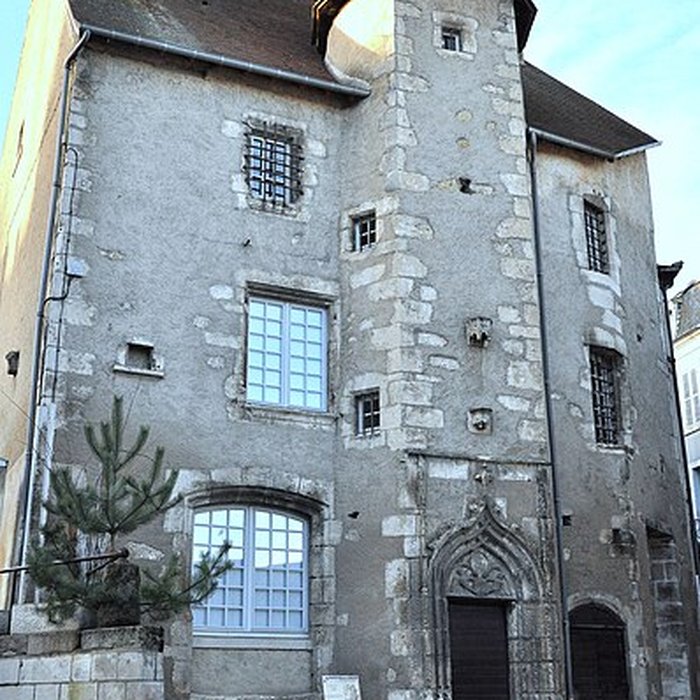
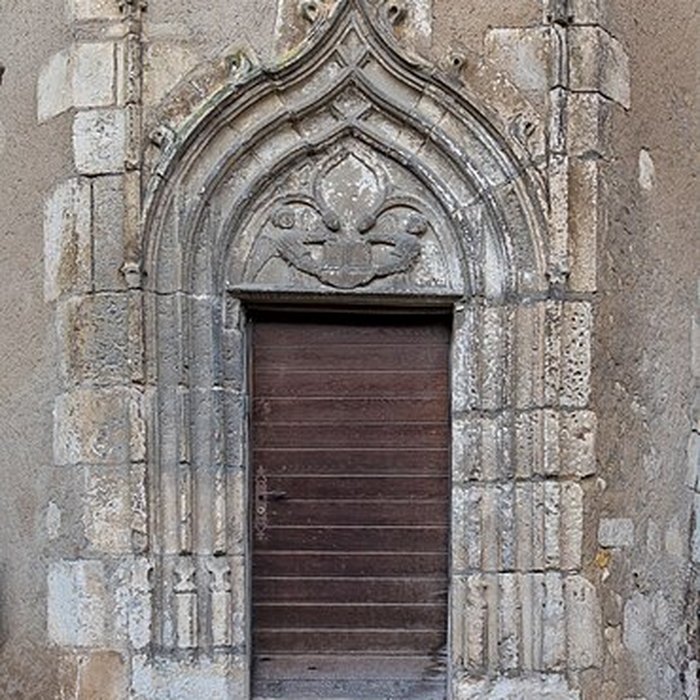
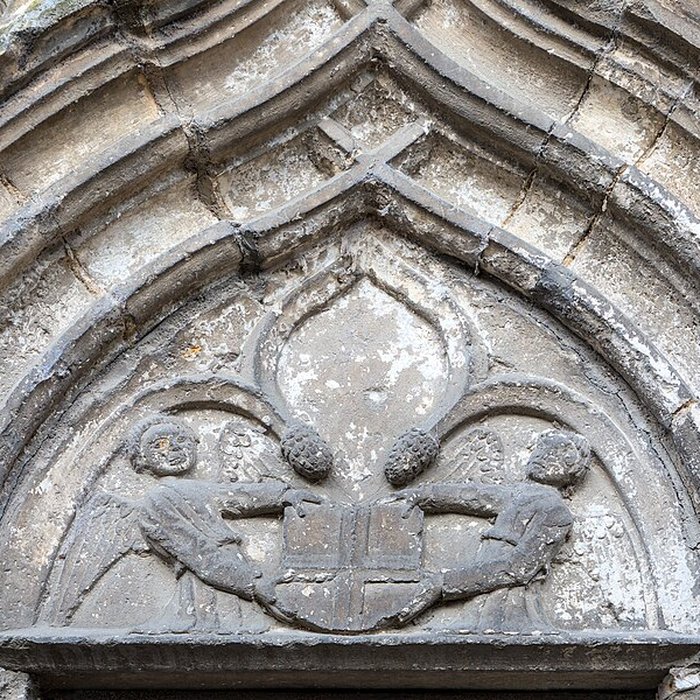
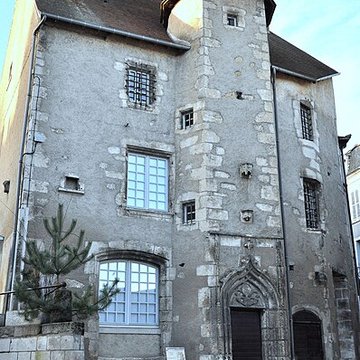
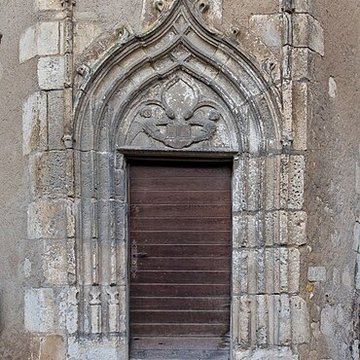
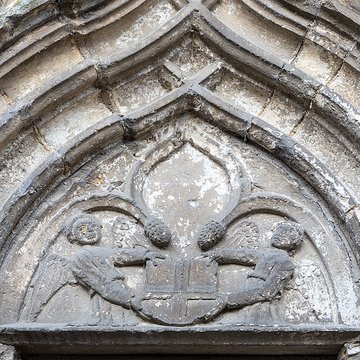
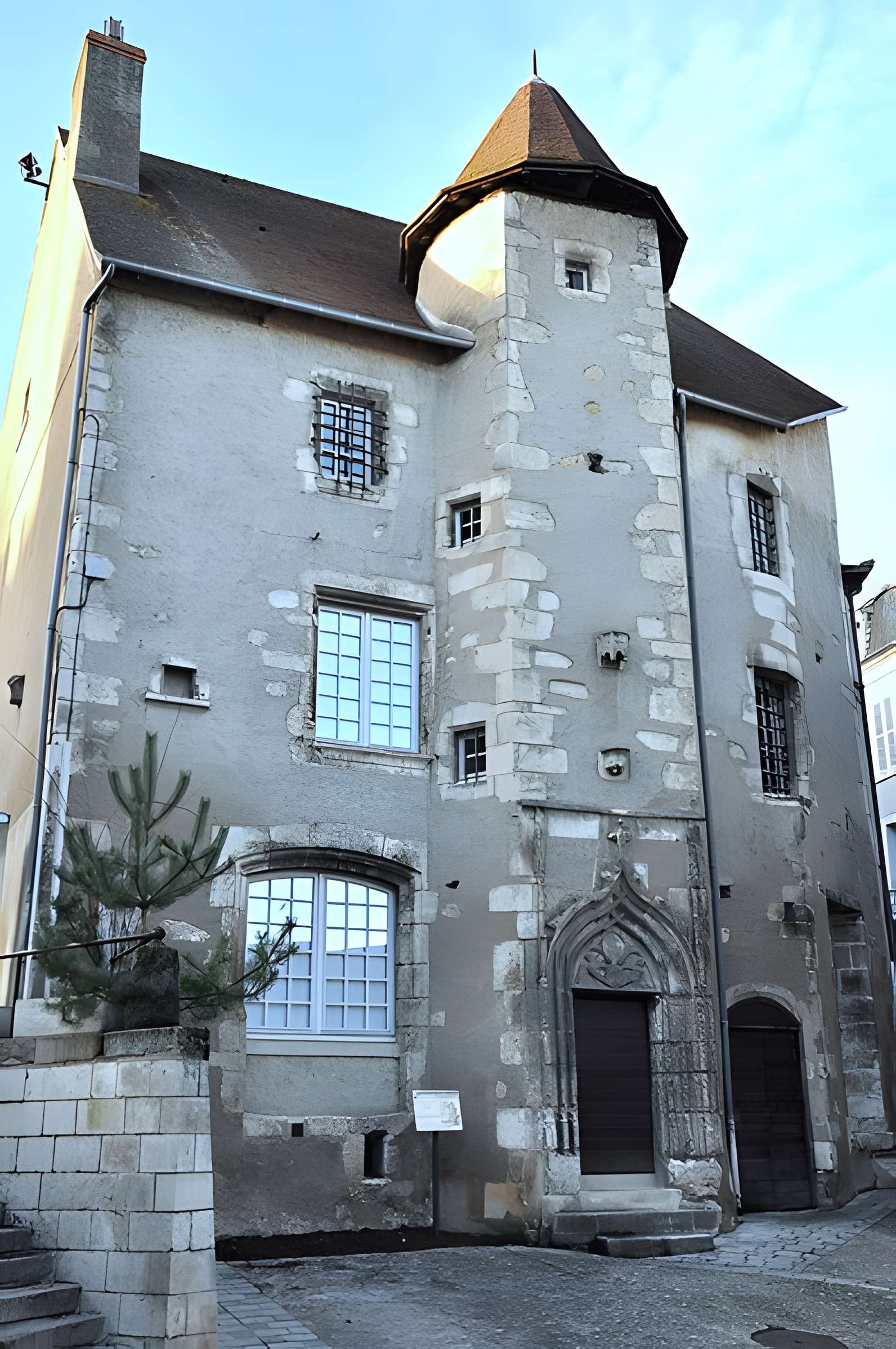
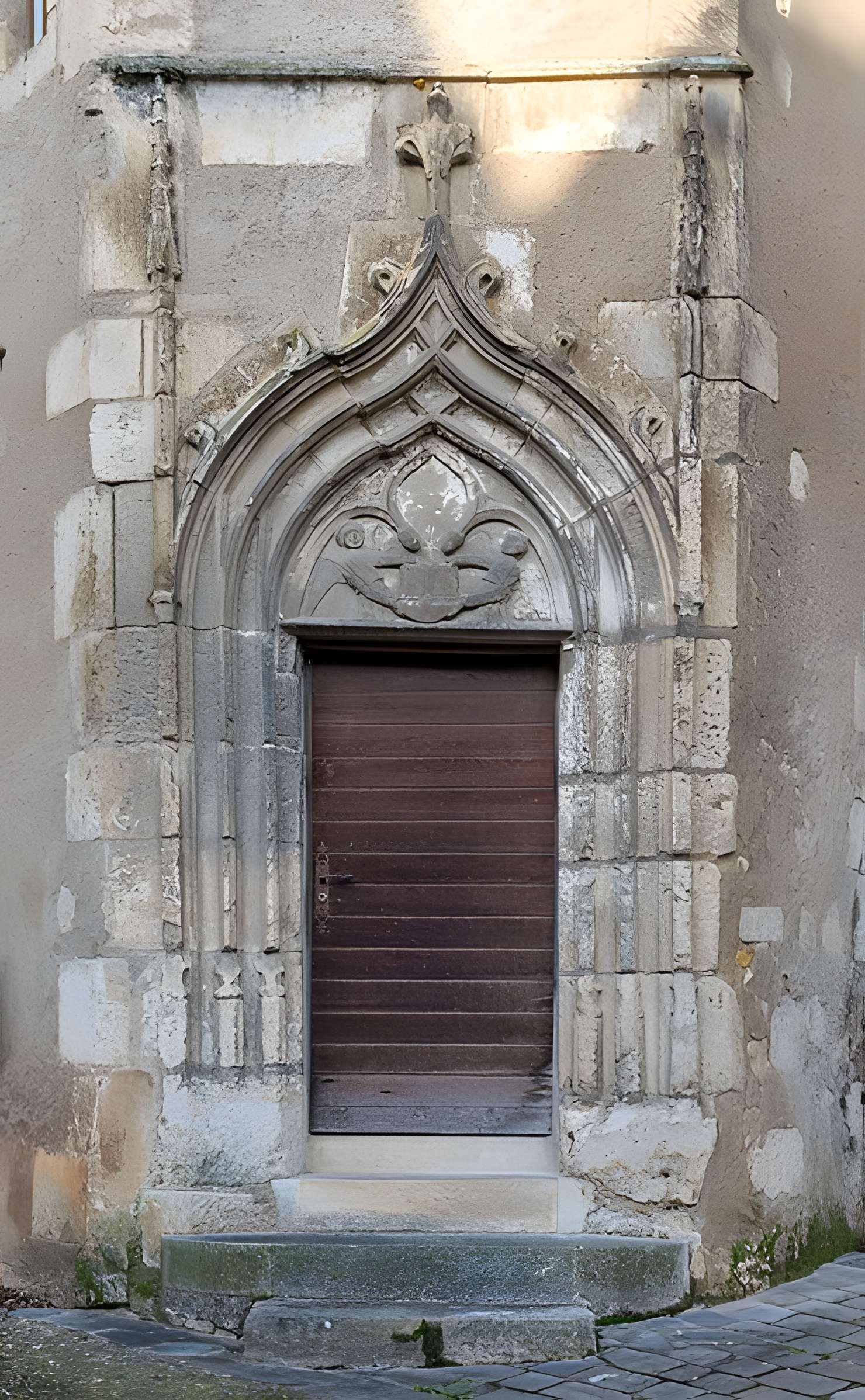
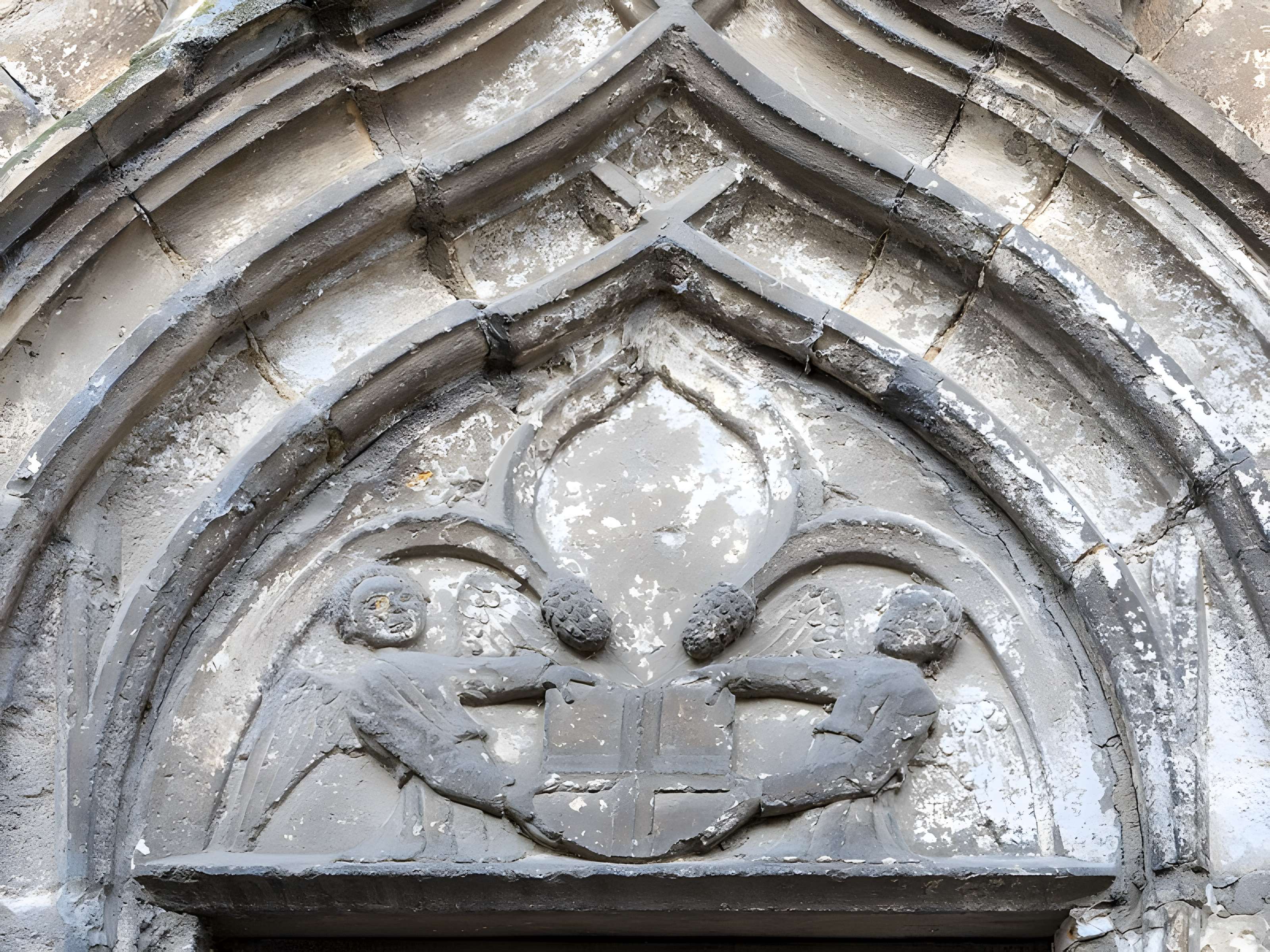
The Hôtel de Chevigny, located Place du Marché-au-Blé in Argenton-sur-Creuse (Indre), was founded between 1484 and 1522 as a college by Antoine Barbault, Benedictine prior of Saint-Marcel. Close to Saint-Benoît Chapel, this educational institution illustrates the influence of religious orders in the transmission of knowledge to the Renaissance. Its architecture, marked by a staircase turret adorned with jewels and the founding coat of arms, bears witness to its initial prestige.
In 1573, the college was transferred to the Duke of Montpensier and then to the inhabitants of Argenton. It was transformed into a prison in 1787 and became a national good during the Revolution before being bought by the city in the year III (1794-1795). Ranked a historic monument in 1931, the building retains medieval elements despite the disappearance of its original outbuildings, such as the chapel Saint-Benoît. Today, it houses a music school, continuing its cultural vocation.
The building body, of trapezoidal plan, has a main facade centered on a staircase turret whose door has pinnacles and the coat of arms of Antoine Barbault. Originally surrounded by other buildings, including the chapel, the building underwent modifications related to its successive uses (prison, communal property). Its protection in 1931 covers the former college, also known as Hôtel de Chevigny, stressing its heritage importance in the Centre-Val de Loire.




Announcements
Please log in to post a review