Construction of the command office début XVIIe siècle (≈ 1704)
Origin of the building as commander of the Antonists.
1821
Neoclassical expansion
Neoclassical expansion 1821 (≈ 1821)
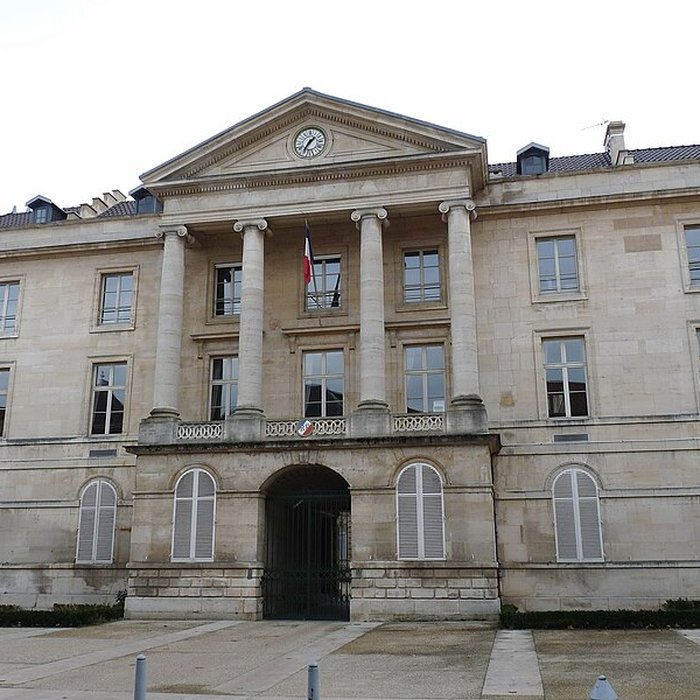
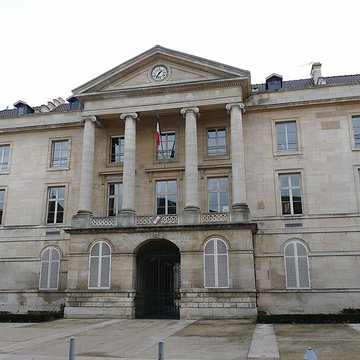
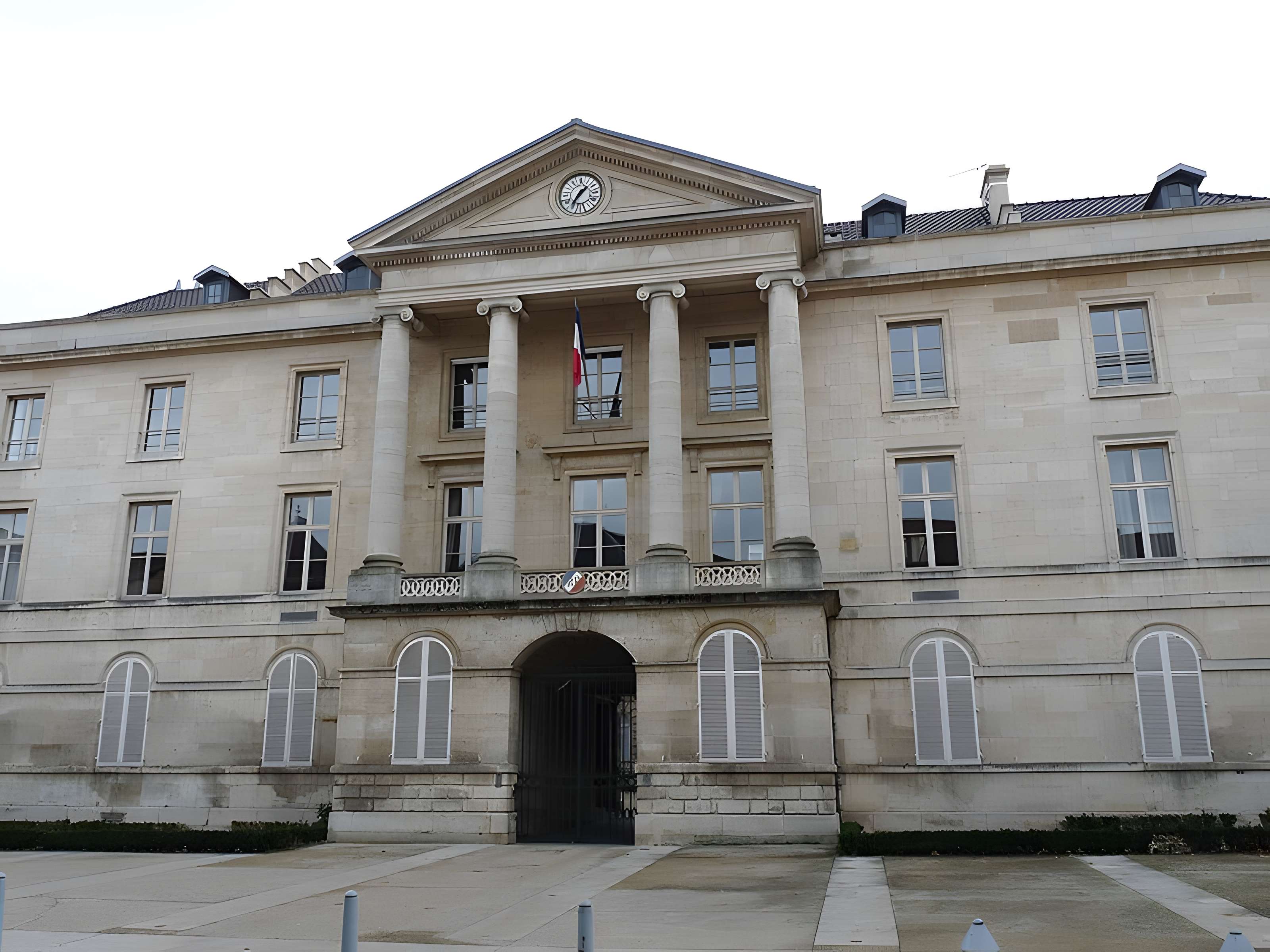
Addition of the façade on street by Dubois.
1904-1908
Eclectic extension
Eclectic extension 1904-1908 (≈ 1906)
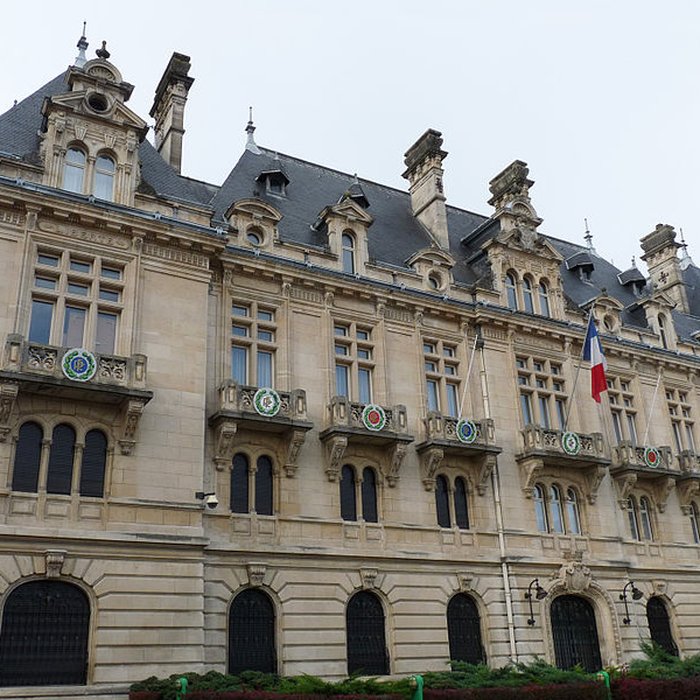
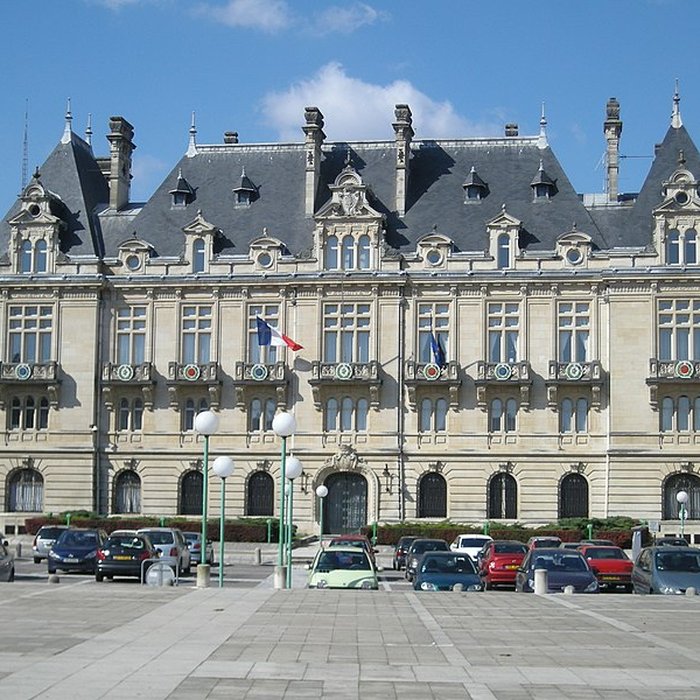
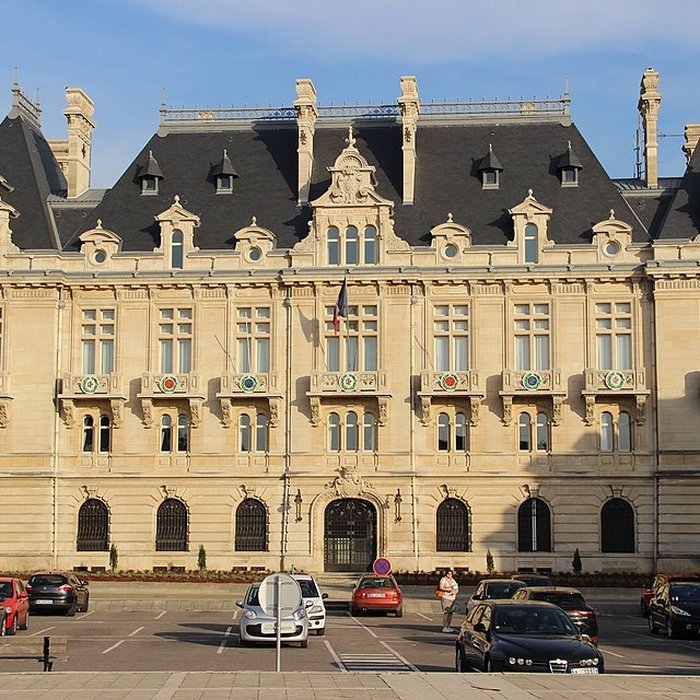
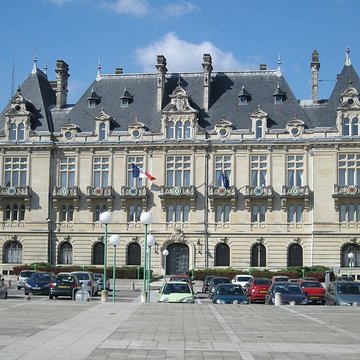
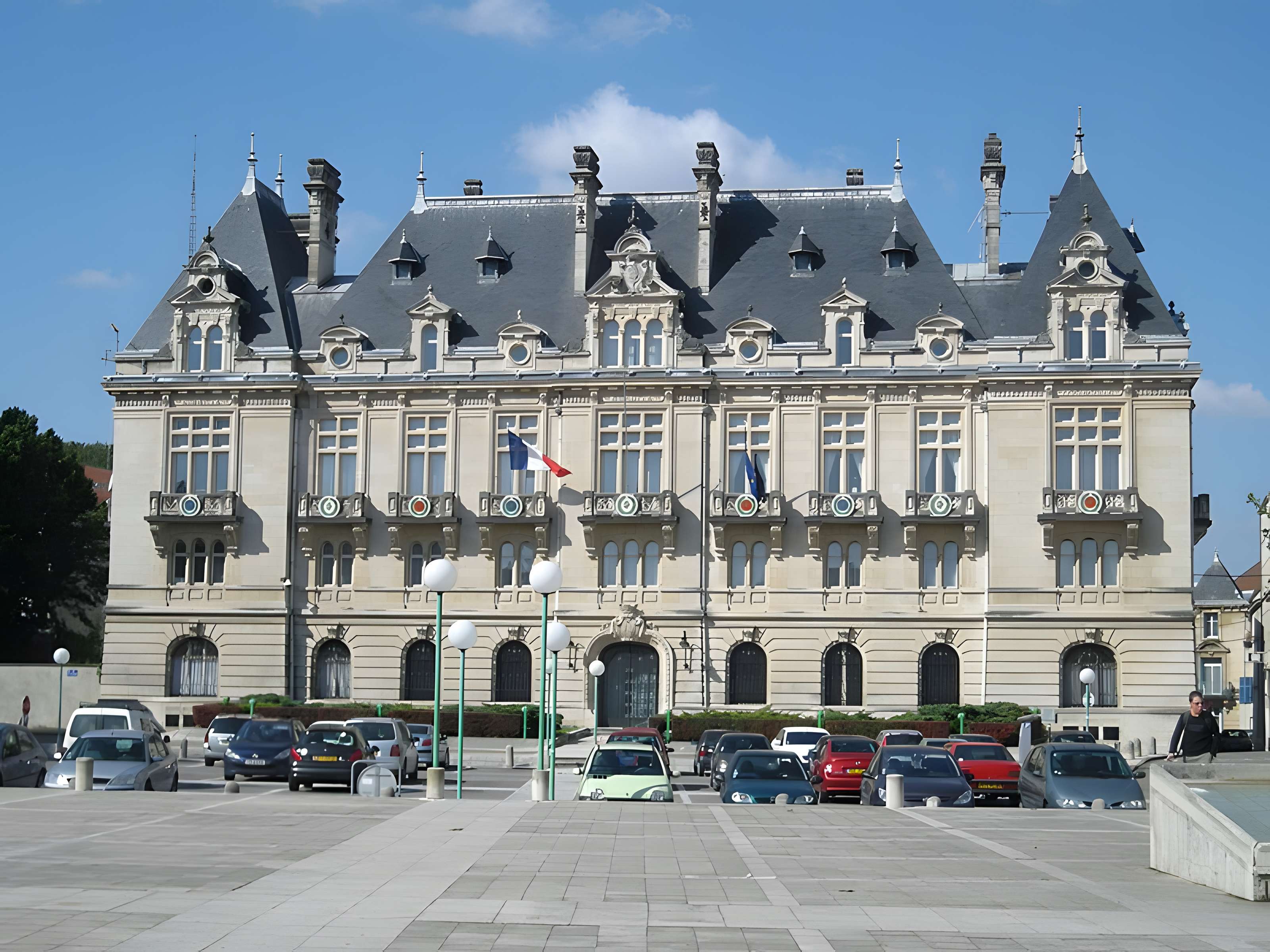
New facade Reggio square by Royer.
30 décembre 1992
Partial classification
Partial classification 30 décembre 1992 (≈ 1992)
Protection of facades and roofs.
Aujourd'hui
Aujourd'hui
Aujourd'hui Aujourd'hui (≈ 2025)
Position de référence.
Heritage classified
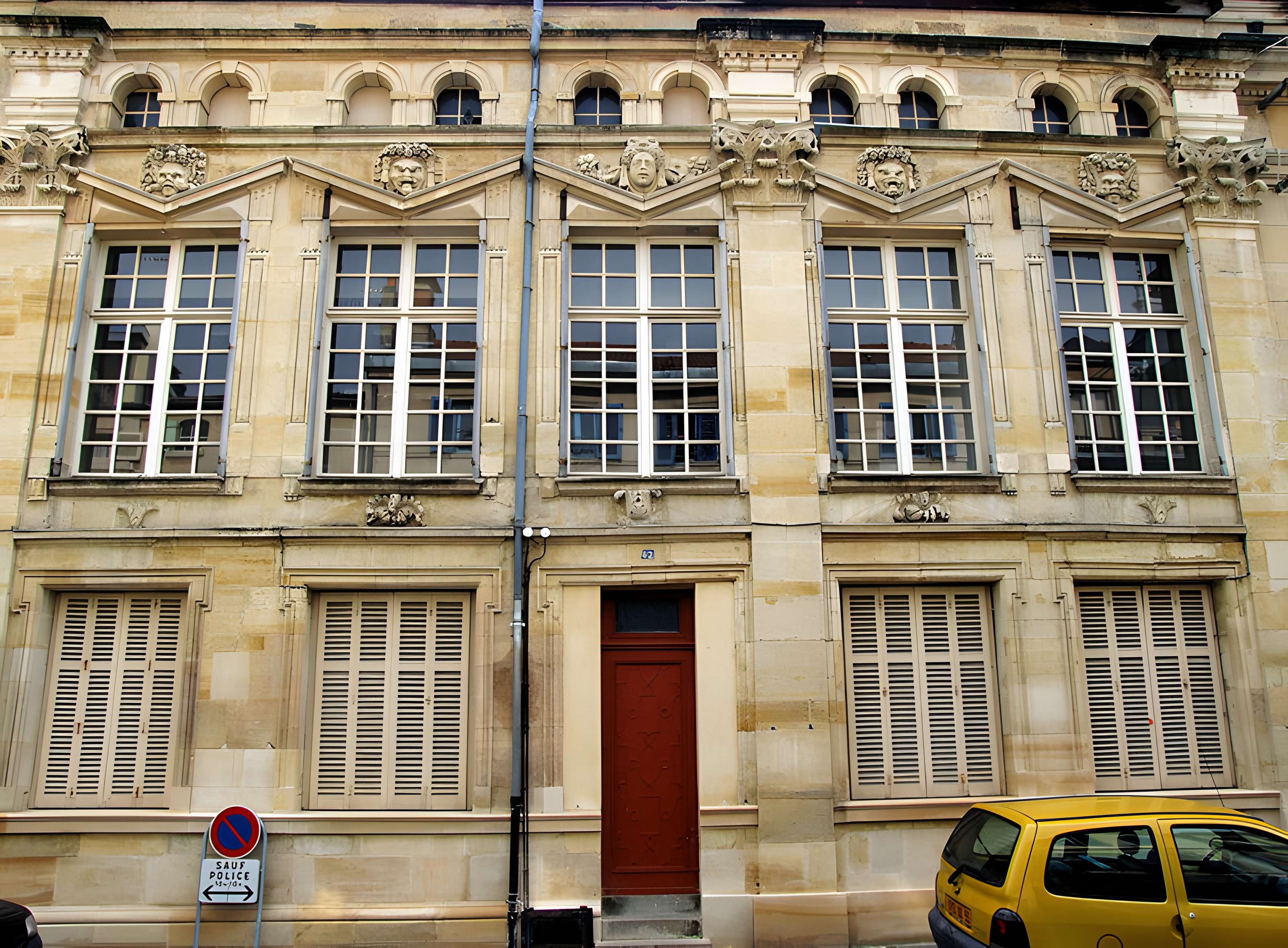
Facades and roofs of building number 40; façade and roof on street of building number 42 (cad. AC 324, 181): classification by order of 30 December 1992
Key figures
Dubois - Departmental architect
Author of the neo-classical facade (1821).
Charles Royer - Departmental architect
Designed the eclectic extension (1904-1908).
France-Lanord et Bichaton - Construction company
Performs the work of 1904-1908.
Origin and history
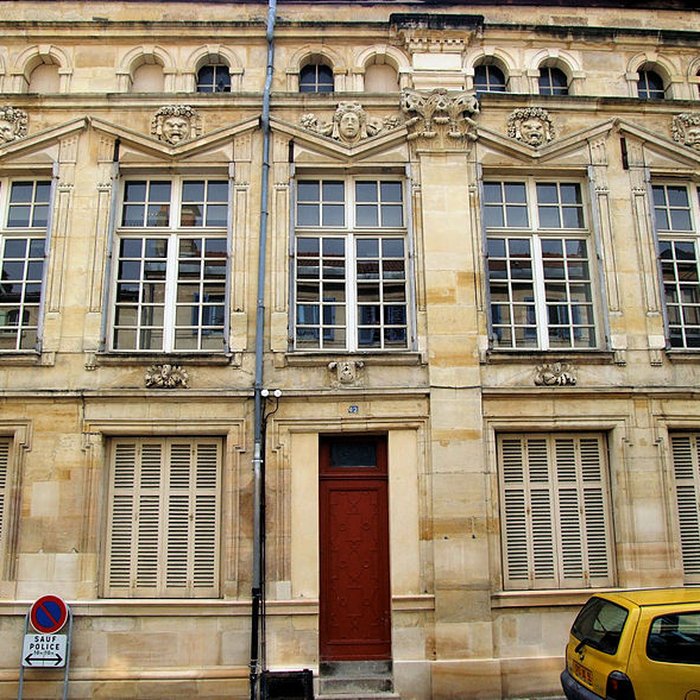
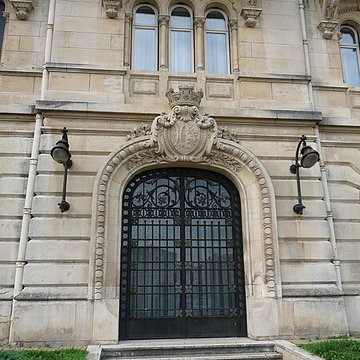
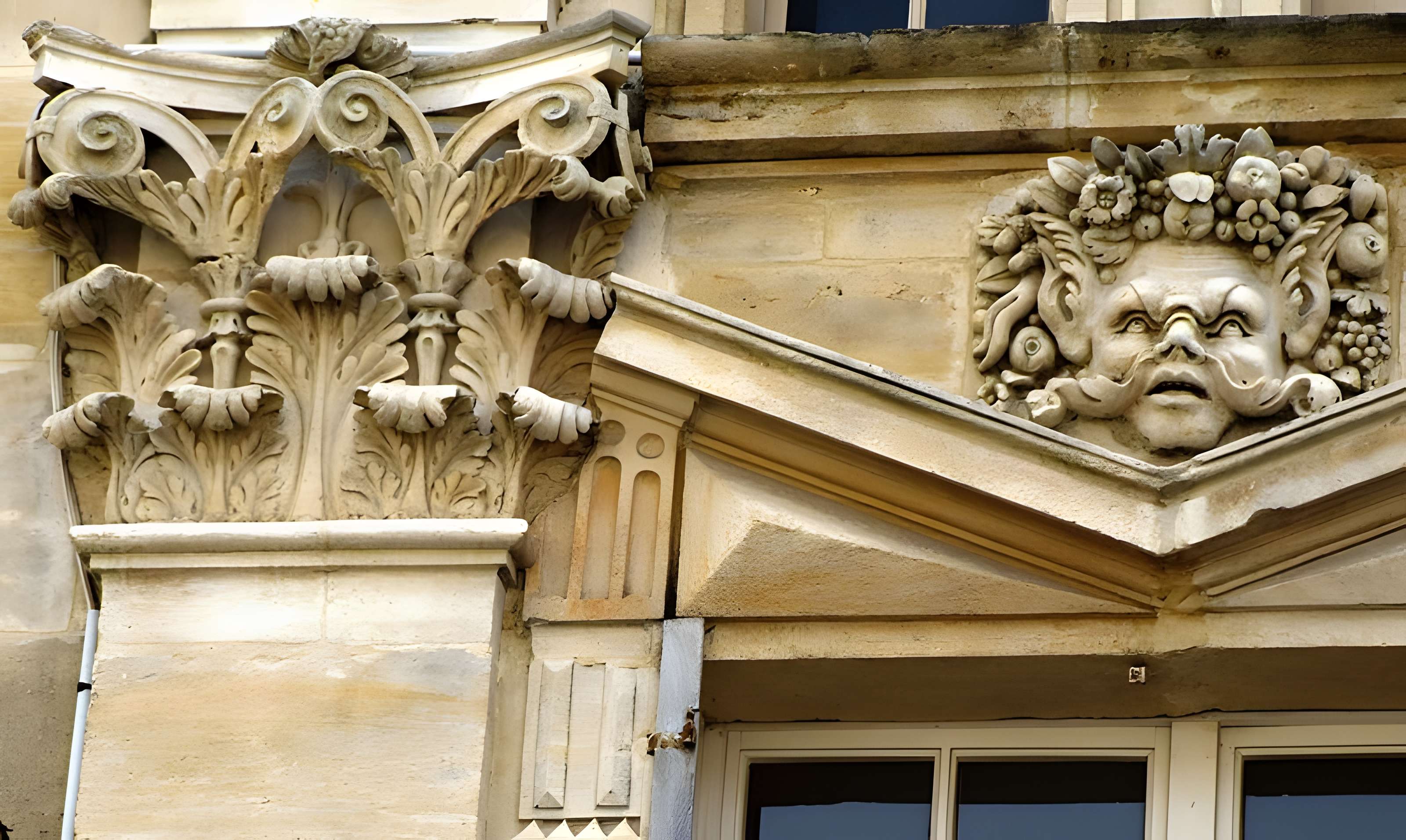
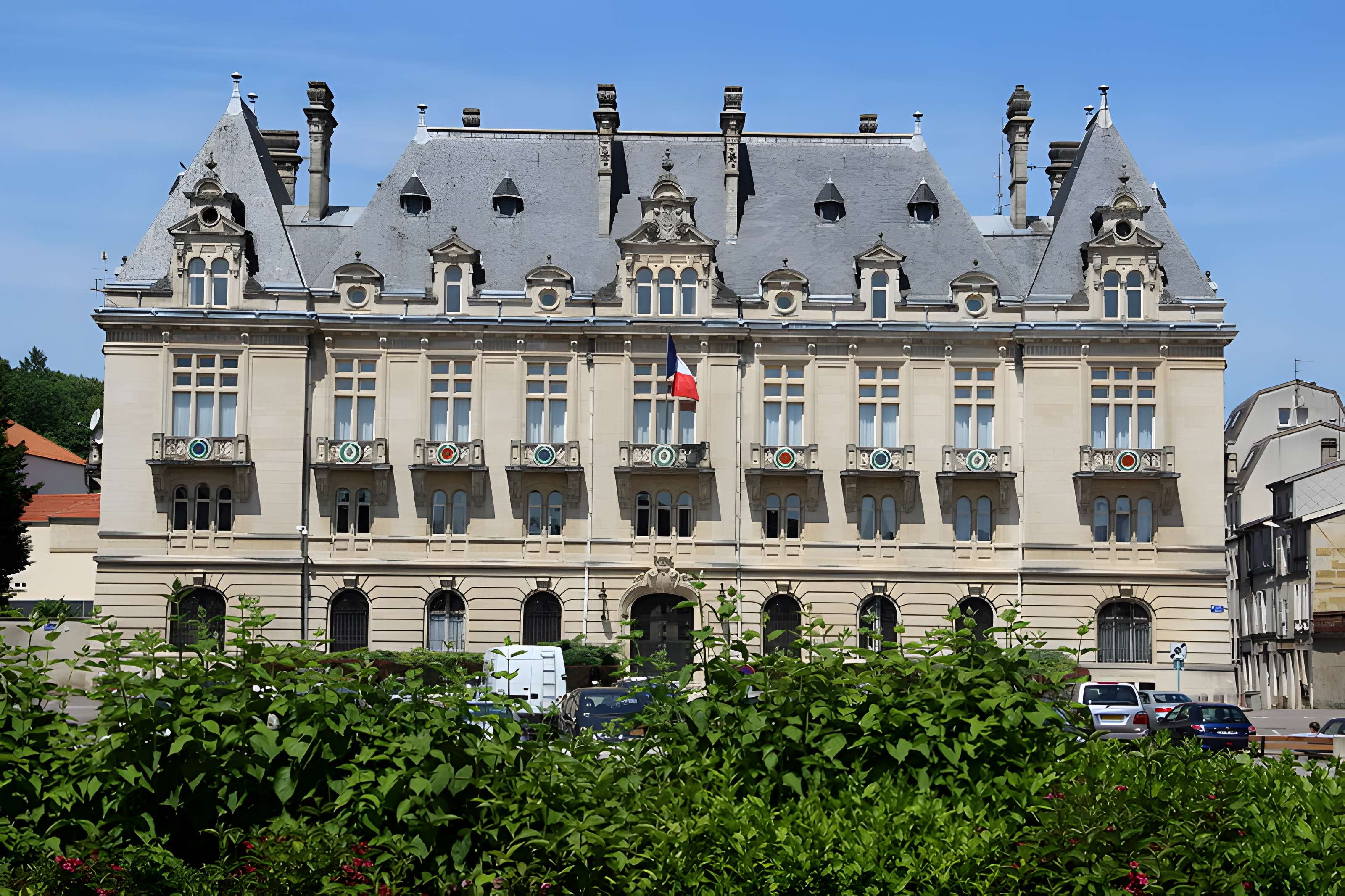
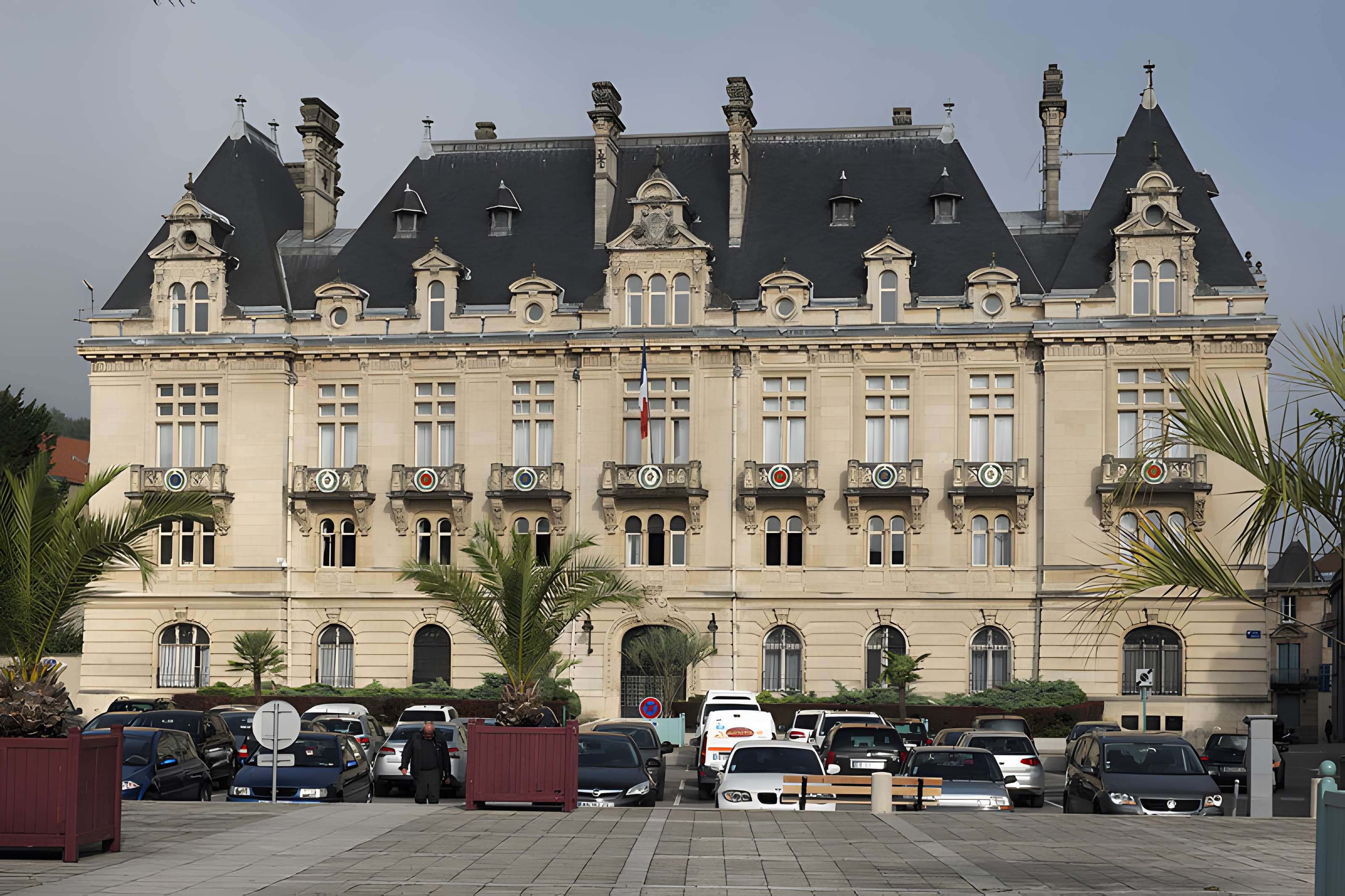
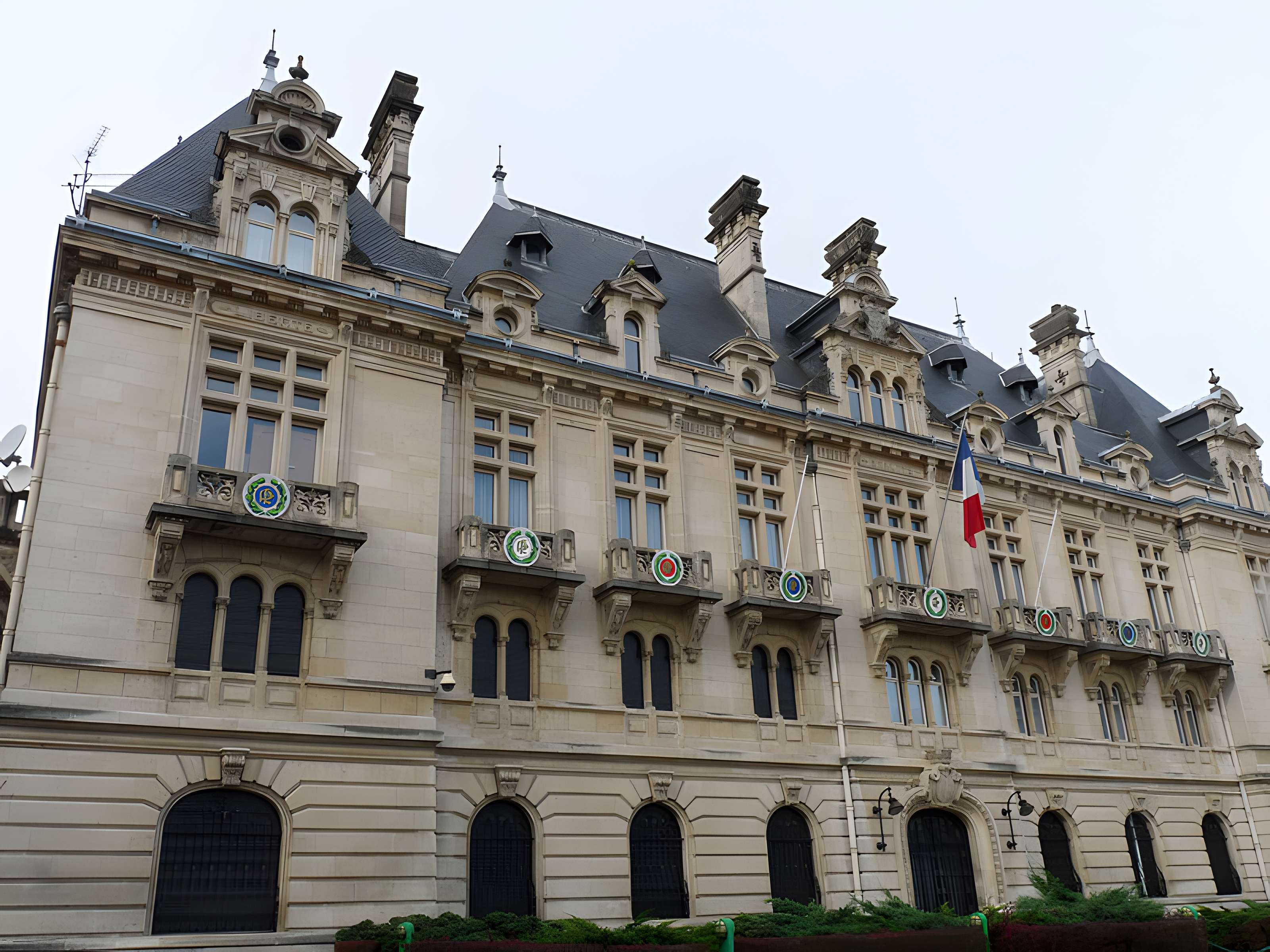
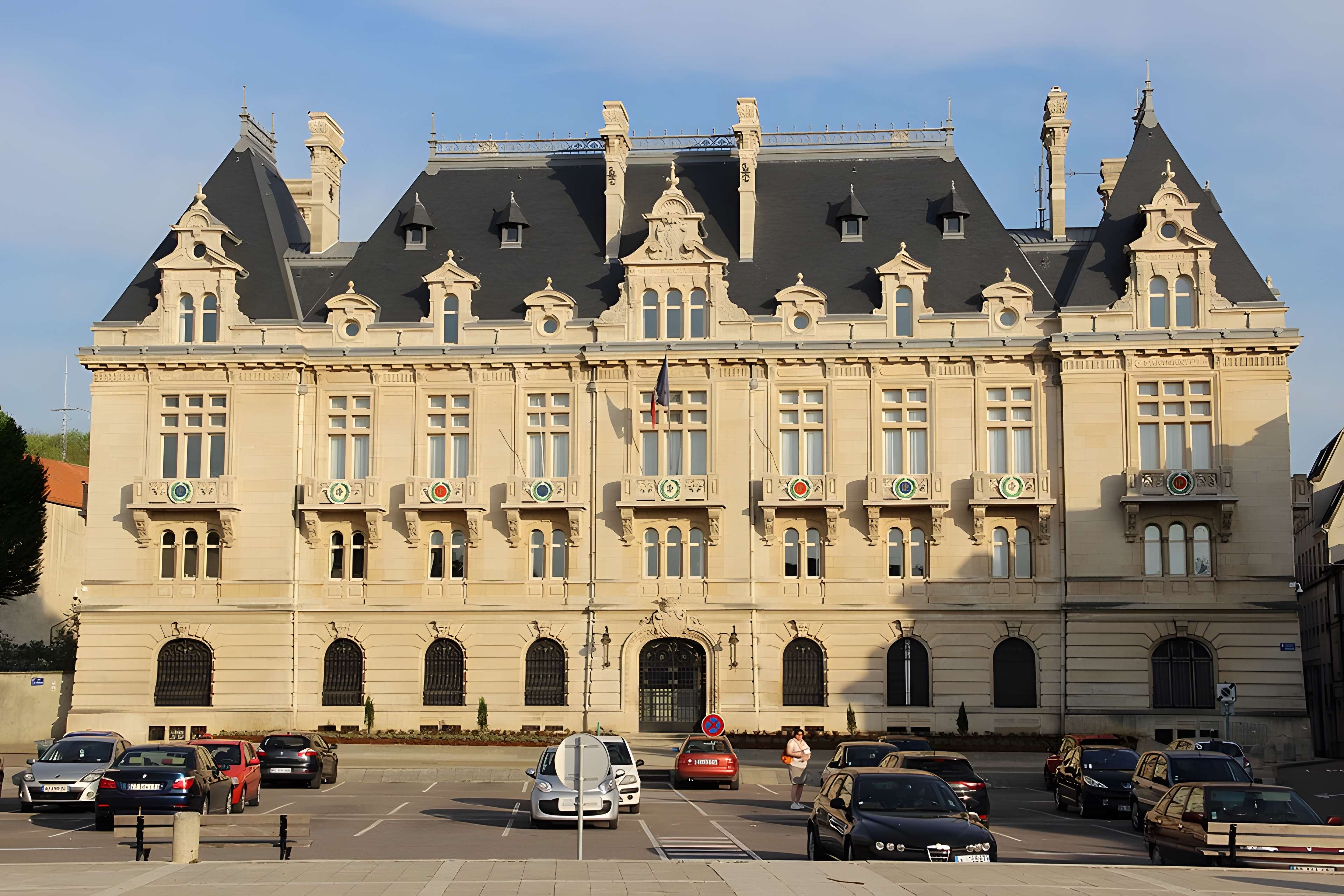
The prefecture hotel of the Meuse has its origin in the former command office of the Antonists, built in the early seventeenth century. From this period remains a facade on the garden, witness to the first developments of the site. This religious building, transformed over the centuries, has evolved to become a major administrative place in the department.
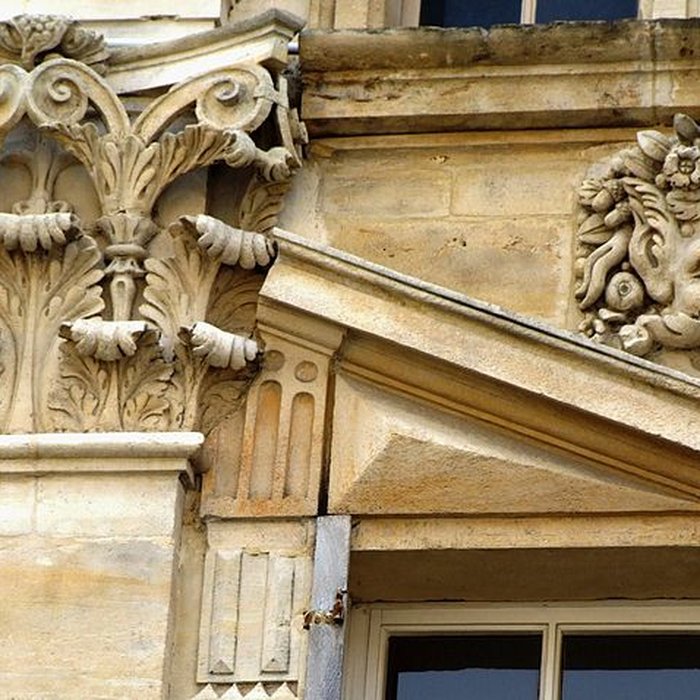
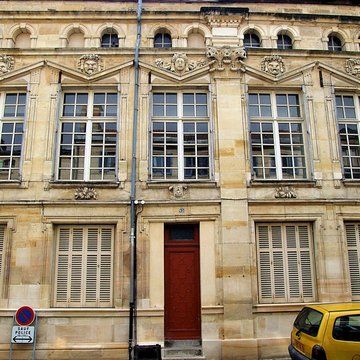
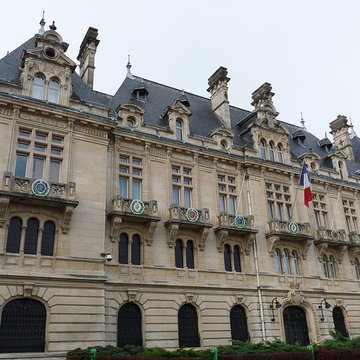
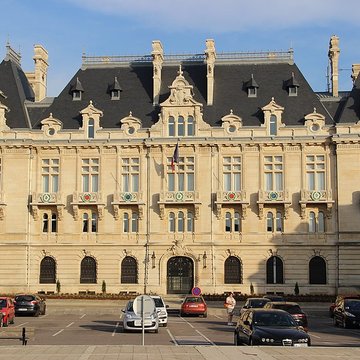
In 1821, the departmental architect Dubois realized a significant extension by adding a neo-classical facade on the street, marking a first modernization of the building. This architectural choice reflects the aesthetic canons of the era, combining symmetry and sobriety, while integrating the building into the urban fabric of Bar-le-Duc.
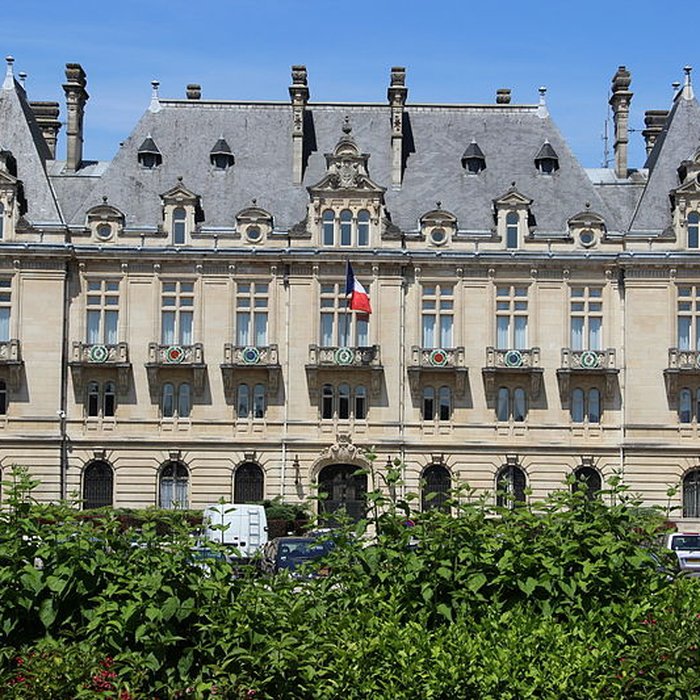
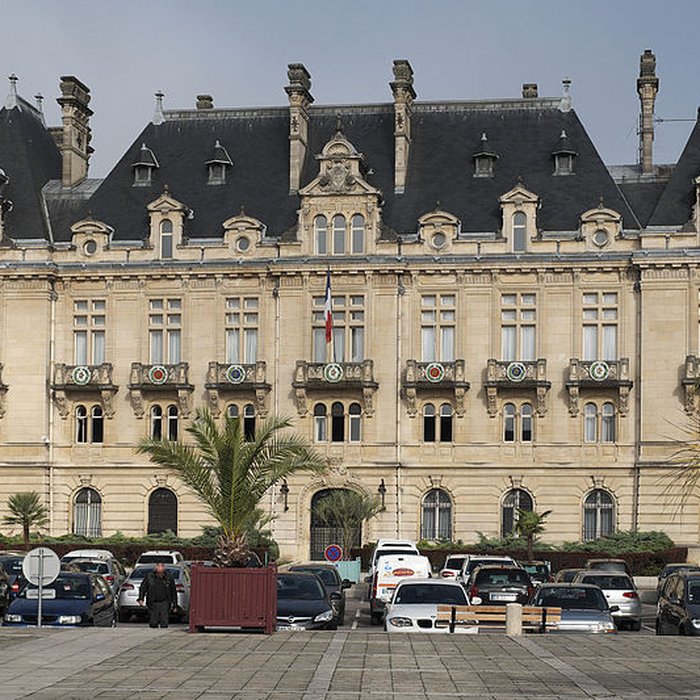
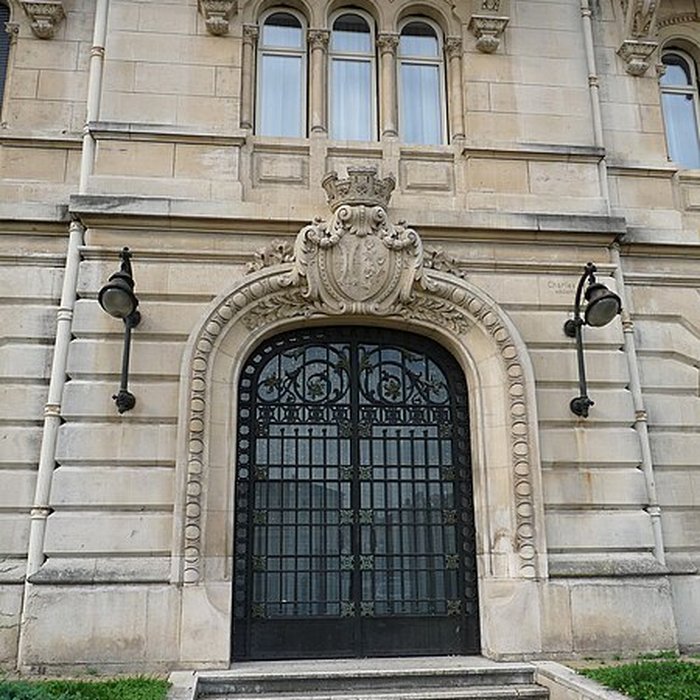
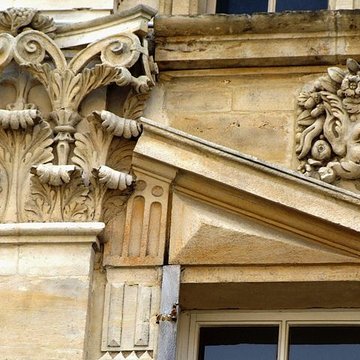
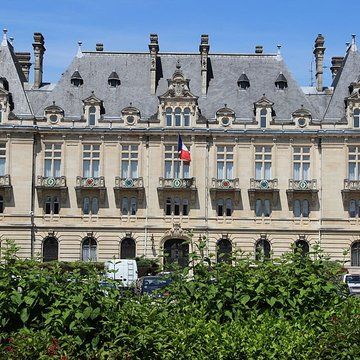
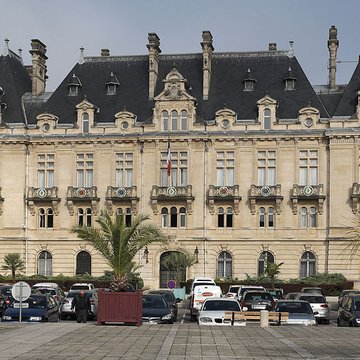
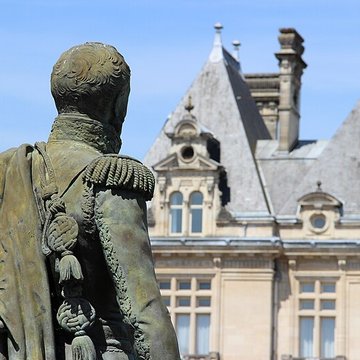
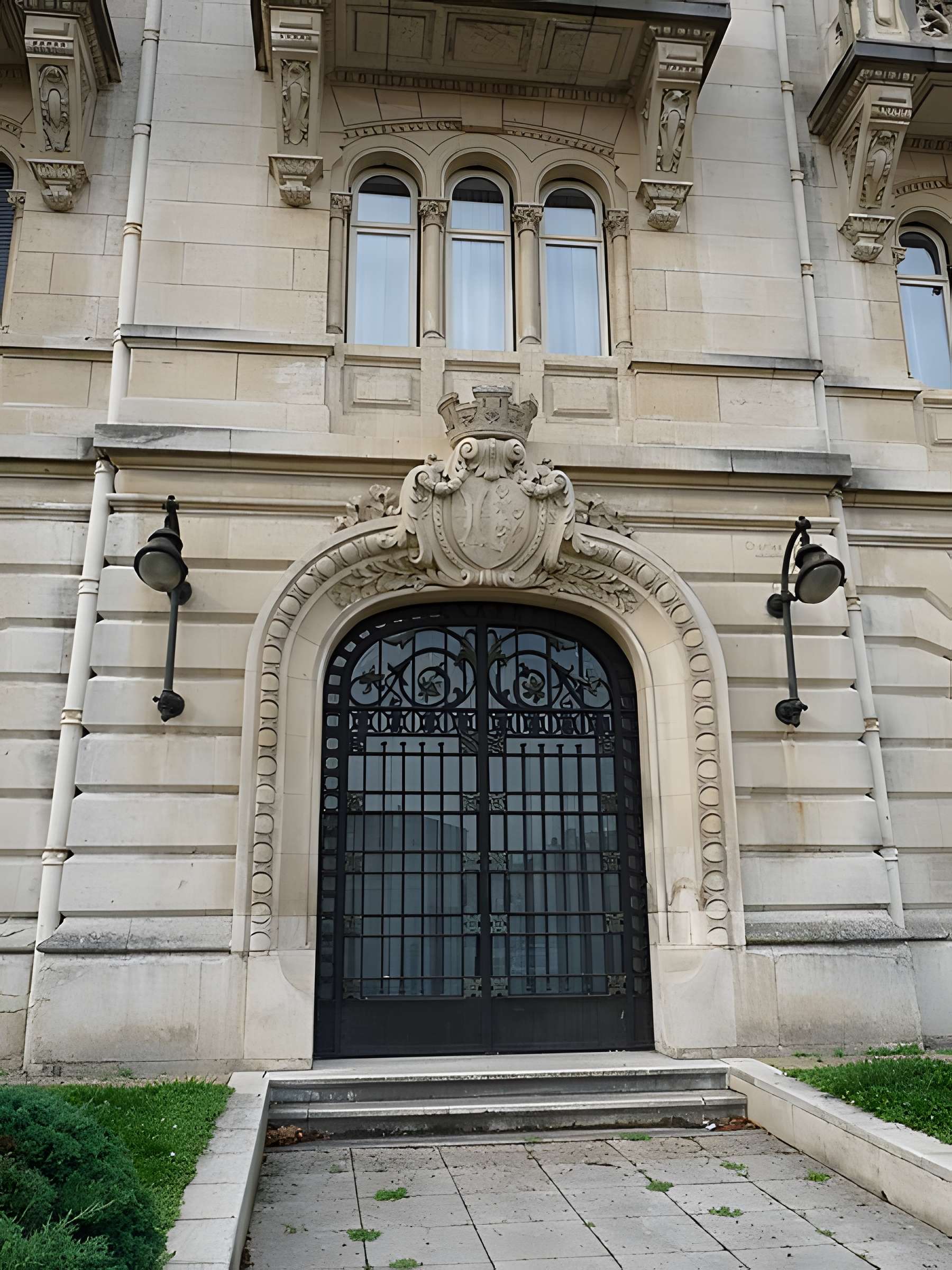
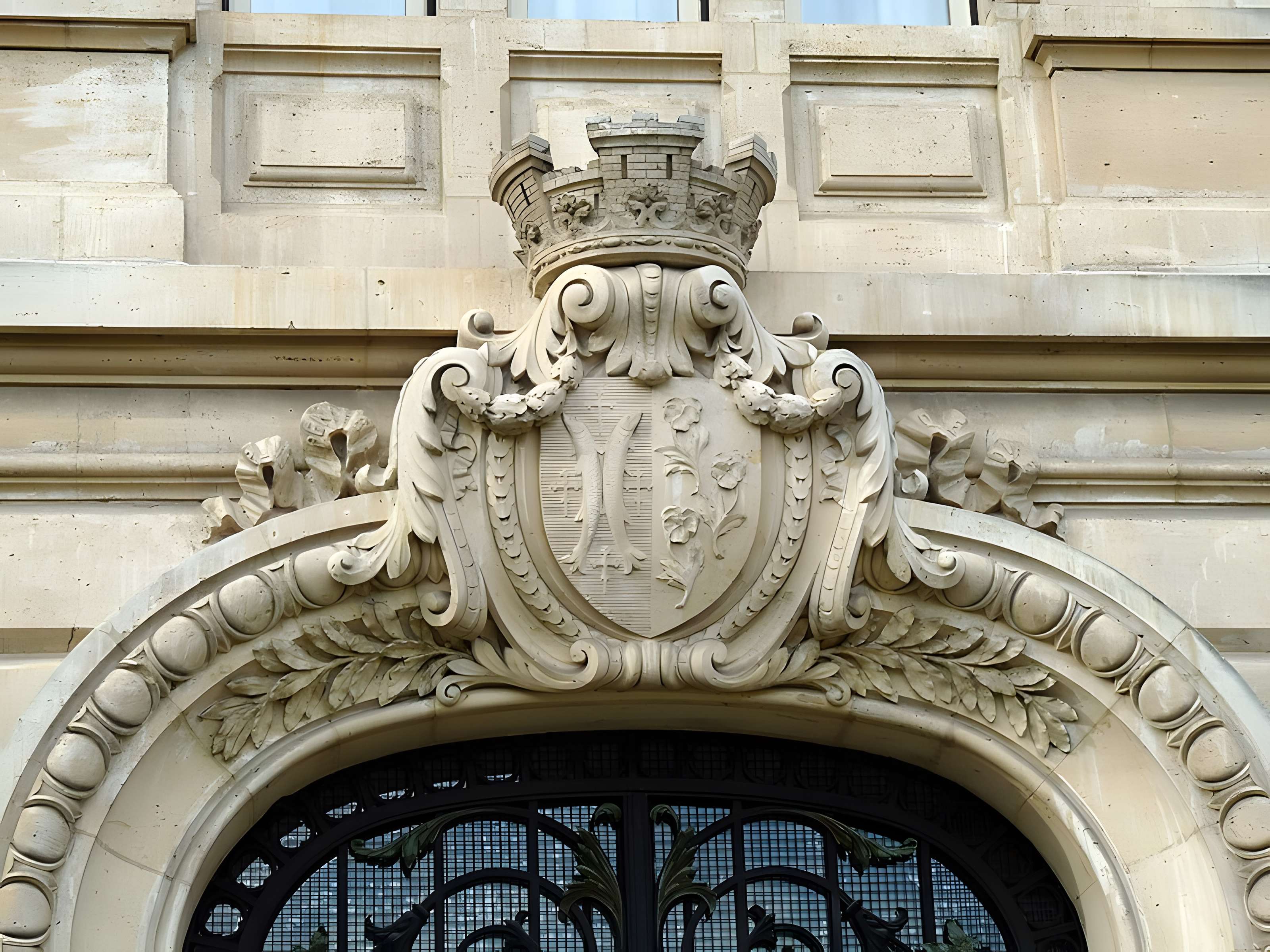
Between 1904 and 1908, a new expansion was carried out by architect Charles Royer, who designed an eclectic façade overlooking Reggio Square. The works, carried out by France-Lanord and Bichaton, transform the appearance of the building. This phase marks the culmination of the major extensions, adapting the prefecture to the increasing administrative needs of the twentieth century.
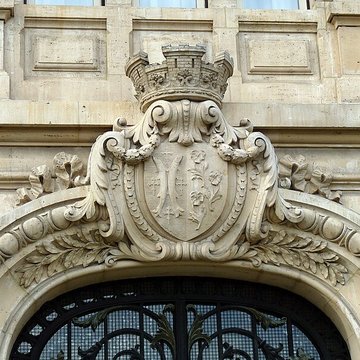
The monument has been partially classified as historic monuments since December 30, 1992, recognizing its heritage value. The protected elements include the facades and roofs of buildings Nos. 40 and 42 rue du Bourg, illustrating the different periods of construction and the architectural styles superimposed.





Announcements
Please log in to post a review