Construction 1841 (≈ 1841)
Jean Baptiste Martin's project: washing and drinking.
1895
Complementary arrangements
Complementary arrangements 1895 (≈ 1895)
Addition of fire hydrants and fire hydrants.
17 juillet 2003
Registration for historical monuments
Registration for historical monuments 17 juillet 2003 (≈ 2003)
Protection of the water in full.
Aujourd'hui
Aujourd'hui
Aujourd'hui Aujourd'hui (≈ 2025)
Position de référence.
Heritage classified
The wash in full, including the wall on which it rests and the paved floor (Box C 93; non-cadastre, public domain): registration by order of 17 July 2003
Key figures
Jean Baptiste Martin - Architect engineer
Manufacturer of the wash in 1841.
Origin and history
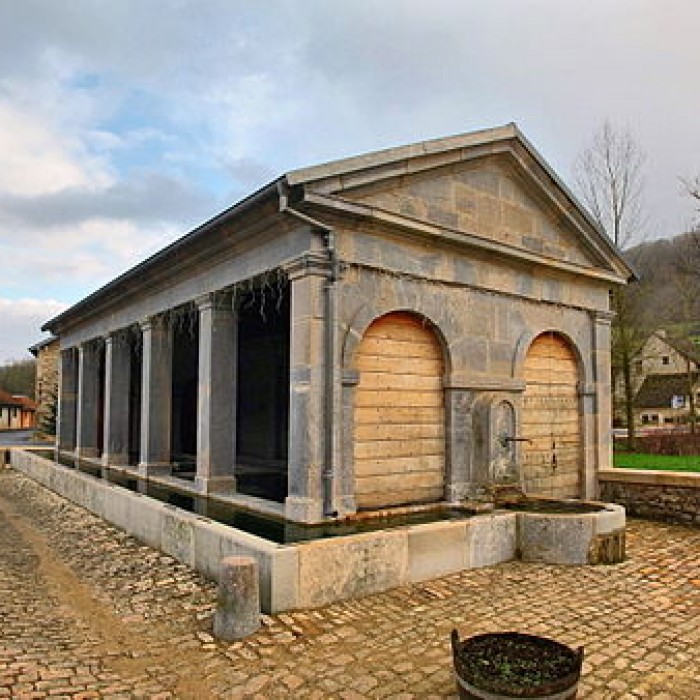
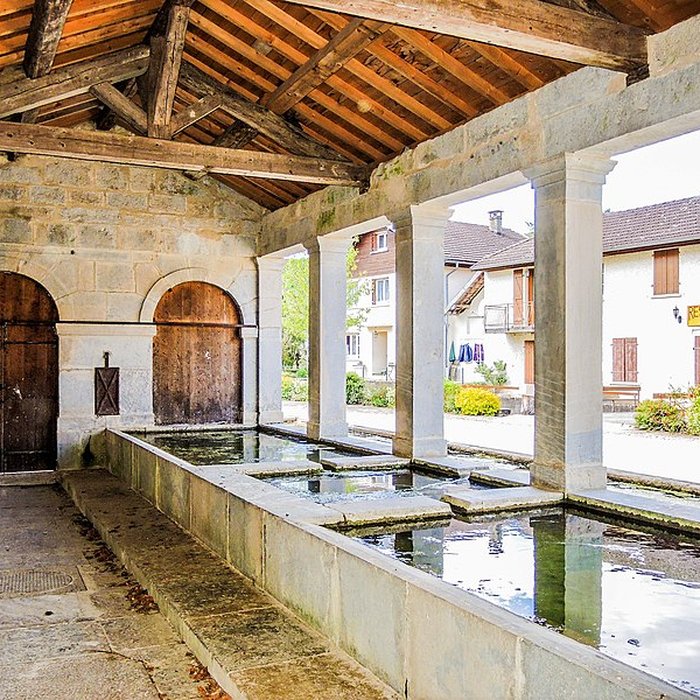
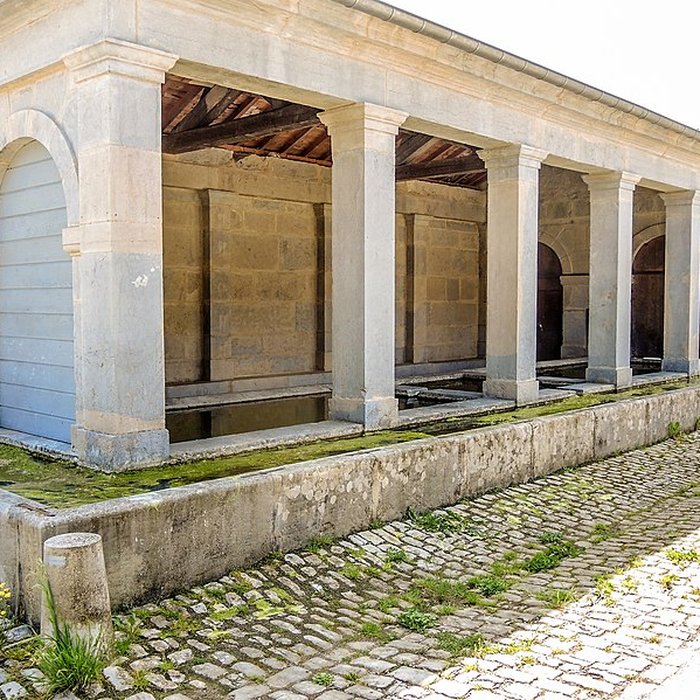
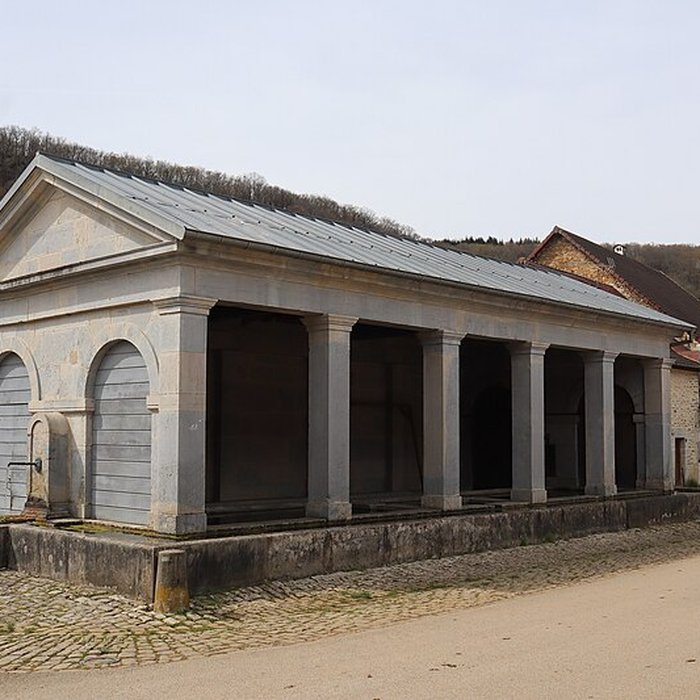
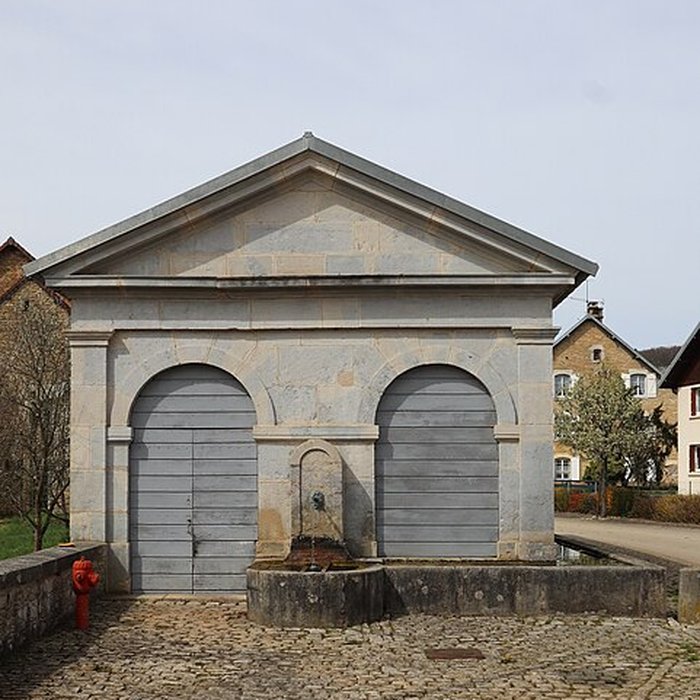
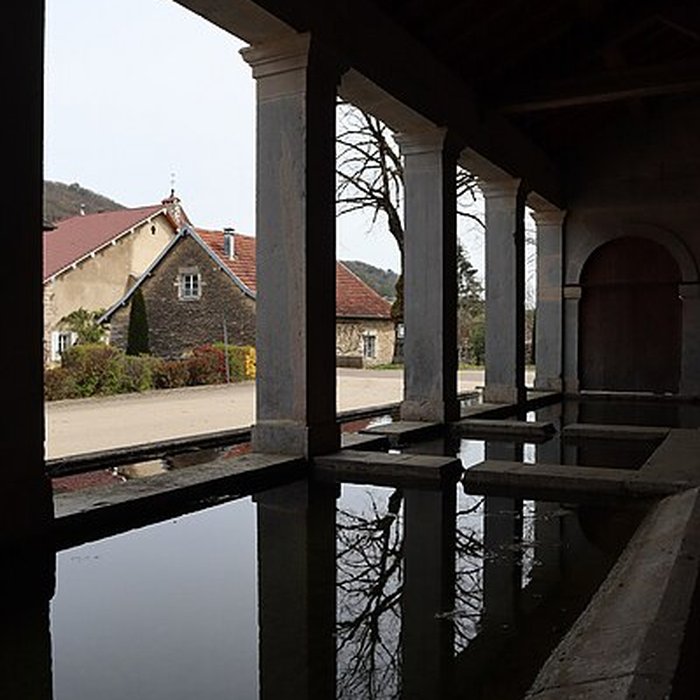
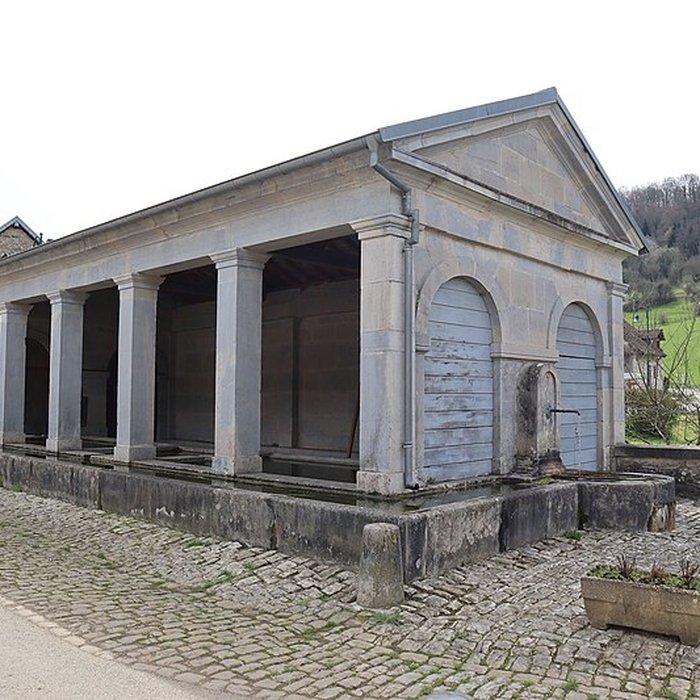
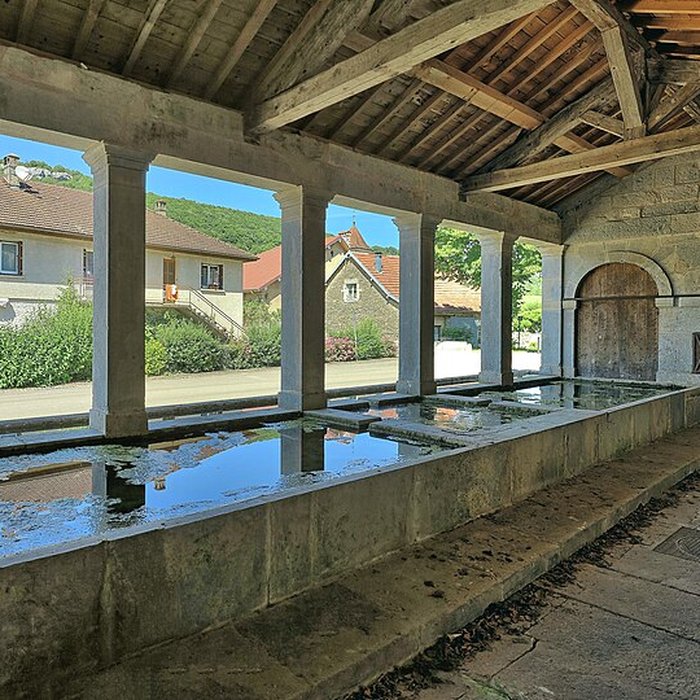
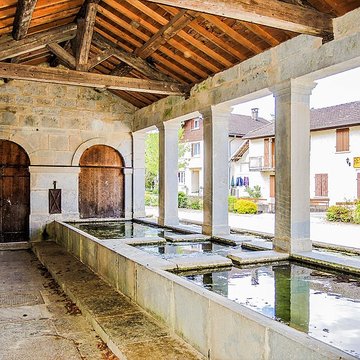
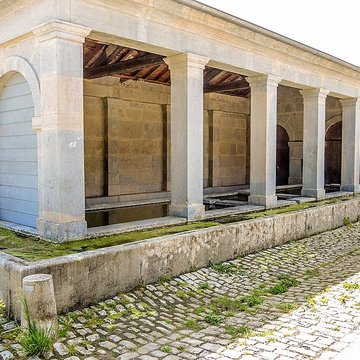
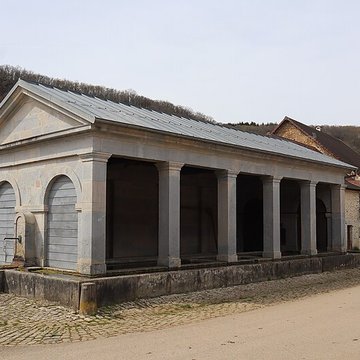
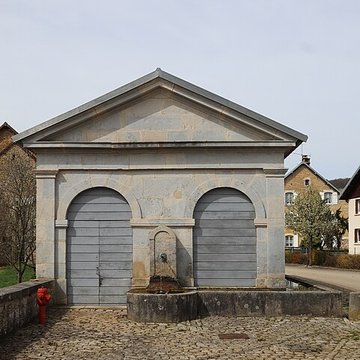
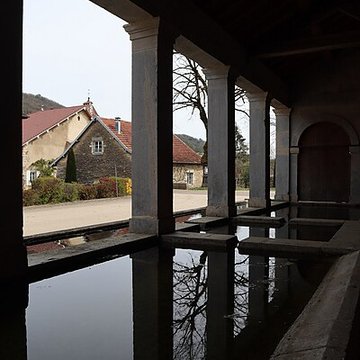
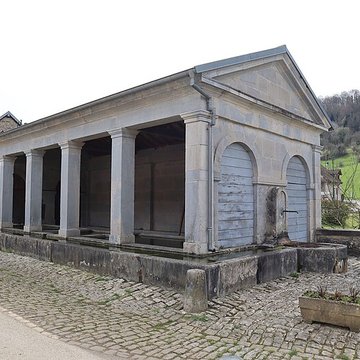
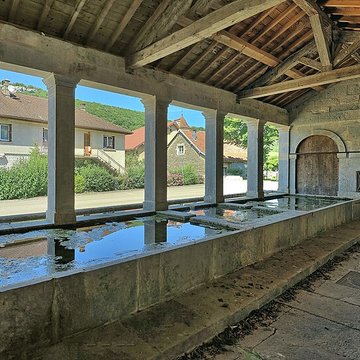
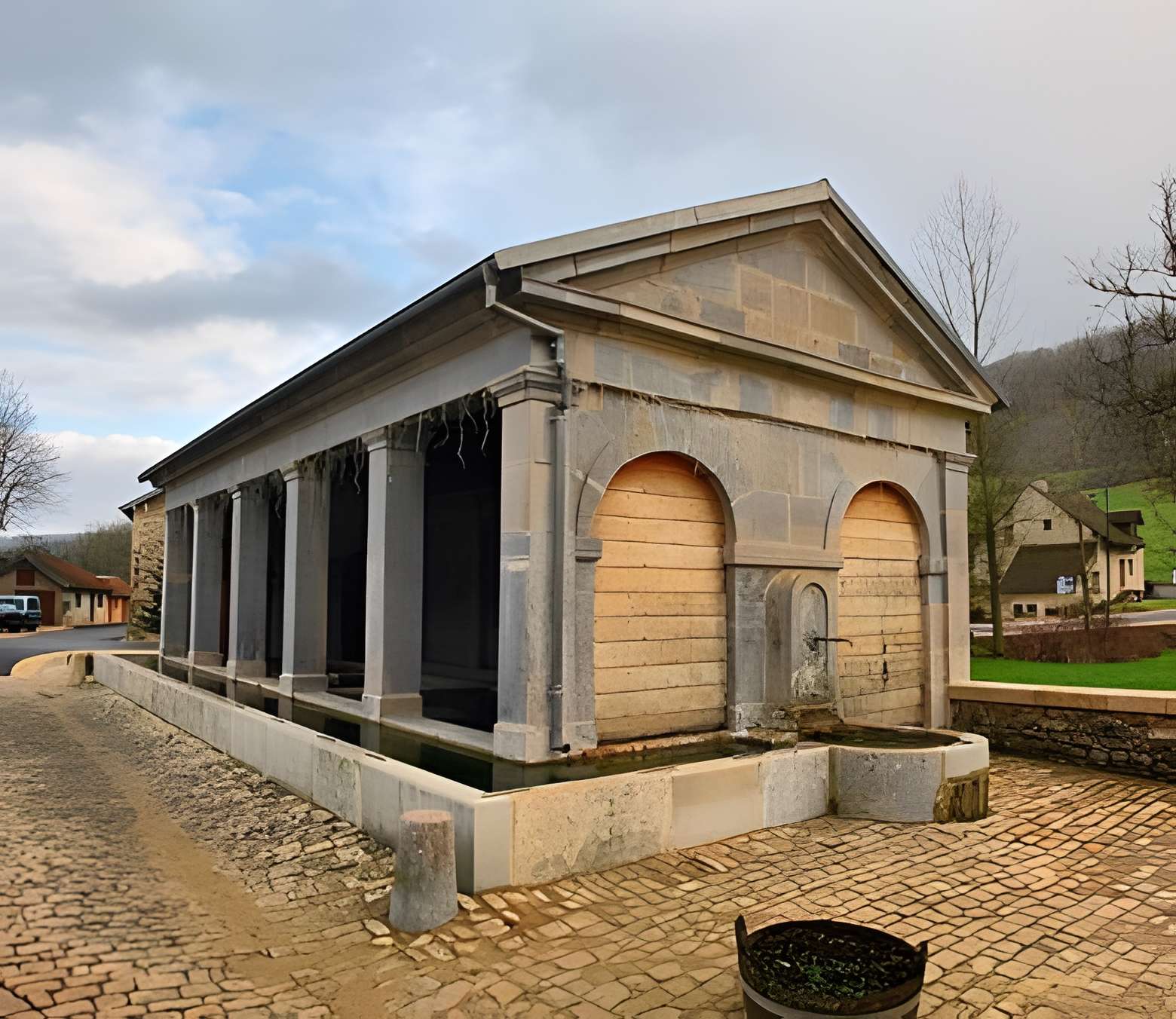
Cussey-sur-Lison Washhouse is a public building built in the 2nd quarter of the 19th century in the village of Cussey-sur-Lison, located in the Doubs department (Burgogne-Franche-Comté). This monument combines the functions of covered washbasin, drinking water and fountain, reflecting the hygienic and practical needs of the rural communities of the time. Its neoclassical architecture, marked by stone pillars and a zinc roof, makes it an outstanding example of 19th century hydraulics.
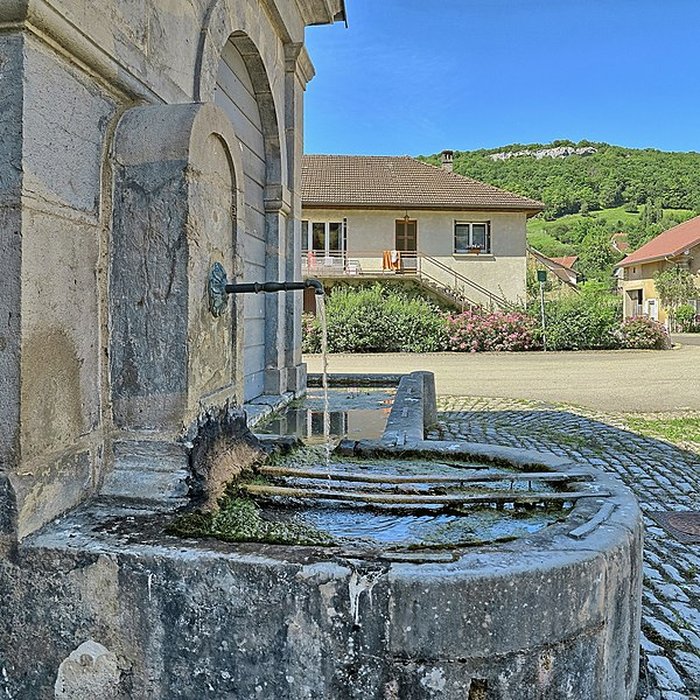
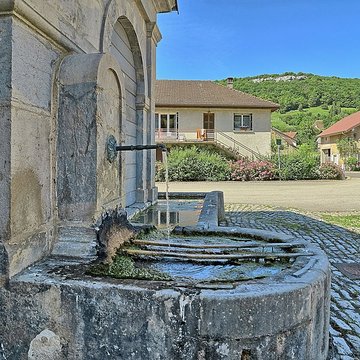
In 1841, architect-engineer Jean Baptiste Martin designed the project, including a cast iron pipe and a covered structure. Initially planned with a lava roof, the choice is finally made on zinc. The rectangular building features five facade spans and two arcade-framed side fountains. A drinker, located in front, connects the two fountains, illustrating the versatility of the work.
The washhouse is listed as a historic monument on 17 July 2003, thus protecting the entire structure, including the support walls and paved floor. In 1895 additional improvements were carried out, with the addition of three fire hydrants and two fire hydrants, improving water distribution for the inhabitants. Owned by the municipality, this monument reflects the evolution of public infrastructure in rural areas in the 19th century.









Announcements
Please log in to post a review