Construction of the tower vers 1687 (≈ 1687)
Edited by Vauban to protect Besançon.
1942
Historical monument classification
Historical monument classification 1942 (≈ 1942)
Recognition of its heritage importance.
7 juillet 2008
UNESCO registration
UNESCO registration 7 juillet 2008 (≈ 2008)
Integration into the world heritage.
Aujourd'hui
Aujourd'hui
Aujourd'hui Aujourd'hui (≈ 2025)
Position de référence.
Key figures
Sébastien Le Prestre de Vauban - Military engineer
Manufacturer of the tower.
Origin and history
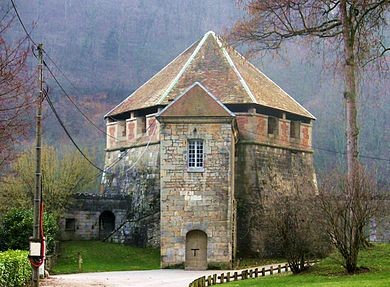
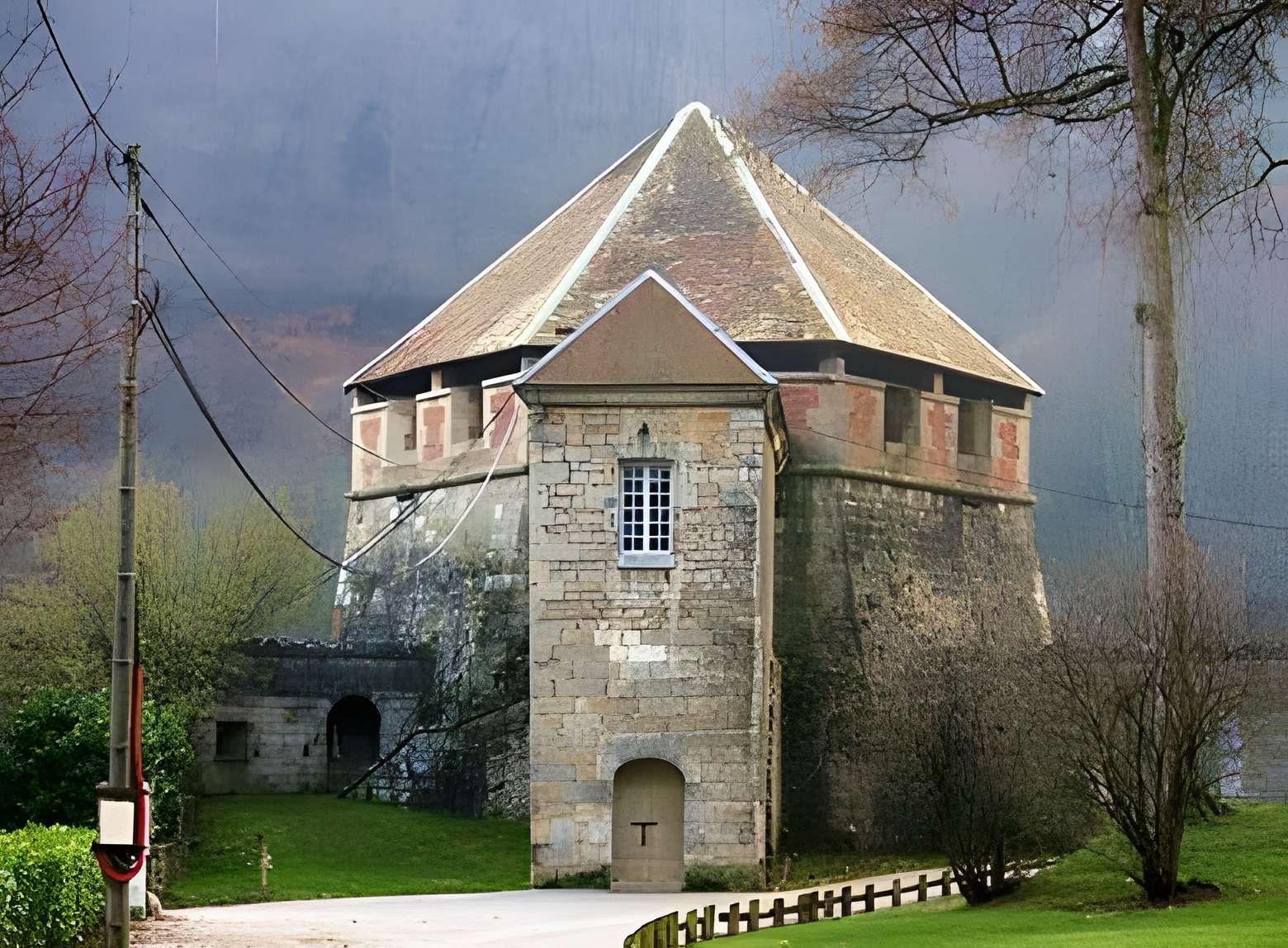
The Chamars bastion tower, located in the Chamars area at Besançon (Doubs), is a military construction built around 1687. It is one of the fortifications designed by Sébastien Le Prestre de Vauban to protect the city. Of pentagonal shape, it is the only bastioned tower of Besançon to have remained almost intact. Its architecture combines stone and brick, the latter reducing the risk of deadly brilliance in the event of a ball impact. The ground floor, vaulted to the test, was designed to withstand shelling.
The Chamars tower was tasked with defending Besançon's western flank. In the 19th century, a cover was added to complete its structure. Ranked a historic monument in 1942, it has also been a UNESCO World Heritage Site since July 7, 2008, as part of the fortifications of Vauban. Close to the Charles de Gaulle Bridge and the historic centre, it illustrates the military ingenuity of the time.
Its exceptional state of conservation makes it a rare testimony to the techniques of fortification of the seventeenth century. The tower also reflects the strategic importance of Besançon, a frequently disputed border town. Today, it is part of the military heritage of the Burgundy-Franche-Comté region, alongside the Citadel of Besançon, another major work by Vauban.