First written entry 1166 (≈ 1166)
Charter returning Sérigny to Saint-Sulpice Abbey.
milieu du XVe siècle
Reconstruction of the choir
Reconstruction of the choir milieu du XVe siècle (≈ 1550)
Major restoration and overhaul campaign.
6 août 2009
Historical Monument
Historical Monument 6 août 2009 (≈ 2009)
Protection of the entire chapel.
Aujourd'hui
Aujourd'hui
Aujourd'hui Aujourd'hui (≈ 2025)
Position de référence.
Heritage classified
The chapel in its entirety (with the exception, however, of the construction adjacent to it to the northwest of the choir) (Box ZM 22 - 5, rue de la Coin de Front, 111 - 1, rue de la Chaussée de César, placed "La Chapelle du Puits "): inscription by order of 6 August 2009
Key figures
Abbaye bénédictine de Saint-Sulpice de Bourges - Medieval owner
Beneficiary of the customs of Sérigny in 1166.
Origin and history
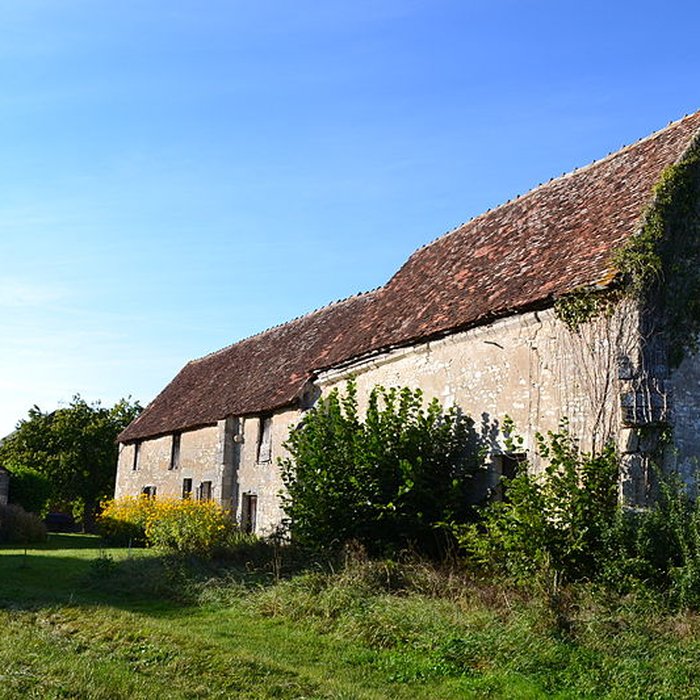
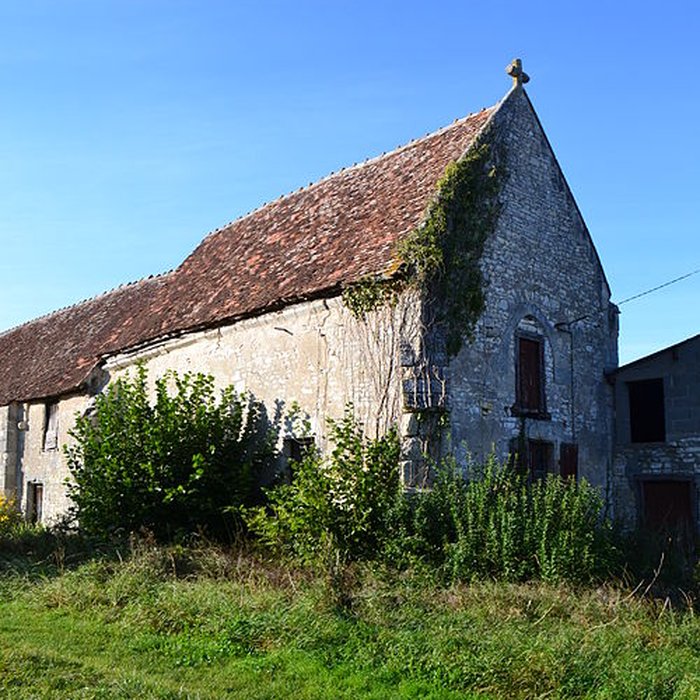
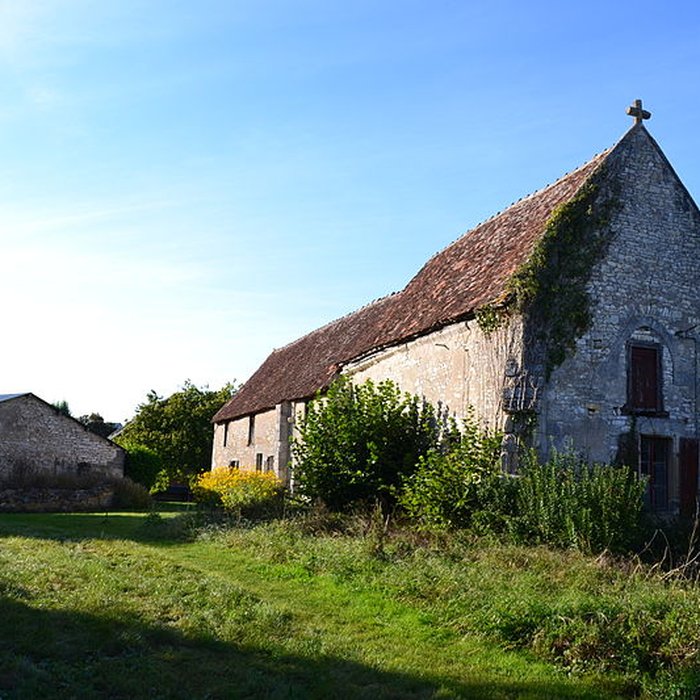
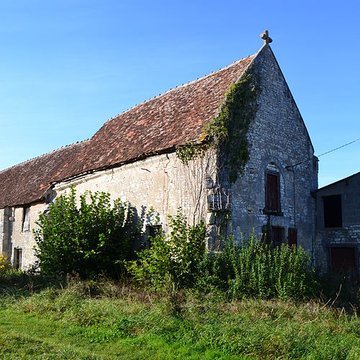
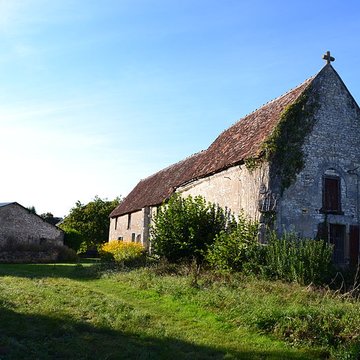
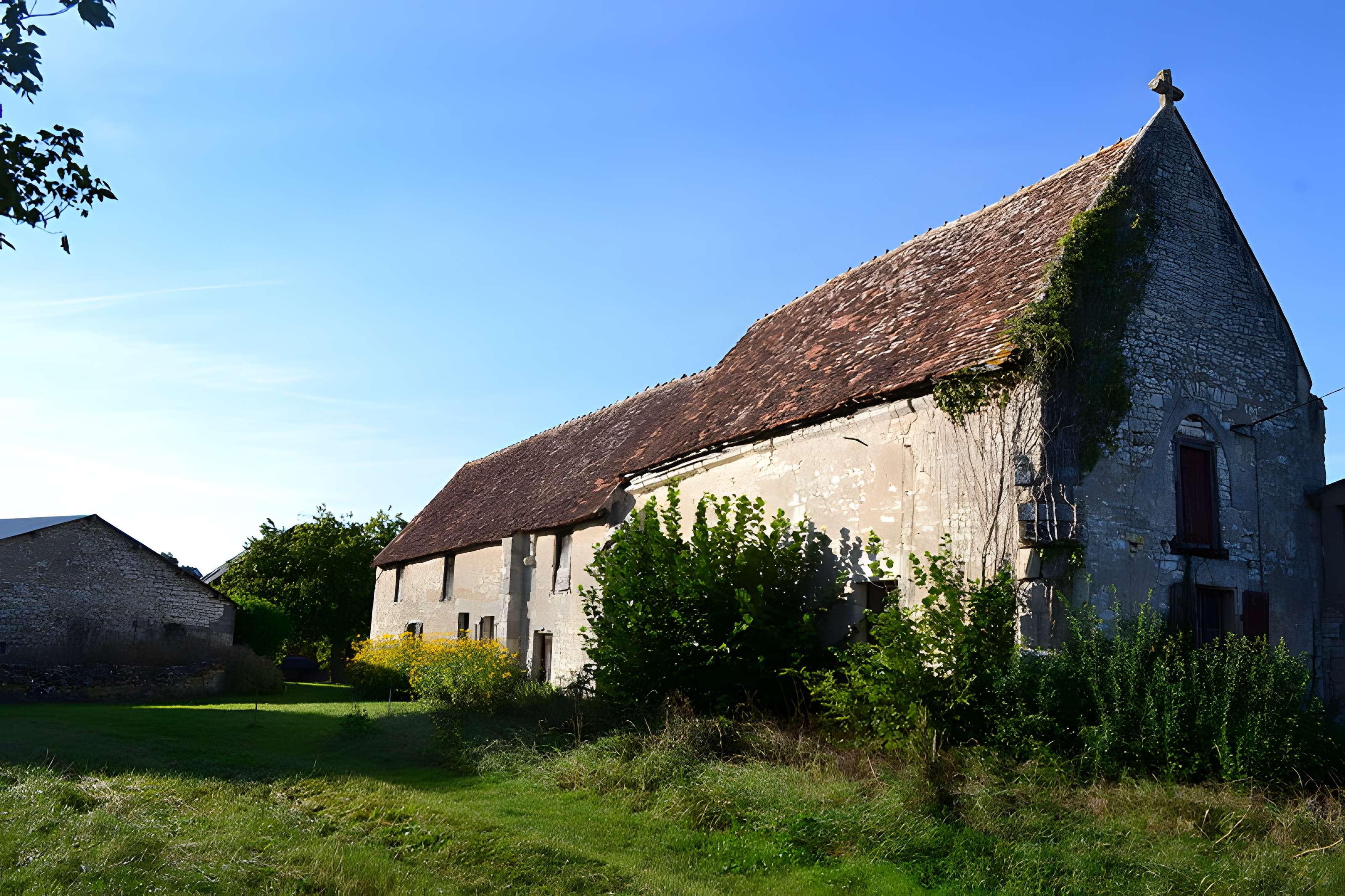
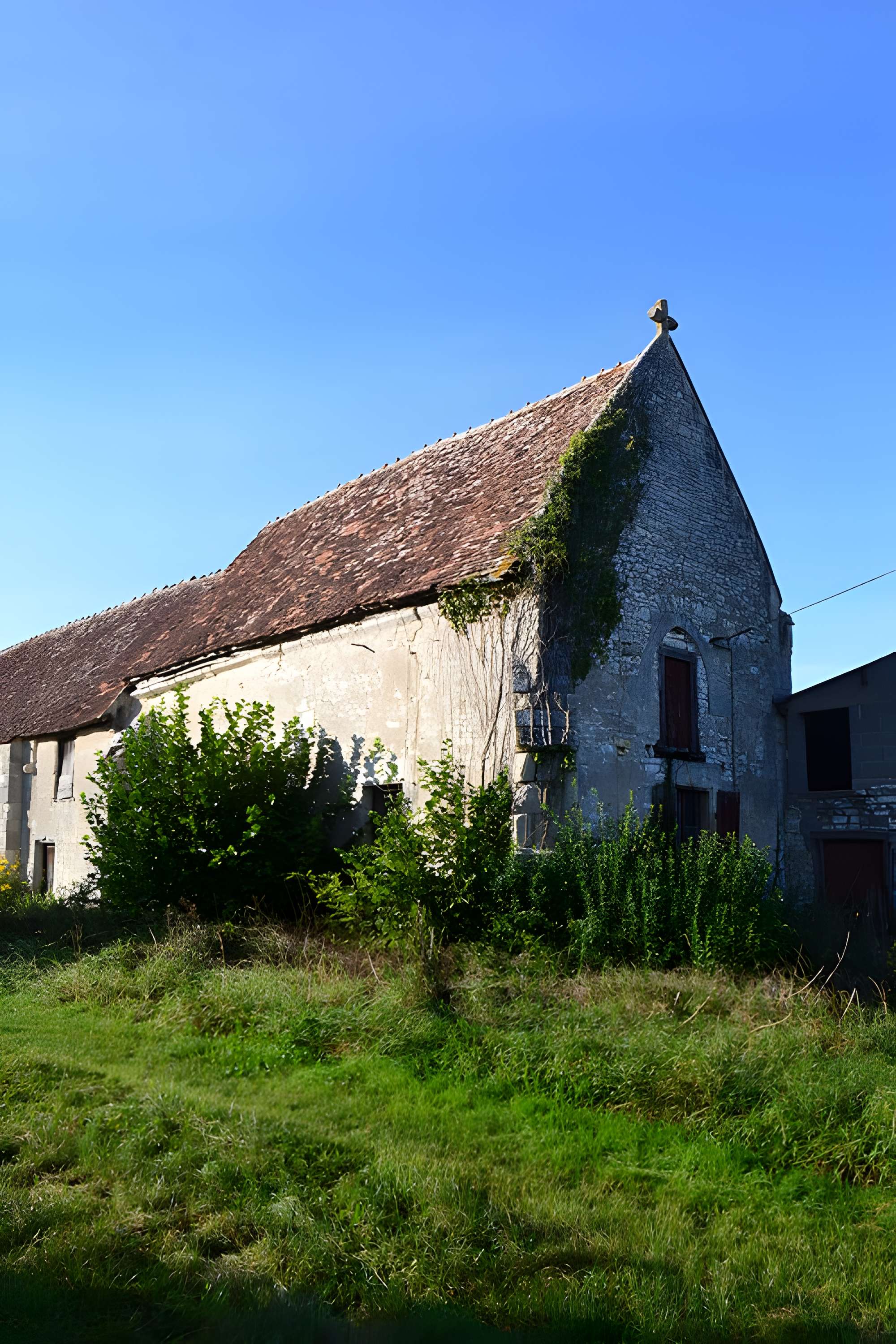
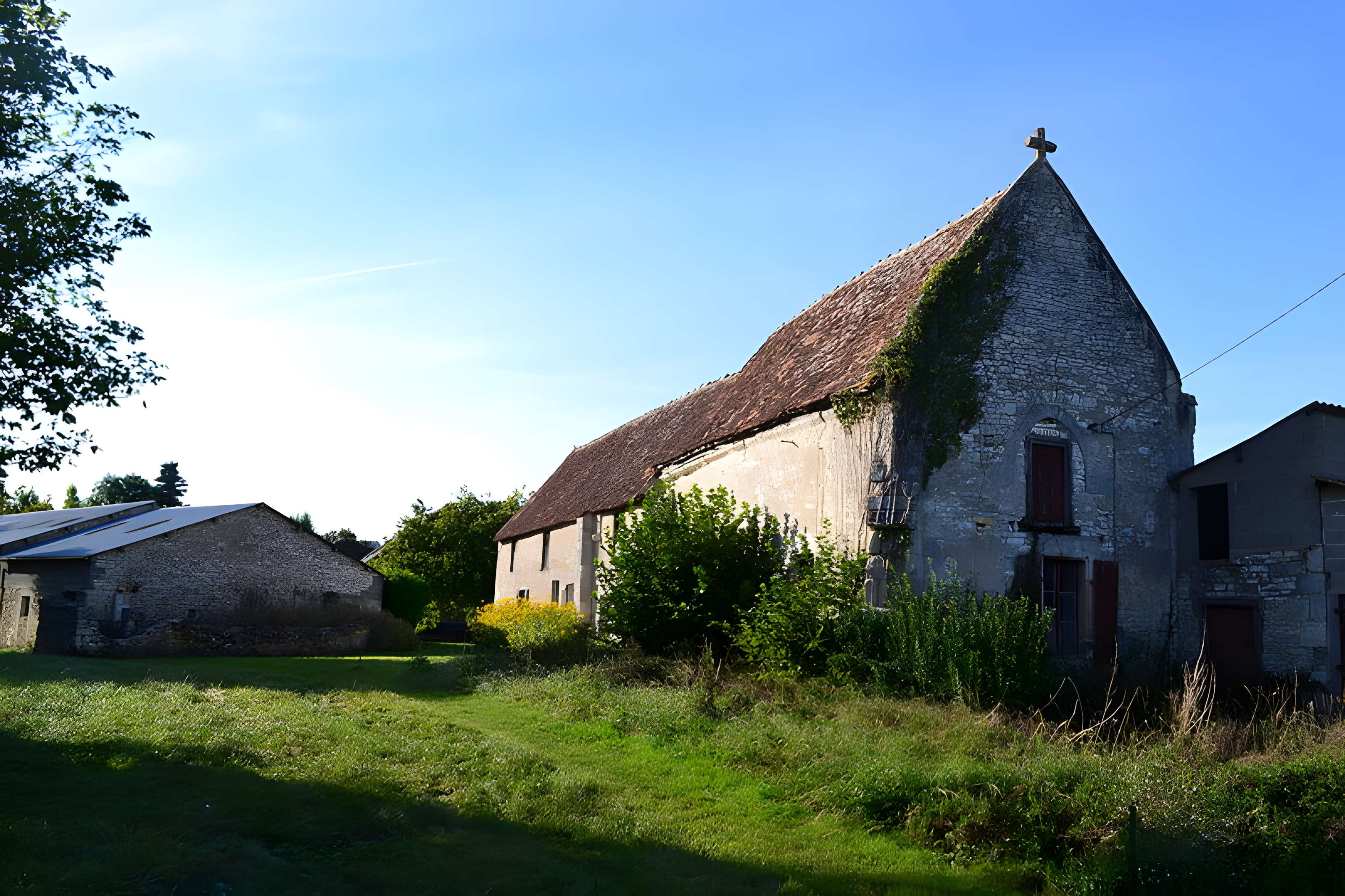
The Notre-Dame de Sérigny chapel, located in Civray in the Cher, is a religious building whose origins date back to the twelfth century. Placed on the ancient Roman way between Poitiers and Bourges, it is mentioned for the first time in a charter of 1166. This document attests to its dependence on the Benedictine Abbey of Saint-Sulpice de Bourges, confirming its role in the medieval monastic network. The chapel, with an elongated plan, follows the model of the Berry Romanesque churches, with a unique nave and a flat bedside.
The first construction campaign in the 12th century concerned the Romanesque nave, characteristic of its length and narrowness. In the middle of the 15th century, a second phase of work transformed the building: the choir was rebuilt, the last span of the nave was redesigned, and a chevron frame with firm bearing was added. These changes reflect the architectural evolutions of the period, marking the transition between Romanesque style and late Gothic influences.
In the 19th century, the chapel partially lost its religious vocation. Its interior is compartmentalized to create houses and a workshop of marshal-ferrant, illustrating the adaptations of historic buildings to the practical needs of later eras. Despite these transformations, the building retains major structural elements, such as its unique vessel and flat bedside, which bear witness to its medieval history.
Ranked Historic Monument by order of 6 August 2009, the chapel is now fully protected, with the exception of a construction adjacent to the northwest of the choir. Its inscription underlines its heritage importance, linked to its hybrid architecture (Roman and Renaissance) and its anchoring in the religious and road history of Berry.







Announcements
Please log in to post a review