Initial Foundation XIe siècle (≈ 1150)
Architectural origins of the priory certified.
XIIe siècle
Benedictine certification
Benedictine certification XIIe siècle (≈ 1250)
Priory mentioned as Benedictine.
1927
First protection
First protection 1927 (≈ 1927)
Registration of the church to the MH.
1995
Protected extensions
Protected extensions 1995 (≈ 1995)
House Heart steel and registered priory elements.
Aujourd'hui
Aujourd'hui
Aujourd'hui Aujourd'hui (≈ 2025)
Position de référence.
Heritage classified
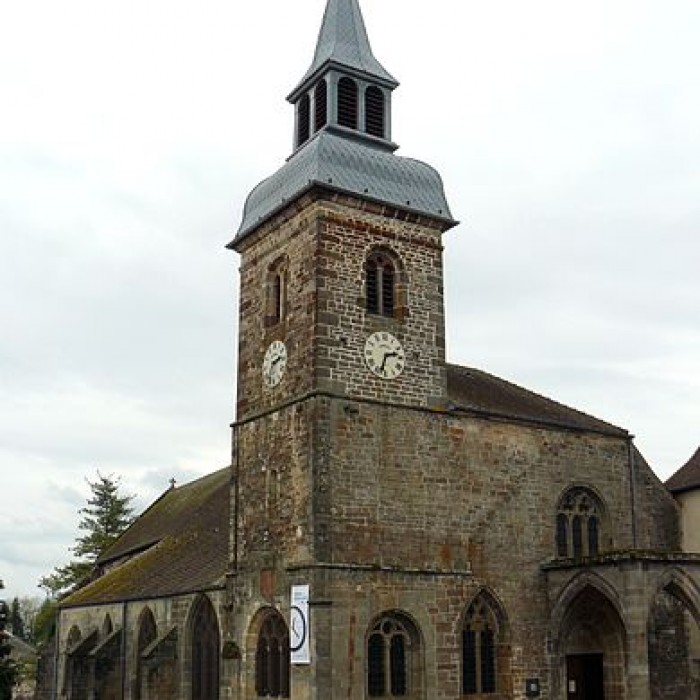
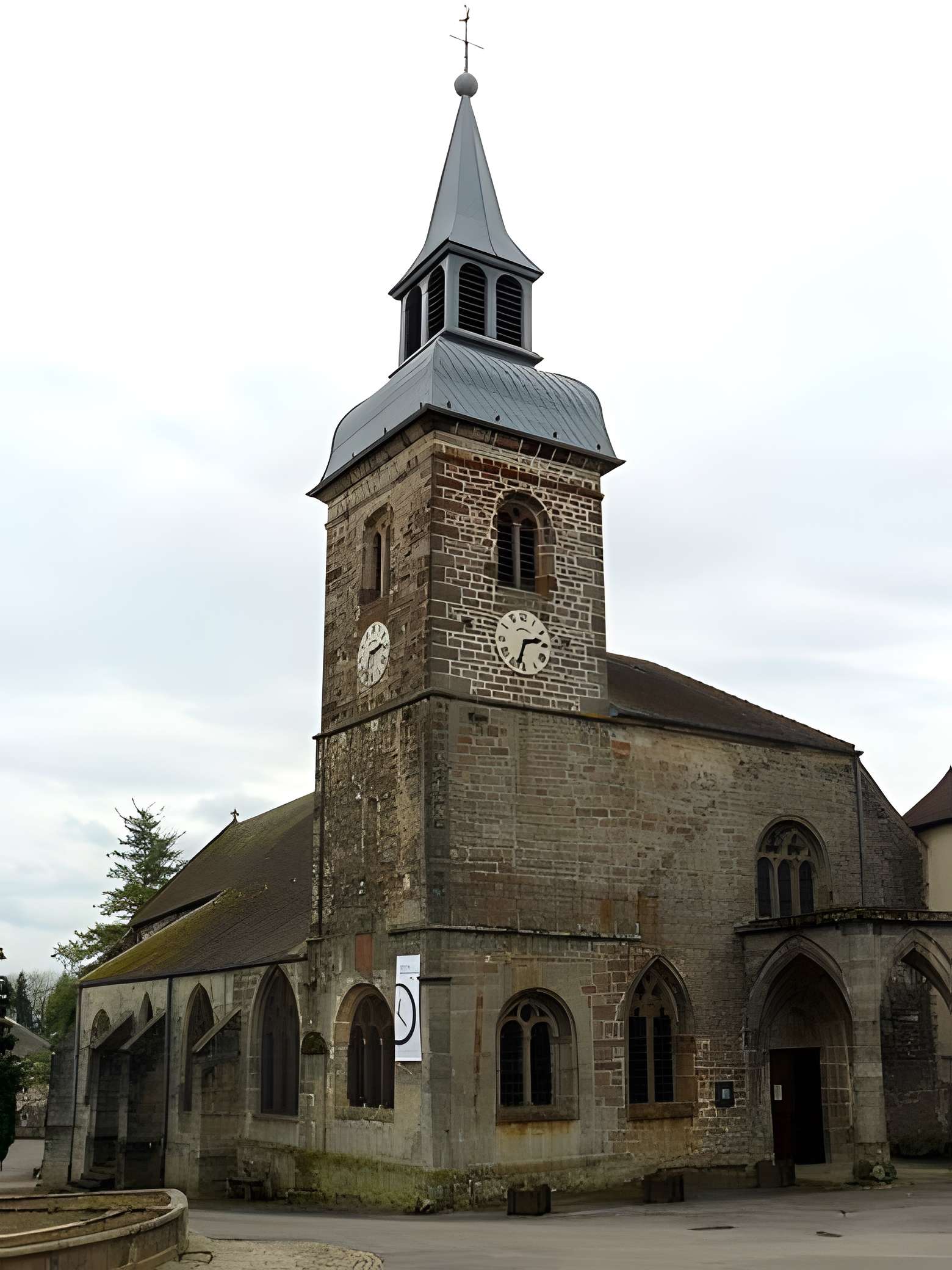
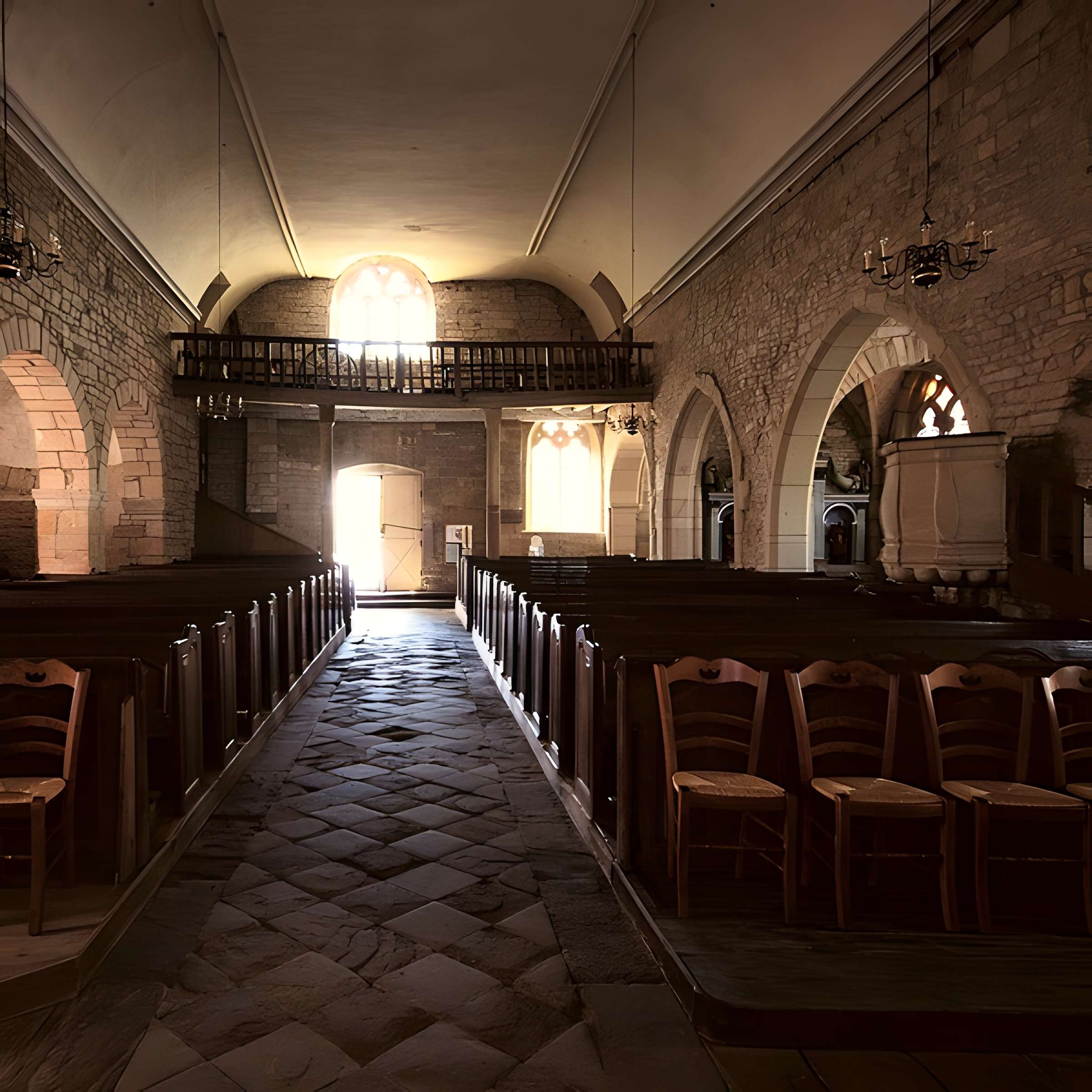
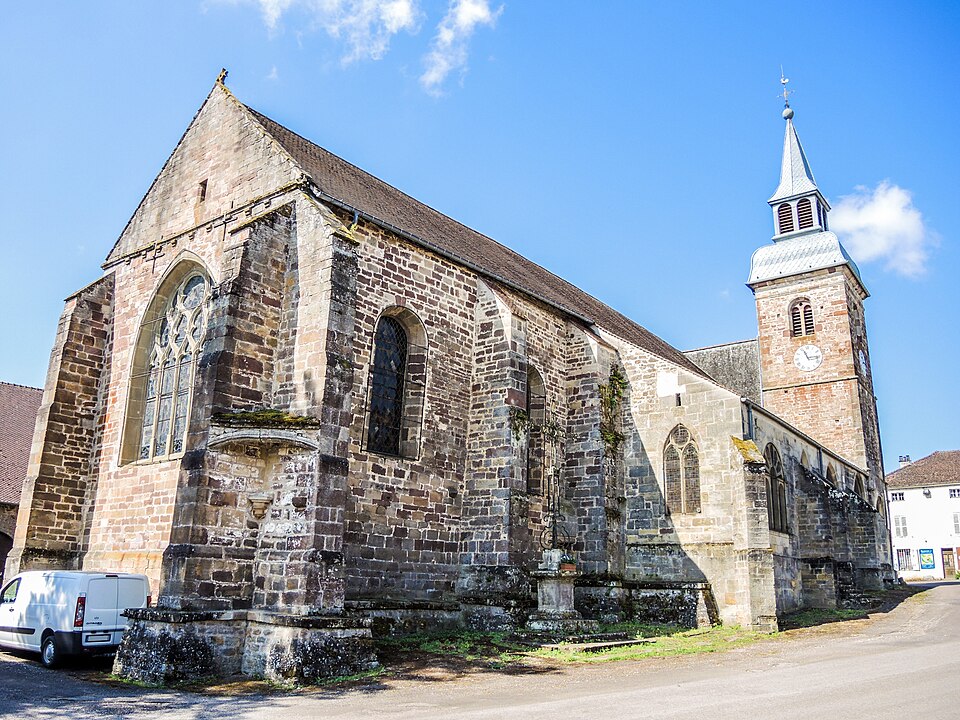
Church: registration by decree of 24 January 1927. Maison Coeurdecier (Case D 146): entry by order of 1 March 1995. Priory: housing bodies; fronts and roofs of the barn; soil of the courtyard and the old cemetery (cad. D 146, 148 and public domain, not cadastral, near north of Parcel D 147): inscription by order of 20 April 1995
Key figures
Information non disponible - No name cited
Sources do not mention any key characters.
Origin and history
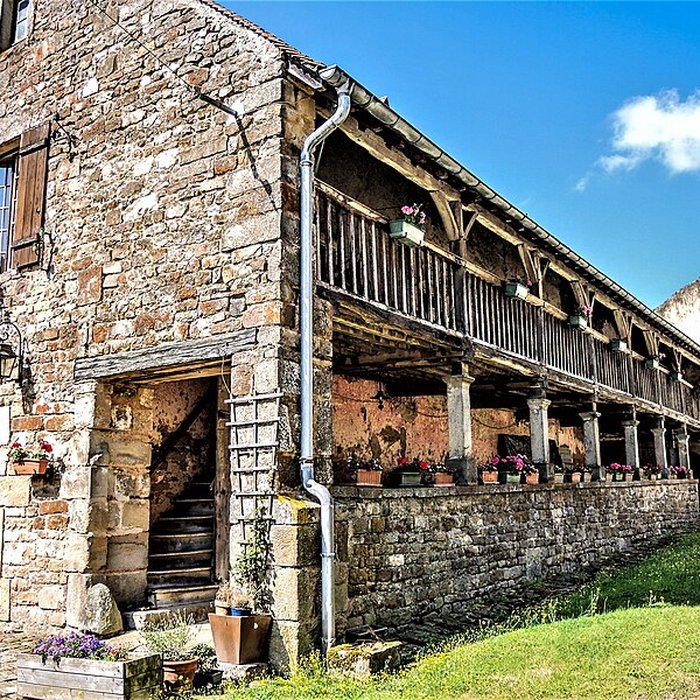
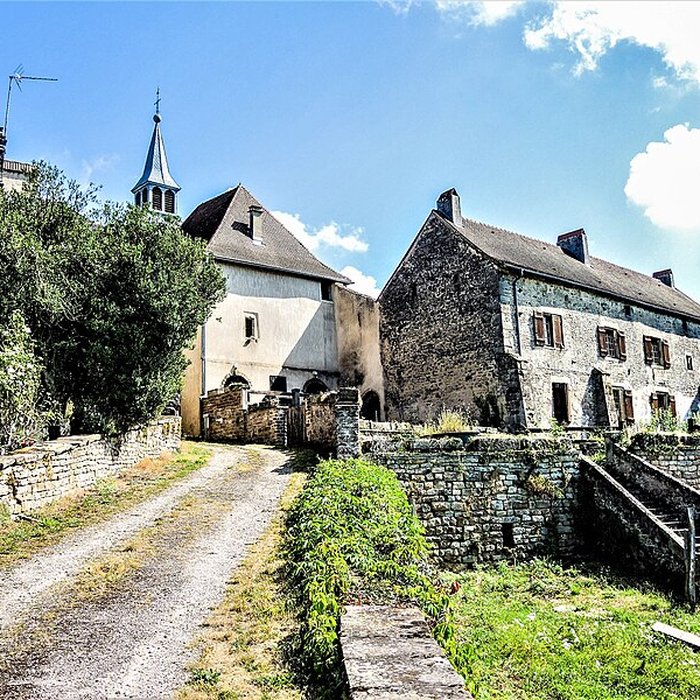
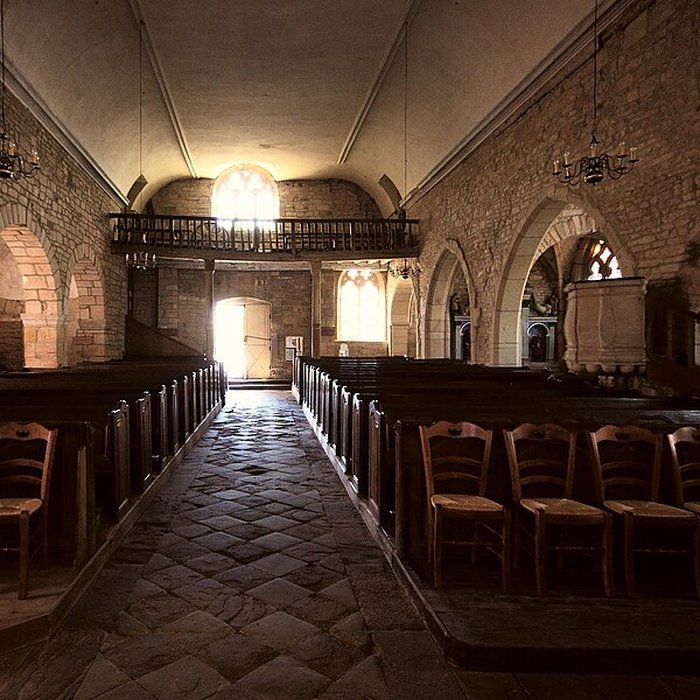
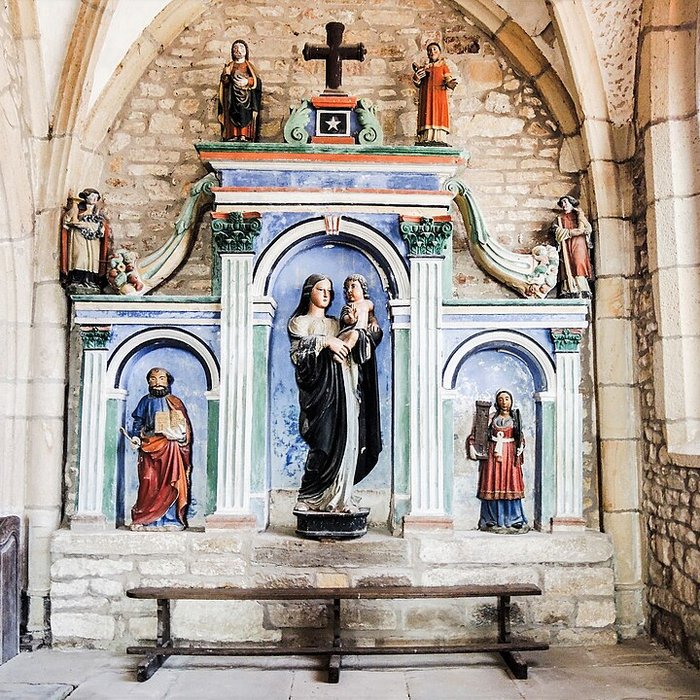
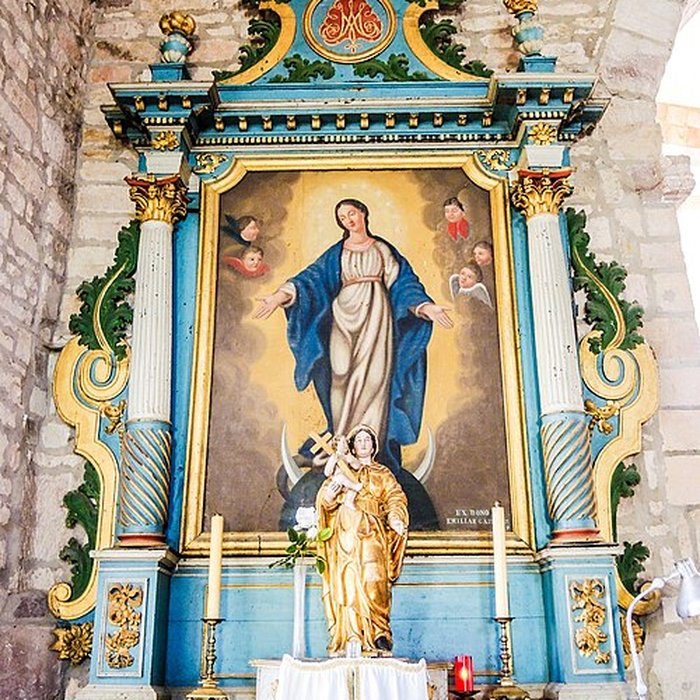
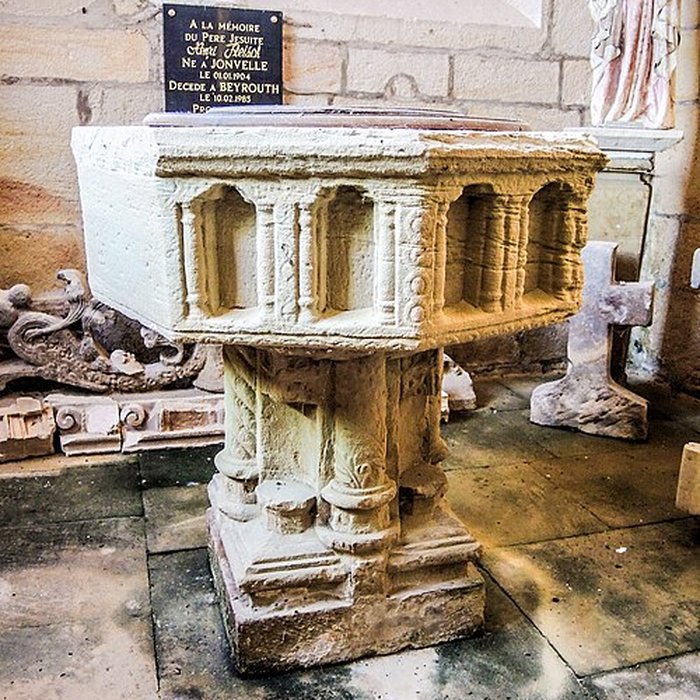
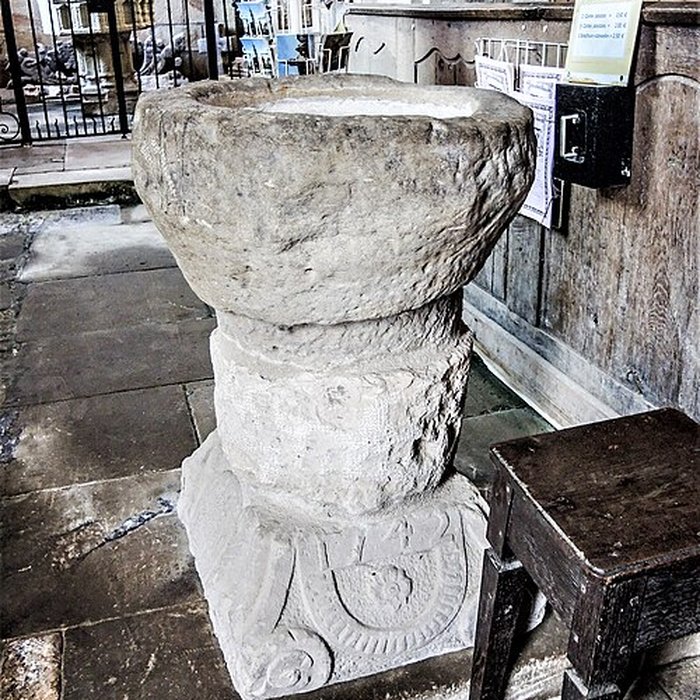
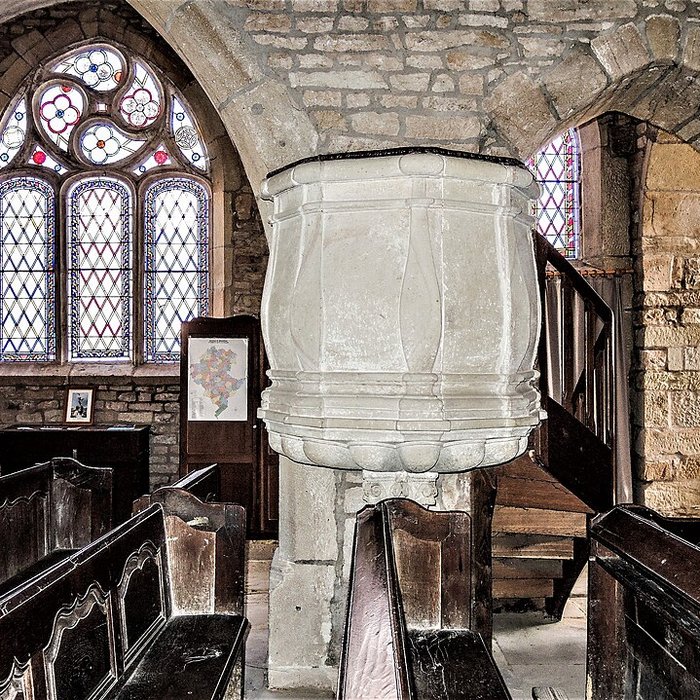
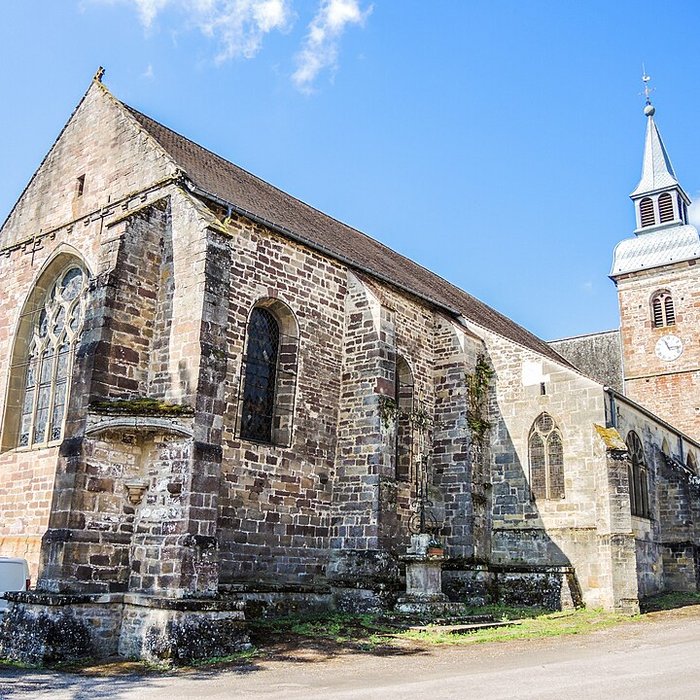
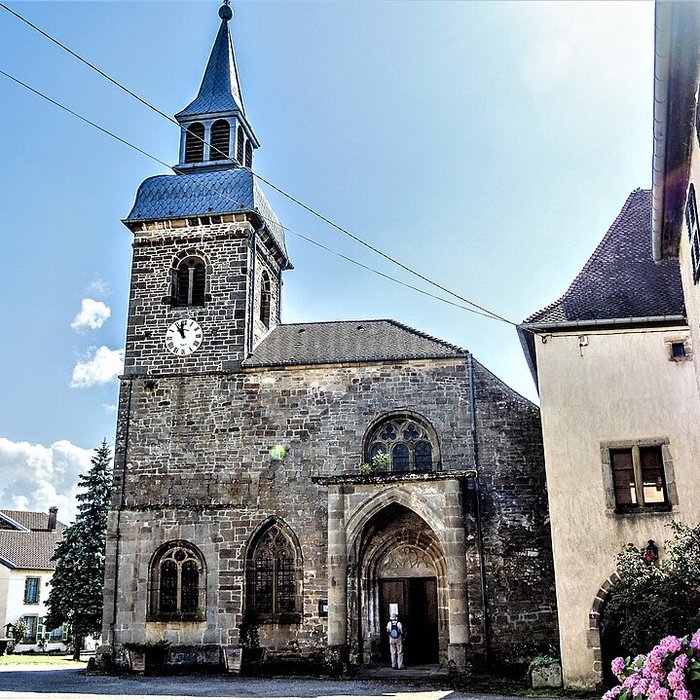
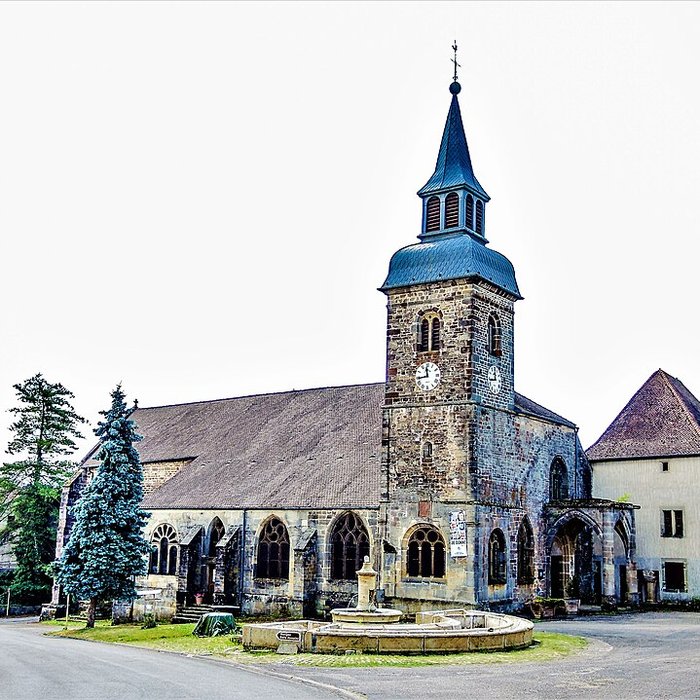
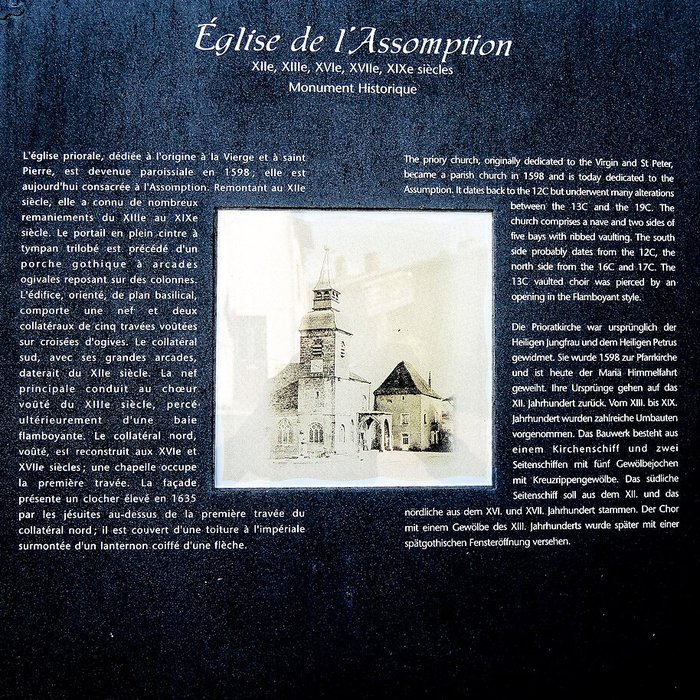
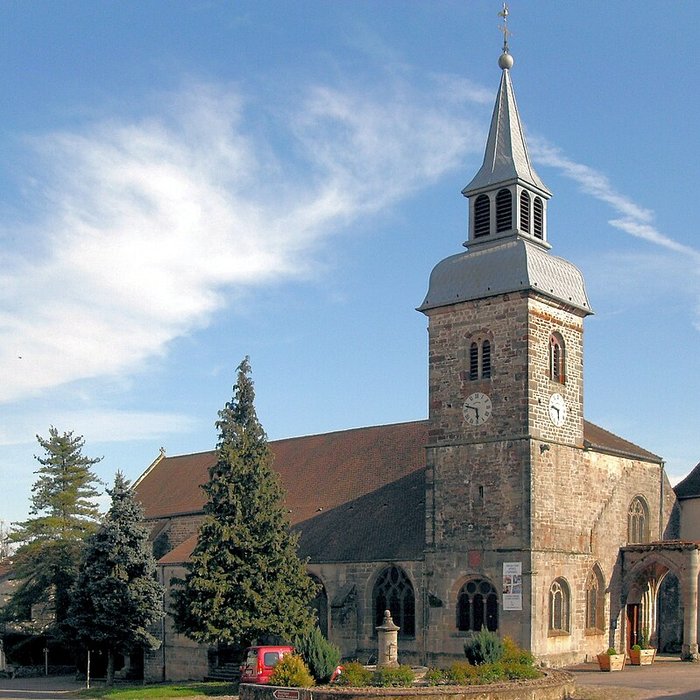
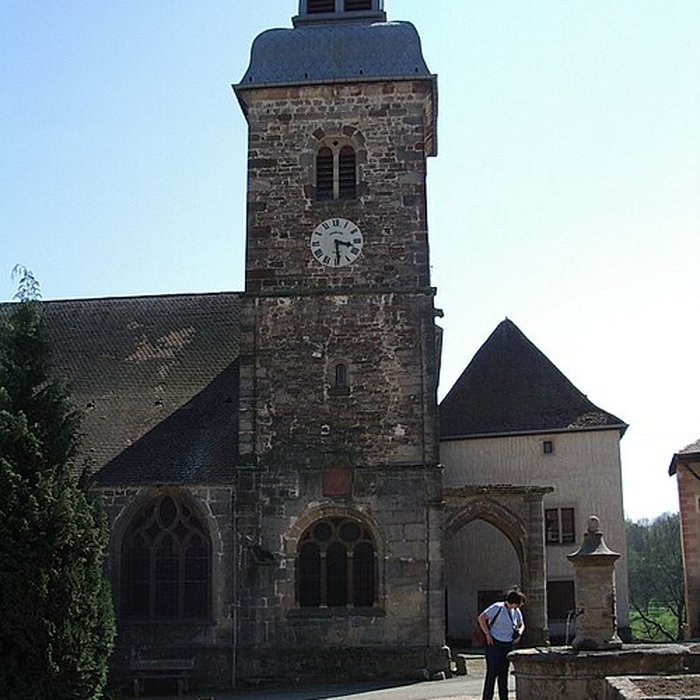
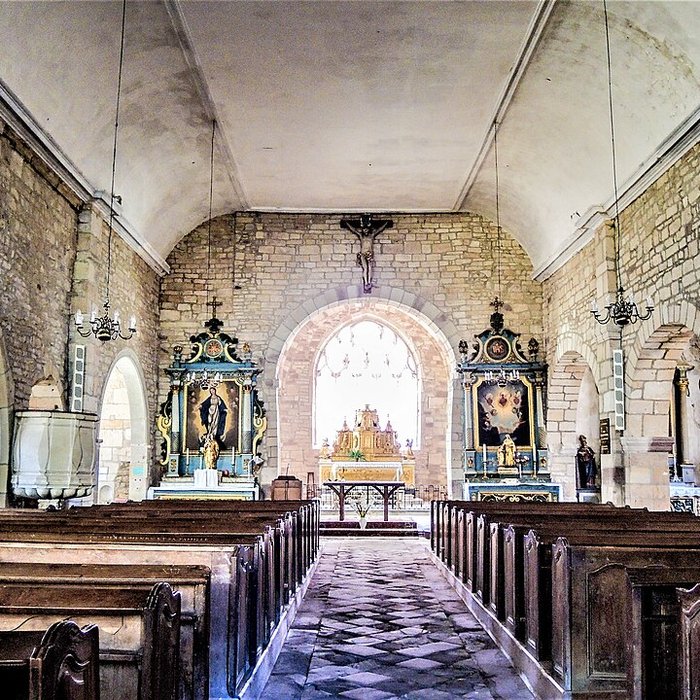
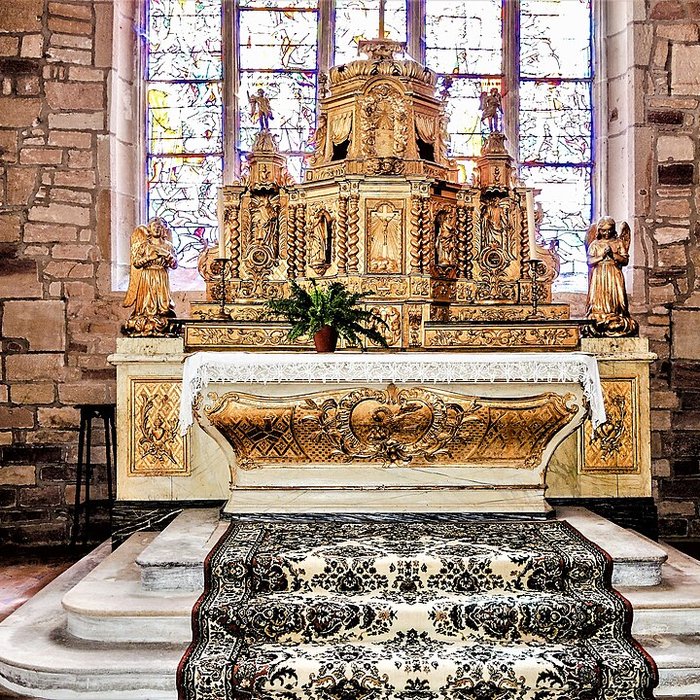
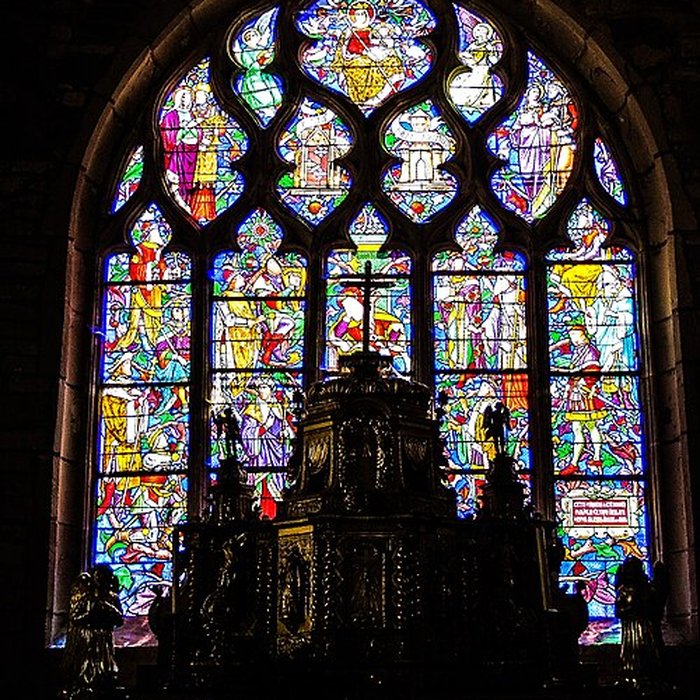
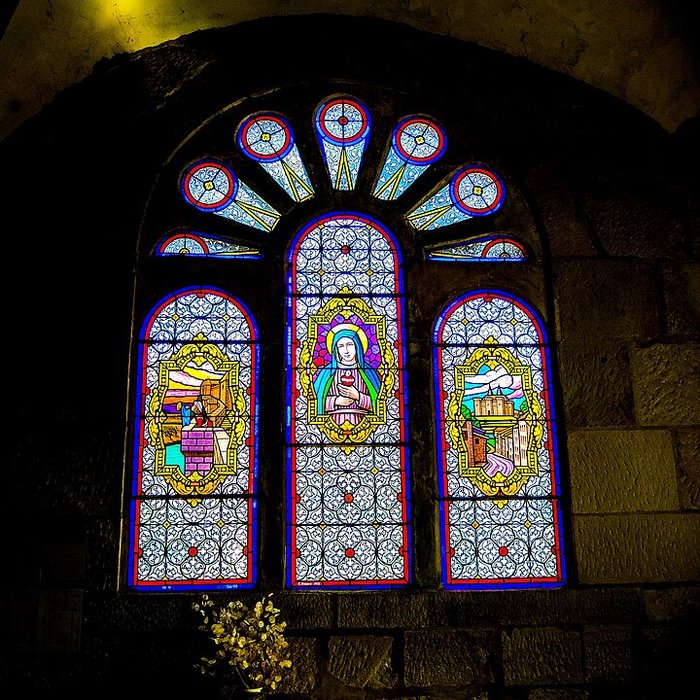
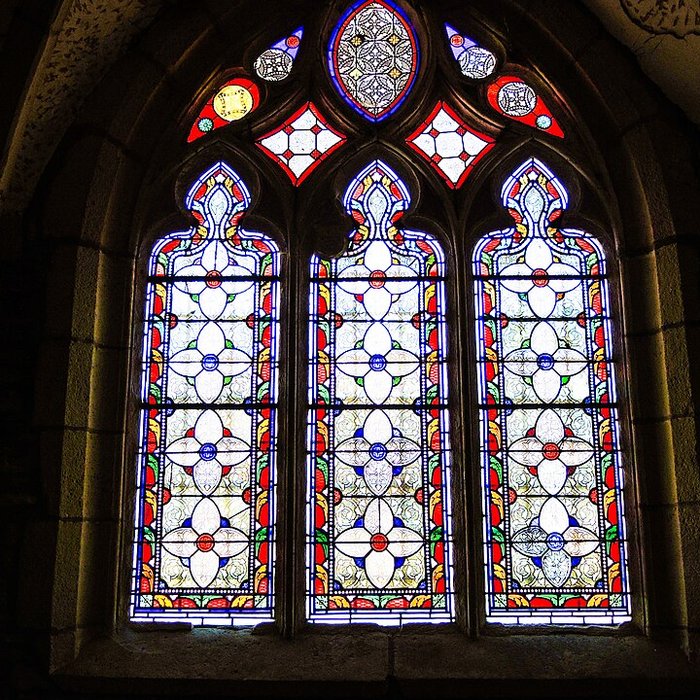
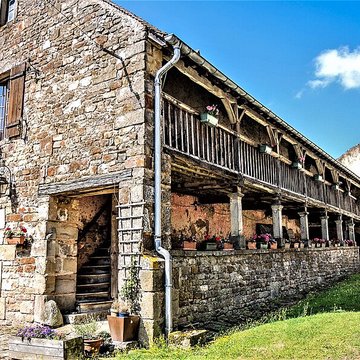
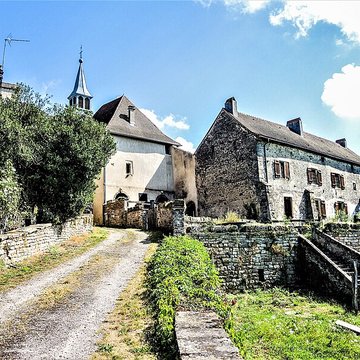
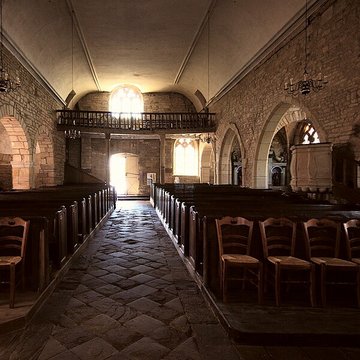
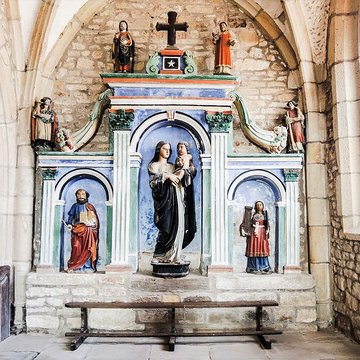
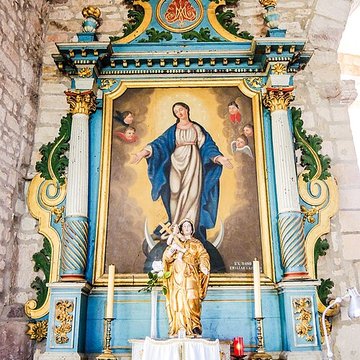
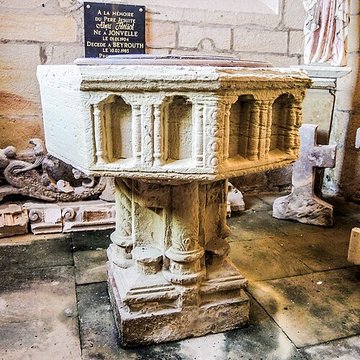
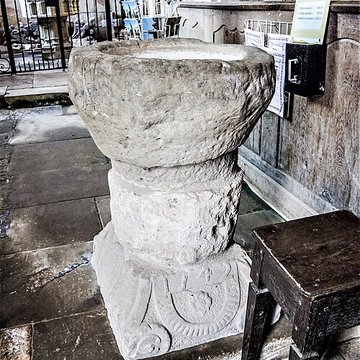
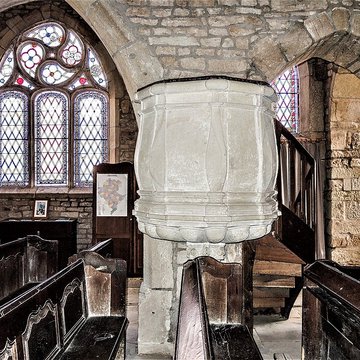
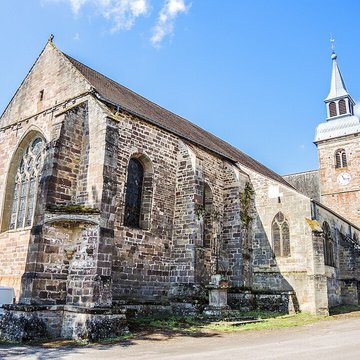
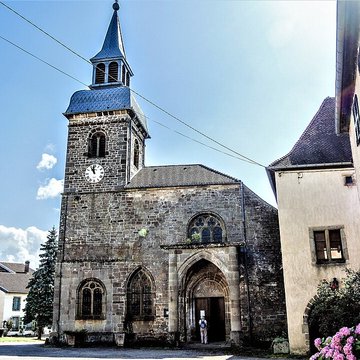
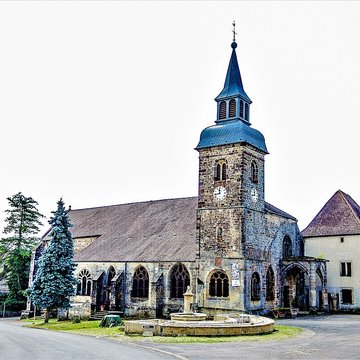
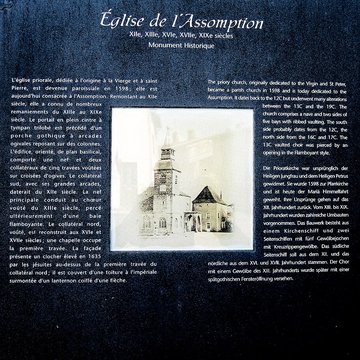
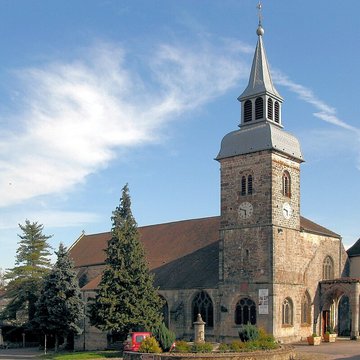
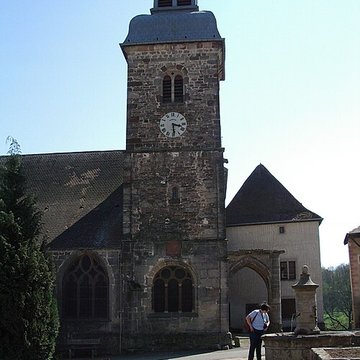
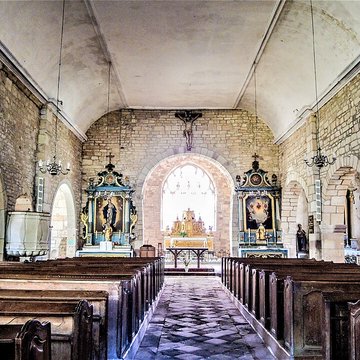
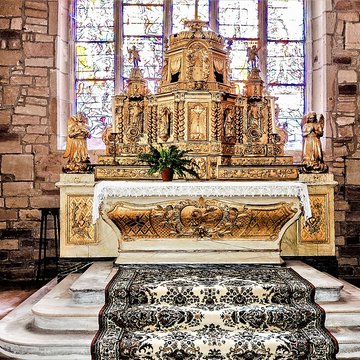
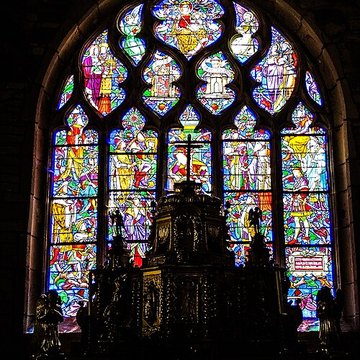
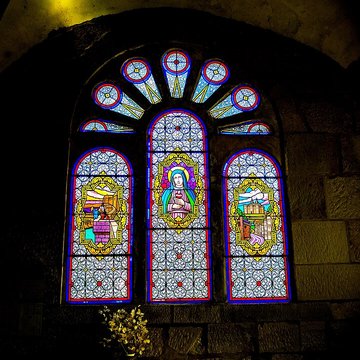
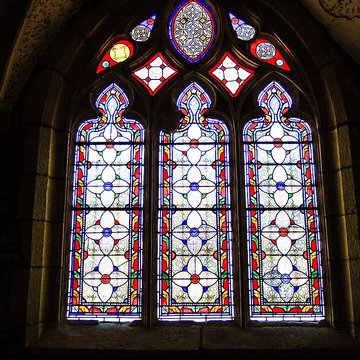
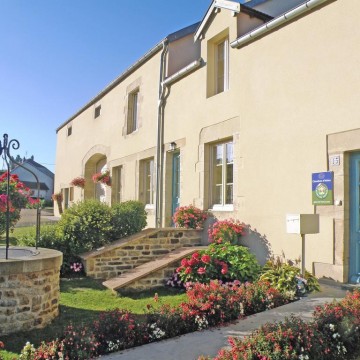
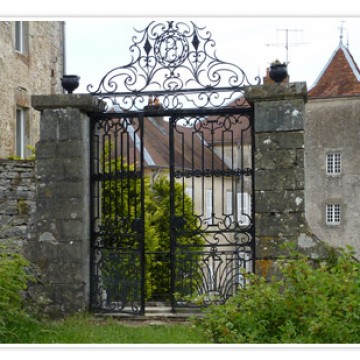
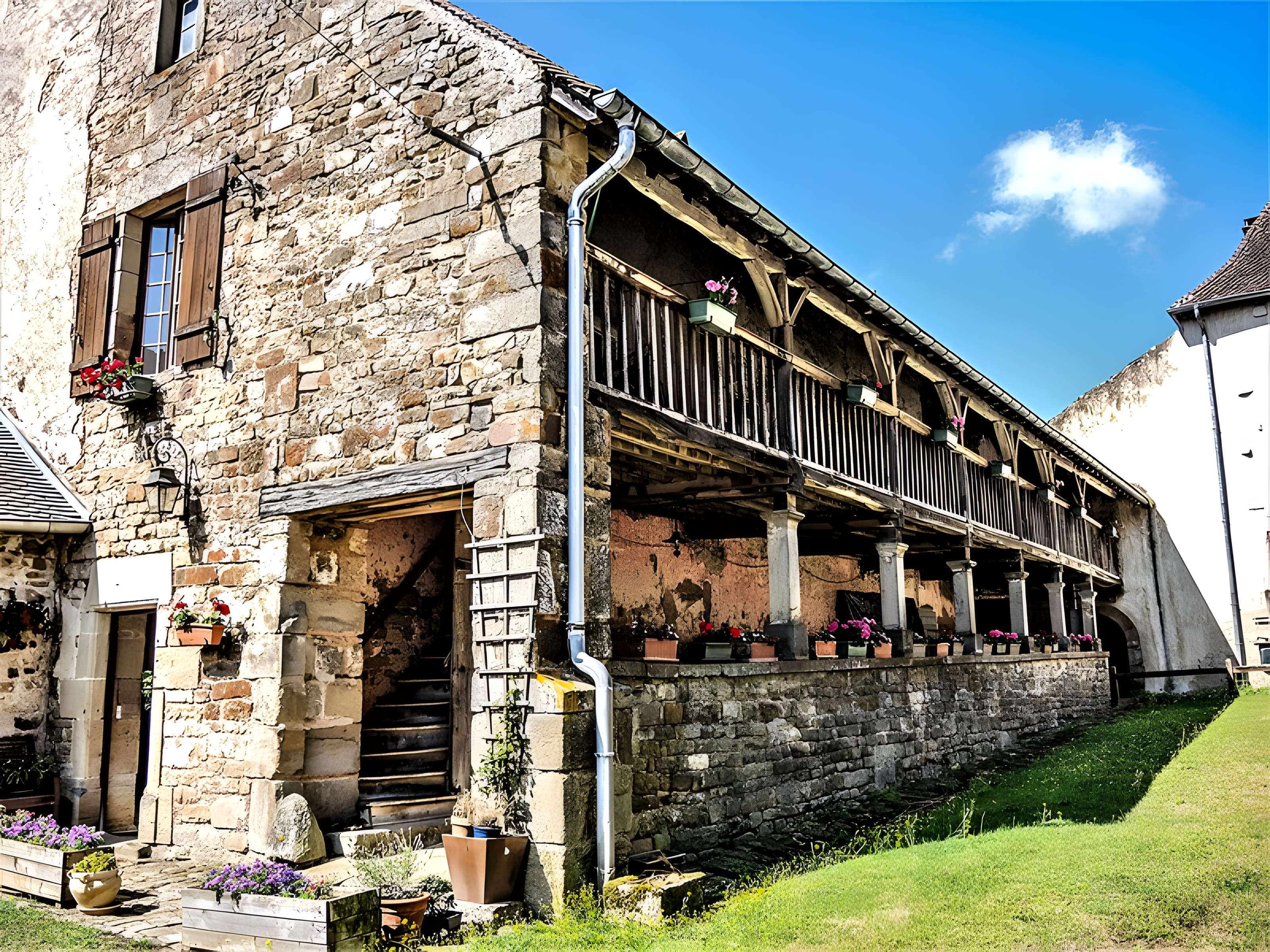
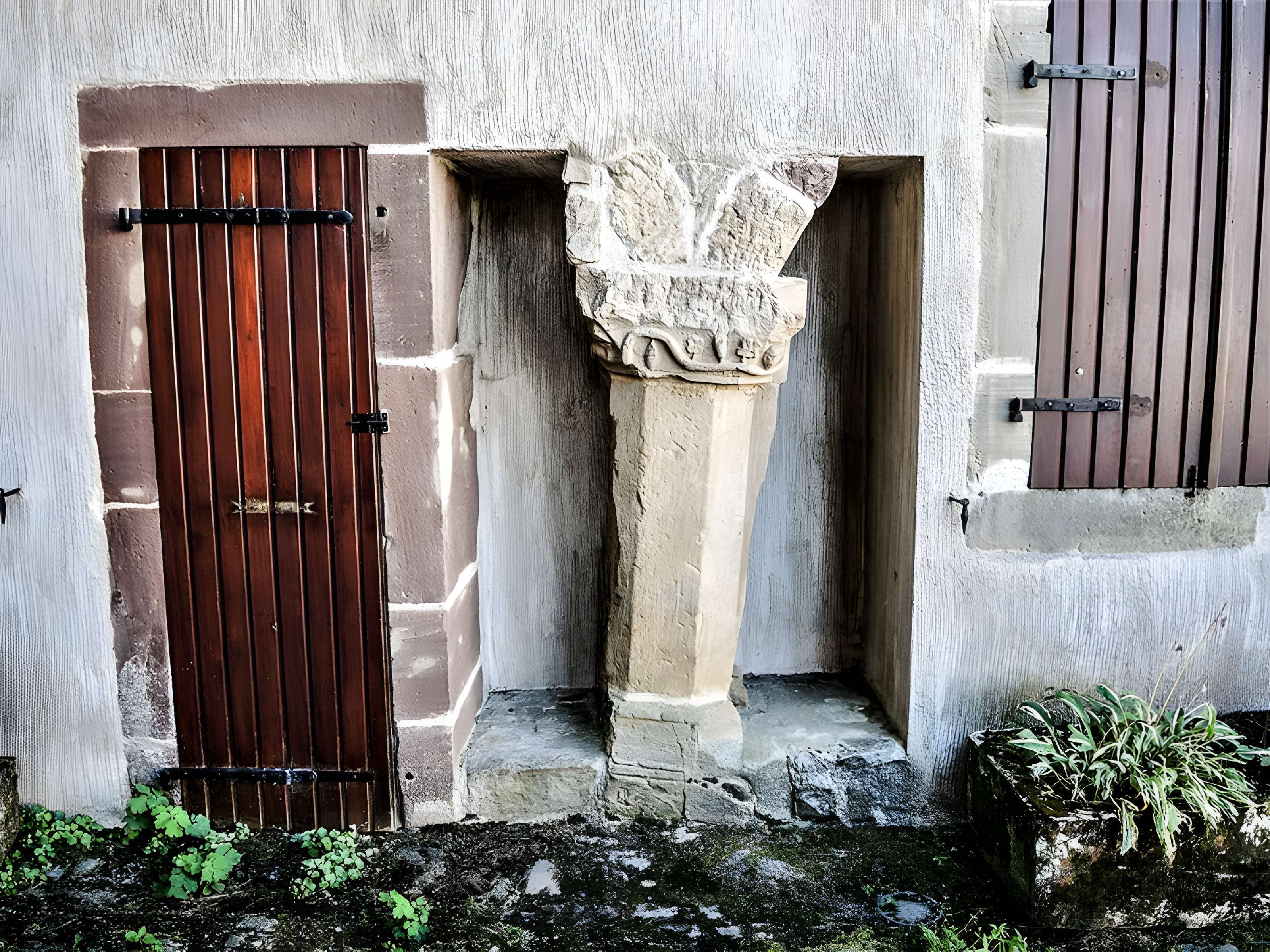
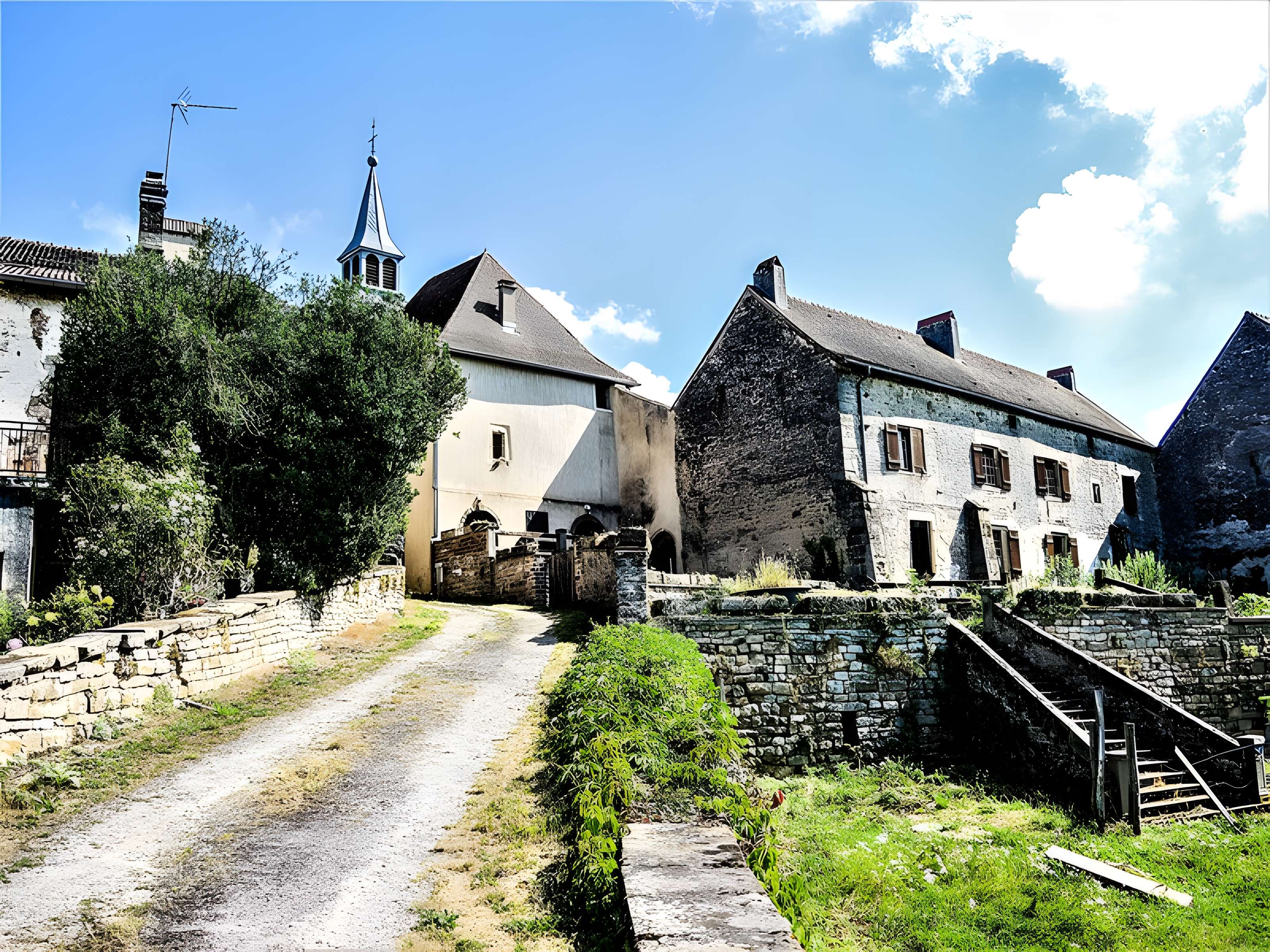
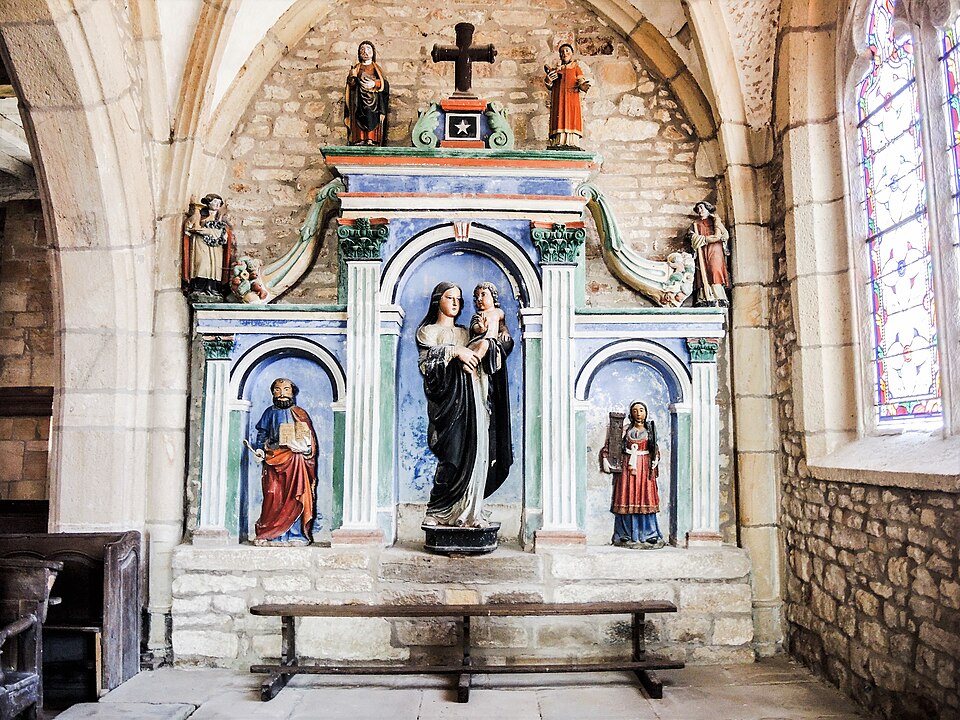
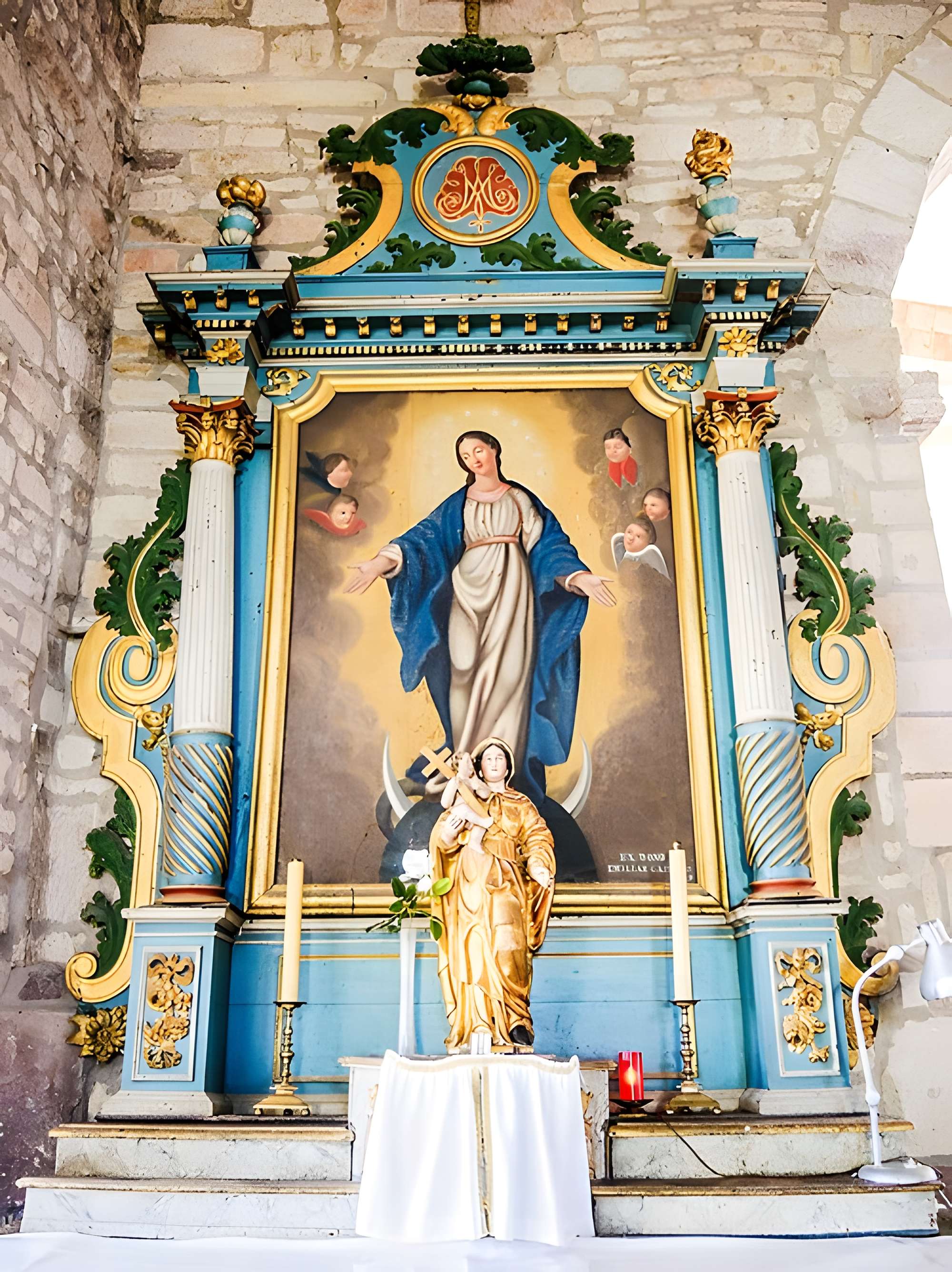
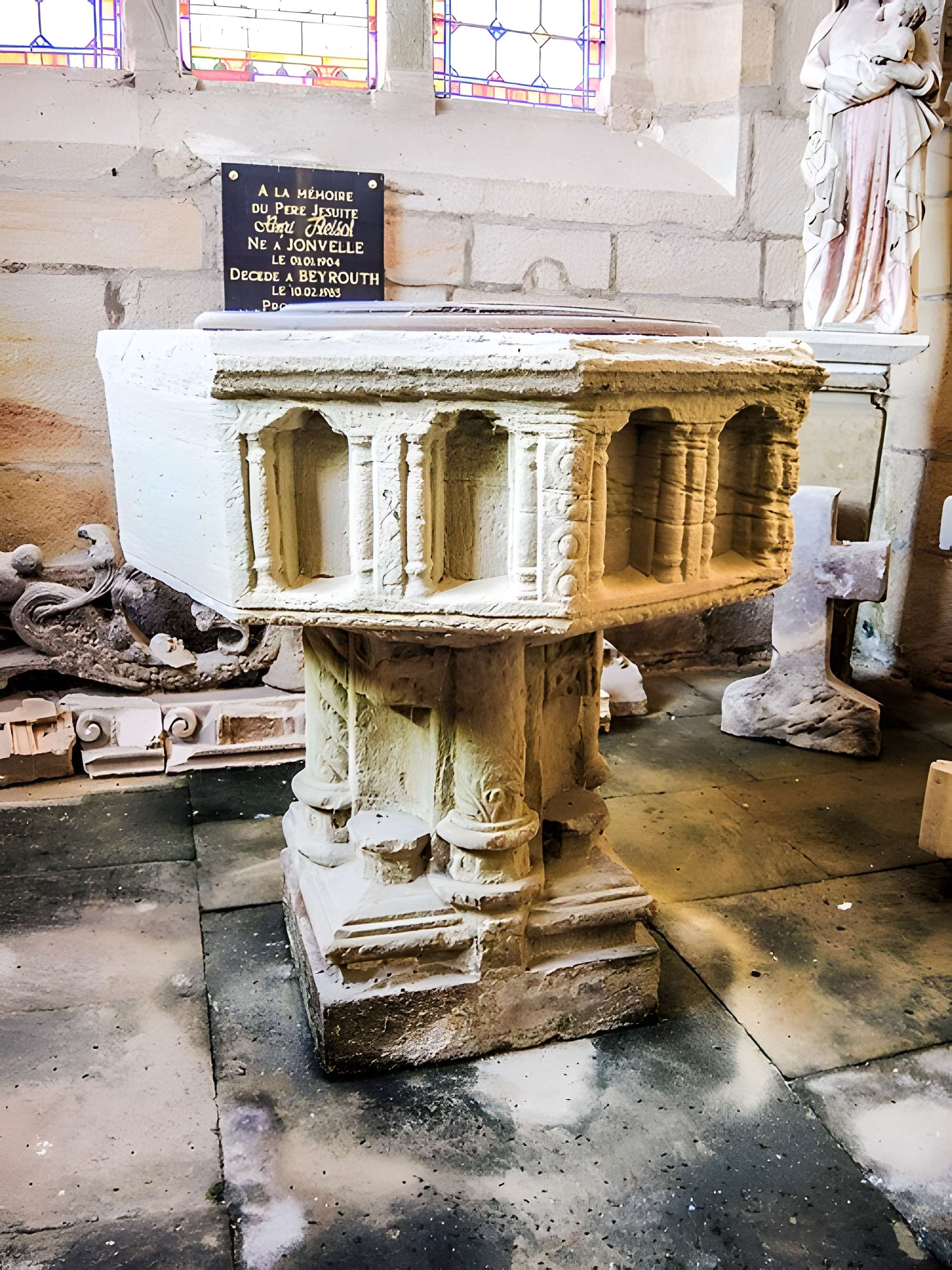
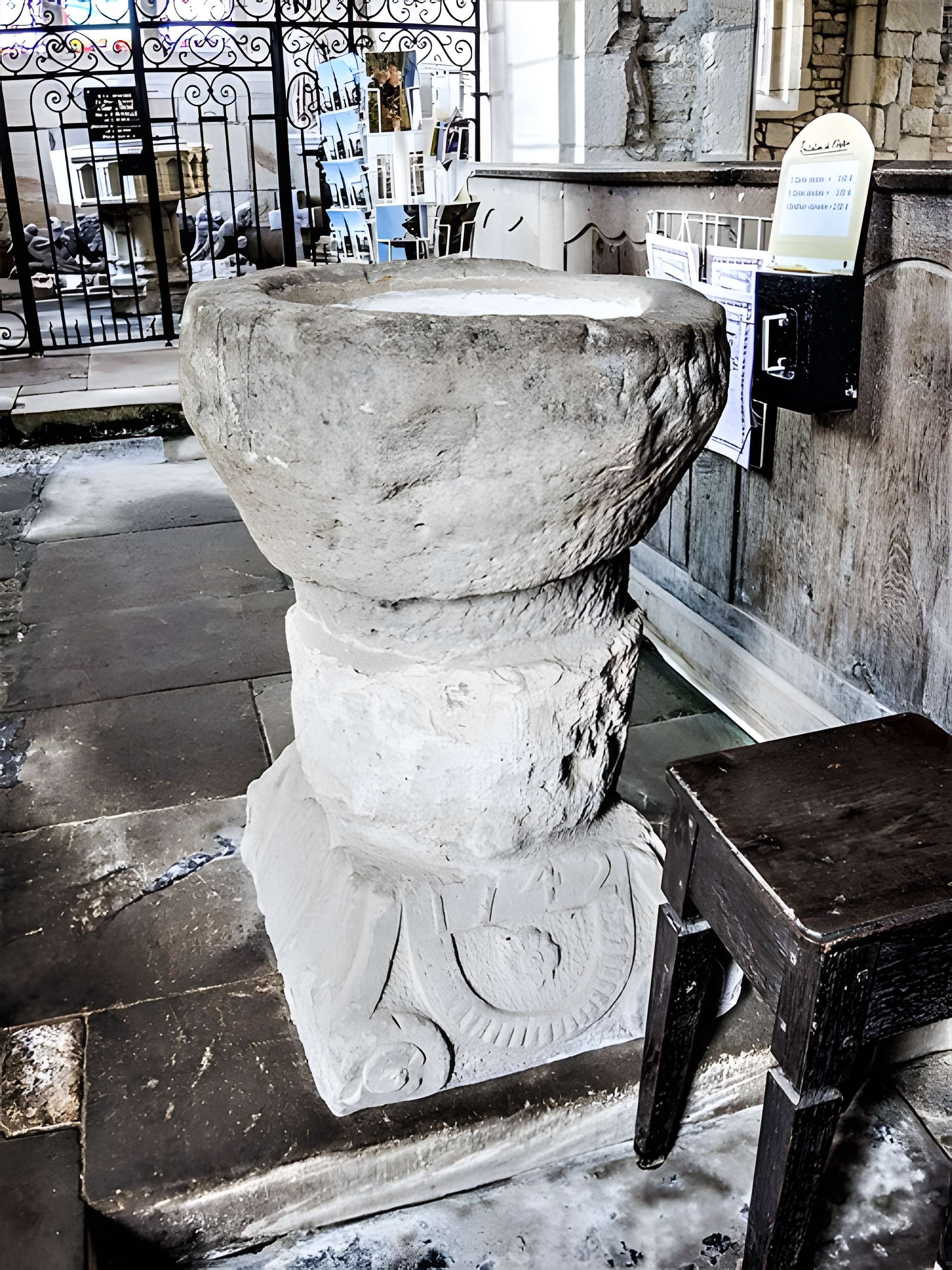
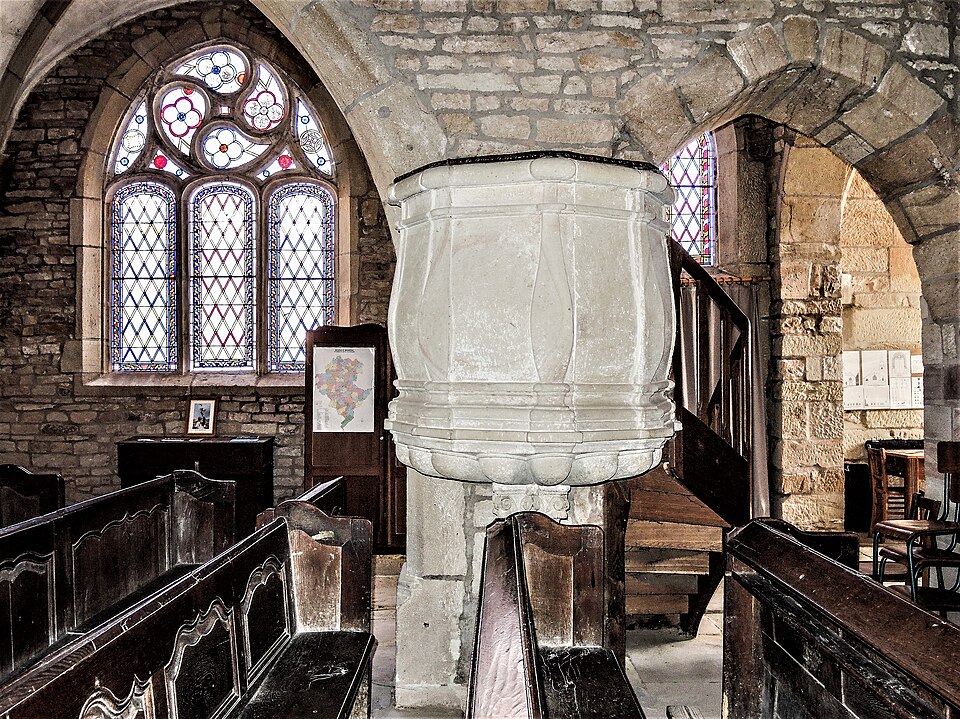
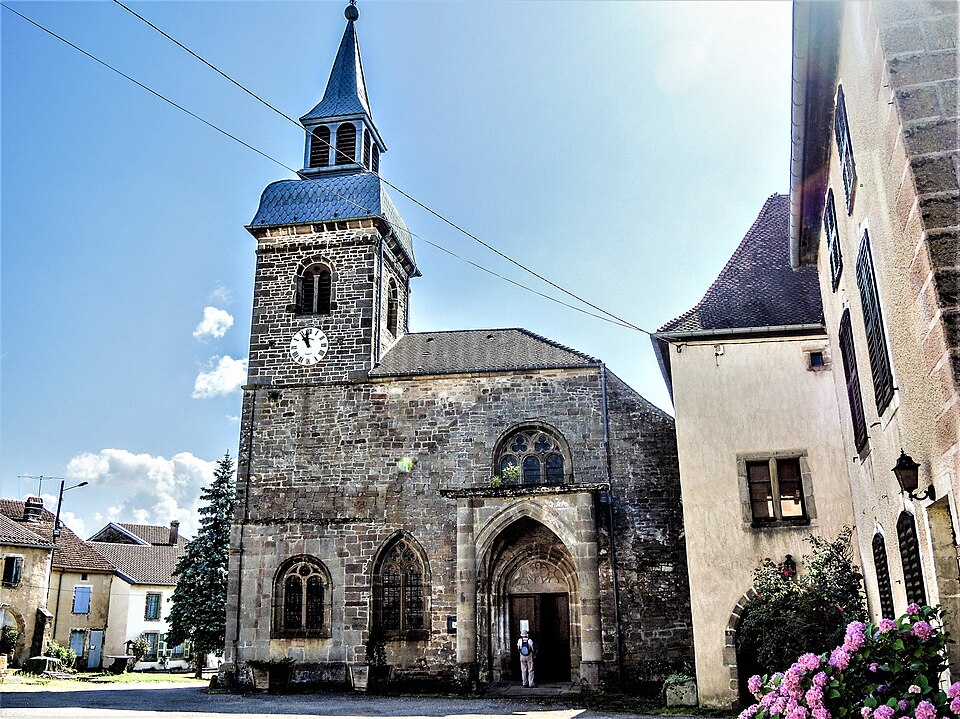
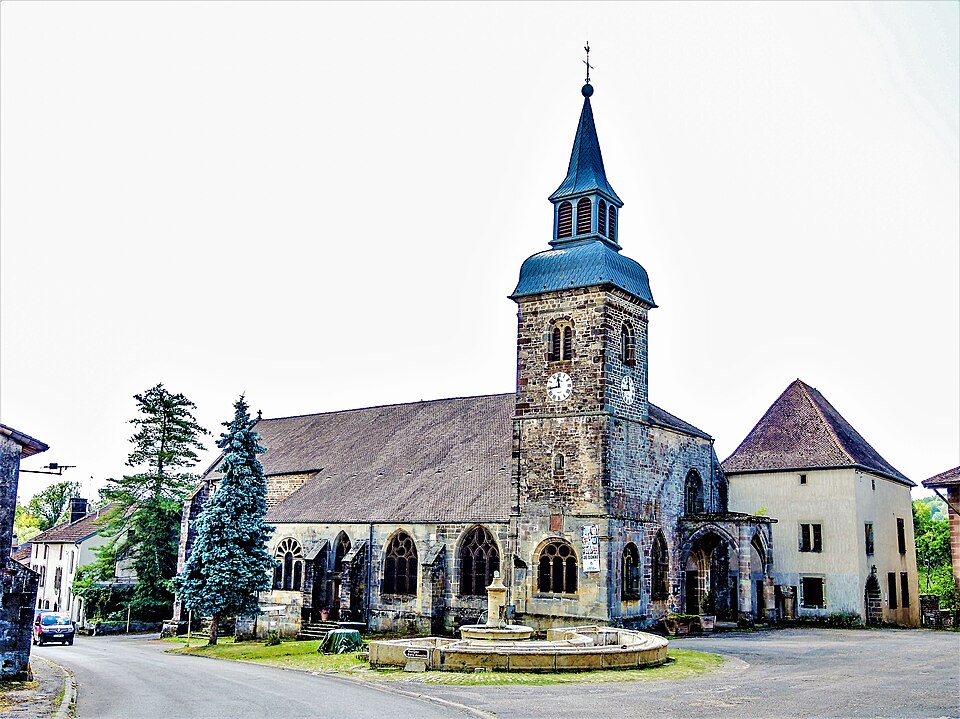
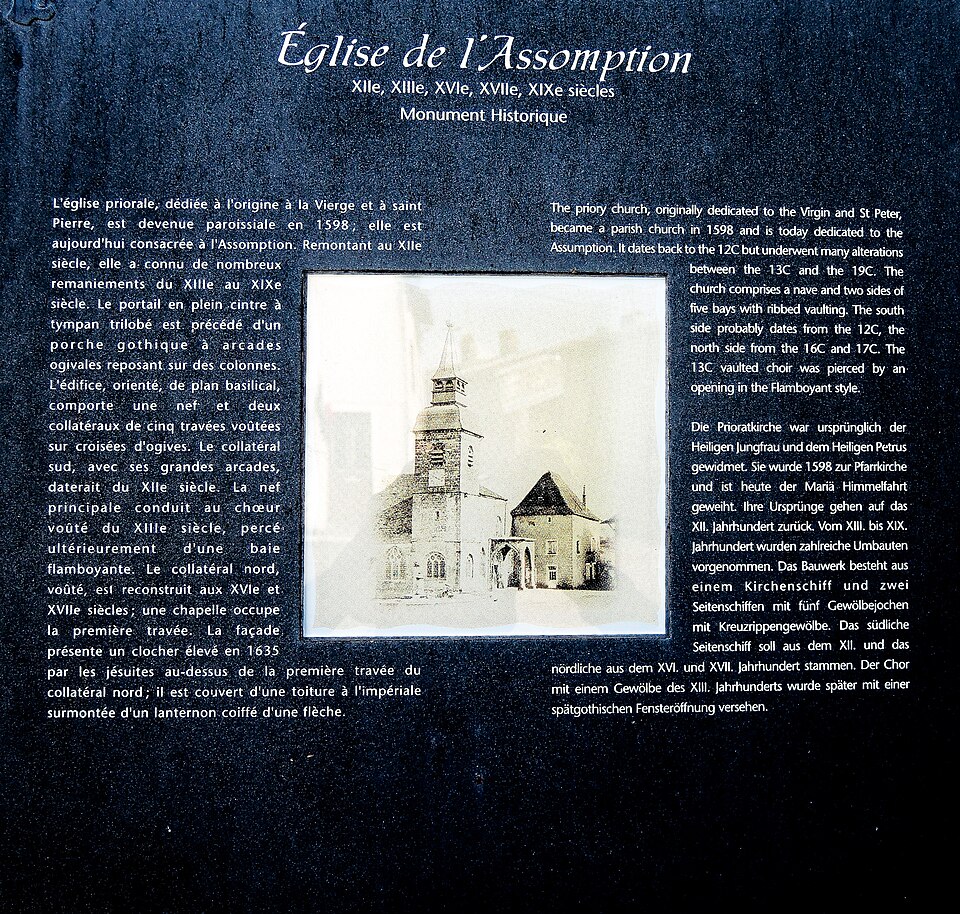
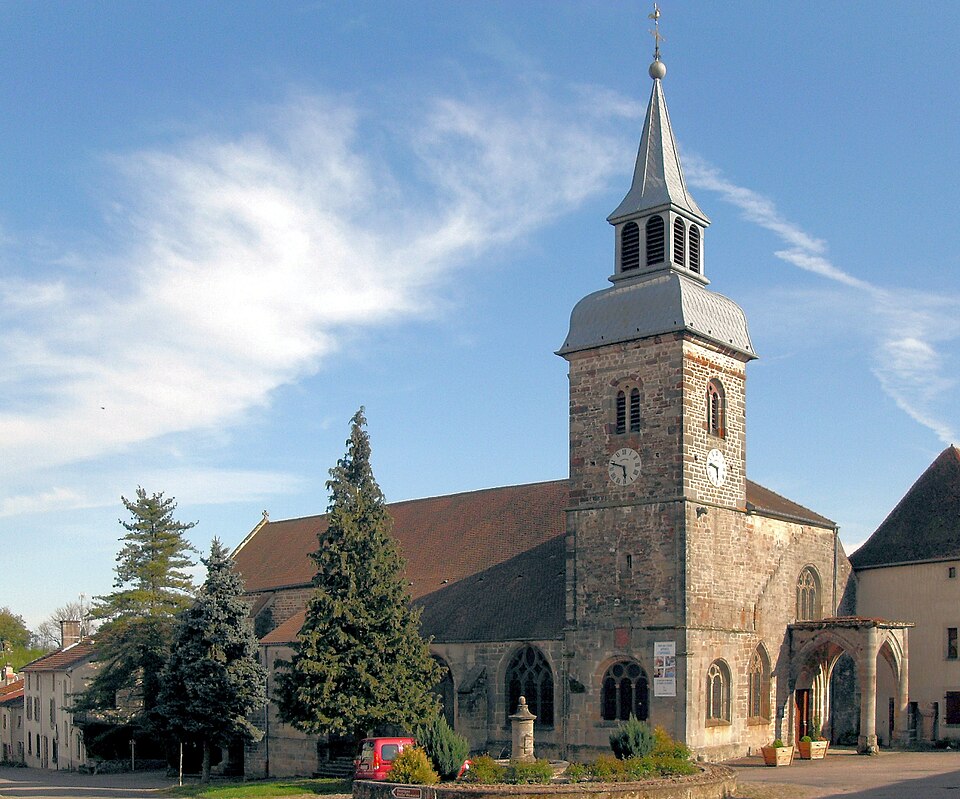
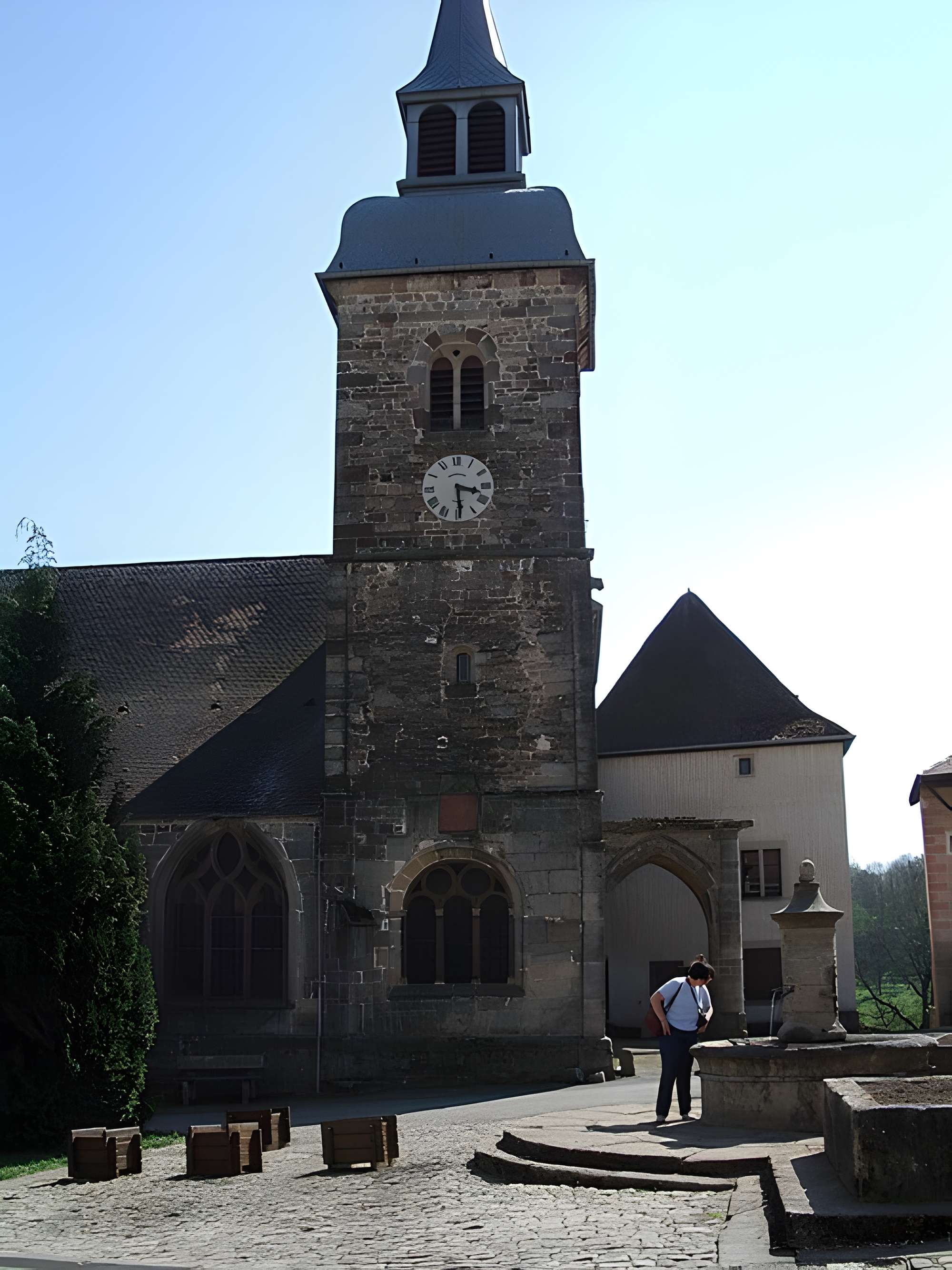
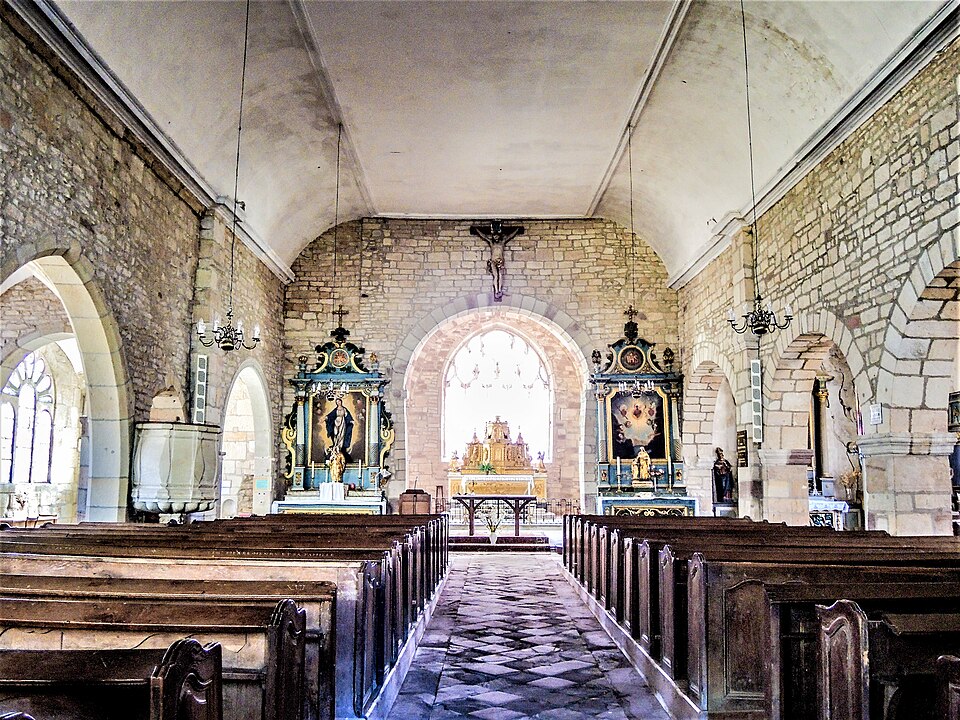
The priory of Jonvelle is a religious monument located in the commune of Jonvelle, in Haute-Saône, Burgundy-Franche-Comté region. Certified Benedictine priory from the twelfth century, it finds its architectural origins in the eleventh, thirteenth and sixteenth centuries. This historic site includes a church, a semi-detached house (Coeur steel house) incorporating elements from the 12th and 15th centuries, as well as a wooden cloister. These remains illustrate the continued religious occupation of the place, typical of medieval monastic settlements in rural areas.
The priory was partially protected as historical monuments, with successive inscriptions in 1927 (for the church), 1995 (for the Coeurdecier House and elements of the priory such as the house body or the facades of the barn). The property is now shared between the municipality and private owners. This type of priory played a central role in local life in the Middle Ages, combining spiritual, economic (land management) and social functions (reception of pilgrims or needy).
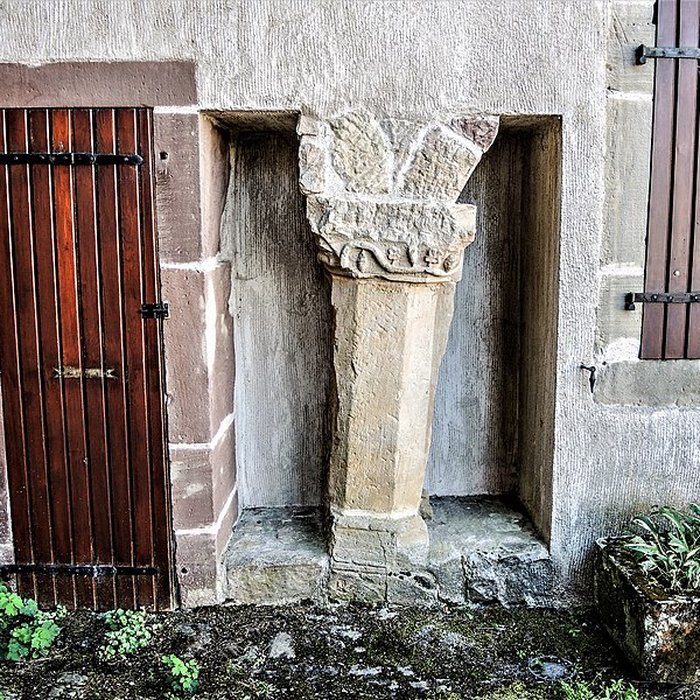
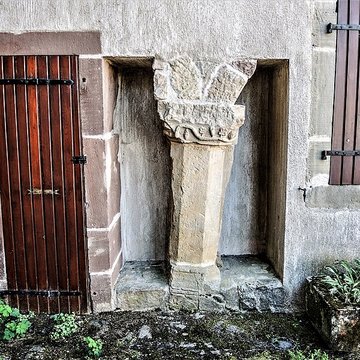
Available sources, including data from Monumentum and Wikipedia, highlight the architectural importance of the site, with elements such as the wooden cloister gallery or traces of religious architecture preserved in situ. A local historical study, History of the seigneury of Jonvelle and its environs (Abbots Coudriet and Chatelet, 1864), provides additional insight into its seigneurial context. The accuracy of its location, noted as "a priori satisfactory", and the photographs licensed under Creative Commons (Félix Potuit) enrich the modern documentation of the monument.







Avis
Veuillez vous connecter pour poster un avis