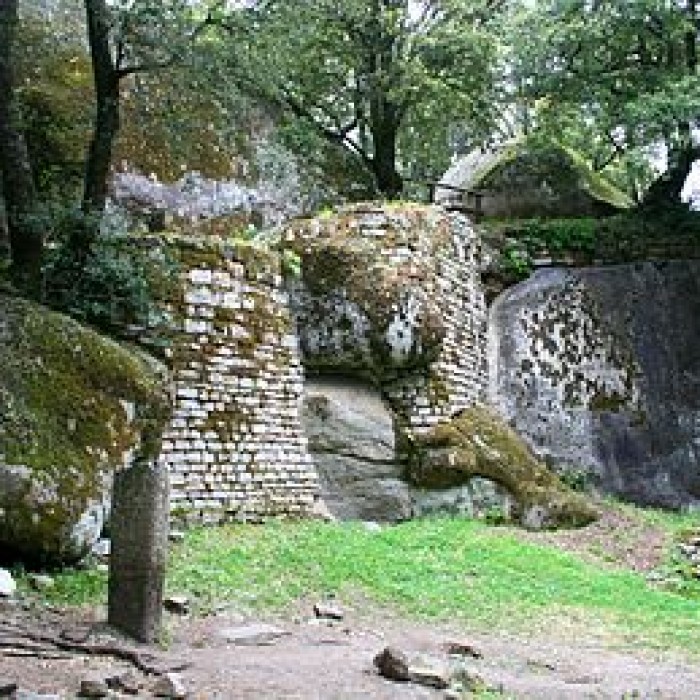
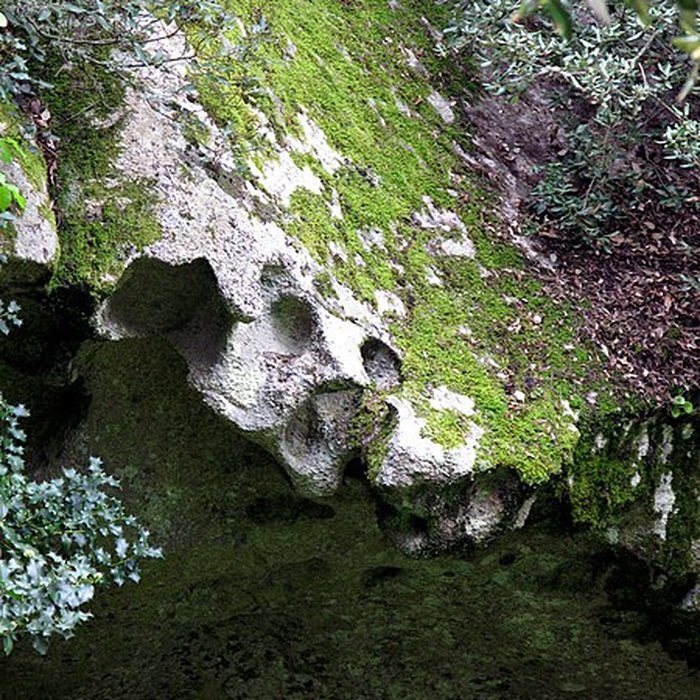
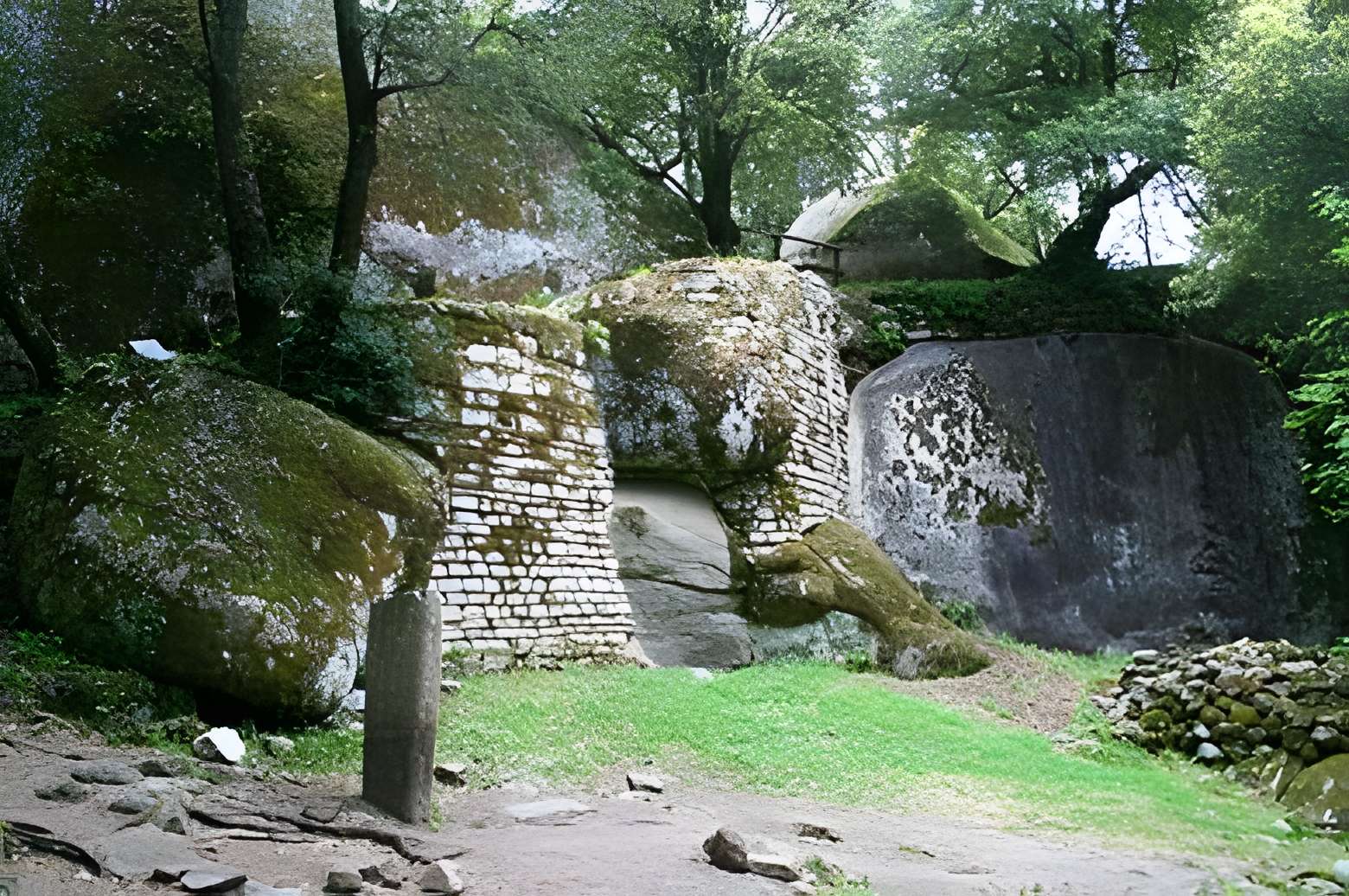
Crédit photo : Jean-Pol GRANDMONT - Sous licence Creative Commons
Announcements
Please log in to post a review
Timeline
Néolithique
Âge du Bronze
Âge du Fer
Antiquité
Haut Moyen Âge
Moyen Âge central
Bas Moyen Âge
Renaissance
Temps modernes
Révolution/Empire
XIXe siècle
Époque contemporaine
4100 av. J.-C.
4000 av. J.-C.
…
0
1900
2000
Néolithique à Moyen Âge
Period of human occupation
Period of human occupation Néolithique à Moyen Âge (≈ 4100 av. J.-C.)
Continuous archaeological traces on the site.
6 décembre 1990
Historical monument classification
Historical monument classification 6 décembre 1990 (≈ 1990)
Official protection of the site by order.
Aujourd'hui
Aujourd'hui
Aujourd'hui Aujourd'hui (≈ 2025)
Position de référence.
Heritage classified
Capula archaeological site (cad. A 72, 73, 76): classification by decree of 6 December 1990
Key figures
Information non disponible - No historical character cited
Sources do not mention any specific actors.
Origin and history
The Capula archaeological site, located in Levi in South Corsica, is part of the wider Cucuruzzu complex. It consists of the Castellu di Capula, accessible after a walk of twenty minutes through a undergrowth, following the visit of a fortress village dating from the Bronze Age. This site illustrates a continuous human occupation, with traces ranging from Neolithic to the Middle Ages, thus reflecting several millennia of local history.
Ranked a historic monument by decree of 6 December 1990, the Capula site bears witness to the strategic and cultural importance of the region throughout the ages. Each year, a pilgrimage in honour of Saint Laurent takes place on 9 August, perpetuating a religious tradition rooted in Corsican heritage. The site is now owned by the municipality of Levi, and its access allows to explore various remains, from prehistoric houses to medieval structures.
Archaeological excavations and studies have revealed that Capula covers humanized spaces over a long period of time, with successive adjustments reflecting the social and technical evolutions of local populations. The casteddu (Castle or Corsican fortress) of Capula, in particular, offers a remarkable example of the defensive architecture of the Iron Age, integrated into a preserved natural landscape. The location of the site, although reported as approximate (cartographic accuracy estimated at 5/10), makes it both mysterious and accessible to history and hiking enthusiasts.
The site is mentioned in various sources, including Wikipedia and Monumentum, which highlight its role in understanding the dynamics of human occupation in Corsica. Available data indicate that Capula, with its neighbouring fortress village, was probably an important centre for the exchange and protection of local communities over the centuries. The lack of details about specific historical characters or specific events outside the annual pilgrimage, however, limits the in-depth knowledge of its social or political history.
The Creative Commons license associated with photographs of the site, such as those of Jean-Pol GRANDMONT, facilitates the distribution of images and contributes to the enhancement of this heritage. Despite the poor mapping (note of 5/10), the site remains a major point of interest for visitors wishing to discover the archaeological heritage of South Corsica, between Levi and the surrounding mountains.
Finally, the integration of Capula into projects such as Wikidata and its mention as a draft for archaeology and French historical monuments suggest that further research could further enrich the knowledge of this place. Its classification among historical monuments also guarantees its protection and enhancement for future generations.





Announcements
Please log in to post a review