Construction of church XIIe siècle (≈ 1250)
Period of foundation of the monument.
18 août 1931
Historical Monument
Historical Monument 18 août 1931 (≈ 1931)
Official protection of the building.
Aujourd'hui
Aujourd'hui
Aujourd'hui Aujourd'hui (≈ 2025)
Position de référence.
Heritage classified
Church: by order of 18 August 1931
Origin and history
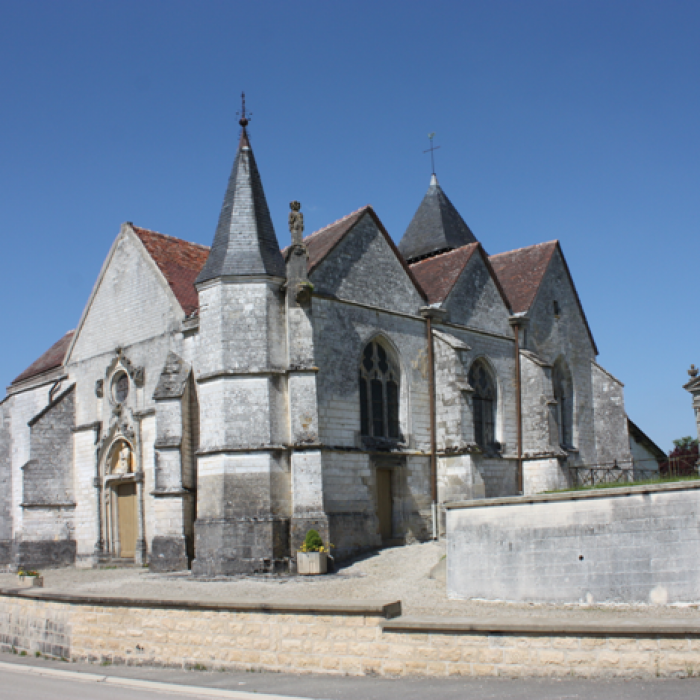
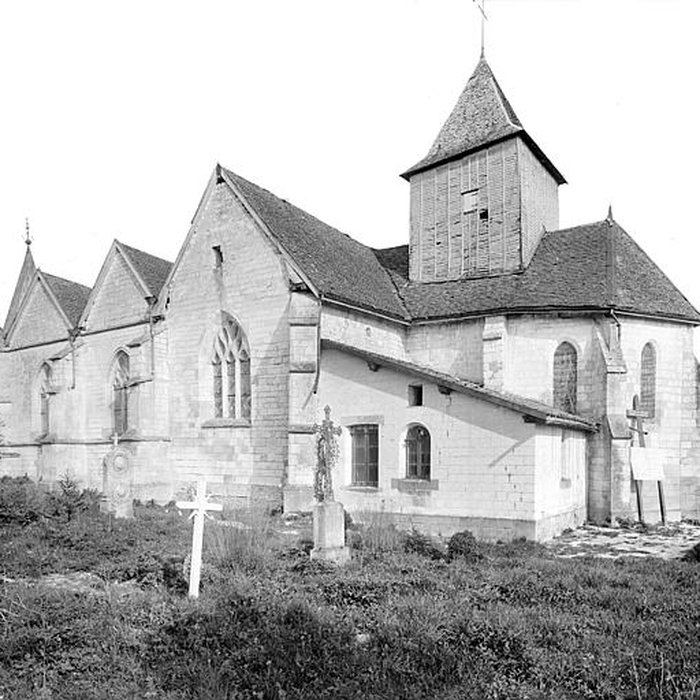
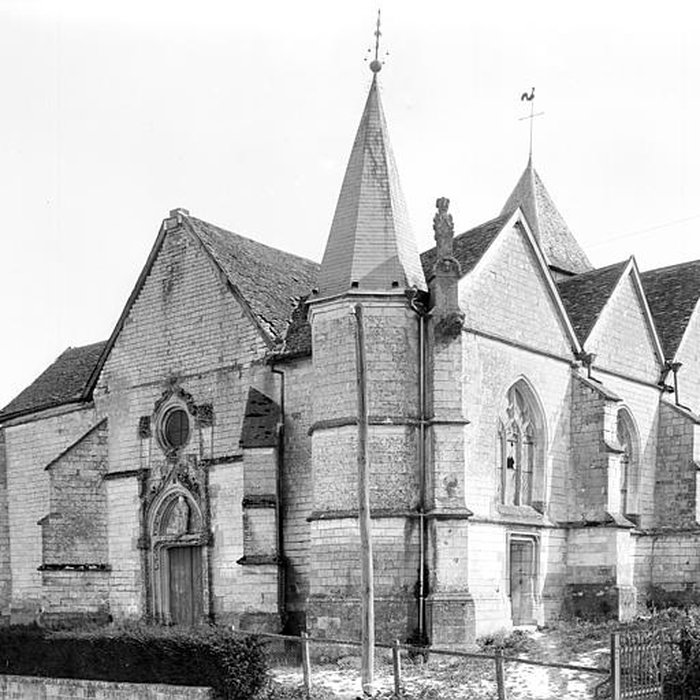
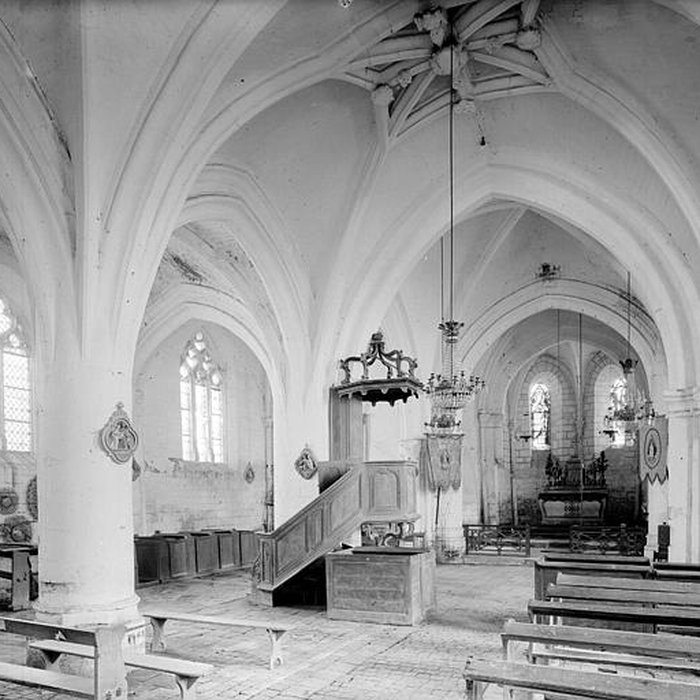
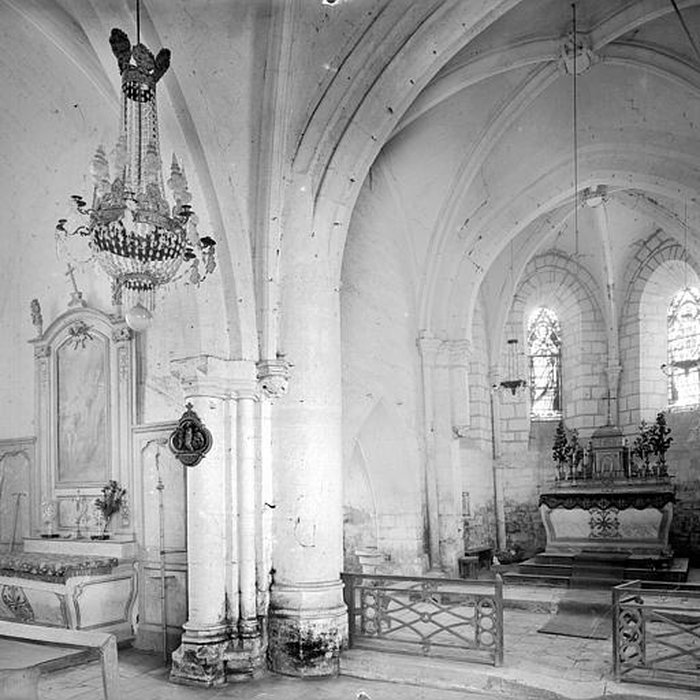
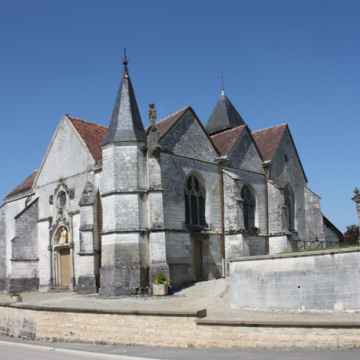
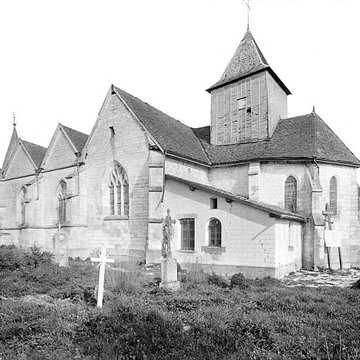
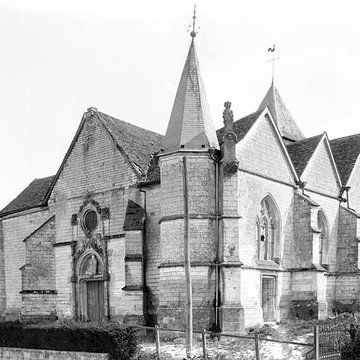
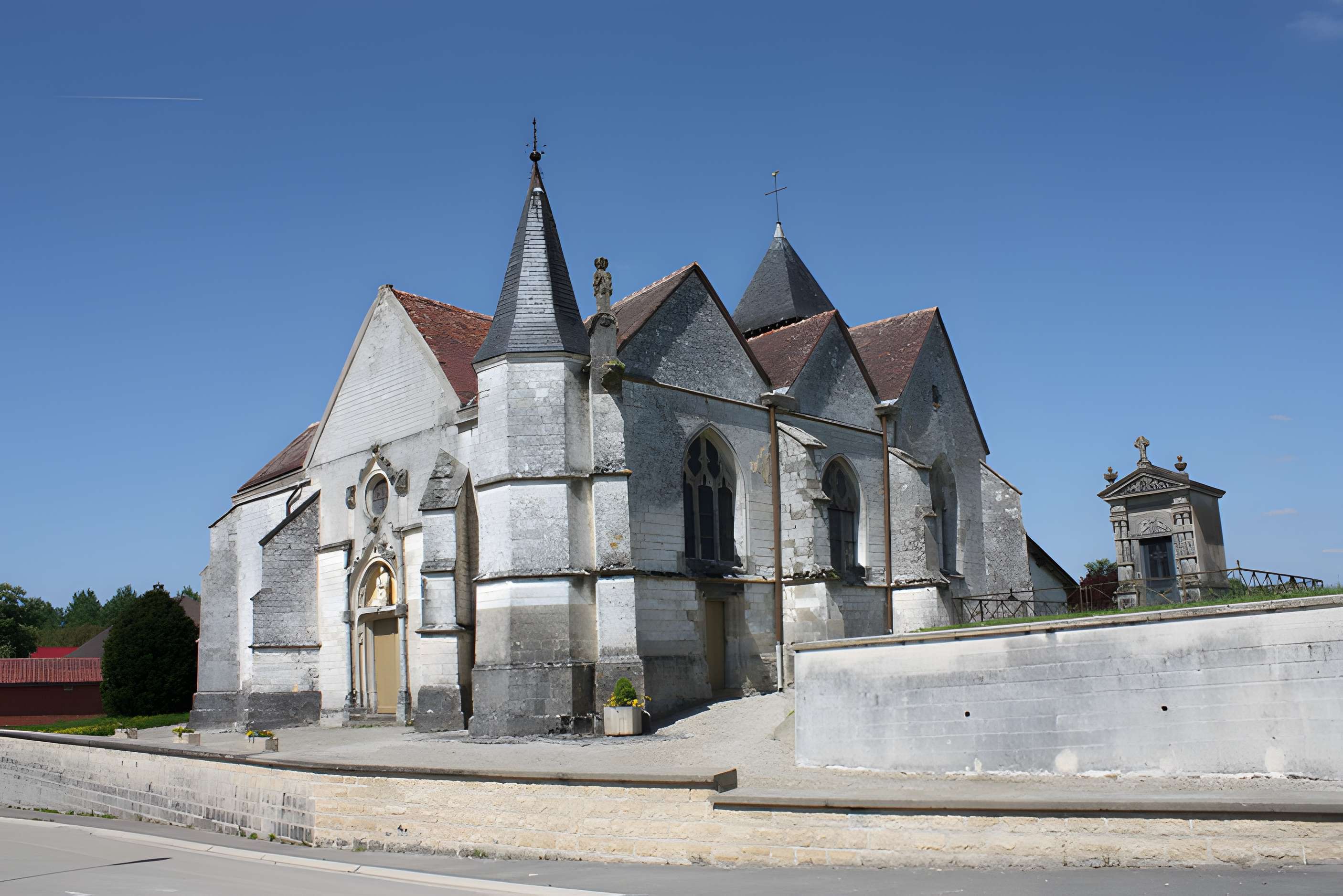
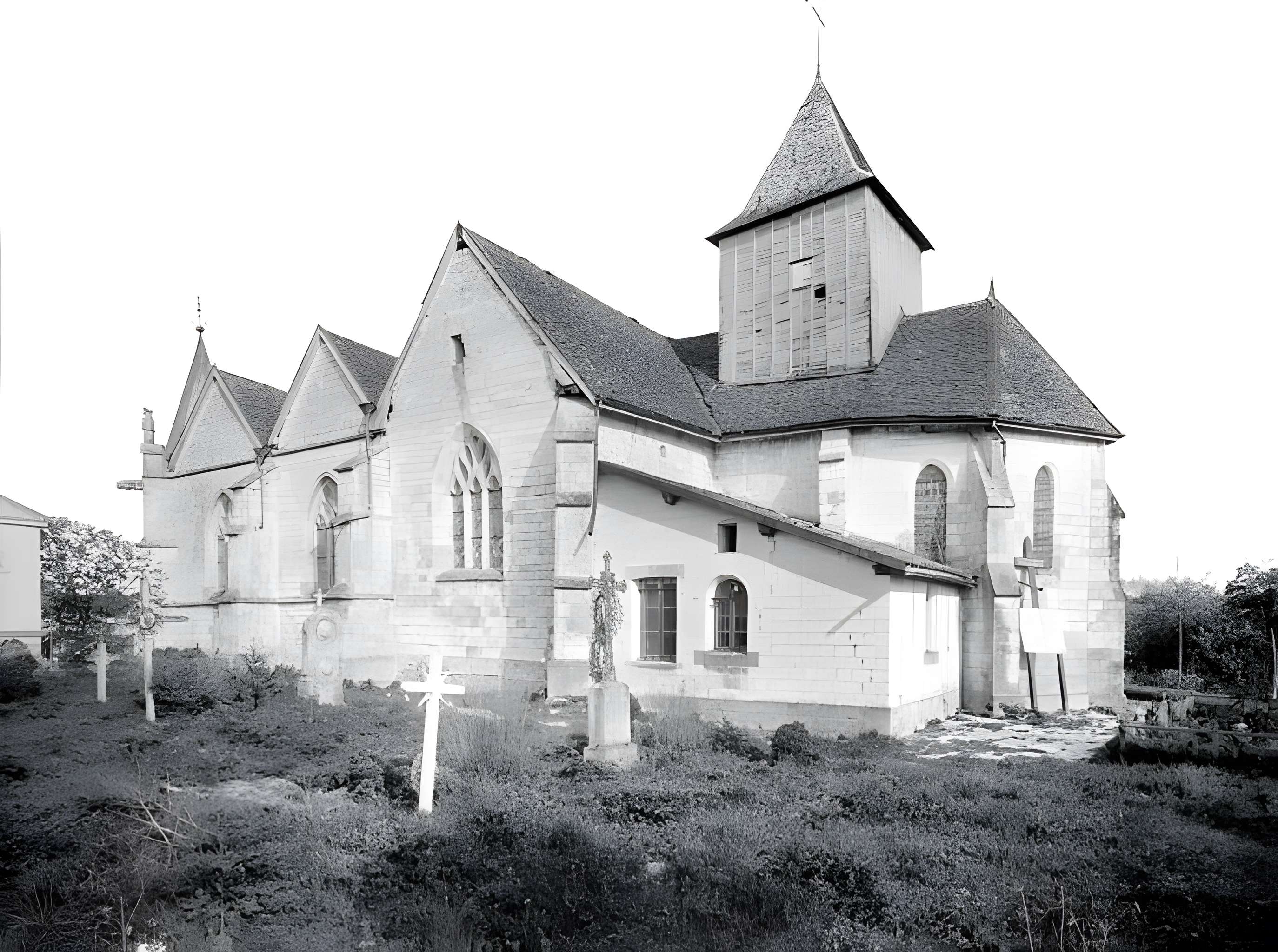
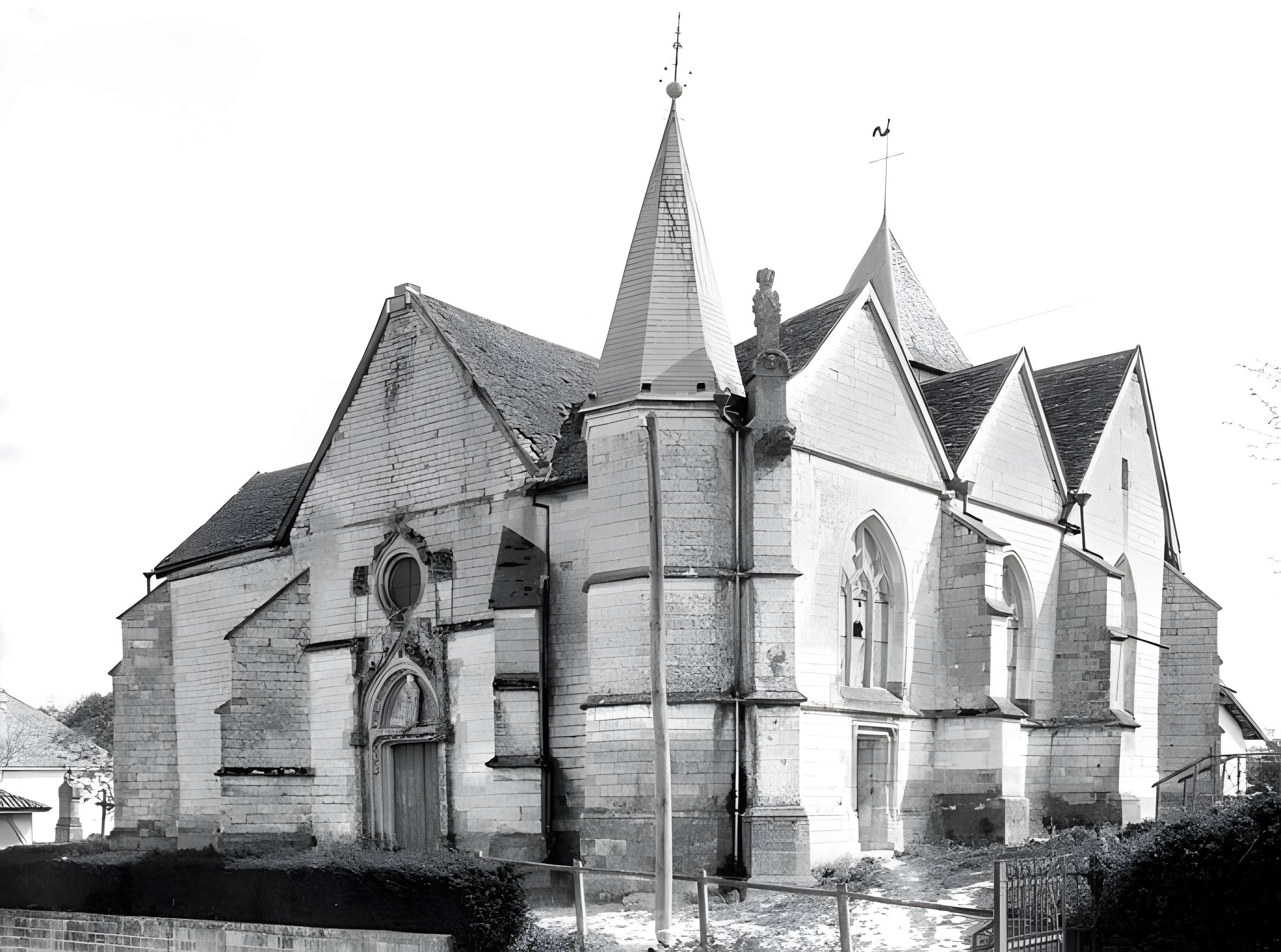
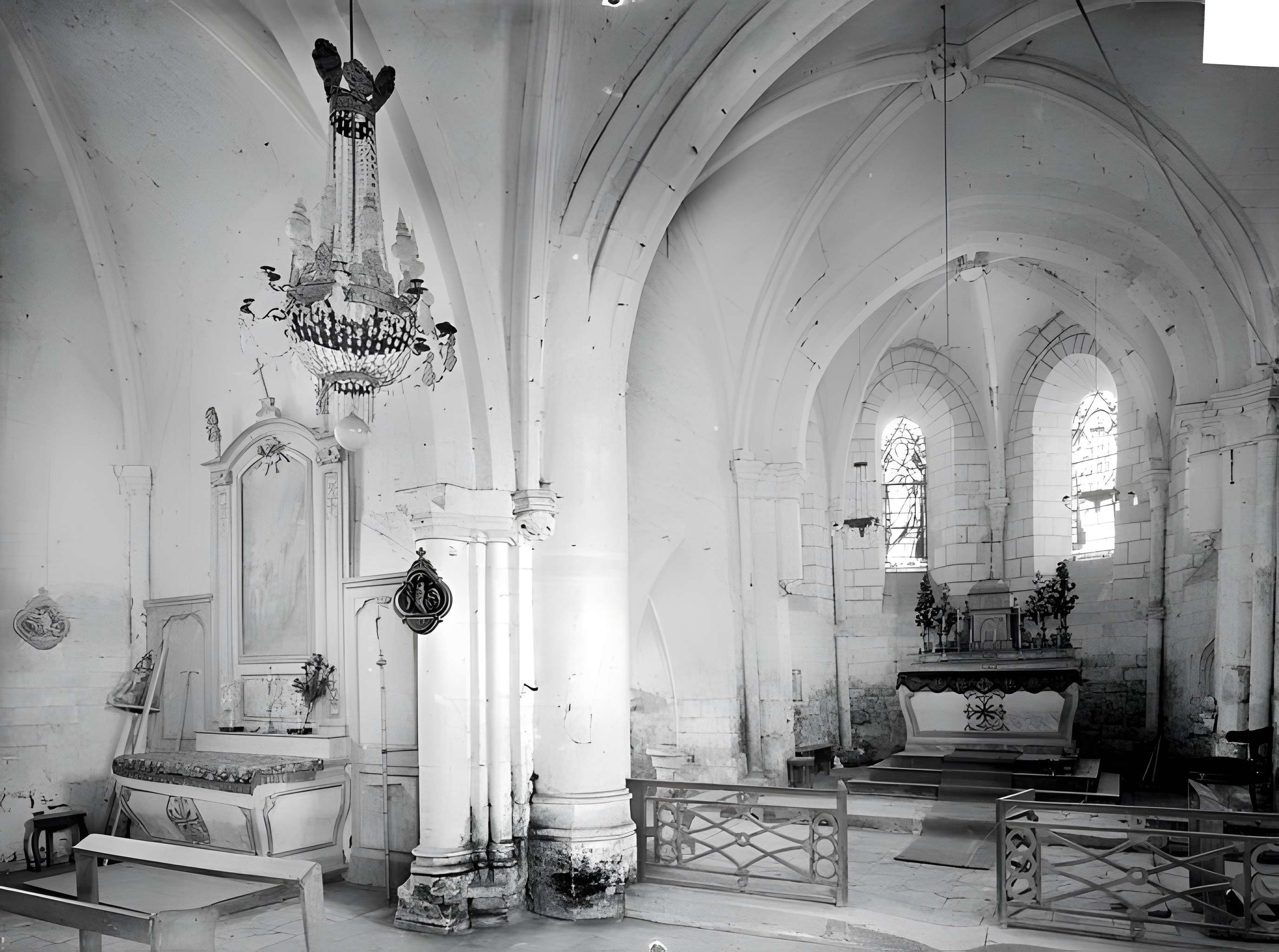
The church of Saint-Eusèbe de Chapelina is a religious building built in the 12th century, located in the village of Chapelina, in the department of Marne (51). This monument, typical of early Romanesque or Gothic architecture according to the local influences of the time, was classified as Historic Monument by ministerial decree in 1931. Its classification reflects its heritage value and its importance in the cultural landscape of the Champagne-Ardenne region, now integrated into the Grand Est.
The location of the church, at 3 Rue de l'Église, is documented in the Merimée base, with geographical accuracy considered fair (note 5/10). Although the available sources do not detail the architectural specificities or significant events related to this place, its status as communal property suggests a strong anchor in local life. The churches of this period often served as a spiritual, social and sometimes administrative centre for rural communities, playing a key role in the organization of daily life.
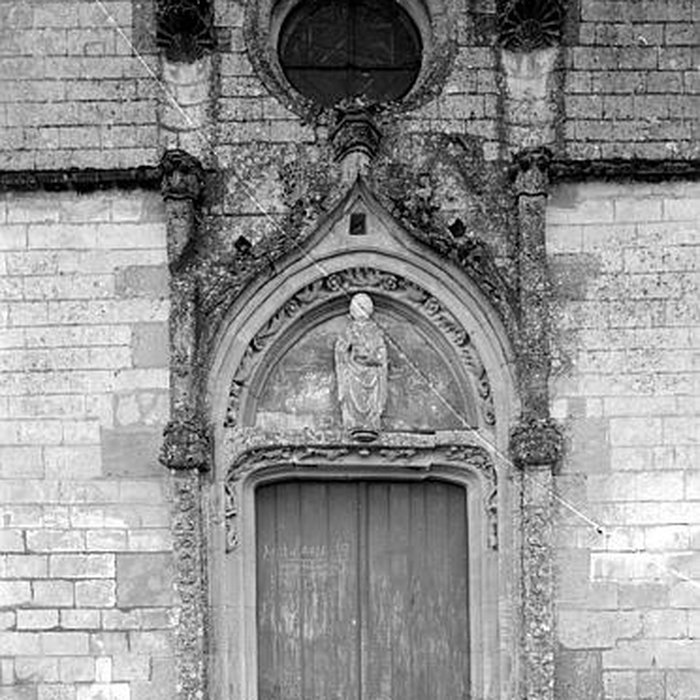
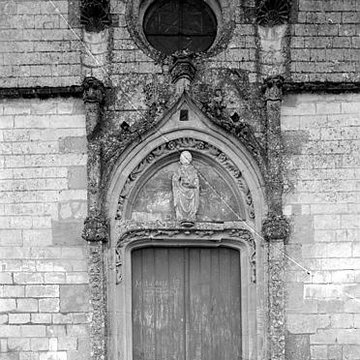
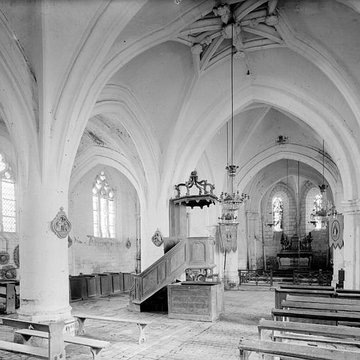
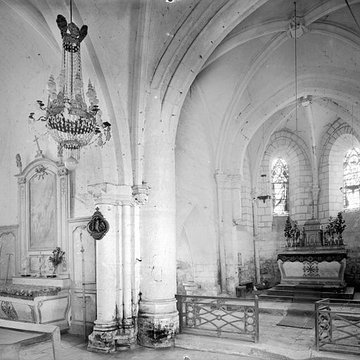
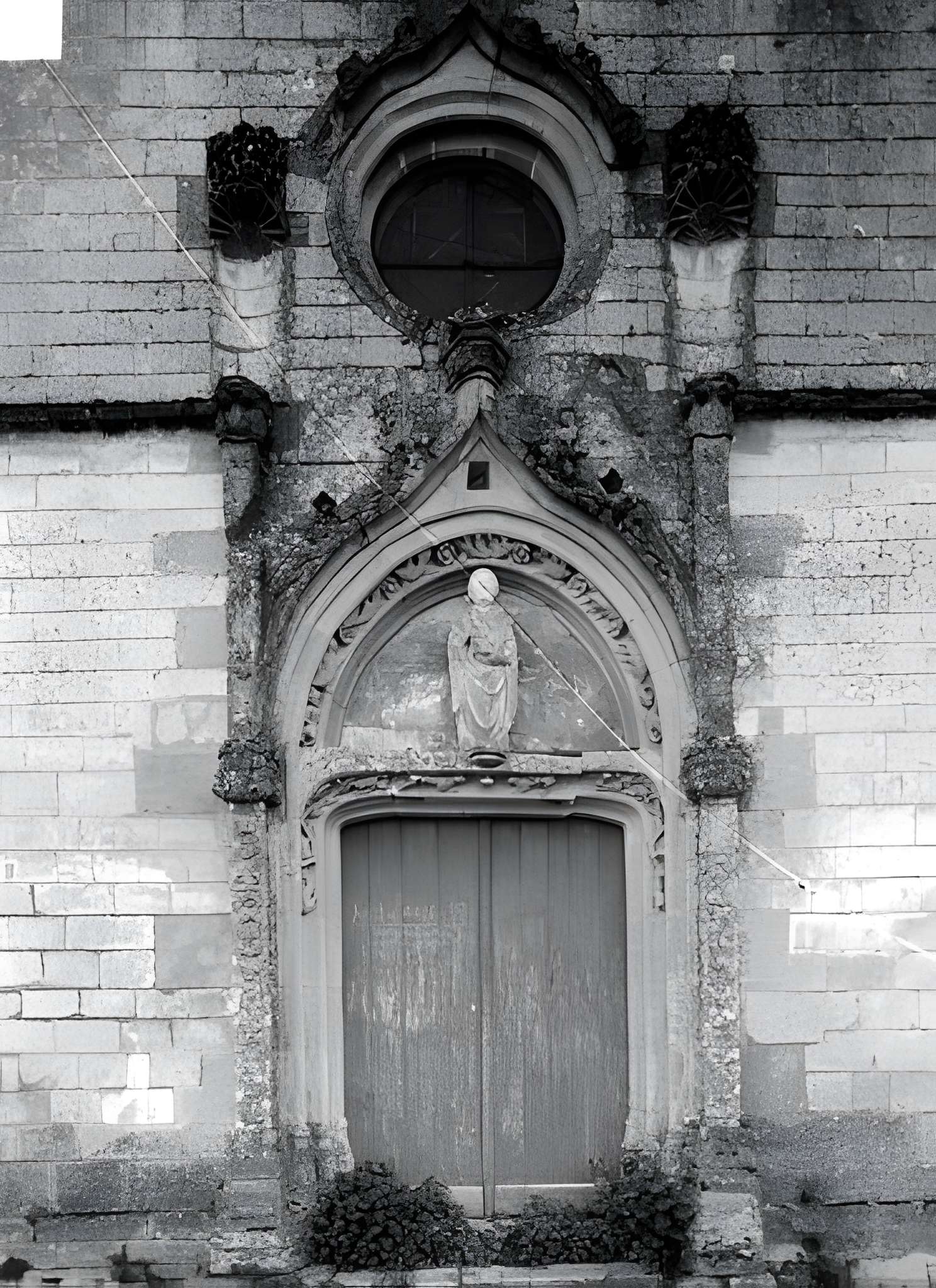
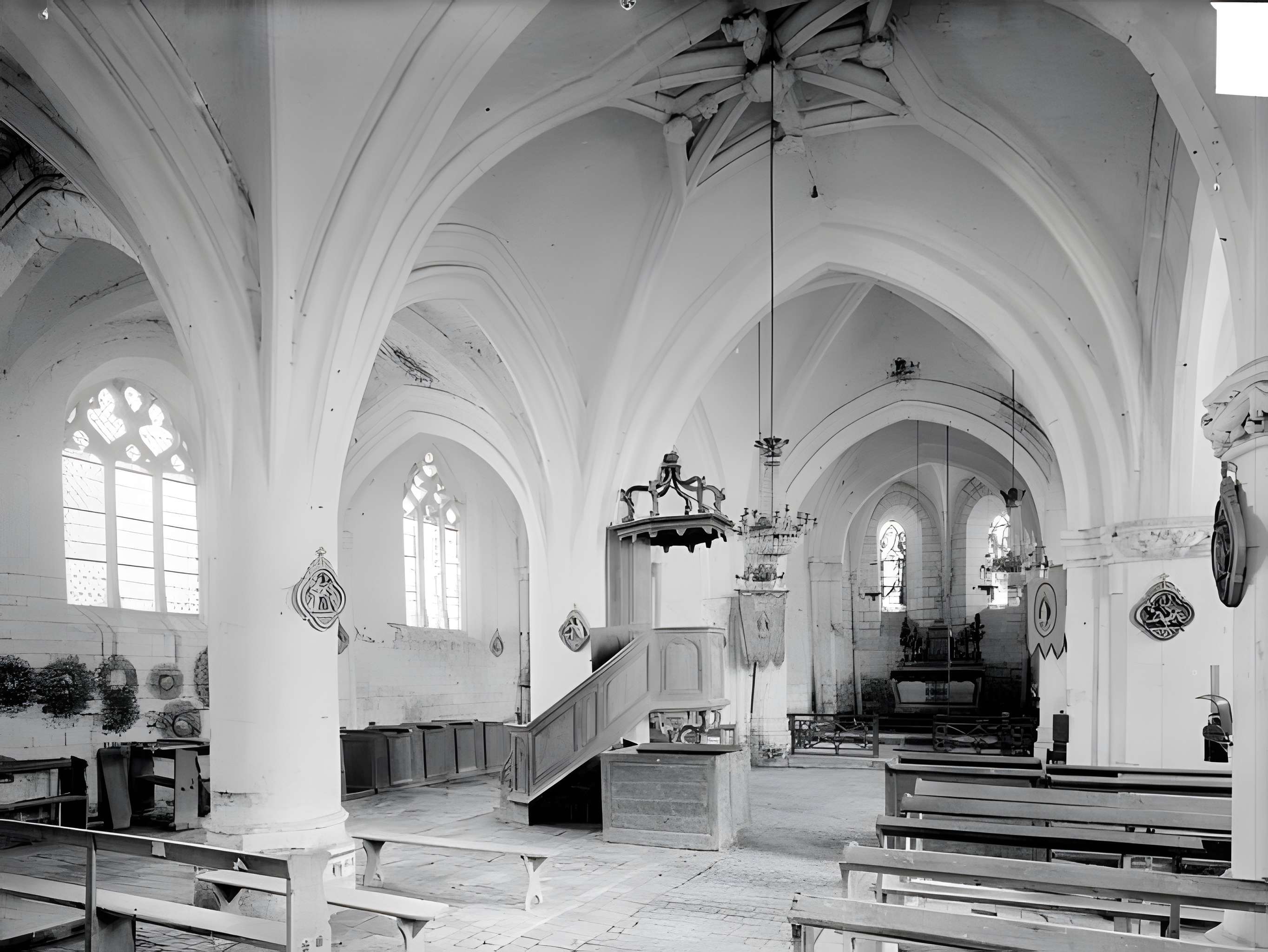
The 1931 classification protects the entire building, without distinction of particular elements mentioned in the sources consulted (Monumentum, Mérimée data). No information is available about its current accessibility, its contemporary uses (visits, rentals, accommodations), or possible restaurants. The Creative Commons license associated with a photograph of the monument indicates a documentary and tourist interest, although visual or stylistic details are not described in the accessible archives.






Announcements
Please log in to post a review