Romanesque period 1100-1199 (≈ 1150)
Major architectural additions in the 12th century.
4e quart du XIe siècle
Initial construction
Initial construction 4e quart du XIe siècle (≈ 1187)
Romanesque edification on Merovingian site.
1500-1599
Transformations
Transformations 1500-1599 (≈ 1550)
Changes in the 16th century.
2 mars 1933
MH classification
MH classification 2 mars 1933 (≈ 1933)
Tower protection and arrow.
Aujourd'hui
Aujourd'hui
Aujourd'hui Aujourd'hui (≈ 2025)
Position de référence.
Heritage classified
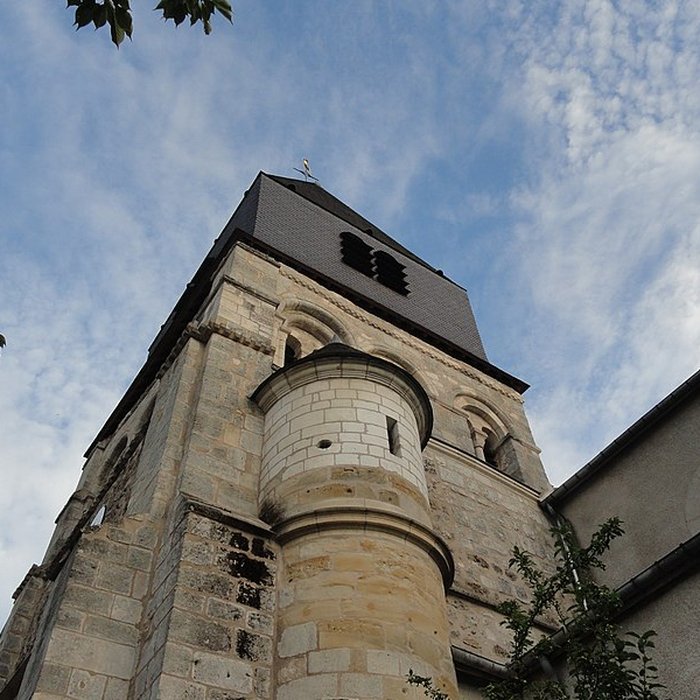
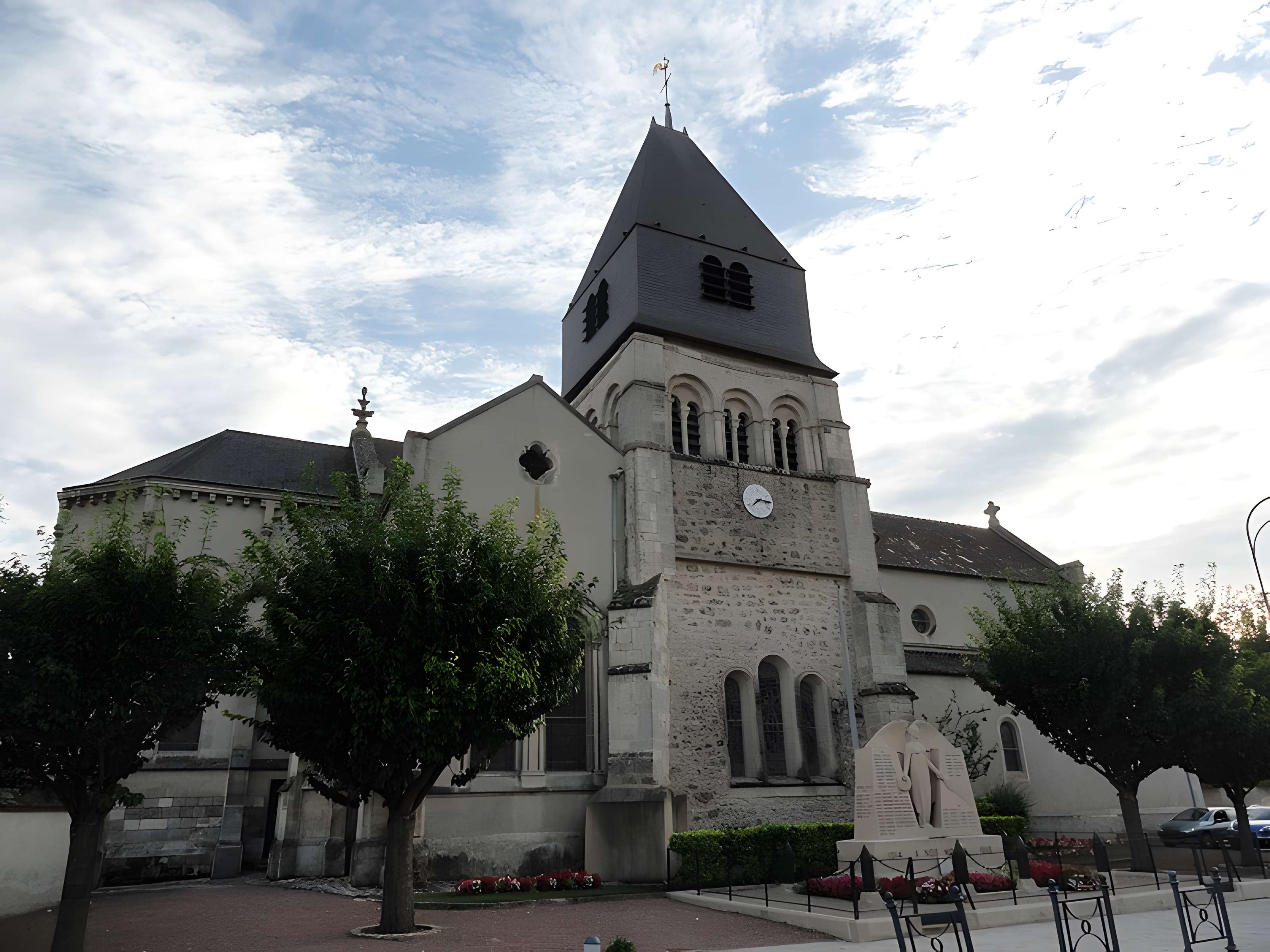
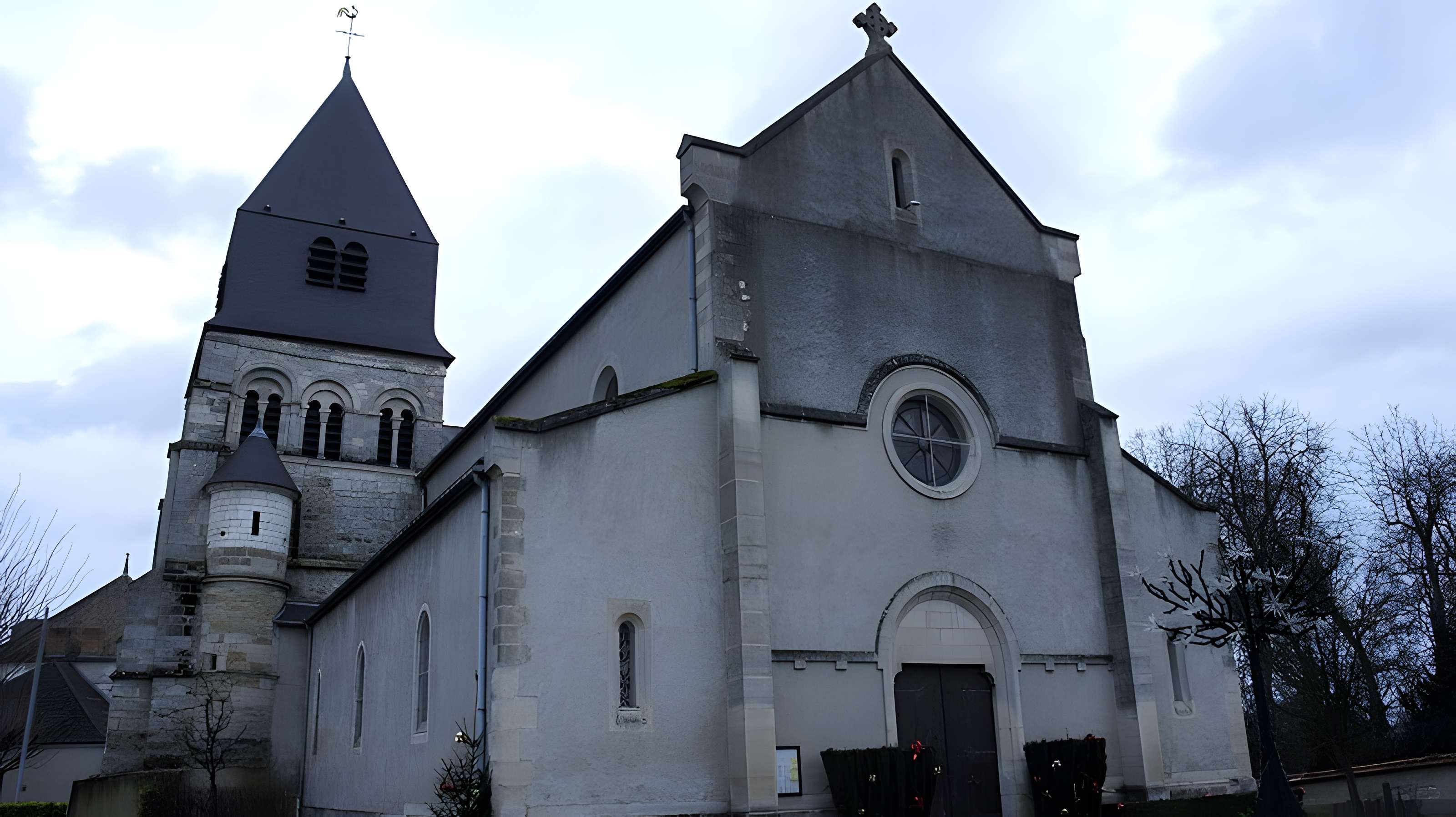
Tower and bell tower arrow: by order of 2 March 1933
Key figures
Raynold du Bellay - Archbishop of Reims
Granted the right of patronage to the Abbey of Avenay.
Origin and history
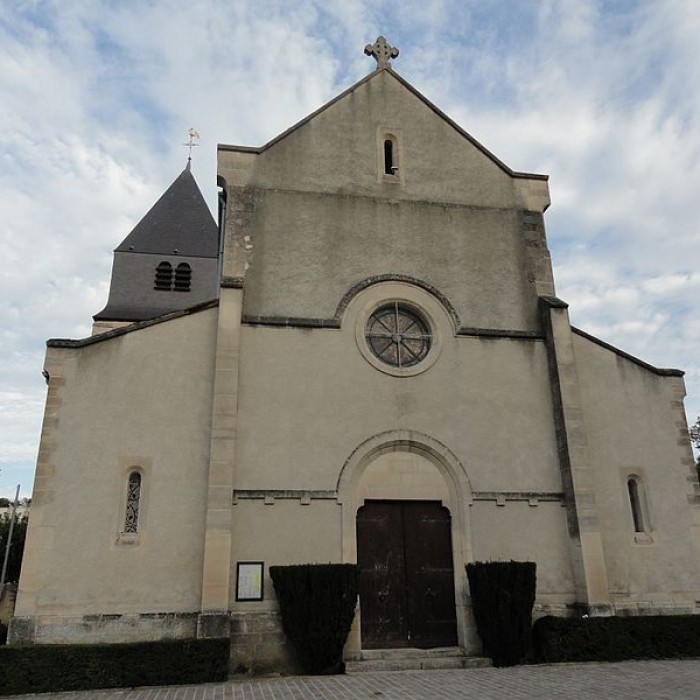
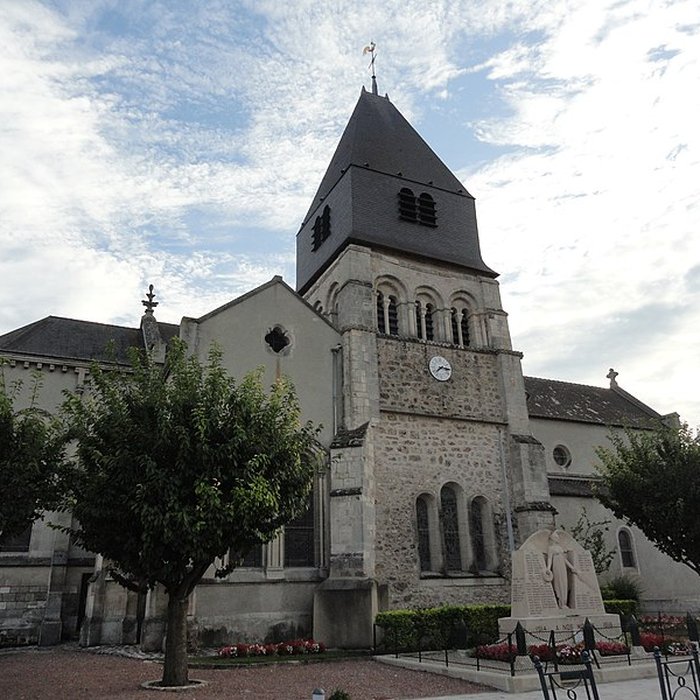
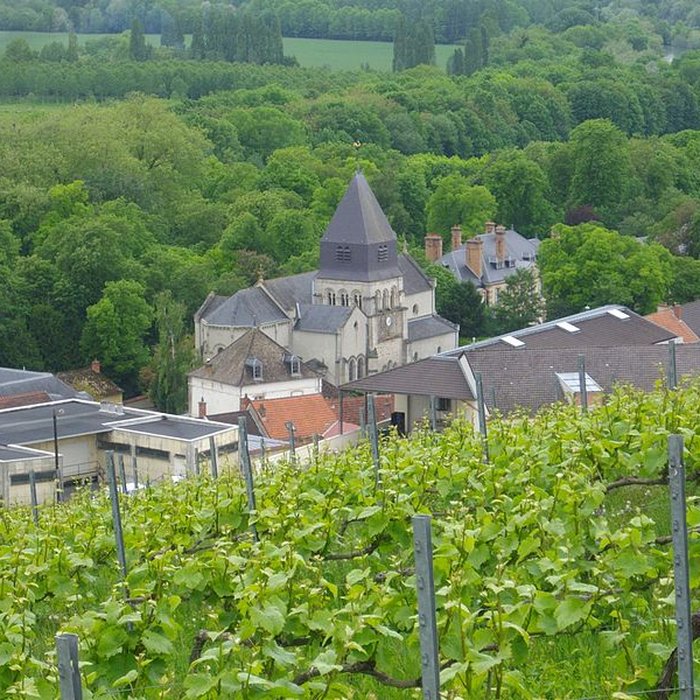
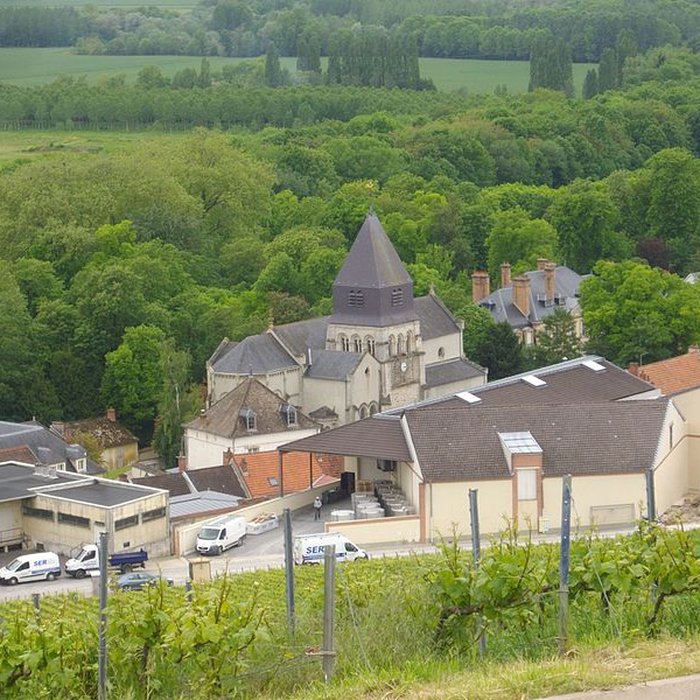
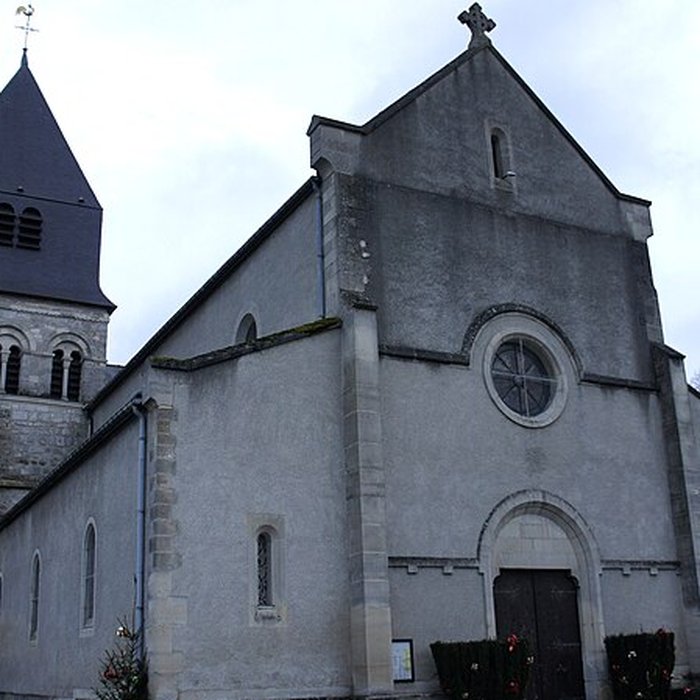
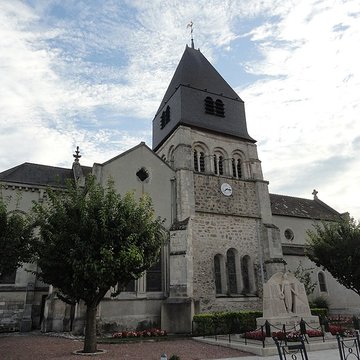
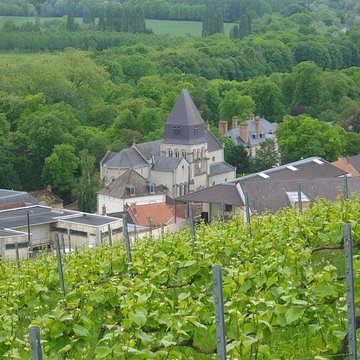
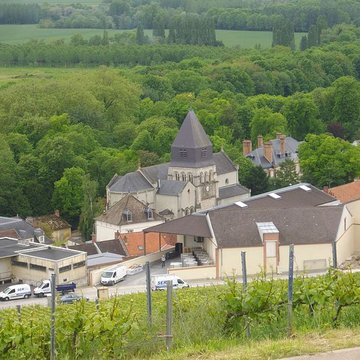
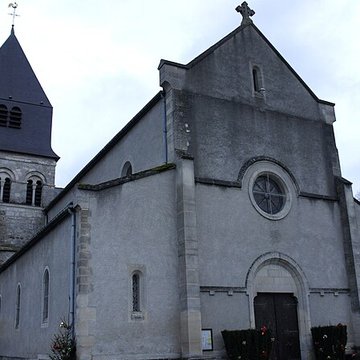
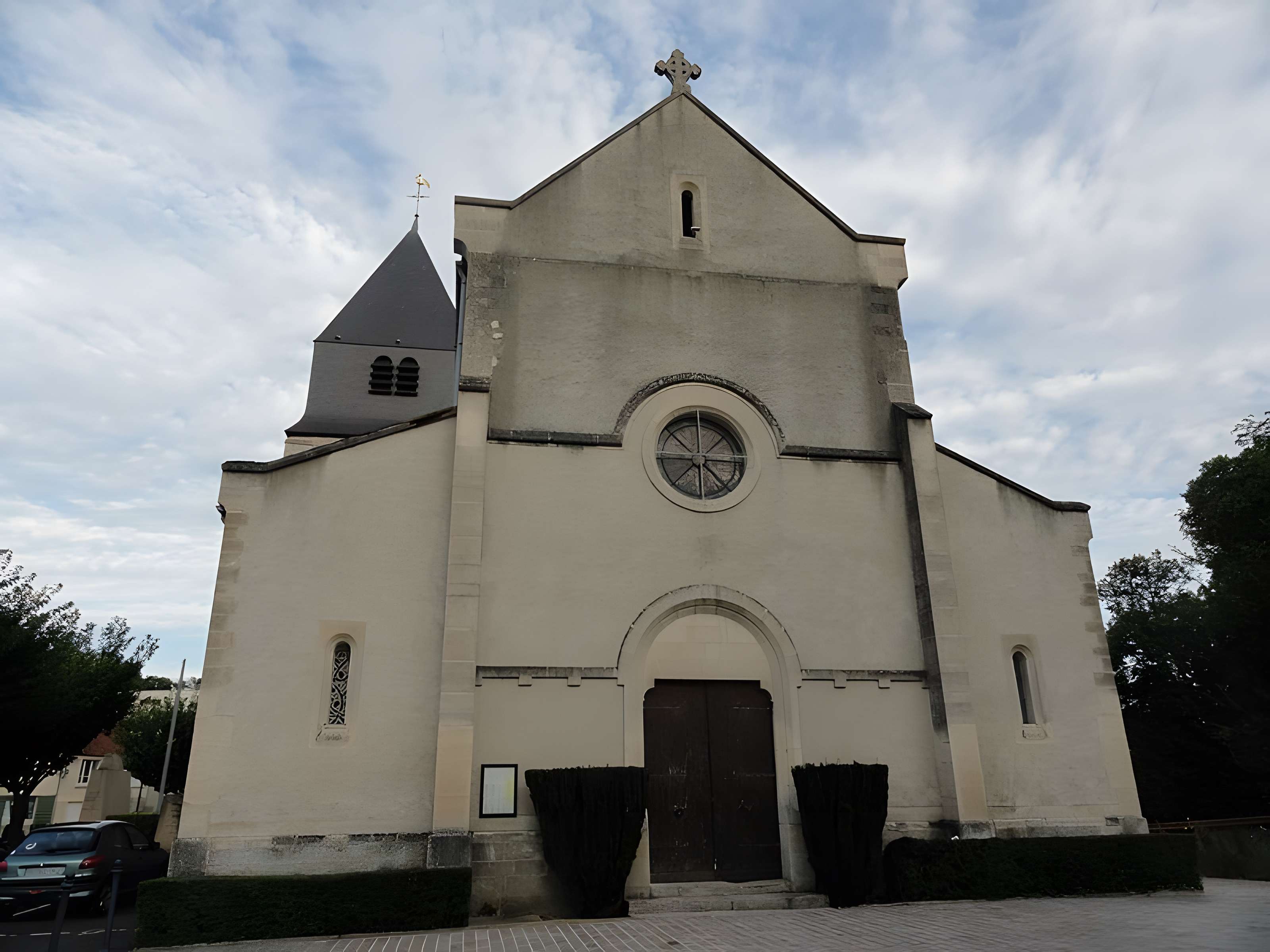
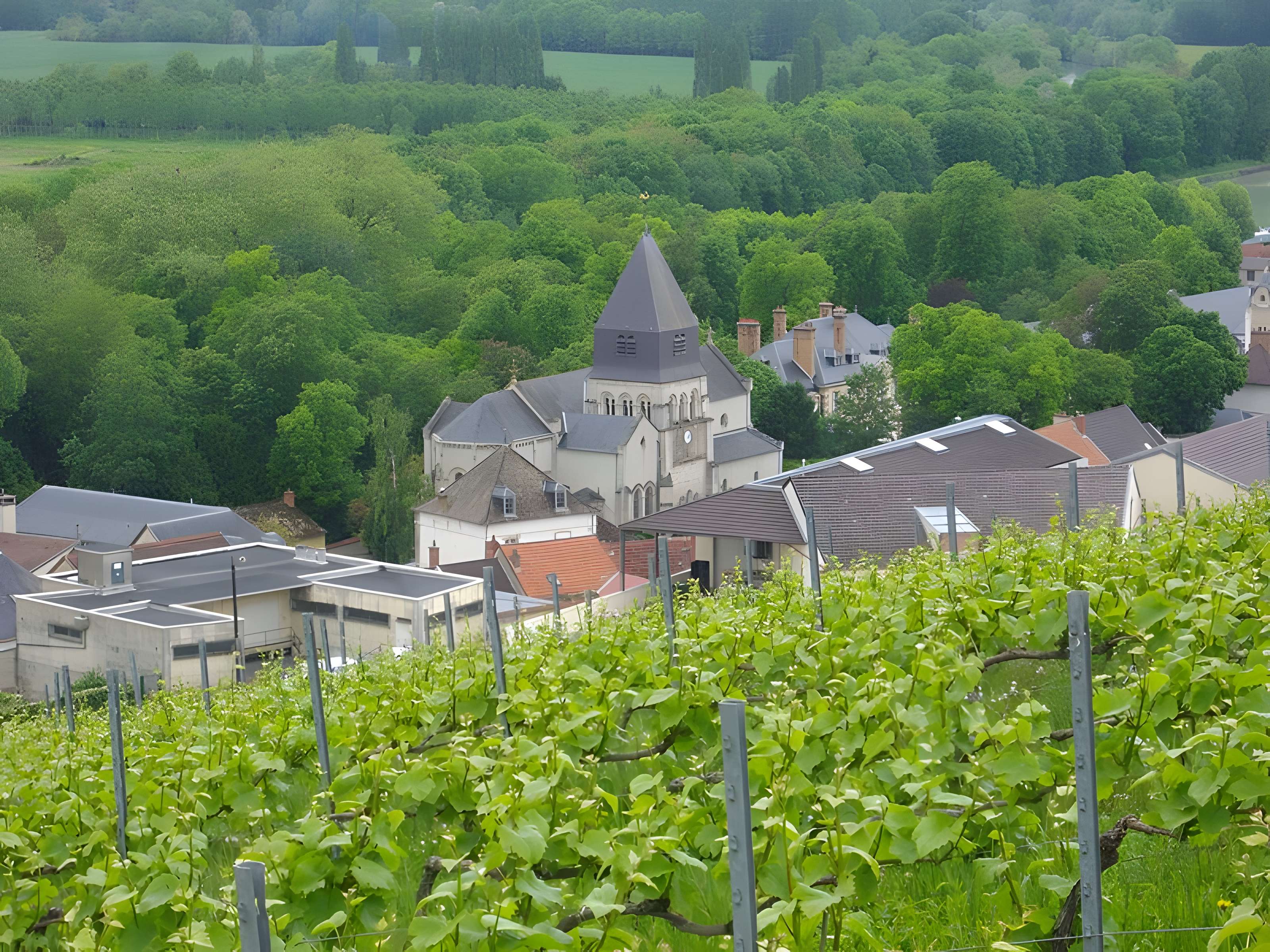
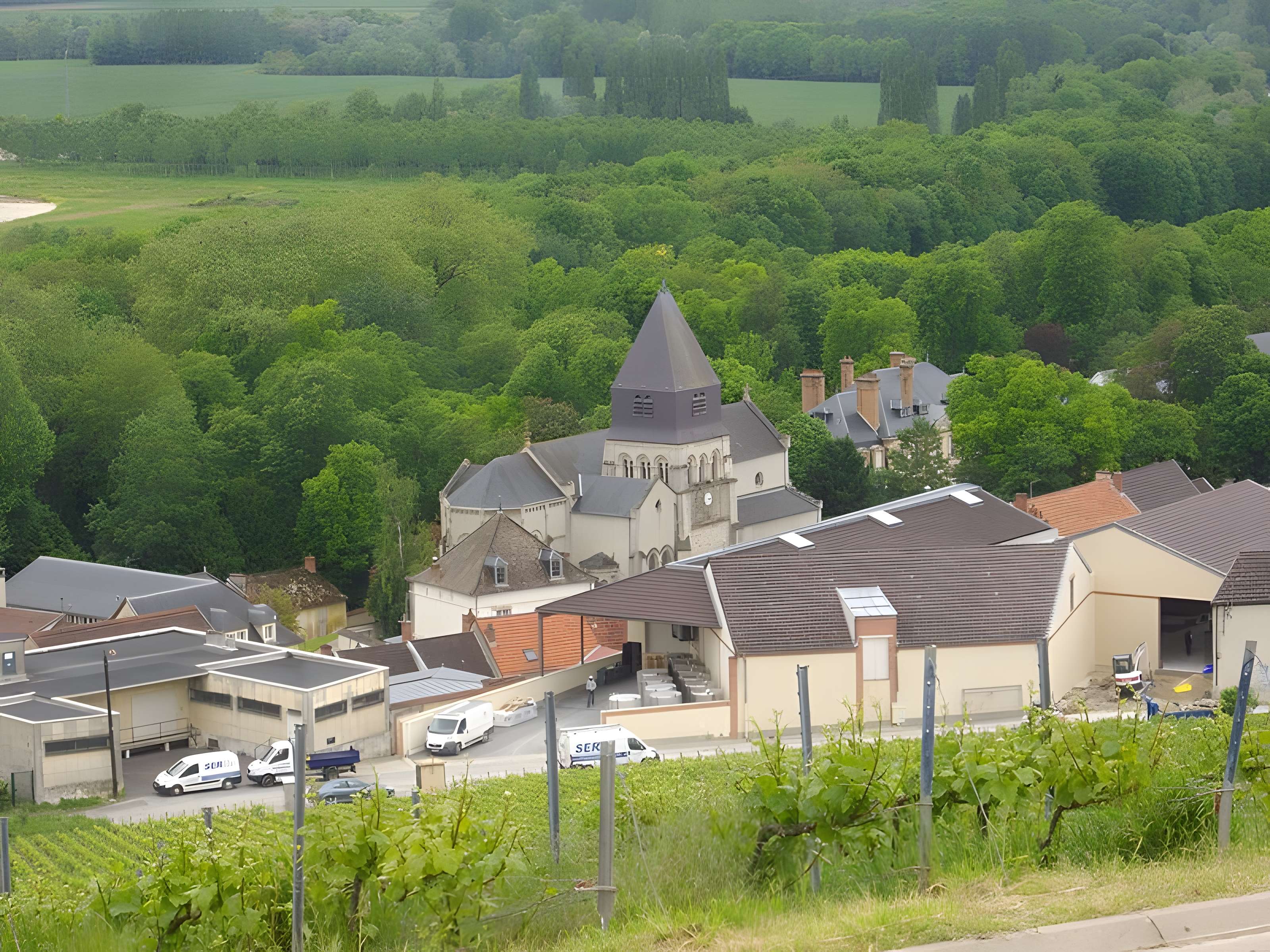
The church of Saint-Hilaire de Mareuil-sur-Ay, located in the Marne department in the Grand Est region, is a religious building of Romanesque origin, built mainly in the 4th quarter of the 11th century, with additions to the 12th and 16th centuries. It was erected on the site of an ancient Merovingian church, thus marking a cultural continuity on this site since the time of the first Frankish kingdoms. Its architecture and history reflect the stylistic and spiritual evolutions of the Champagne region, particularly under the influence of the local abbeys and the archdiocese of Reims.
In the 11th century, the archbishop of Reims, Raynold du Bellay, granted Saint Peter's Abbey the right of presentation to the parish of Saint Hilaire, a major ecclesiastical privilege. In exchange, the abbey nuns were to celebrate the annual anniversary of this prelate with the same honours reserved for their own abbesses. This institutional link illustrates the networks of patronage and power between the great religious institutions of the time, while stressing the central role of the church in medieval community life.
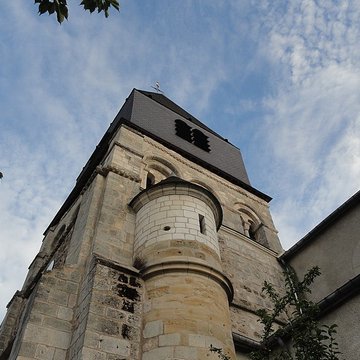
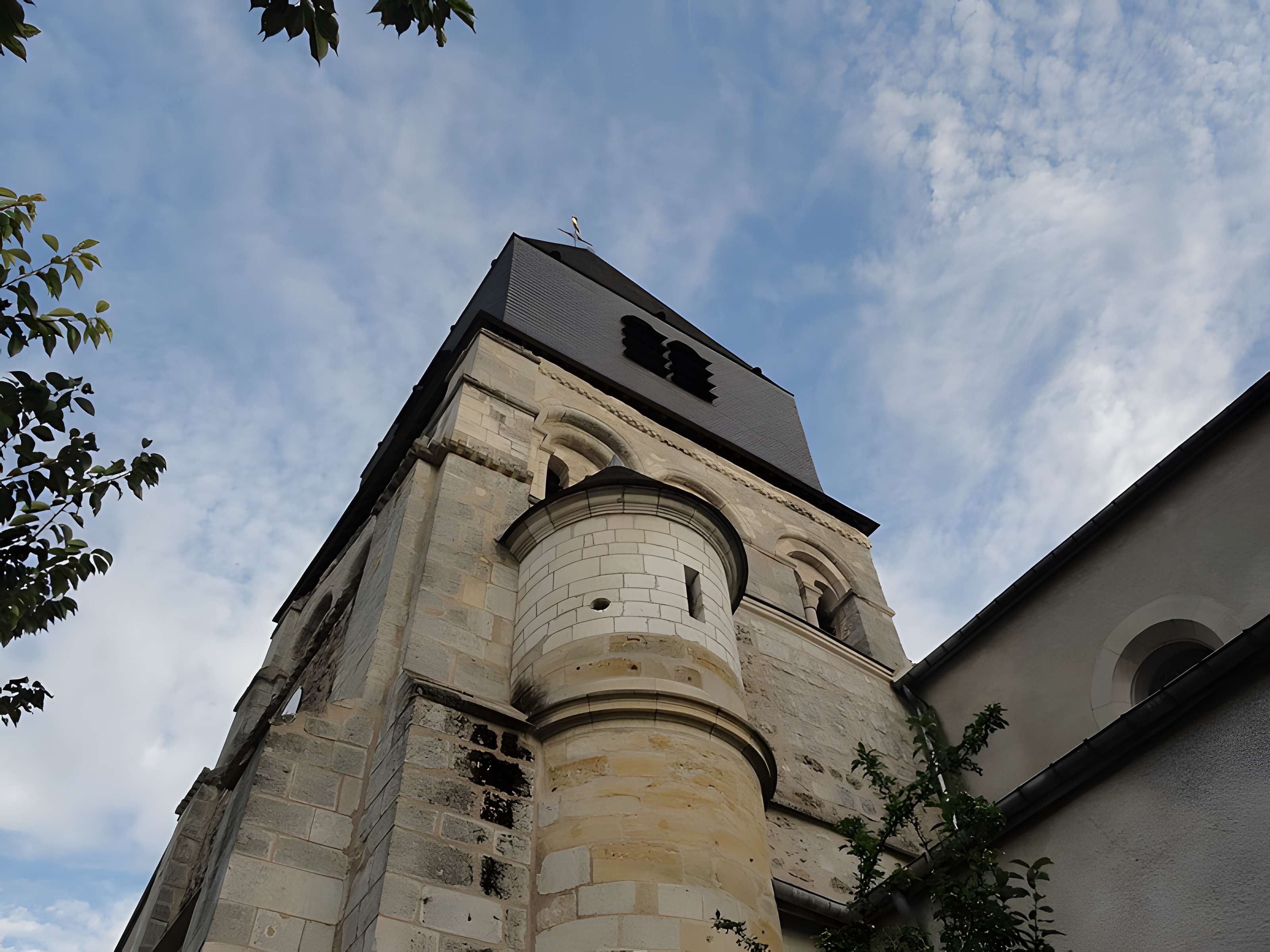
The building was partially protected for historical monuments in 1933, specifically for its tower and bell tower arrow. This classification recognizes the heritage value of these architectural elements, characteristic of the Romanesque churches of Champagne. Although the church property now returns to the commune of Mareuil-sur-Ay, its heritage remains closely associated with the religious and seigneurial history of the region, from its Merovingian origins to its subsequent transformations.







Announcements
Please log in to post a review