Construction of church XIIe - XIVe siècle (≈ 1450)
Period of main construction of the monument.
4 décembre 1915
Historical Monument
Historical Monument 4 décembre 1915 (≈ 1915)
Official protection by ministerial decree.
Aujourd'hui
Aujourd'hui
Aujourd'hui Aujourd'hui (≈ 2025)
Position de référence.
Heritage classified
Church: by decree of 4 December 1915
Key figures
Information non disponible - No character cited
Sources insufficient to identify key players.
Origin and history
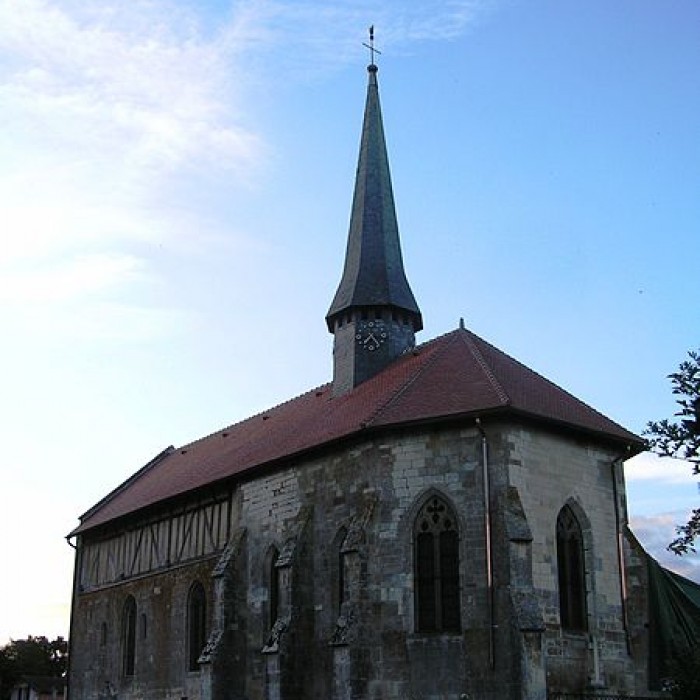
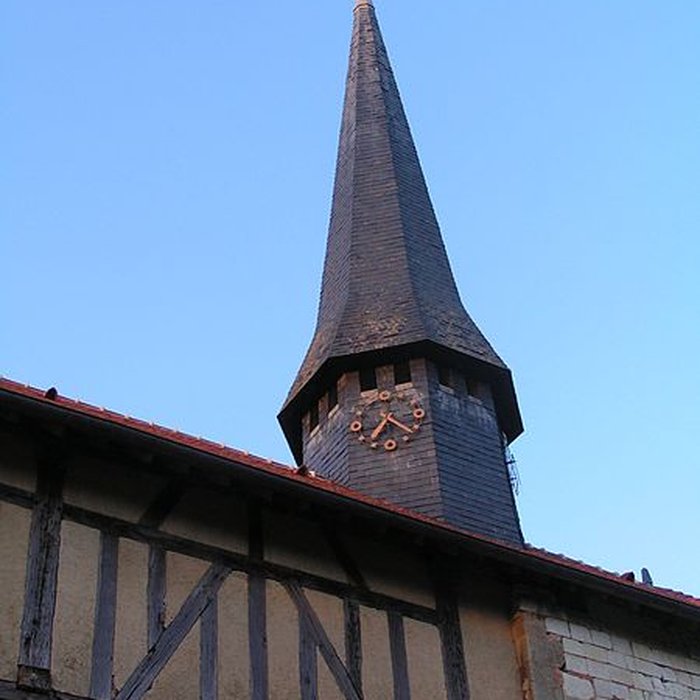
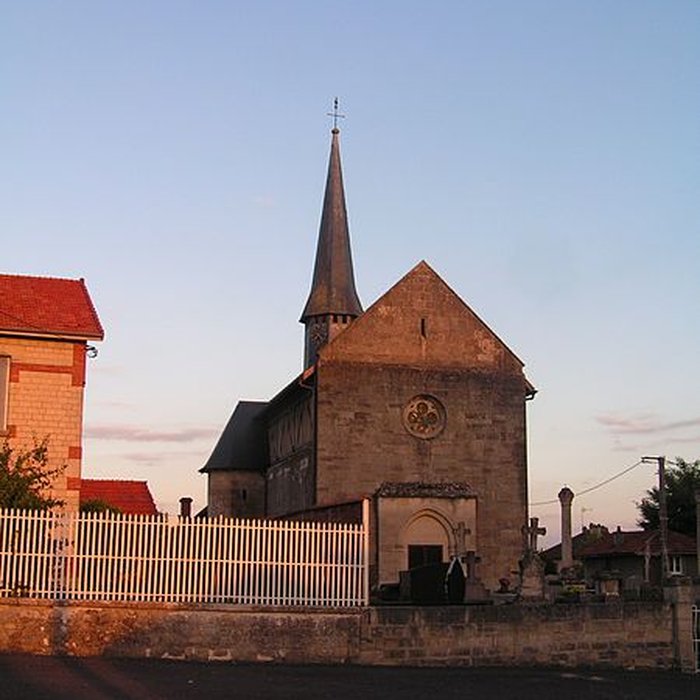
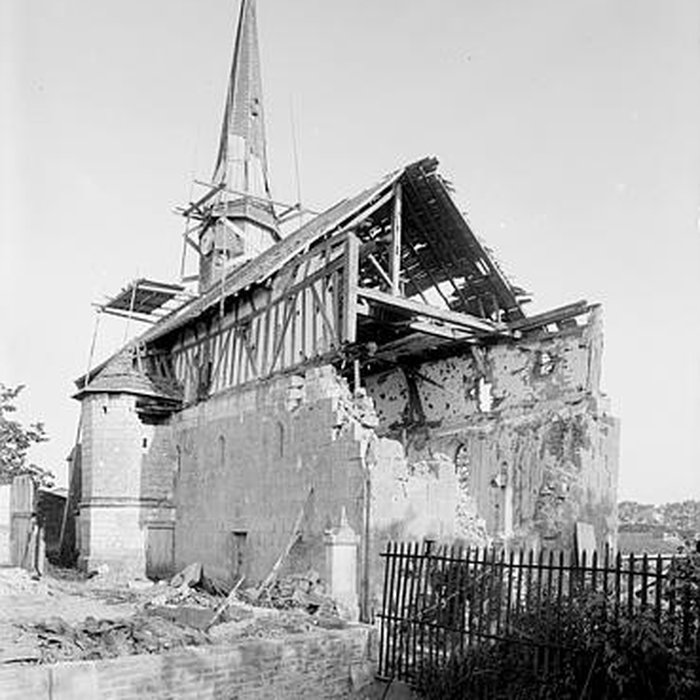
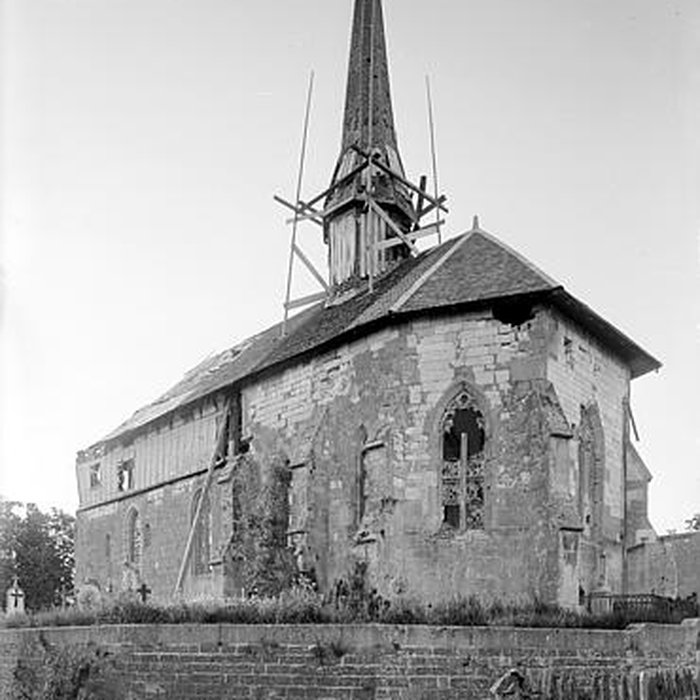
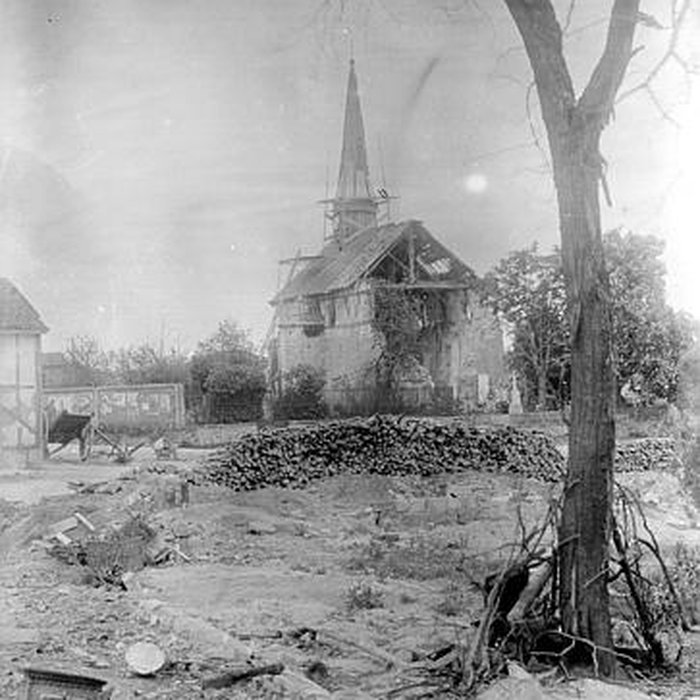
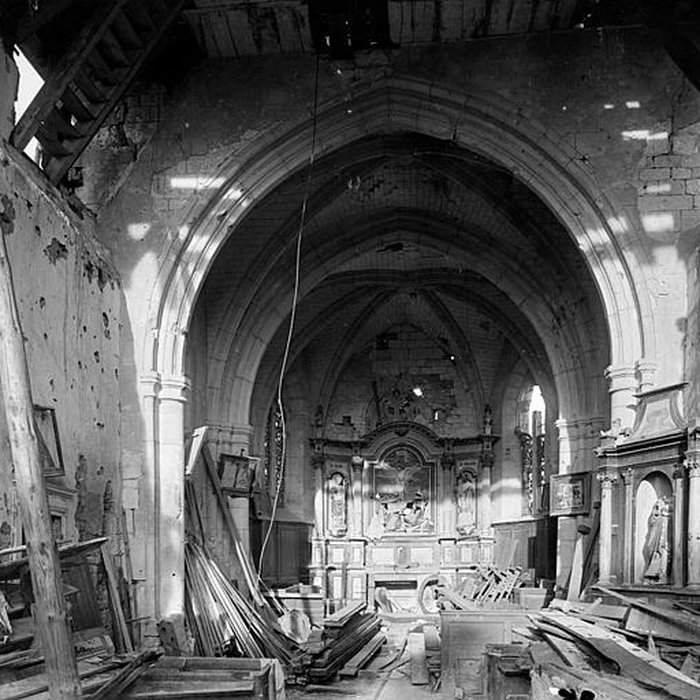
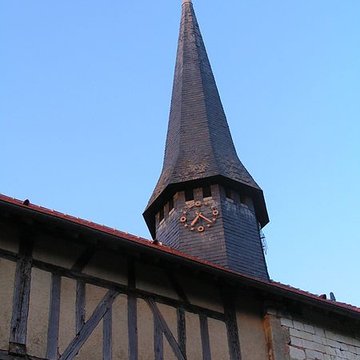
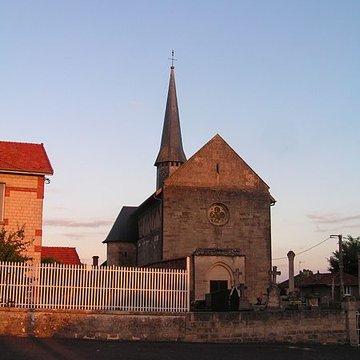
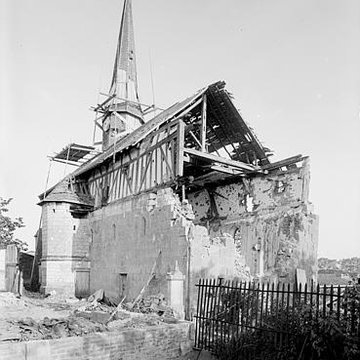
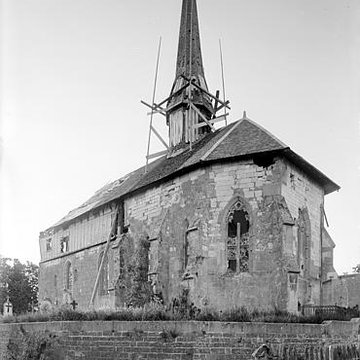
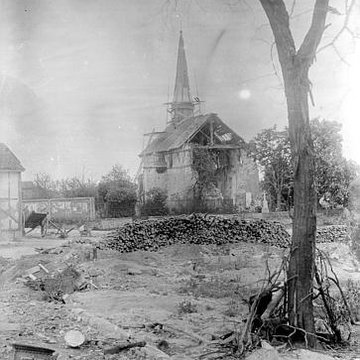
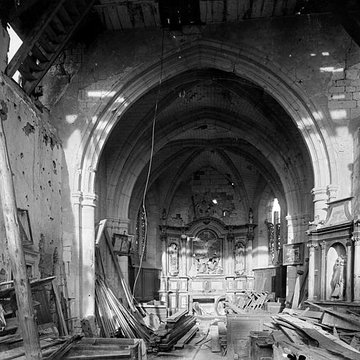
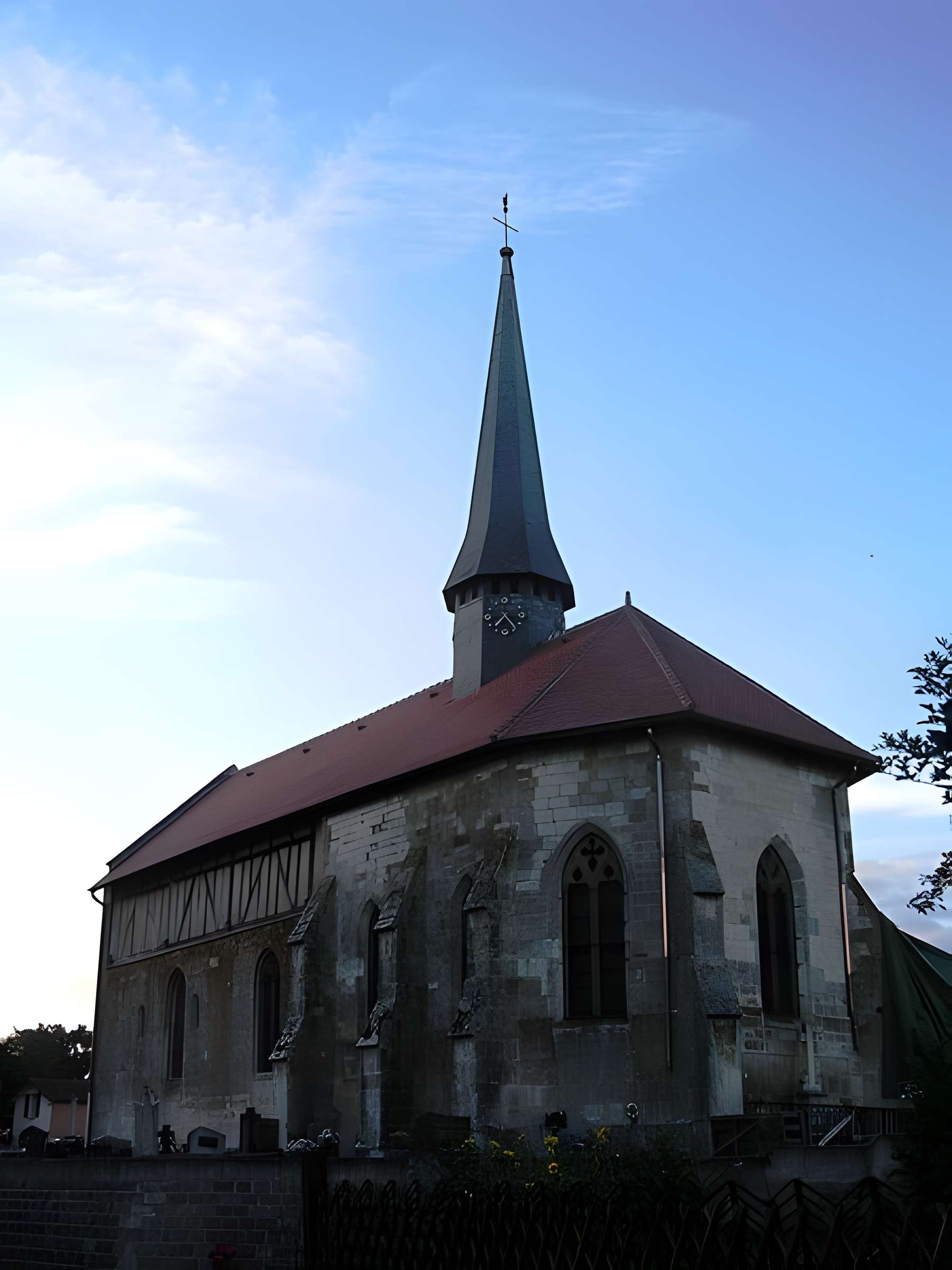
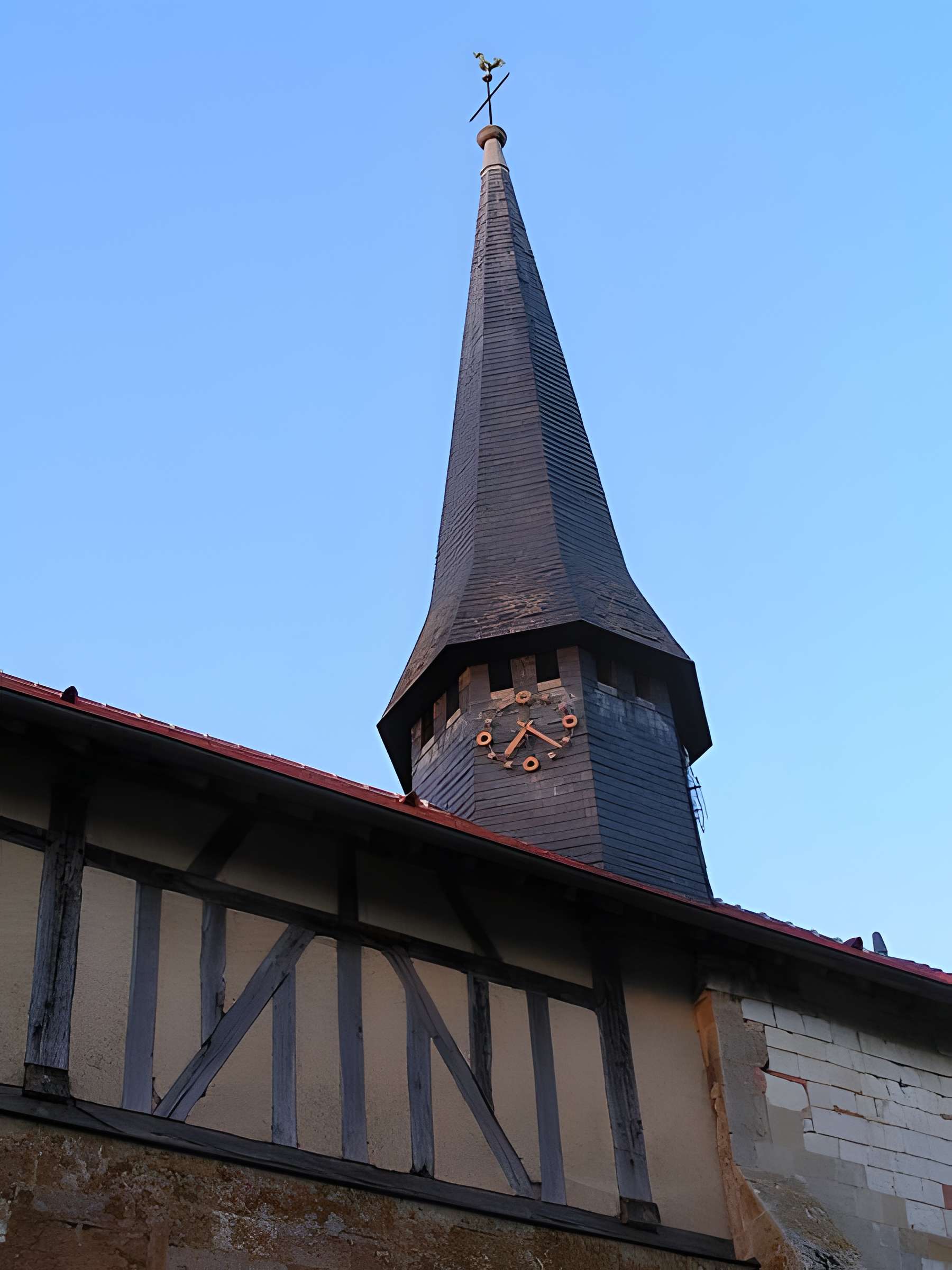
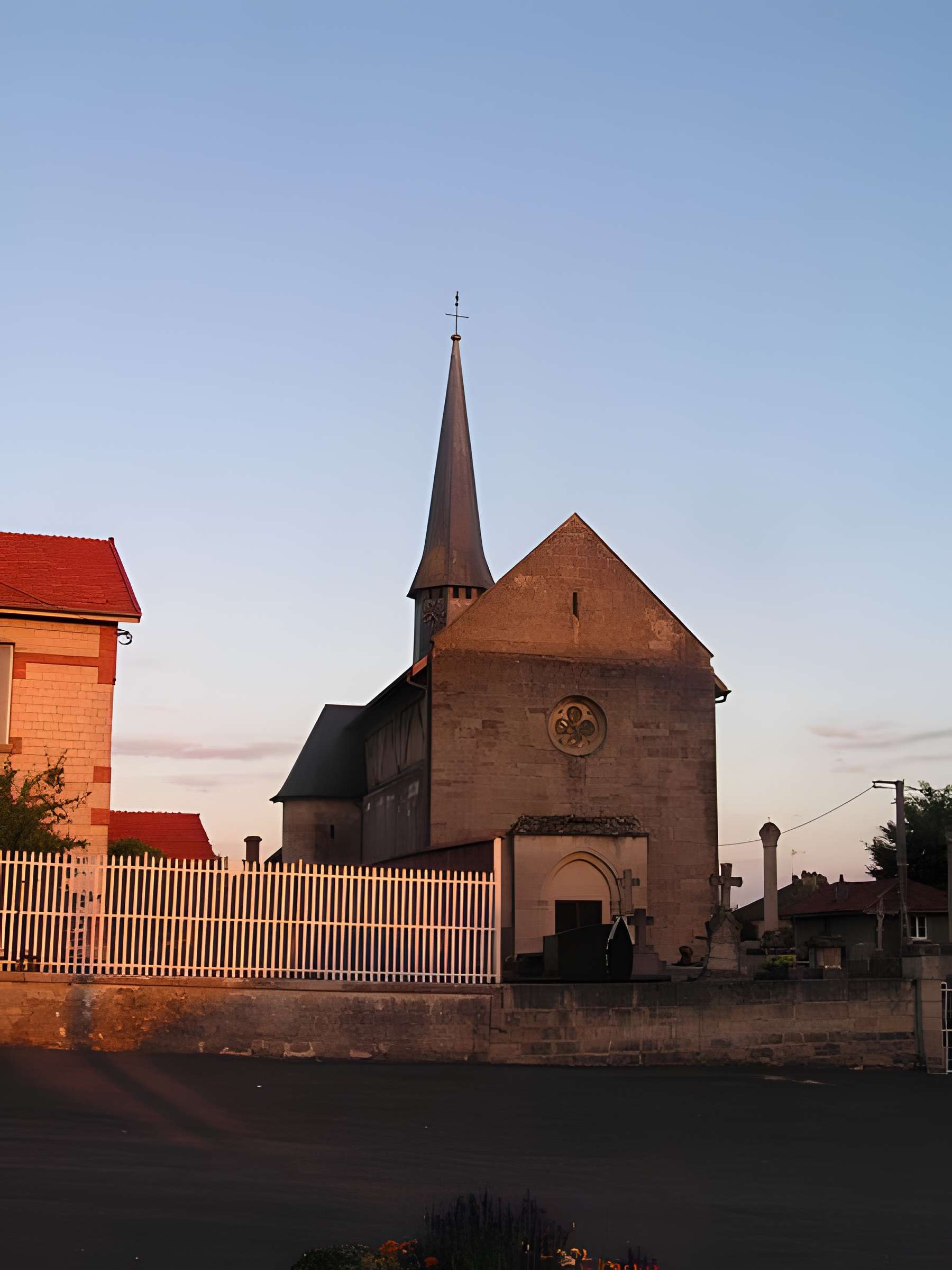
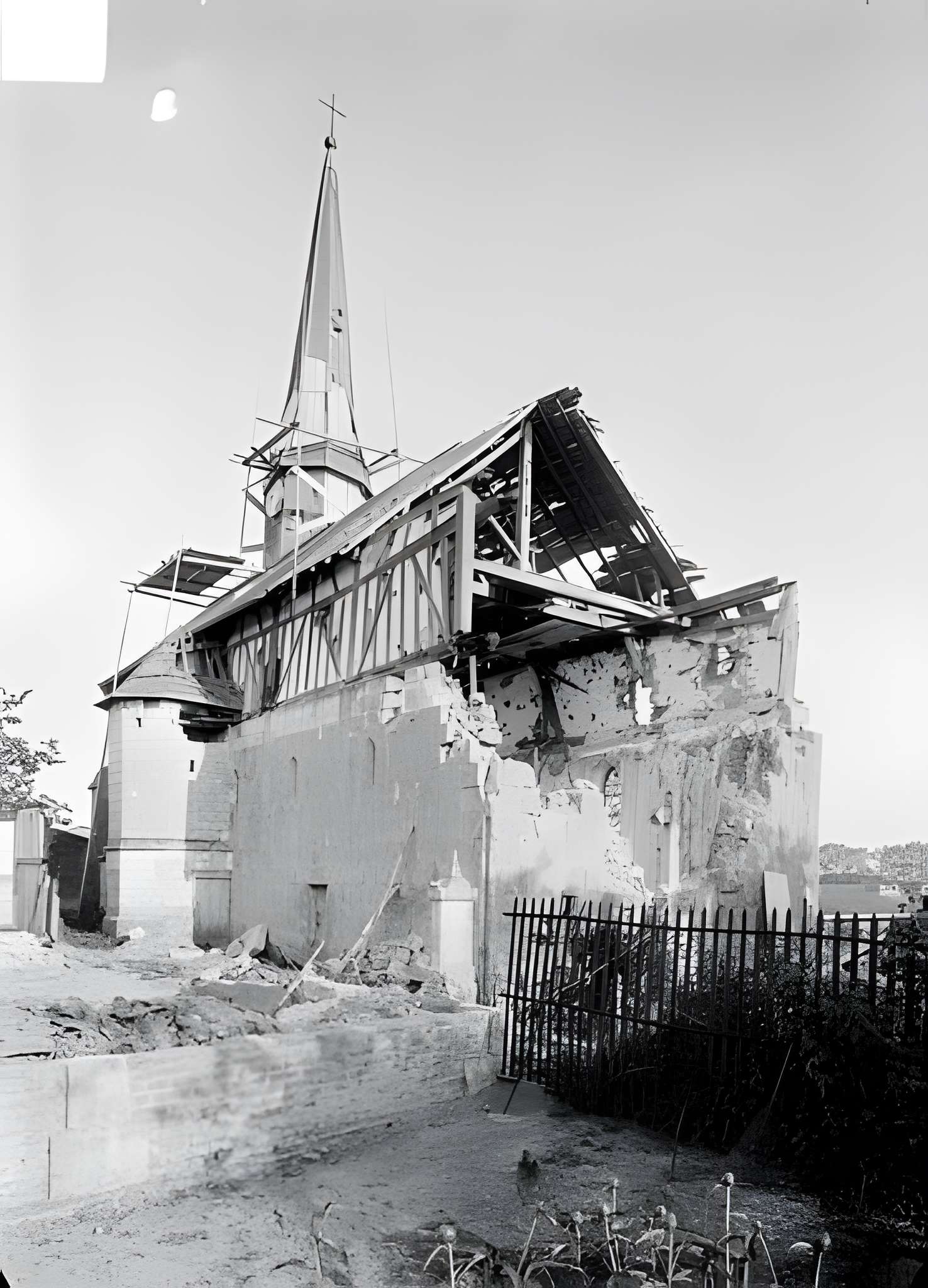
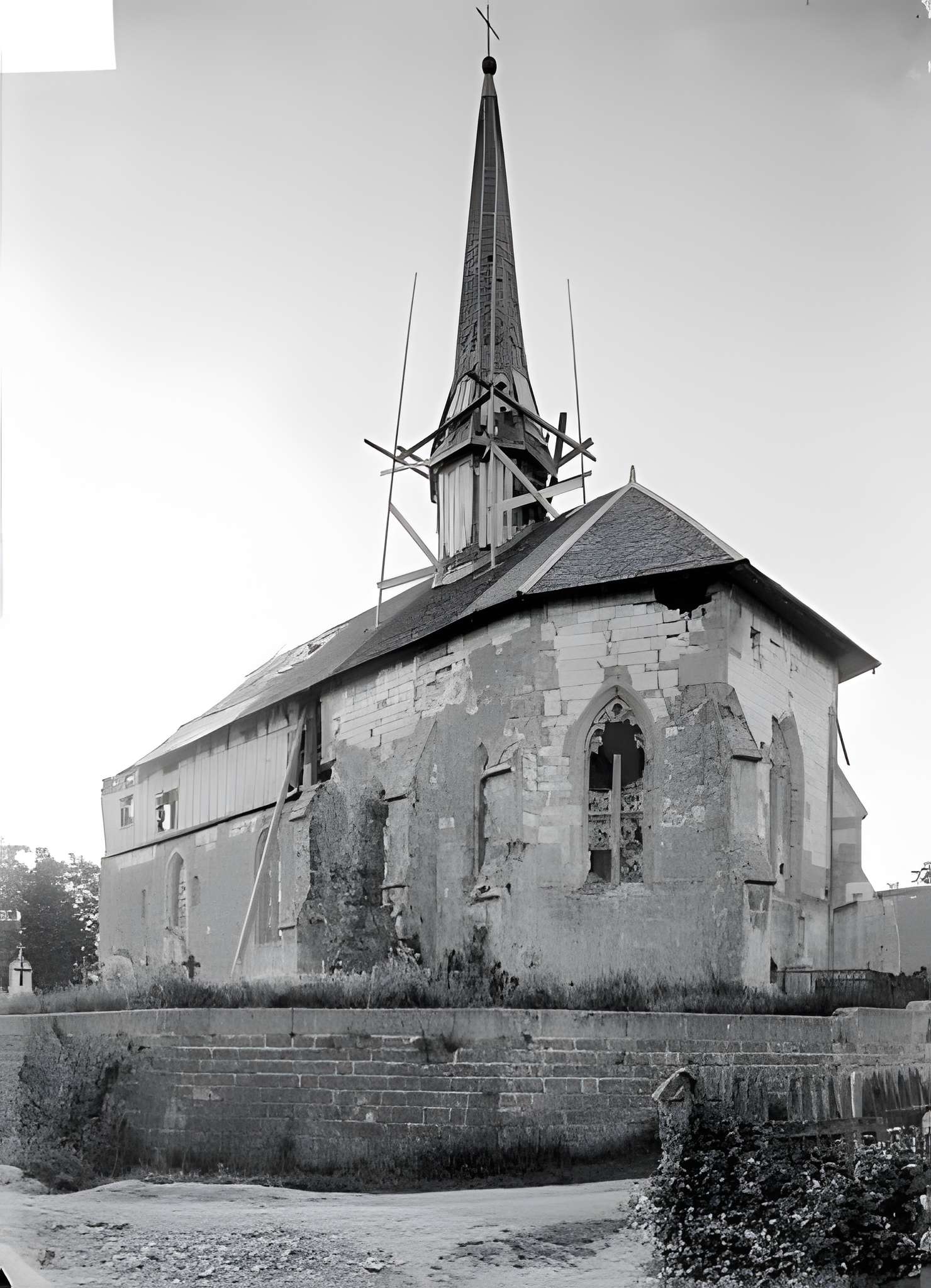
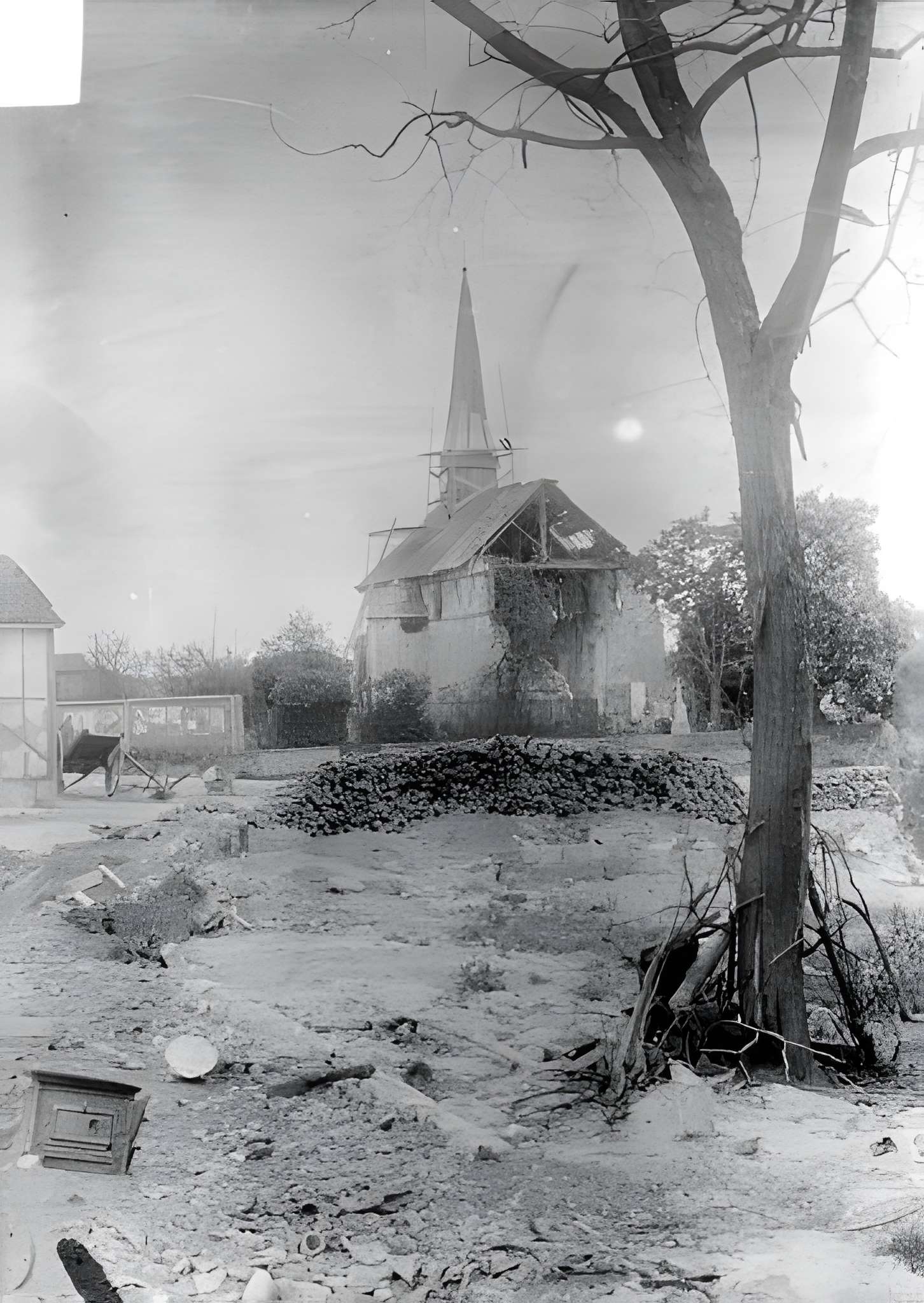
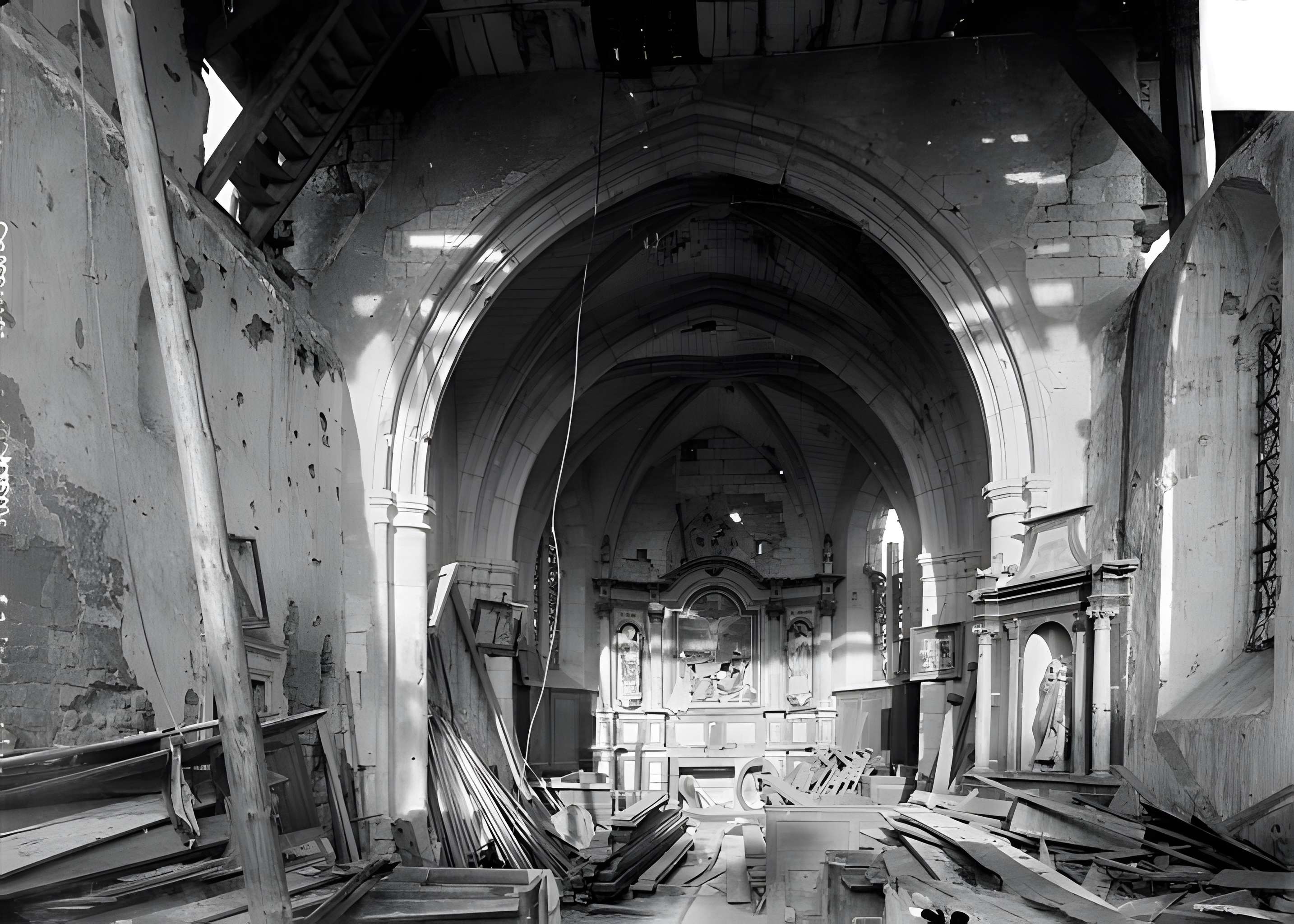
The church of Saint-Hilaire d'Écriennes is a religious building located in the commune of Écriennes, in the department of Marne (51), in the Grand Est region. Built between the twelfth and fourteenth centuries, it bears witness to the medieval architecture of this period, marked by Romanesque and Gothic influences. Its classification as Historic Monument by decree of 4 December 1915 underlines its heritage importance and its preservation for future generations.
The location of the church at 4 Rue des Fontaines is estimated with a priori satisfactory accuracy (note 7/10). Owned by the commune of Écriennes, it is referenced in the Mérimée database under the code Insee 51224. Although its current use (visits, rentals, accommodation) is not specified in the available sources, its protected status guarantees its conservation. The data comes mainly from the Monumentum platform and associated internal archives.
The Champagne-Ardenne region, now integrated into the Great East, was in medieval times a territory marked by agriculture, the wine trade and an intense religious life. Parish churches like Saint-Hilaire played a central role in community life, serving as places of worship, gathering and sometimes refuge. Their construction often lasted several centuries, reflecting the evolution of architectural techniques and styles, as well as the varying resources of parishes or local lords.








Announcements
Please log in to post a review