Foundation of the Abbey 1065 (≈ 1065)
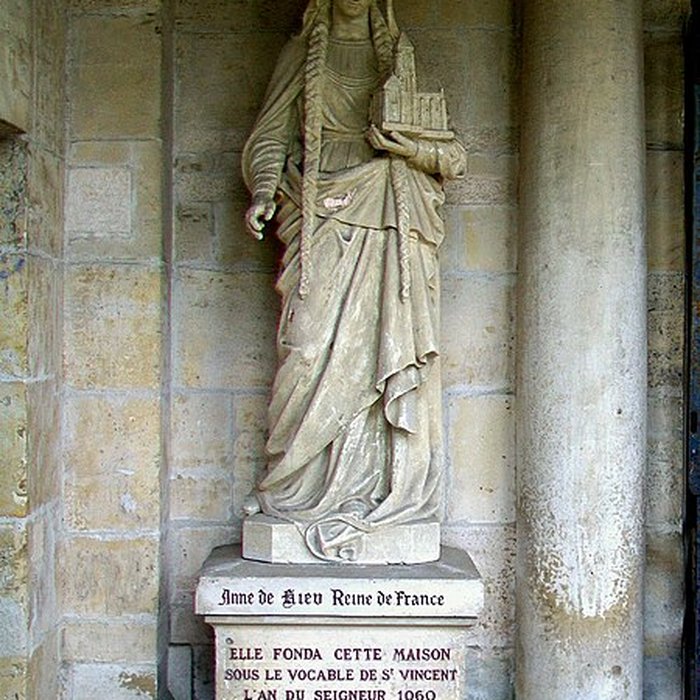
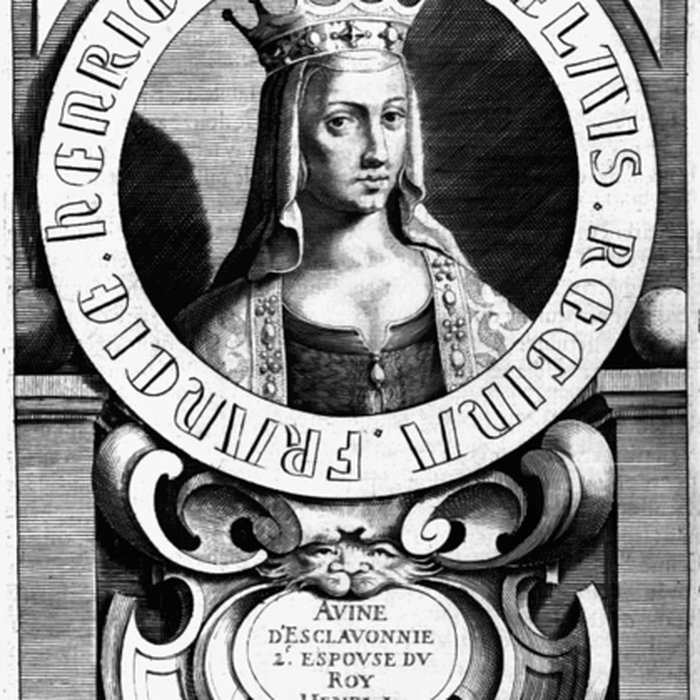
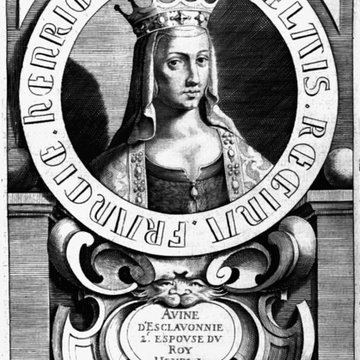
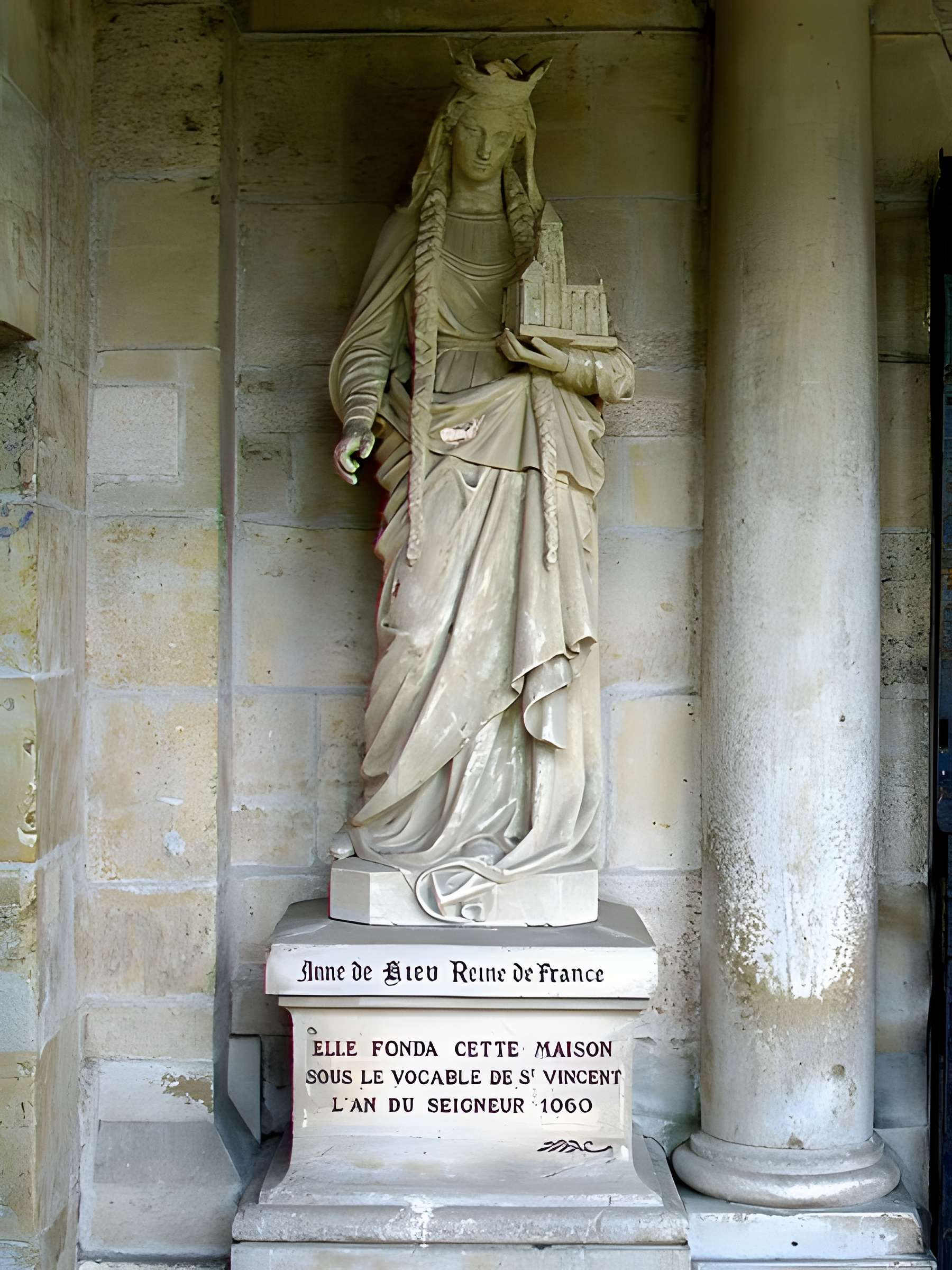
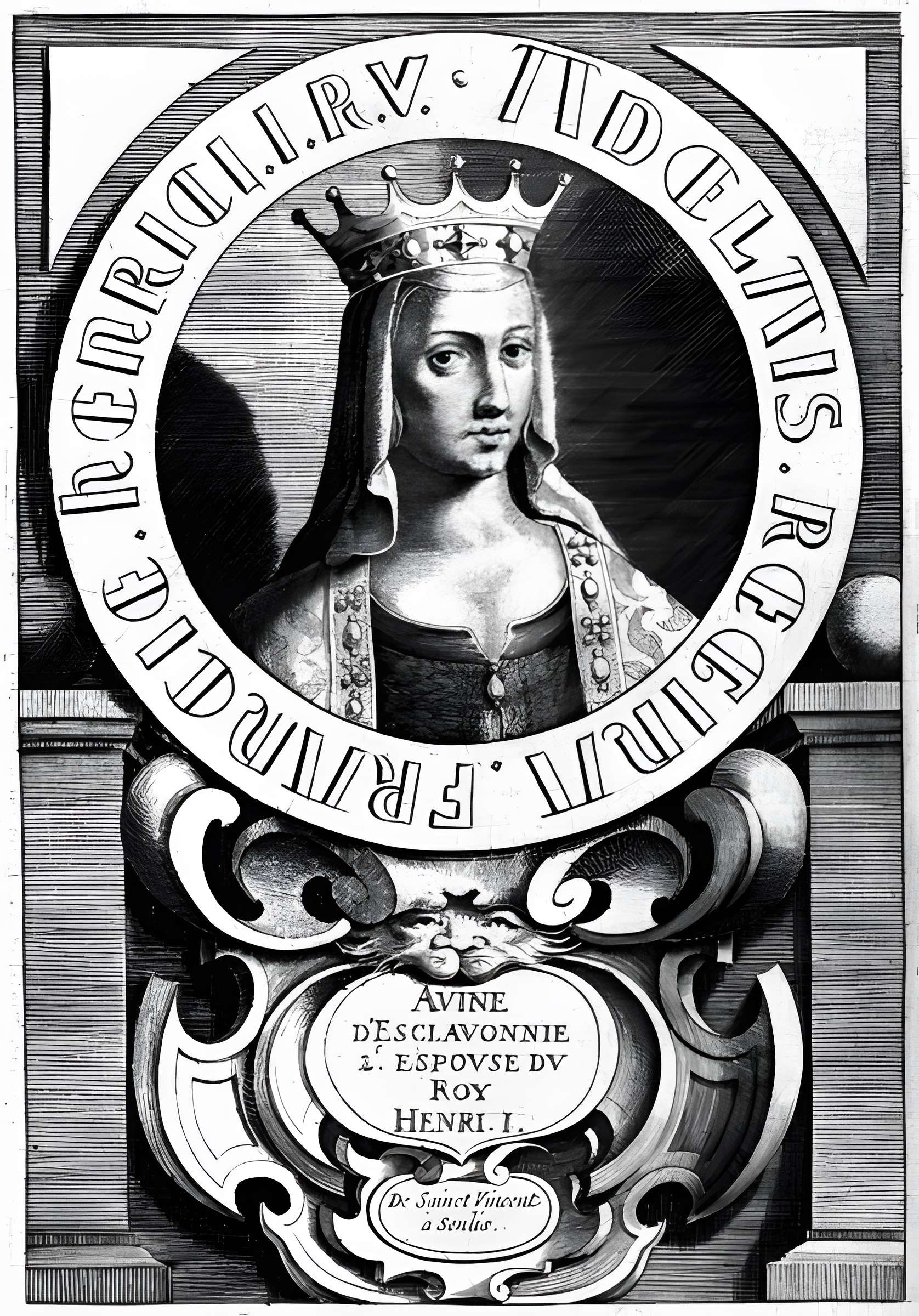
By Queen Anne of Kiev.
XIIe siècle
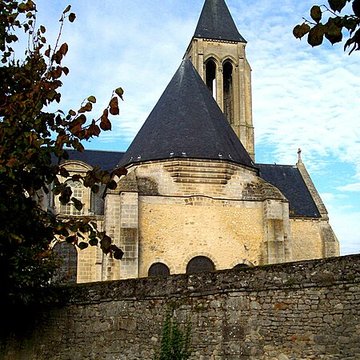
Construction of the abbey church
Construction of the abbey church XIIe siècle (≈ 1250)
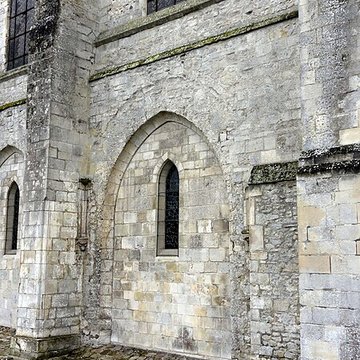
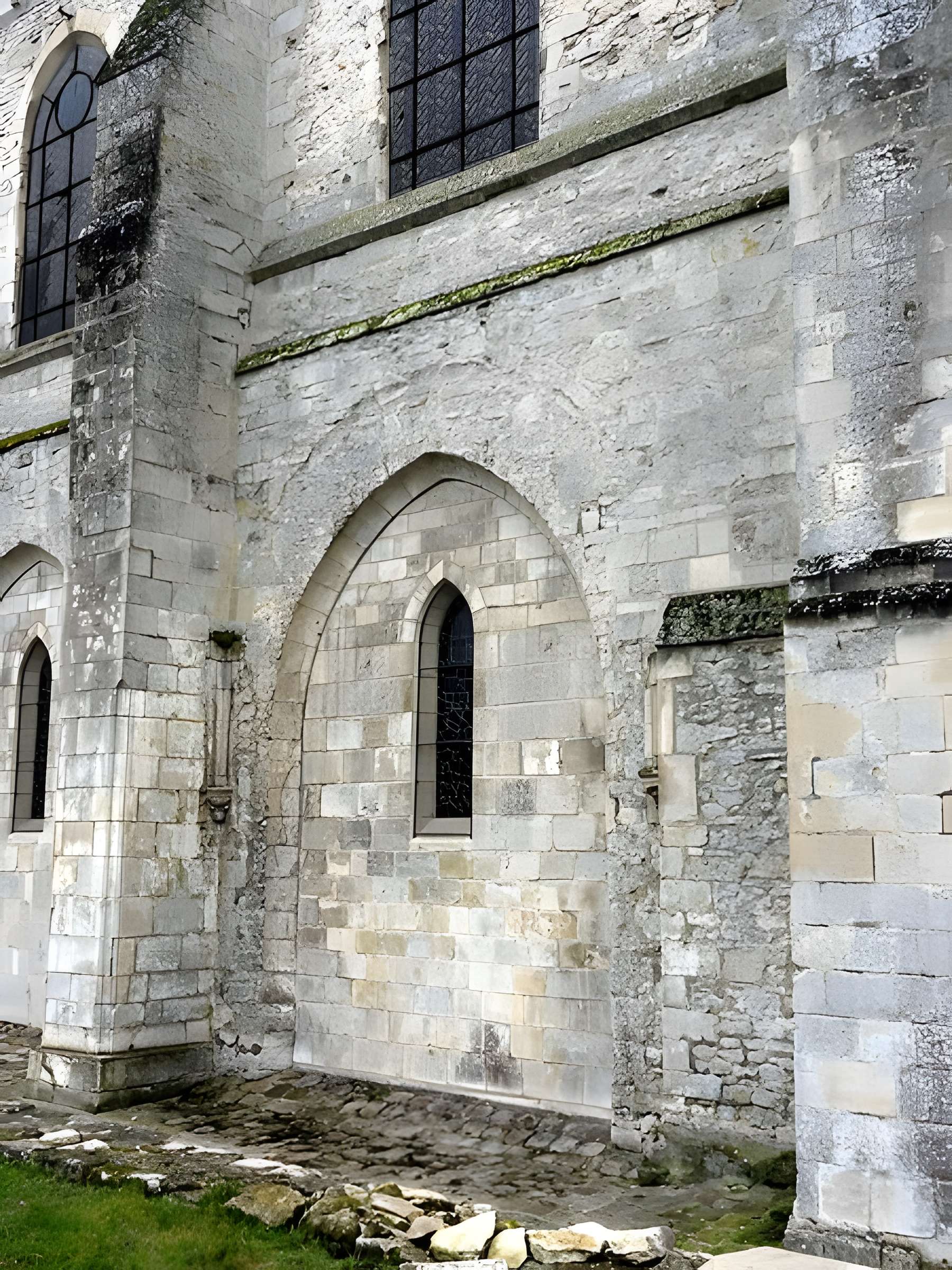
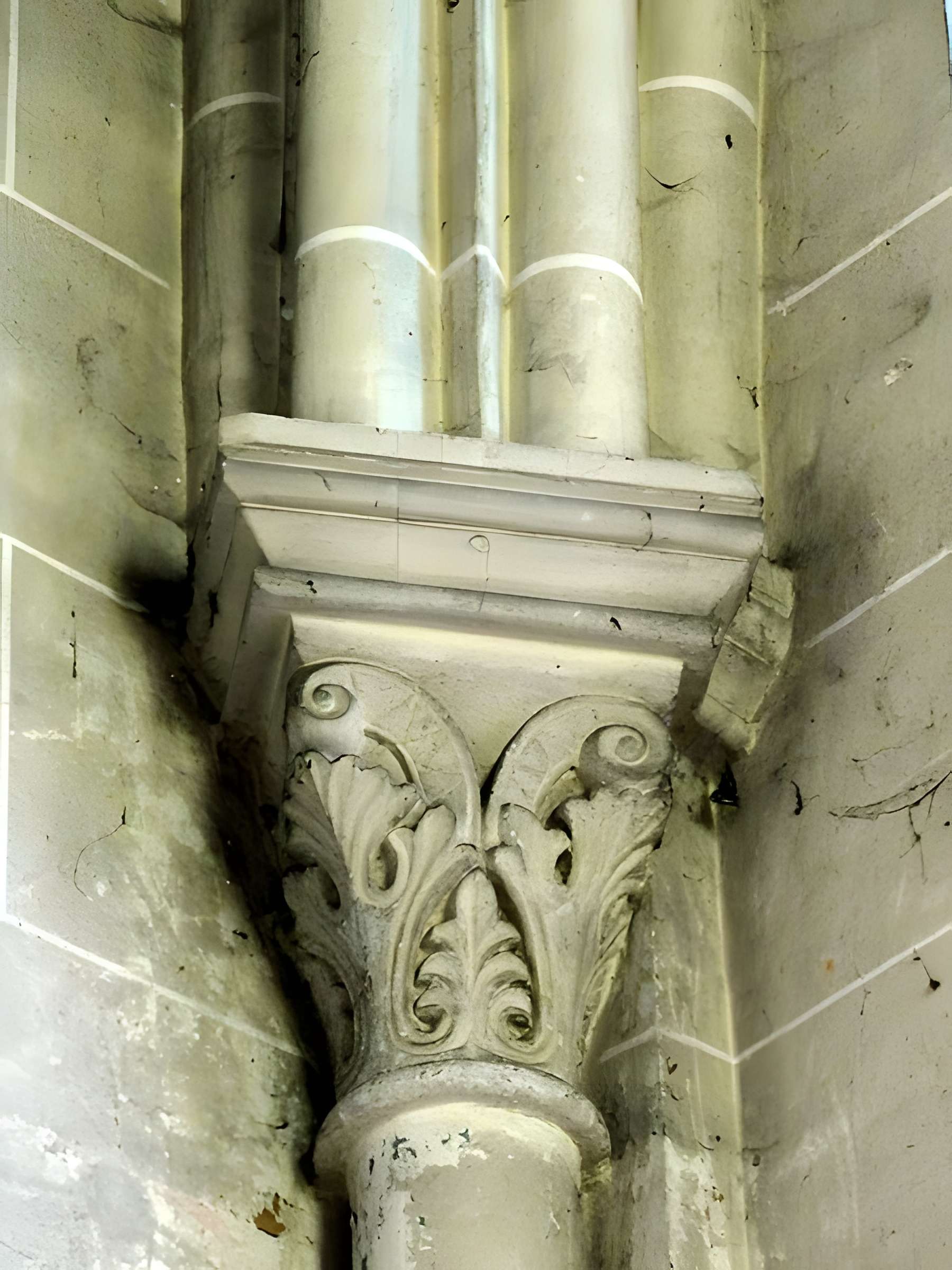
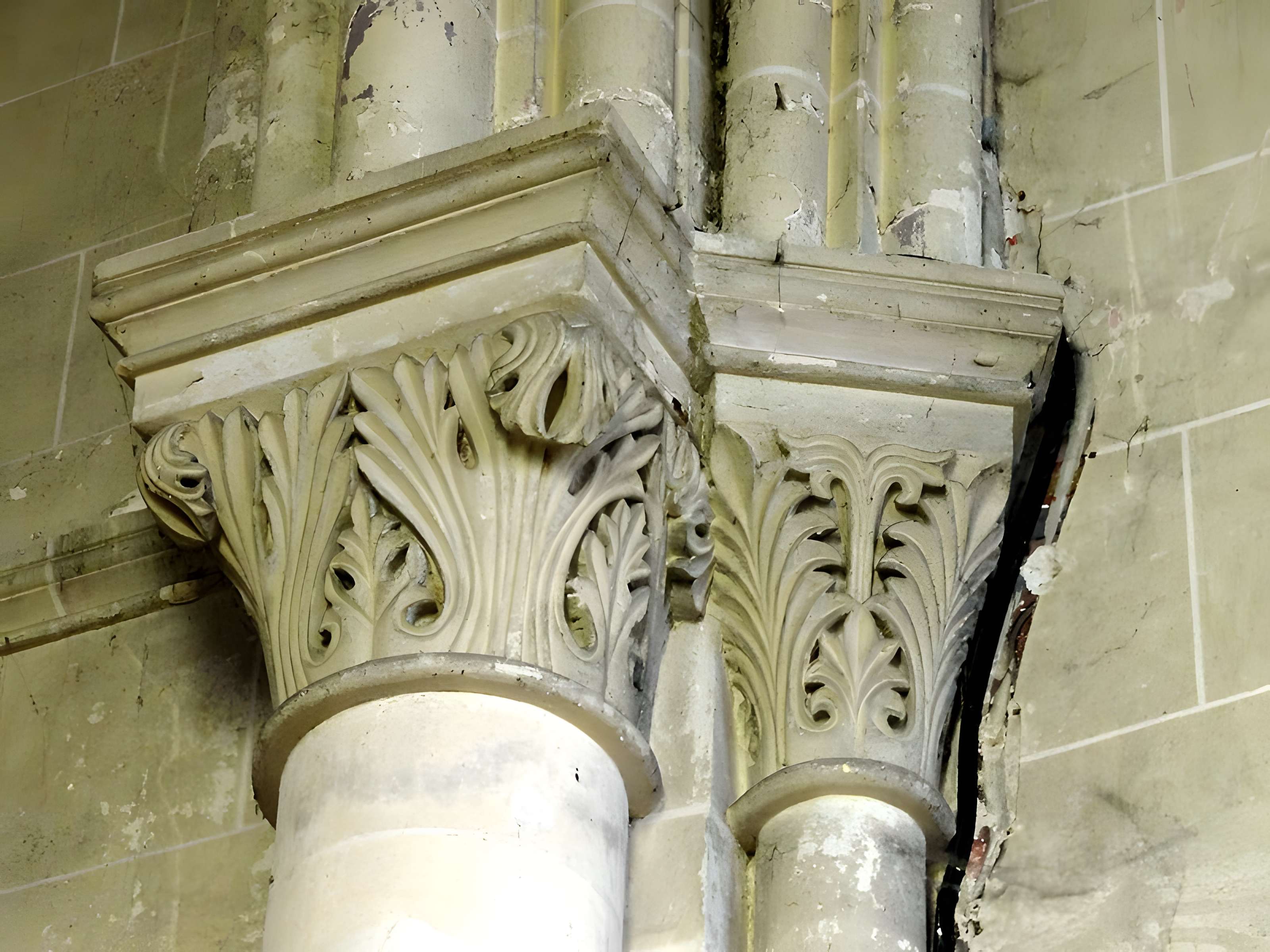
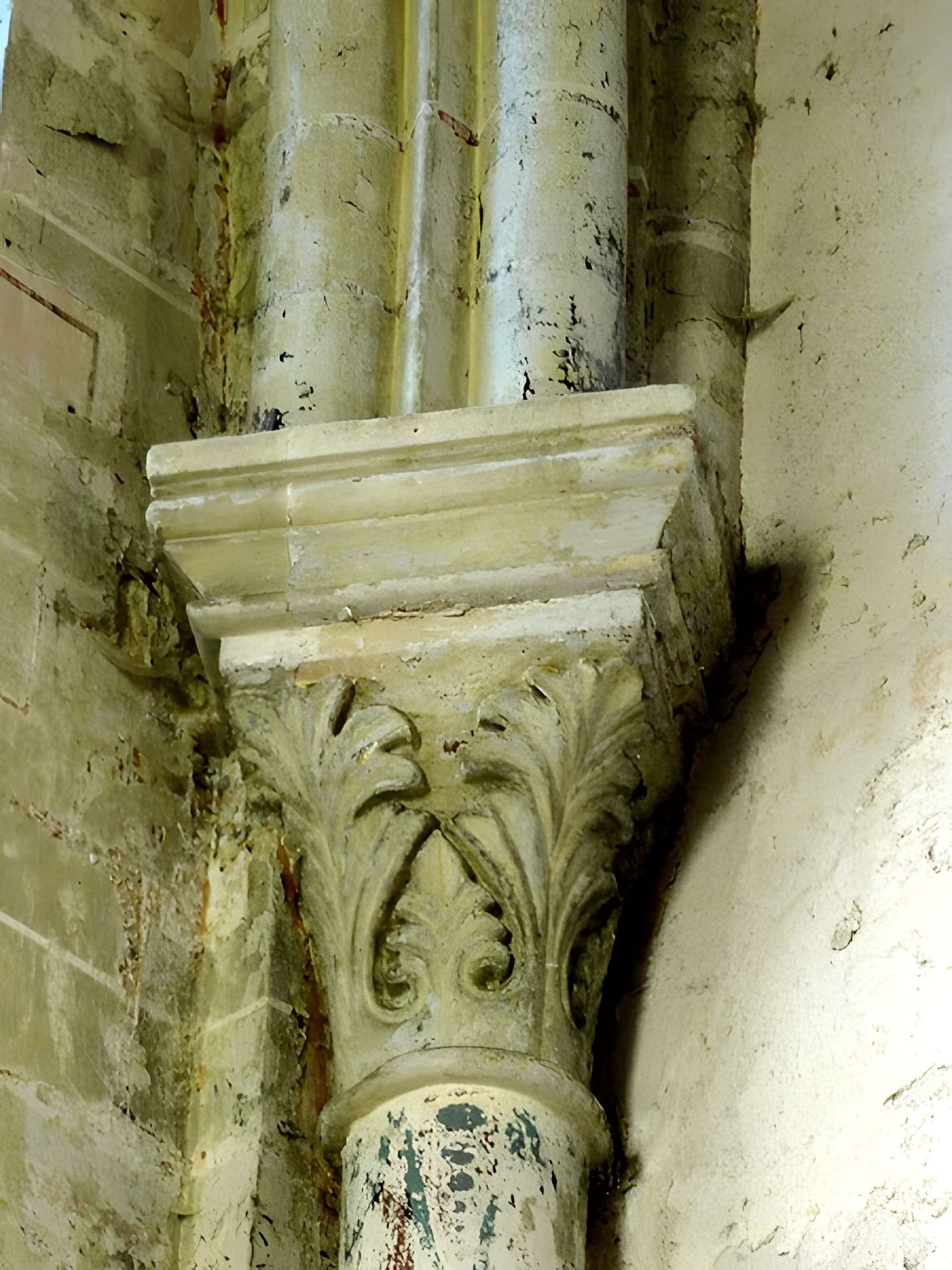
Primitive Gothic style, nave 47 meters.
1491 et 1505
Attempts to usurpate abbatiate
Attempts to usurpate abbatiate 1491 et 1505 (≈ 1505)
Internal conflicts for power.
1536
Introduction of Commende
Introduction of Commende 1536 (≈ 1536)
Decline in monastic discipline.
1618
Reform of the Abbey
Reform of the Abbey 1618 (≈ 1618)
Charles Faure restored the Augustinian rule.
1660-1689
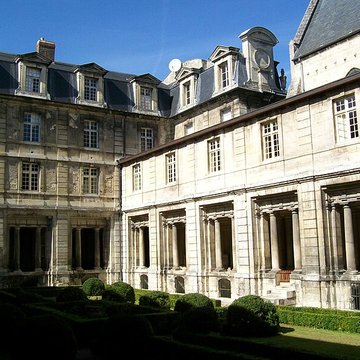
Reconstruction of the buildings
Reconstruction of the buildings 1660-1689 (≈ 1675)
Neo-classical style, monumental architecture.
1791
Abolition of the Abbey
Abolition of the Abbey 1791 (≈ 1791)
The consequence of the French Revolution.
1836
Foundation of the school institution
Foundation of the school institution 1836 (≈ 1836)
Rescue by Beauvais canons.
1862
Historical Monument
Historical Monument 1862 (≈ 1862)
Protection of the abbey church.
Aujourd'hui
Aujourd'hui
Aujourd'hui Aujourd'hui (≈ 2025)
Position de référence.
Heritage classified
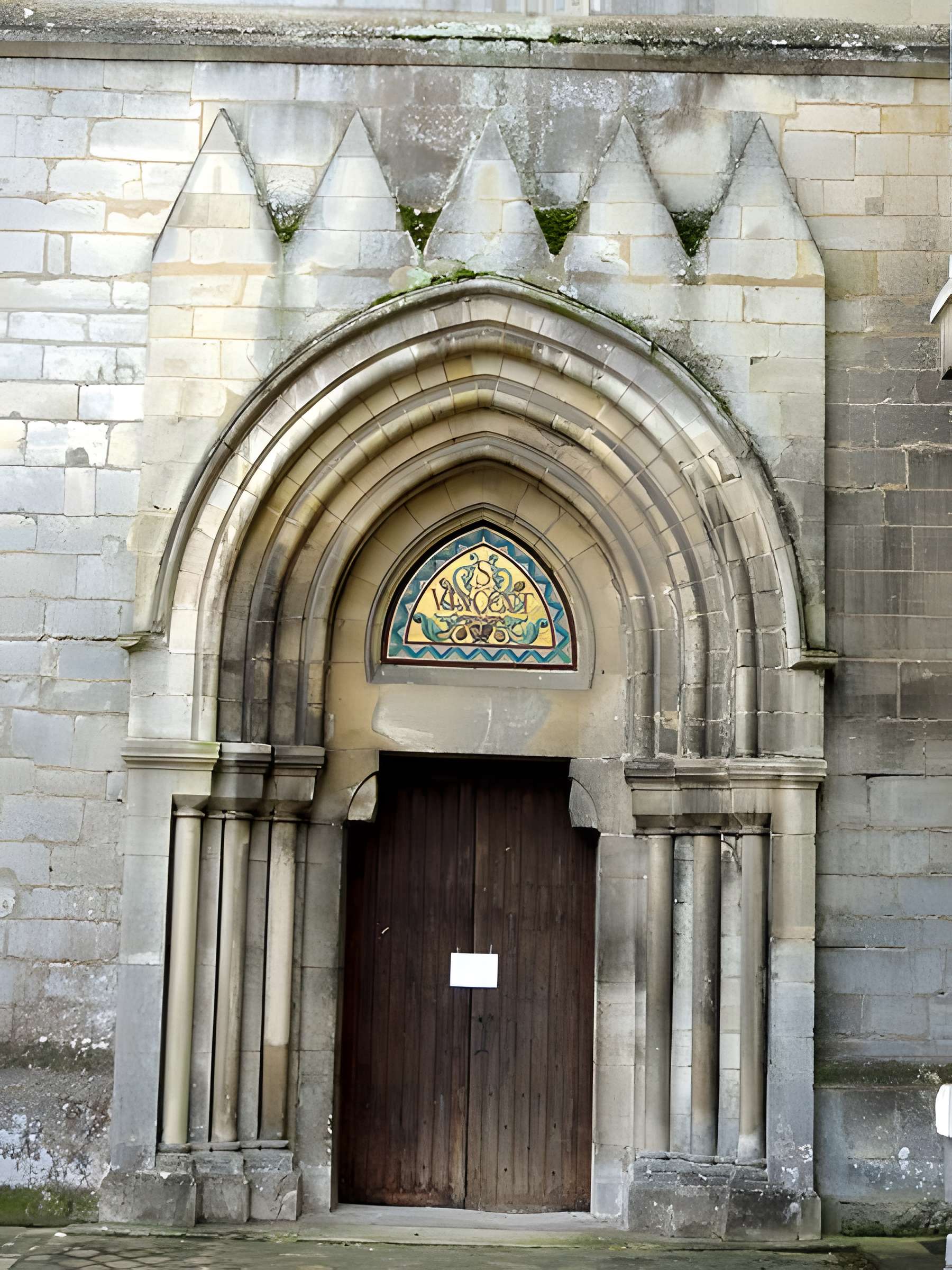
Saint Vincent Church: ranking by list of 1862; Façade on the garden and cloister of the former Abbey: inscription by decree of 23 June 1933; Façades and roofs as well as the two rooms on the ground floor: inscription by decree of 17 August 1945
Key figures
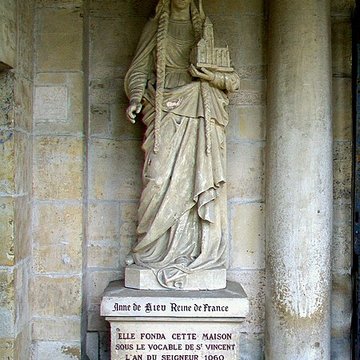
Anne de Kiev - Queen of France and presumed founder
Founded the Abbey in 1065.
Charles Faure - Reformer of the Abbey
Restore discipline in the 17th century.
Philippe Ier - King of France, protector
Initial financial and legal support.
Louis VI - King of France, protector
Restores the desolated property in the 12th.
Cardinal François de La Rochefoucauld - Reformer of Abbeys
Support for genovéfain reform.
Jean-Philippe de Bertier - Merchant Abbé (1620-1667)
Financed the neo-classical reconstruction.
Origin and history
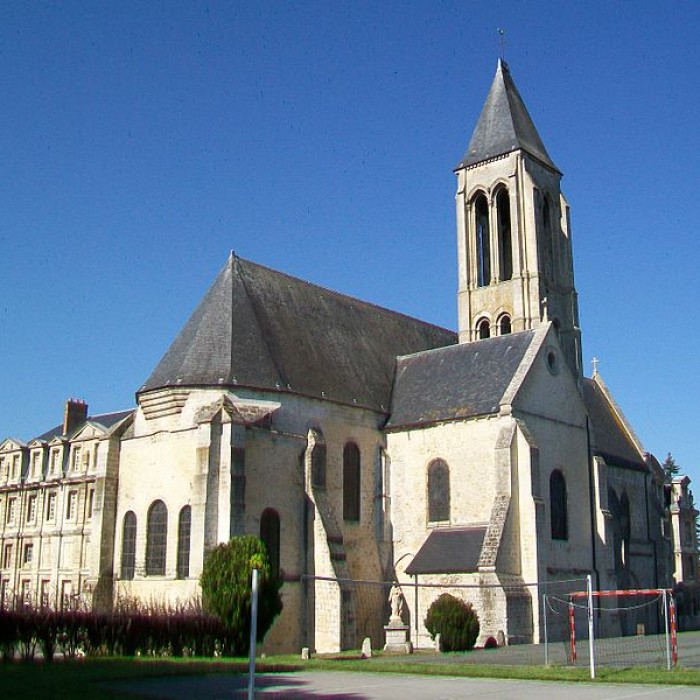
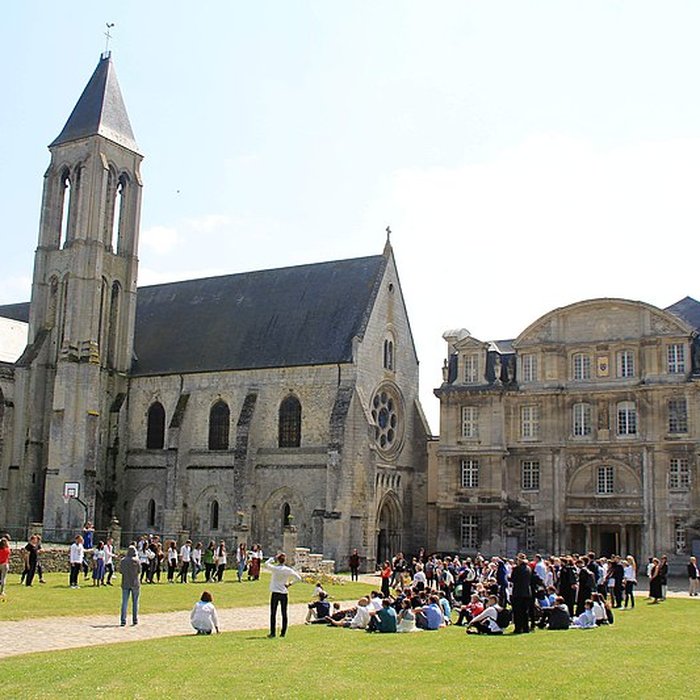
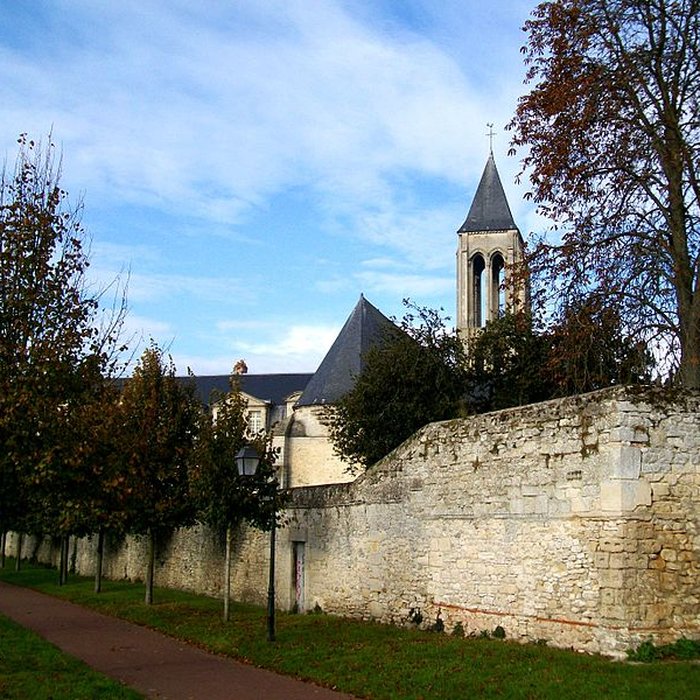
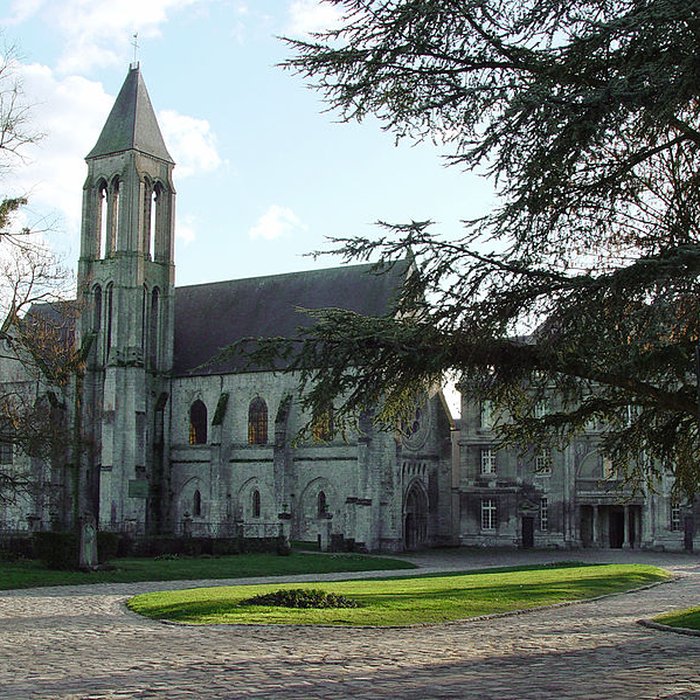
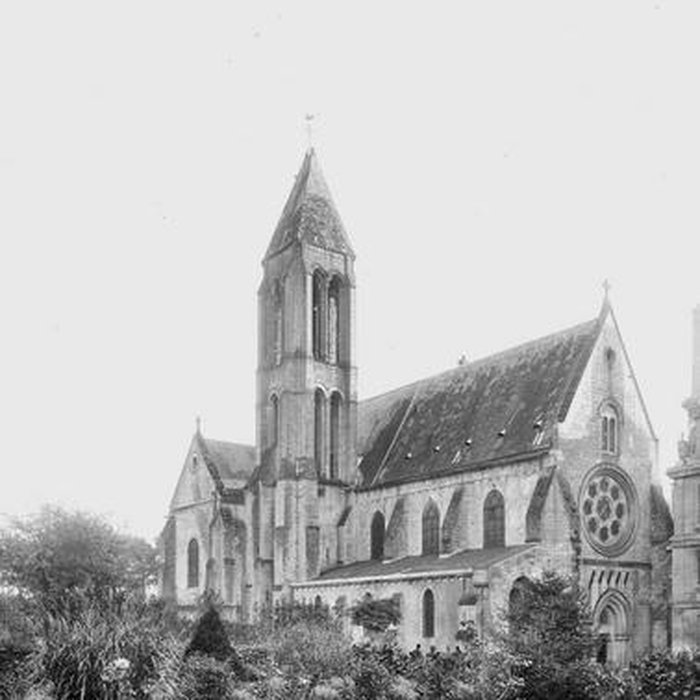
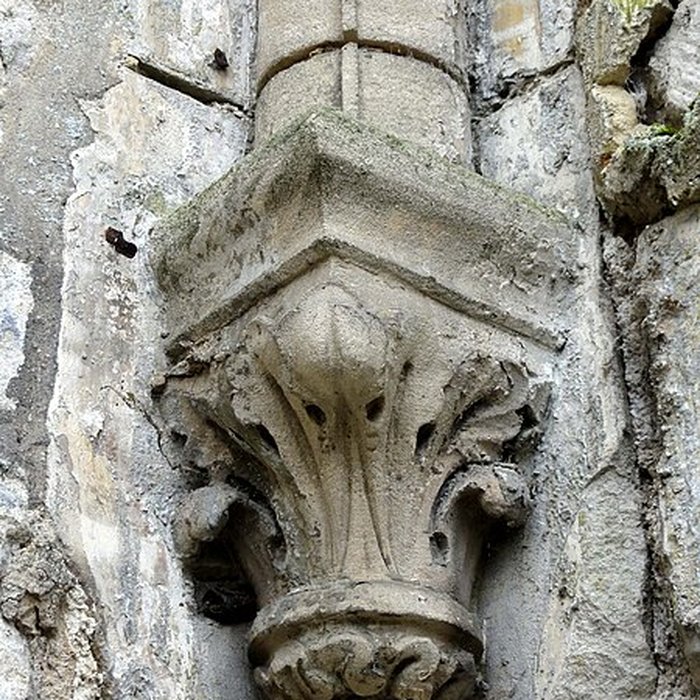
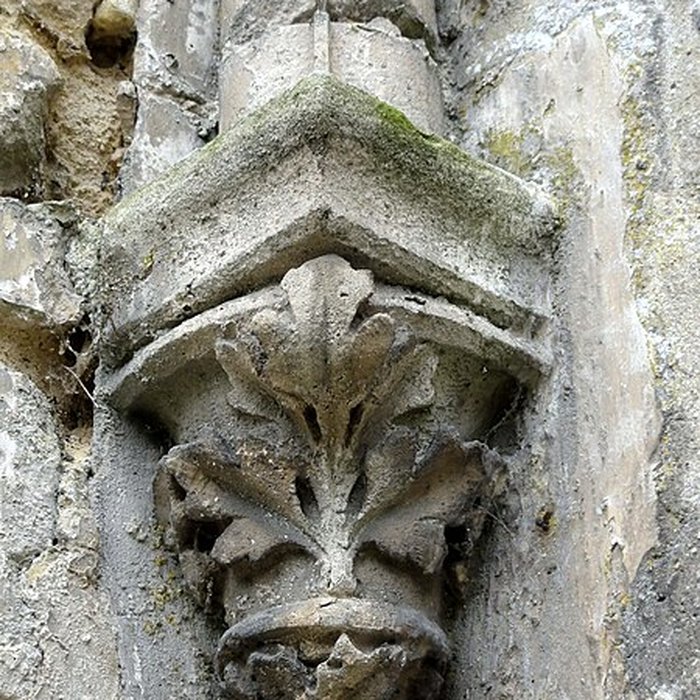
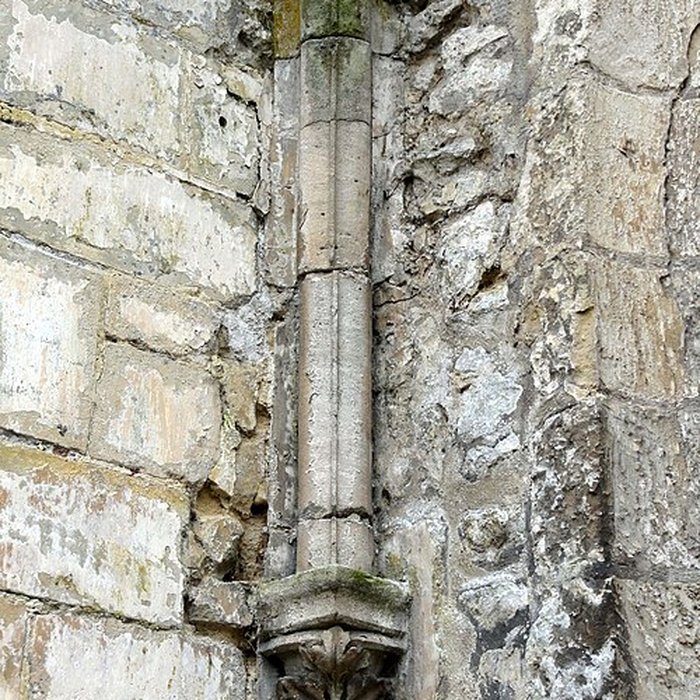
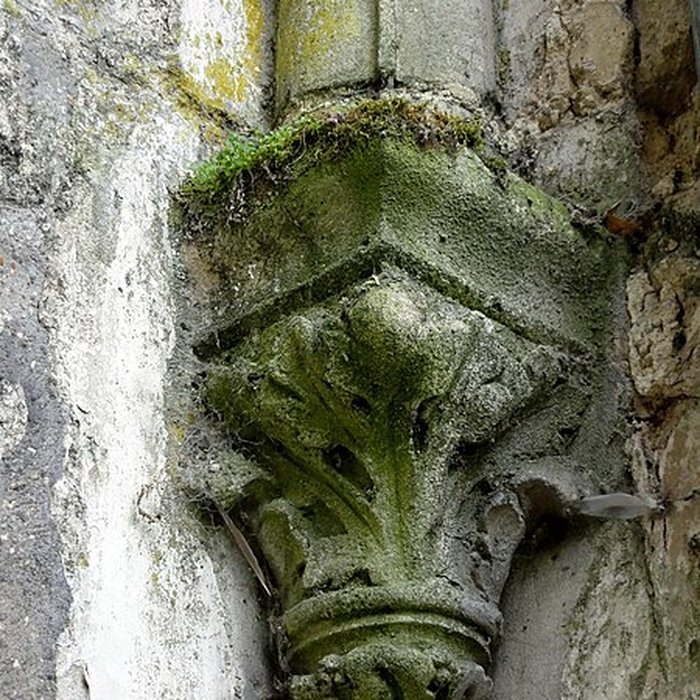
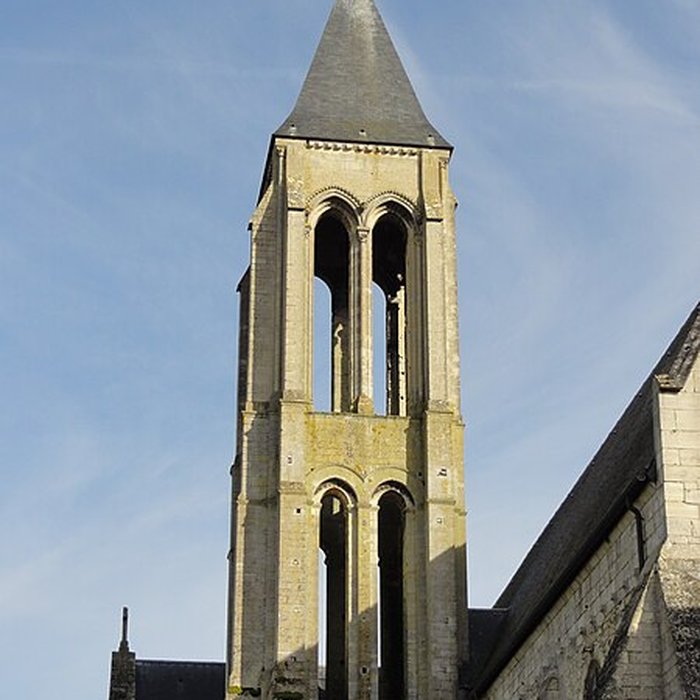
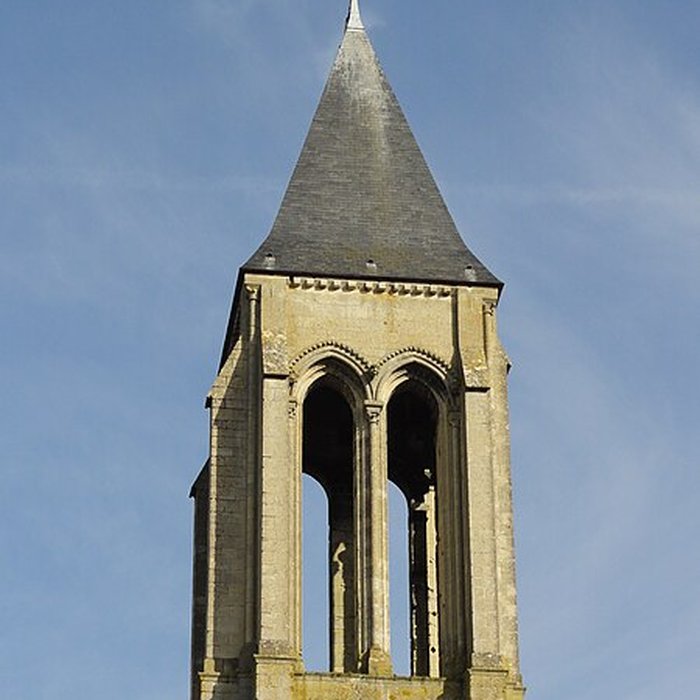
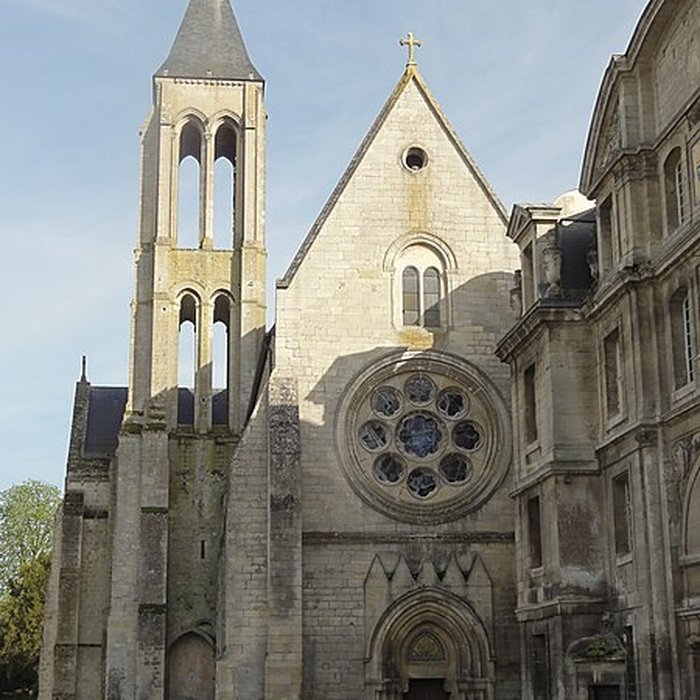
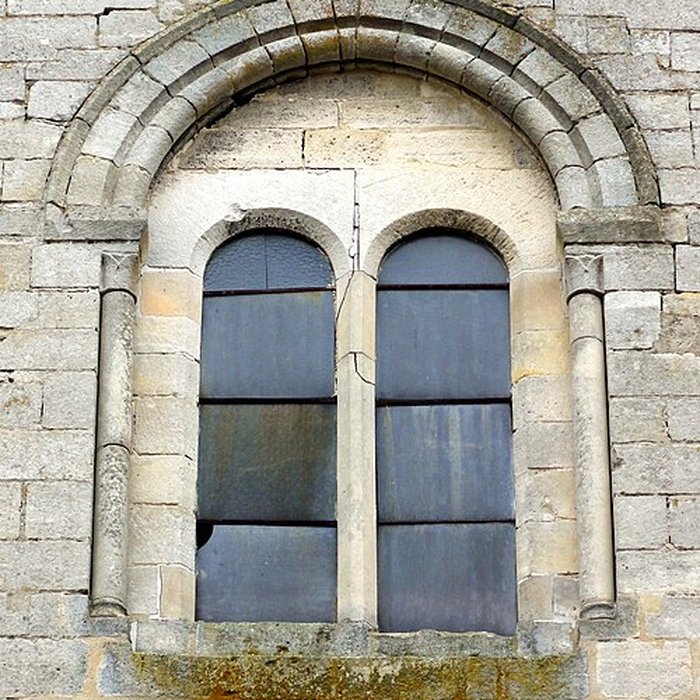
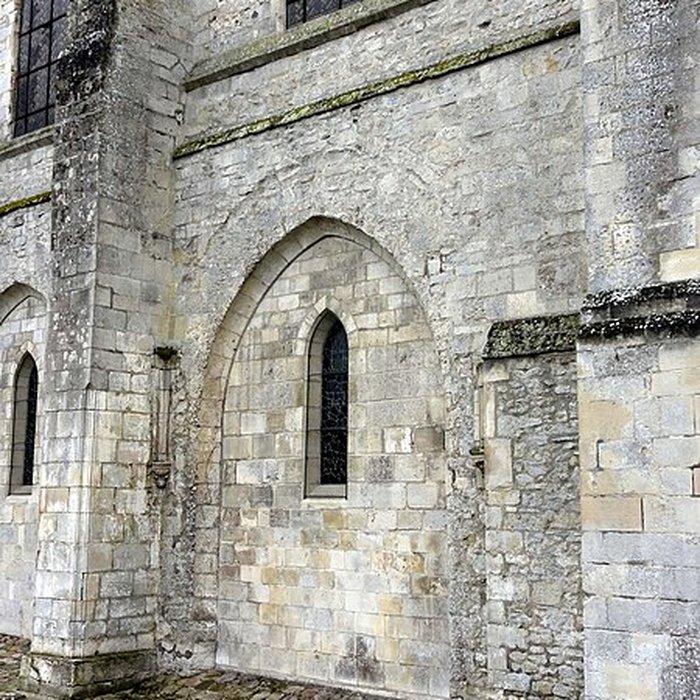
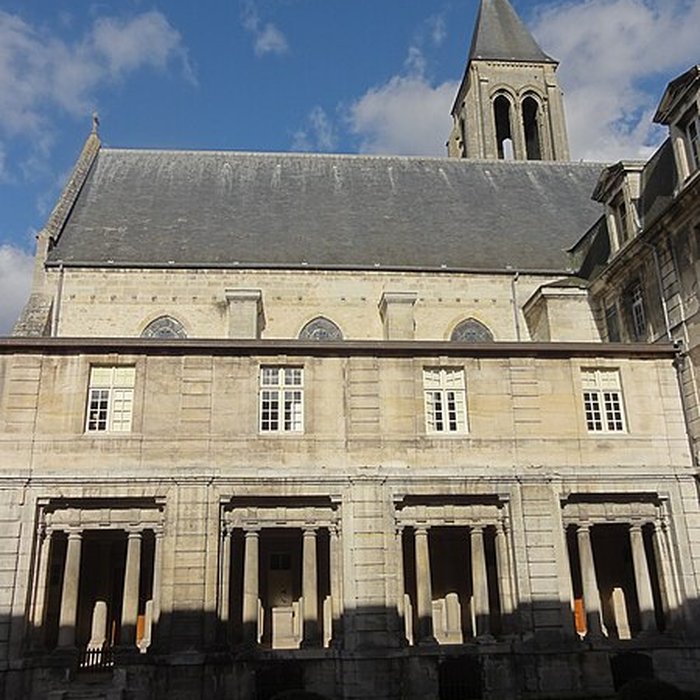
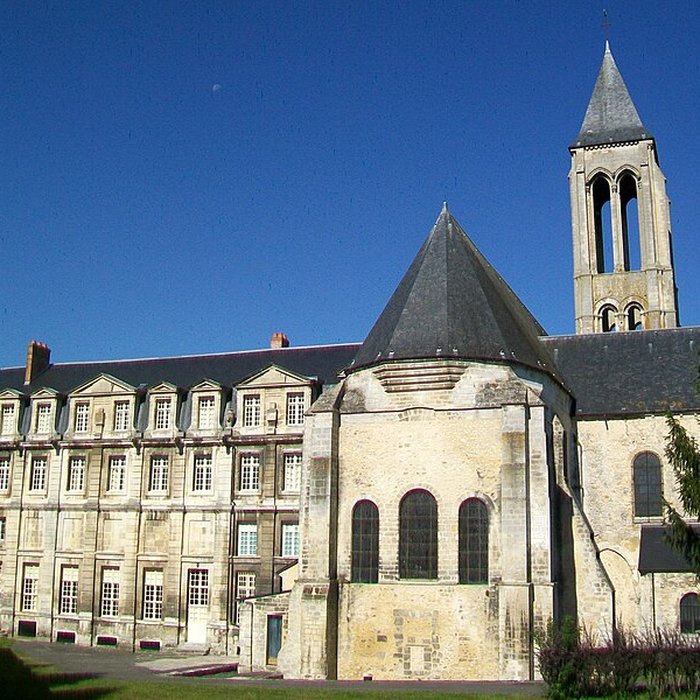
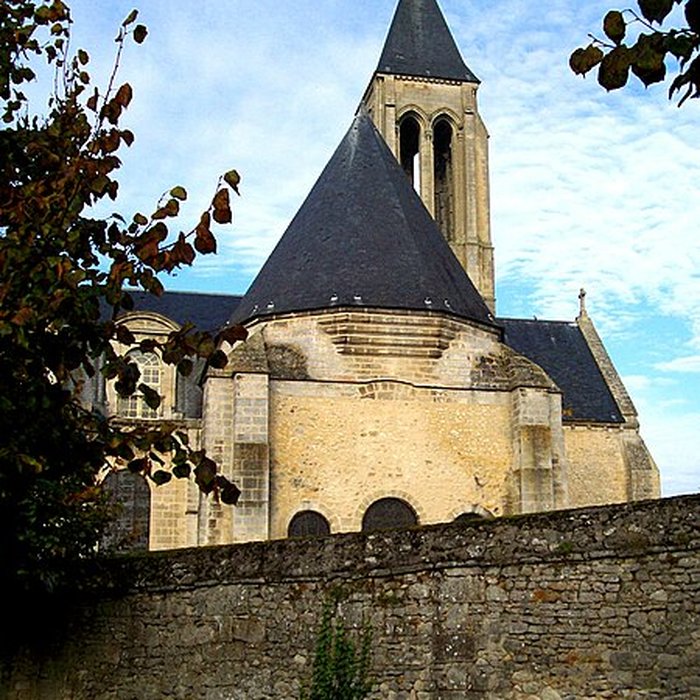
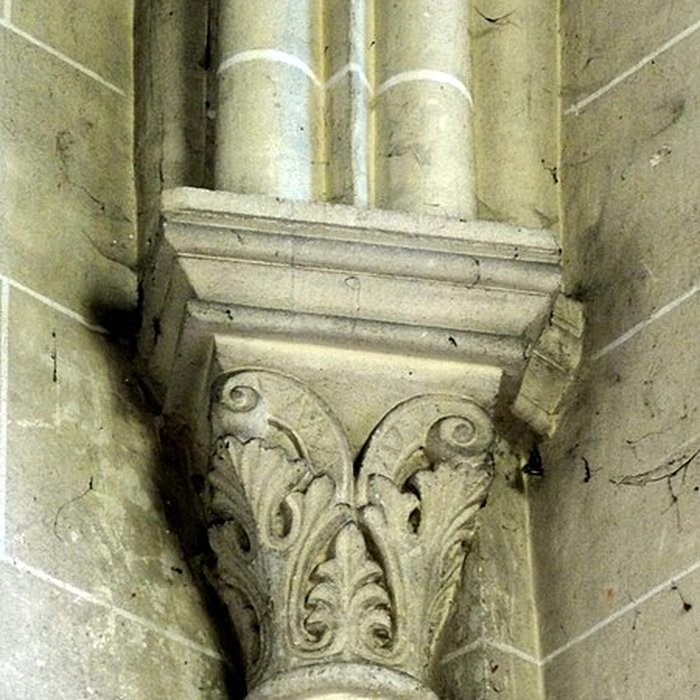
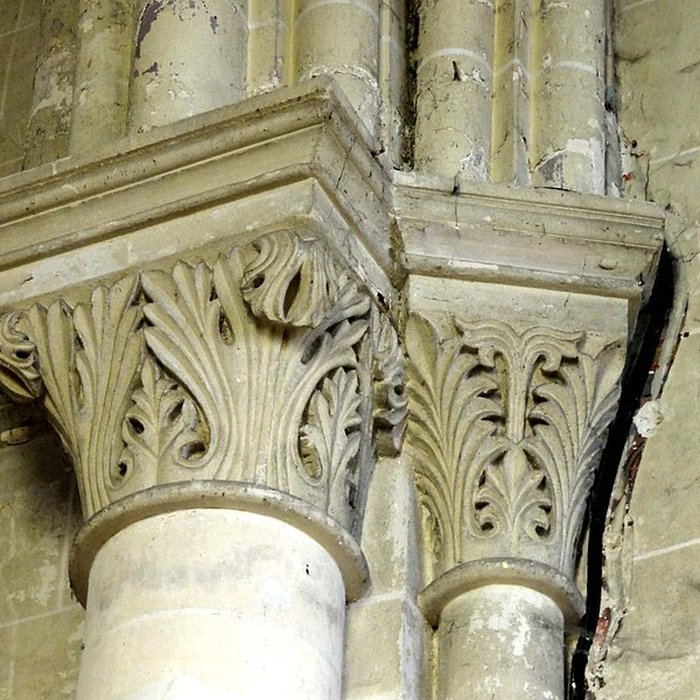
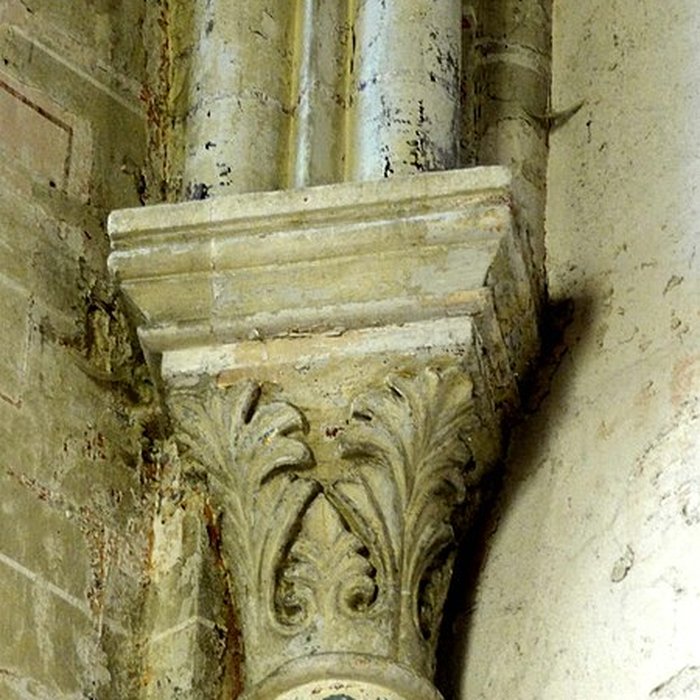
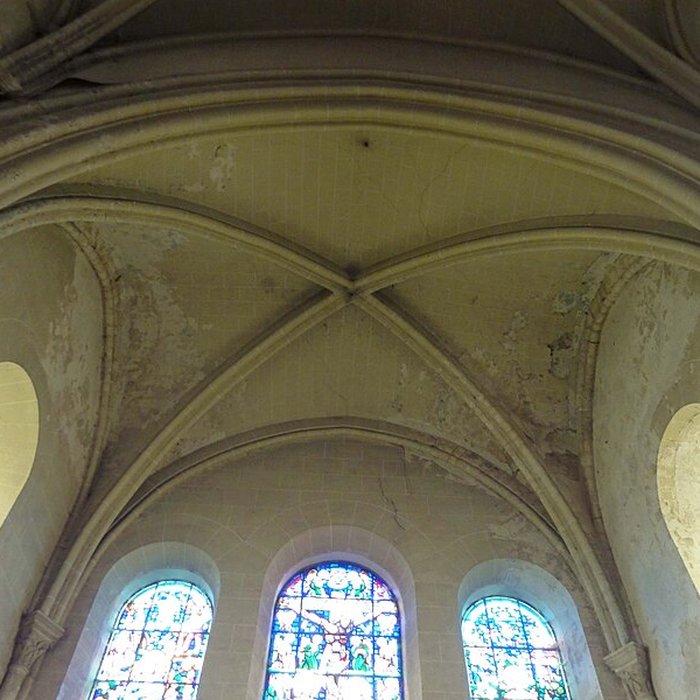
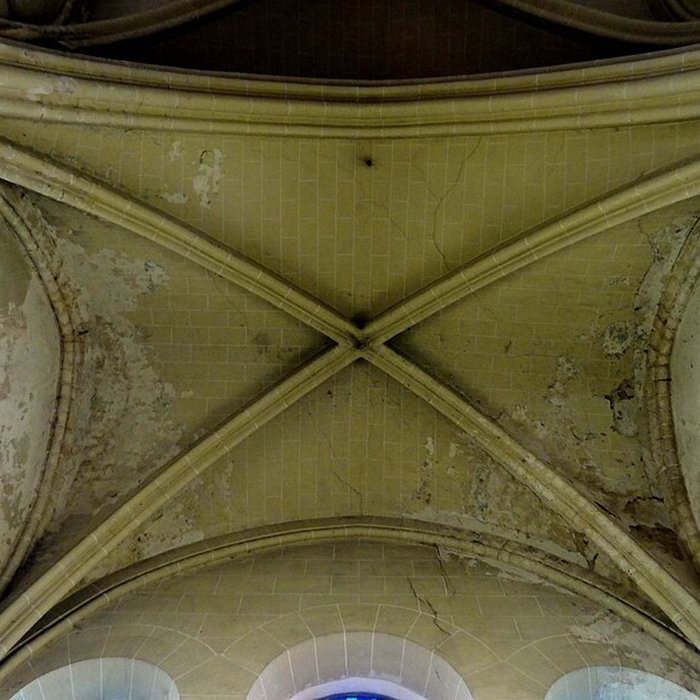
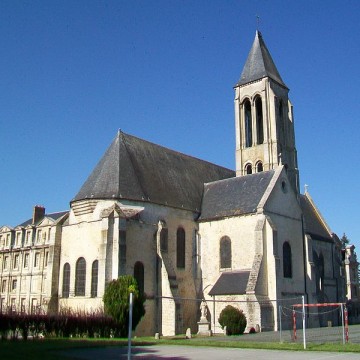
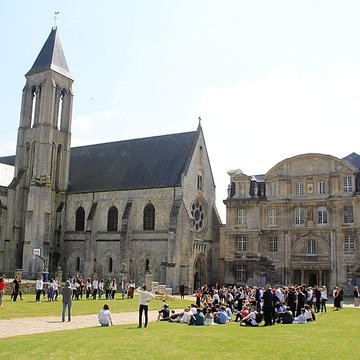
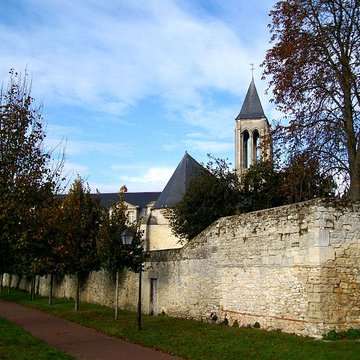
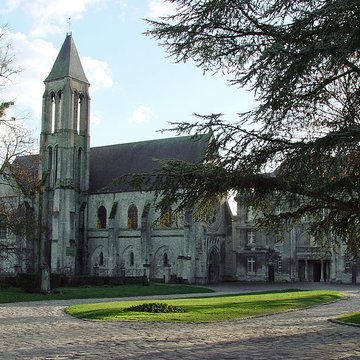
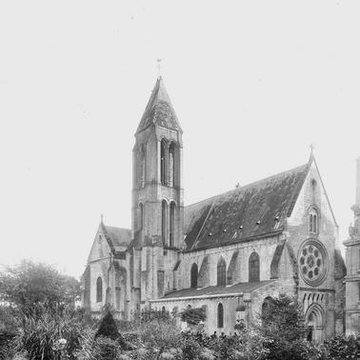
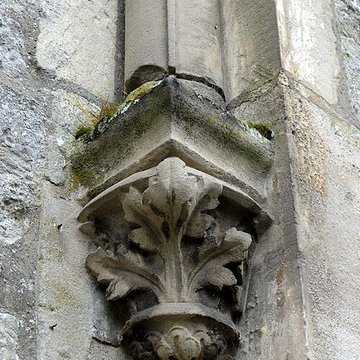
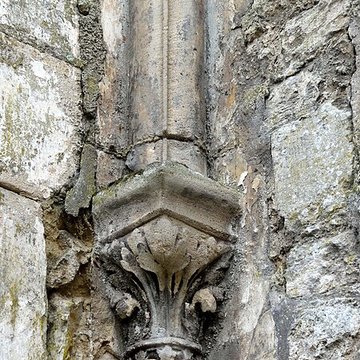
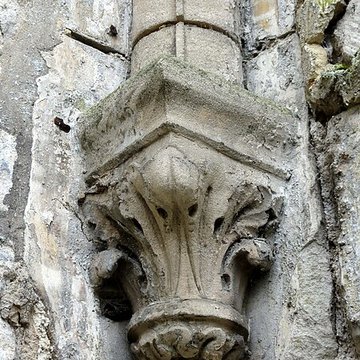
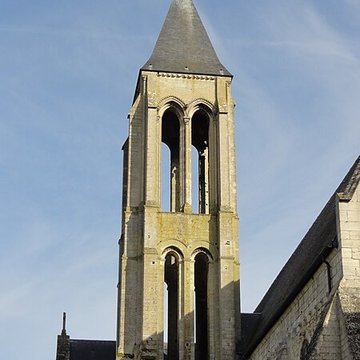
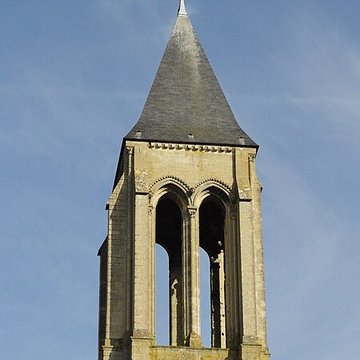
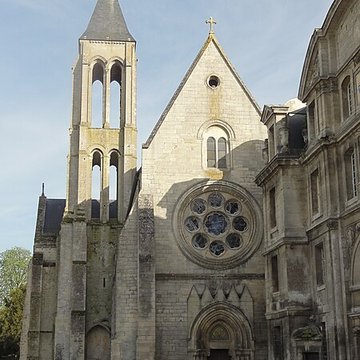
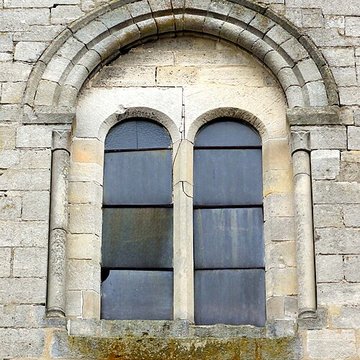
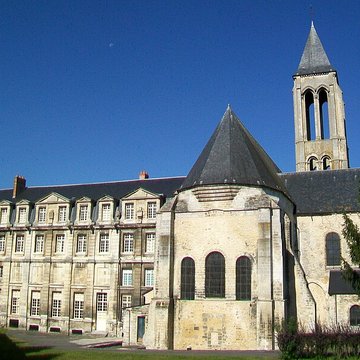
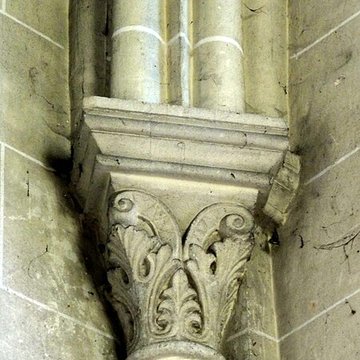
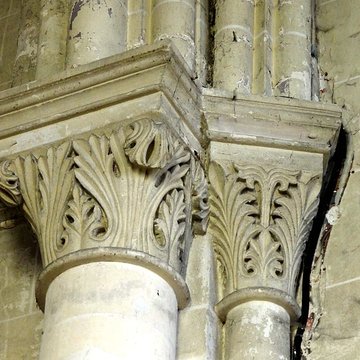
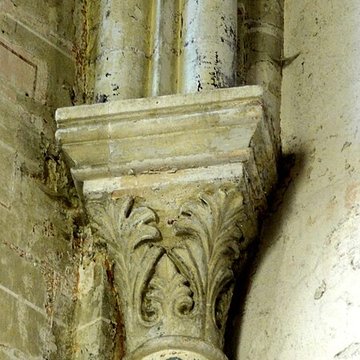
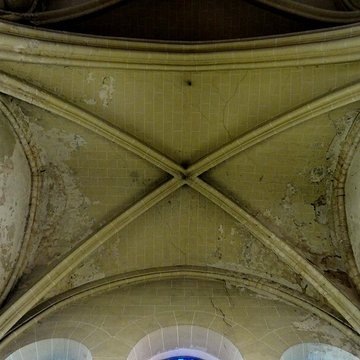
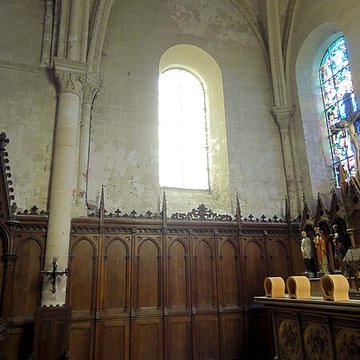
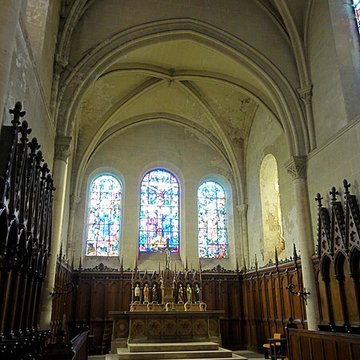
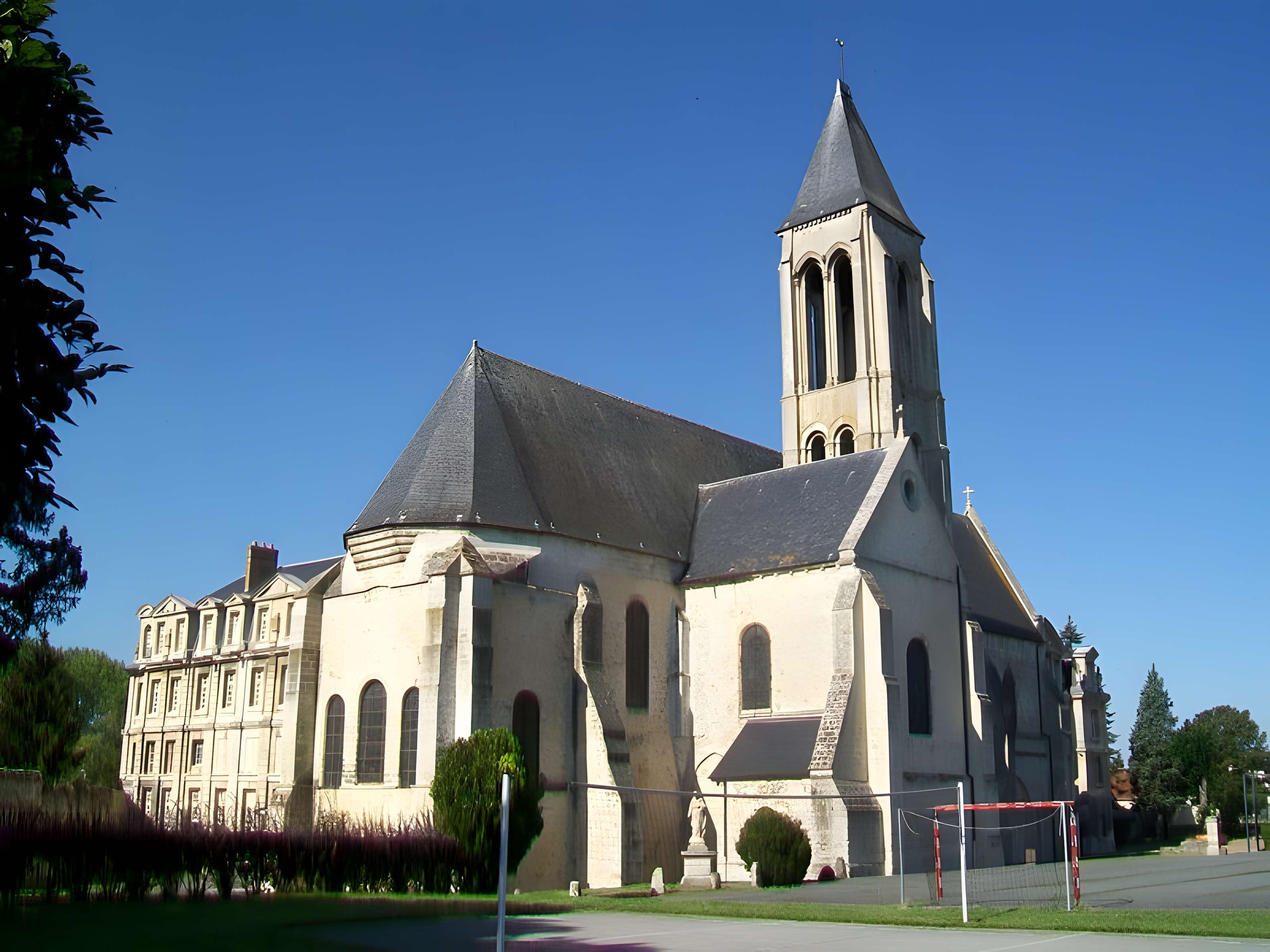
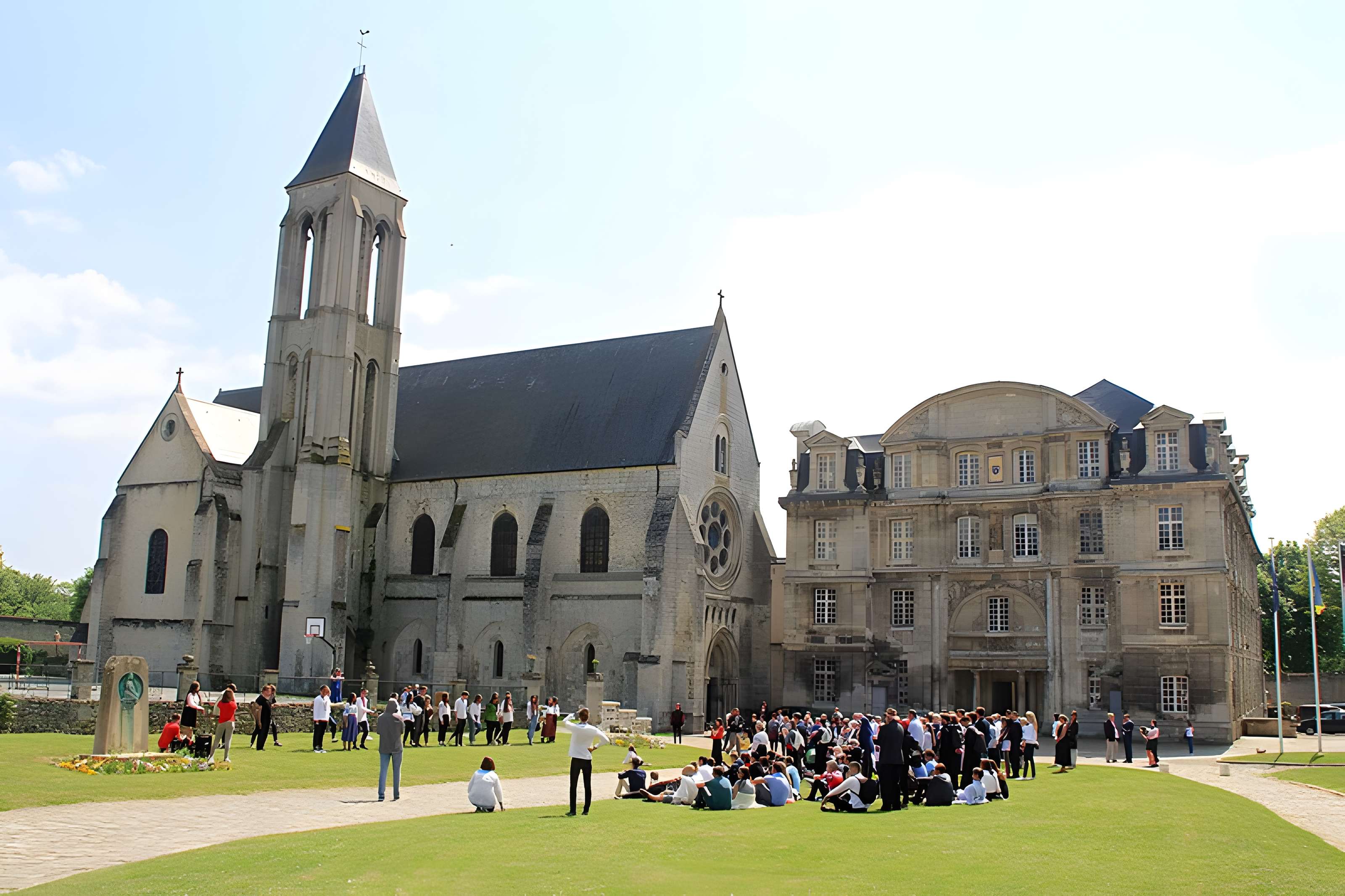
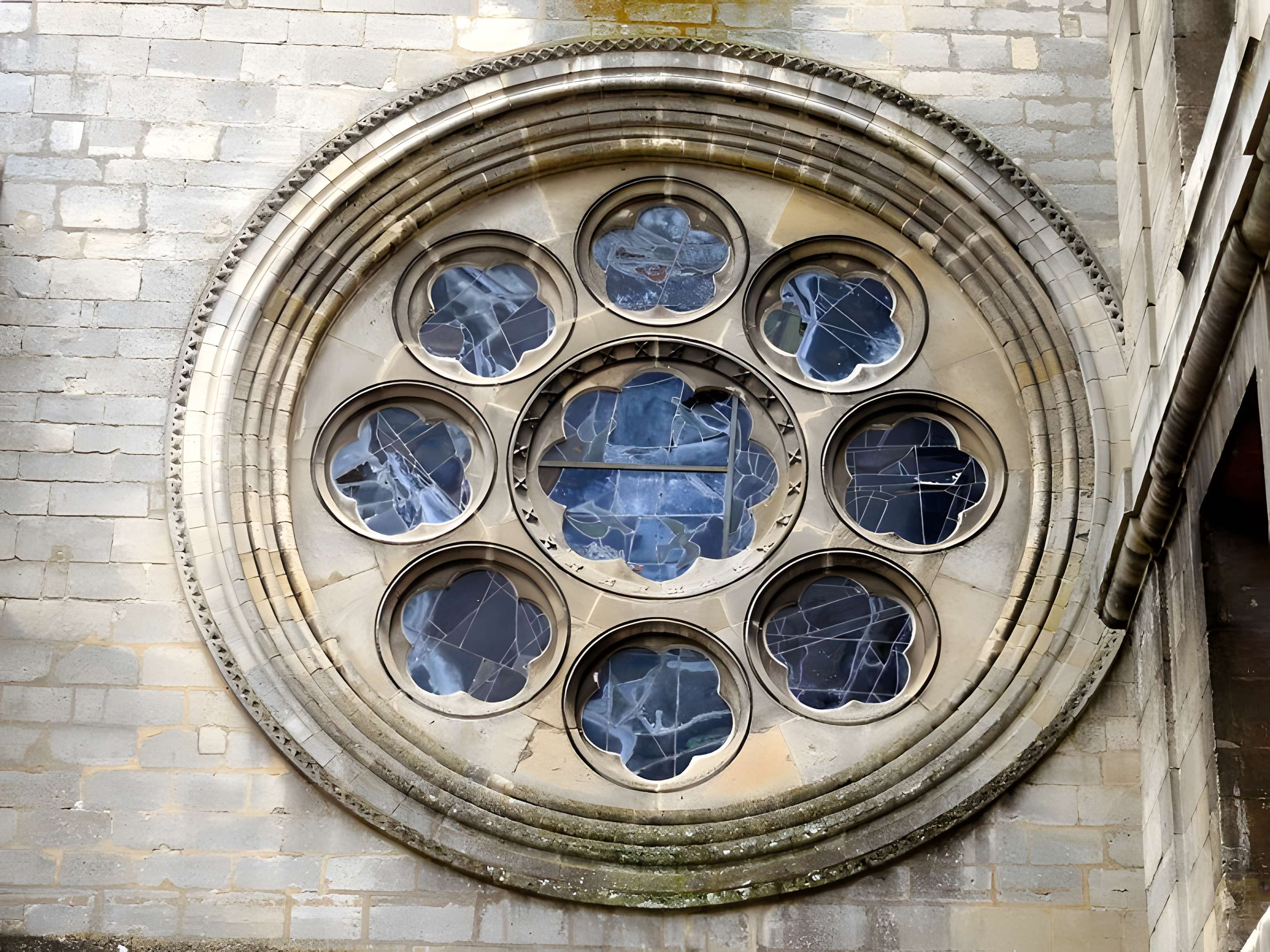
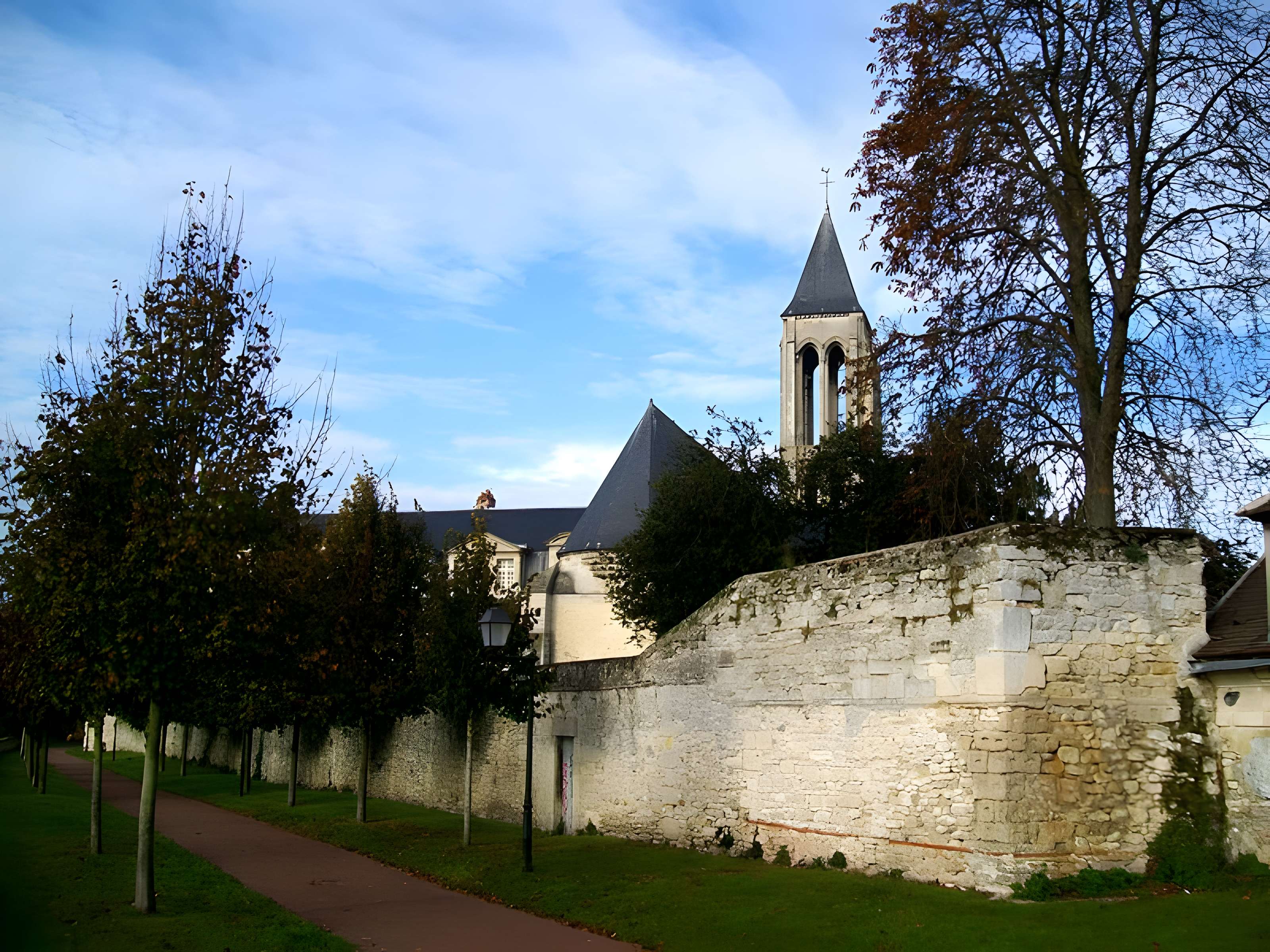
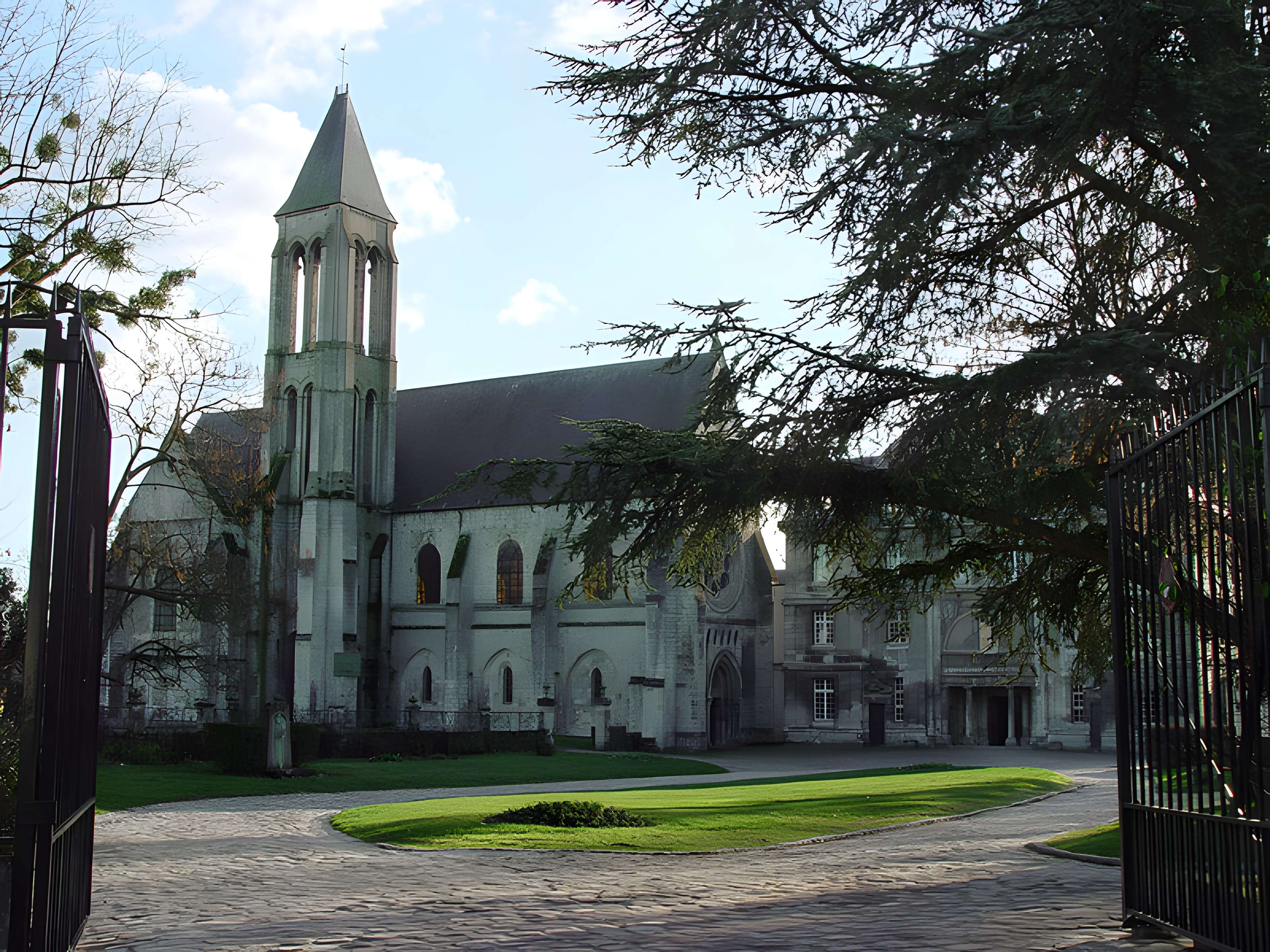
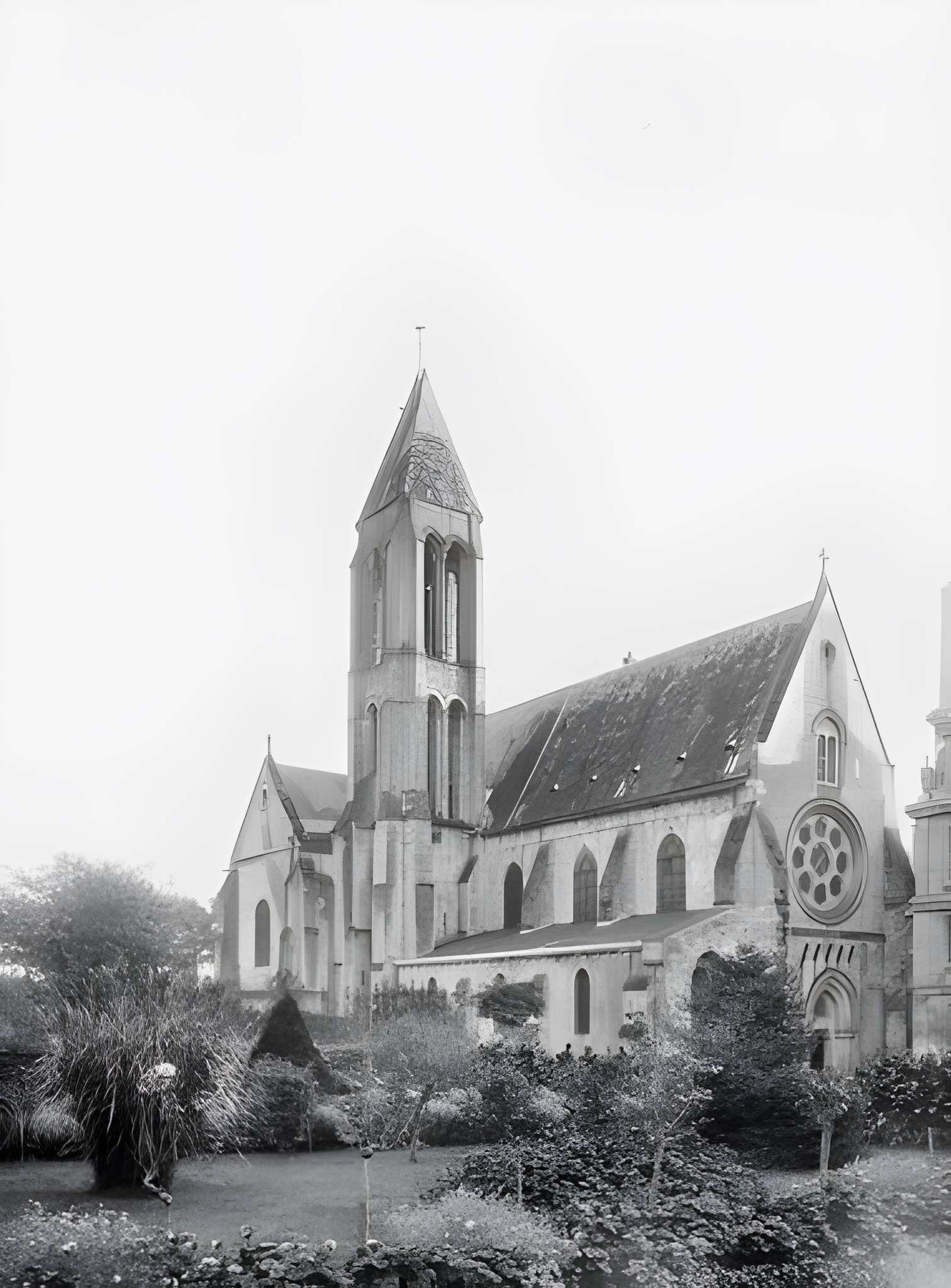
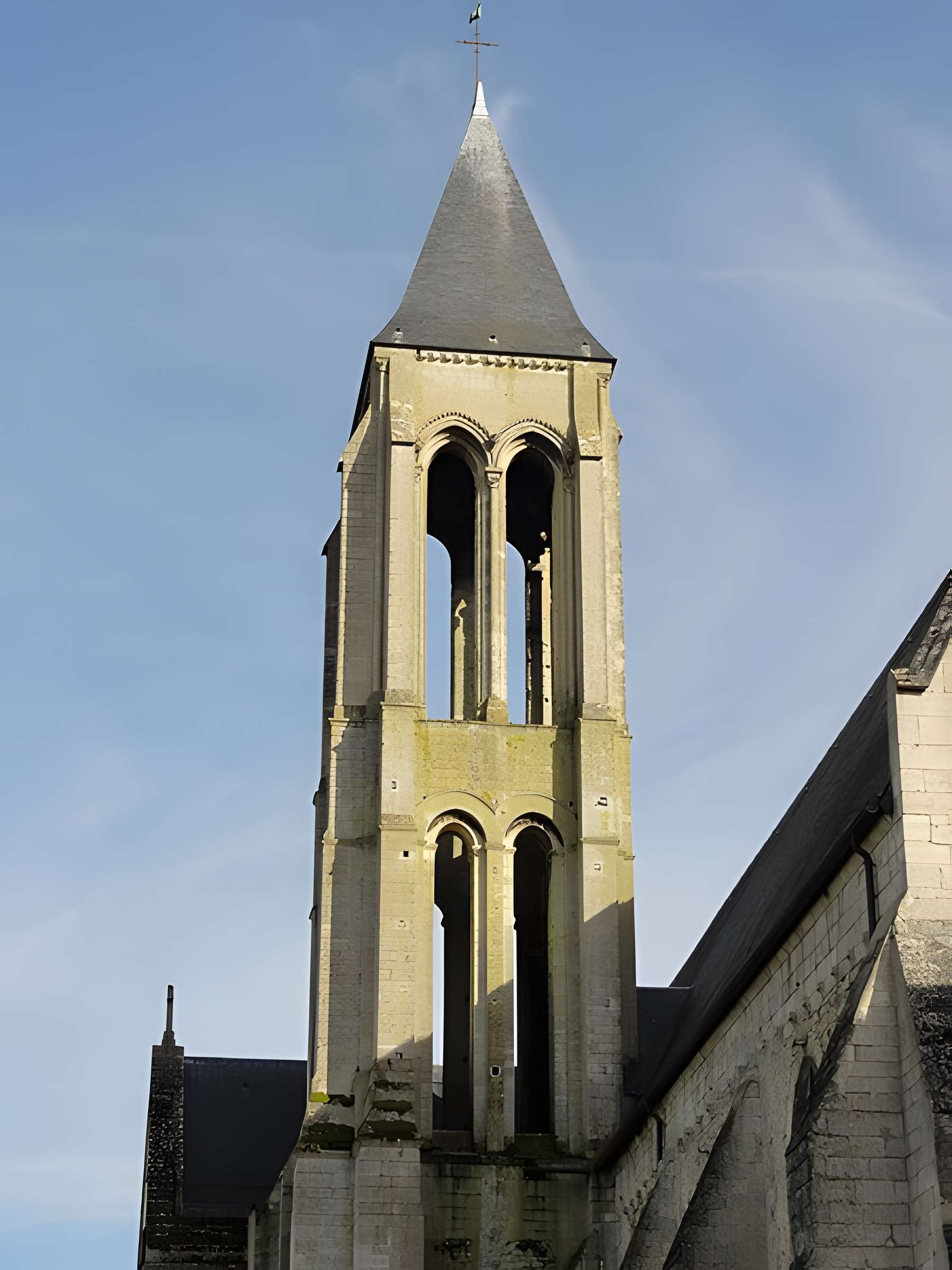
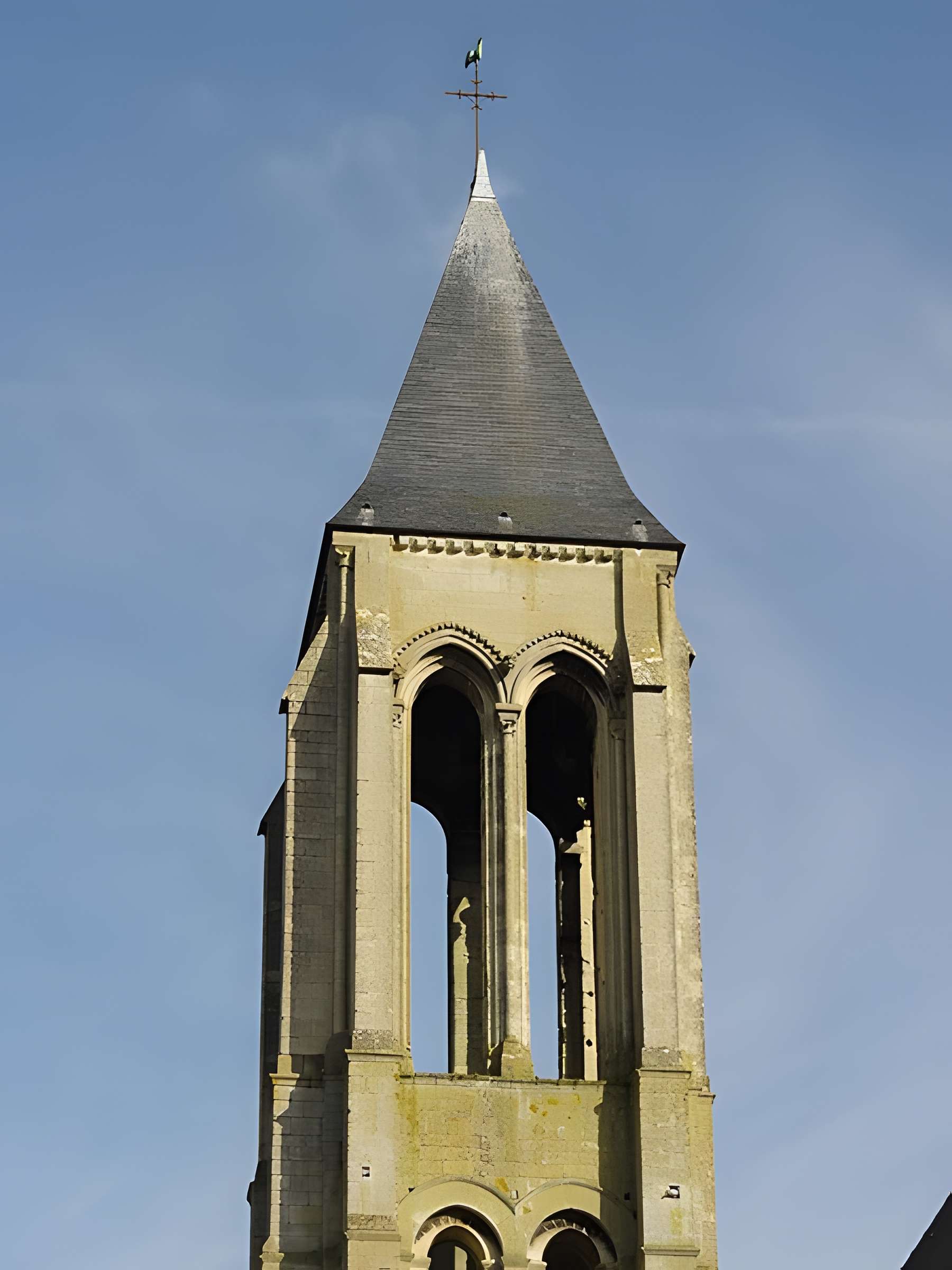
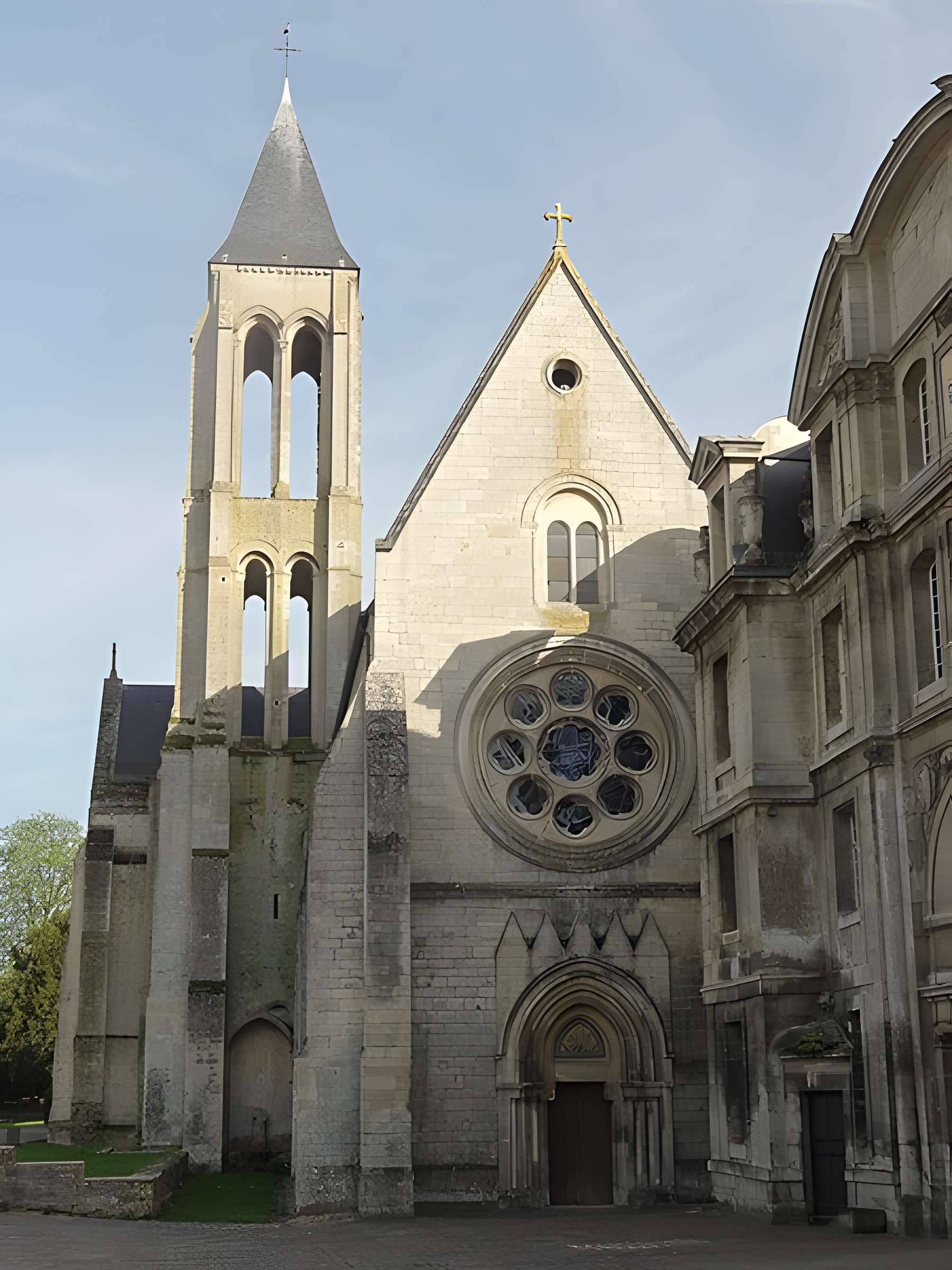
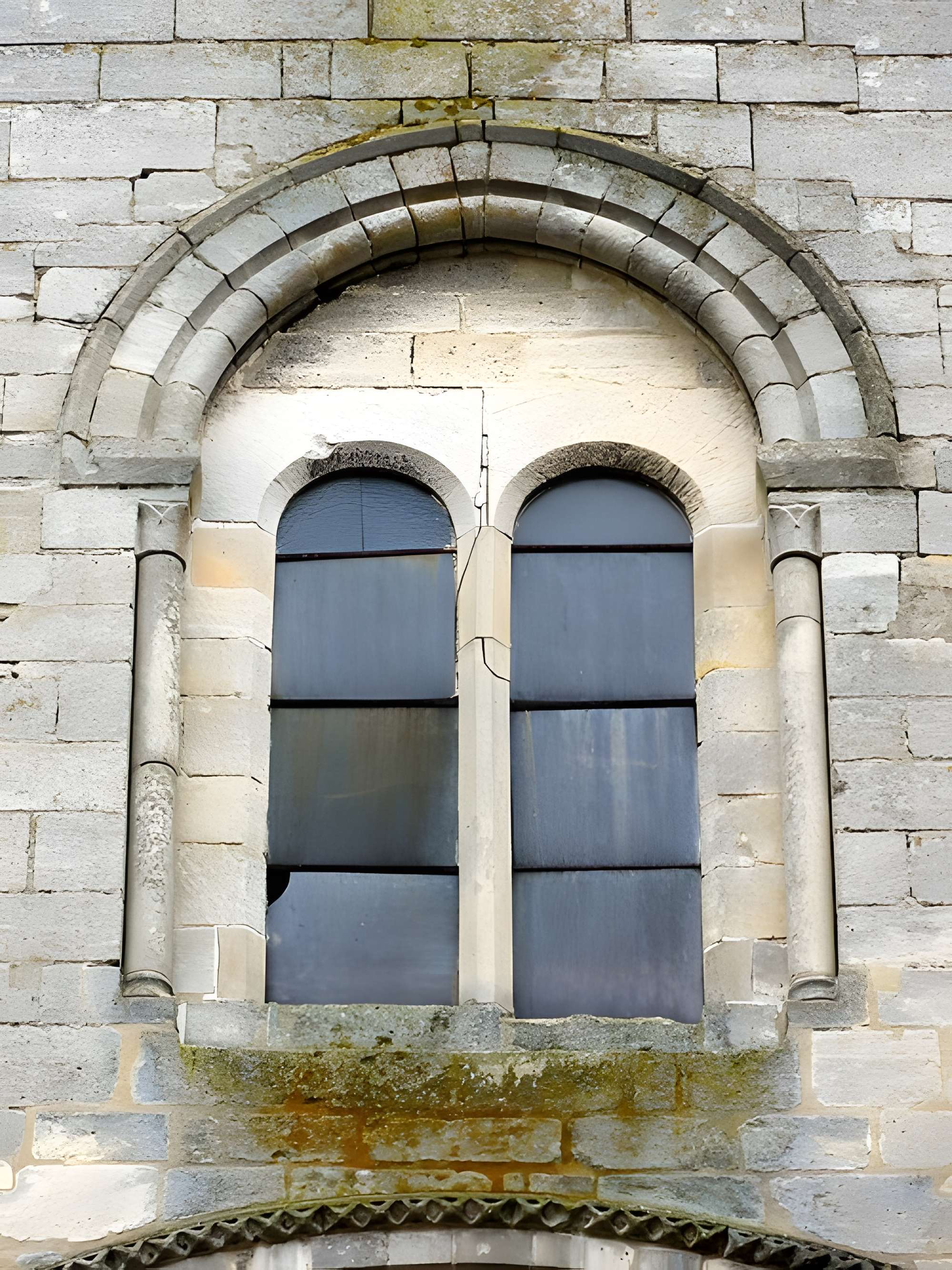
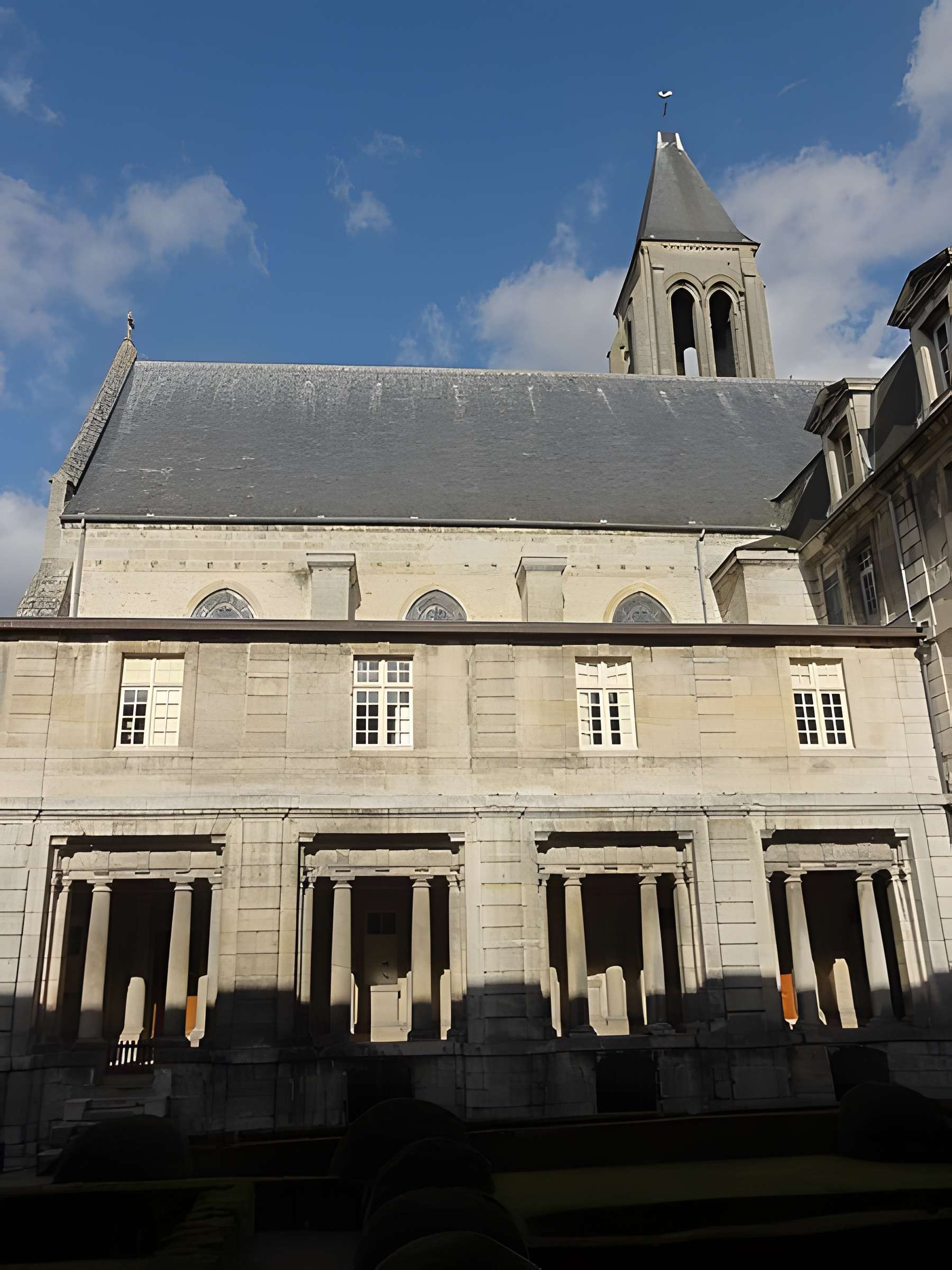
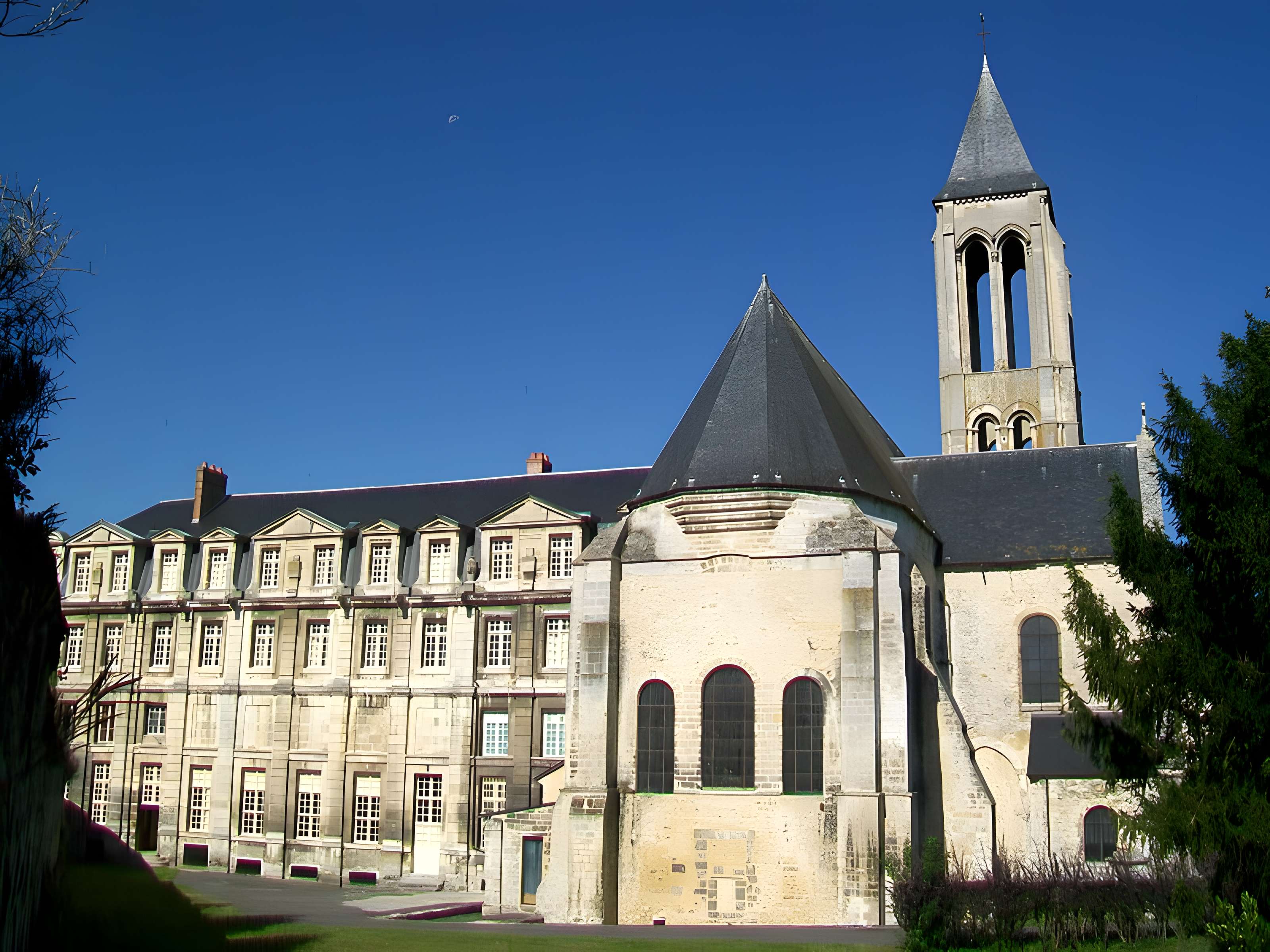
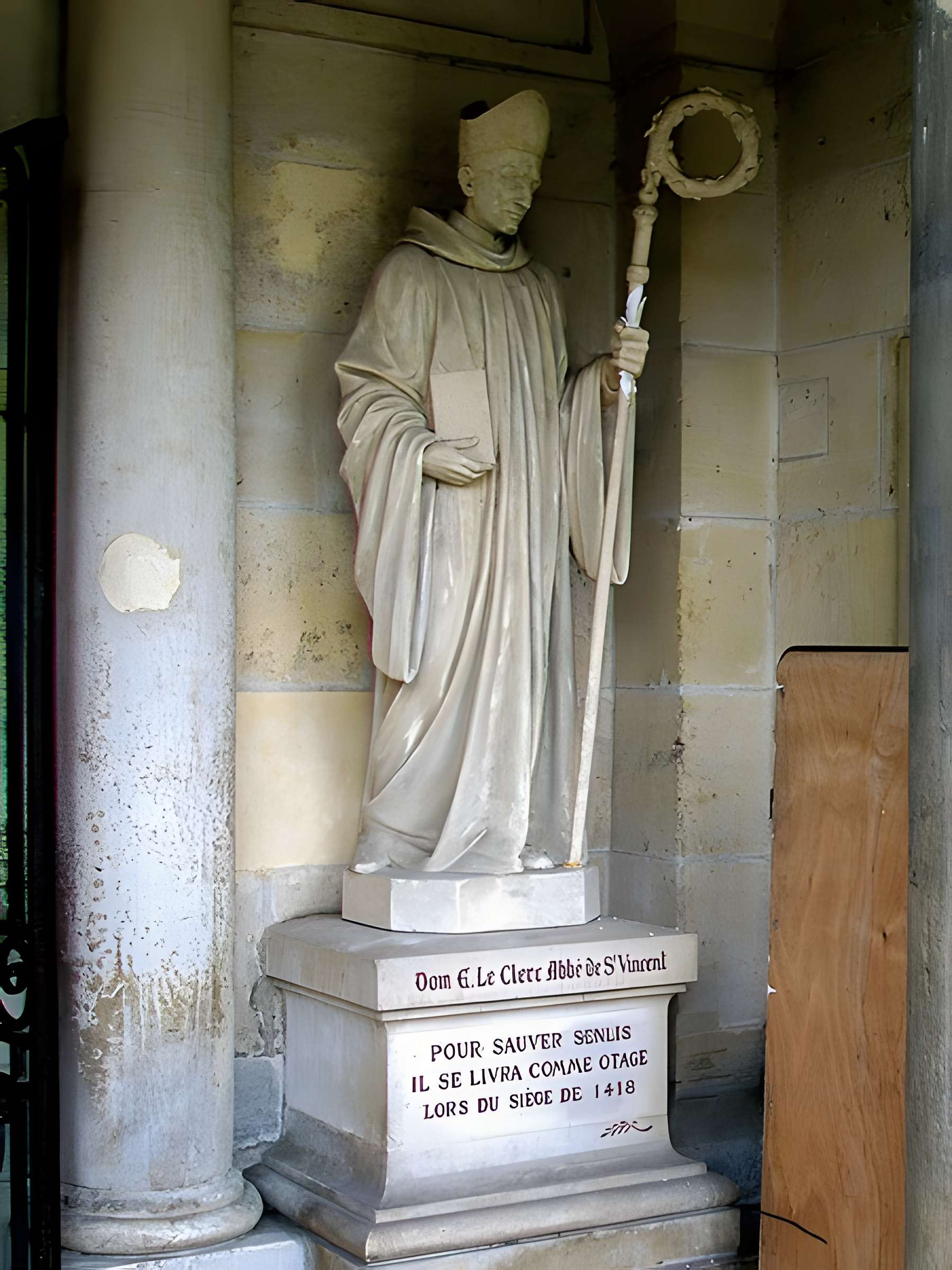
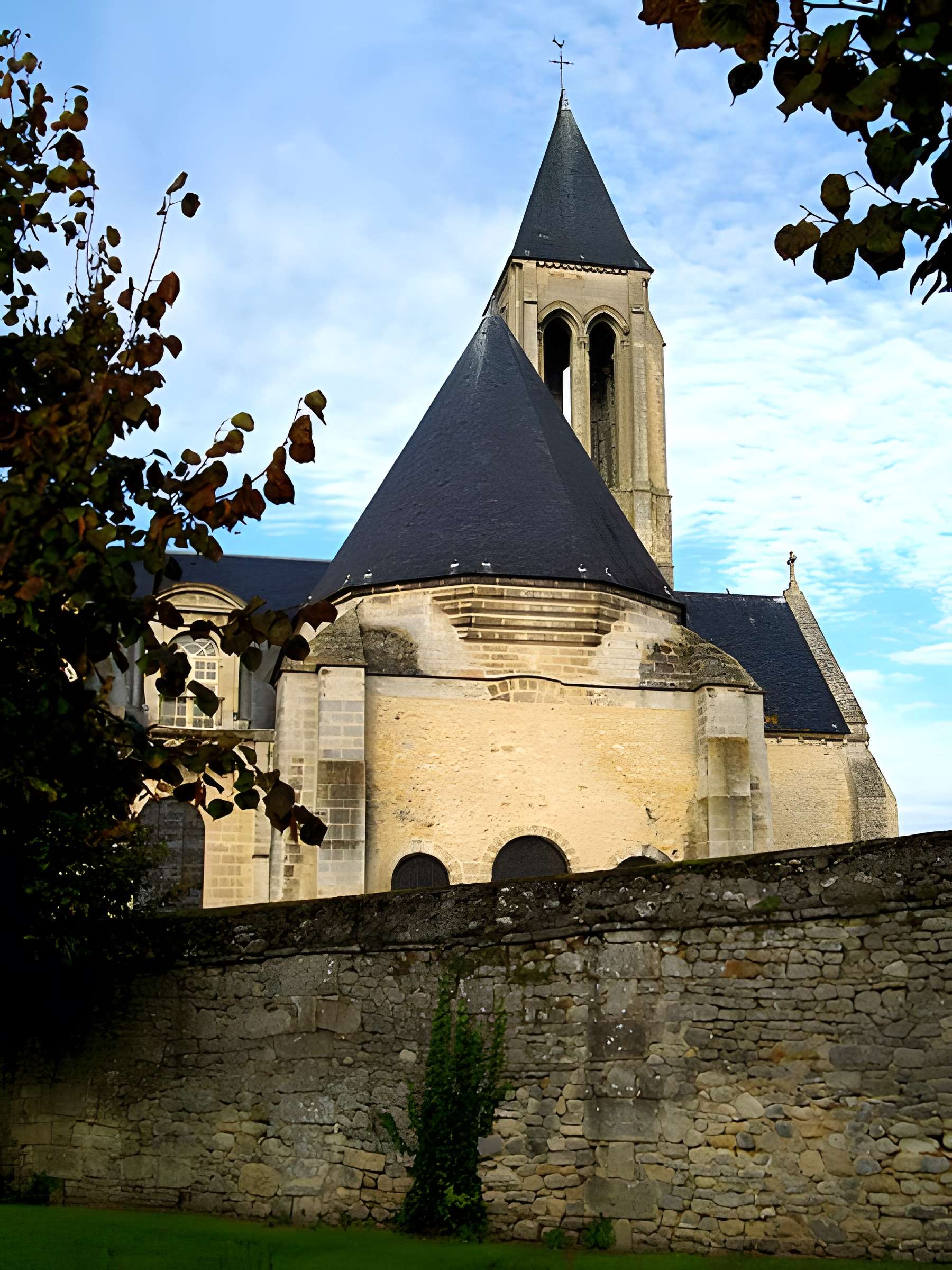
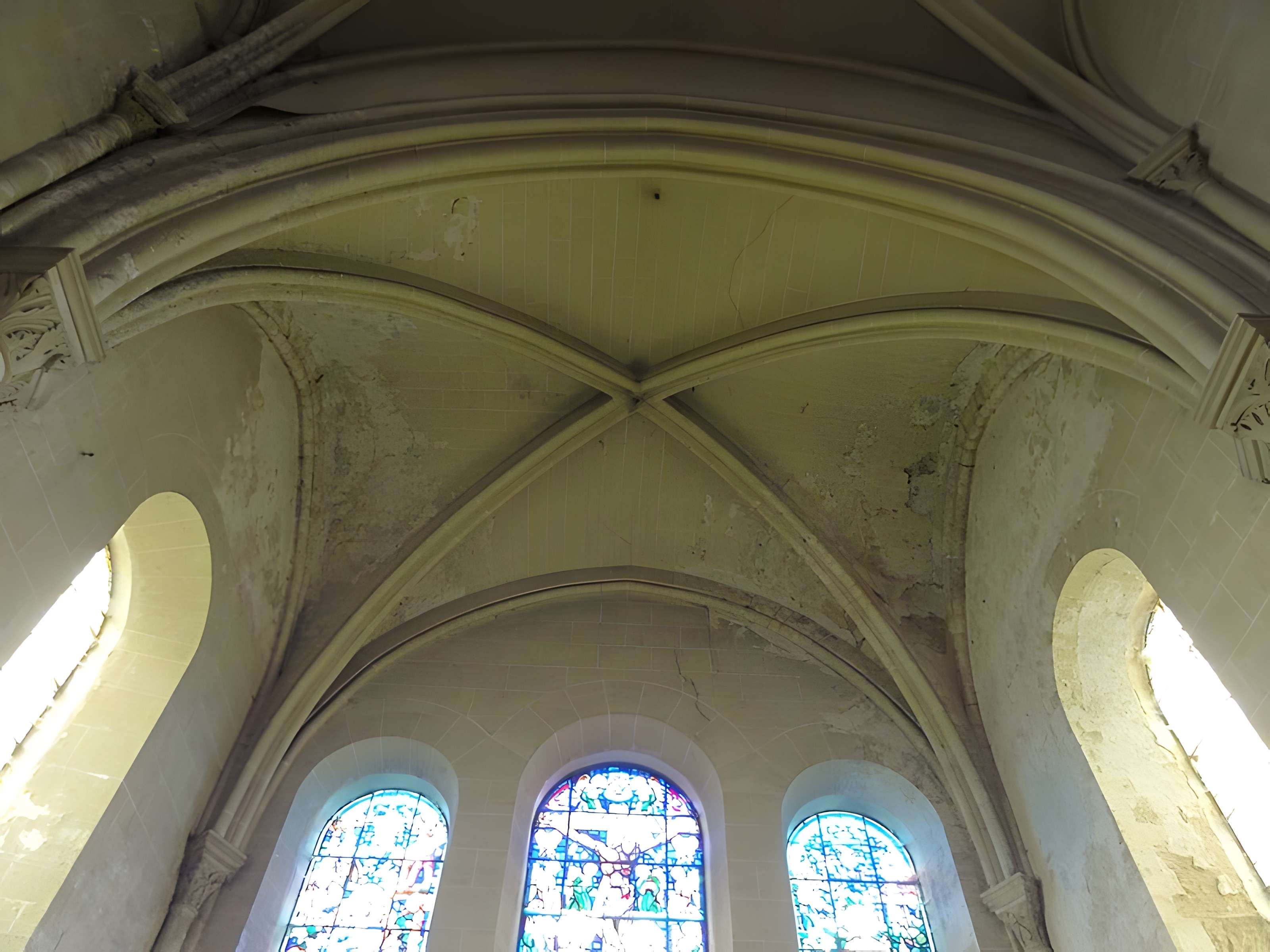
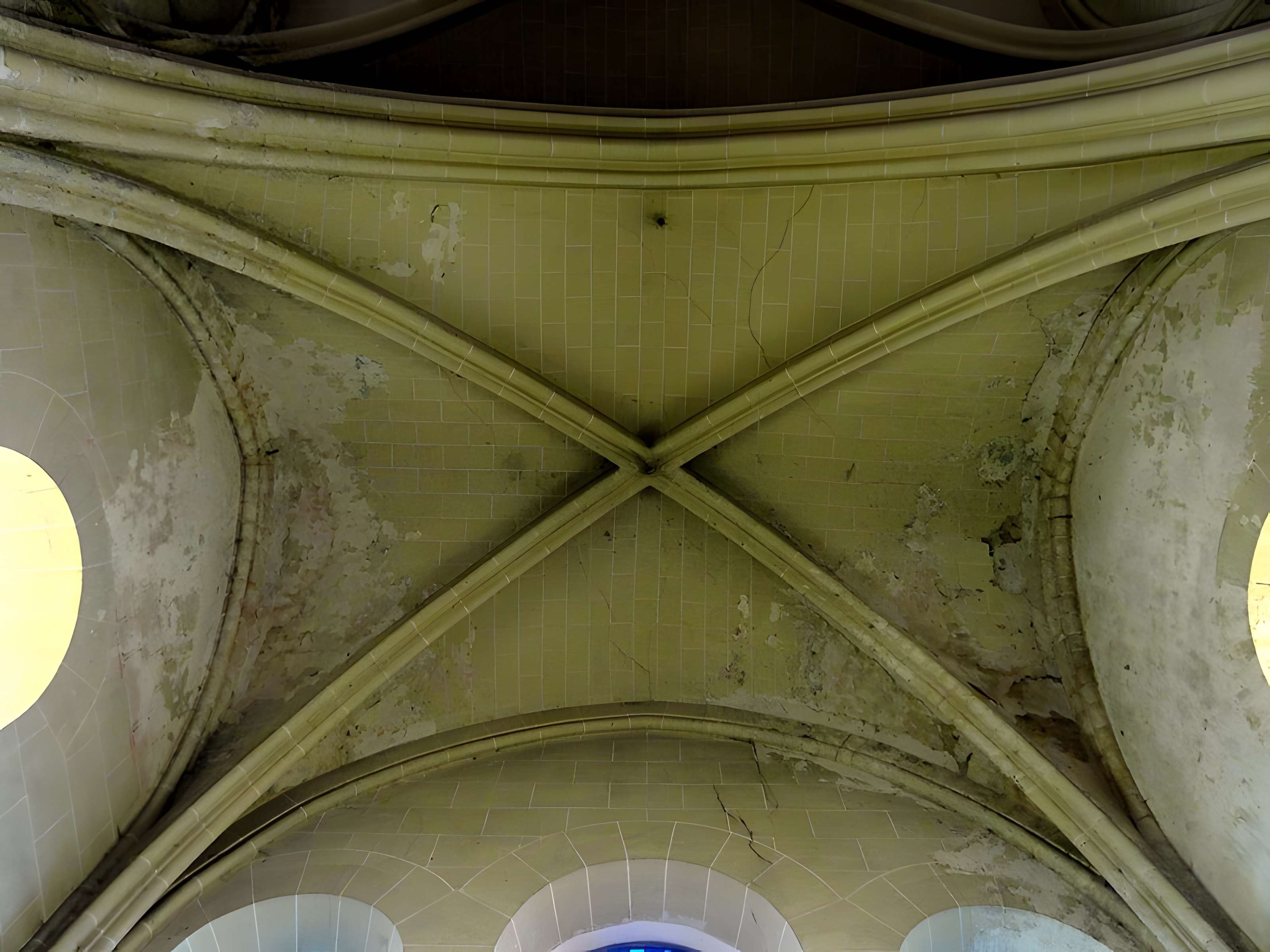
Saint Vincent de Senlis Abbey, founded in 1065 by Queen Anne of Kiev, wife of Henry I, is an emblematic monument of medieval and classical religious architecture. Originally dedicated to Saint John the Baptist and Saint Vincent of Zaragoza, it was built on the ruins of a chapel or an earlier abbey. The present abbey church, built in the 12th century, illustrates the transition between Romanesque and Gothic styles, with a nave of 47 meters and a bell tower of 41 meters. The abbey, prosperous in its first century, was marked by internal and external conflicts, especially during the Hundred Years' War and under the regime of commende from 1536.
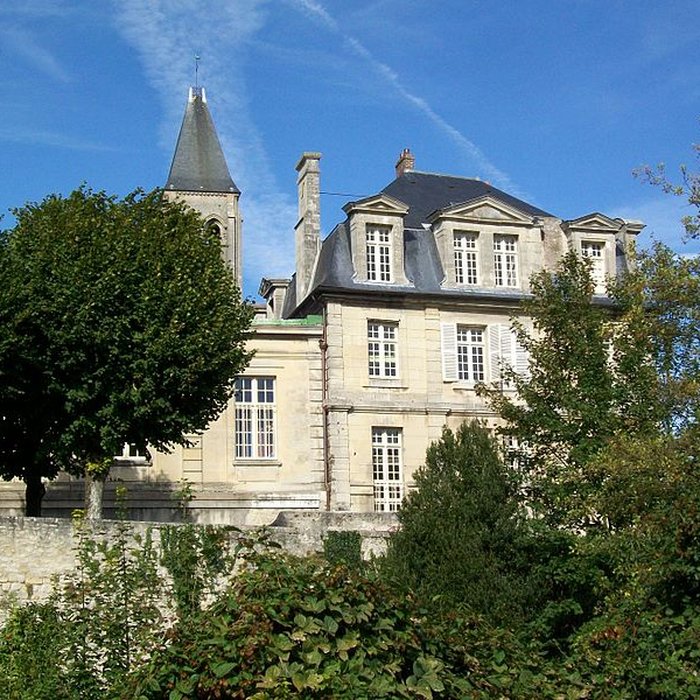
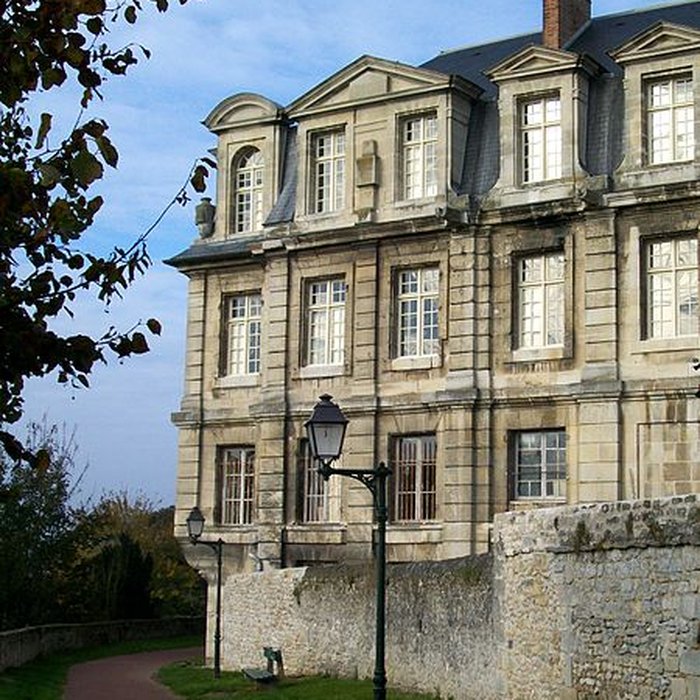
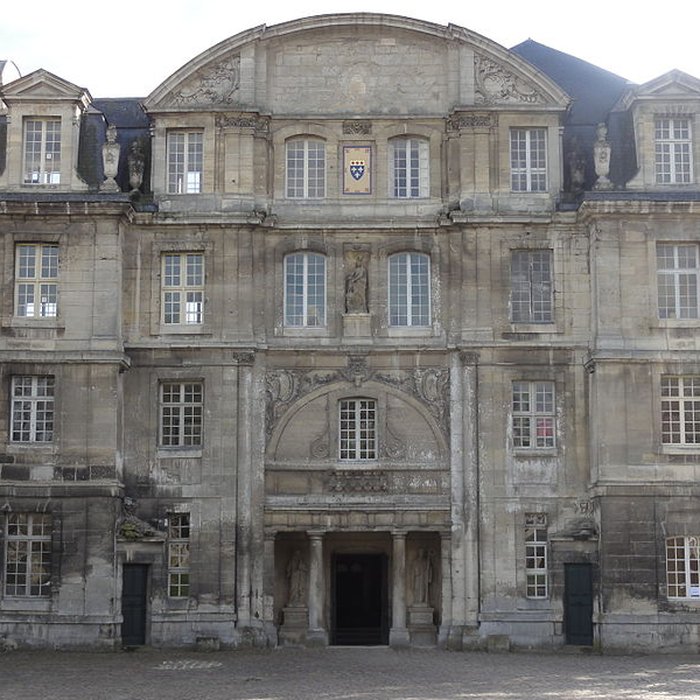
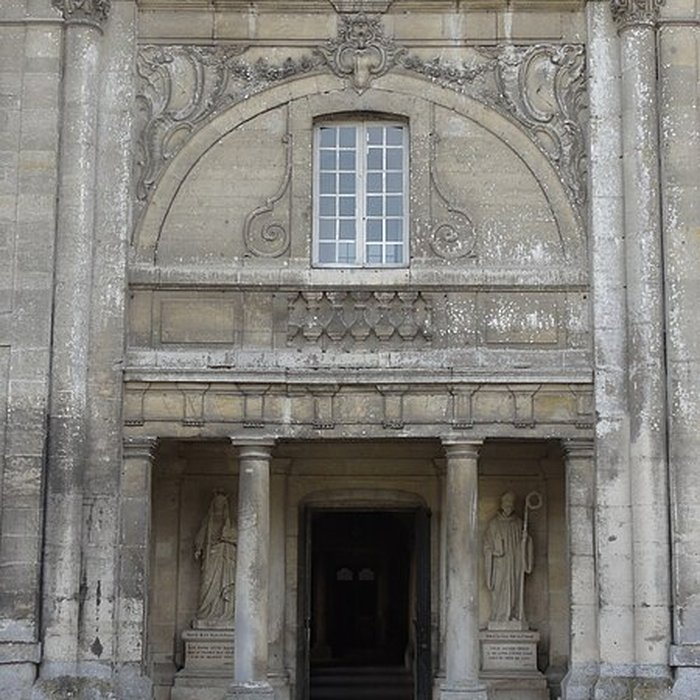
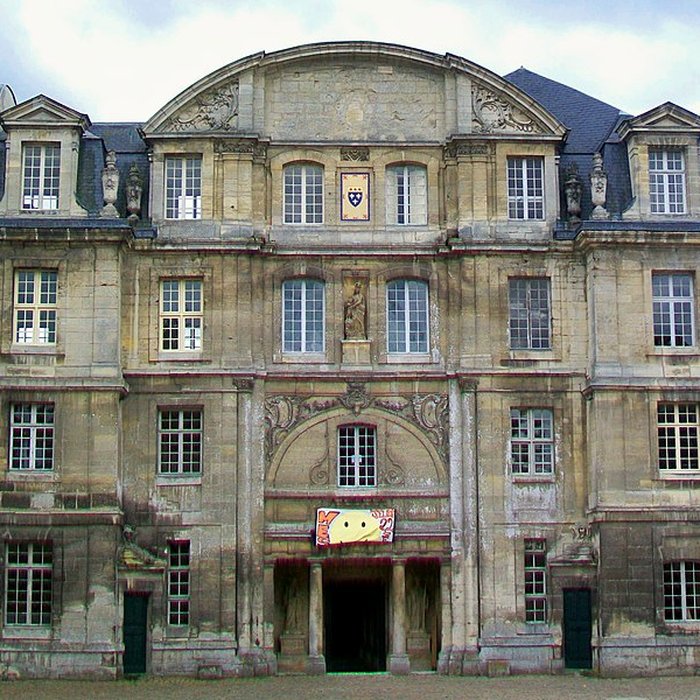
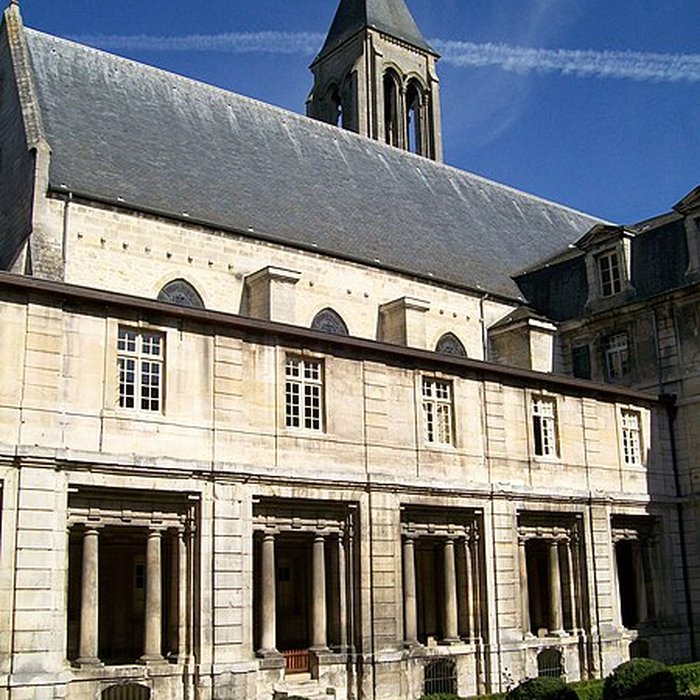
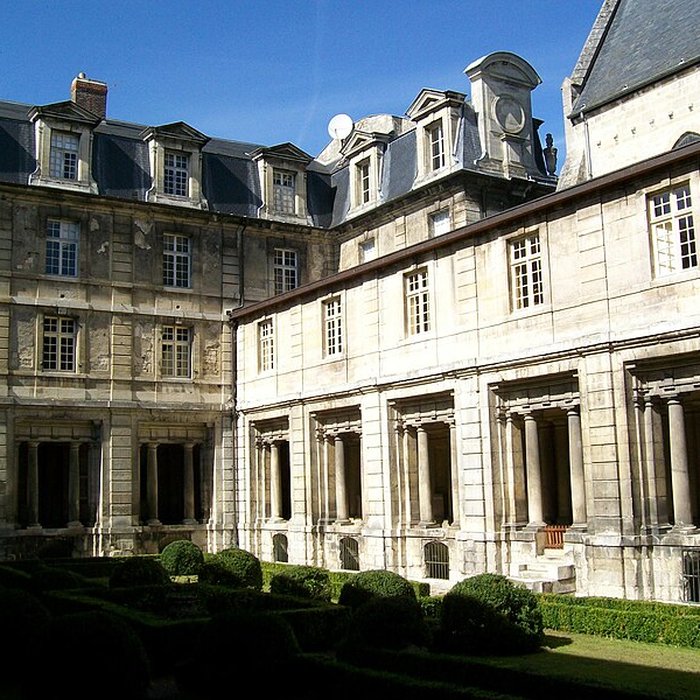
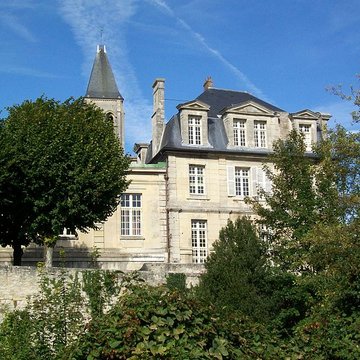
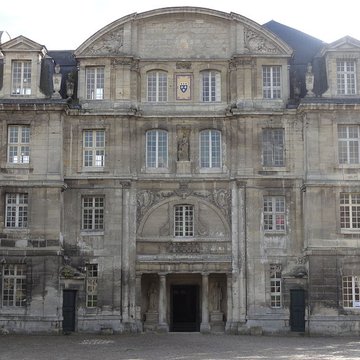
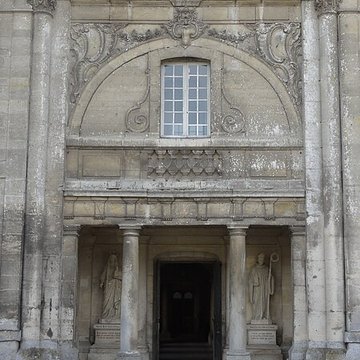
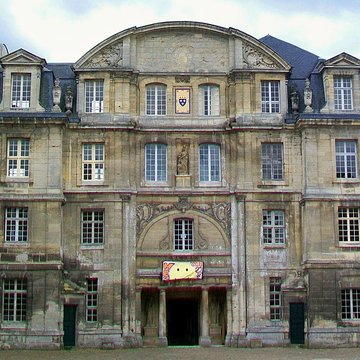
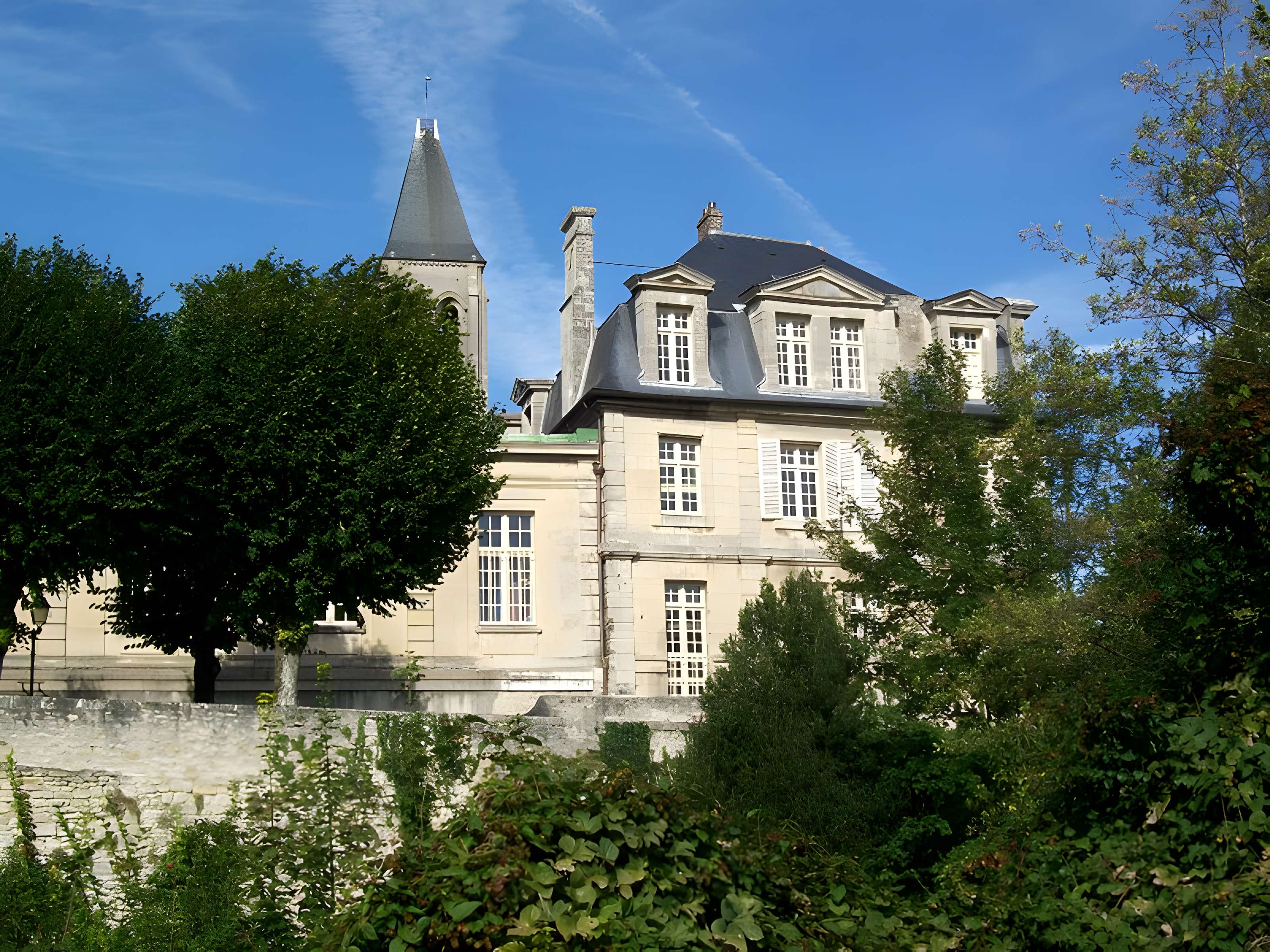
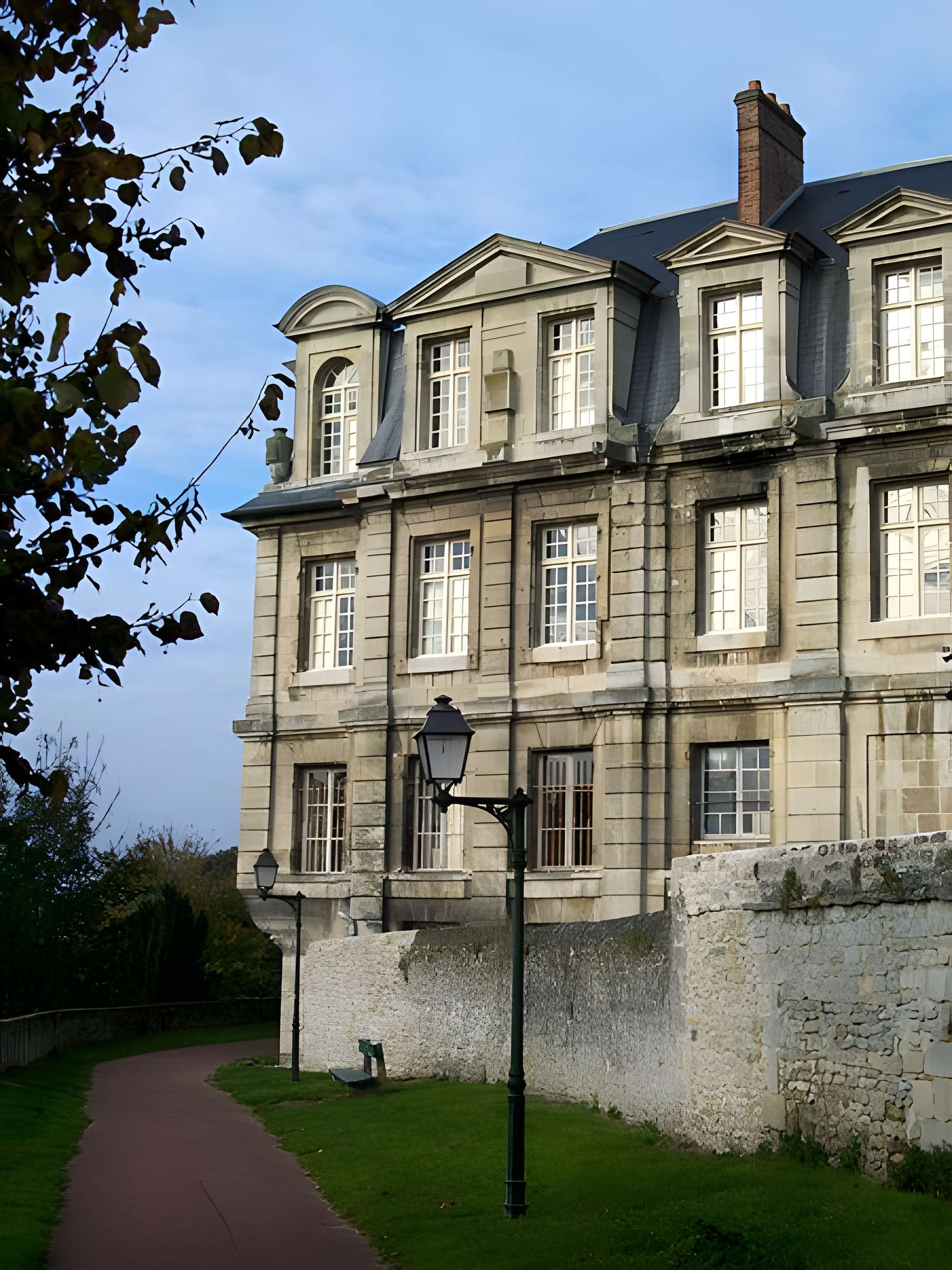
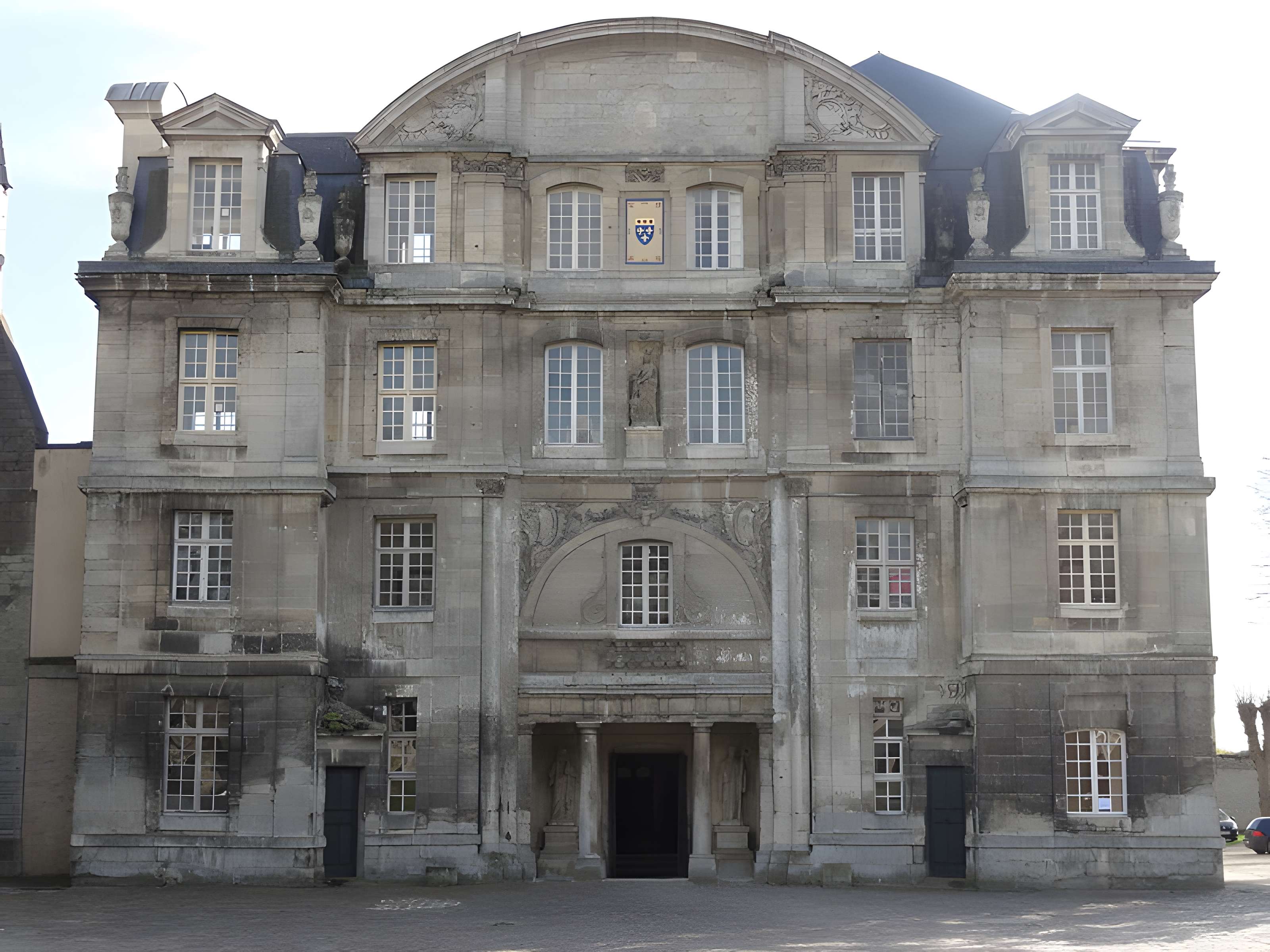
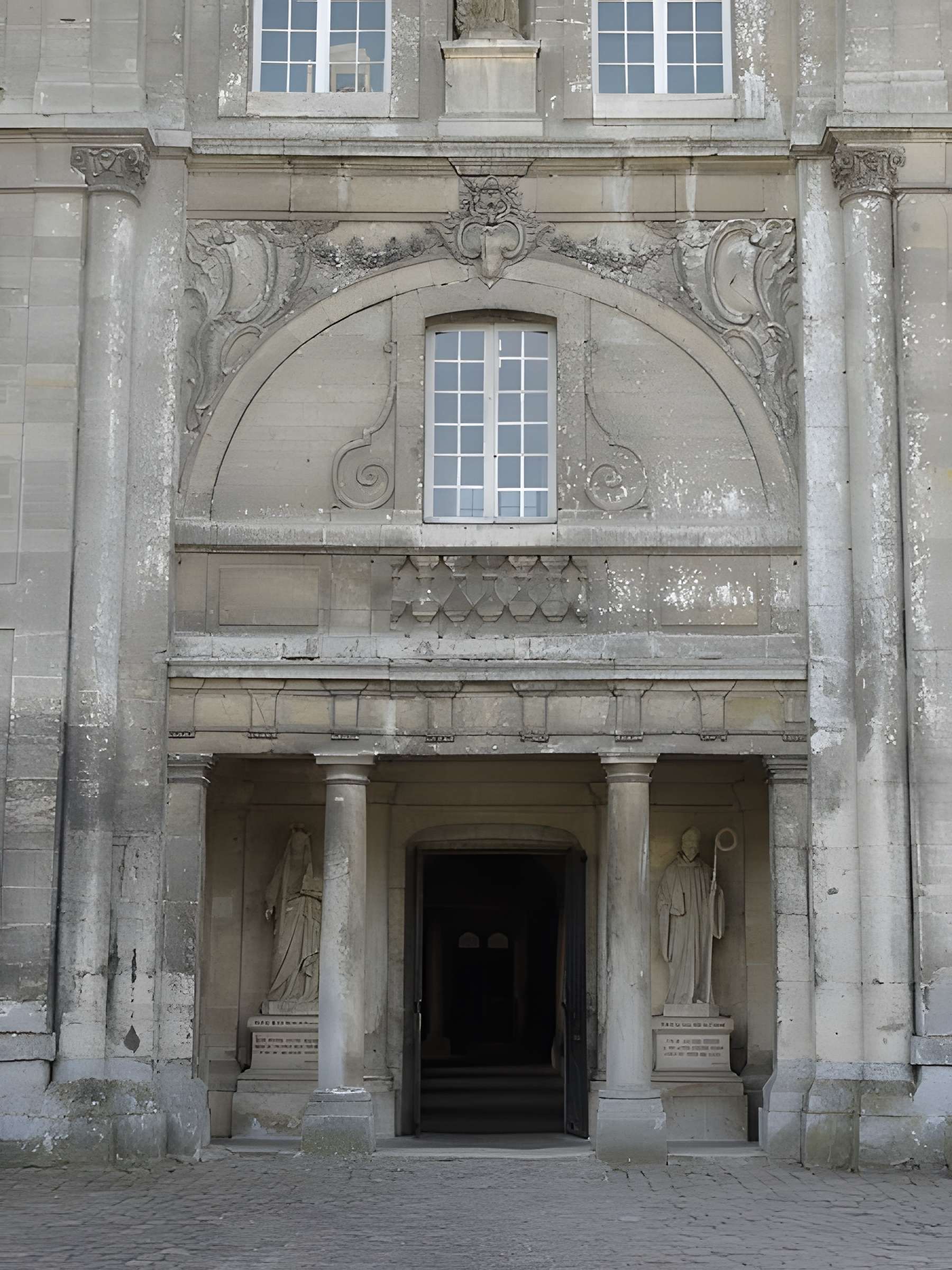
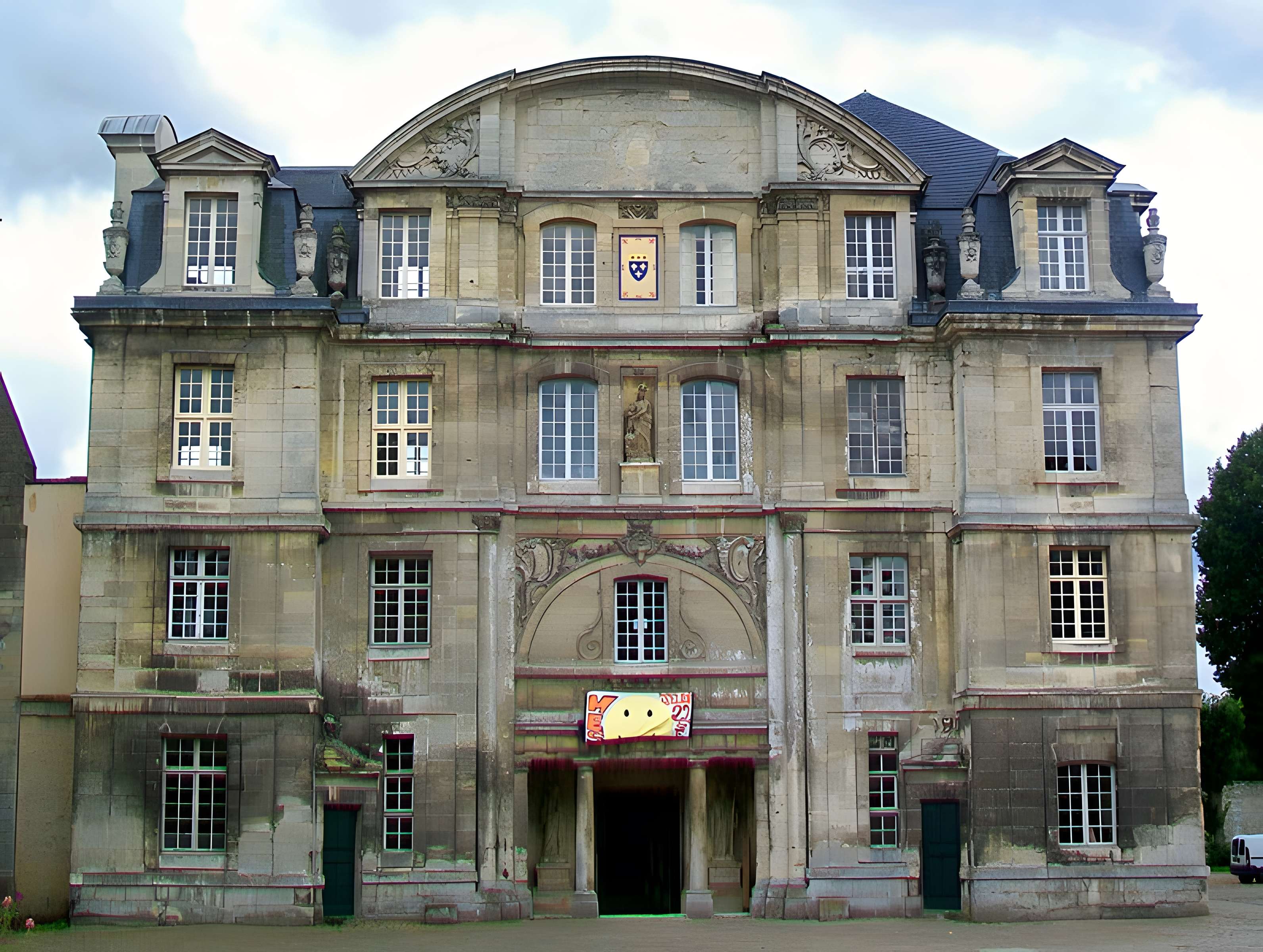
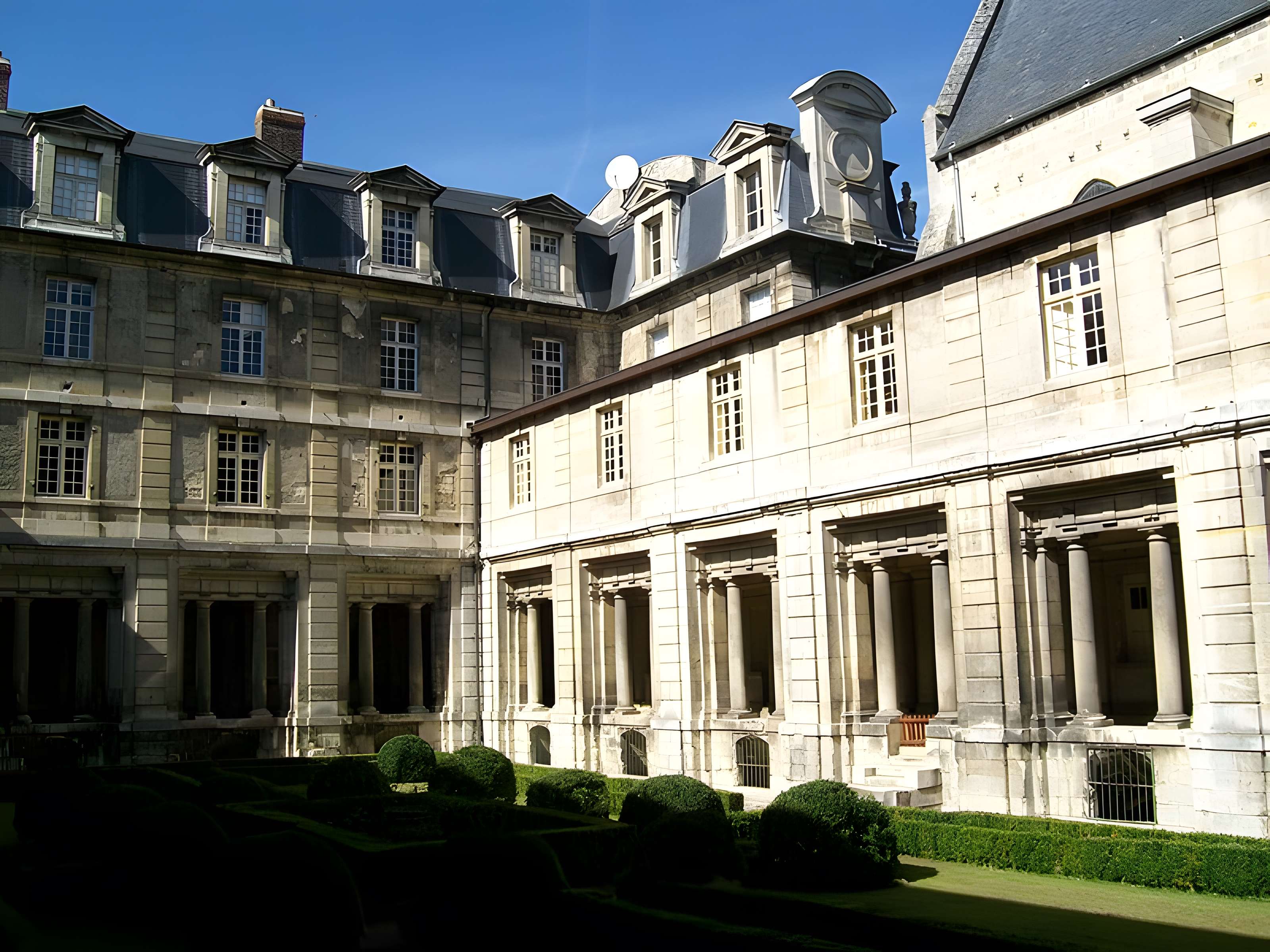
In the 17th century, the abbey became the home of the genovéfaine reform, impulsed by Charles Faure, which restored monastic discipline and made it the seat of the chapters of the Congregation of France. Between 1660 and 1689, the convent buildings were completely rebuilt in a neo-classical style, contrasting with the Gothic austerity of the church. The French Revolution ended its monastic existence in 1791, transforming the premises into hospitals, barracks, prisons and then manufactures, before they were saved in 1836 by canons of Beauvais, who founded a school institution there.
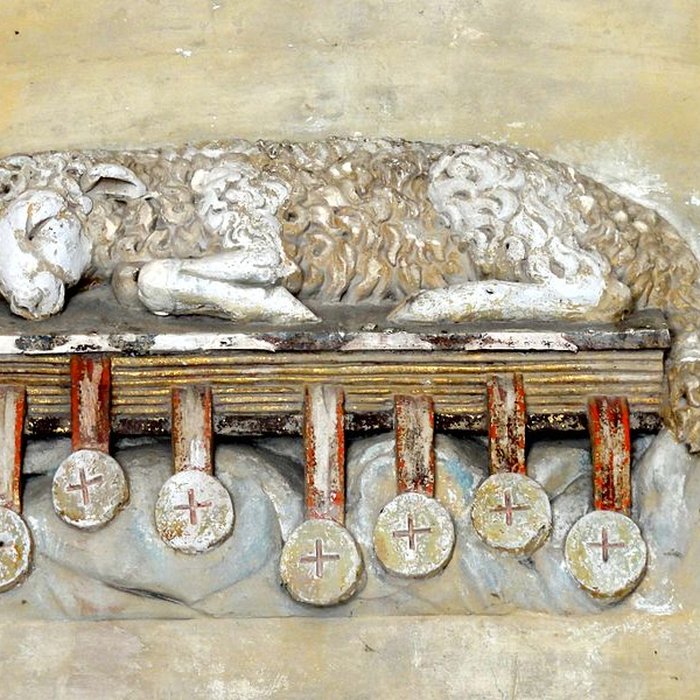
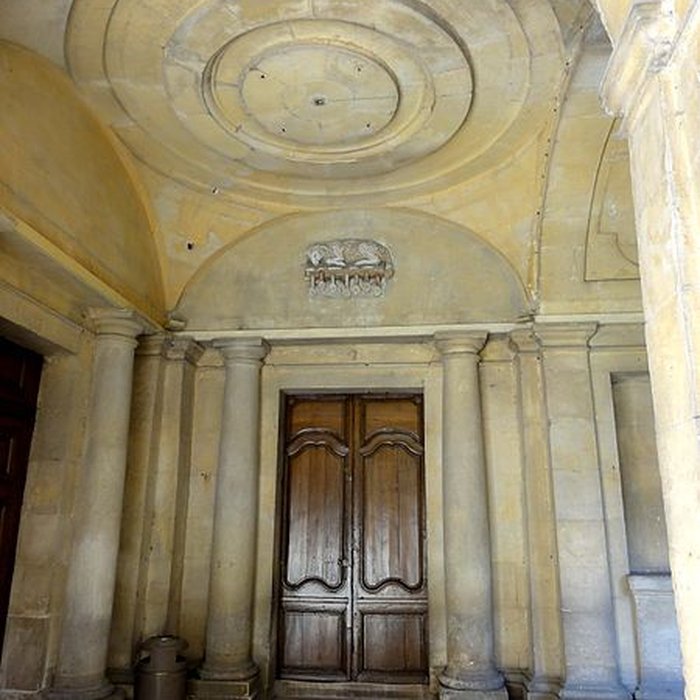
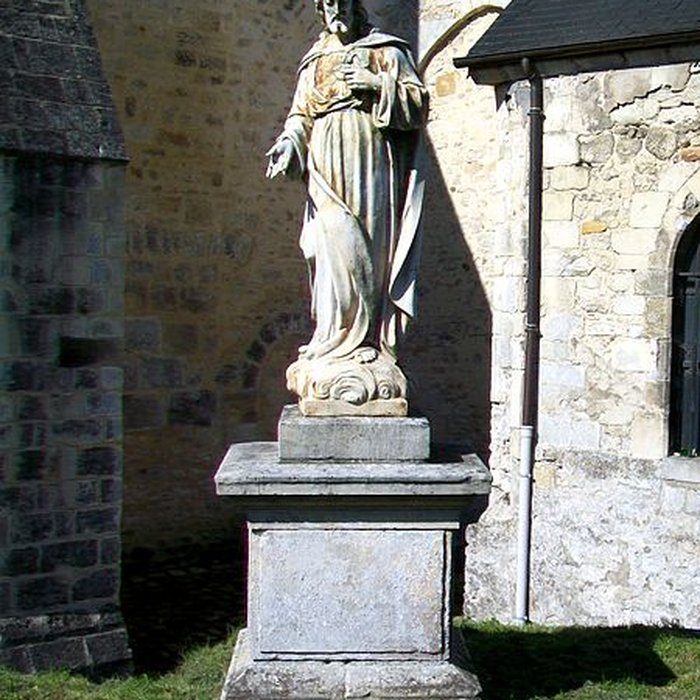
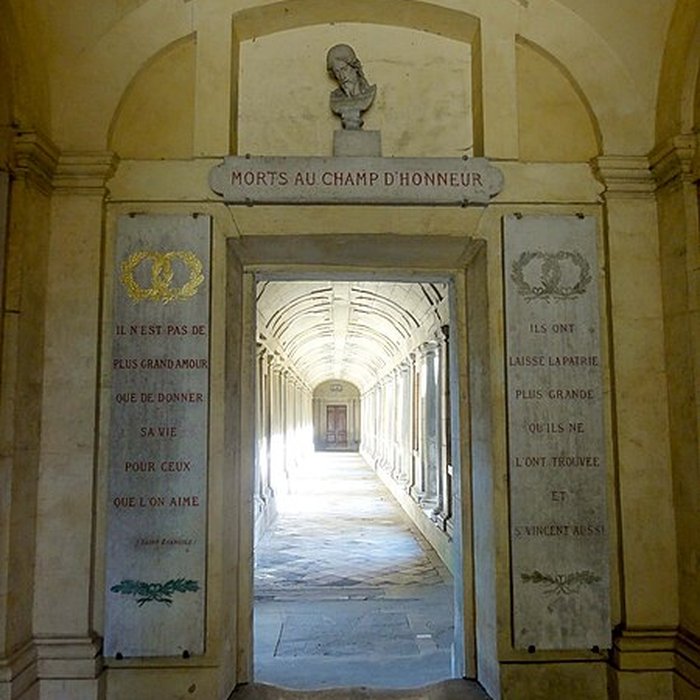
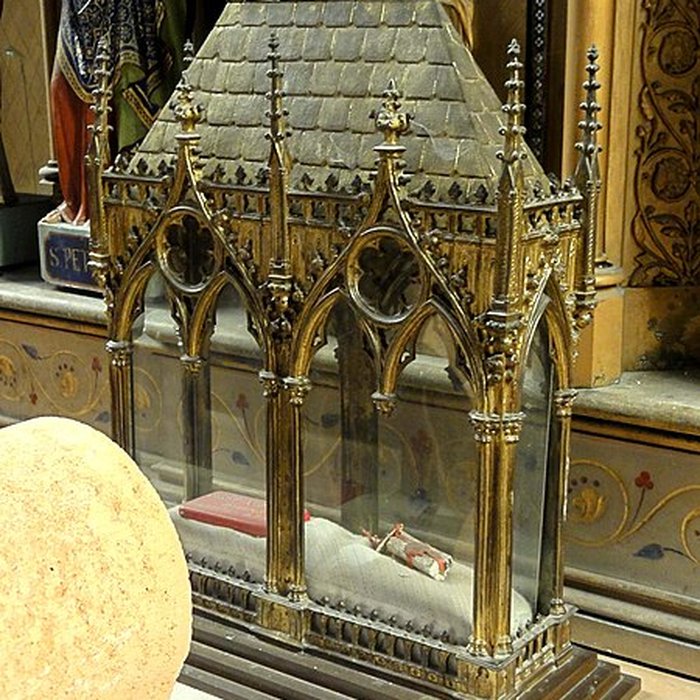
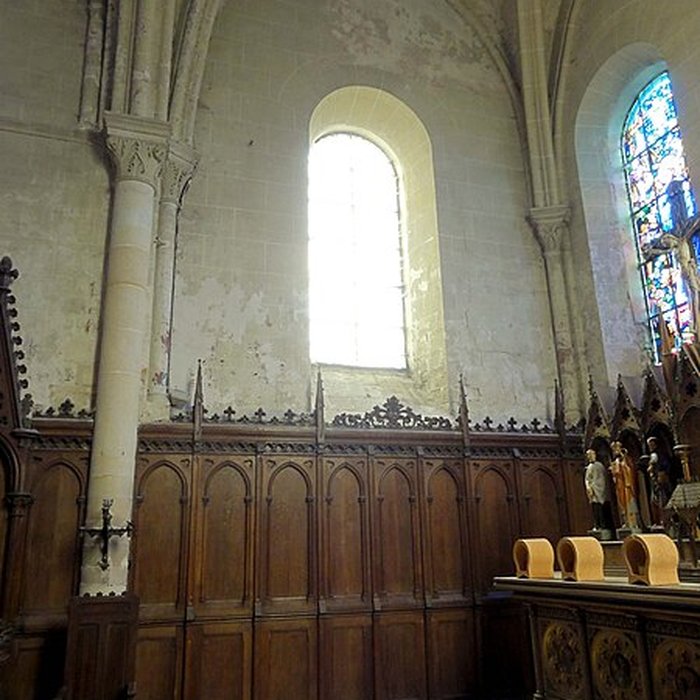
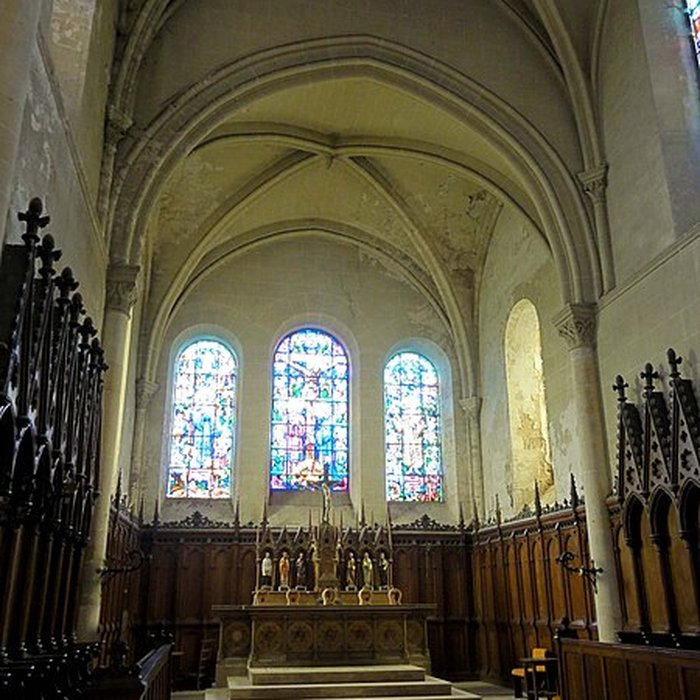
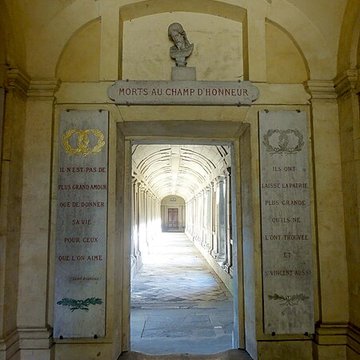
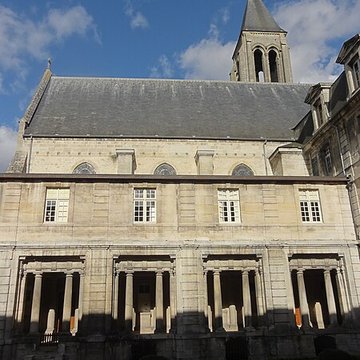
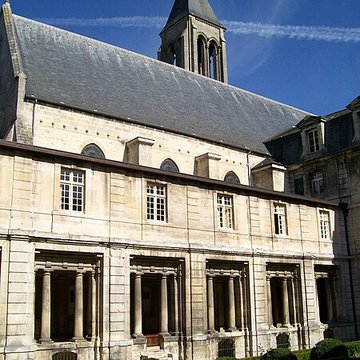
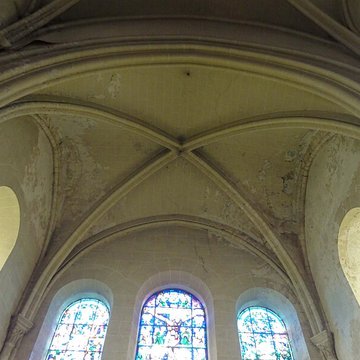
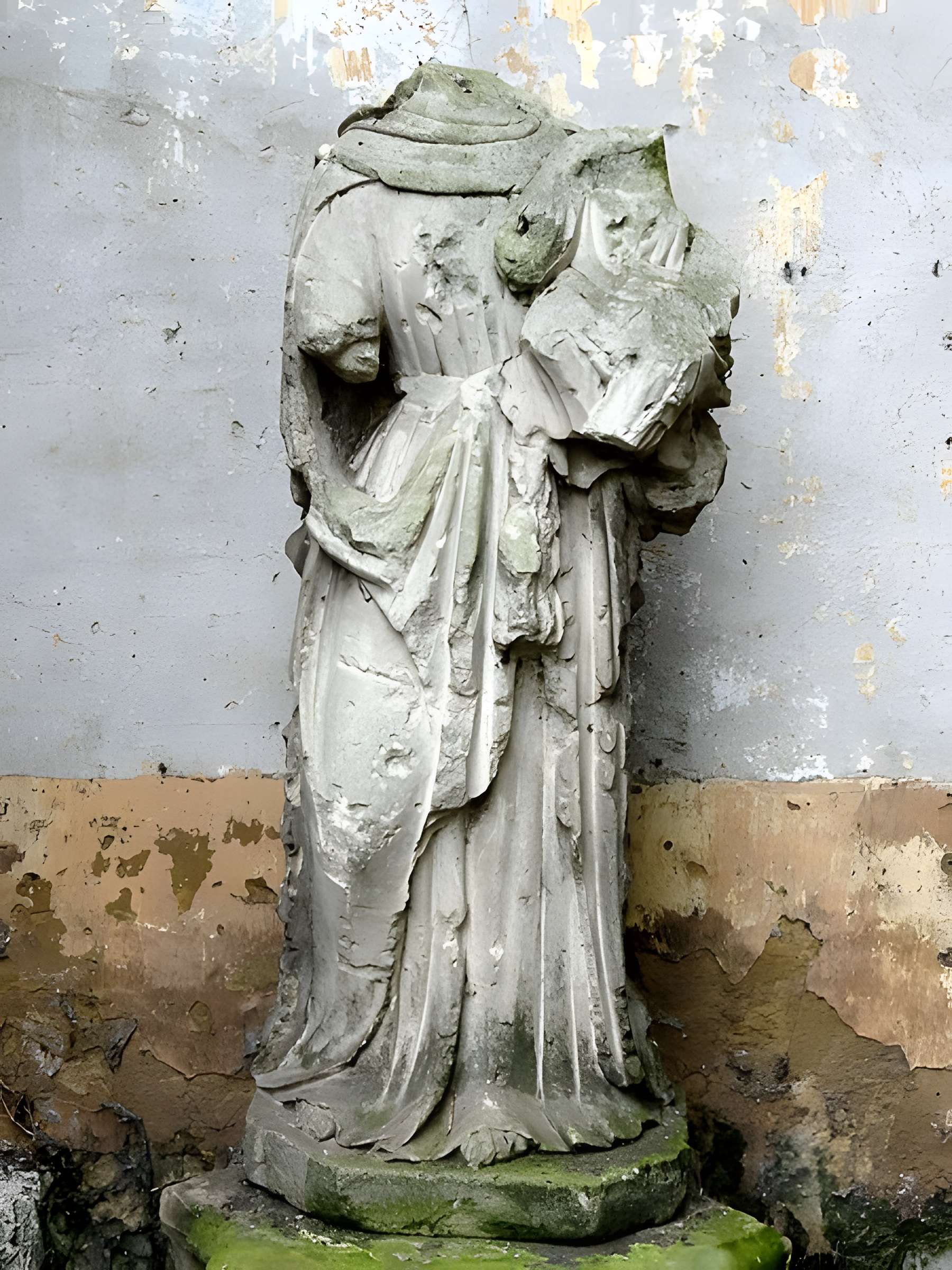
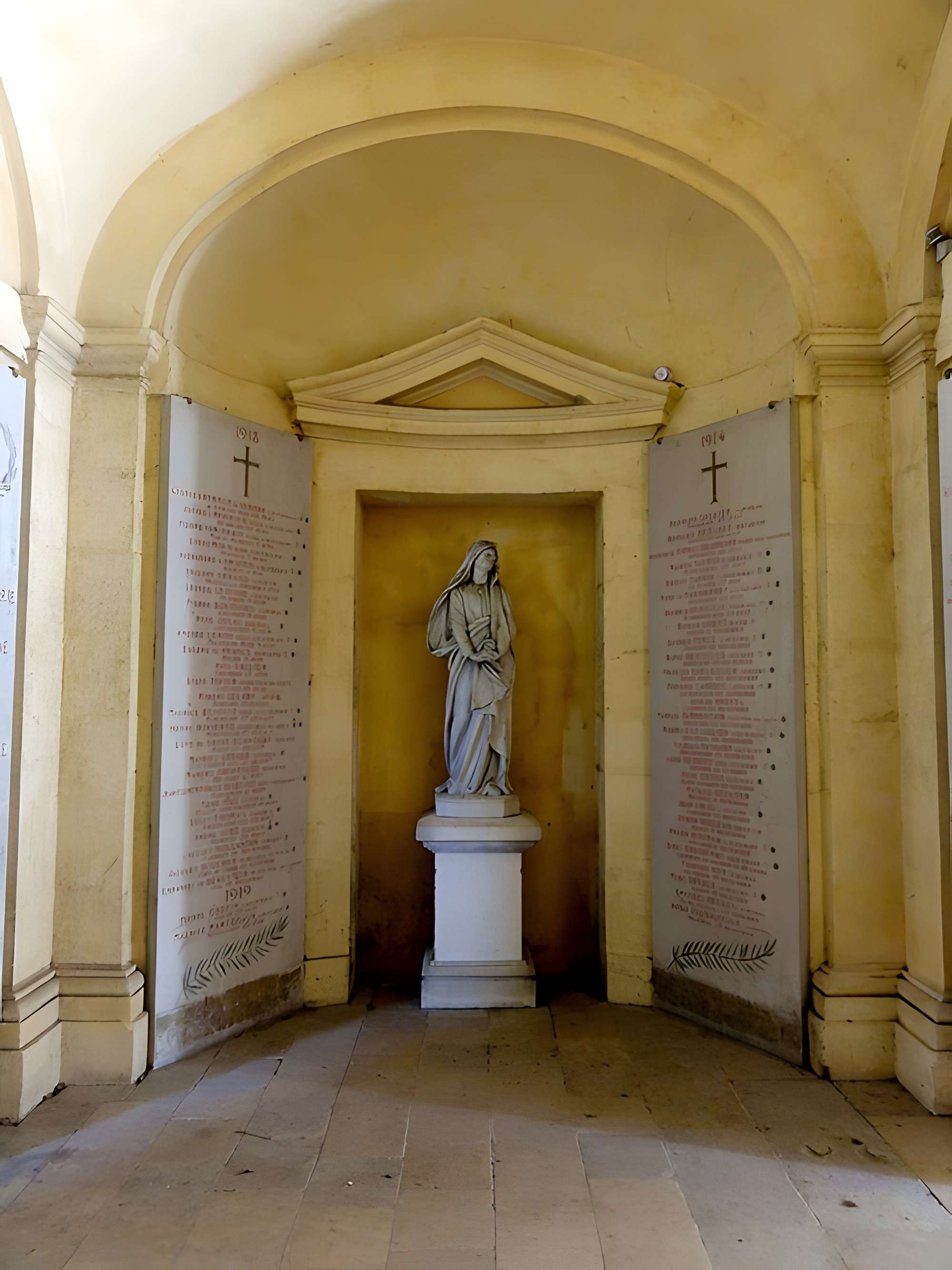
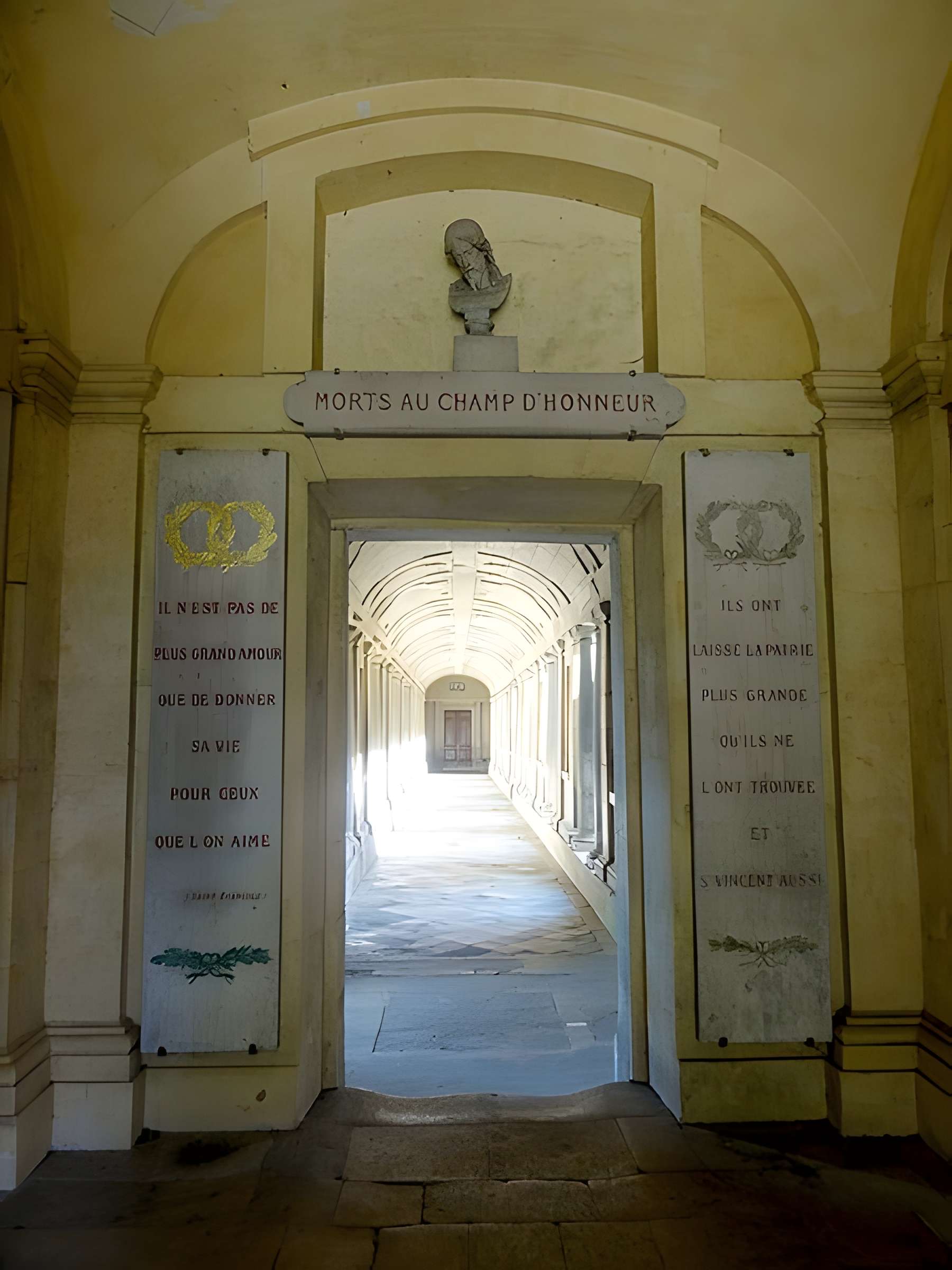
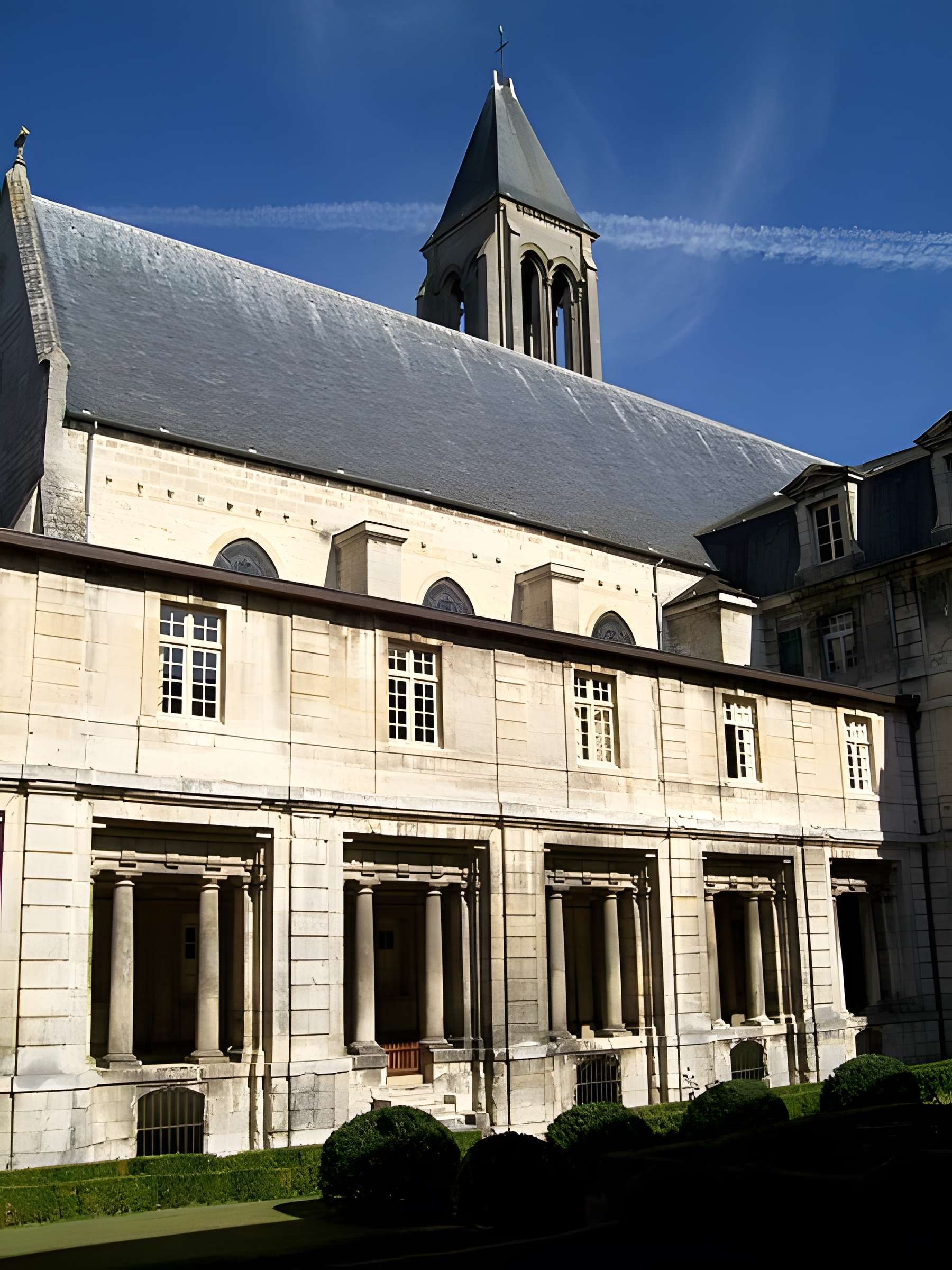
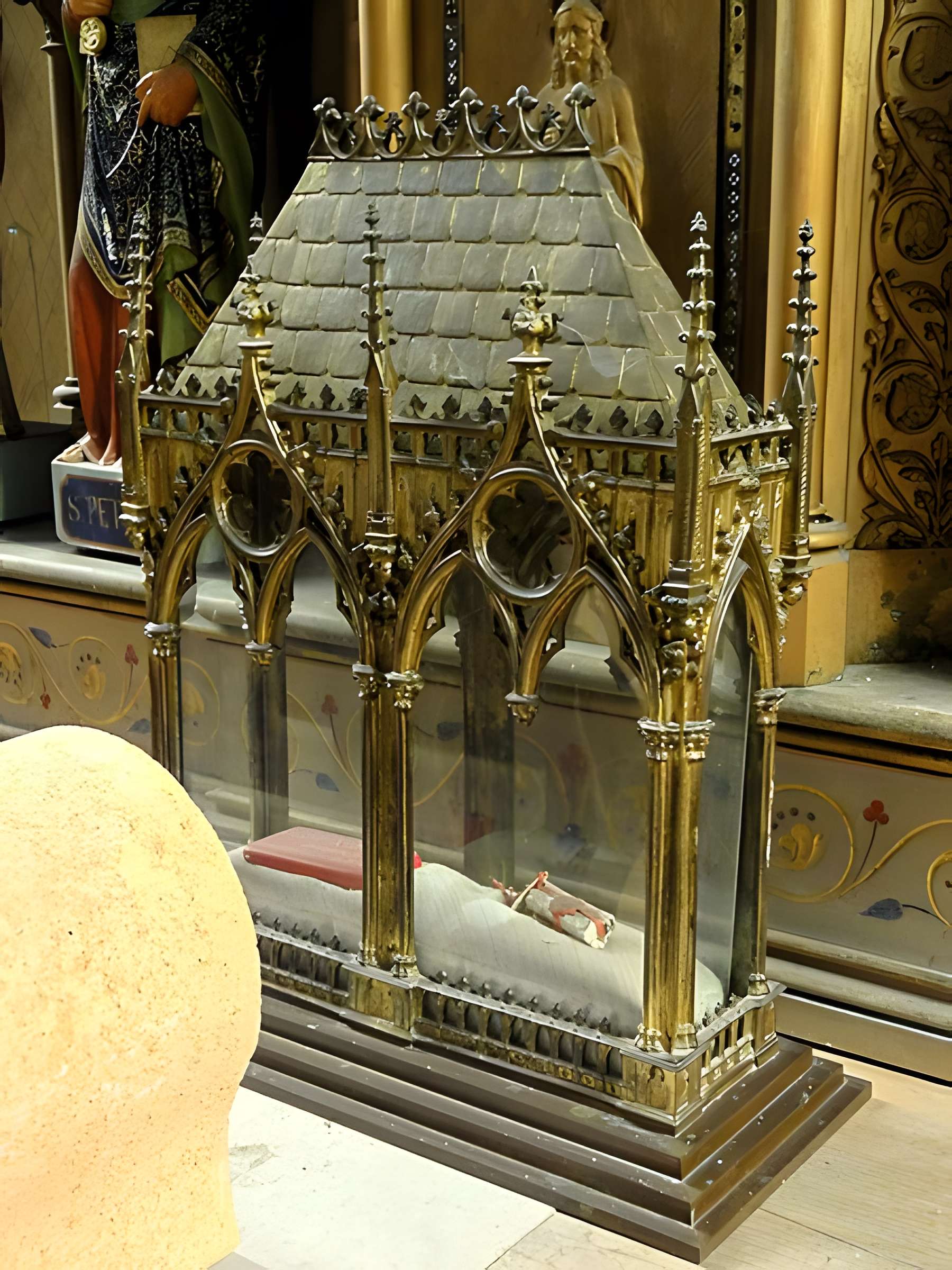
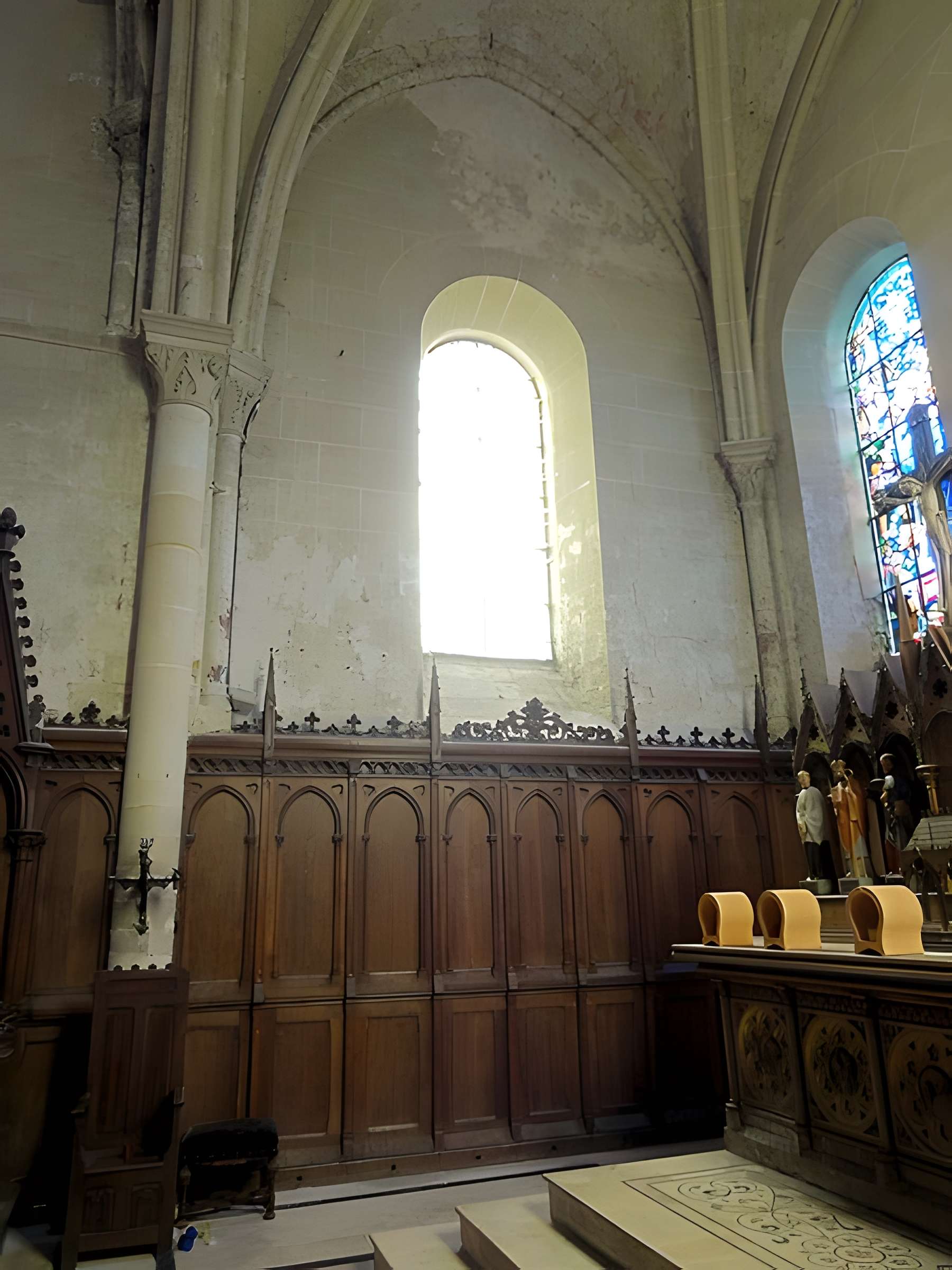
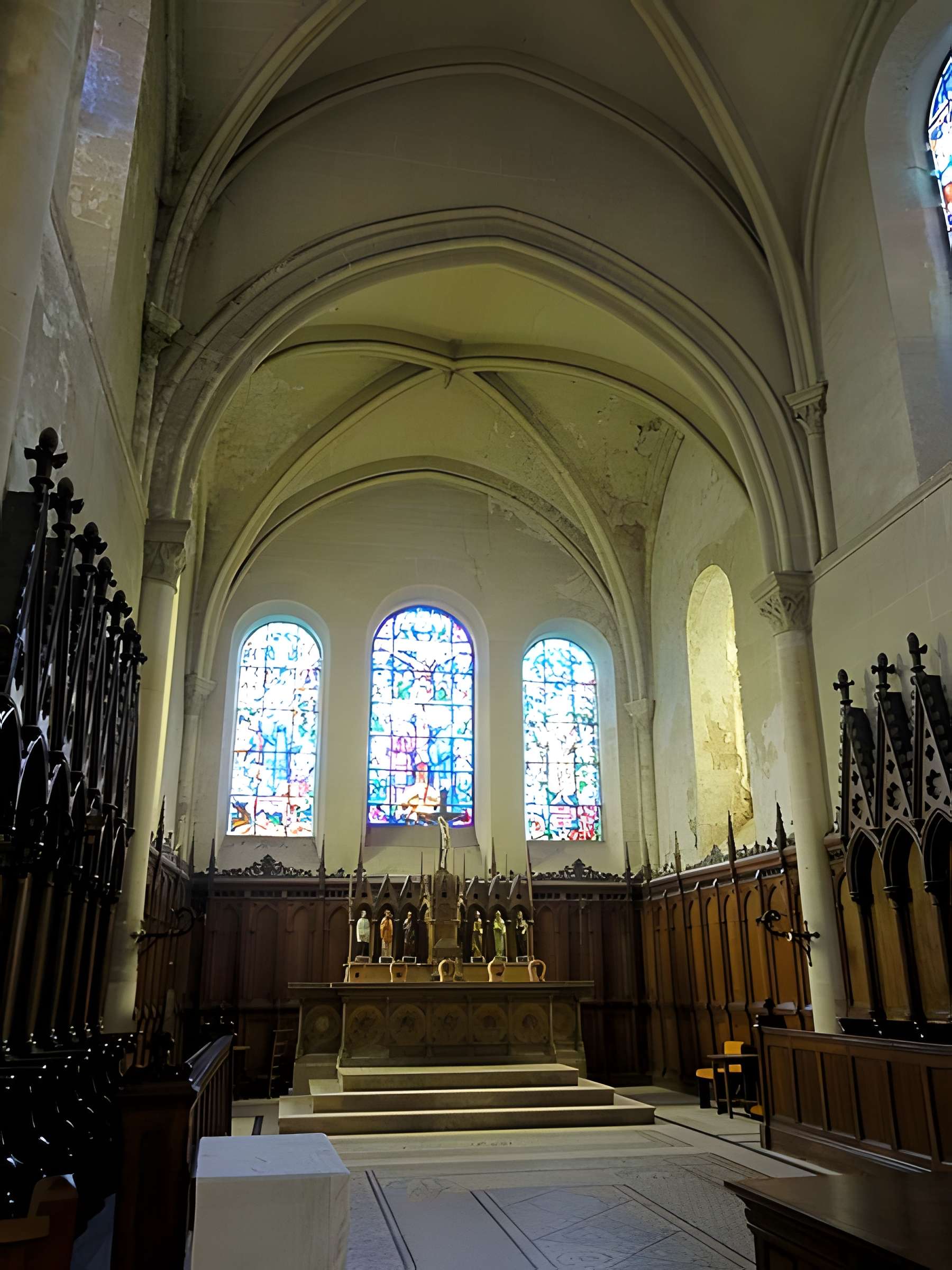
Today, the former abbey houses the Saint Vincent private high school, under contract with the state. Its church, listed as a historic monument in 1862, preserves remarkable architectural elements, such as the neo-classical cloister, the Gothic choir, and the decorated convent halls. The site, protected for its historical and artistic heritage, has also served as a setting for many films and series, demonstrating its cultural importance. The facades and roofs of the convent building, as well as the cloister, were inscribed in the Historic Monuments in 1933 and 1945.
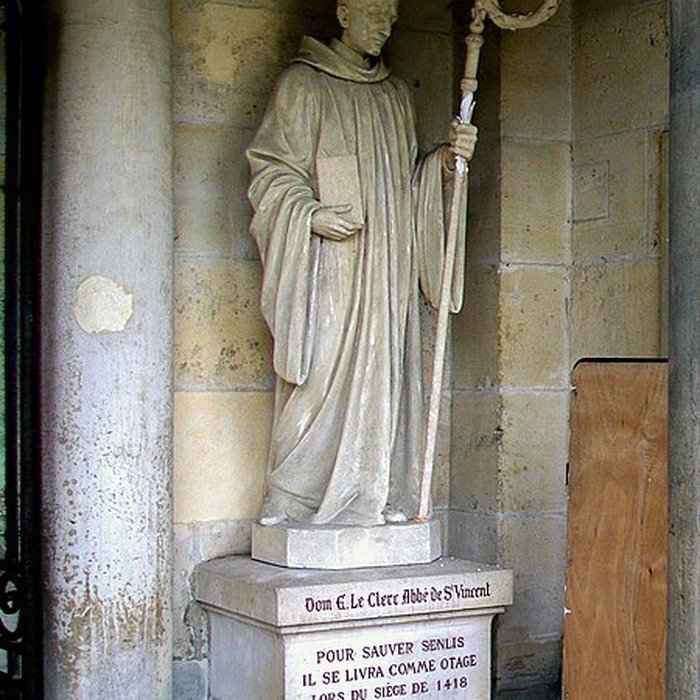
Saint Vincent Abbey is also linked to major historical figures, such as Anne of Kiev, presumed founder, or Charles Faure, reformer in the 17th century. Its history reflects the political and religious upheavals of France, from the medieval period to the Revolution, including monastic reforms and power conflicts between the Church and the State. The site, partially open to the visit, remains a place of memory and teaching, thus perpetuating its educational and spiritual vocation.
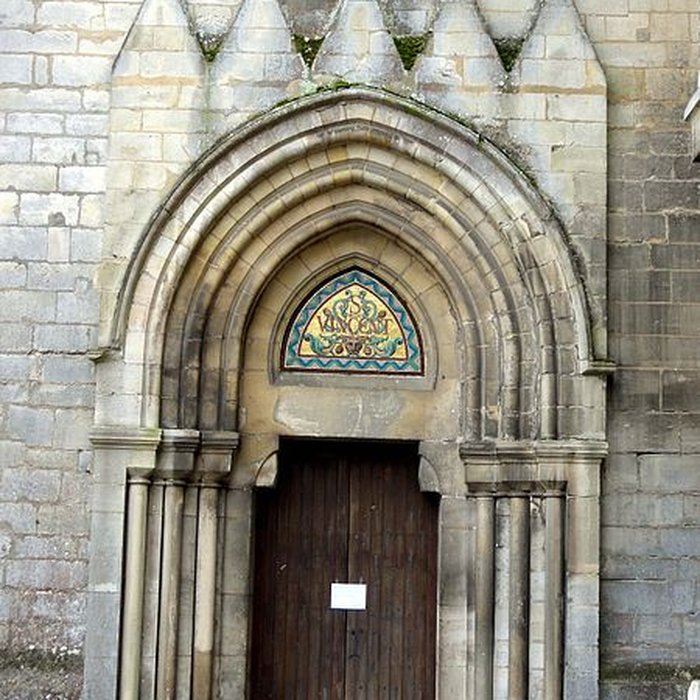
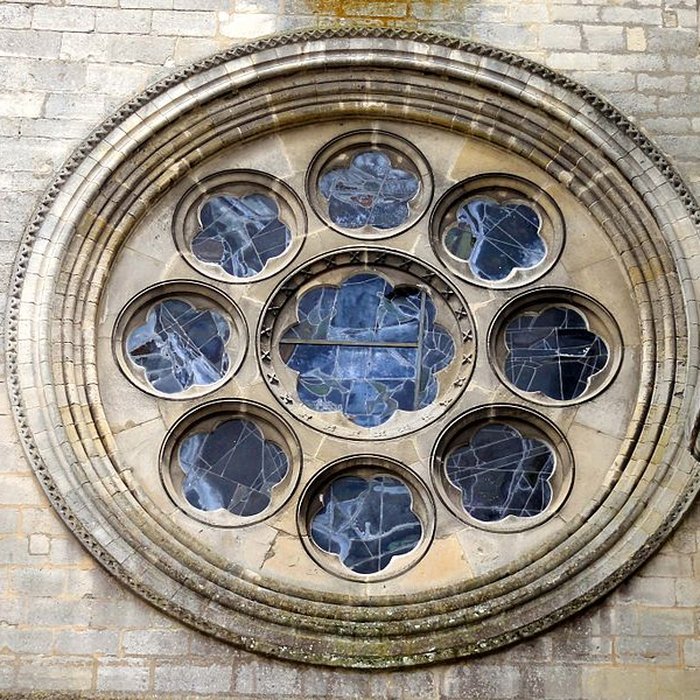
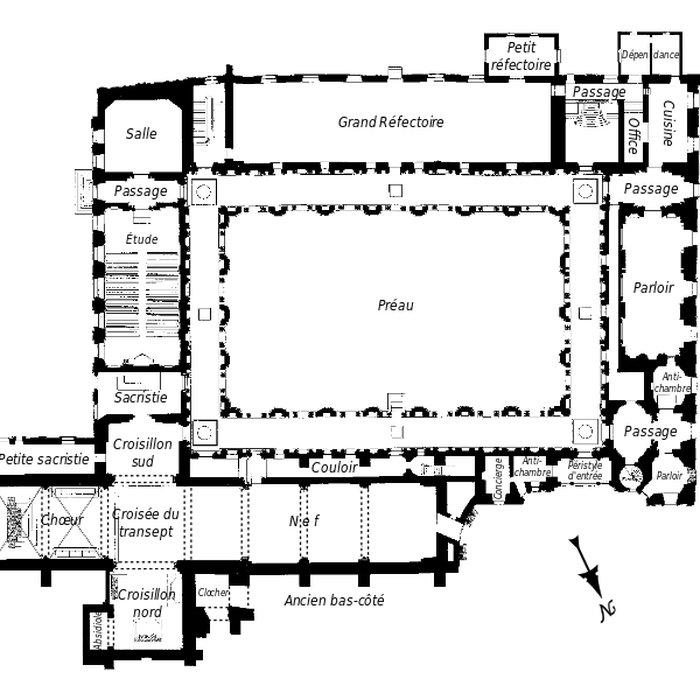
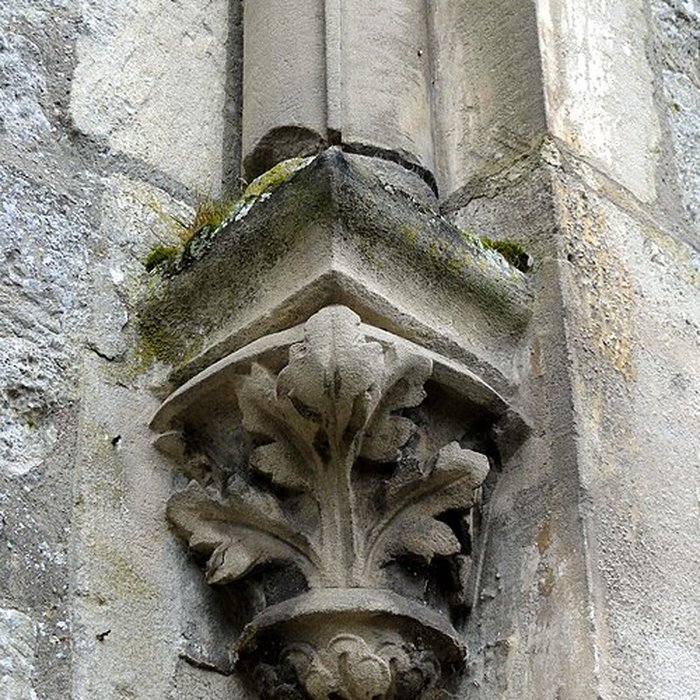
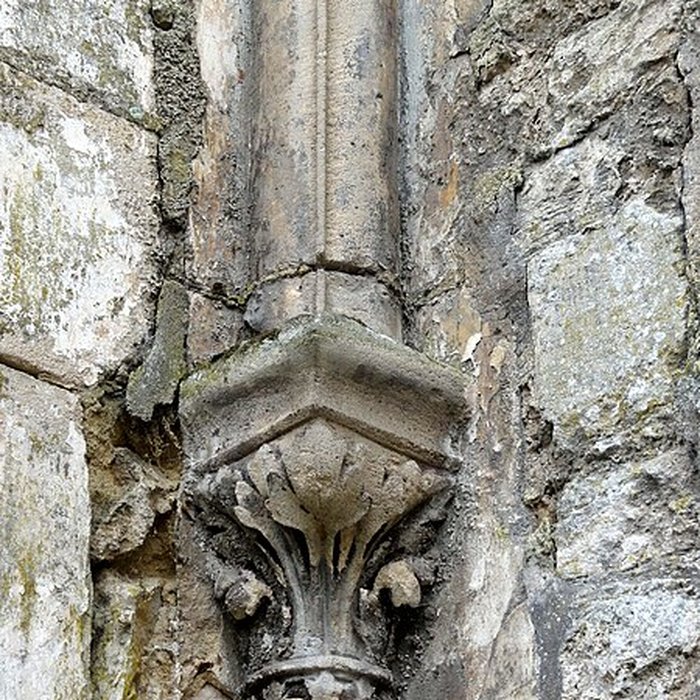
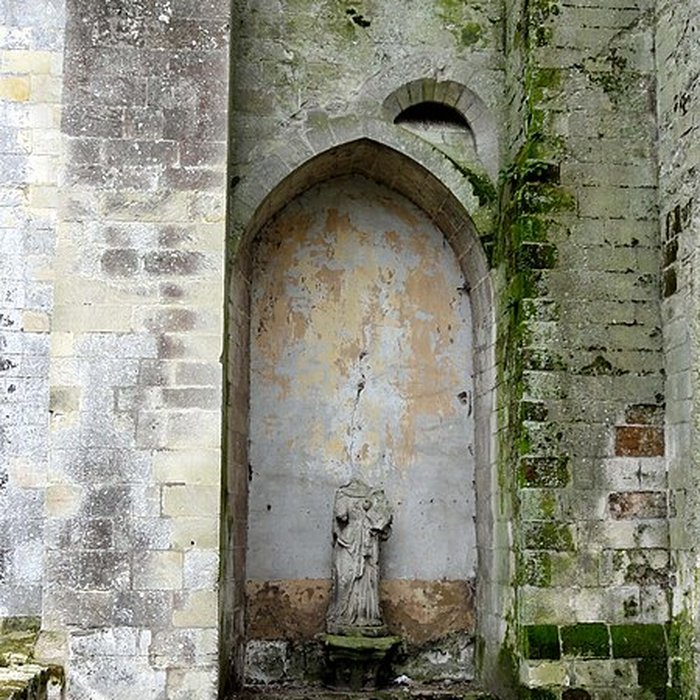
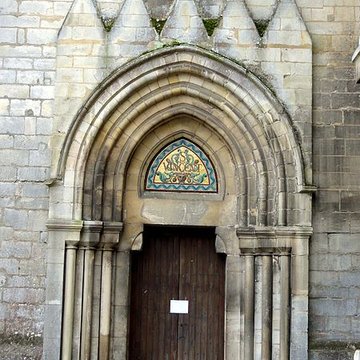
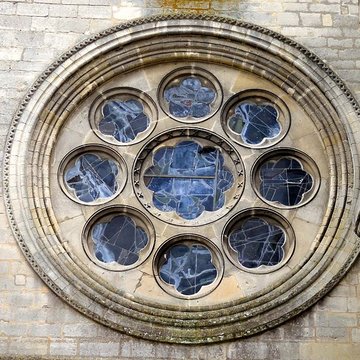
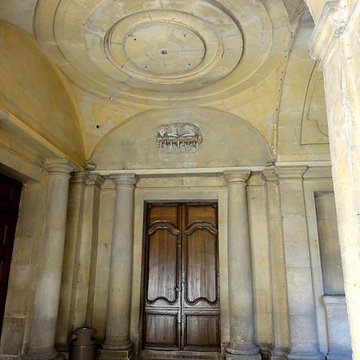
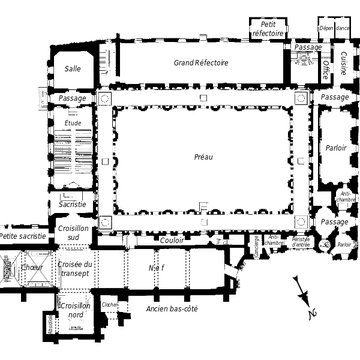
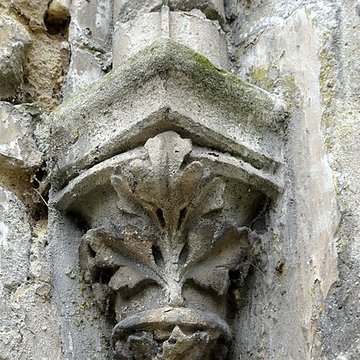
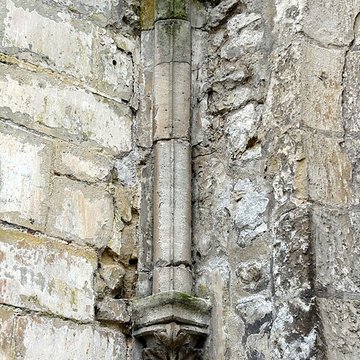
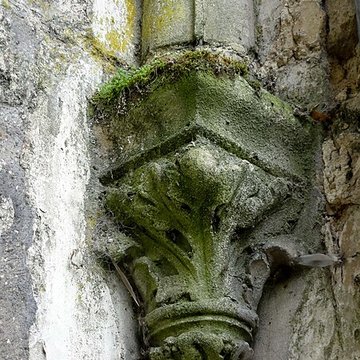
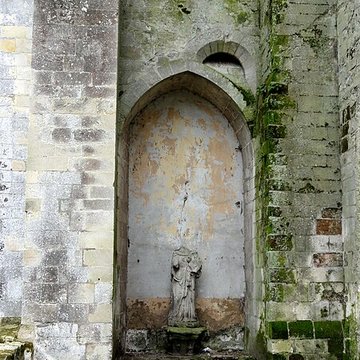
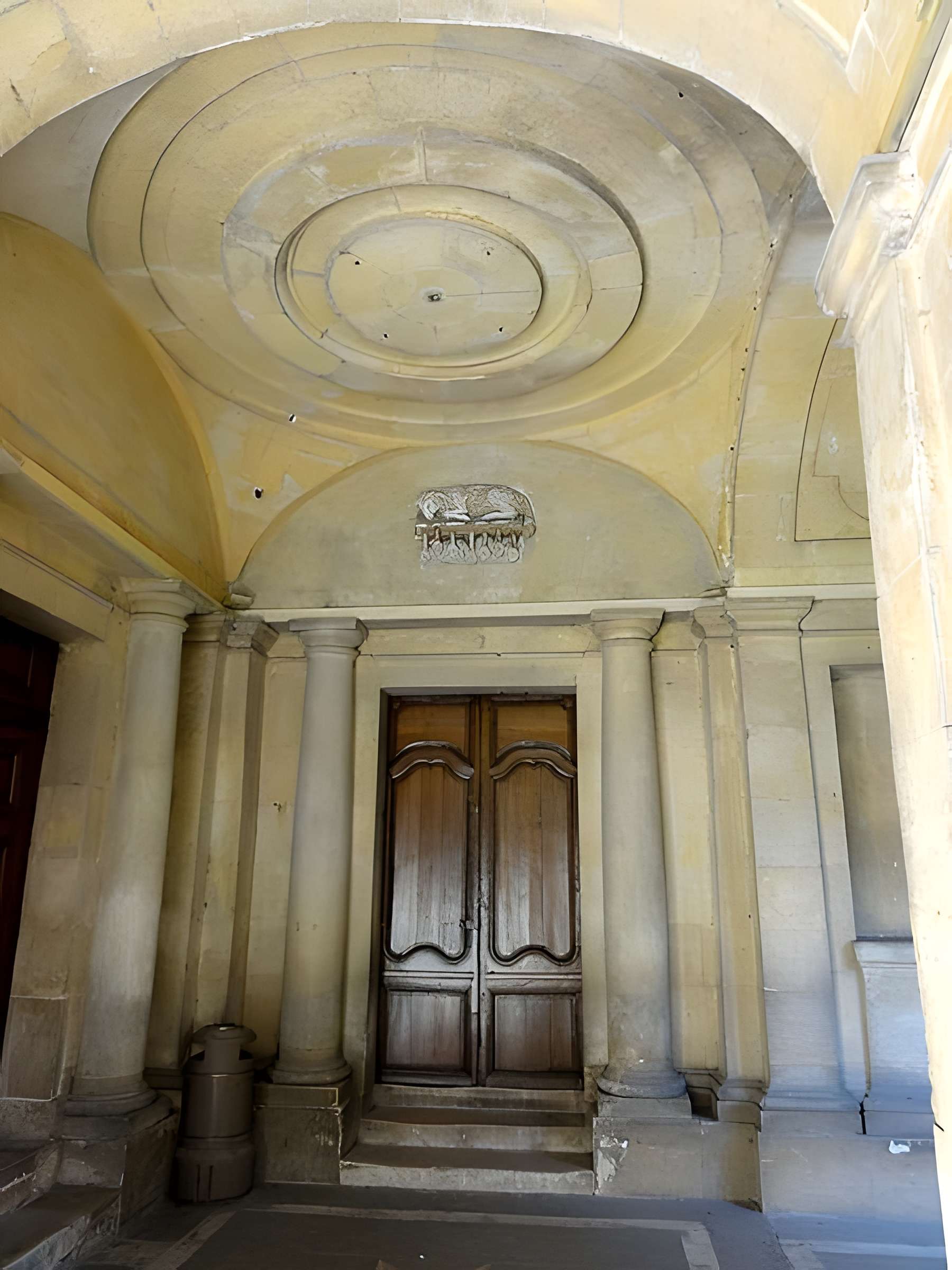
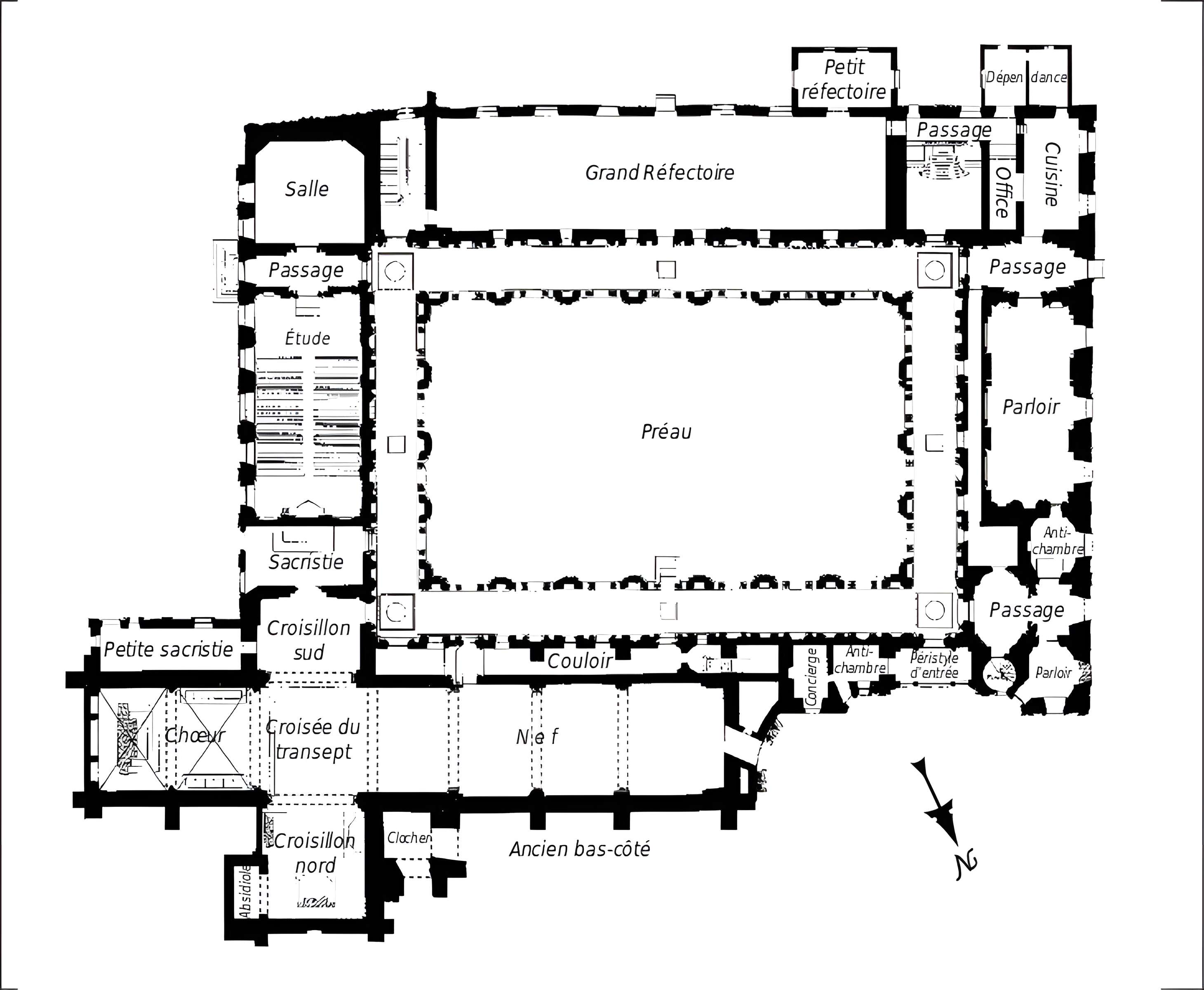
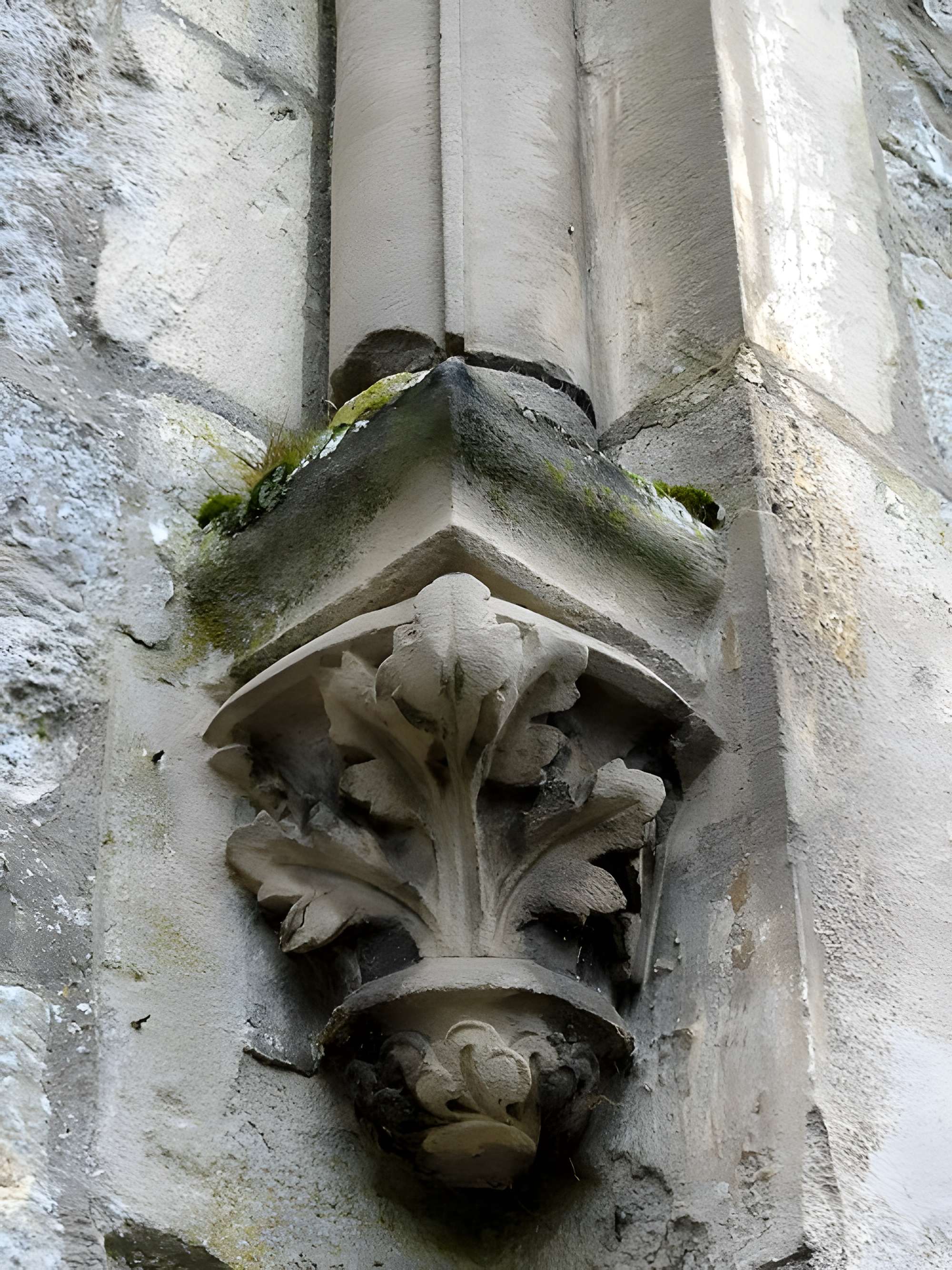
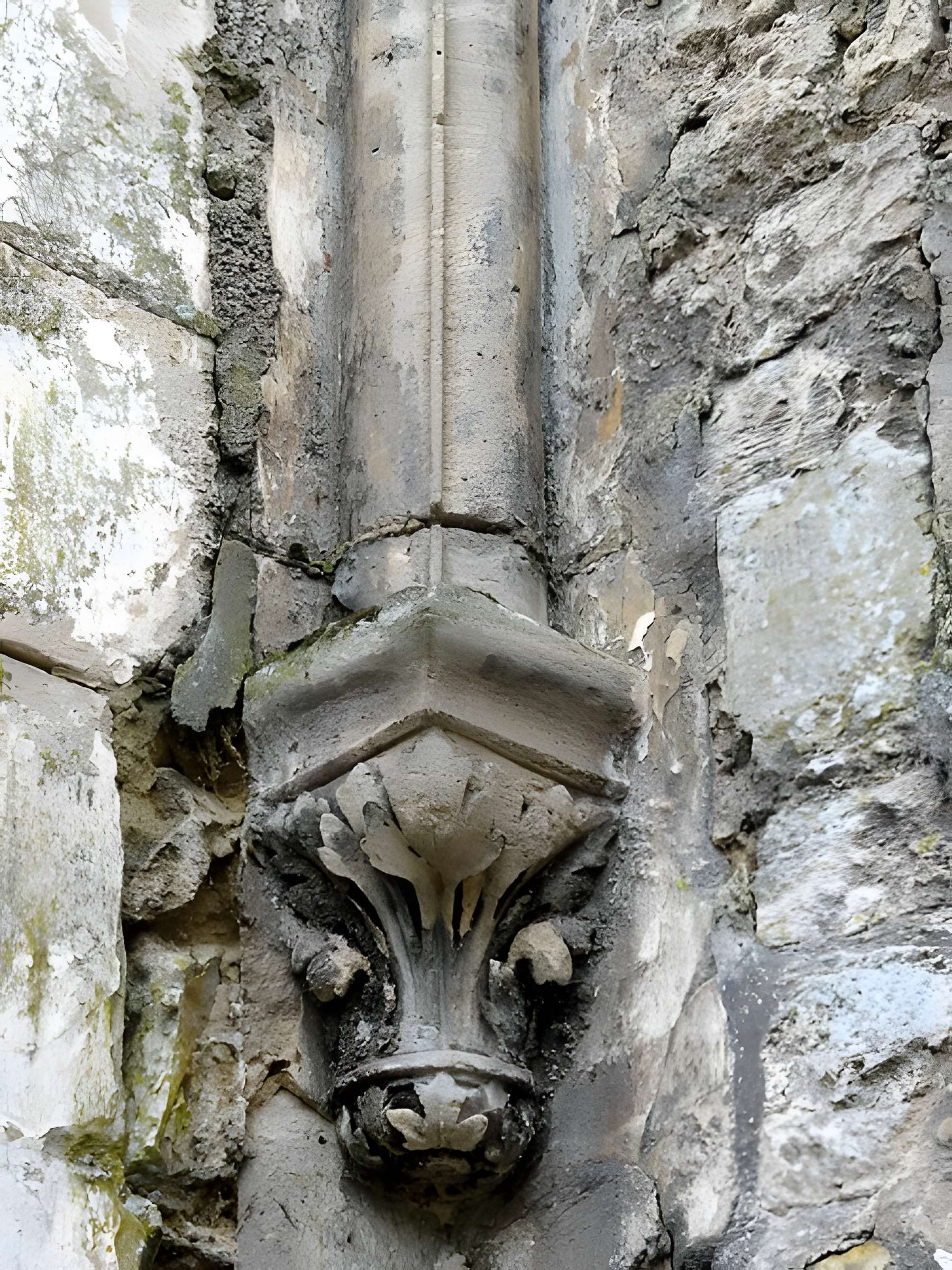
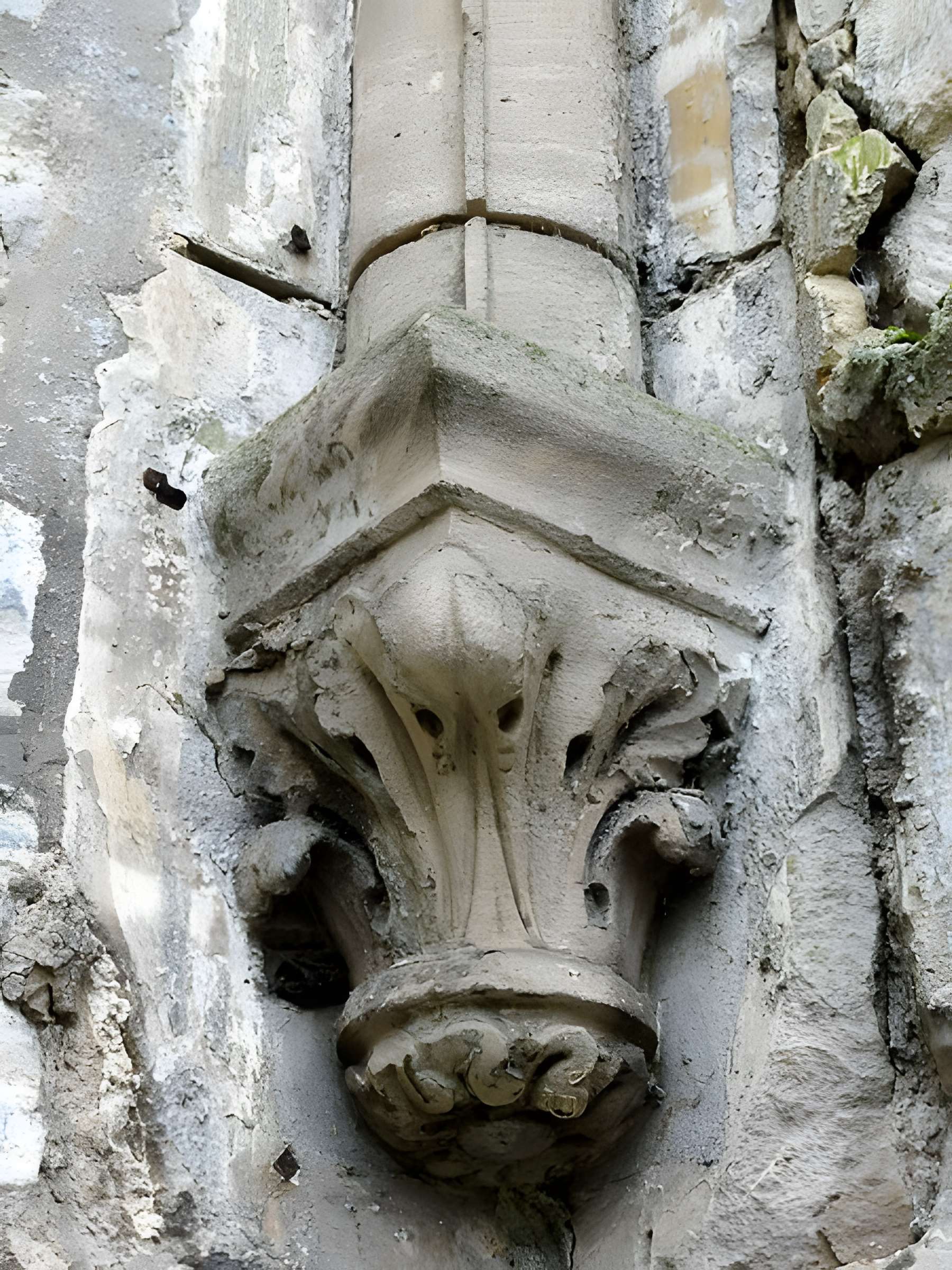
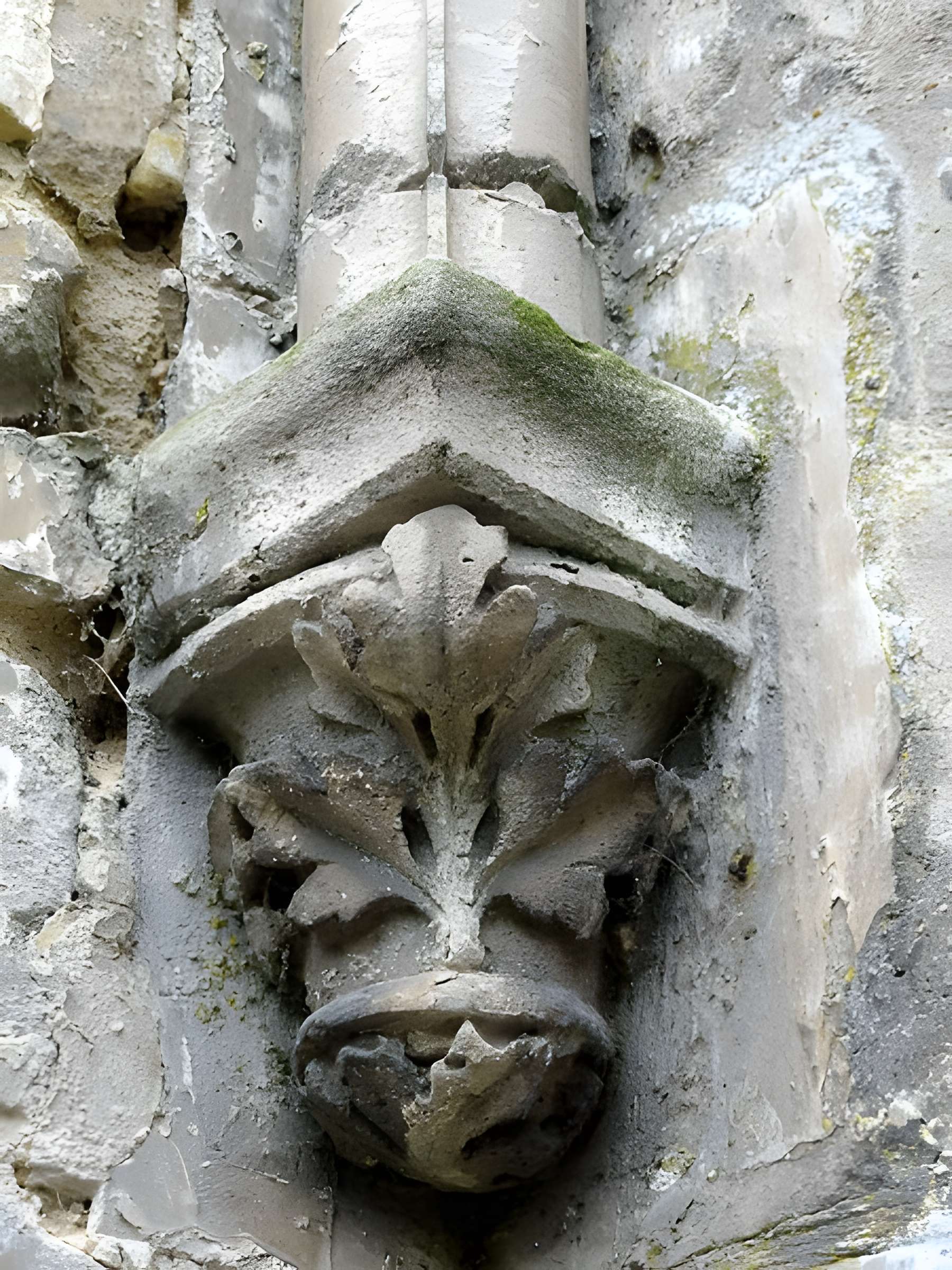
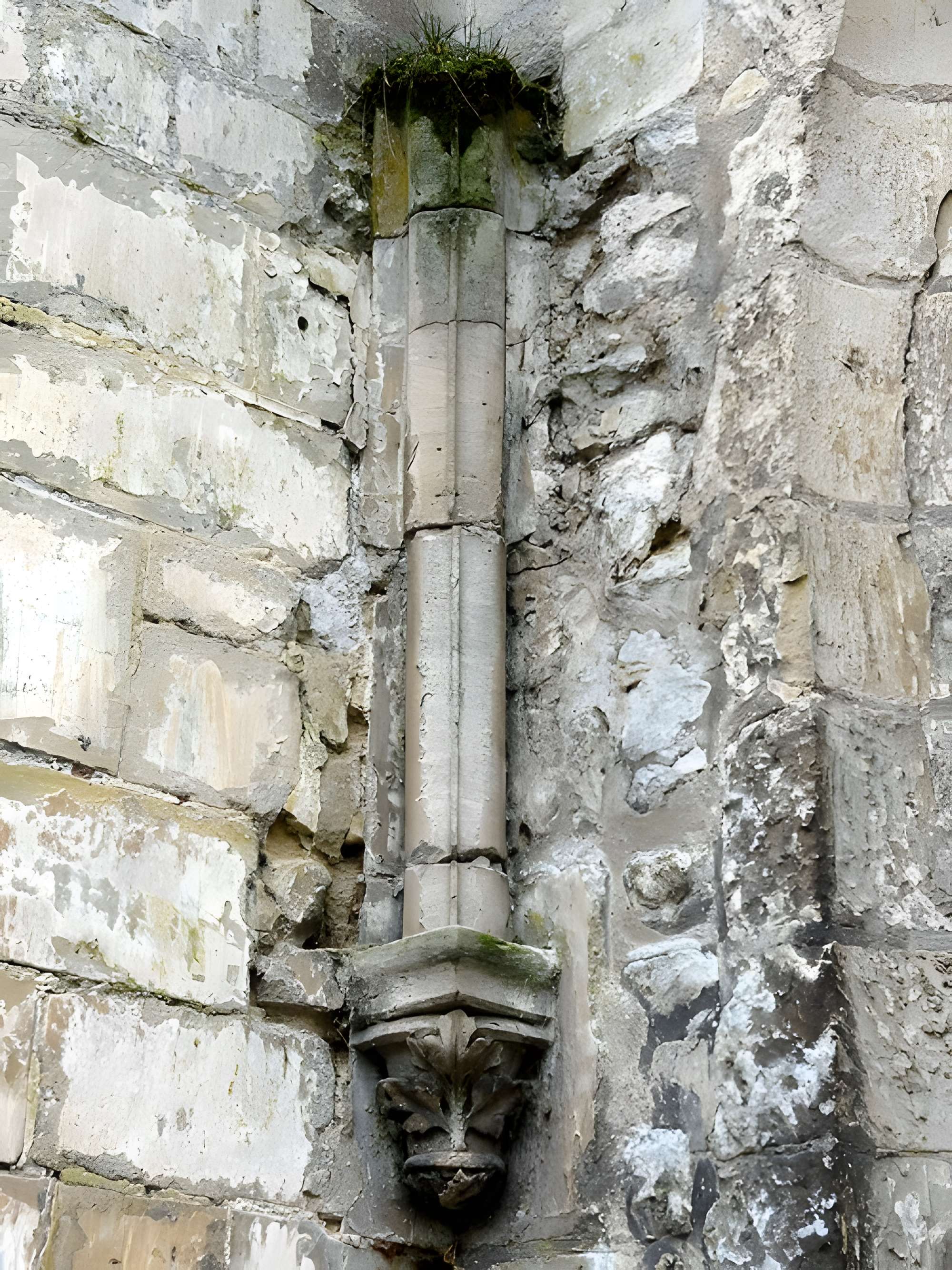
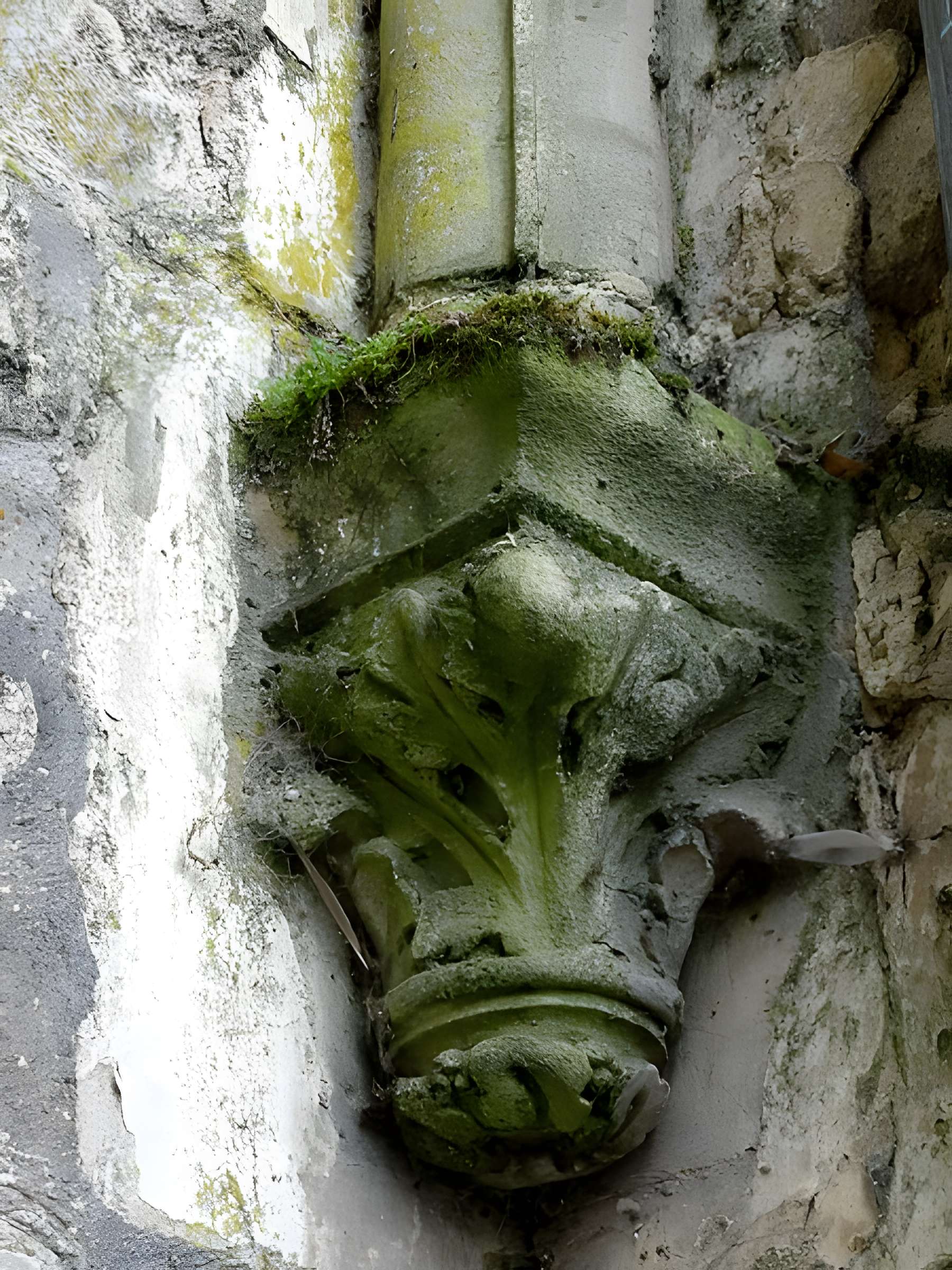
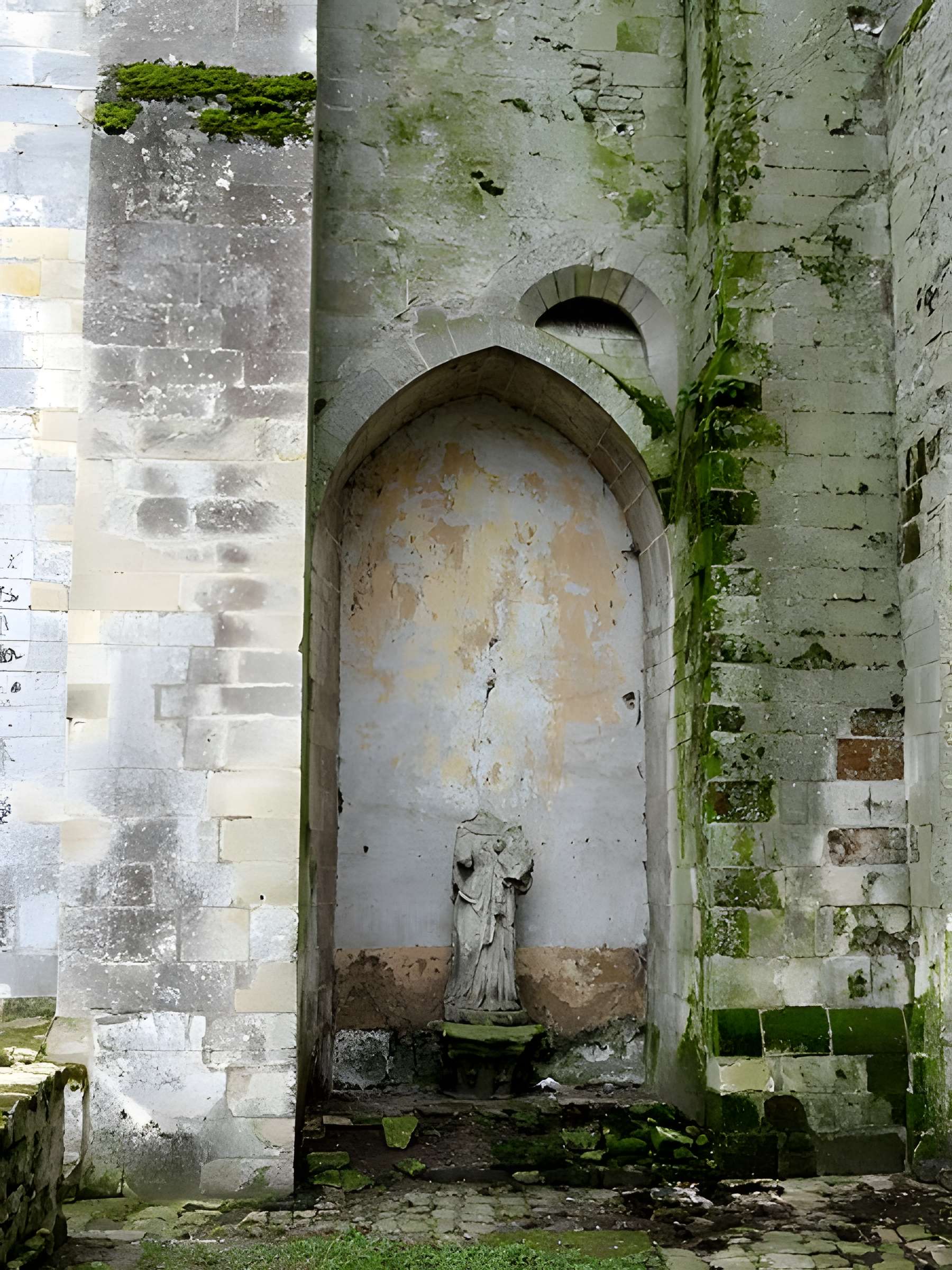
Architecturally, the abbey is distinguished by its church with flat bedside, typical of the first Gothic period, and its cloister with arched galleries in cradle, decorated with doric columns. Conventual buildings, with their imposing neoclassical facade, illustrate the evolution of styles between the Middle Ages and the modern era. Together, surrounded by medieval ramparts, forms a picturesque and historic site, in the heart of the city of Senlis, in the Hauts-de-France.














Avis
Veuillez vous connecter pour poster un avis