Initial construction XIe siècle (≈ 1150)
Square tower, nave and Romanesque portal.
Seconde moitié du XIIe siècle
Building extension
Building extension Seconde moitié du XIIe siècle (≈ 1275)
Expansion in late Romanesque style.
XVIe siècle
Polychrome Statuary
Polychrome Statuary XVIe siècle (≈ 1650)
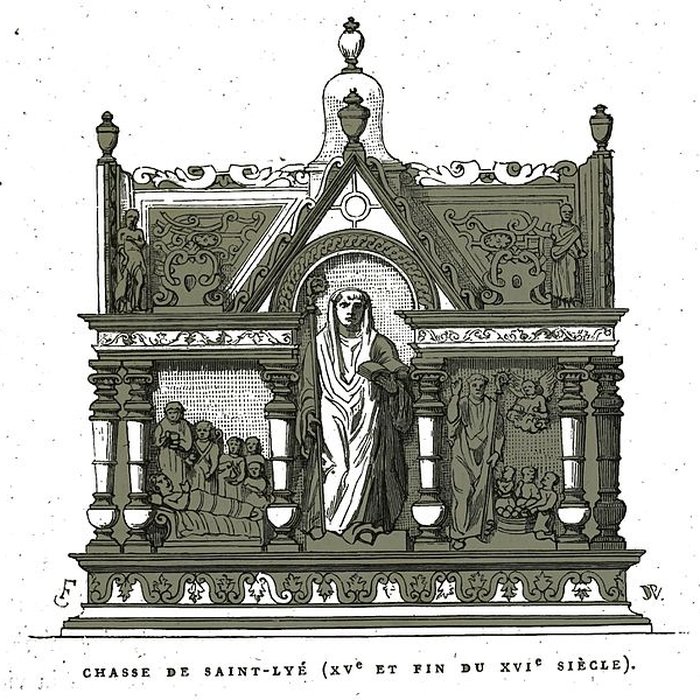
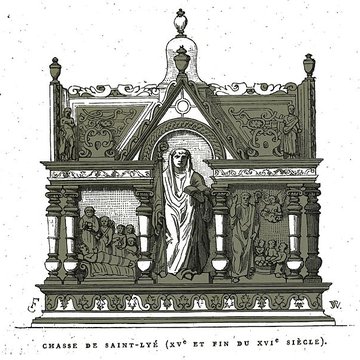
Three classified statues (Saint Fiacre, Saint Stephen, Saint Lyé).
11 février 1972
Registration MH
Registration MH 11 février 1972 (≈ 1972)
Protection for historical monuments.
Aujourd'hui
Aujourd'hui
Aujourd'hui Aujourd'hui (≈ 2025)
Position de référence.
Heritage classified
Church (cad. AM 7): Registration by decree of 11 February 1972
Key figures
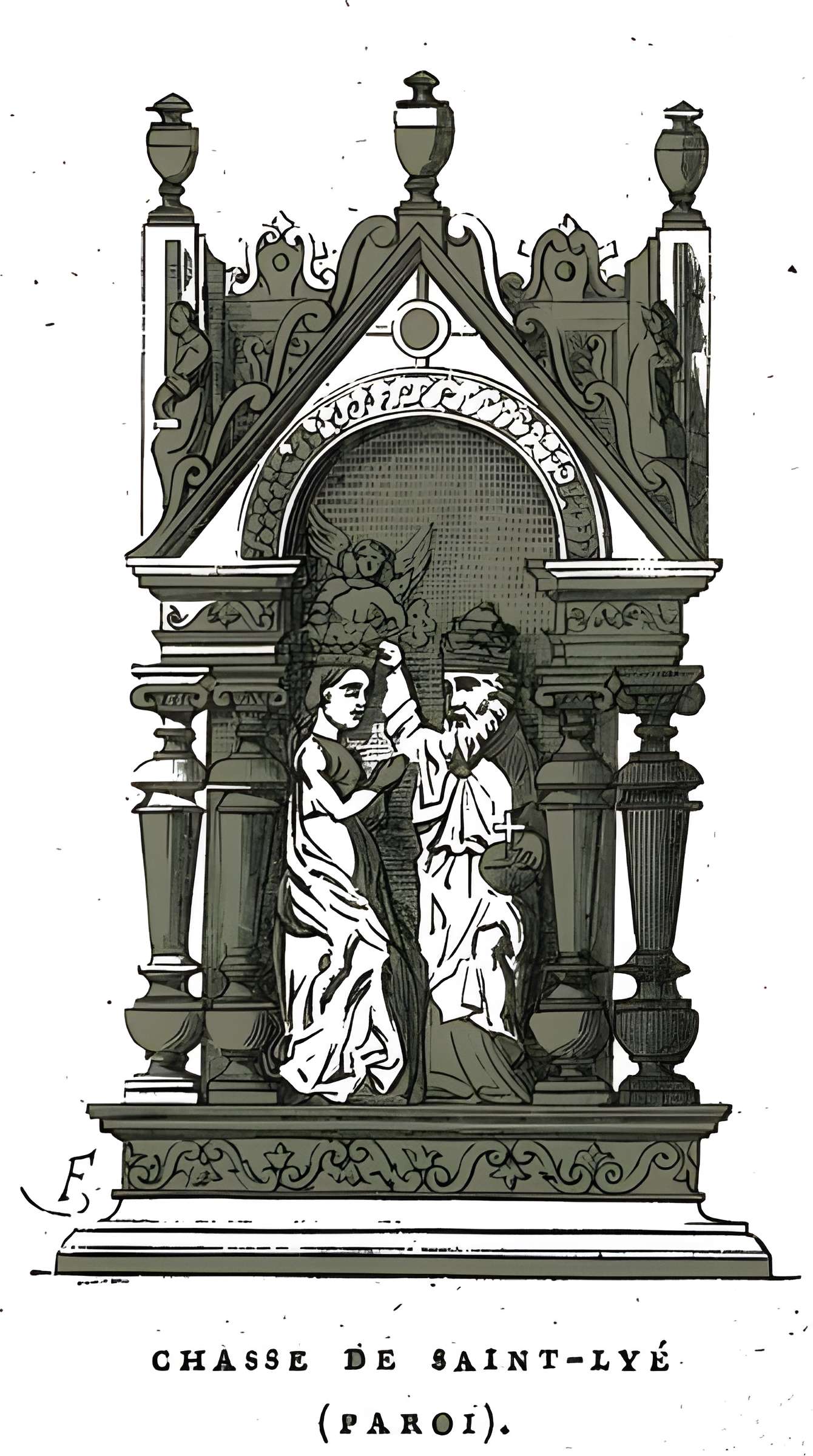
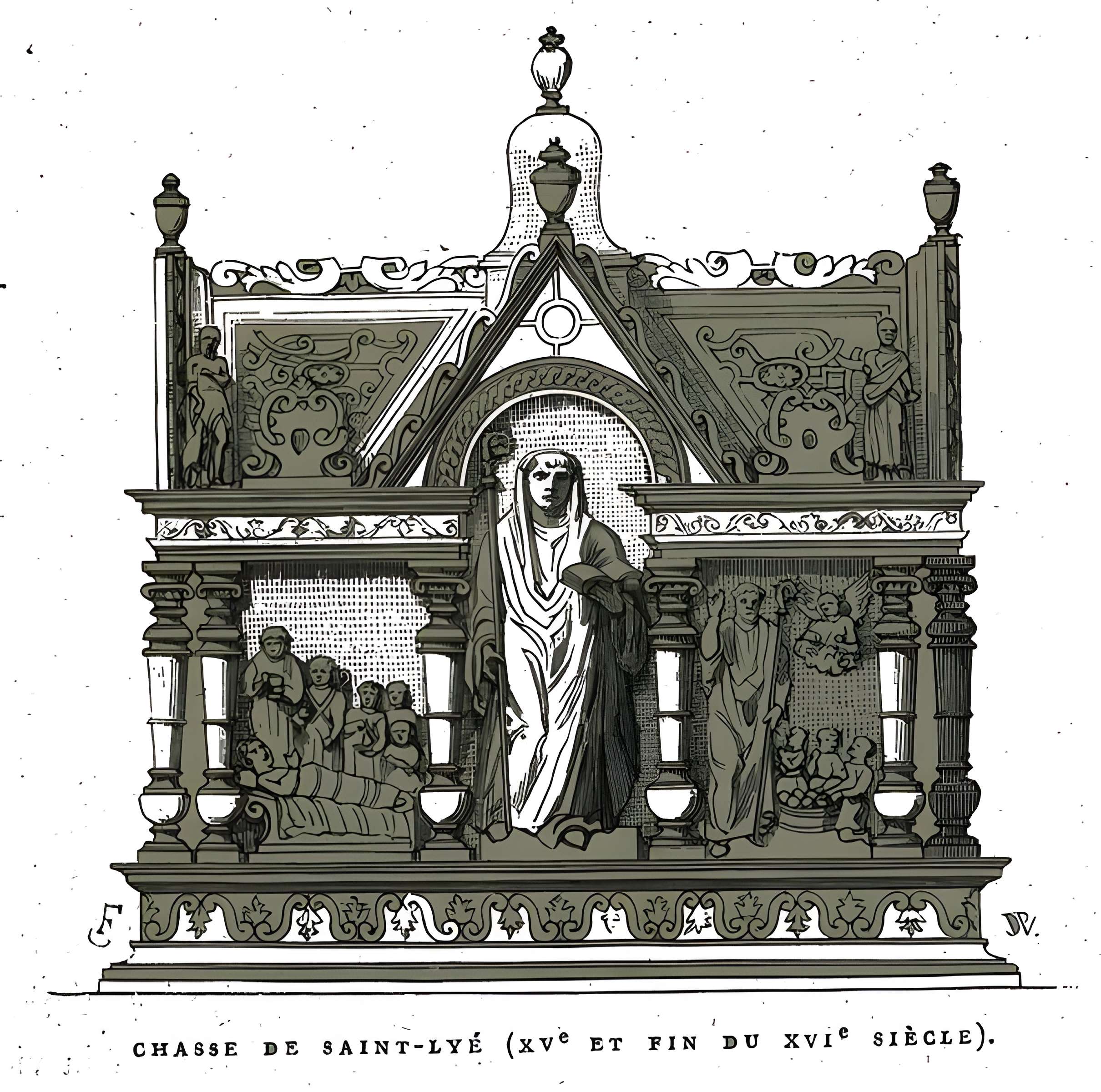
Saint Lyé - Holy patron
Sixteenth century statue in the church.
Pierre Cossard ou Guillaume II Cossard - Painters assigned
Suspected authors of The Vision of Saint Lyé.
Évêque de Troyes - Collator of the cure
Named the parish priest.
Origin and history
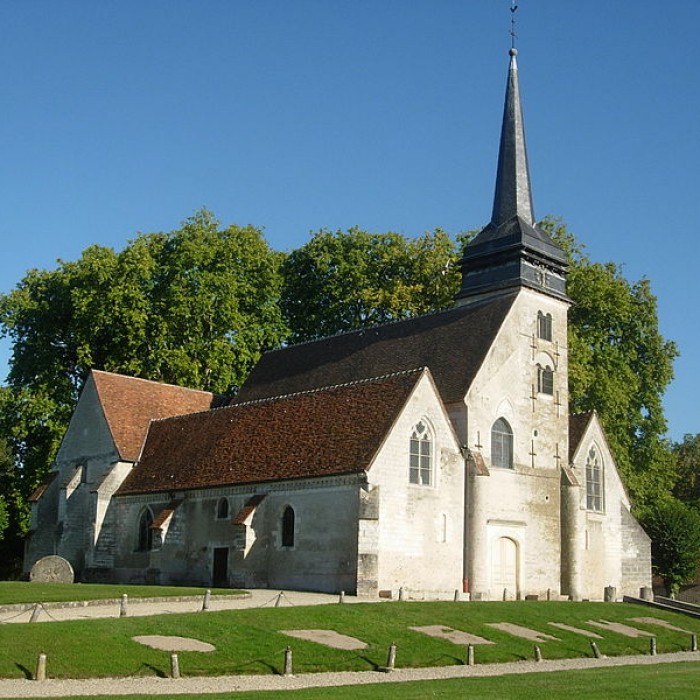
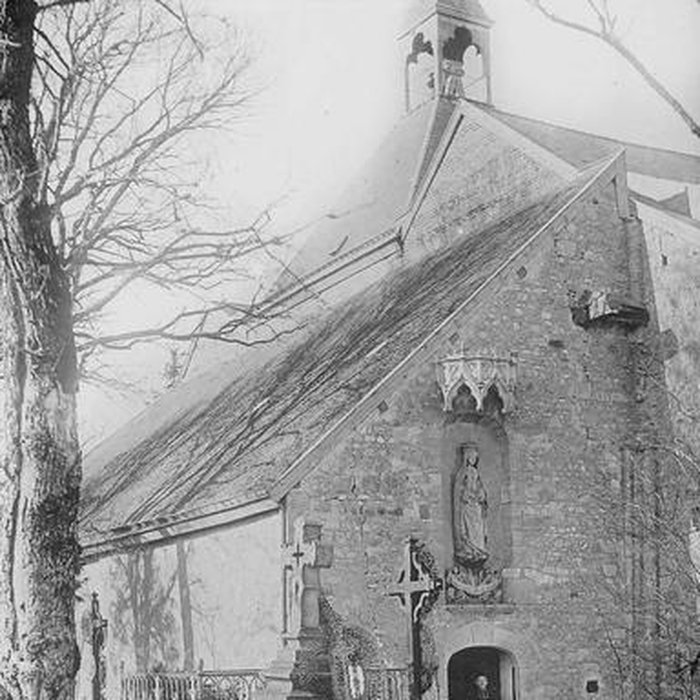
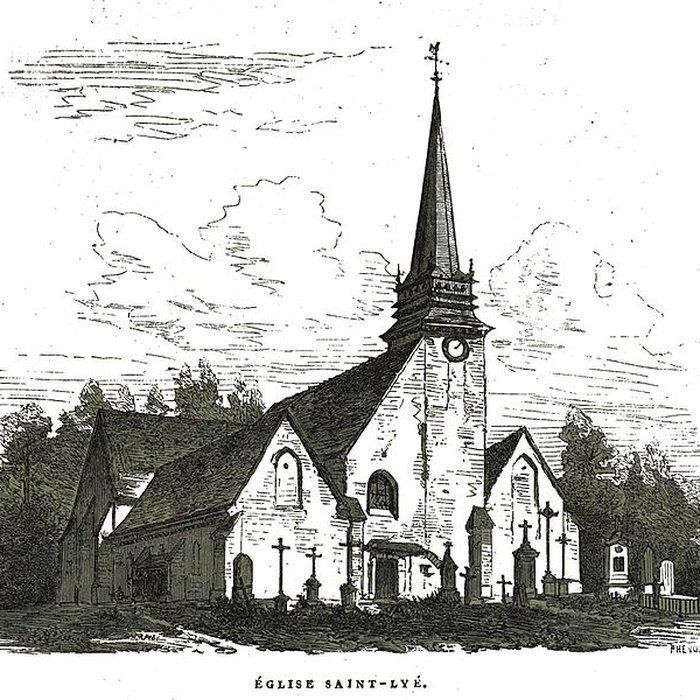
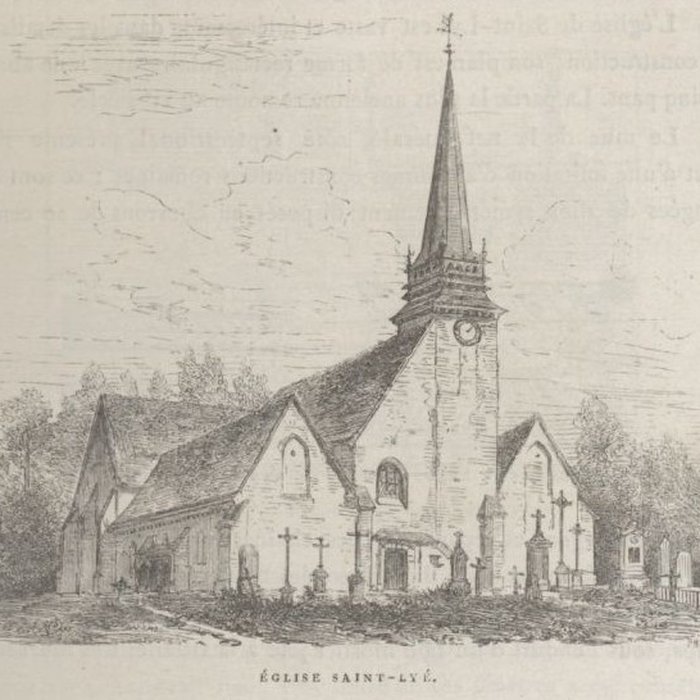
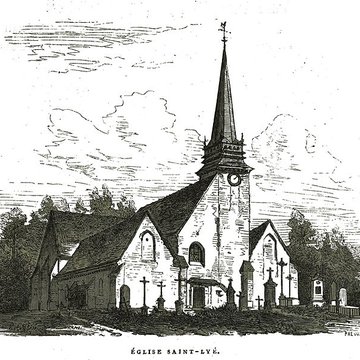
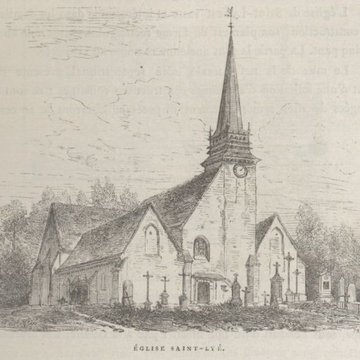
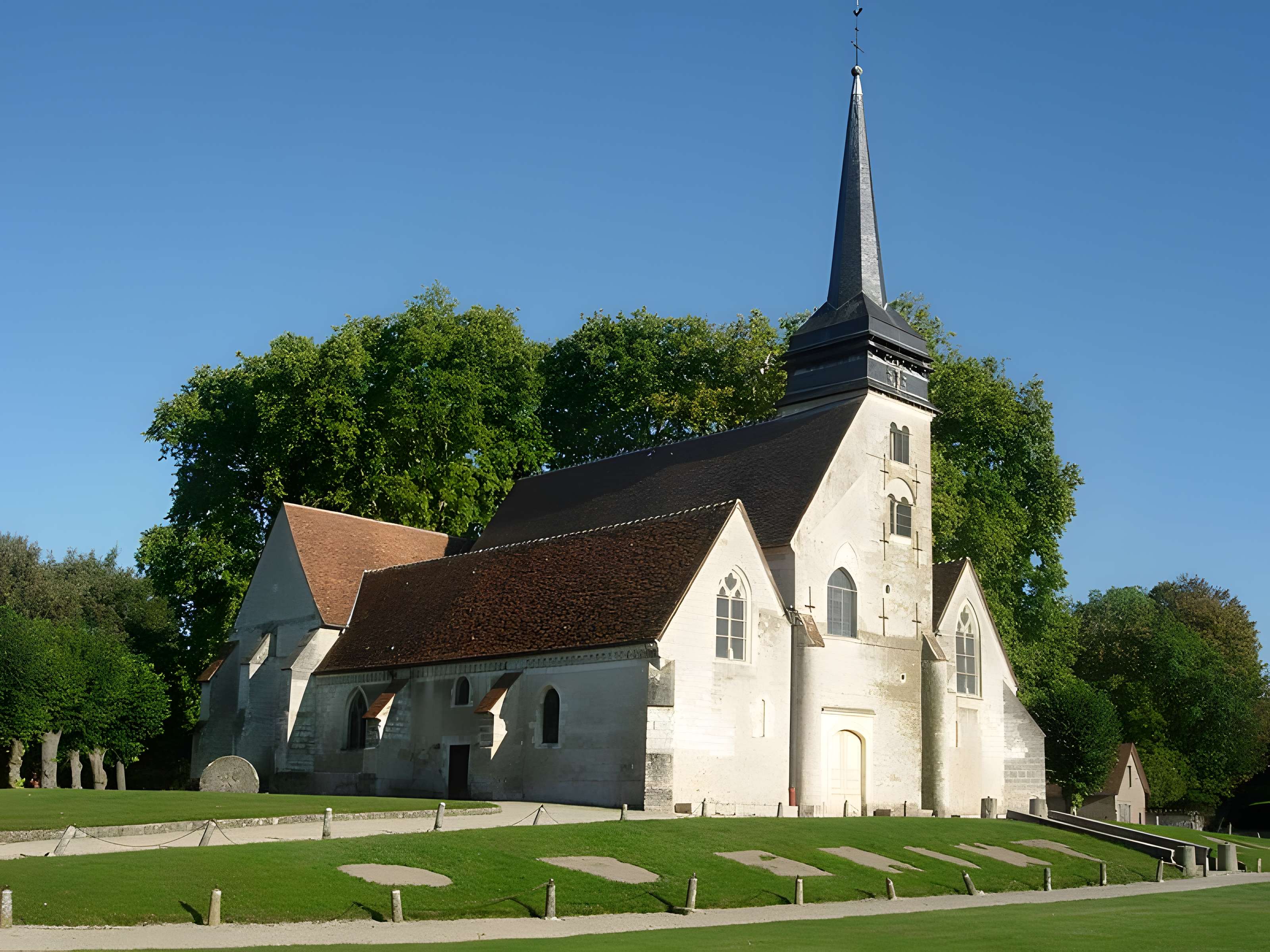
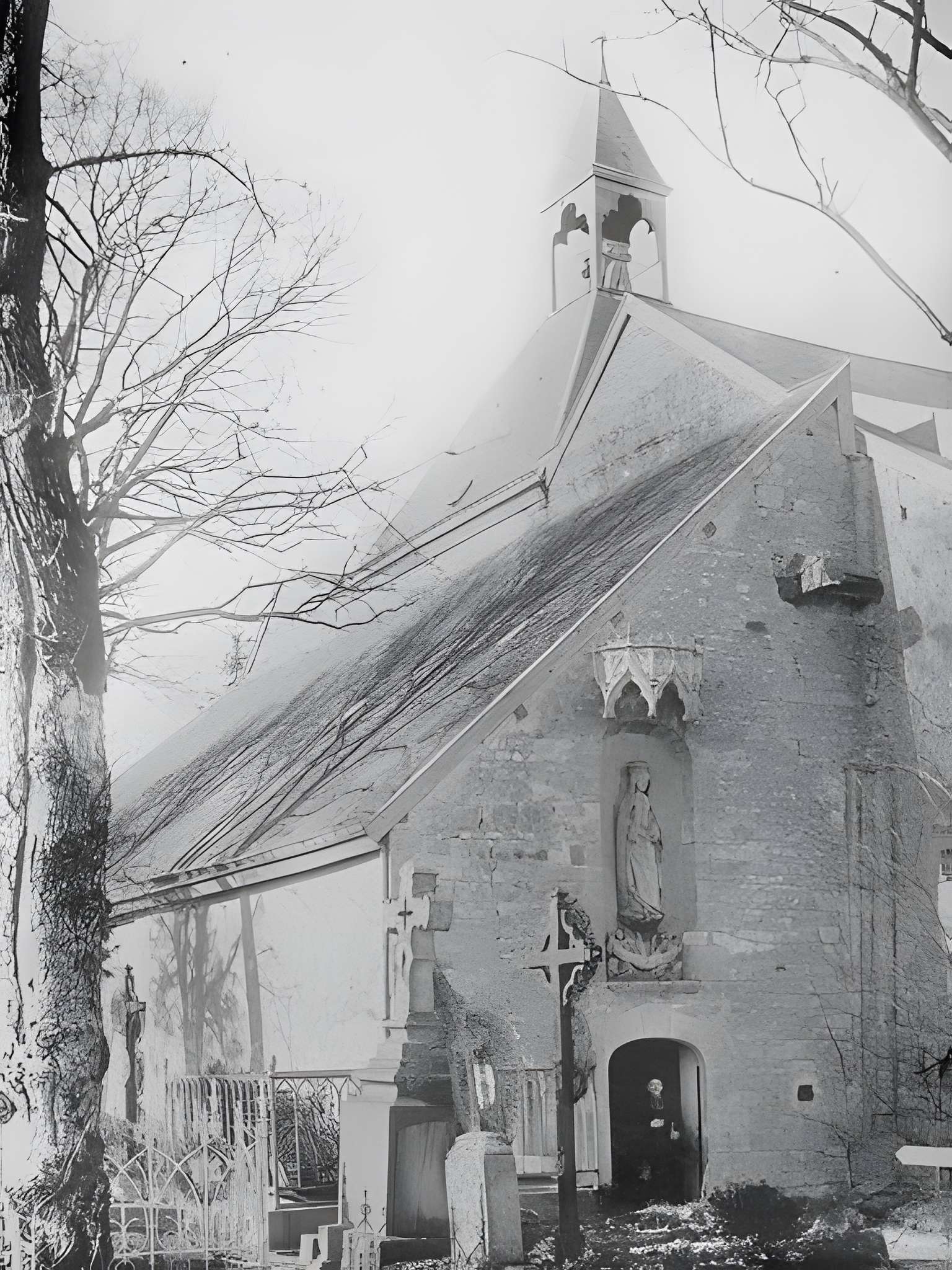
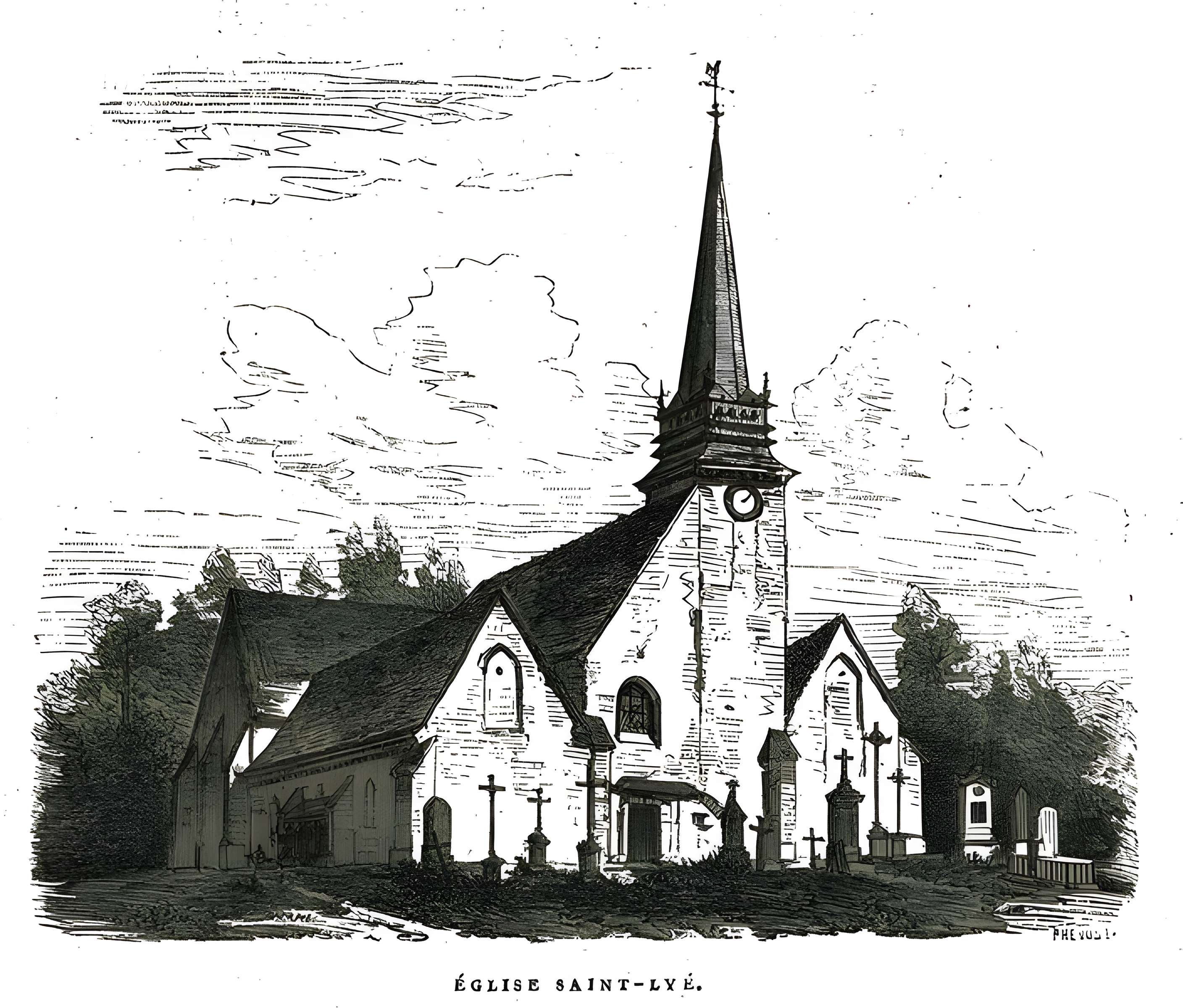
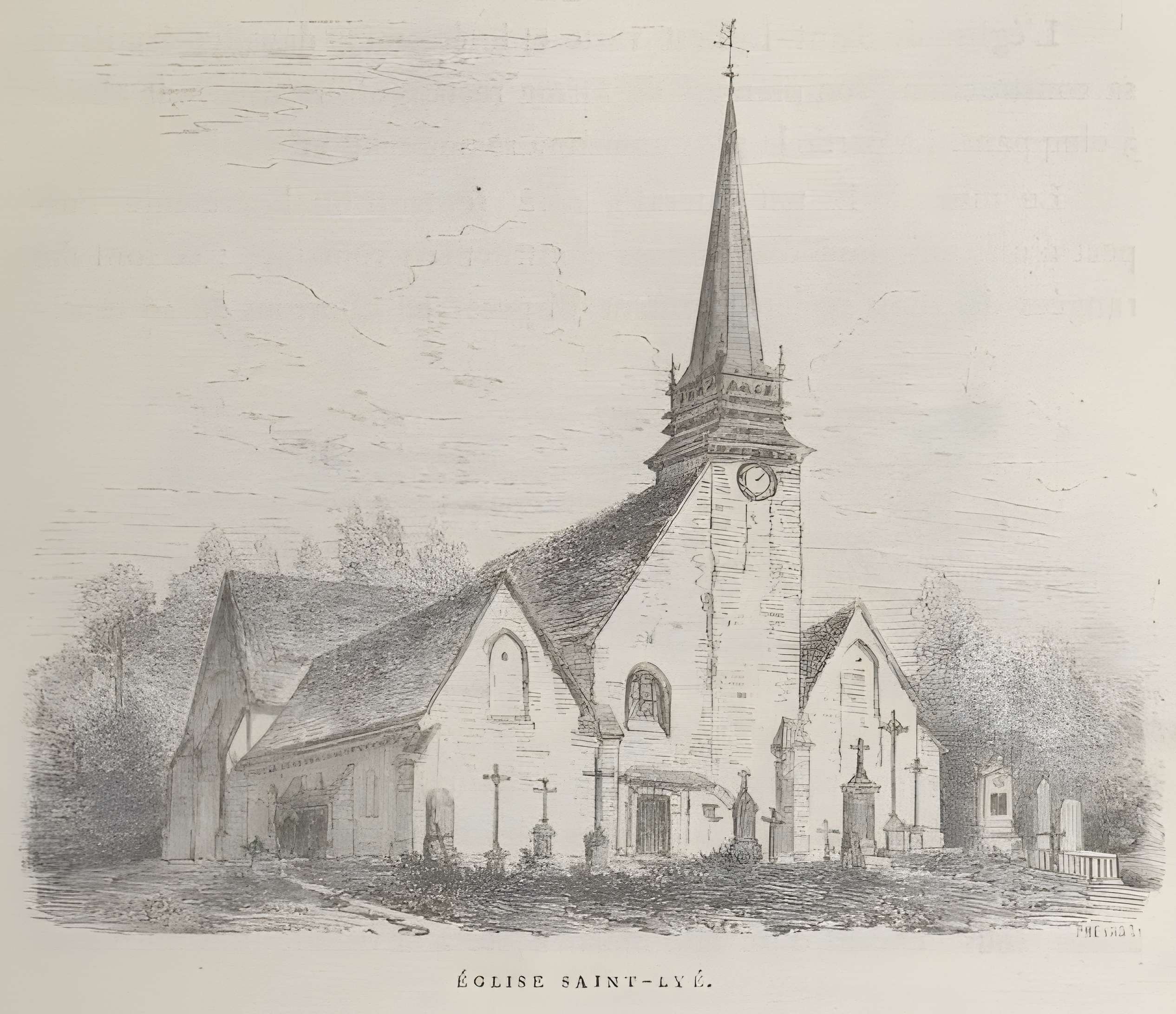
The Saint-Lyé church, located in the eponymous commune of the Aube department (Grand Est), is a monument dating back to the 11th century. Its square tower, nave and central gate date from this Romanesque period, while the rest of the building was built during the second half of the 12th century. The church preserves remarkable elements such as three 16th century polychrome stone statues representing Saint Fiacre, Saint Stephen and Saint Lyé, as well as an 18th century pulpit to preach and a painting entitled La Vision de Saint Lyé, attributed to Pierre Cossard or Guillaume II Cossard.
Historically, Saint-Lyé Church was the seat of a parish dependent on the Archpriestry of Troyes, with the municipalities of Payns and Le Pavillon as branches. The local bishop was responsible for appointing the priest. The building, owned by the commune, was registered as historical monuments by order of 11 February 1972. Its architecture and furniture thus reflect almost seven centuries of religious and artistic history, from the Romanesque period to the additions of the late medieval and modern periods.
The location of the church, specified by the Merimée base, is the 6 Place de l'Eglise in Saint-Lyé (code INSEE 10349). The monument, always open to worship, embodies the religious heritage of Champagne-Ardenne, now integrated into the Grand Est region. Its inscription among historical monuments underscores its heritage value, both for its architecture and for the works of art it houses, such as the classified statues and Cossard's painting.







Announcements
Please log in to post a review