
Logo Musée du Patrimoine

All French heritage classified by regions, departments and cities

Saint-Romans Church of Saint-Romans-lès-Melle dans les Deux-Sèvres

Patrimoine classé
Patrimoine religieux
Eglise
Eglise romane
Deux-Sèvres

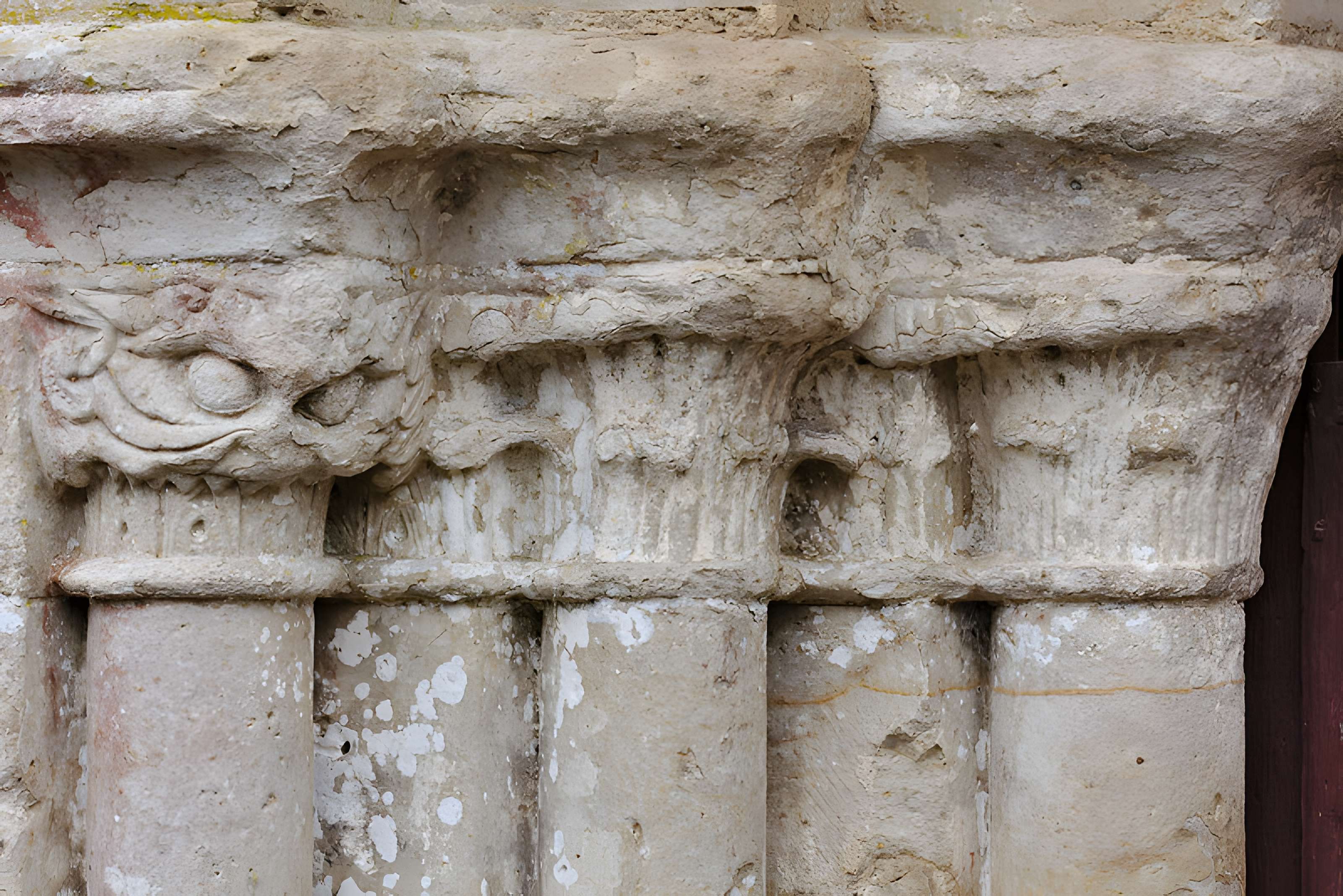
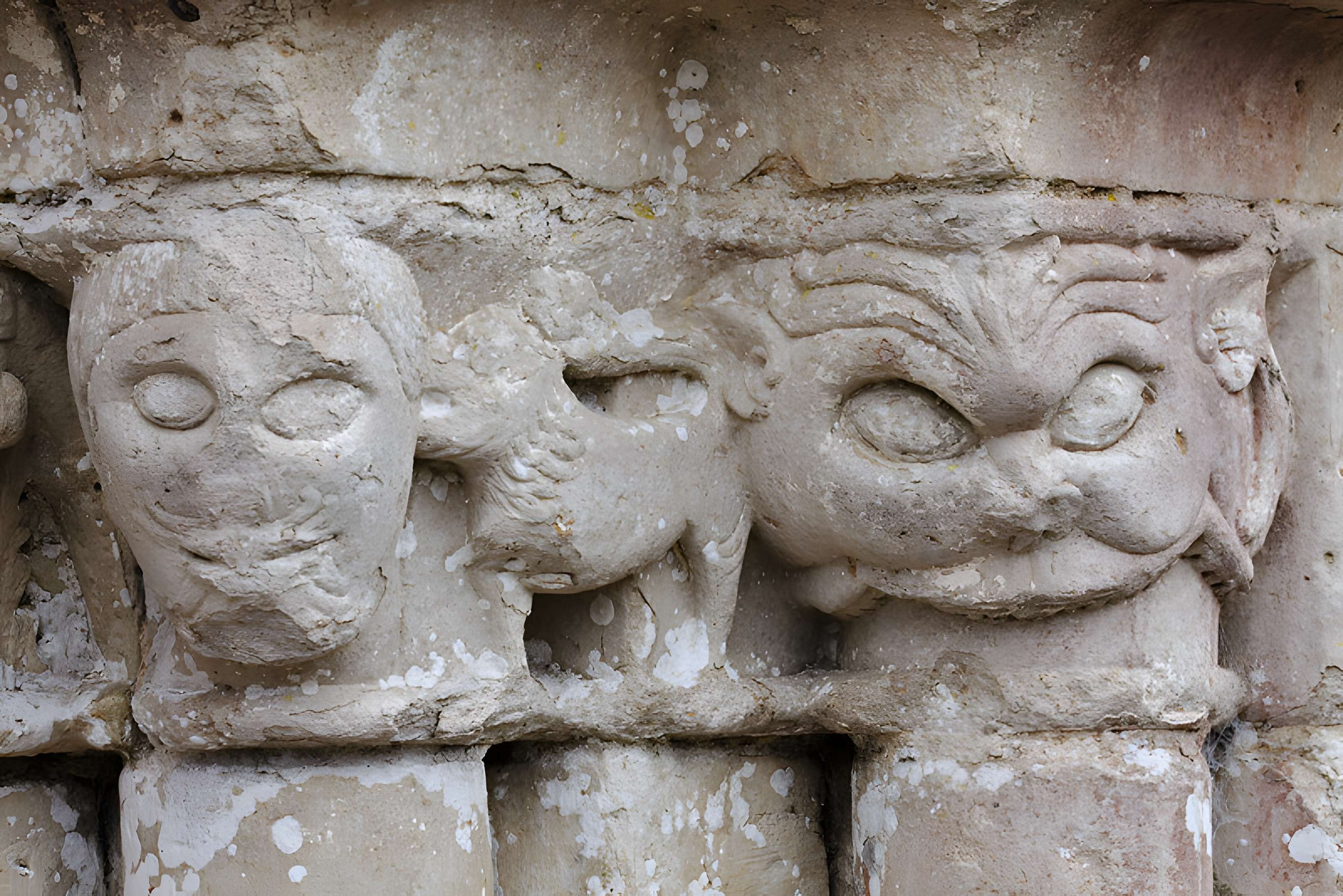
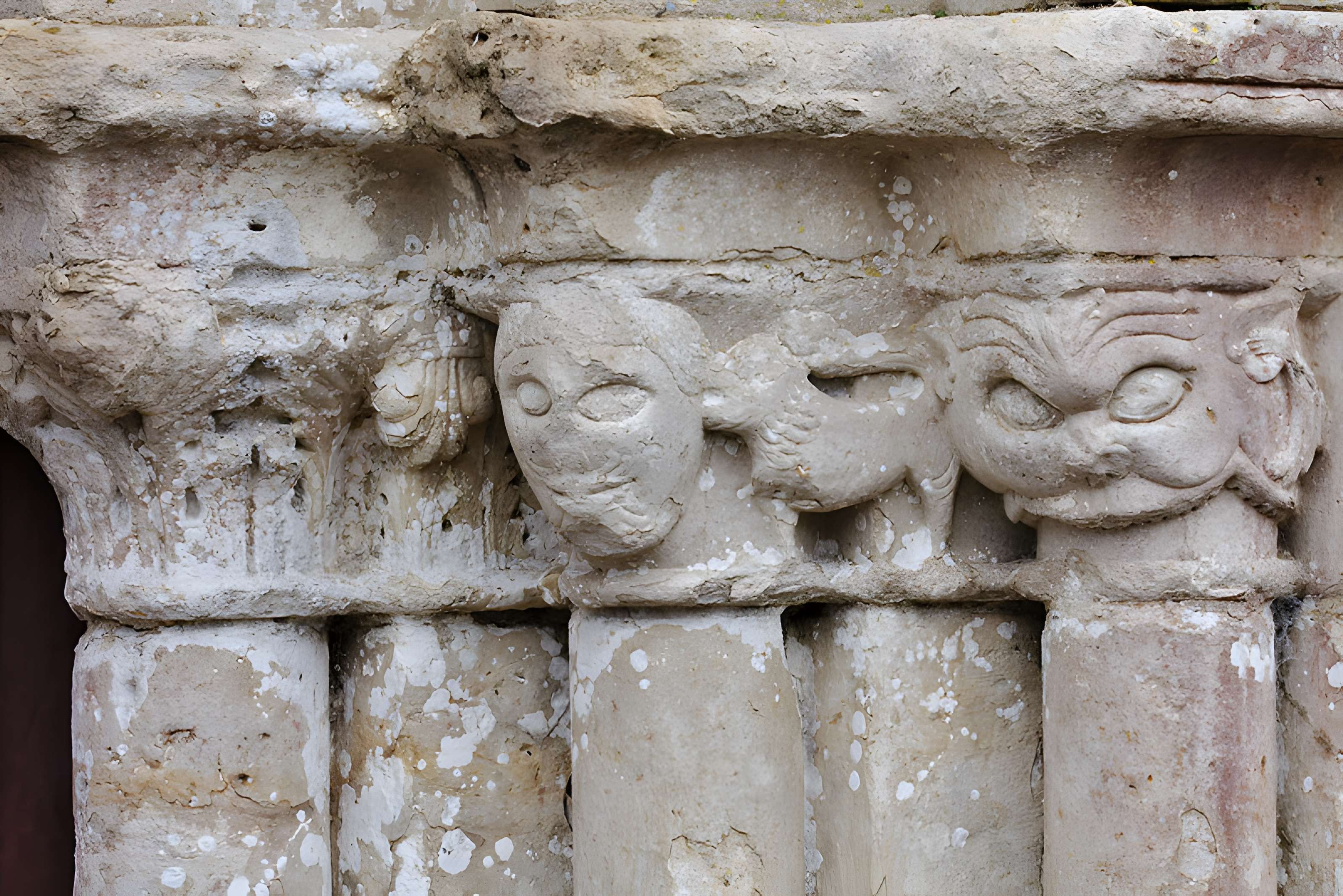
Saint-Romans Church of Saint-Romans-lès-Melle

    D101 
    79500 Saint-Romans-lès-Melle
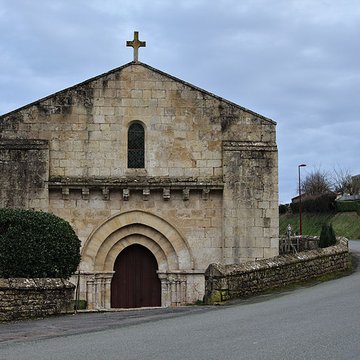
Église Saint-Romans de Saint-Romans-lès-Melle
Crédit photo : Didier Darrigrand - Sous licence Creative Commons

Timeline

Moyen Âge central
Bas Moyen Âge
Renaissance
Temps modernes
Révolution/Empire
XIXe siècle
Époque contemporaine
1200
1300
1400
1500
1600
1700
1800
1900
2000
XIIe siècle
Initial construction
Fin XIIe siècle
Probable reconstruction
XVe siècle
Addition of the polygonal tower
1559
Presumed restoration
1720
Interior changes
1751
Renovation of the apse
1972-1980
Major restoration
25 mars 1977
Historical Monument
Aujourd'hui
Aujourd'hui

Heritage classified

Church (Case B 331): Order of 25 March 1977

Key figures

Guillaume IX, comte de Poitiers - Lord and cross In 1103 he granted a royalty to the Abbé de Saint-Maixent.
Jean de Poix - Local Lord ECUson dated 1559 on the foothills.
Jeanne de Poix - Heir of Jean de Poix ECUson associated with the restoration of the sixteenth century.
Henri IV - King of France Built the castle in Barony in 1607.
Antoine-César de Choiseul-Praslin - Last Lord and Senator Selled the estate in 1808 after the Revolution.
Pierre Andrault - Former President of the District of Melle Acquire the estate in 1808, deputy of the Deux-Sèvres.

Origin and history

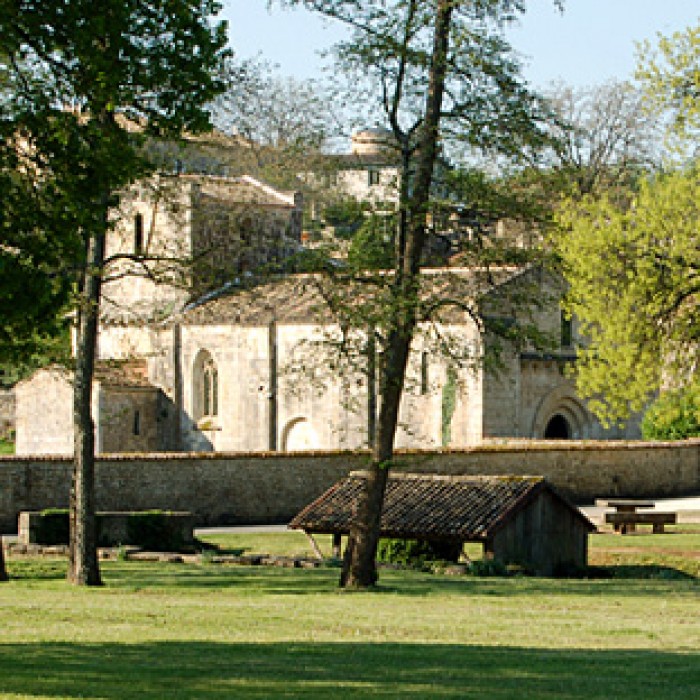
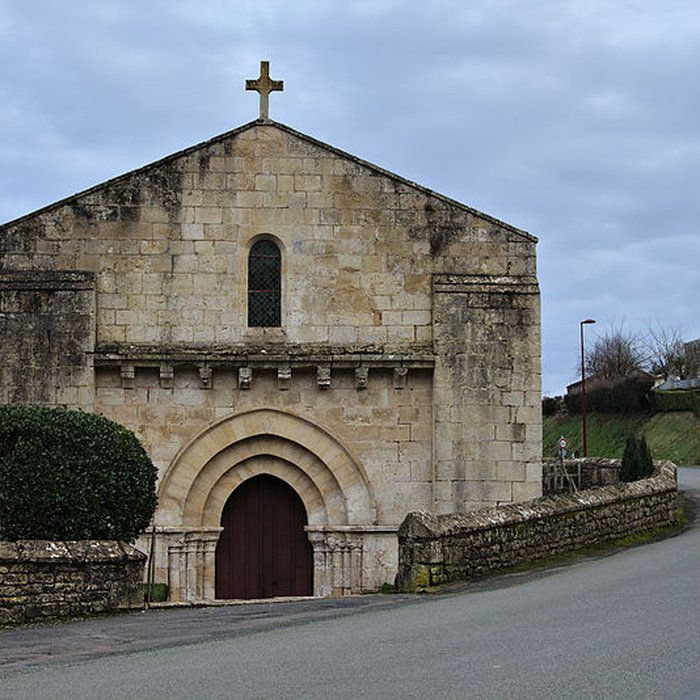
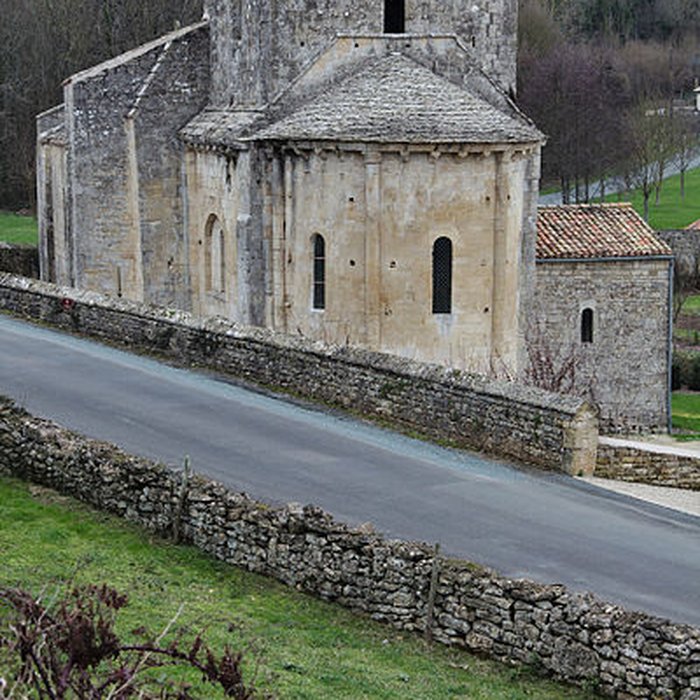
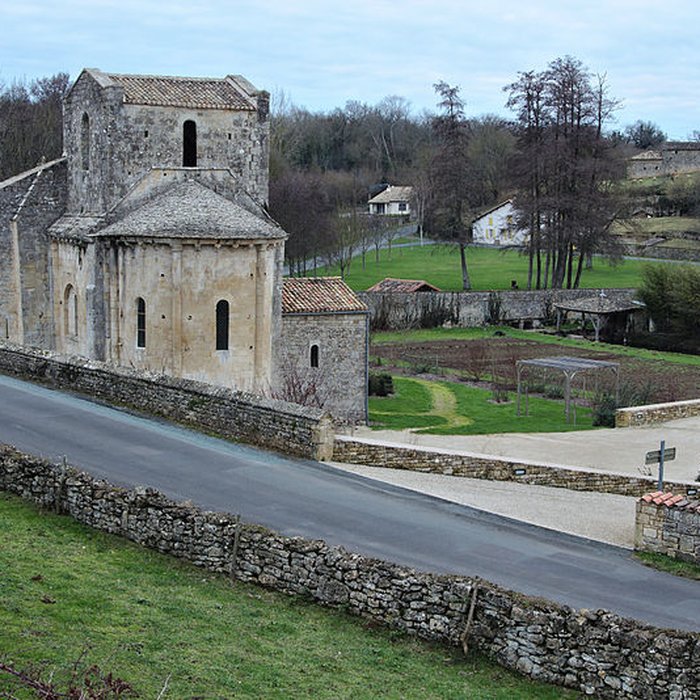
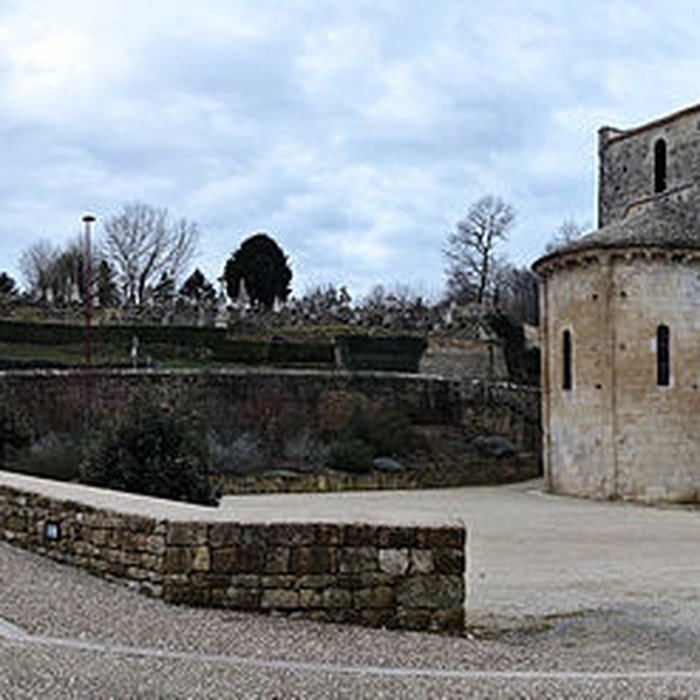
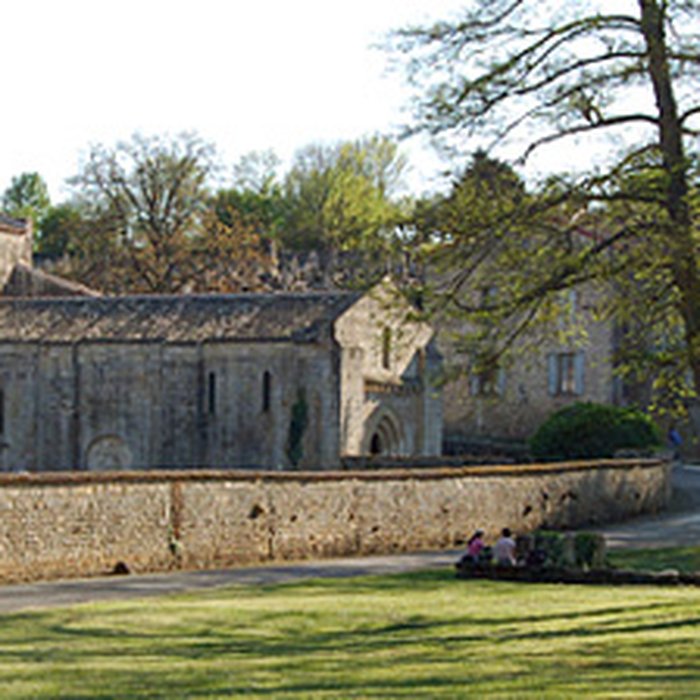
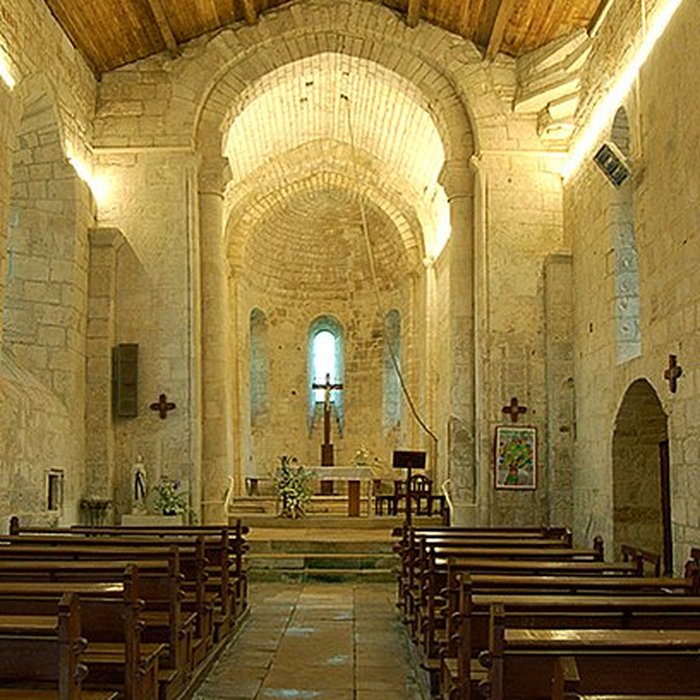
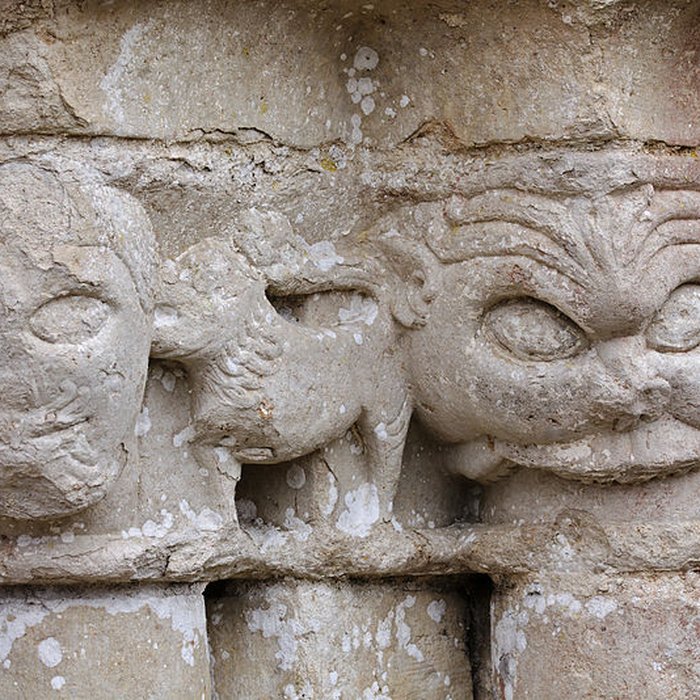
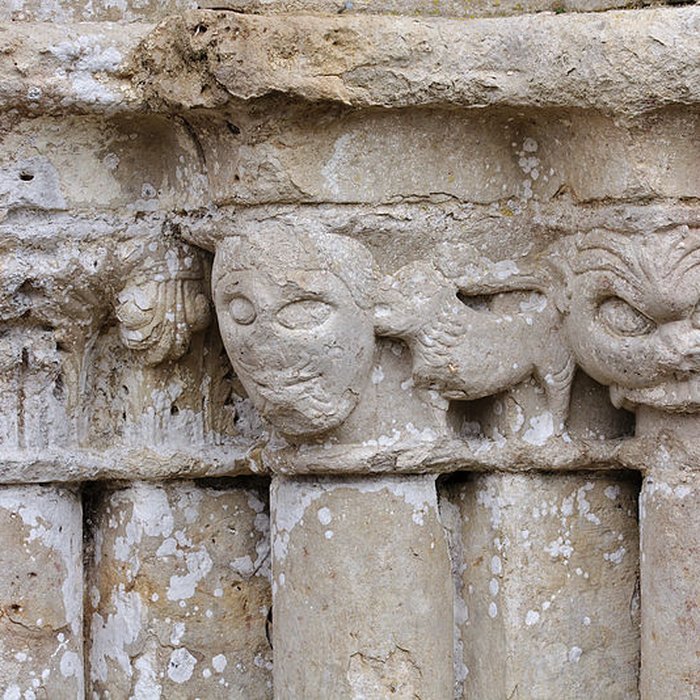
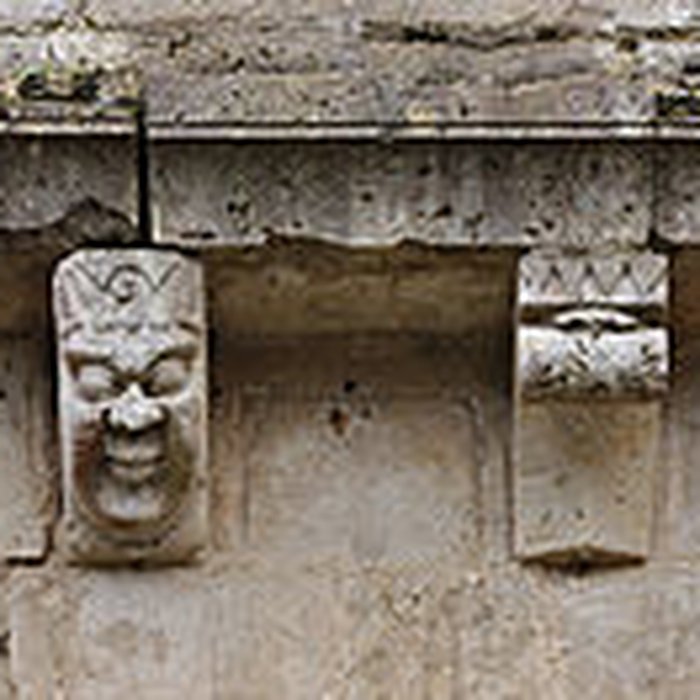
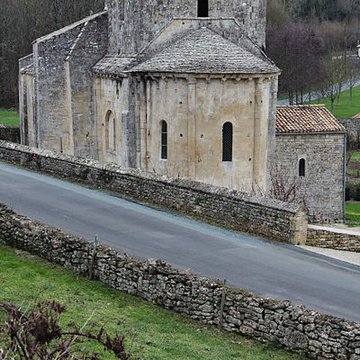
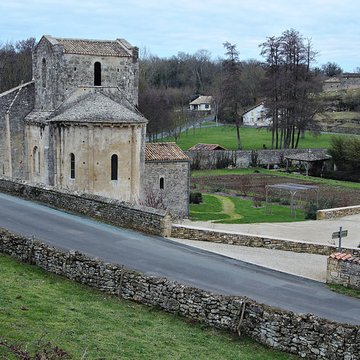
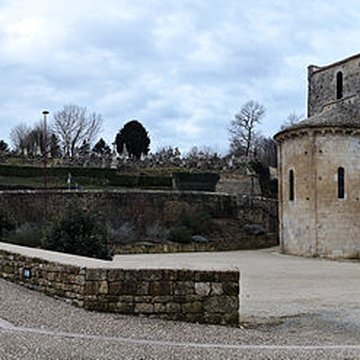
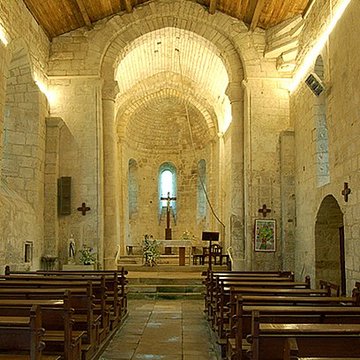
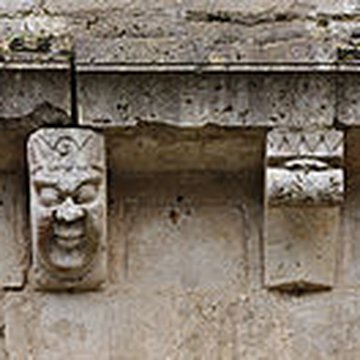
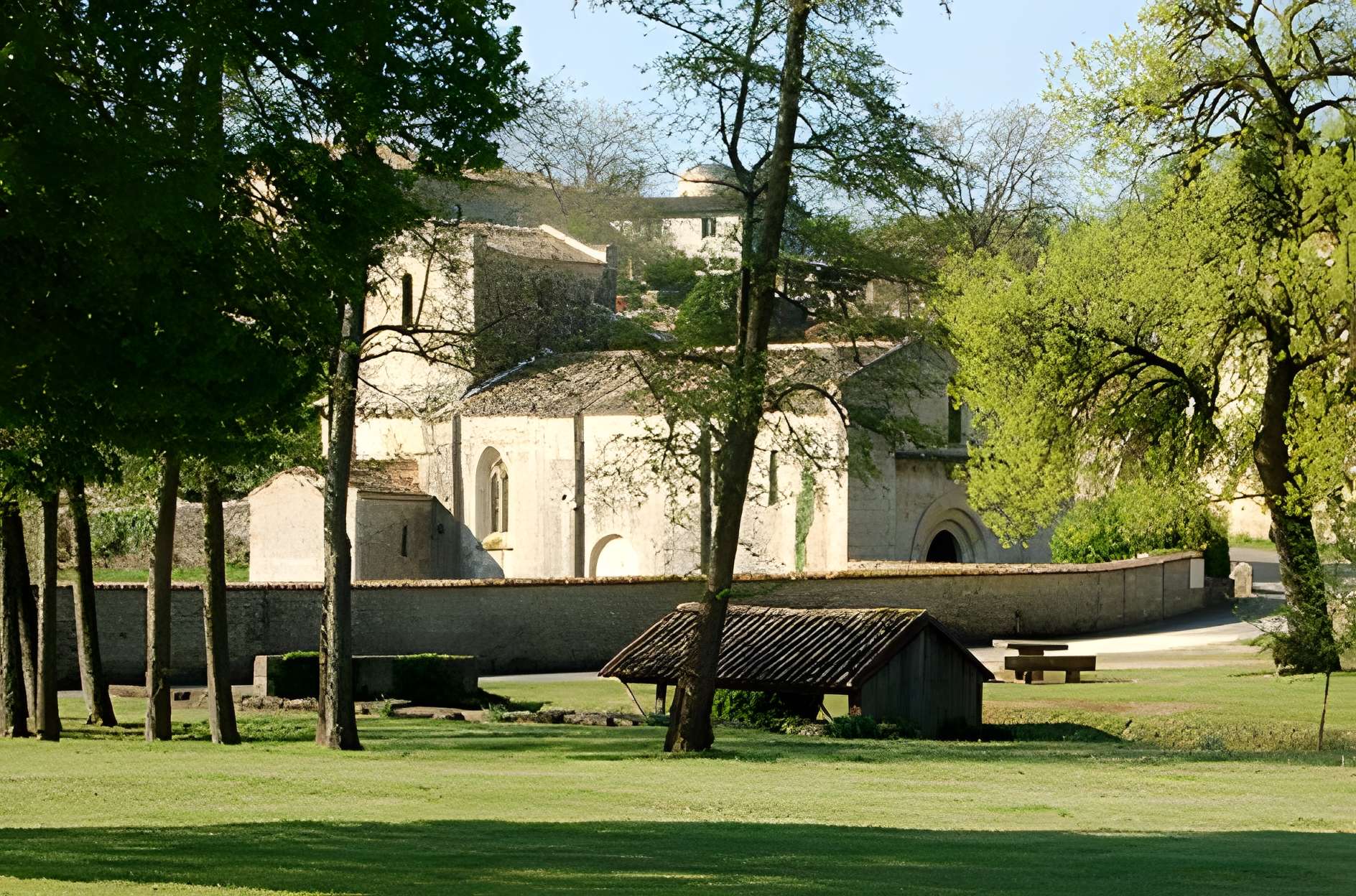
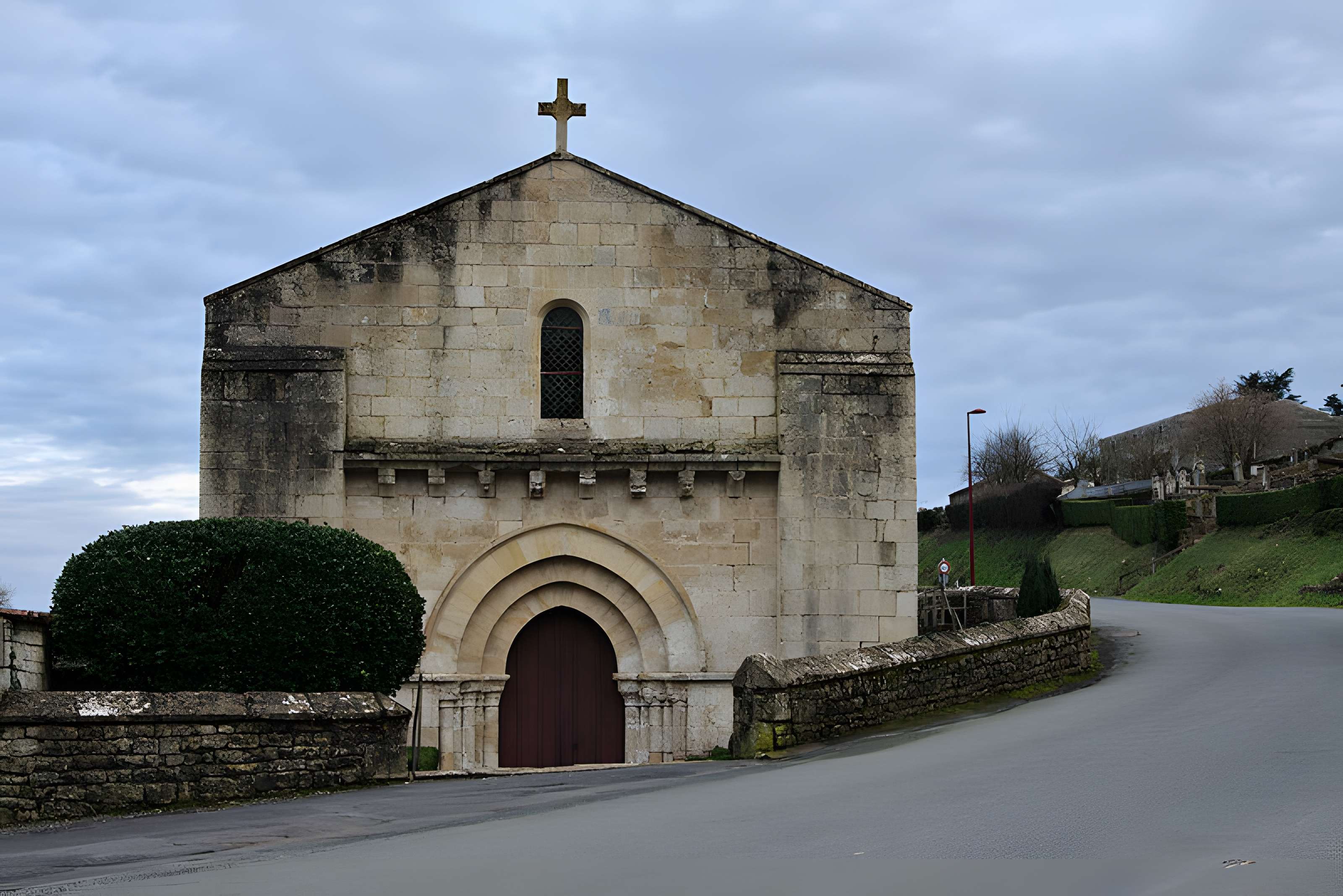
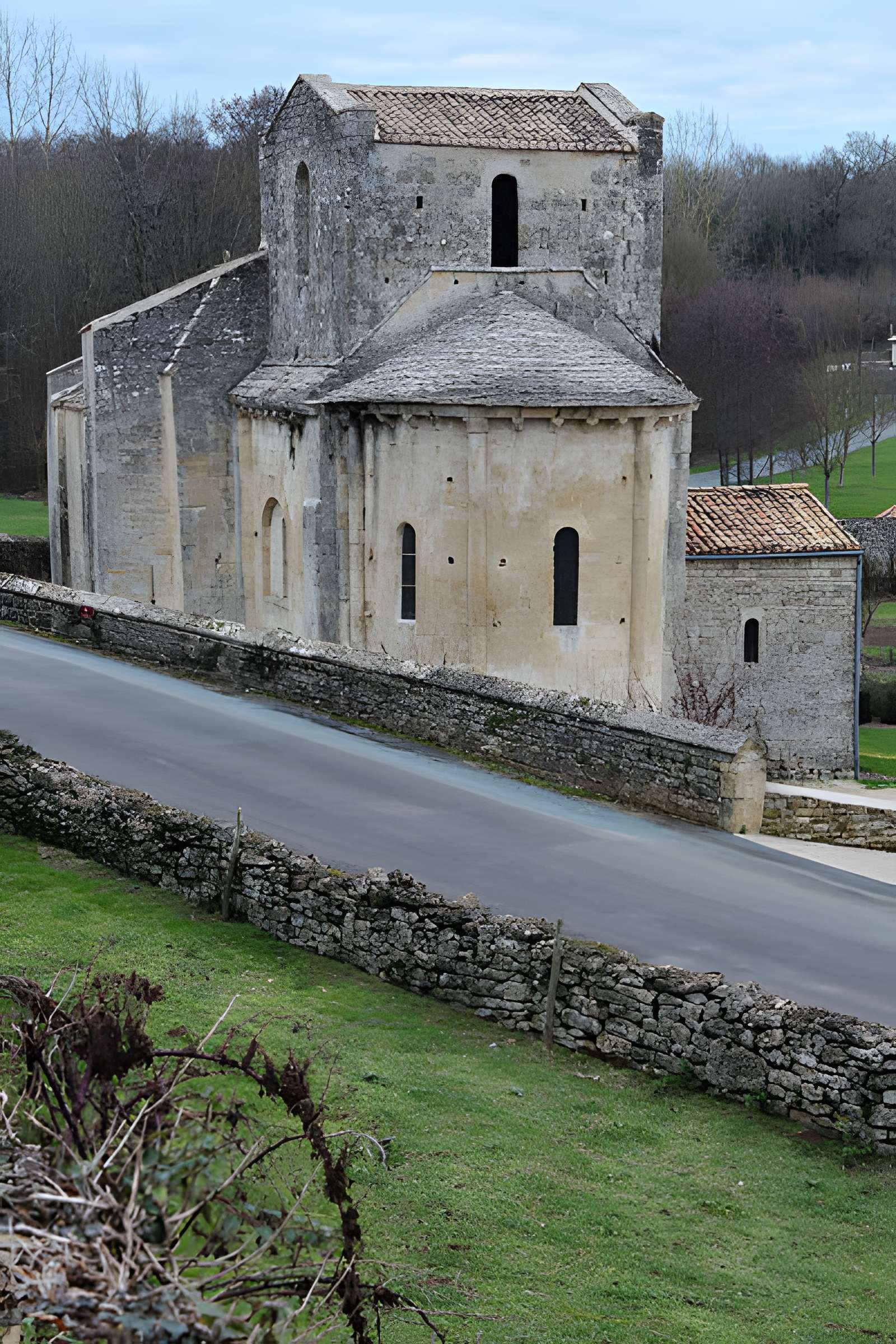
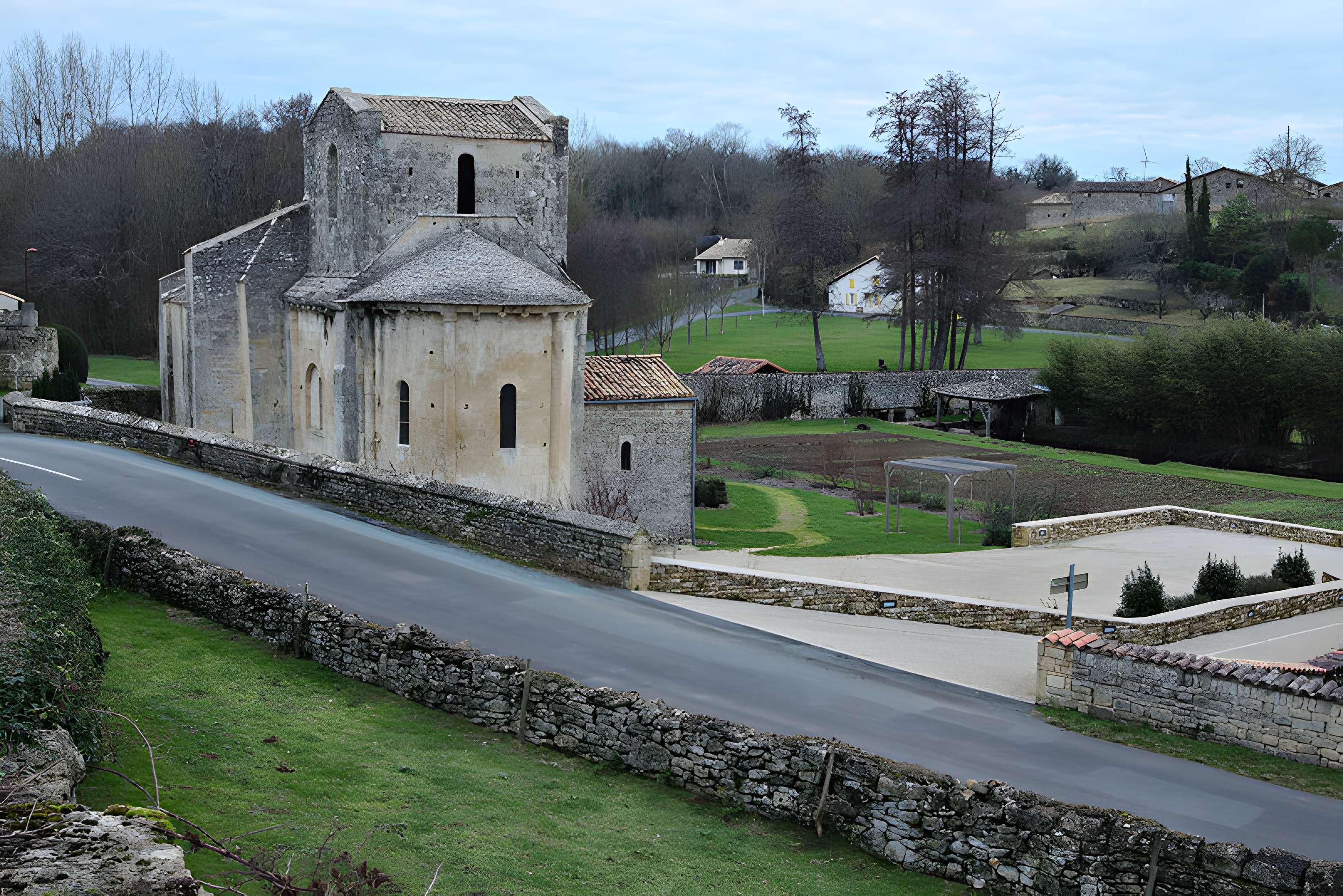
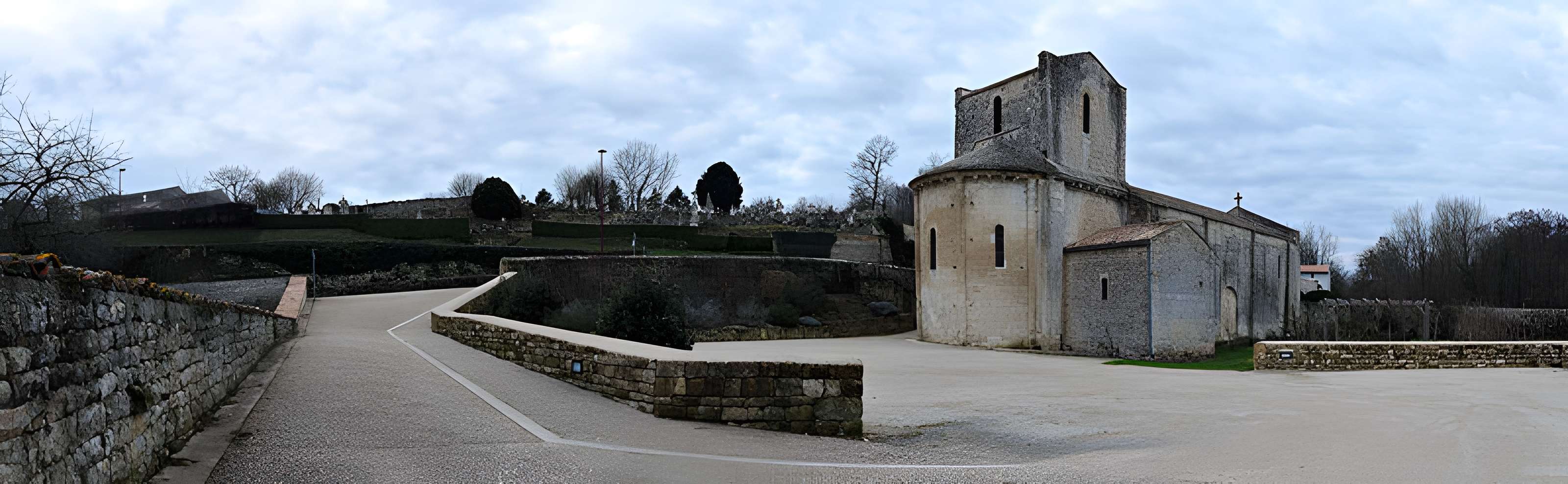
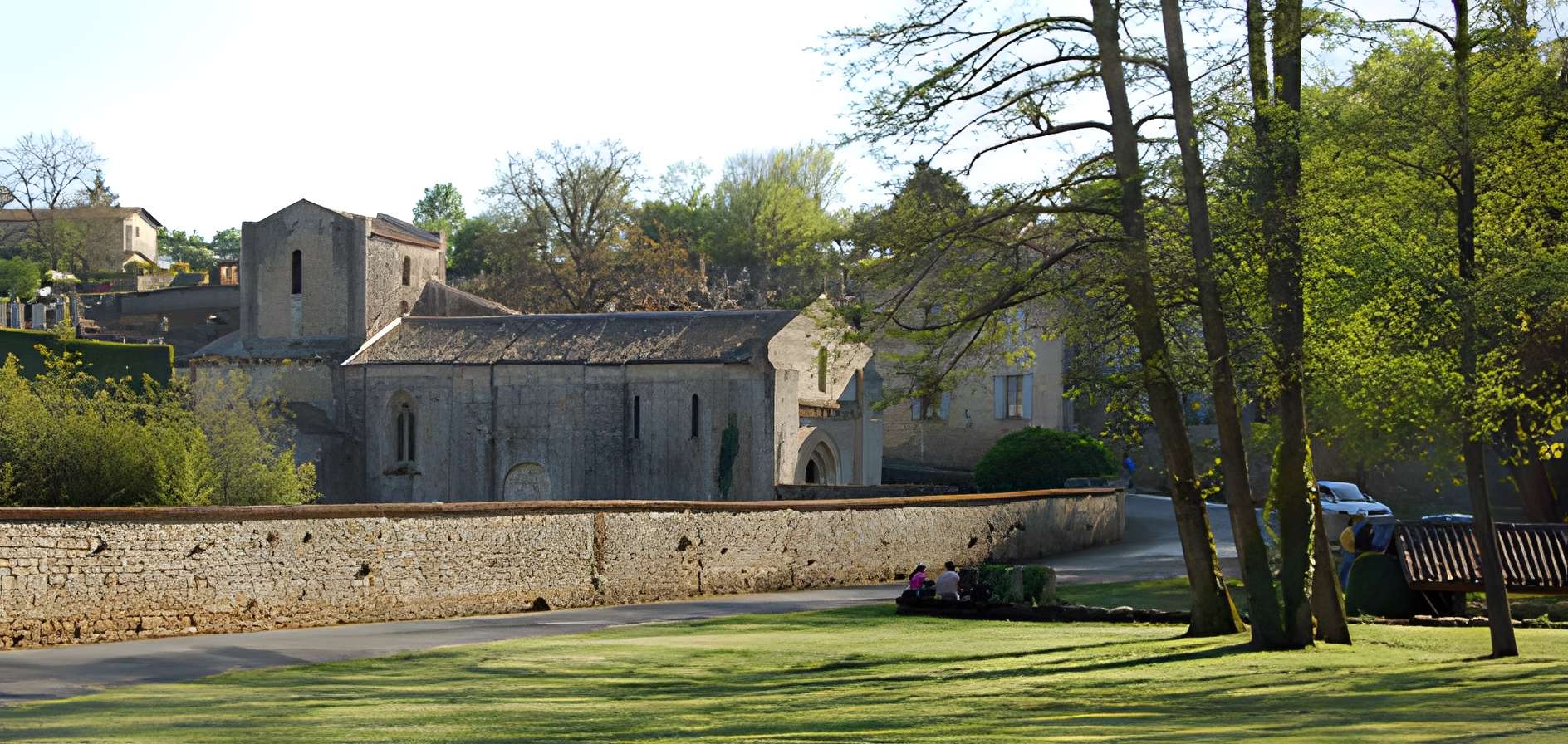
The Saint-Romans church of Saint-Romans-lès-Melle, built in the 12th century, is a typical example of Romanesque architecture. Its plan includes a rectangular nave, a semicircular apse and a square bell tower topped by a hexagonal tower. The building, partially fortified with murderers, was damaged during the Wars of Religion and Revolution, but restored several times without altering its original style.

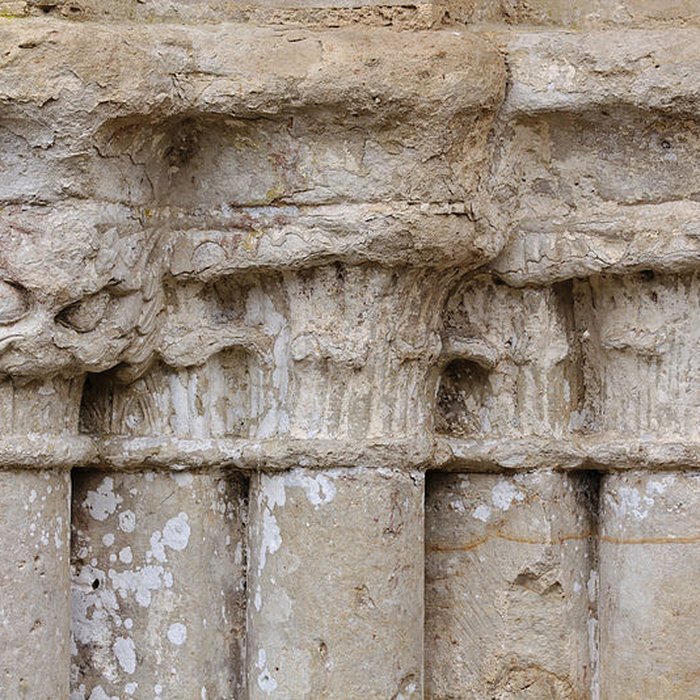
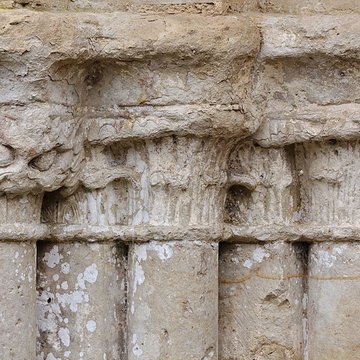
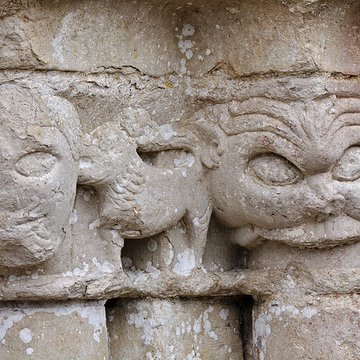
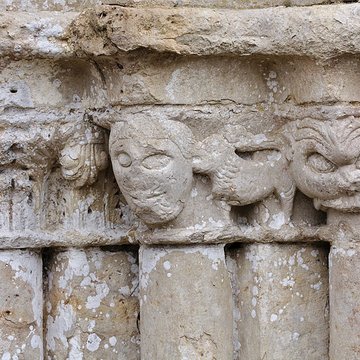
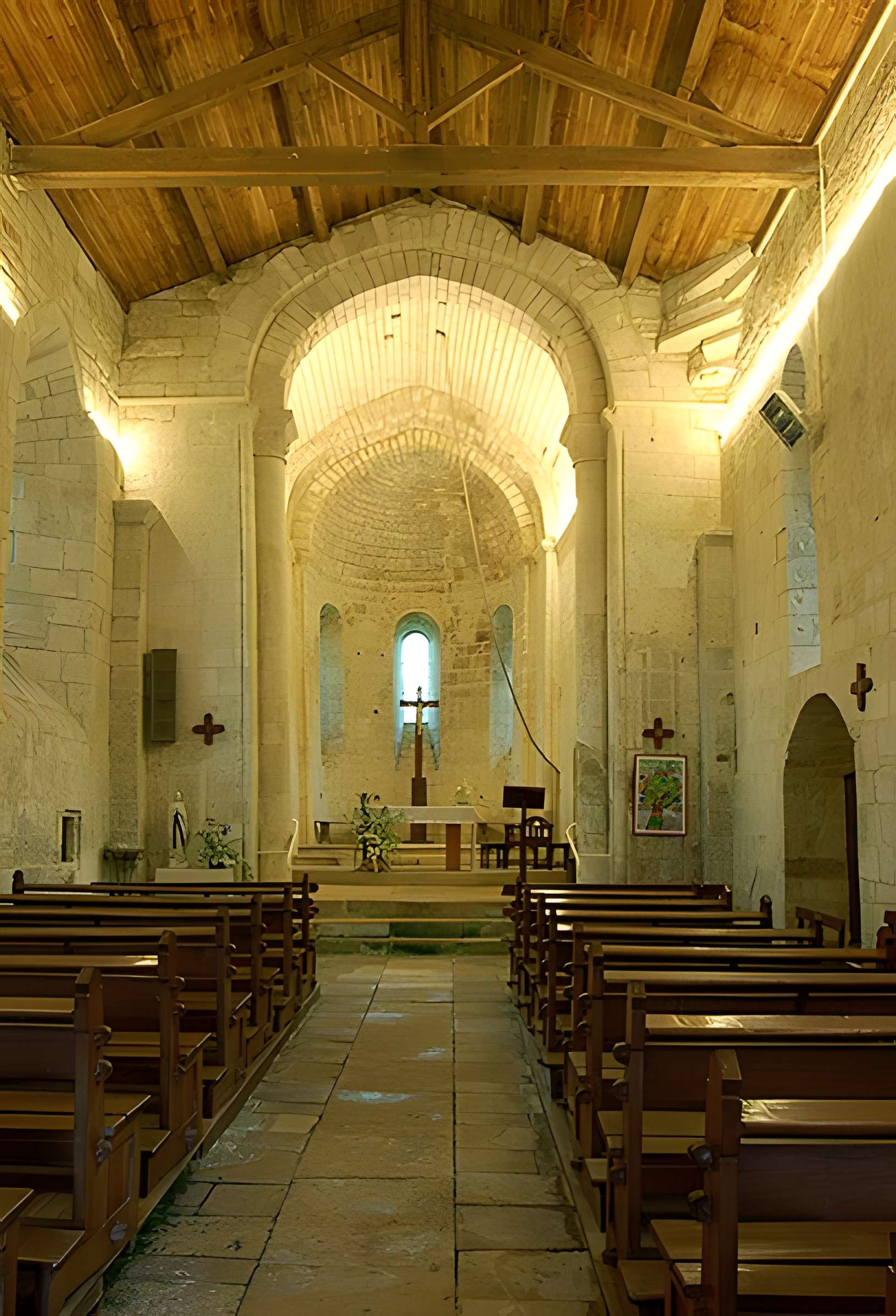
Originally entirely vaulted, the nave lost its vault in the 19th century. The apse, arched in cul-de-four, and the broken cradle choir probably date from the reconstruction of the late twelfth century, as indicated by two inscriptions on the facade. In the 15th century, a polygonal tower with a screw staircase was added, and a bay was pierced in the left side wall. The shields of Jean de Poix (1559) and his daughter Jeanne, visible on the foothills, suggest a restoration during the Wars of Religion.

In the 18th century, members of the seigneurial family were buried in the seigneurial chapel, with relief bearing coats of arms and the date 1720. In 1751 the vault of the apse and the bays of the choir were redone. The church, classified as a historical monument in 1977, underwent major restoration between 1972 and 1980. It maintains defensive elements and traces of the transformations related to its turbulent history, including the damage suffered during religious and revolutionary conflicts.

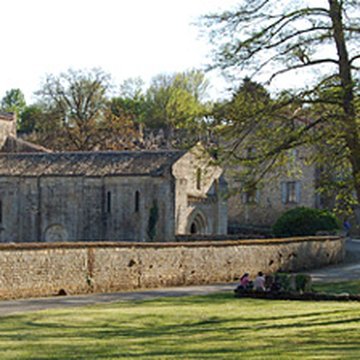
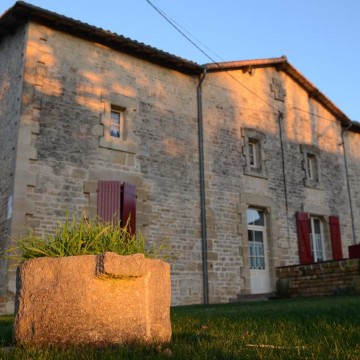
The village of Saint-Romans-lès-Melle, located in a hilly environment traversed by the Béronne, was a place of important fairs, especially for the trade of mules. The church, linked to local seigneurial history, also reflects the influence of noble families such as the Poix, which marked its architectural evolution. The neighbouring house, built in the 15th century and modified over the centuries, bears witness to this feudal and post-revolutionary history.

The Protestant temple opened in 1846 recalls the religious diversity of the region, while the restored washrooms and halls, given in the 19th century by the Duke of Choiseul-Praslin, evoke past community and economic life. The religious building, still owned by the commune, remains a symbol of the medieval heritage and the local history of the Deux-Sèvres.

External links