Initial construction Moyen Âge (XIIe–XIIIe siècles) (≈ 1125)
Donjon wooden then stone, seigneurial house.
XIIIe siècle
Second pregnant
Second pregnant XIIIe siècle (≈ 1350)
Stone reinforcement for strategic role.
1590
Heroic seat
Heroic seat 1590 (≈ 1590)
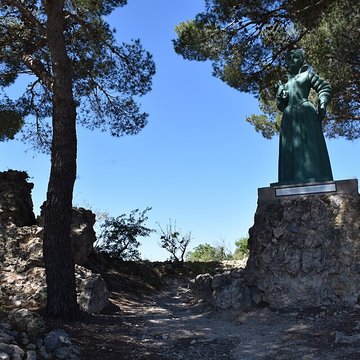
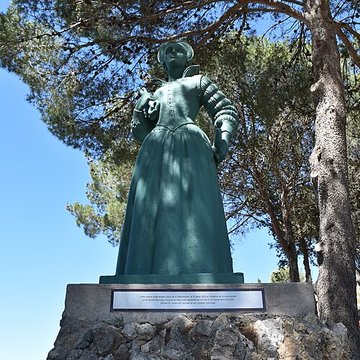
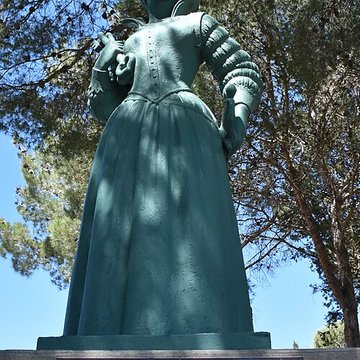
Resistance of Françoise de Cézelly.
Début XVIe siècle
Renaissance modernization
Renaissance modernization Début XVIe siècle (≈ 1604)
First prototype of a bastioned enclosure in Europe.
1659
Treaty of the Pyrenees
Treaty of the Pyrenees 1659 (≈ 1659)
End of border conflicts with Spain.
1665
Partial destruction
Partial destruction 1665 (≈ 1665)
Use of powder stocks.
2006
Historical monument classification
Historical monument classification 2006 (≈ 2006)
Protection of remains and ice.
Aujourd'hui
Aujourd'hui
Aujourd'hui Aujourd'hui (≈ 2025)
Position de référence.
Heritage classified
Residues of the fort in its entirety, including ice and ditches, as well as the entire ground right-of-way of the corresponding parcels (Box CA 206-208, 249, 261; CS 319, 406 to 408, 411, 413 to 442, 454, cf. plan annexed to the Order): entry by order of 26 July 2006
Key figures
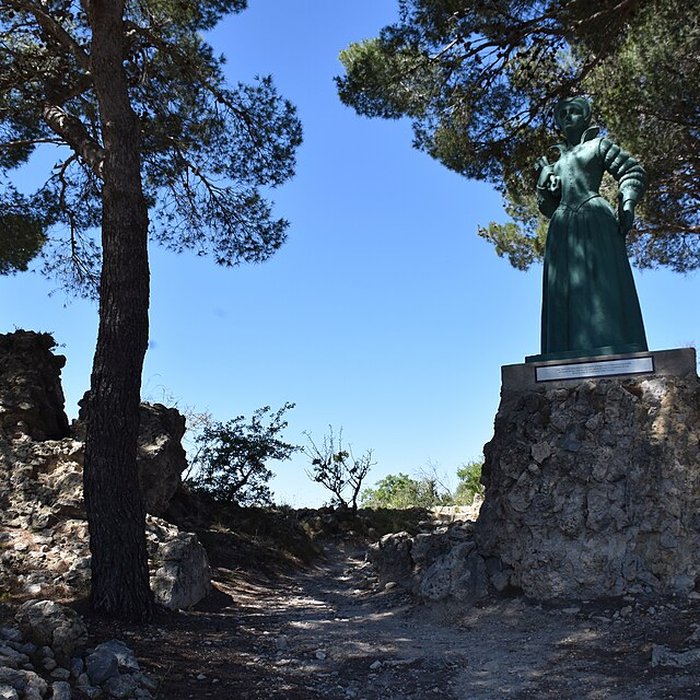
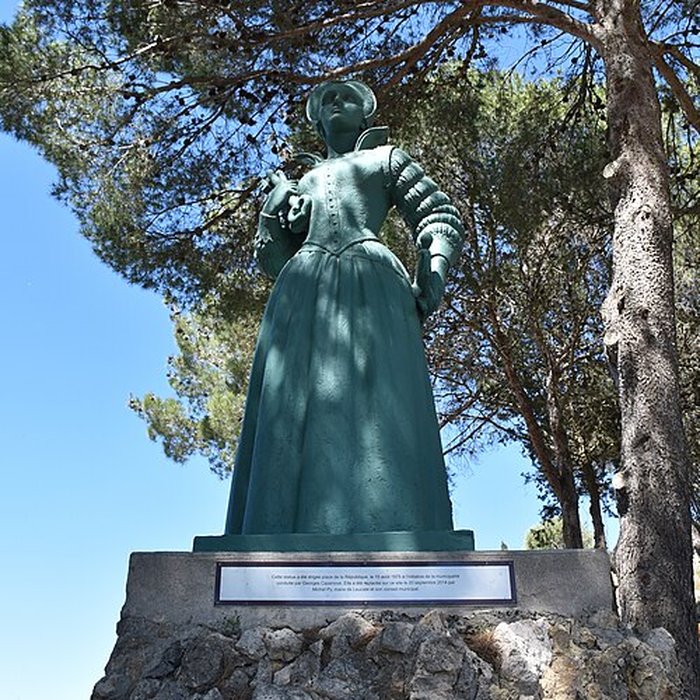
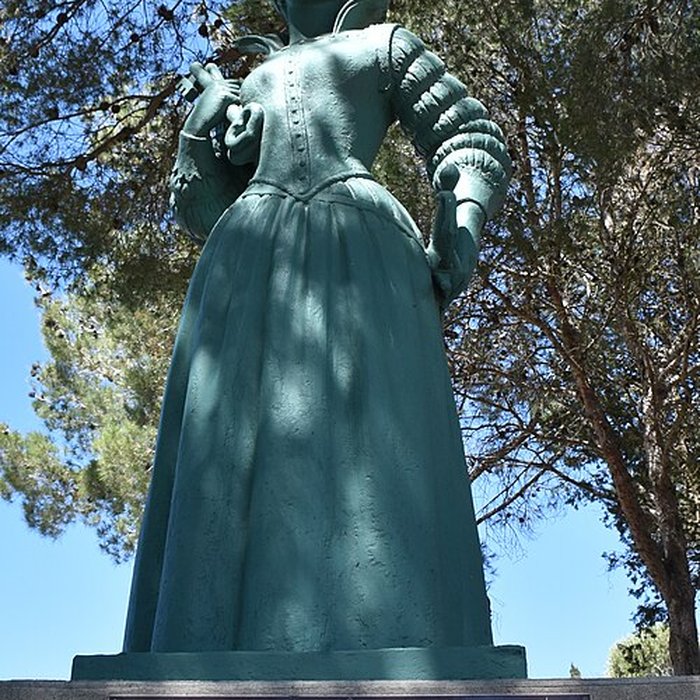
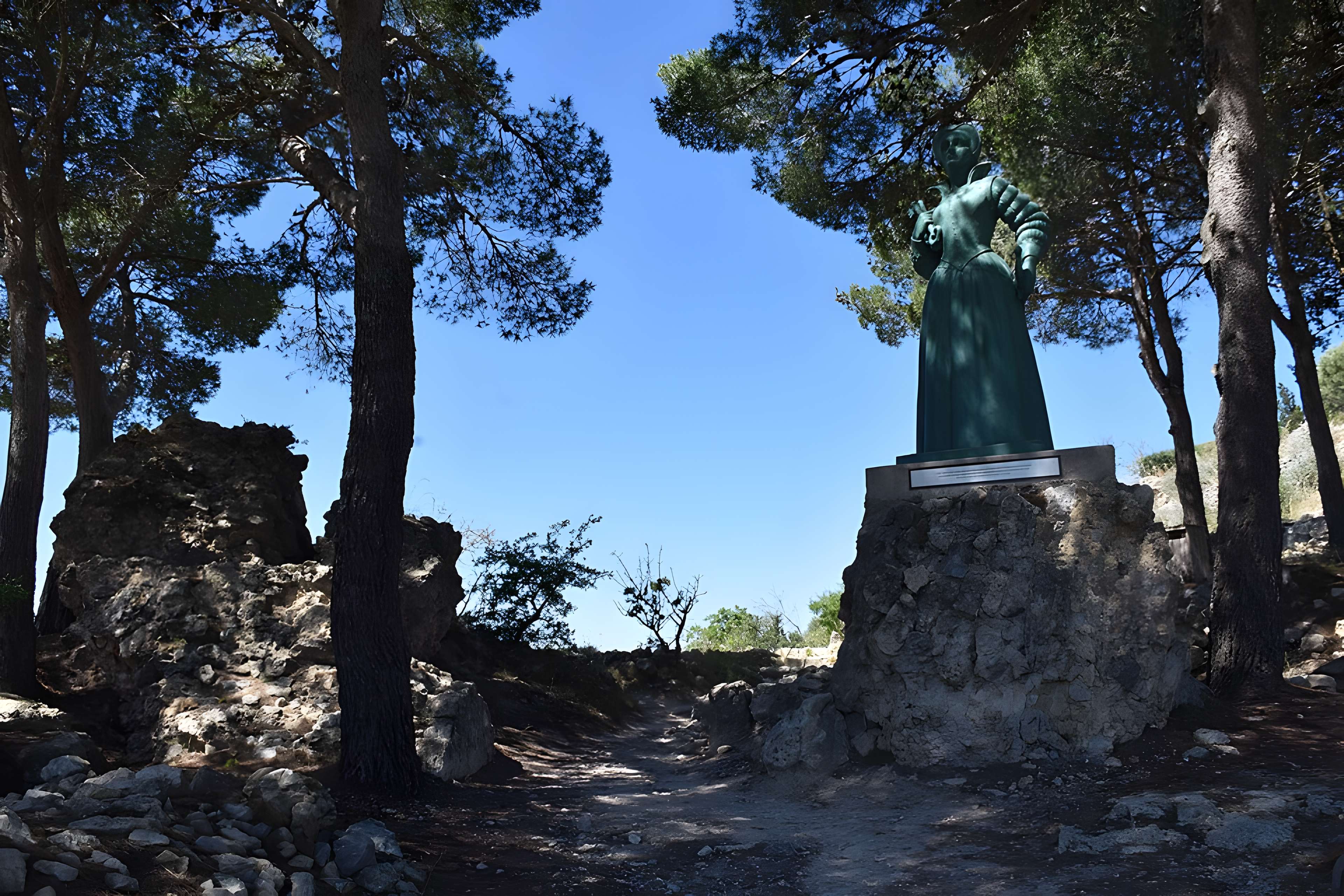
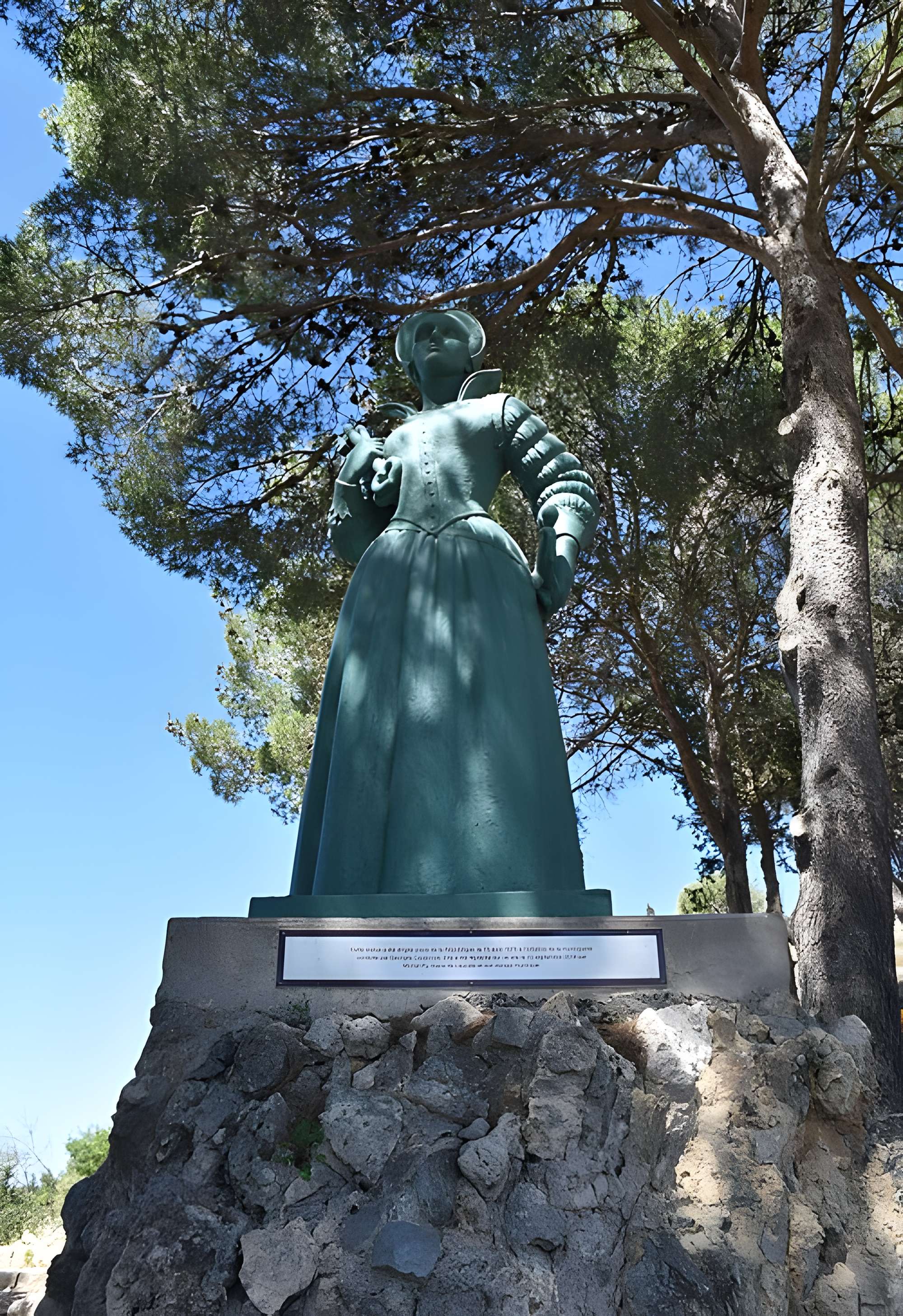
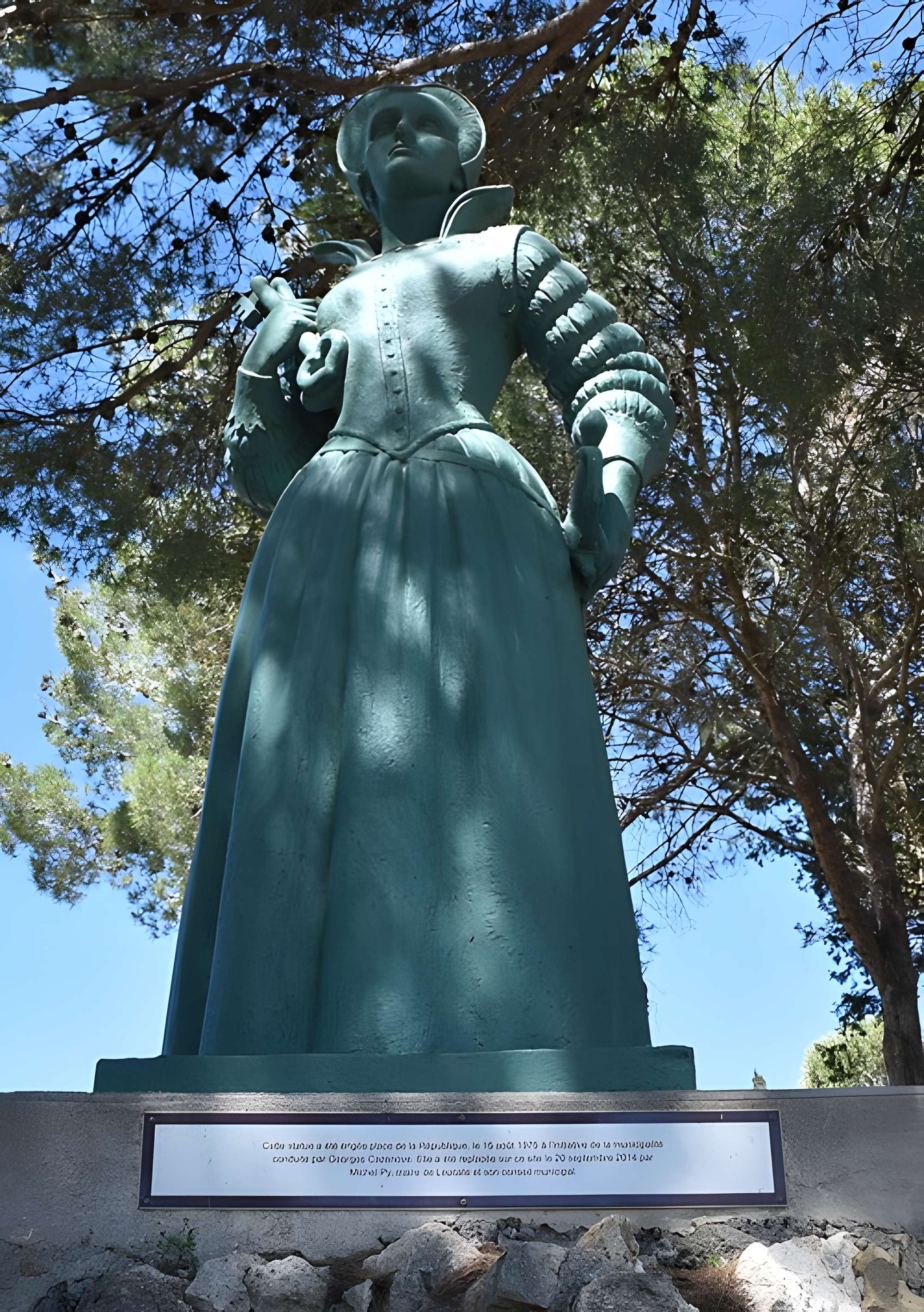
Françoise de Cézelly - Heroin of seat of 1590
Legendary resistance against the attackers.
Léonard de Vinci - Inspirator of bastioned enclosures
Concept applied to Leucate.
Origin and history
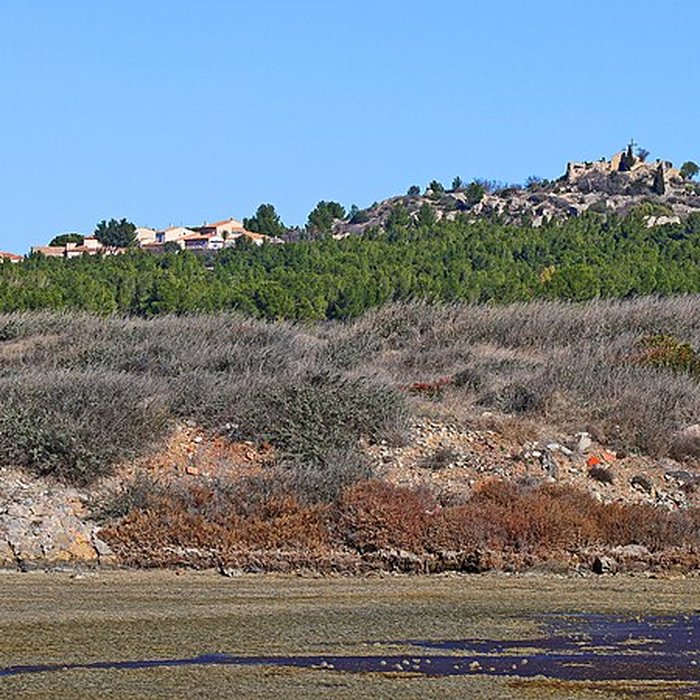
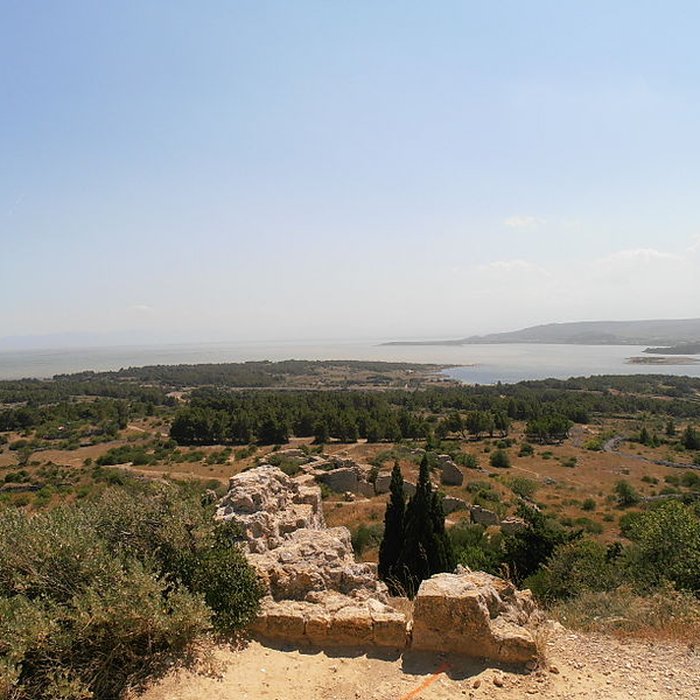
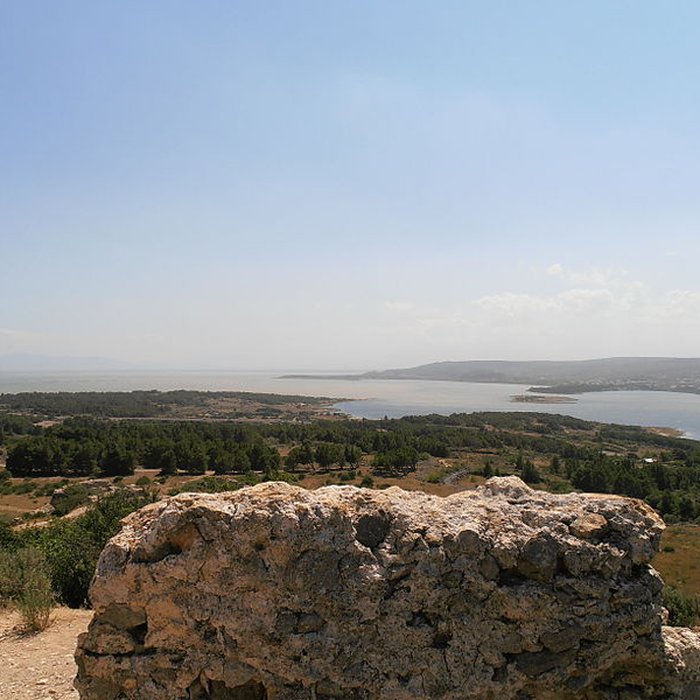
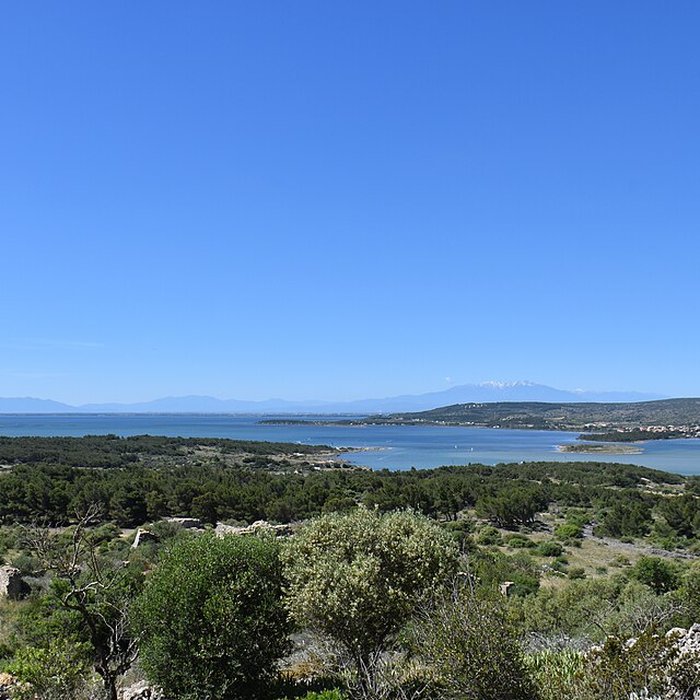
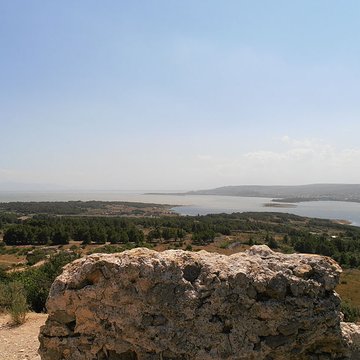
The fort of Leucate originated in the Middle Ages, when the city became a border between two kingdoms. Originally built as a simple wooden dungeon replaced by a stone structure, it served as a pendant at Salses Castle on the Spanish side. His strategic role was affirmed over the centuries, marked by repeated seats, including that of 1590 where Françoise de Cézelly distinguished himself by his heroic resistance.
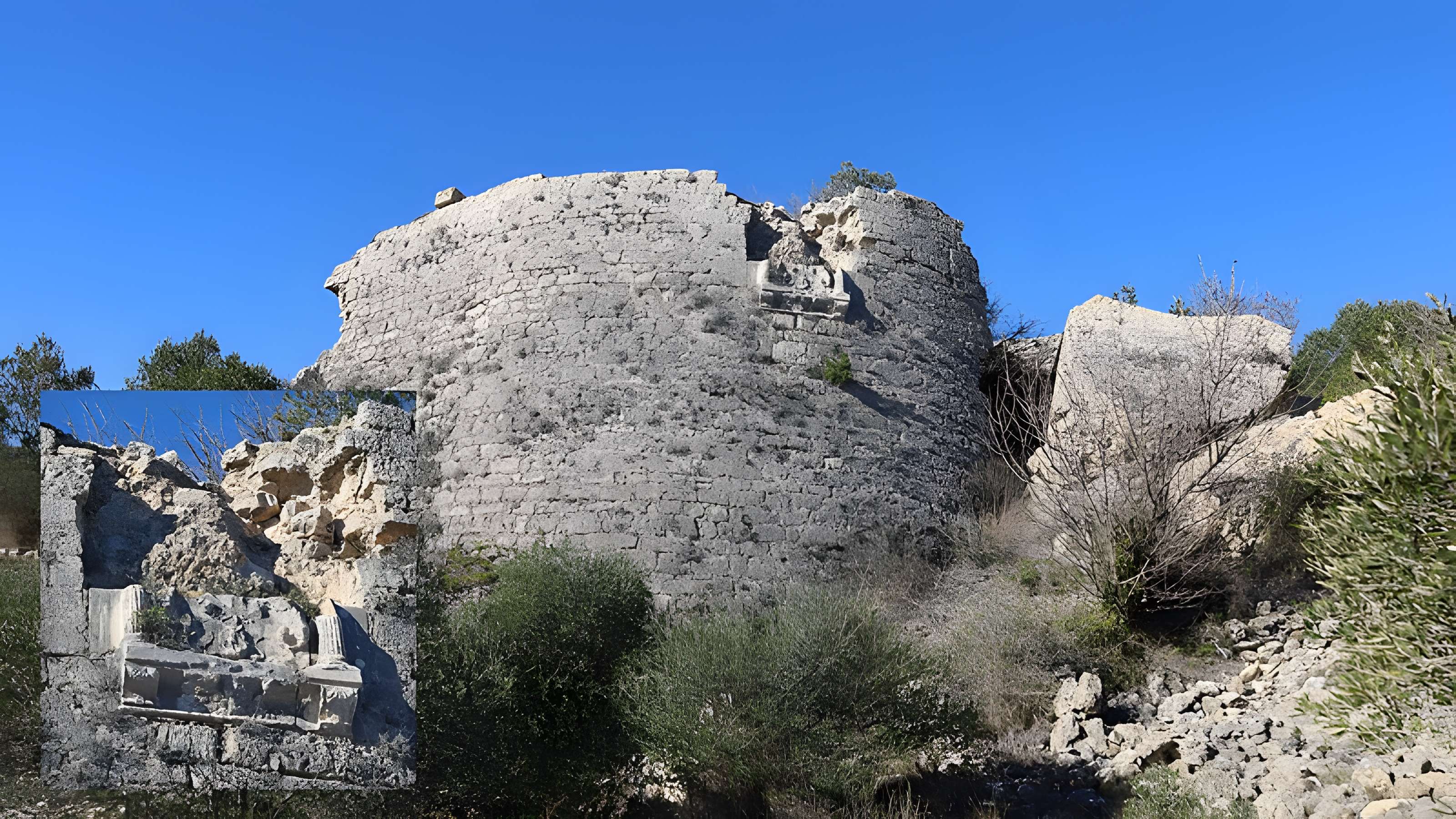
In the 16th century, the fort underwent major modernization according to the principles of the bastioned enclosures, an innovative concept inspired by Italian architects such as Leonardo da Vinci. This transformation aimed to adapt the fortress to the progress of artillery, making Leucate the first European prototype of this type. However, after the Treaty of the Pyrenees (1659), which finally established the border with Spain, the fort lost its strategic usefulness.
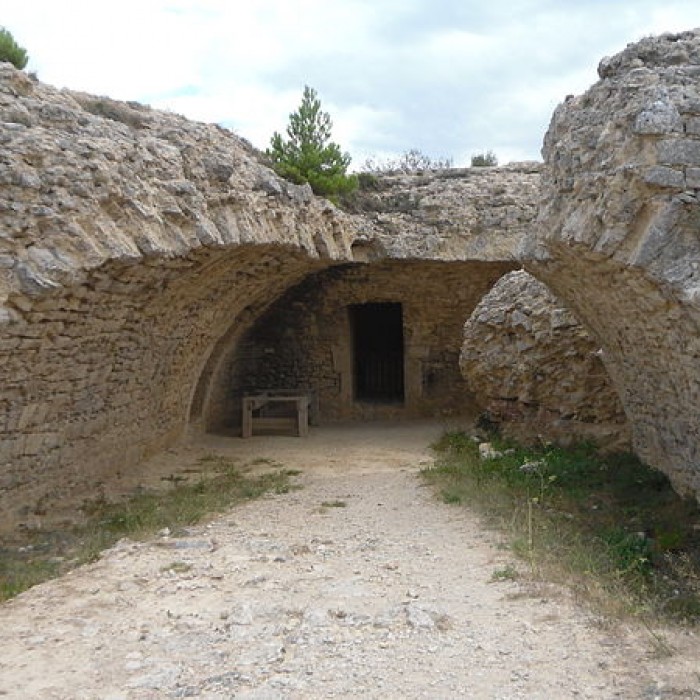
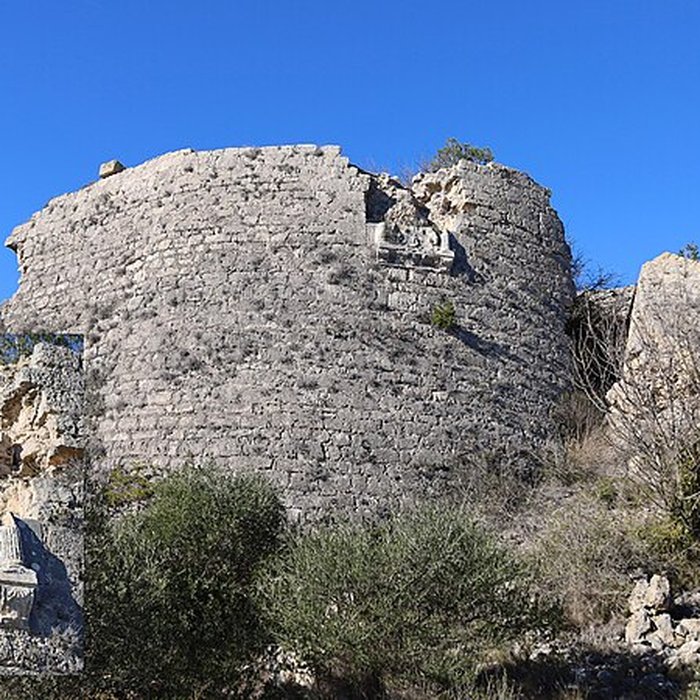
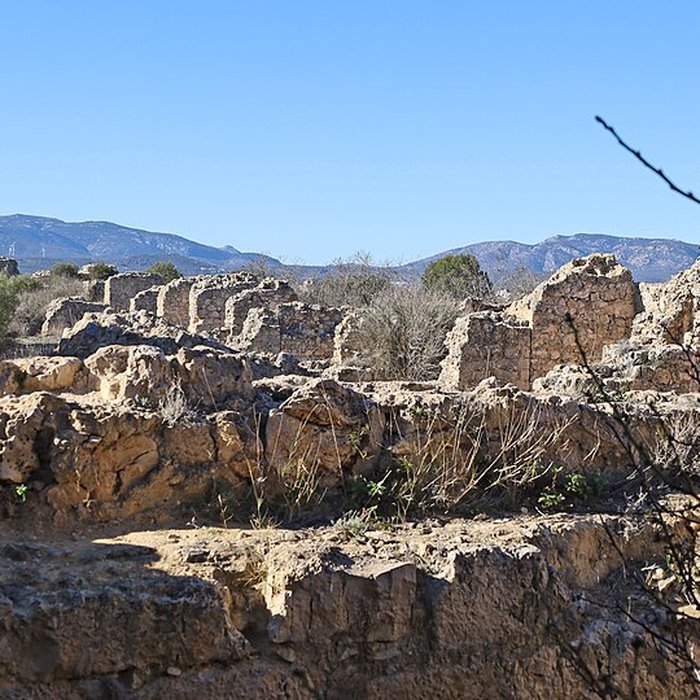
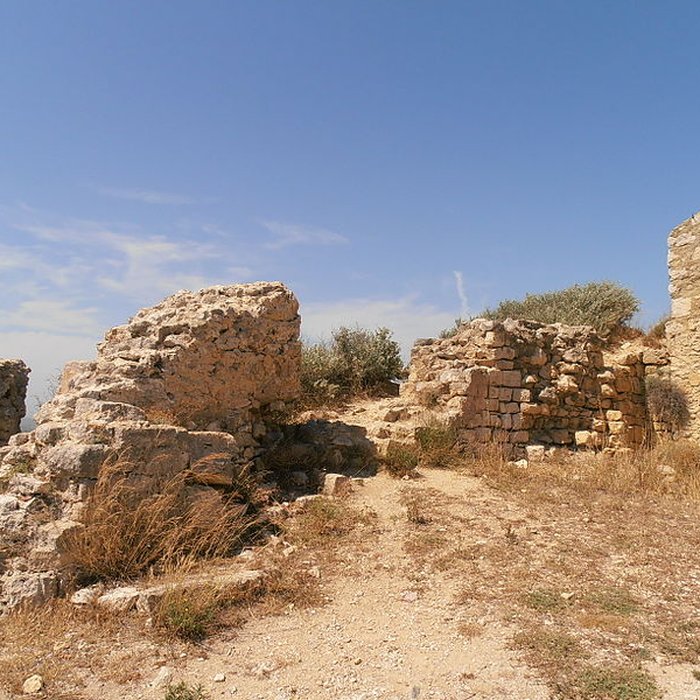
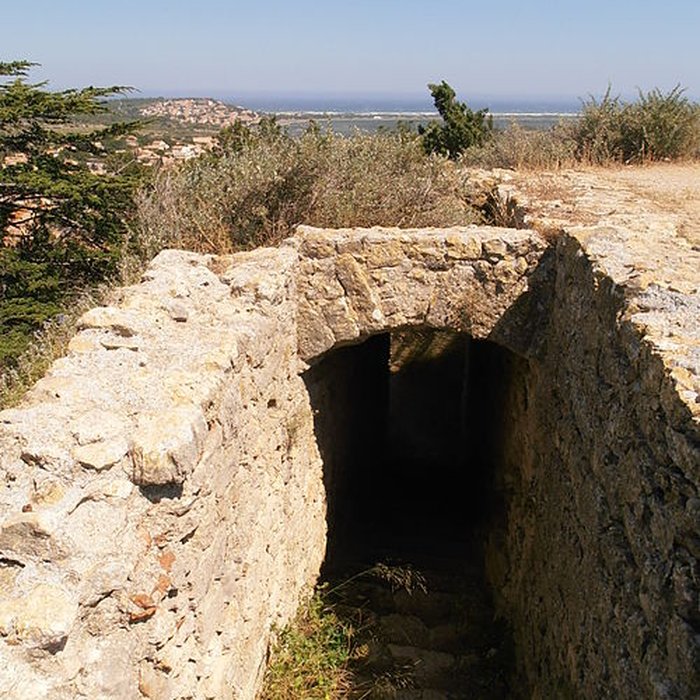
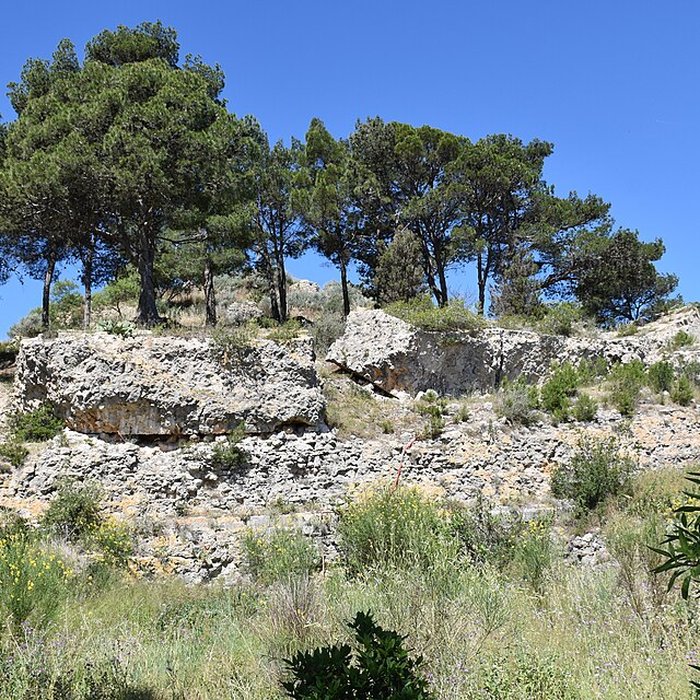
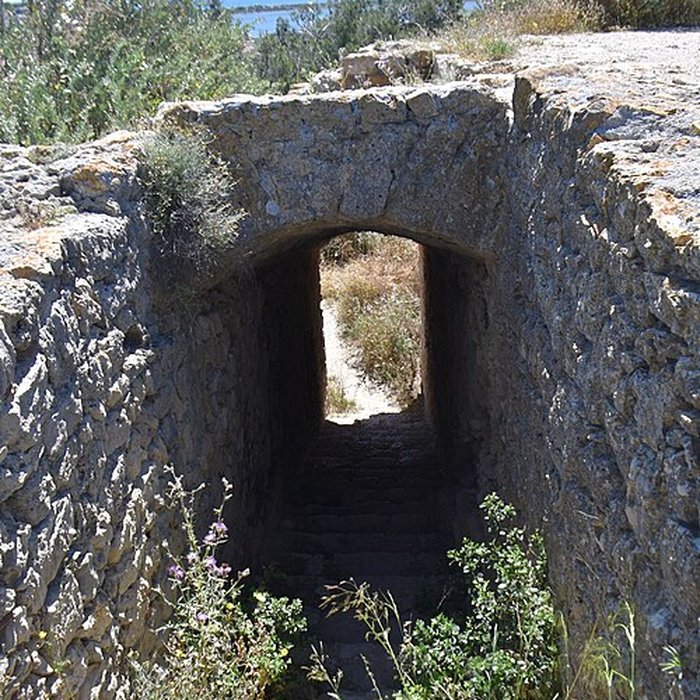
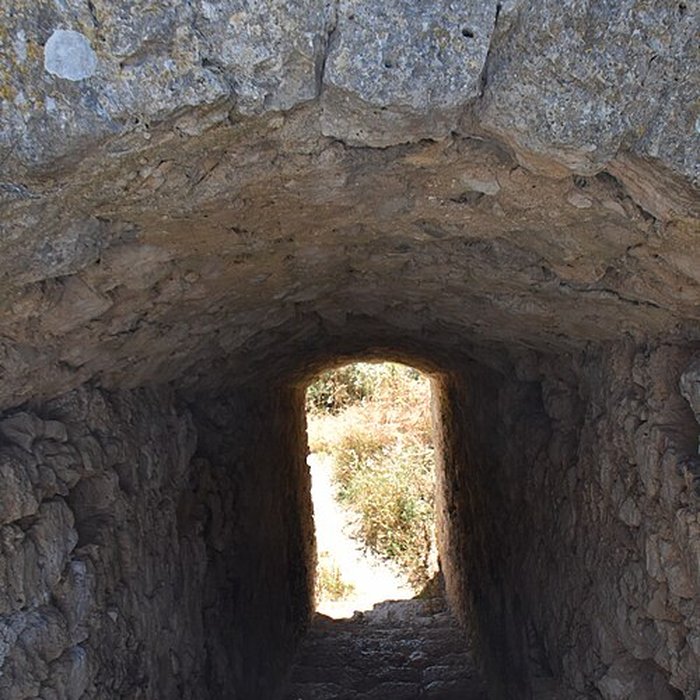
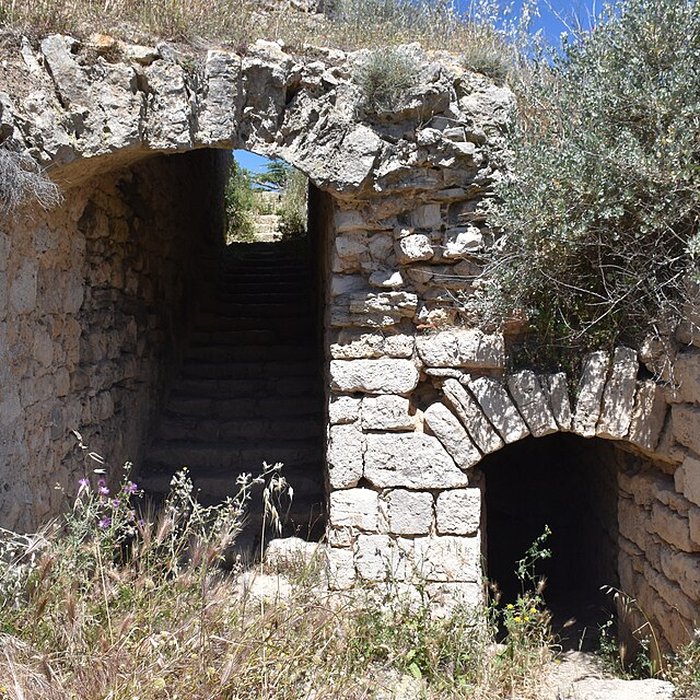
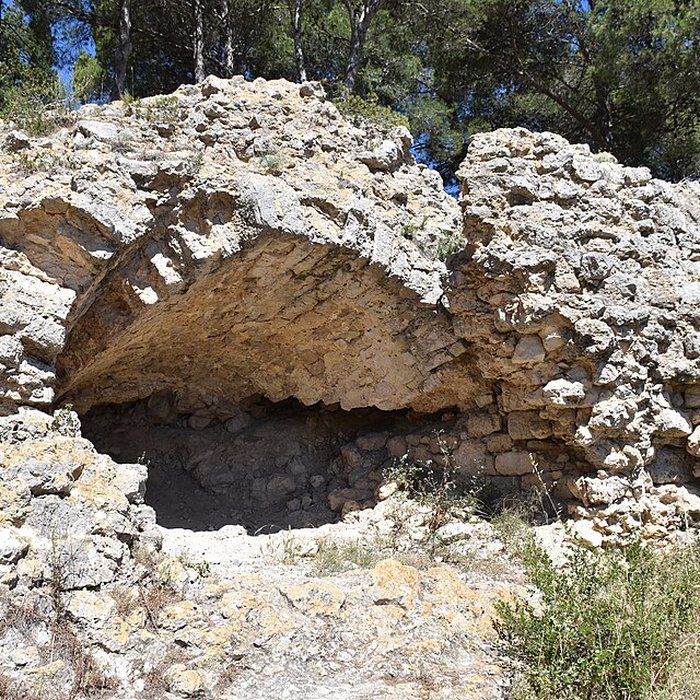
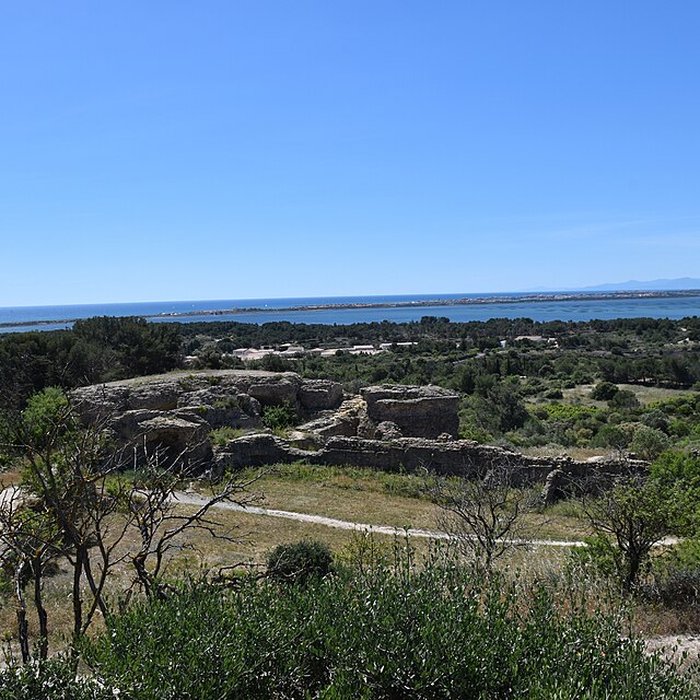
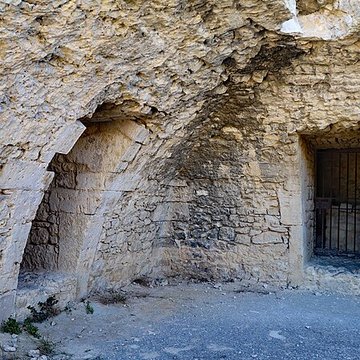
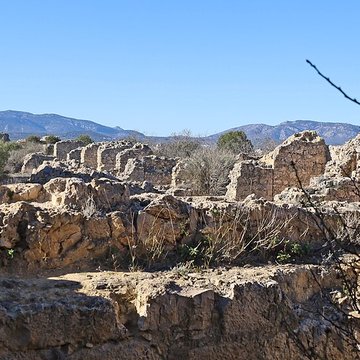
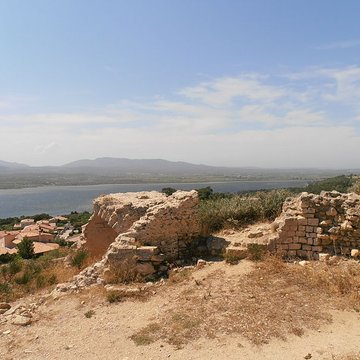
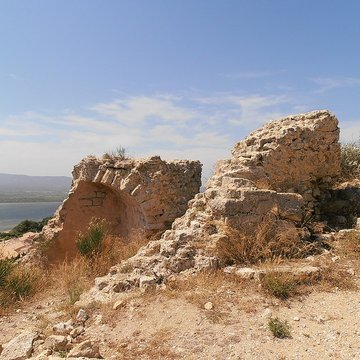
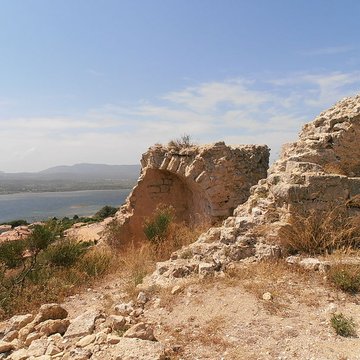
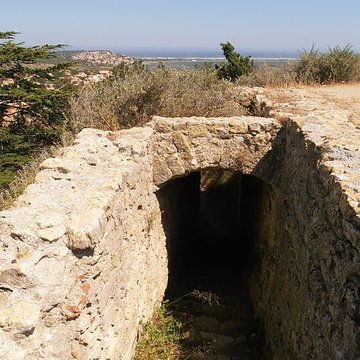
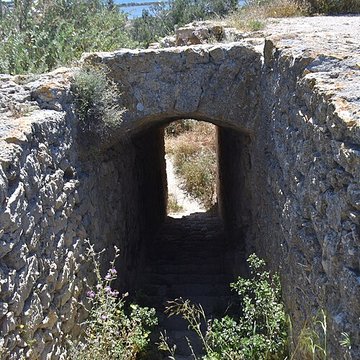
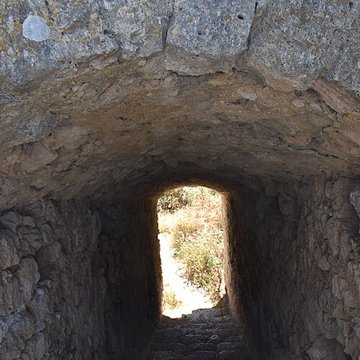
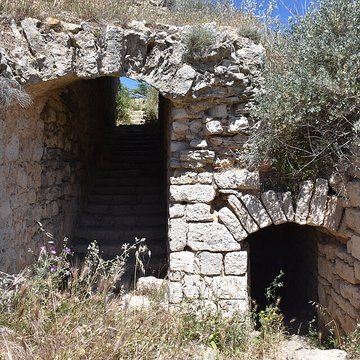
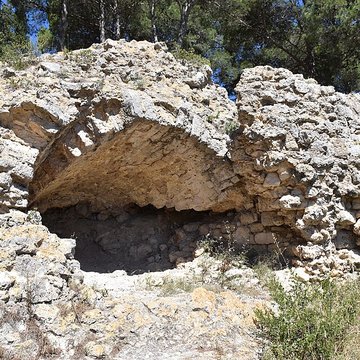
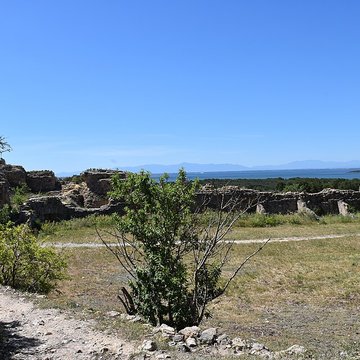
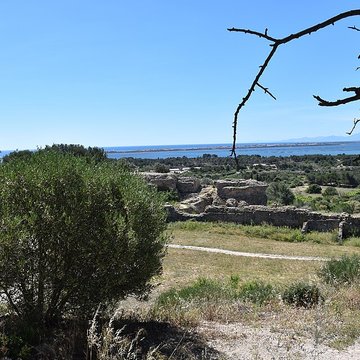
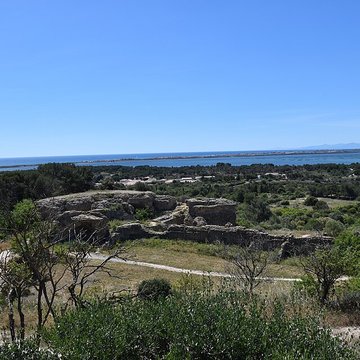
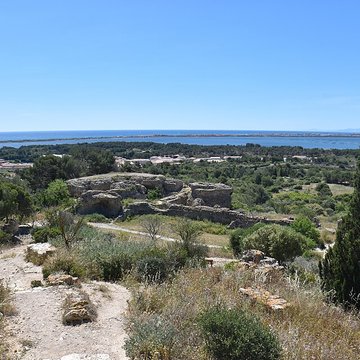
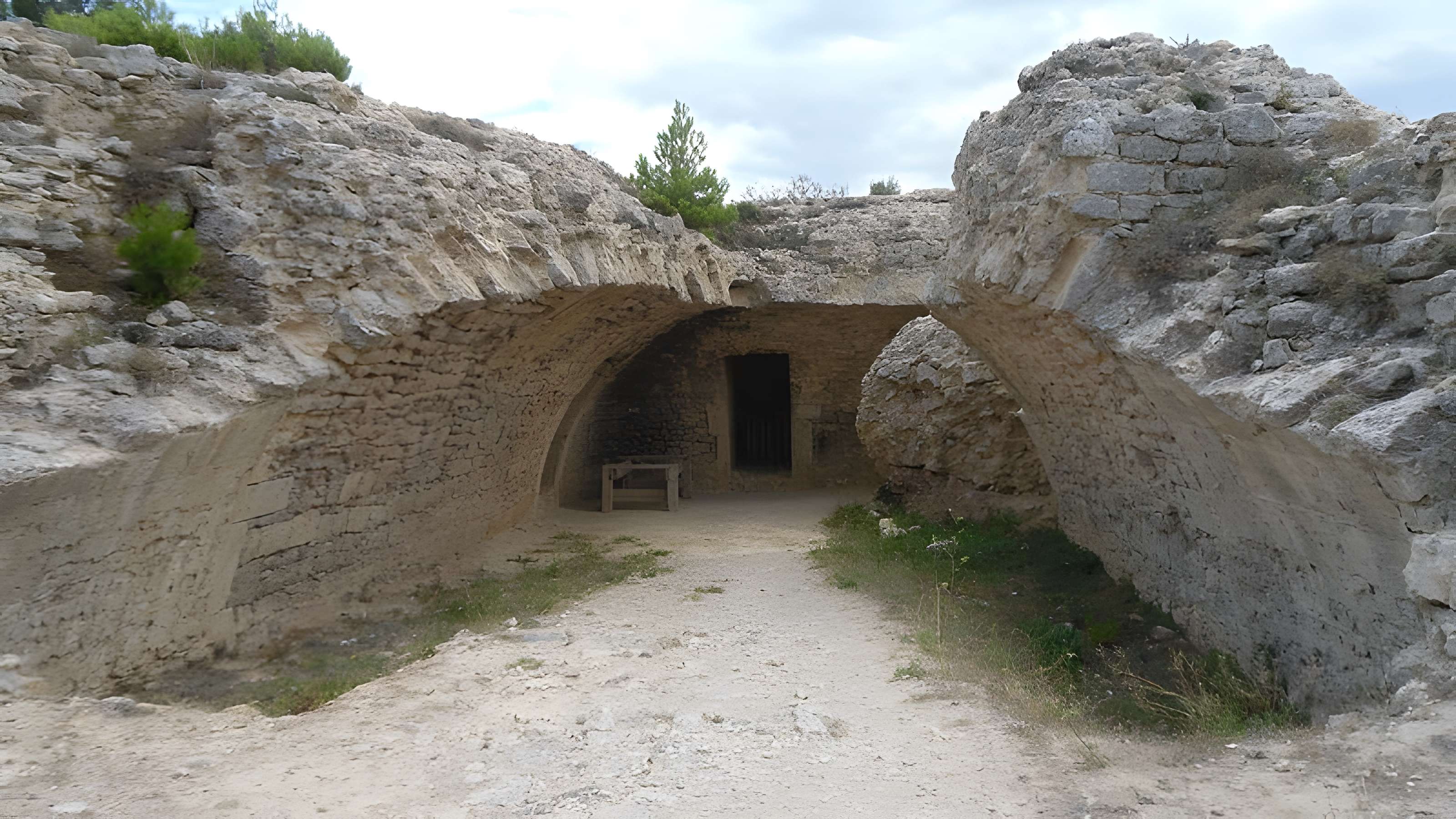
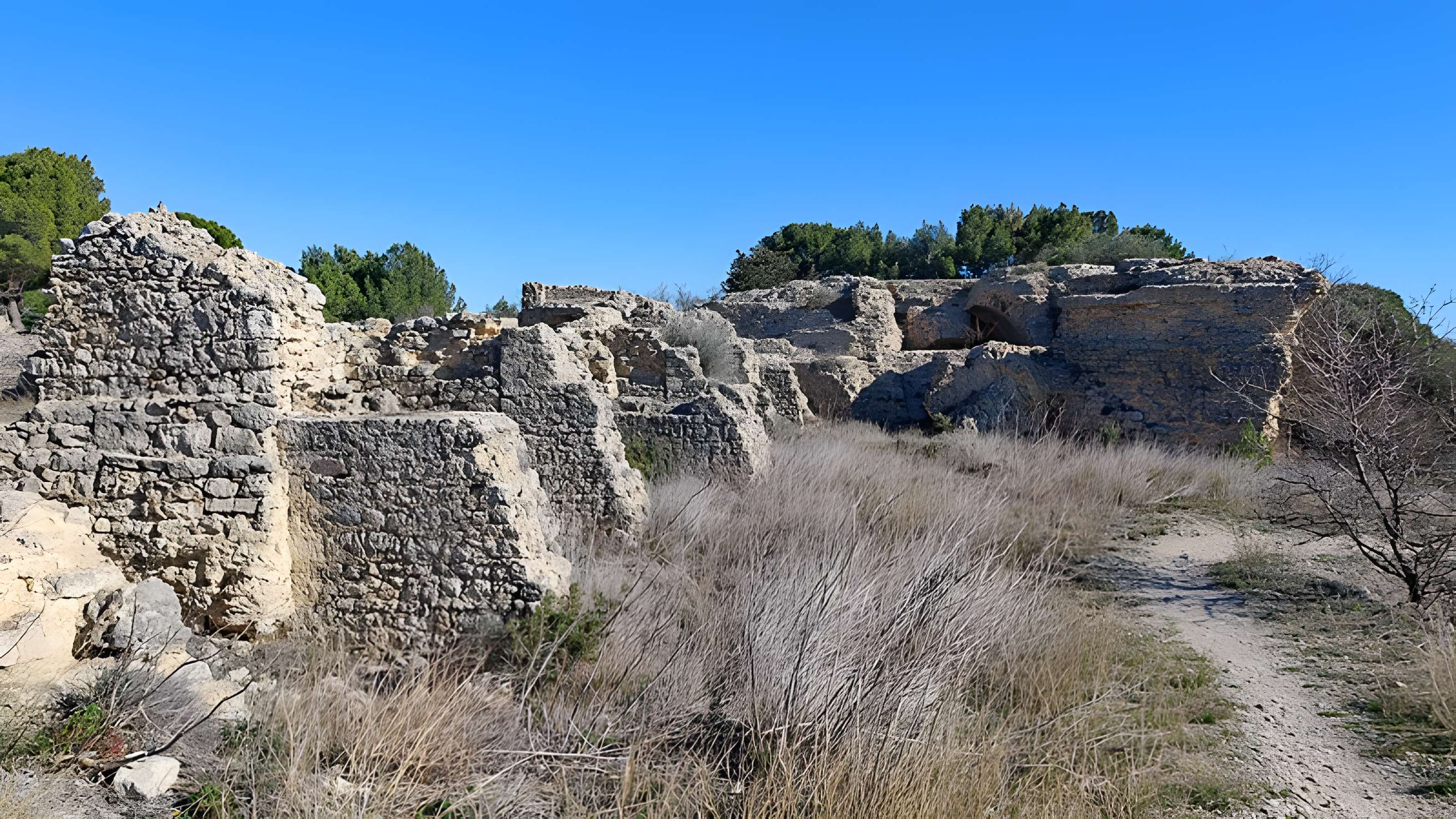
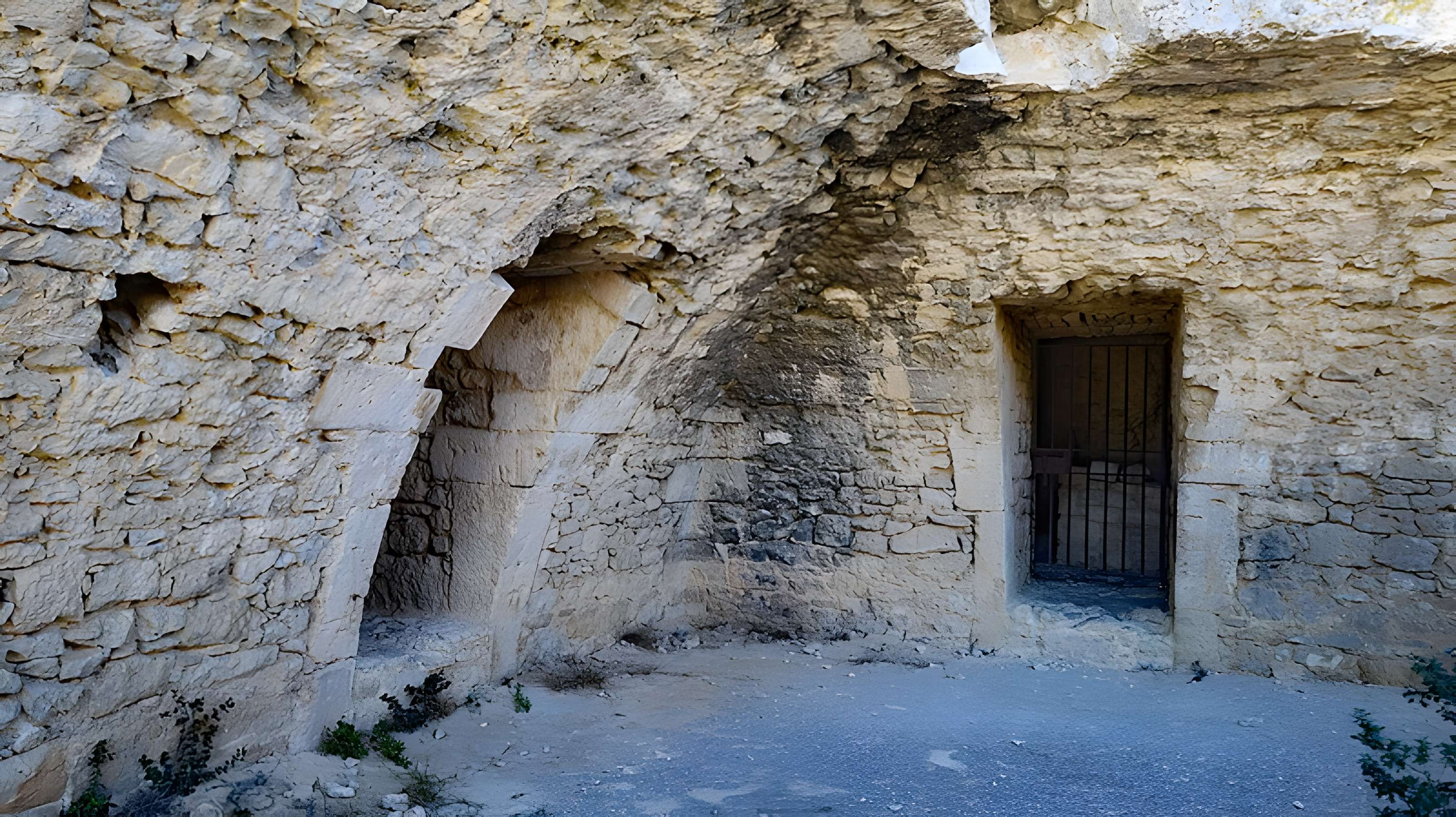
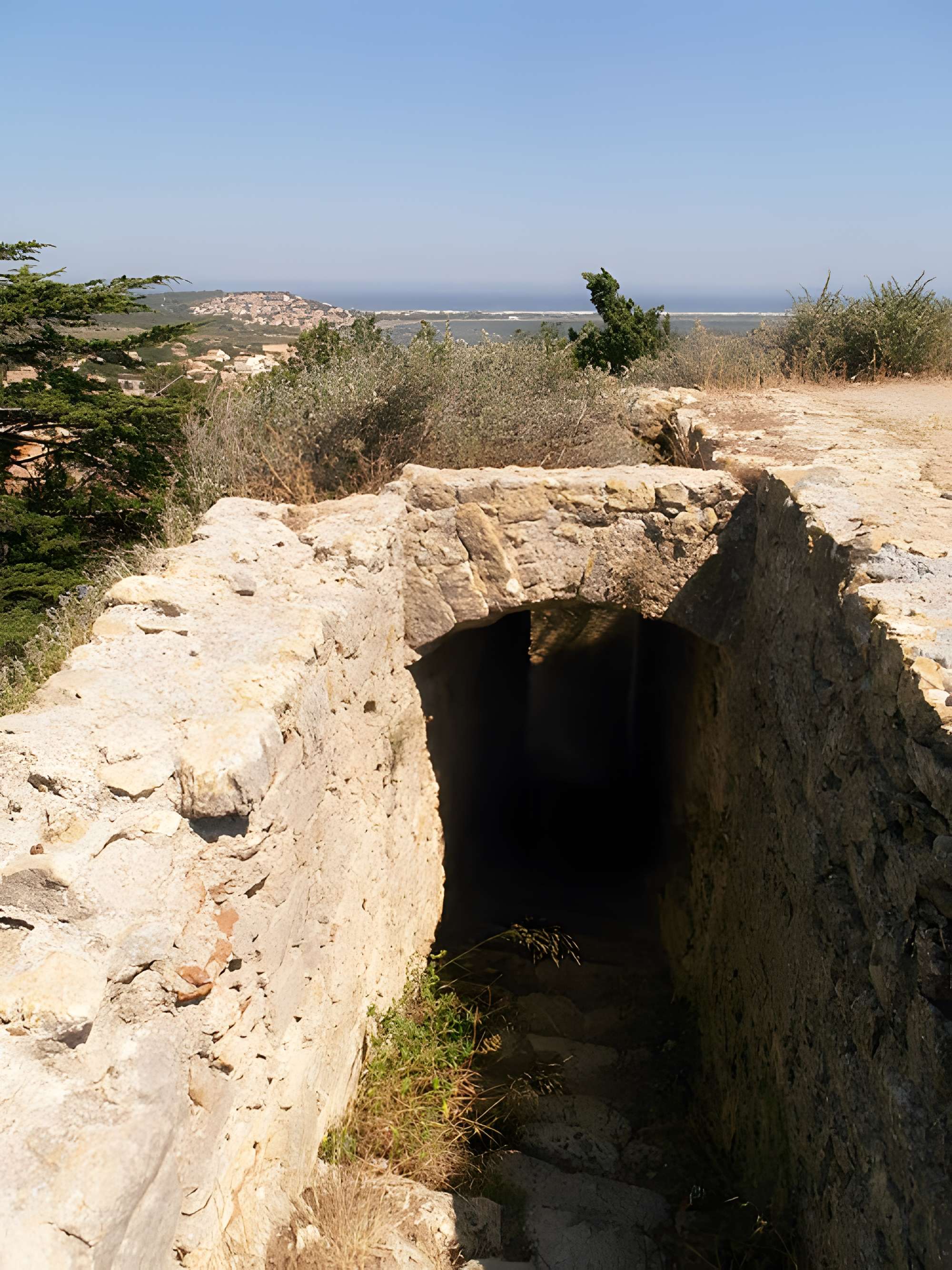
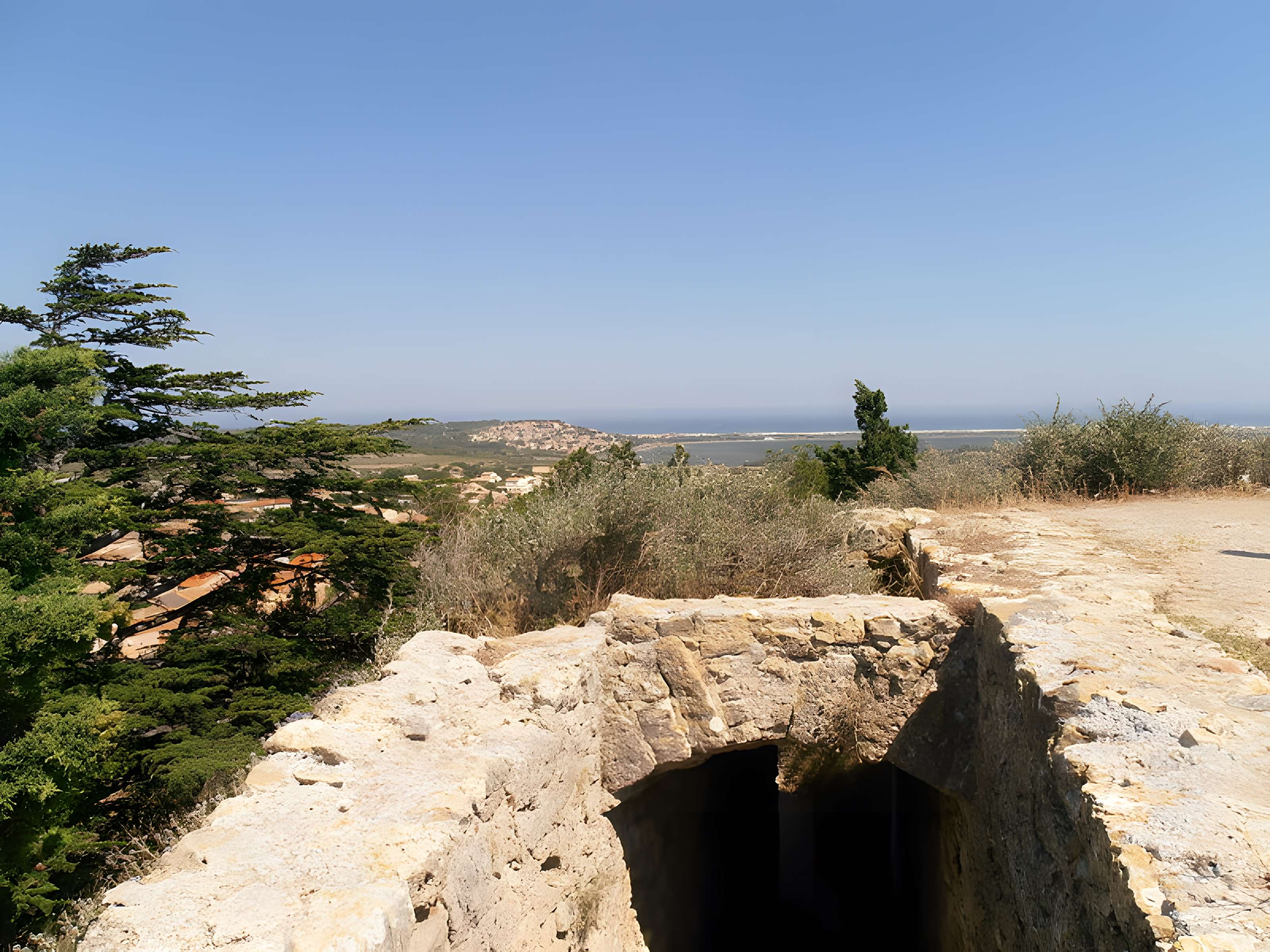
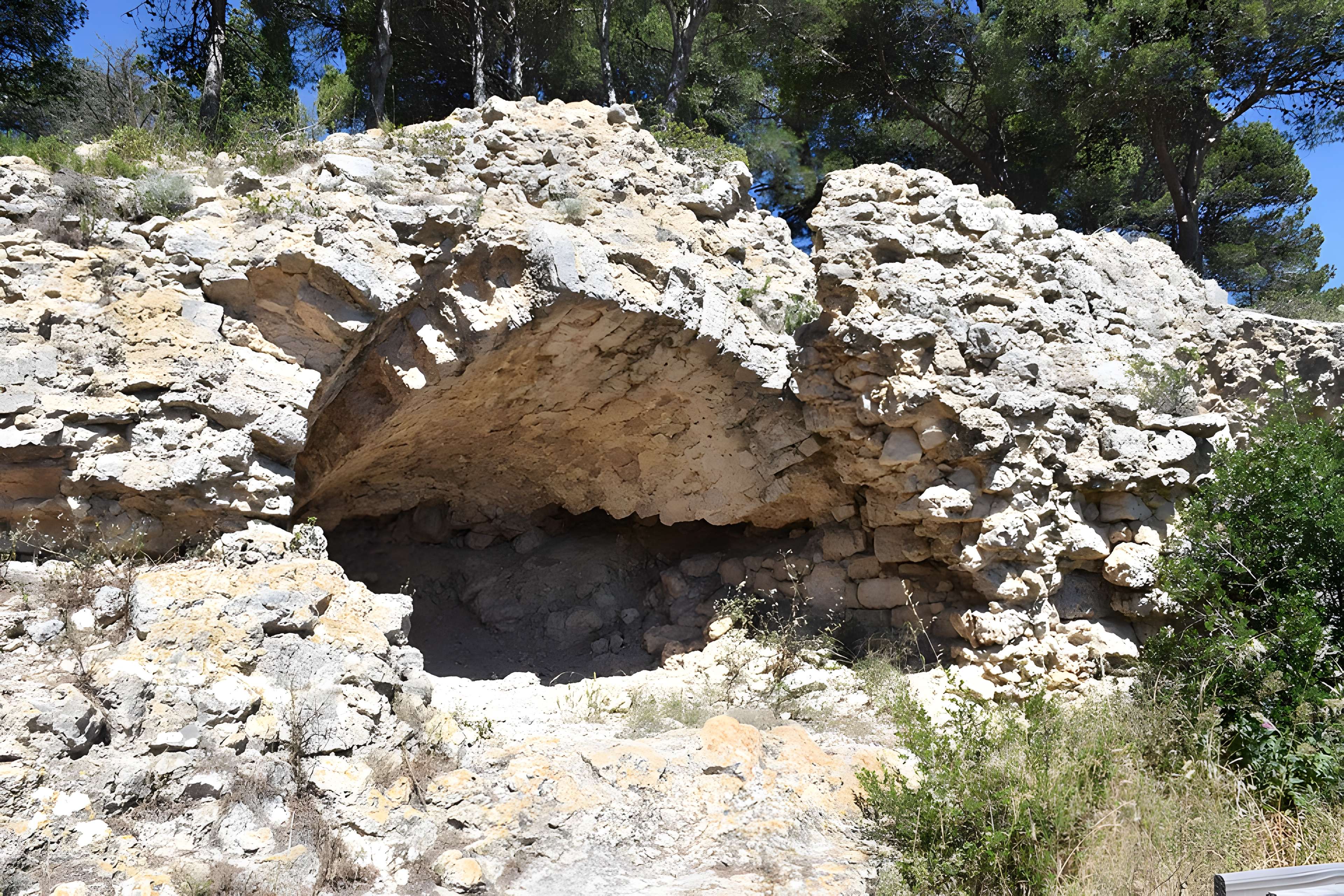
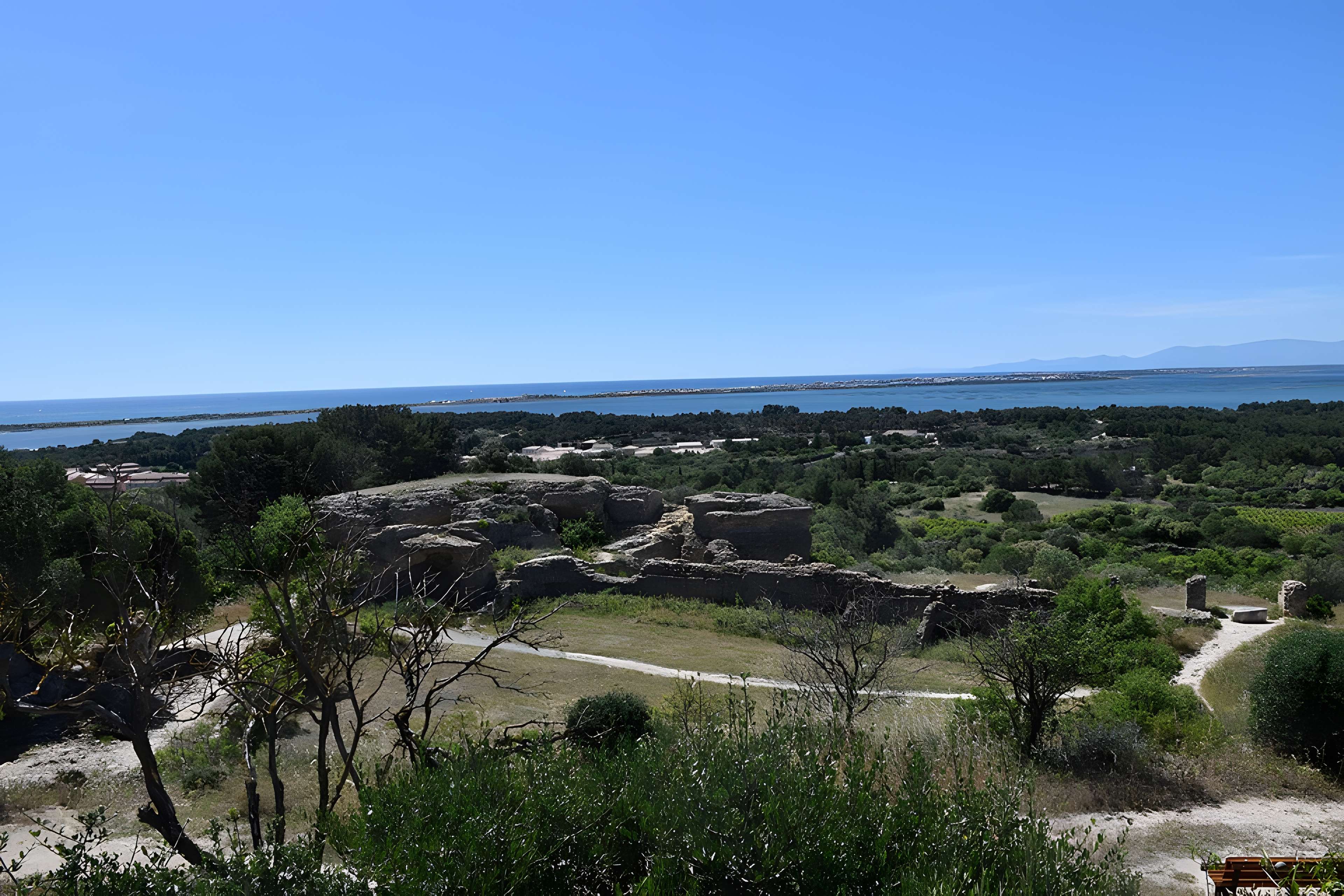
Considered too expensive to maintain, it was partially destroyed in 1665 with the help of stocks of powder stored in its casemates. The current remains, inscribed in historical monuments in 2006, recall this turbulent history, combining military innovations and geopolitical issues between France and Spain.
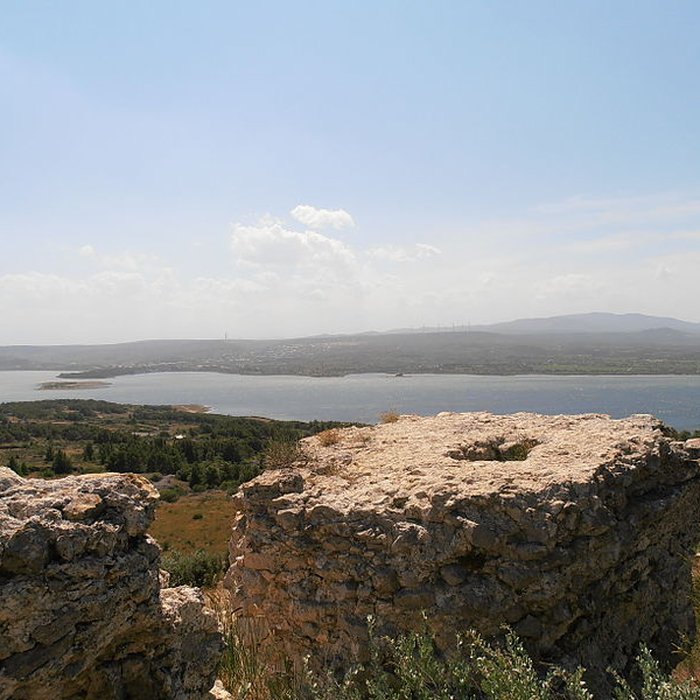
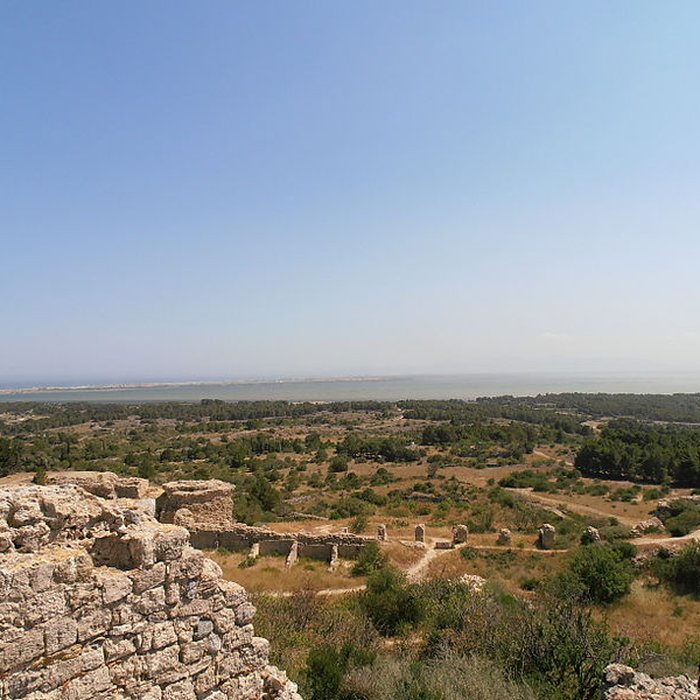
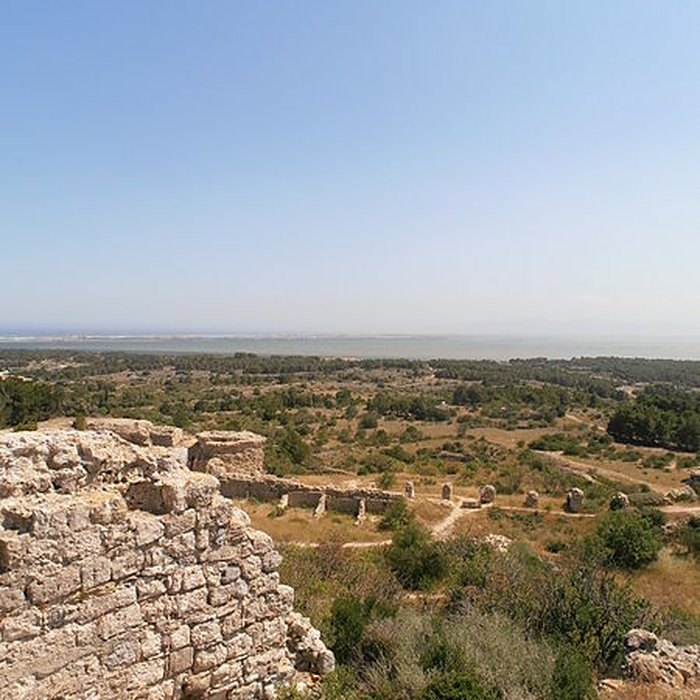
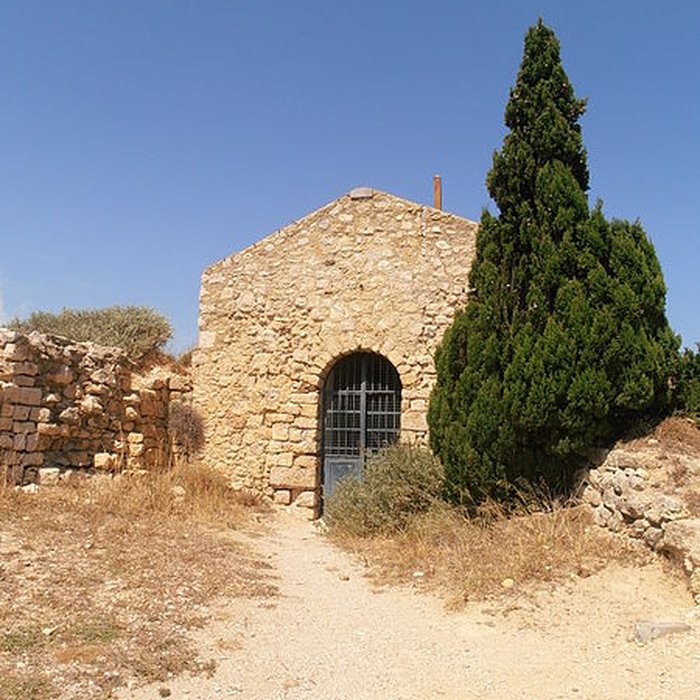
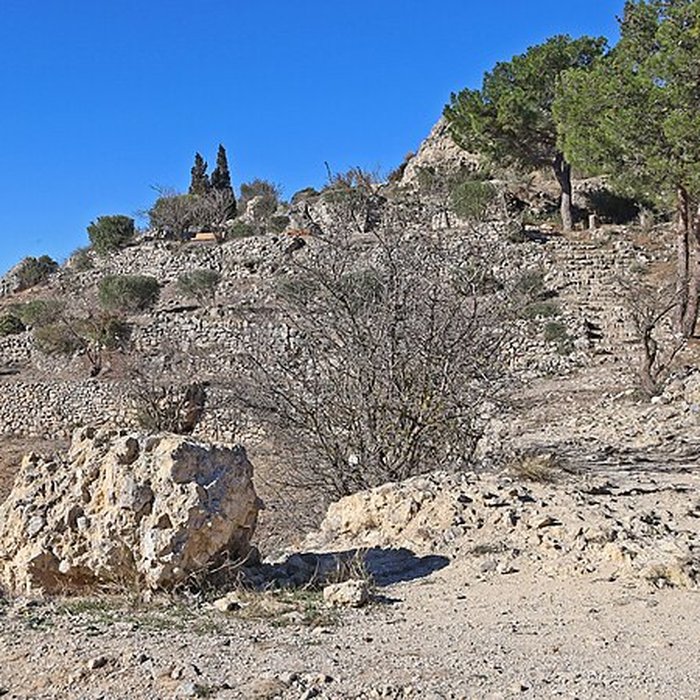
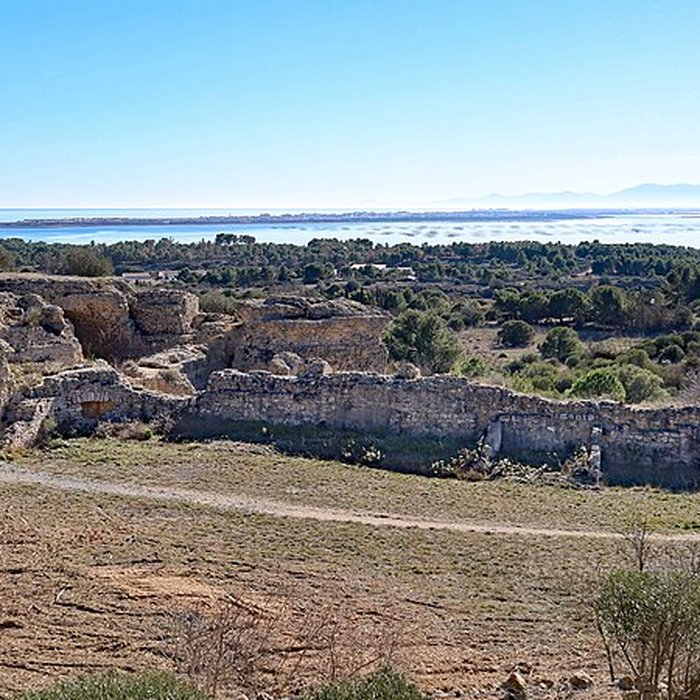
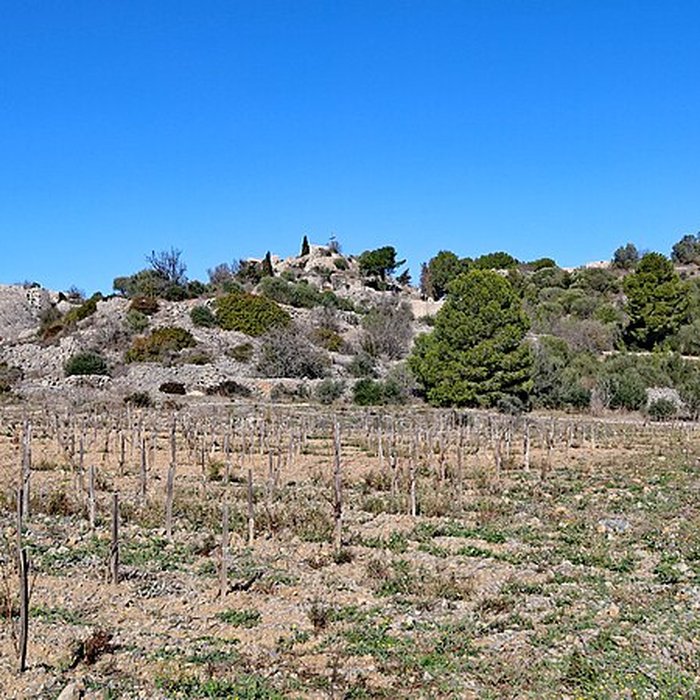
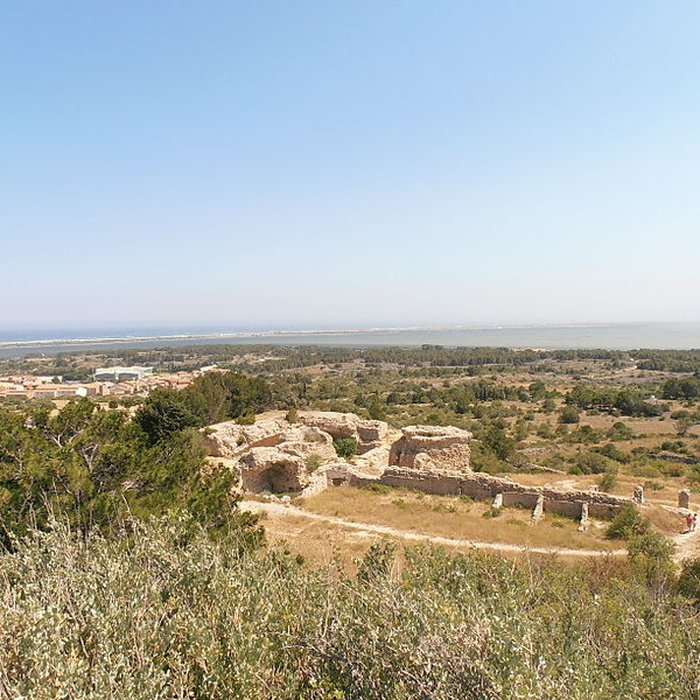
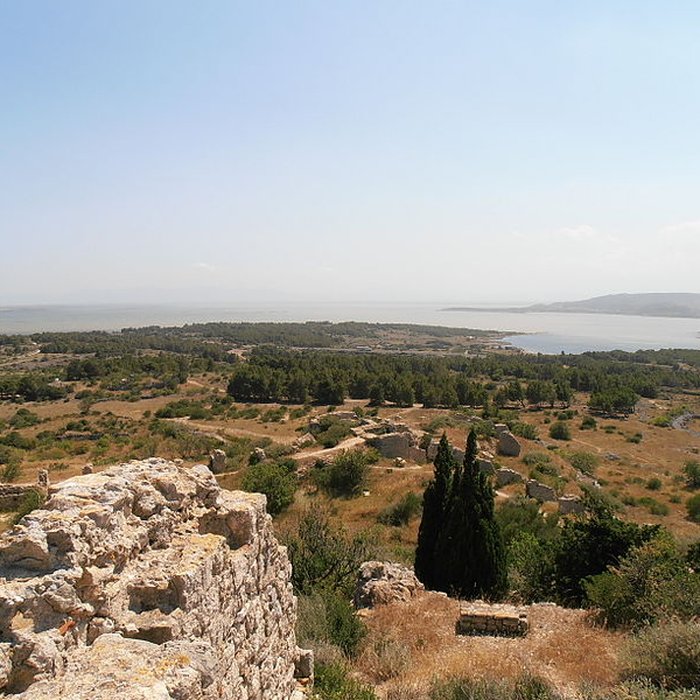
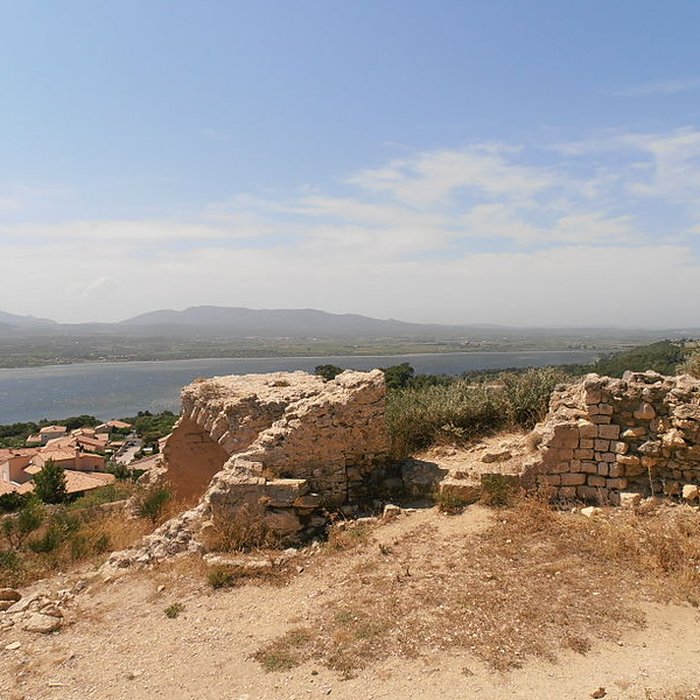
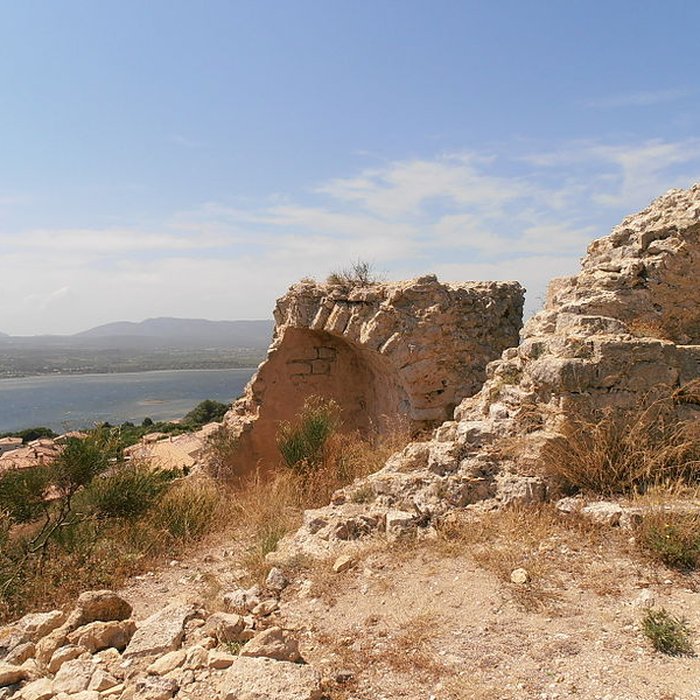
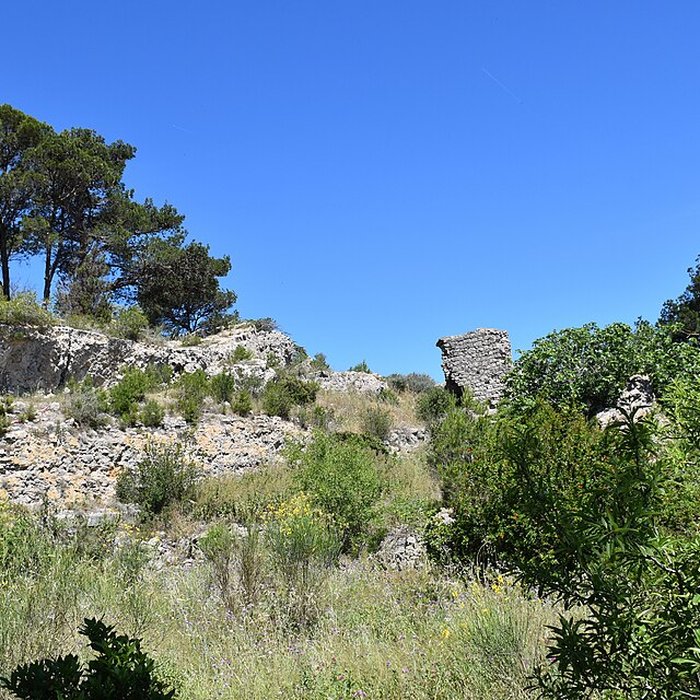
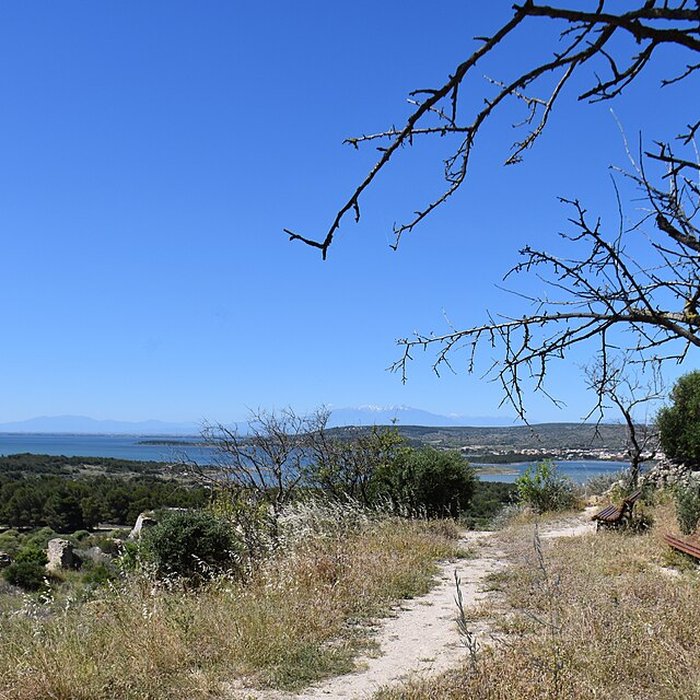
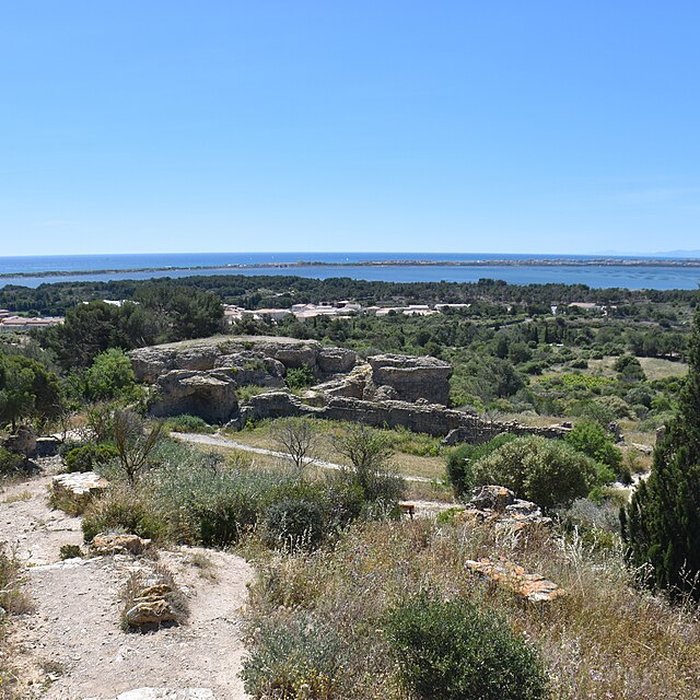
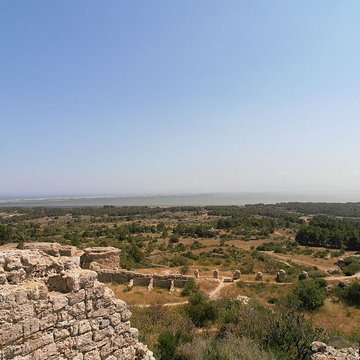
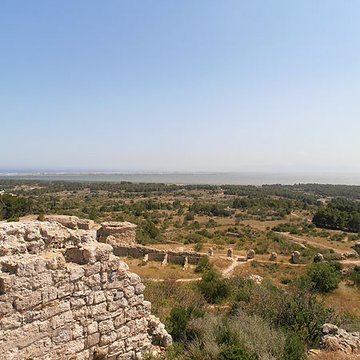
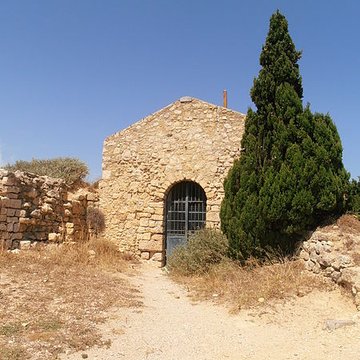
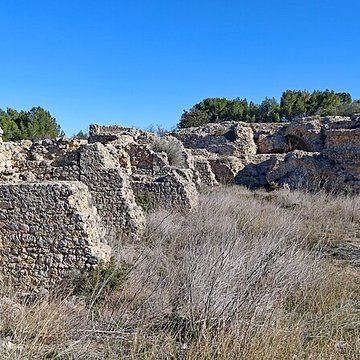
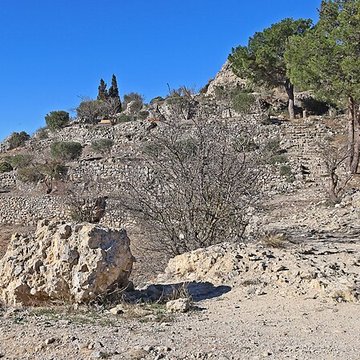
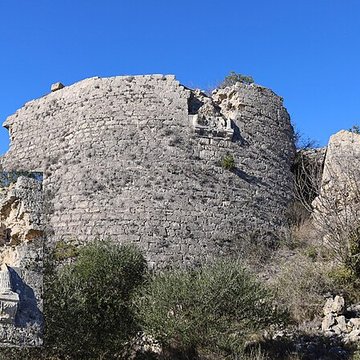
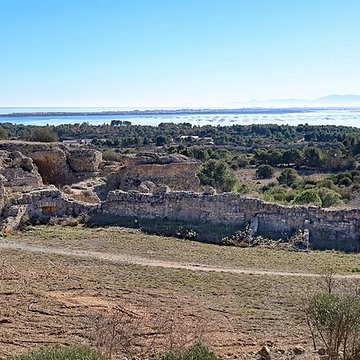
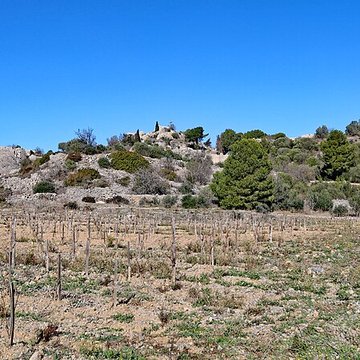
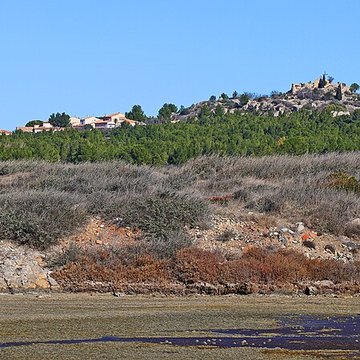
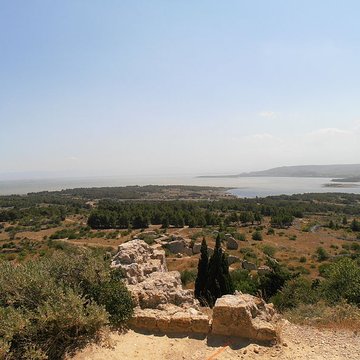
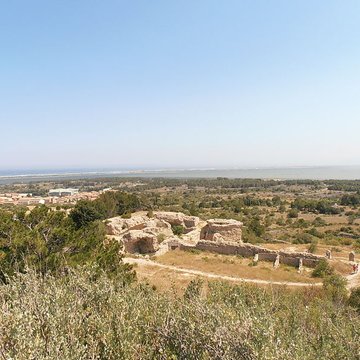
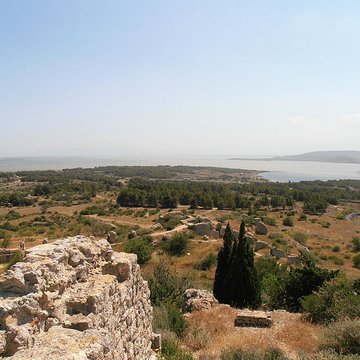
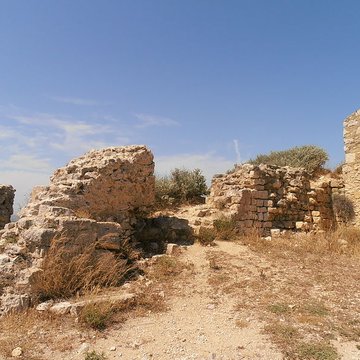
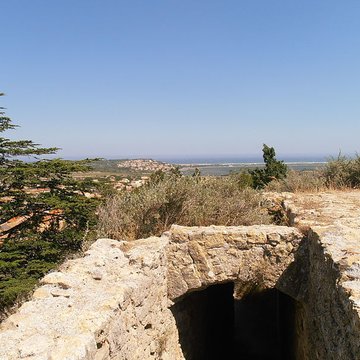
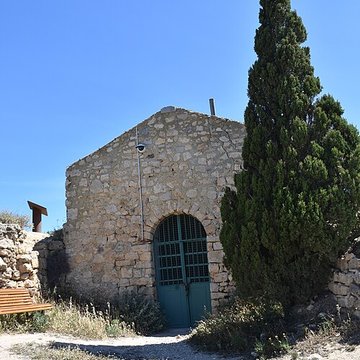
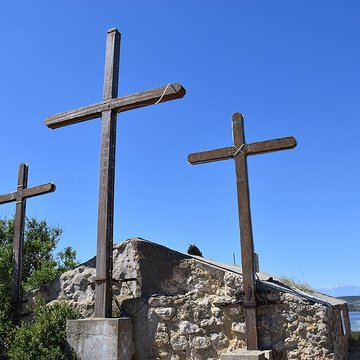
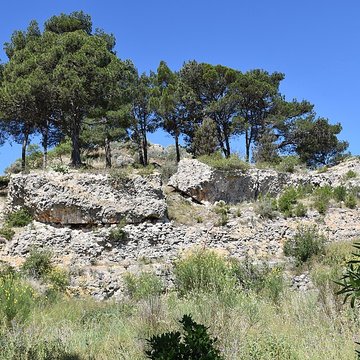
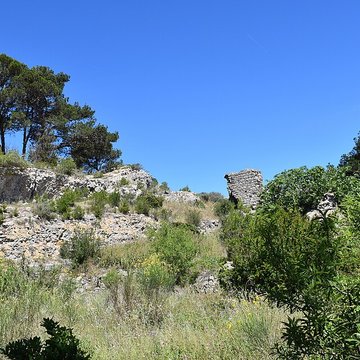
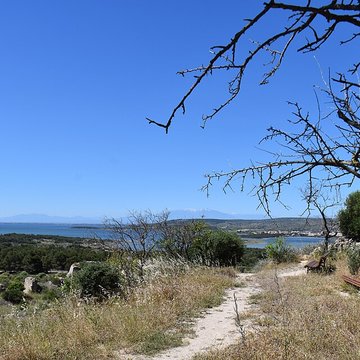
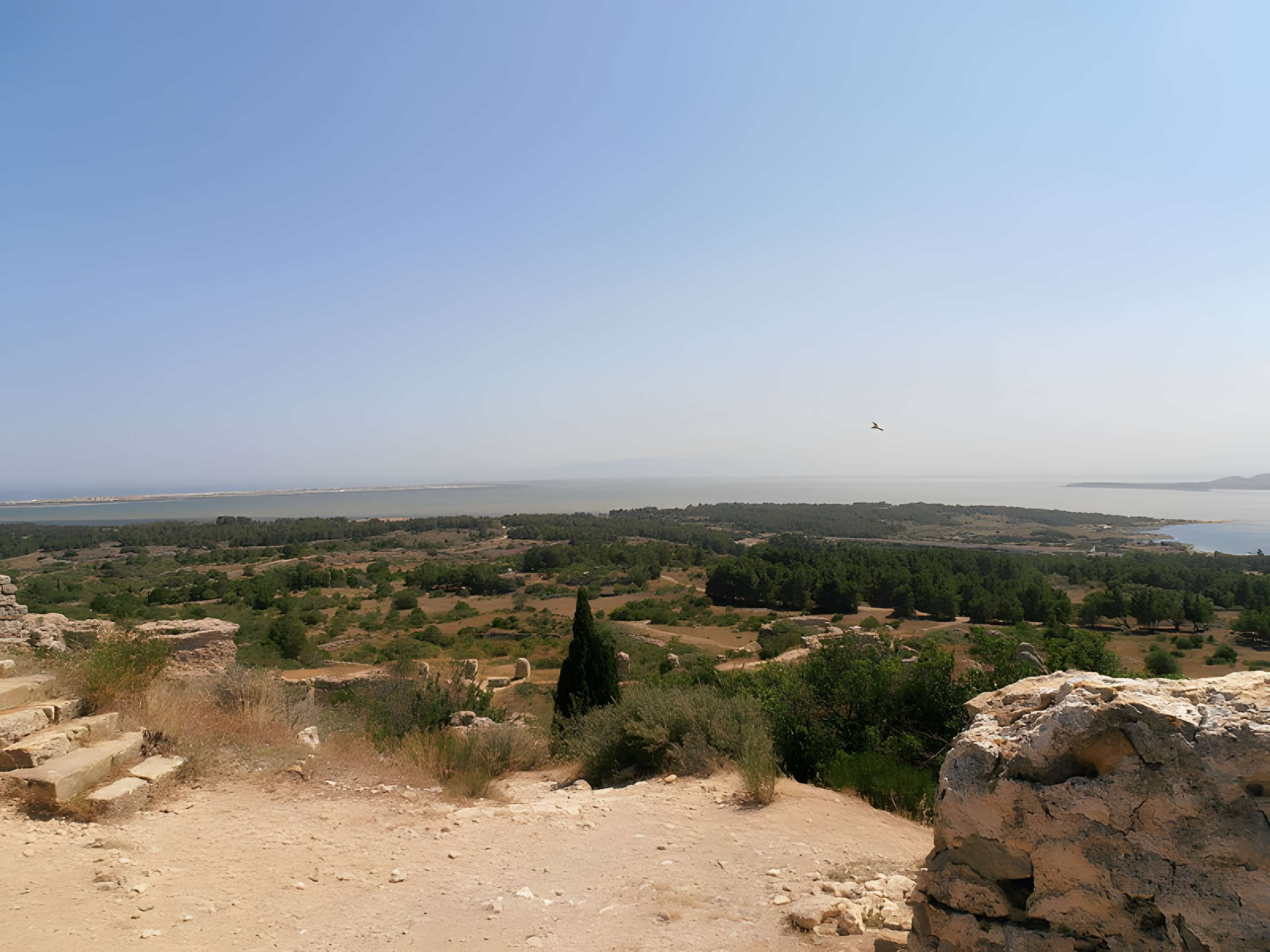
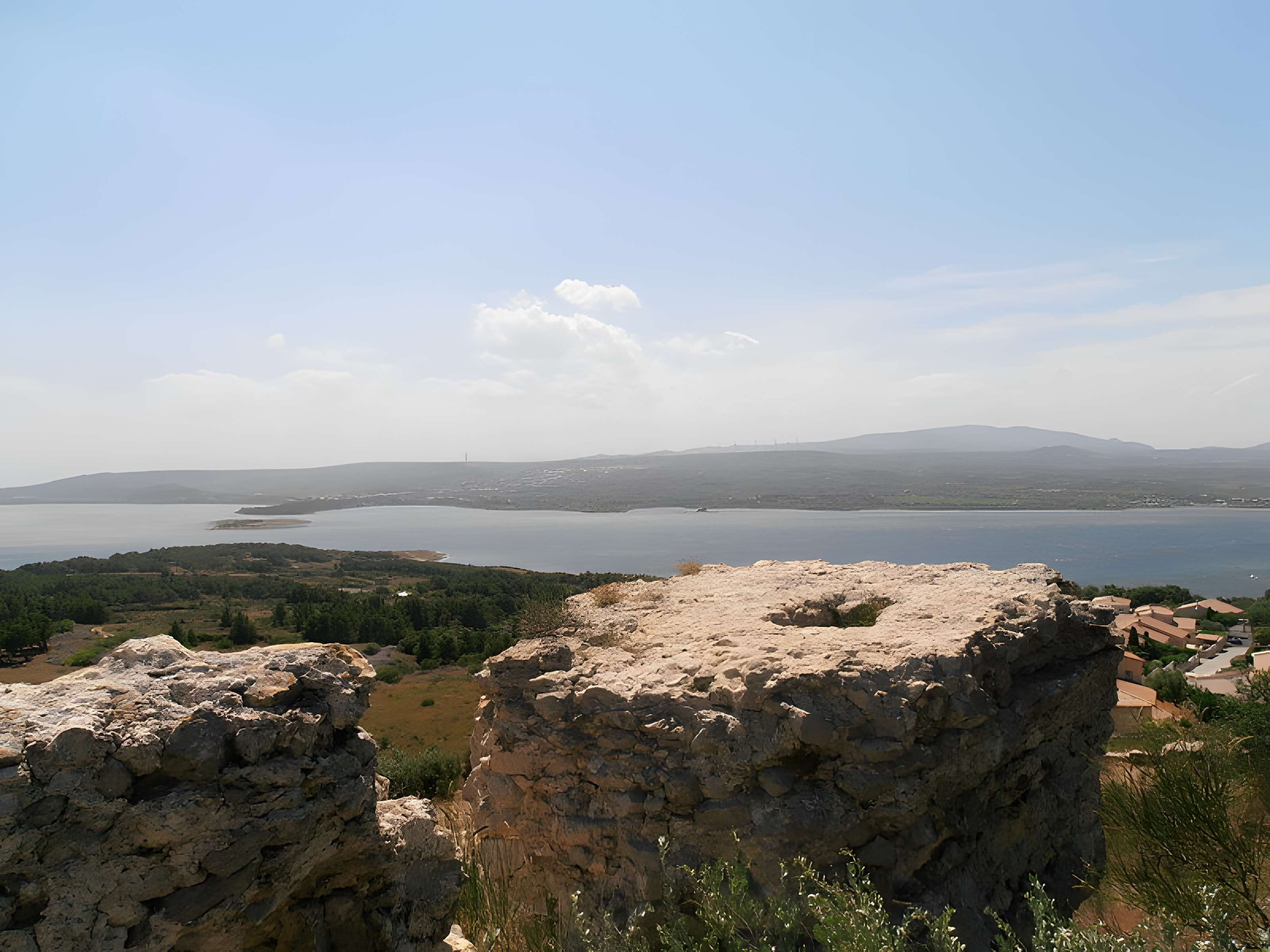
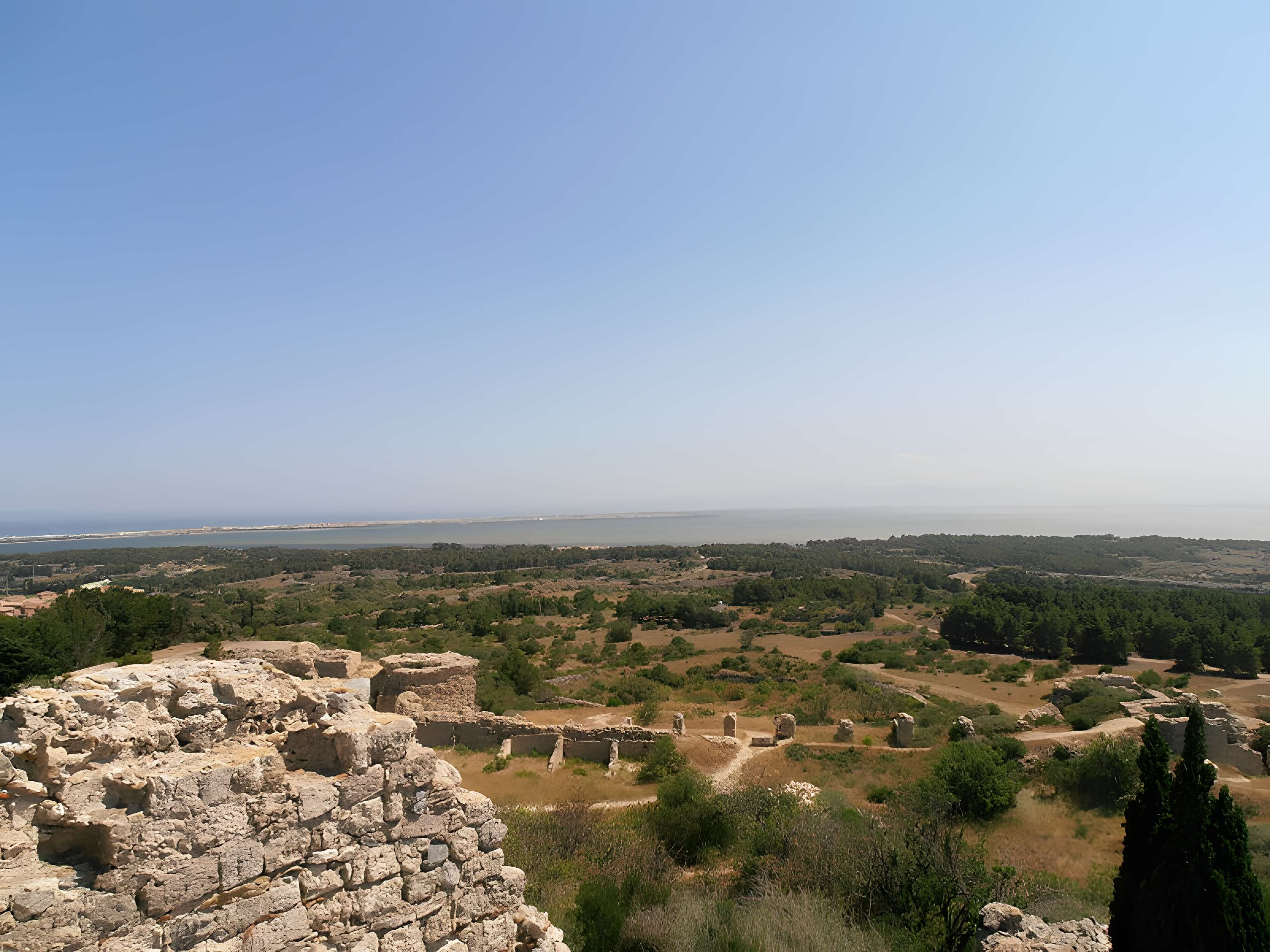
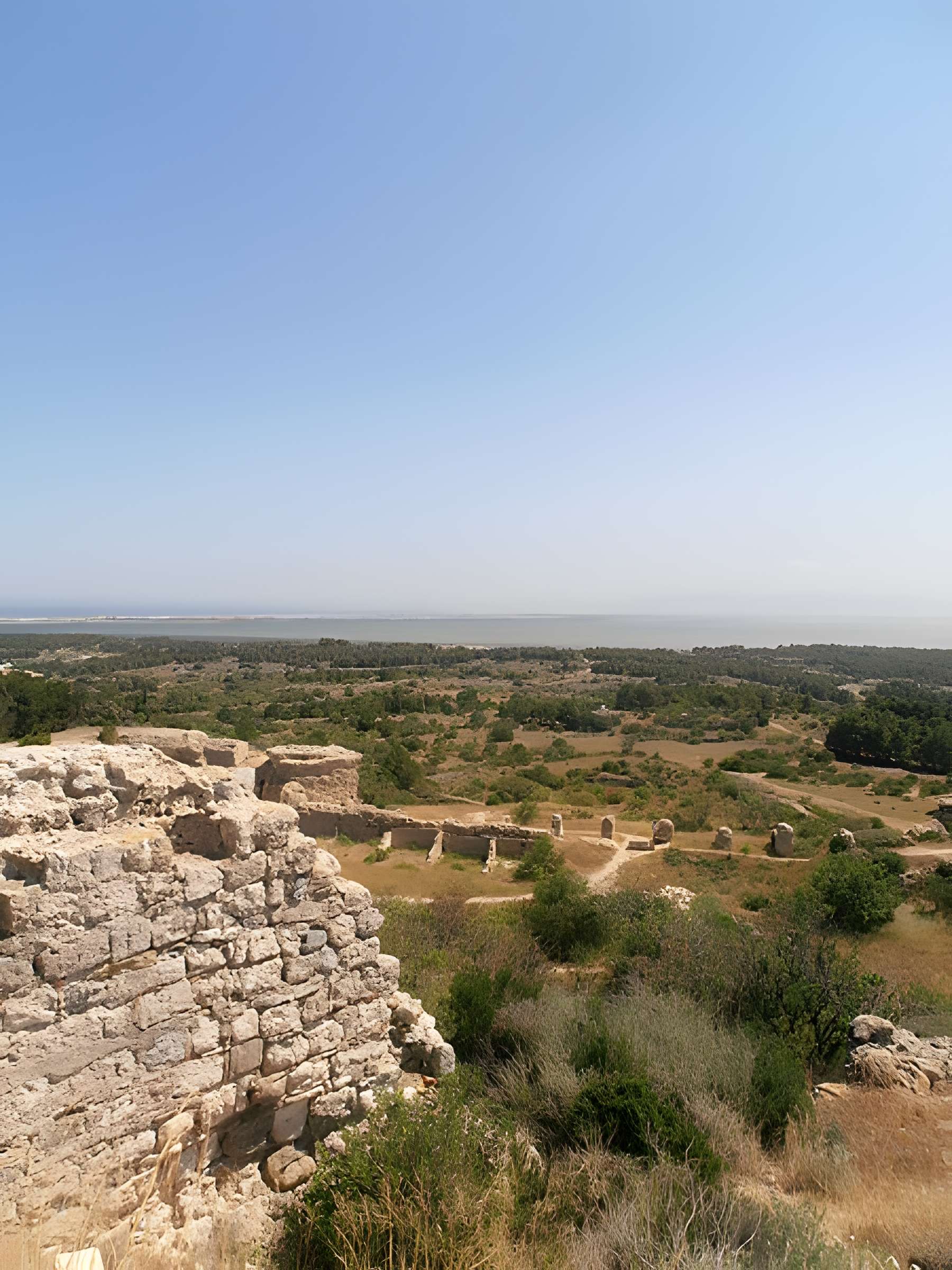
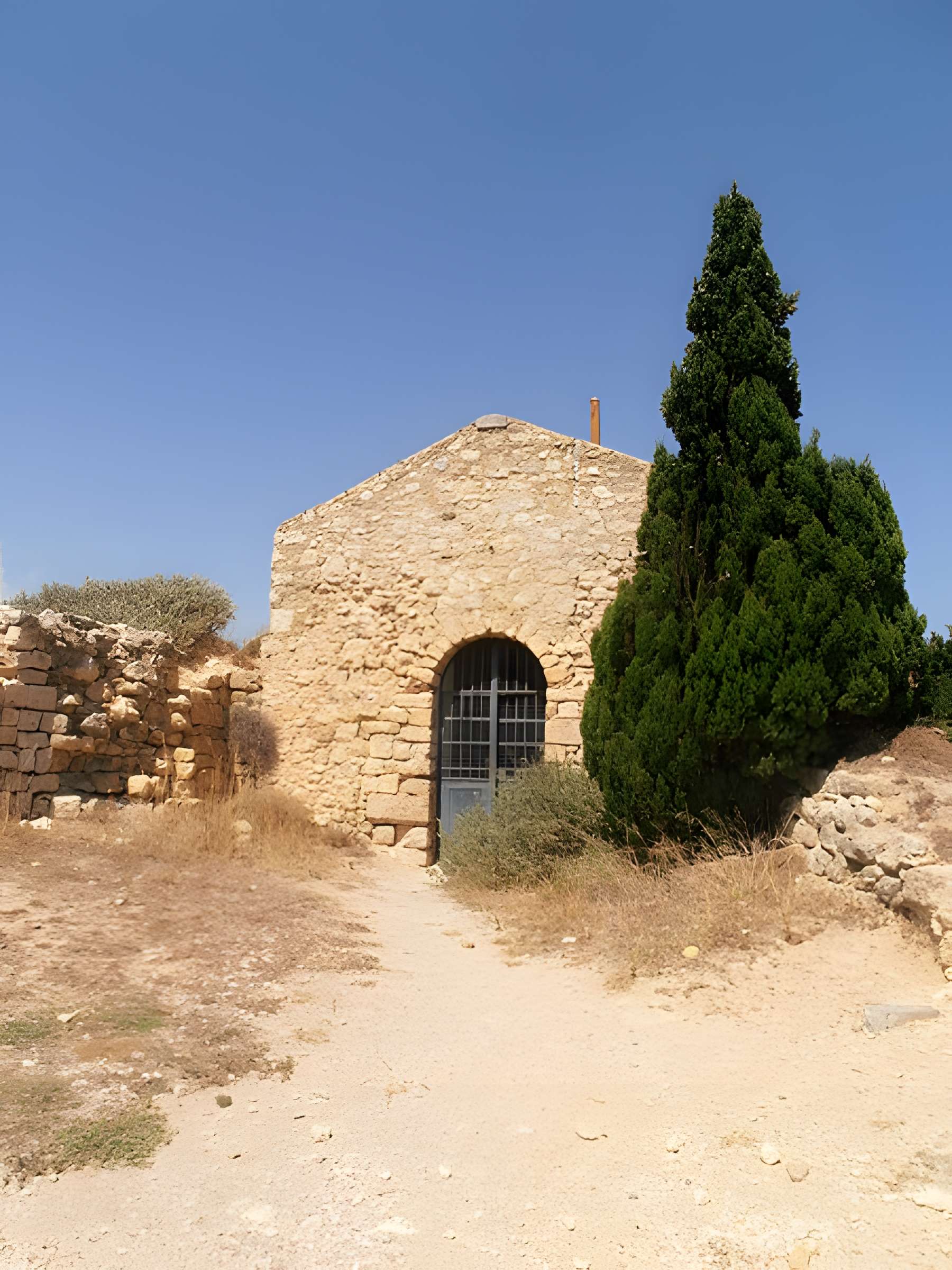
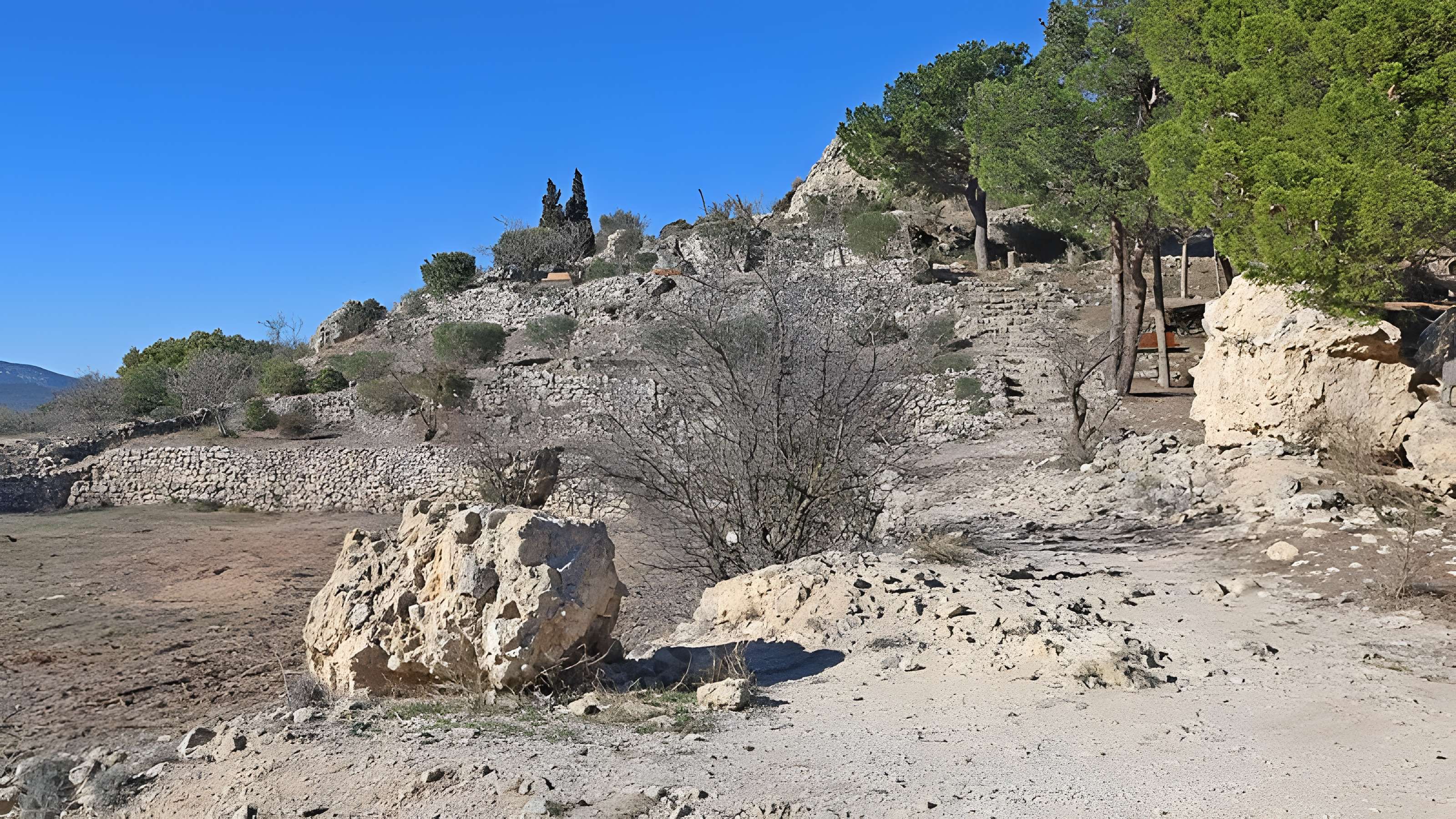
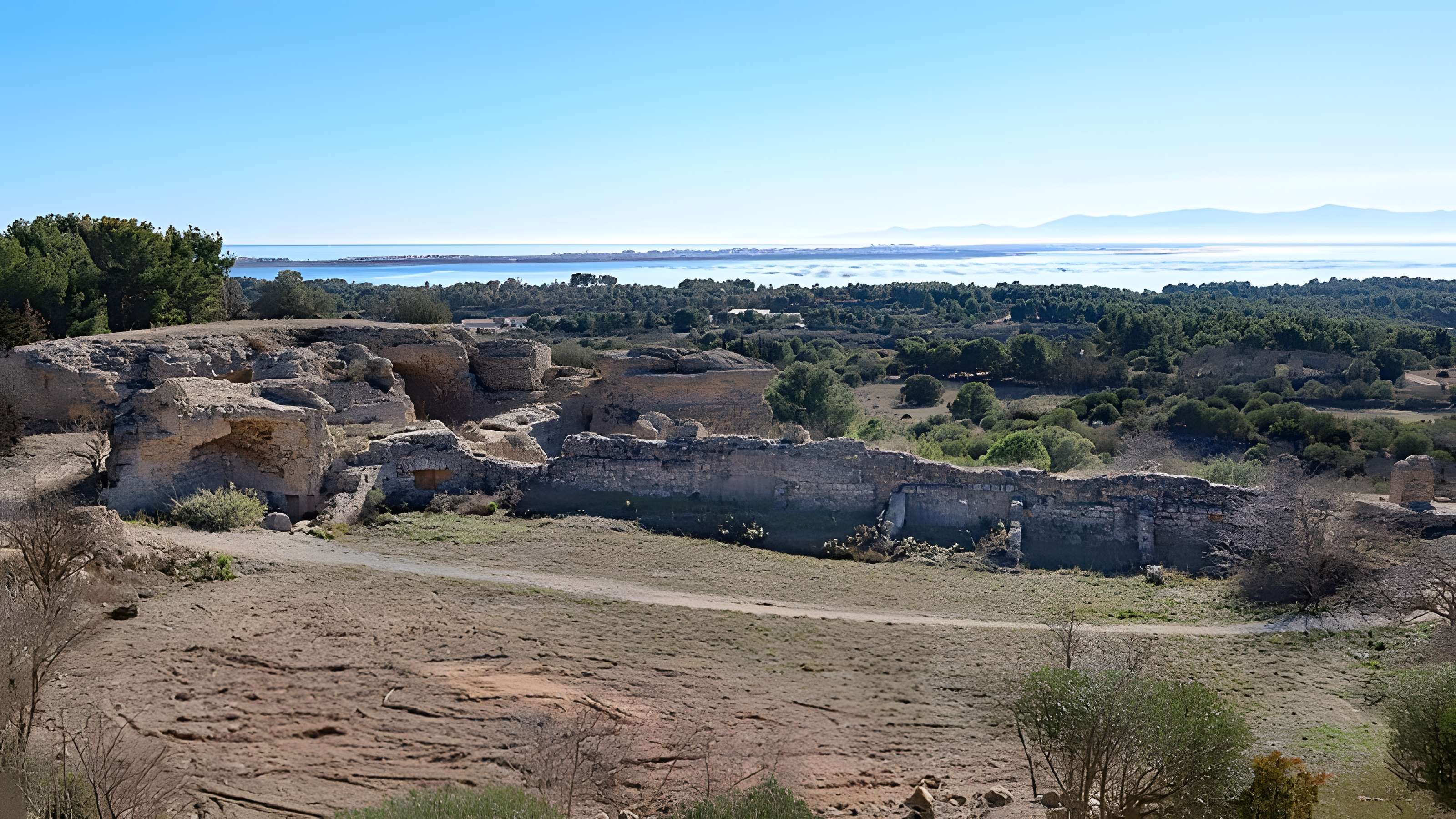
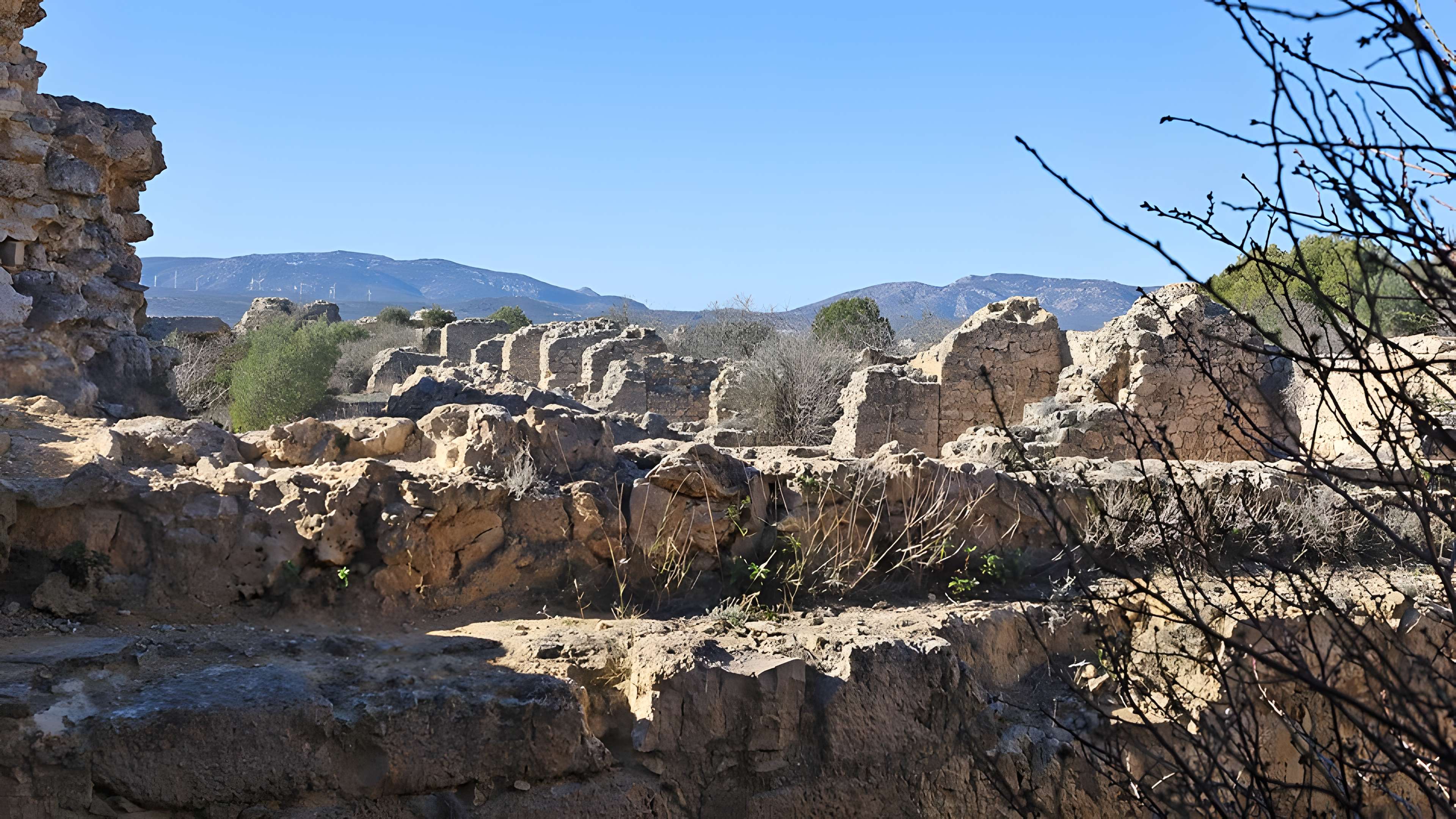
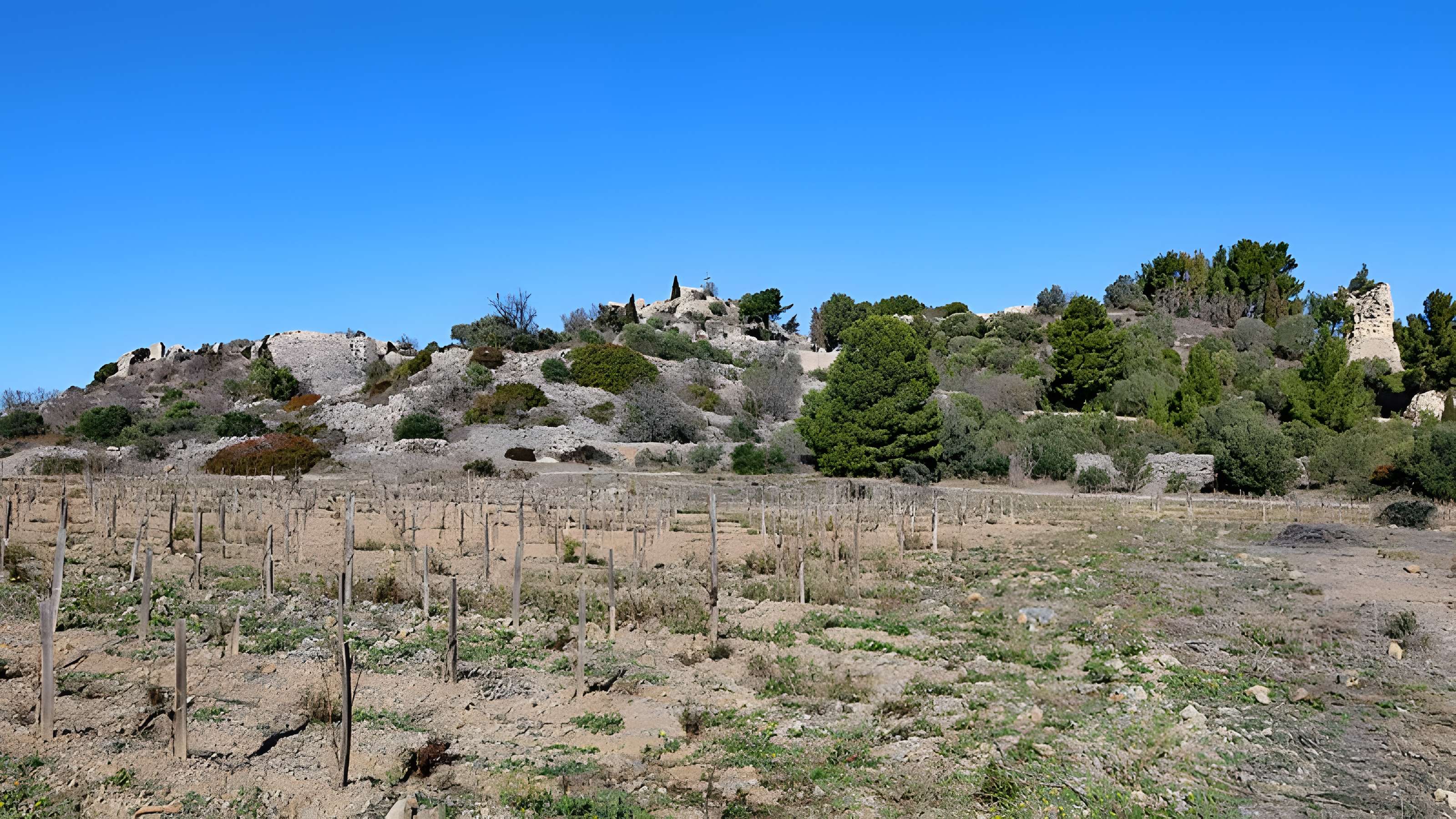
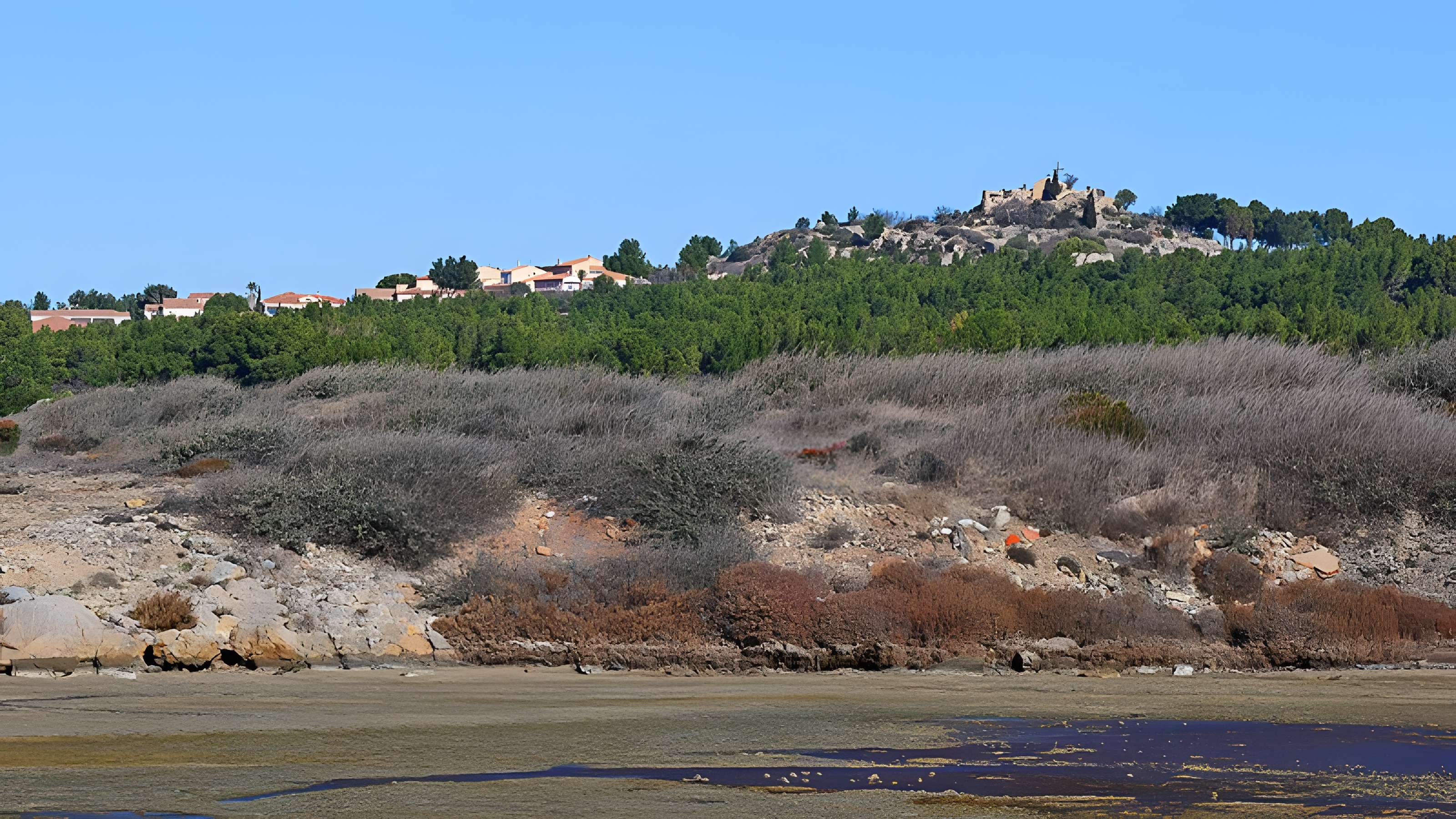
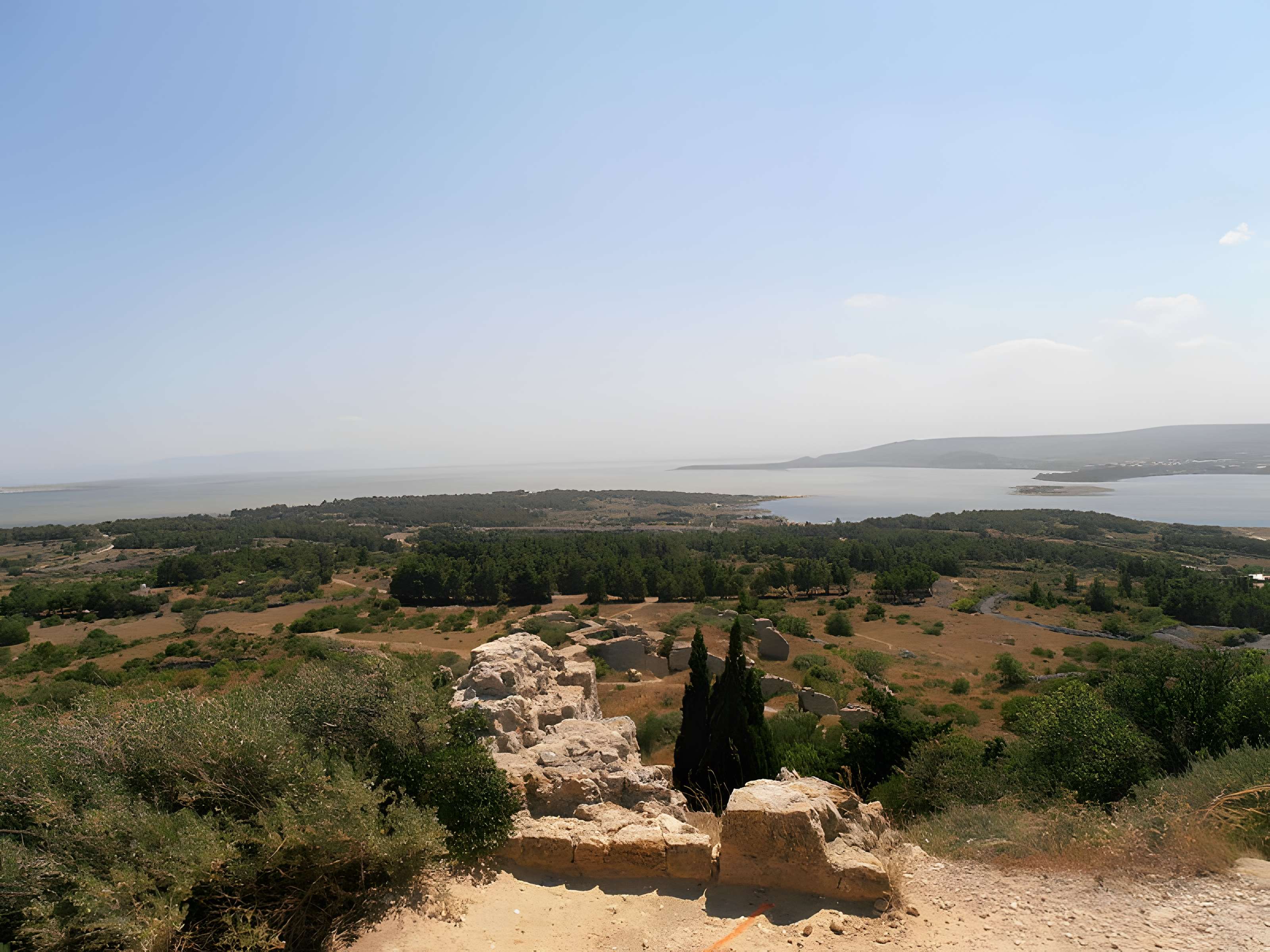
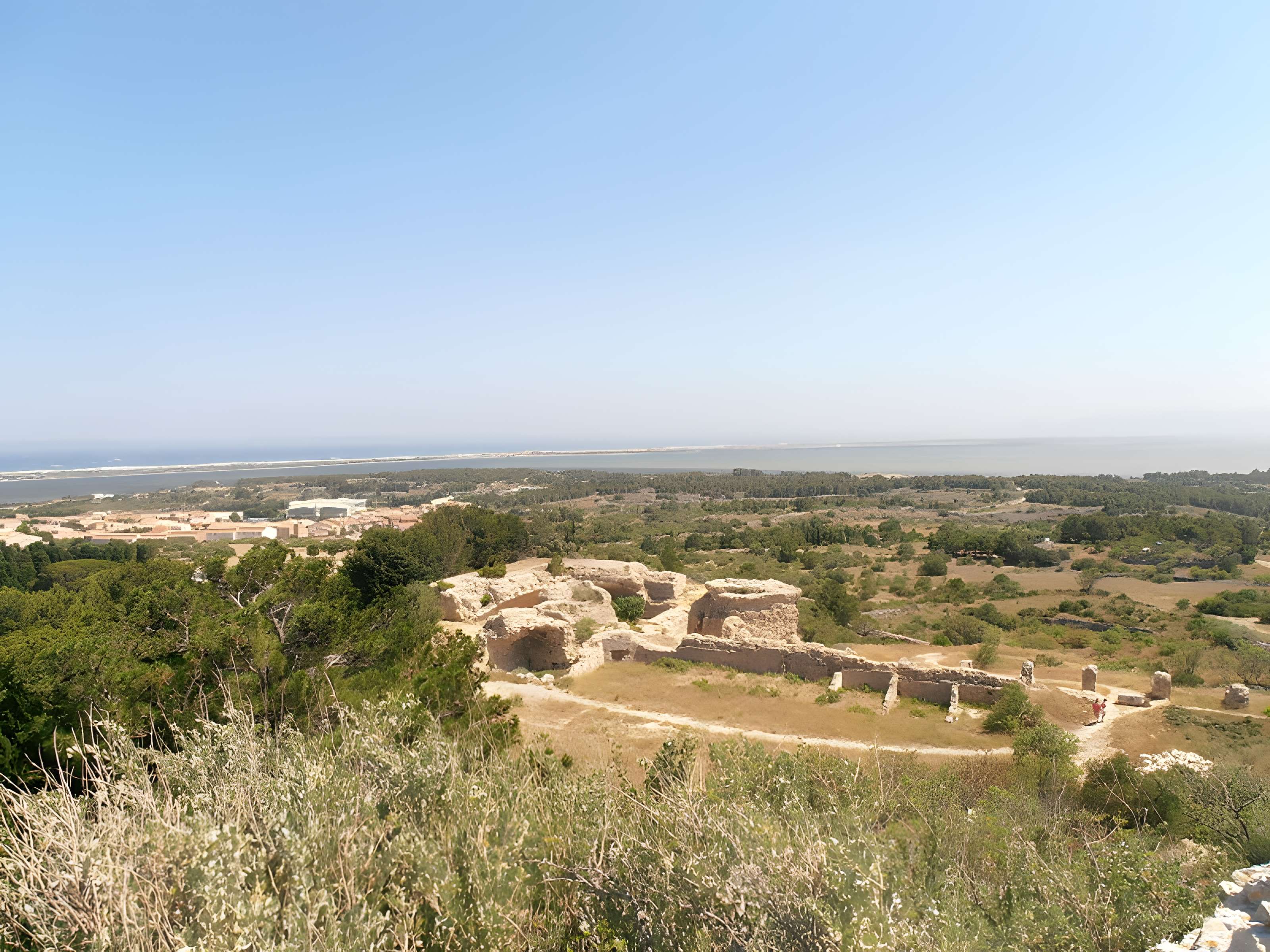
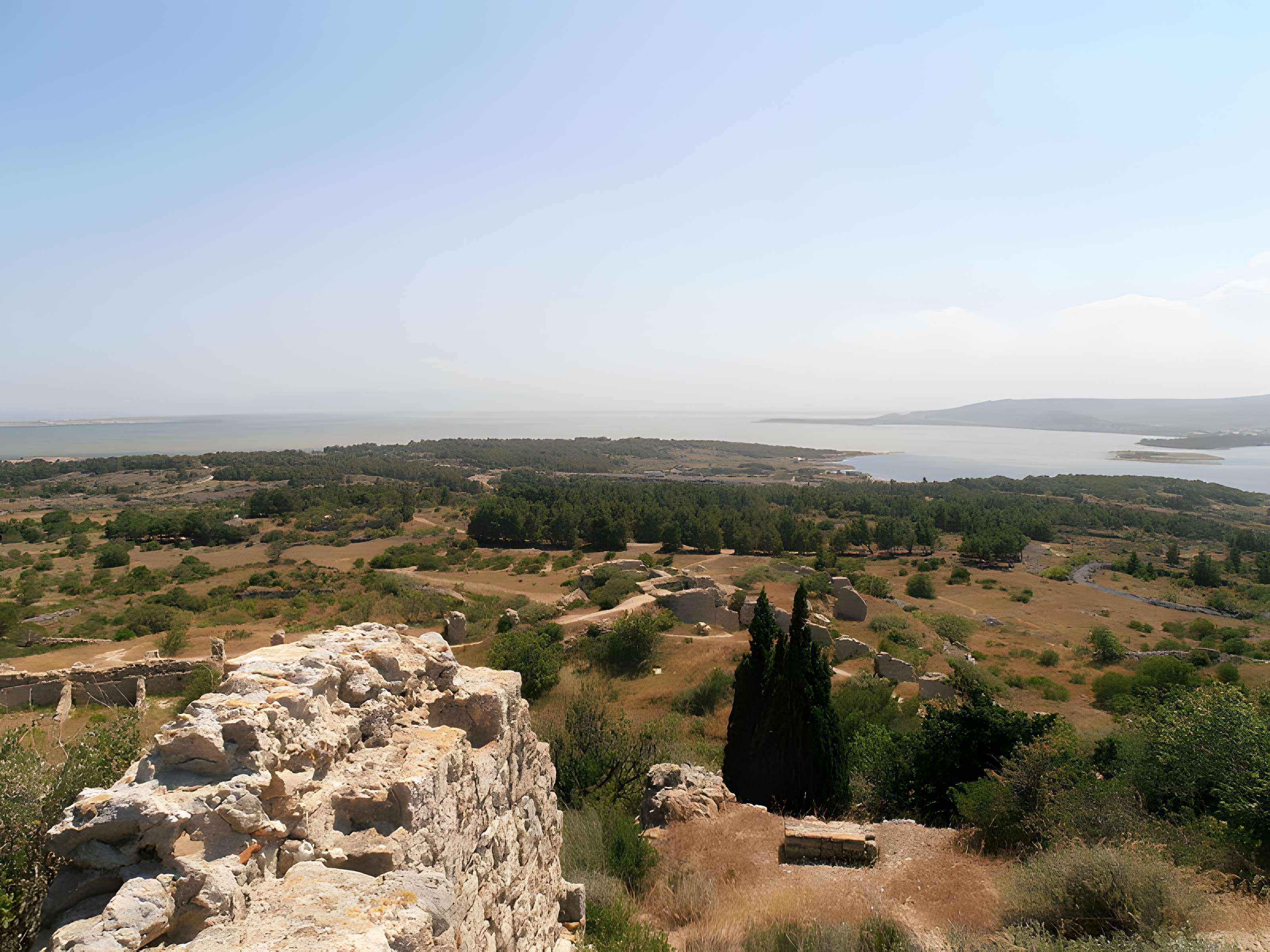
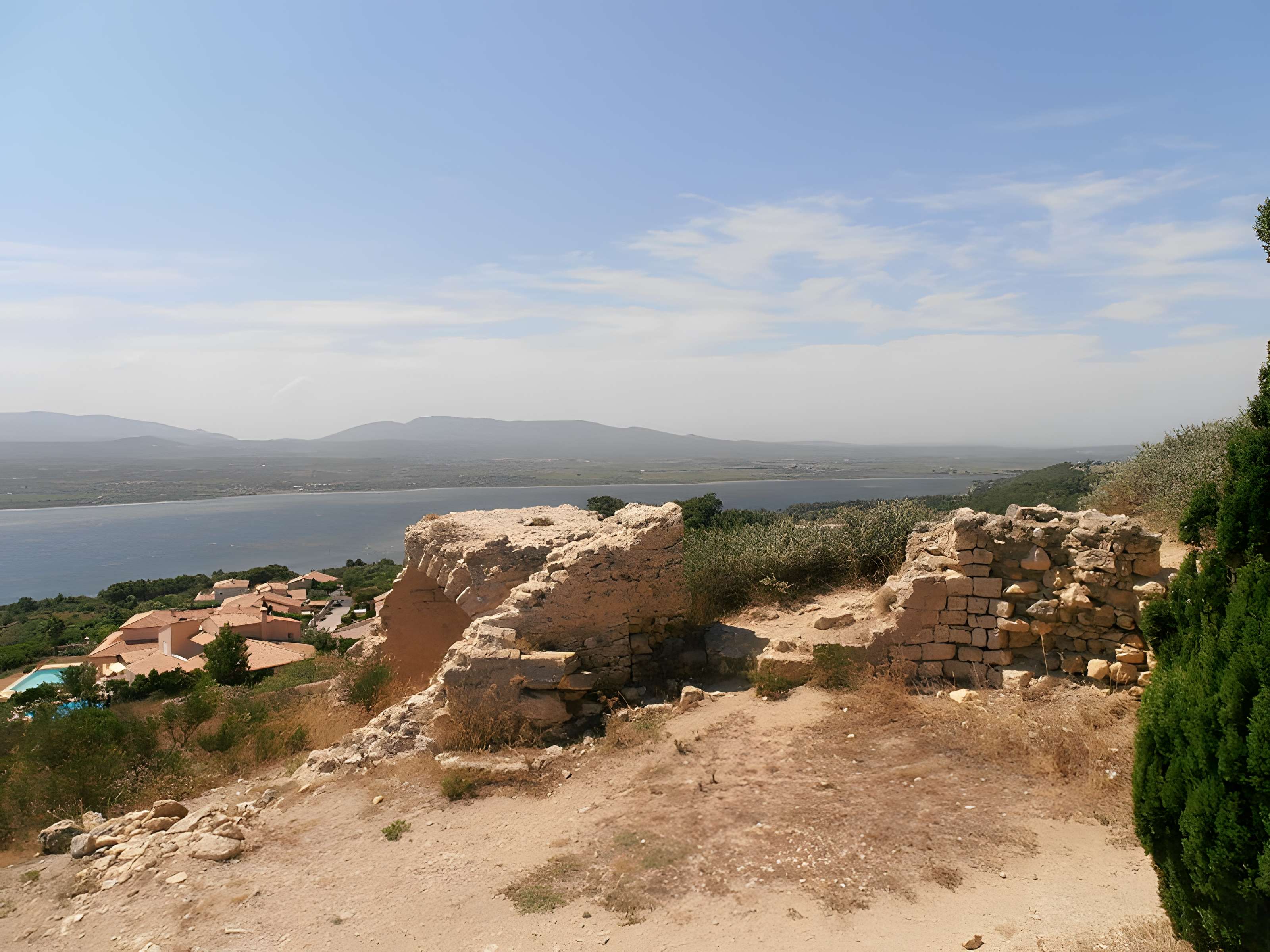
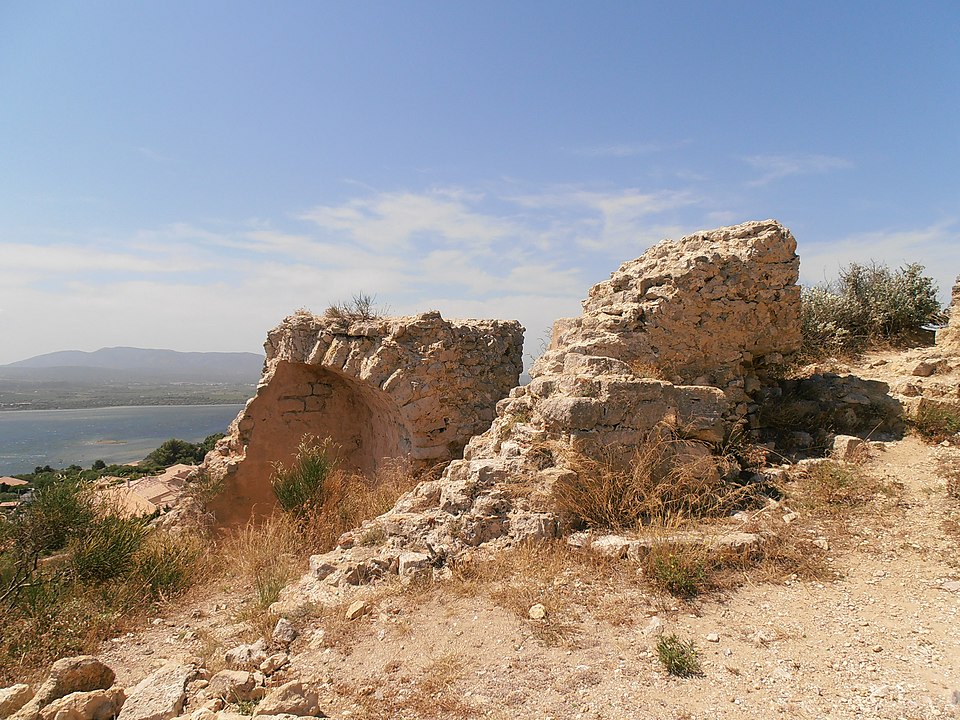
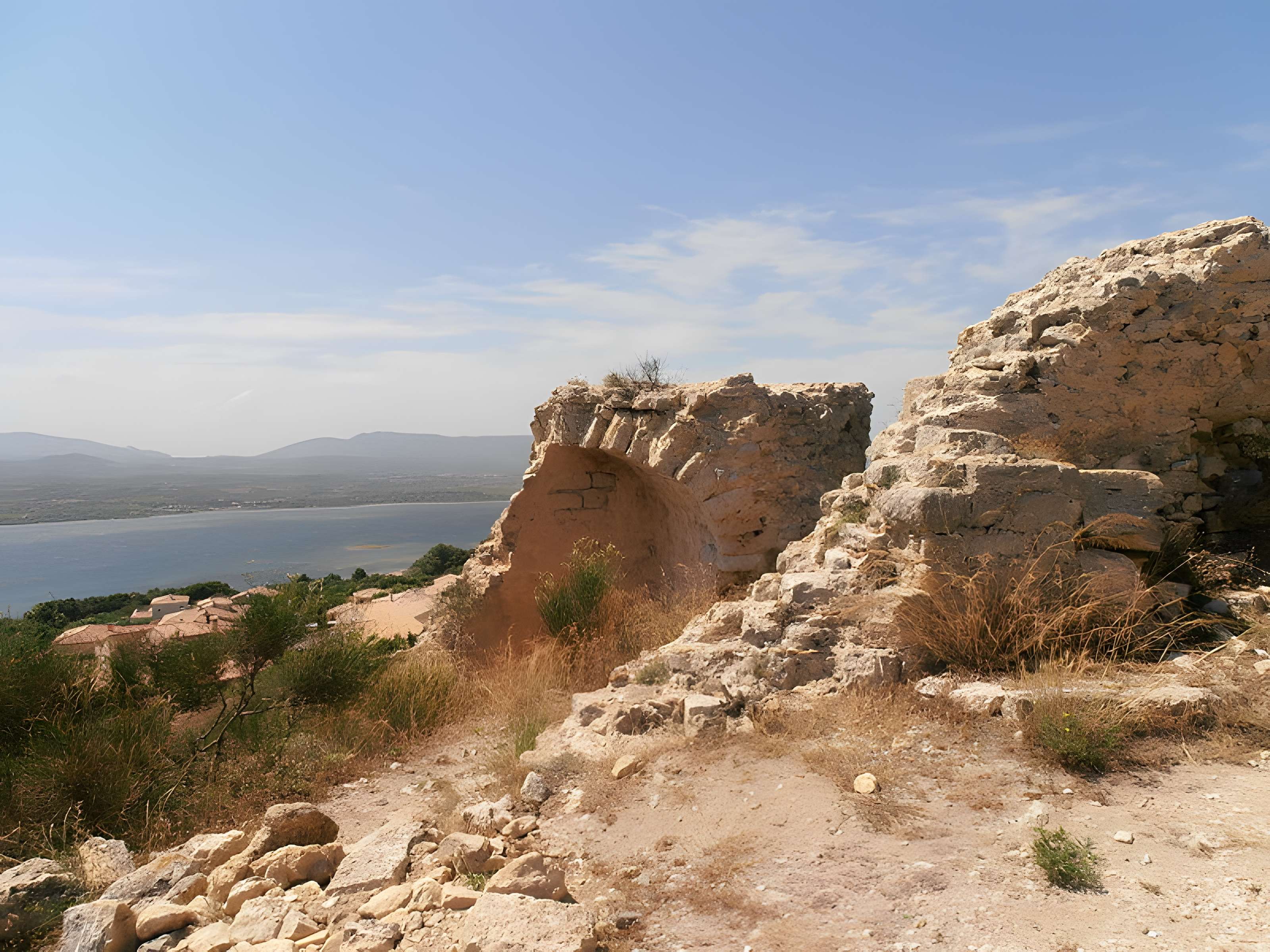
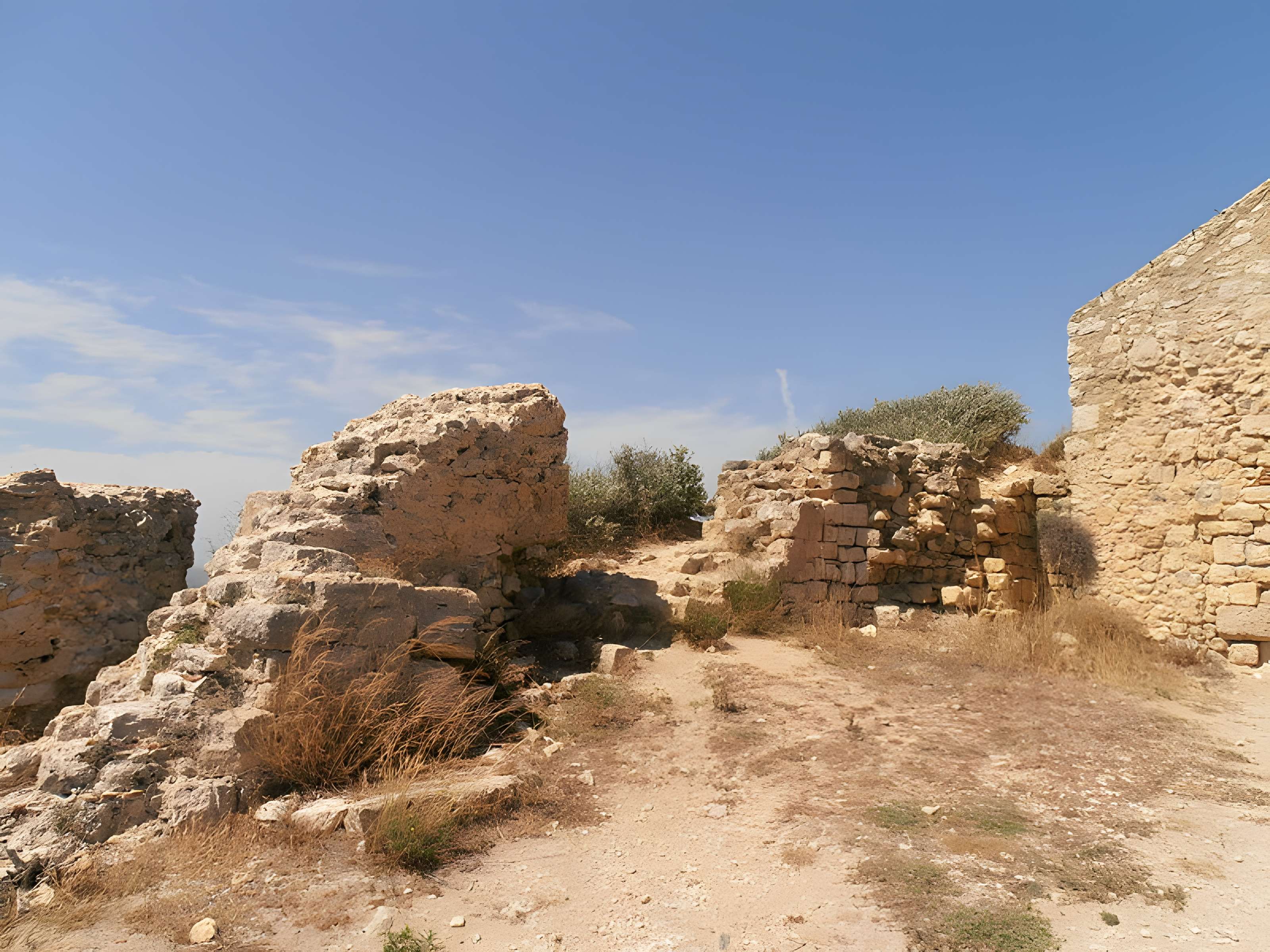
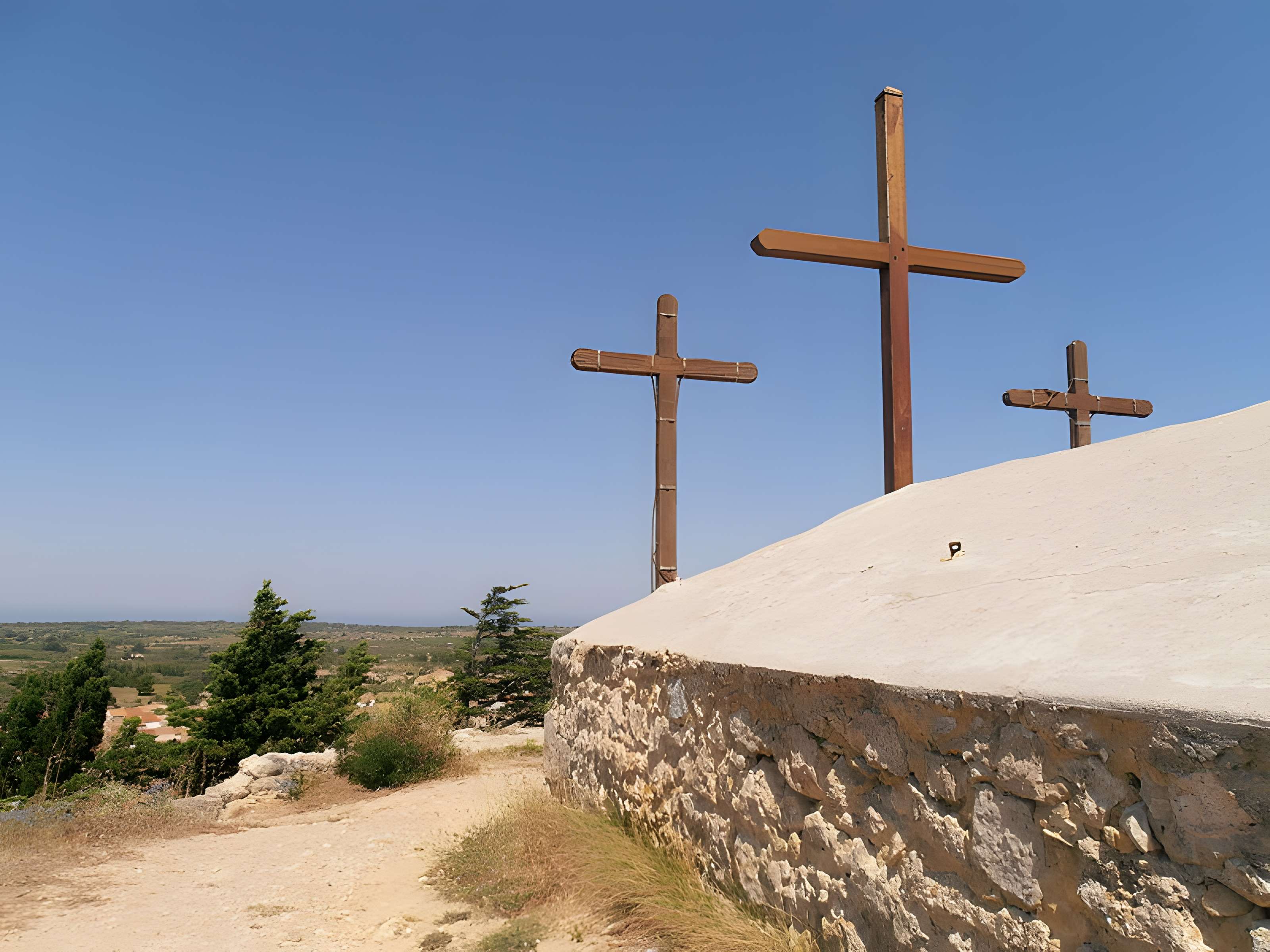
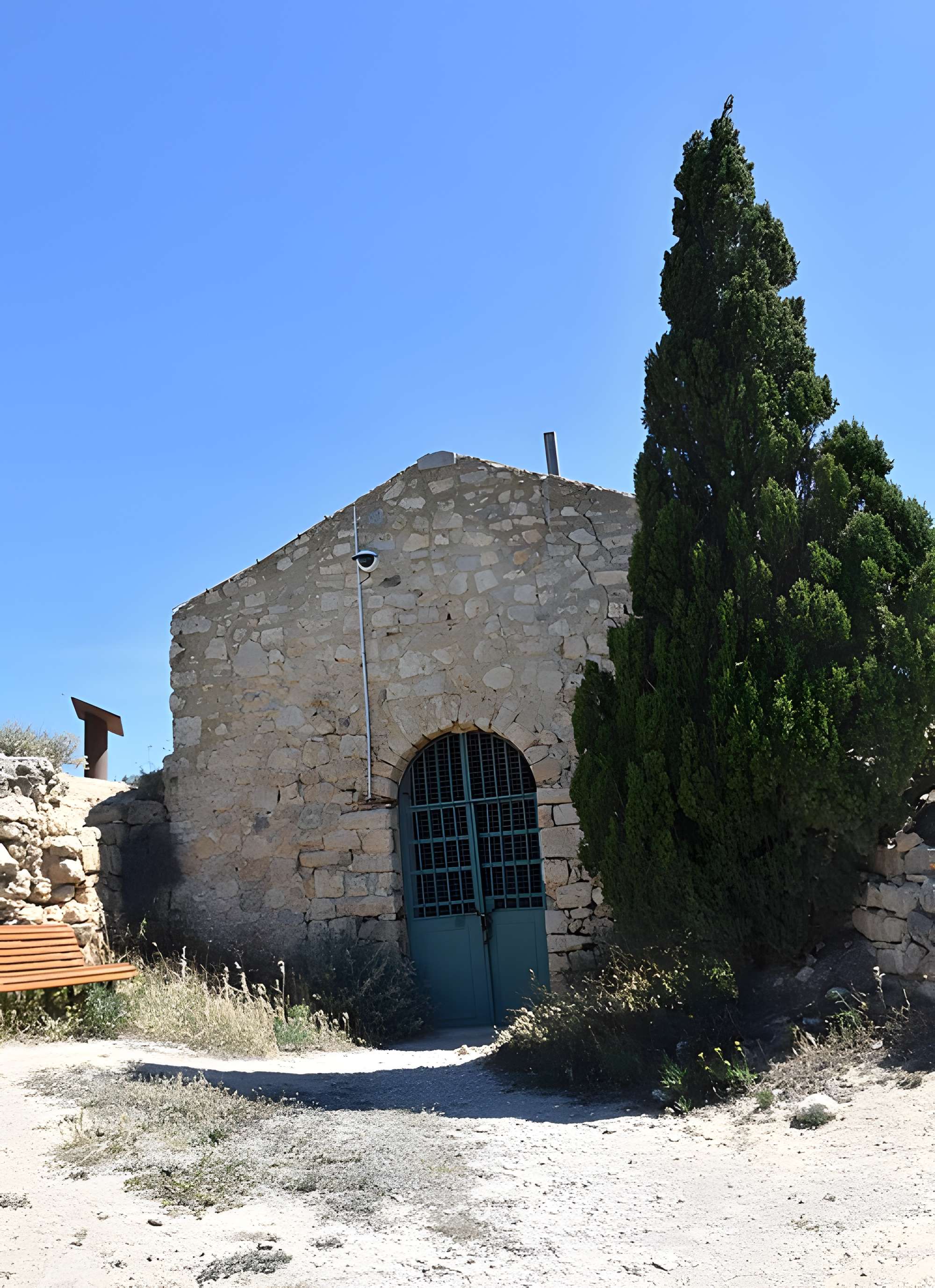
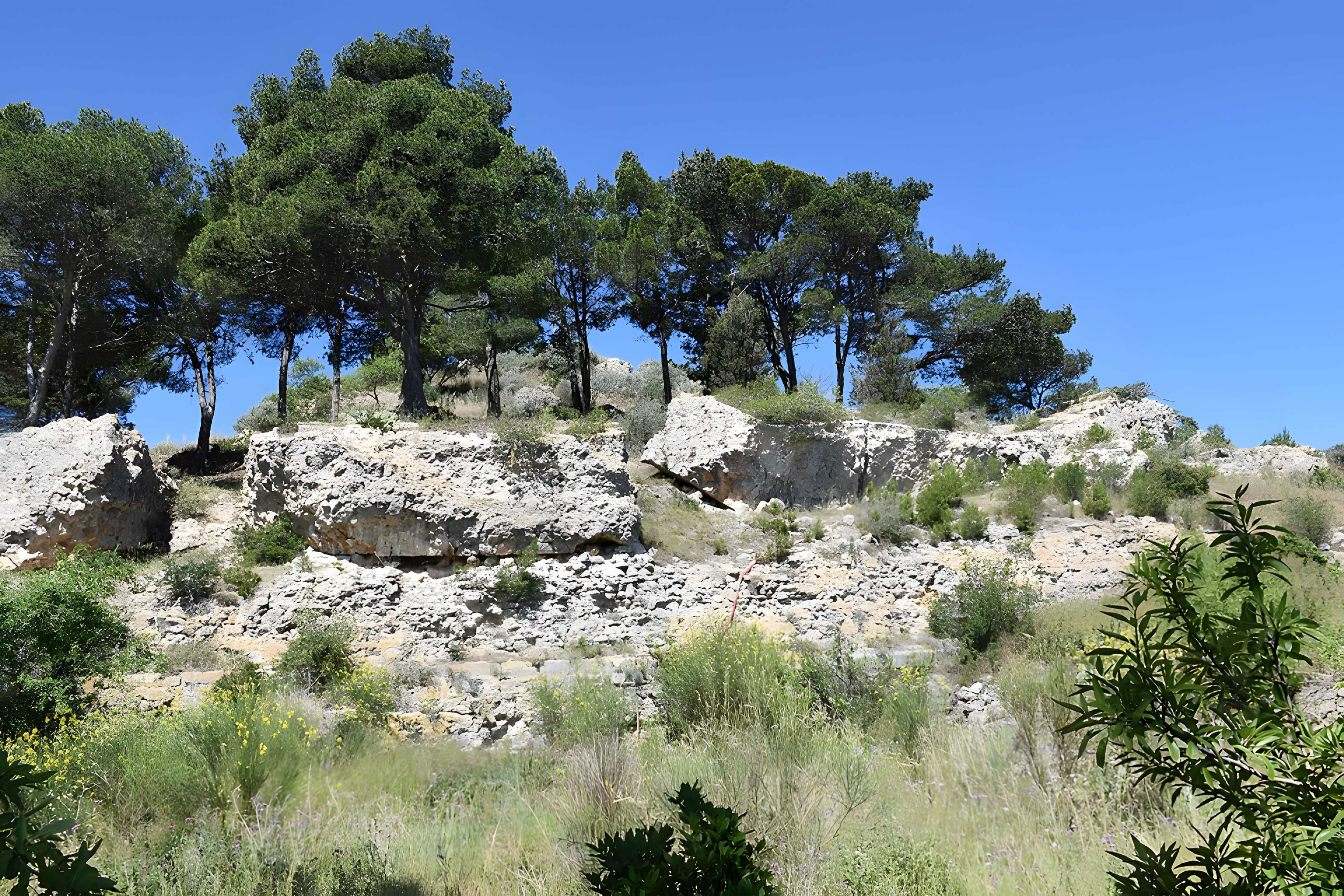
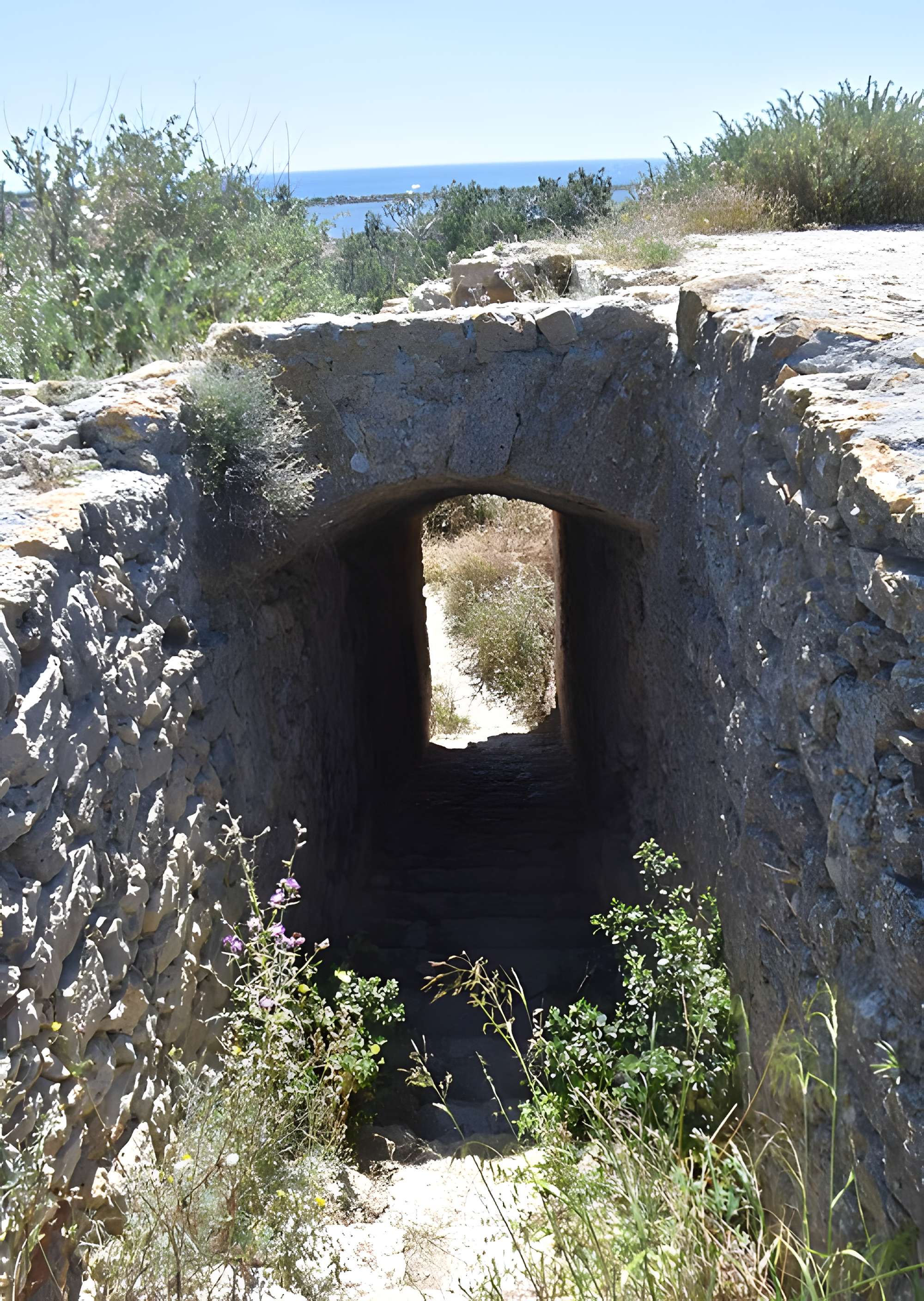
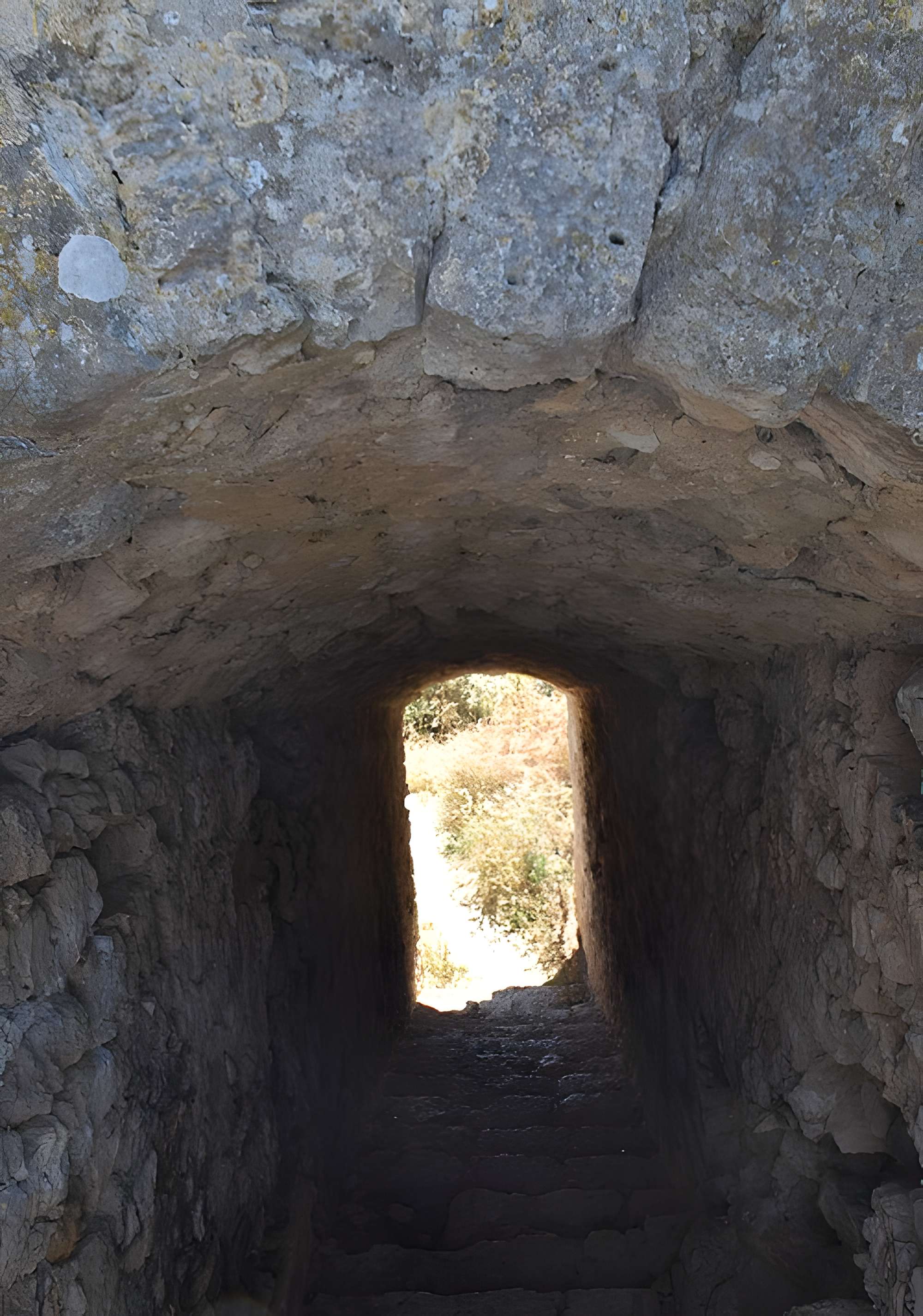
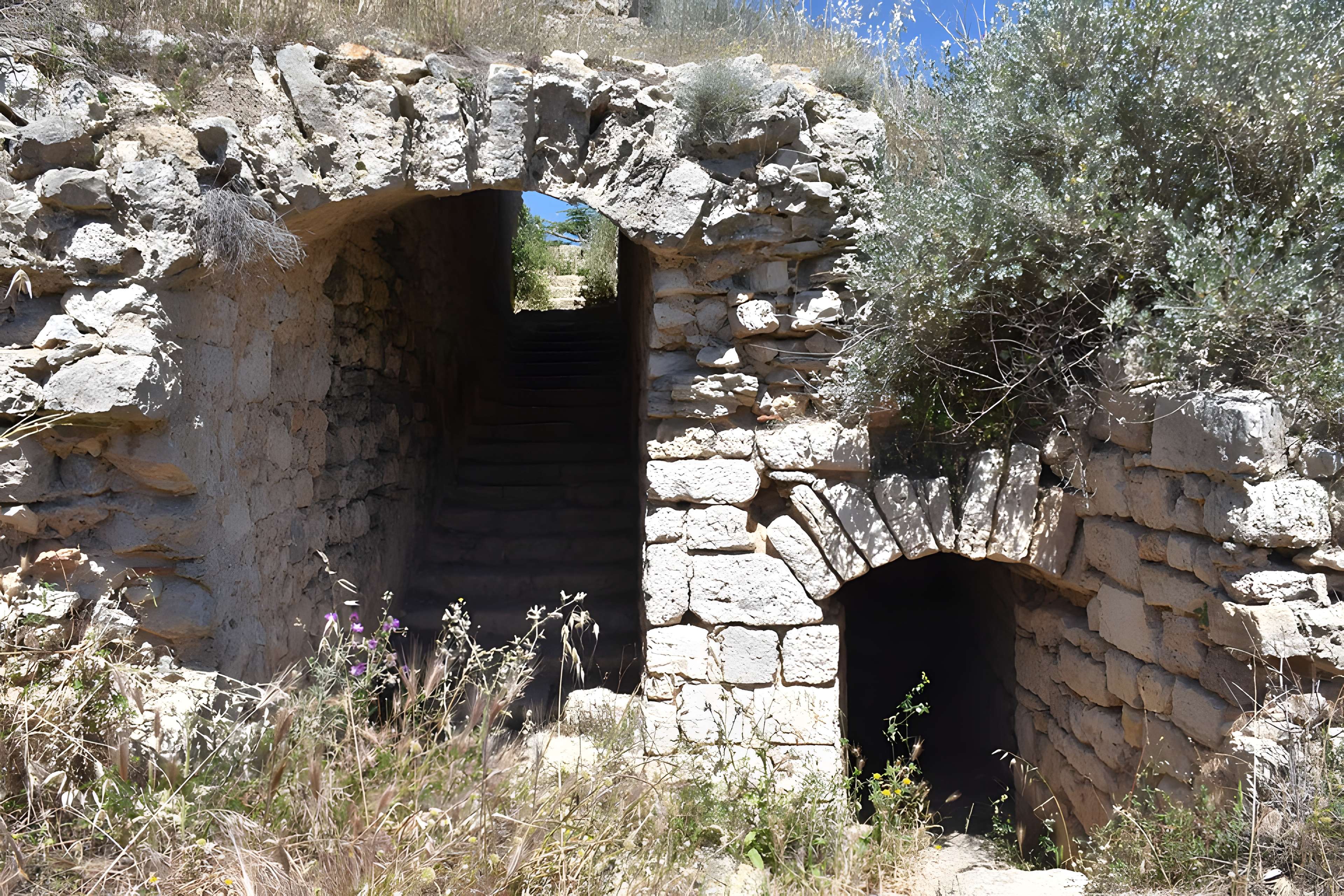
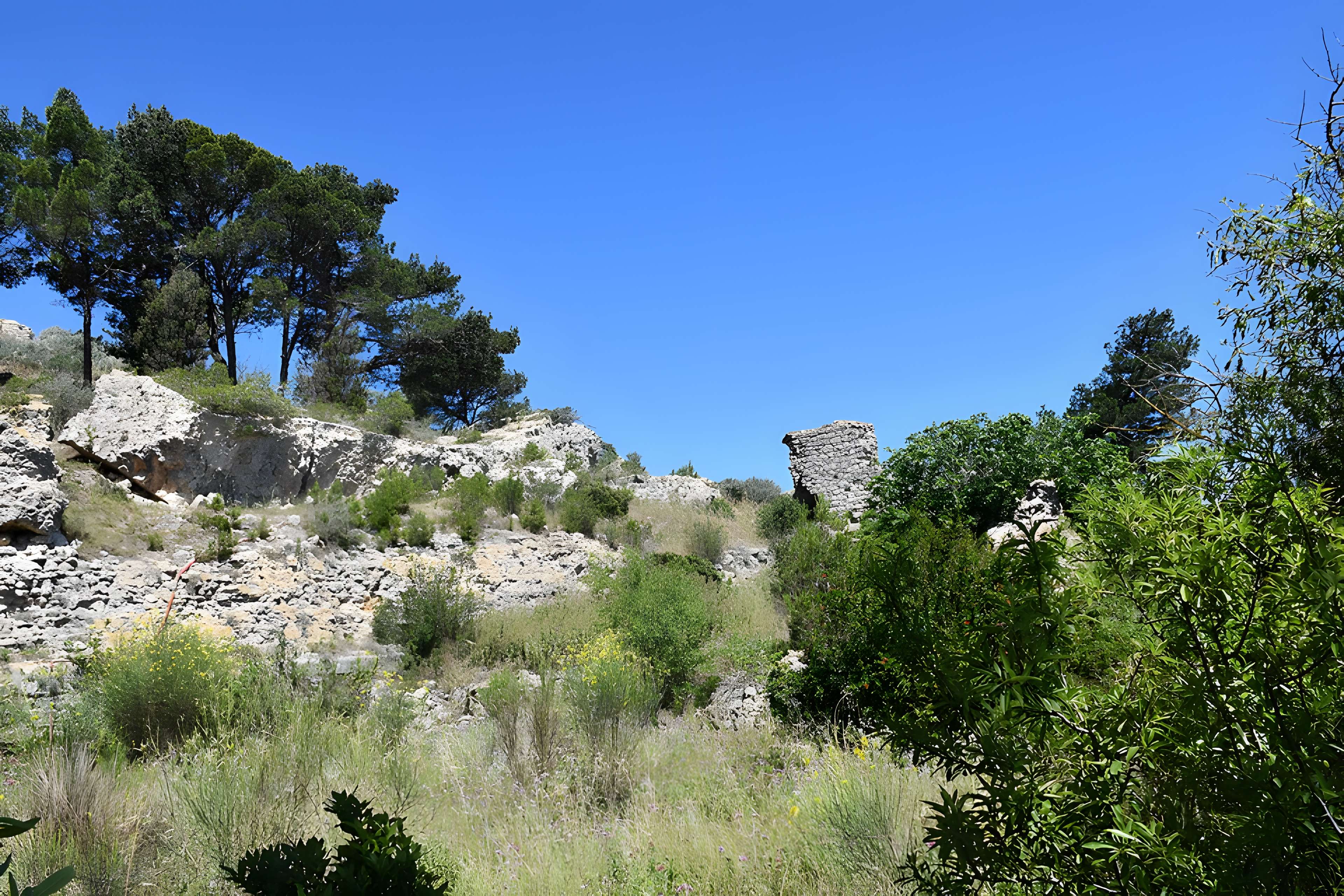
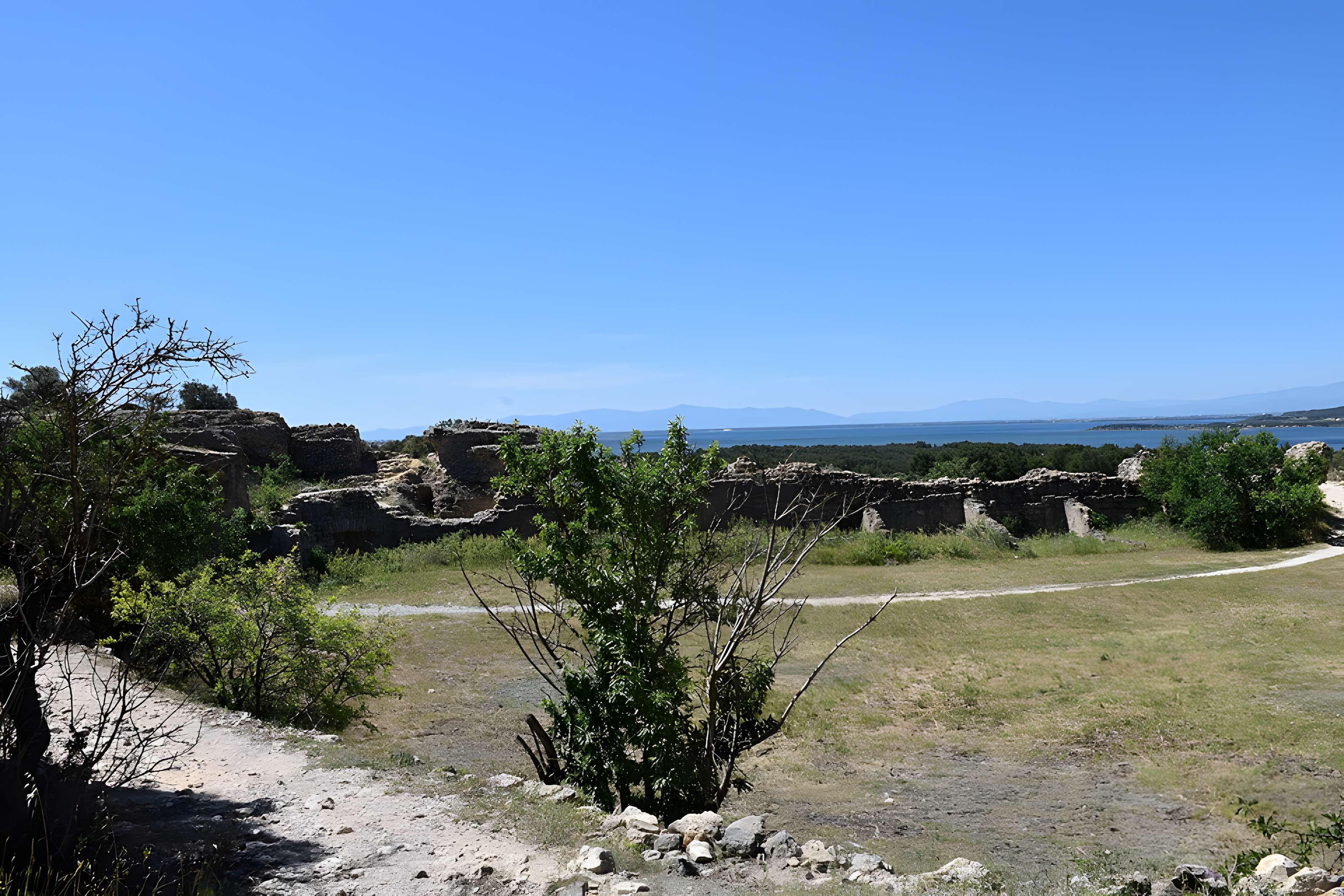
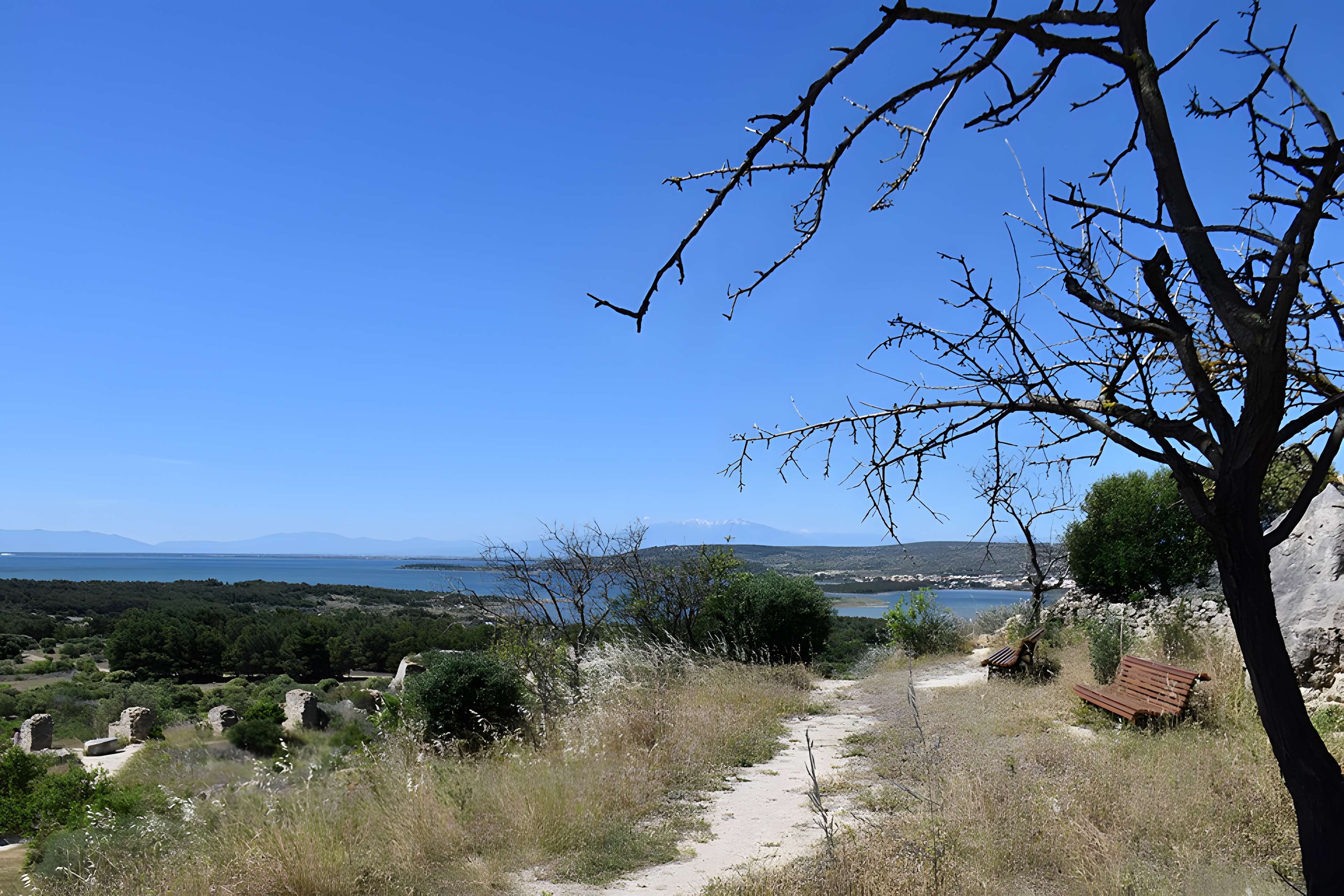
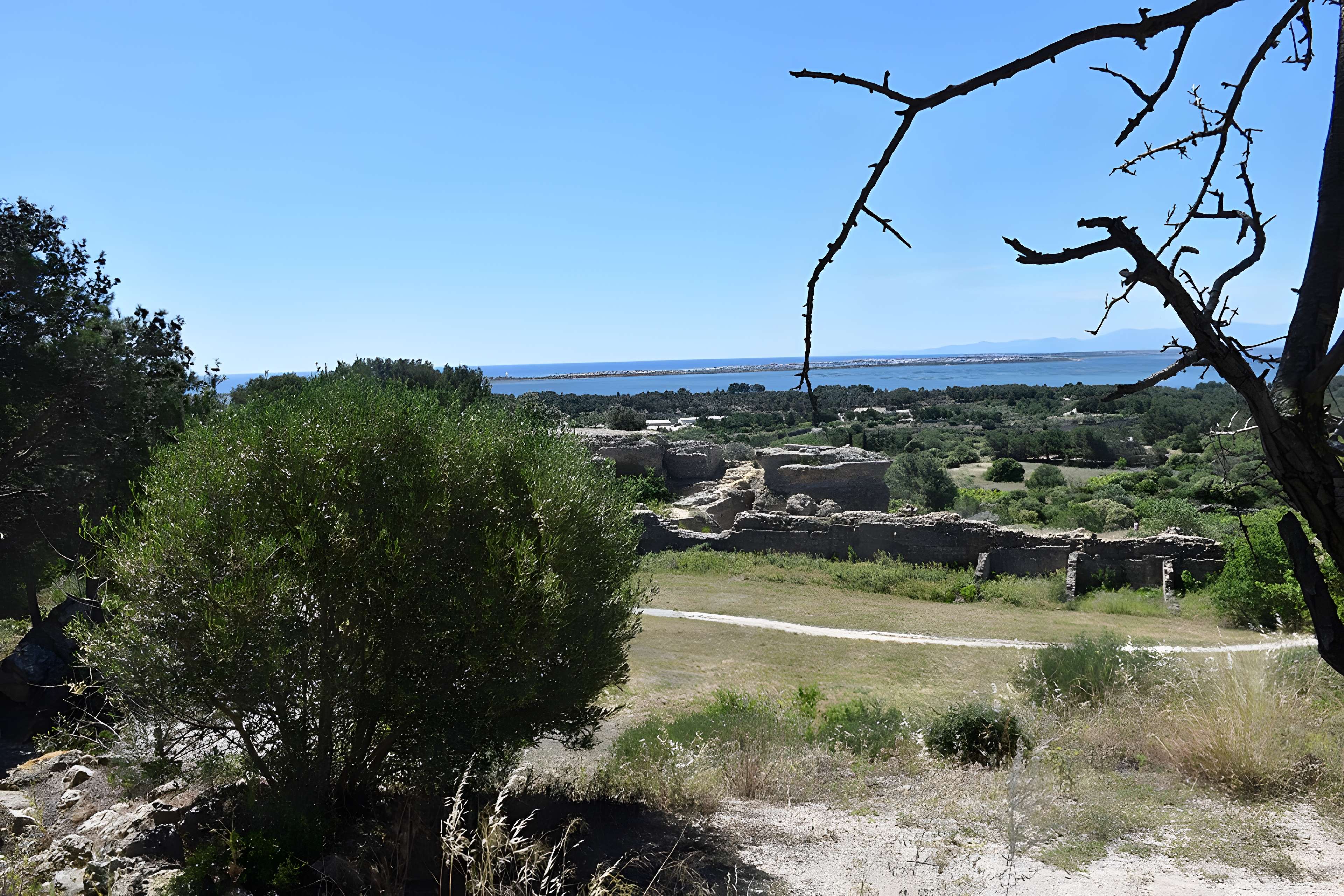
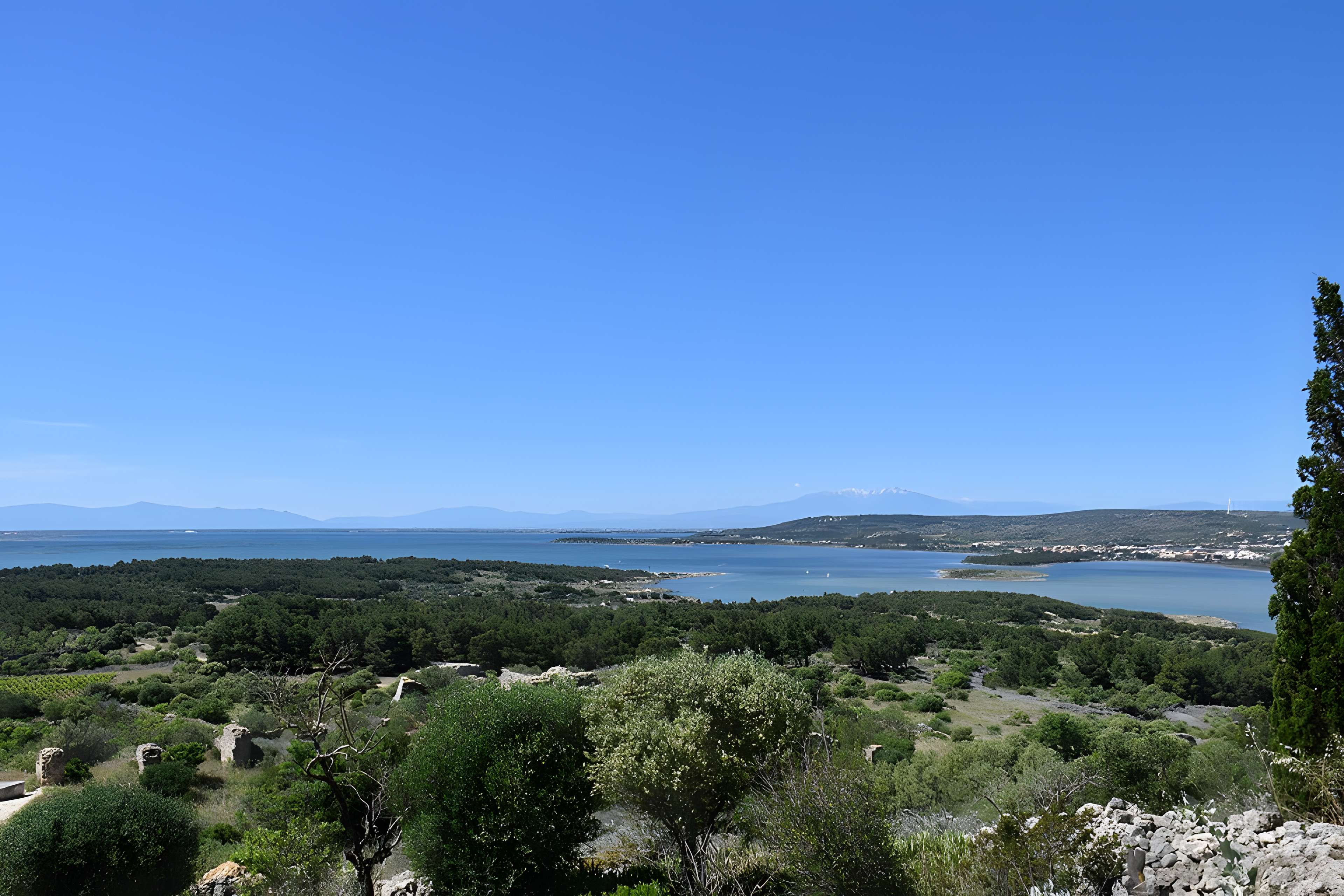
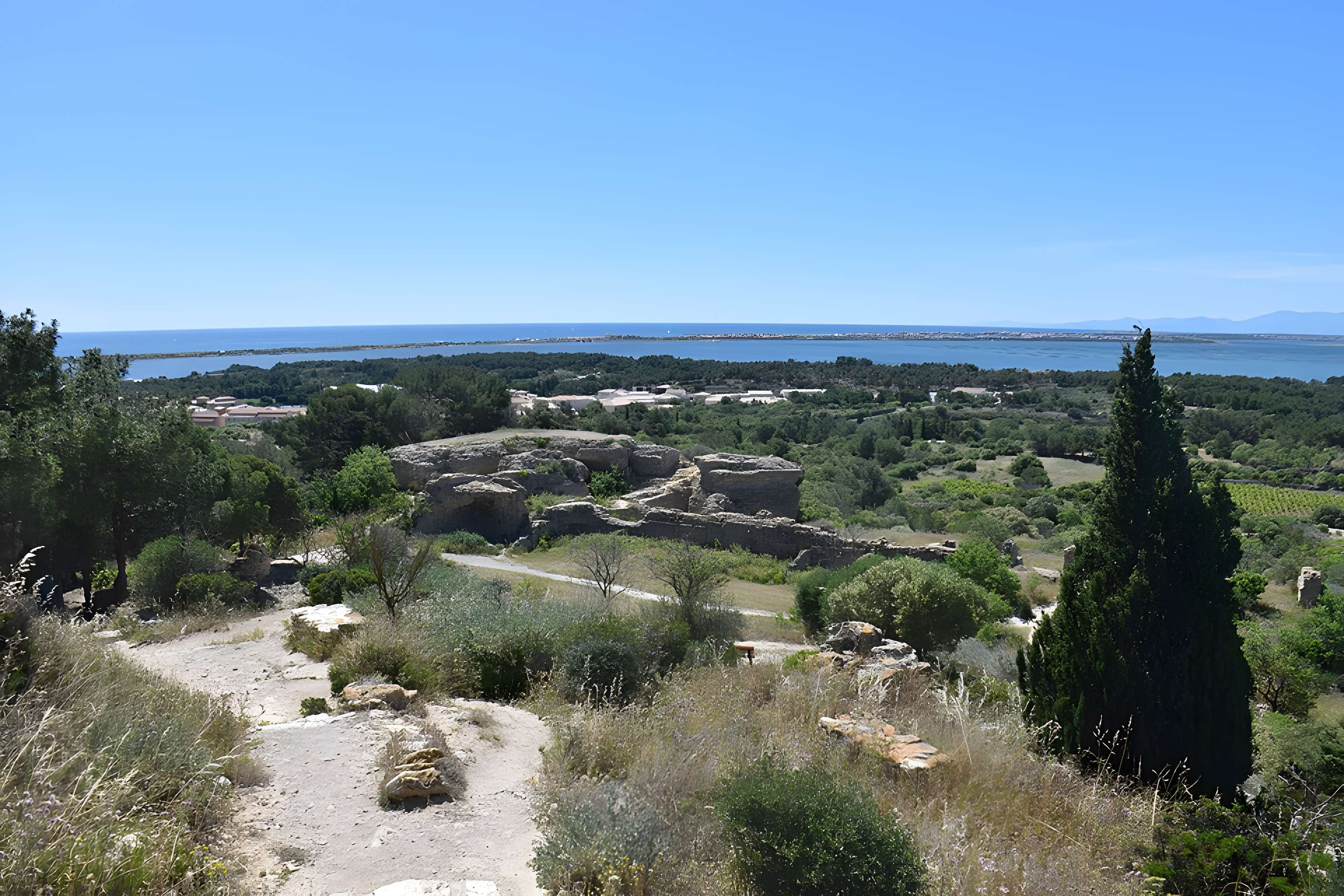
Today, the site retains traces of its various architectural phases: the medieval seigneurial house, the 13th century stone enclosure, and the remains of the Renaissance bastions. These elements, including glacis and ditches, have been fully protected since 2006, although ownership is shared between private, municipal and state actors.


















Announcements
Please log in to post a review