Logo Musée du Patrimoine

All French heritage classified by regions, departments and cities

Defensive system of the municipality of Troo dans le Loir-et-Cher

Patrimoine classé
Patrimoine défensif
Fortification
Loir-et-Cher

Defensive system of the municipality of Troo

    182 Le Château
    41800 Troo
Property of the municipality; private property
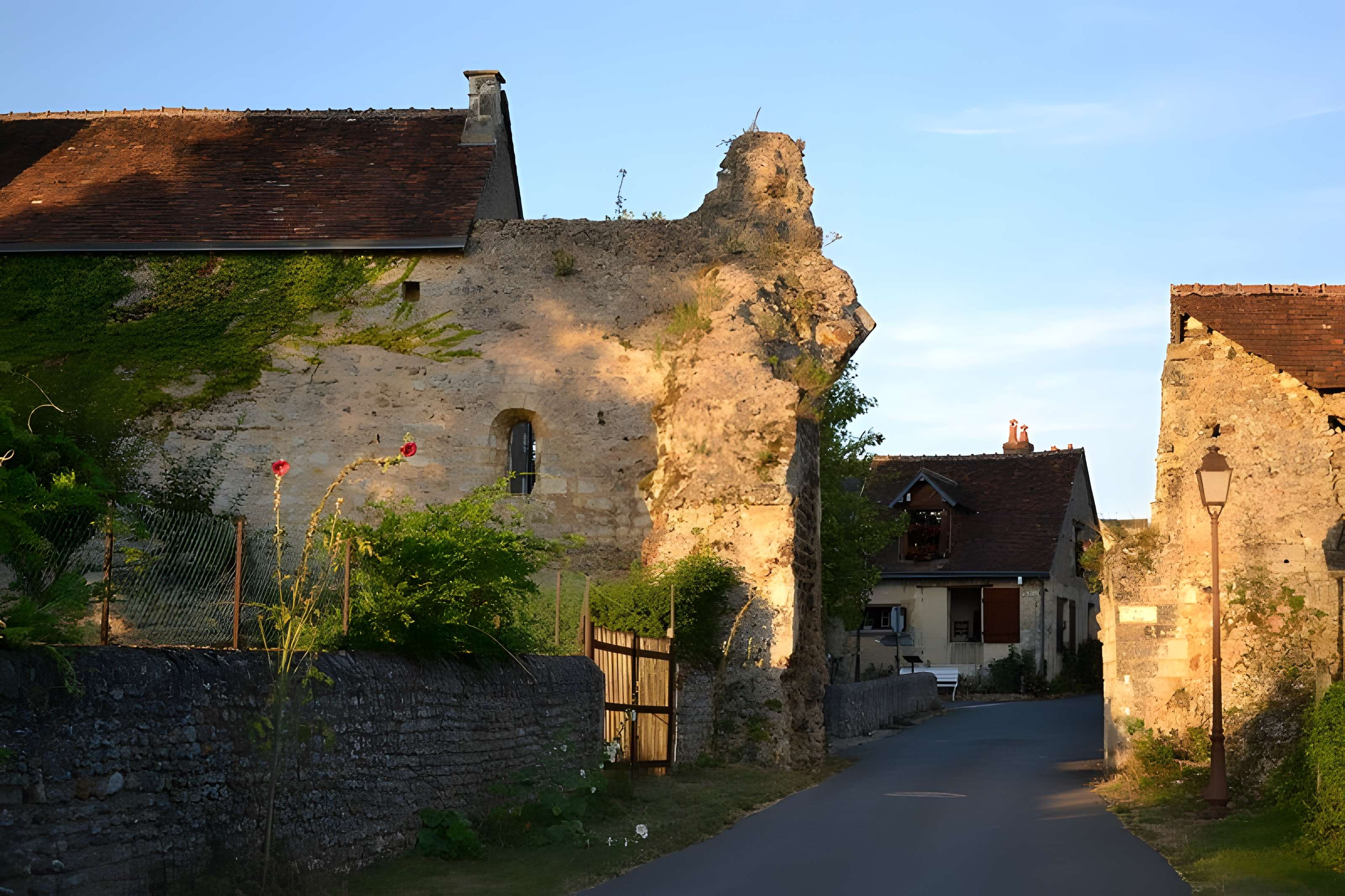
Crédit photo : Chatmouettes - Sous licence Creative Commons

Timeline

Moyen Âge central
Bas Moyen Âge
Renaissance
Temps modernes
Révolution/Empire
XIXe siècle
Époque contemporaine
1200
1300
1400
2000
Fin XIe - Début XIIe siècle
Construction of the first enclosure
Entre 1350 et 1360
Construction of the second enclosure
12 février 2007
Registration for Historic Monuments
19 décembre 2008
Classification to Historical Monuments
Aujourd'hui
Aujourd'hui

Heritage classified

The two feudal mots with their low-courses (Cd. AL 139, 140, 142 to 144; AK 1); the Saint-Calais gate (Cd. AL 67); the Saint-Michel gate (Cd. AL 618, 619) and the Saint-Michel gate tower (Cd. AL 681); the soils and remains of the main tower known as the Louvre (see AL 132, 134 to 138); the first enclosure and its ditches (cf. AL 17 to 20, 53, 54, 57, 58, 60, 63, 66 to 68, 73, 75 to 77, 128 to 132, 134 to 137, 162, 163, 167 to 169, 619, 681, 682); the preserved portions of the second enclosure (box. AL 171, 201, 203, 204, 650, 684): registration by order of 12 February 2007 - The enclosure of the "Château" in part, as well as the large enclosure, with their ditches and towers, including the floors and remains of the so-called " Louvre" residence, the city gates of Saint-Calais and Saint-Michel, the motte and part of its lower courtyard, the ravelin of earth called "la butte Marcadet" (cad. AL 139, 140, 142, 144: feudal motte with its bassyard; AK 1: " Marcadet hill " ; AL 37, 63: Porte Saint-Calais; AL 618: Porte Saint-Michel; AL 681: Saint-Michel Gate tower; AL 132, 134 to 138: soils and remains of the " Louvre " residence; AL 57, 63, 66, 68, 73, 75 to 77, 128 to 132, 134 to 137, 162, 163, 167 to 169, 681, 682: small enclosure and its ditches; AL 66, 171, 201, 203, 204, 650, 684: preserved portions of the large enclosure): by order of 19 December 2008

Key figures

Information non disponible - No key characters mentioned in the sources. The source texts do not cite any specific historical actors.

Origin and history

Troo's defensive system is a fortified seigneurial complex of the 12th and 14th centuries, located in the upper city. It consists of two mots, two separate enclosures and doors associated with chapels or a motte. The first enclosure, built of flint moellons in fish edges, dates from the late 11th or early 12th century. It was later reinforced by semicircular towers, reflecting an evolution of medieval defensive techniques.

Between 1350 and 1360, a second enclosure was erected on the eastern and southern fronts to include new houses built to the east. Three towers of this chamber were adapted to accommodate artillery, marking a modernization against the military threats of the time. Remnants of walls embedded in a 19th-century building suggest the existence of an old aristocratic residence, probably located in the so-called castle area.

The protected elements include the two feudal mounds with their low courts, the Saint-Calais and Saint-Michel gates, as well as the remains of the master tower known as the Louvre. The site was registered in 2007 and ranked in 2008, recognizing its heritage importance. The property is shared between the municipality and private owners, and certain elements, such as the ravelin of land called the "Marcadet hill", testify to medieval defensive ingenuity.

The location of the site is approximate, with an accuracy considered 'a priori satisfactory'. The GPS coordinates available place the monument near the so-called 'Le Château', confirming its anchoring in the historic urban landscape of Troo. Available sources, including Monumentum, provide technical and historical details, but some areas still need to be explored to refine understanding of this complex defensive system.

External links