Logo Musée du Patrimoine

All French heritage classified by regions, departments and cities

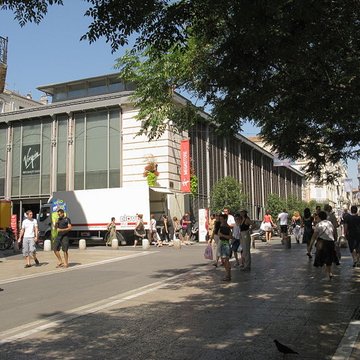
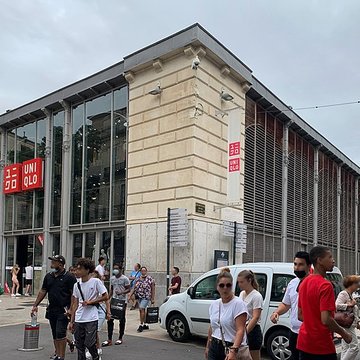
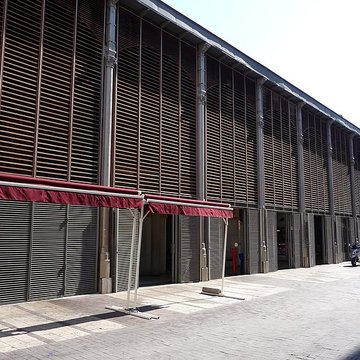
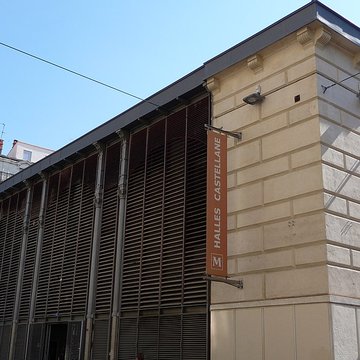
Halle Castellane de Montpellier dans l'Hérault

Patrimoine classé
Patrimoine urbain
Halle
Hérault

Halle Castellane de Montpellier

    Place Castellane
    34000 Montpellier
Ownership of the municipality
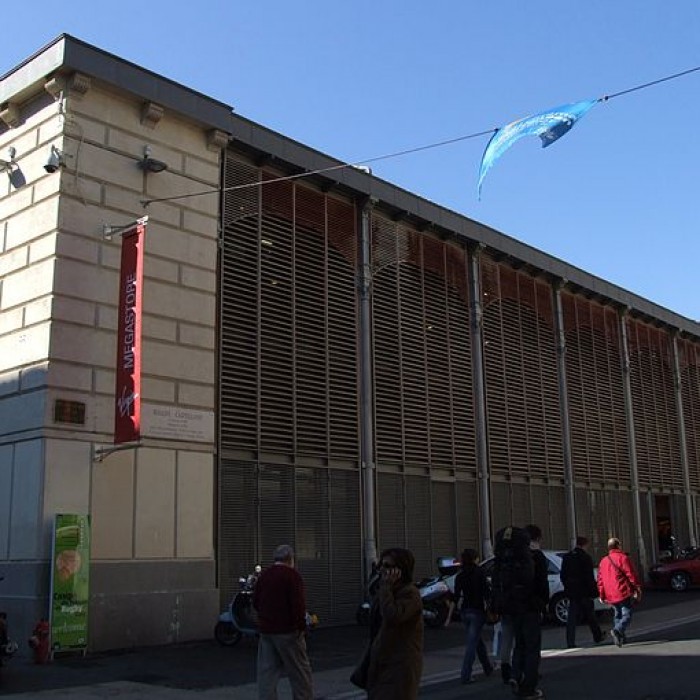
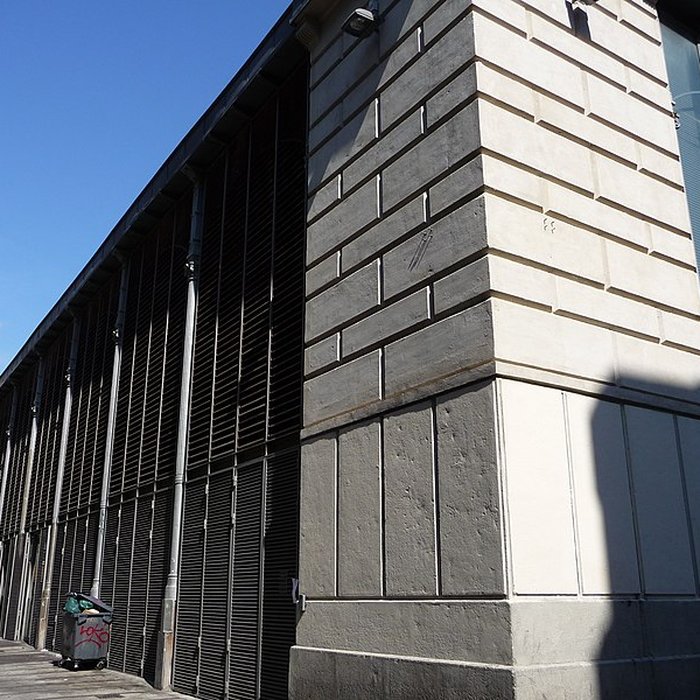
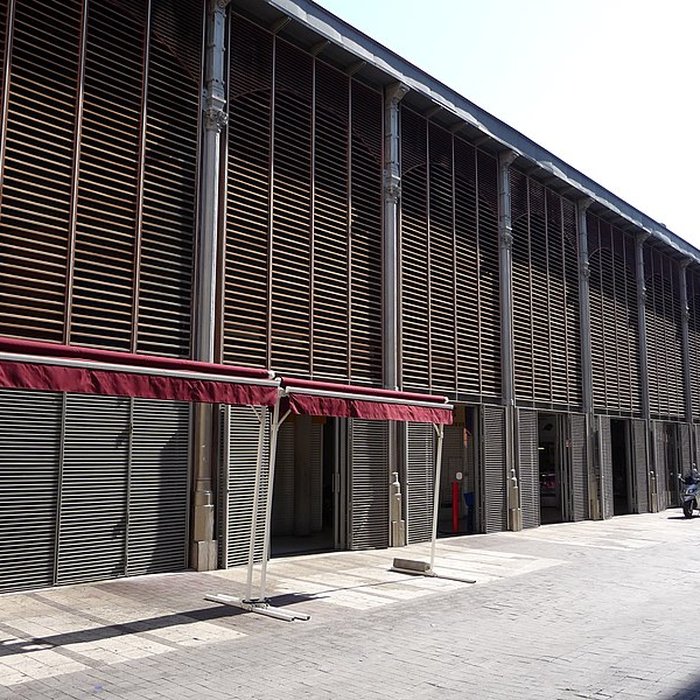
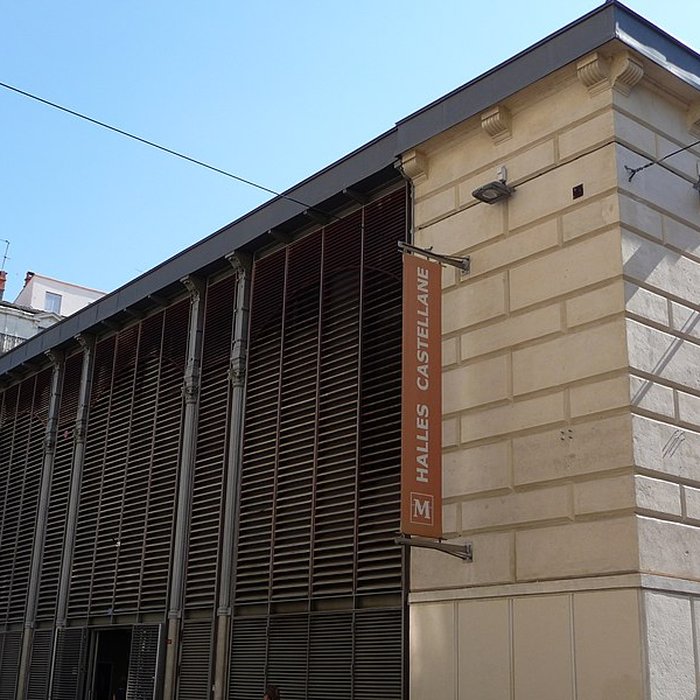
Halle Castellane de Montpellier
Crédit photo : Christophe.Finot - Sous licence Creative Commons

Timeline

Temps modernes
Révolution/Empire
XIXe siècle
Époque contemporaine
1700
1800
1900
2000
1748
Fish industry construction
1840
Expropriations for the market
avril 1858
Laying the first stone
février 1859
Opening of the hall
1969
Modification of the façade
28 juillet 1999
Historical monument classification
2002
Renovation and creation of one floor
Aujourd'hui
Aujourd'hui

Heritage classified

The hall in full (Case HT 1): registration by order of 28 July 1999

Key figures

Boniface de Castellane - Marshal and project initiator The first stone was laid in 1858.
Jean Cassan - Municipal architect of Montpellier Designed the hall inspired by the Baltard halls.
Frères Giral - Architect and master mason Built the fish store in 1748.

Origin and history

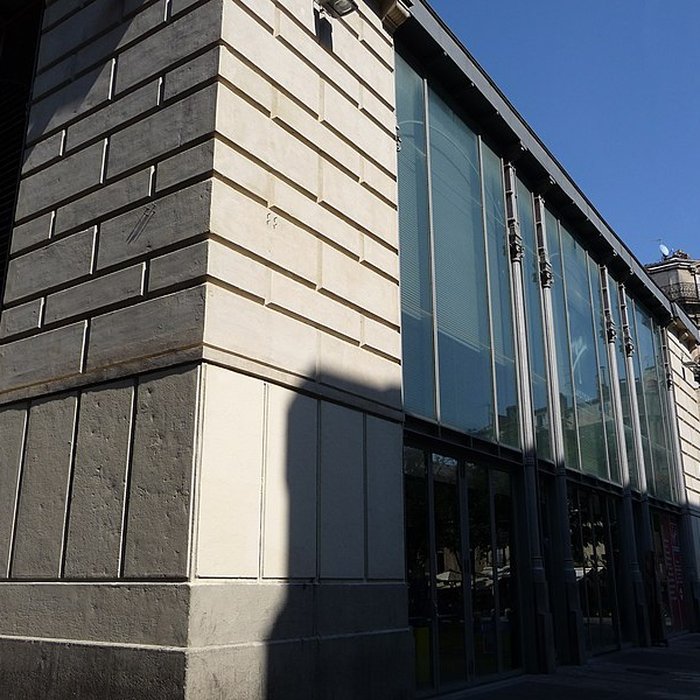
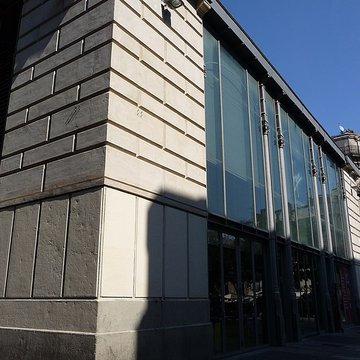
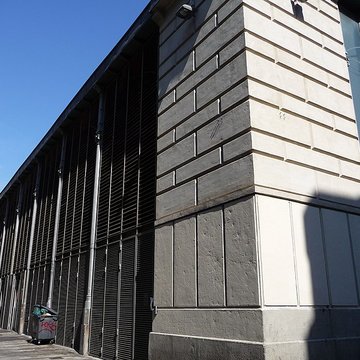
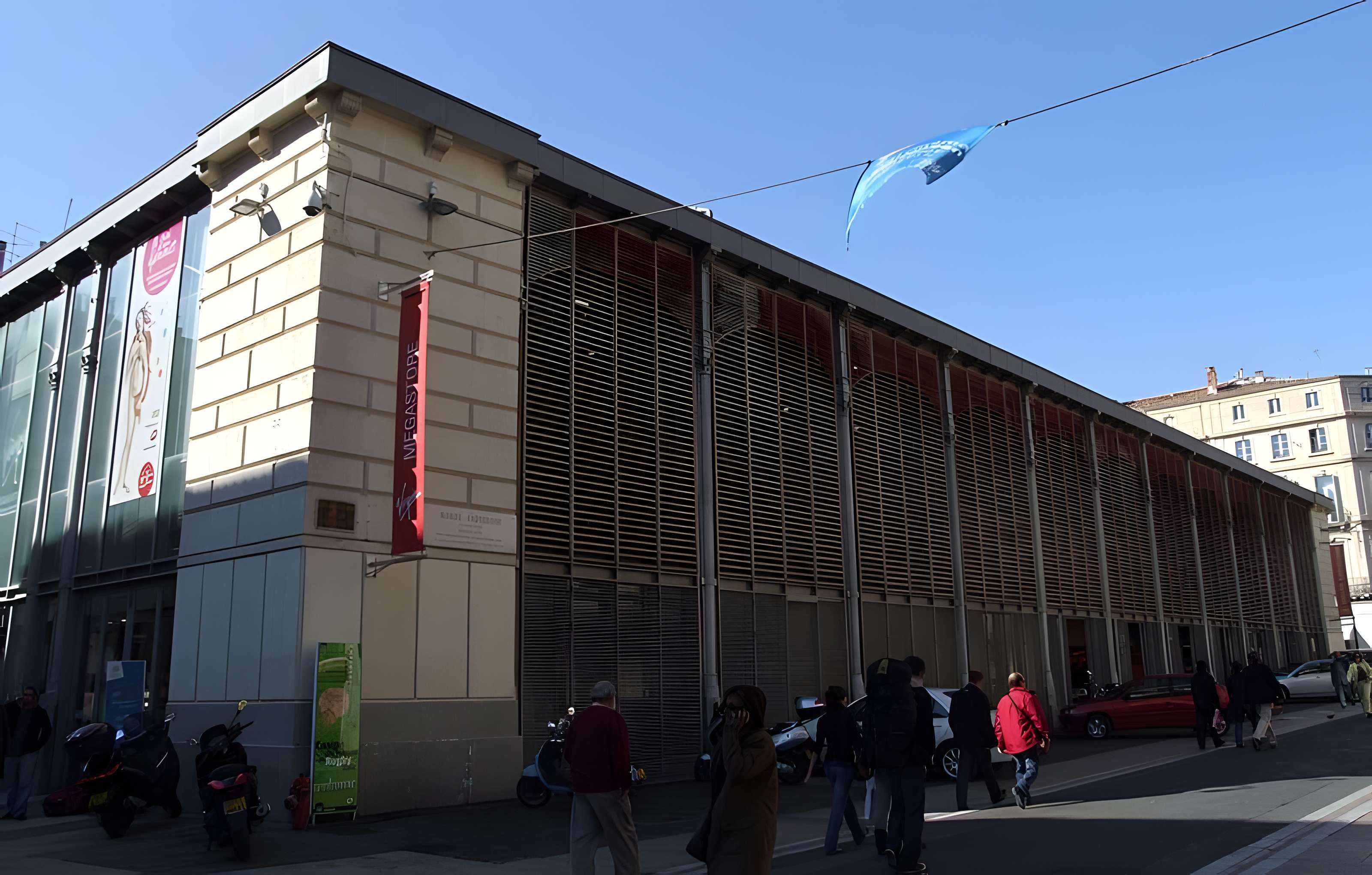
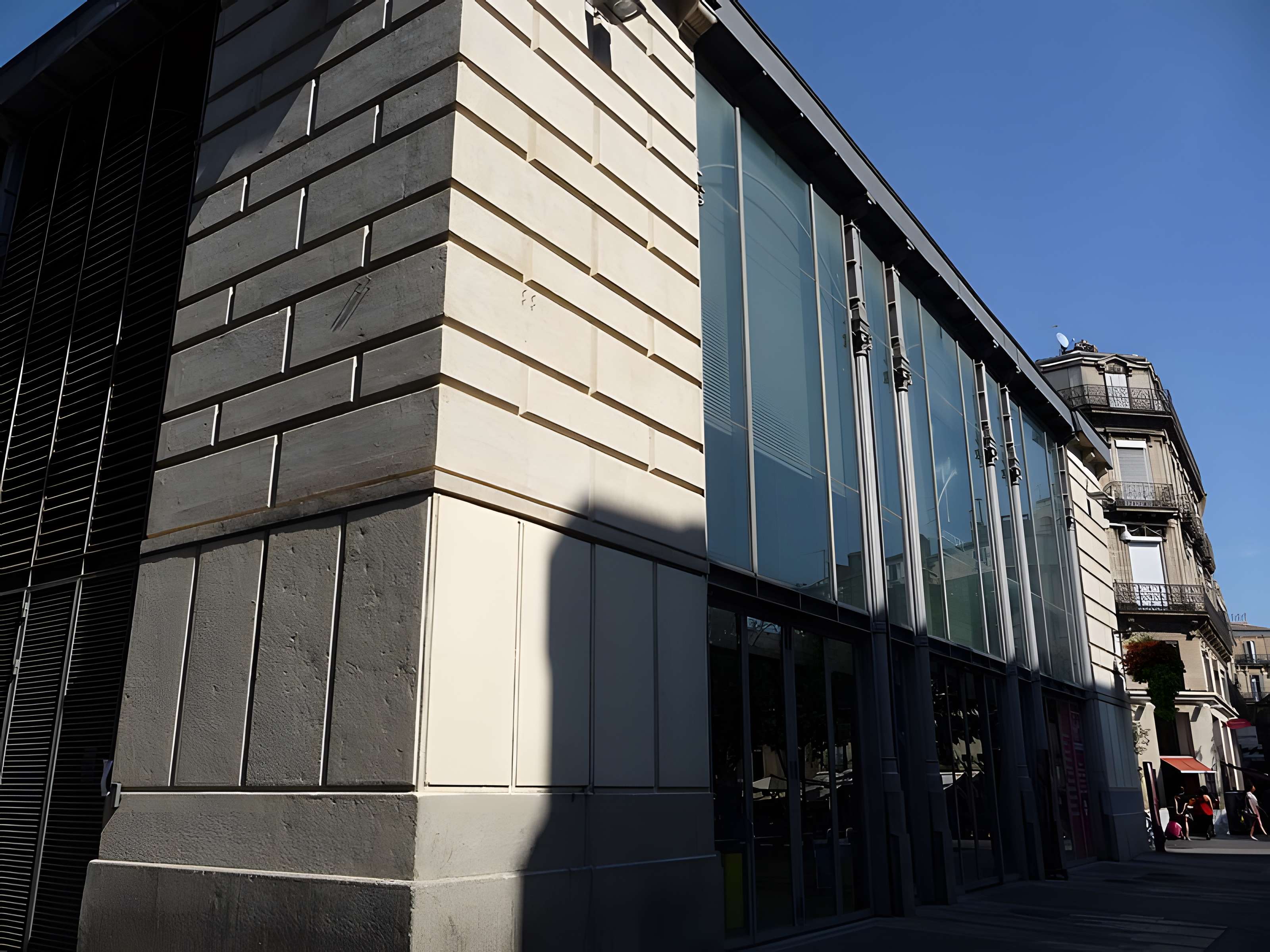
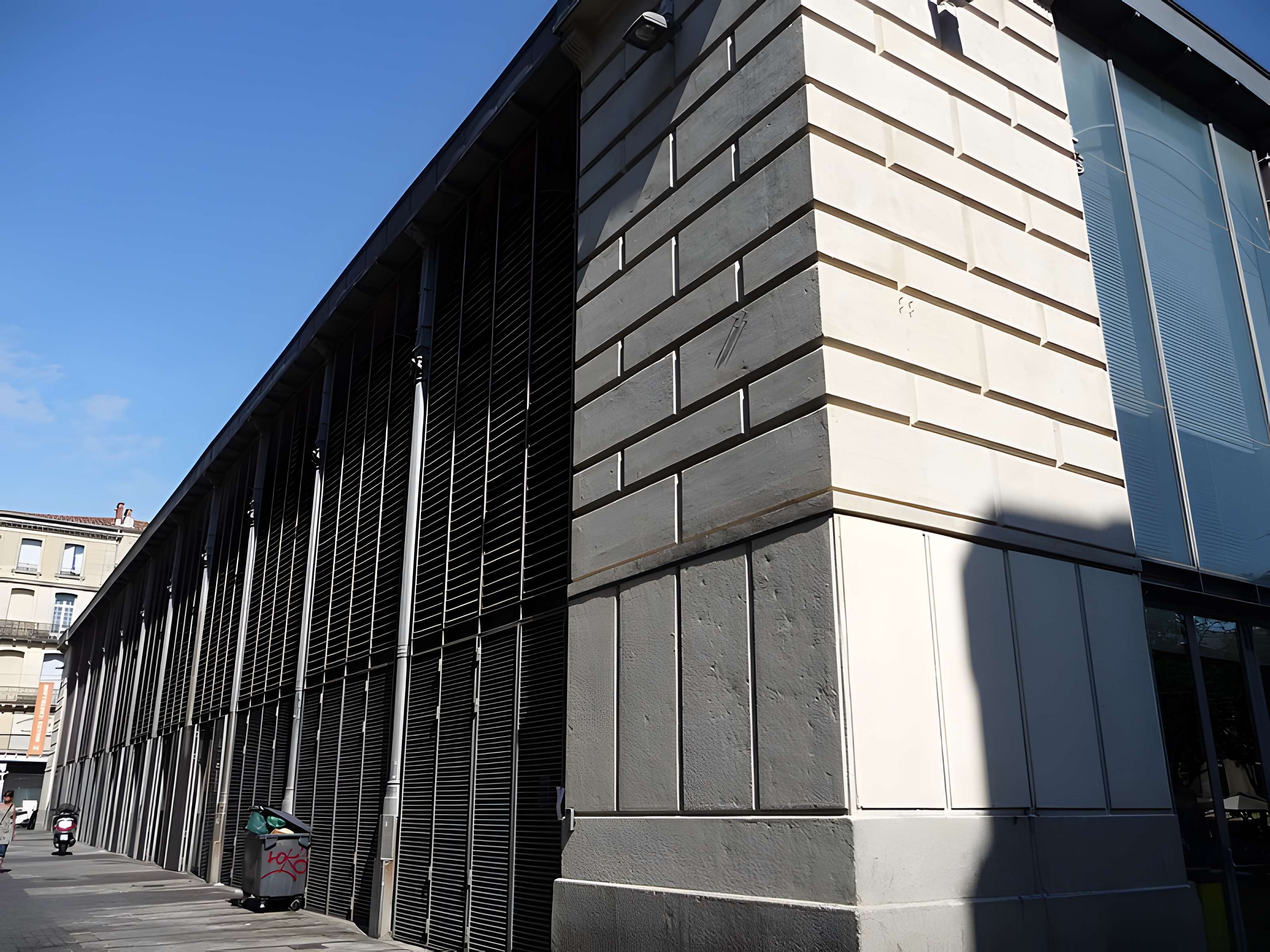
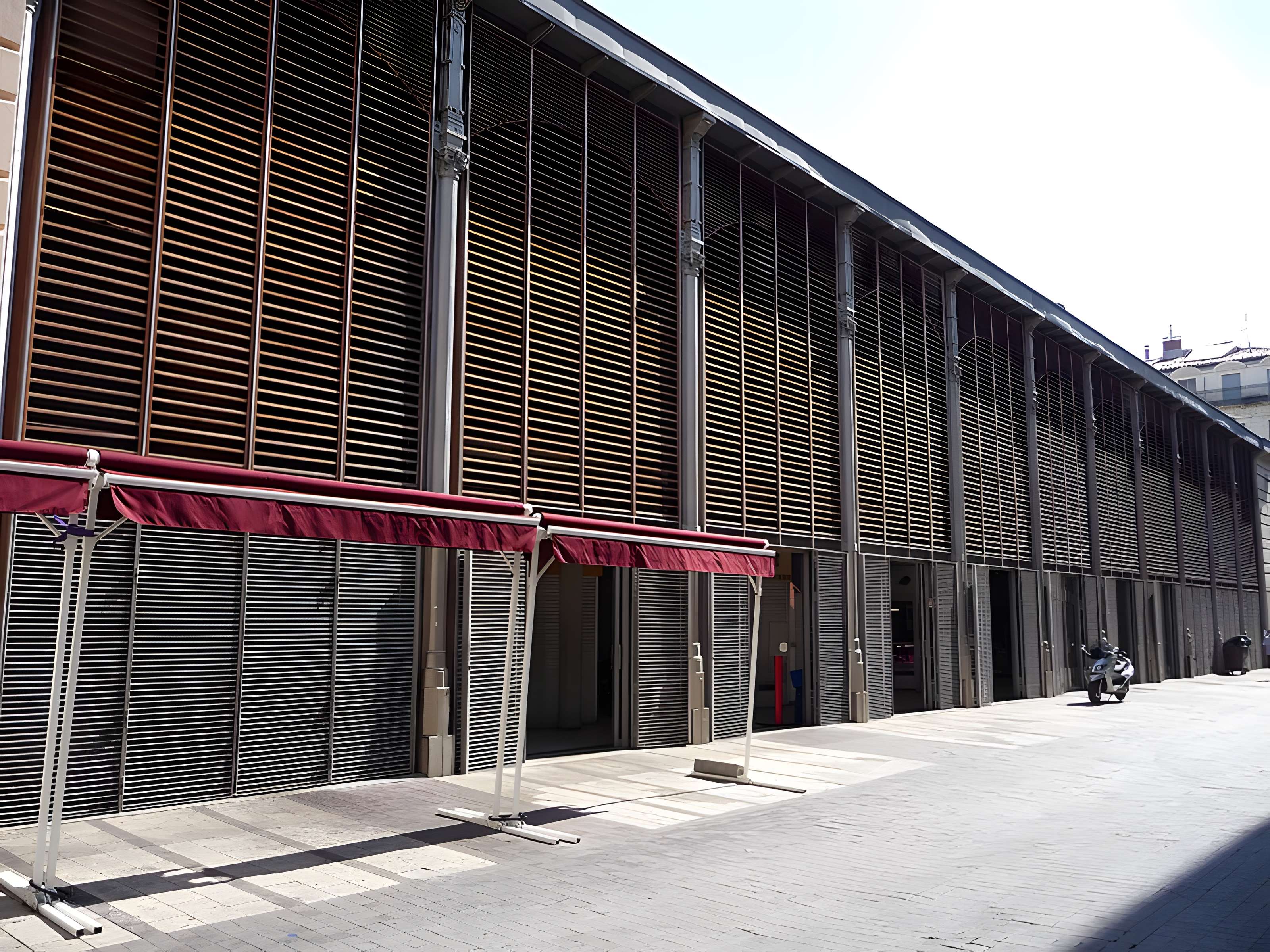
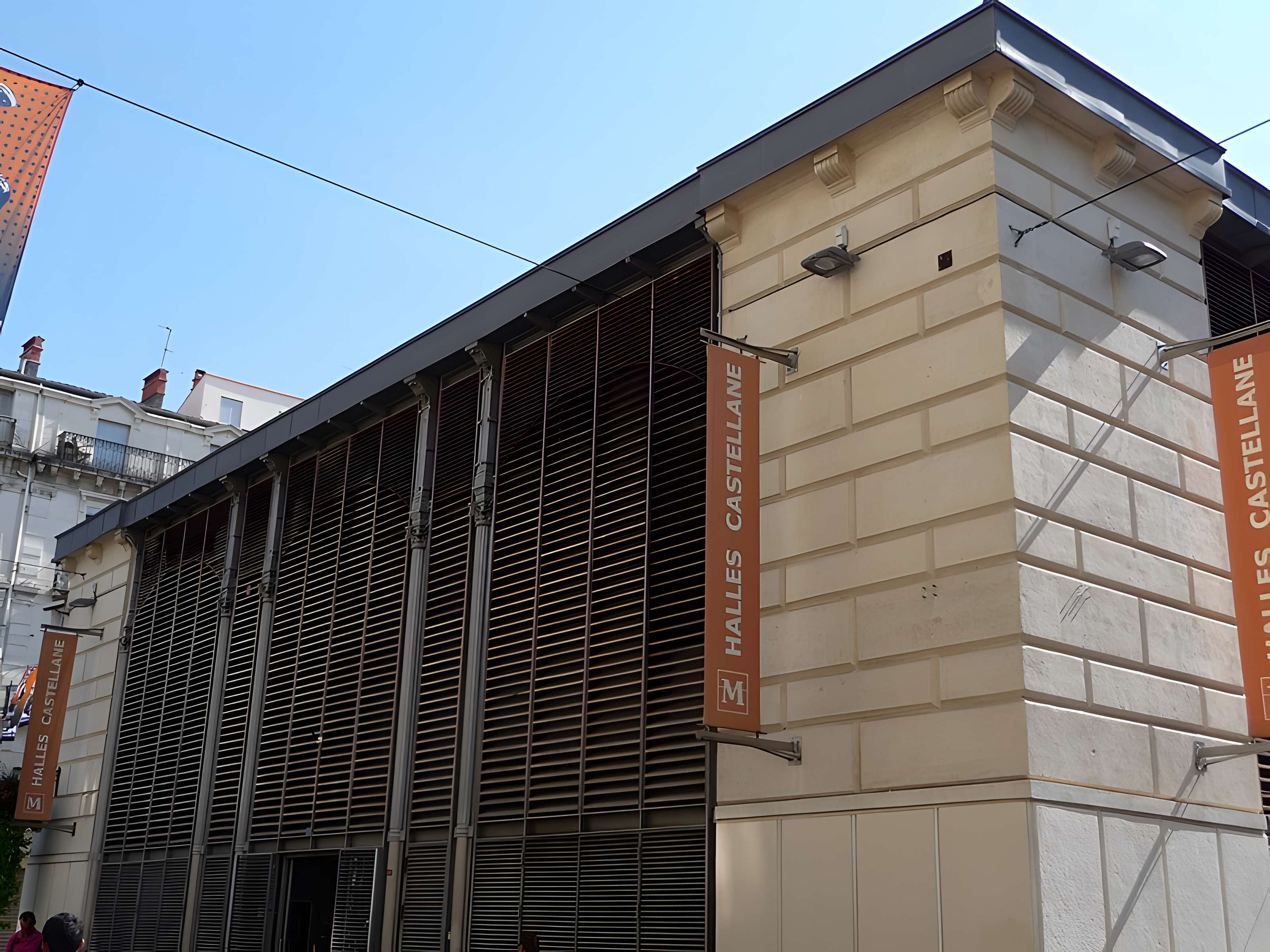
The Halle Castellane, built in 1858 in Montpellier, is directly inspired by the Baltard halls in Paris. The municipal architect Jean Cassan uses innovative materials for the period: iron, cast iron and zinc for the cover, while preserving the stone for the corners. Inaugurated in February 1859, it replaced an expropriated former butchery district, marking an urban modernisation of the ECUson sector.

Prior to its construction, the site was known as Île de la Boucherie, where a fish shop was built in 1748 by the Giral brothers. The breakthrough of the Rue Saint-Guilhem and the expropriation of the houses in 1840 allowed to build a place dedicated to Marshal Boniface de Castellane, initiator of the project. The latter laid the first stone in 1858, sealing the transformation of the neighborhood.

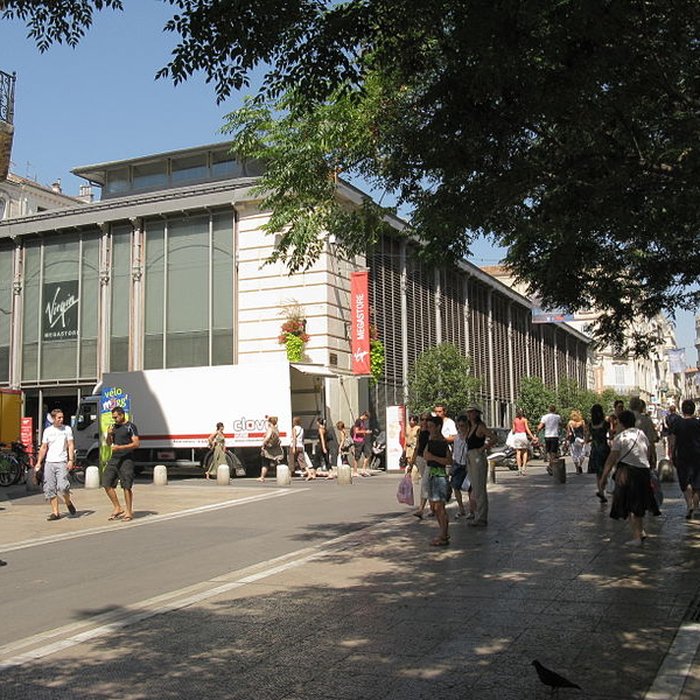
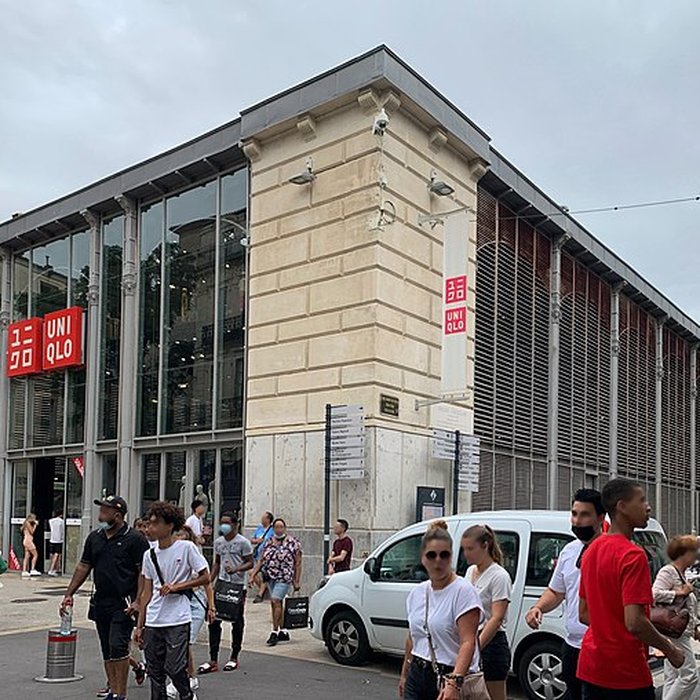
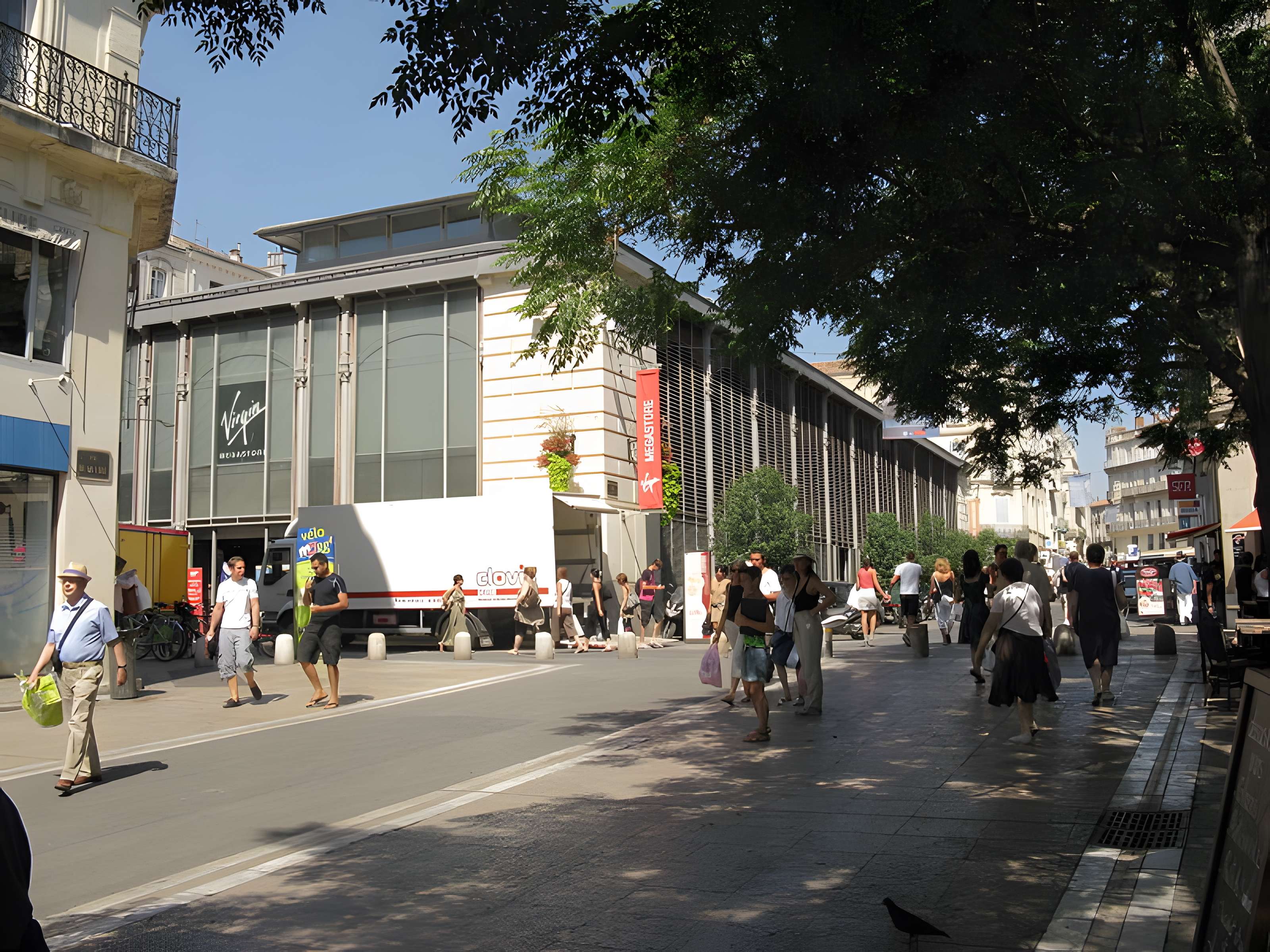
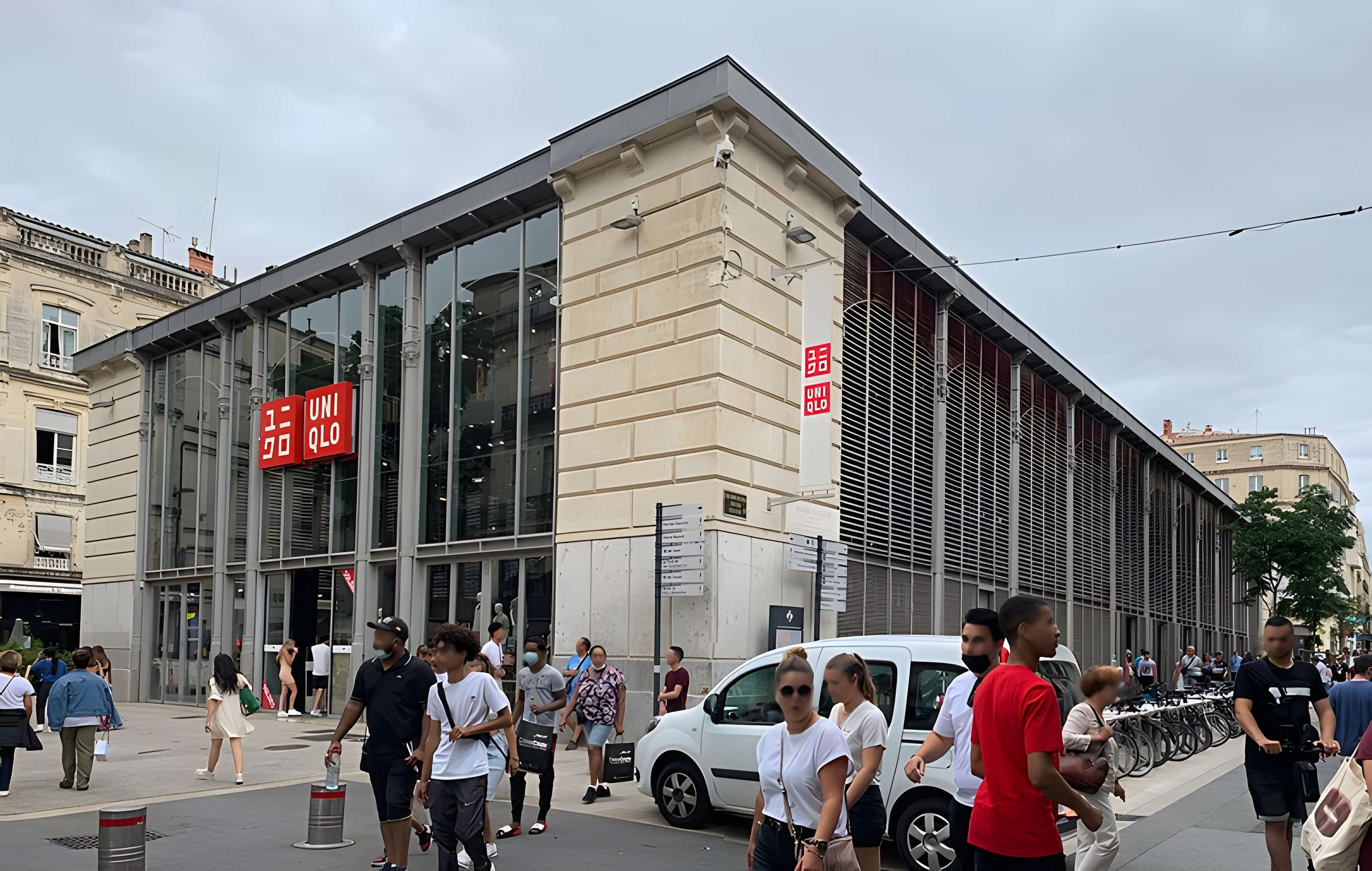
In 1969, the hall underwent a major change with the addition of a sheet and glazing covering, partially masking its original structure. Ranked a historic monument in 1999, it was renovated in 2002 to separate the traditional market (ground floor) from a commercial space on the first floor, successively welcoming cultural and ready-to-wear signs. Today, it remains a symbol of 19th century industrial architecture.

Rectangular (22 m × 50 m), the hall rests on vaulted stone cellars and is surmounted by a lantern. Its integration into the pedestrian sector of the ECUson makes it a central place of Montpellier's life, combining heritage and commercial activity. The original materials, partially hidden, bear witness to the revolutionary constructive techniques of the time.

External links