
Logo Musée du Patrimoine

All French heritage classified by regions, departments and cities

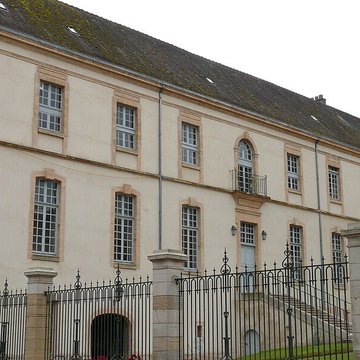
Hospital-hospice in Cluny en Saône-et-Loire

Patrimoine classé
Patrimoine religieux
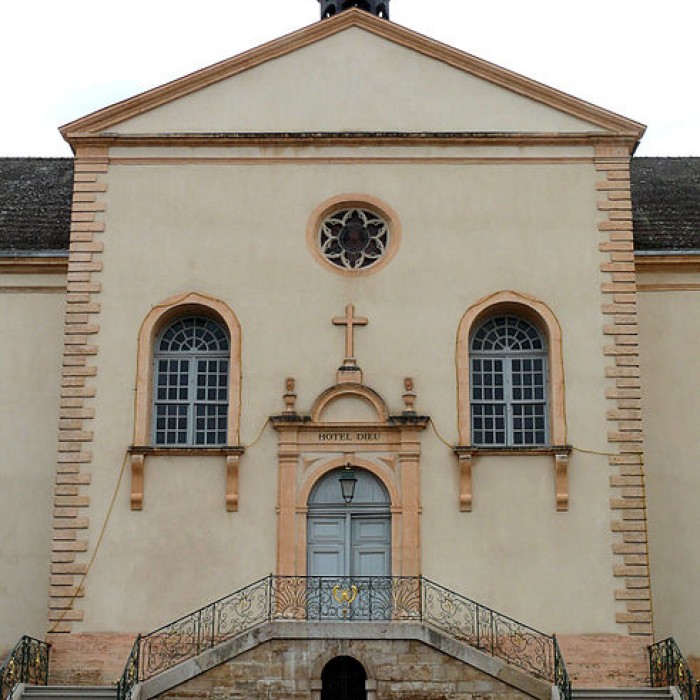
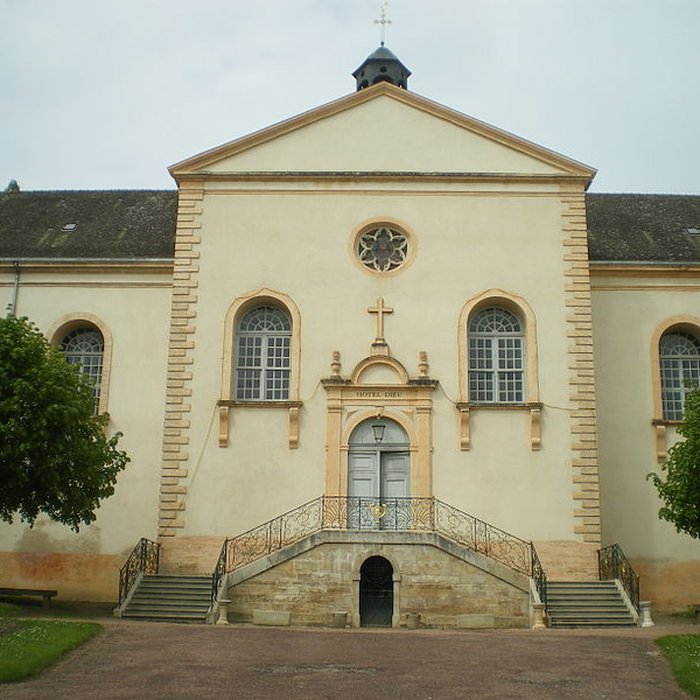
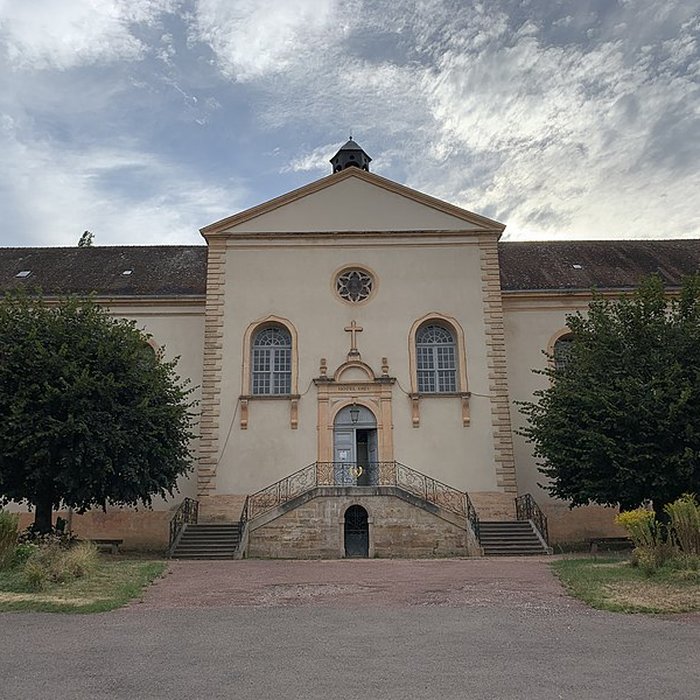
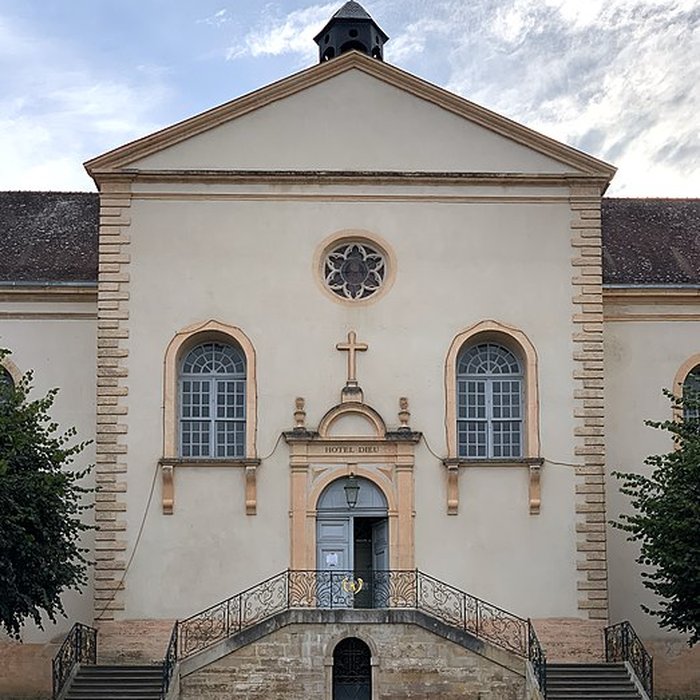
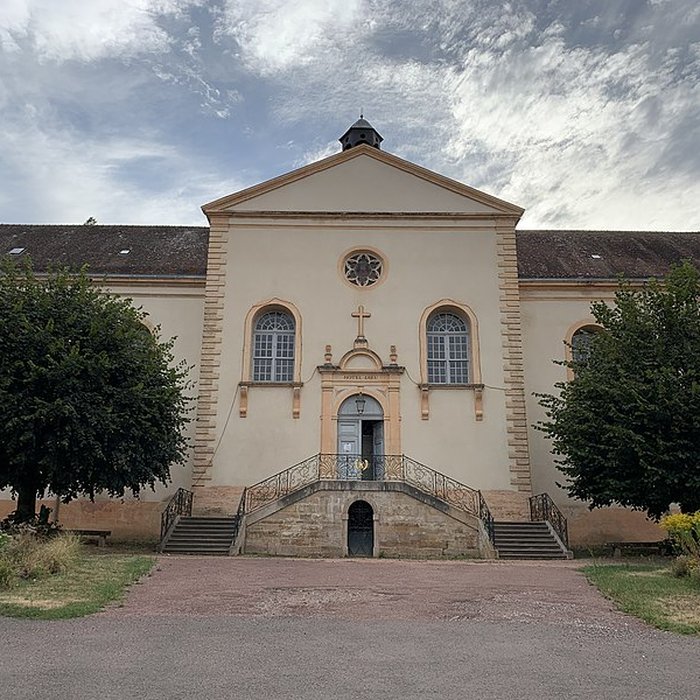
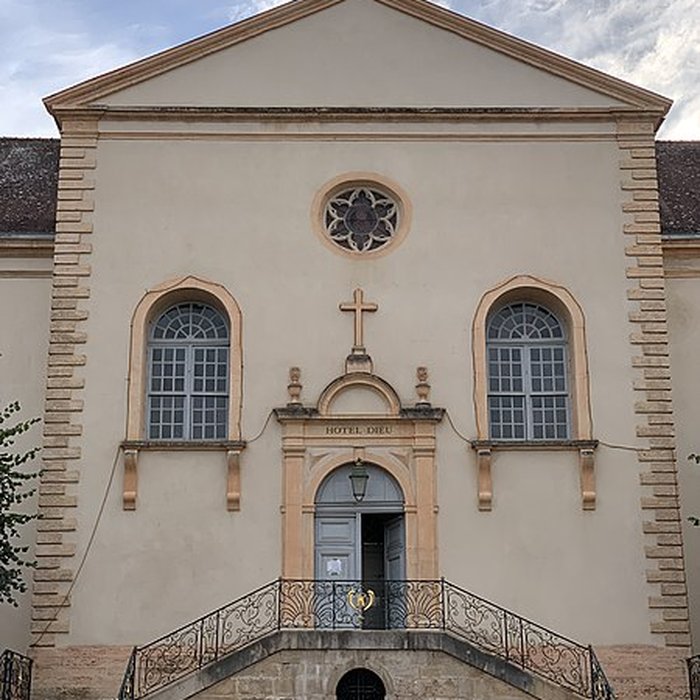
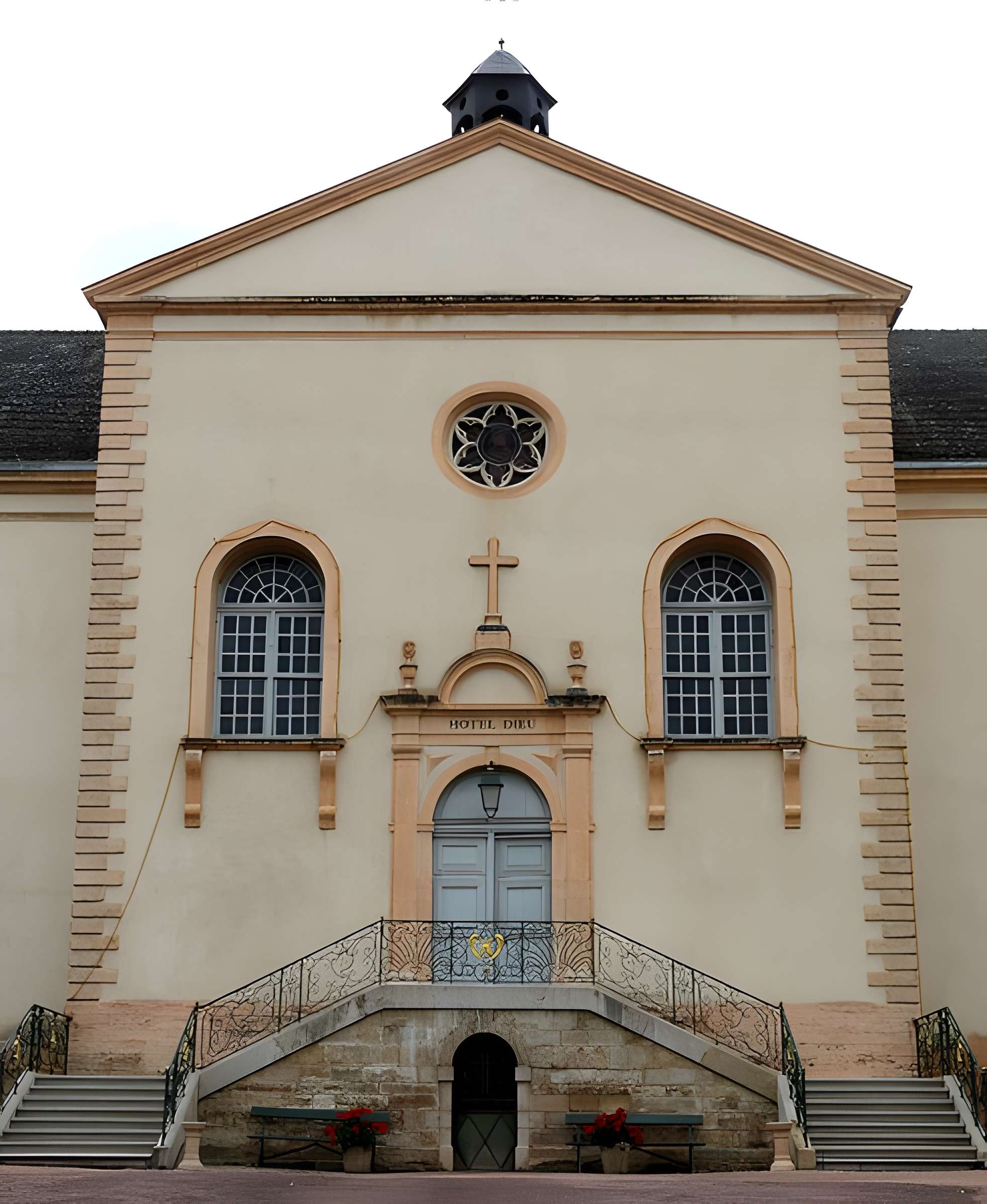
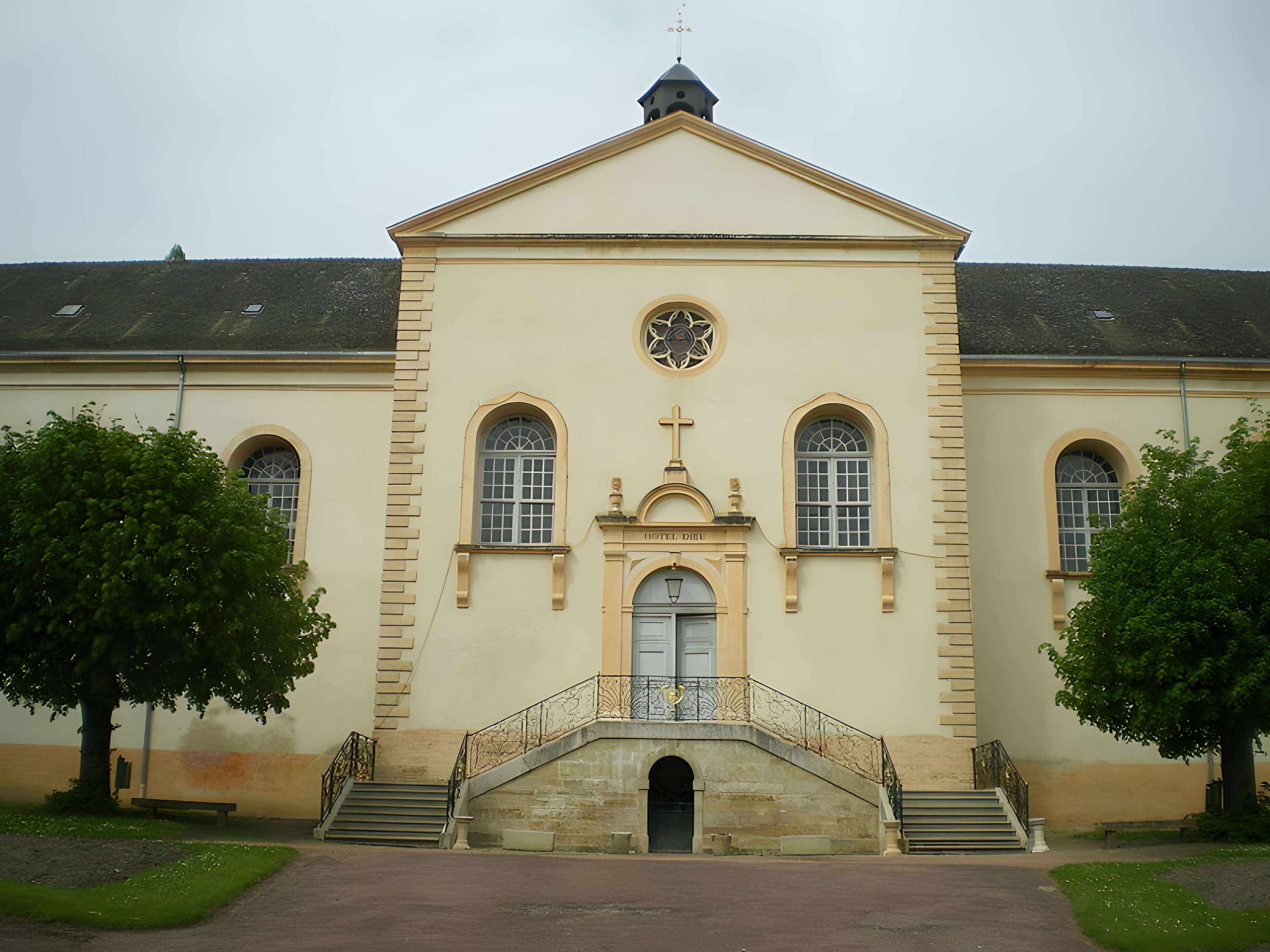
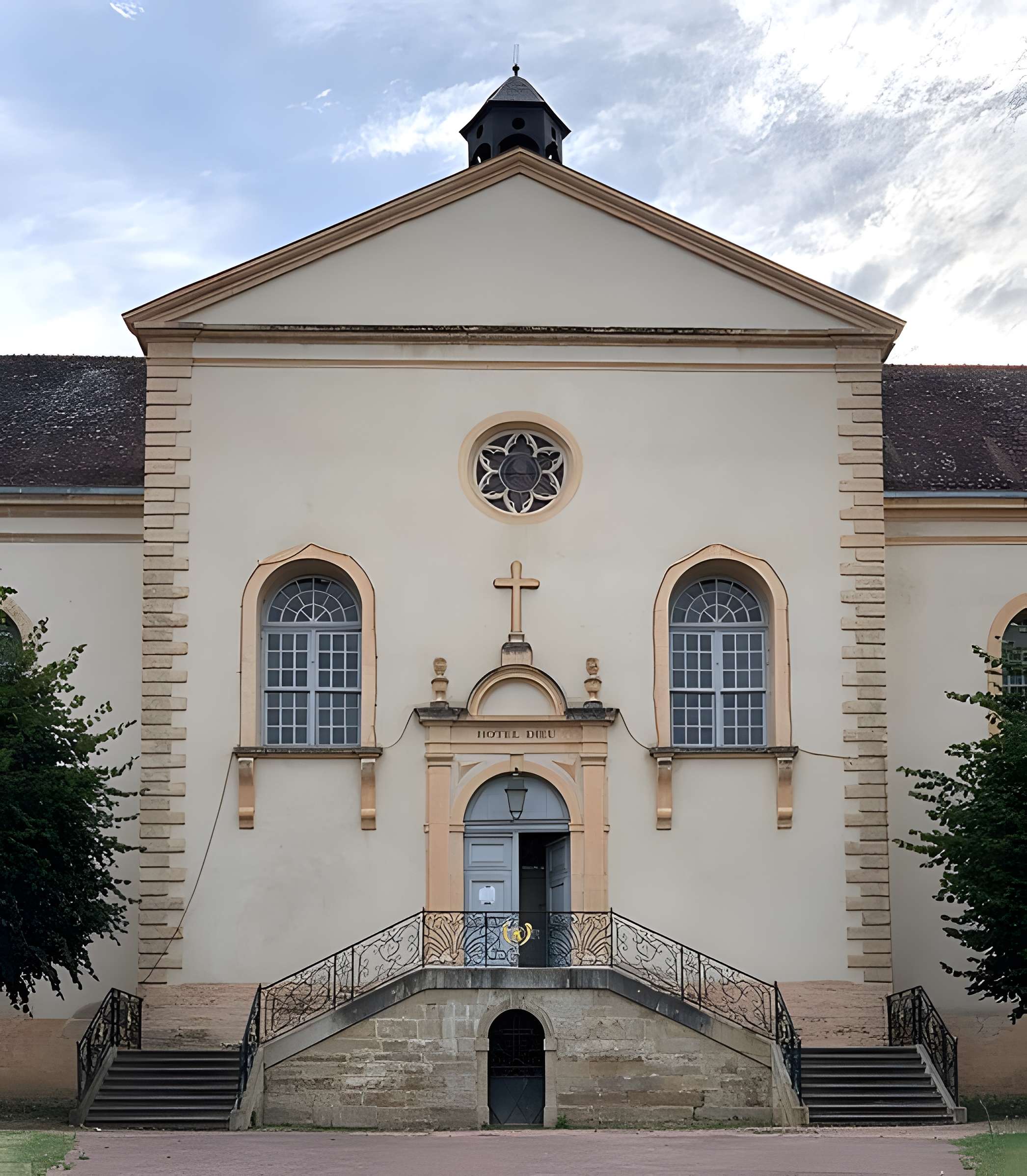
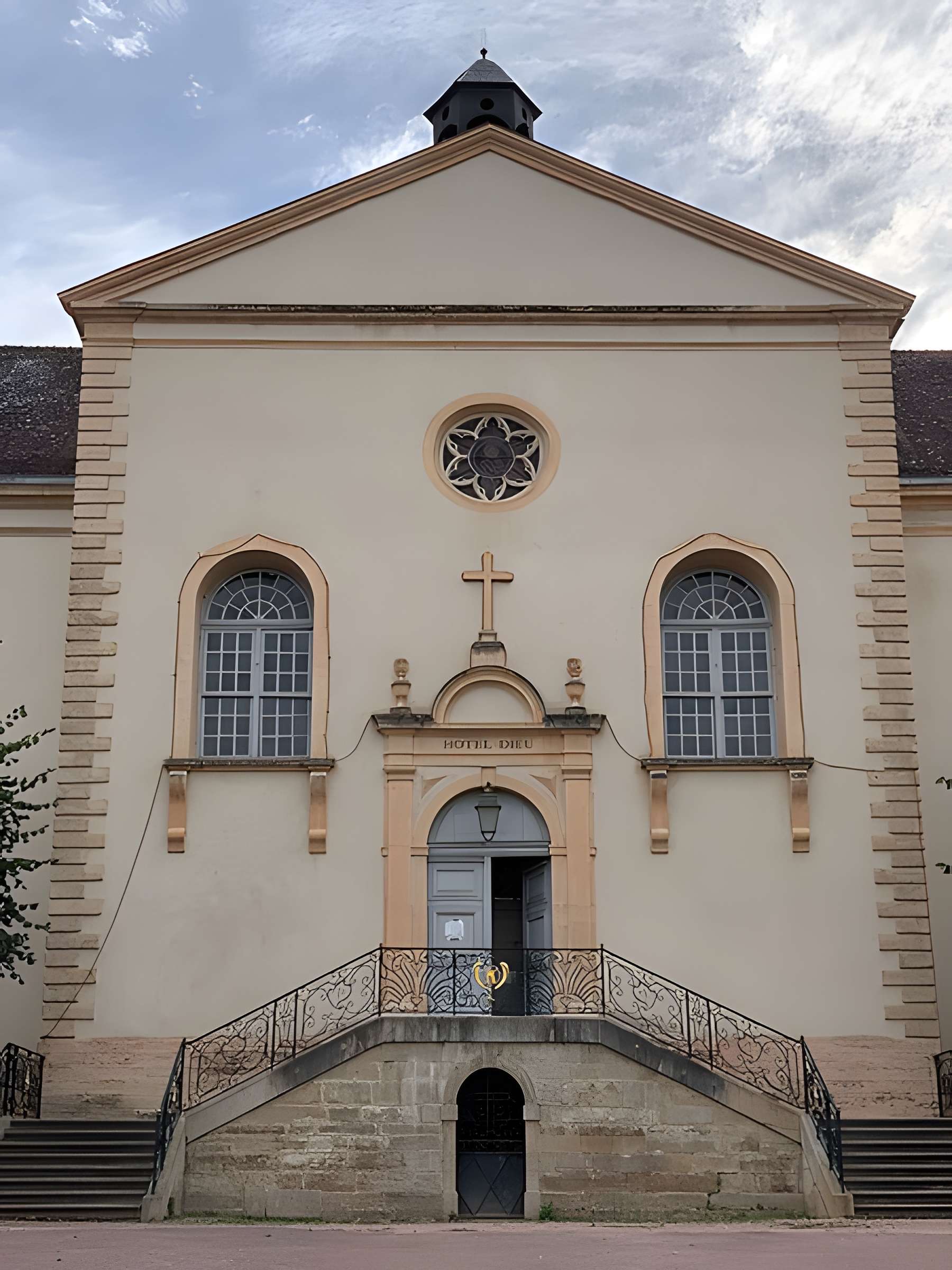
Hôtel-Dieu
Saône-et-Loire

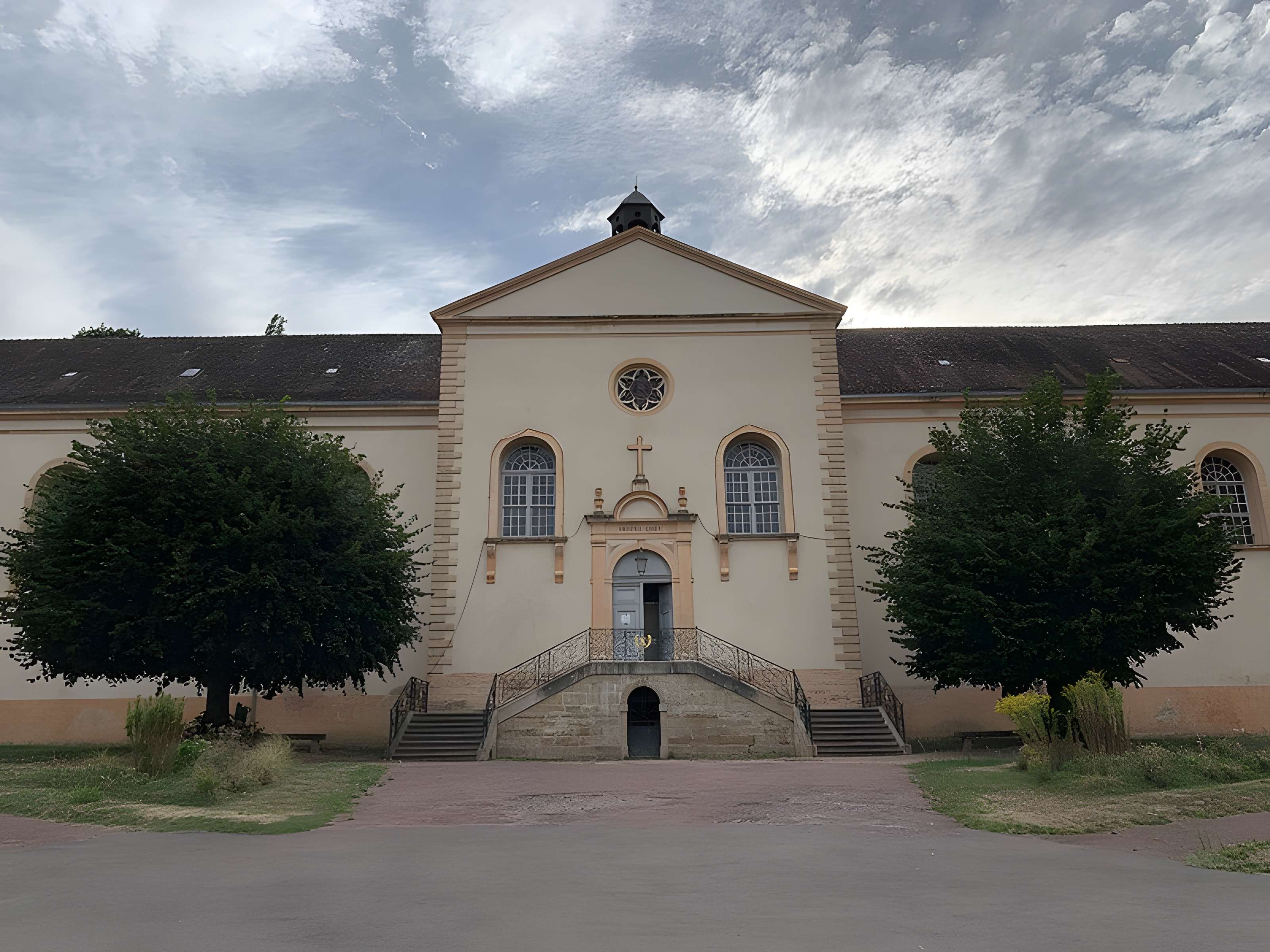
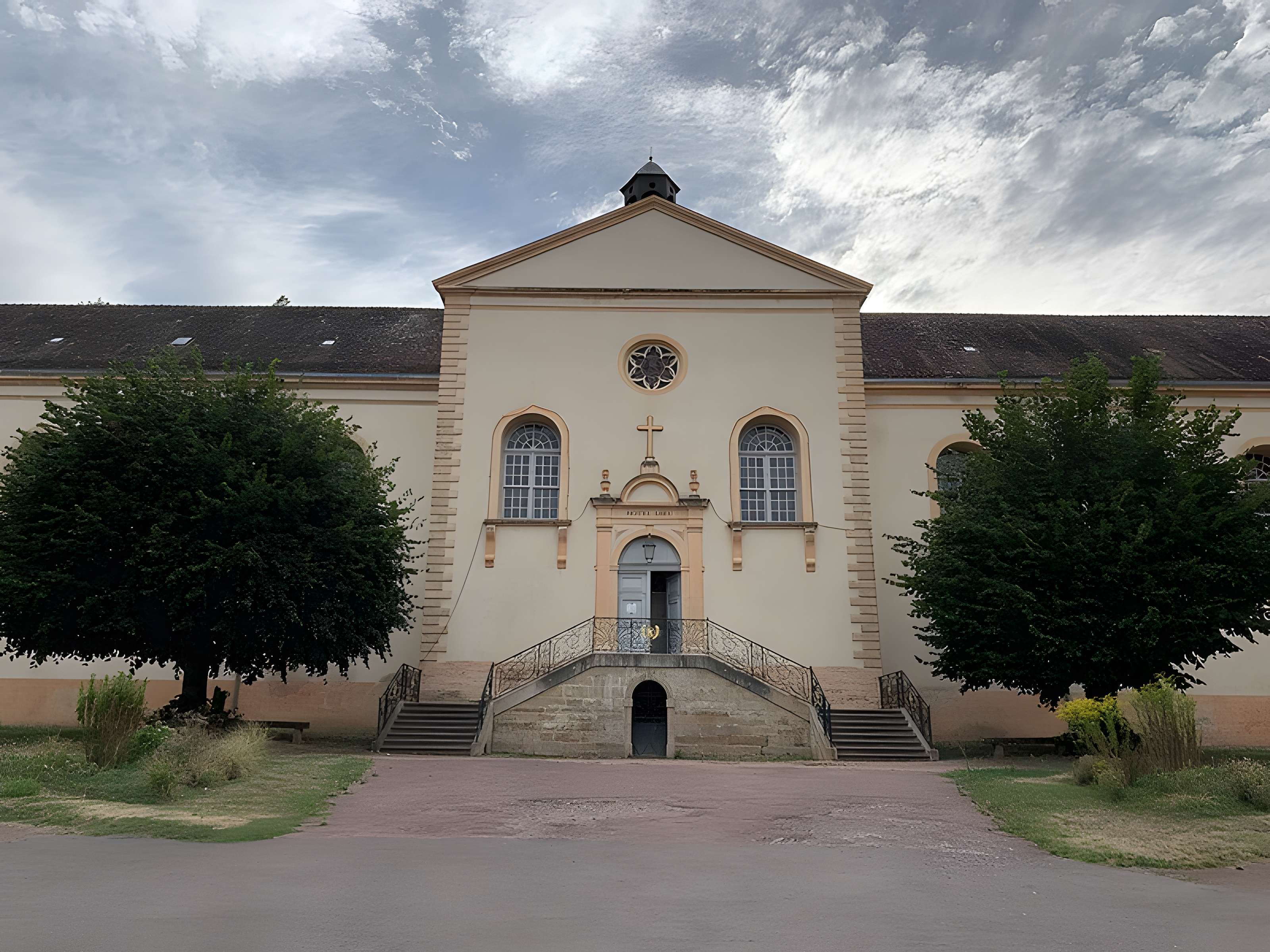
Hospital-hospice in Cluny

    13 Place de l'Hôpital
    71250 Cluny
Ownership of a public institution
Hôpital-hospice de Cluny
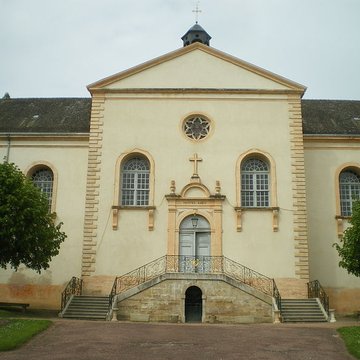
Crédit photo : MOSSOT - Sous licence Creative Commons

Timeline

Temps modernes
Révolution/Empire
XIXe siècle
Époque contemporaine
1700
1800
1900
2000
1646-1666
Initial construction
1674
Official Foundation
1702
Devastating storm
1703-1713
Reconstruction by Cardinal de Bouillon
1825
Apothecary development
1853
Creation of maternity
1910-1911
Work at the contagious pavilion
1996
Departure of the Sisters of Sainte-Marthe
2001-2002
Historic Monument Protection
2017
Final closure as a hospital
Aujourd'hui
Aujourd'hui

Heritage classified

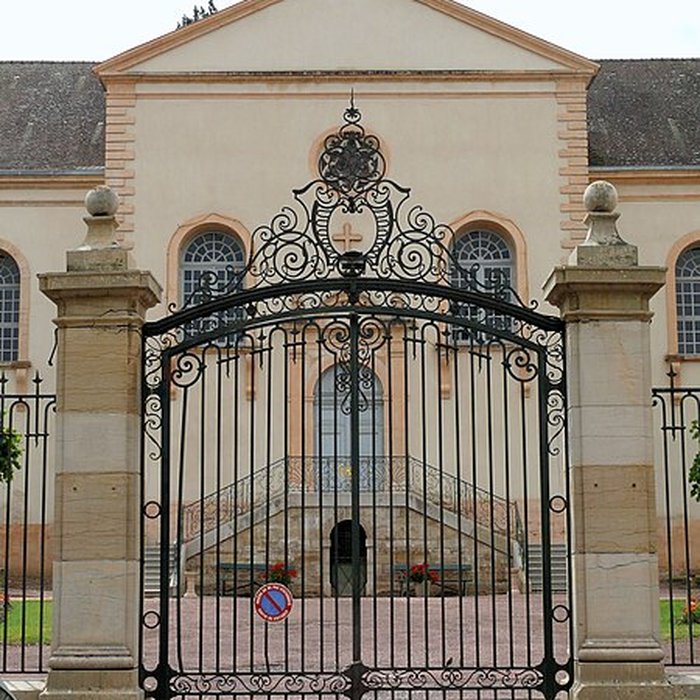
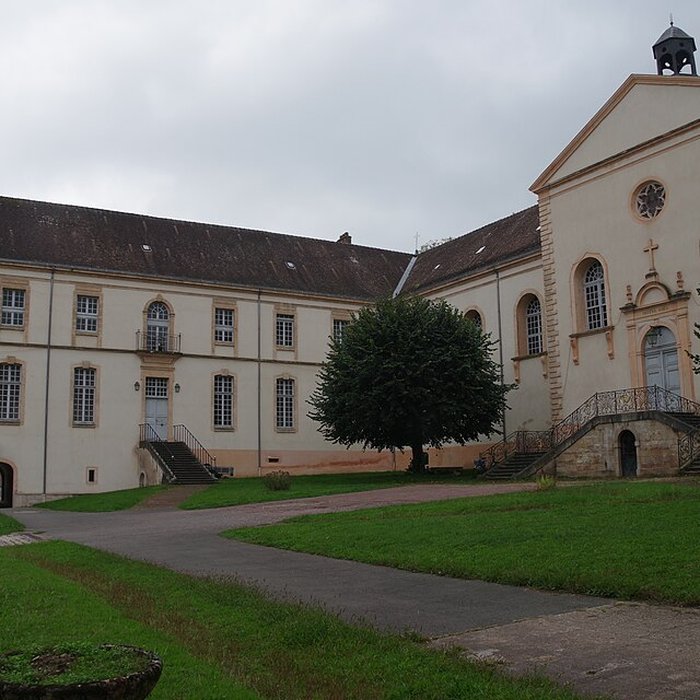
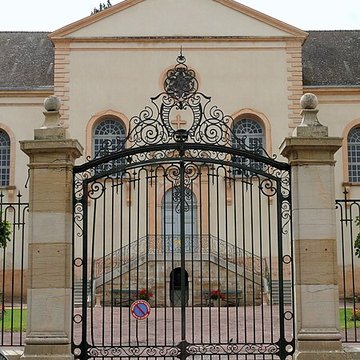
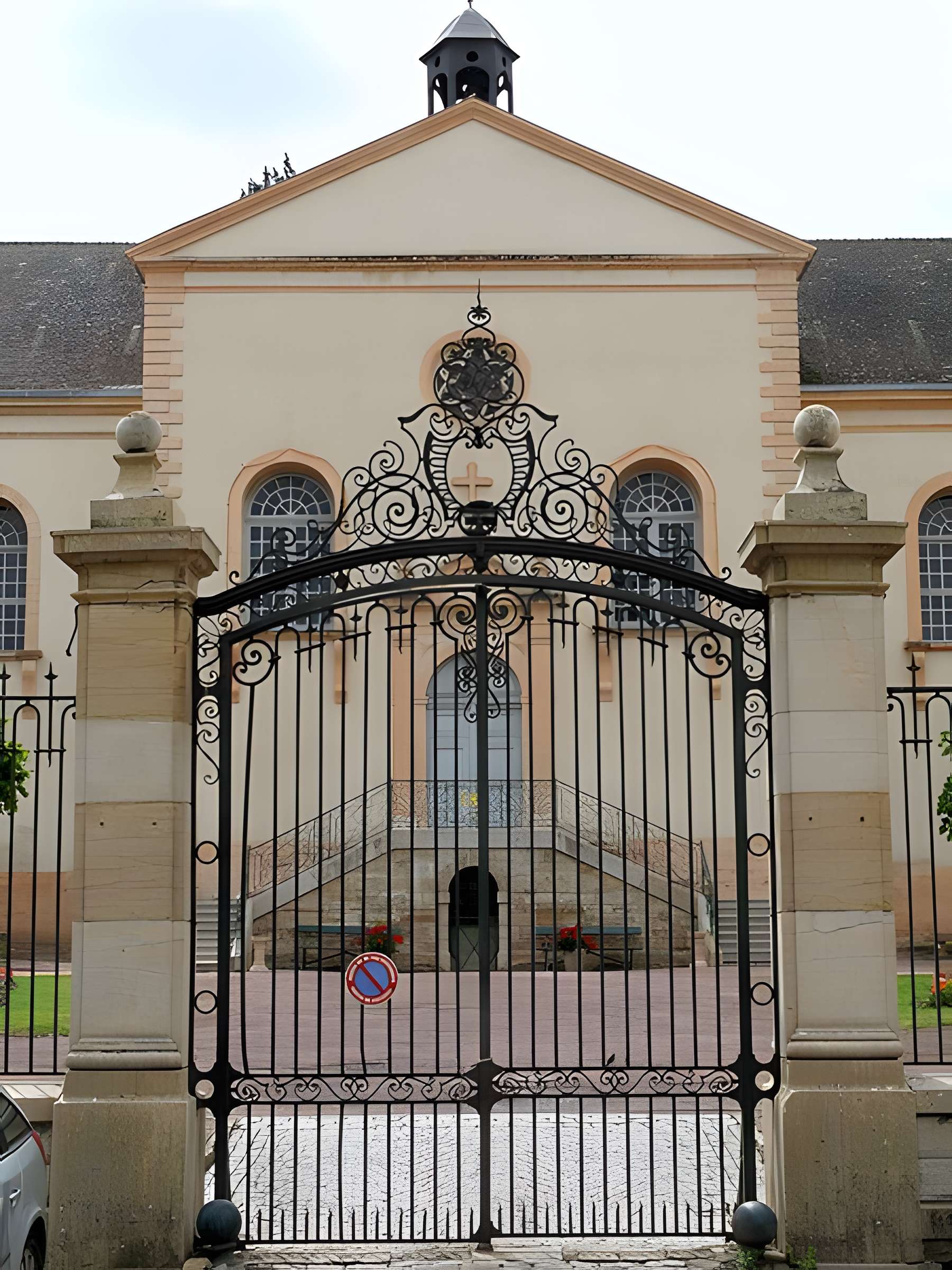
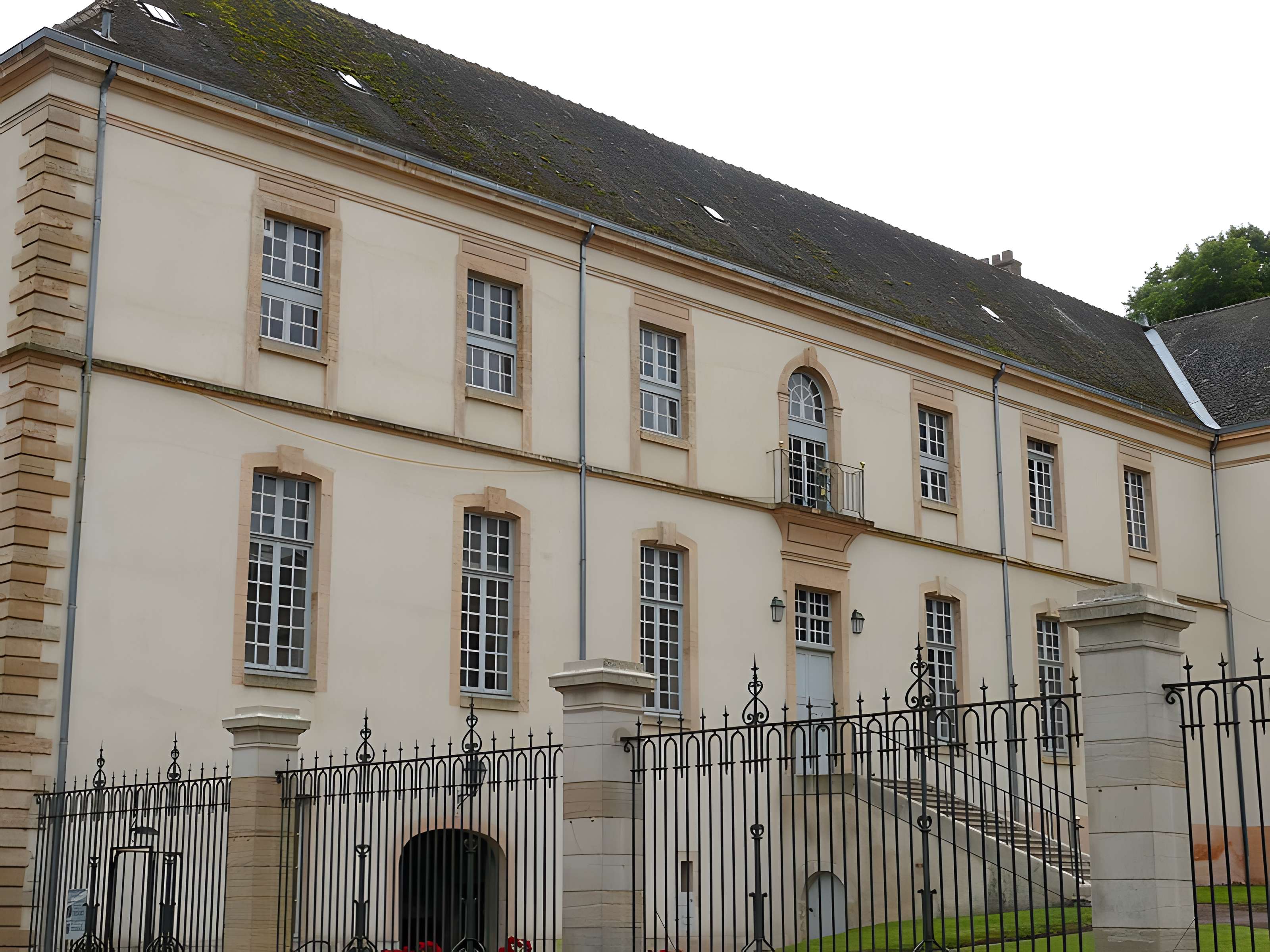
The hospital in its entirety, including the court of honour and the gate, the dovecote (Box AM 406): inscription by order of 13 June 2001 - The chapel and the apothecary (cad. AM 406): classification by decree of 3 May 2002

Key figures

Cardinal de Bouillon - Abbé de Cluny and patron Finished the reconstruction after 1702.
Louis XIV - King of France Officially recognized the institution in 1674.
François Buffet - Religious painter (1784-1863) Author of the paintings of the chapel.
Sœurs de Sainte-Marthe - Hospital Order (1674-1996) Managed the hospital for 323 years.
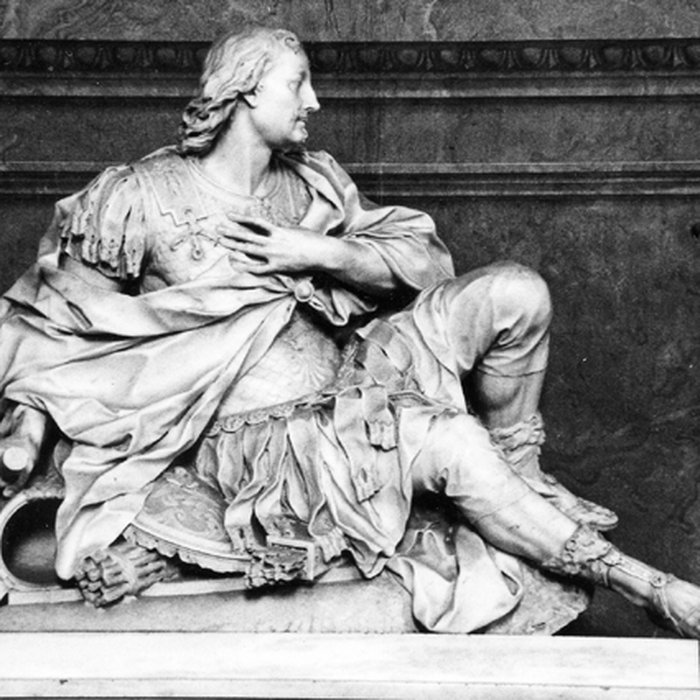
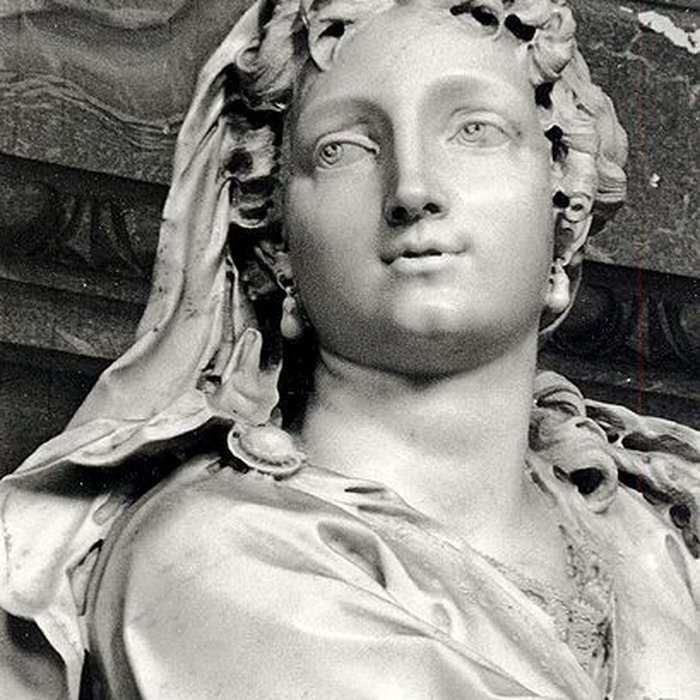
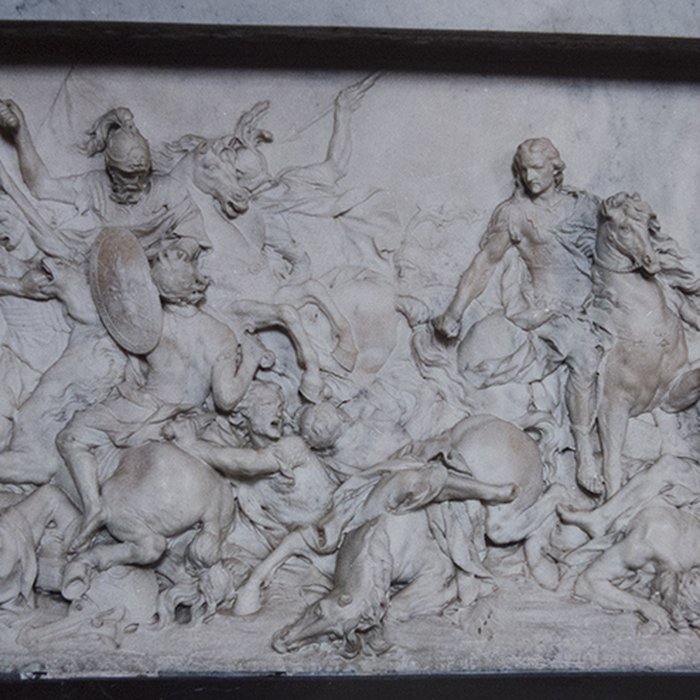
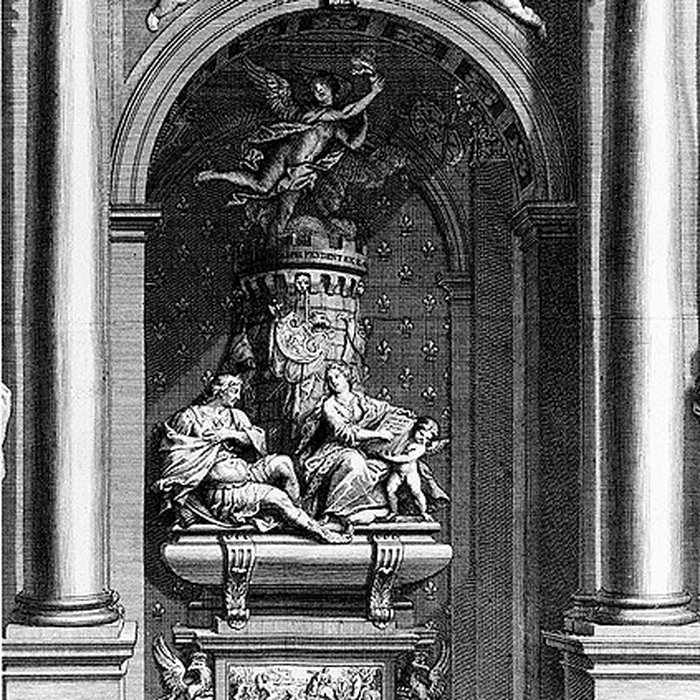
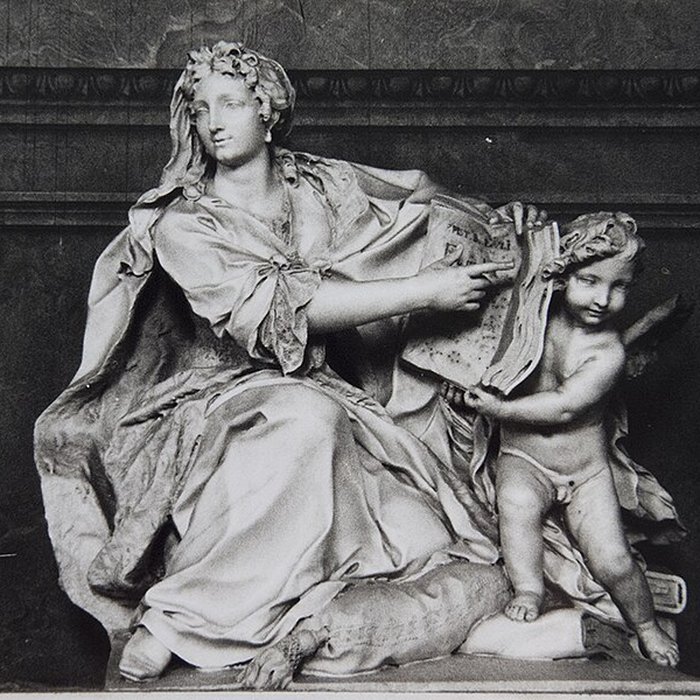
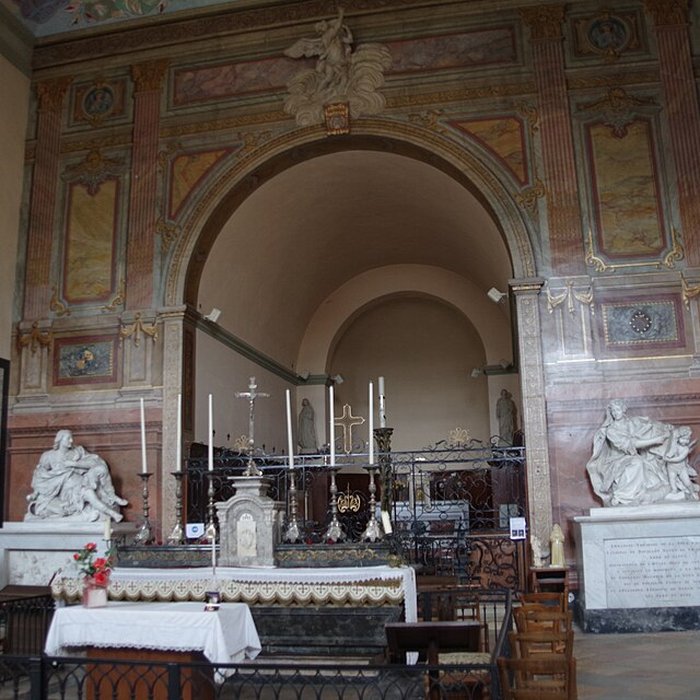
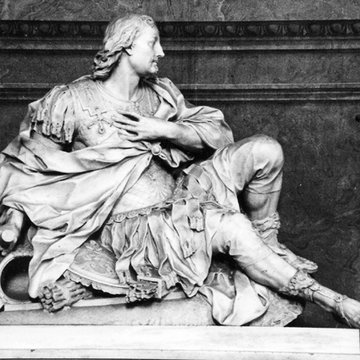
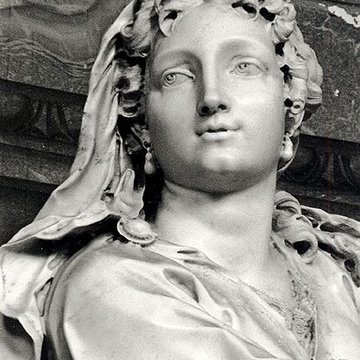
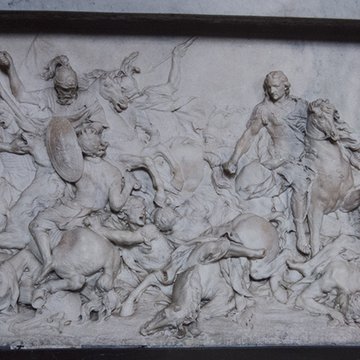
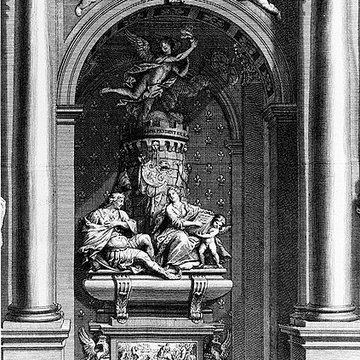
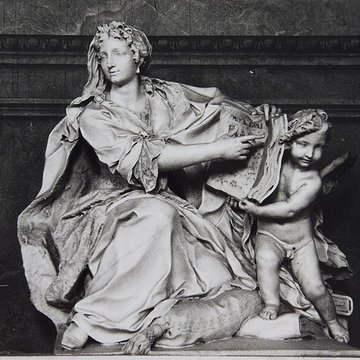
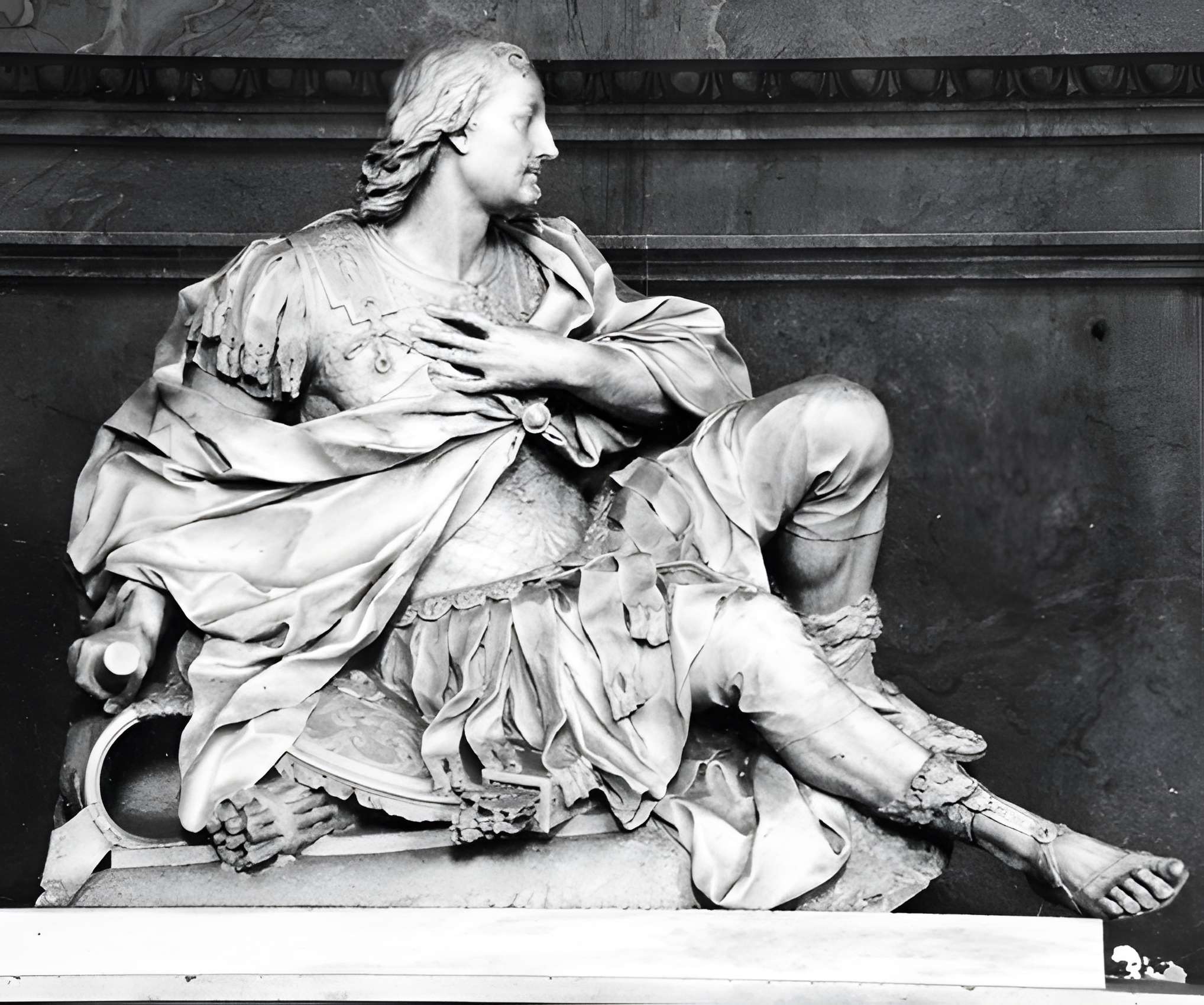
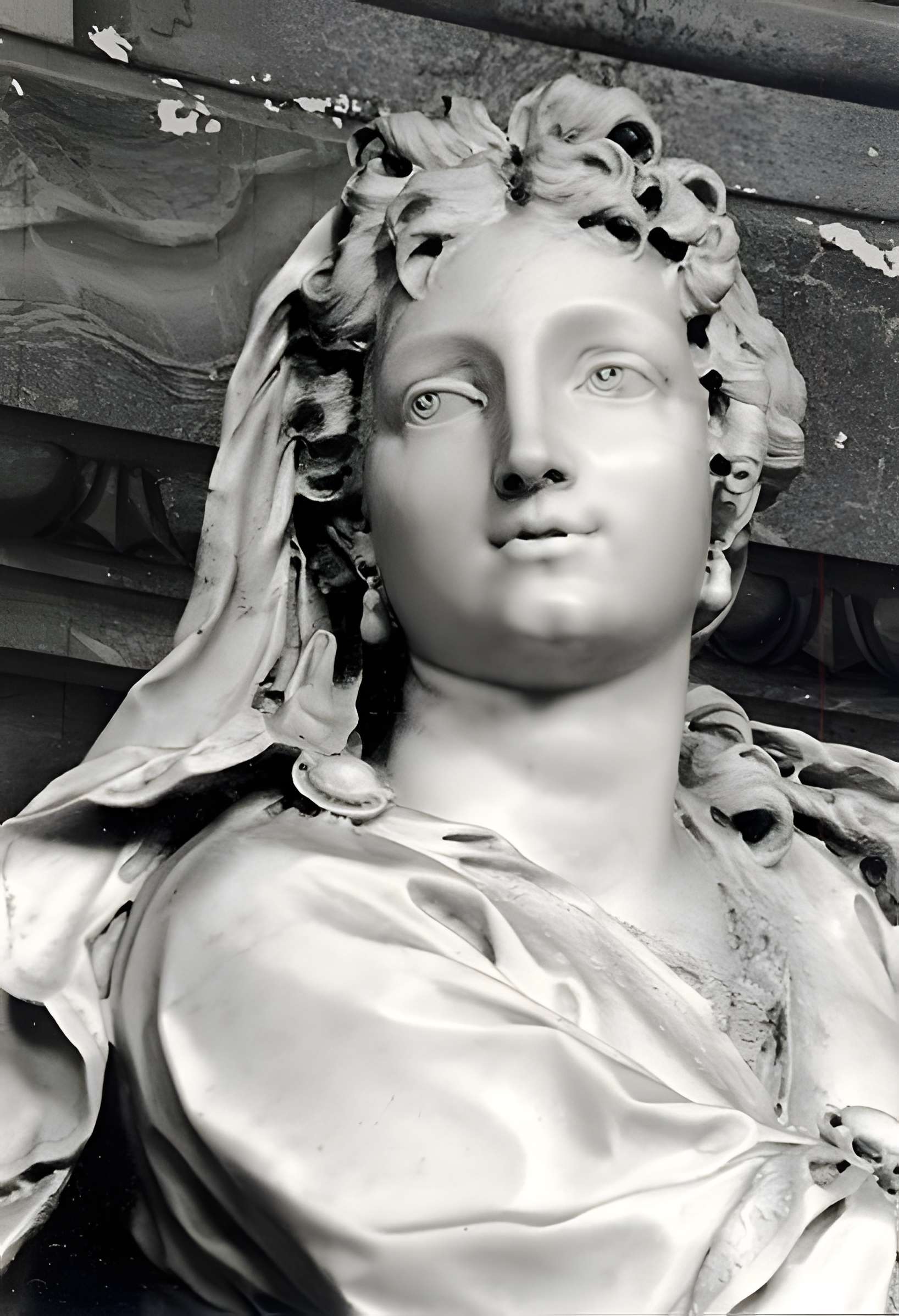
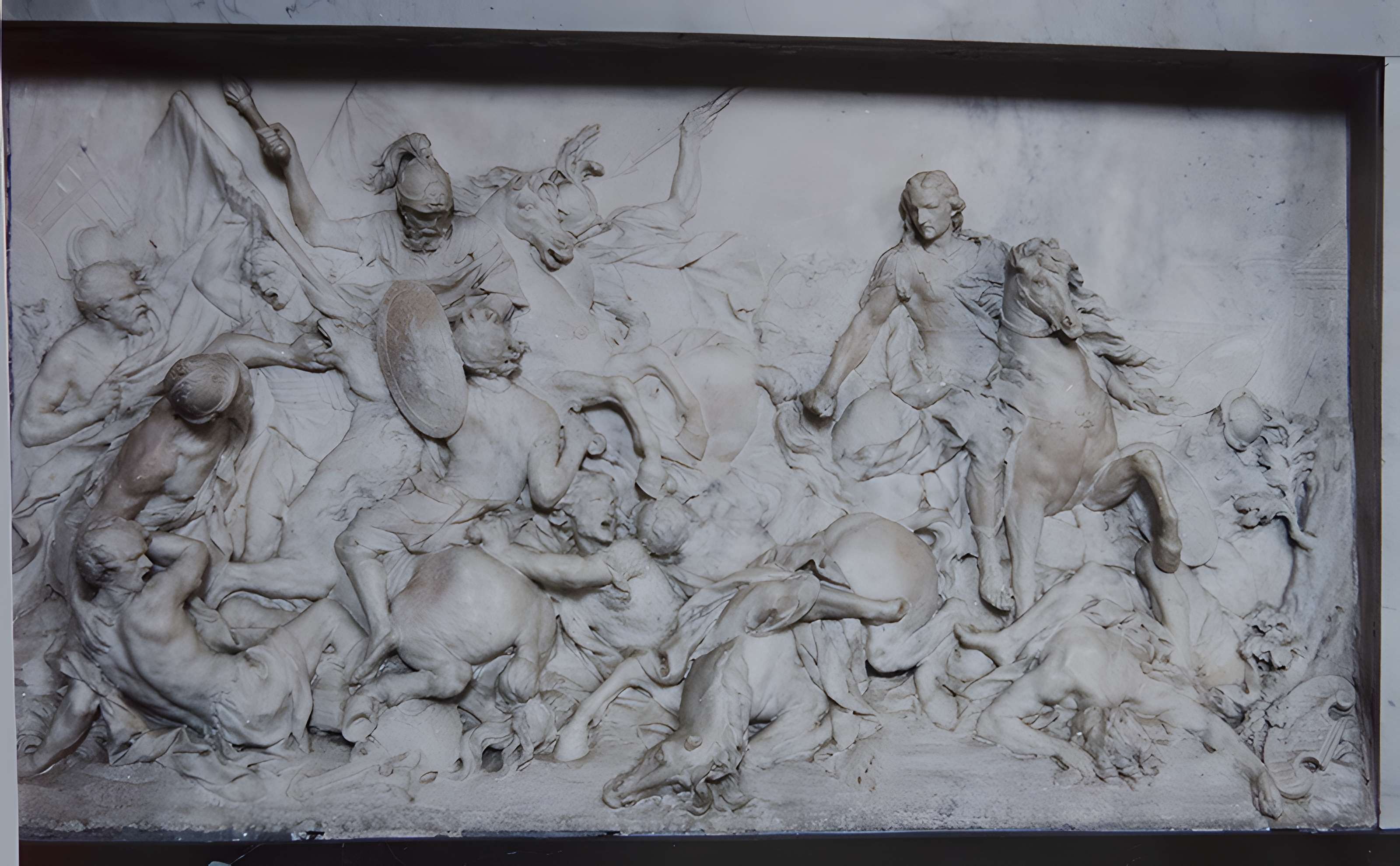
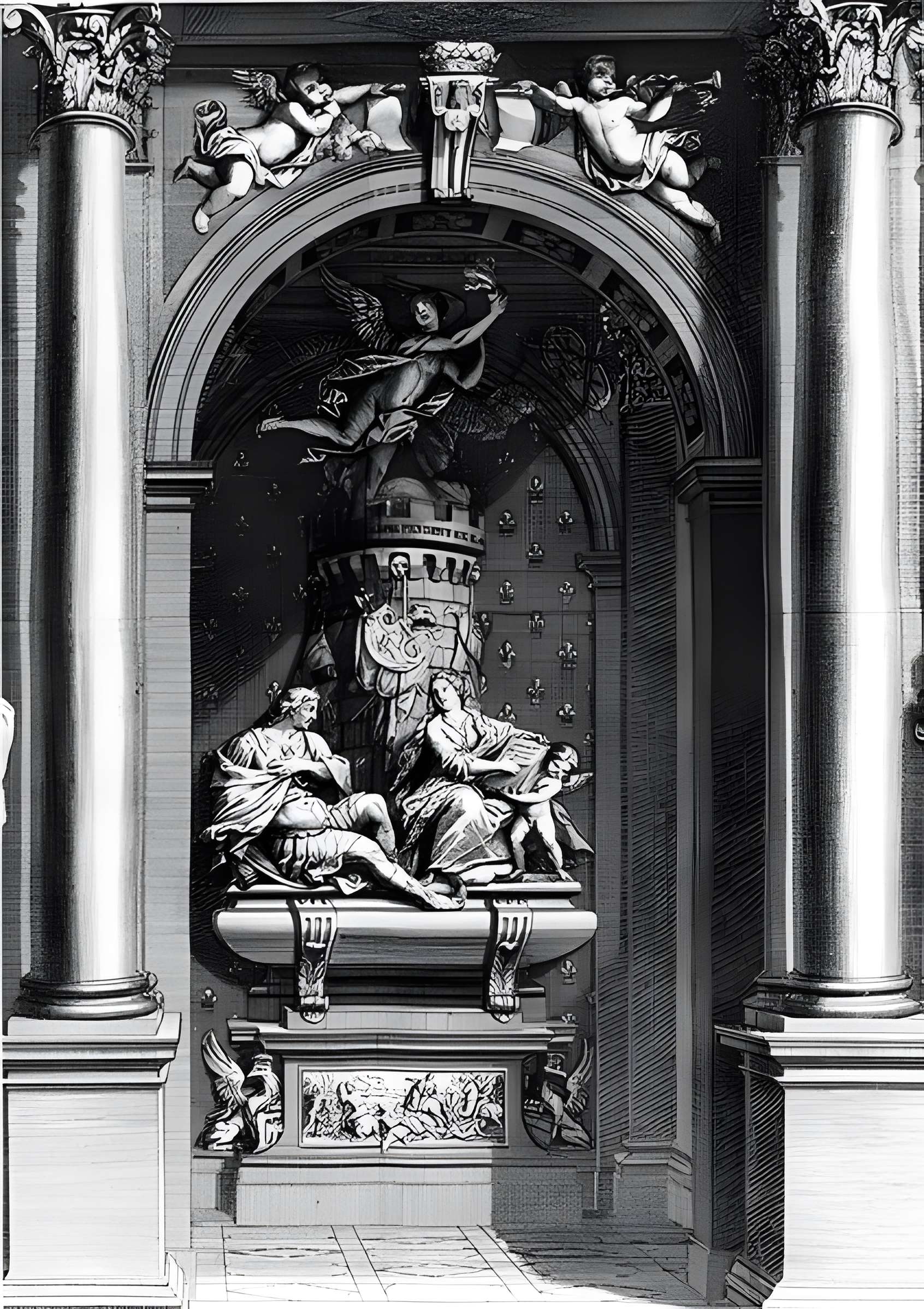
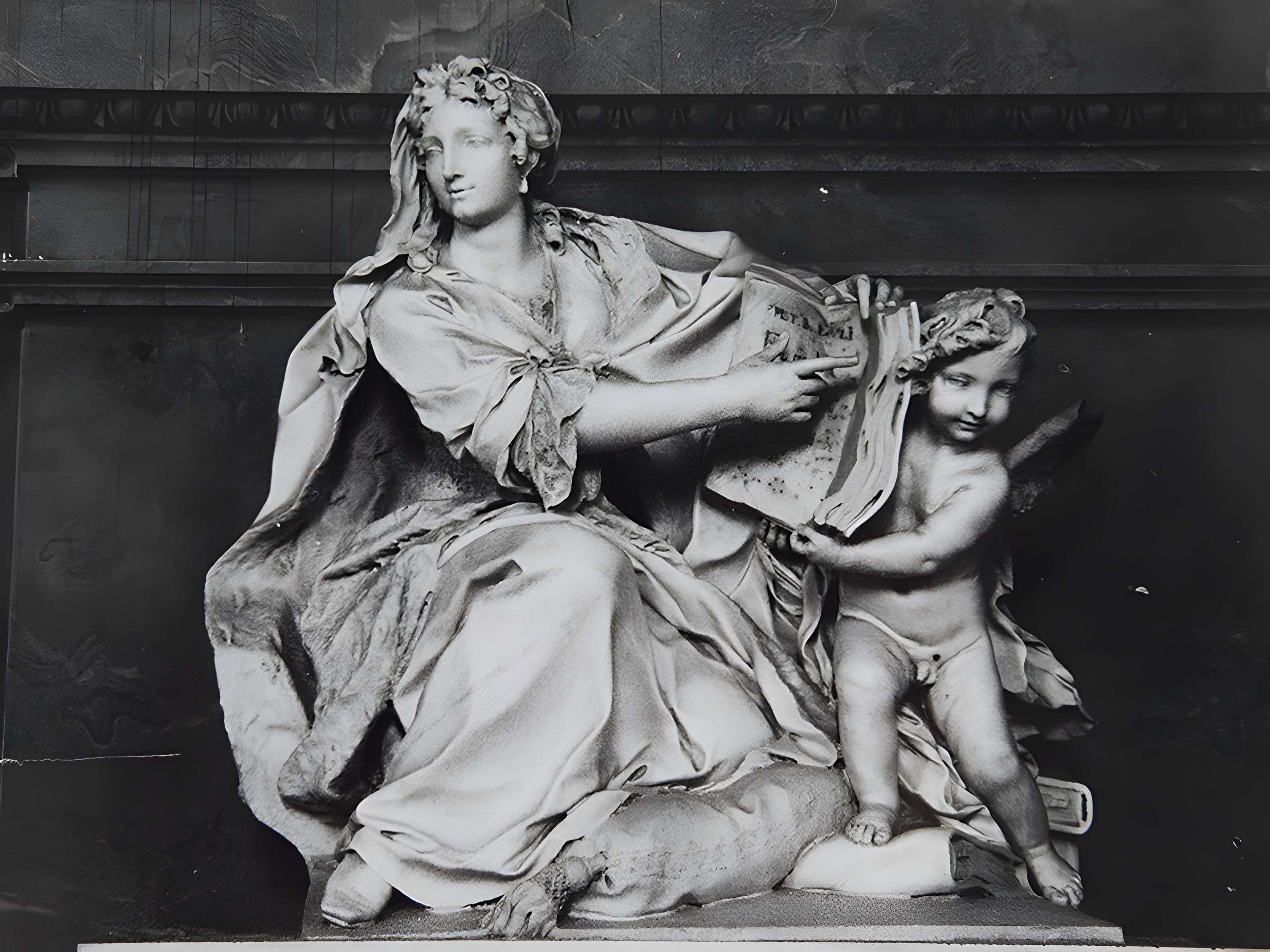
Duc et Duchesse de Bouillon - Benefactors and donors Mausoleum preserved in the chapel.

Origin and history

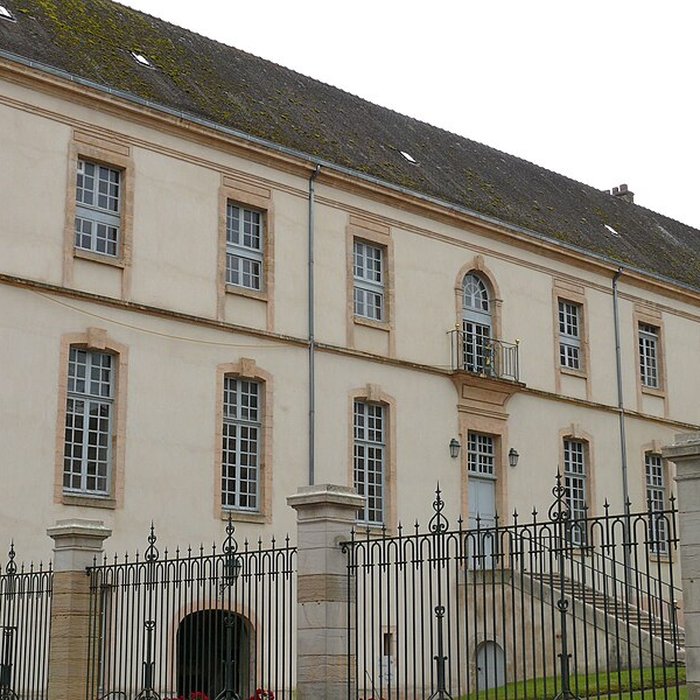
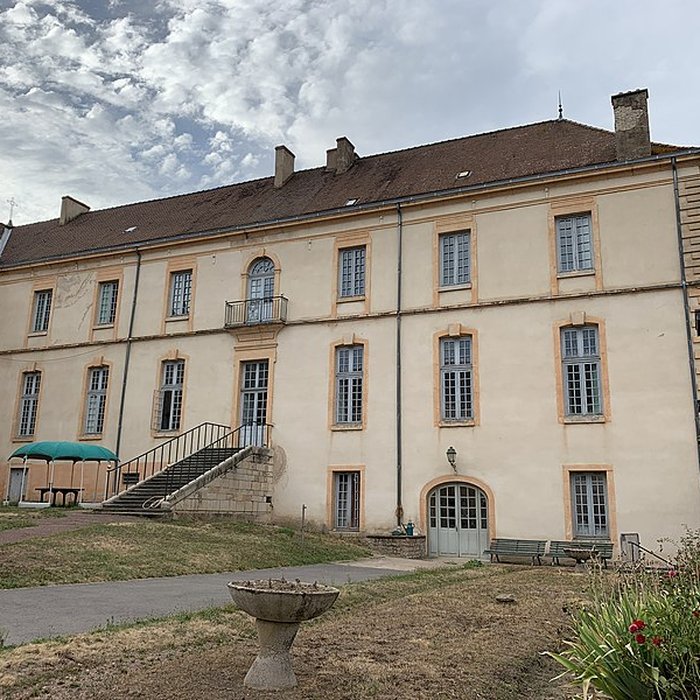
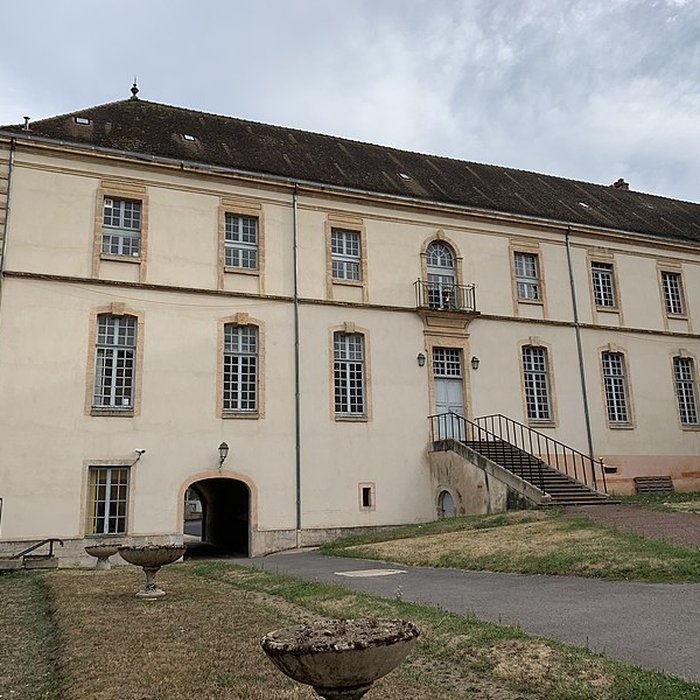
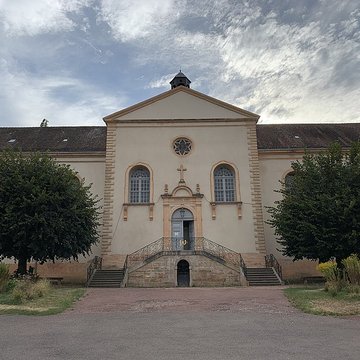
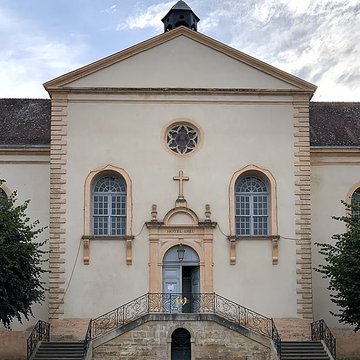
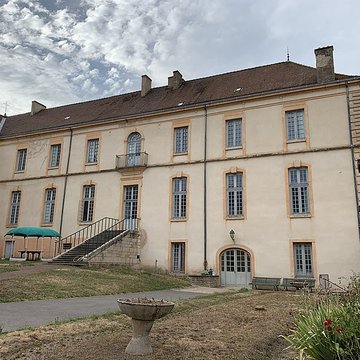
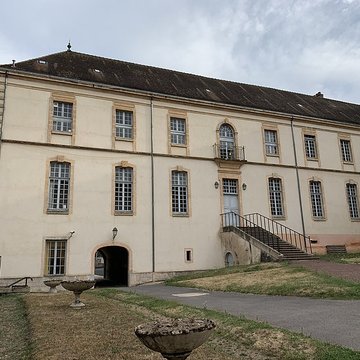
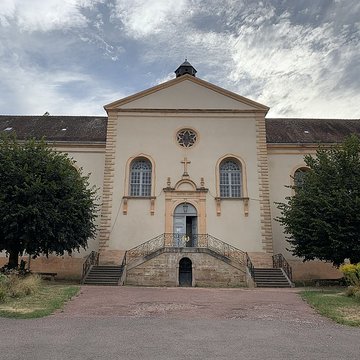
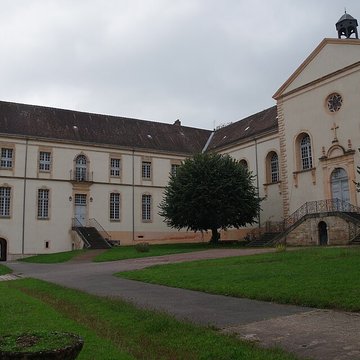
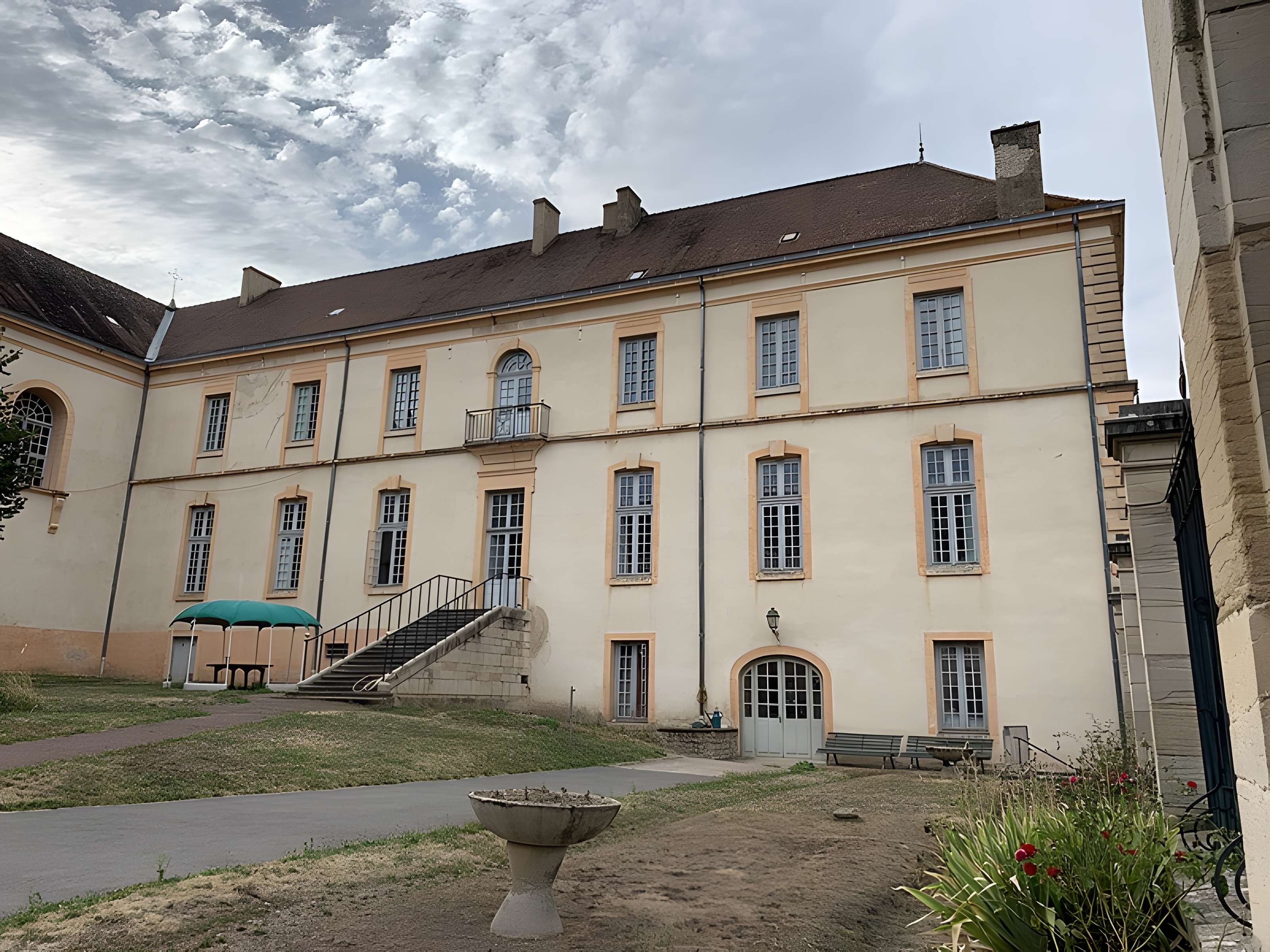
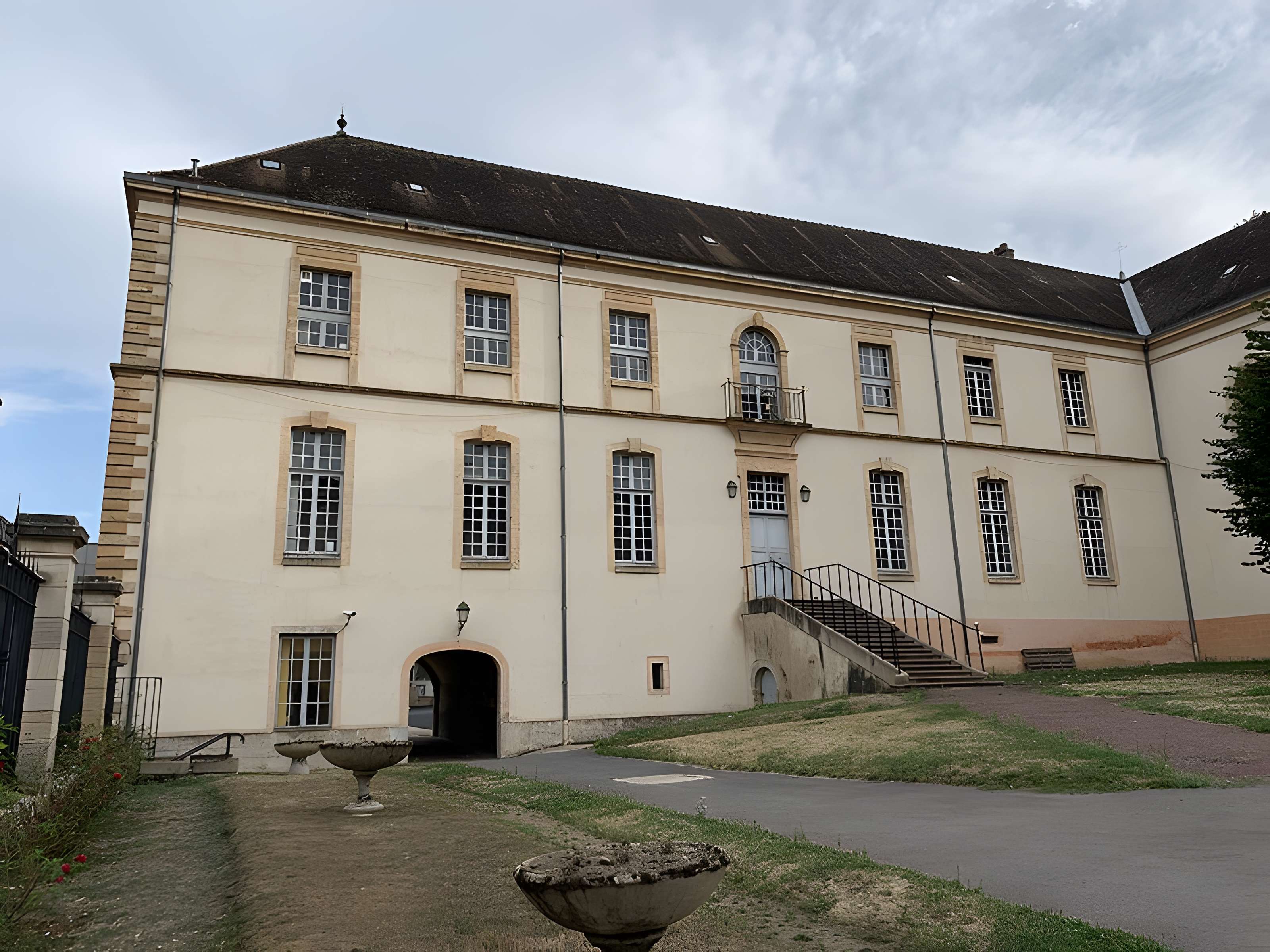
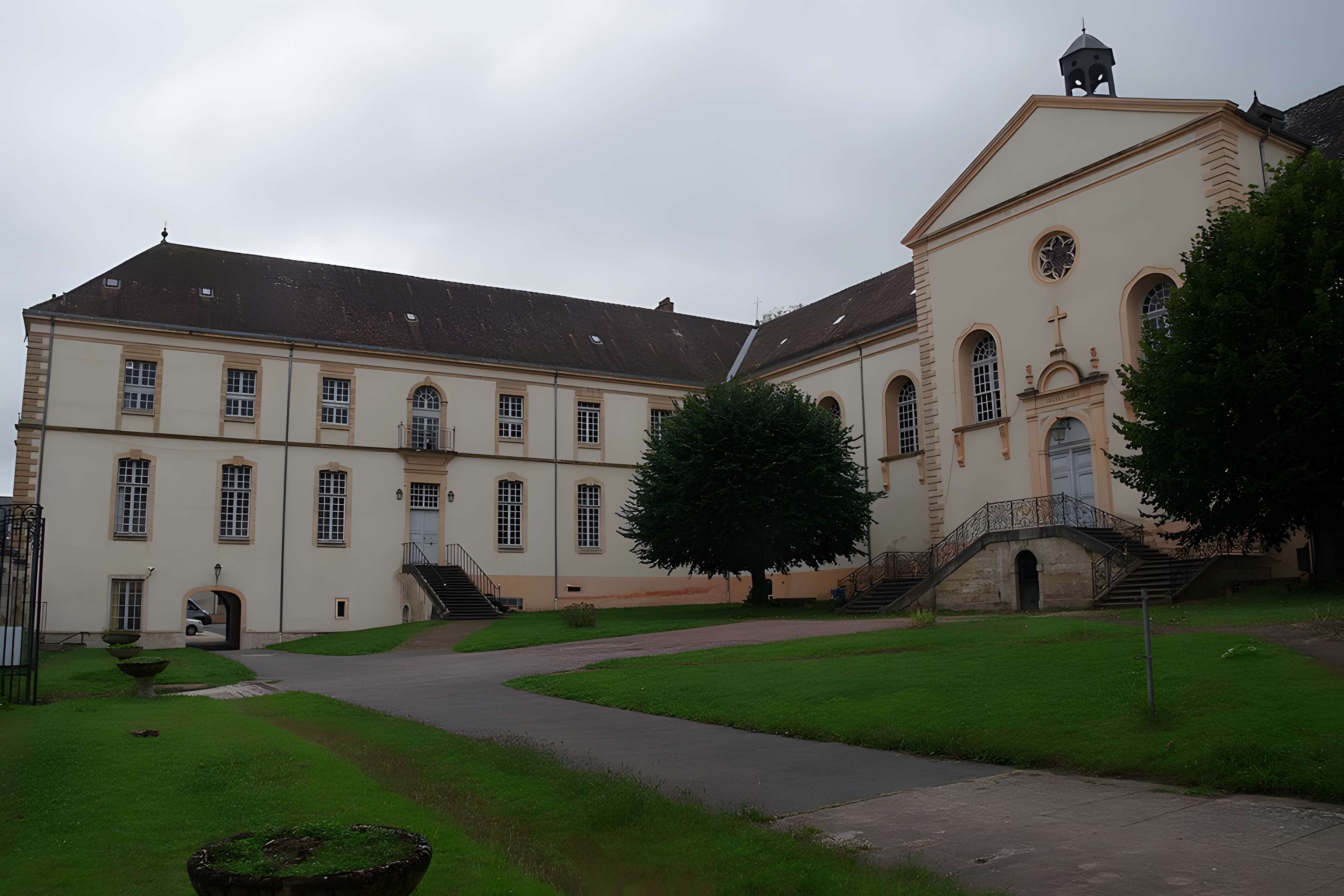
The Hospital Hospital of Cluny, also known as Hôtel-Dieu, is an emblematic building built between the late 17th and early 18th centuries. Founded under the impulse of the hospital sisters of Sainte-Marthe and supported by local donations, he succeeded the former hospital Saint-Blaise, destroyed in 1706. Its architecture, marked by a plan in U or L, includes a central chapel and rooms dedicated to the sick, reflecting the medical and religious practices of the period.

The historical context of its construction is part of a period of renewal of charitable institutions in France, encouraged by the Church and local elites. Cardinal de Bouillon, abbot of Cluny from 1683 to 1715, played a key role in partially financing reconstruction after a devastating storm in 1702. The works, conducted between 1703 and 1713, illustrate the alliance between devotion and public utility, typical of the God-hotels of the Old Regime.

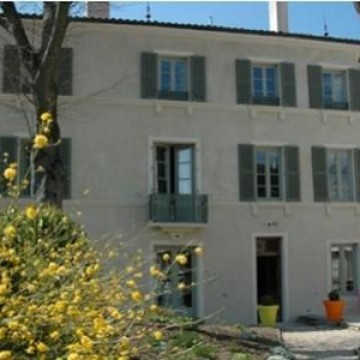
Over the centuries, the building underwent several transformations to adapt to medical and social needs. In the 19th century, an apothecary was built, with Empire woodwork and Nevers faiences, while extensions such as a maternity (1853) or a contagious pavilion (1910) modernized the establishment. These adjustments reflect the evolution of hospital practices, between hygienism and specialisation of care.

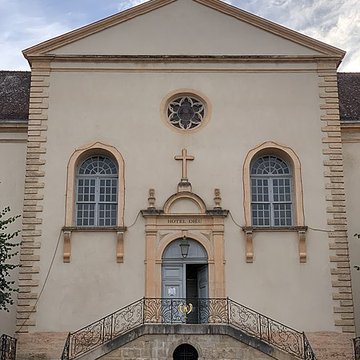
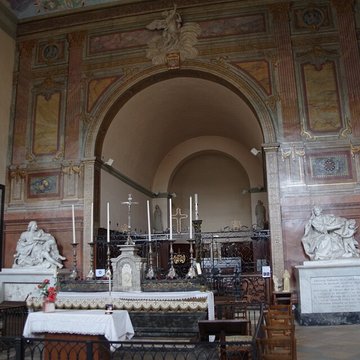
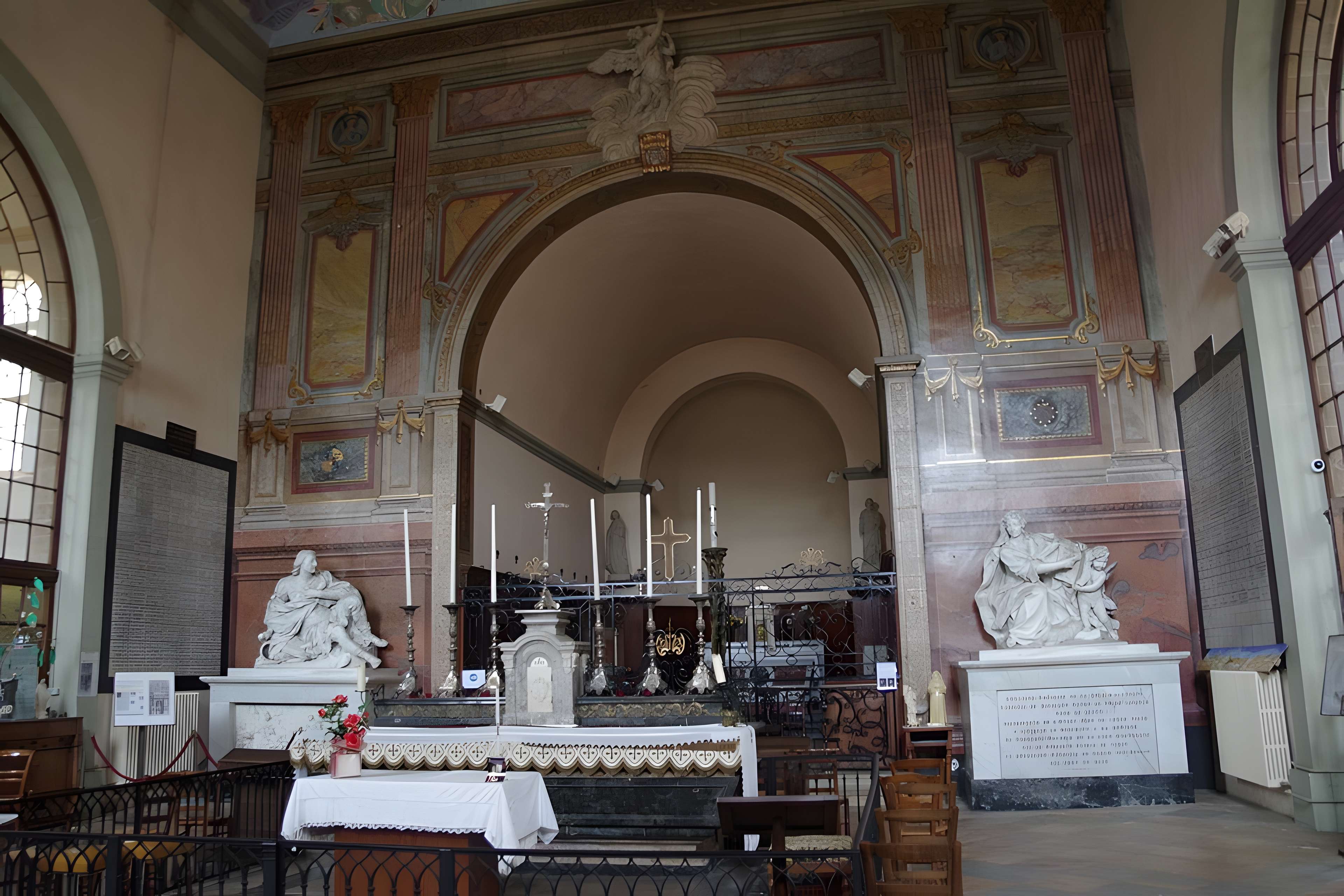
The Hôtel-Dieu de Cluny is also marked by tragic or symbolic events, such as the destruction of the Saint-Blaise Hospital or the continued presence of the Sisters of Sainte-Marthe until 1996. The chapel, decorated with paintings by François Buffet and sheltering the remains of the mausoleum of the Dukes of Bouillon, bears witness to its dual spiritual and medical heritage. These elements make it a place of both religious and scientific memory.

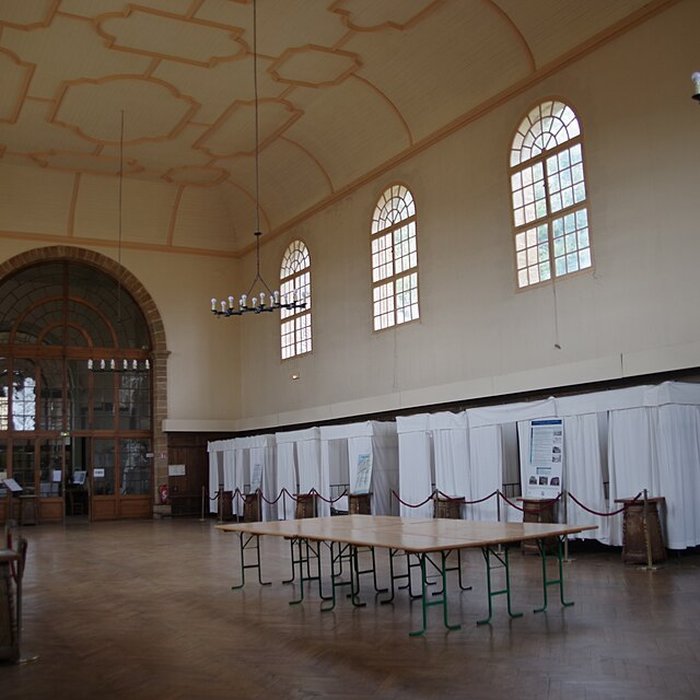
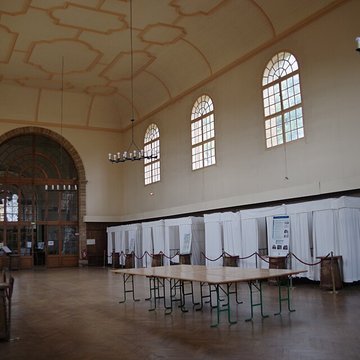
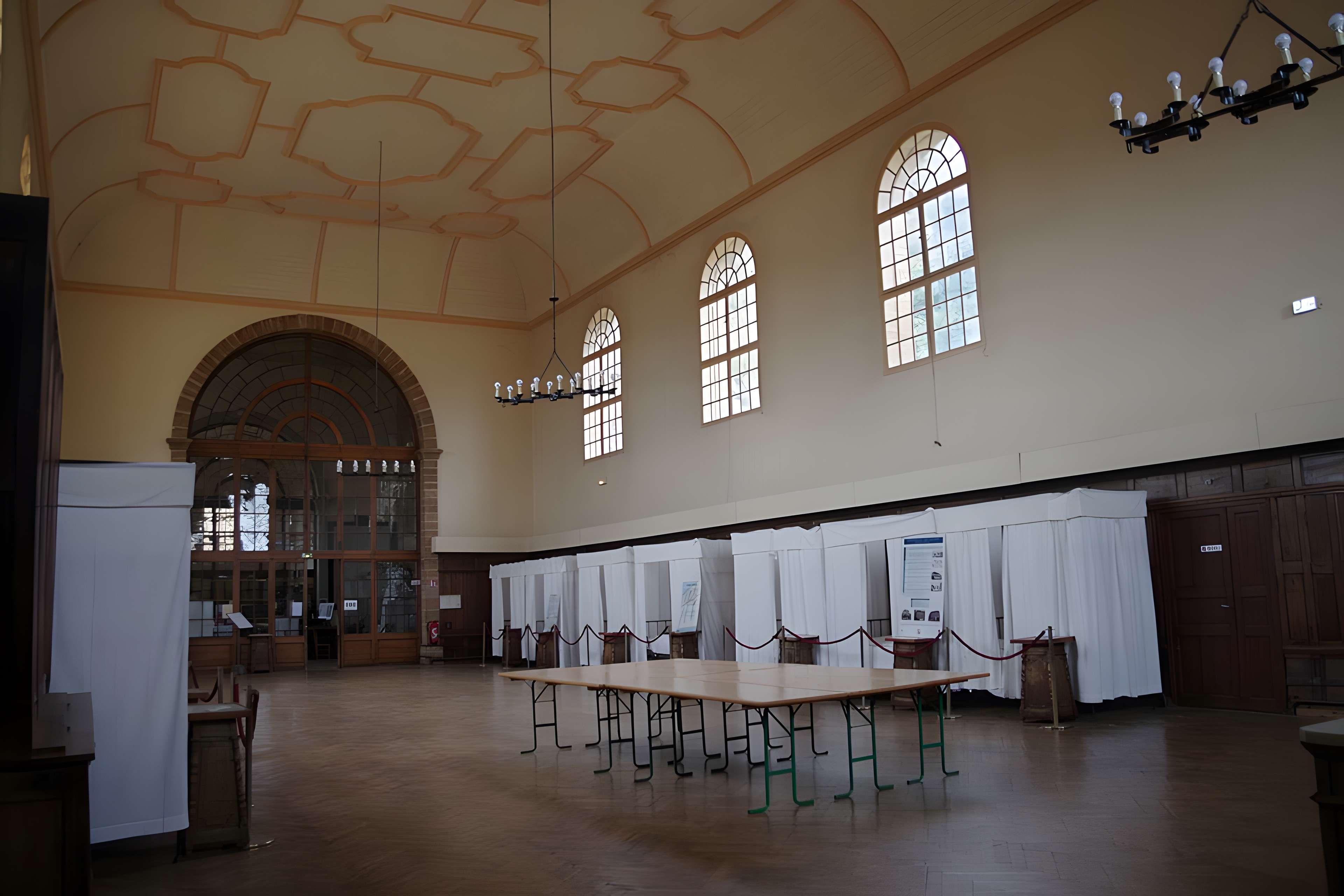
In the 20th century, the establishment changed with the construction of a new maternity home (1948-1955) and a retirement home (1965-1973), before giving up its hospital vocation in 2017. Today, the site is protected as historical monuments (registered in 2001, classified in 2002) and is visited as a museum. The chapel, the apothecary and the Saint-Lazare room, with their collections of pharmacy pots, offer a journey in the history of medicine and charity in Burgundy.

The heritage recognition of the Hôtel-Dieu is part of a broader dynamic of valuing the French hospital heritage. Its architecture, combining classicism and functionality, makes it a remarkable example of rural God-hotels. Guided tours highlight its social role, architectural innovations and artistic heritage, strengthening its cultural attractiveness in the region.

External links