Construction of the mansion 4e quart XVe siècle (≈ 1587)
Edification by a family of little nobility.
1753
Notarial Act
Notarial Act 1753 (≈ 1753)
Description of the original provisions retained.
23 décembre 1992
Historical Monument
Historical Monument 23 décembre 1992 (≈ 1992)
Protection of all buildings and outbuildings.
Aujourd'hui
Aujourd'hui
Aujourd'hui Aujourd'hui (≈ 2025)
Position de référence.
Heritage classified
All buildings constituting the manor house, including the fountain and the bread oven (Box ZL 141, 208, 355): inscription by order of 23 December 1992
Key figures
Information non disponible - Unknown sponsor
Family of presumed little nobility.
Origin and history
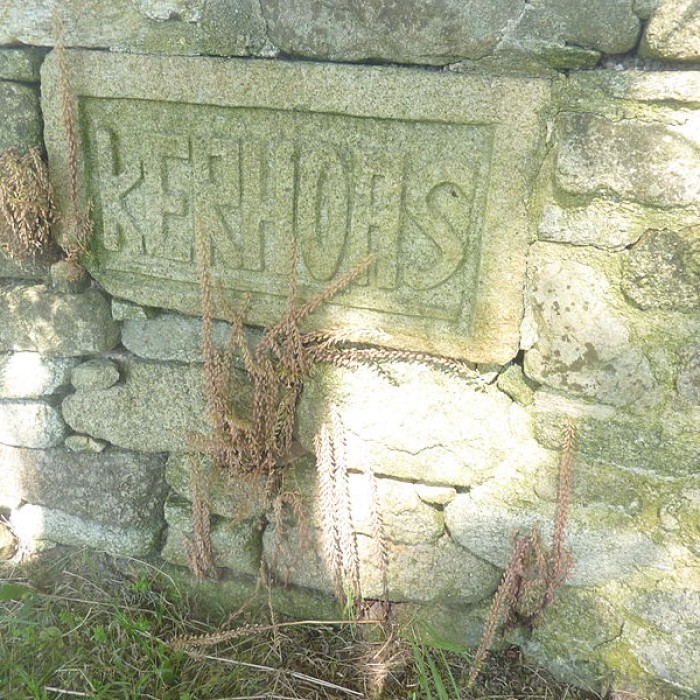
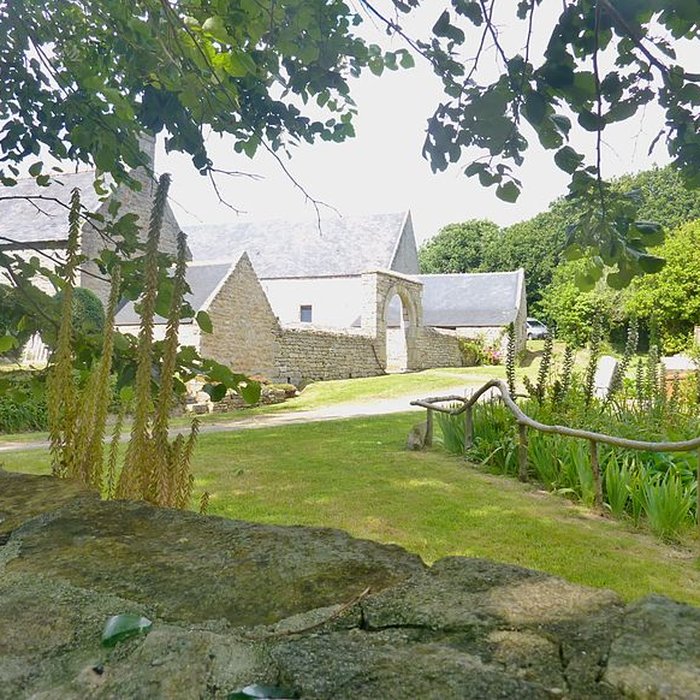
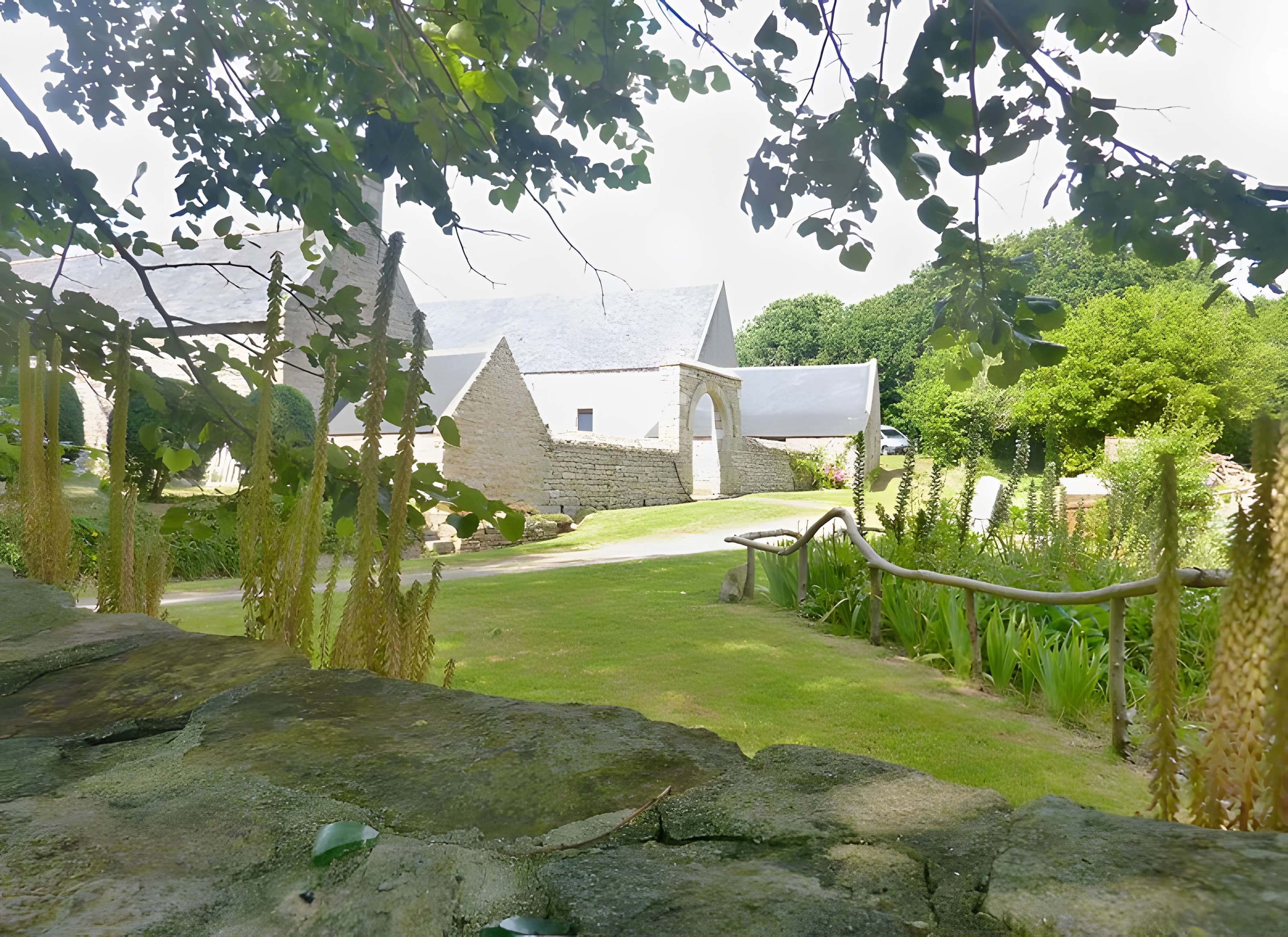
Kerhoas Manor House, located in Plobannalec-Lesconil in the Finistère, is an emblematic monument of the manorial architecture of the Bigouden country, built in the 4th quarter of the 15th century. Its organization in U, around a once closed courtyard, reflects the local traditions of medieval times. Although its exact sponsor remains unknown, its modest but neat construction (decorated door, working gable) suggests an origin related to a family of small local nobility. The whole has retained a disposition similar to that described in a notarial act of 1753, with very few modifications since its creation, with the exception of a slight overhaul of the southern facade.
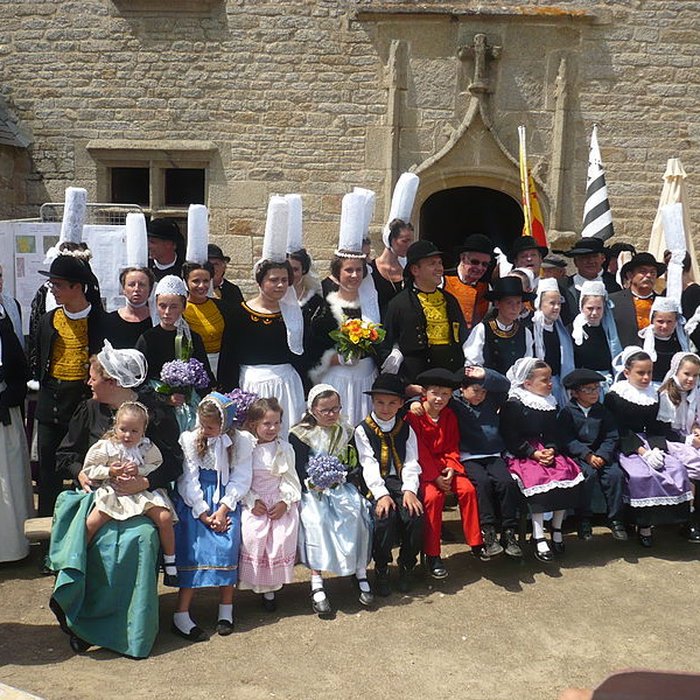
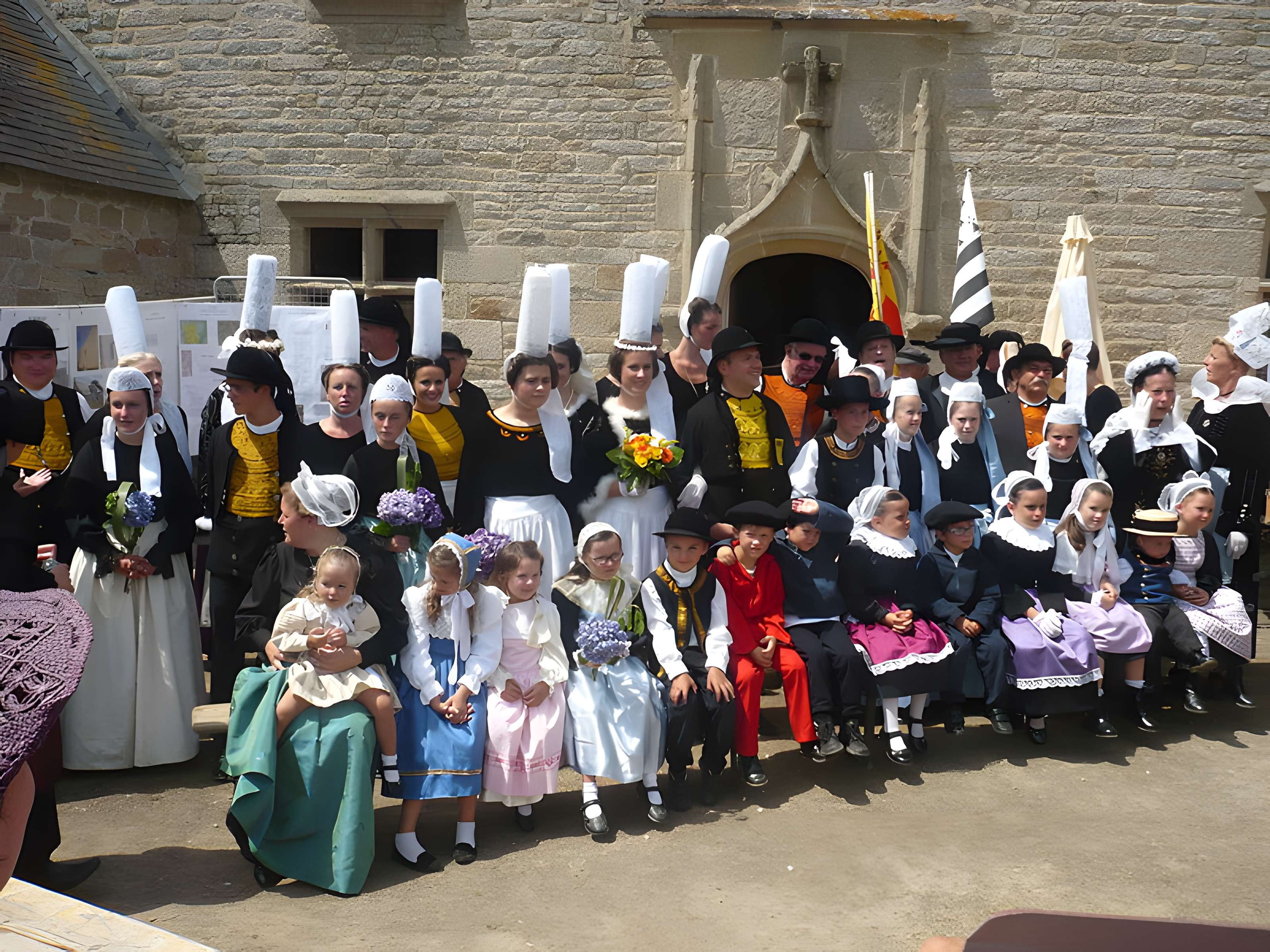
The interior of the mansion is remarkably preserved, illustrating the characteristics of medieval seigneurial residences. The buildings, including a fountain and a bread oven, were classified as Historic Monument by order of 23 December 1992. Their present state makes it possible to understand the daily life and spatial organization of a Breton mansion in the late Middle Ages. The site, open to the public at events such as Heritage Days, also offers a stopover for hikers, highlighting its anchoring in living heritage.
The Kerhoas mansion bears witness to the social history of medieval Brittany, where the small seigneuries played a central role in the territorial organization. Its architecture, both functional and decorative, reflects the intermediate status of its owners, between nobility and rural bourgeoisie. The exceptional conservation of the site makes it a reference for the study of Breton manors, while its mention in documents of the eighteenth century confirms its lasting importance in the local landscape.







Announcements
Please log in to post a review