Initial construction XVIe siècle (≈ 1650)
Period of construction of the mansion.
XVIIe siècle
Architectural transformations
Architectural transformations XVIIe siècle (≈ 1750)
Continued development of the mansion.
15 octobre 1971
Historic Monument Protection
Historic Monument Protection 15 octobre 1971 (≈ 1971)
Registration of facades and roofs.
Aujourd'hui
Aujourd'hui
Aujourd'hui Aujourd'hui (≈ 2025)
Position de référence.
Heritage classified
Facades and roofs (Case AO 164): inscription by order of 15 October 1971
Origin and history
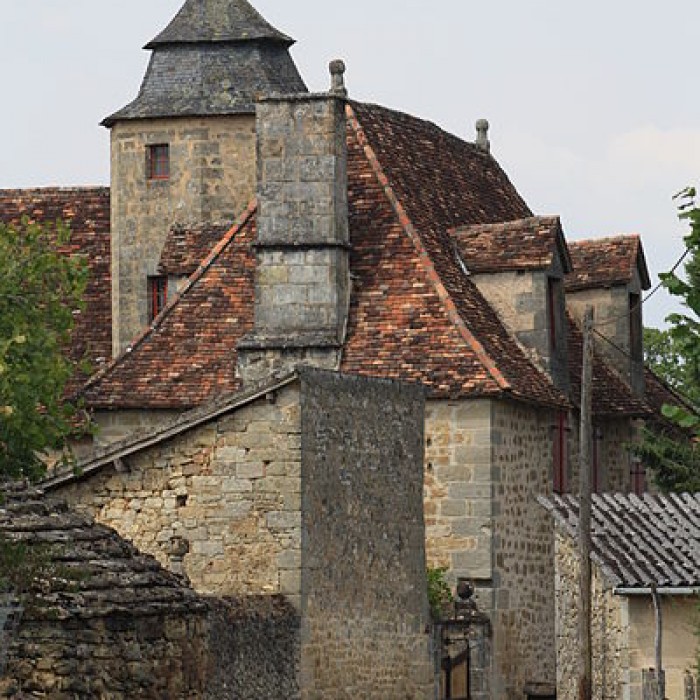
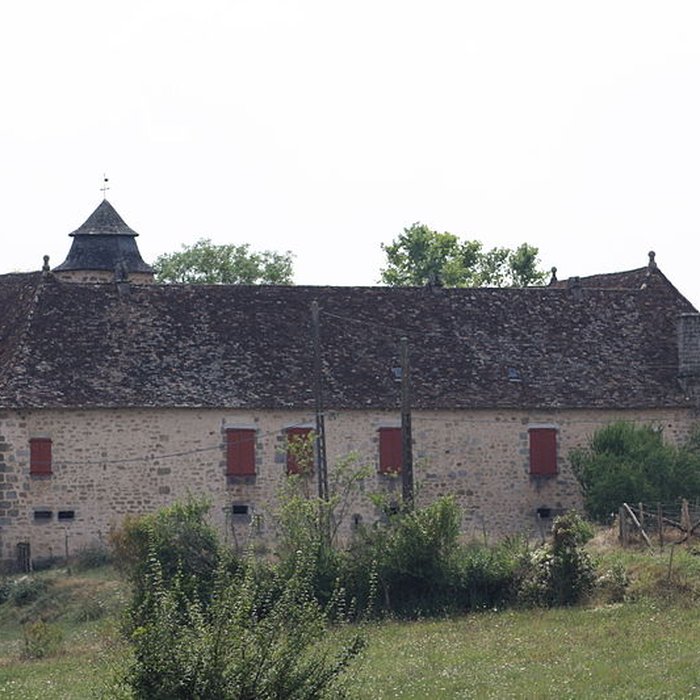
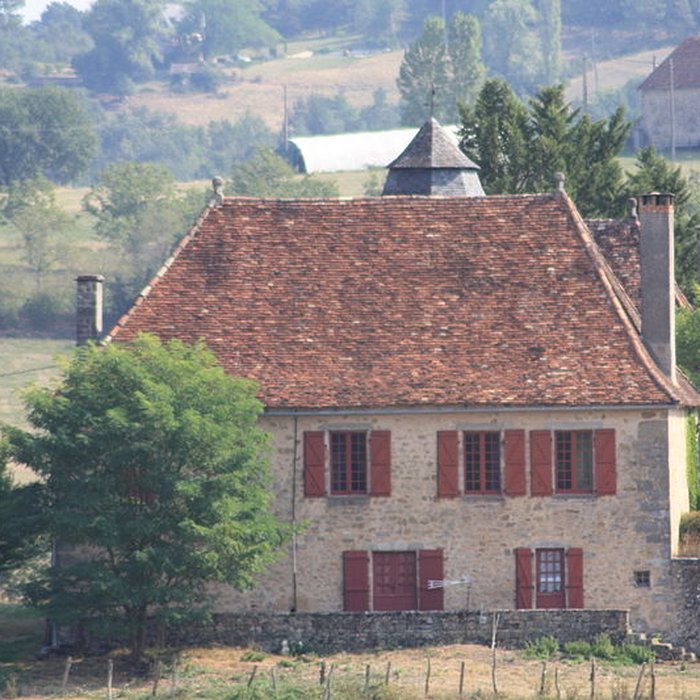
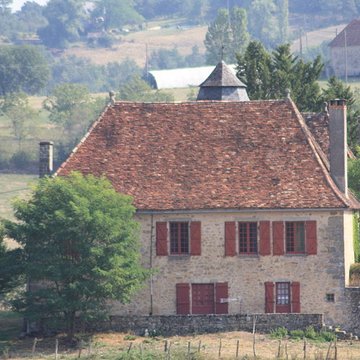
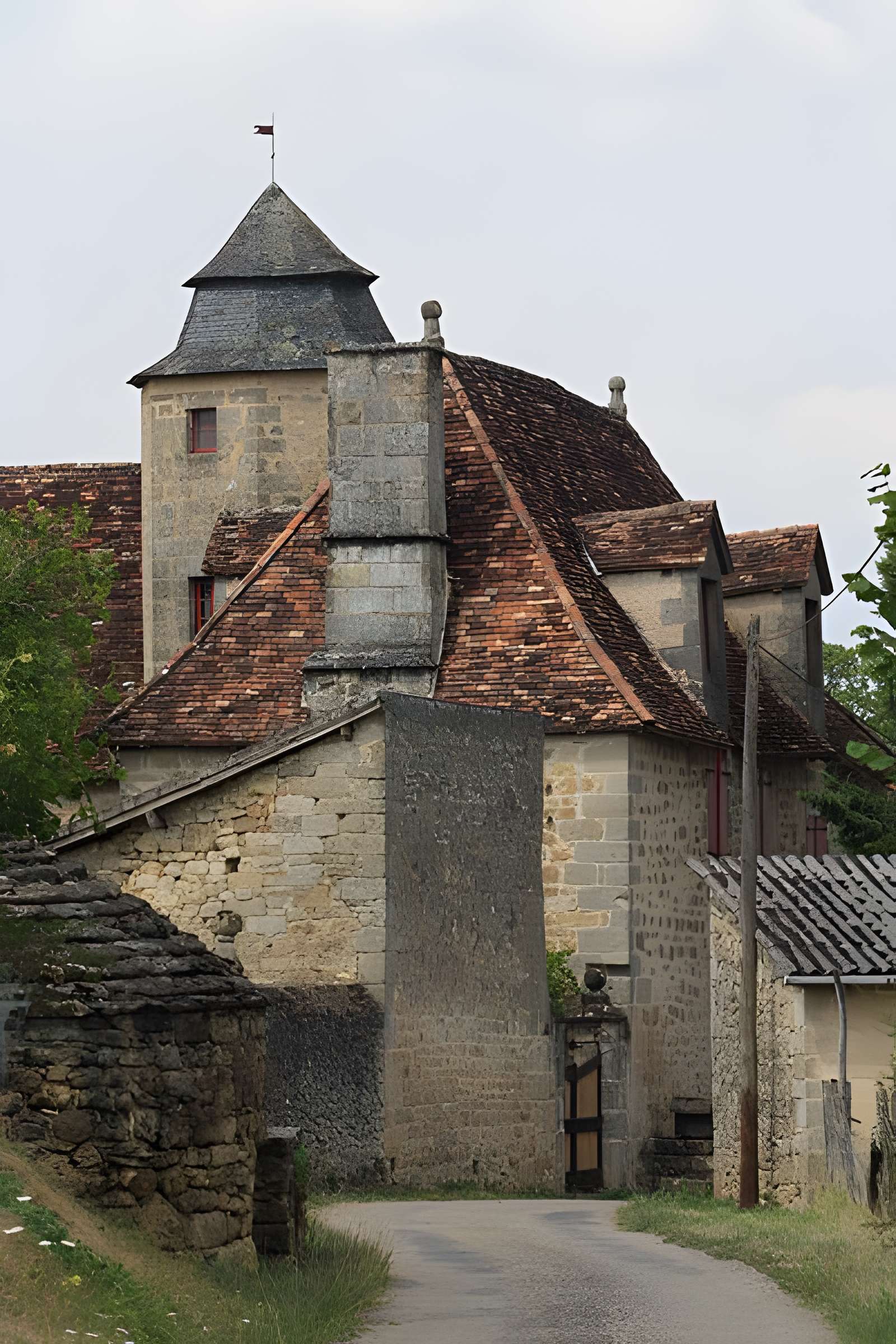
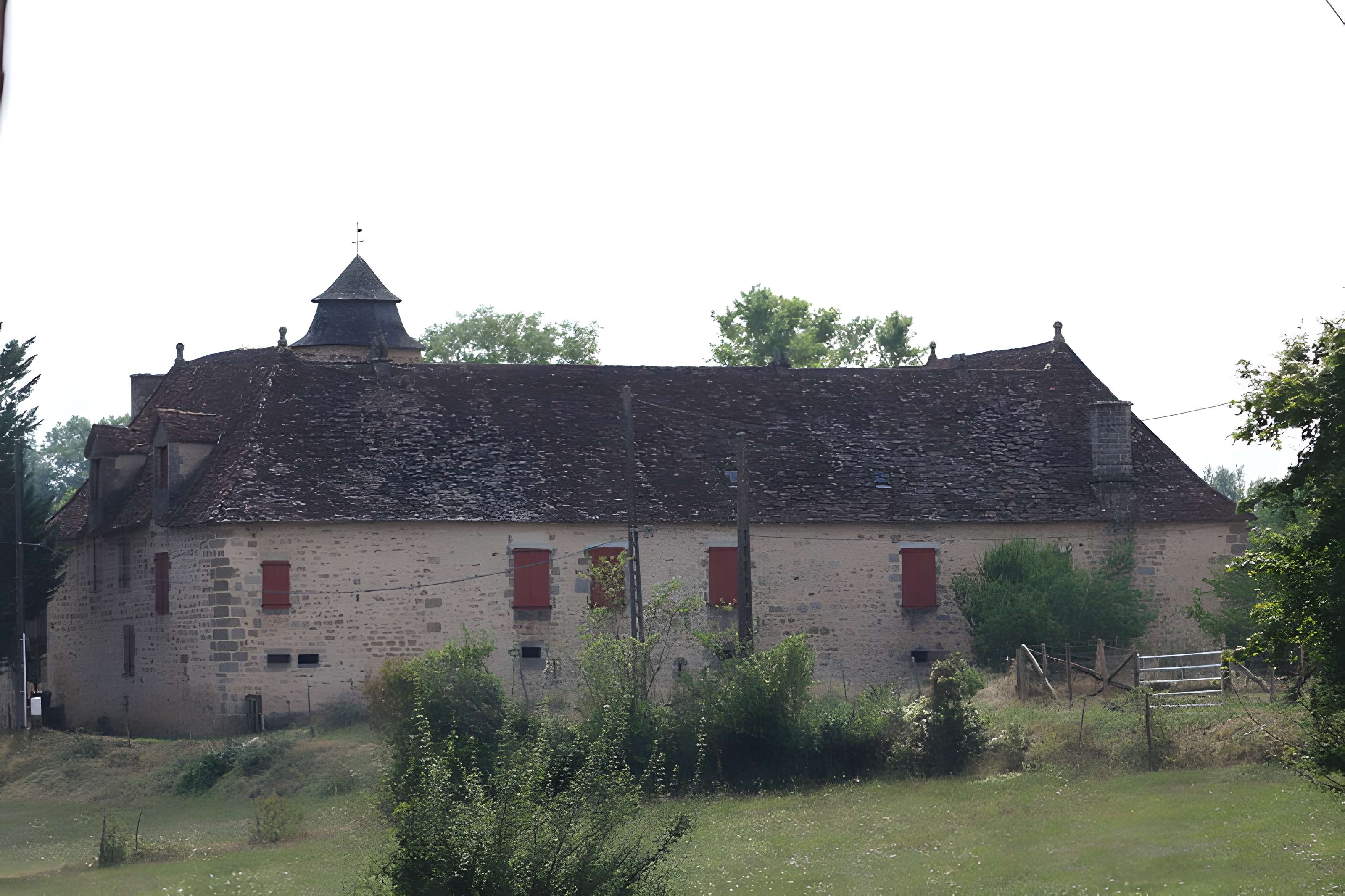
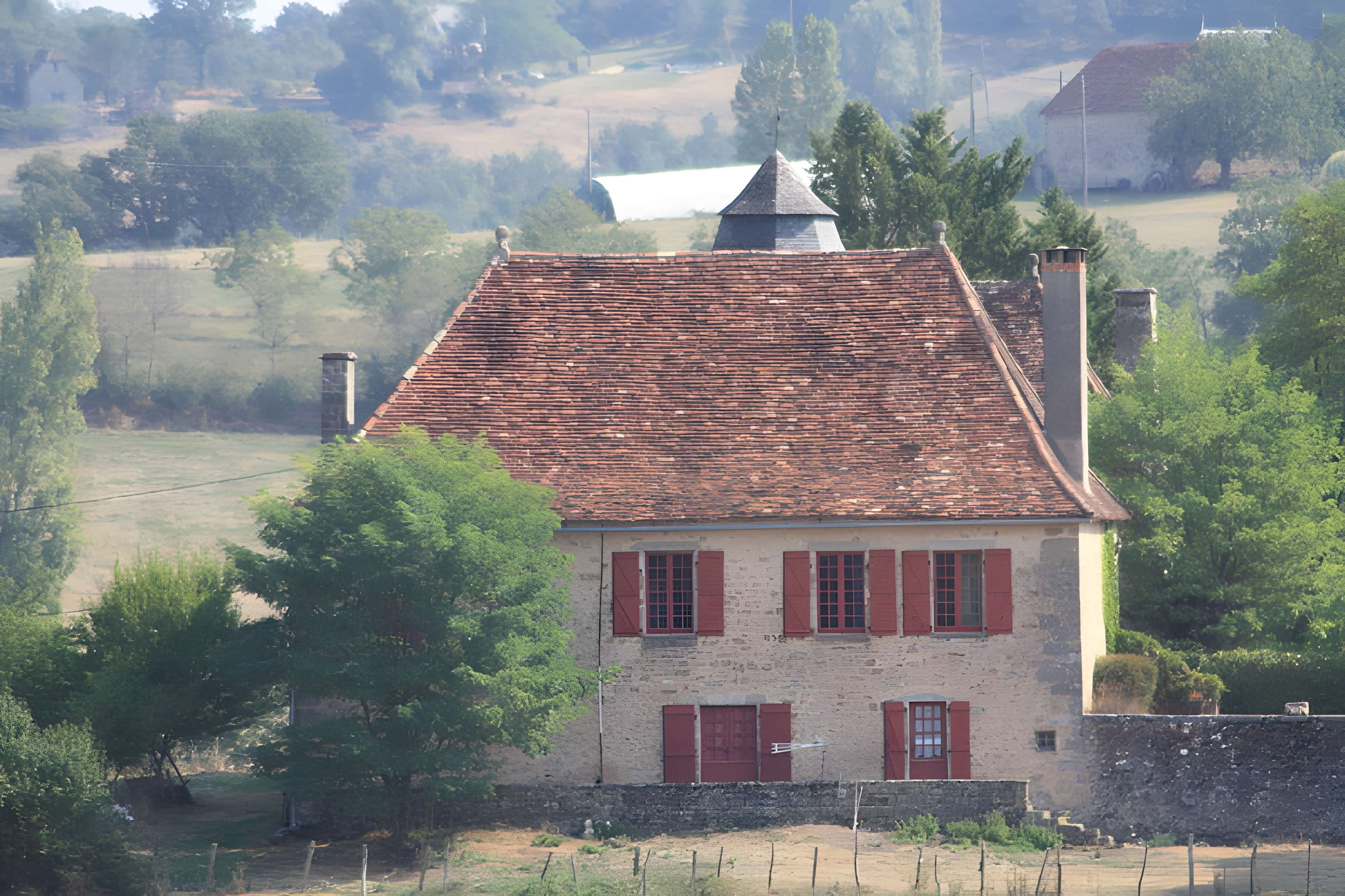
The Battut Manor House, located in Queyssac-les-Vignes in Corrèze, is a 16th and 17th century building marked by an architecture characteristic of this period. This manor house, now transformed into a farm, consists of a house body framed with two wings in return, forming an inner courtyard. One of the features of the site is an octagonal staircase tower, located at one of the corners of the courtyard, adding a remarkable architectural dimension to the ensemble.
The façade of the eastern wing features a door with sills decorated with bosses, flanked by two pilasters placed on rectangular bases. These pilasters, surmounted by doric capitals, support an entablement whose frieze is carved from a grotesque mask in bas-relief. This mask, from which rinsels of foliage escape in volutes, illustrates the decorative style in vogue in the 16th and 17th centuries. The ensemble reflects aesthetic research and technical mastery specific to the noble rural architecture of this time.
Ranked a Historic Monument, the Battut mansion saw its facades and roofs protected by a registration order dated 15 October 1971. This status reflects the heritage value of the site, both for its architecture and its history. Although transformed into a farm, the mansion retains architectural elements that make it a representative example of the seigneurial residences of the region, adapted to the practical needs of the following centuries.







Announcements
Please log in to post a review