Foundation of the Abbey milieu VIᵉ siècle (vers 543) (≈ 543)
Created by Childebert I and Saint Germain.
558
Consecration of the Basilica
Consecration of the Basilica 558 (≈ 558)
Dedicated to the Holy Cross and Saint Vincent.
fin Xe siècle
Reconstruction of the church
Reconstruction of the church fin Xe siècle (≈ 1095)
Work led by Abbé Morard.
1163
Consecration of the Gothic Choir
Consecration of the Gothic Choir 1163 (≈ 1163)
By Pope Alexander III.
1792
Closing of the Abbey
Closing of the Abbey 1792 (≈ 1792)
Turned into a saltpeter factory.
1803
Restoration of worship
Restoration of worship 1803 (≈ 1803)
The church becomes parish again.
1862
Historical monument classification
Historical monument classification 1862 (≈ 1862)
Building protection.
Aujourd'hui
Aujourd'hui
Aujourd'hui Aujourd'hui (≈ 2025)
Position de référence.
Heritage classified
The following remains of the refectory of the abbey: the wall between numbers 14 and 16, the façade on courtyard number 16: inscription by order of 26 October 1953
Key figures
Childebert Ier - Merovingian King
Founder of the Abbey in 543.
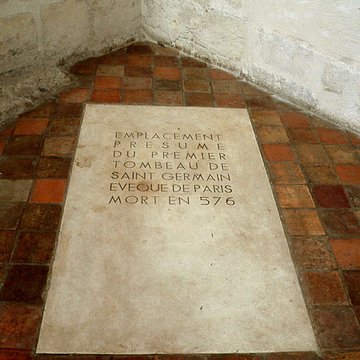
Saint Germain - Bishop of Paris
Co-founder, name the abbey.
Abbé Morard - Abbreviated reconstructor
Rebuilt the church at the end of the tenth century.
Pierre de Montreuil - Architect
Designed the Abbey Chapel in the 13th century.
Dom Jean Mabillon - Monk learned
Major figure of the Maurists in the seventeenth century.
Comte de Clermont - Abbé commendataire
Restores the abbatial palace in the 18th century.
Origin and history
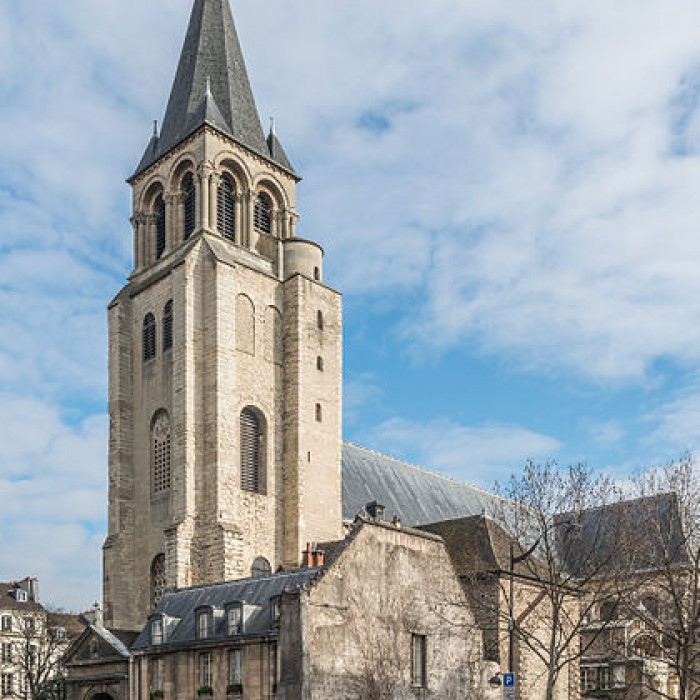
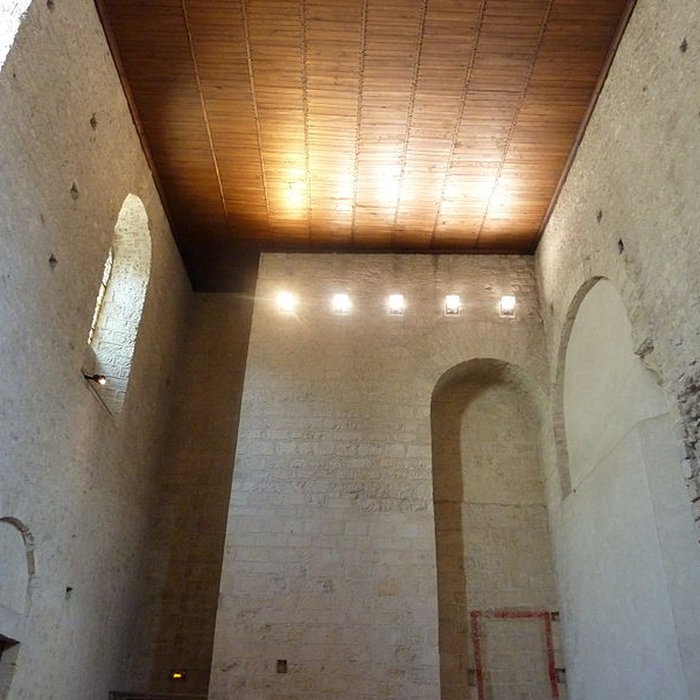
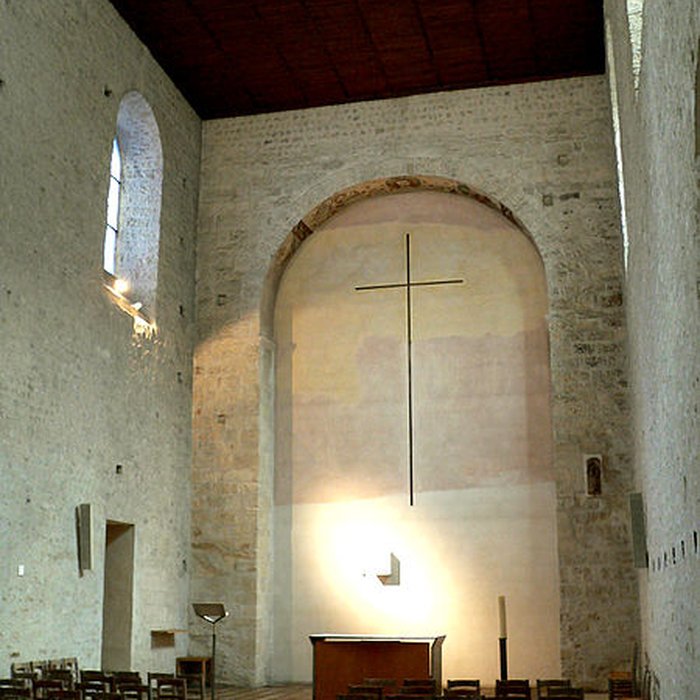
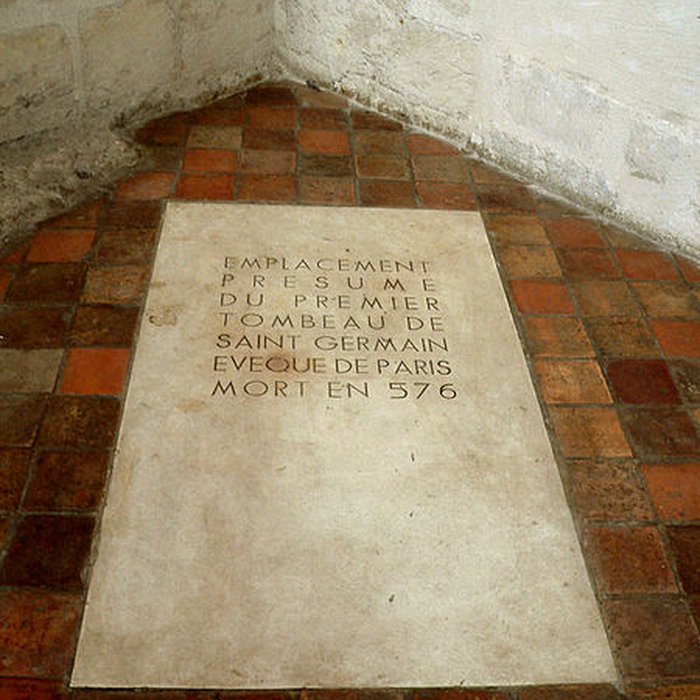
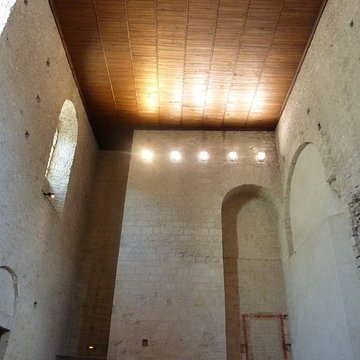
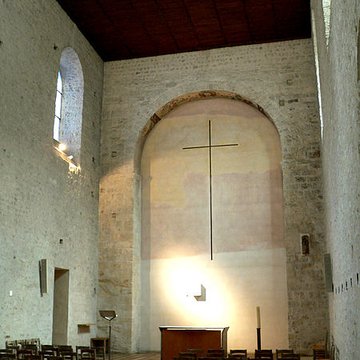
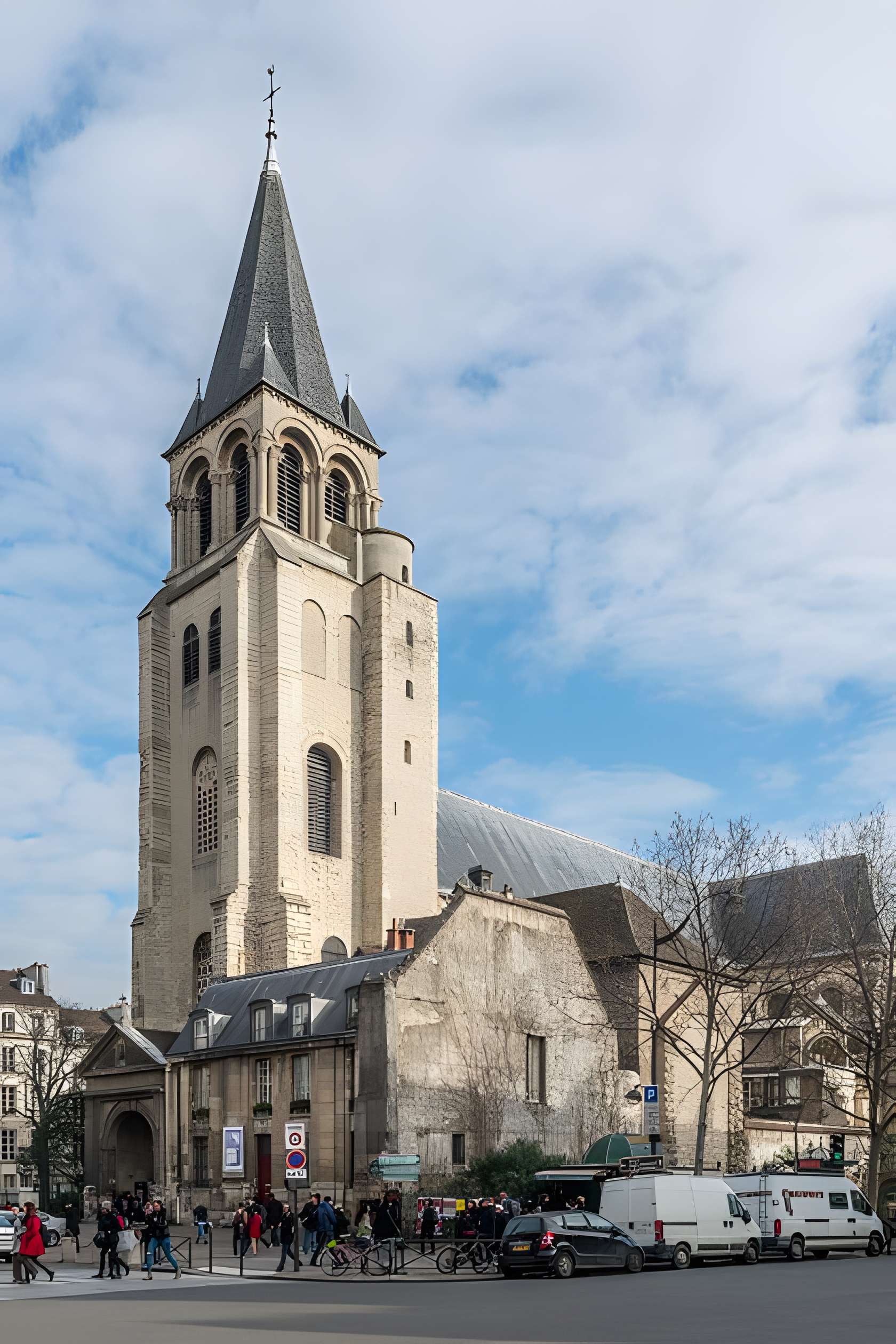
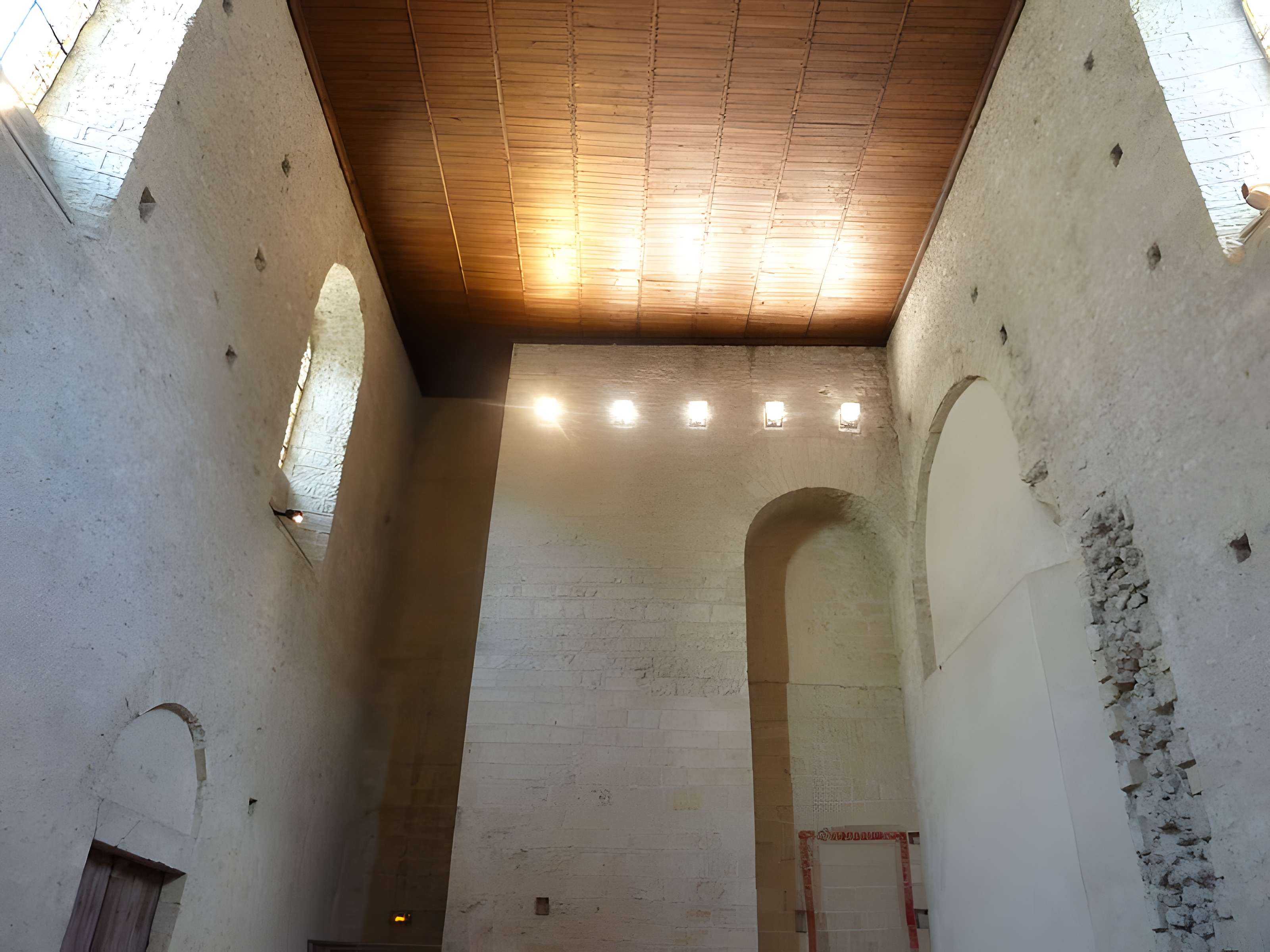
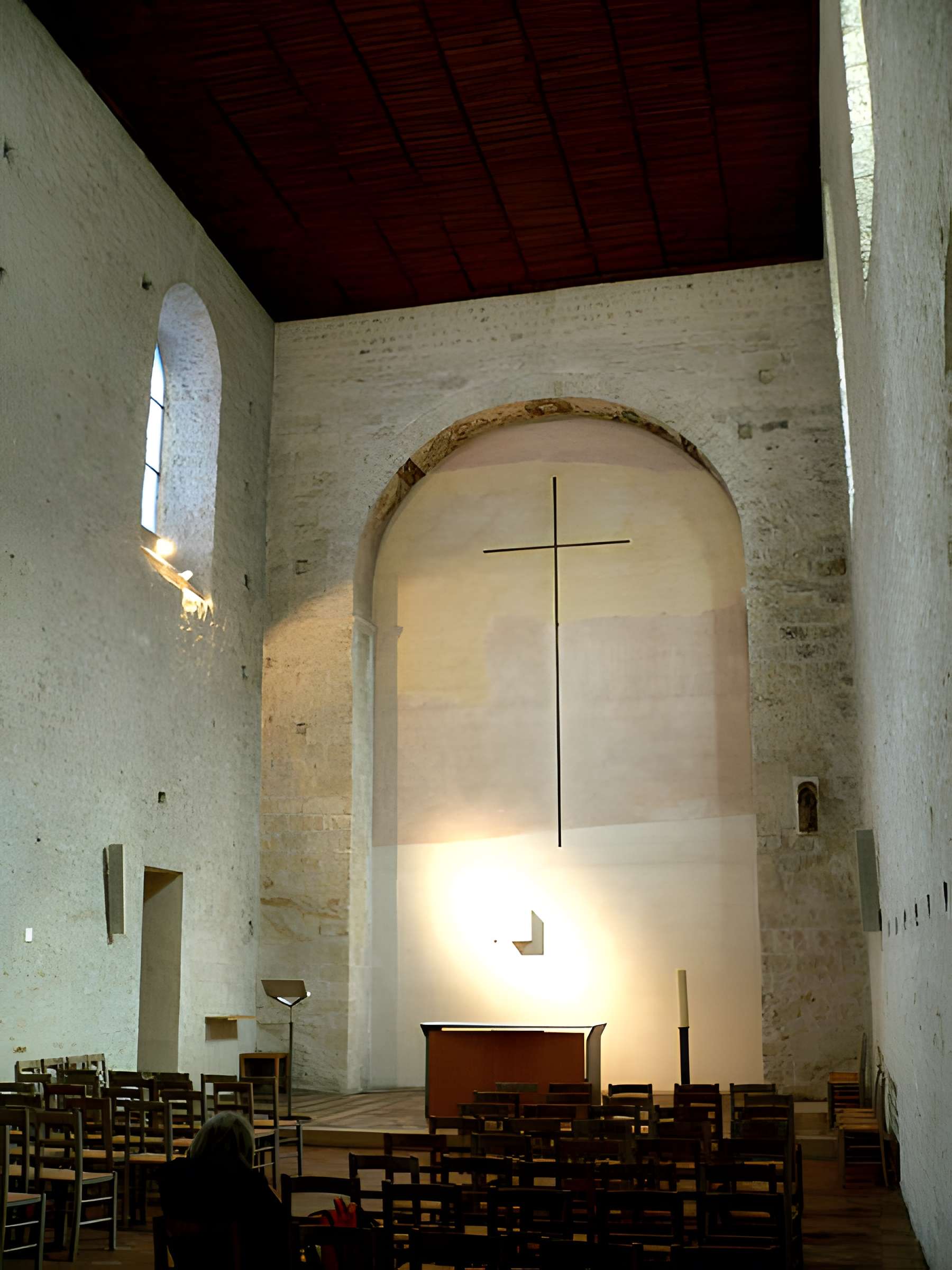
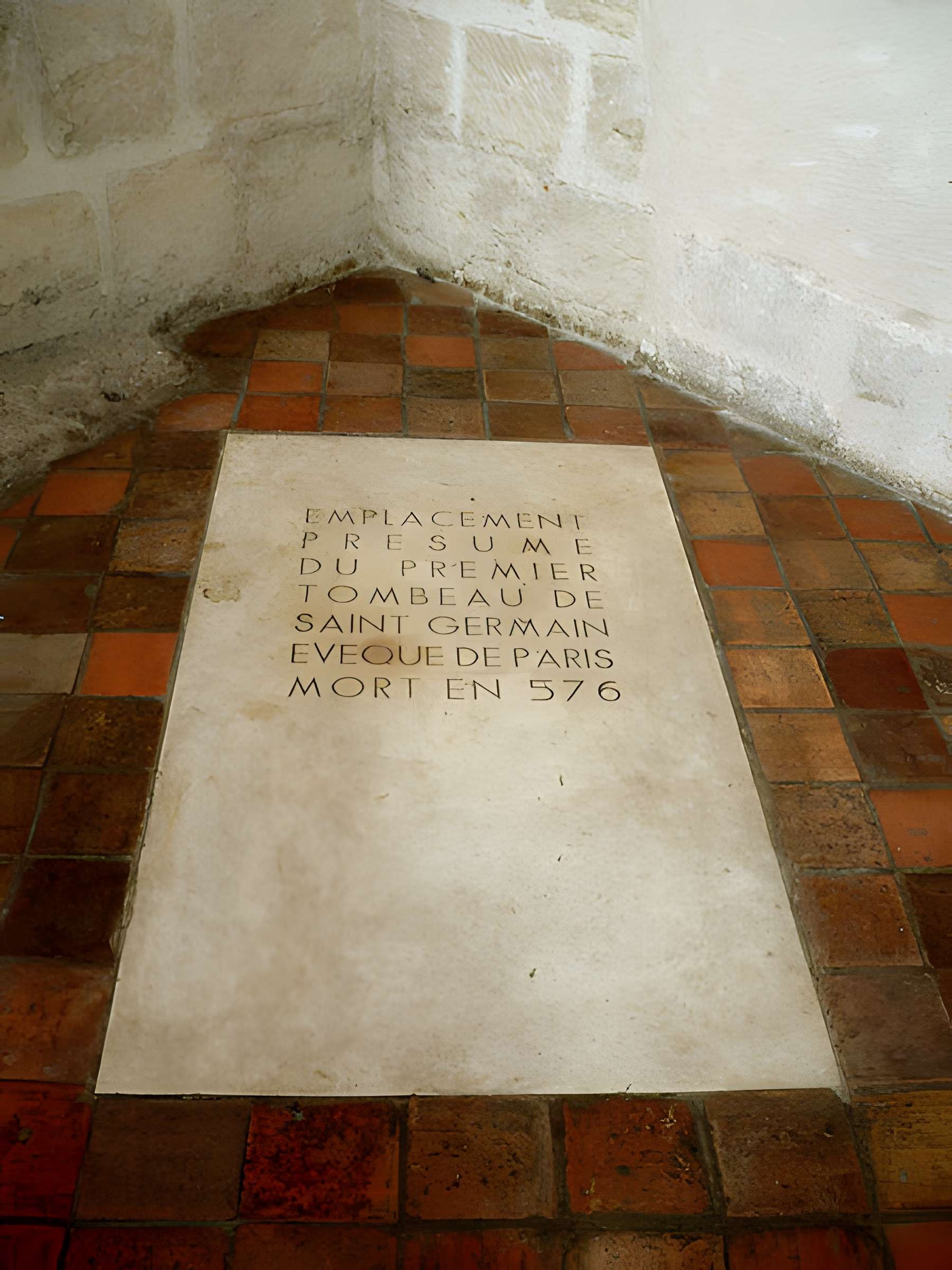
Saint-Germain-des-Prés Abbey, located in the 6th arrondissement of Paris, finds its origins in the middle of the 6th century under the impulse of the Merovingian King Childebert I and Saint Germain, bishop of Paris. Originally founded as St. Croix and St. Vincent's Basilica, it became a royal necropolis before the creation of St. Denis's. The present church, rebuilt from the 10th century, preserves Romanesque elements such as the bell tower and the nave, while the primitive Gothic choir, consecrated in 1163, illustrates the emergence of this architectural style.
In the 13th century, the abbey was thoroughly redesigned with the construction of convent buildings and an abbey chapel inspired by the Sainte-Chapelle, the work of Pierre de Montreuil. The abbey, a major intellectual center under the Maurists in the 17th century, housed an exceptional library and scholars such as Dom Jean Mabillon. The French Revolution marked a dramatic turning point: the abbey was abolished in 1792, its buildings sold as national goods, and the church transformed into a saltpetre factory before being returned to worship in 1803.
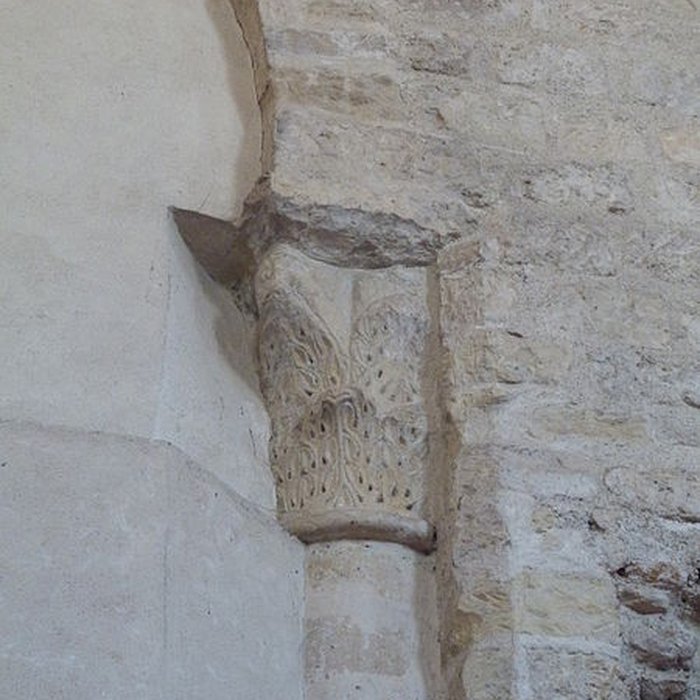
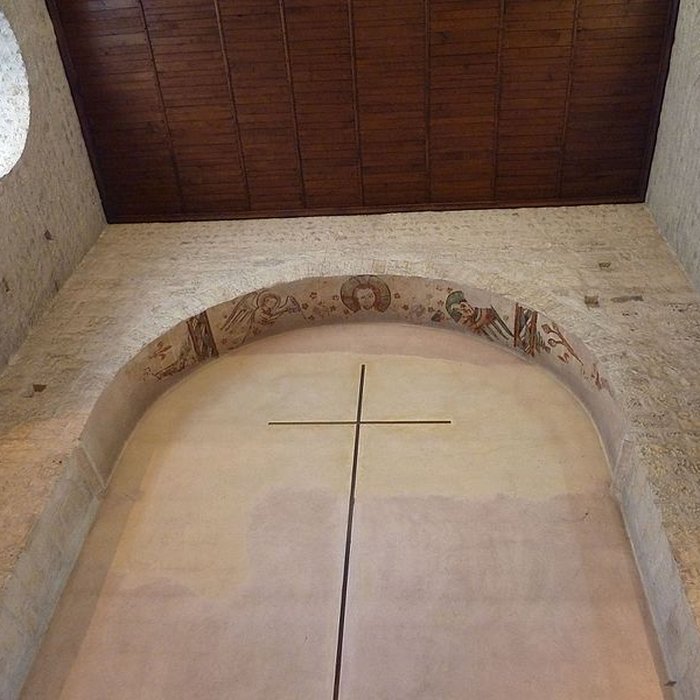
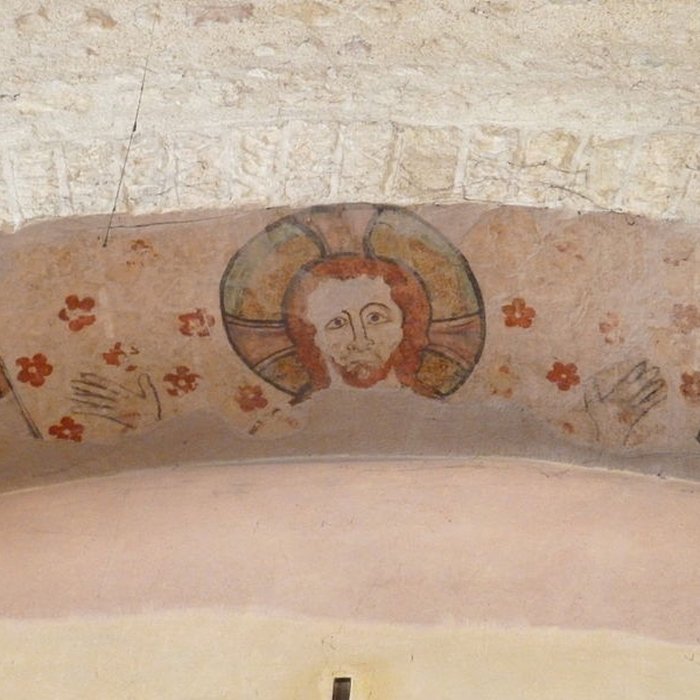
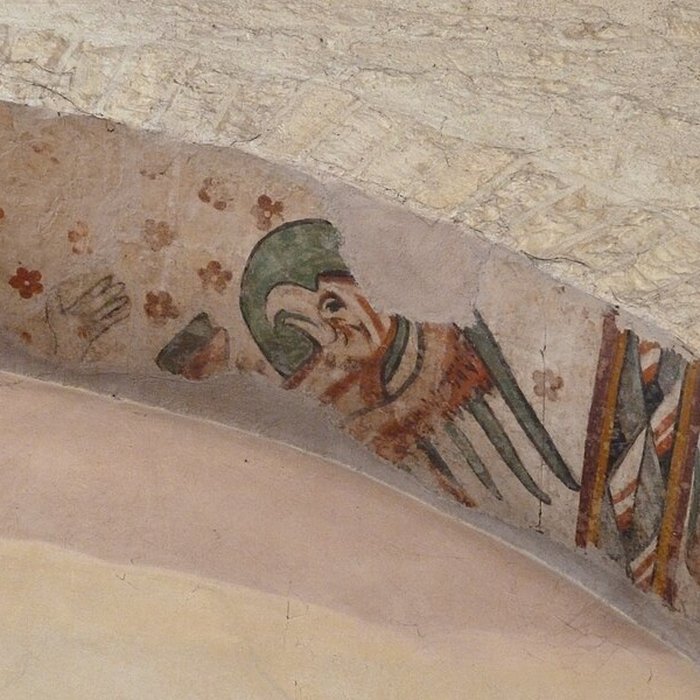
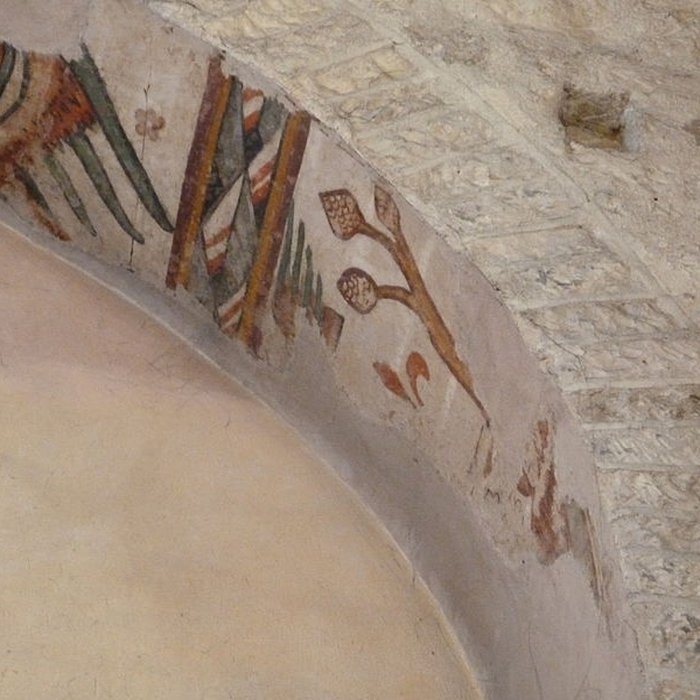
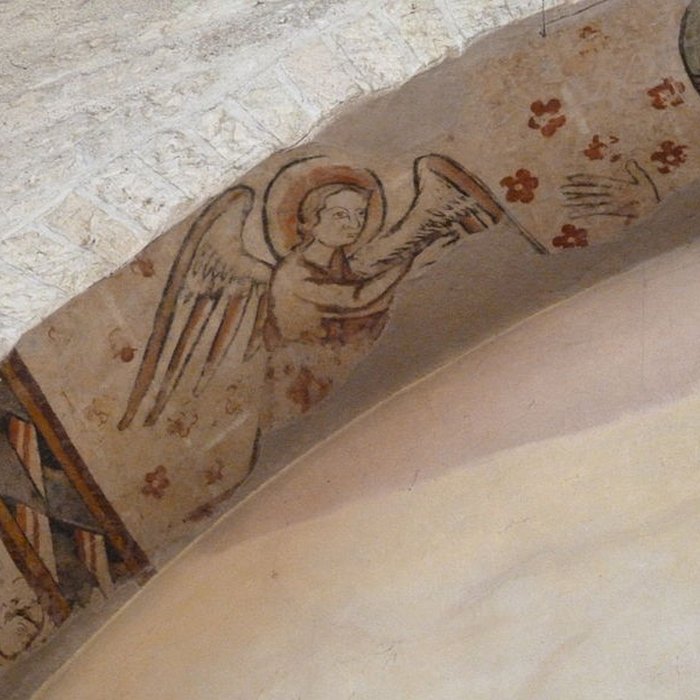
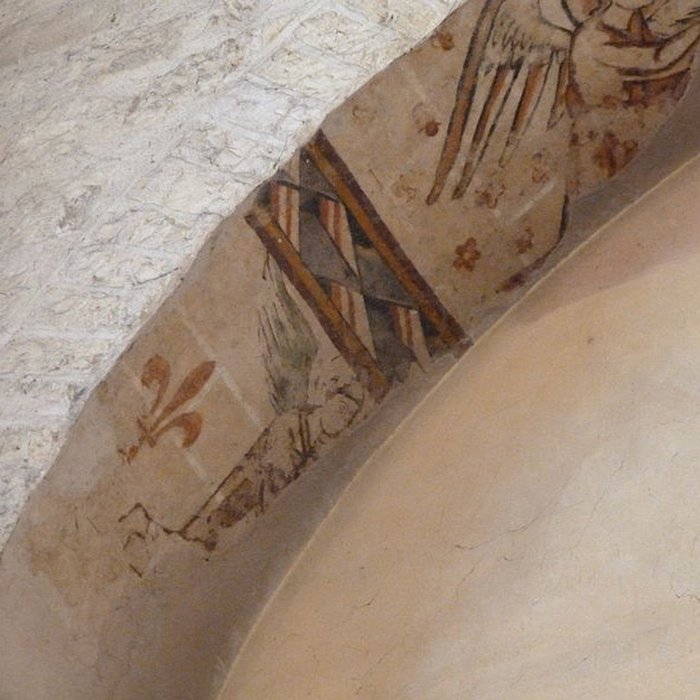
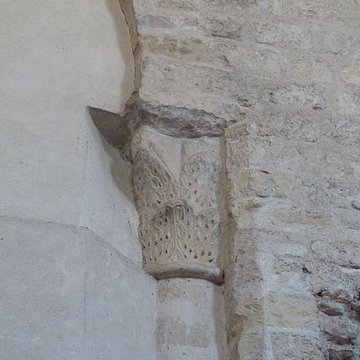
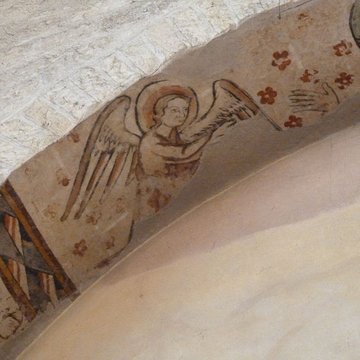
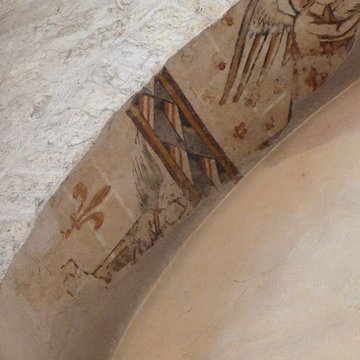
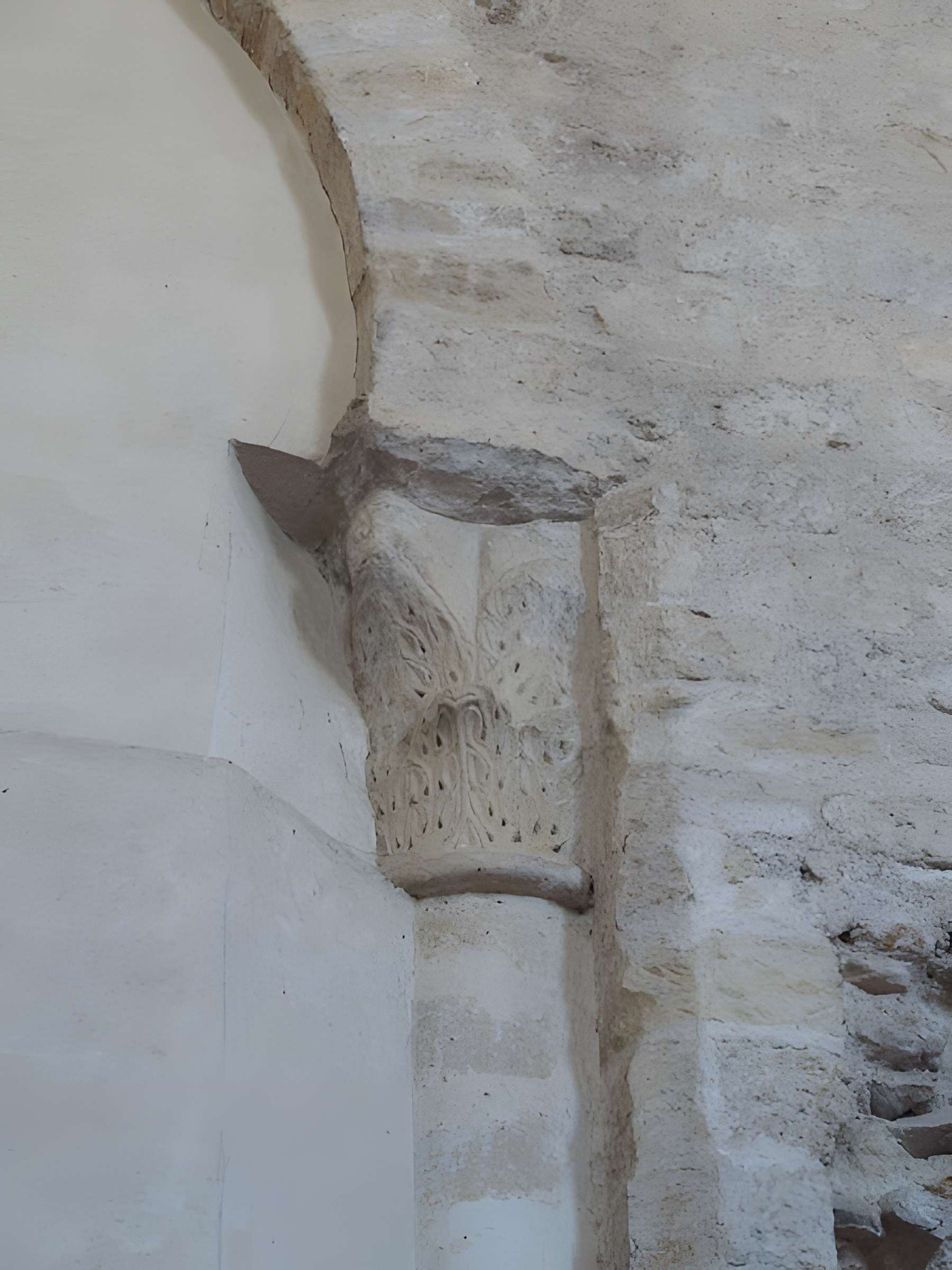
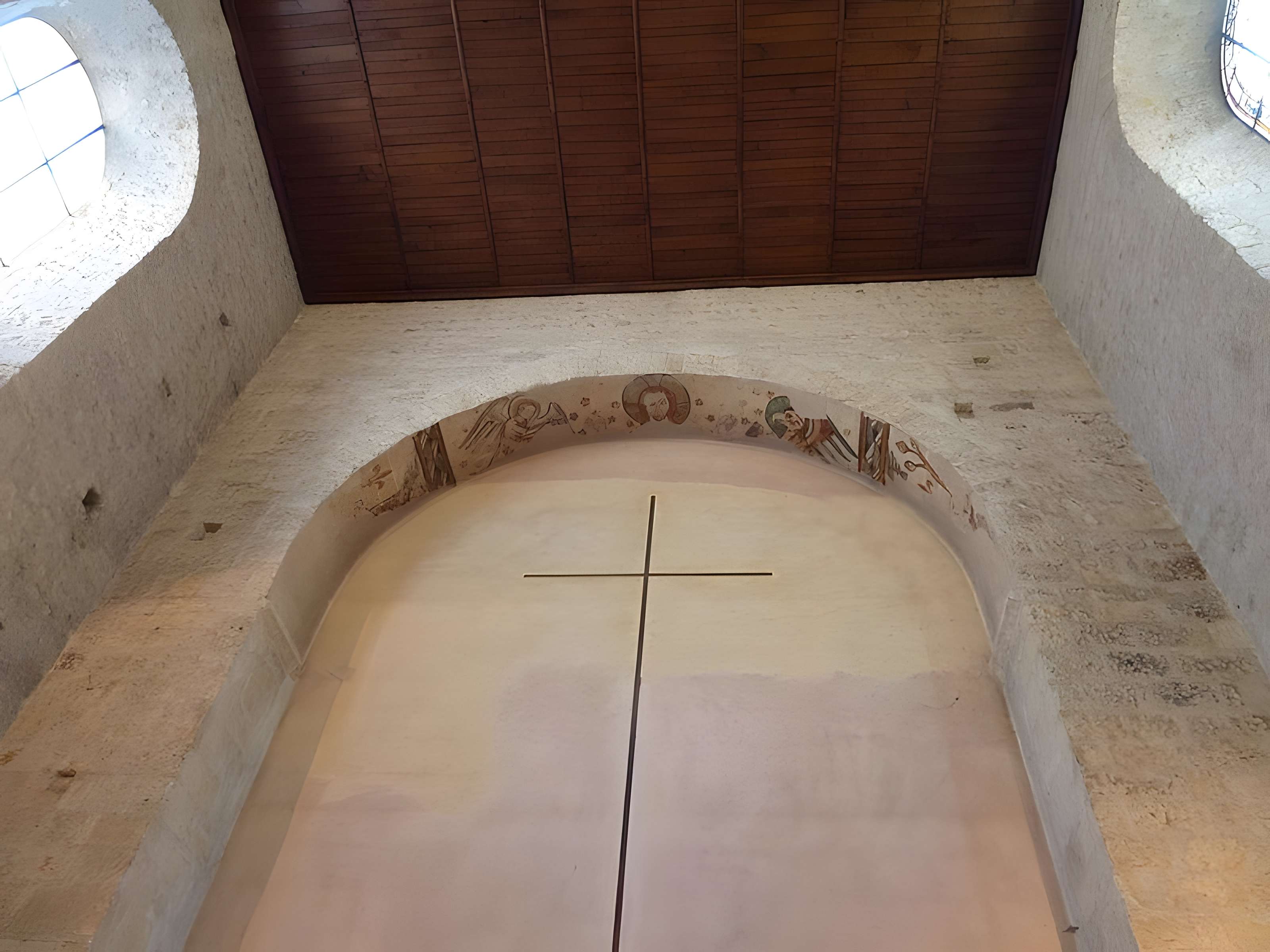
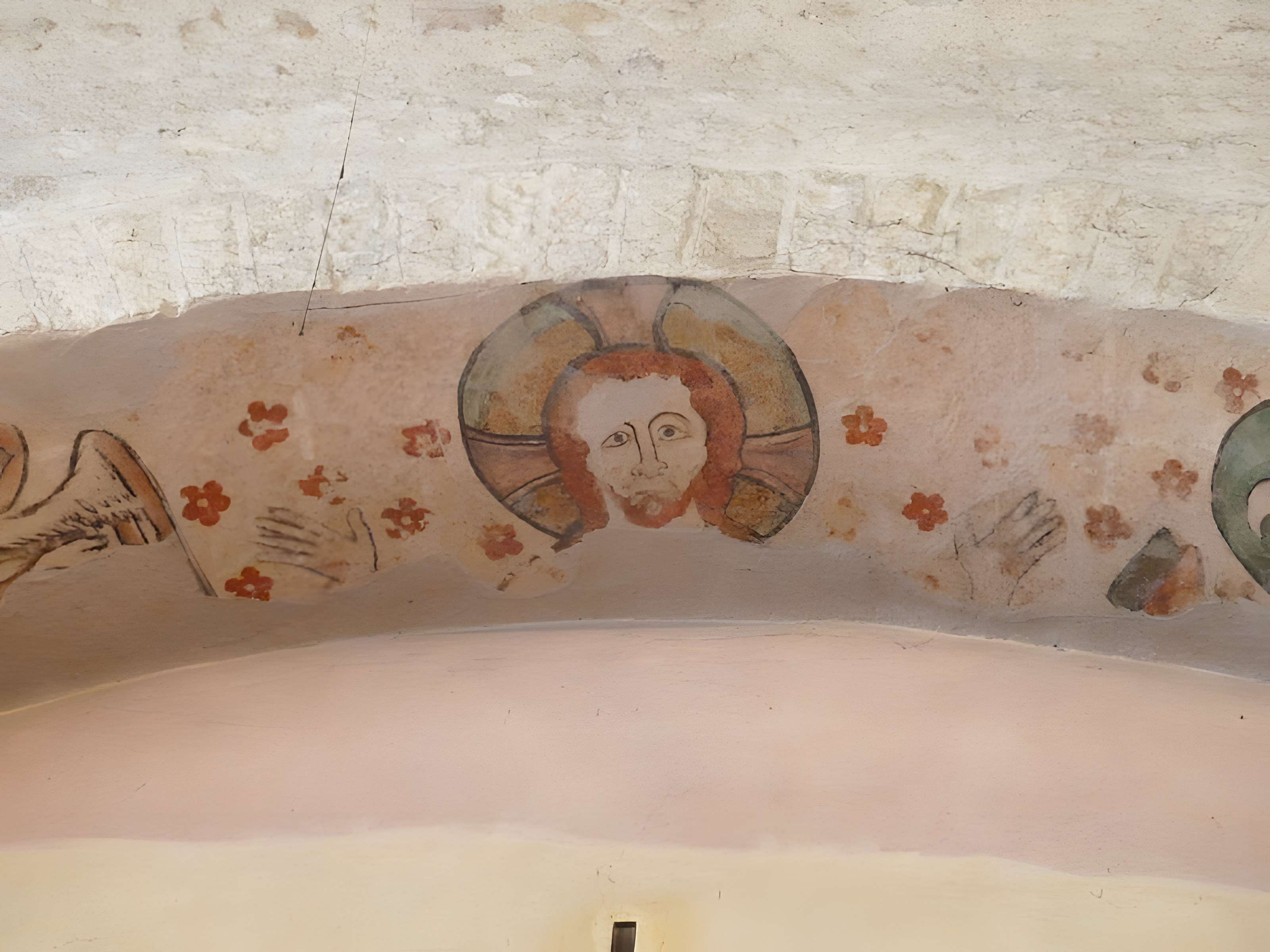
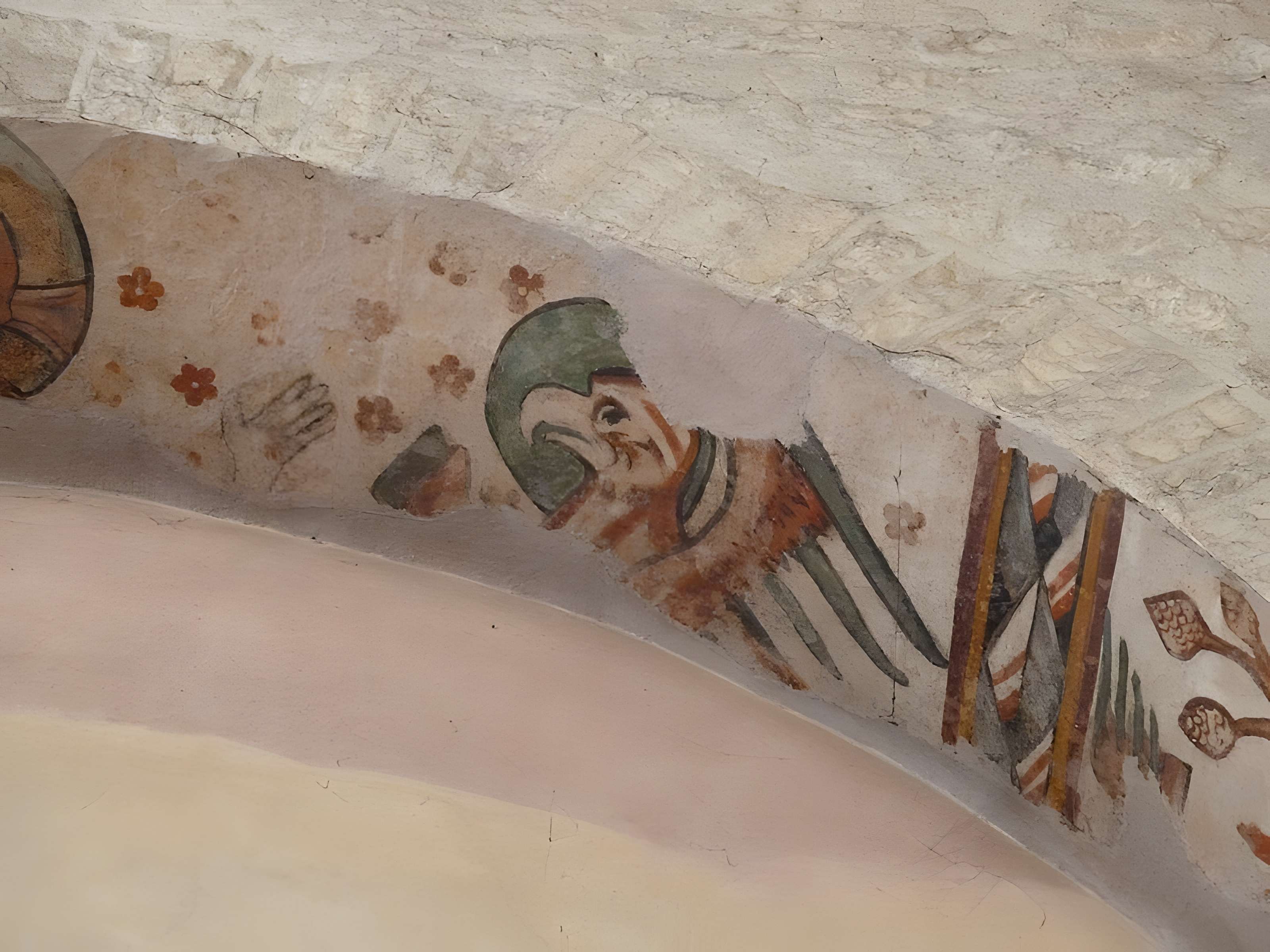
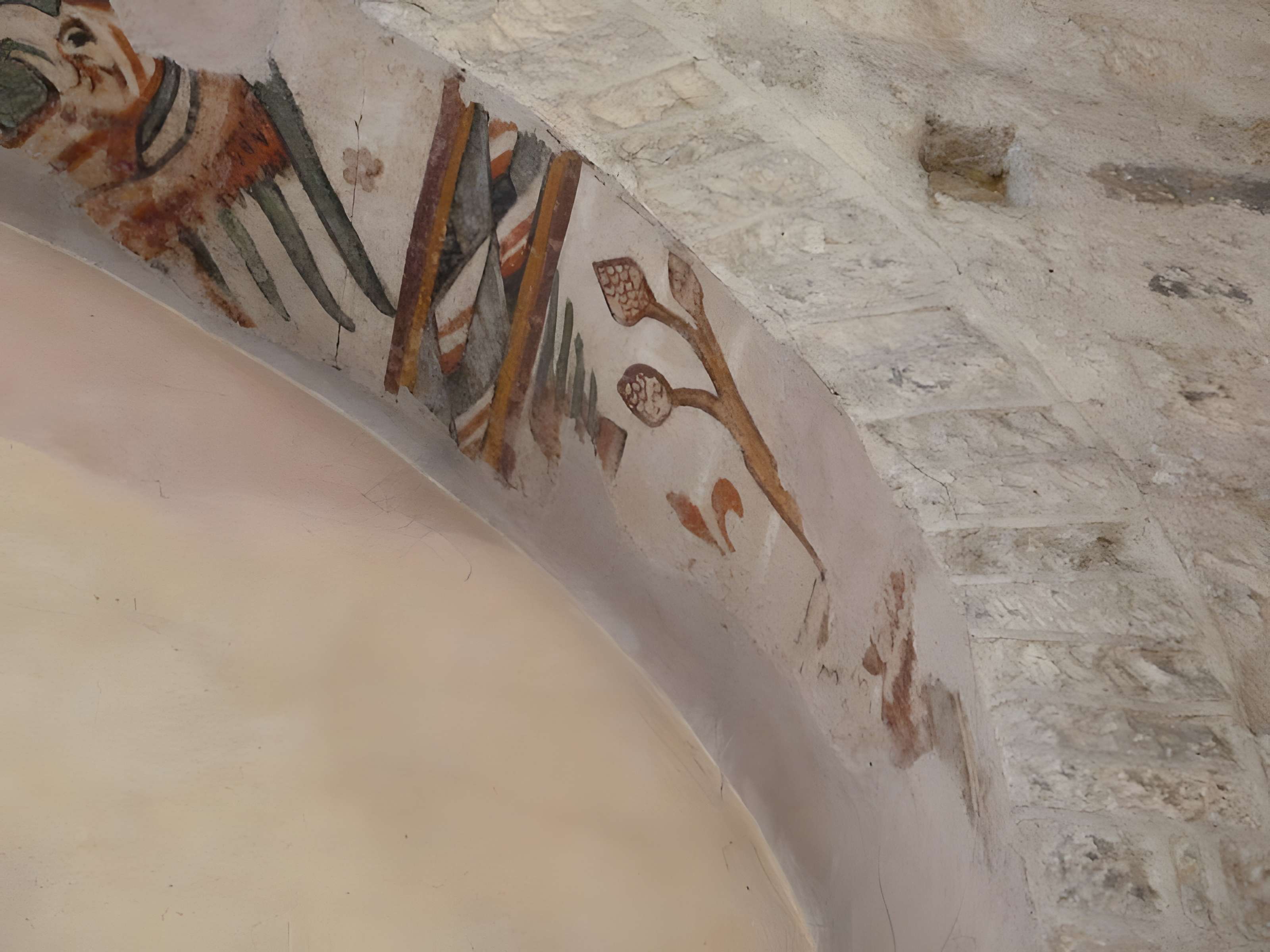
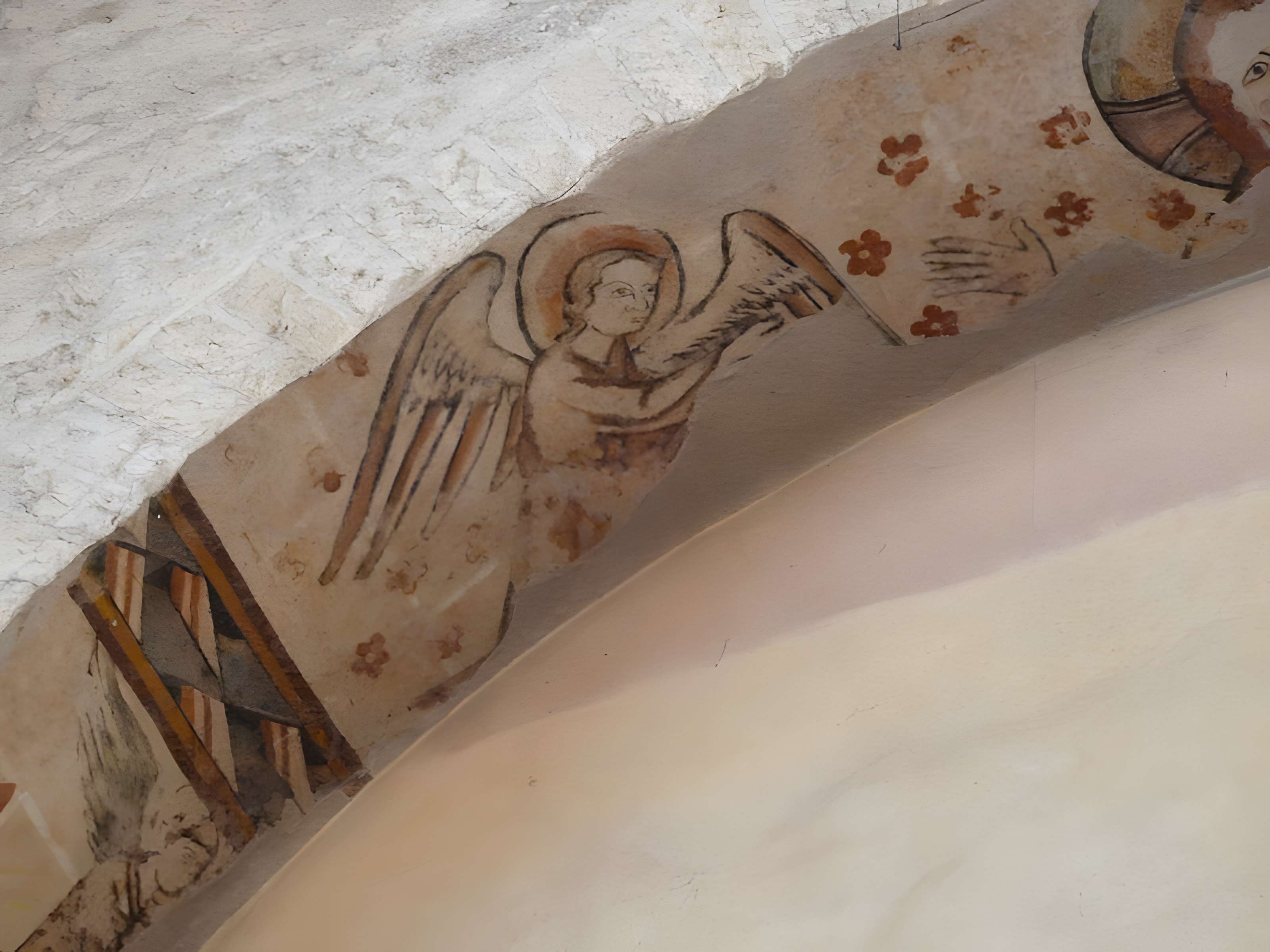
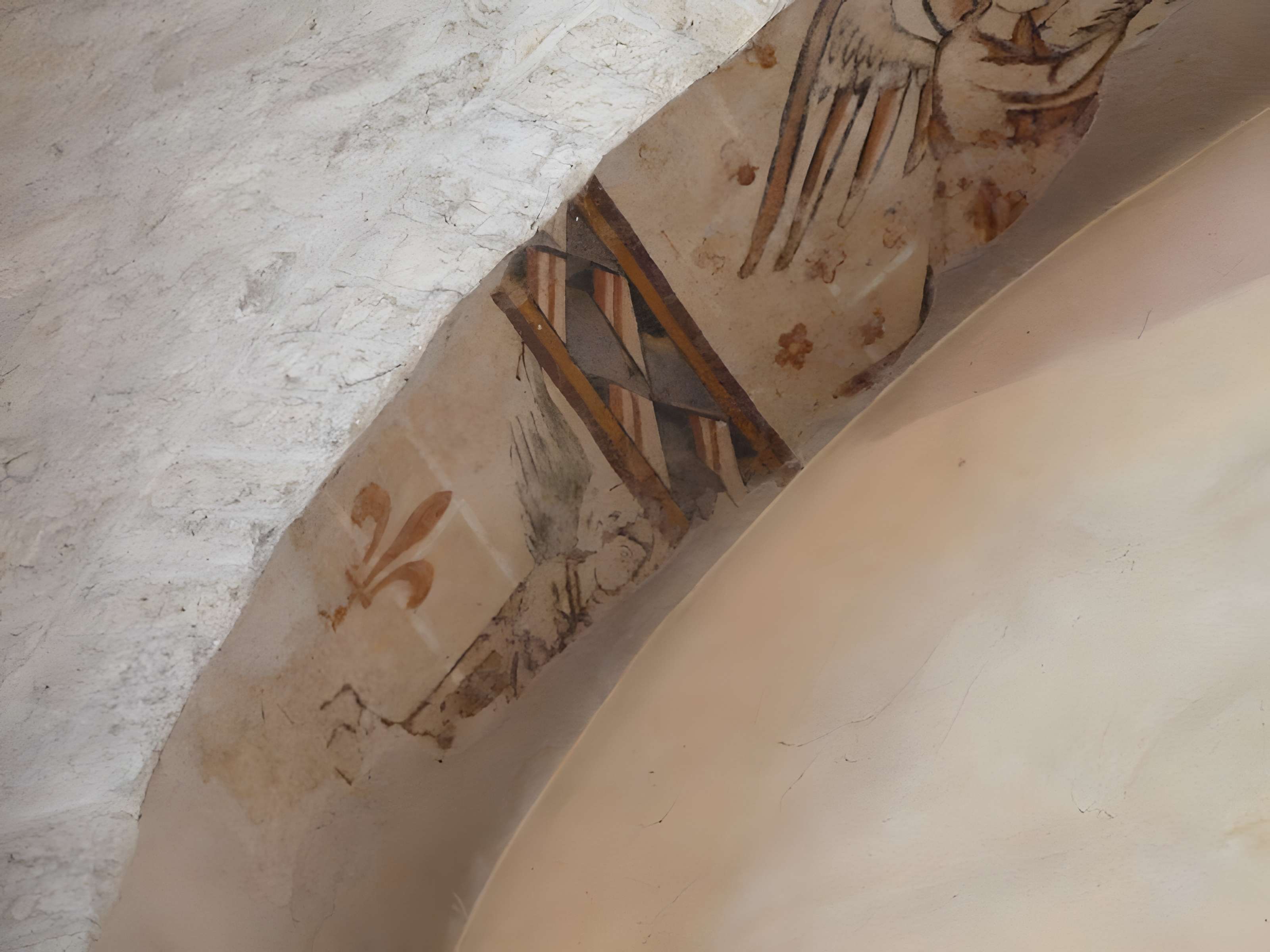
The restorations of the 19th and 20th centuries, including those carried out by Étienne-Hippolyte Godde and Victor Baltard, saved the building, which was classified as a historic monument in 1862. Today, the church of Saint-Germain-des-Prés, the oldest of the major Parisian churches, preserves major medieval remains, including Romanesque capitals, a primitive Gothic choir, and 19th-century murals. Its history reflects the political, religious and artistic evolutions of France, from the Merovingian era to the present.
The site also housed illustrious personalities, such as the Merovingian kings Childebert I and Chilperic I, whose graves were transferred to Saint-Denis. In the 18th century, the abbey was led by abbots like the Count of Clermont, who carried out important works there. Archaeological excavations revealed traces of Gaulish and Merovingian occupation, confirming the seniority and funerary vocation of the site.
Among the remarkable elements, the bell tower-porch of the 10th century, one of the oldest in France, and the bow-buttons of the choir, considered as precursors of Gothic architecture, bear witness to the technical innovation of the period. The 13th century stained glass windows, now scattered between Paris and the United States, as well as paintings by Hippolyte Flandrin, add to the artistic richness of the place. The abbey, removed from the Revolution, now leaves room for a parish church and classified remains, recalling its glorious past.
Conventual buildings, such as the 18th century Abbatial Palace, now occupied by the Catholic Institute of Paris, and the remains of the medieval refectory, inscribed in 1953, complete this heritage. Recent excavations have revealed Gallic and Merovingian burials, confirming the historic significance of the site since ancient times. The abbey of Saint-Germain-des-Prés remains a symbol of Parisian religious and cultural continuity, from the Roman era to the present day.








Announcements
Please log in to post a review