Logo Musée du Patrimoine

All French heritage classified by regions, departments and cities

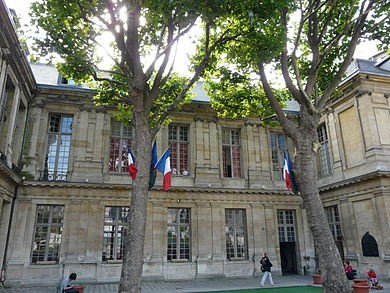
Hôtel de Bouthillier de Chavigny in Paris

Patrimoine classé
Hotel particulier classé

Hôtel de Bouthillier de Chavigny in Paris

    7-9 Rue de Sévigné
    75004 Paris

Timeline

Moyen Âge central
Bas Moyen Âge
Renaissance
Temps modernes
Révolution/Empire
XIXe siècle
Époque contemporaine
1300
1400
1500
1600
1700
1800
1900
2000
vers 1265
Initial construction
1520
Property of Cardinal Balue
vers 1545-1550
Reconstruction by Antoine Sanguin
1612
Acquisition by François d的Orléans
1635
Purchased by Léon Bouthillier
1698
Division and partial sale
1814
Become fire station
1988
Historical monument classification
Aujourd'hui
Aujourd'hui

Key figures

Charles d’Anjou - Brother of Saint-Louis, King of Naples Initial sponsor around 1265.
Jean Balue - Cardinal, Bishop of Evreux Owner in 1520.
Antoine Sanguin de Meudon - Cardinal de Meudon Reconstructor around 1550.
François Mansart - Architect Transforming the hotel in 1635.
Léon Bouthillier de Chavigny - Owner and patron Know his current name.
Jacques Poulletier - Financial Buyer in 1698, renovated the hotel.
Jean-François Le Jeuneux - Finance Officer Owner in the 18th century.

Origin and history

The hotel of Bouthillier de Chavigny, located at 9 rue de Sévigné in the 4th arrondissement of Paris, finds its origins around 1265, when Charles d'Anjou, brother of Saint-Louis and king of Naples, built there a residence between the rue du Roi-de-Sicile and the enclosure of Philippe-Auguste. This first building, integrated into a land bordering Pavée Street (then dead end), was later known as the Hotel d'Evreux after its acquisition in 1520 by Cardinal Jean Balue, bishop of Évreux.

Around 1545, the hotel was bought by Antoine Sanguin de Meudon, known as Cardinal de Meudon, who began around 1550 the construction of a new adjacent building, the Hotel de Meudon, on a plot of land opened by the subdivision of the convent Sainte-Catherine (current Rue de Sévigné). This hotel, completed by Cardinal Birague, changed hands and names several times: sold in 1612 to François d'Orléans, Count of Saint-Paul (then becoming Hotel Saint-Paul), it was acquired in 1635 by Léon Bouthillier de Chavigny, who gave him his present name and entrusted François Mansart with major transformations, including the demolition of part of the enclosure of Philippe-Auguste.

In the 17th century, the hotel was divided into two parts. The eastern section, sold in 1698 to the financier Jacques Poulletier, was renovated by architects Bullet and Gabriel, with the creation of a check access on Rue Sévigné. In the mid-18th century, he housed the finance clerk Jean-François Le Jeuneux, known for his cabinet of curiosity, and his daughter Anne-Louise, who held a salon there. Since 1814, after the burning of the Austrian embassy in 1811, the hotel houses the first fire station in Paris.

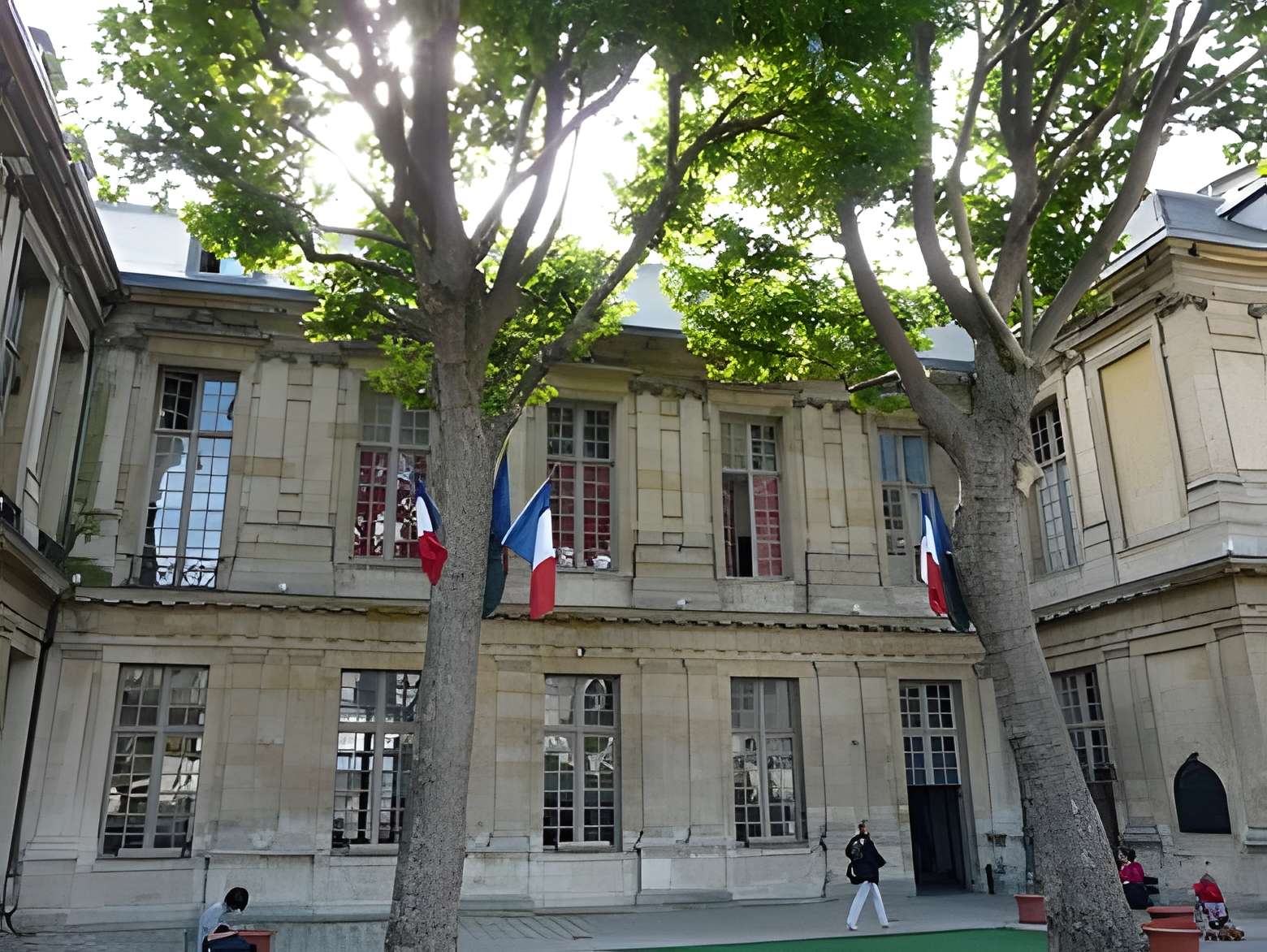
The facade on the second courtyard, designed by Mansart in 1642, has two levels adorned with Tuscan and ionic pilasters, surmounted by skylights. The hotel also retains a 17th century painted ceiling on the theme of seasons. A tower of the Philippe-Auguste compound, integrated into the structure, marks the landing on the street. Ranked as historical monuments in 1988, it bears witness to the architectural evolution of Paris, from medieval origins to classical redevelopments.

Future

The Hotel will be changed again in the 18th century before being transformed into a fire station in 1813. It is the oldest barracks in Paris.

External links