Construction of building 1ère moitié du XIXe siècle (≈ 1865)
Estimated construction period for the building.
30 décembre 1977
Registration for Historic Monuments
Registration for Historic Monuments 30 décembre 1977 (≈ 1977)
Protection of the facade and roof.
Aujourd'hui
Aujourd'hui
Aujourd'hui Aujourd'hui (≈ 2025)
Position de référence.
Heritage classified
Facade and roof on street: inscription by order of 30 December 1977
Origin and history
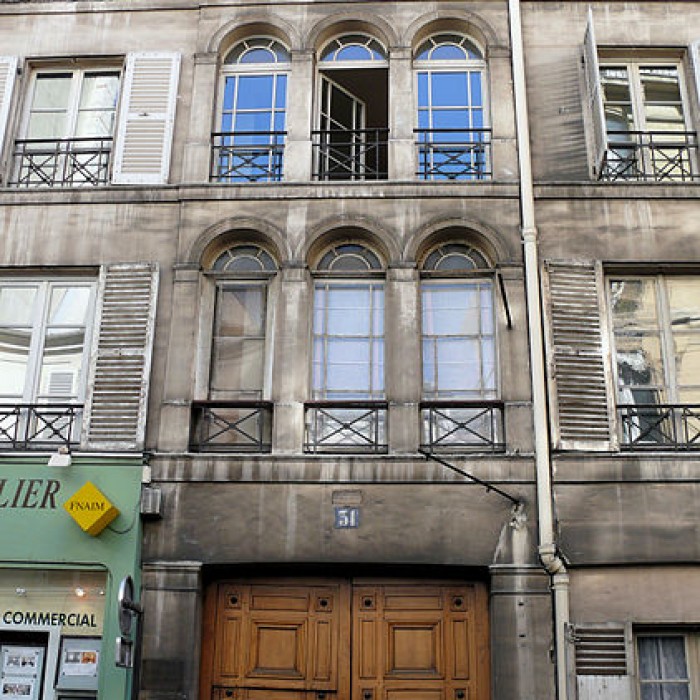
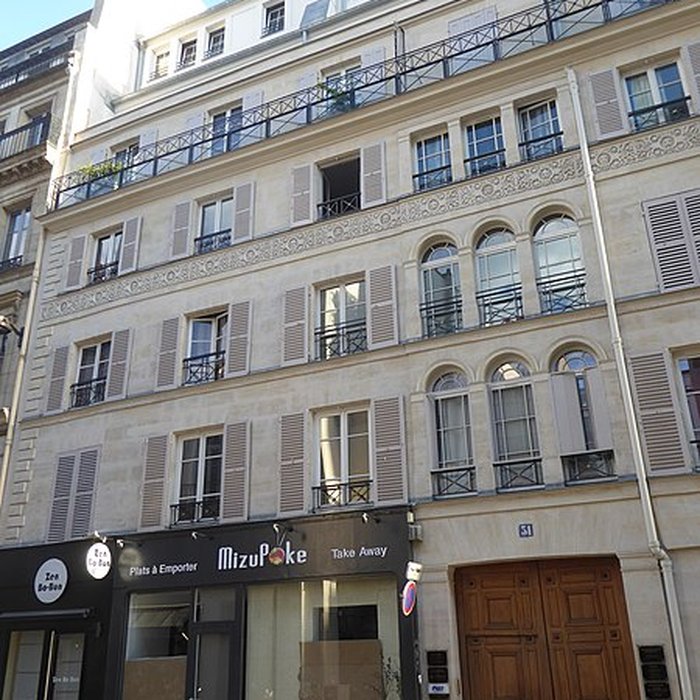
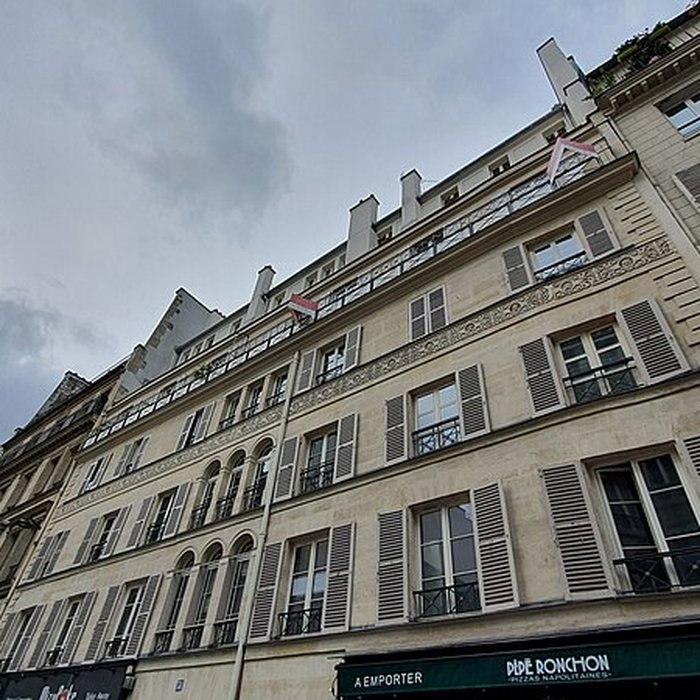
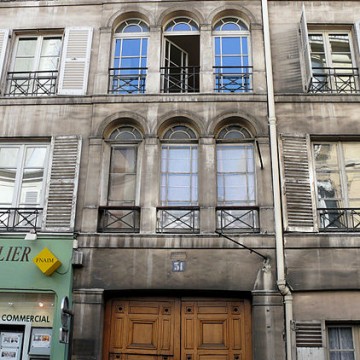
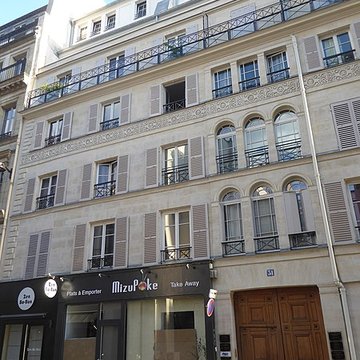
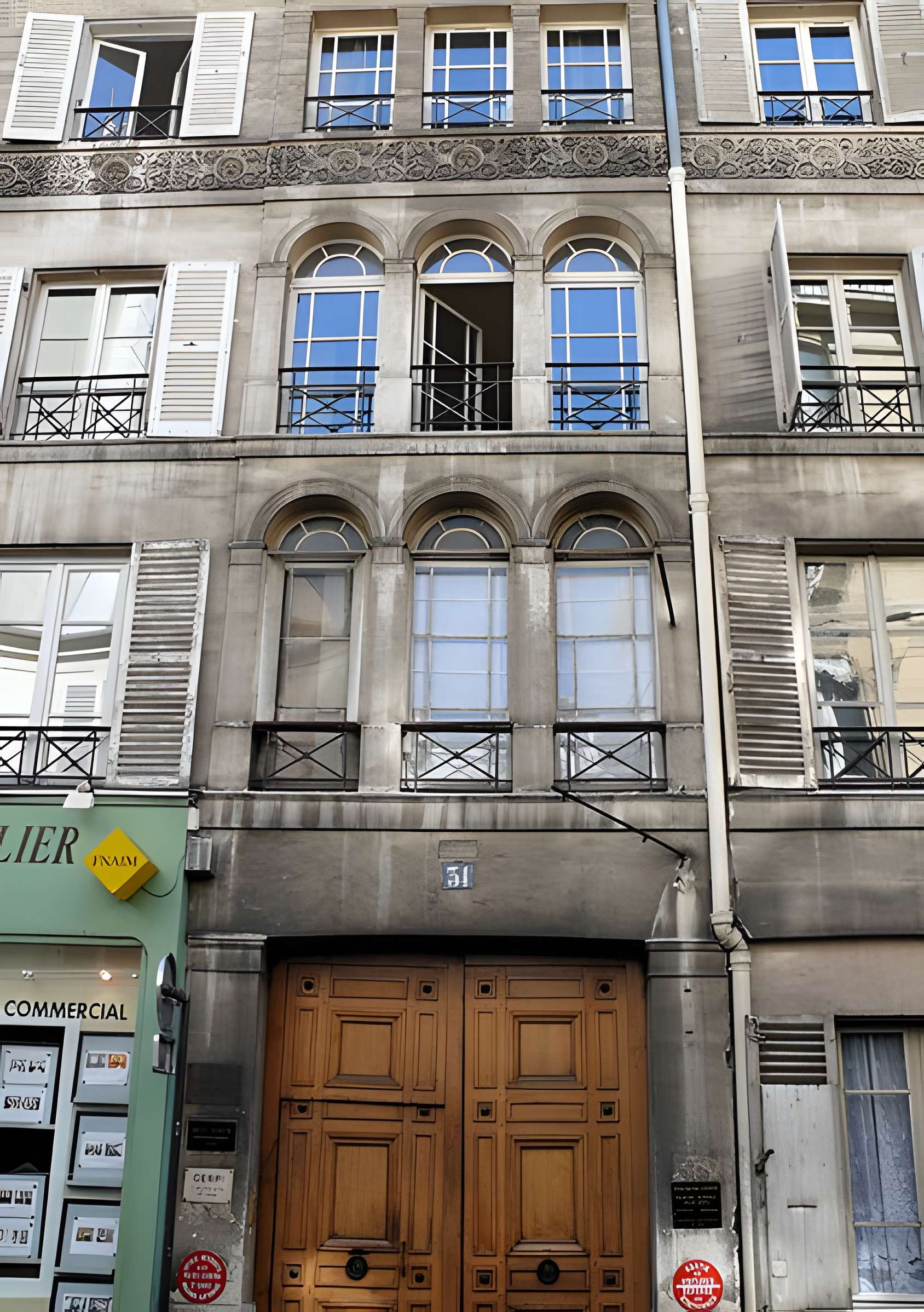
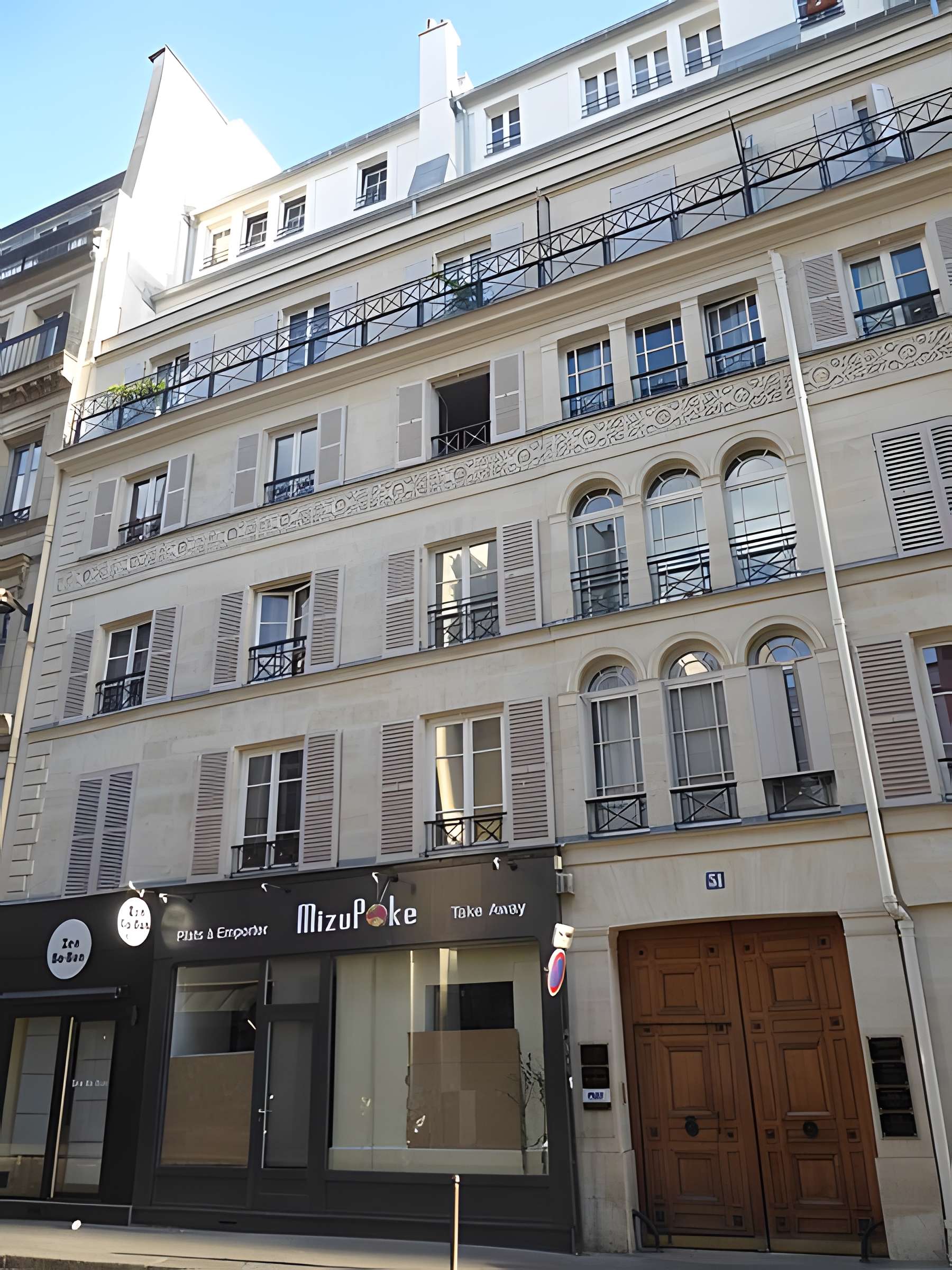
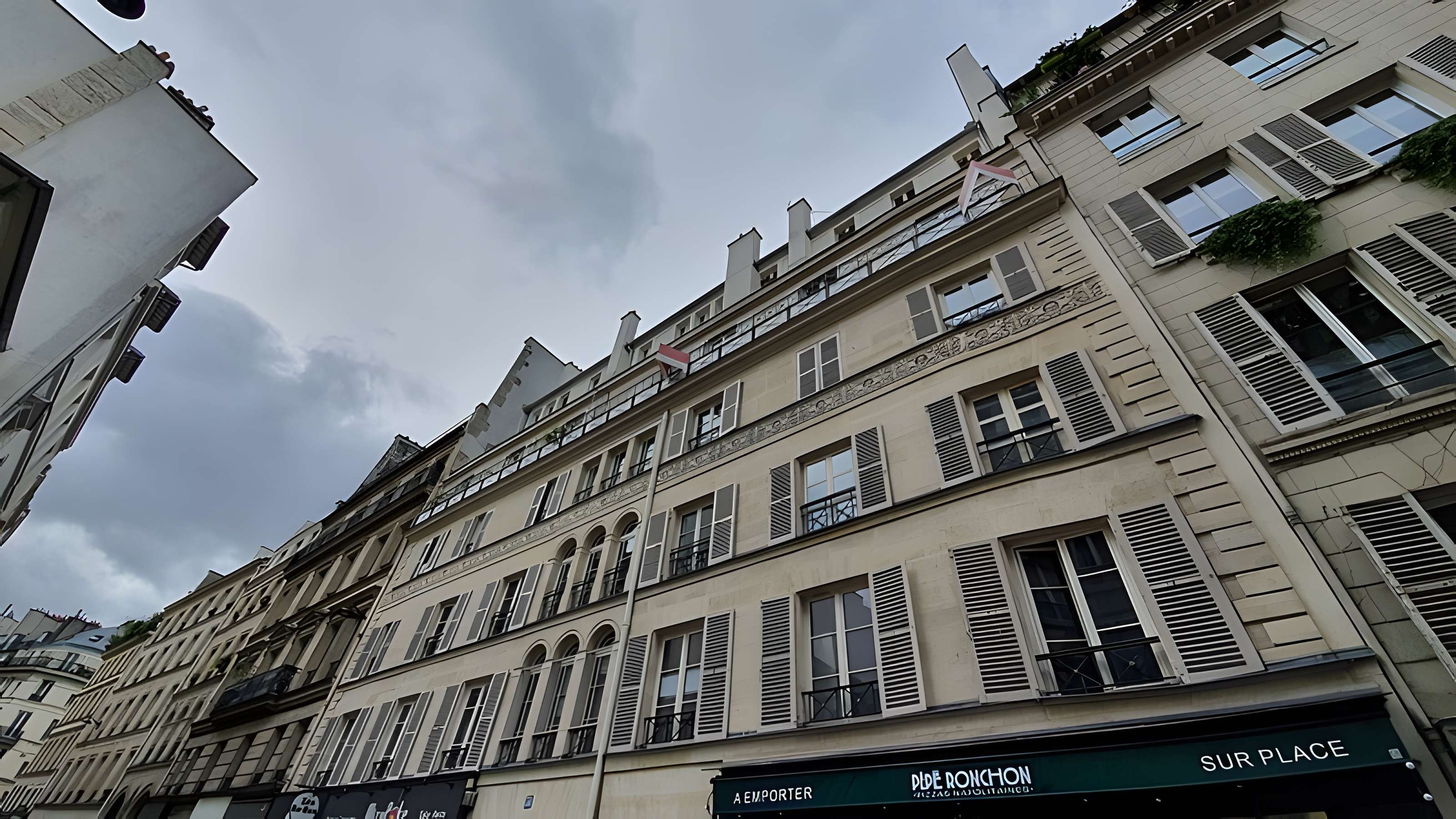
The building at 31 rue Saint-Lazare, in the 9th arrondissement of Paris, is a representative example of civil architecture in the first half of the 19th century. This building, whose facade and roof on street are protected by an inscription under the title of Historical Monuments since 1977, bears witness to the urban transformations of Paris under the Restoration and the Monarchy of July. These periods were marked by significant real estate expansion, responding to population growth and the needs of a rising bourgeoisie.
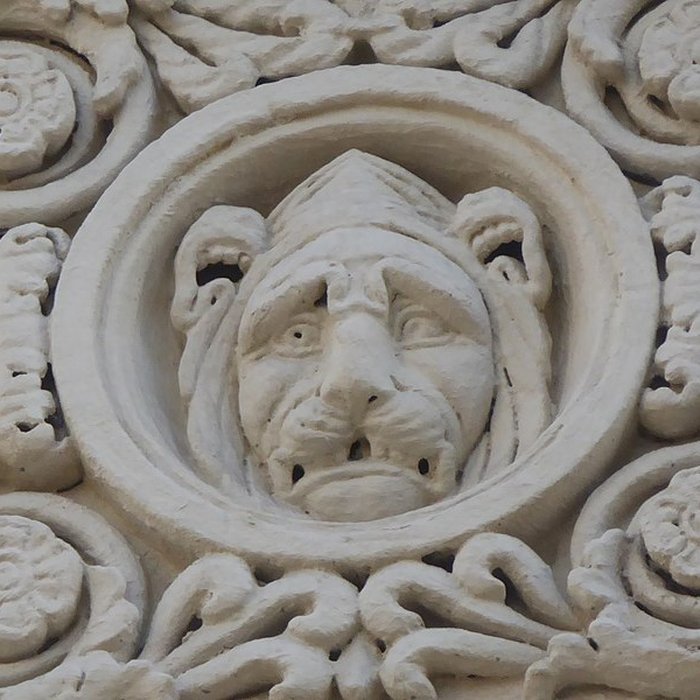
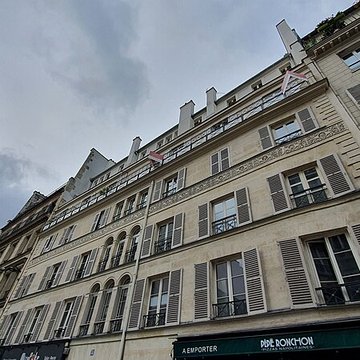
The protection of this building, formalized by an order of 30 December 1977, underlines its heritage interest in a constantly changing neighbourhood. The Rue Saint-Lazare, located near the station of the same name, is part of a dense urban fabric with mixed housing, shops and tertiary activities. The inscription in the title of the Historical Monuments aims to preserve the architectural elements characteristic of this period, such as the stone facades, the wrought iron balconies or the Mansart roofs, typical of the Haussmann Paris before even the major works of Baron Haussmann.
Available data, notably from the Merimée database and Monumentum, indicate that the location of the building is known with an accuracy considered "passable" (note 5/10). This approximation can be explained by the differences sometimes observed between official addresses and GPS coordinates, as evidenced by the slight difference between the registered address (31 rue Saint-Lazare) and that resulting from the coordinates (30 rue Saint-Lazare). These details reflect the challenges of historical mapping in a constantly changing urban environment.












Announcements
Please log in to post a review