Foundation of the Notre-Dame Chapel 659 (≈ 659)
Construction by Saint Omer on a pagan temple.
1033
Fire of the Romanesque Church
Fire of the Romanesque Church 1033 (≈ 1033)
Destruction followed by a stone reconstruction.
1191
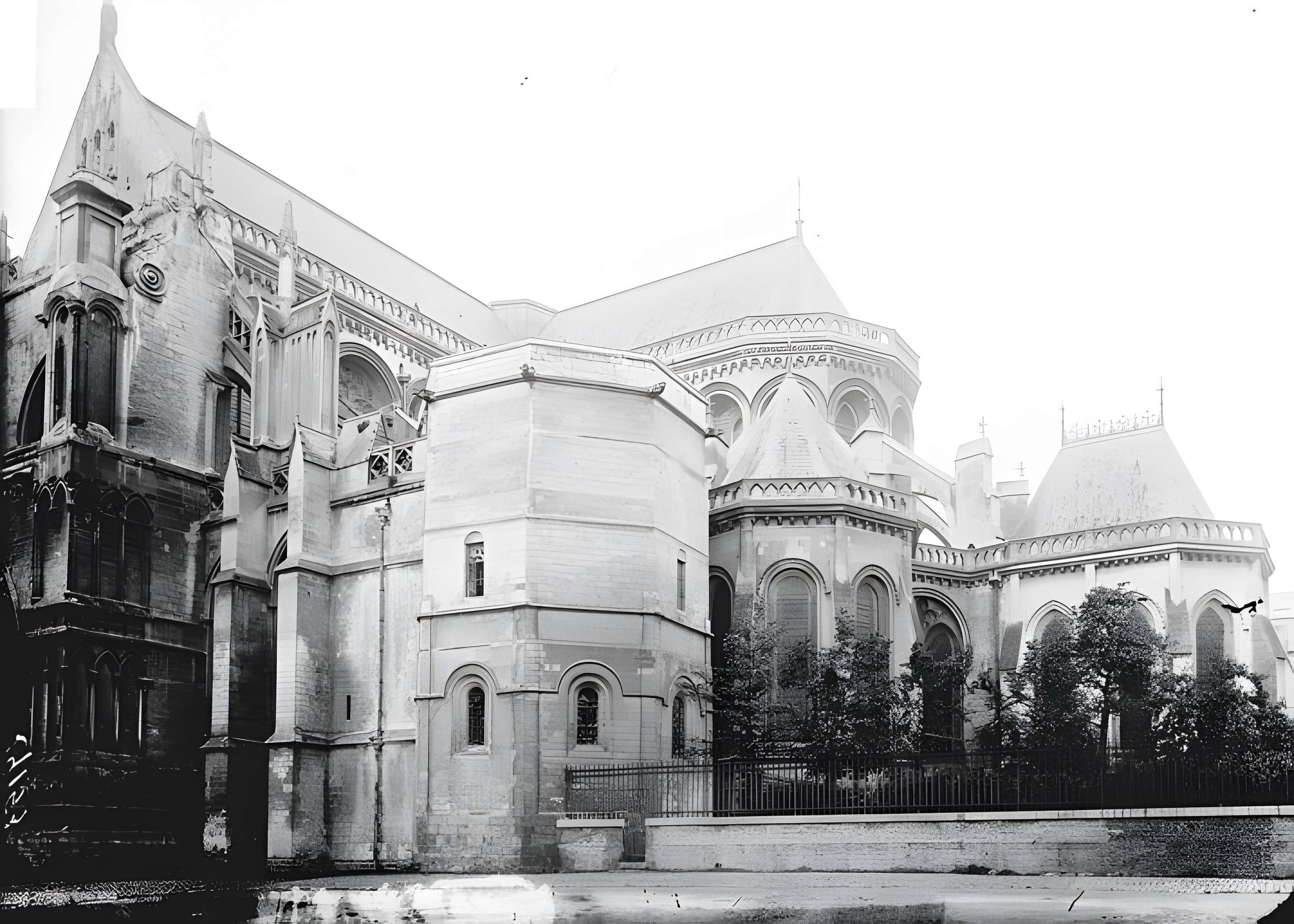
Beginning of Gothic reconstruction
Beginning of Gothic reconstruction 1191 (≈ 1191)
Choir and ambulatory rebuilt after a fire.
1263
Construction of transept
Construction of transept 1263 (≈ 1263)
Extended until the 15th century with elongated cribs.
1473–1521
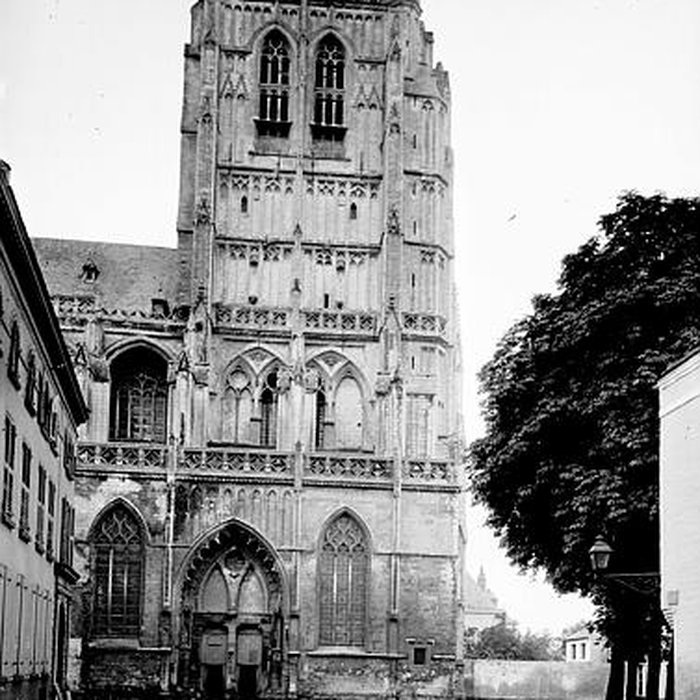
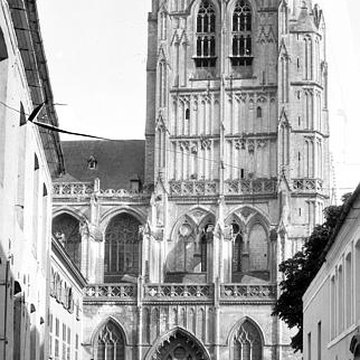
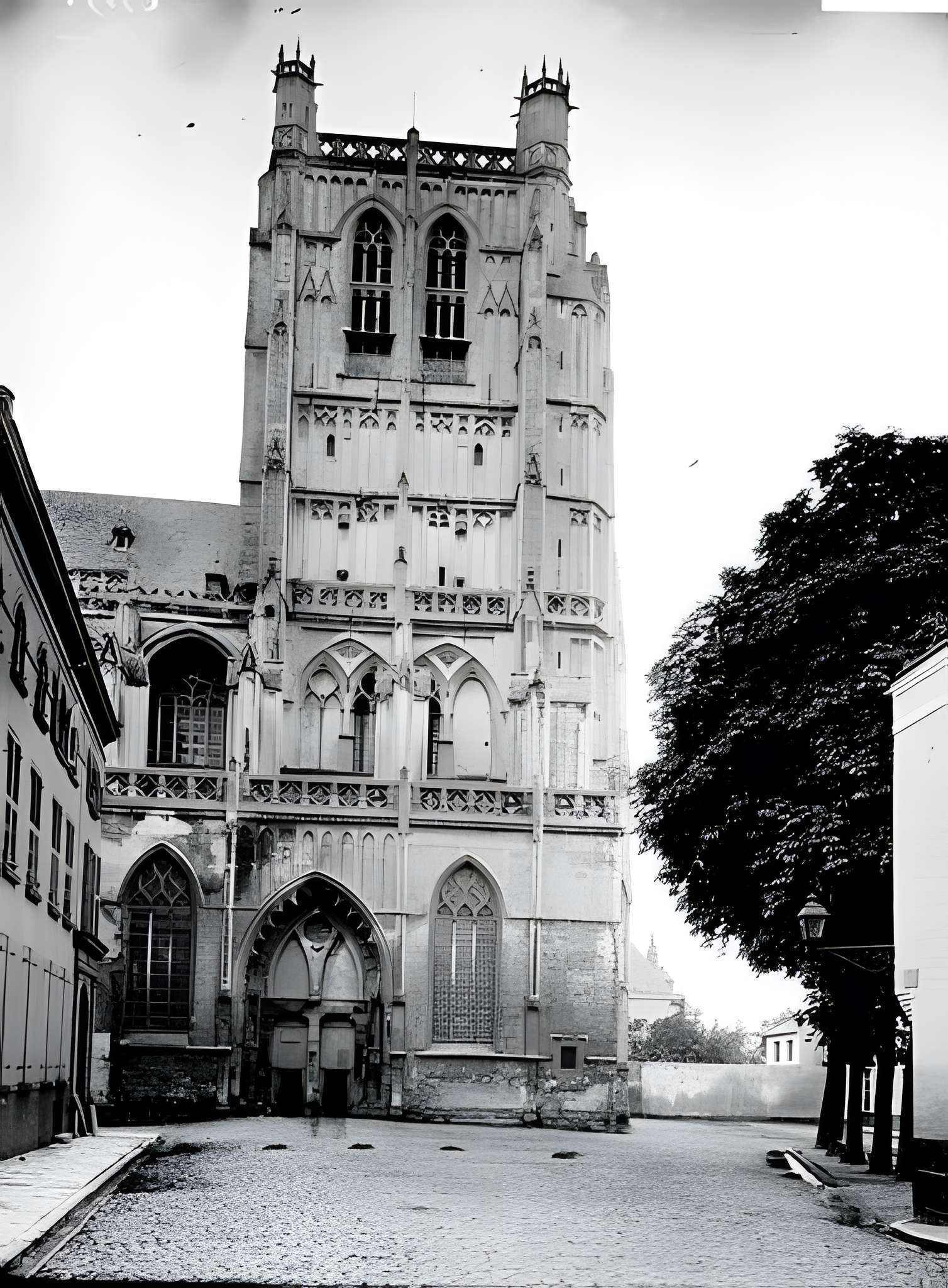
Completion of the Western Tower
Completion of the Western Tower 1473–1521 (≈ 1497)
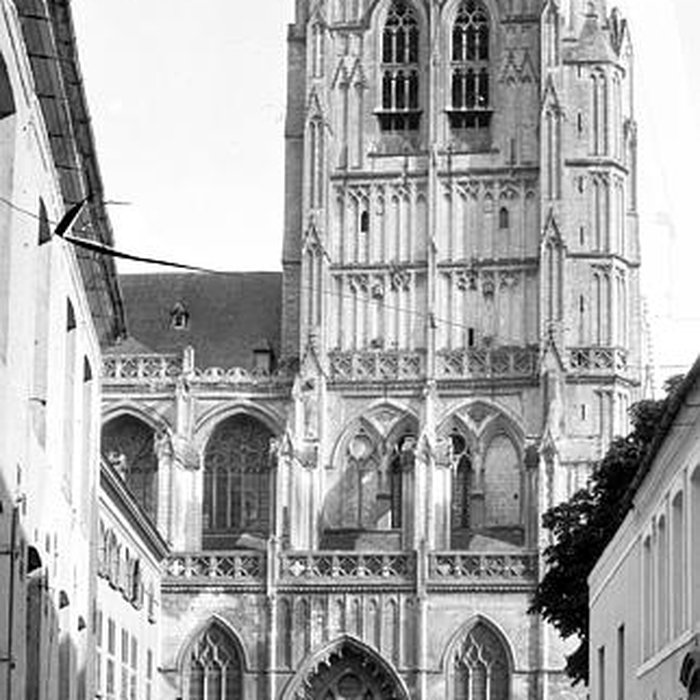
Dressing of the Romanesque tower and flamboyant decor.
1553
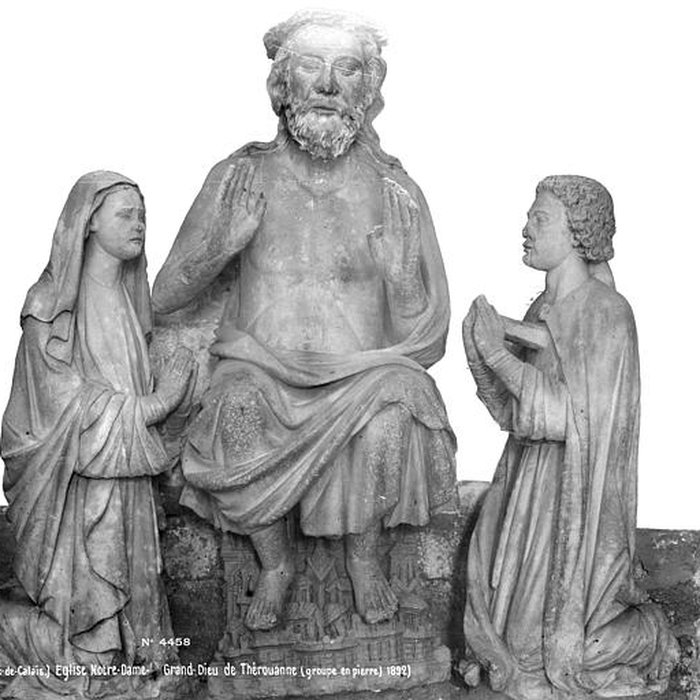
Destruction of Thérouanne
Destruction of Thérouanne 1553 (≈ 1553)
Creation of the diocese of Saint-Omer in 1559.
1558
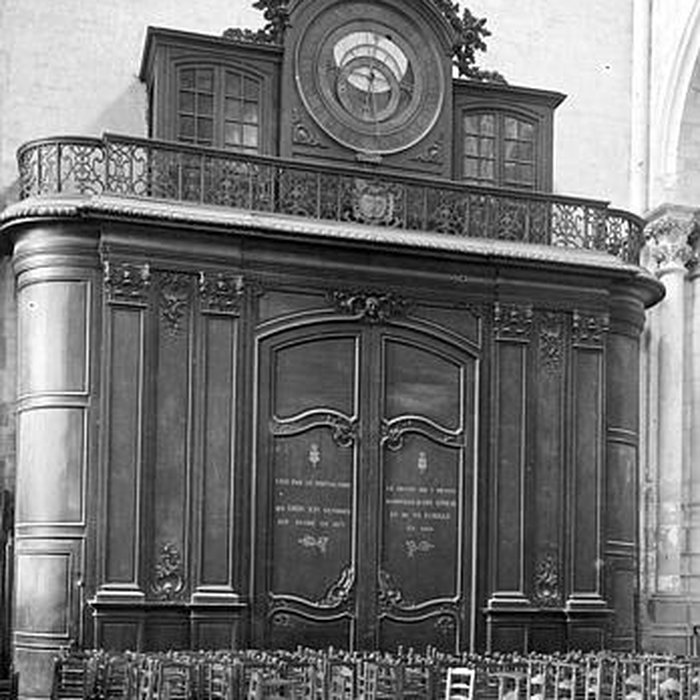
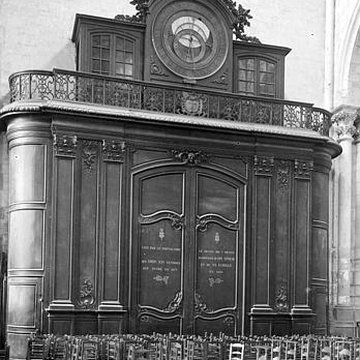
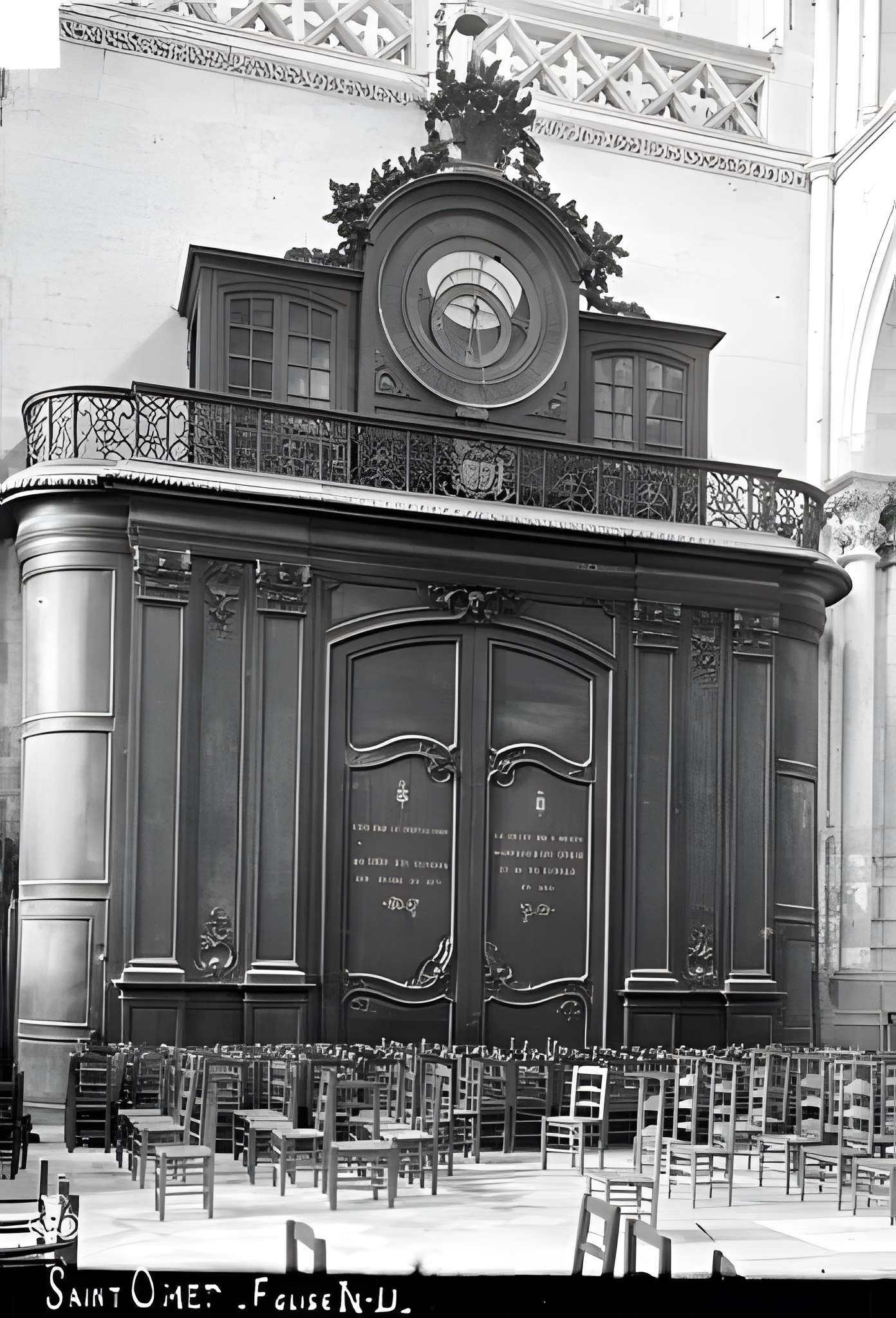
Installation of the astronomical clock
Installation of the astronomical clock 1558 (≈ 1558)
Pierre Enguerran's unique work, always functional.
1561
The college becomes cathedral
The college becomes cathedral 1561 (≈ 1561)
Official status after the division of the diocese.
1792–1802
Conversion into agricultural sheds
Conversion into agricultural sheds 1792–1802 (≈ 1797)
Closing during the French Revolution.
1840
Historical monument classification
Historical monument classification 1840 (≈ 1840)
First list of protected monuments in France.
1942
Bombardment during World War II
Bombardment during World War II 1942 (≈ 1942)
Light damage to the building.
Aujourd'hui
Aujourd'hui
Aujourd'hui Aujourd'hui (≈ 2025)
Position de référence.
Heritage classified
The old cathedral: list by 1840
Key figures
Saint Omer (Audomar de Thérouanne) - Bishop and Founder
Founded the original chapel in 659.
Jean et Josse Van der Poele - Burner Sculptors
Authors of the Western Portal (1511–1515).
Pierre Enguerran - Watch
Created the astronomical clock in 1558.
Jacques du Broeucq - Sculptor
Author of the mausoleum of Eustache de Croÿ (1540).
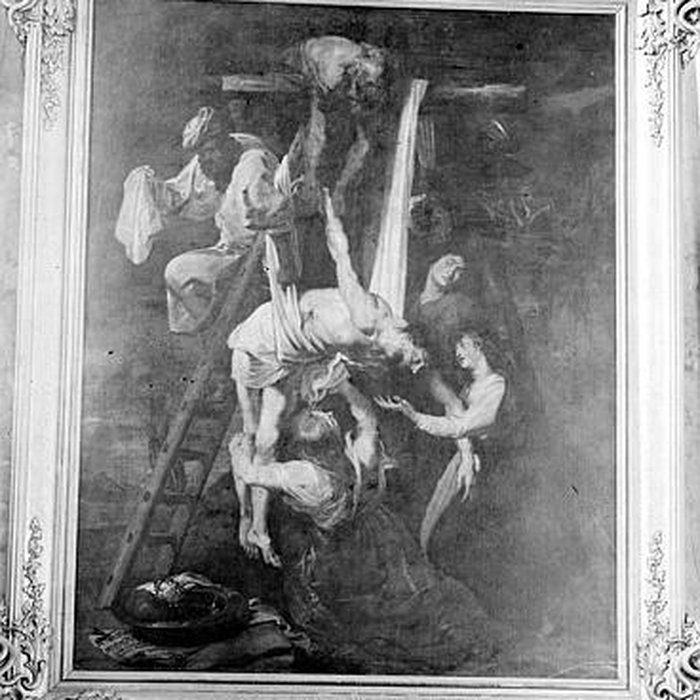
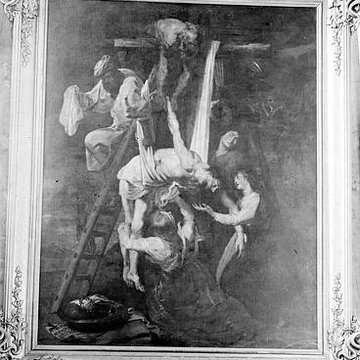
Pierre Paul Rubens - Flemish painter
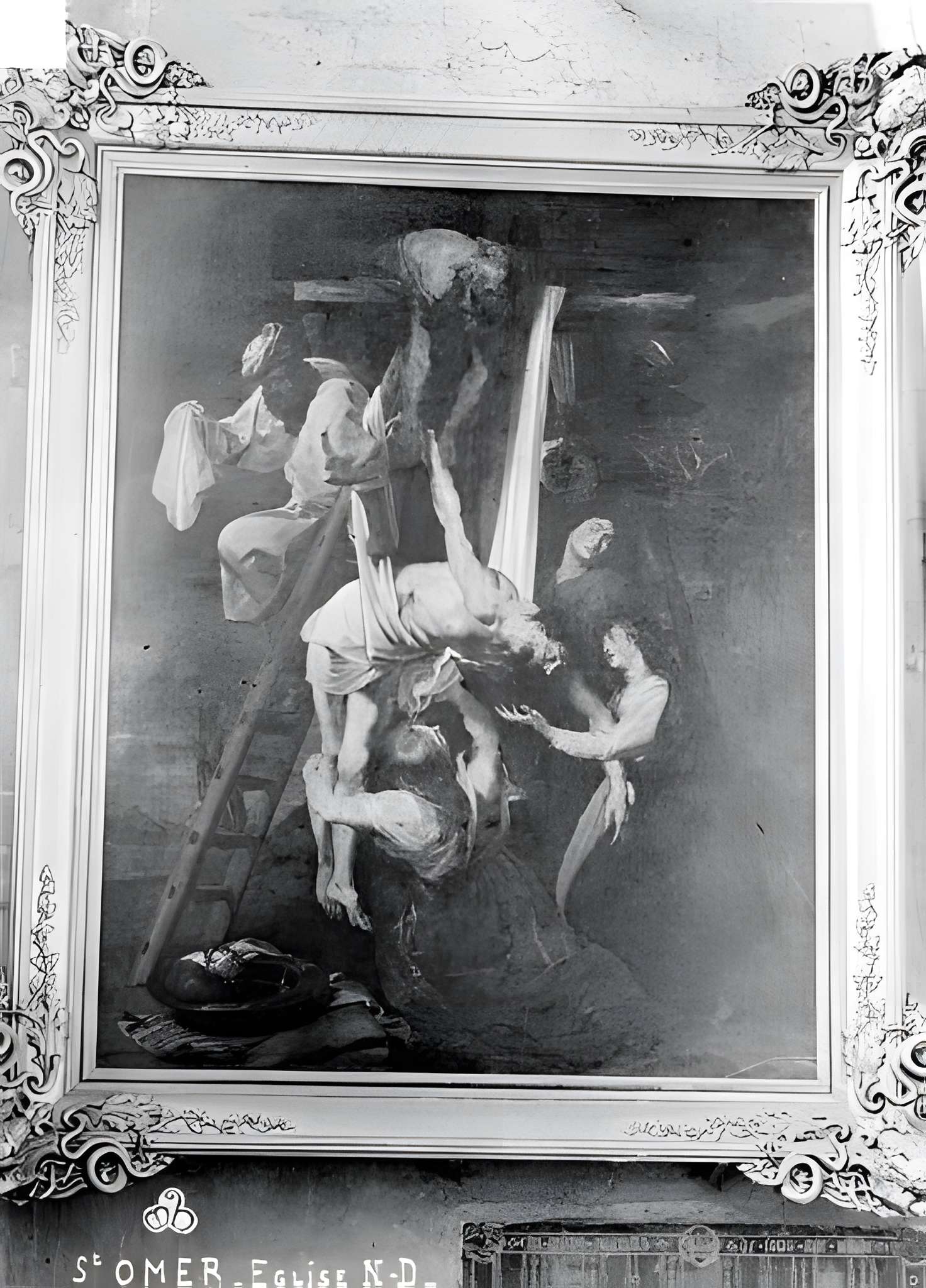
Author of *The Descent of the Cross* preserved.
Aristide Cavaillé-Coll - Organ factor
Restaura les grandes organgues en 1853.
Jules Hardouin-Mansart - Royal Architect
Designed the Episcopal Palace (late 17th century).
Léon XIII - Pope
The cathedral was built in a minor basilica (1879).
Origin and history
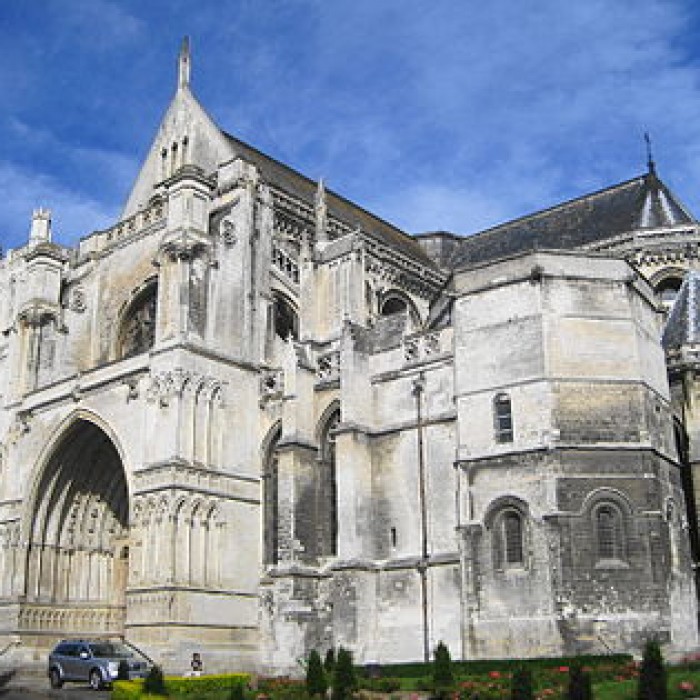
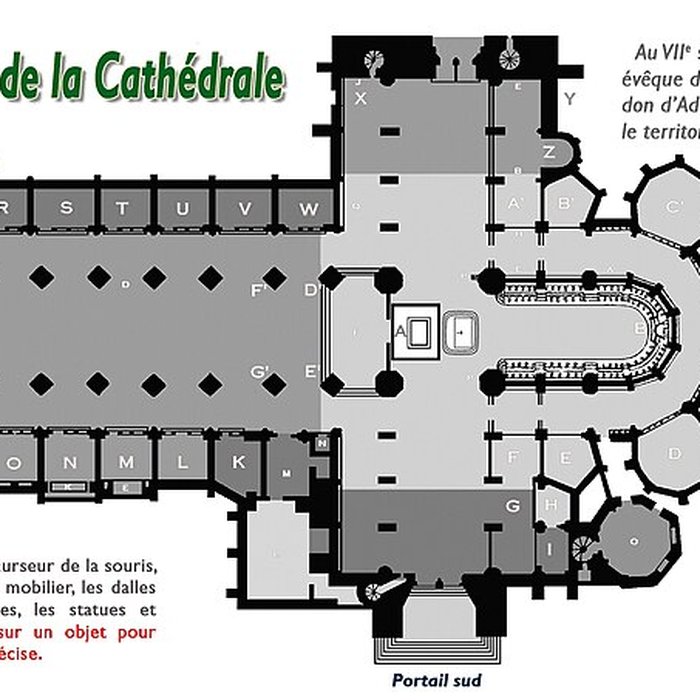
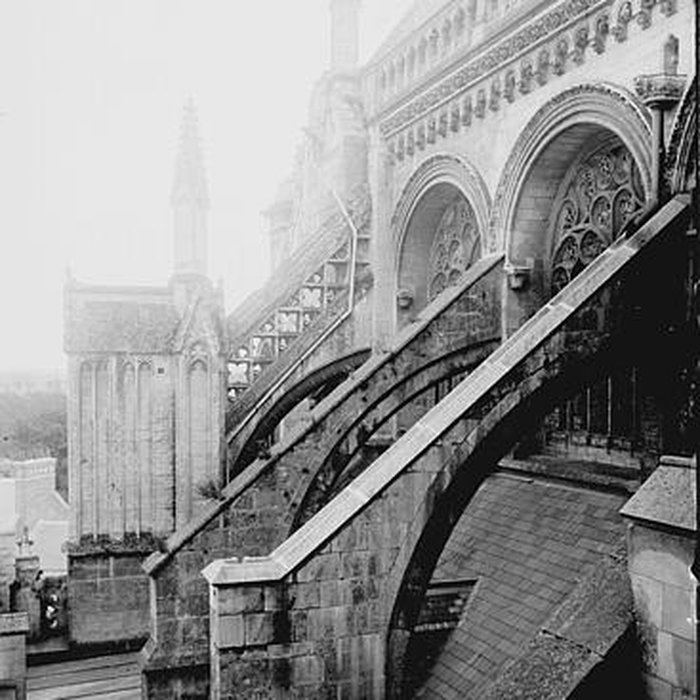
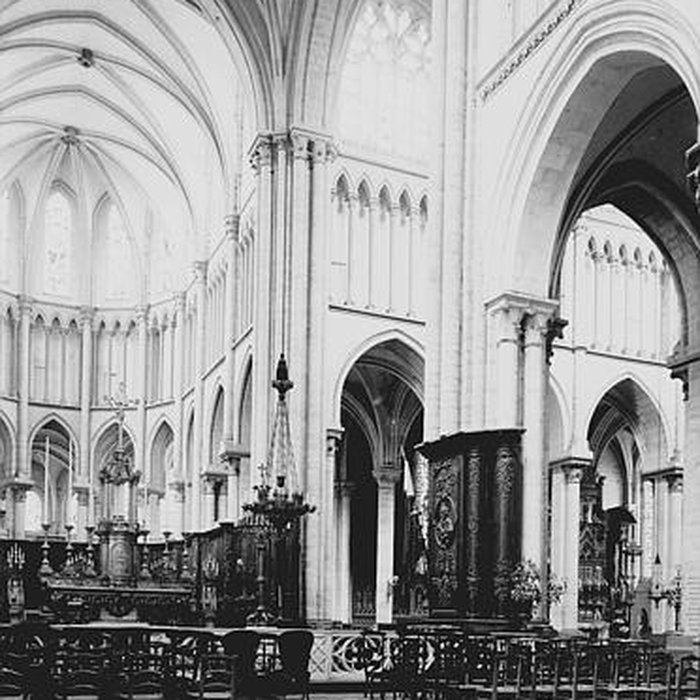
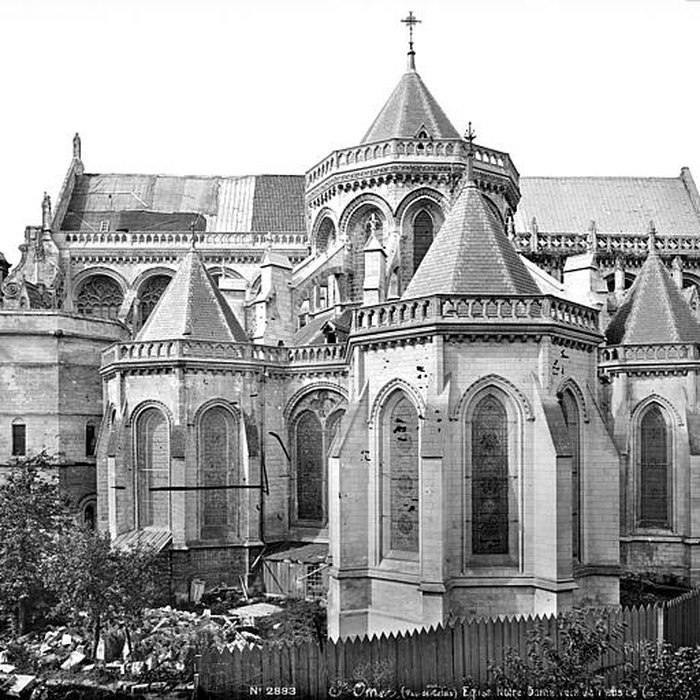
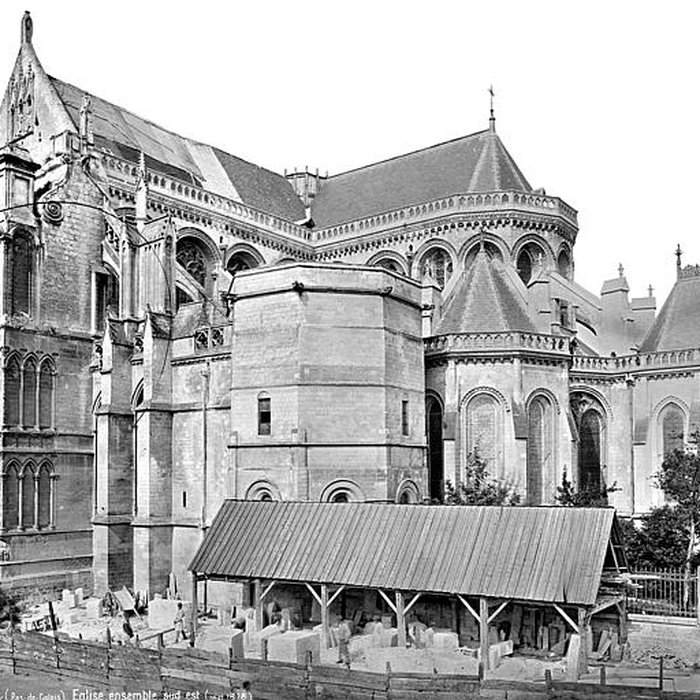
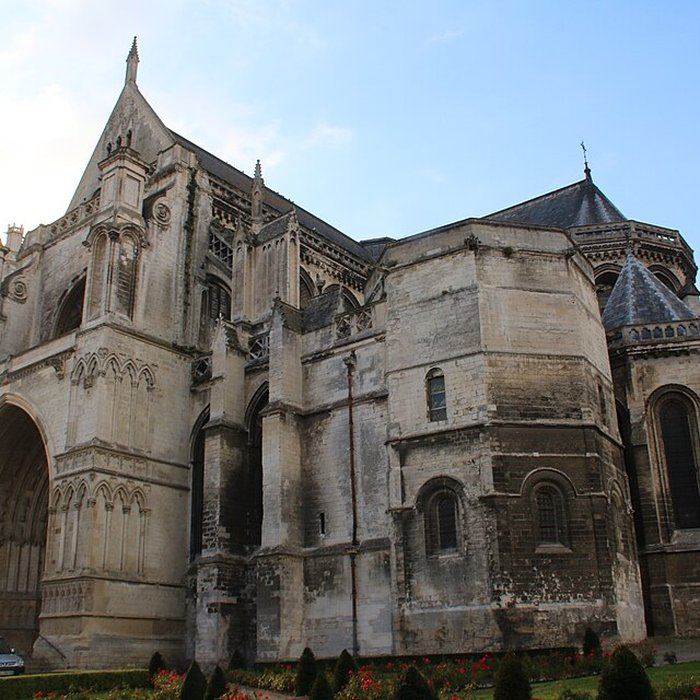
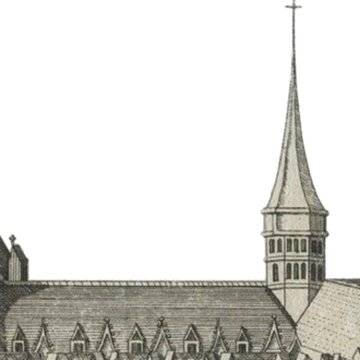
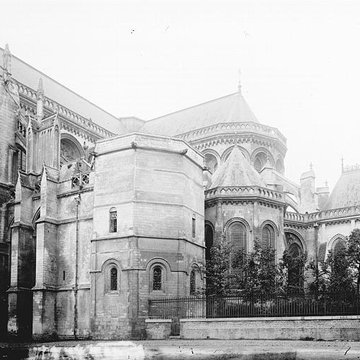
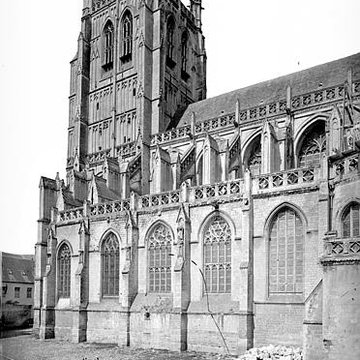
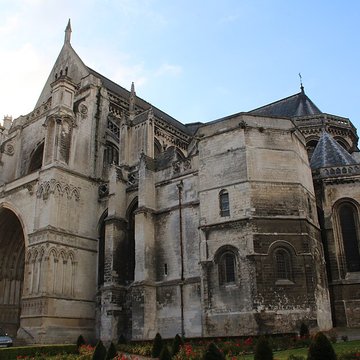
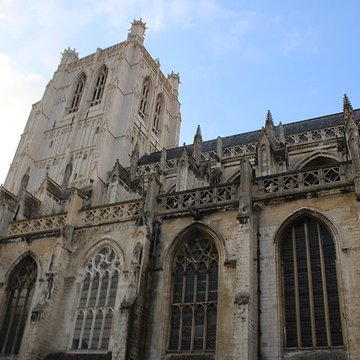
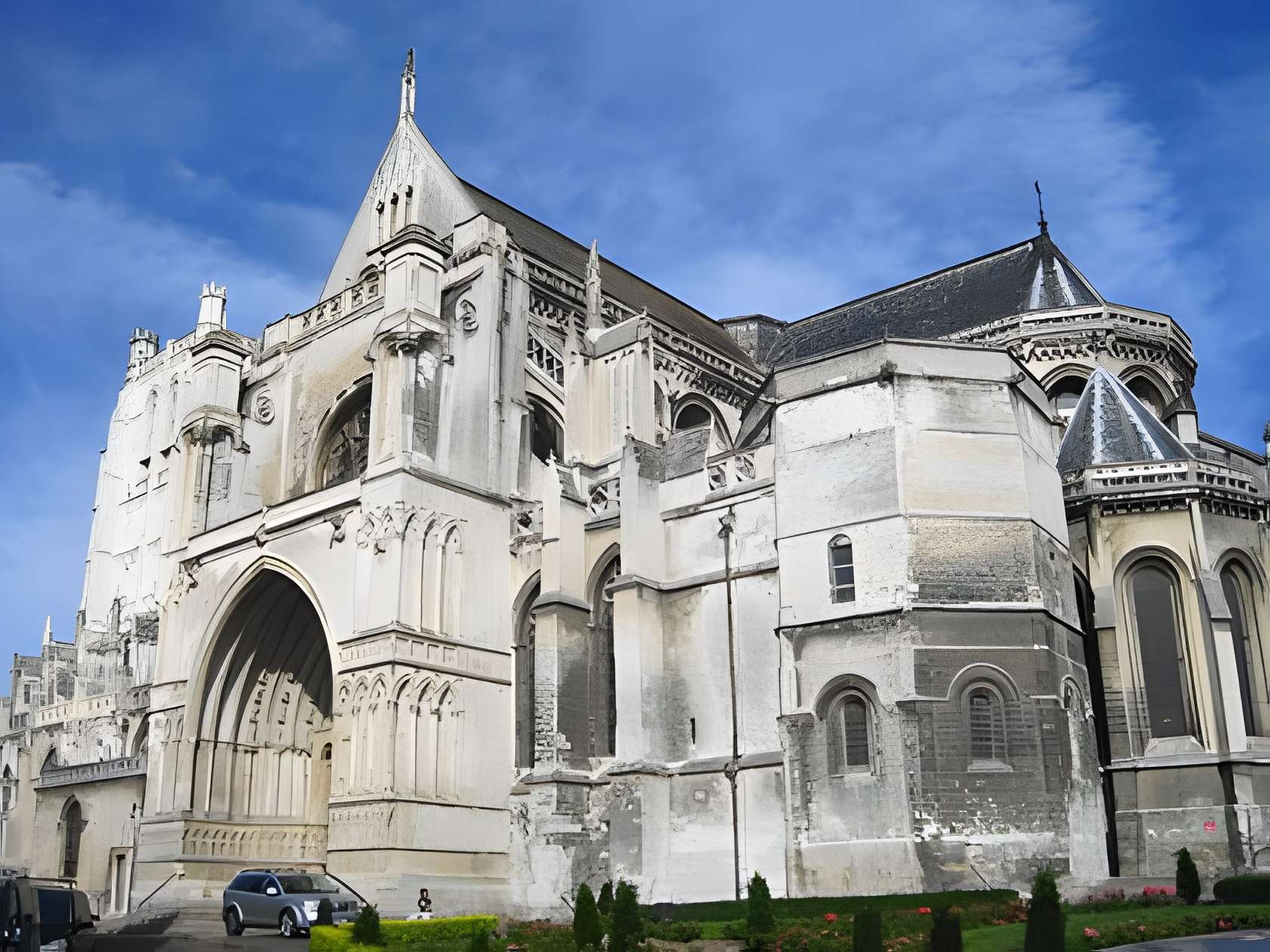
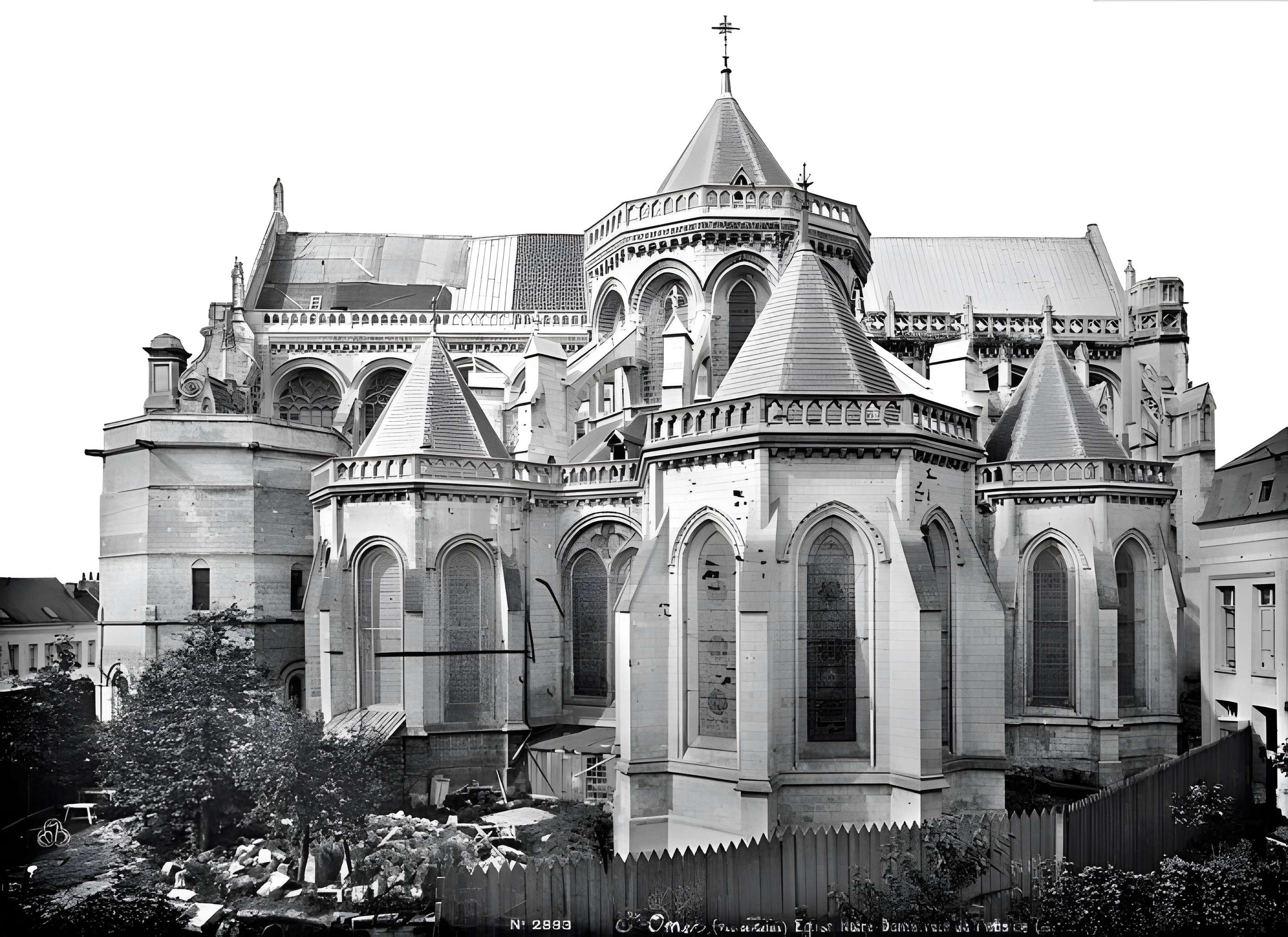
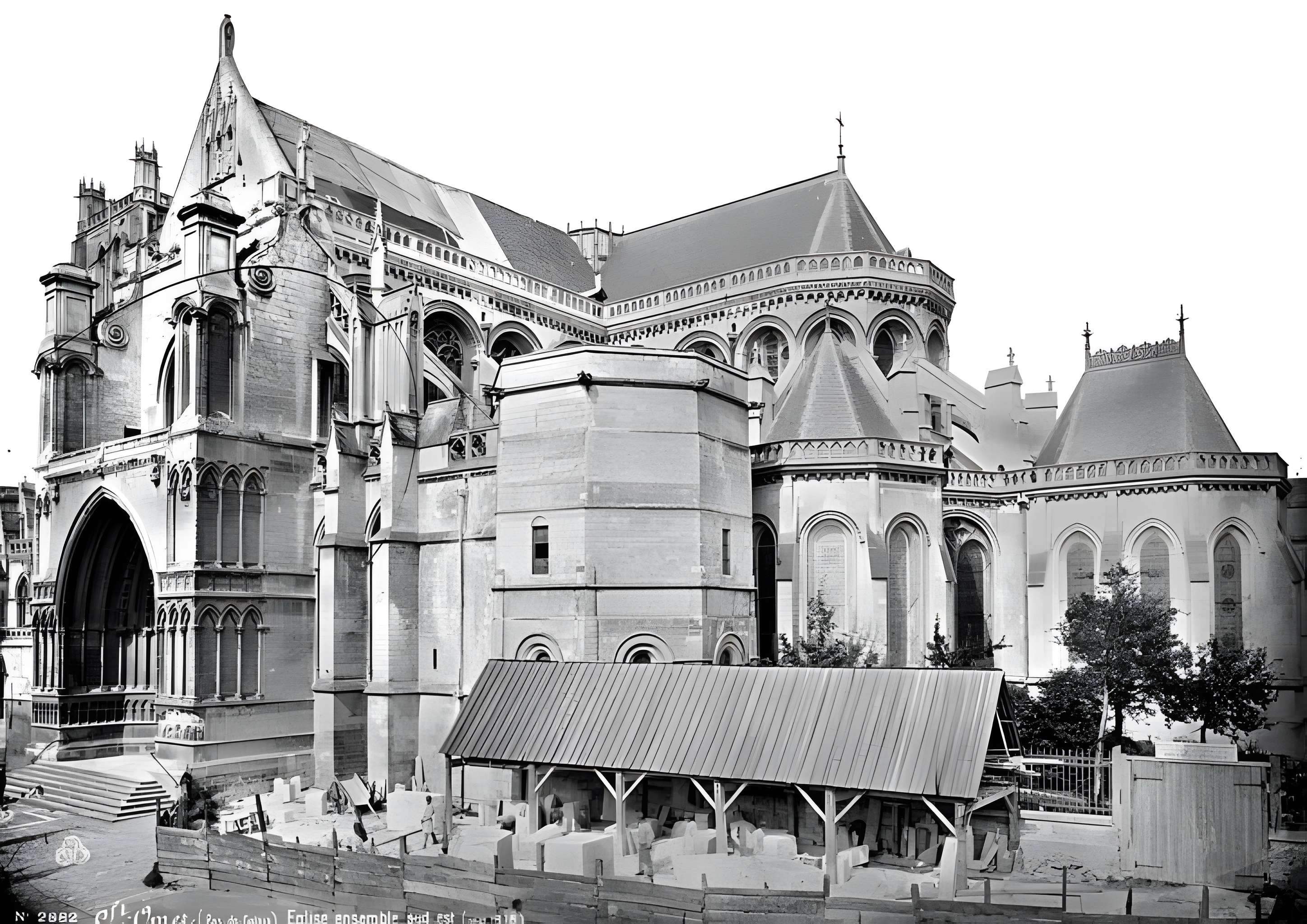
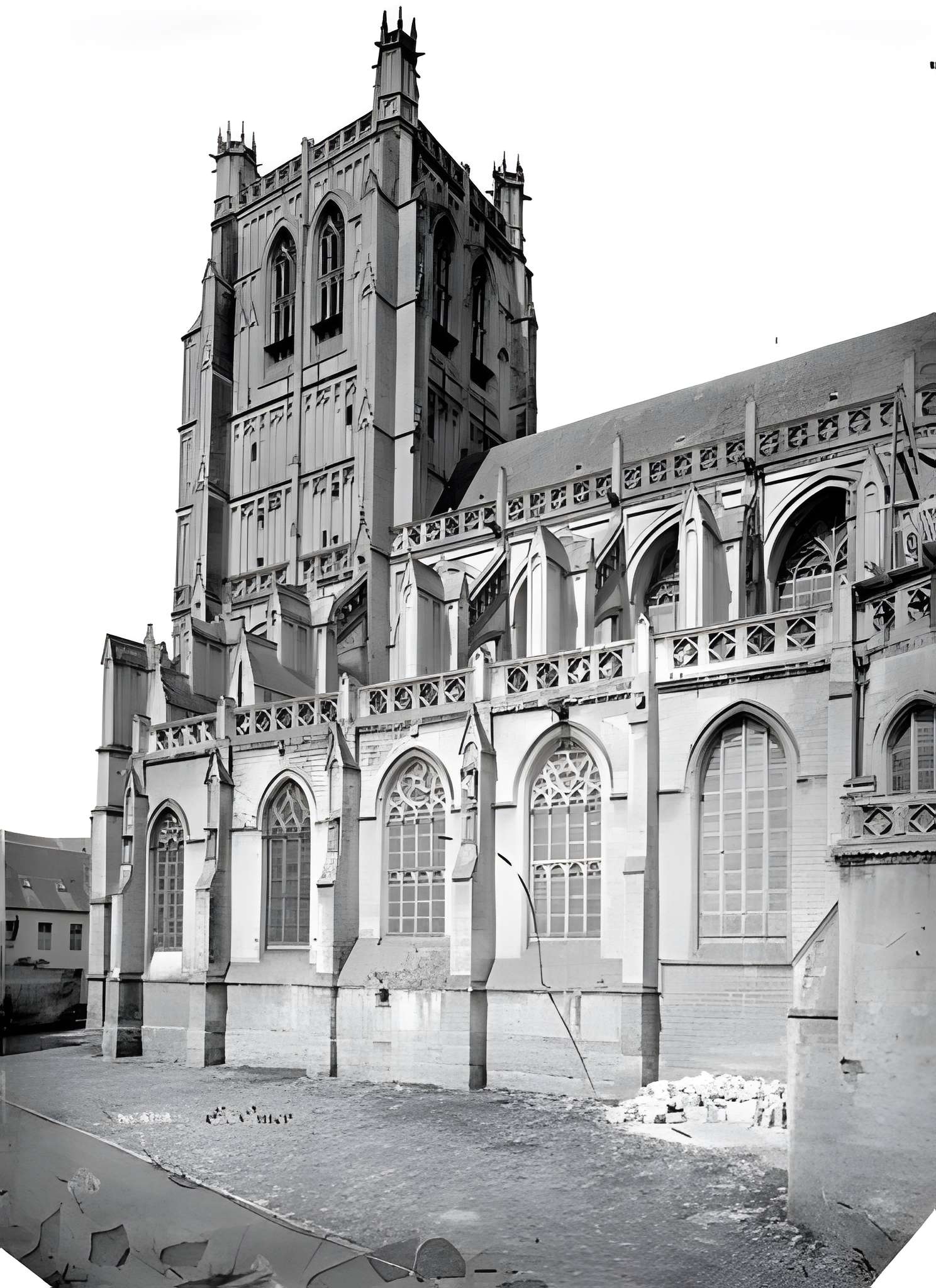
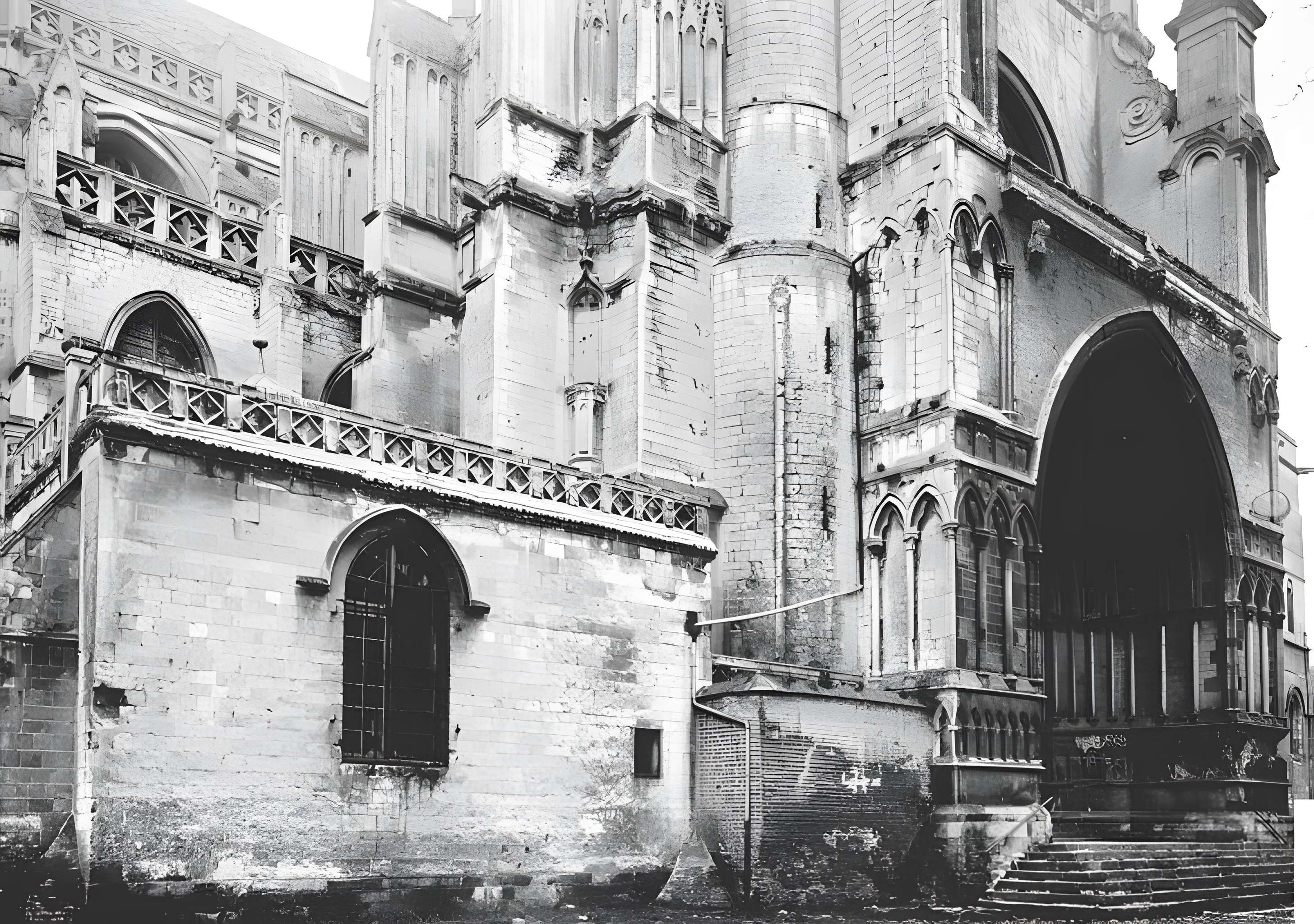
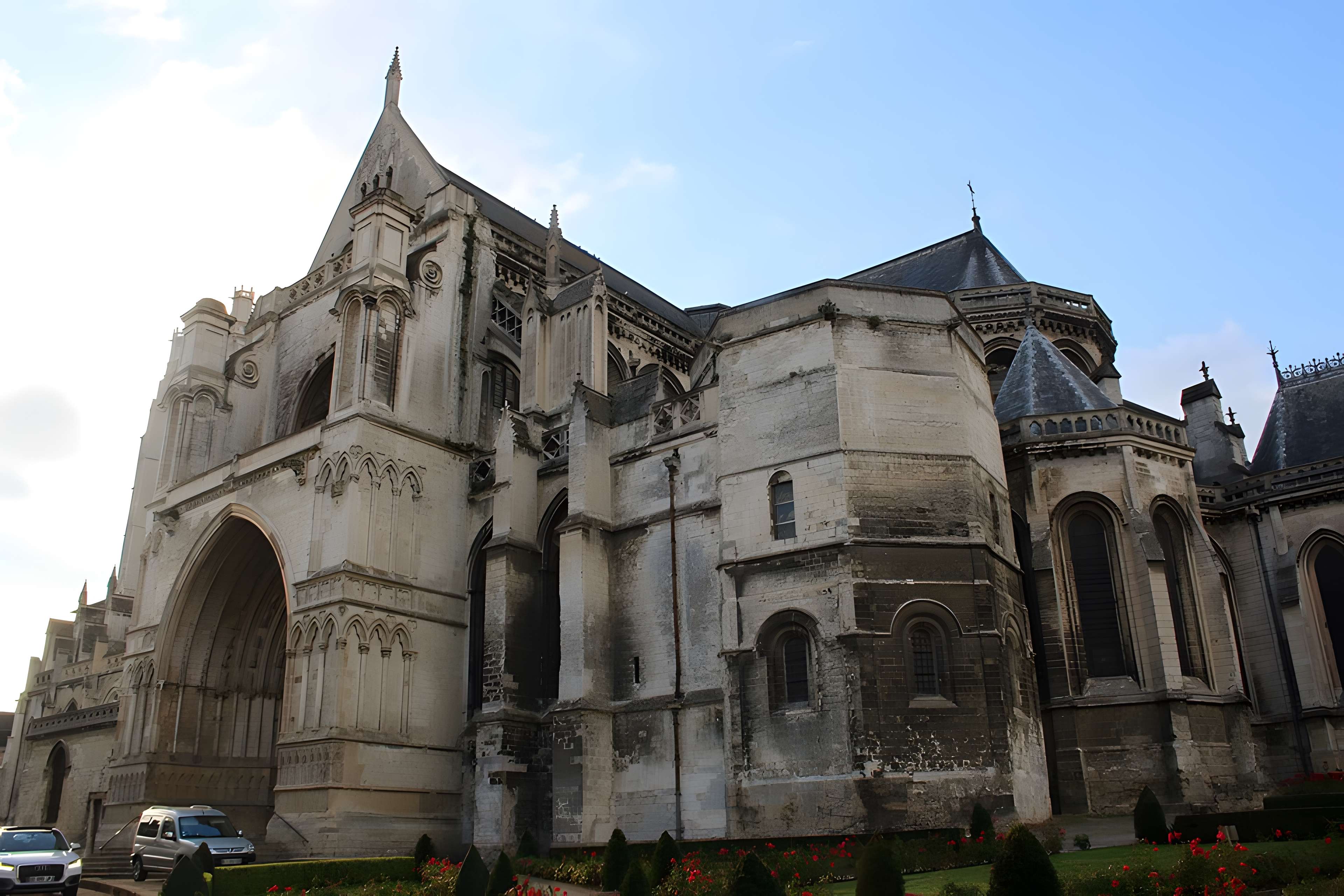
Notre-Dame de Saint-Omer Cathedral finds its origins in a chapel dedicated to the Virgin Mary, built around 659 on an ancient pagan temple dedicated to Minerve. Founded by Saint Omer, Bishop of Therouanne, this chapel became the heart of a double monastery, bringing together a monastic community and a collegiate canon. The original building, destroyed by fire in 1033, was rebuilt in Romanesque style before being ravaged again in 1191, marking the beginning of a Gothic reconstruction that stowed until the 16th century.
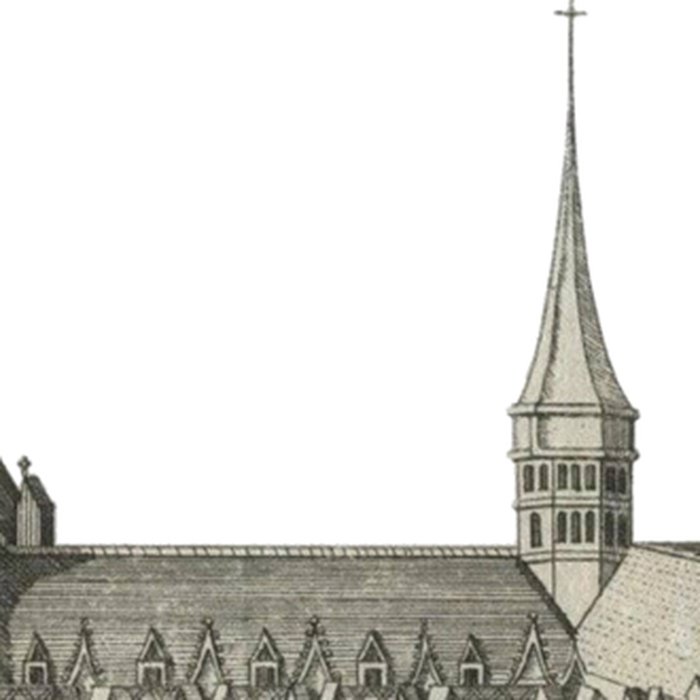
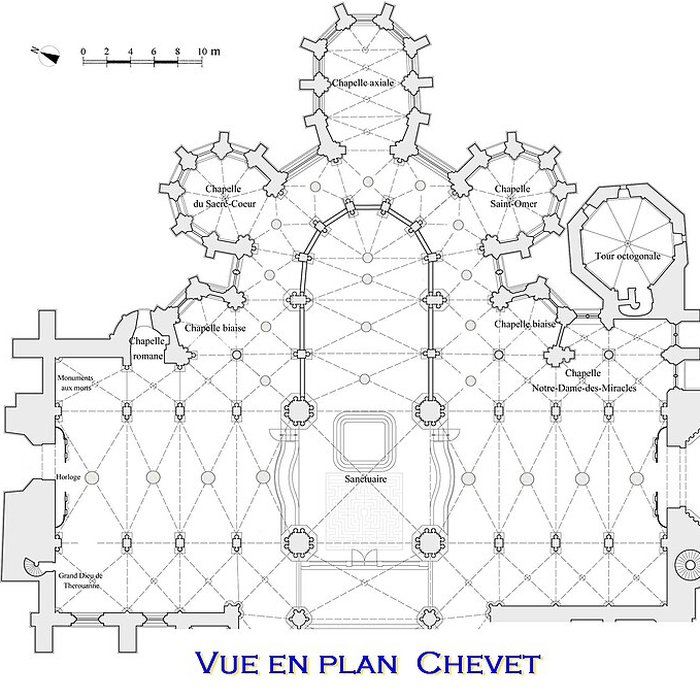
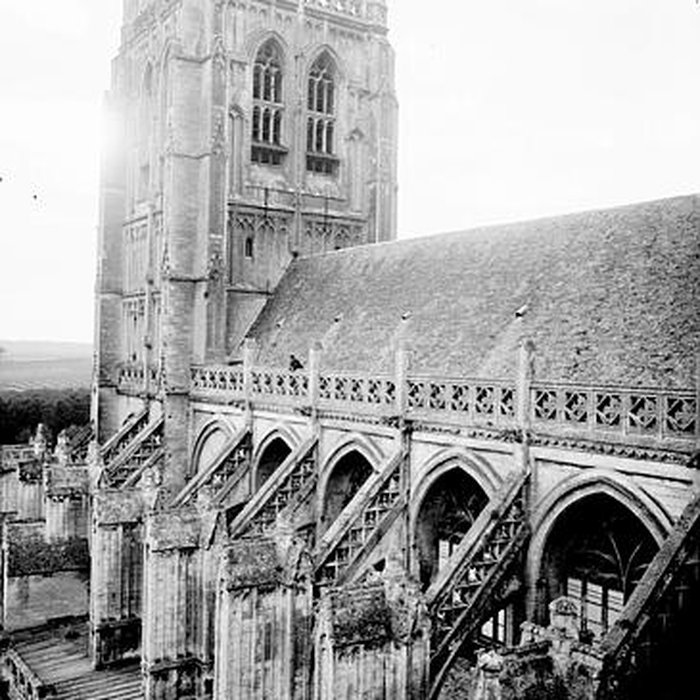
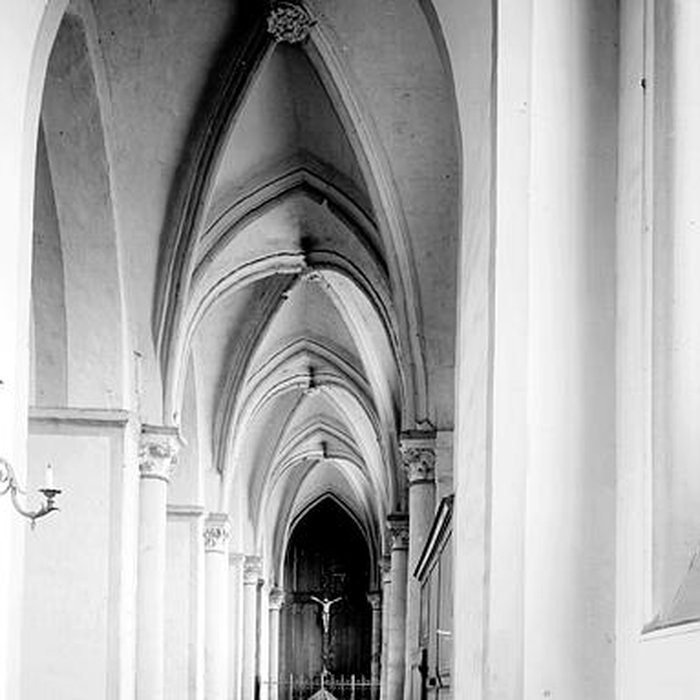
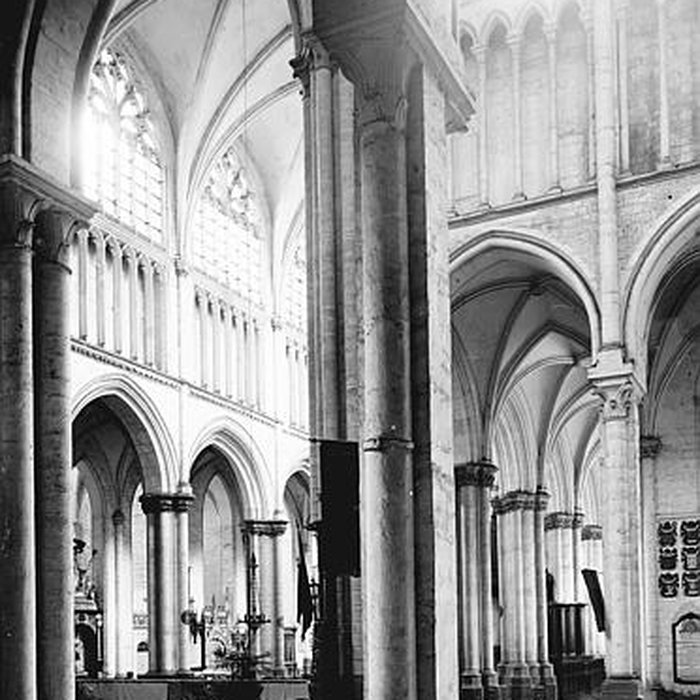
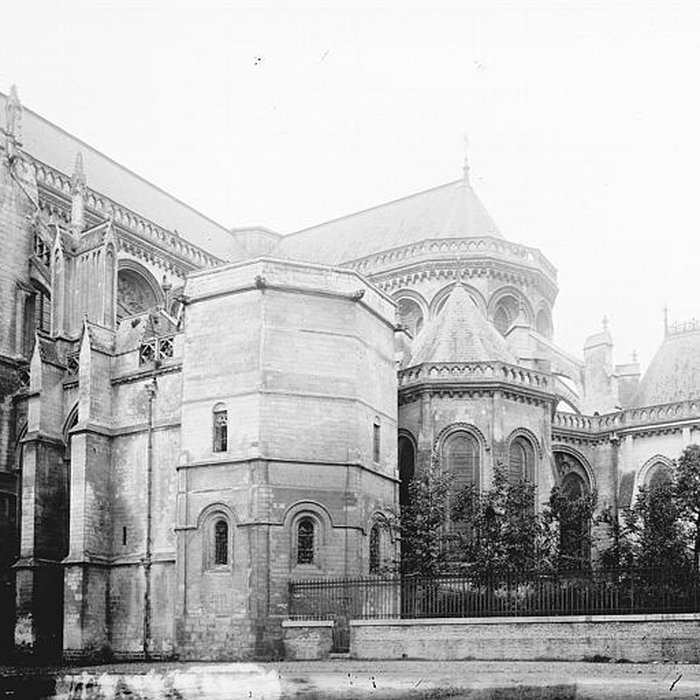
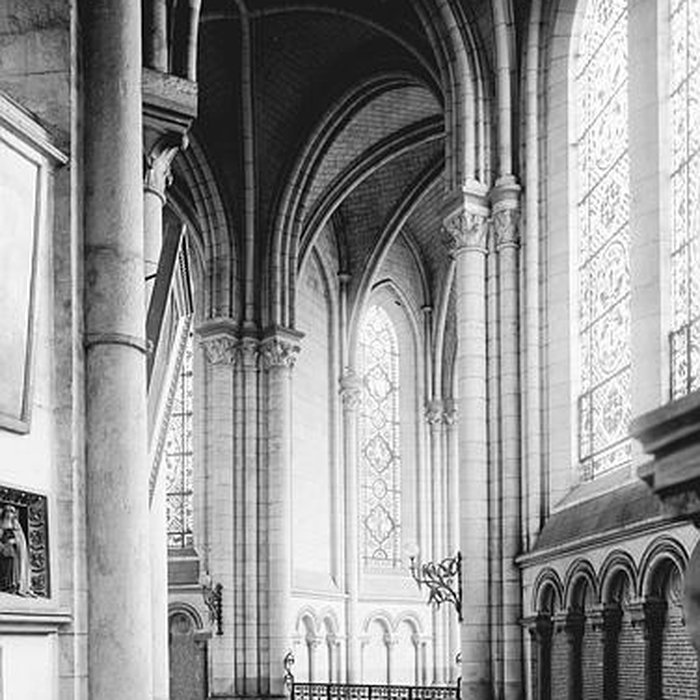
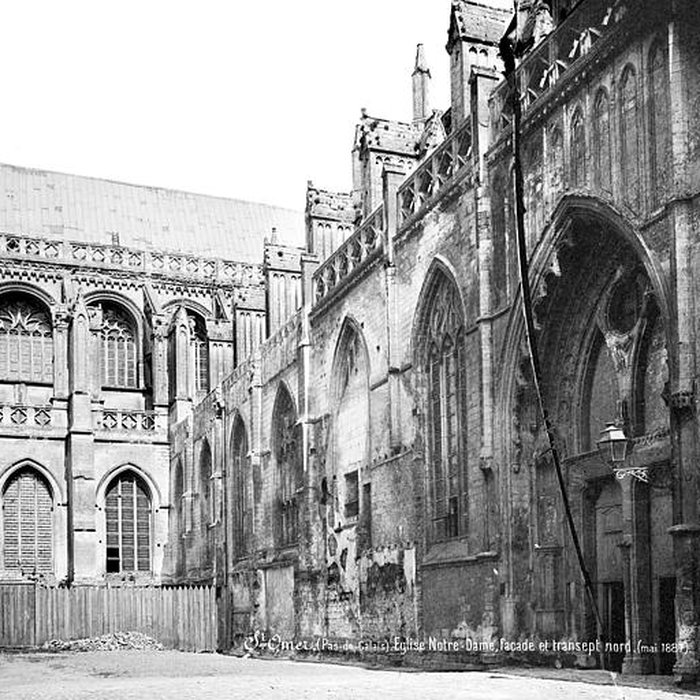
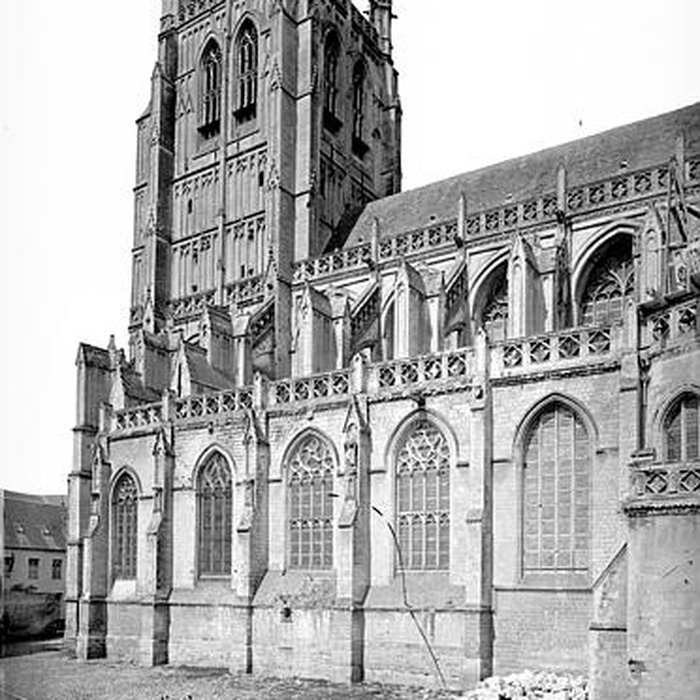
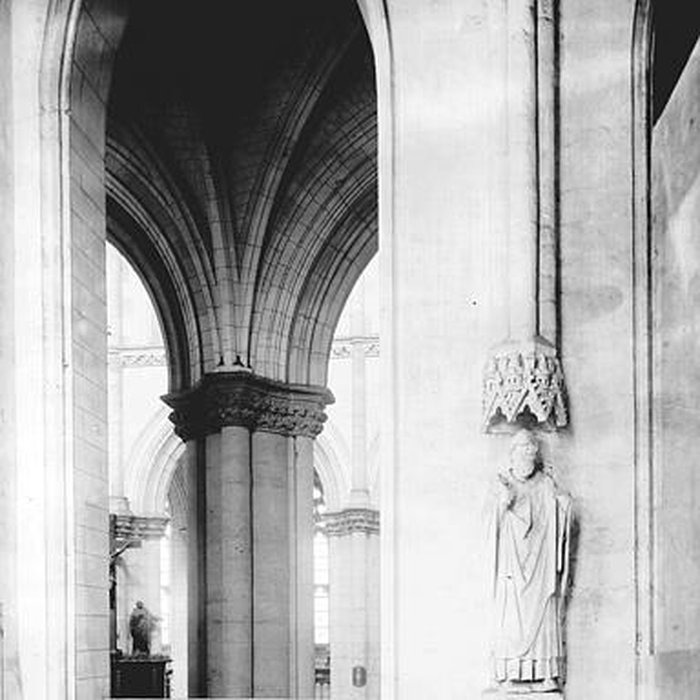
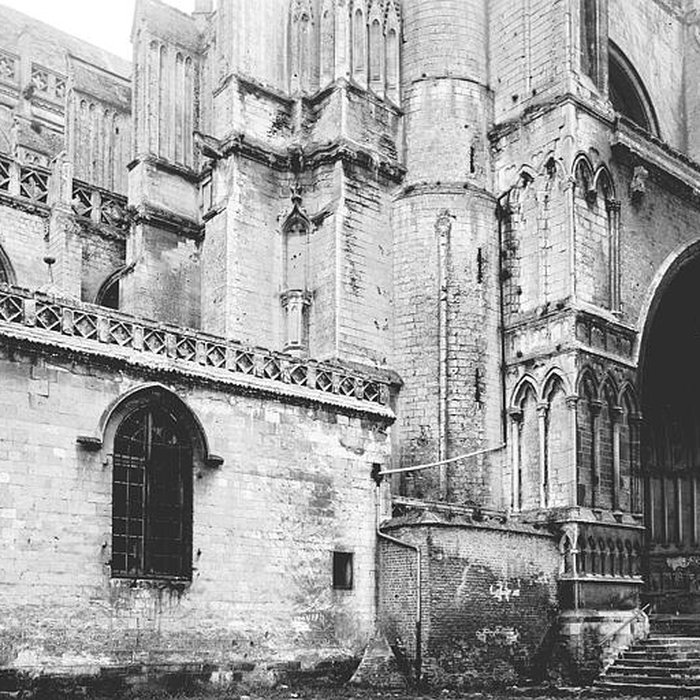
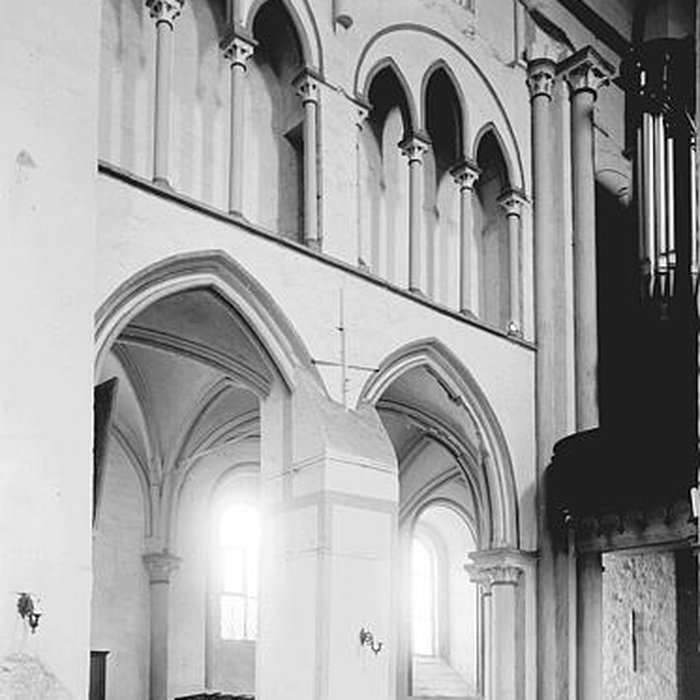
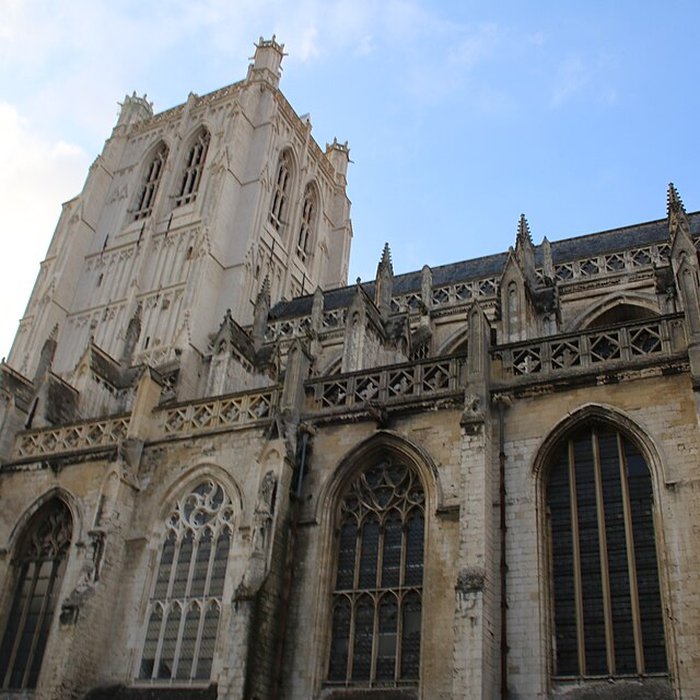
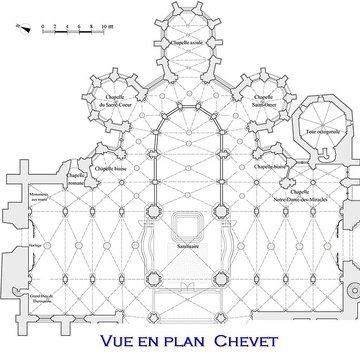
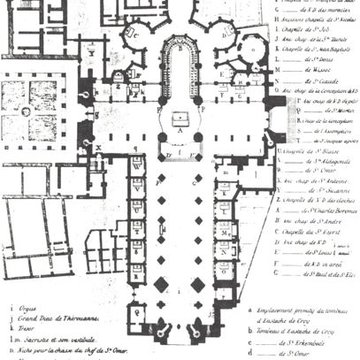
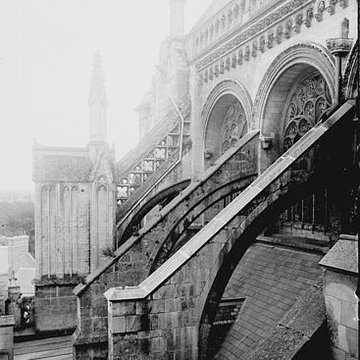
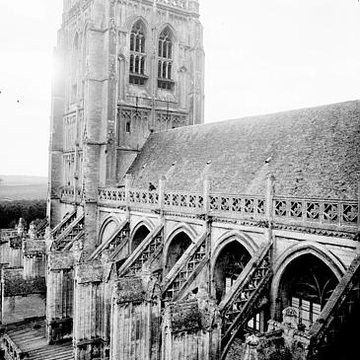
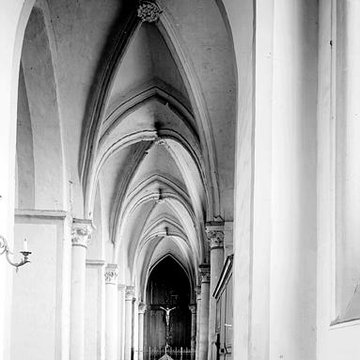
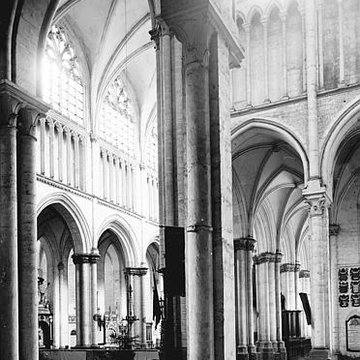
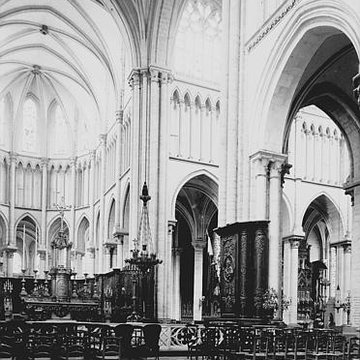
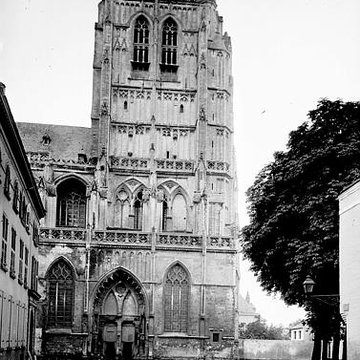
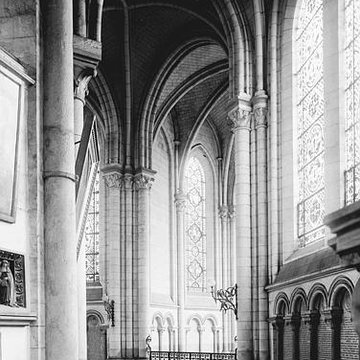
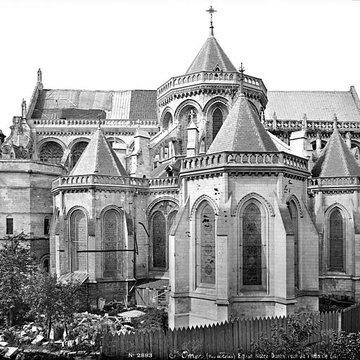
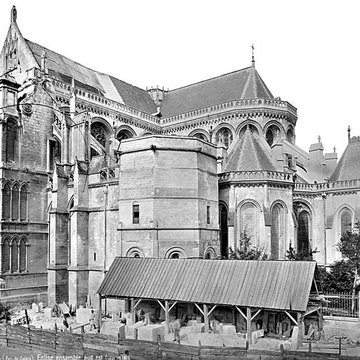
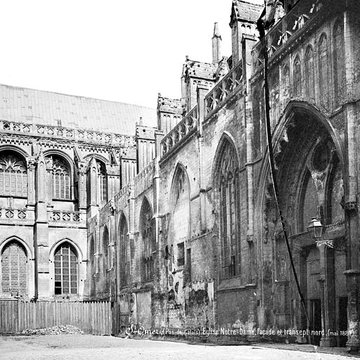
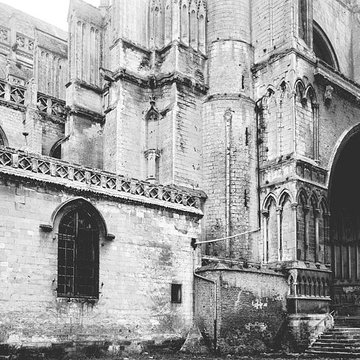
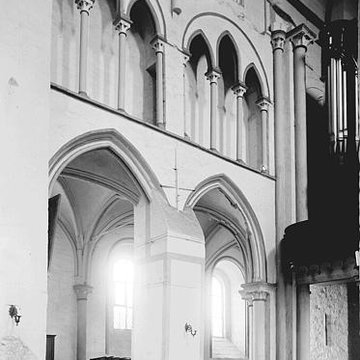
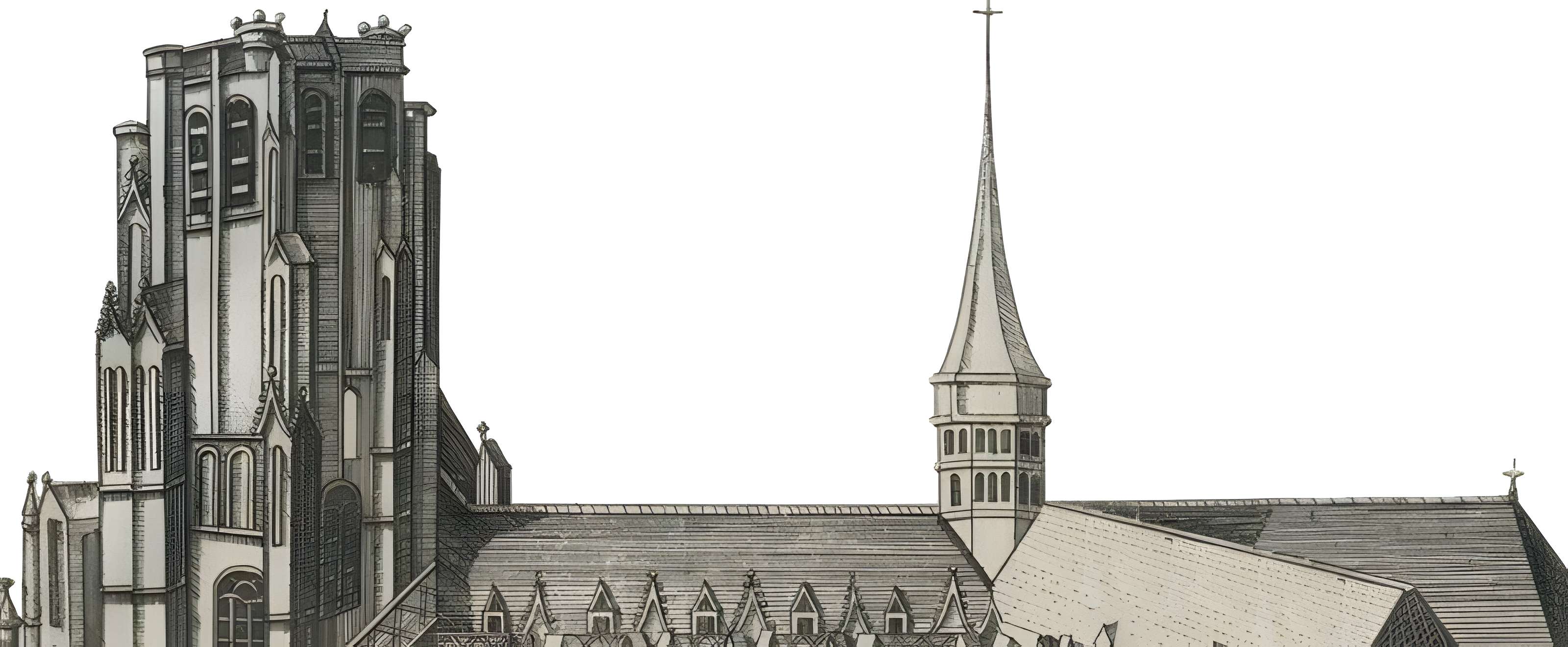
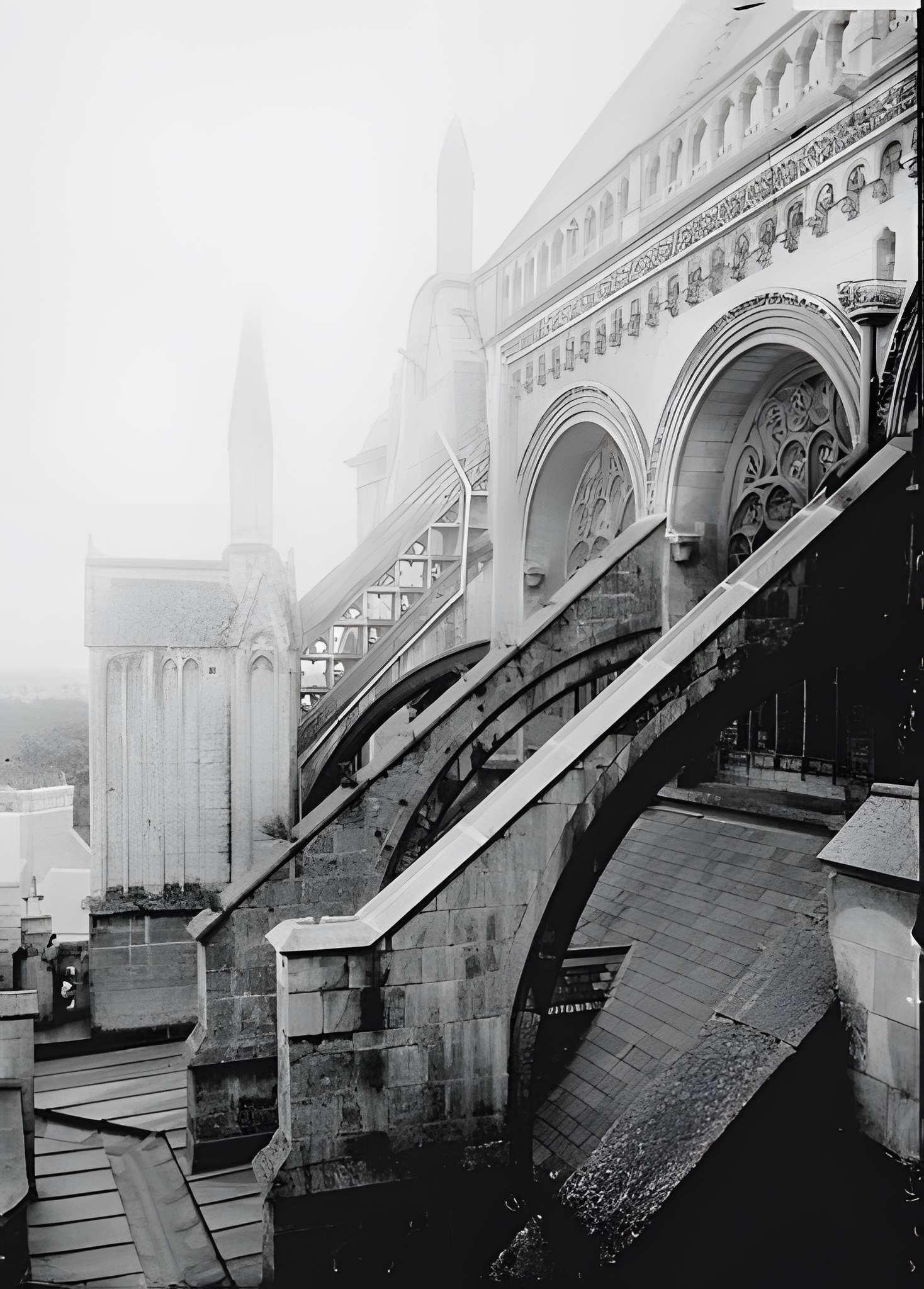
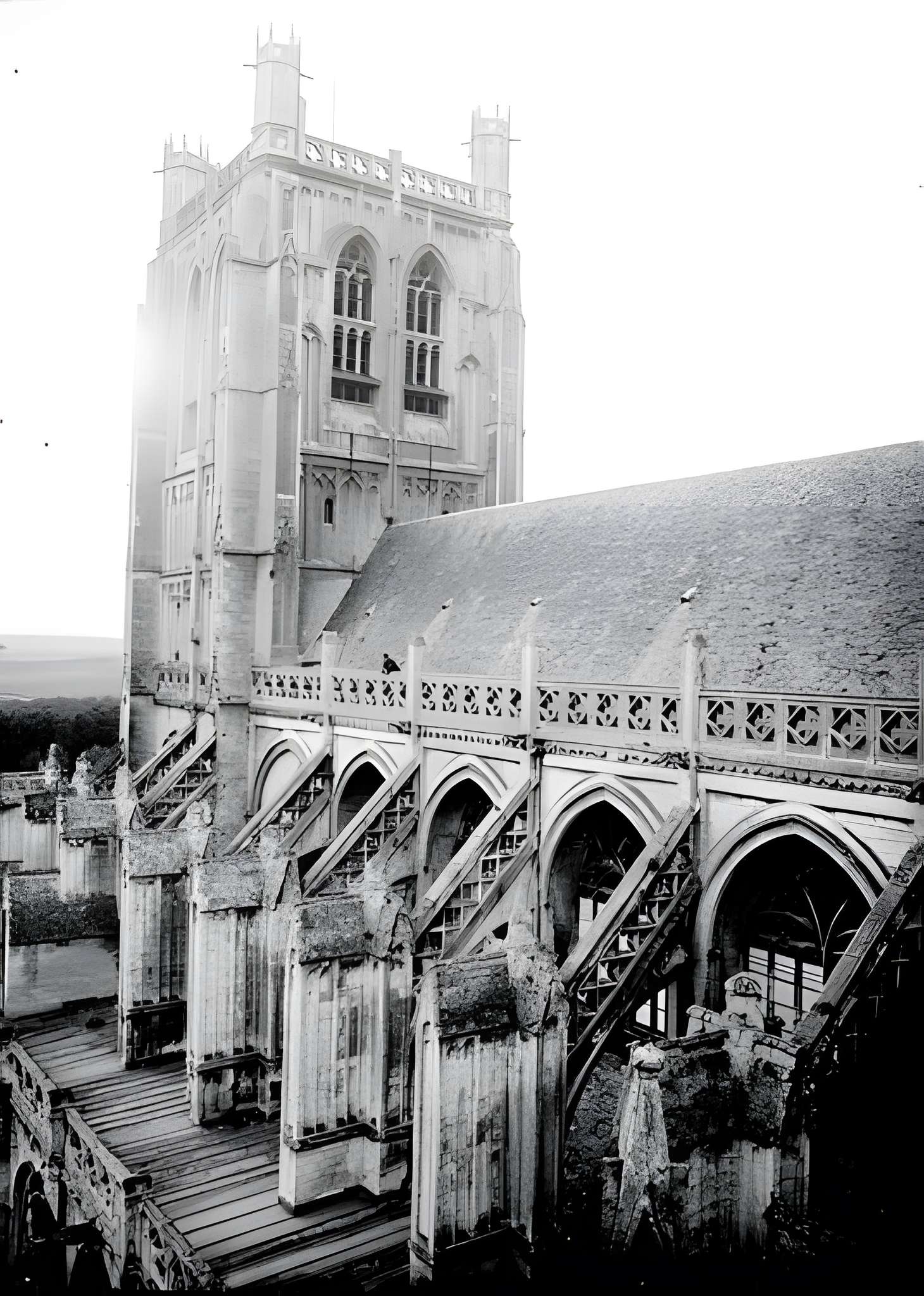
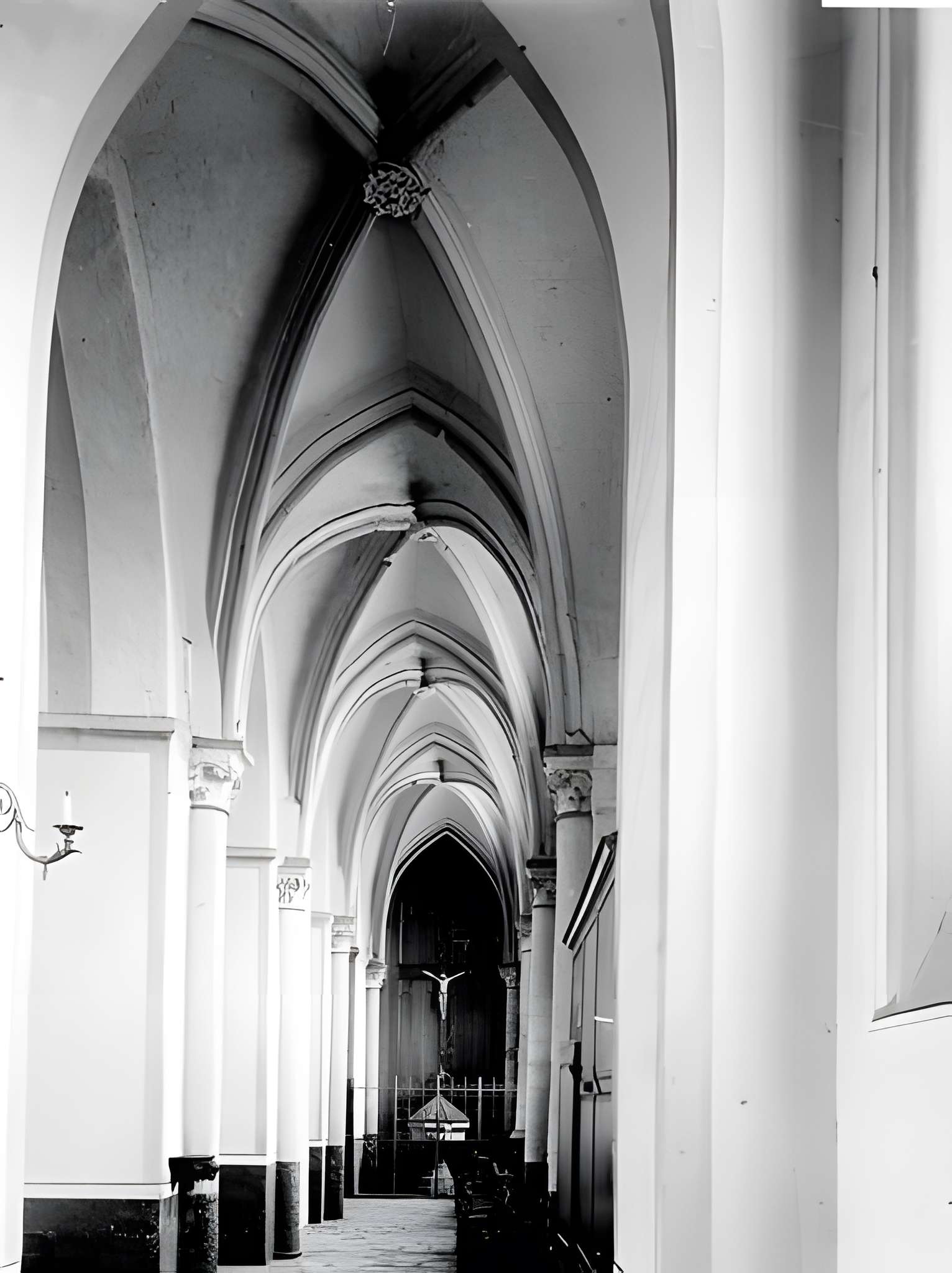
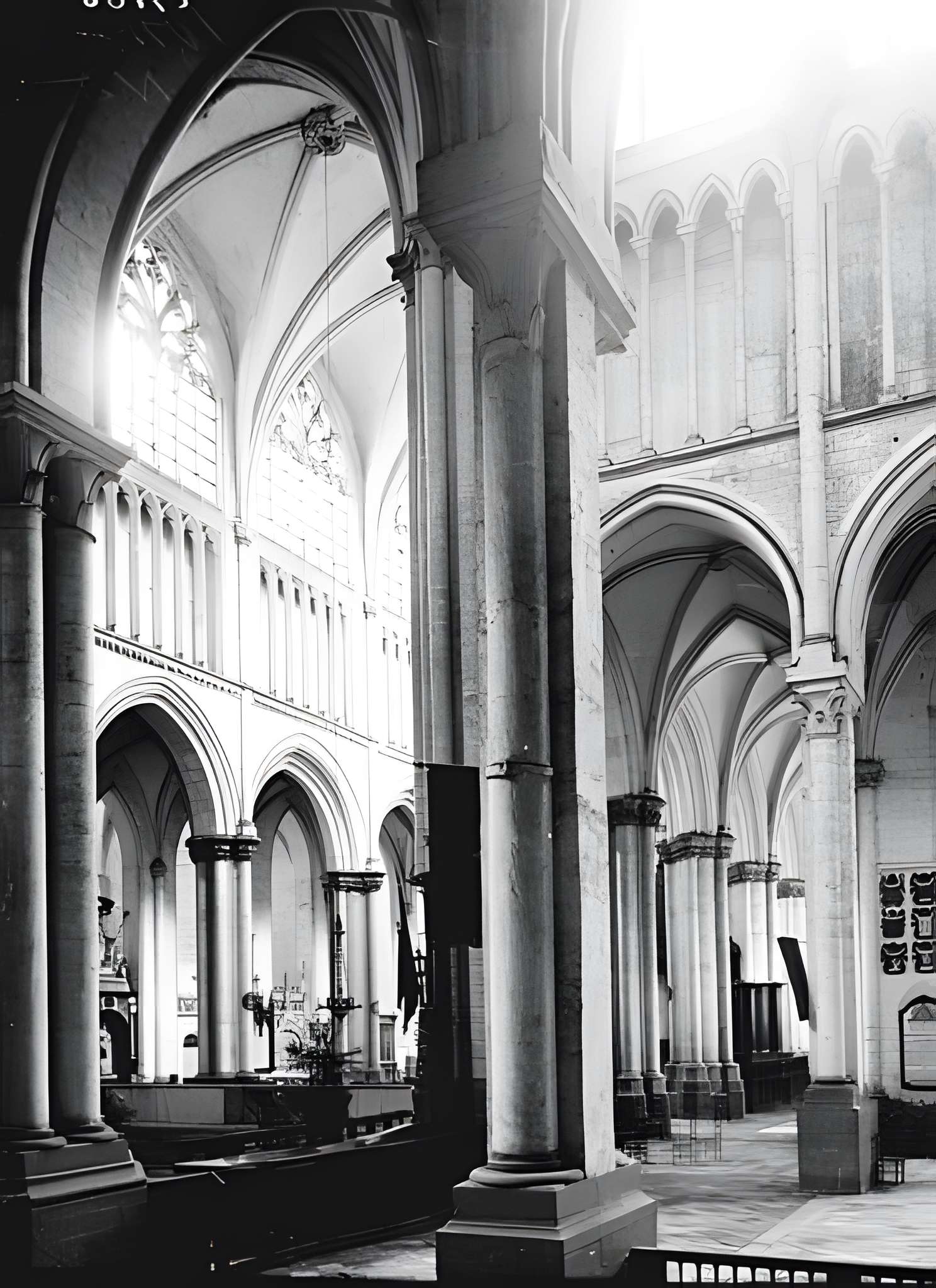
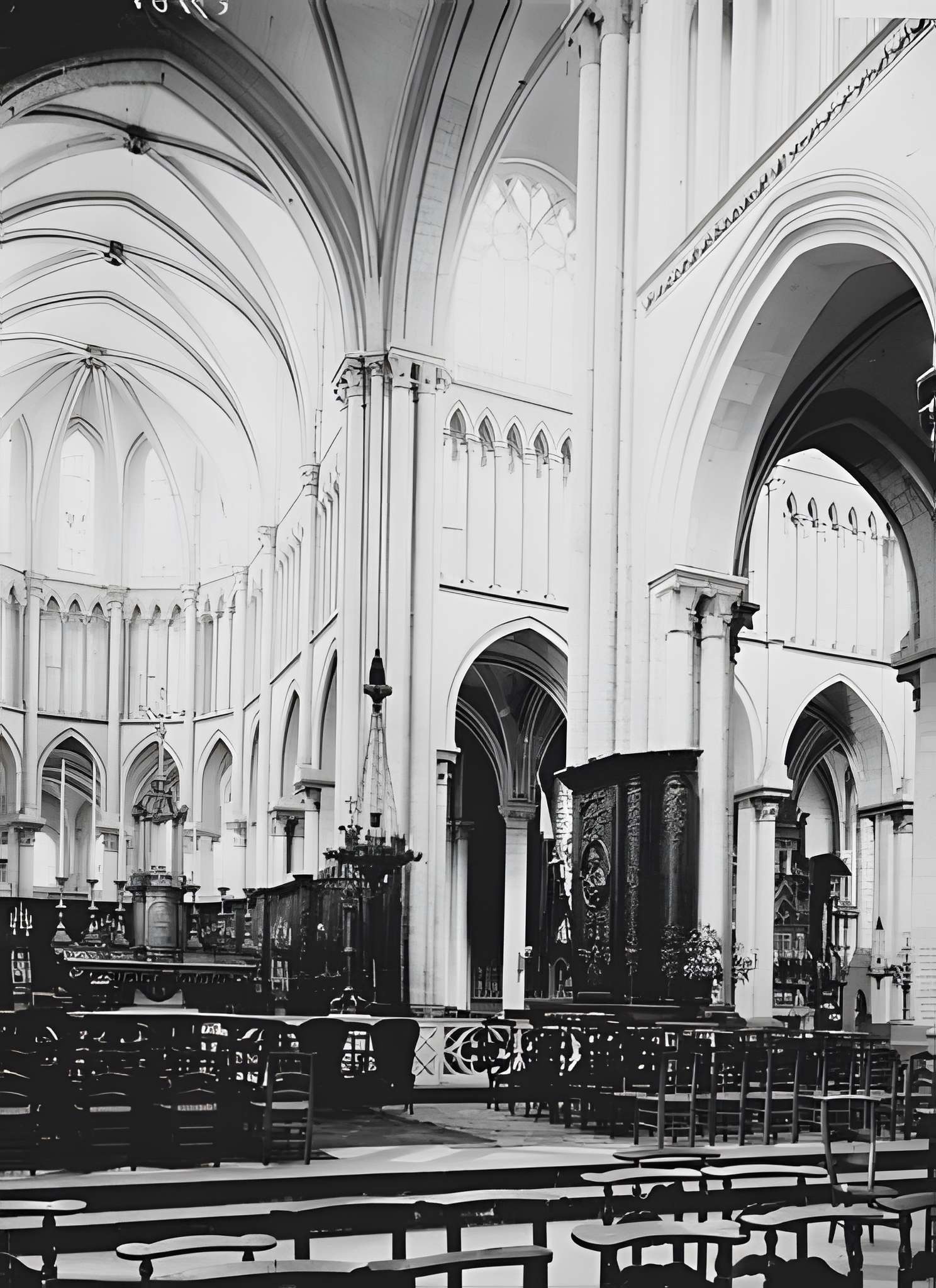
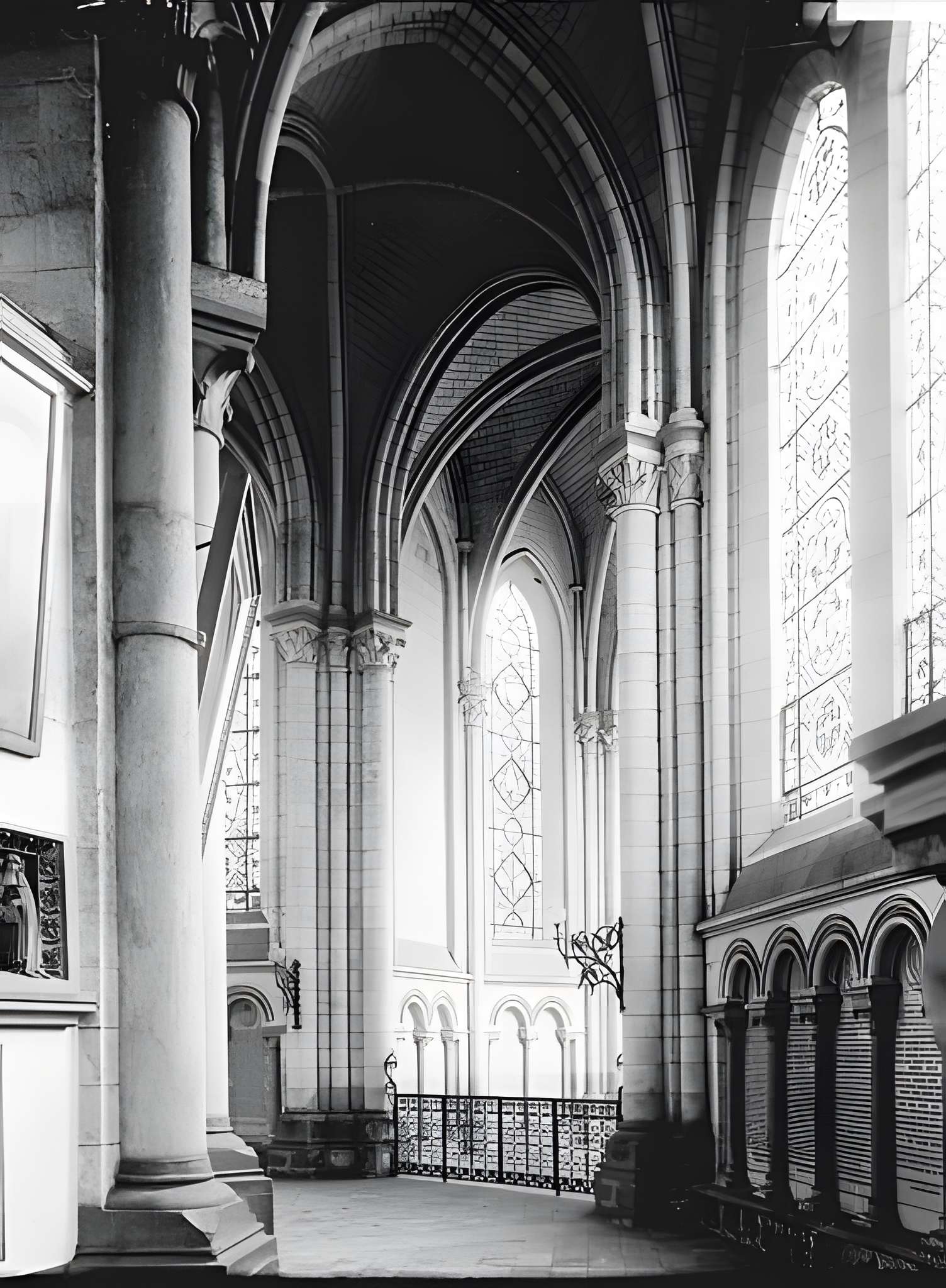
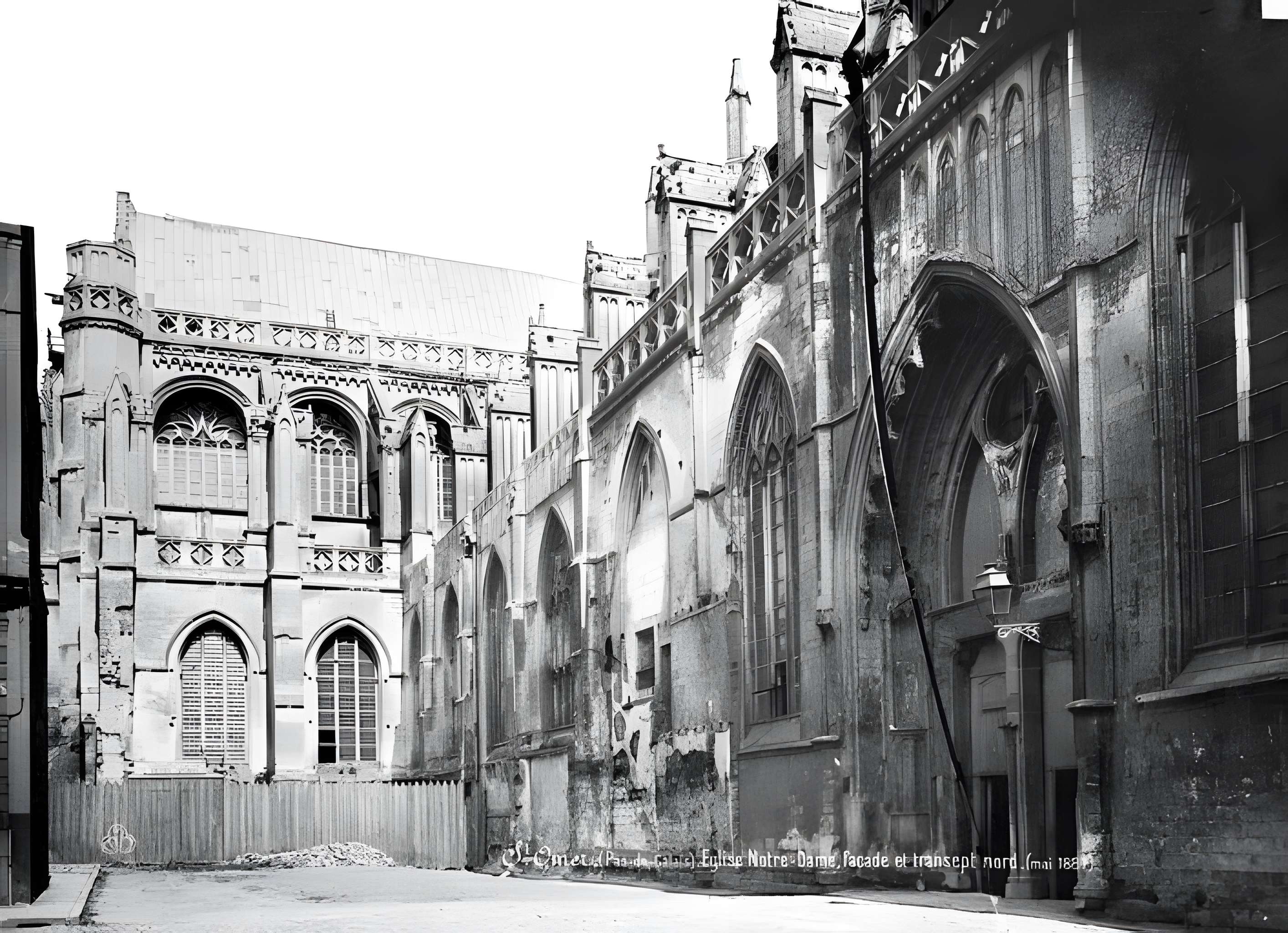
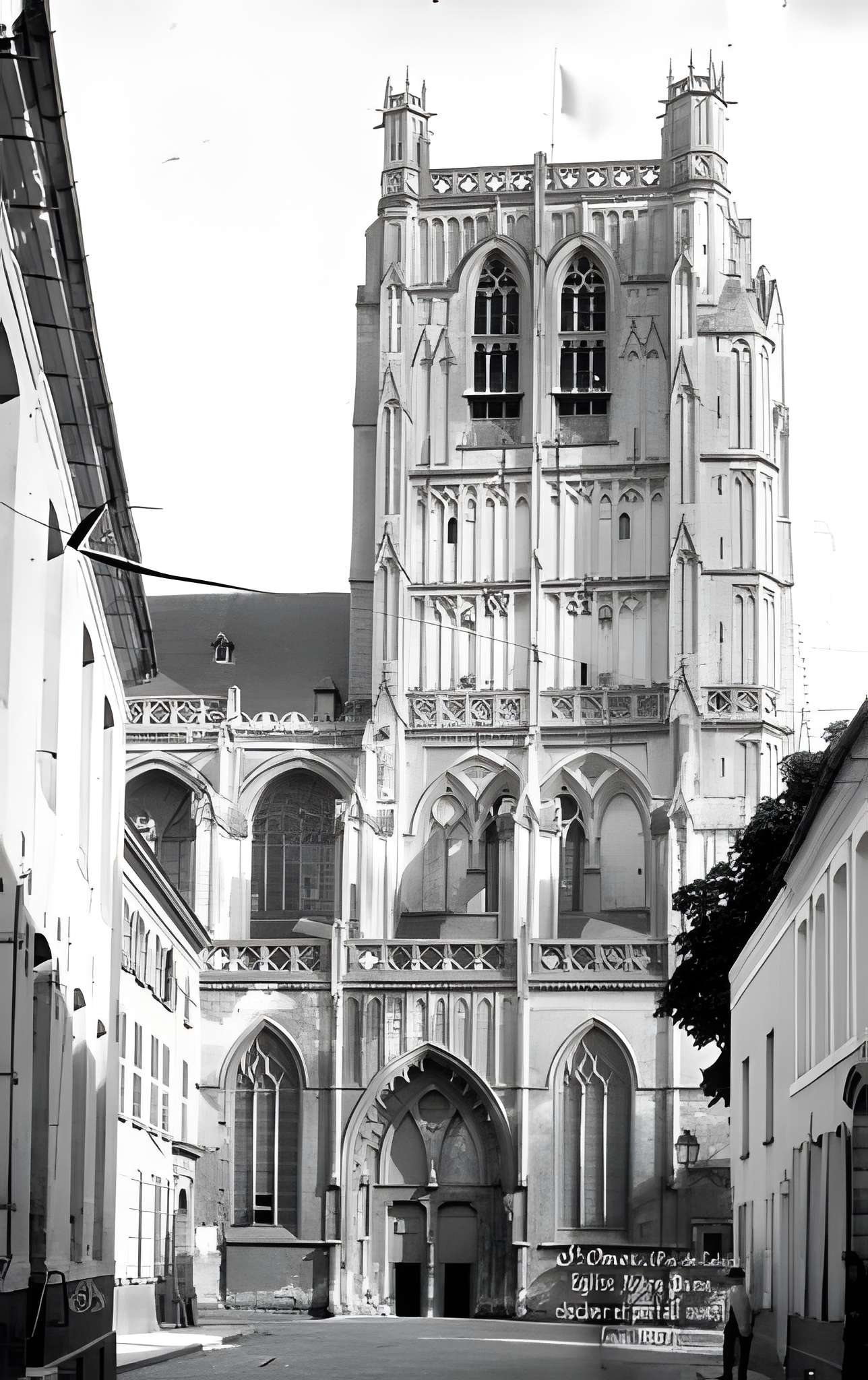
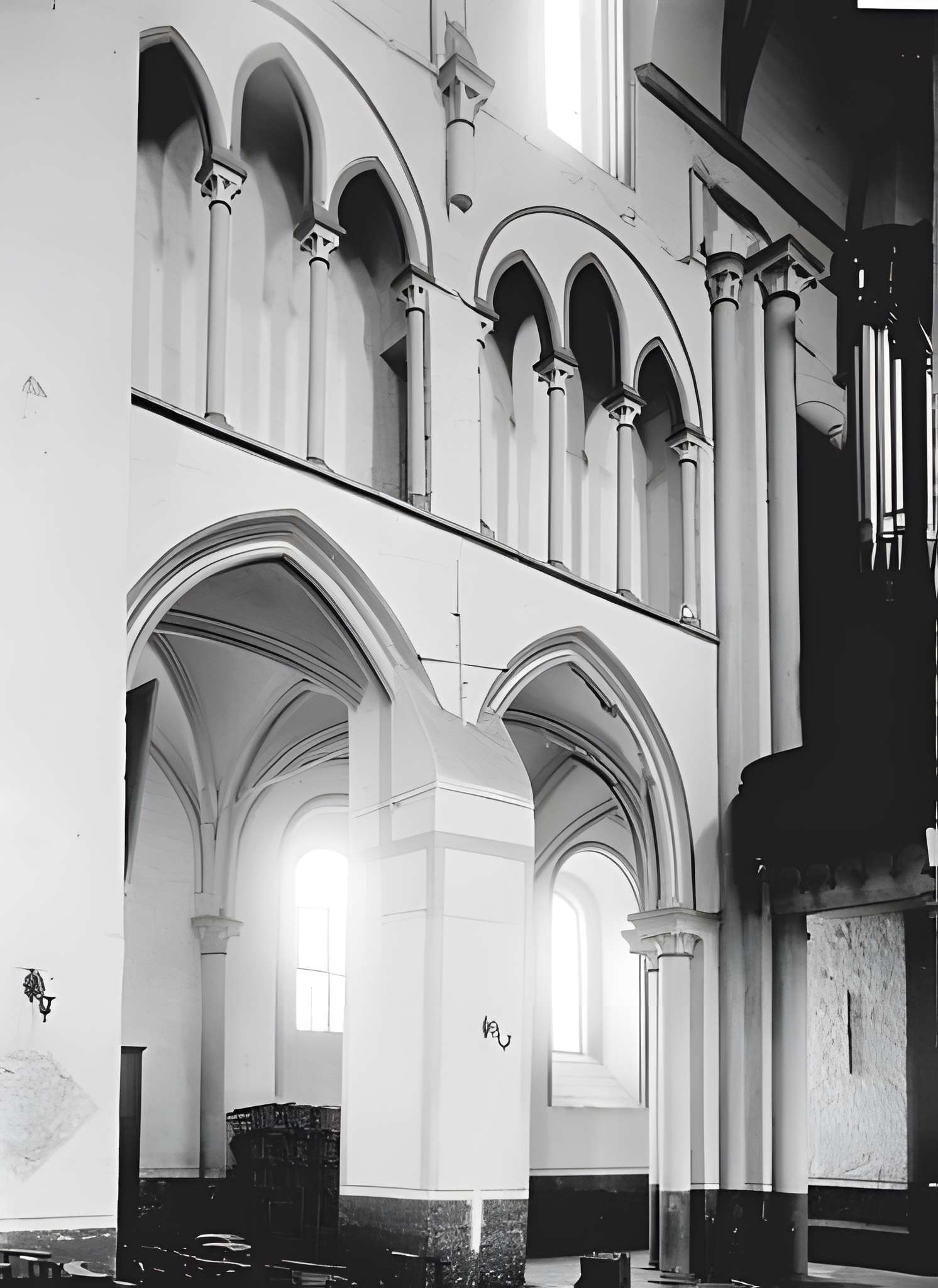
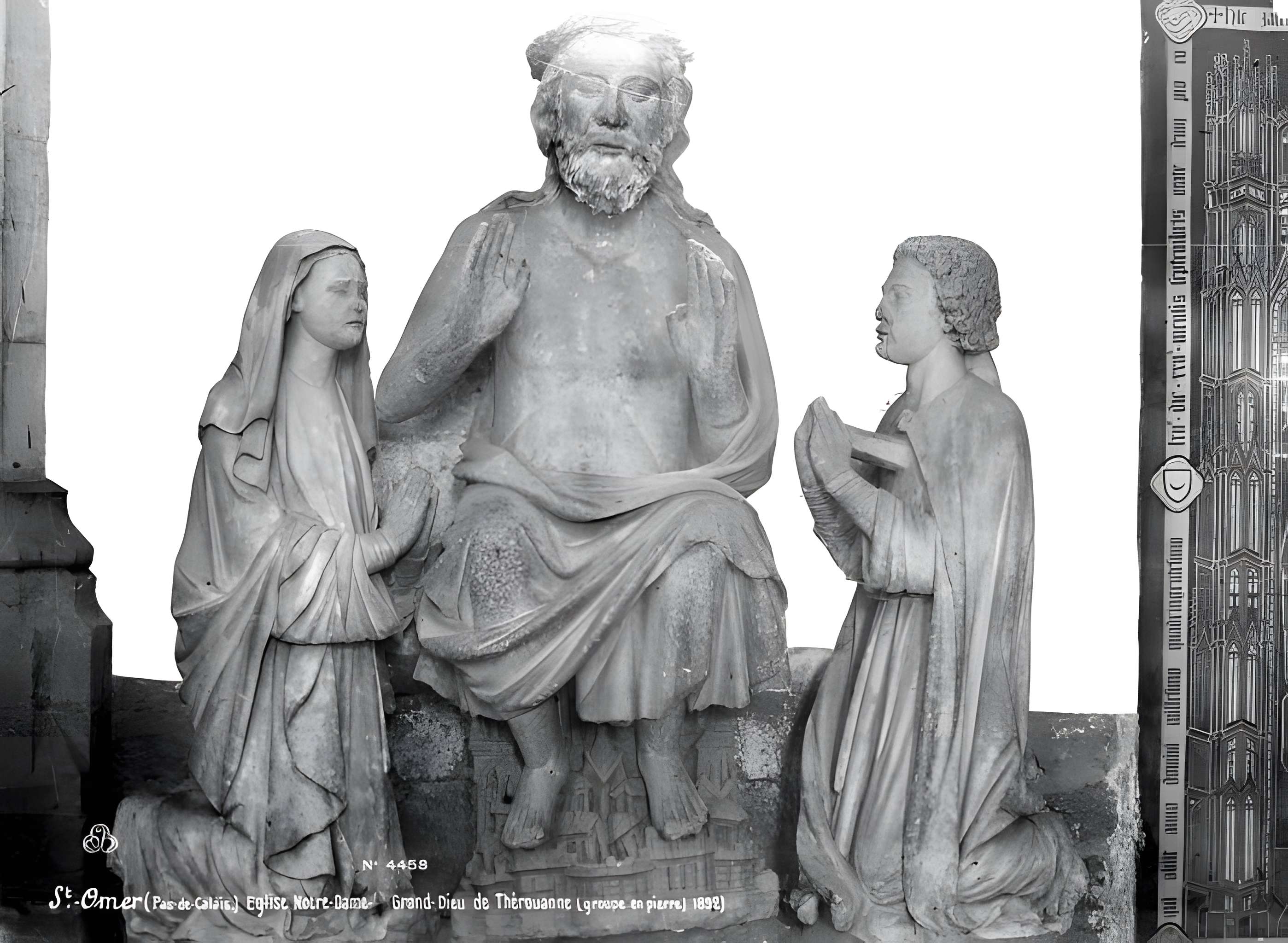
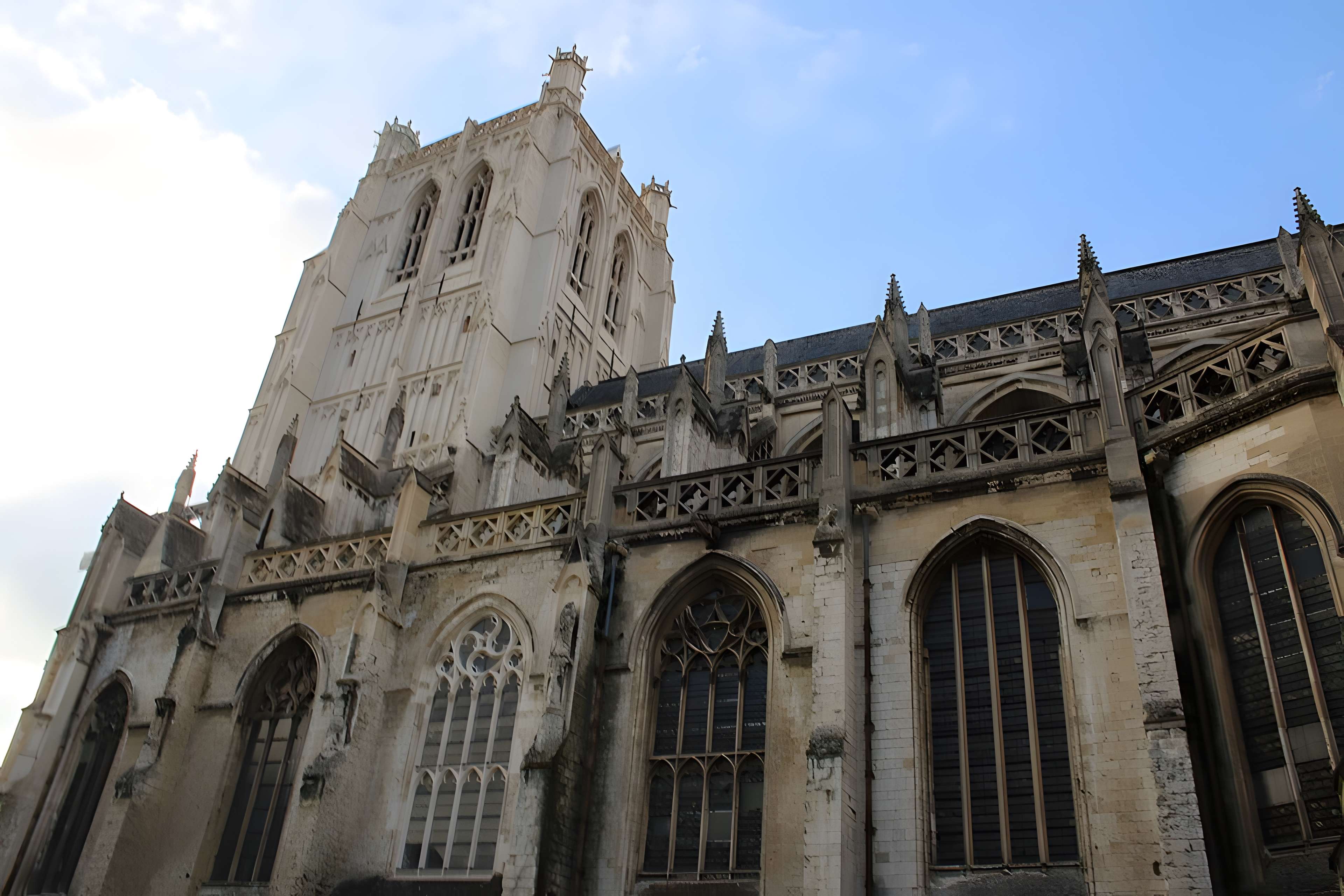
In the 12th century, the reconstruction of the choir, the walk-through and the radiant chapels began, followed in the 13th century by the construction of the transept. Work continued with the extension of the southern (1375–1379) and northern (late 15th century), as well as the reconstruction of the nave, completed in 1506. The western tower, dressed between 1473 and 1521, was inspired by the Abbey of Saint Bertin. In 1553, the destruction of Thérouanne by Charles Quint led to the creation of the diocese of Saint-Omer in 1559, raising the college to the rank of cathedral in 1561.
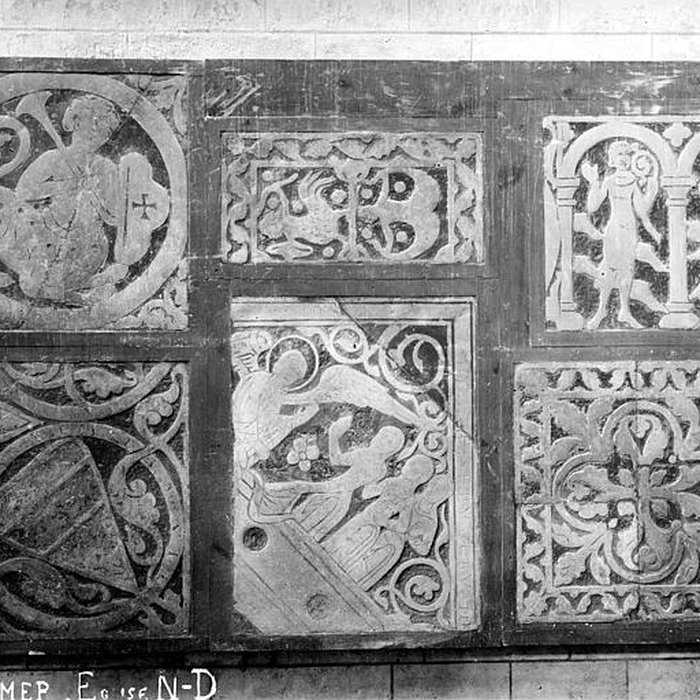
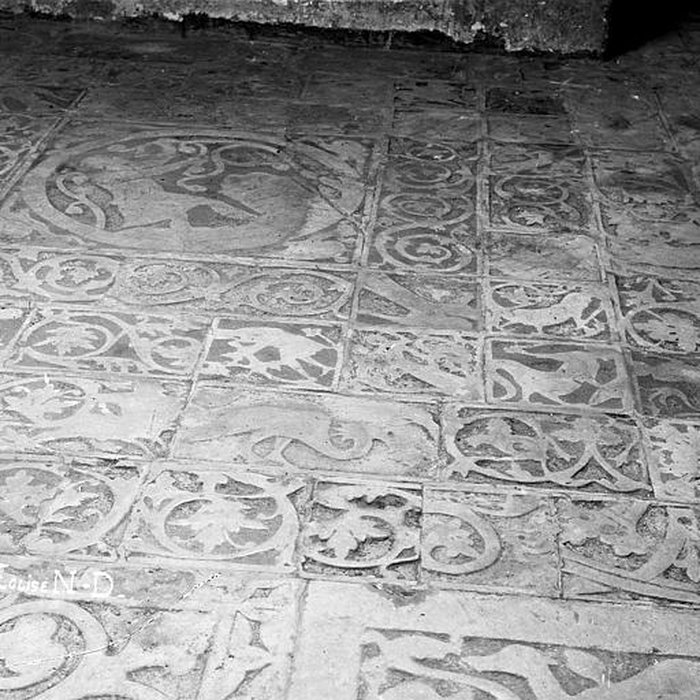
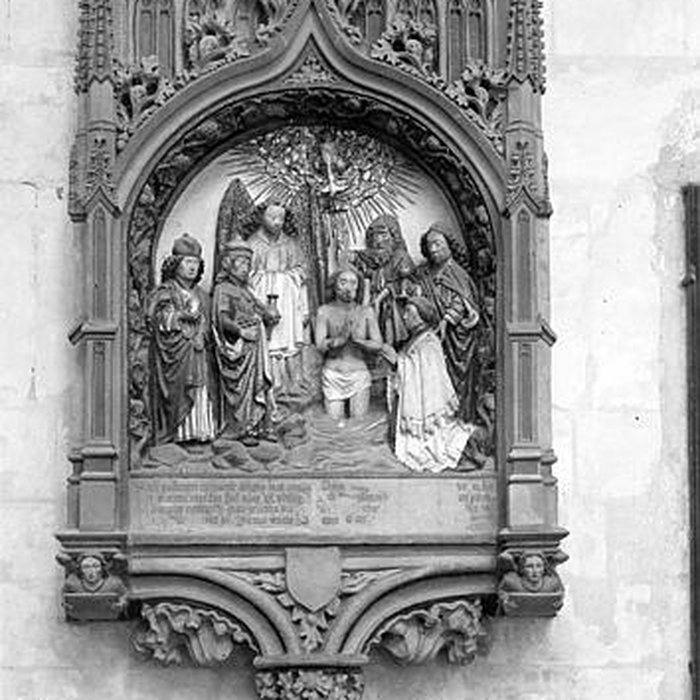
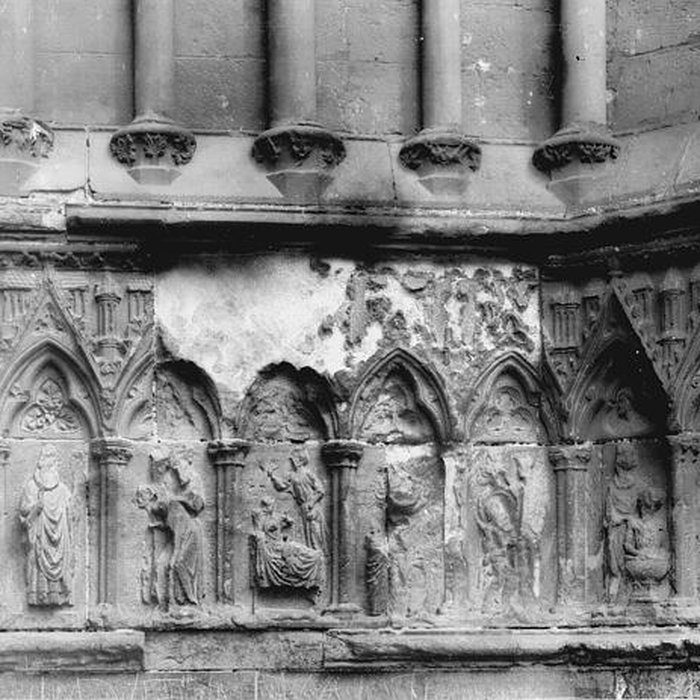
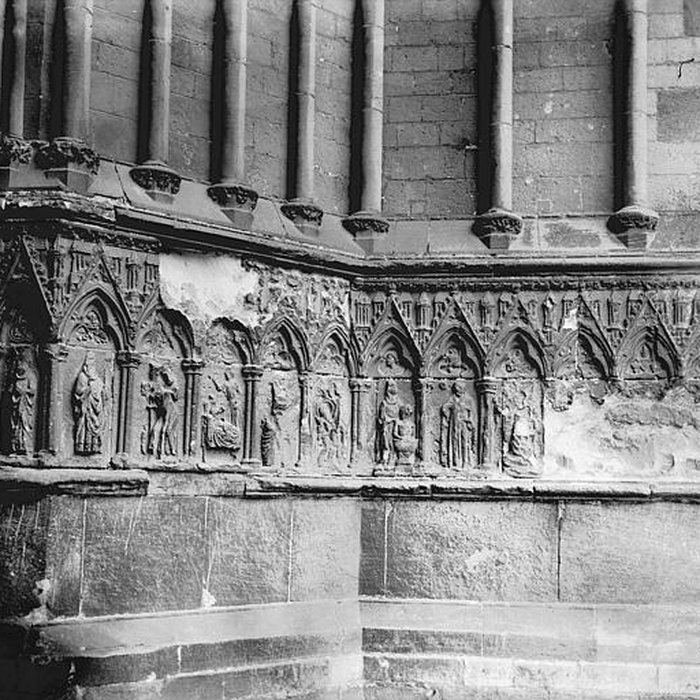
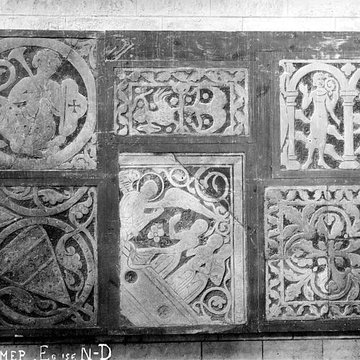
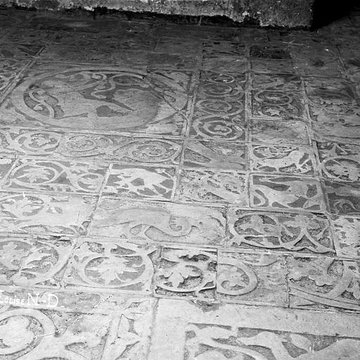
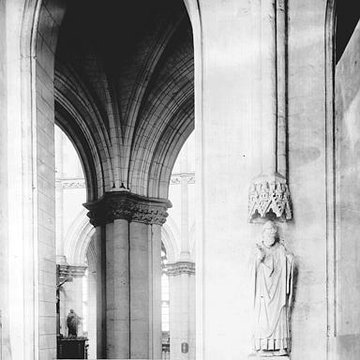
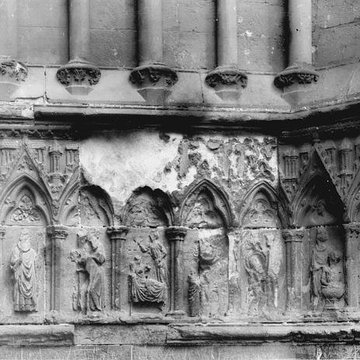
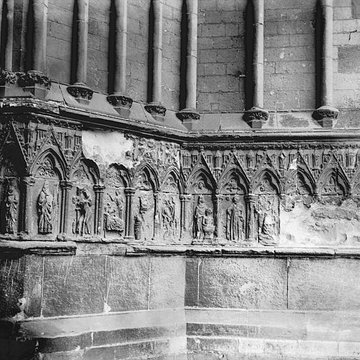
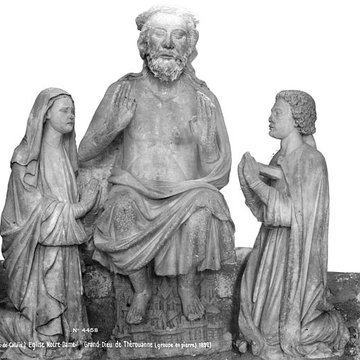
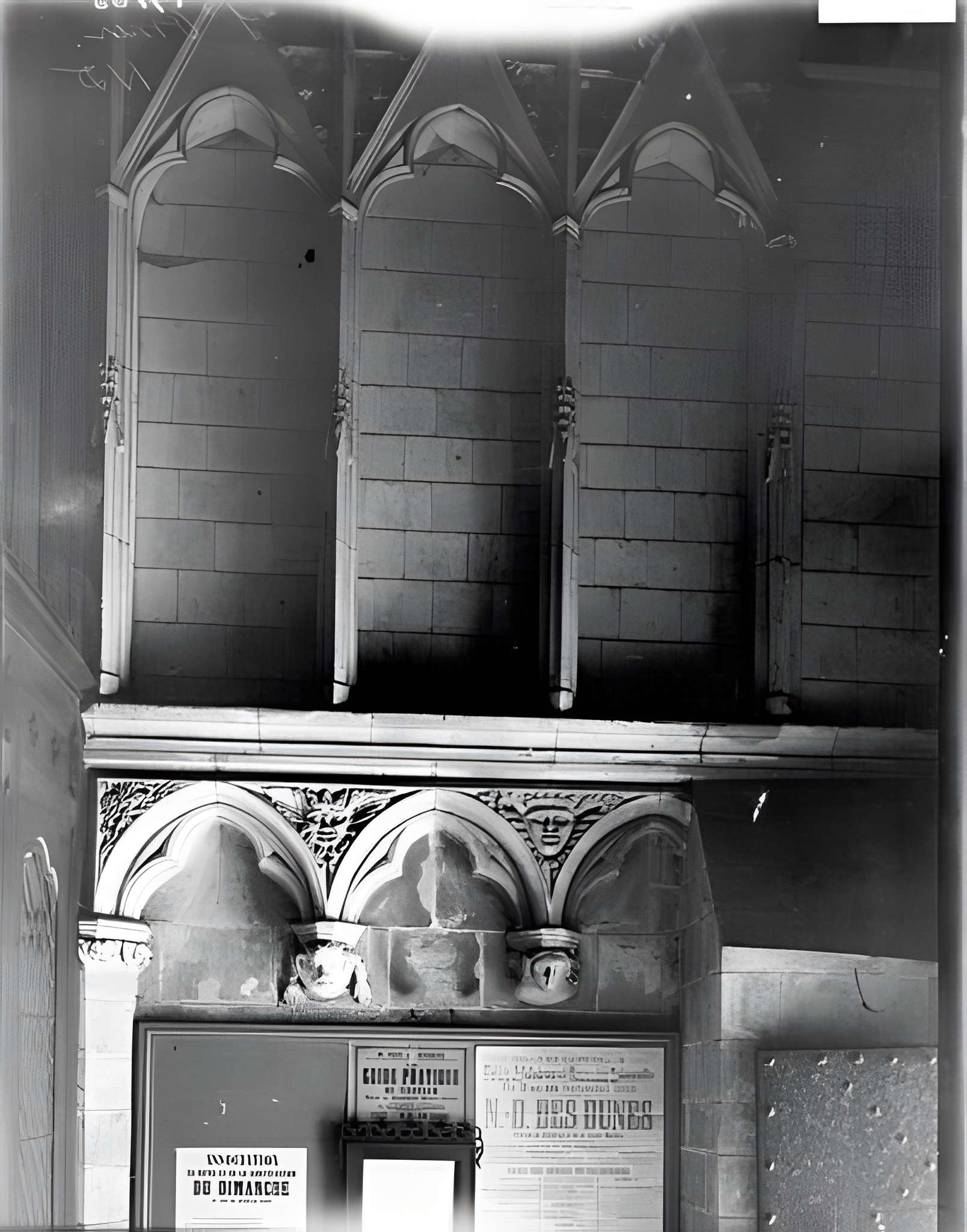
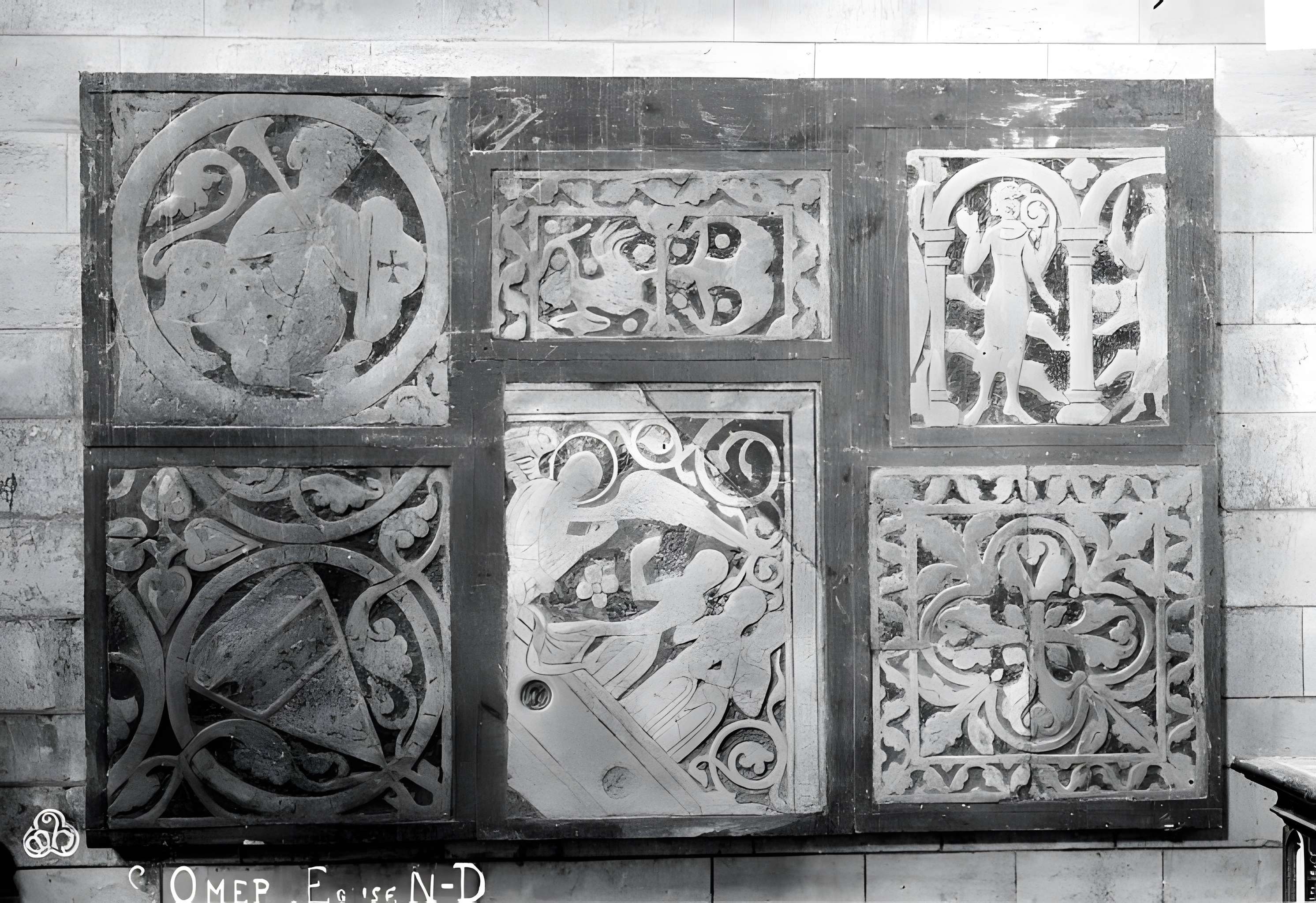
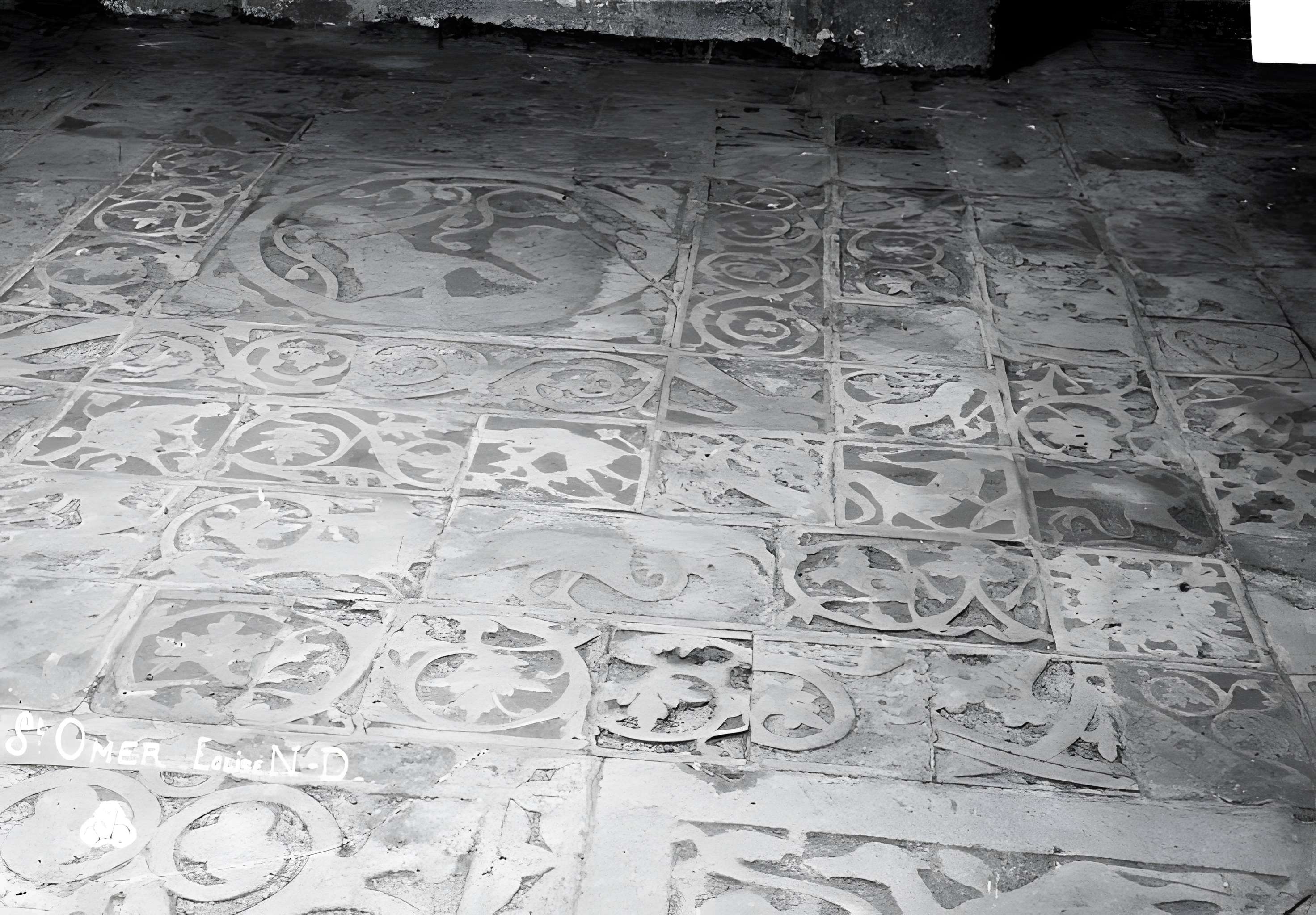
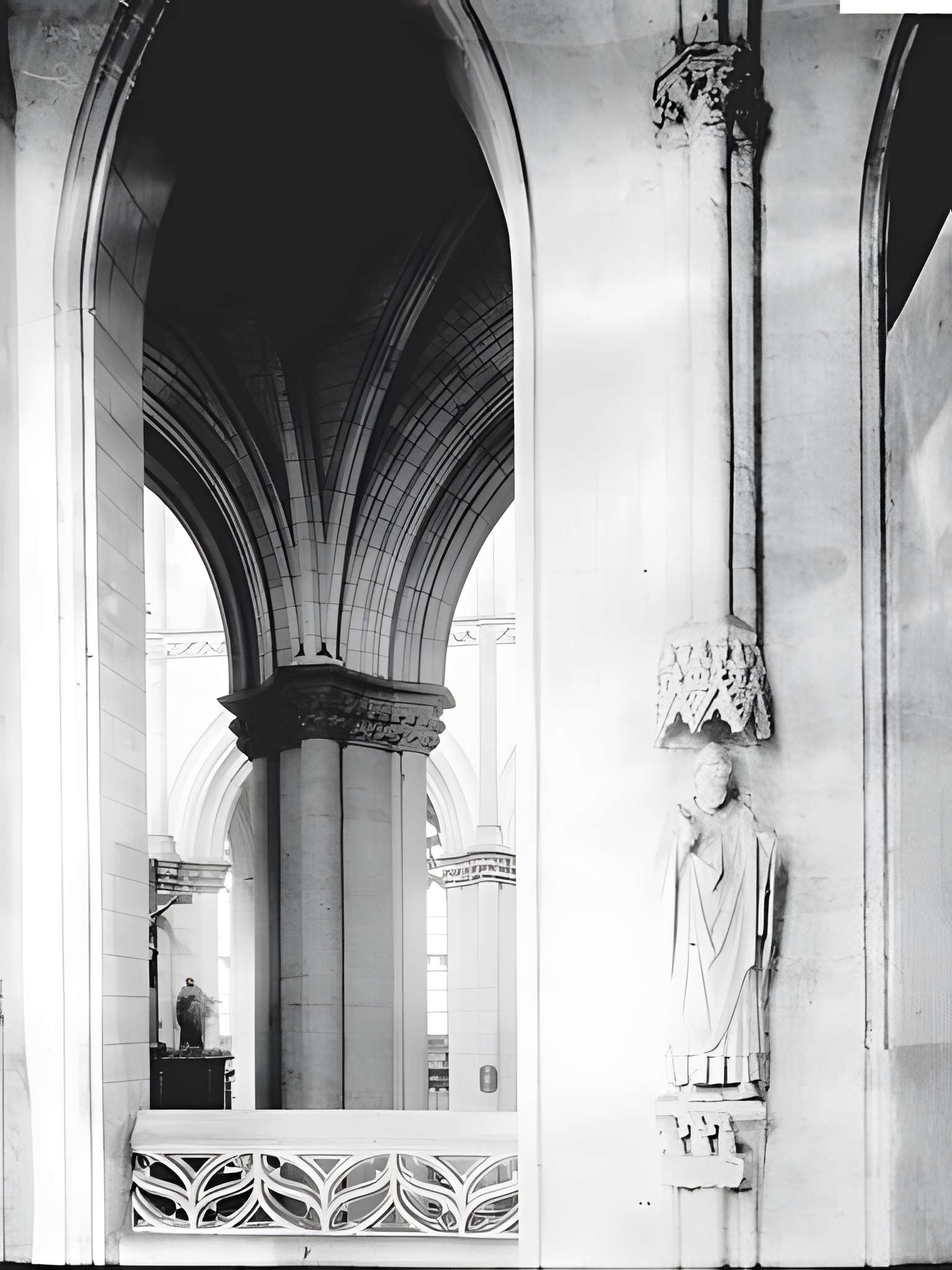
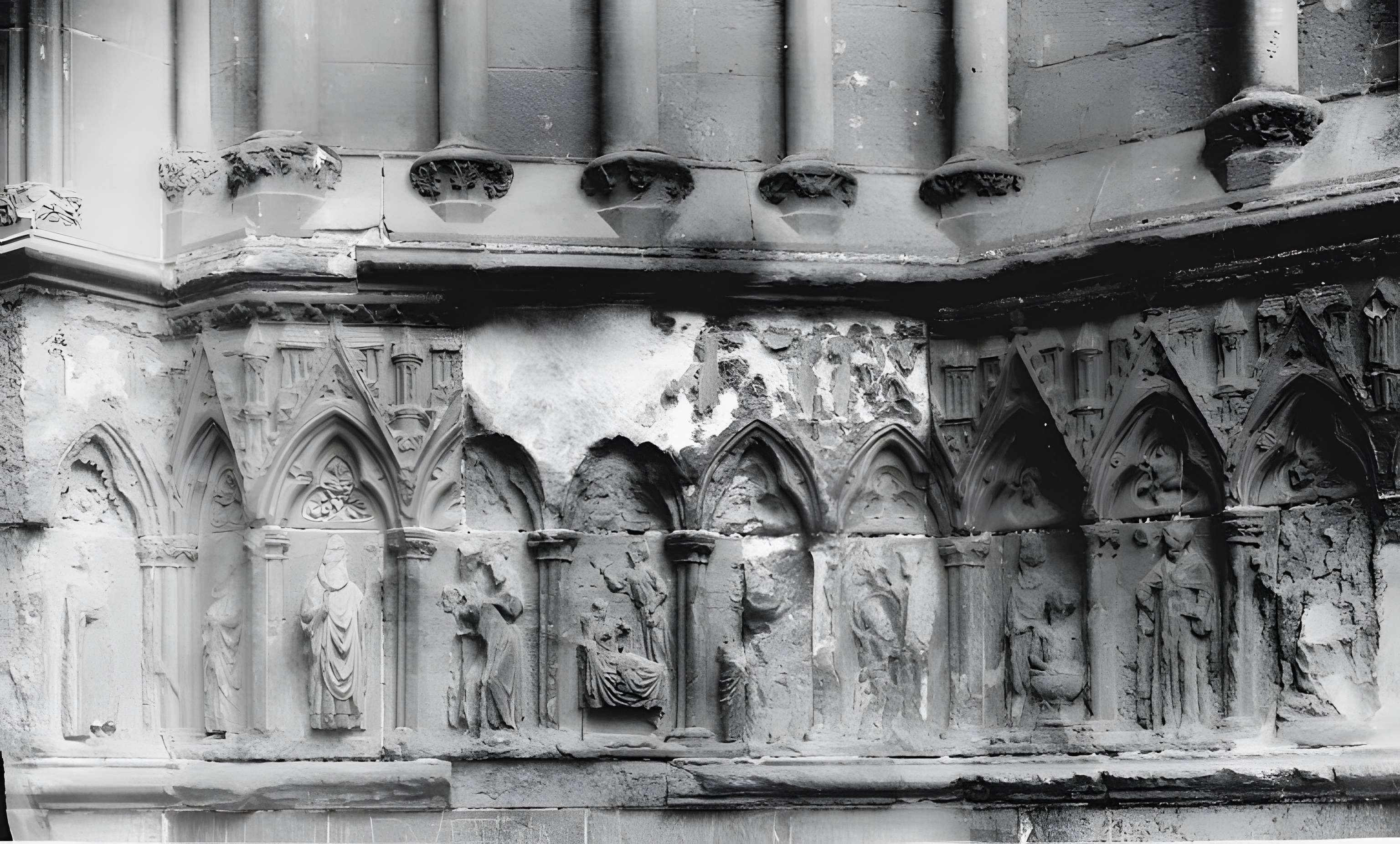
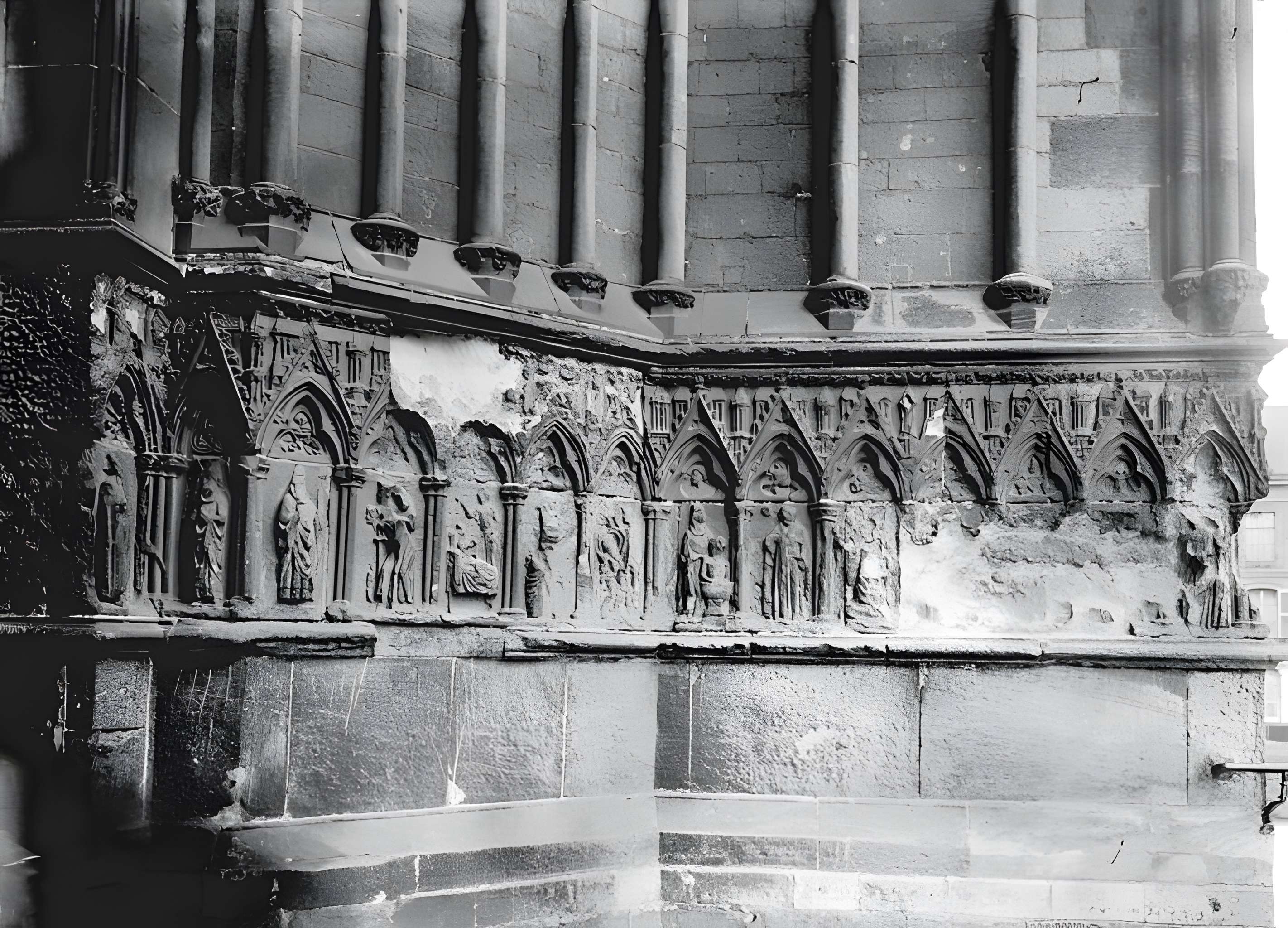
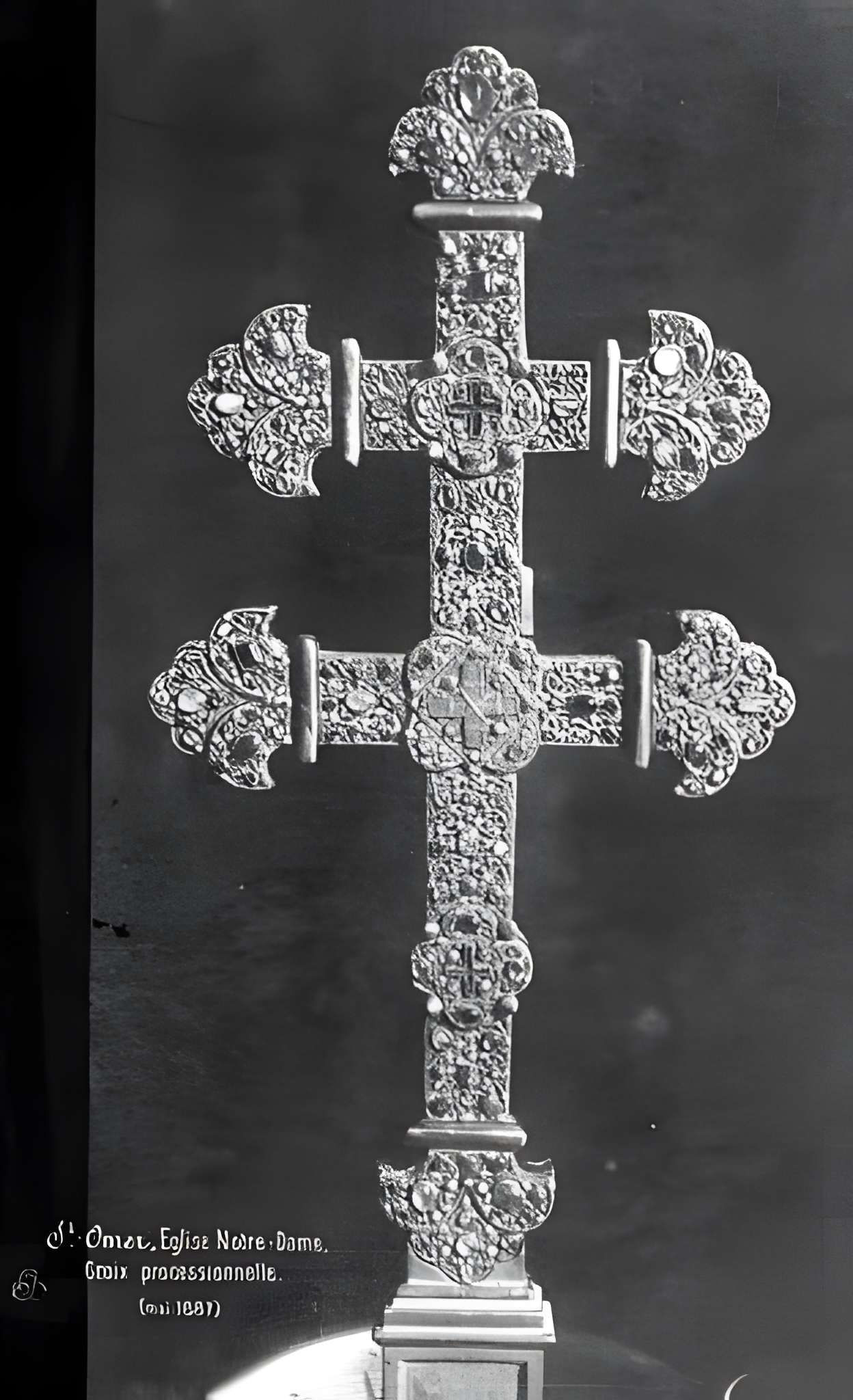
The cathedral houses artistic and historical treasures, including an astronomical clock of 1558, the work of Pierre Enguerran, unique in Europe by its precision. The southern portal, carved in the 13th century, represents a Last Judgment inspired by that of Amiens, while the interior preserves major works such as The Descent of the Cross of Rubens and a labyrinth in slabs of the 12th century, copy of that of the Abbey of Saint-Bertin. The stained glass windows, flamboyant capitals and the monumental organ buffet (1716), carved by the Piette brothers, testify to the artistic richness of the building.
During the French Revolution, the cathedral was transformed into an agricultural shed (1792–1802) but escaped major destruction. In the 19th century, restorations were undertaken in line with the work of Viollet-le-Duc. As a historical monument since 1840, it remains an active place of worship and a symbol of the religious heritage of Hauts-de-France. Its imposing dimensions (120 m long, 53 m wide) and its varied materials (Bethune sandstone, Tournai stone, white chalk) make it a masterpiece of Gothic architecture.
The canonial enclosure, partially destroyed during the Revolution, once housed convent buildings and canon houses. Today, the cathedral, open to the public, welcomes Masses and guided tours. His carillon of six bells, including the bumblebee Julienne (1920), and his great organs (buffet of 1716, redone by Cavaillé-Coll in 1853) perpetuate his musical vocation. The adjacent episcopal palace, built by Hardouin-Mansart, is today the courthouse of Saint-Omer.
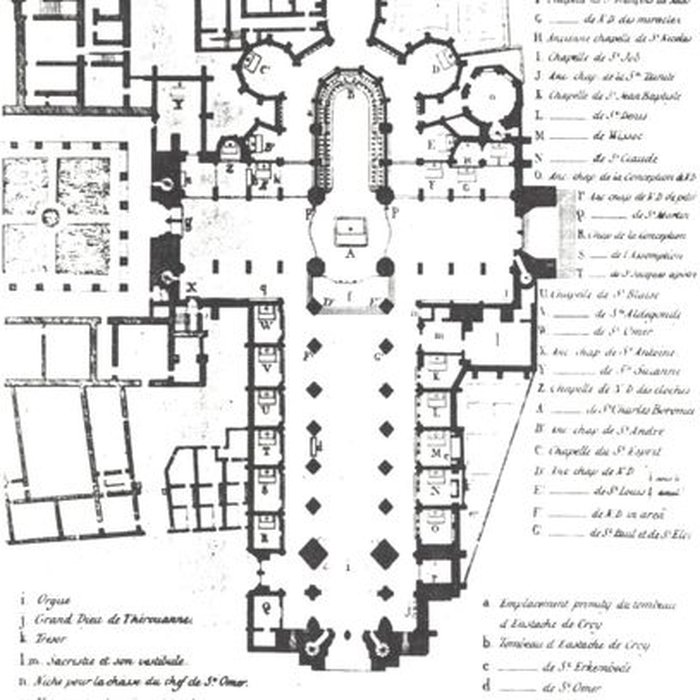
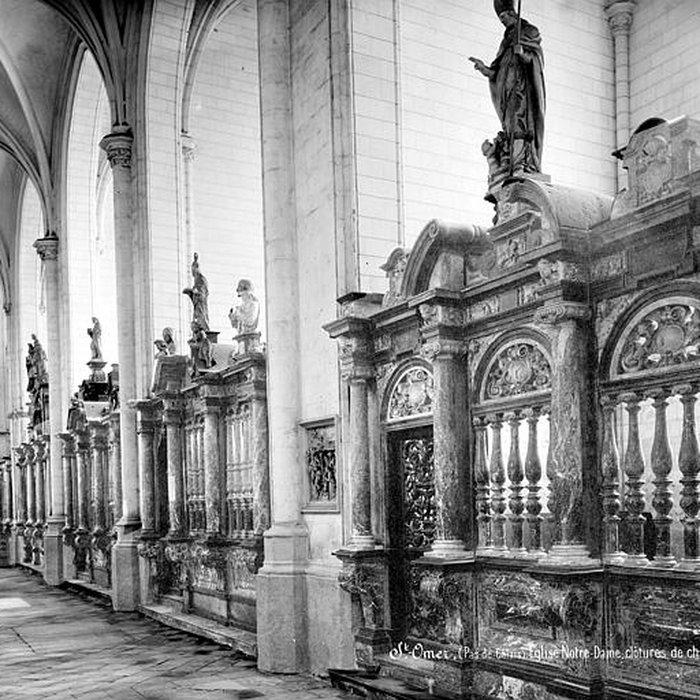
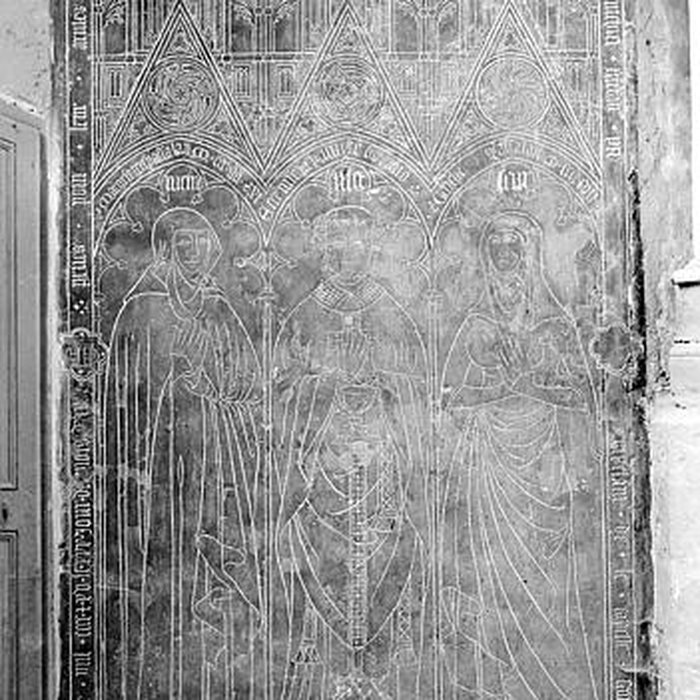
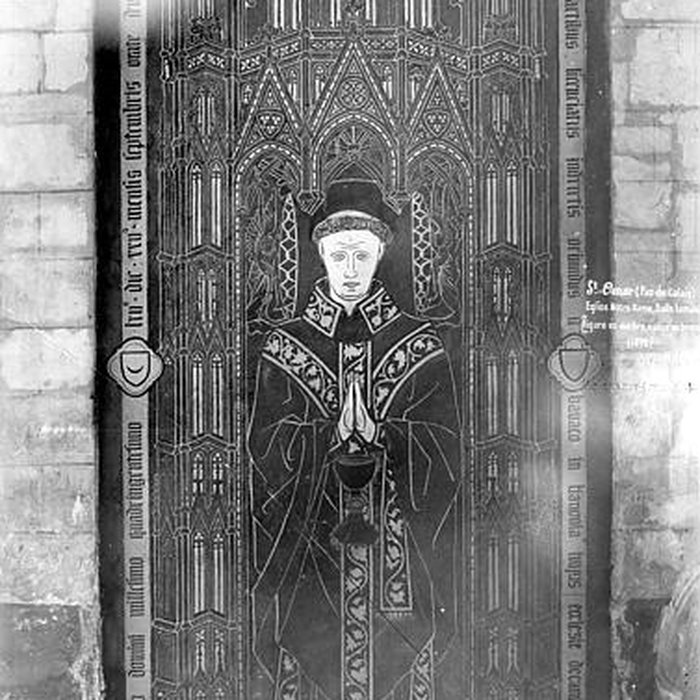
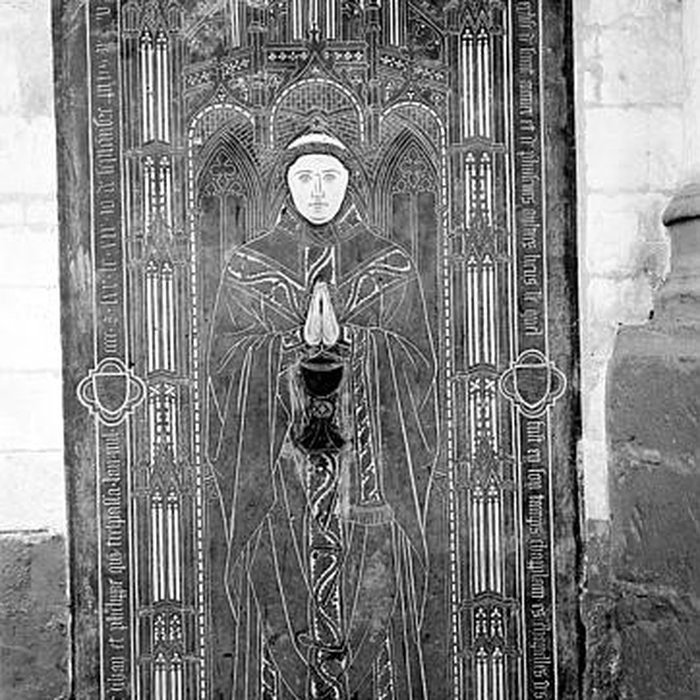
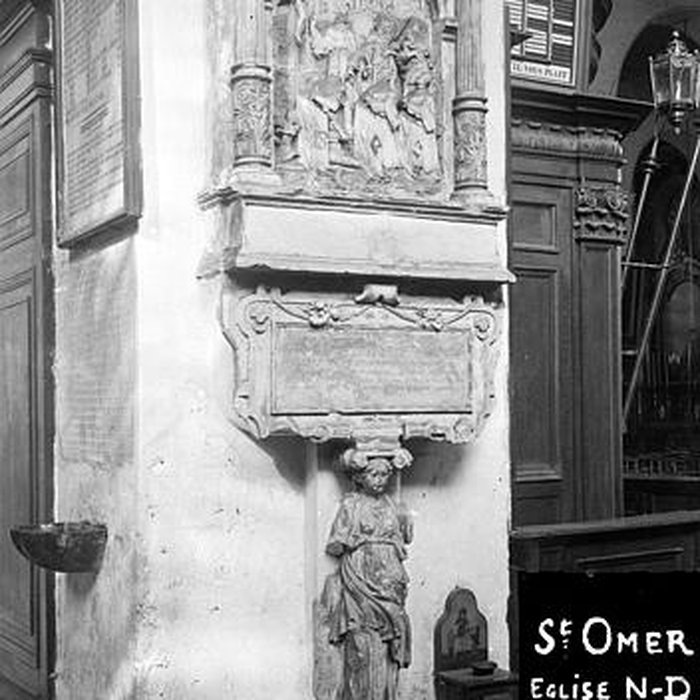
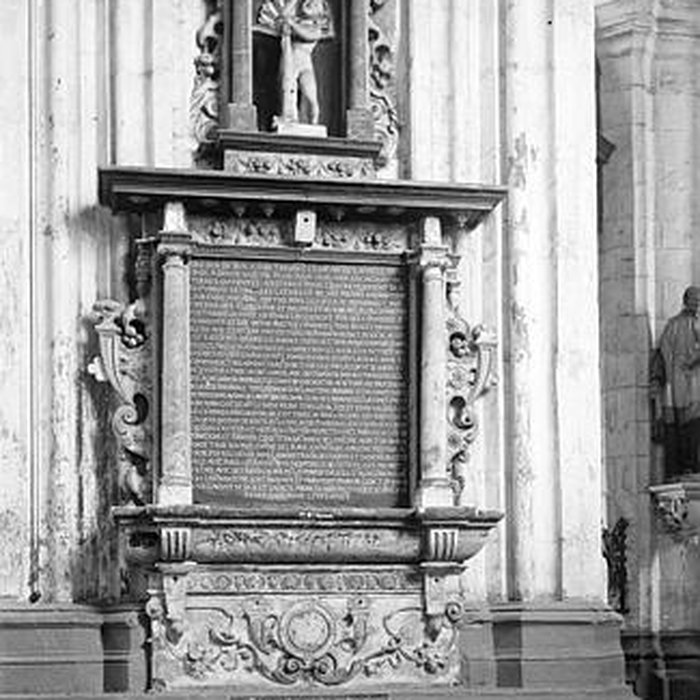
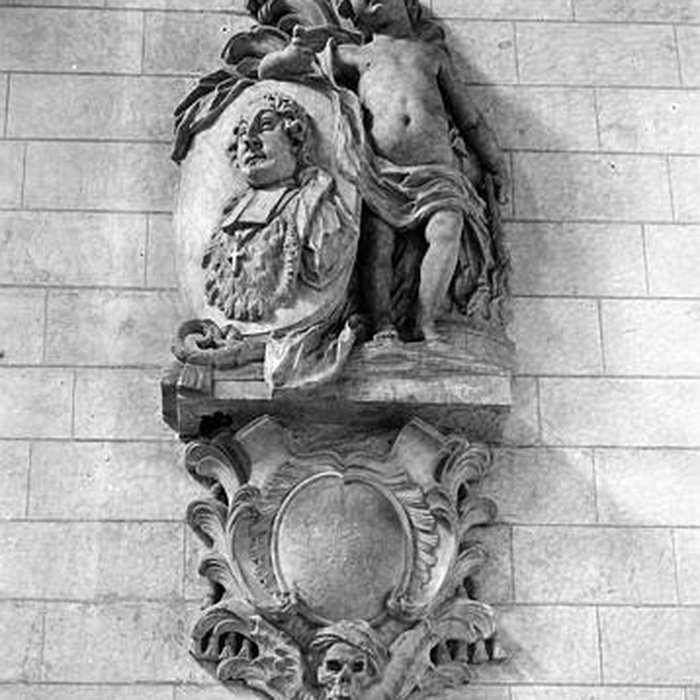
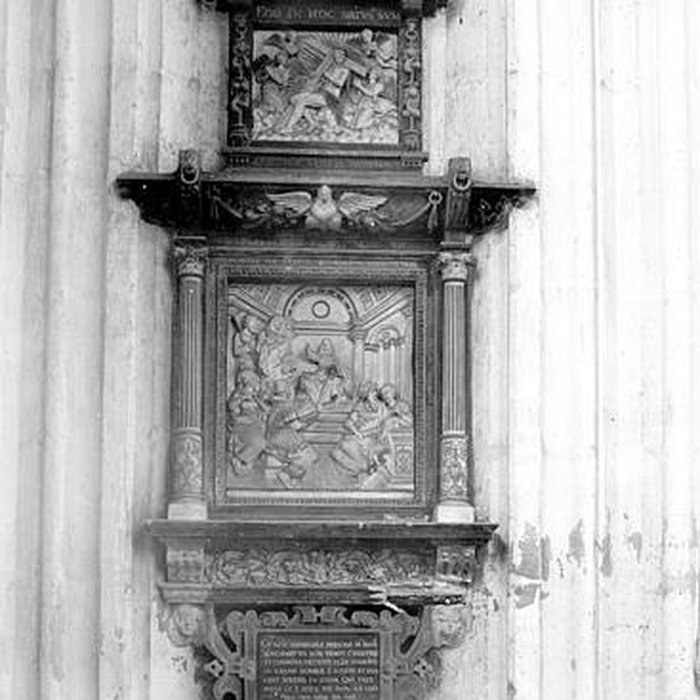
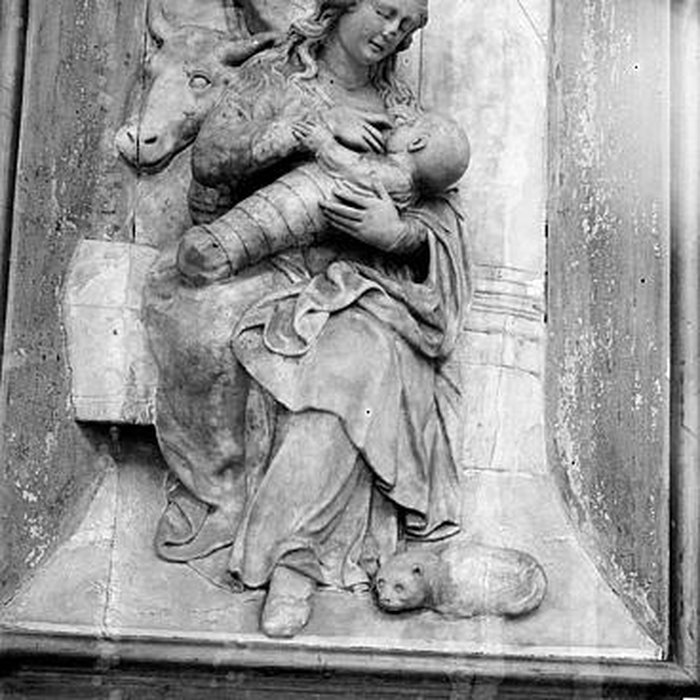
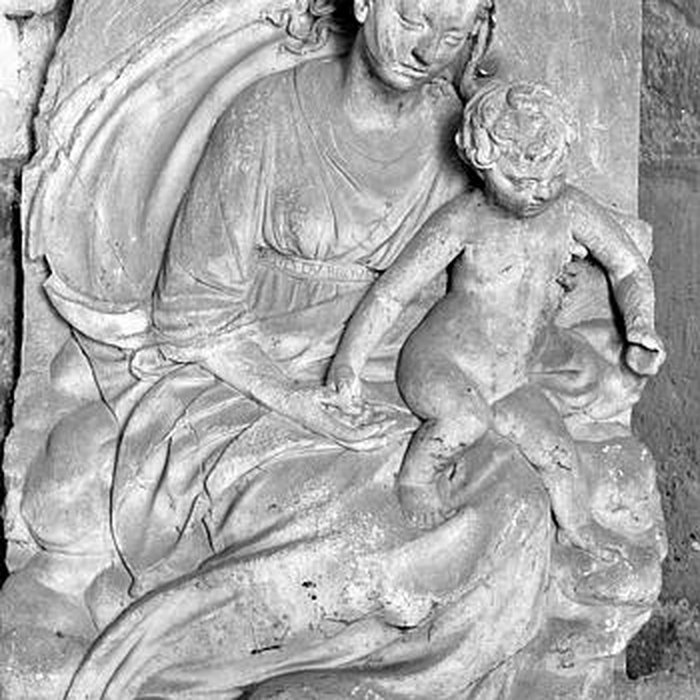
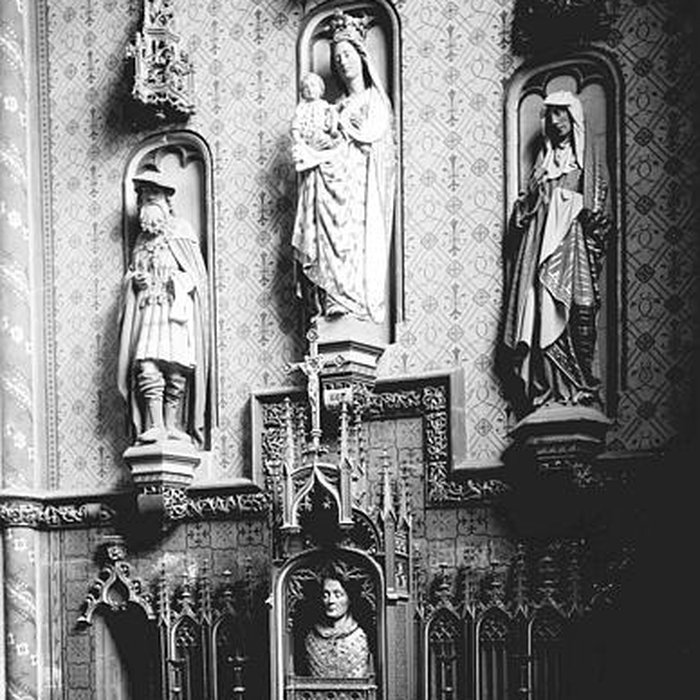
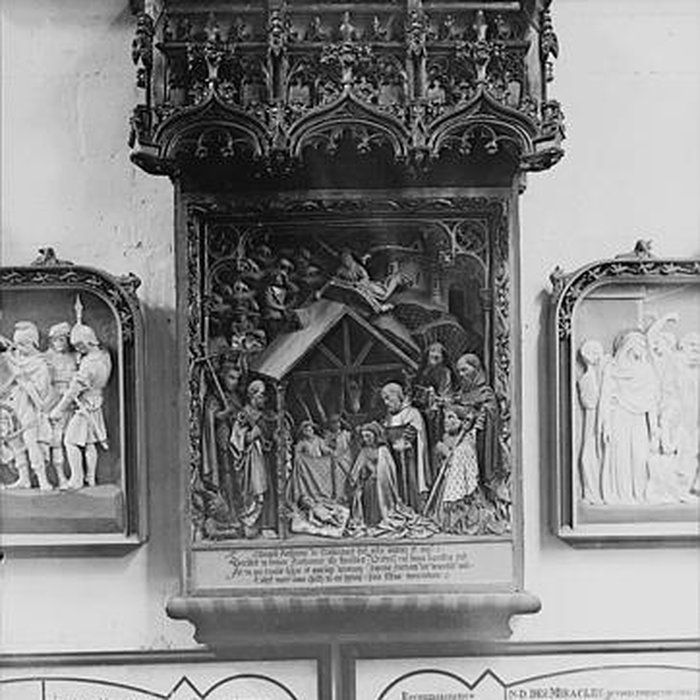
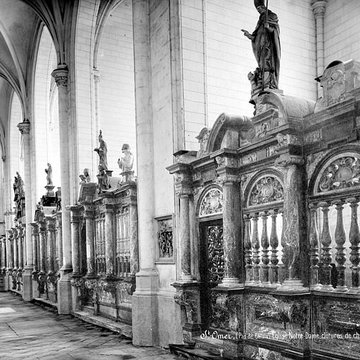
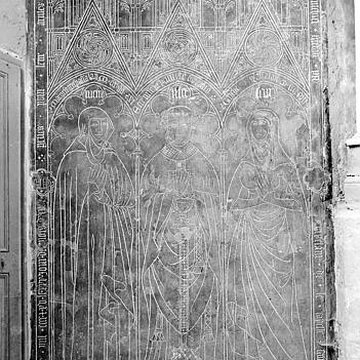
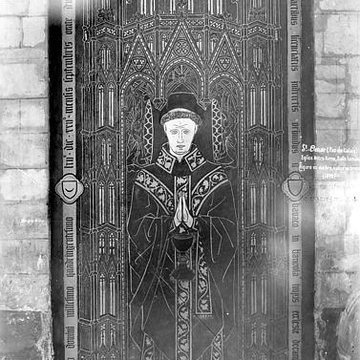
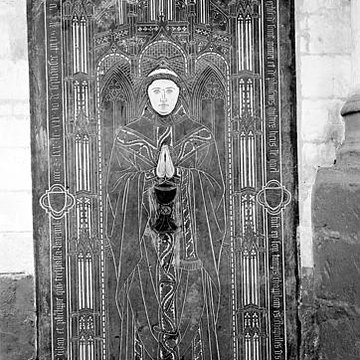
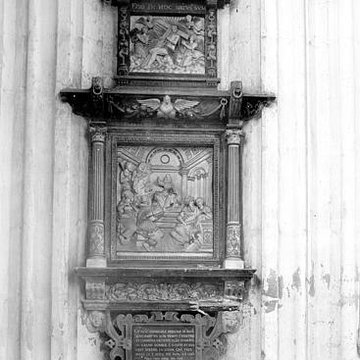
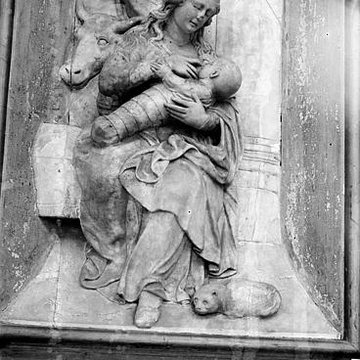
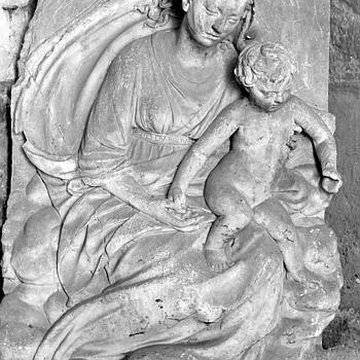
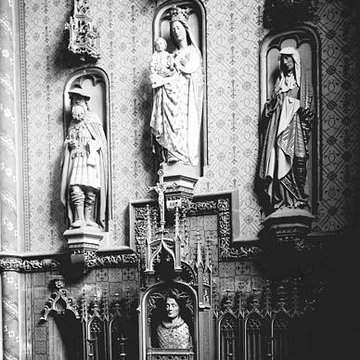
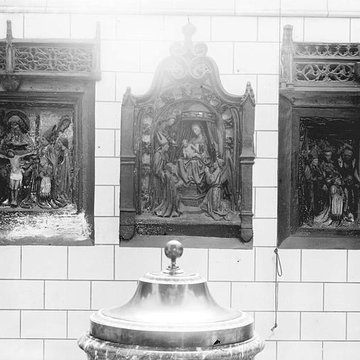
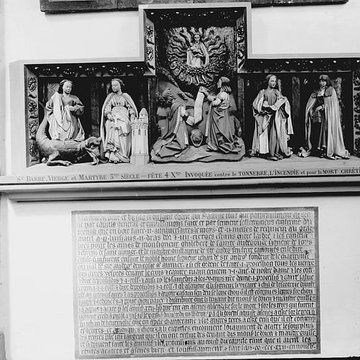
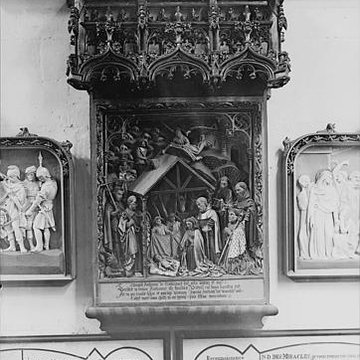
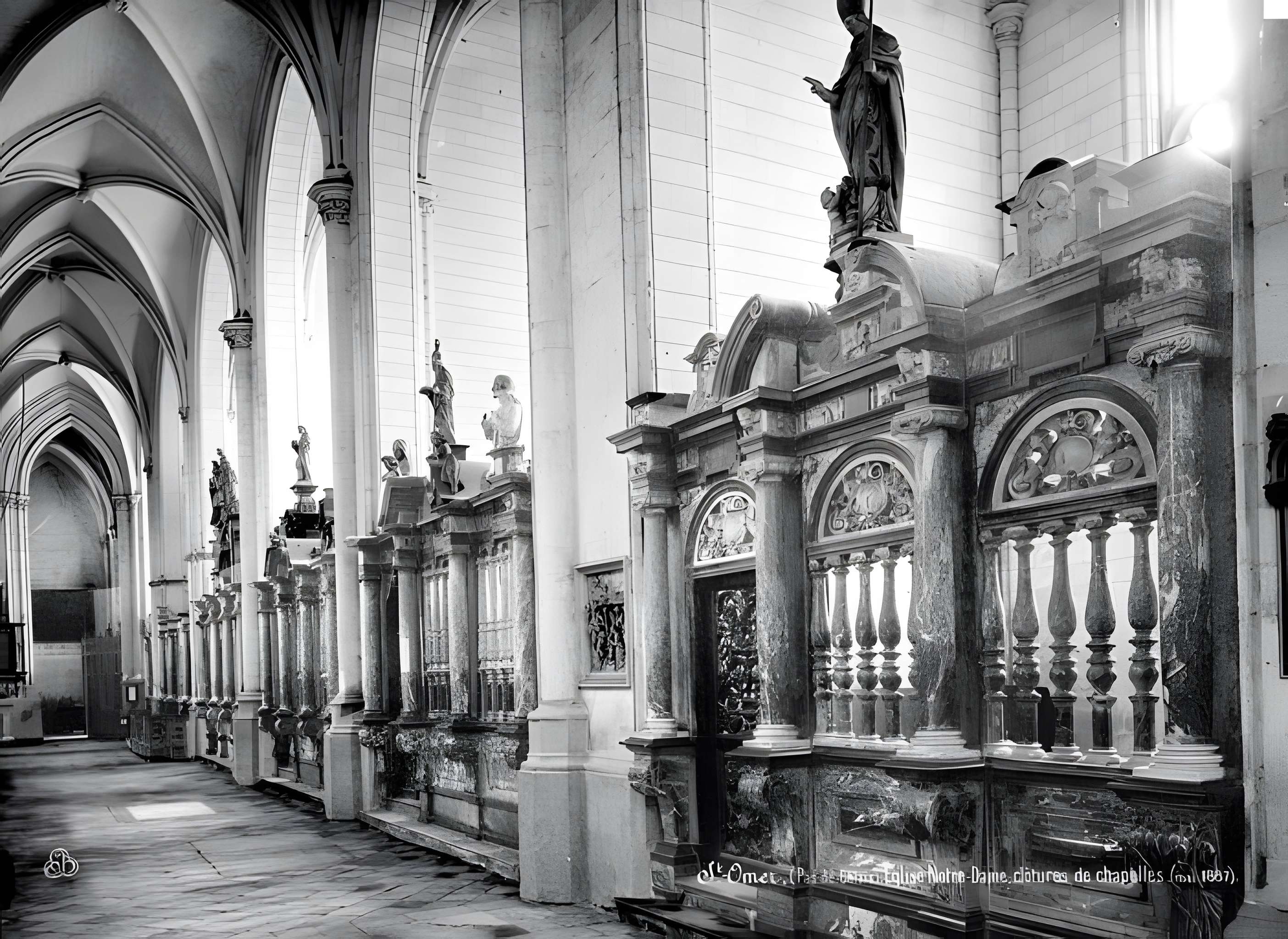
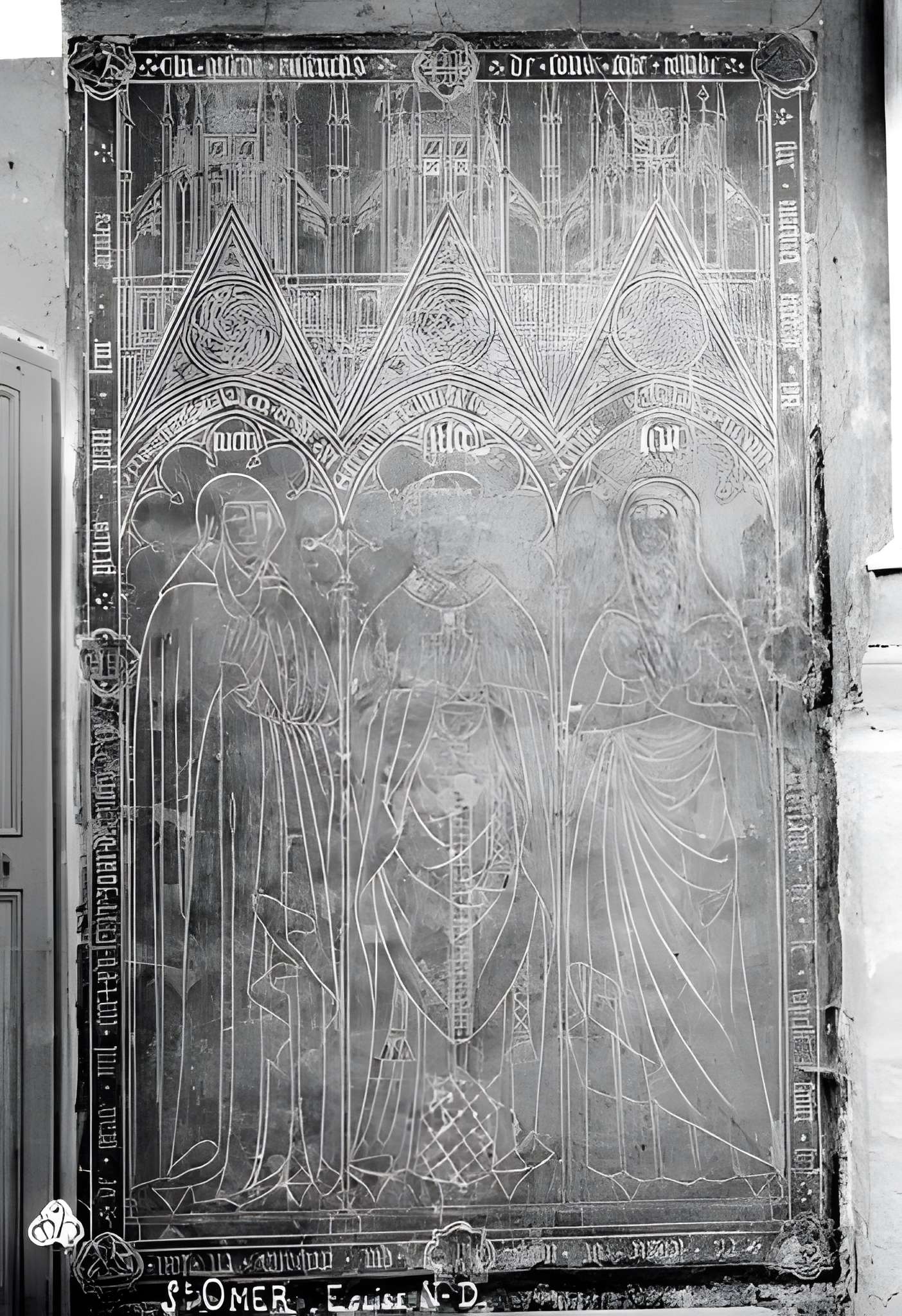
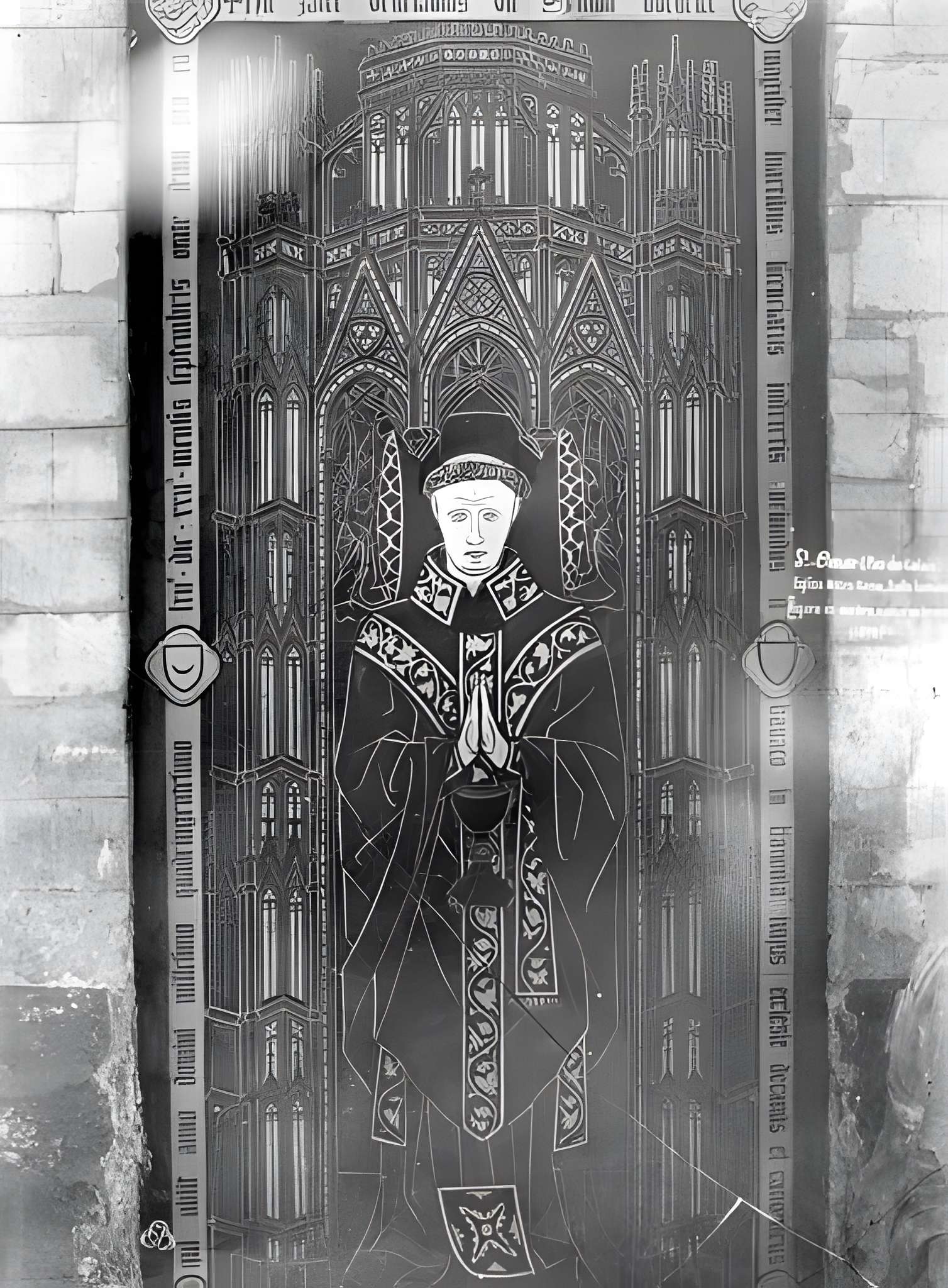
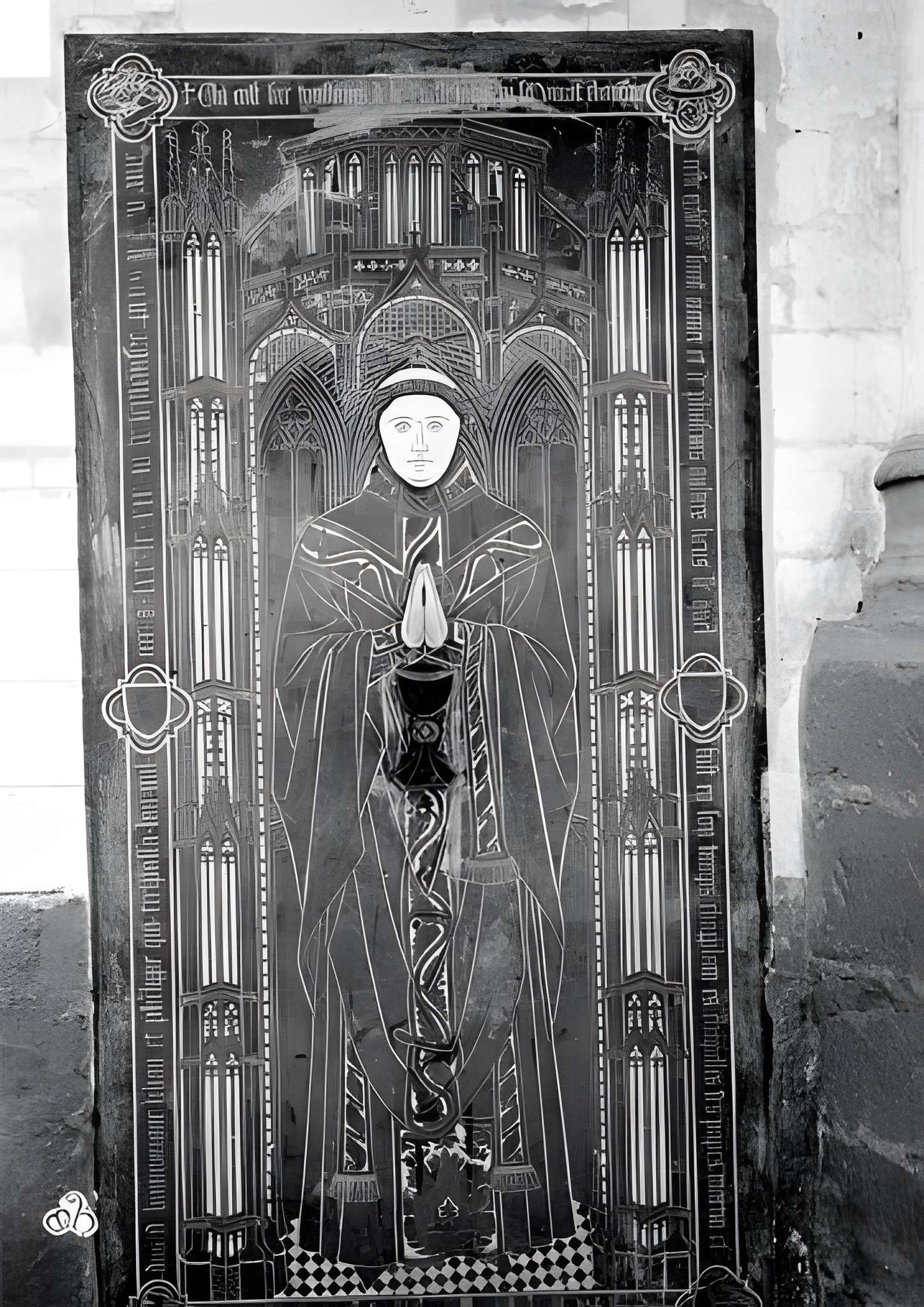
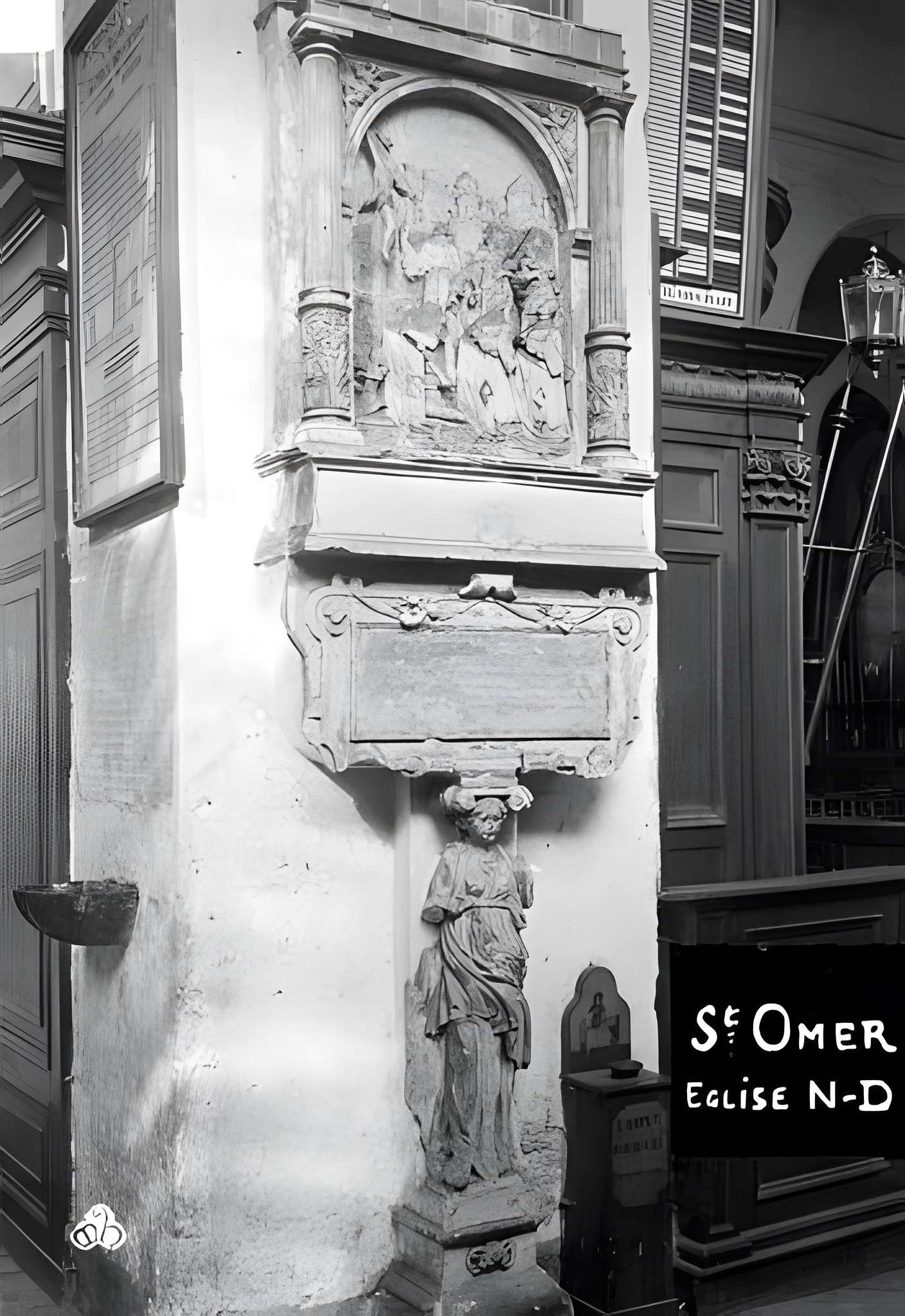
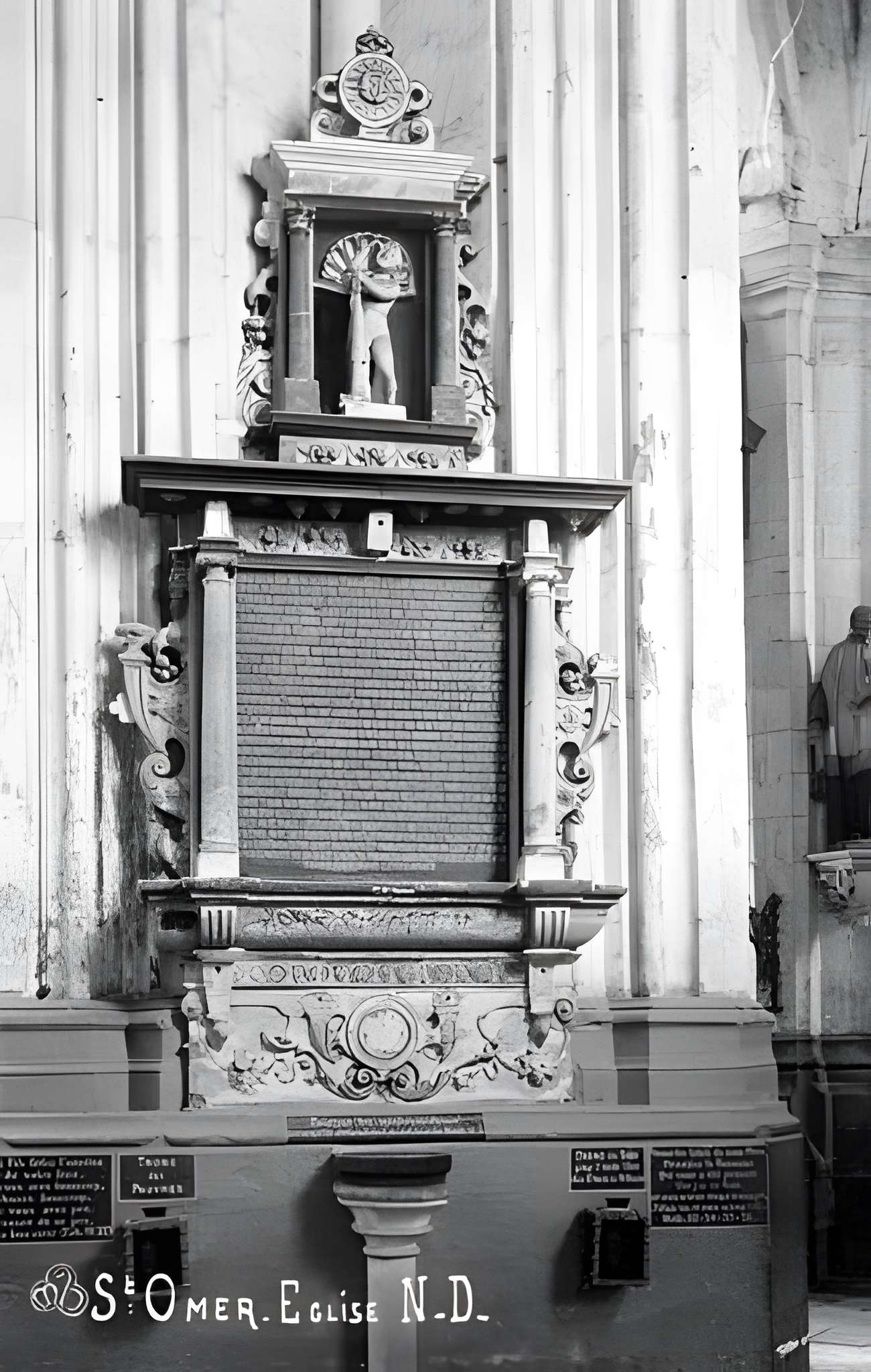
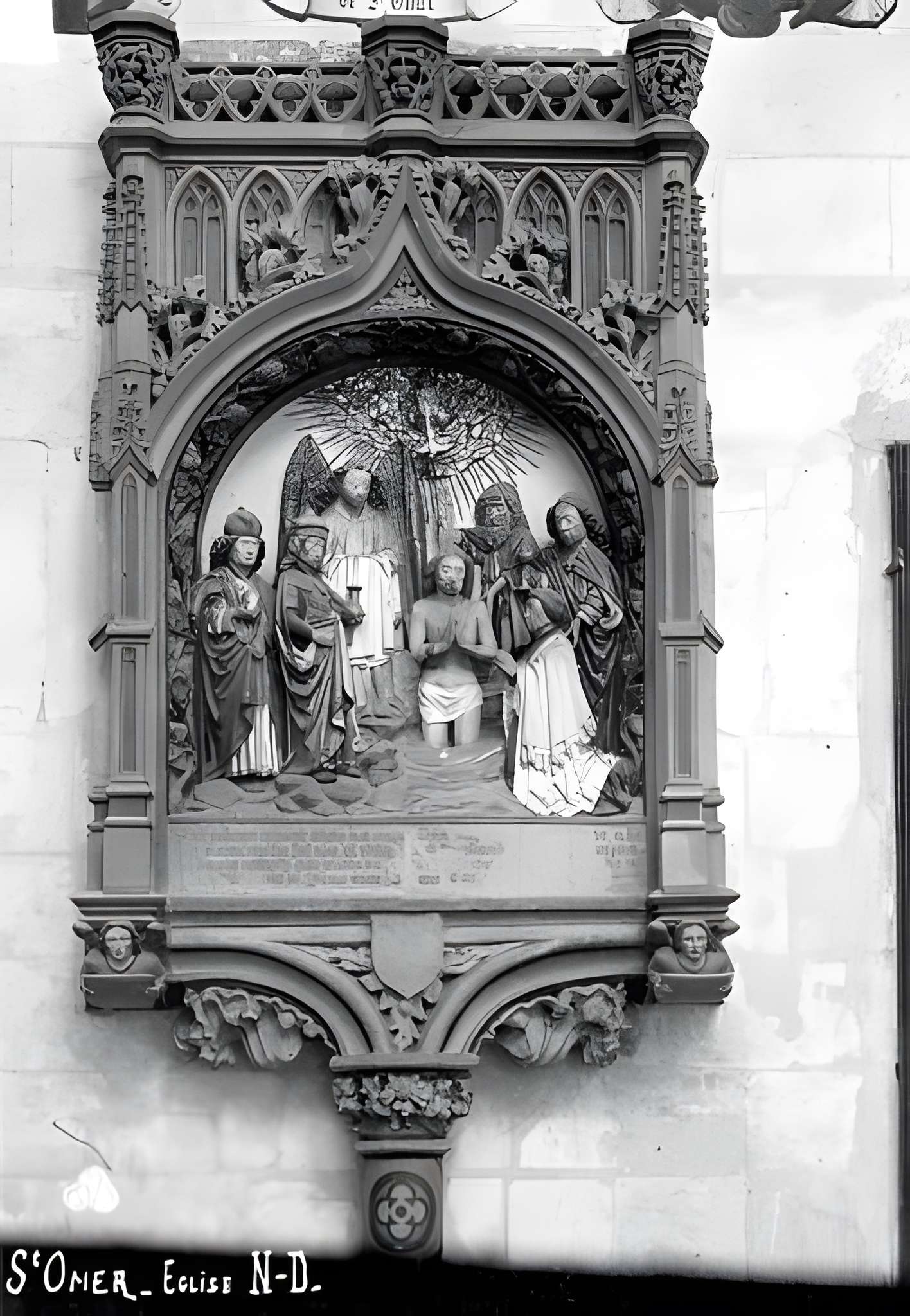
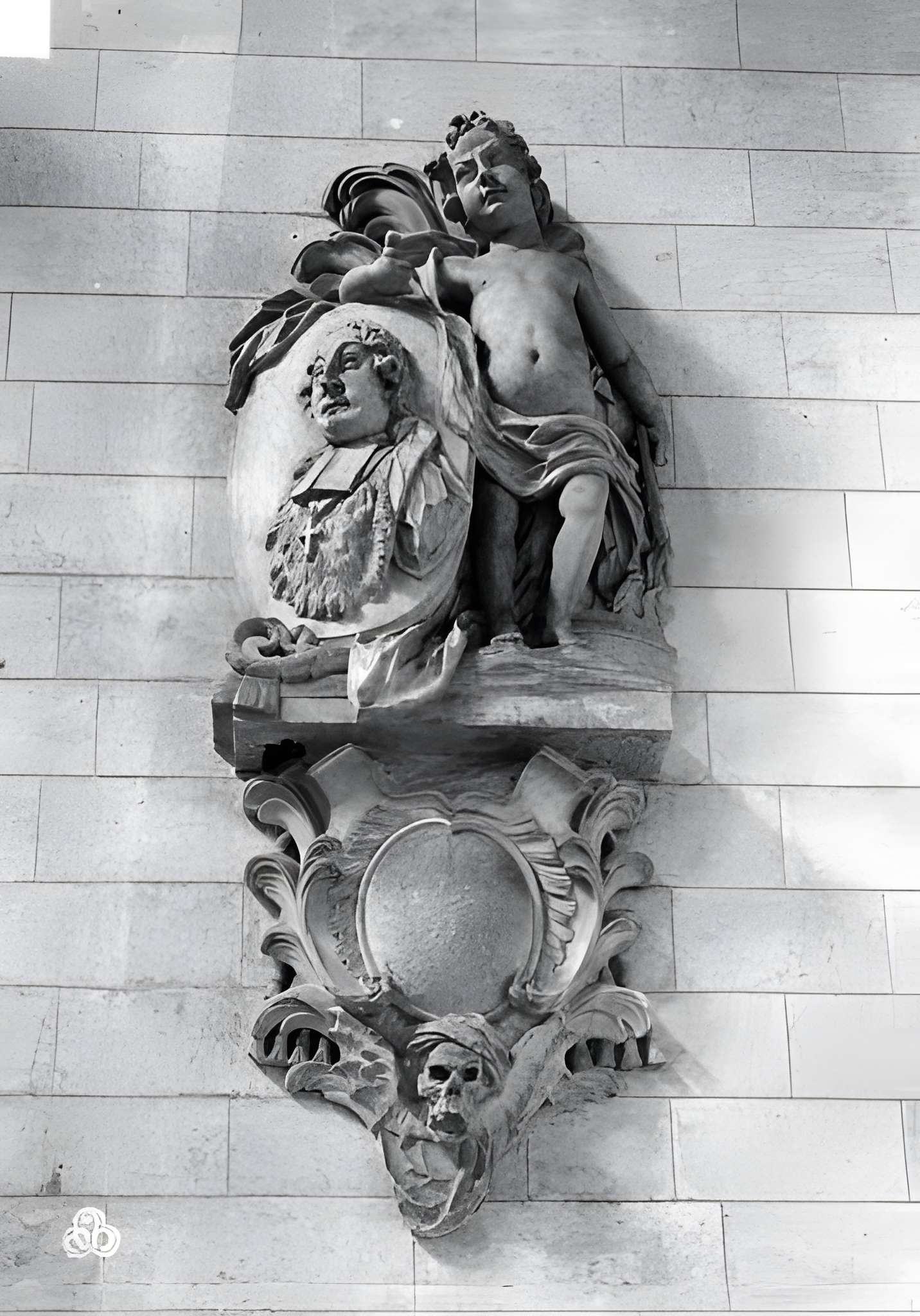
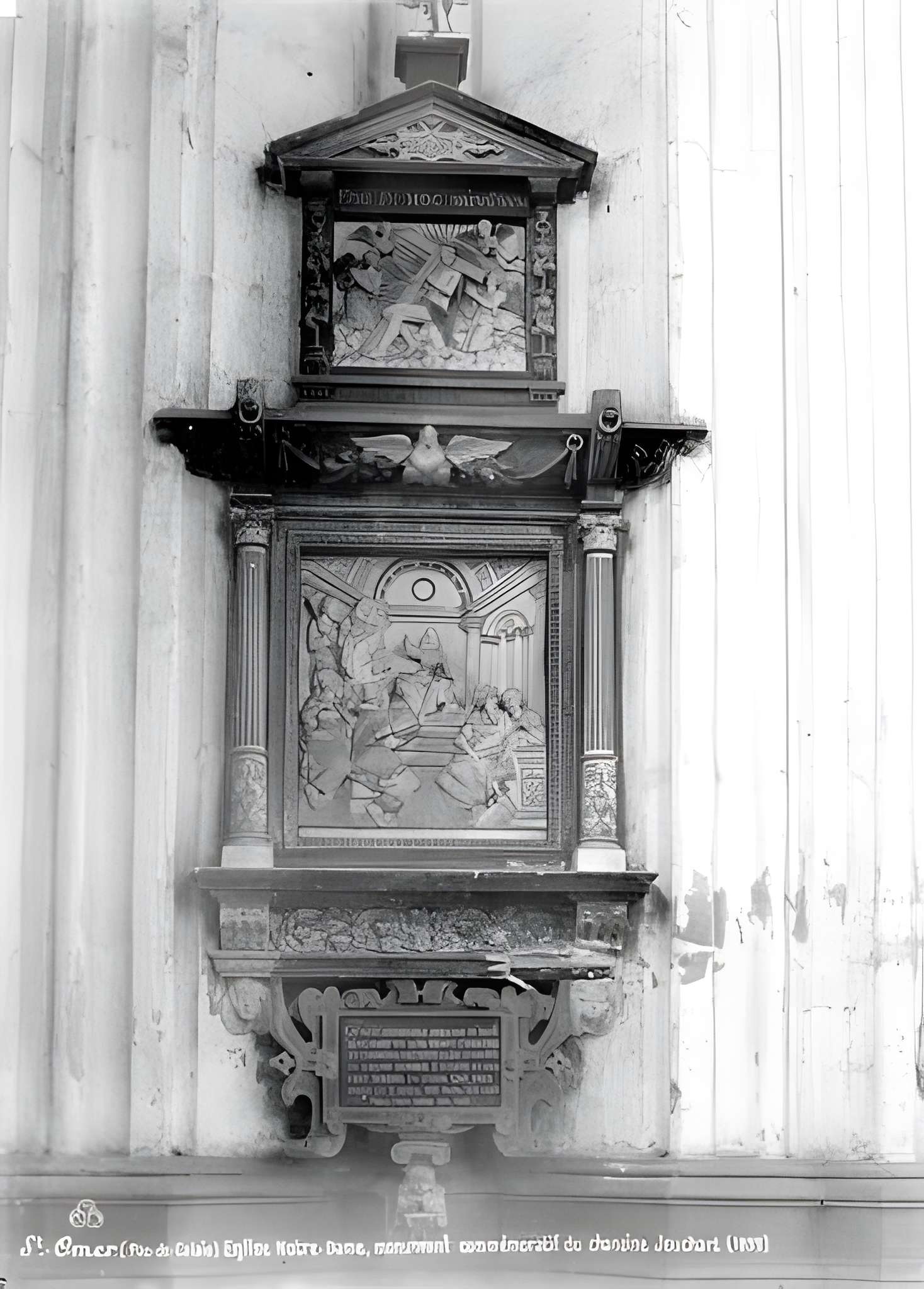
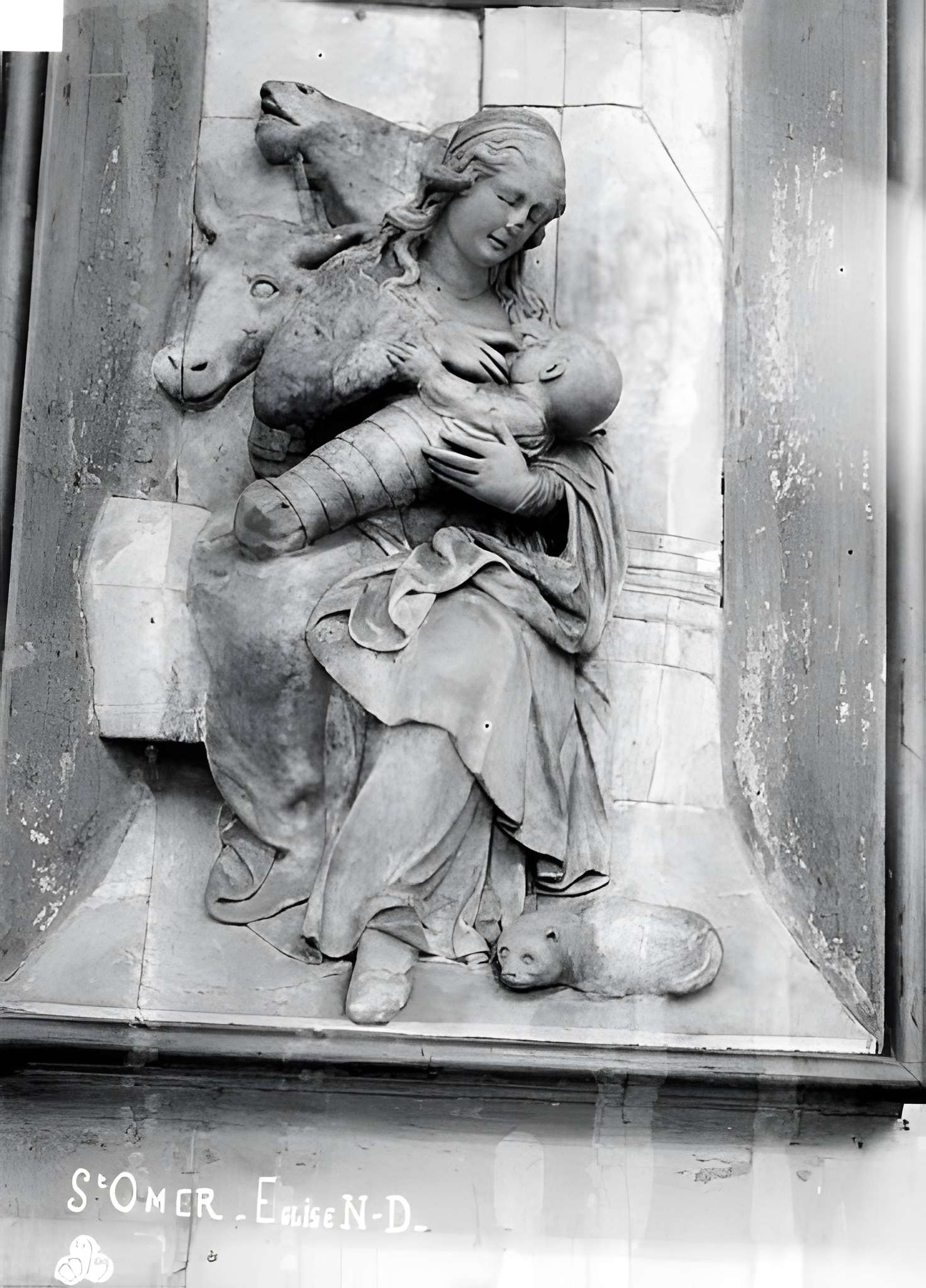
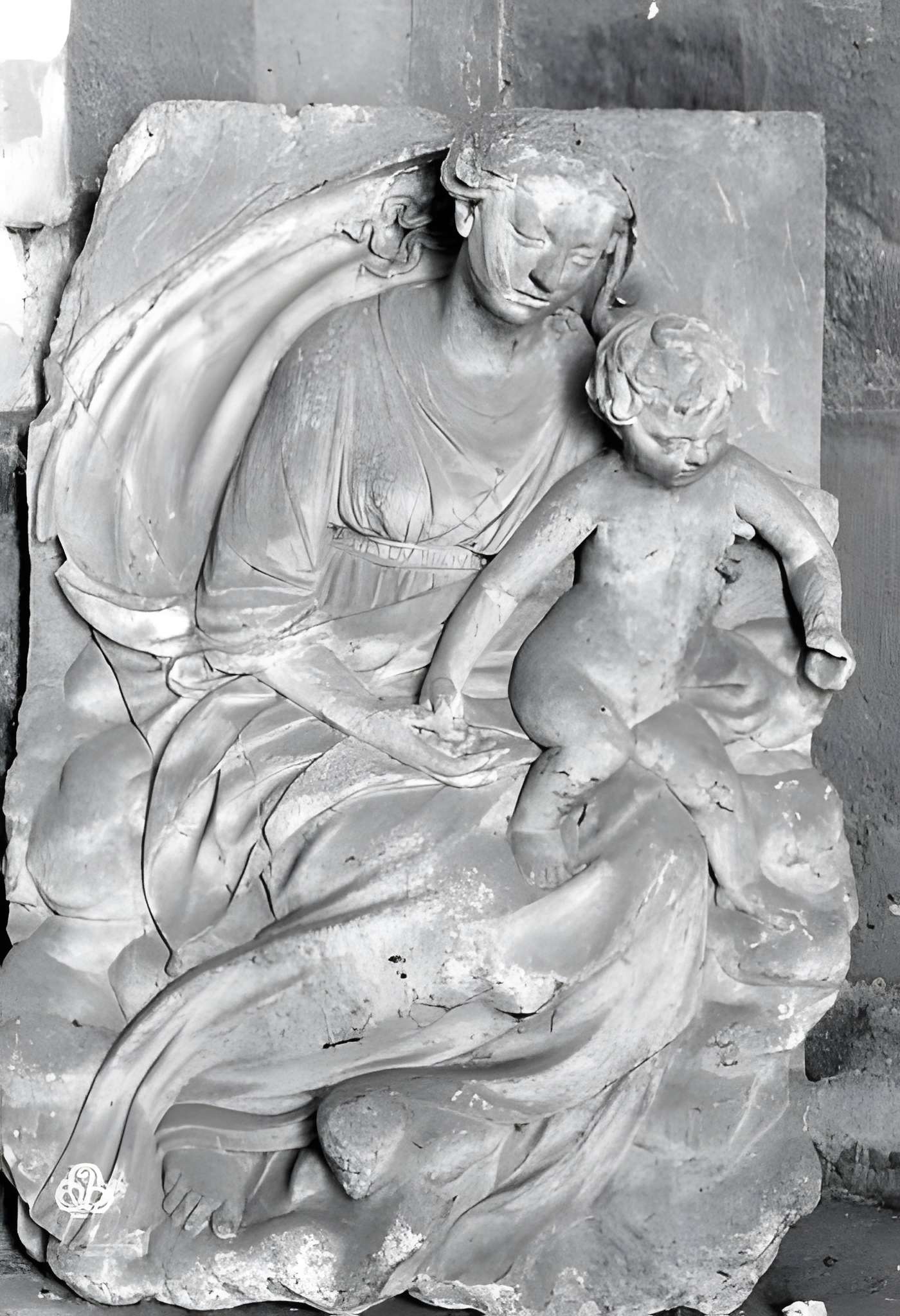
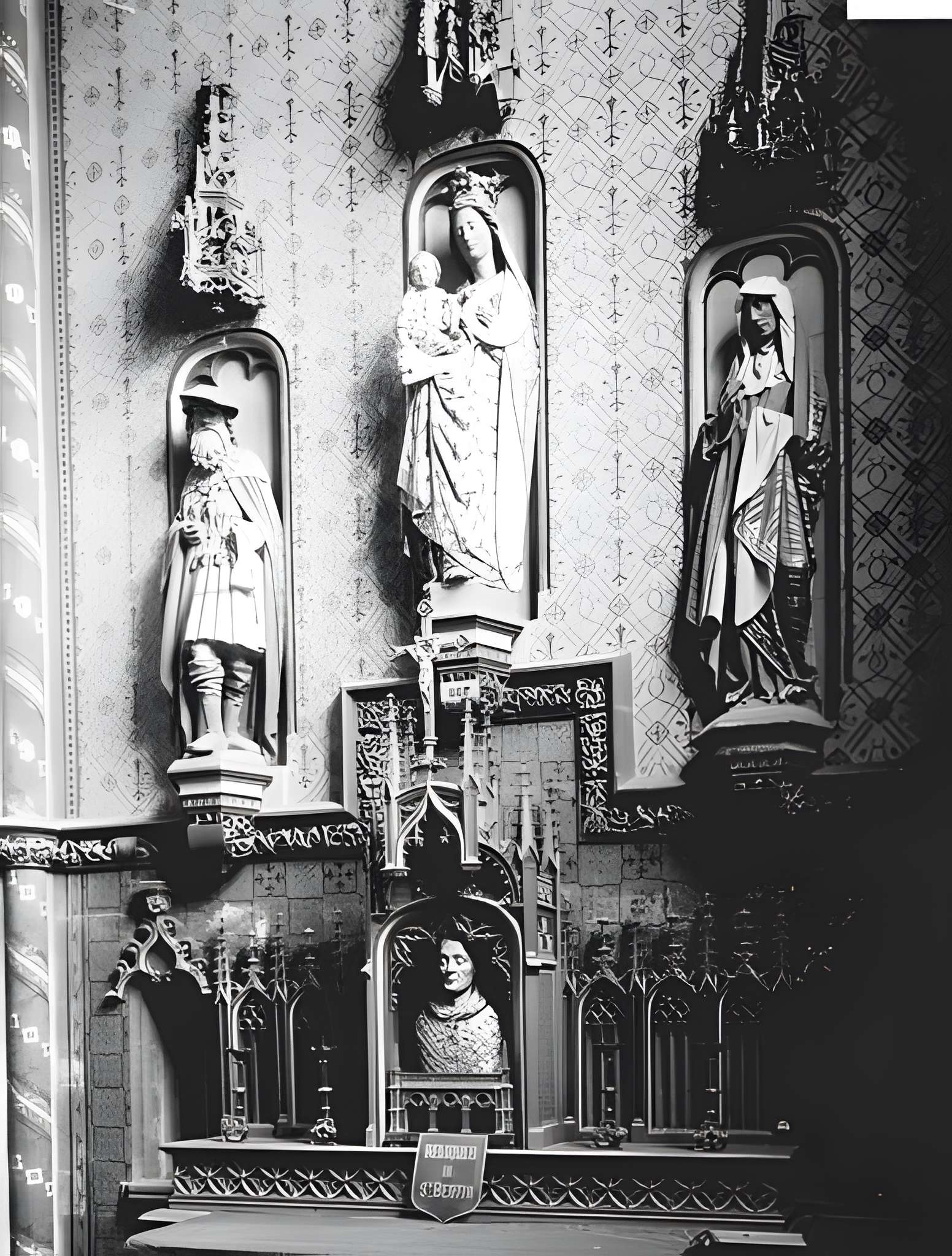
Among the remarkable works are the mausoleum of Eustache de Croÿ (1540) by Jacques du Broeucq, a Cat Virgin and medieval funeral slabs. The maze, symbol of the road to Jerusalem, and the Our Lady of Miracles, object of local devotion, reinforce its spiritual and cultural role. The cathedral thus embodies more than 800 years of history, mixing faith, art and architecture.







Announcements
Please log in to post a review