Acquisition of the fief 1482 (≈ 1482)
Jacques Le Pelletier buys Martainville.
1485-1495
Construction of the castle
Construction of the castle 1485-1495 (≈ 1490)
Dates engraved and estimated period.
1511
Death of Jacques Le Pelletier
Death of Jacques Le Pelletier 1511 (≈ 1511)
Inheritance to his nephew.
1571
Family breakdown
Family breakdown 1571 (≈ 1571)
Change of name to Martainville.
1889
Historical monument classification
Historical monument classification 1889 (≈ 1889)
Protection of the castle.
1906
Repurchase by the State
Repurchase by the State 1906 (≈ 1906)
Rescue of the castle.
1961
Creation of the museum
Creation of the museum 1961 (≈ 1961)
Open to the public in 1964.
2011
Creation of the reborn garden
Creation of the reborn garden 2011 (≈ 2011)
Development of the east façade.
Aujourd'hui
Aujourd'hui
Aujourd'hui Aujourd'hui (≈ 2025)
Position de référence.
Key figures
Jacques Le Pelletier - Sponsor and shipowner
Builder of the castle around 1485.
Jacques Le Pelletier (neveu) - Heir and processor
Change the façade and chapel.
Richard de Martainville - Gentile man of Henry III
Anobliated in 1571.
Daniel Lavallée - Founder of the museum
Collection of traditional objects.
Henri Gosselin - Architect restorer
Renovation around 1925.
Origin and history
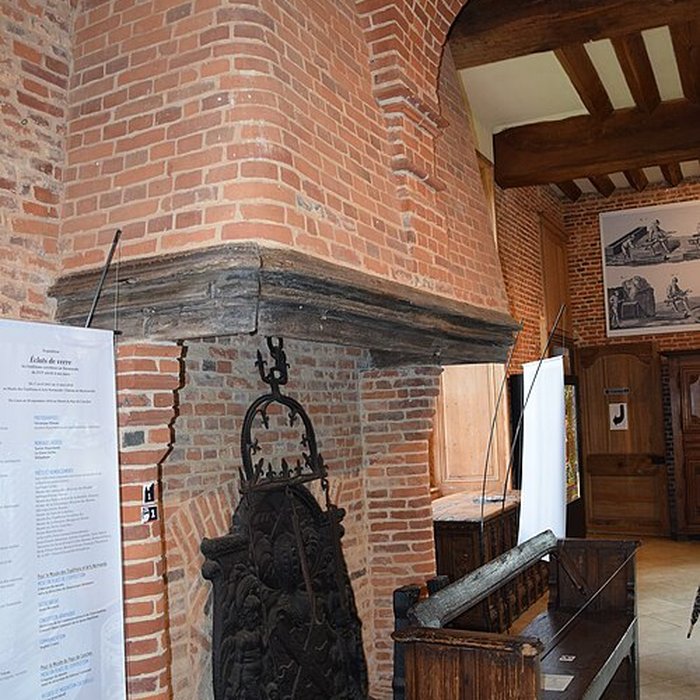
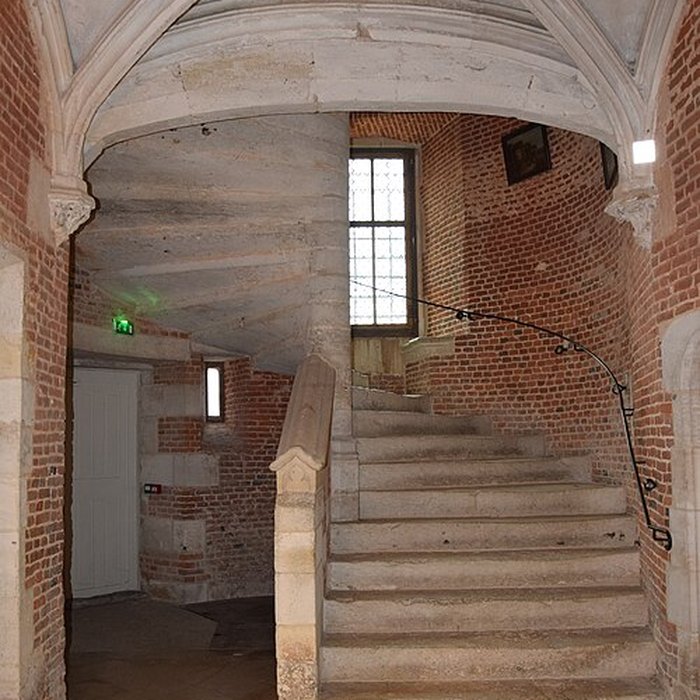
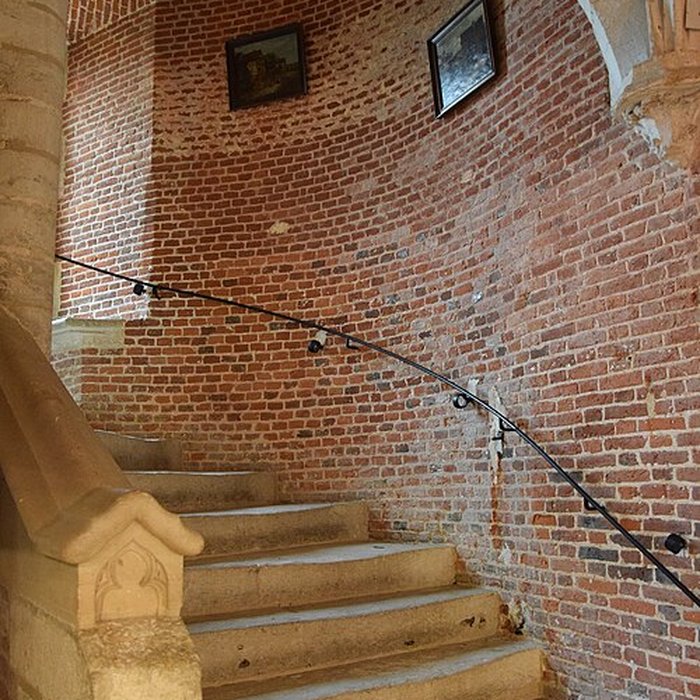
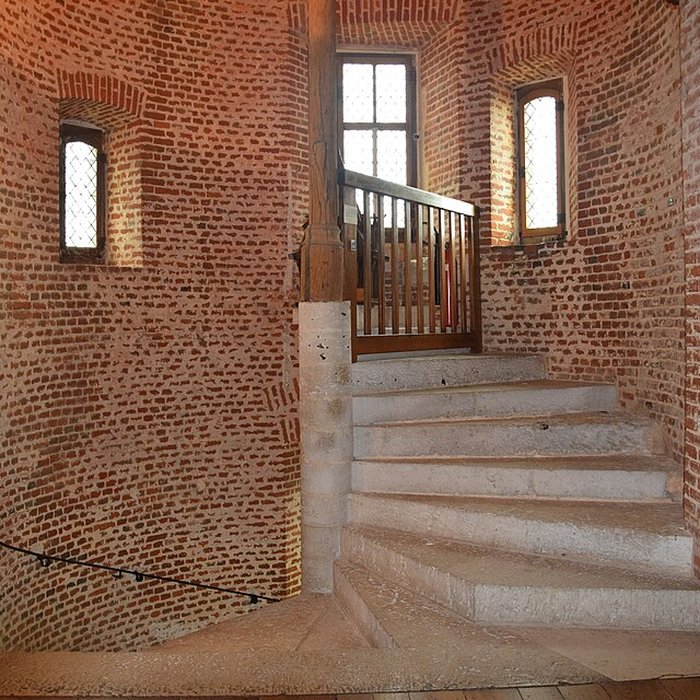
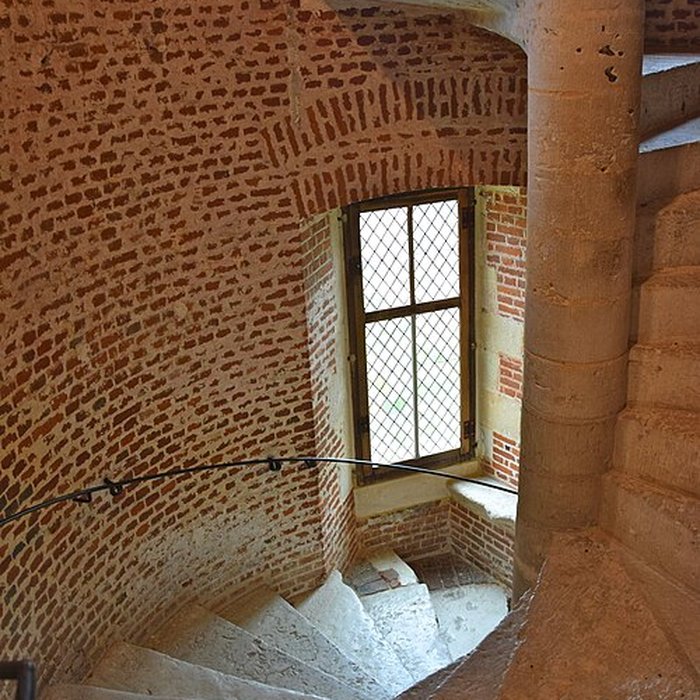
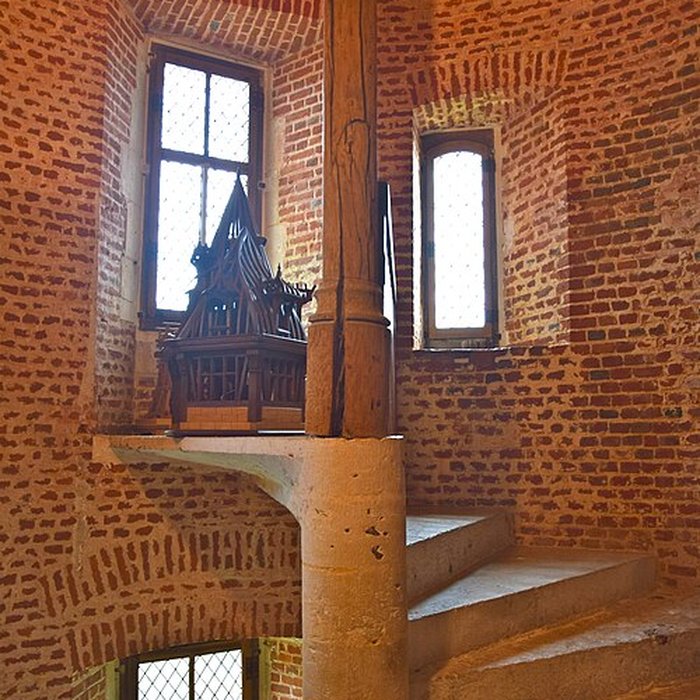
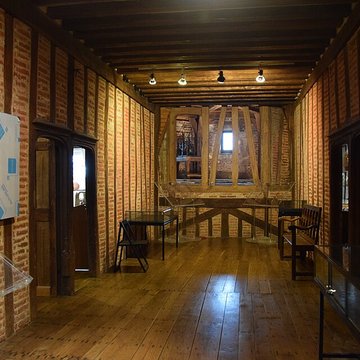
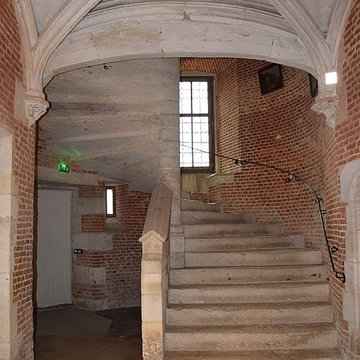
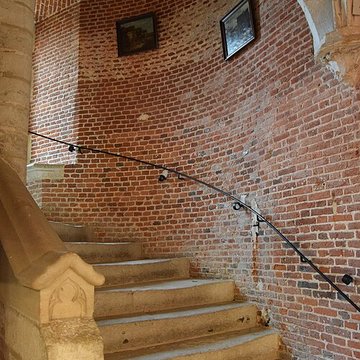
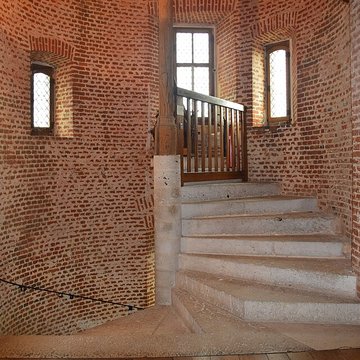
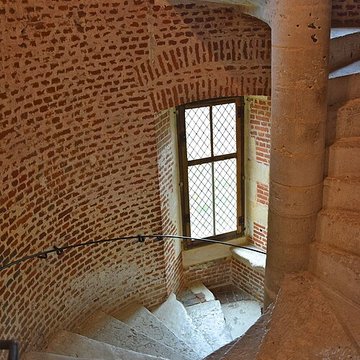
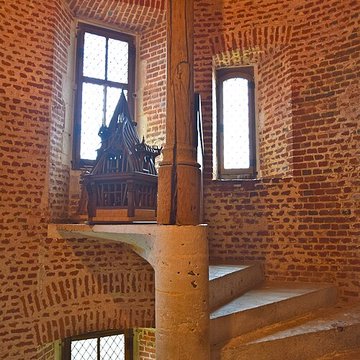
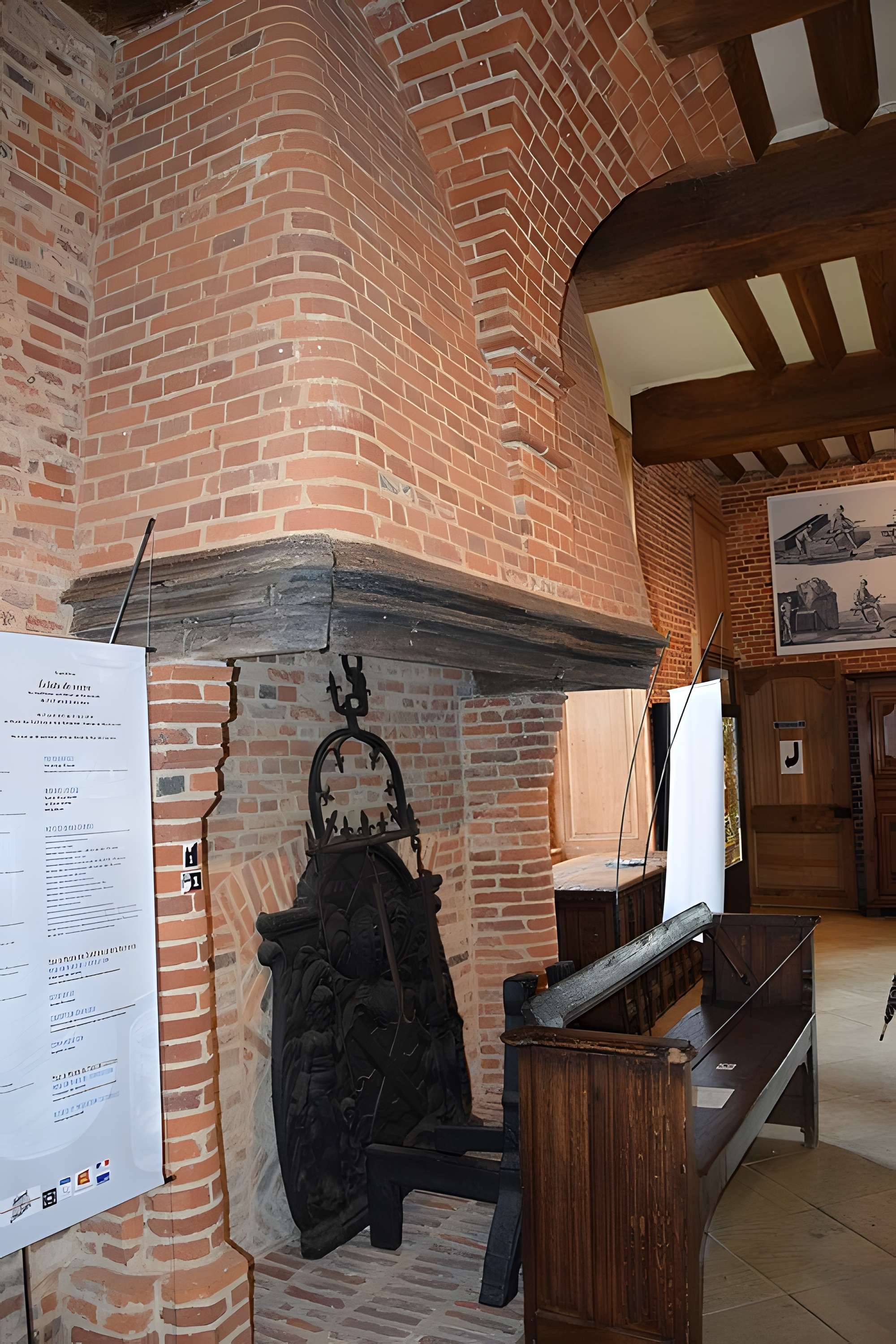
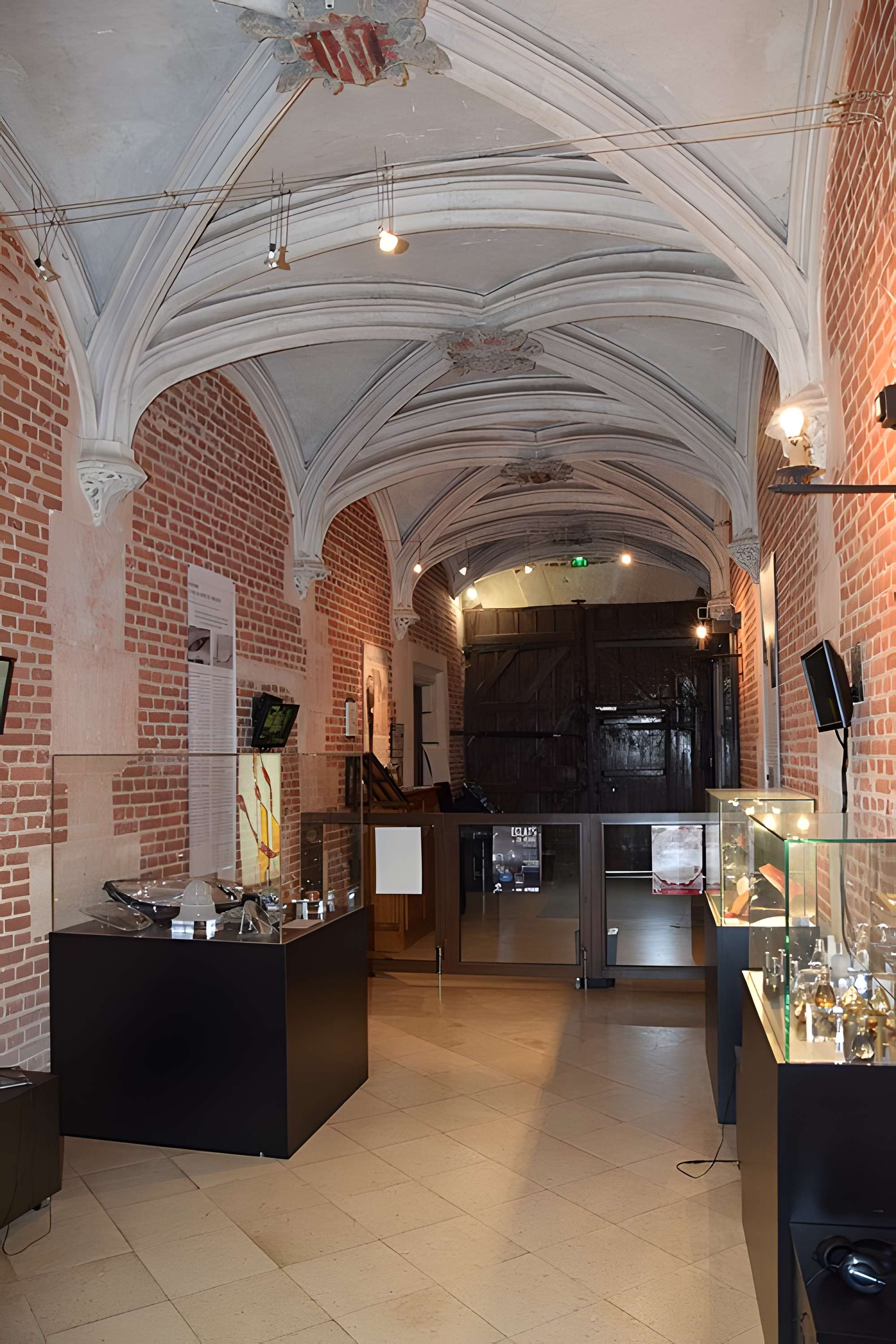
The castle of Martainville, built at the end of the 15th century by Jacques Le Pelletier, a rich shipowner and echevin of Rouen, embodies the transition between the Middle Ages and the Renaissance. Acquired in 1482, the 25-hectare fief saw the rise of a symmetrical house, flanked by four towers and decorated with black varnished bricks arranged in geometric patterns. This innovative plan, with a central corridor serving independent rooms, will inspire other Norman castles like Chenonceau. The castle, conceived as a prestigious rural residence, reflects the social ascension of its sponsor, who came from the merchant bourgeoisie in Rouenne.
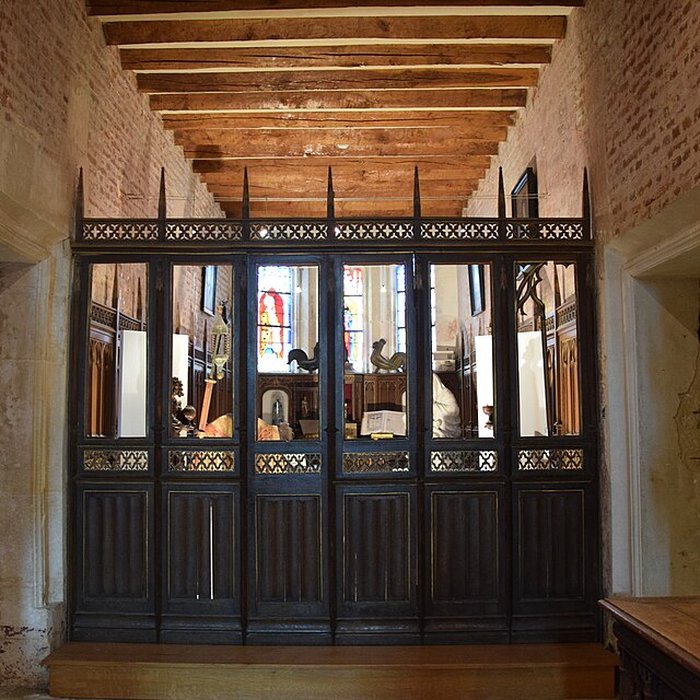
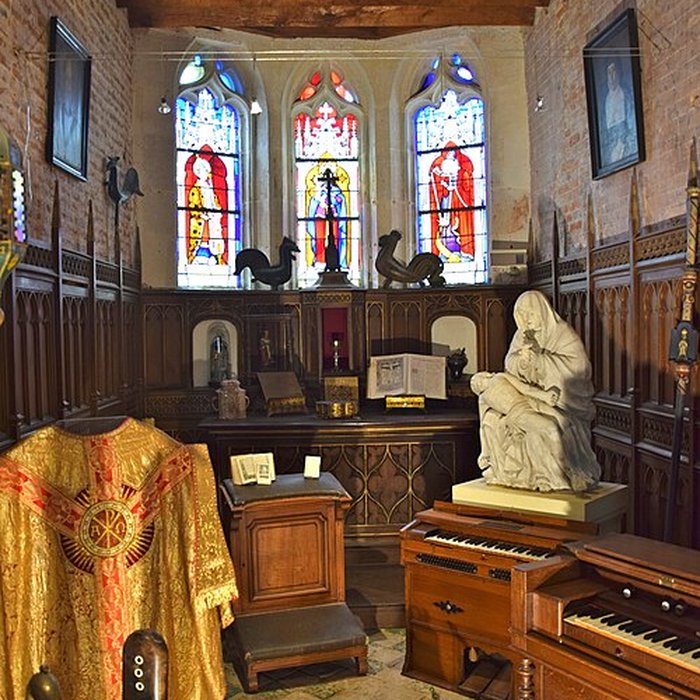
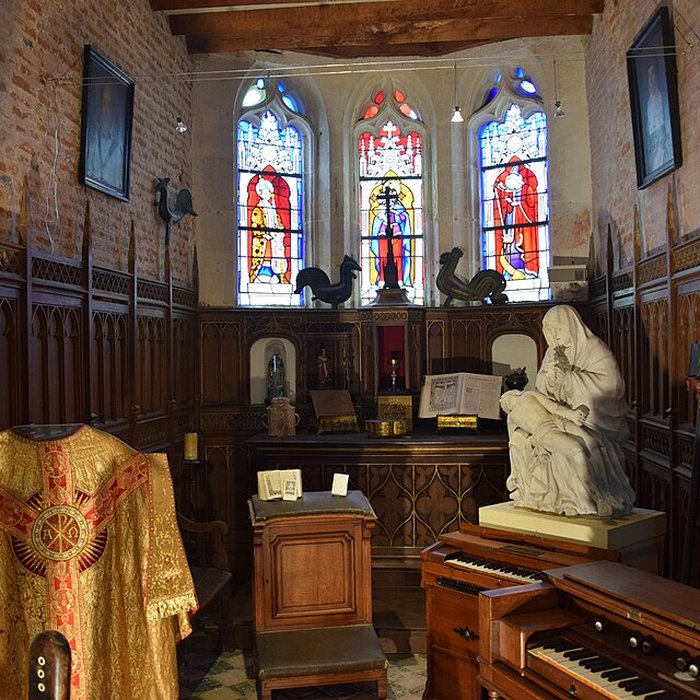
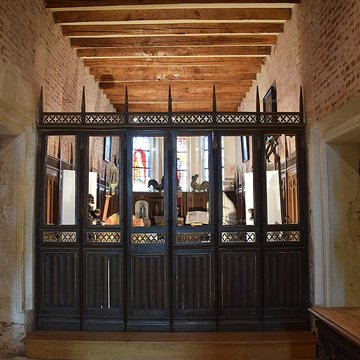
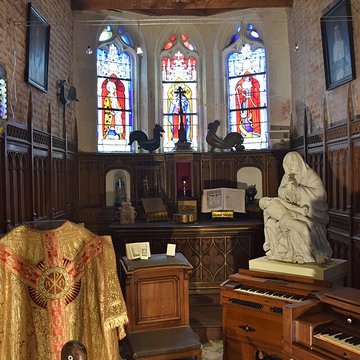
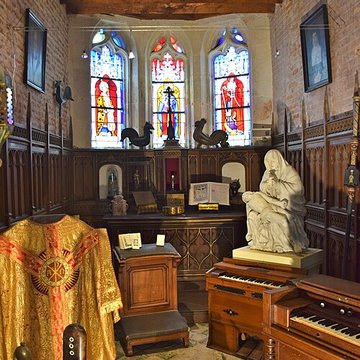
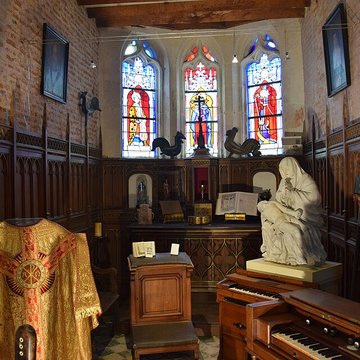
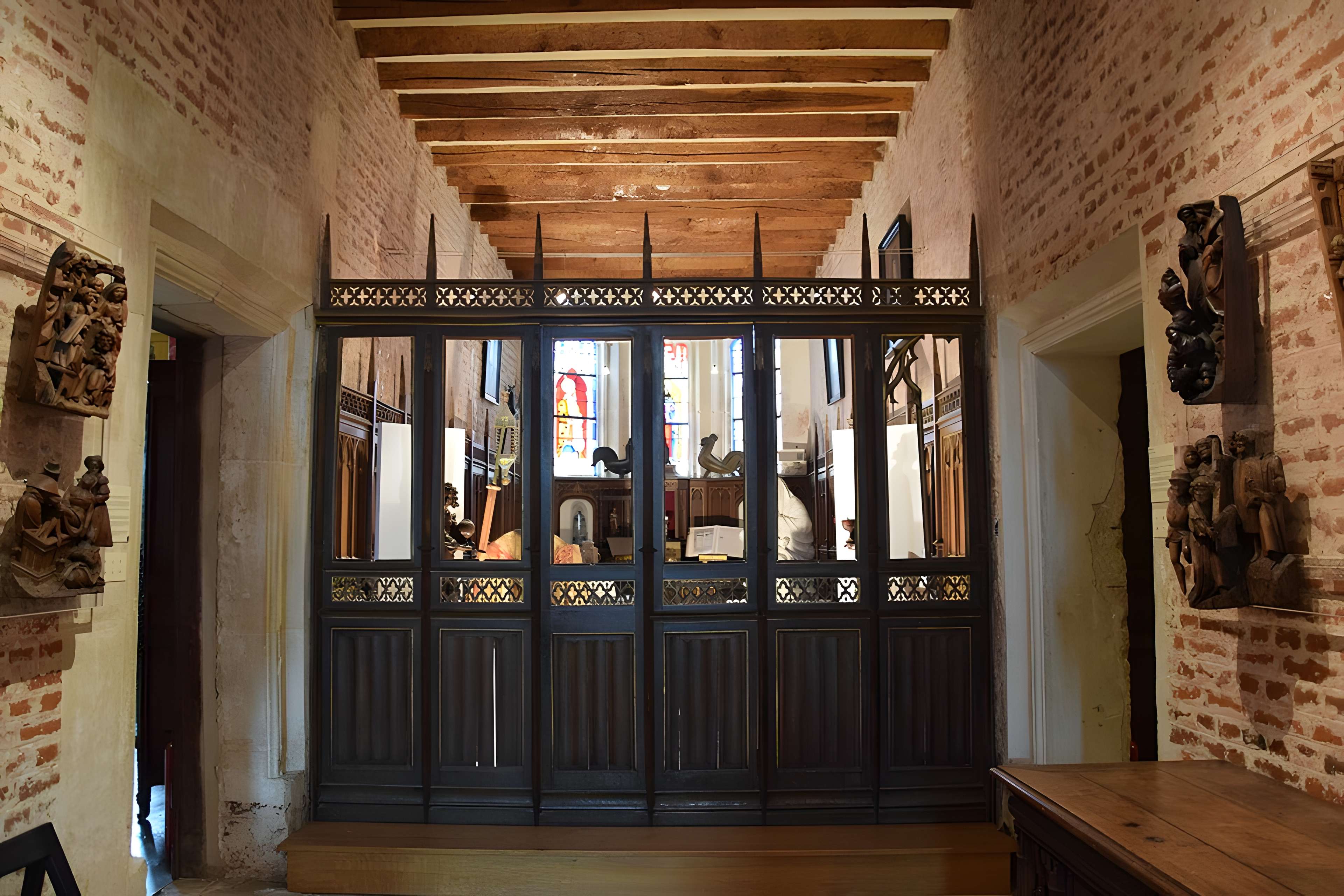
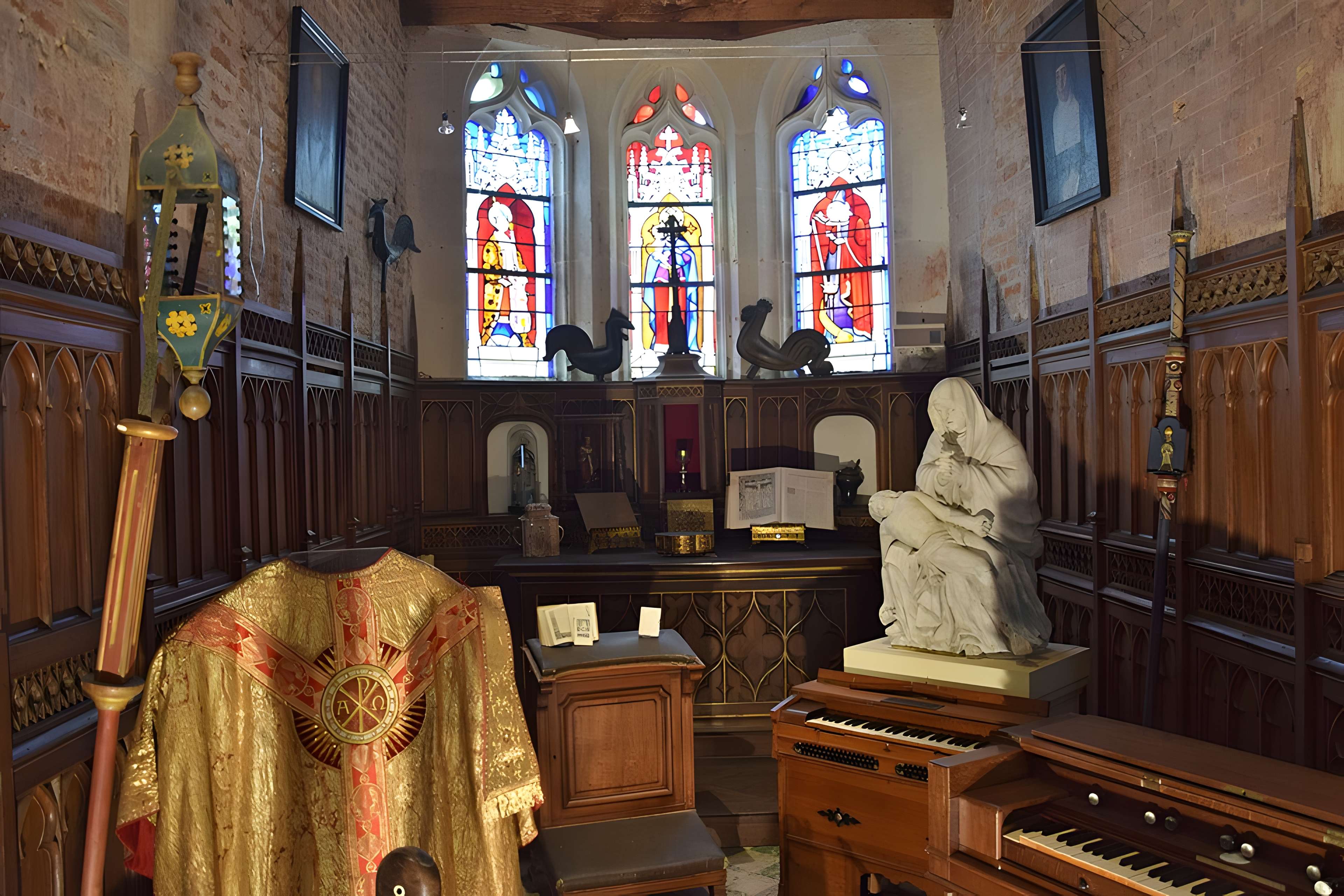
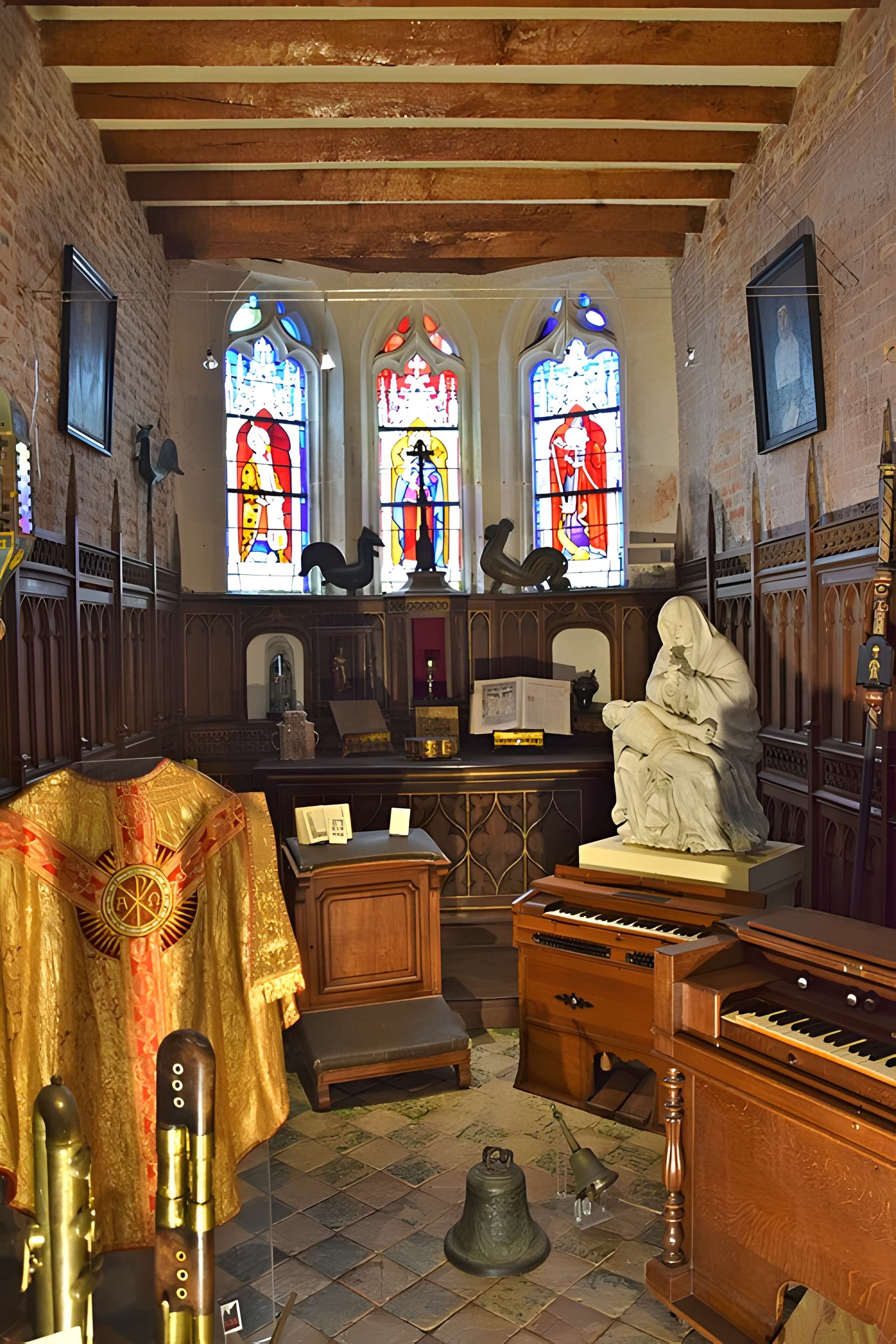
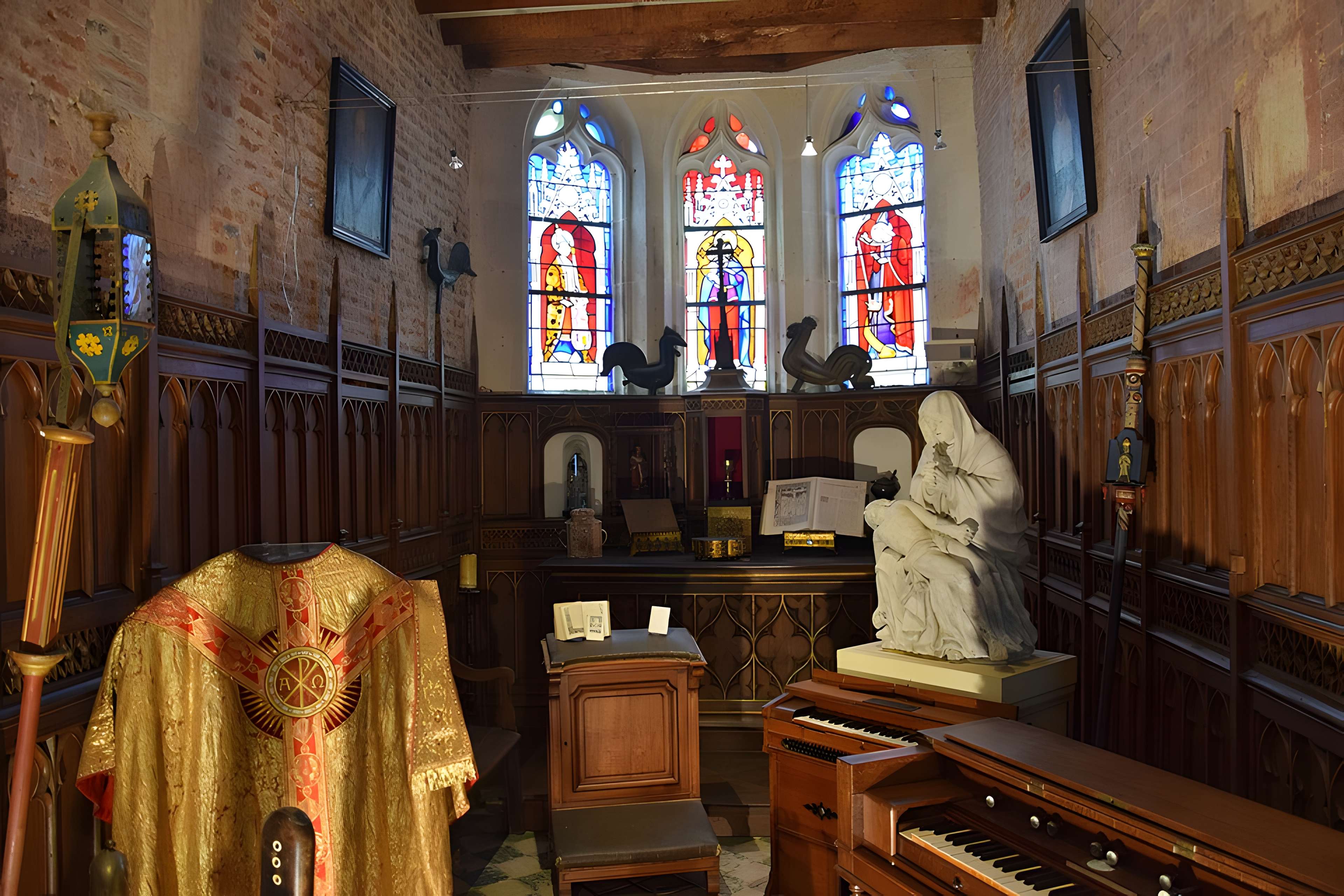
When Jacques Le Pelletier died in 1511, his nephew inherited the estate and undertook major transformations: filling the ditches, widening the windows, and adding a chapel above the entrance gate. The family, anobligated in 1571 as Martainville, kept the castle until the 18th century. After a period of abandonment and depredation during the 1870 war, the state purchased the estate in 1906, avoiding its destruction. Ranked as a historical monument in 1889, it was restored in the 20th century before welcoming, from 1961, the Musée des Traditions et Arts Normands, founded by Daniel Lavallée.
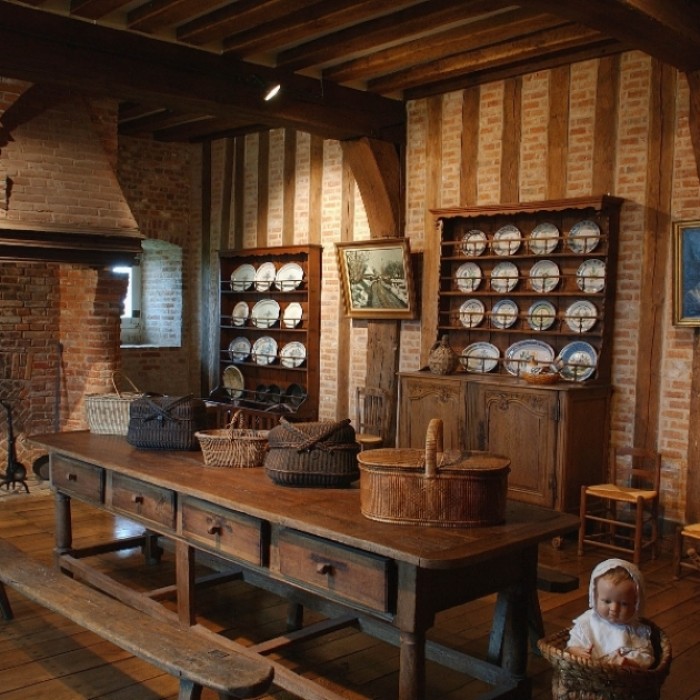
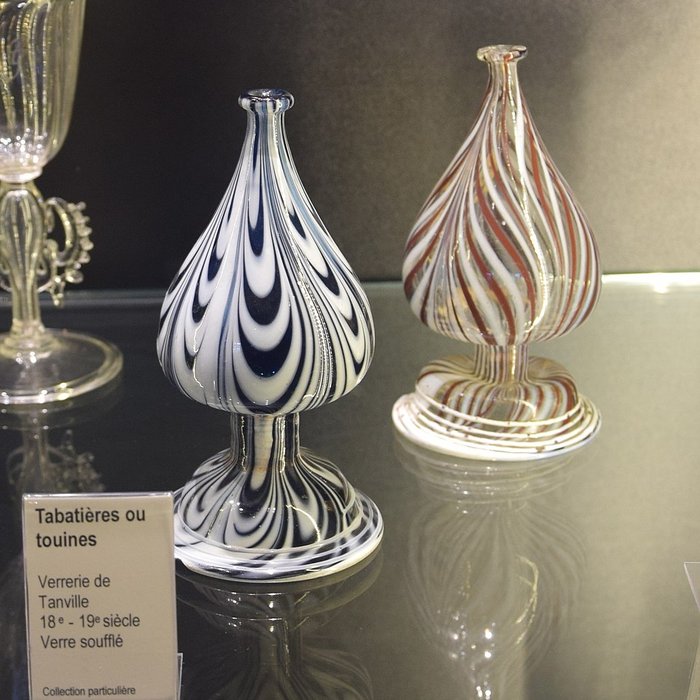
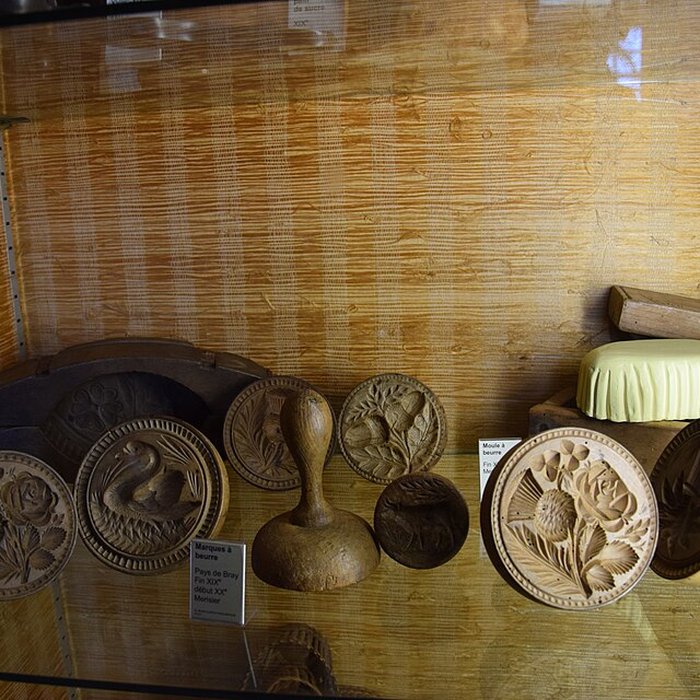
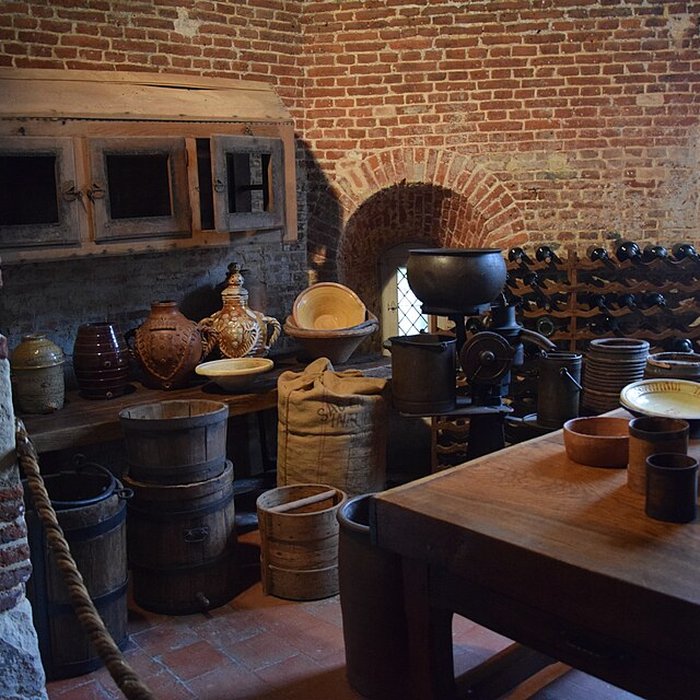
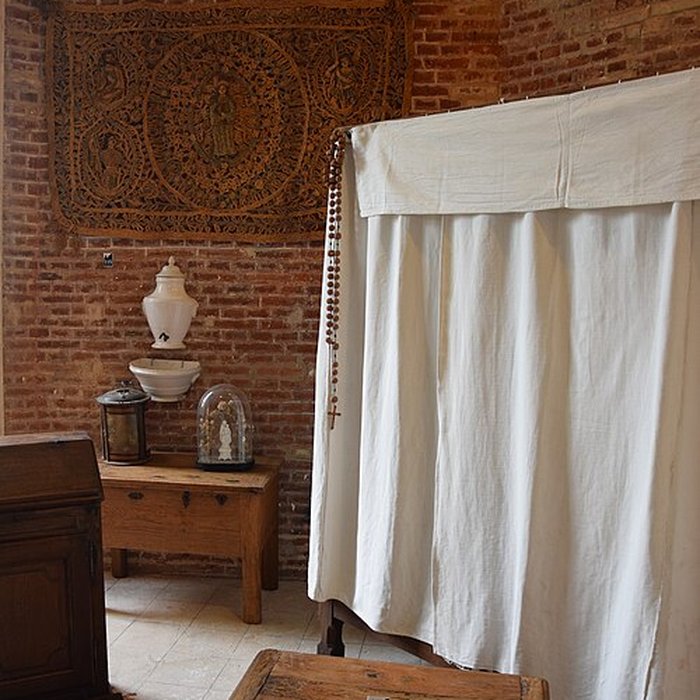
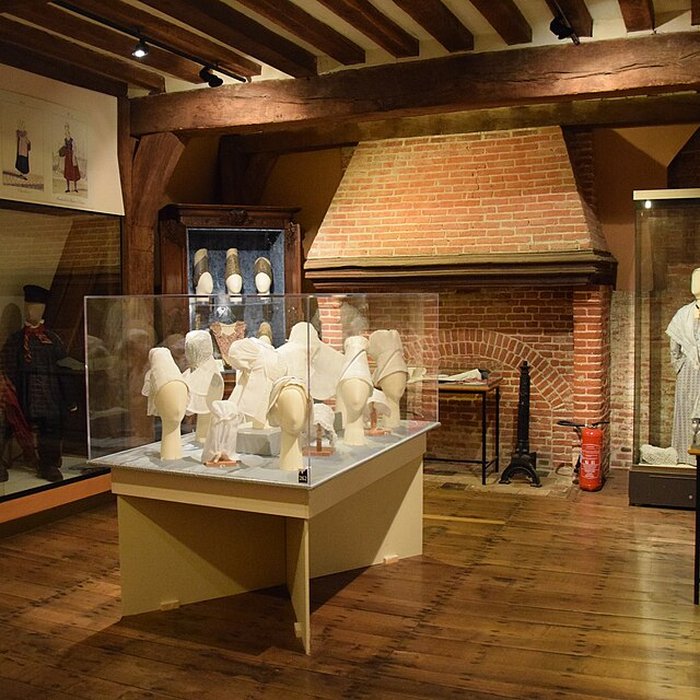
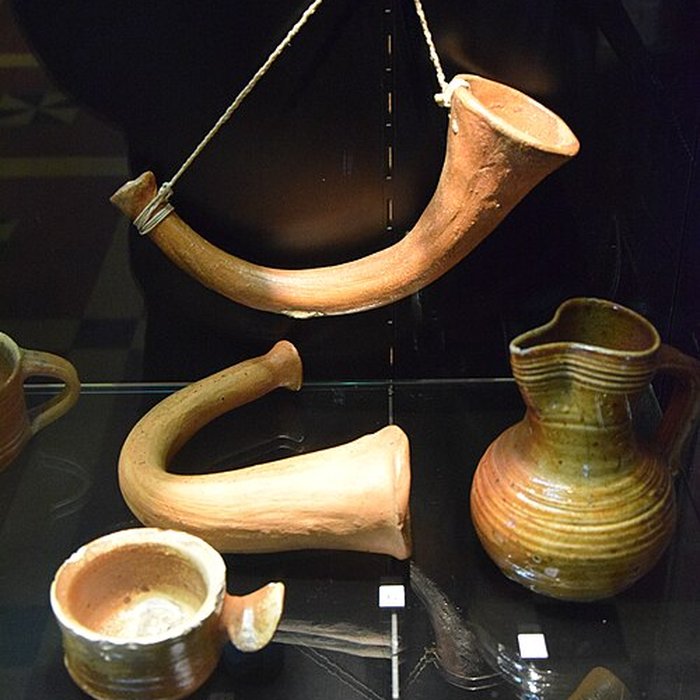
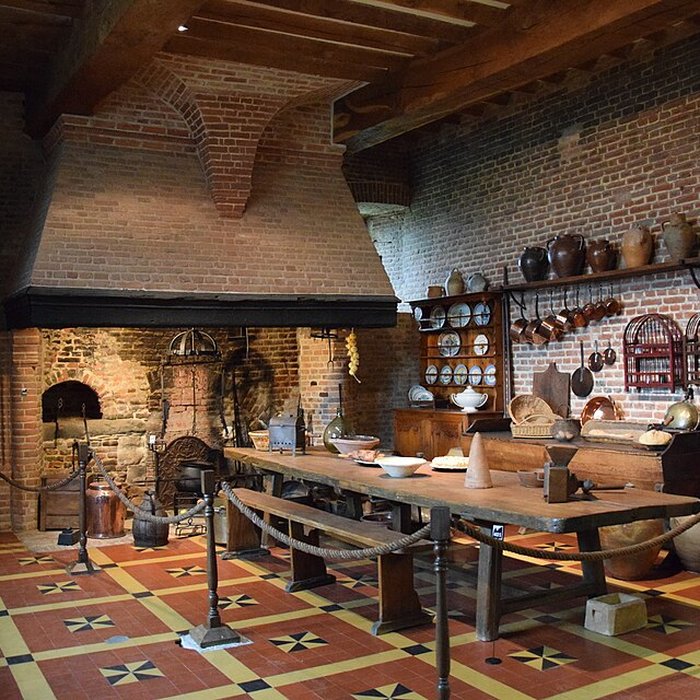
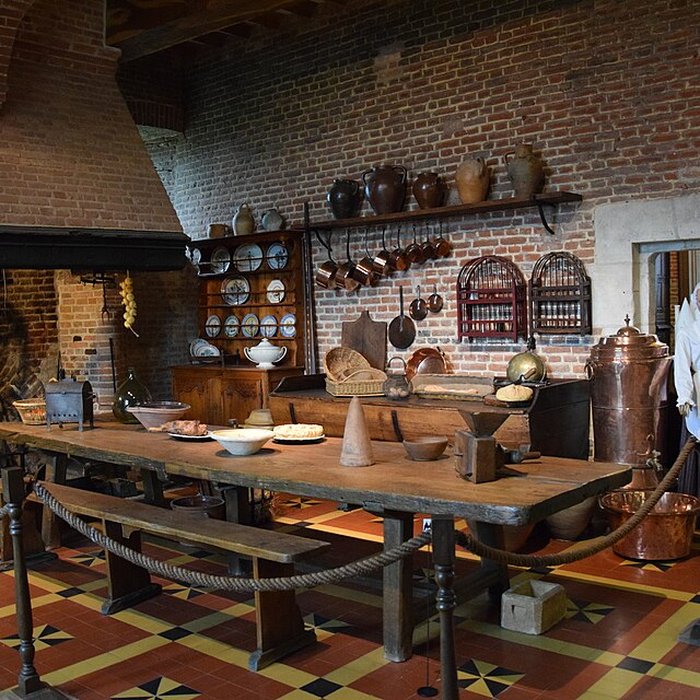
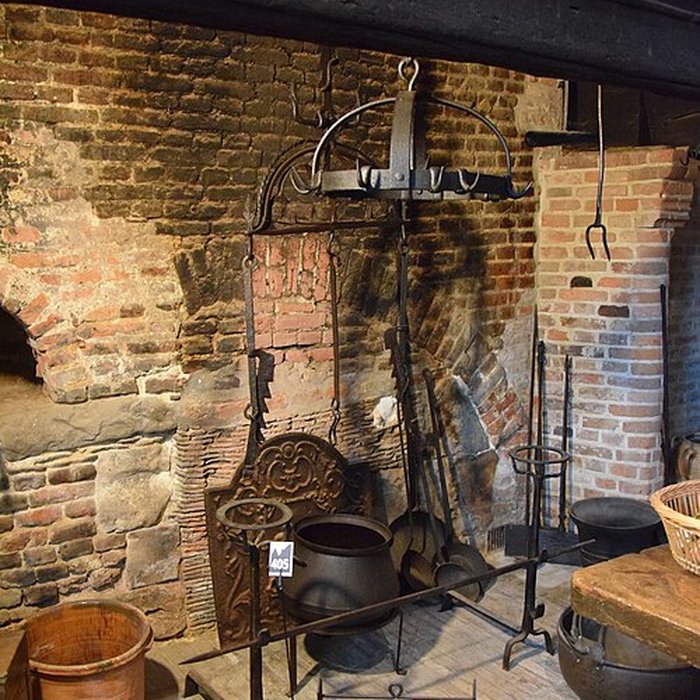
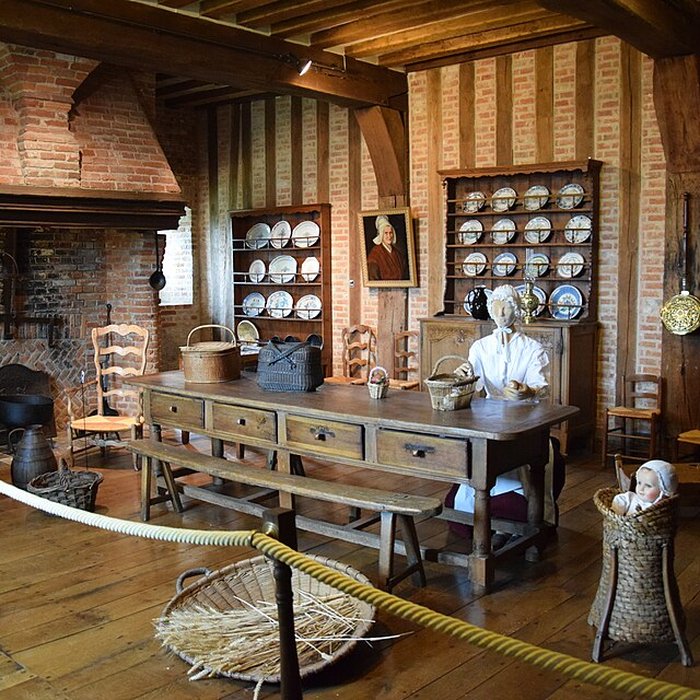
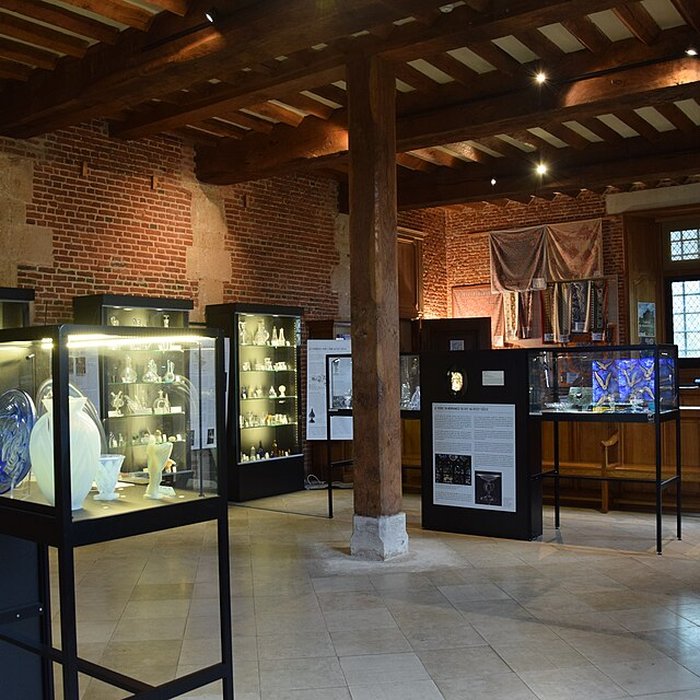
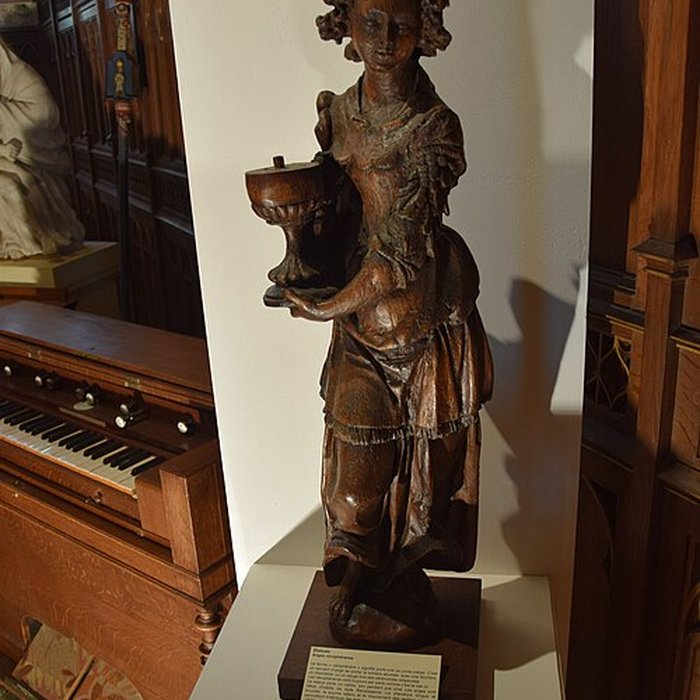
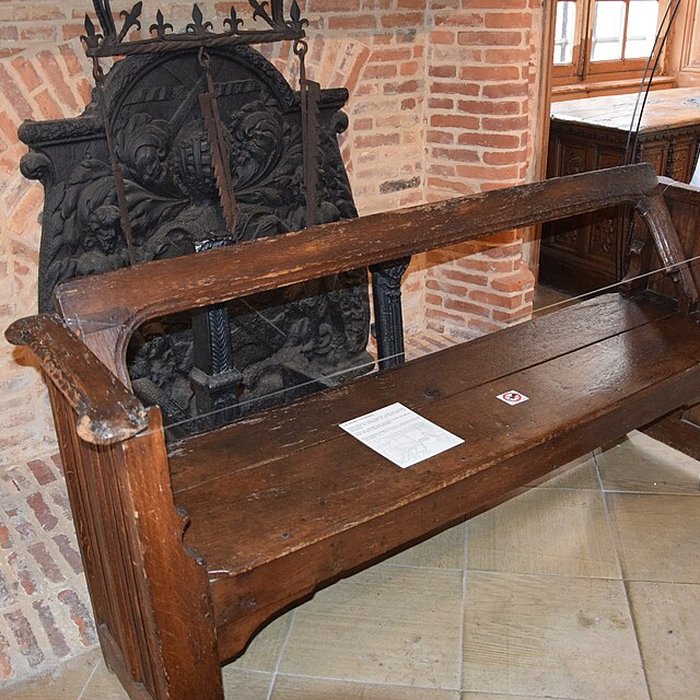
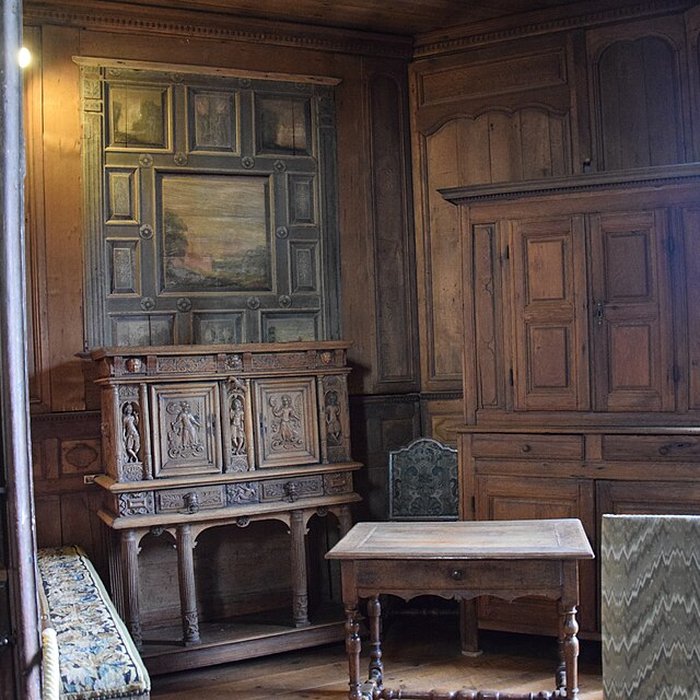
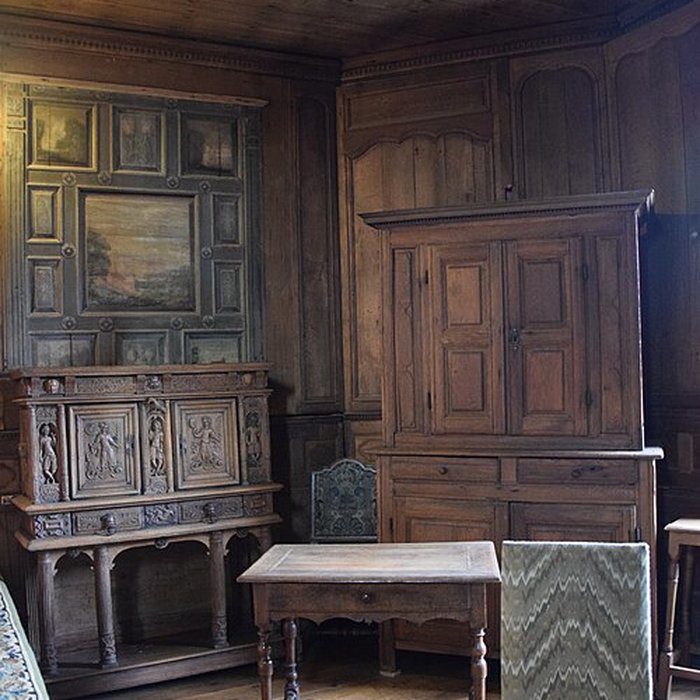
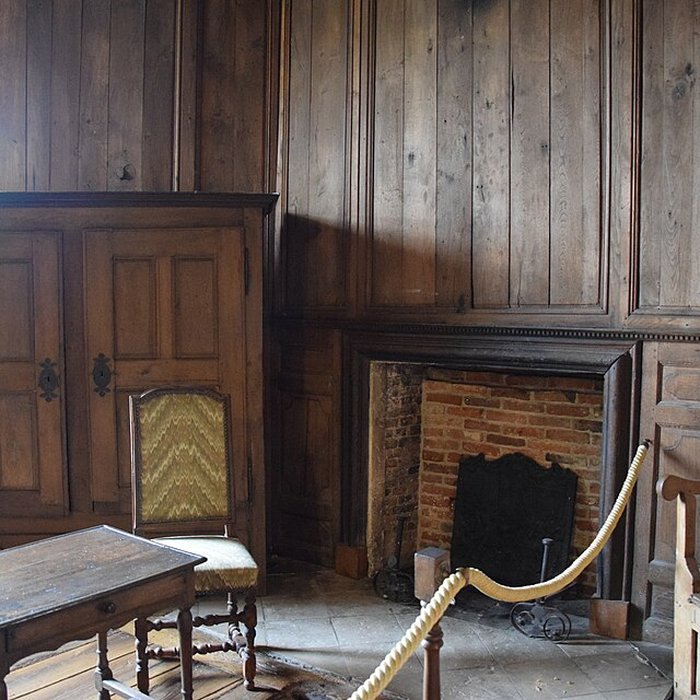
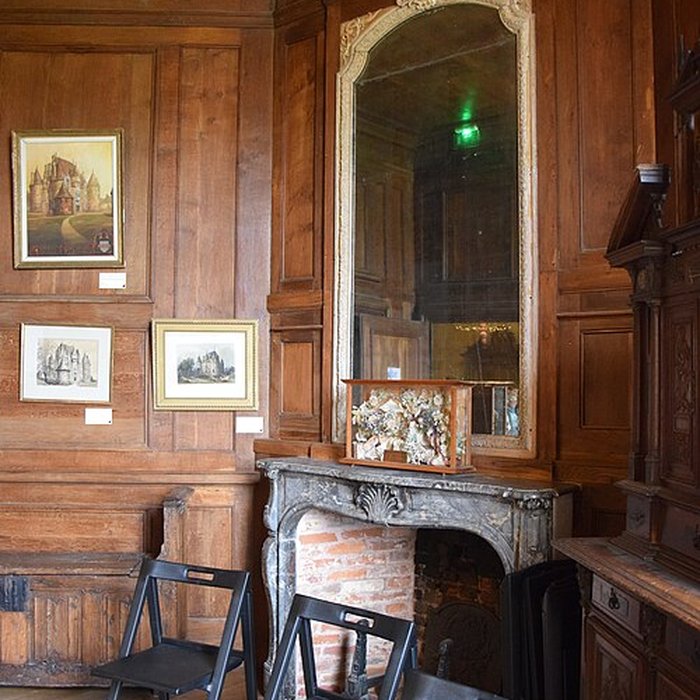
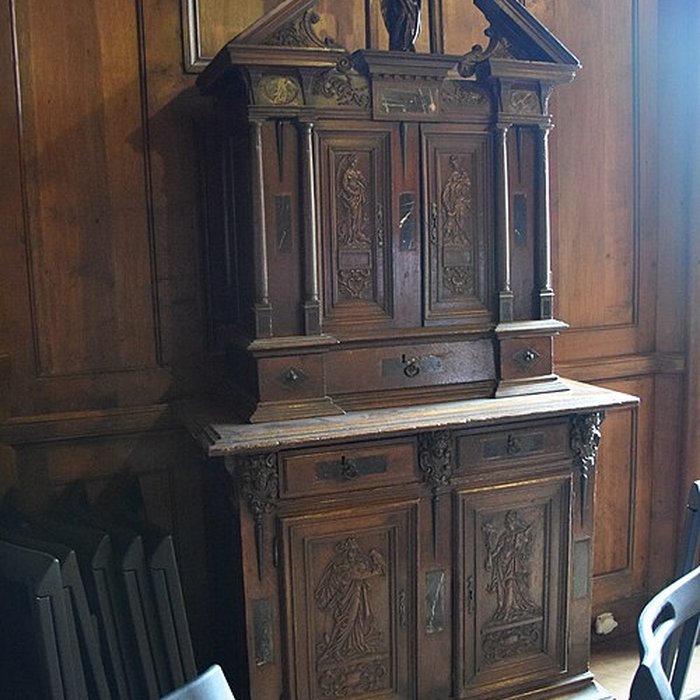
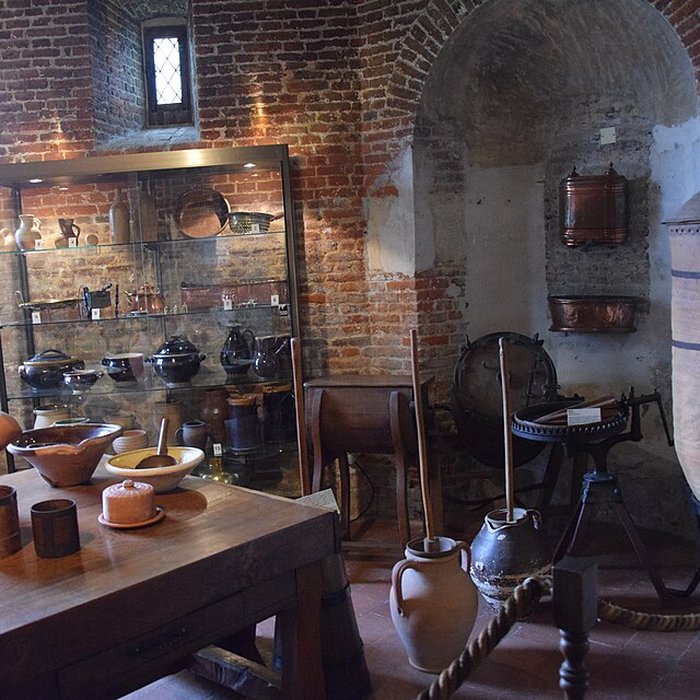
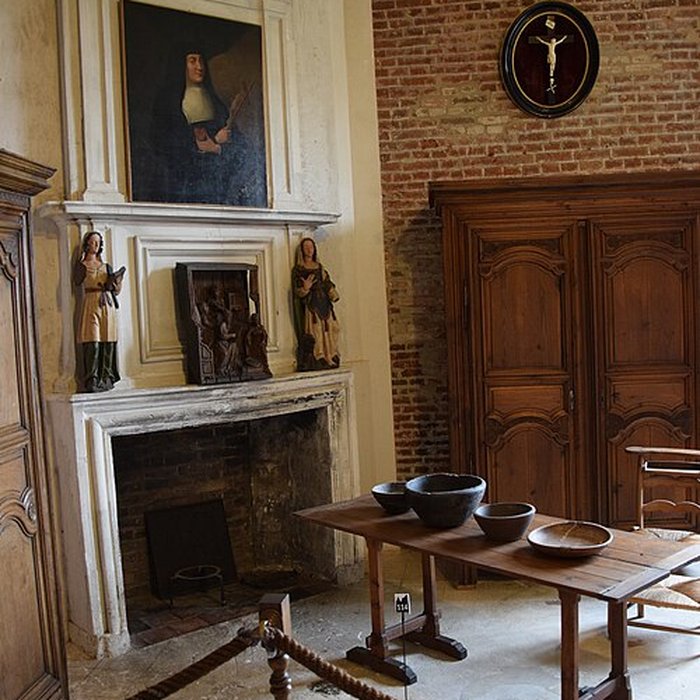
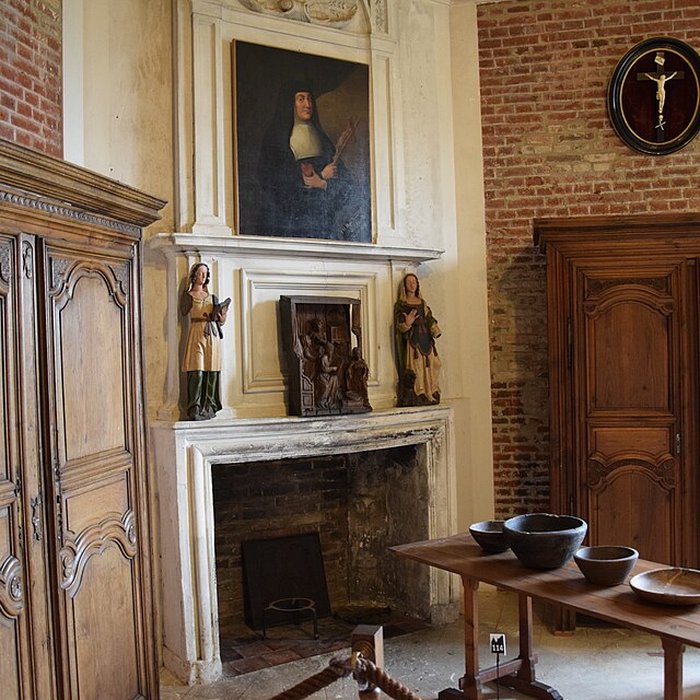
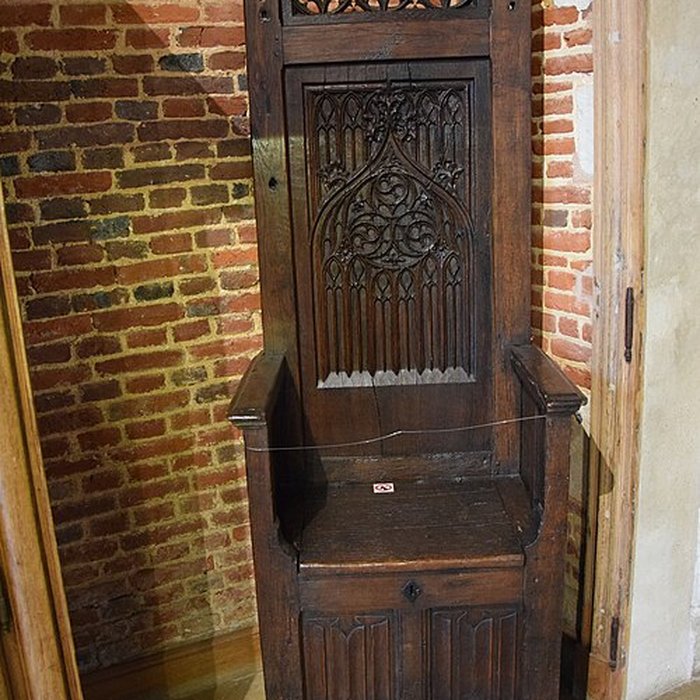
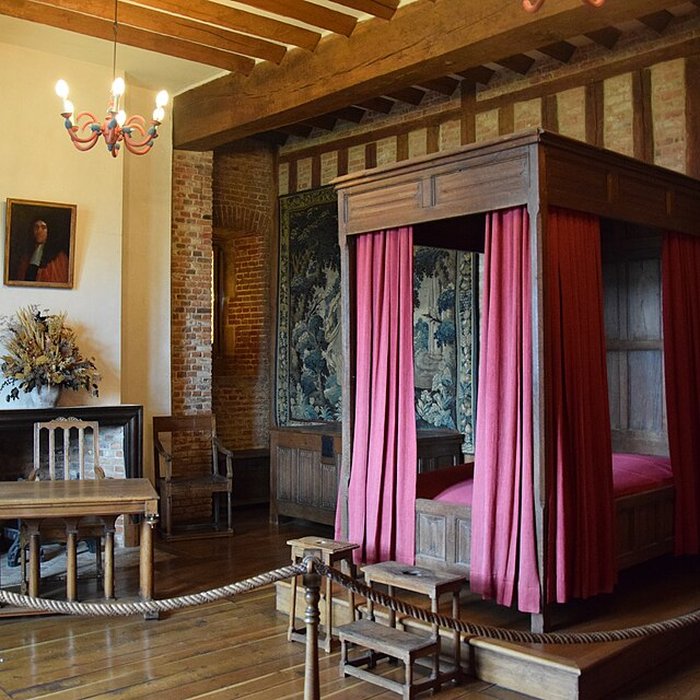
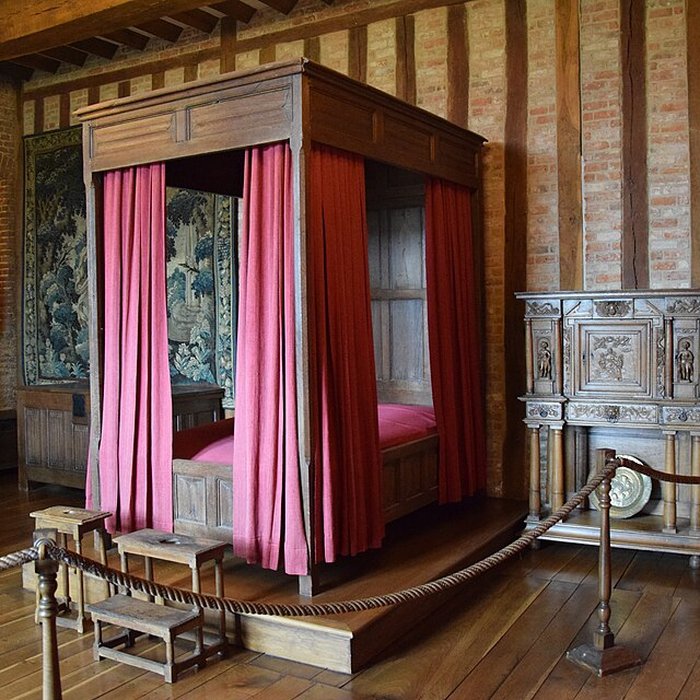
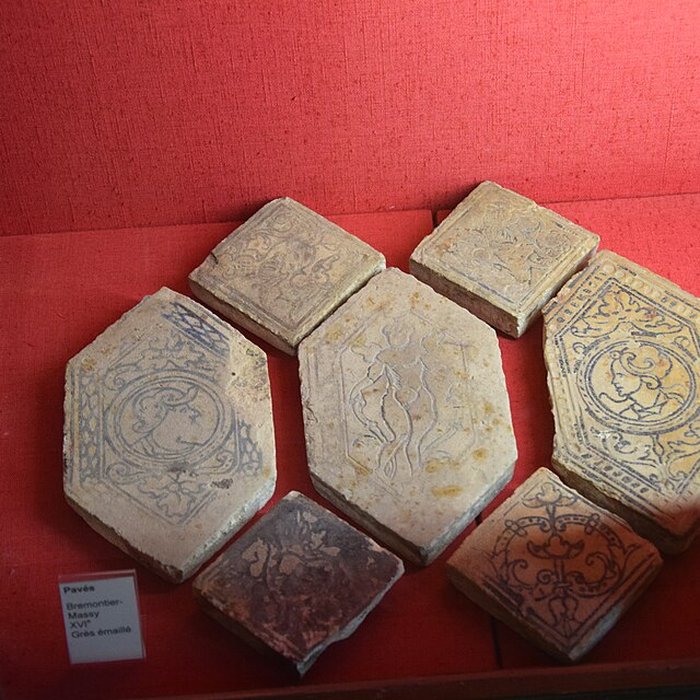
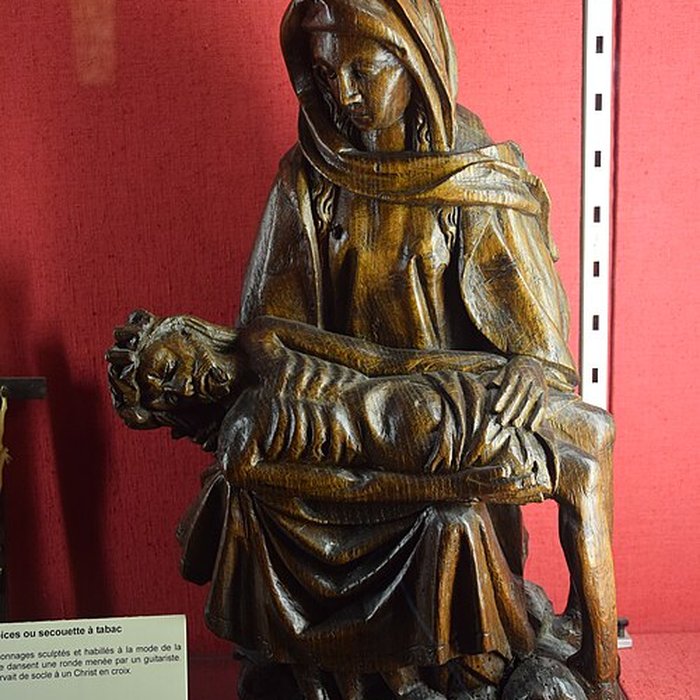
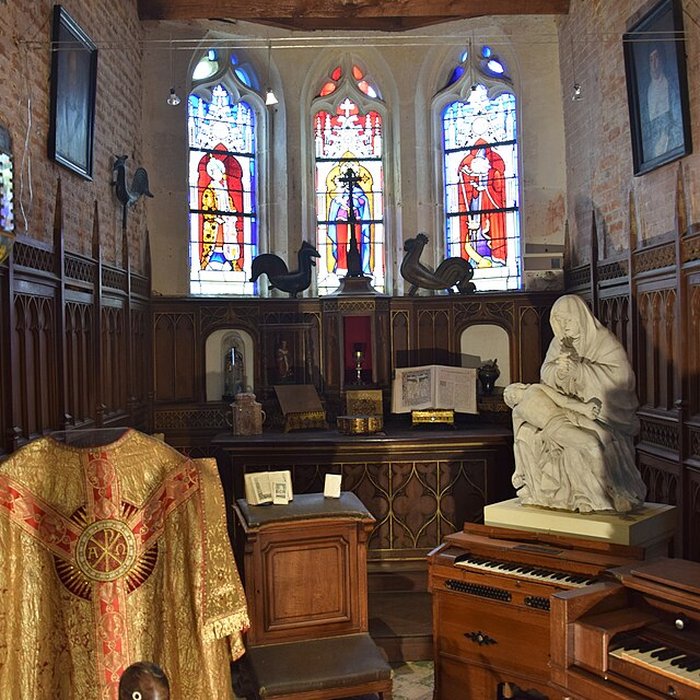
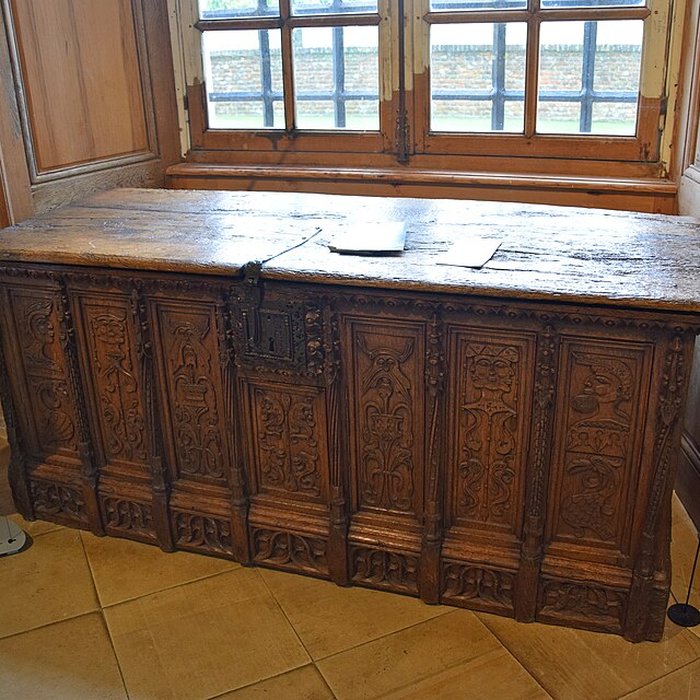
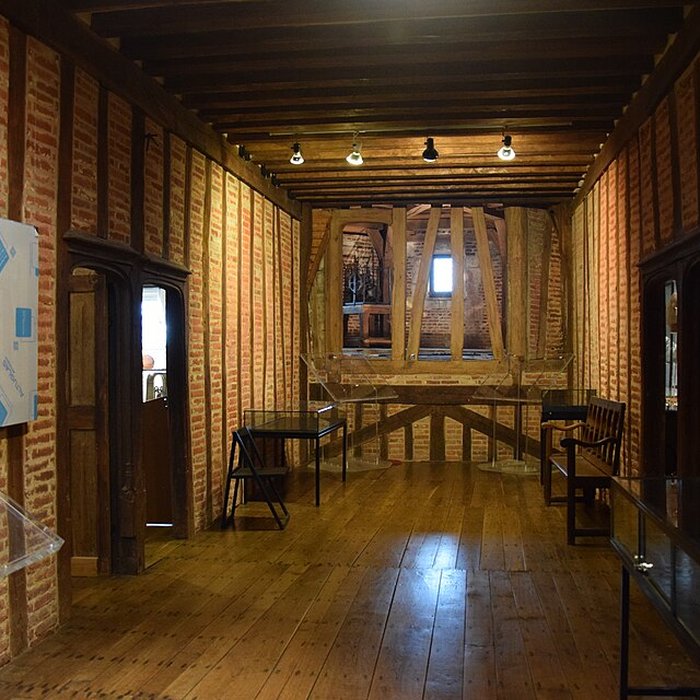
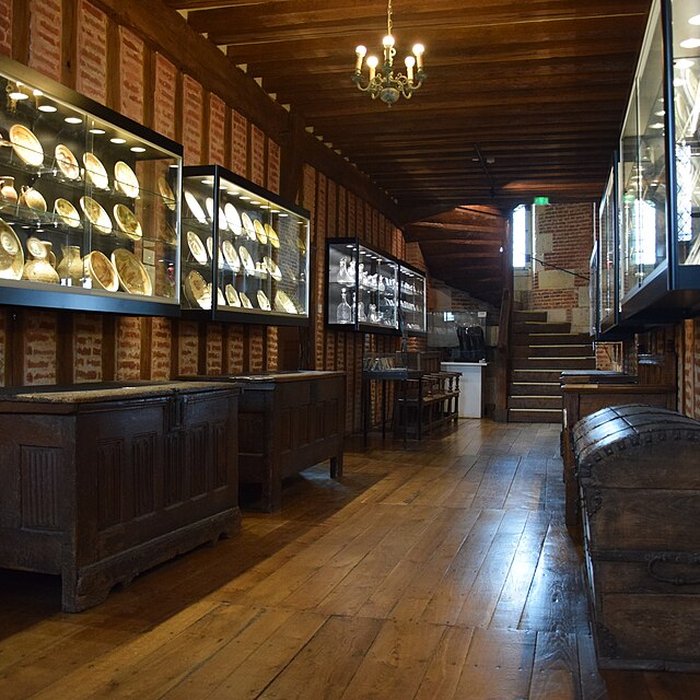
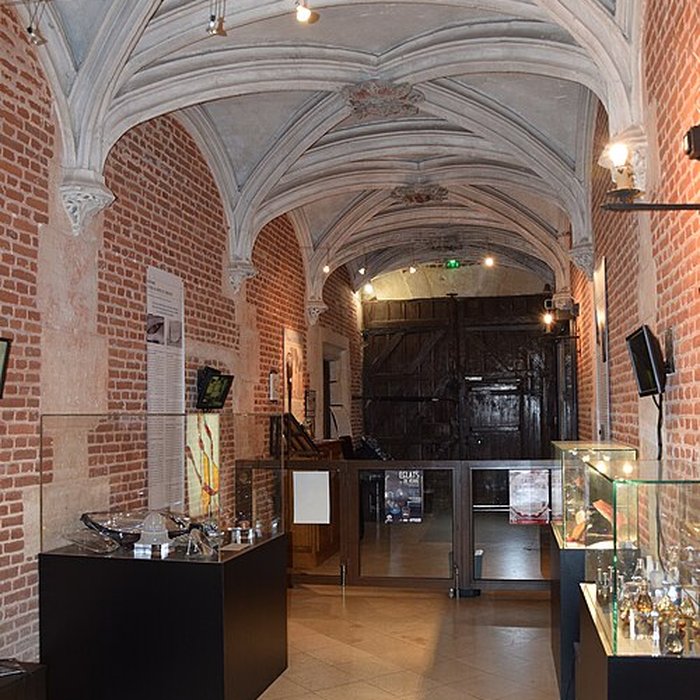
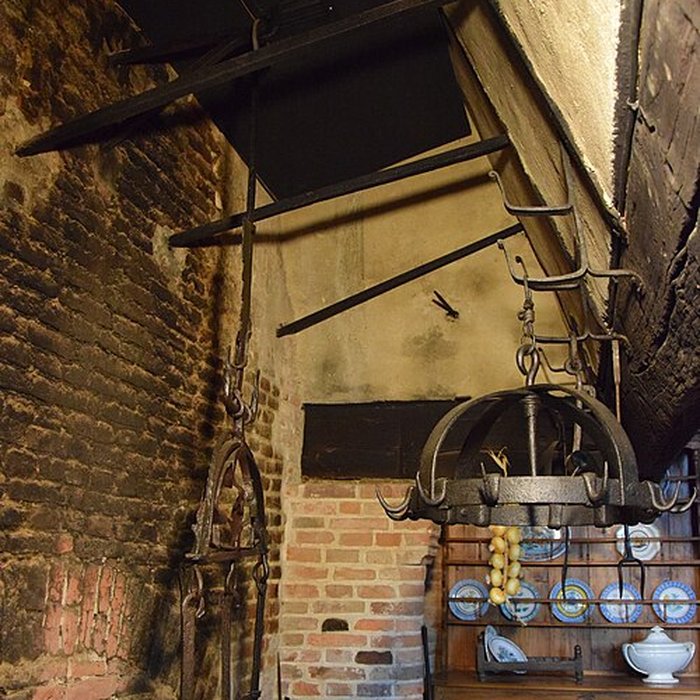
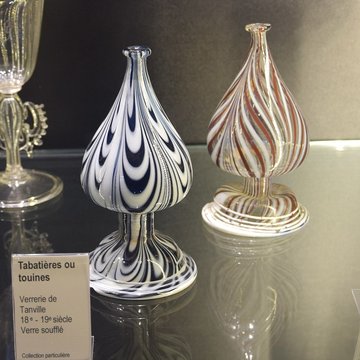
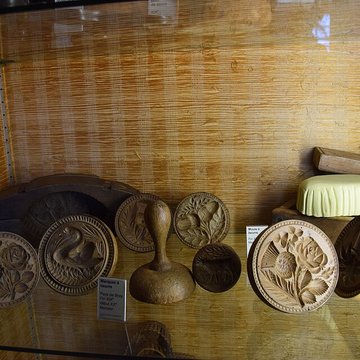
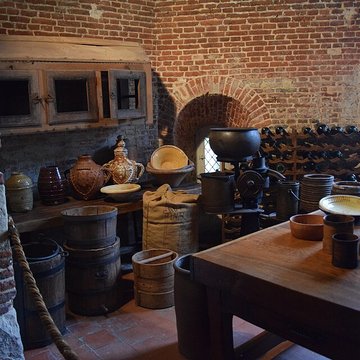
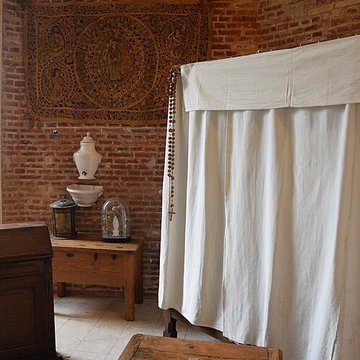
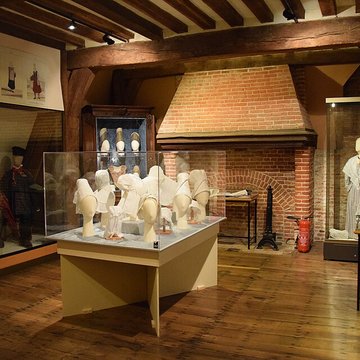
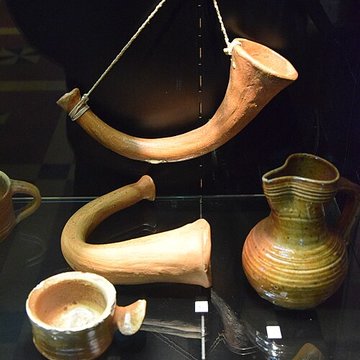
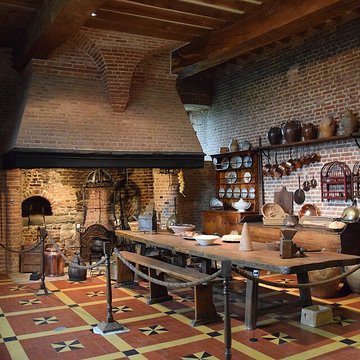
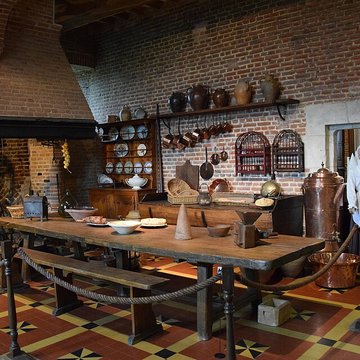
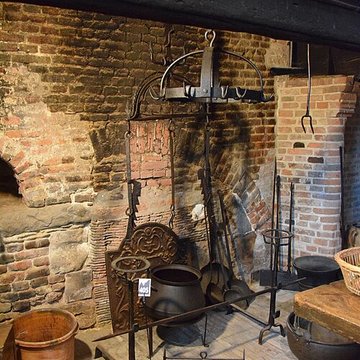
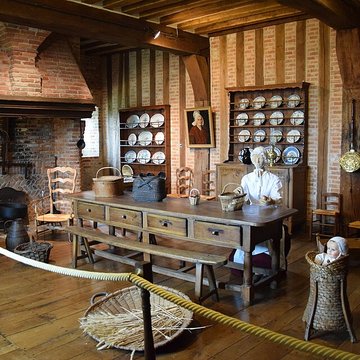
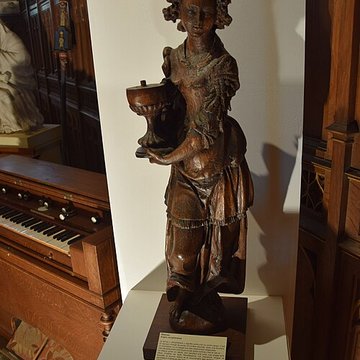
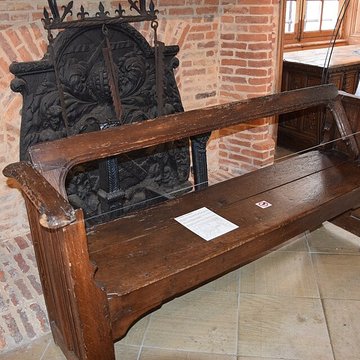
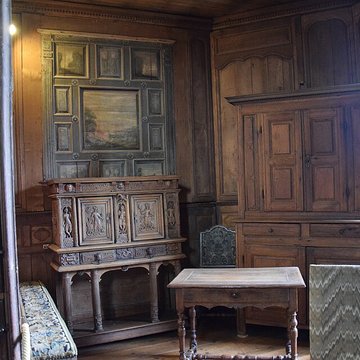
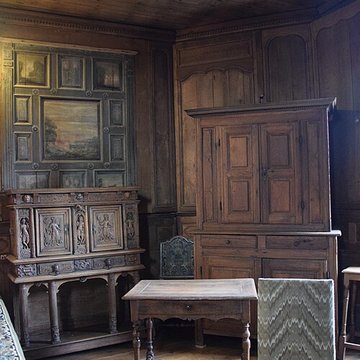
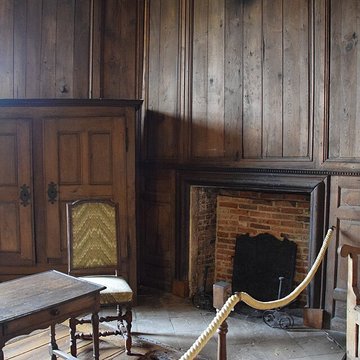
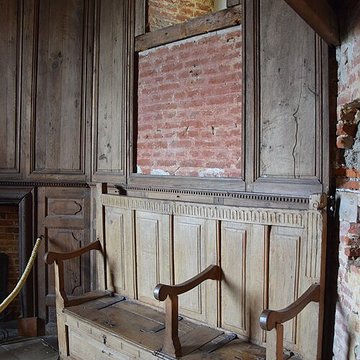
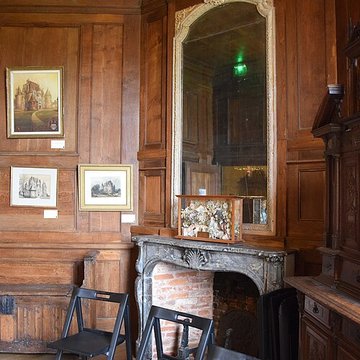
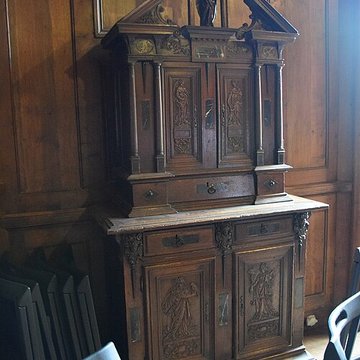
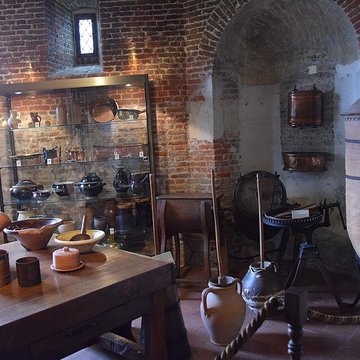
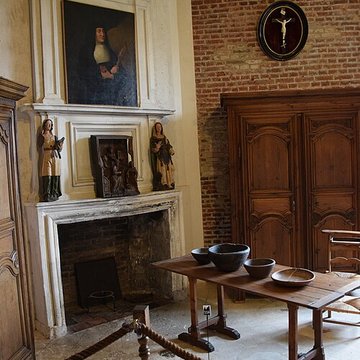
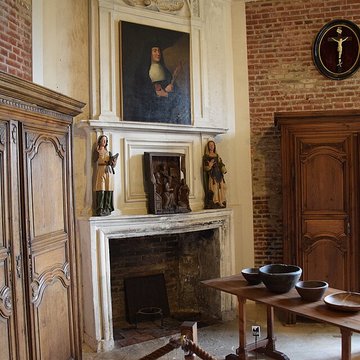
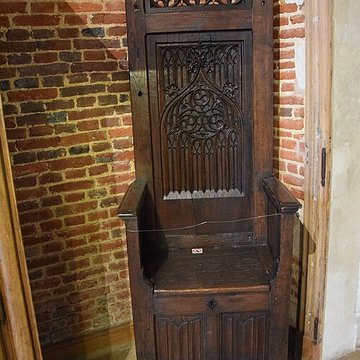
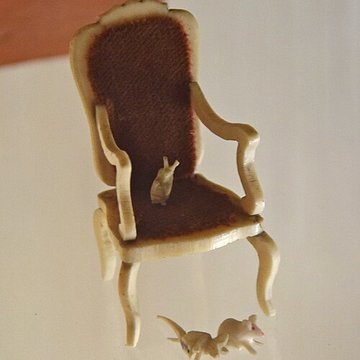
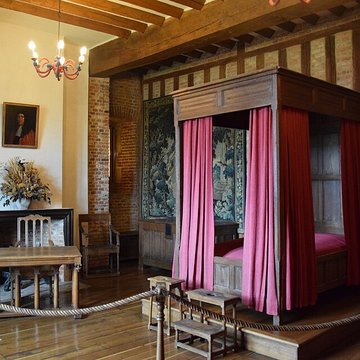
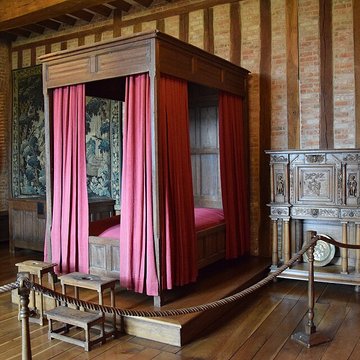
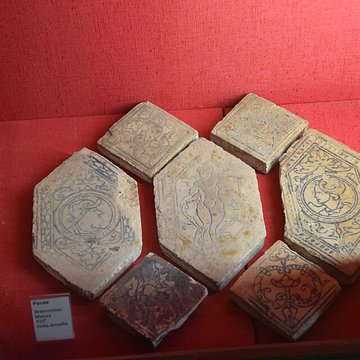
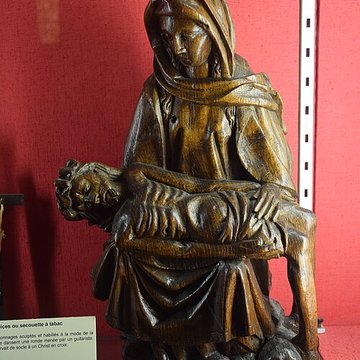
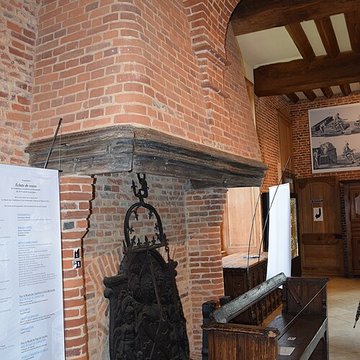
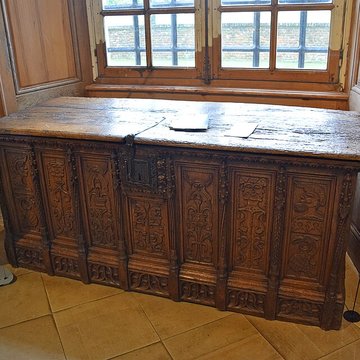
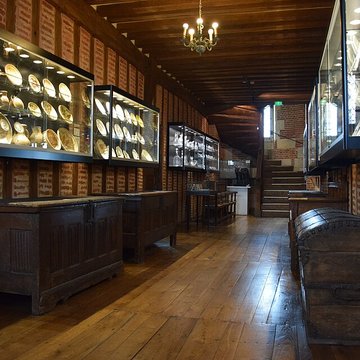
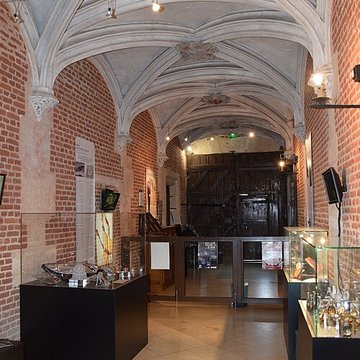
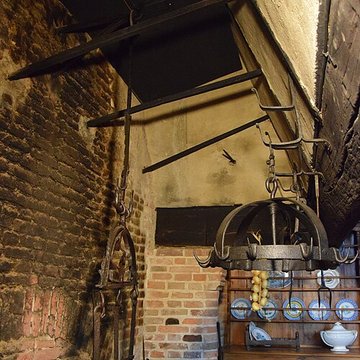
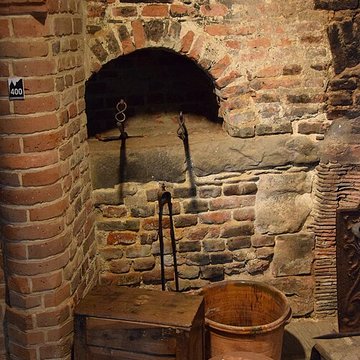
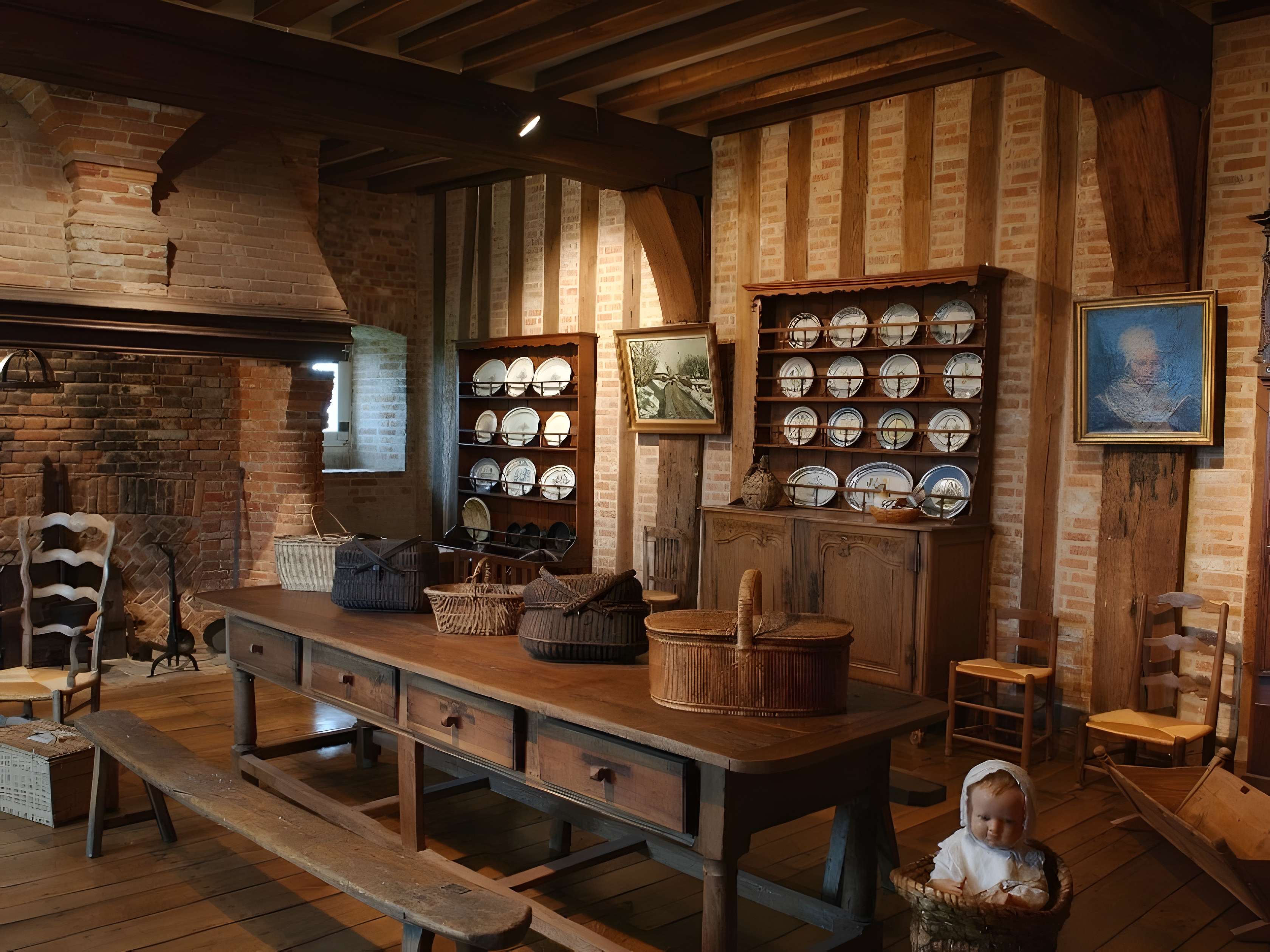
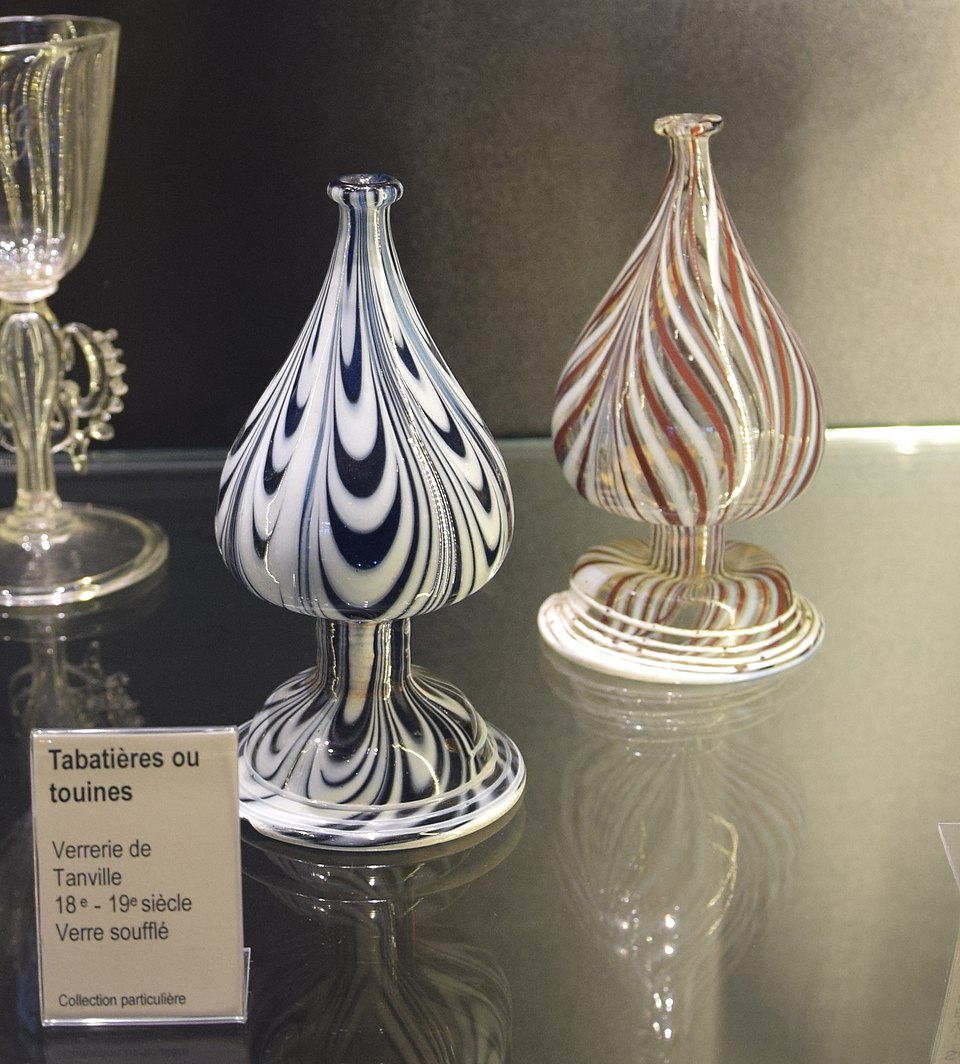
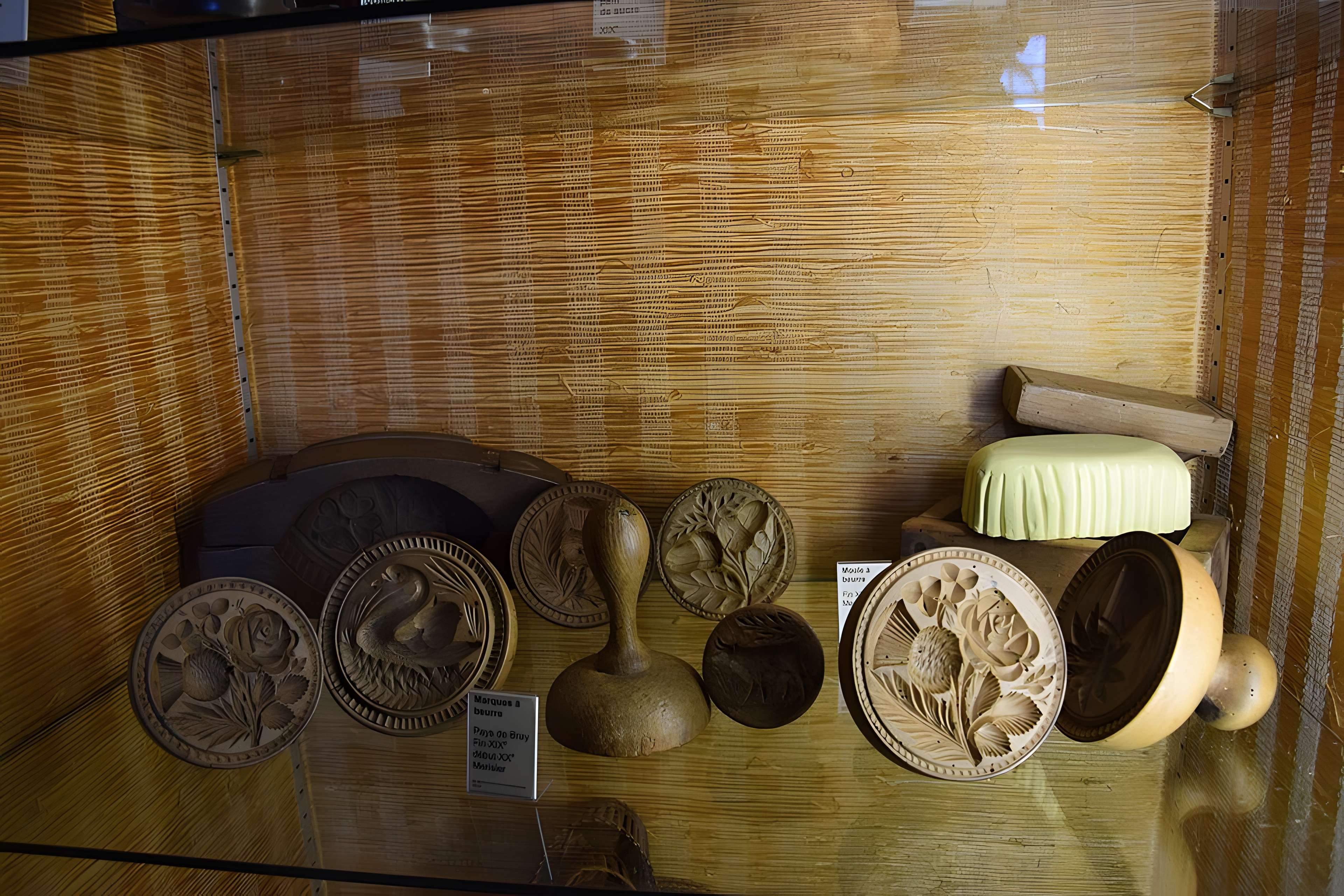
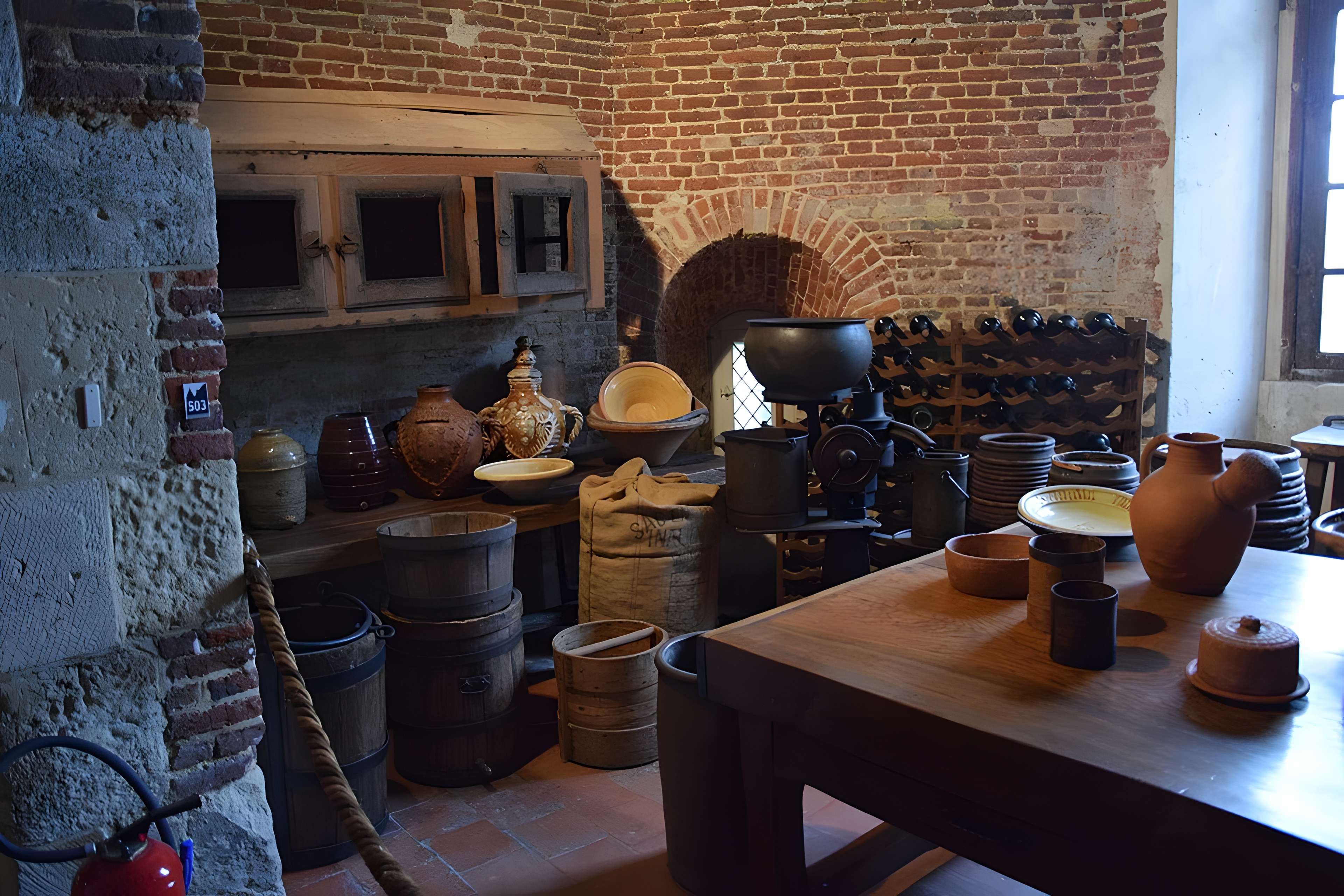
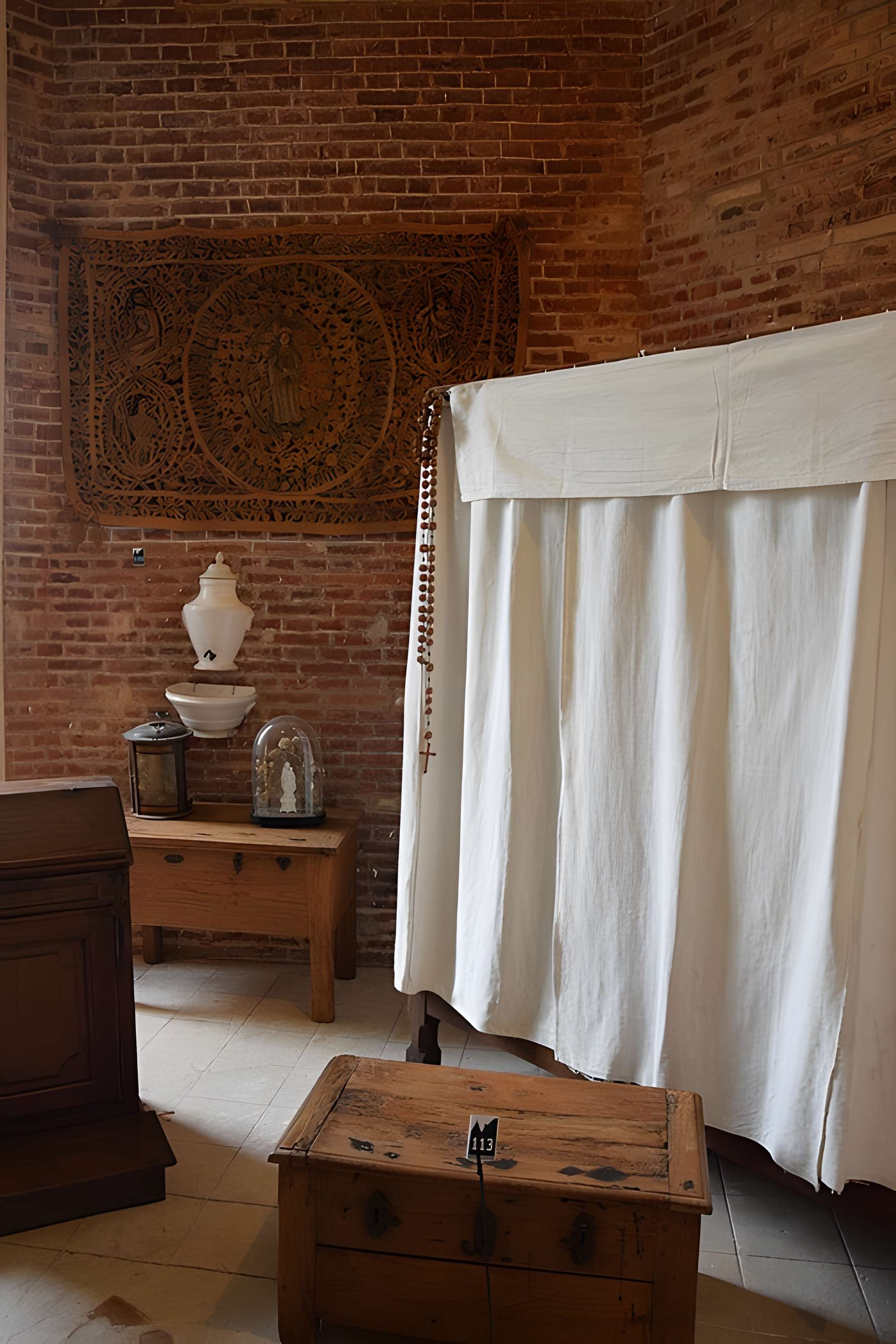
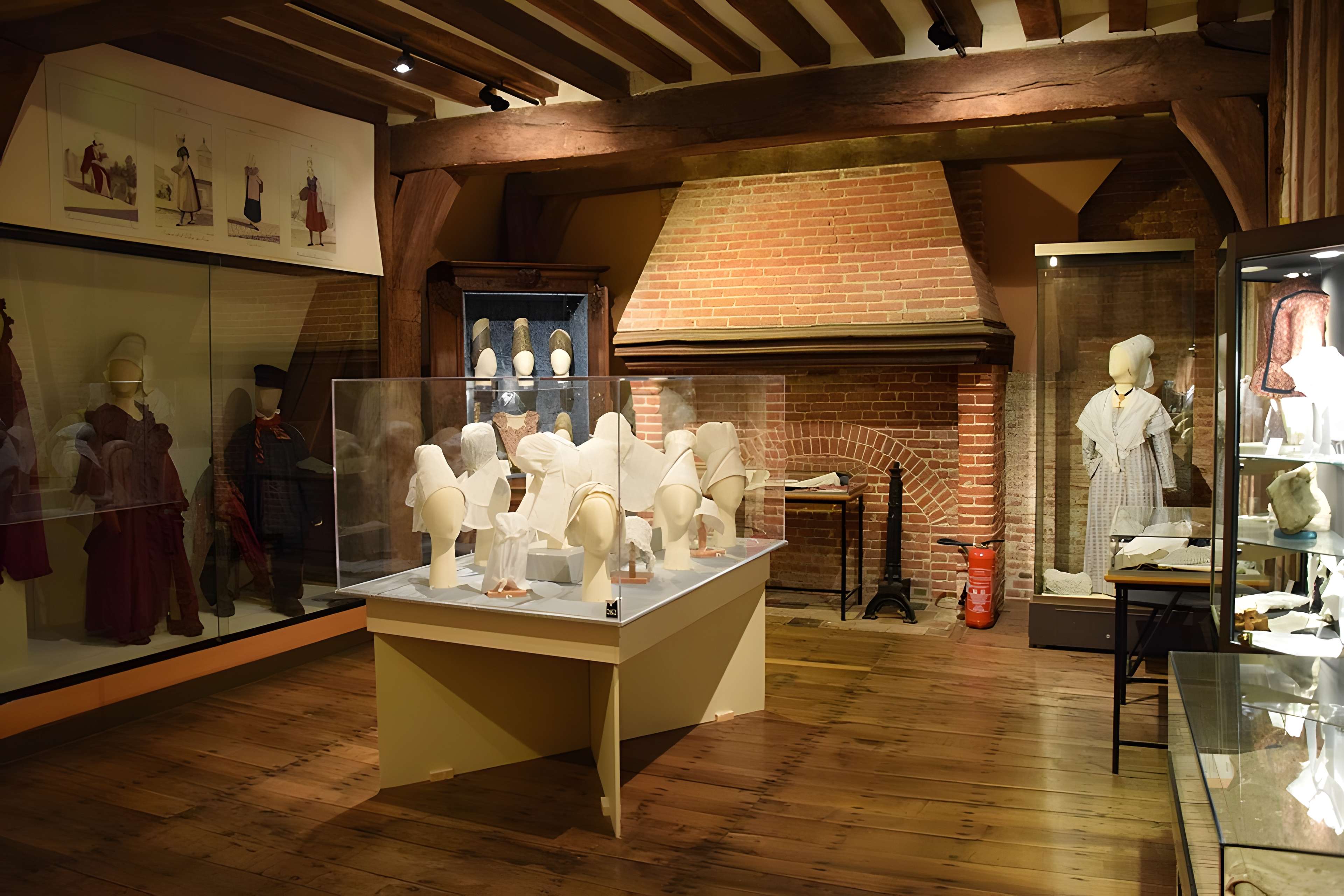
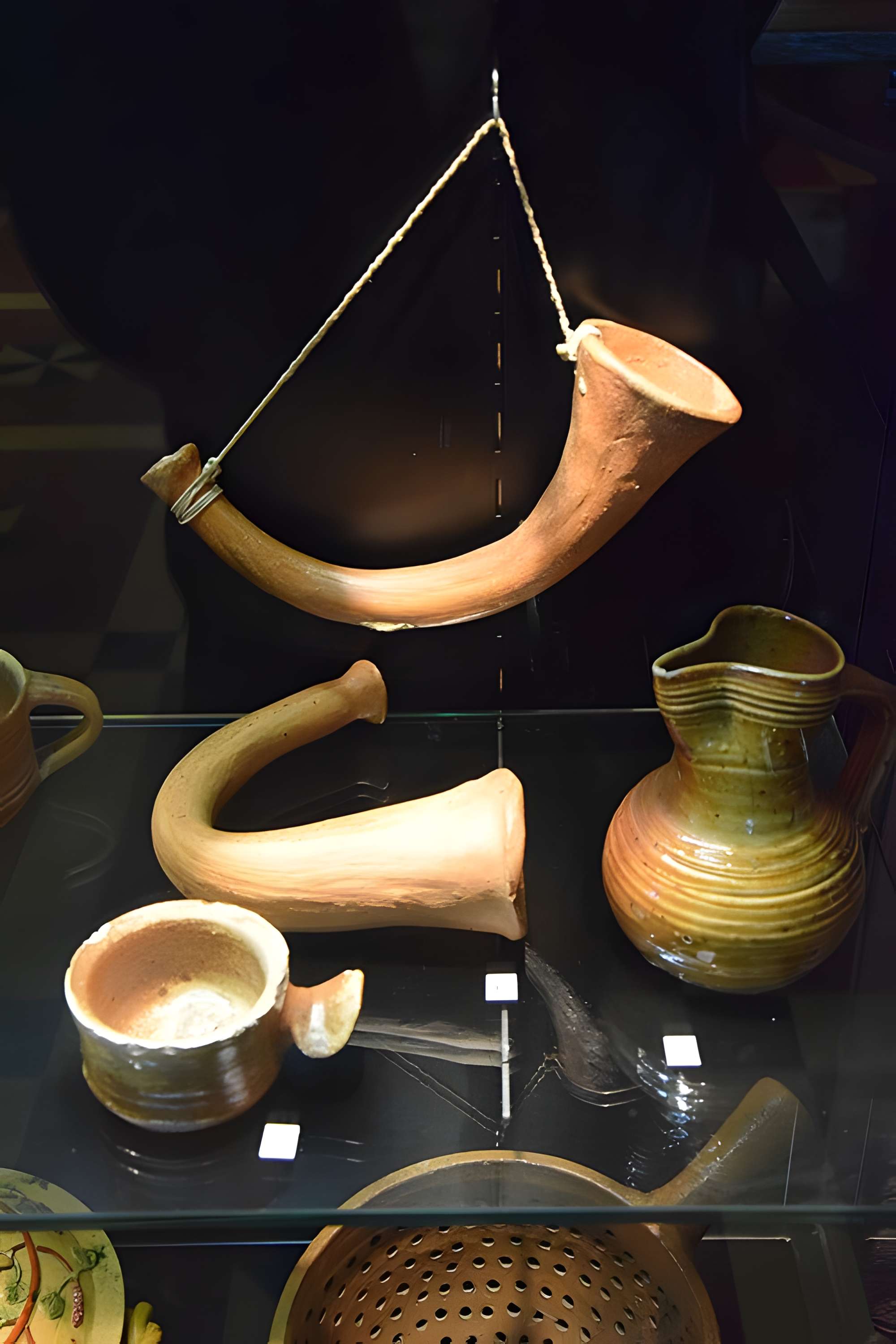
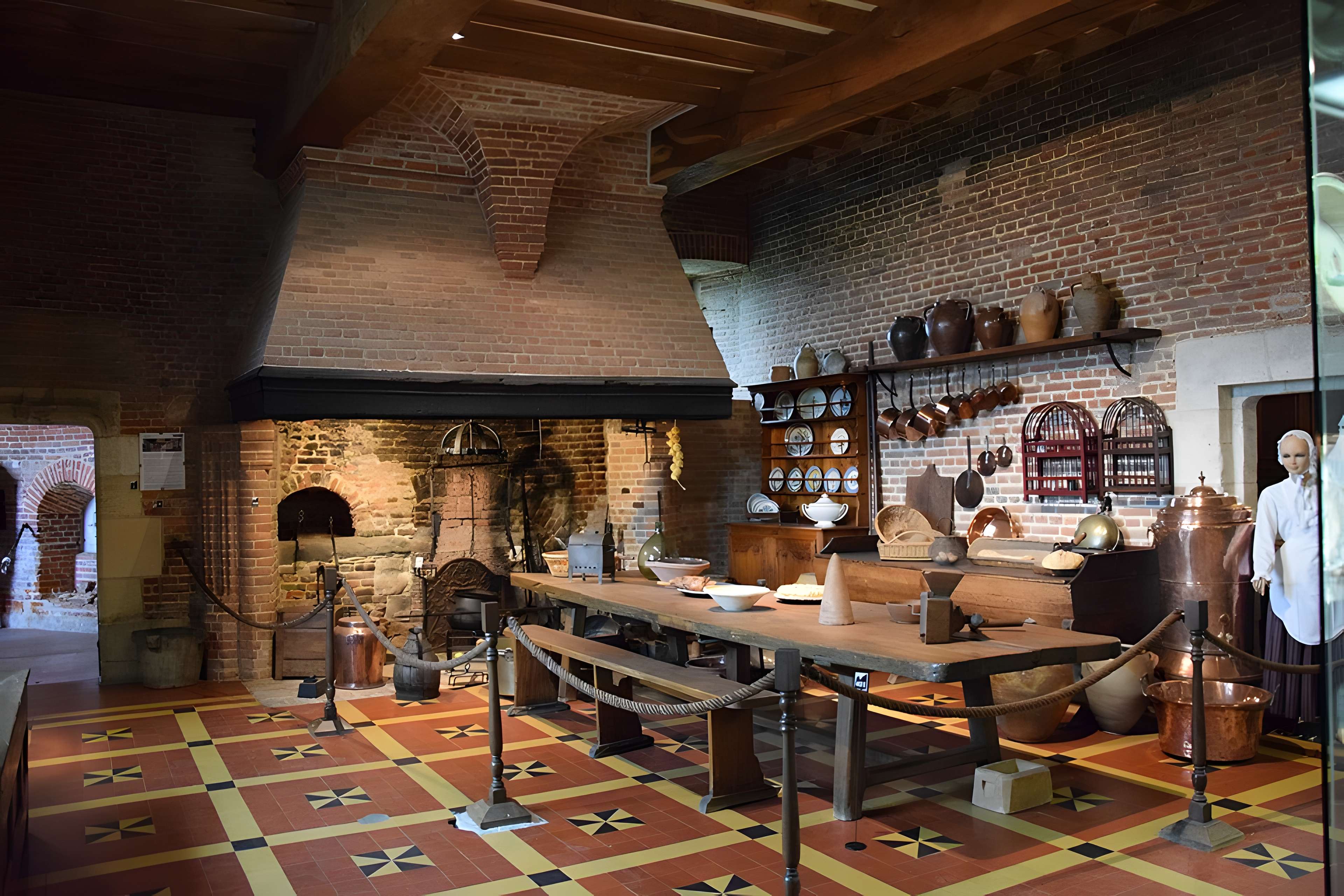
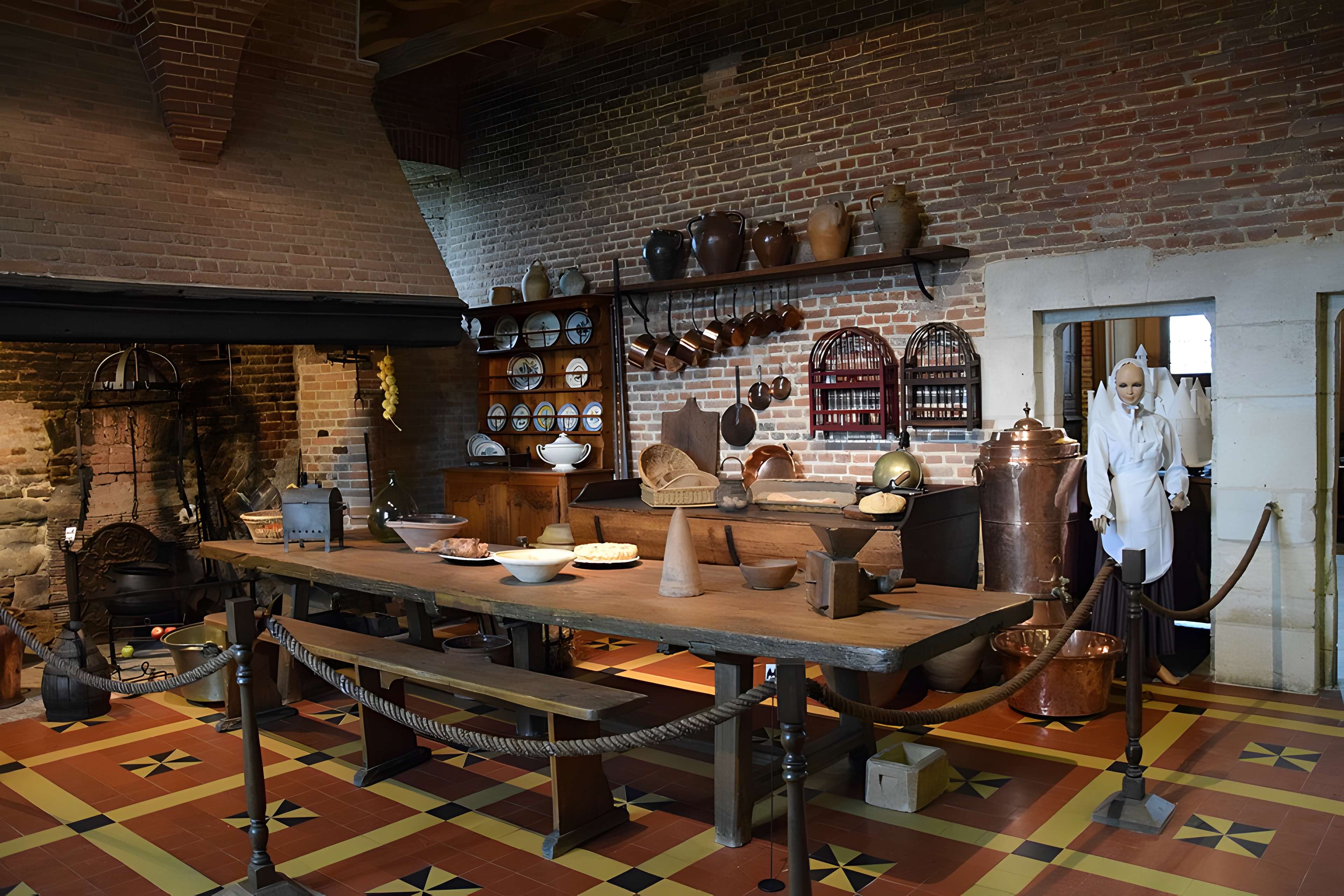
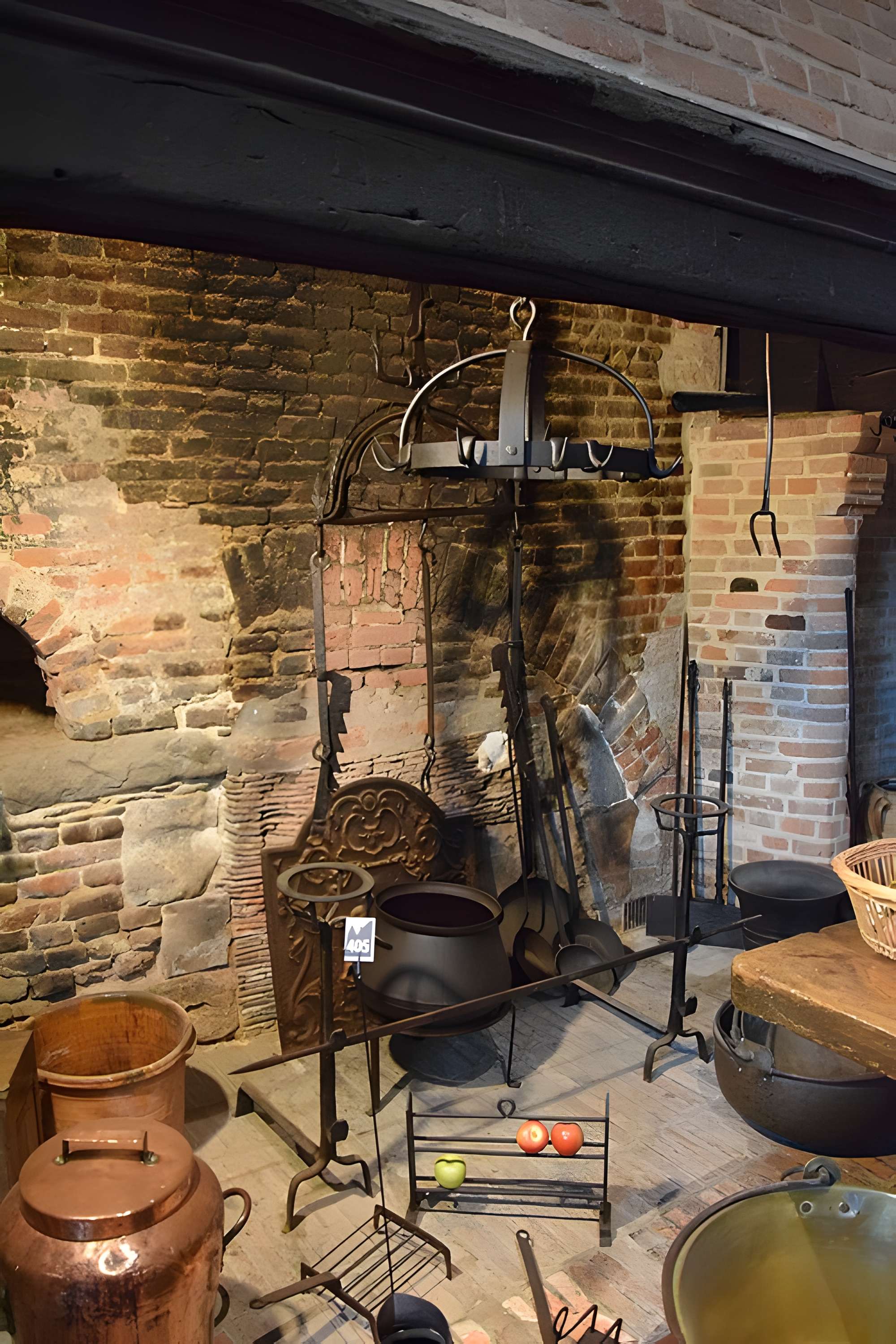
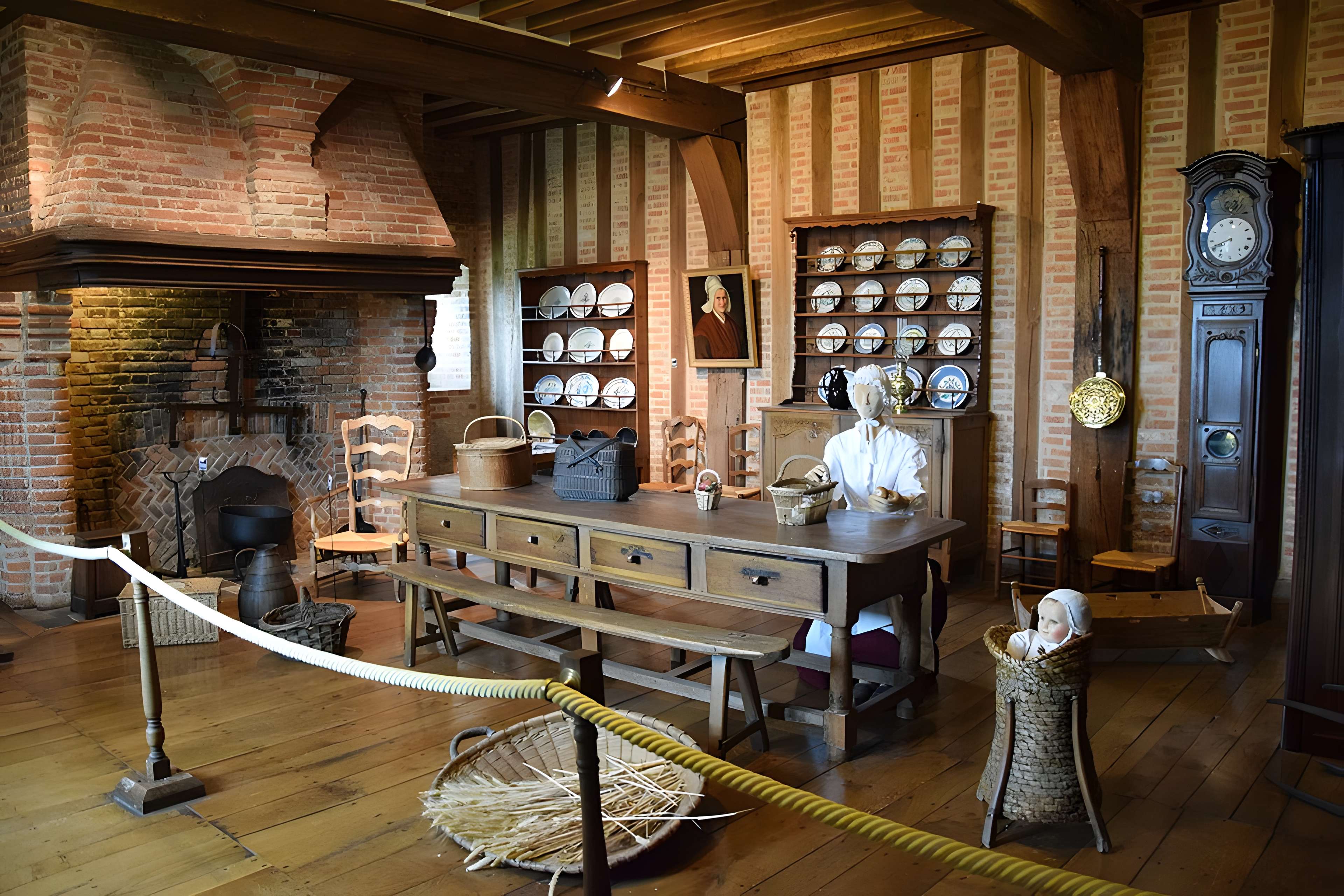
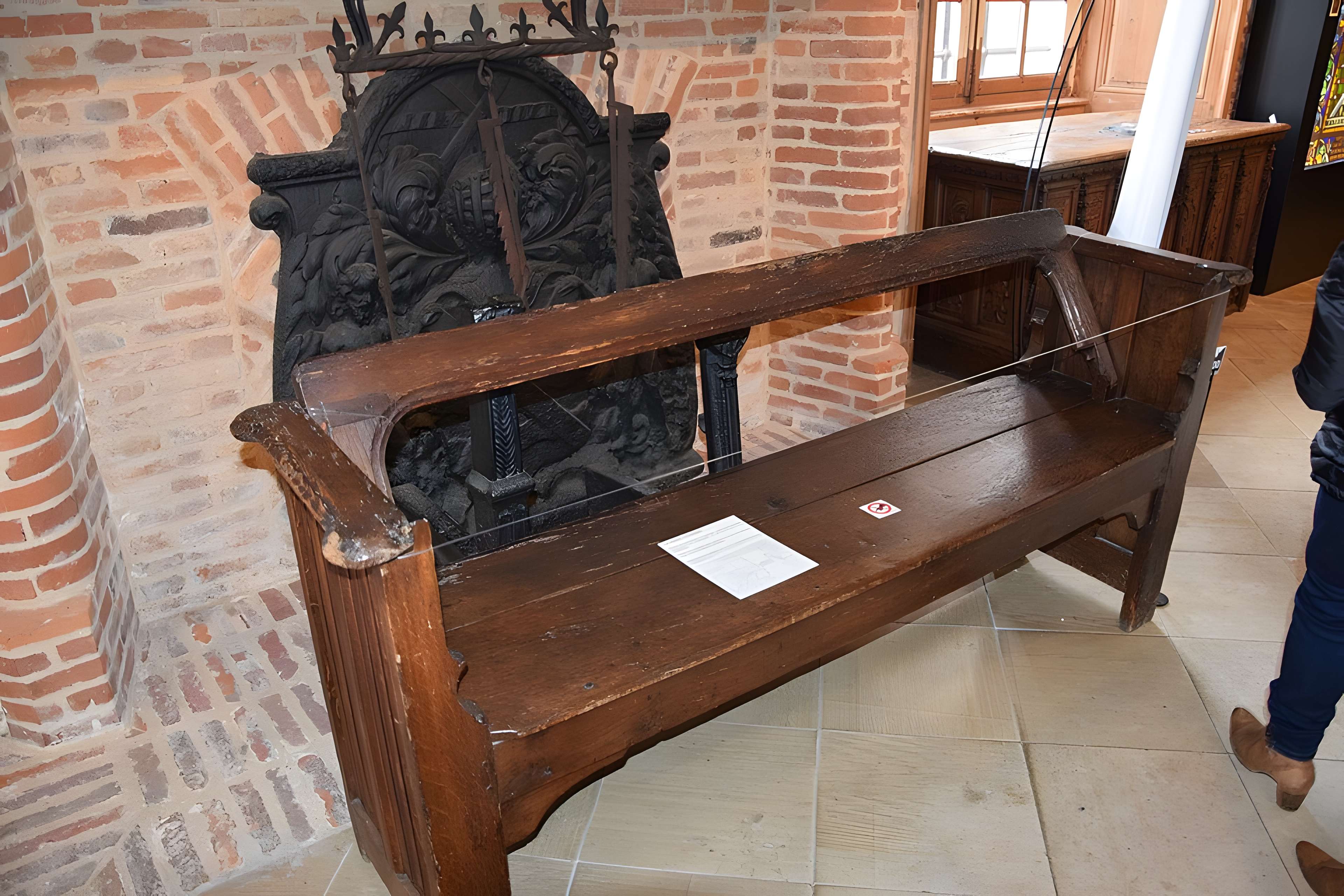
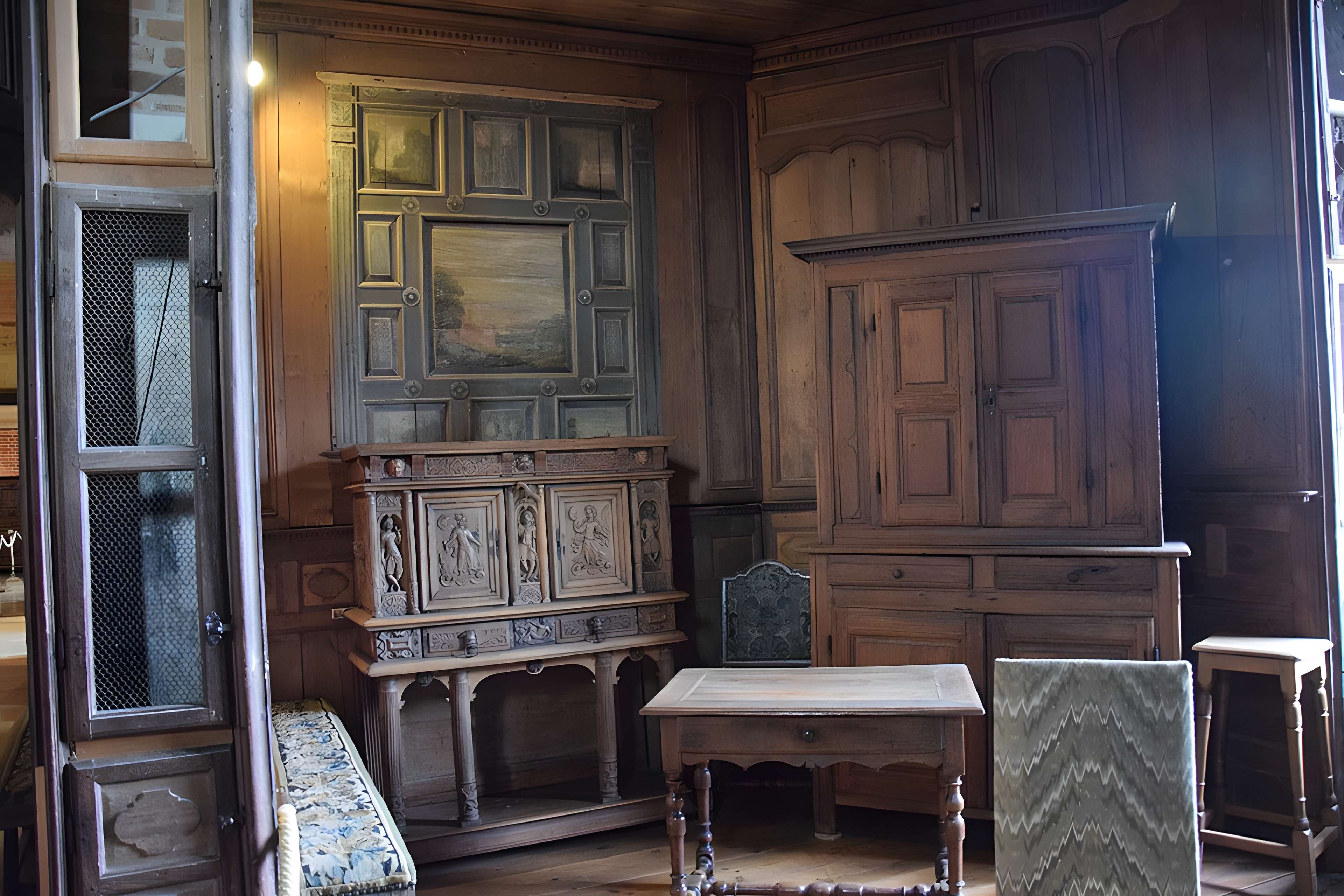
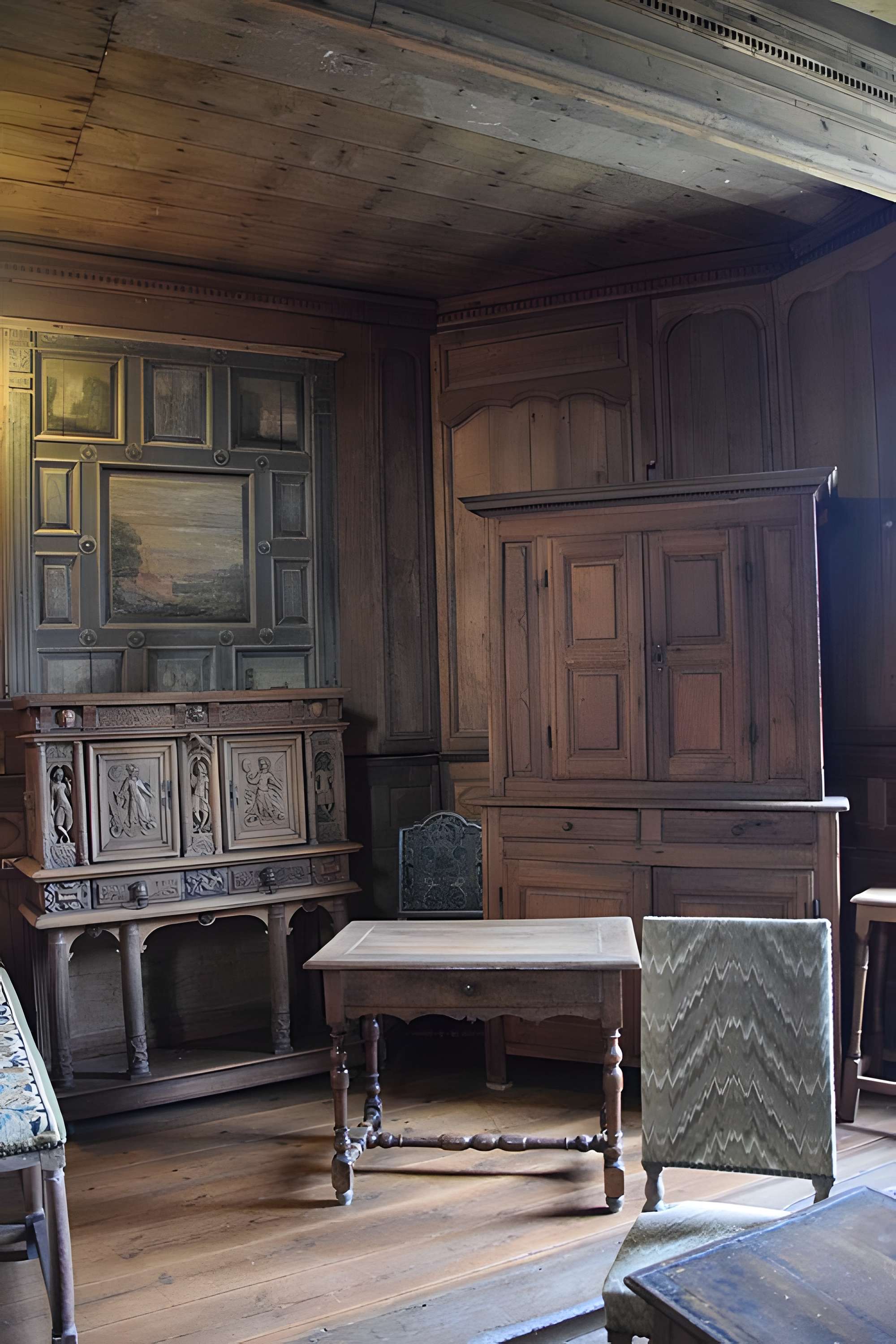
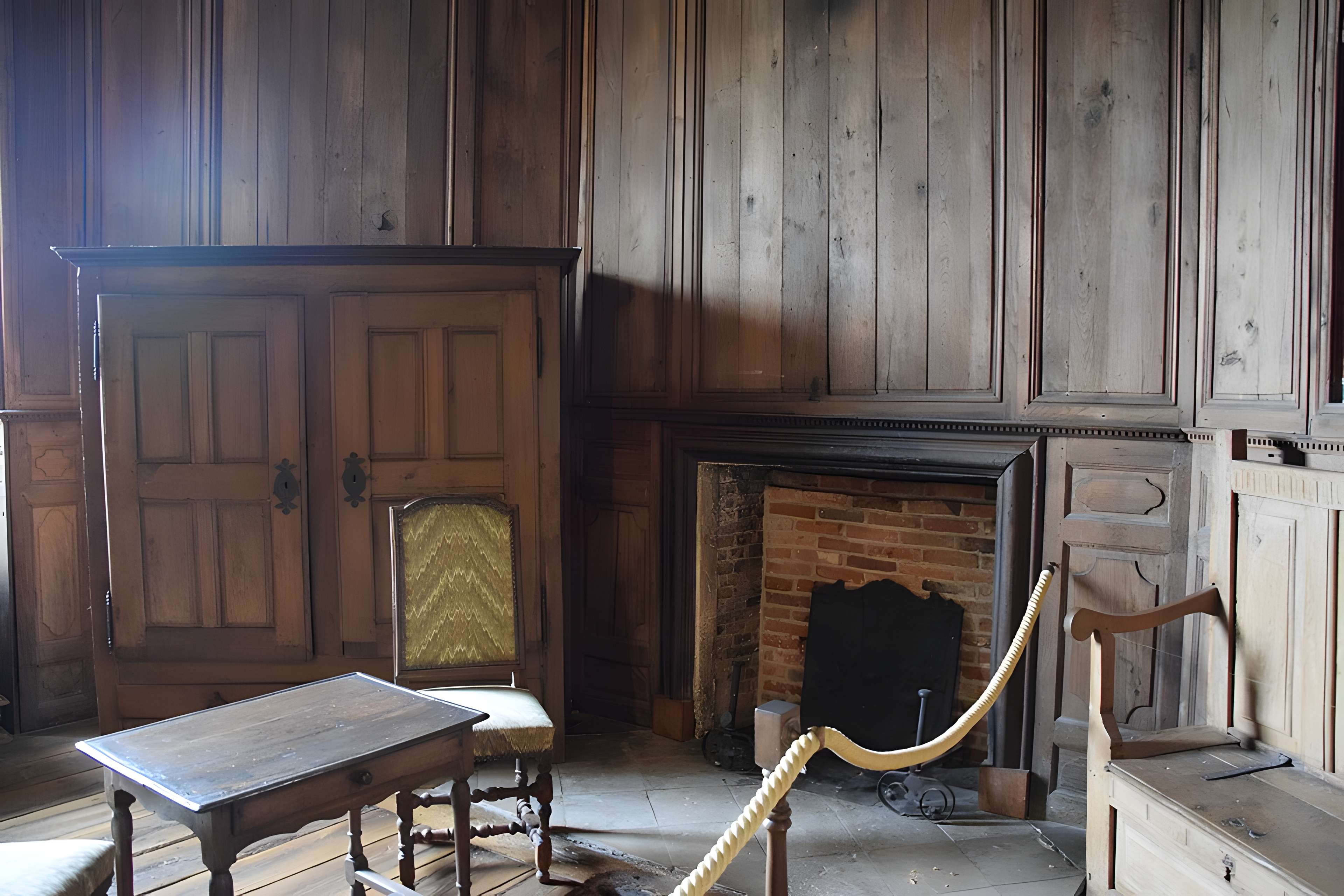
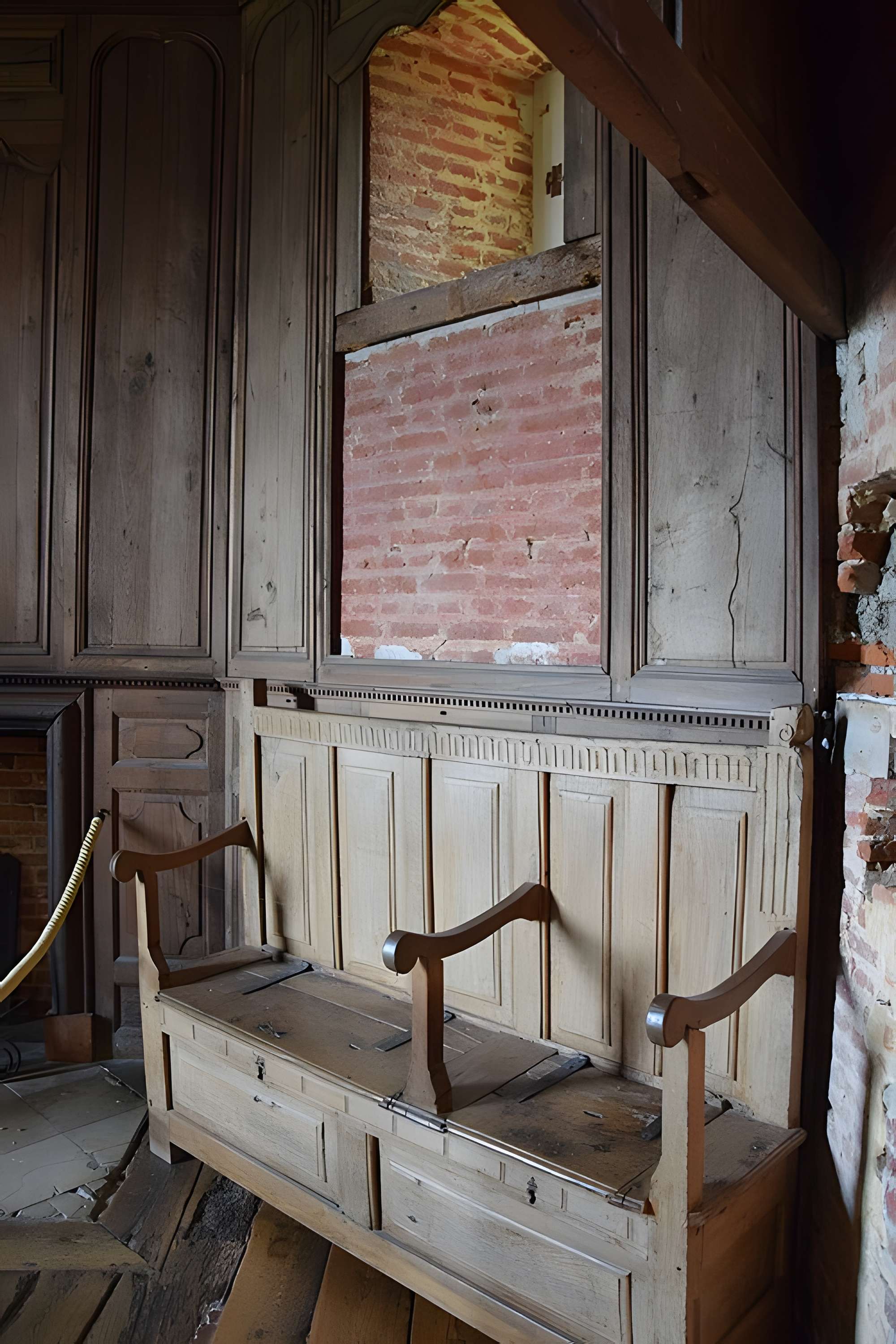
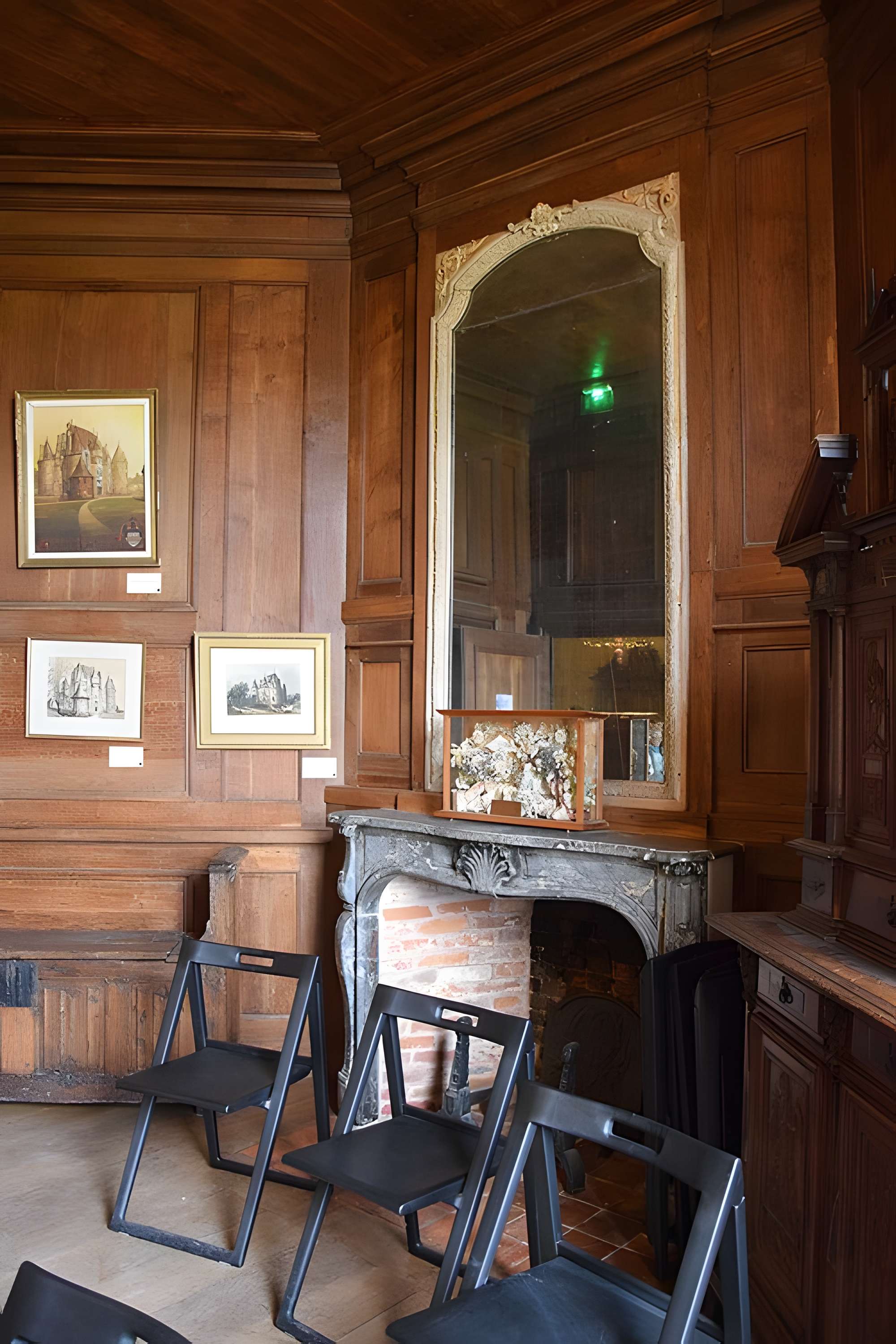
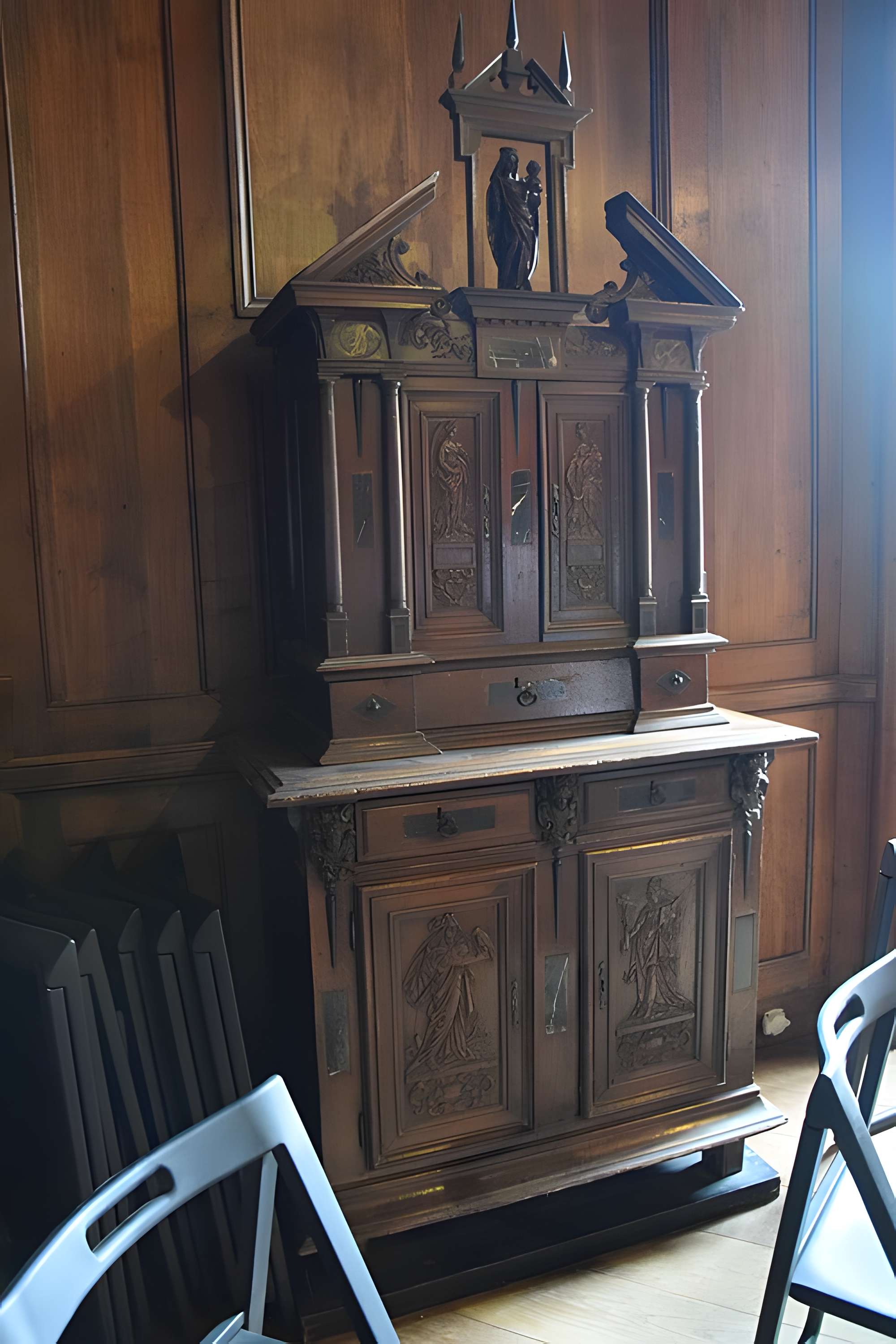
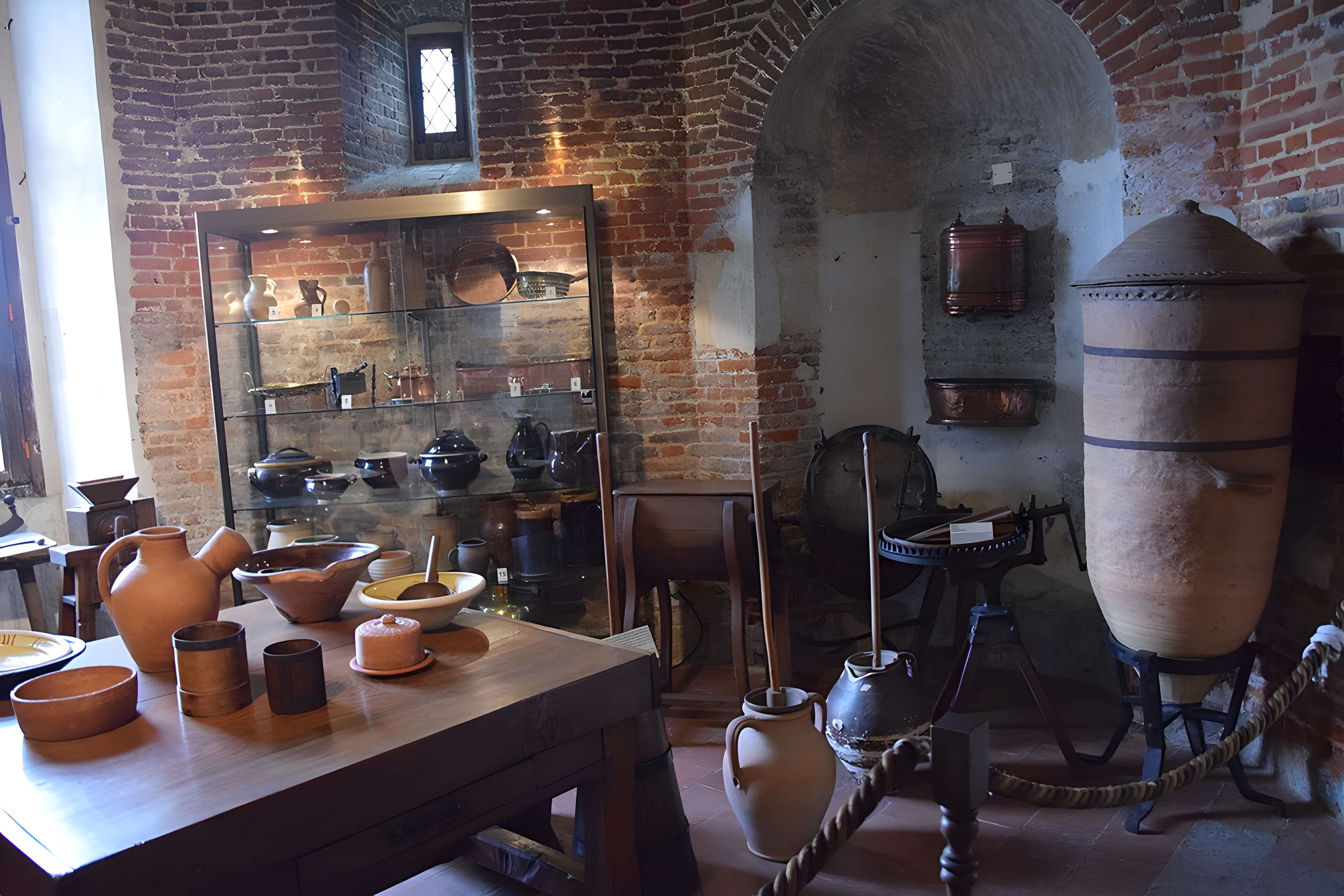
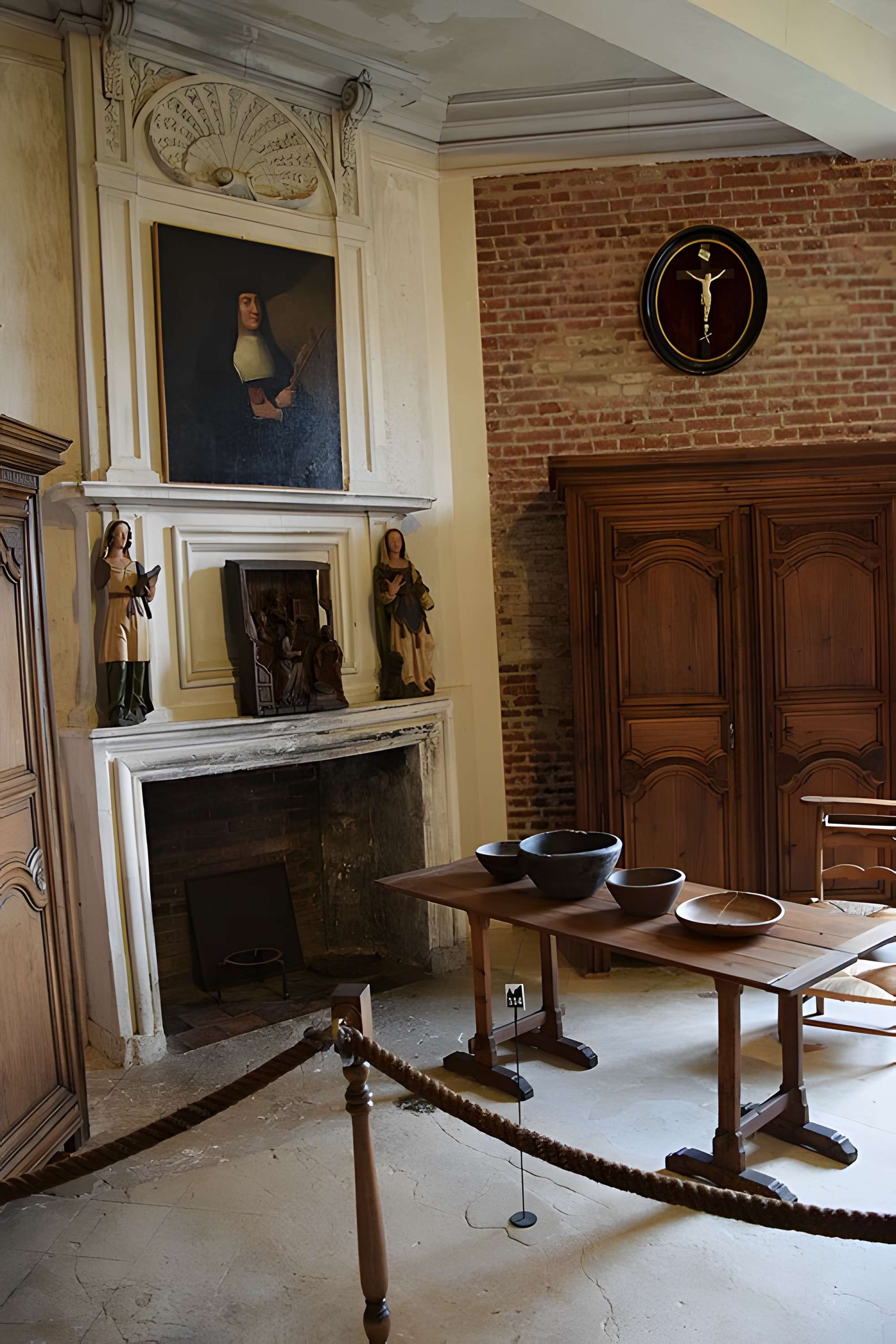
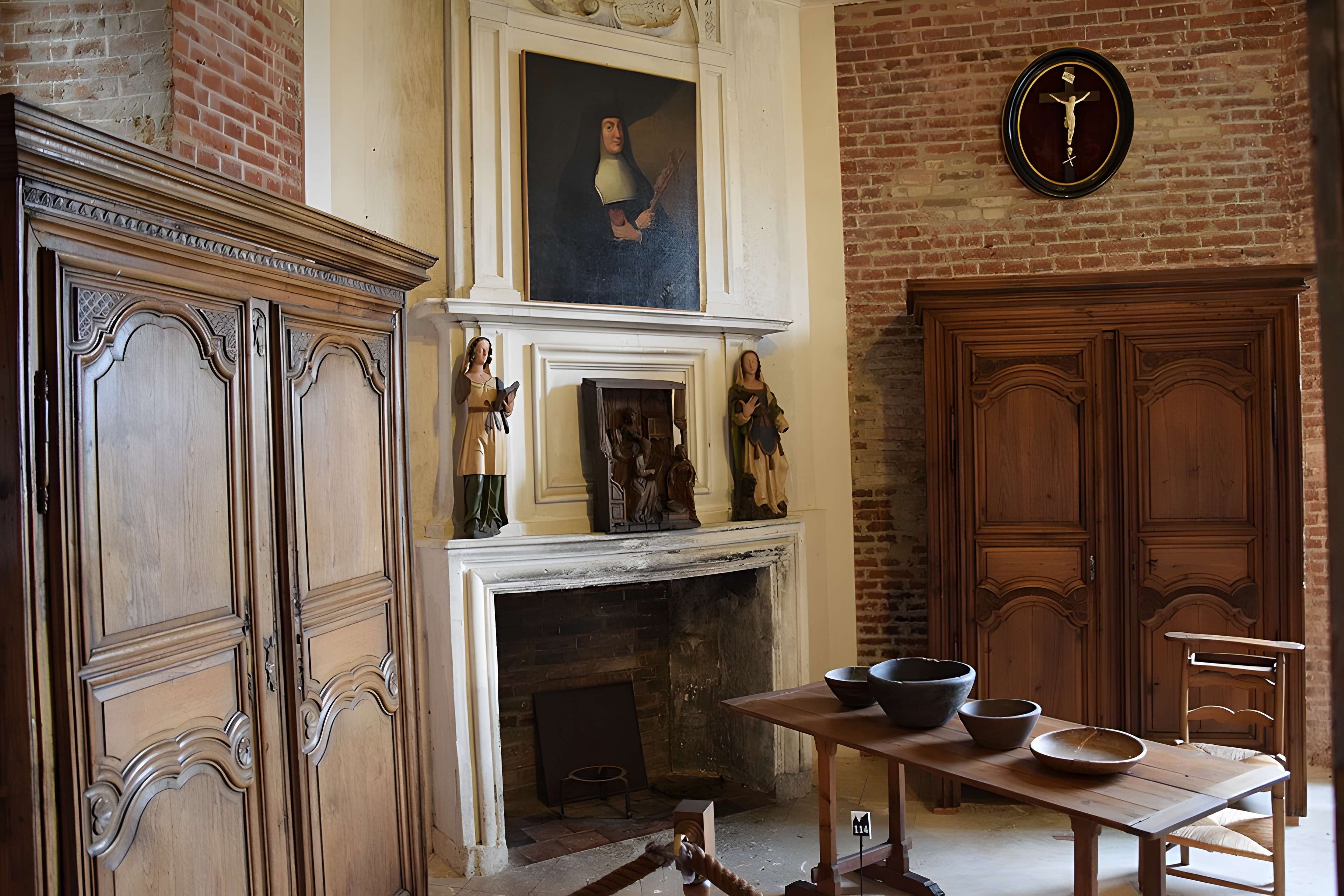
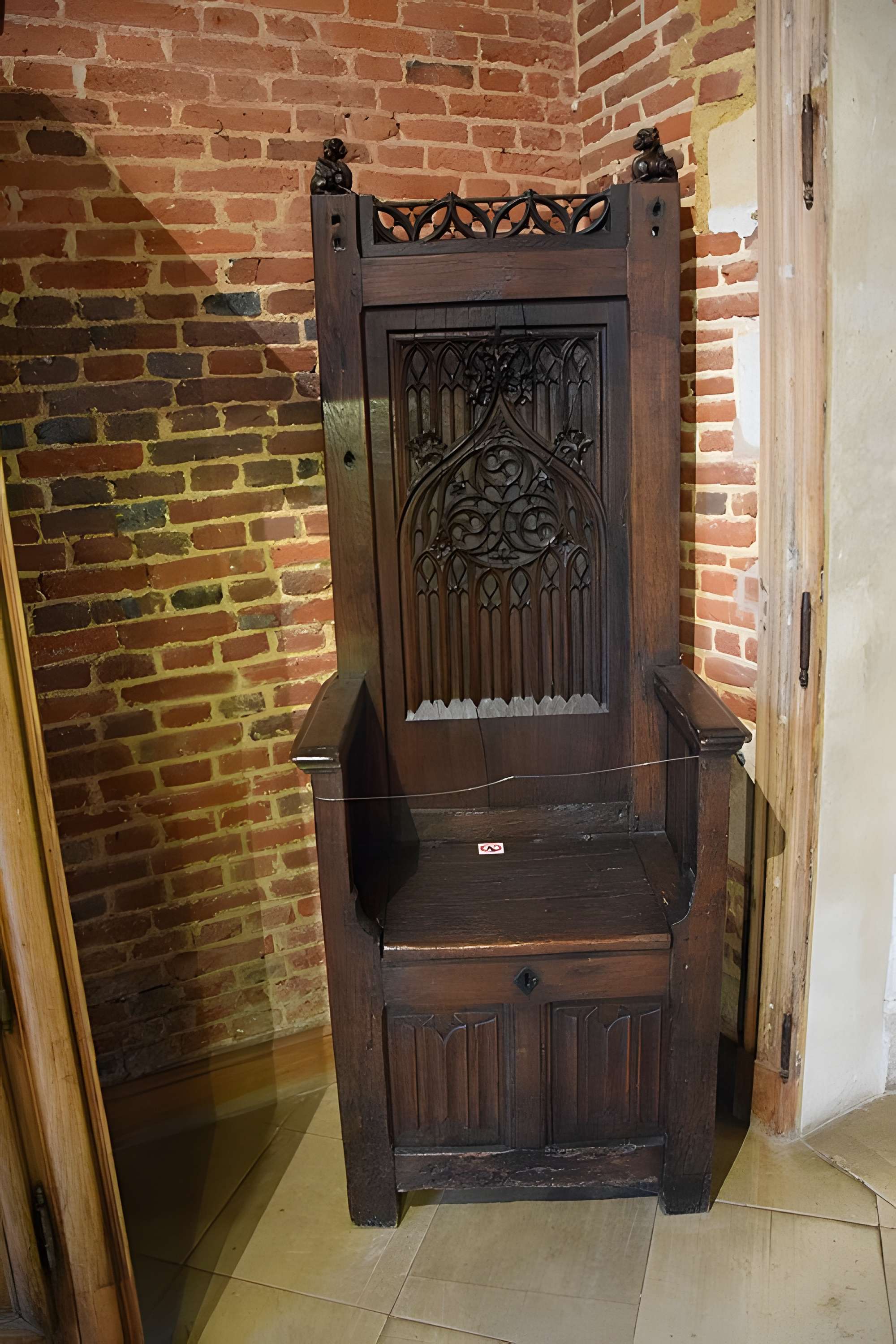
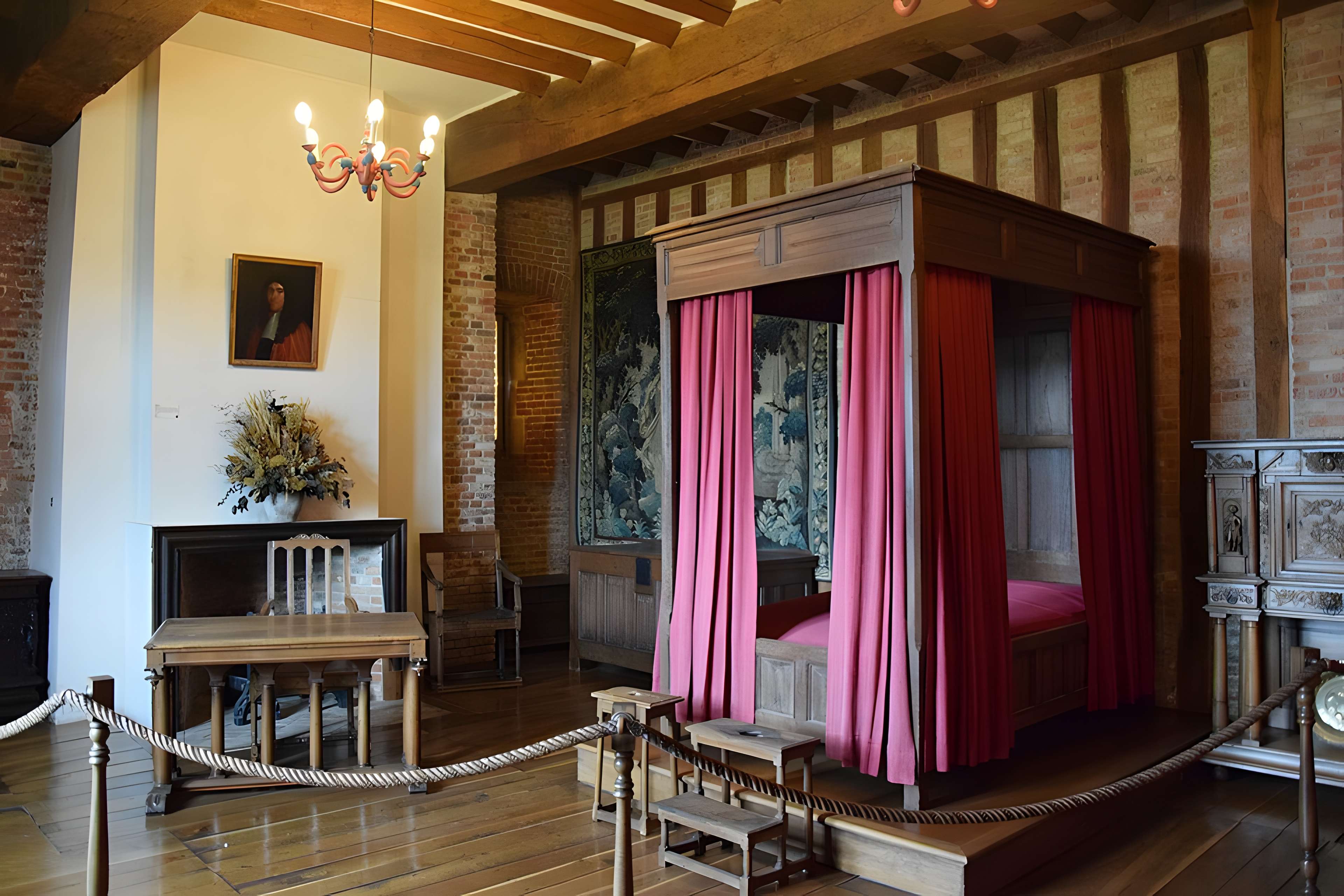
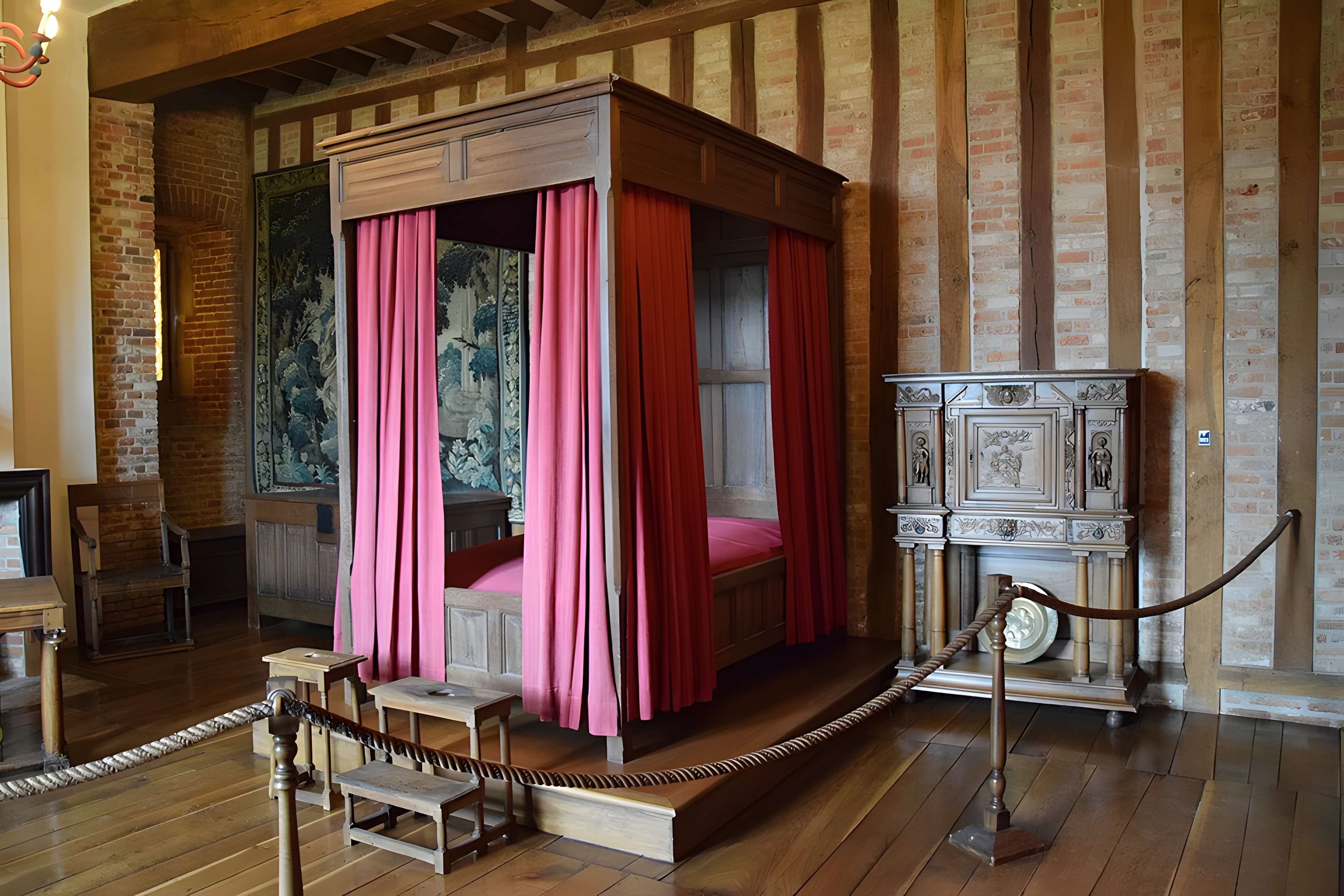
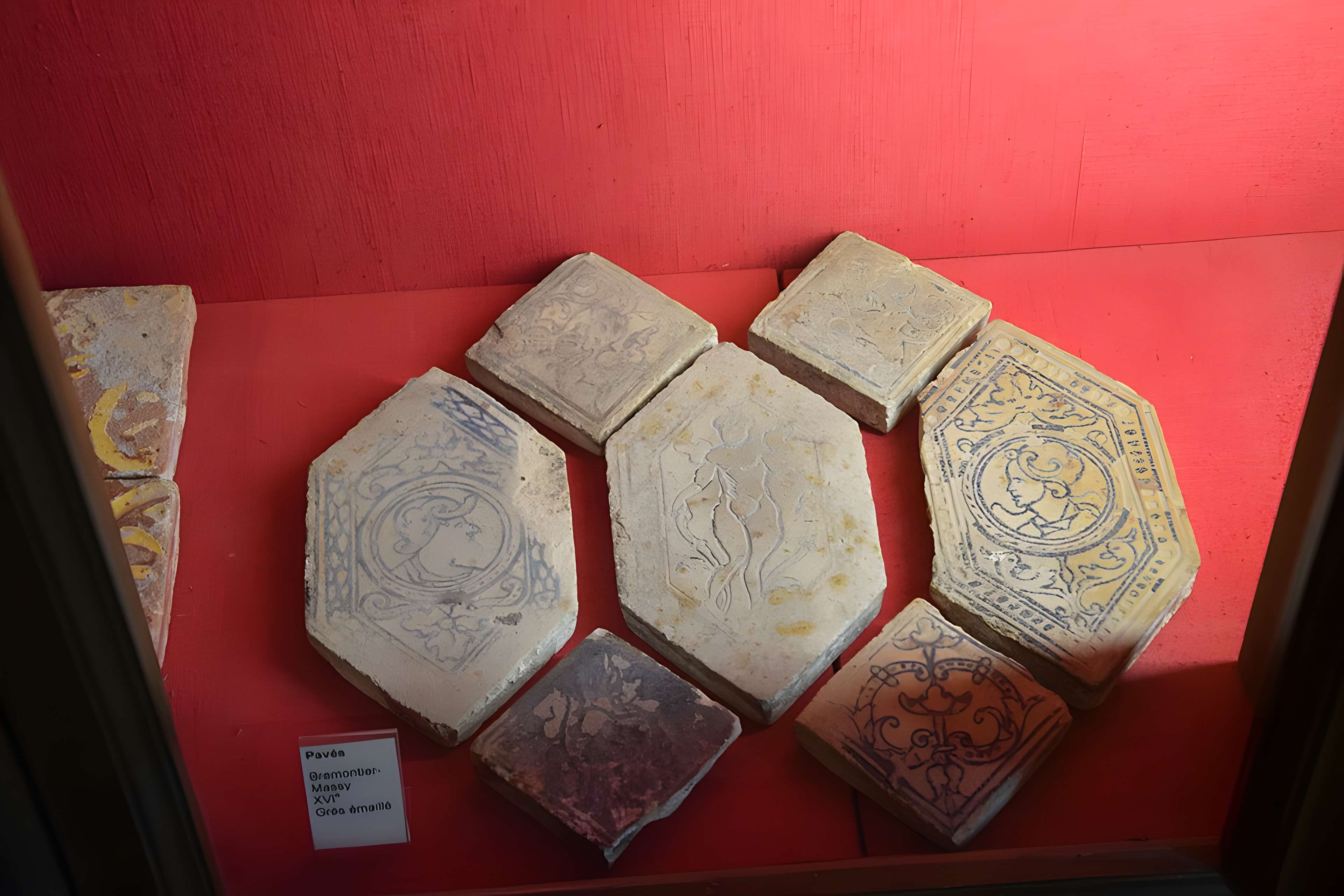
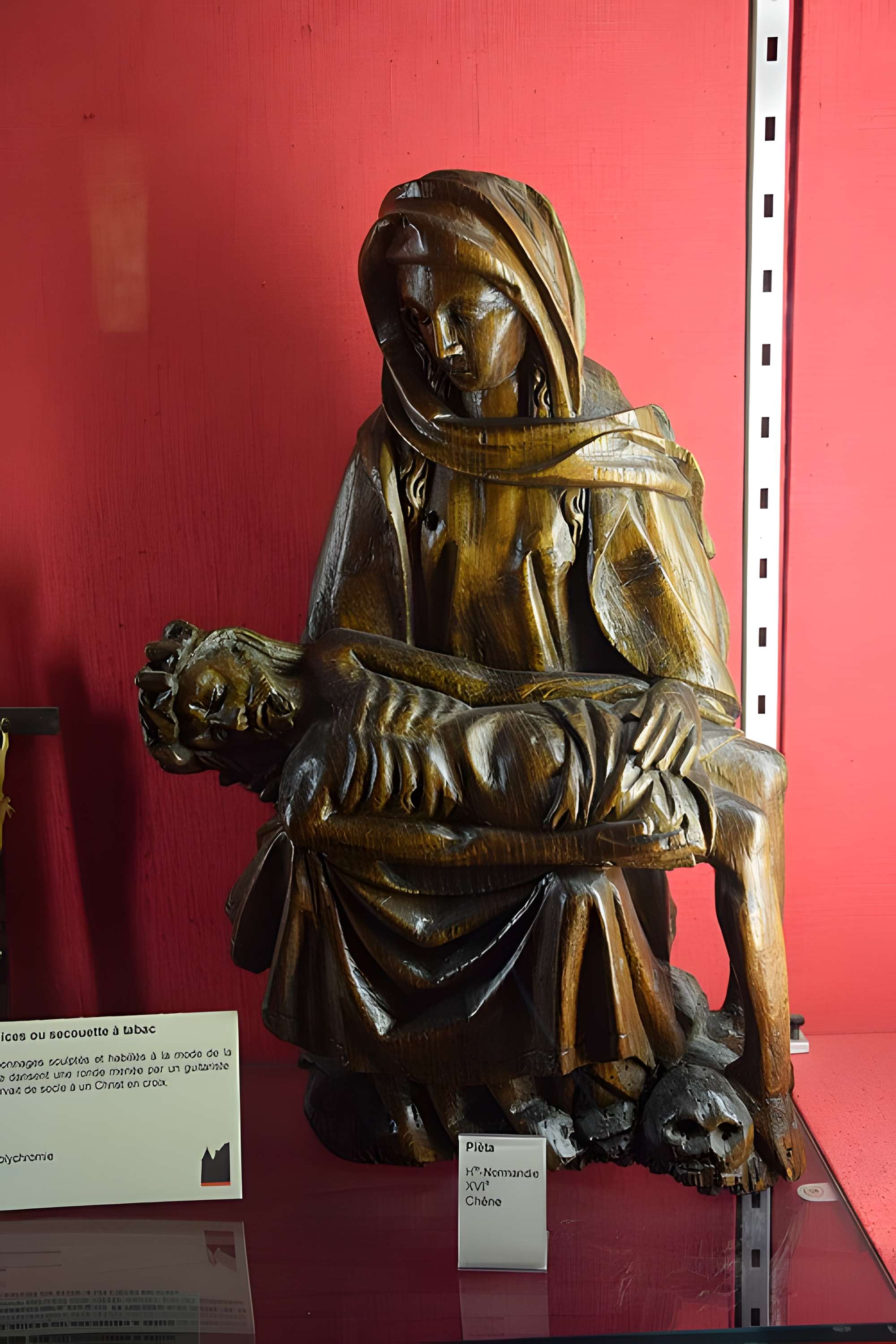
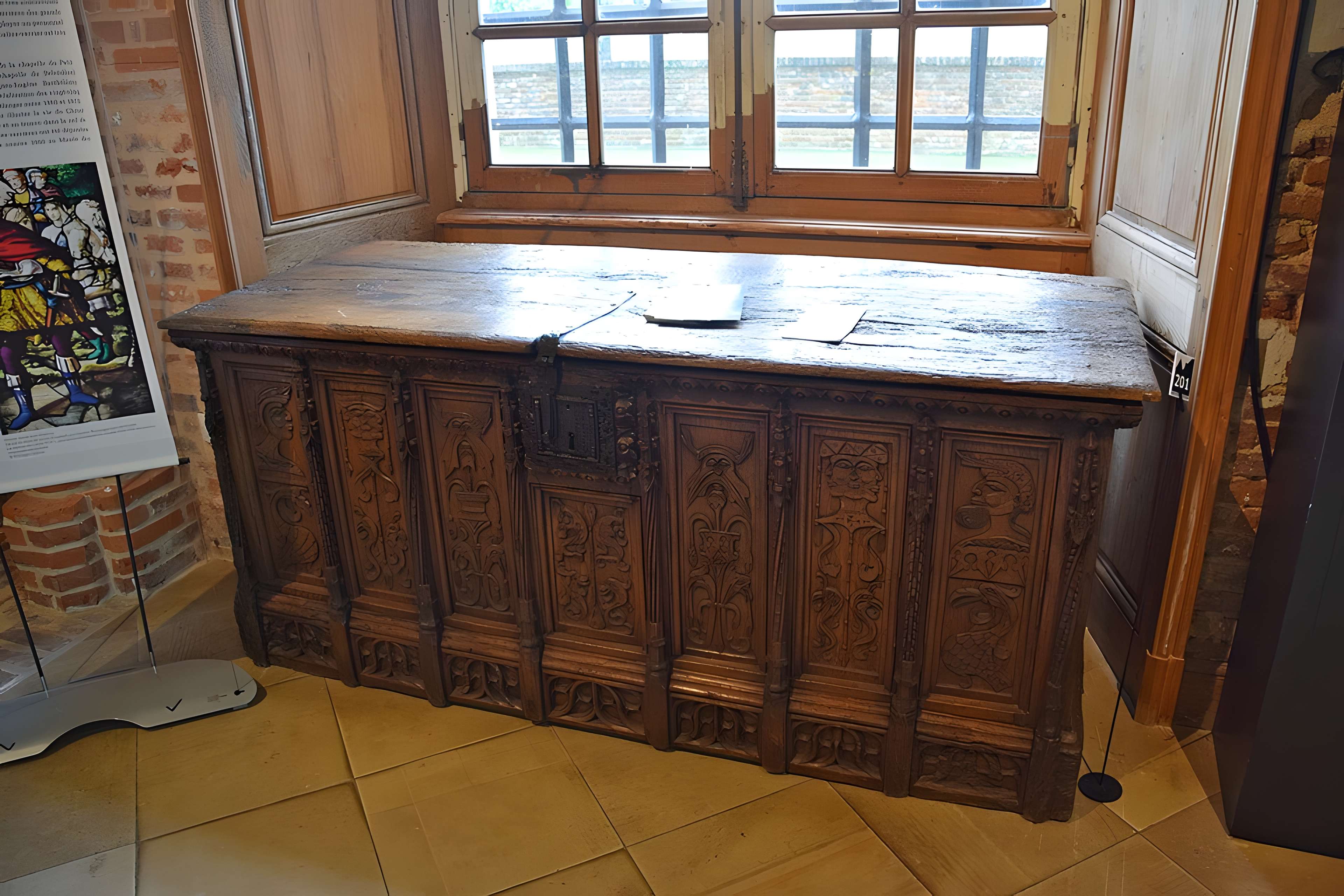
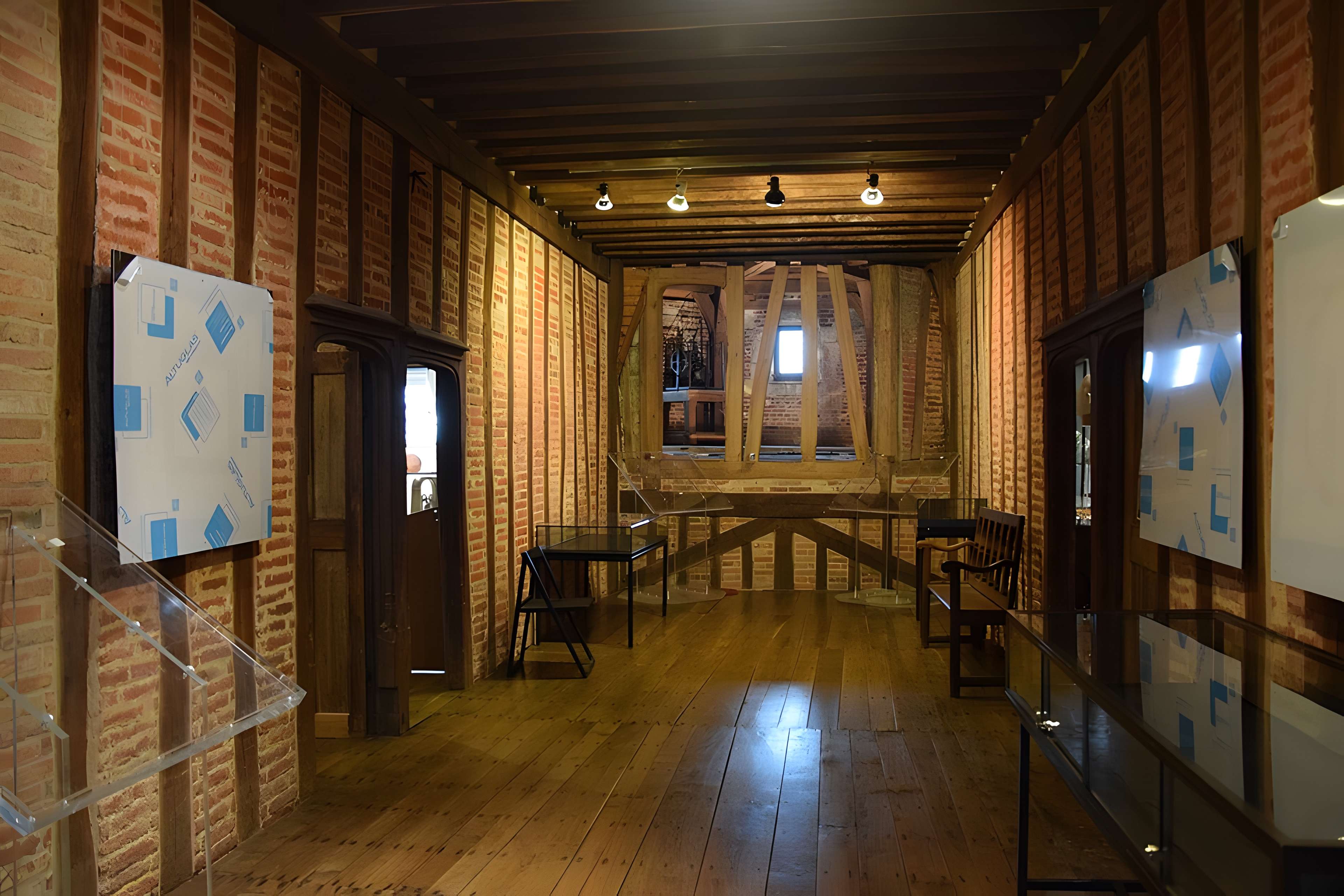
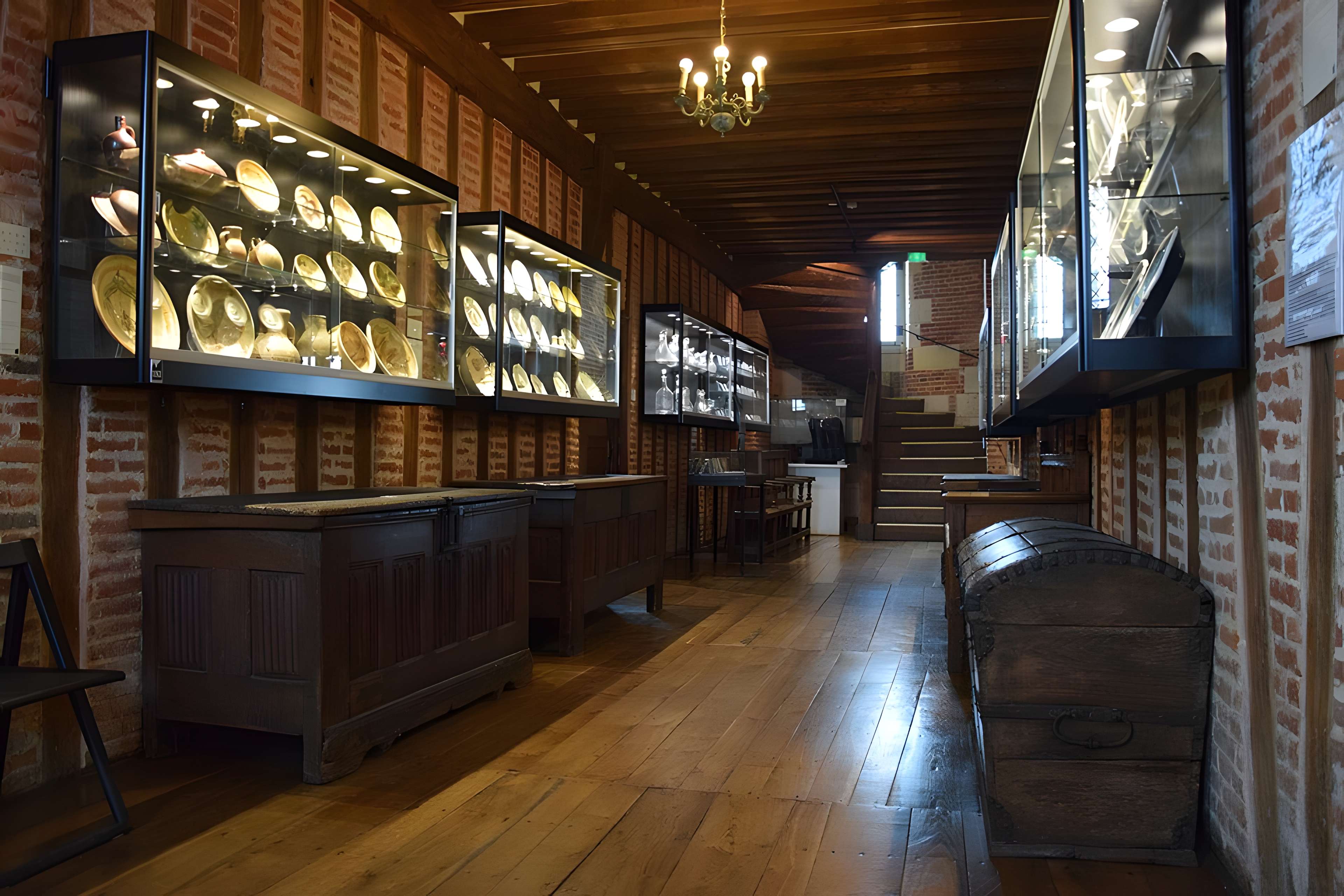
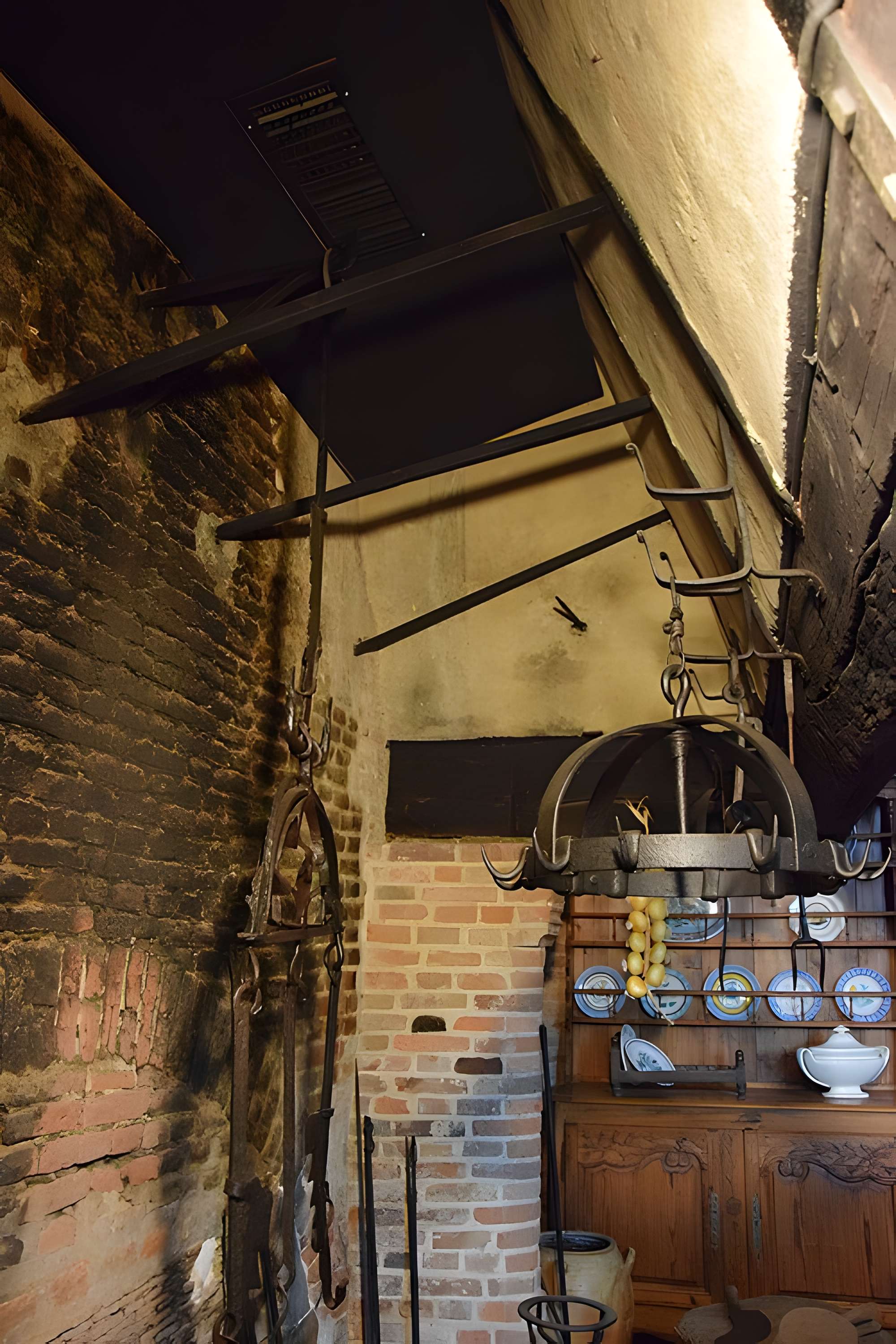
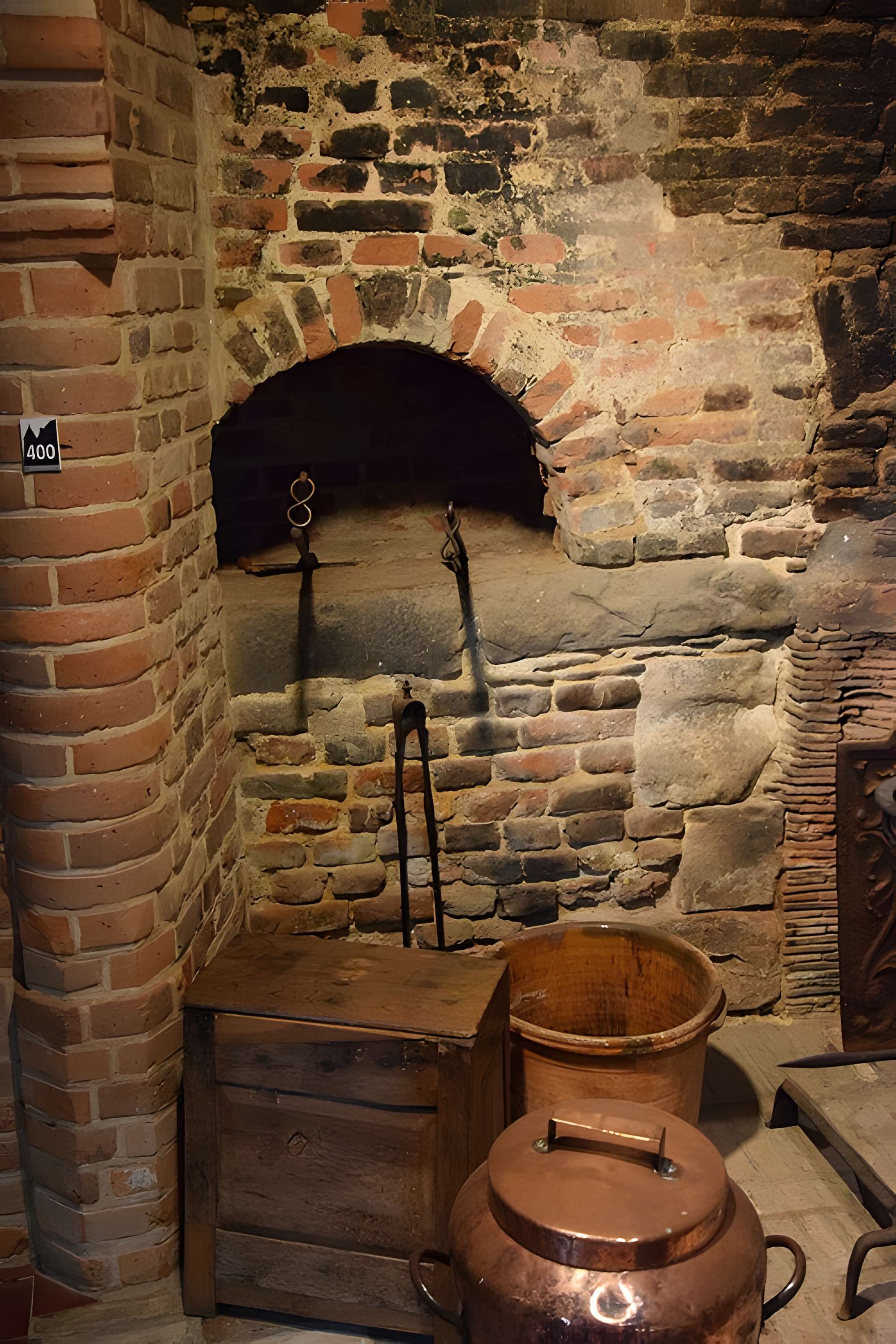
The museum, labeled Musée de France, presents an exceptional collection of 15,000 objects illustrating daily life in Haute-Normandie from the 15th to the 19th century. Regional furniture, traditional costumes, ceramics, and agricultural tools are displayed in reconstituted interiors. Donations, such as that of the Buquet family (shown handkerchiefs), have enriched the funds. The castle, with its classified farm and Renaissance-inspired gardens, offers a unique setting for discovering Norman crafts and lifestyles. Its symmetrical plan and varnished brick decorations make it a rare testimony to the transition architecture between the Middle Ages and the Renaissance.
The history of the castle is also marked by national events, such as the passage of Henry IV in 1590, hunting the troops of the Duke of Parma. In the 17th century, the estate, transformed into a farm, saw its commons enlarged under Louis de Martainville, seigneur living in Versailles. After 1757, the castle passed into the hands of Norman parliamentary families before its gradual abandonment. Saved in extremis by the state, it became a place of memory thanks to successive restorations, including that of Henri Gosselin around 1925, and the development of a reborn garden in 2011.
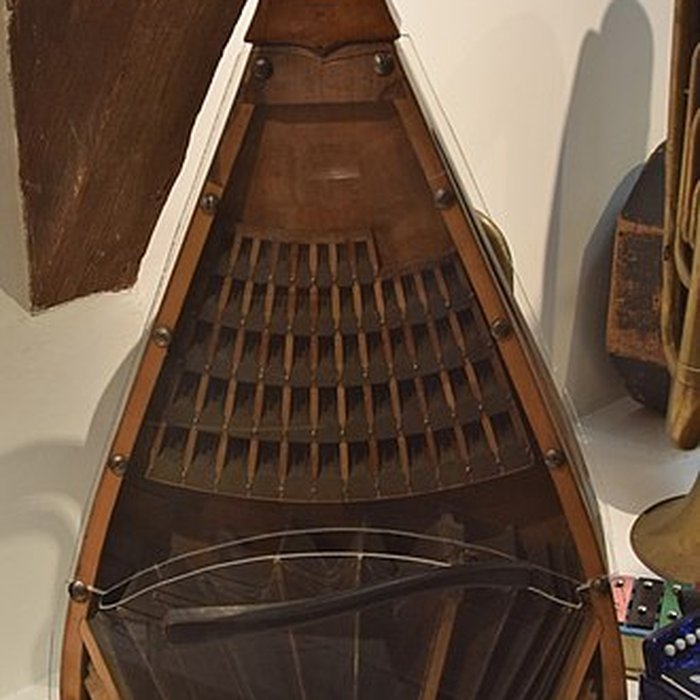
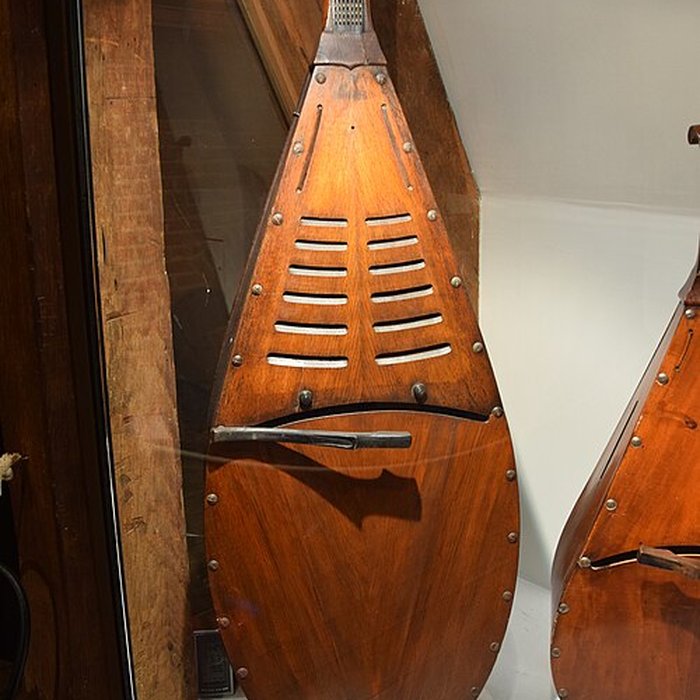
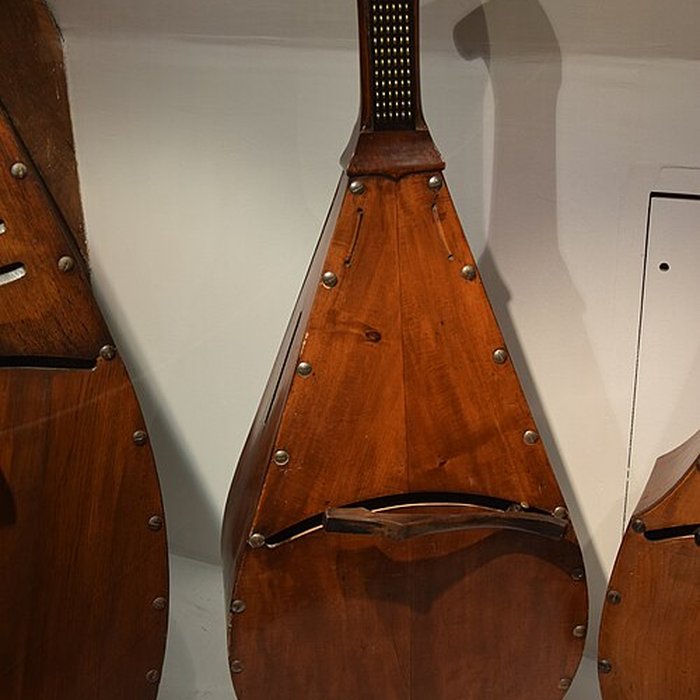
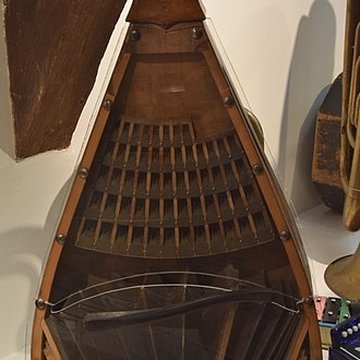
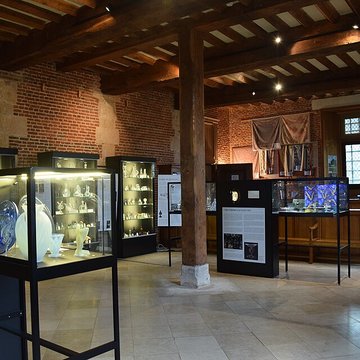
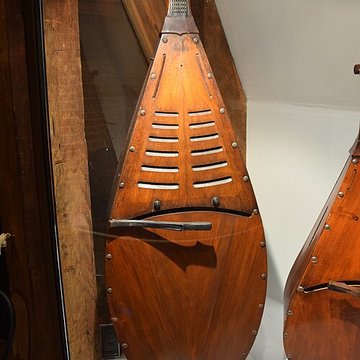
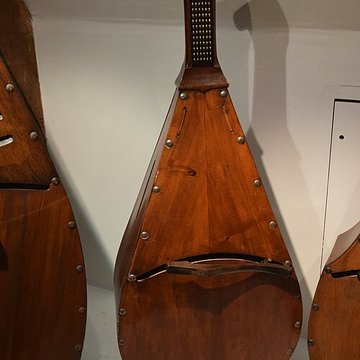
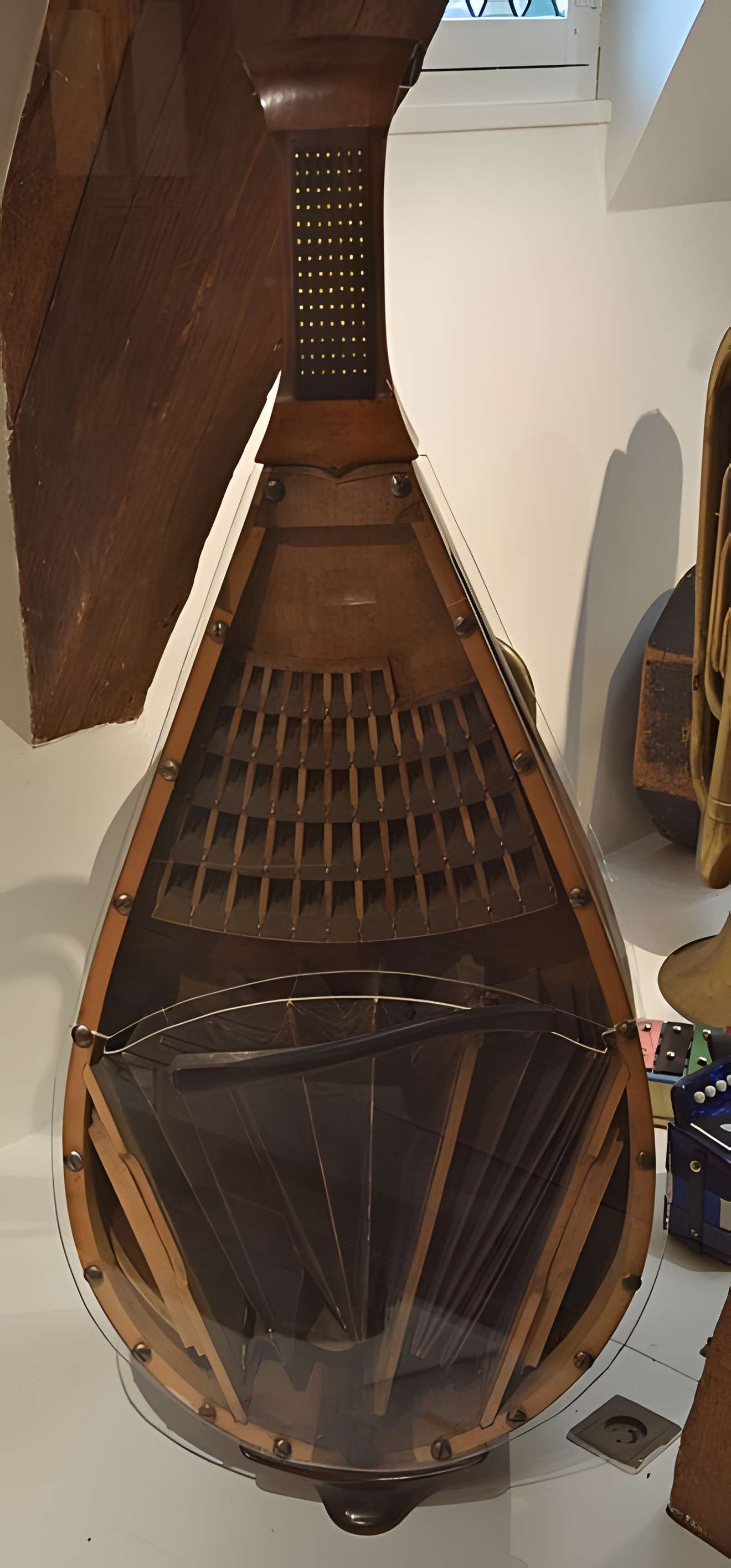
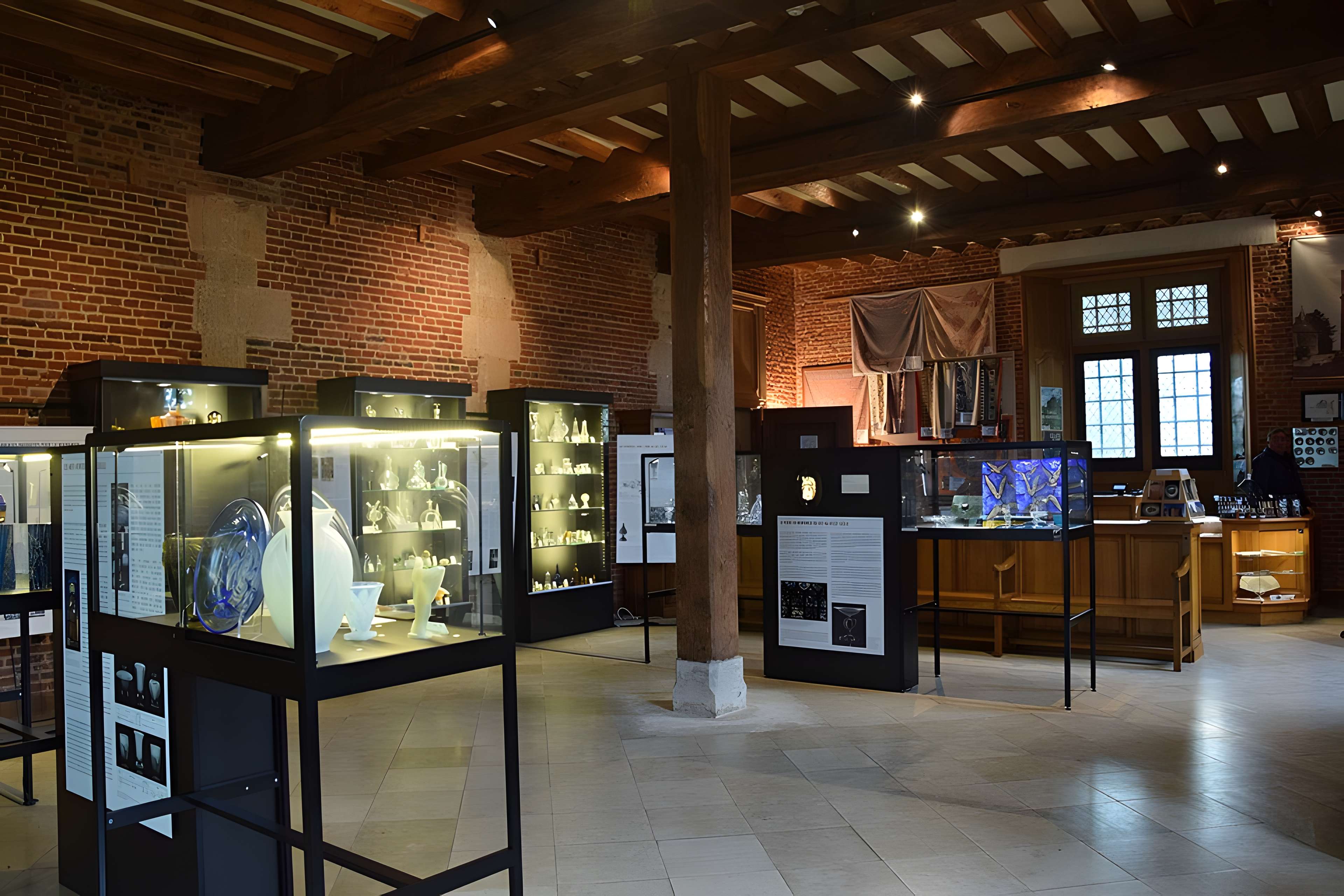
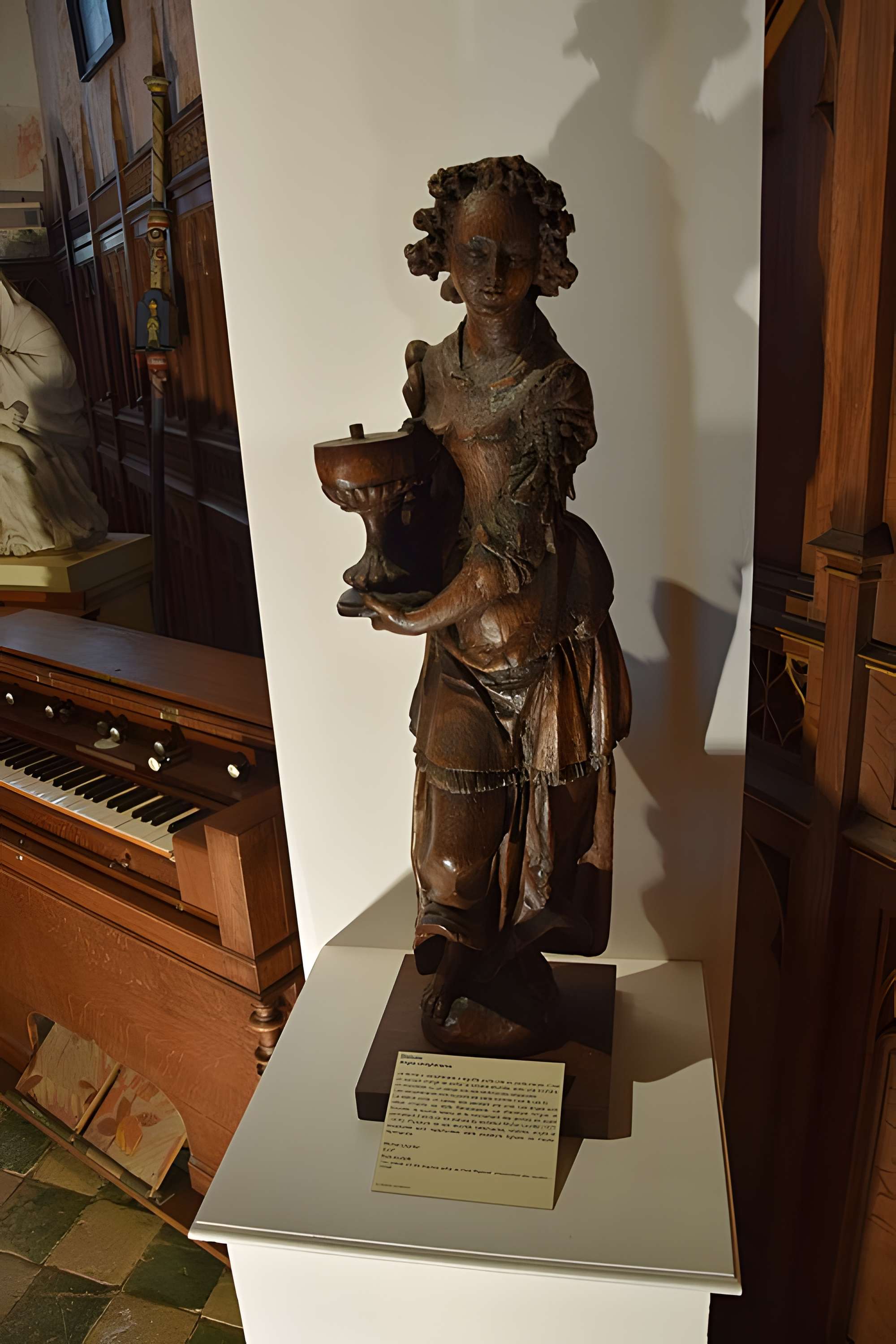
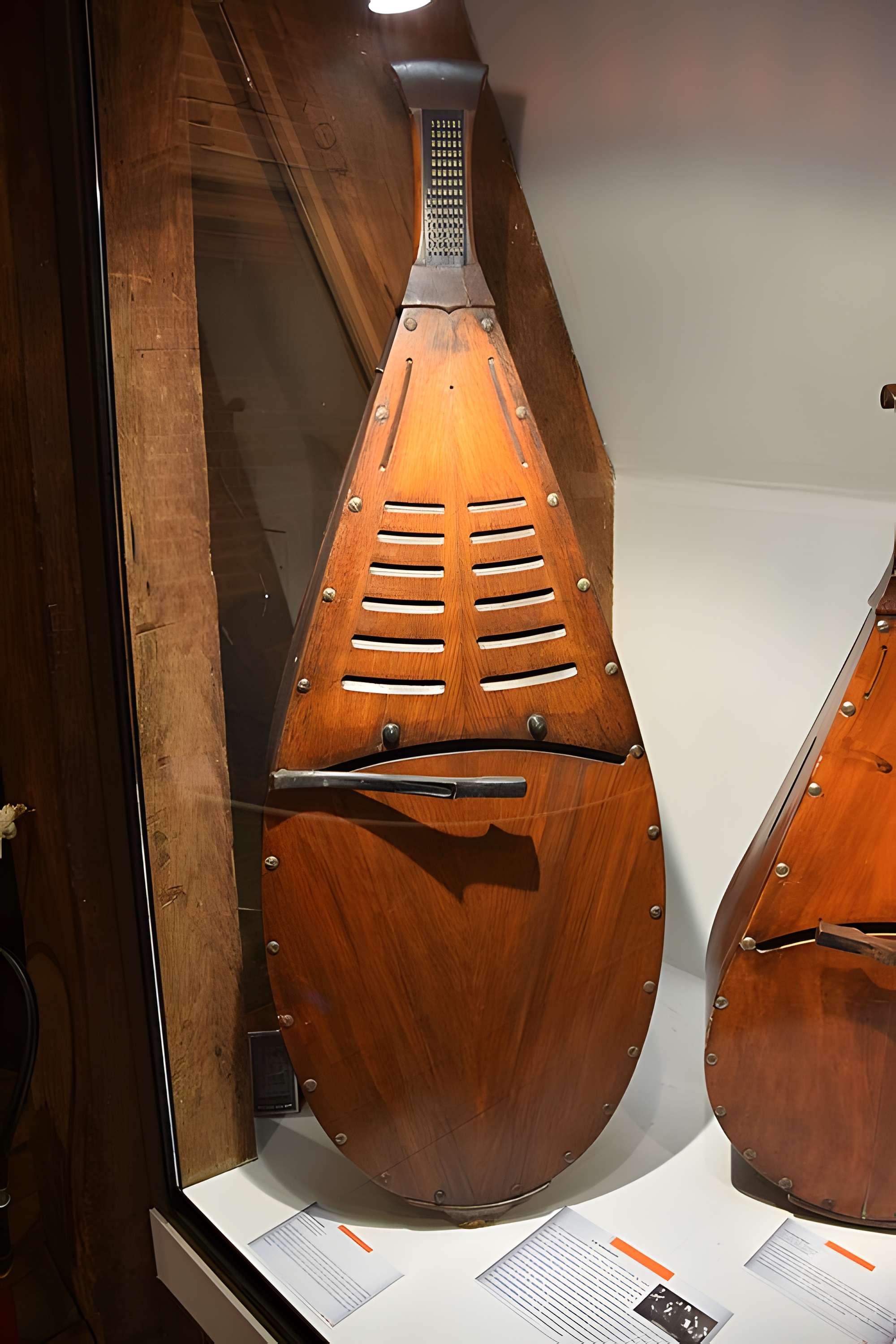
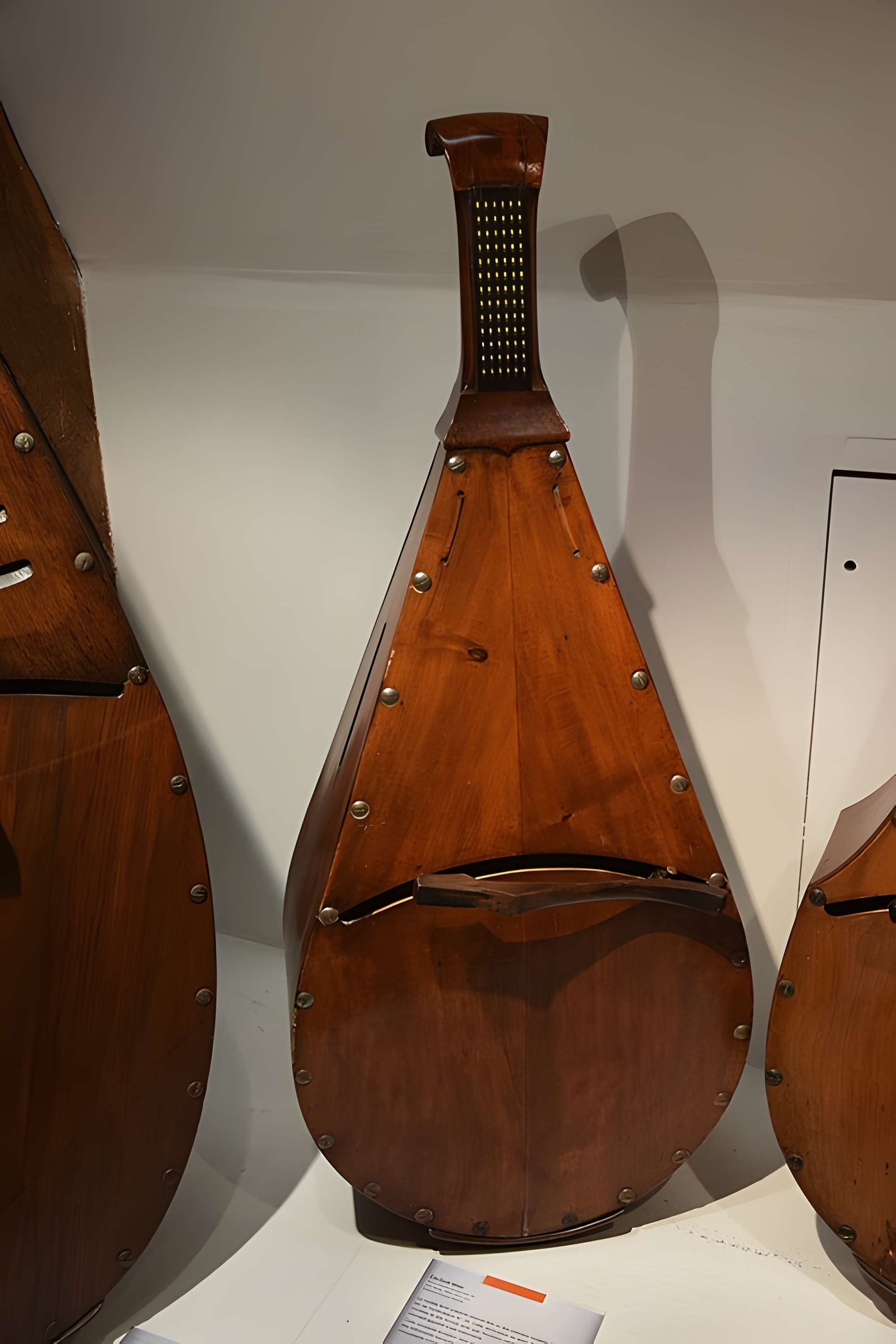
Today, the museum offers annual temporary exhibitions, often linked to Norman musical history, in partnership with the association L'Espace Musical. The permanent collections, organized by themes (mobilier, textiles, agriculture), highlight regional specificities, such as the Cauchoise haircuts or the faiences of Rouen. The 15th century dovecote, barns, and well, classified in 1931, complete the visit. The site, managed by the Seine-Maritime department, remains a high place of Norman heritage, combining remarkable architecture and living ethnography.






Announcements
Please log in to post a review