Construction of the Romanesque nave XIIe siècle (≈ 1250)
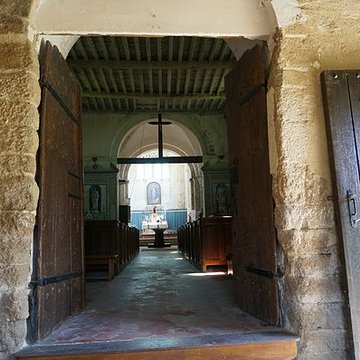
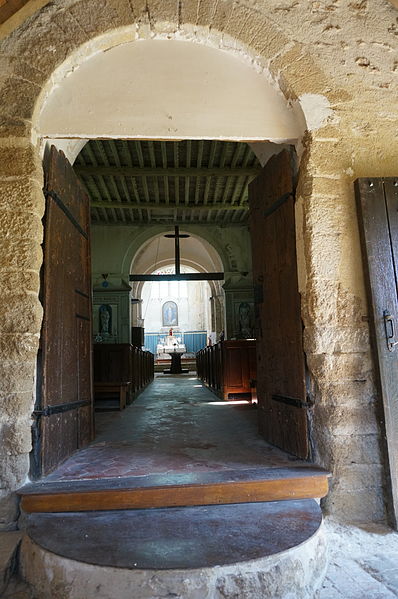
Initial nave of Romanesque style always visible.
XIIIe siècle
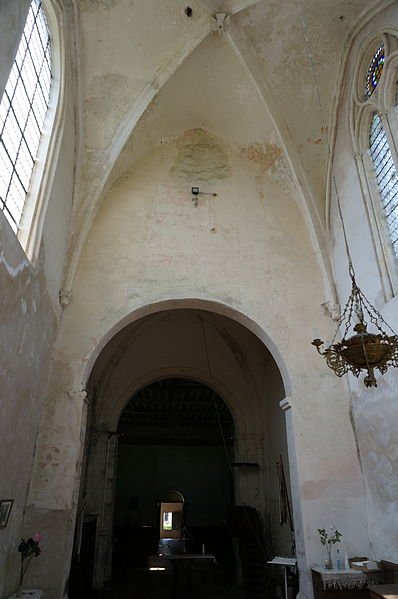
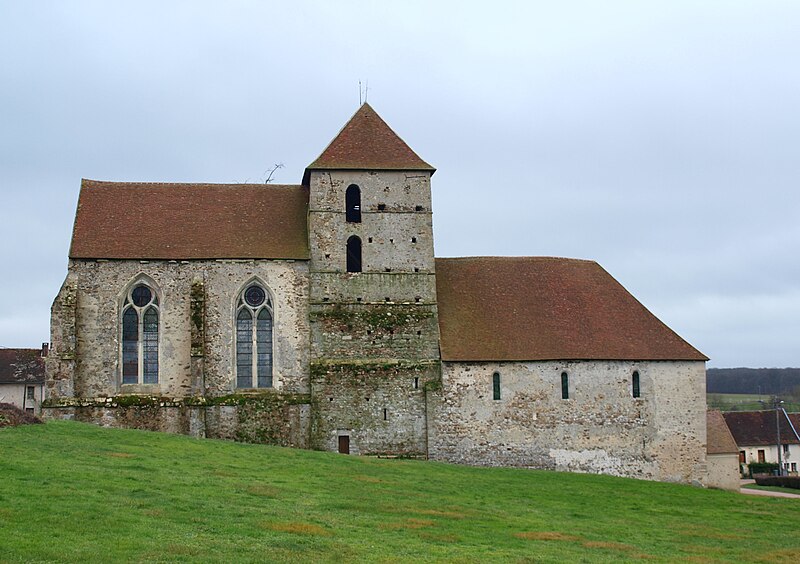
Addition of the ogival choir
Addition of the ogival choir XIIIe siècle (≈ 1350)
Gothic choir characteristic of the period.
XVIe siècle
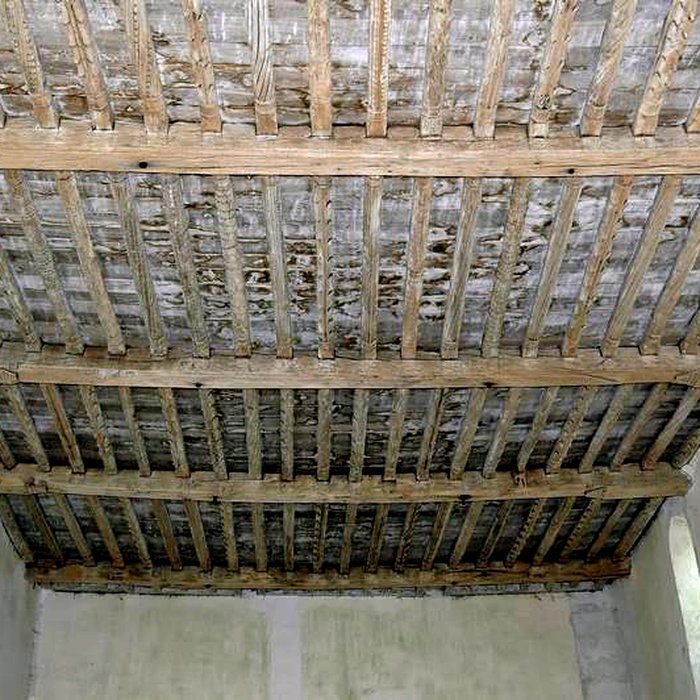
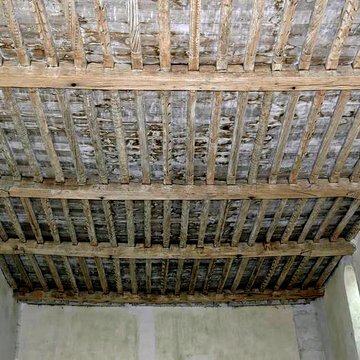
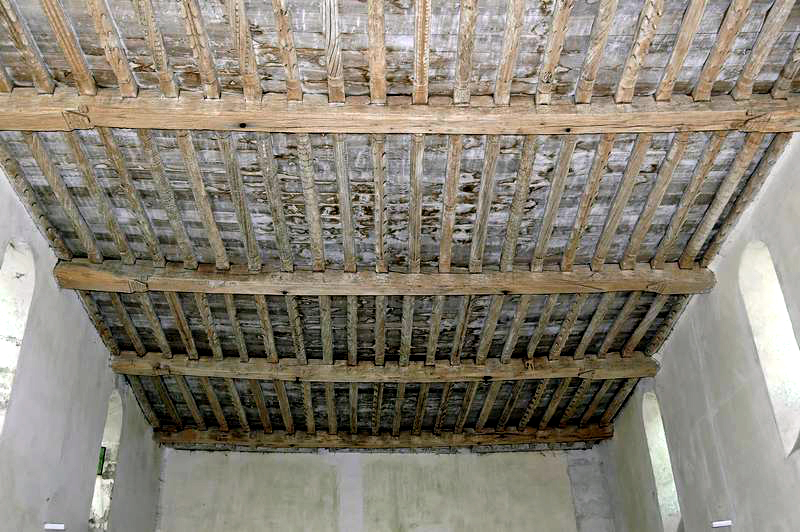
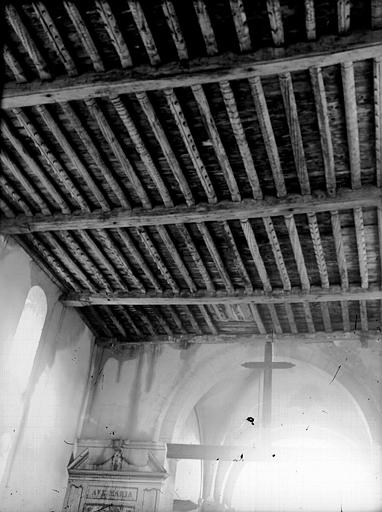
Ceiling of the nave and stained glass windows
Ceiling of the nave and stained glass windows XVIe siècle (≈ 1650)
Major changes and addition of stained glass.
5 octobre 1920
Historical monument classification
Historical monument classification 5 octobre 1920 (≈ 1920)
Official State protection of the building.
Aujourd'hui
Aujourd'hui
Aujourd'hui Aujourd'hui (≈ 2025)
Position de référence.
Heritage classified
Church: by decree of 5 October 1920
Key figures
Information non disponible - No historical character cited
The source text does not mention any names.
Origin and history
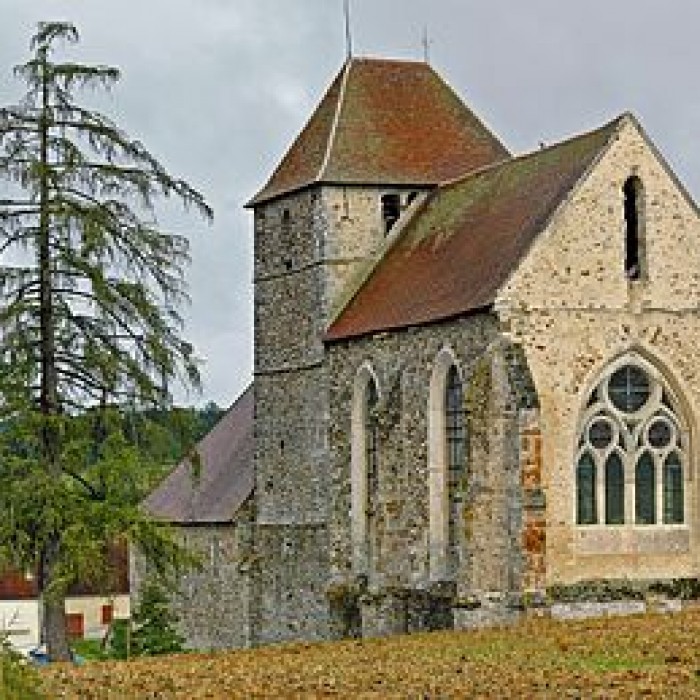
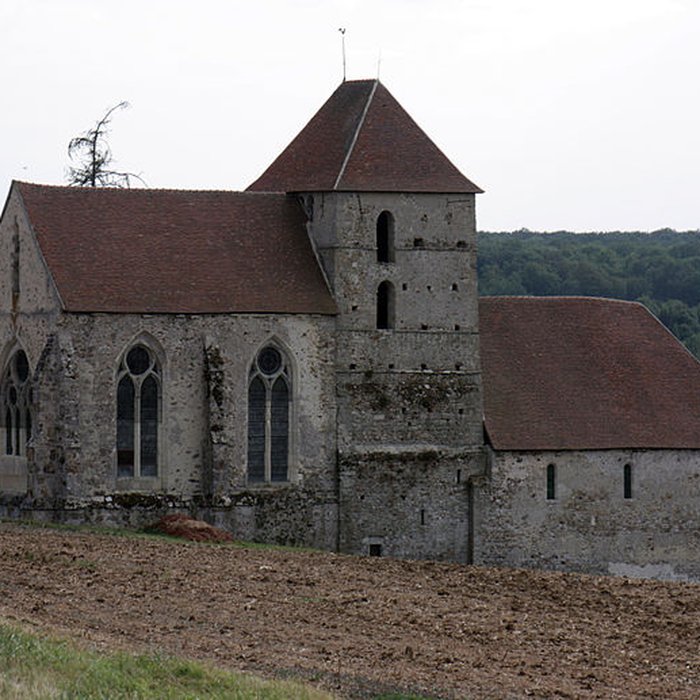
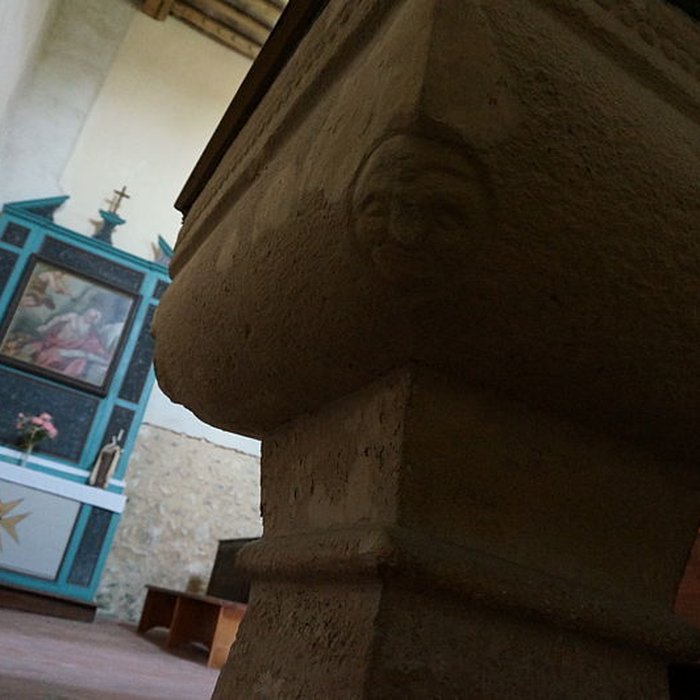
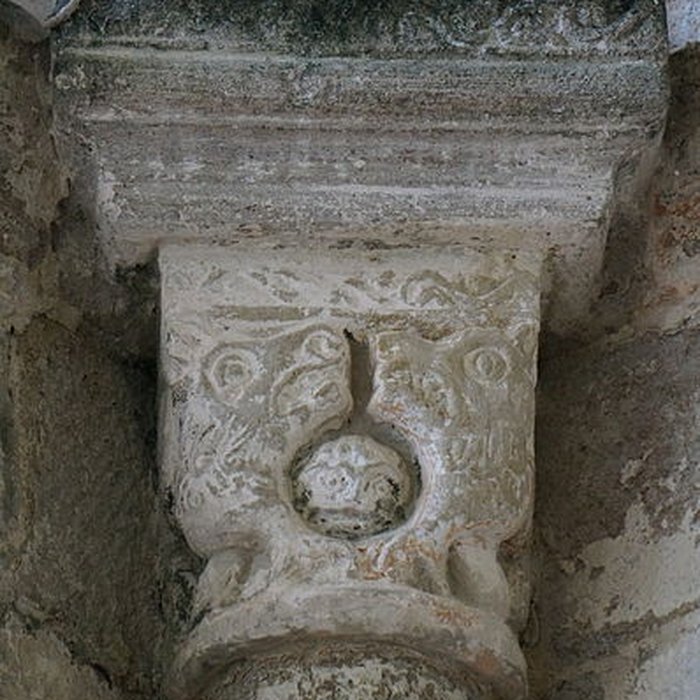
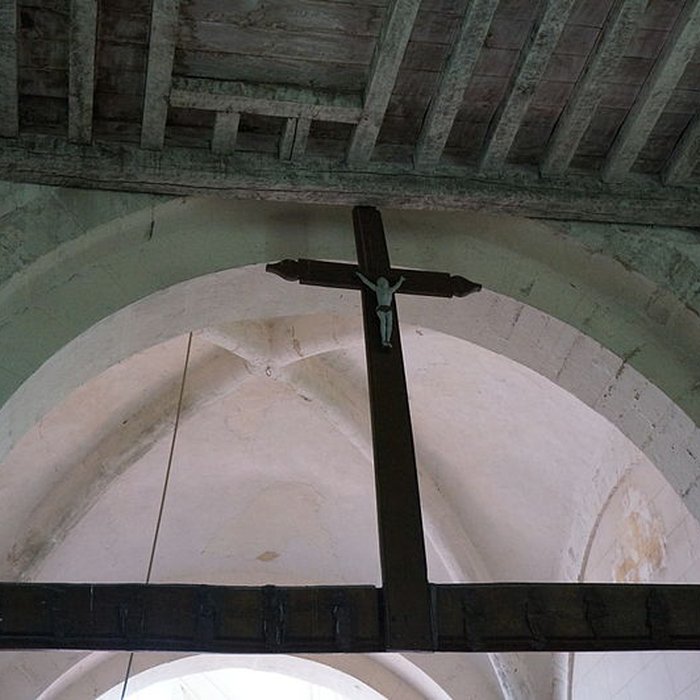
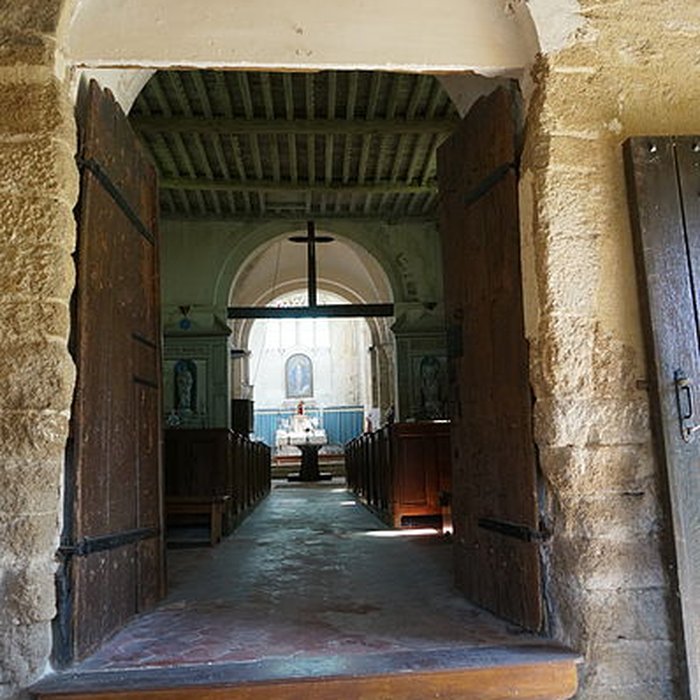
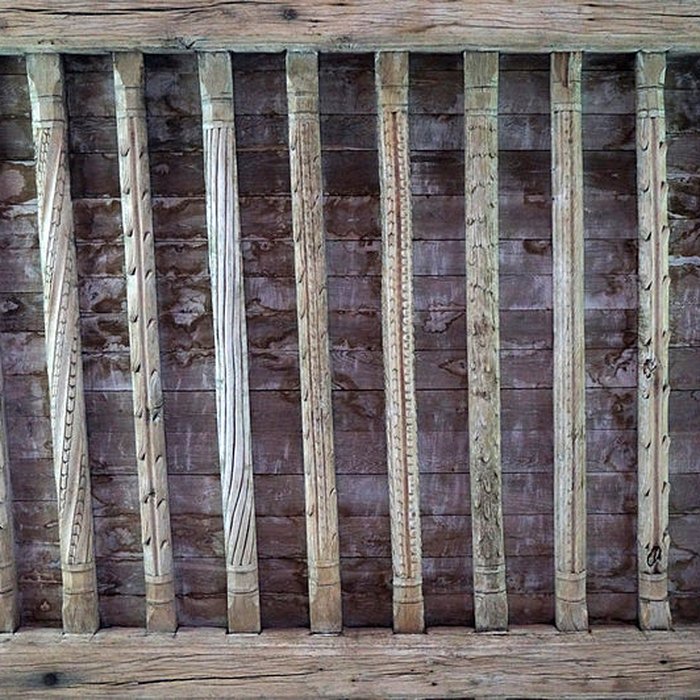
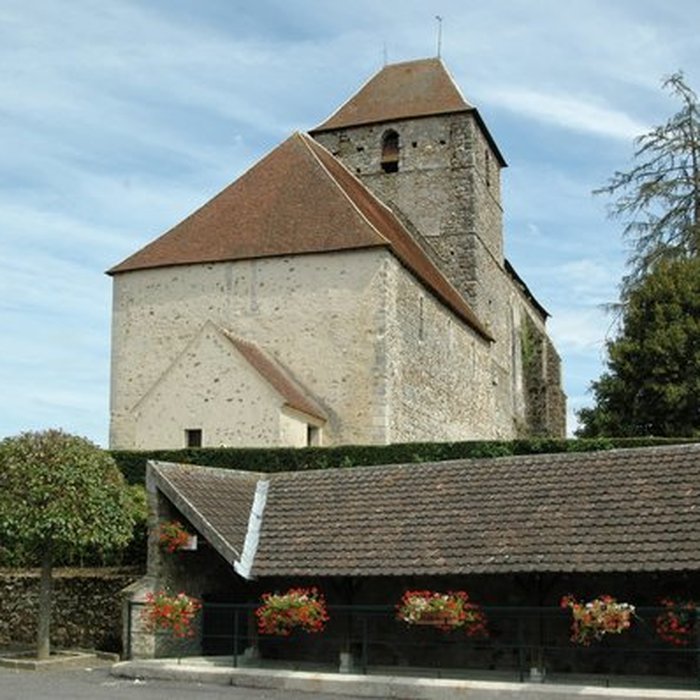
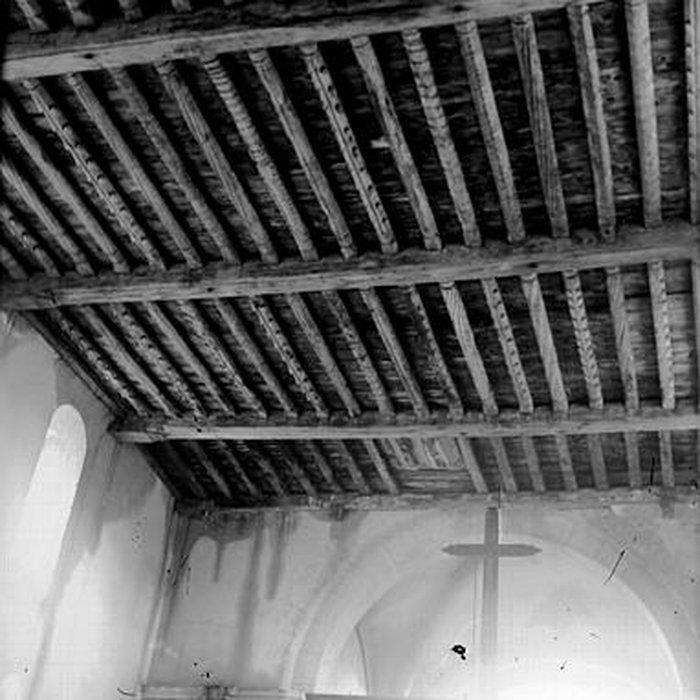
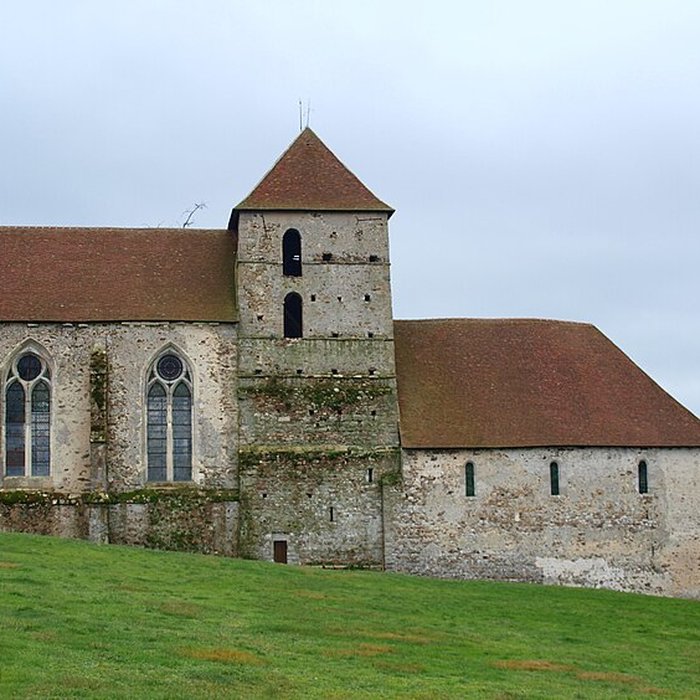
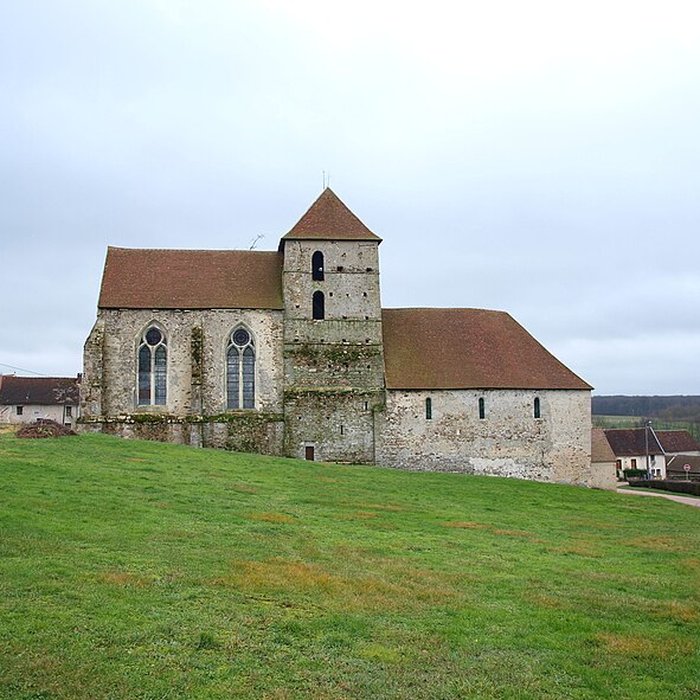
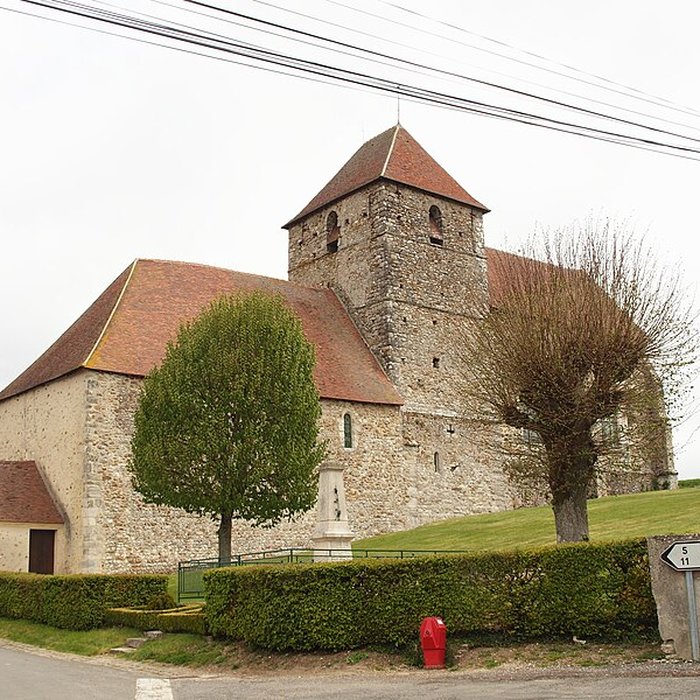
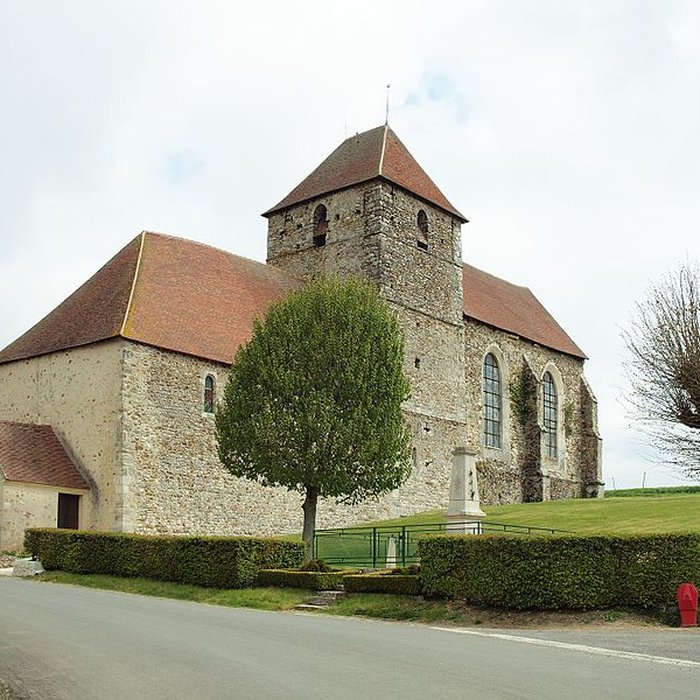
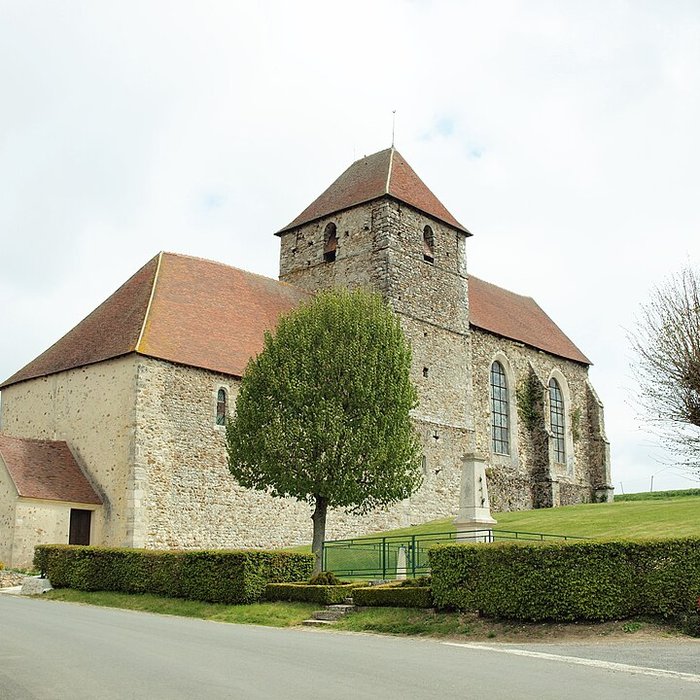
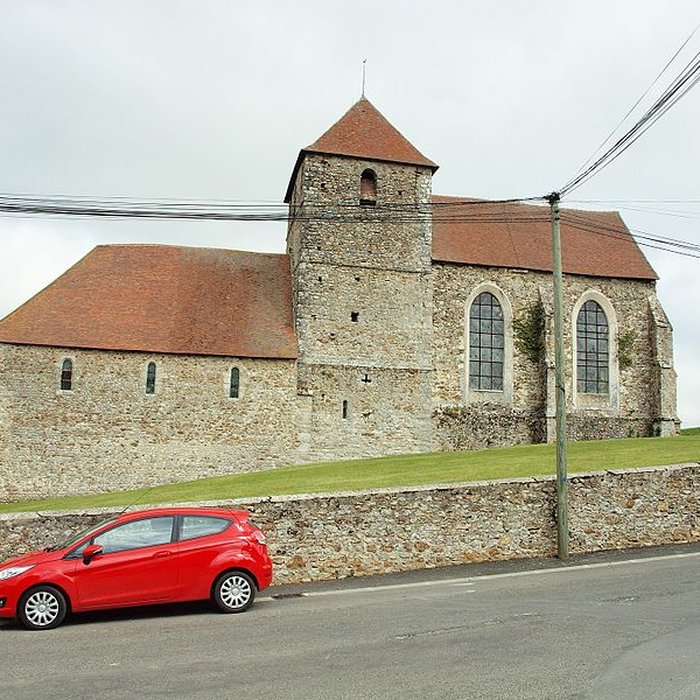
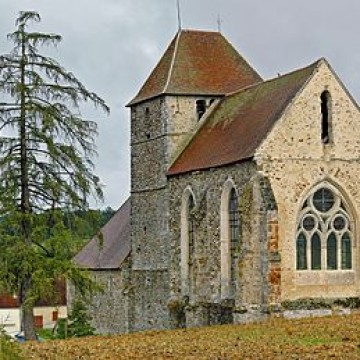
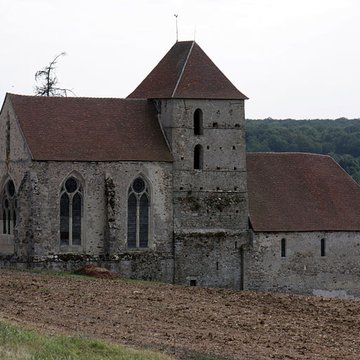
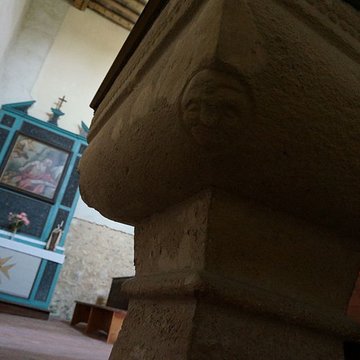
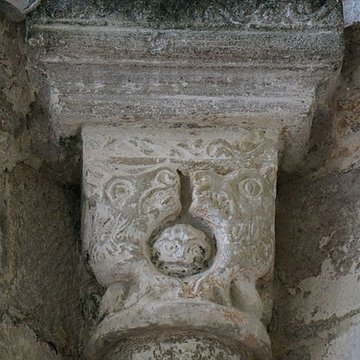
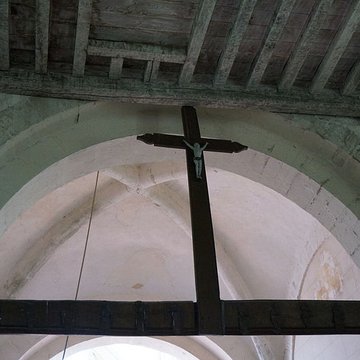
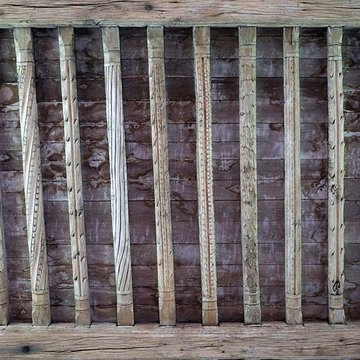
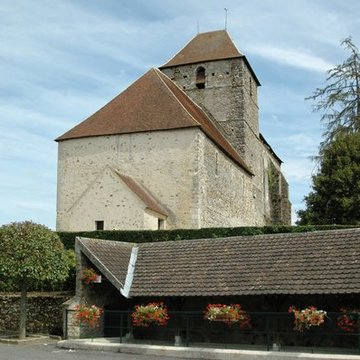
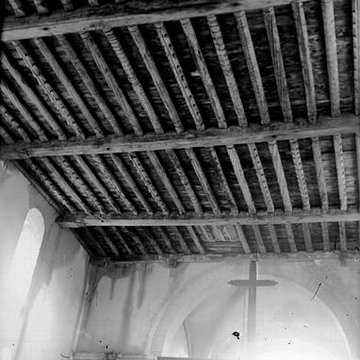
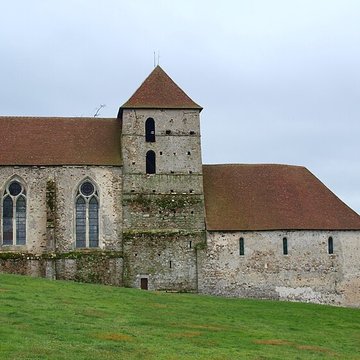
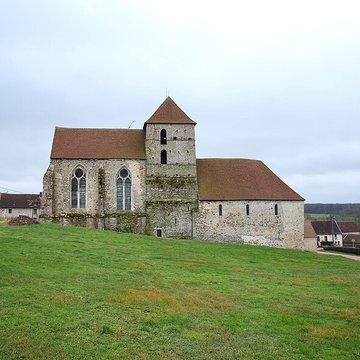
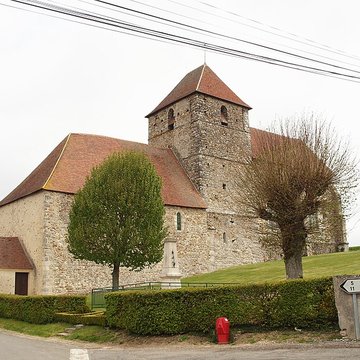
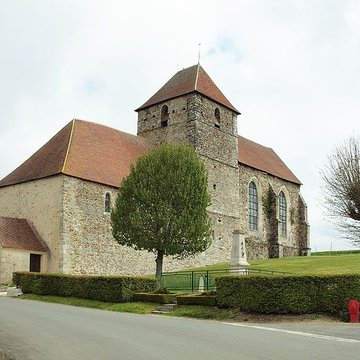
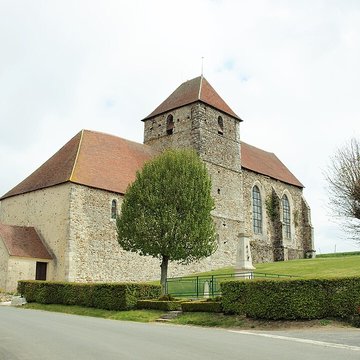
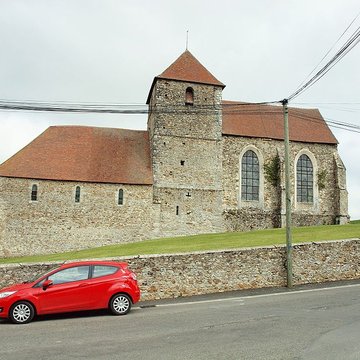
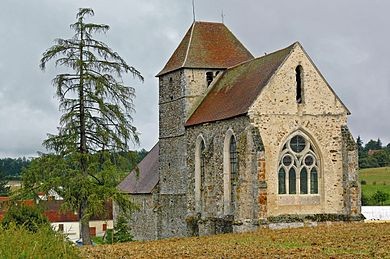
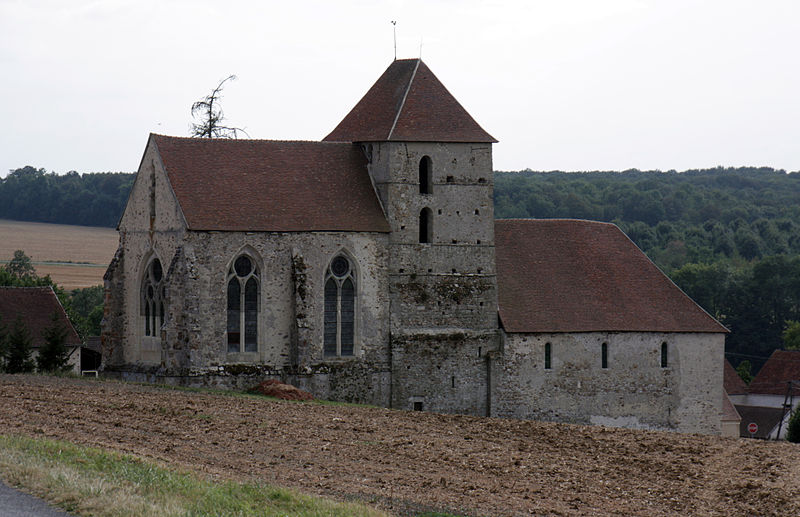
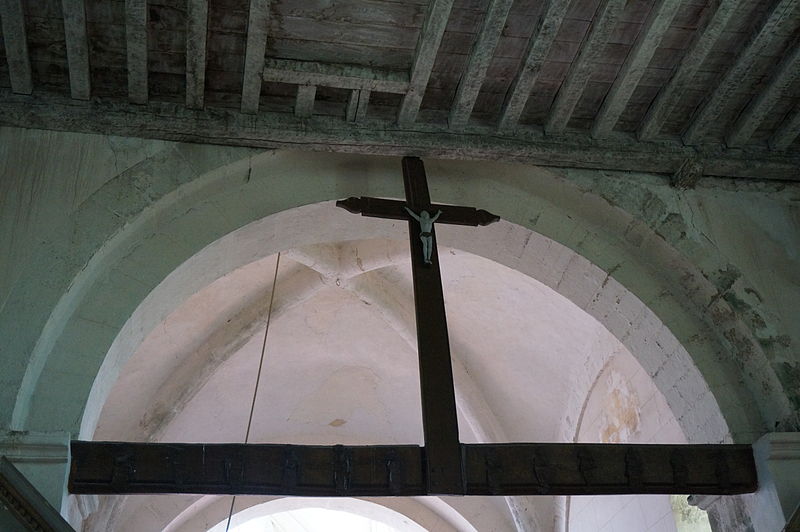
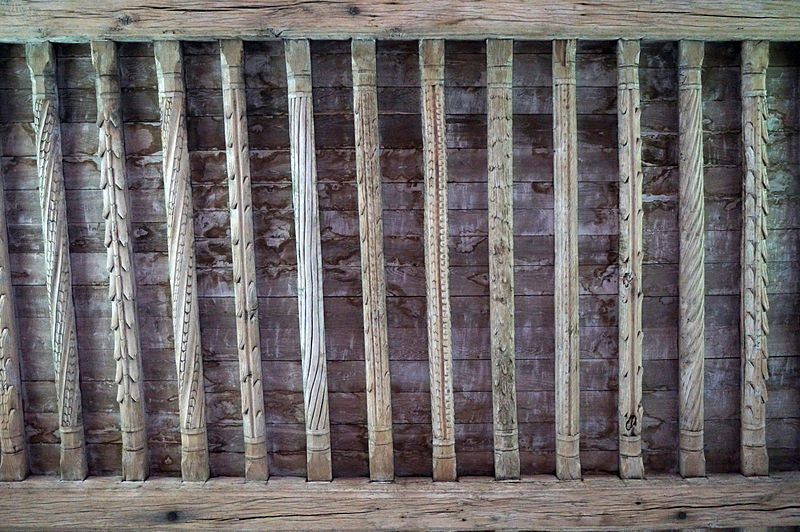
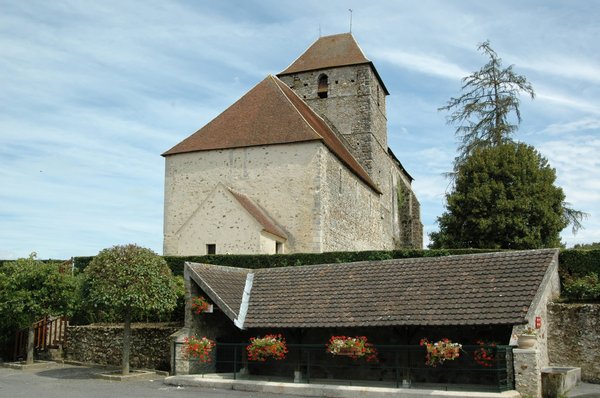
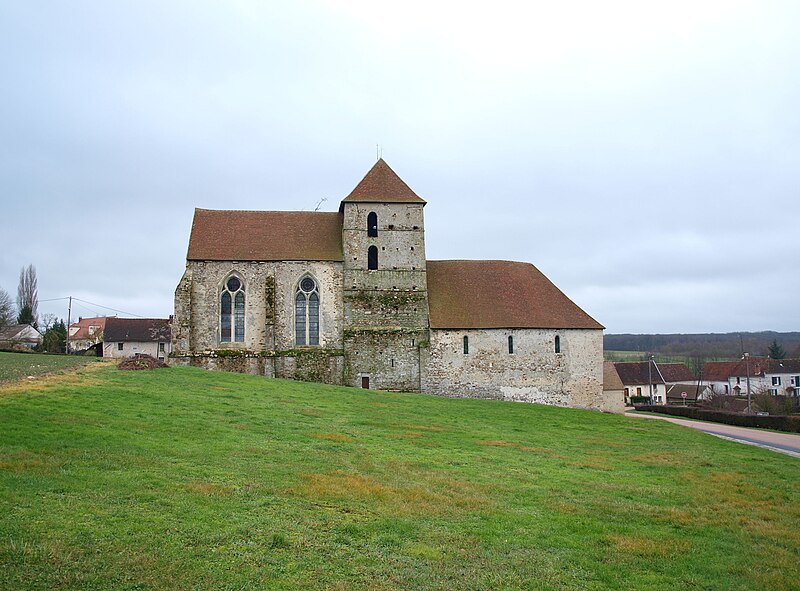
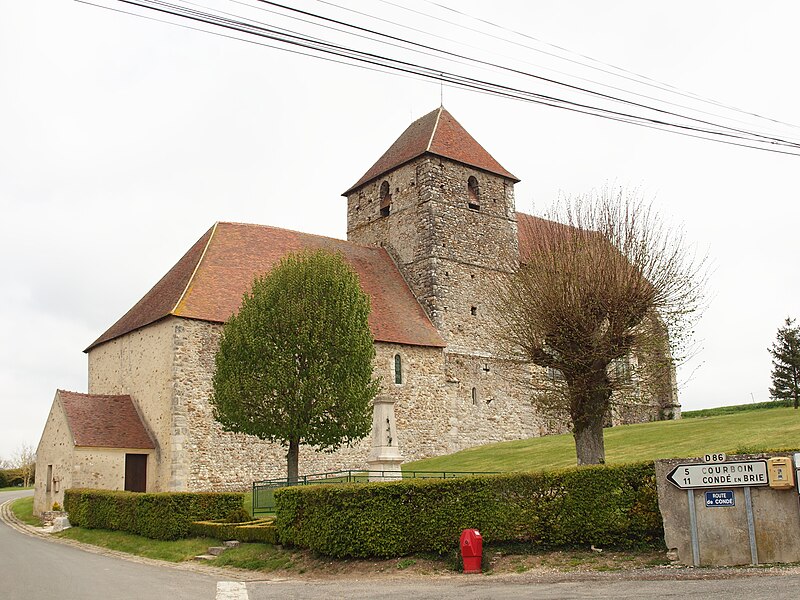
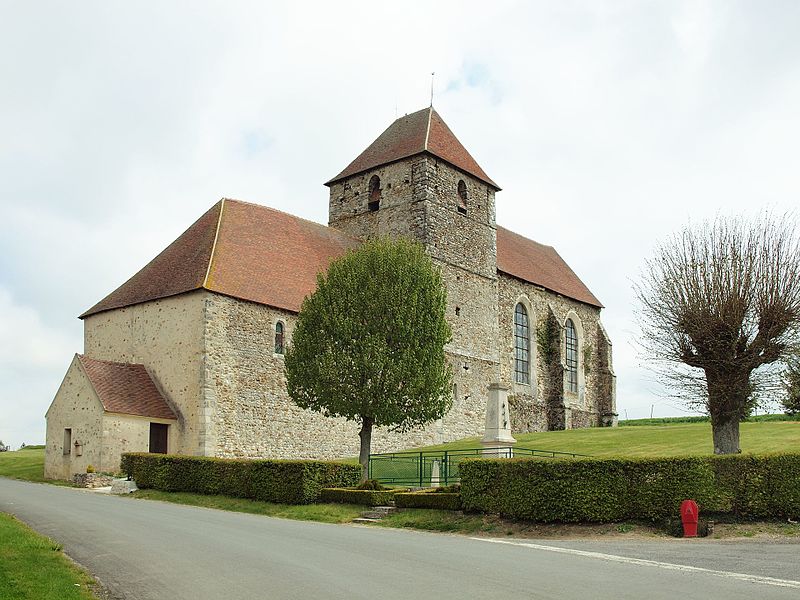
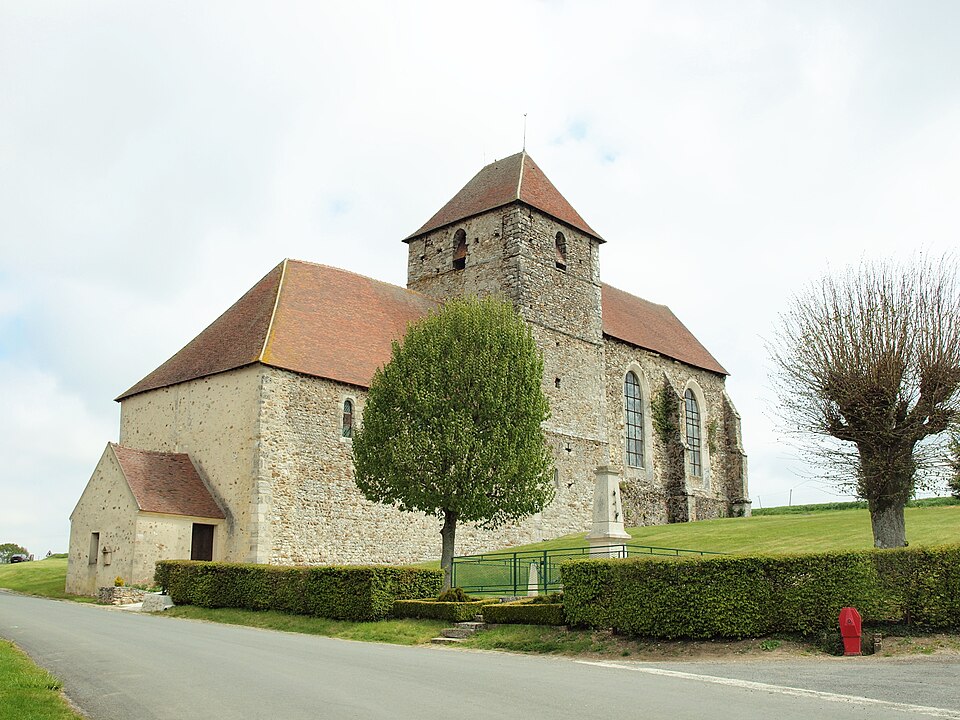
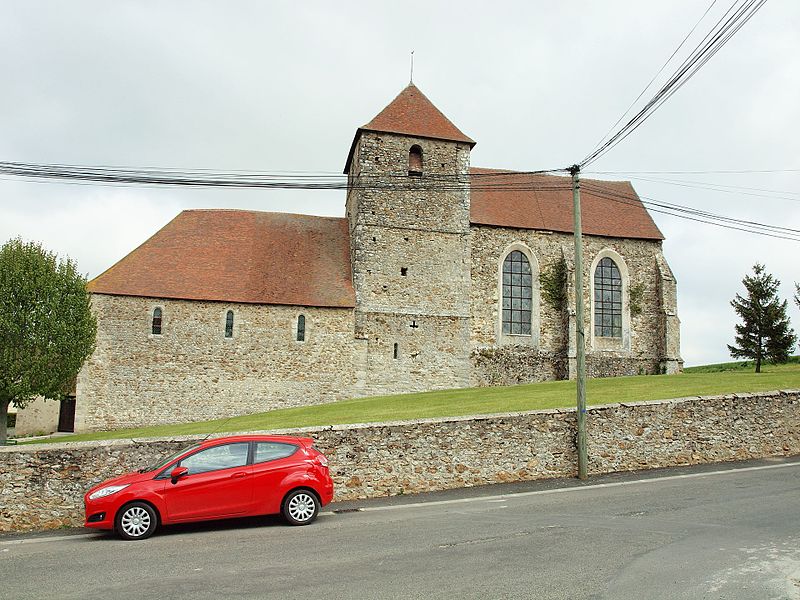
The church of the Nativity-de-la-Sainte-Vierge de Viffort, located in the department of Aisne in the Hauts-de-France region, is a building whose oldest parts date back to the 12th century. It is distinguished by a 12th century Romanesque nave, capped in the 16th century, and an ogival choir of the 13th century. The glass windows, partially preserved, date from the 16th century, while the carved wooden beams, all unique, would have been made by lepers of Montlevon's maladry, adding a particular historical and human dimension to the monument.
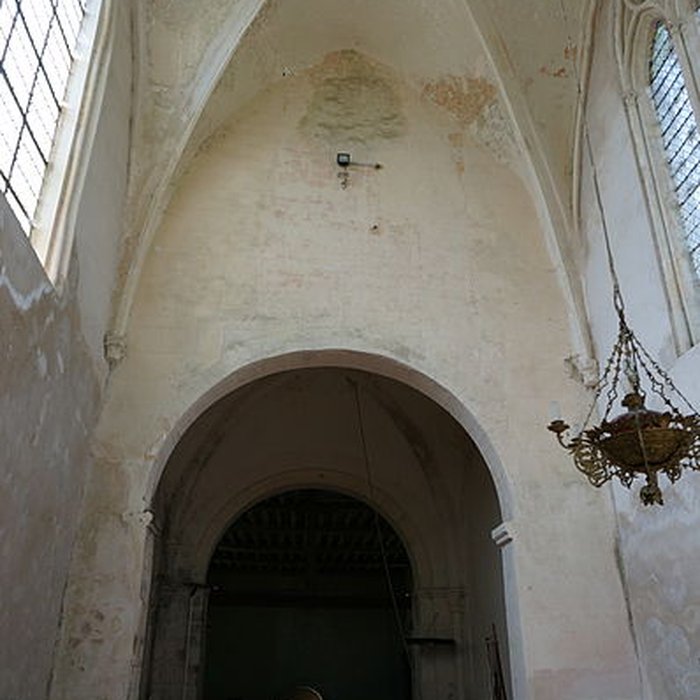
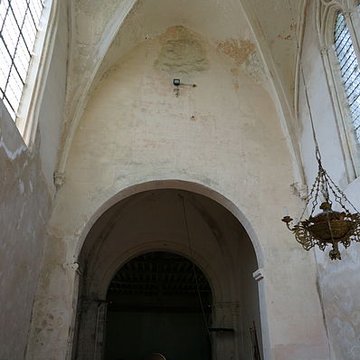
Classified as historical monuments by decree of 5 October 1920, this church illustrates the architectural and artistic evolution over centuries. The nave, originally designed in a Romanesque style, was modified in later works, especially in the sixteenth century, where the current ceiling was added. The choir, in Gothic style, bears witness to the liturgical and aesthetic transformations of the thirteenth century, with arches characteristic of this period.
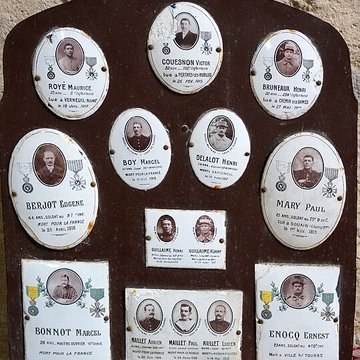
The building is located in the heart of the municipality of Viffort, in a department marked by a rich religious heritage. Its history reflects local practices, such as the involvement of maladries (leproseries) in the decoration of churches, as well as the successive artistic influences, from the novel to the Gothic and then the Renaissance. Today, the church belongs to the commune and remains a tangible witness to the medieval and modern history of the region.






Announcements
Please log in to post a review