Initial construction XIIe siècle (≈ 1250)
Round tower construction.
XIVe siècle
Defensive changes
Defensive changes XIVe siècle (≈ 1450)
Addition of enclosure and reinforcement.
XVe siècle
Adding mâchicoulis
Adding mâchicoulis XVe siècle (≈ 1550)
Ravens still visible today.
1949
Registration MH
Registration MH 1949 (≈ 1949)
Protection for historical monuments.
Aujourd'hui
Aujourd'hui
Aujourd'hui Aujourd'hui (≈ 2025)
Position de référence.
Heritage classified
Tower of Caesar: inscription by decree of 22 August 1949
Key figures
Archambaud de Comborn - Lord Owner
Owner of Saint Martial Castle.
Saint Yrieix - Medieval donor
Fit land donation to Allassac (VI century).
Origin and history
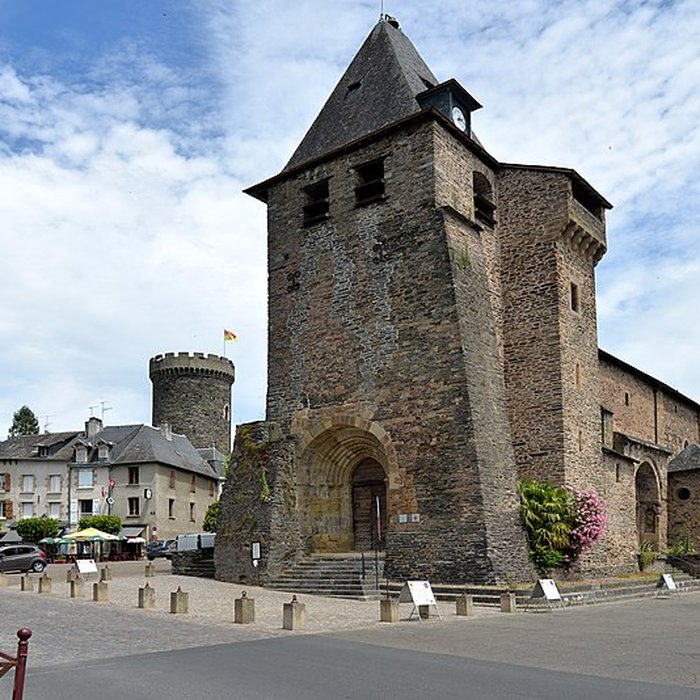
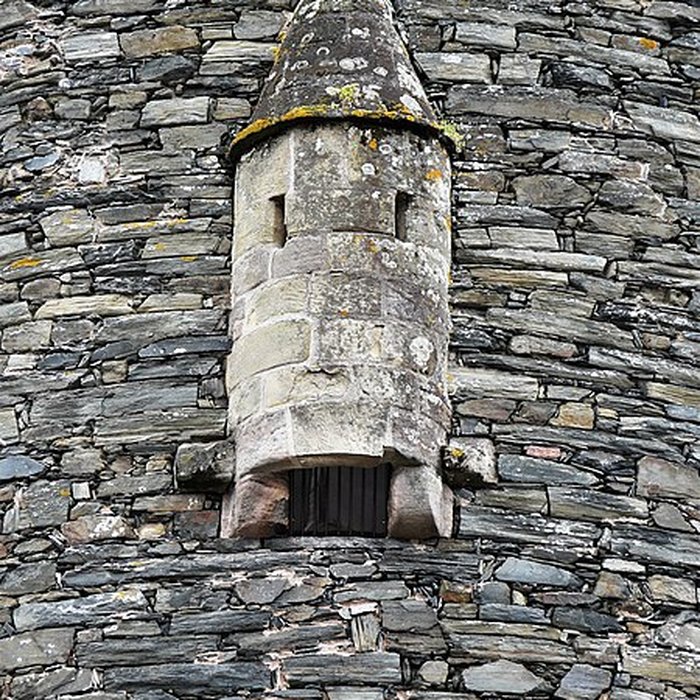
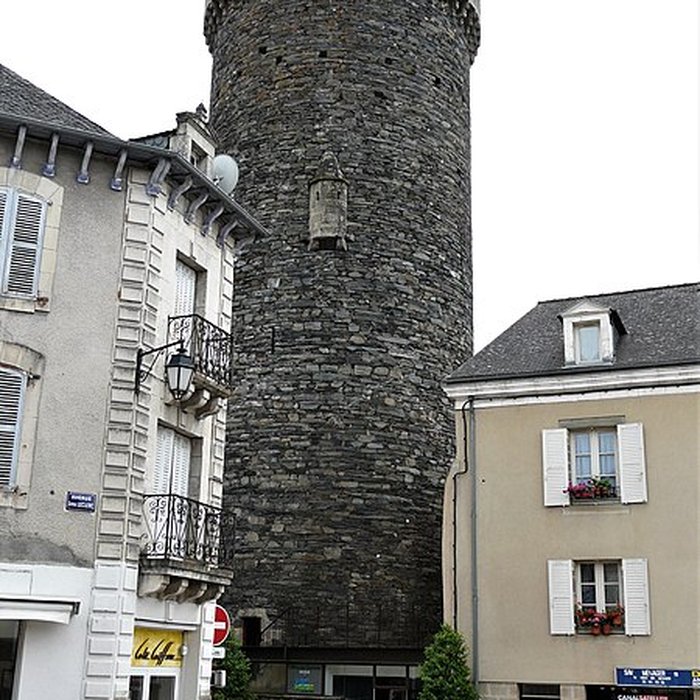
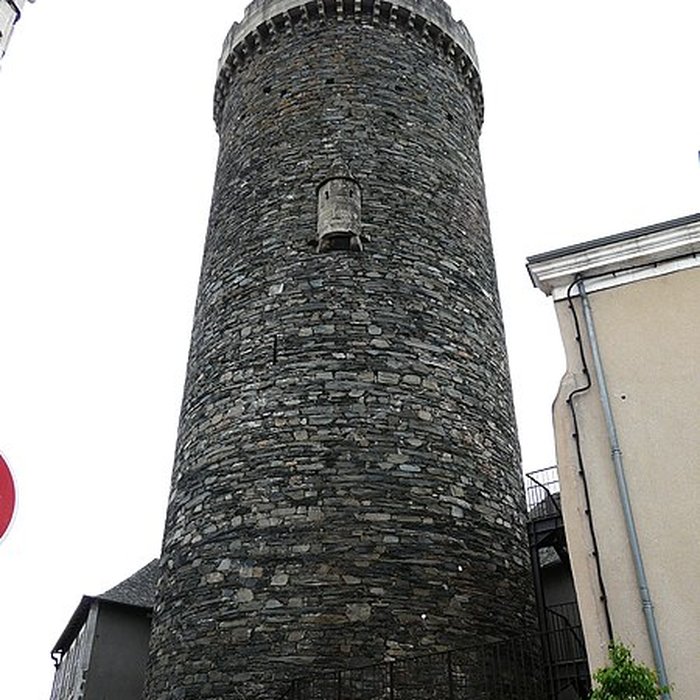
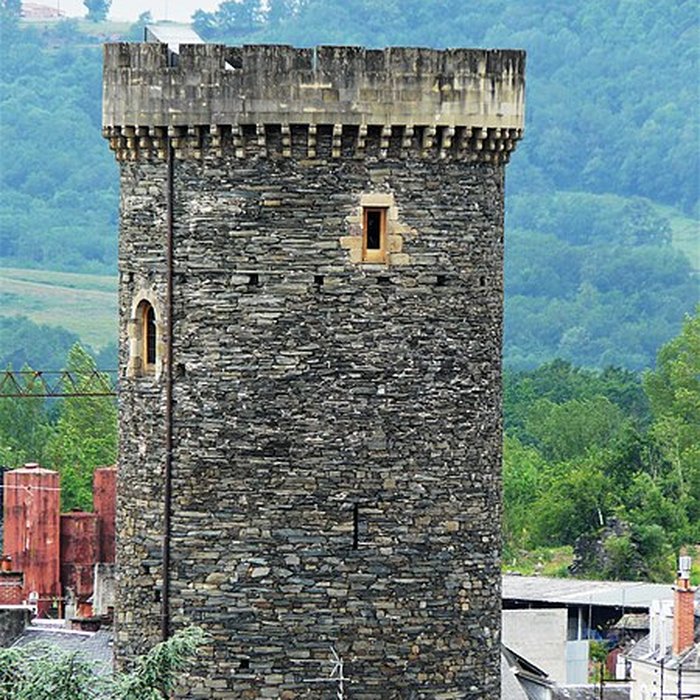
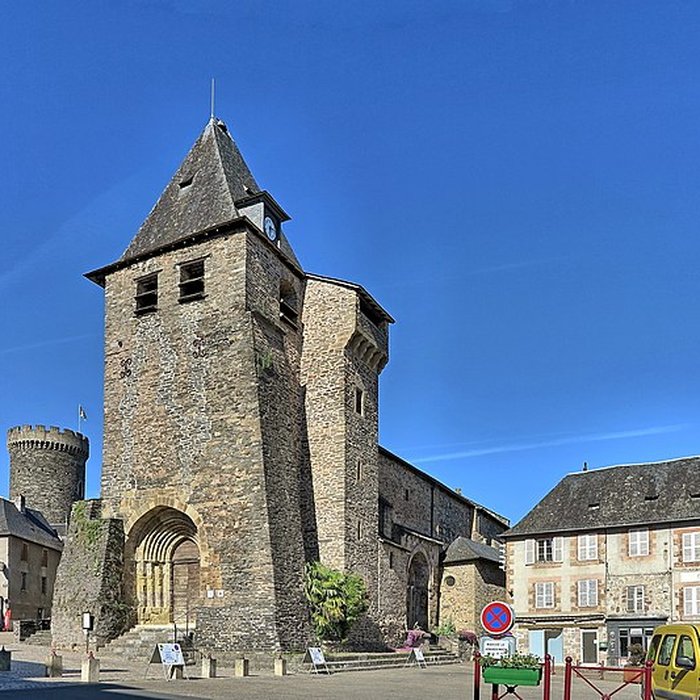
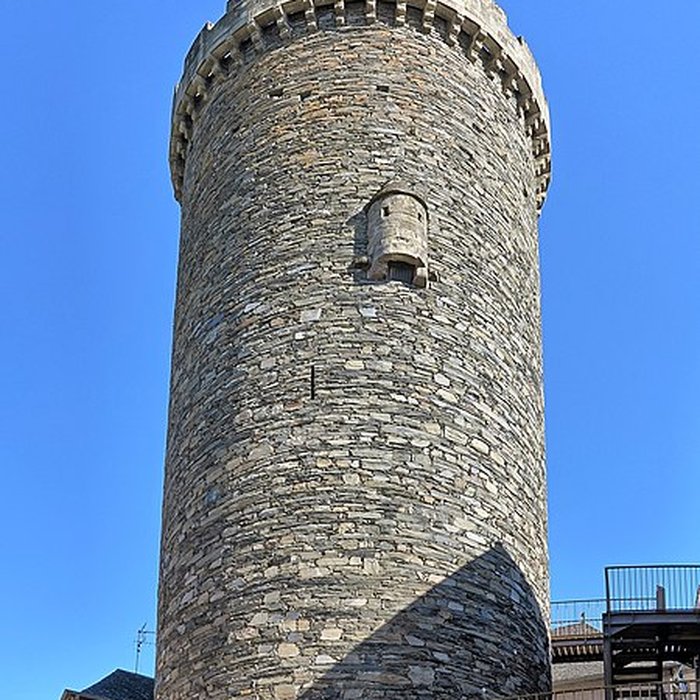
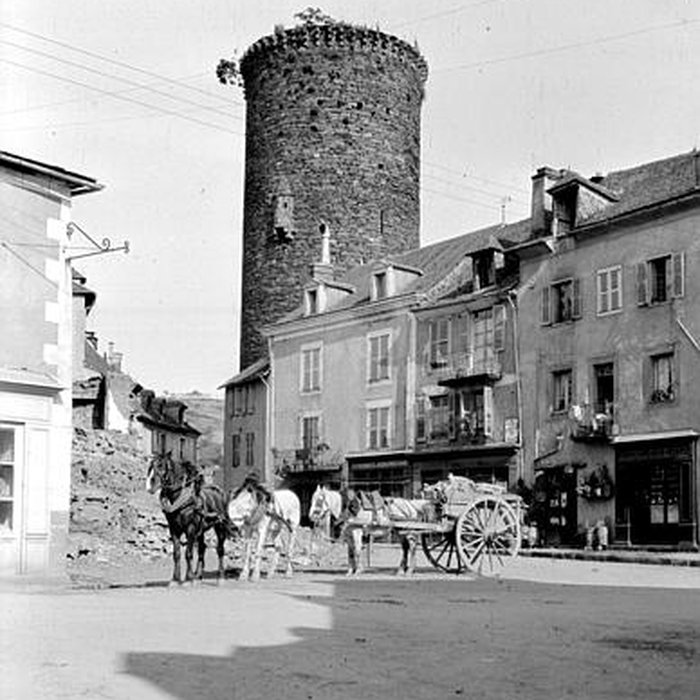
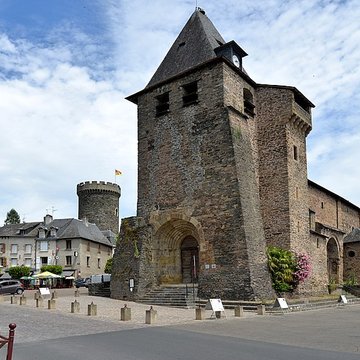
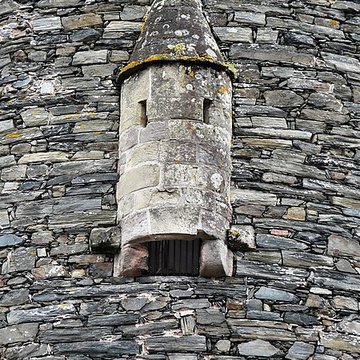
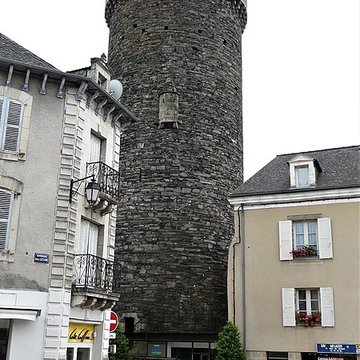
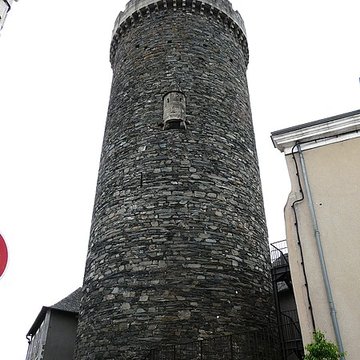
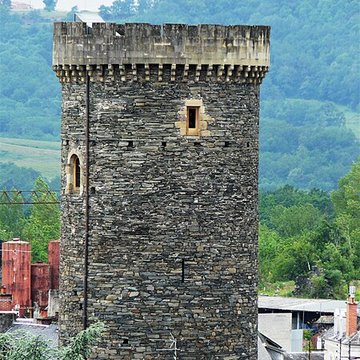
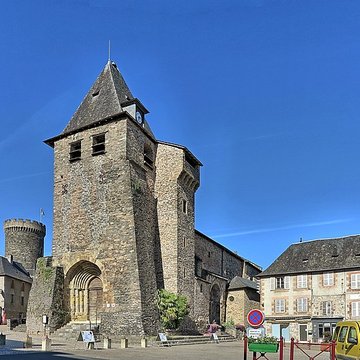
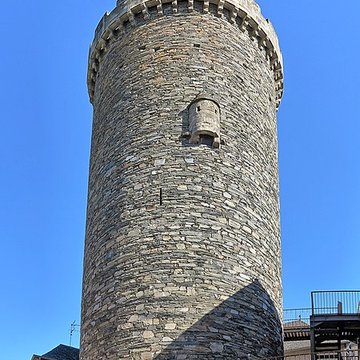
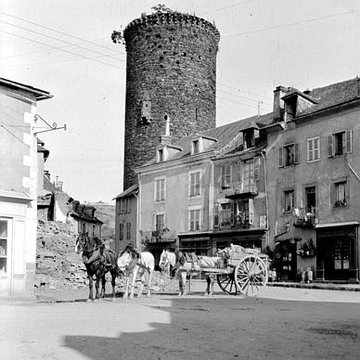
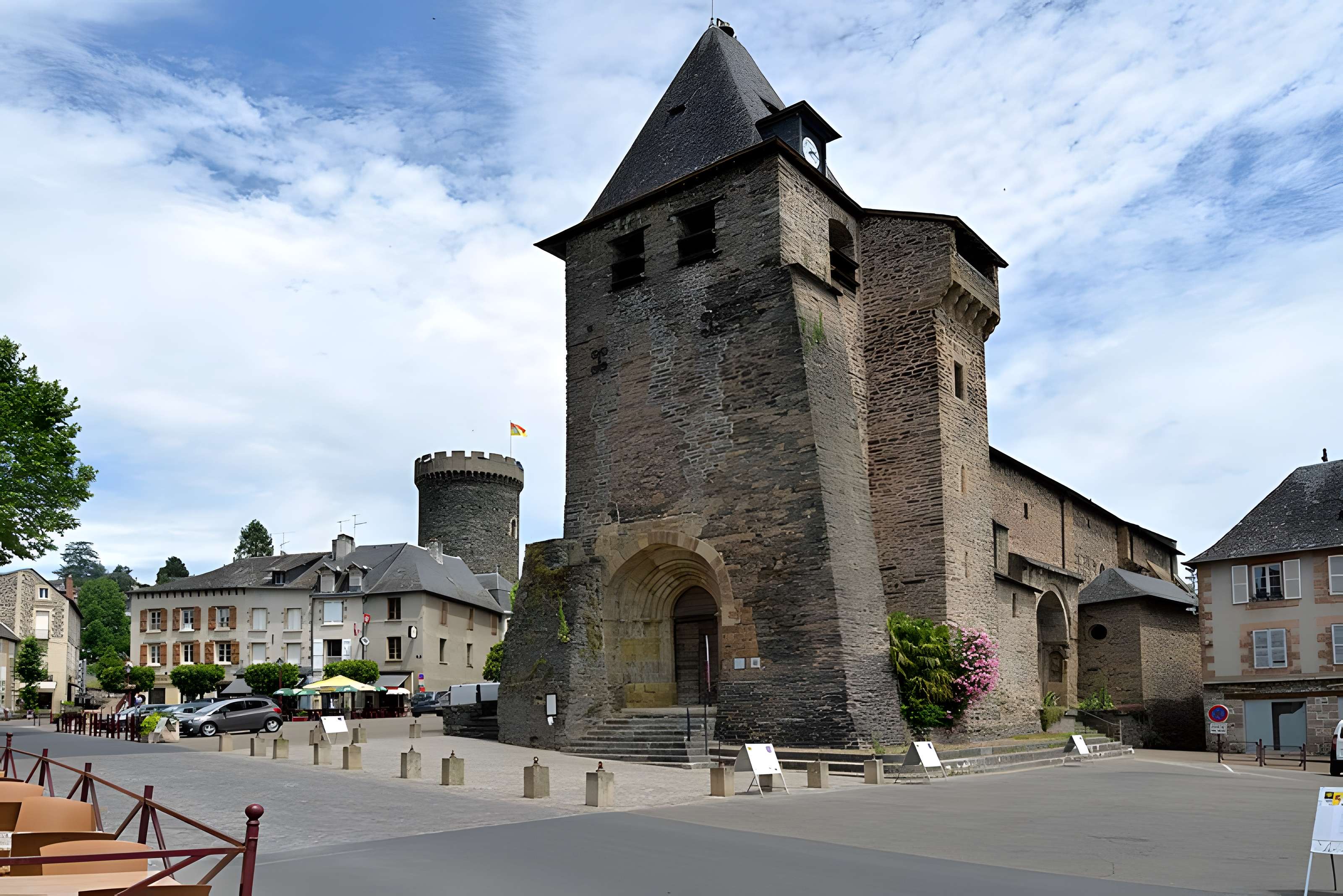
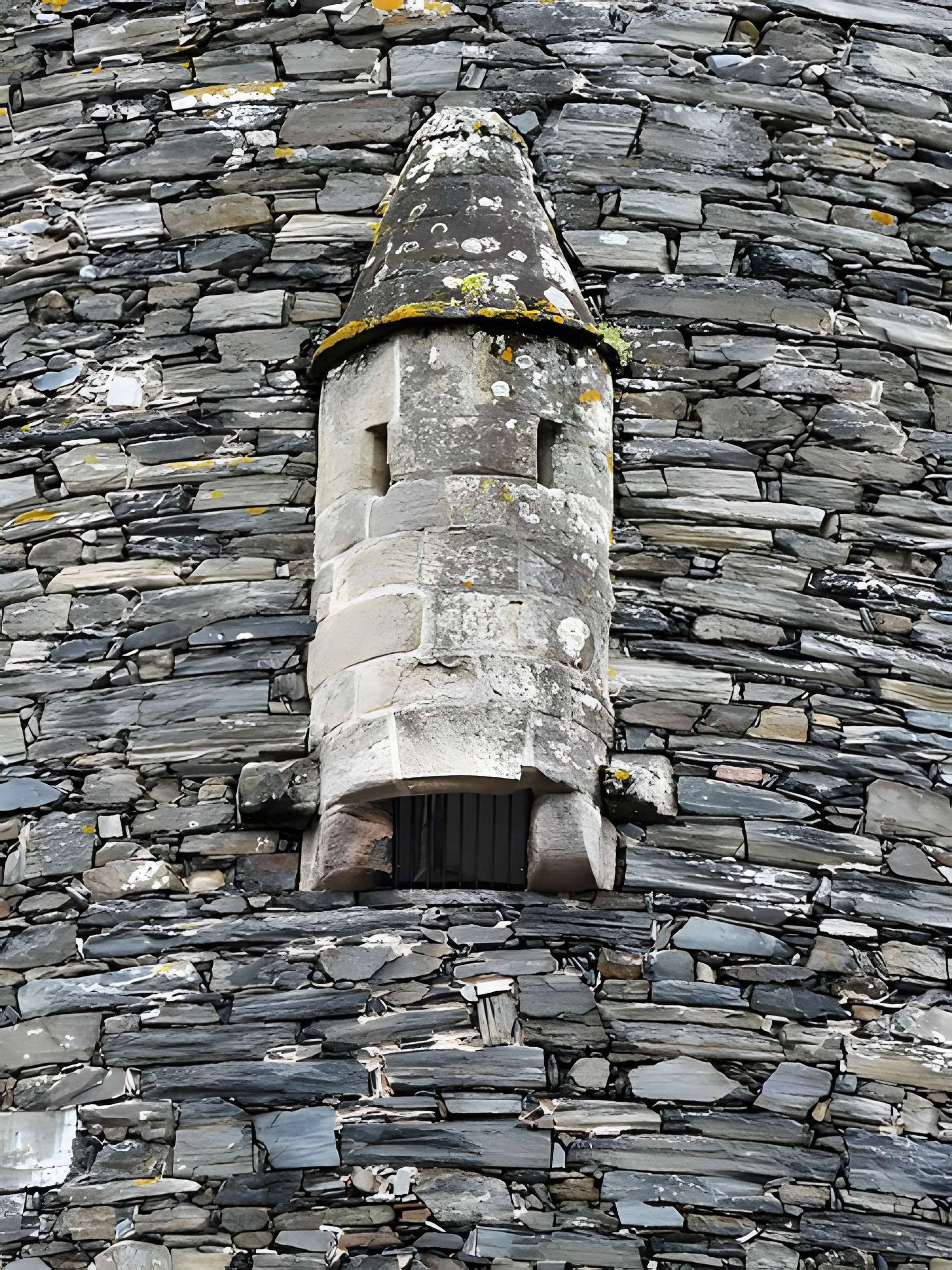
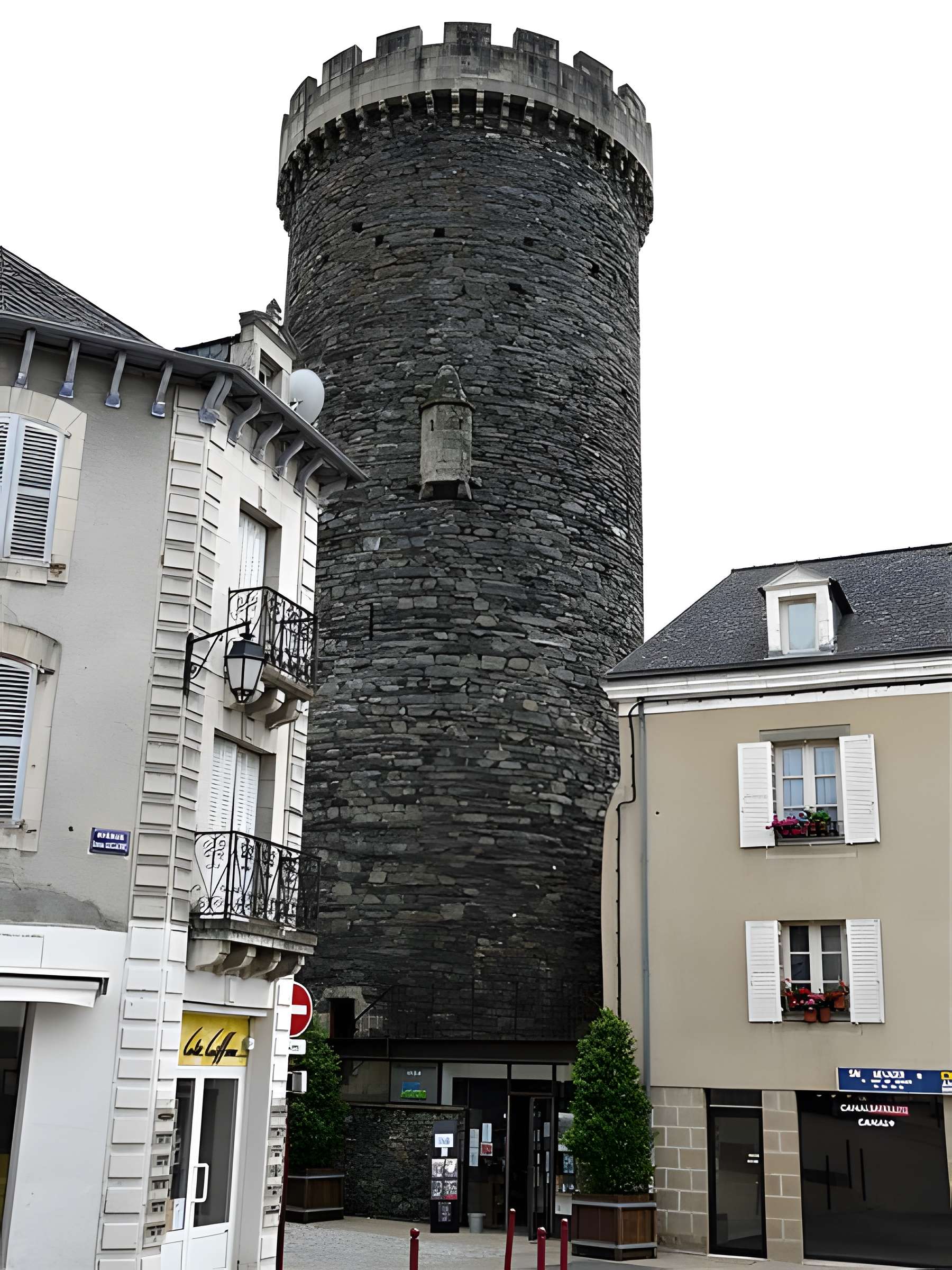
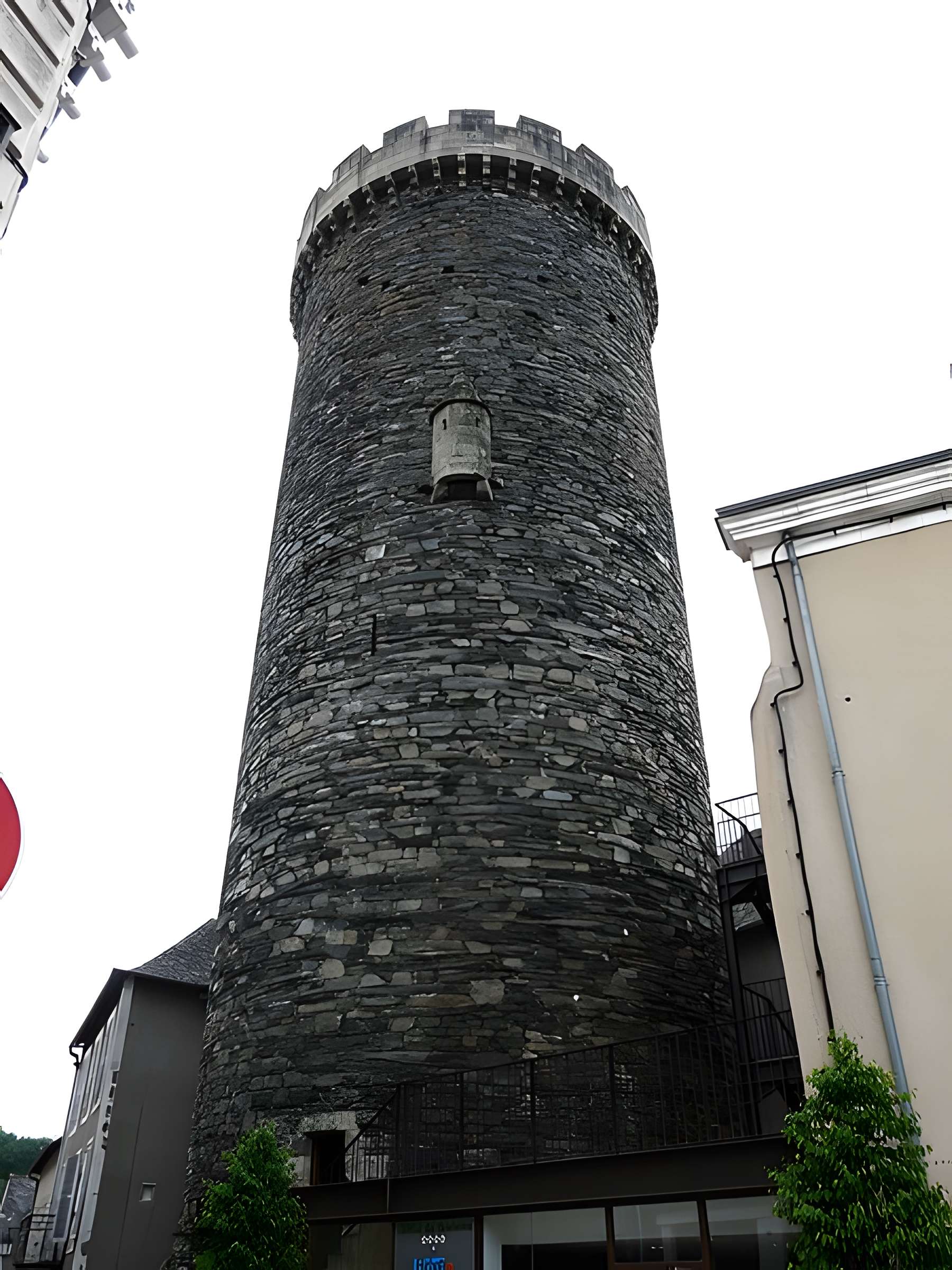
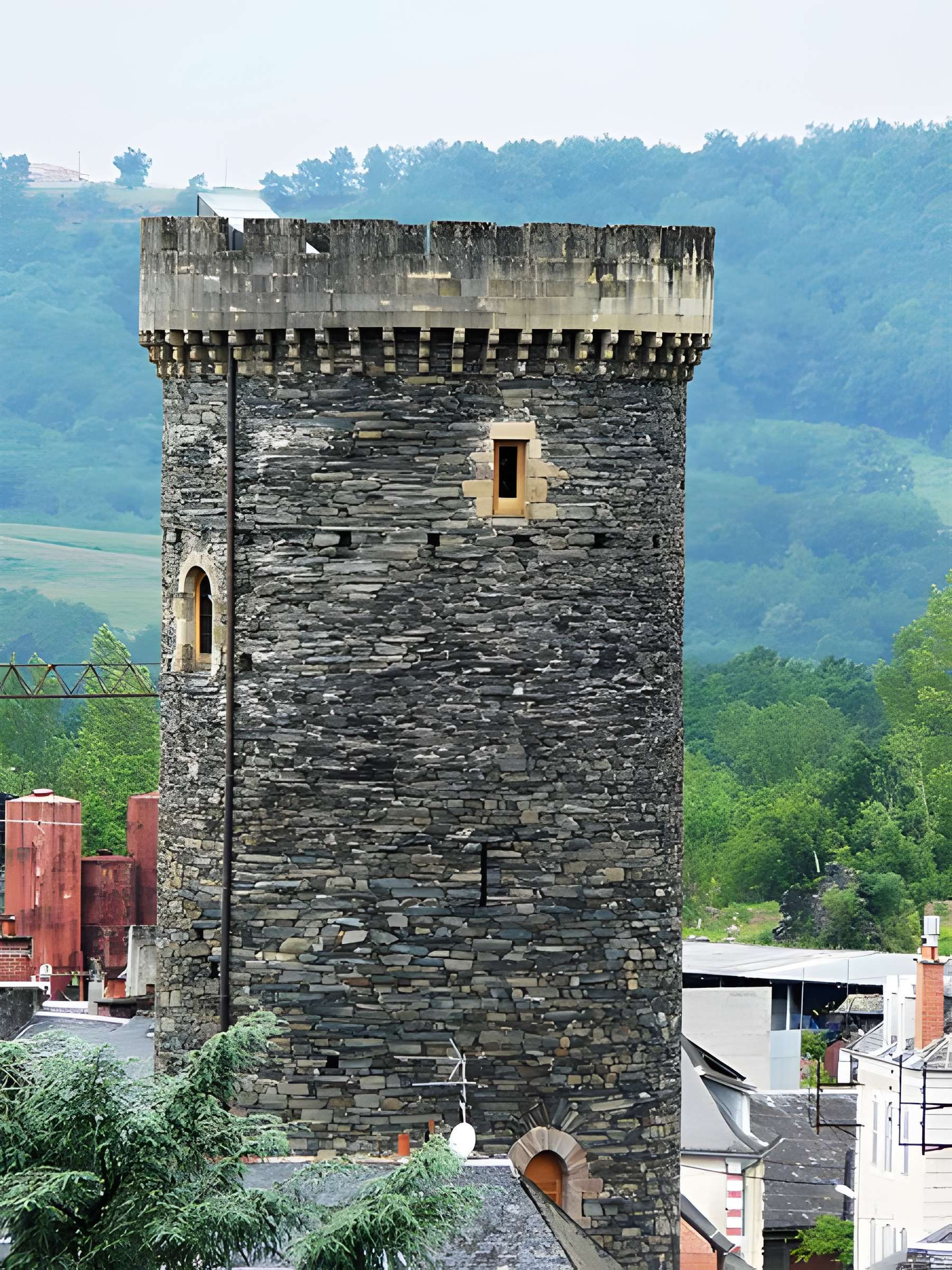
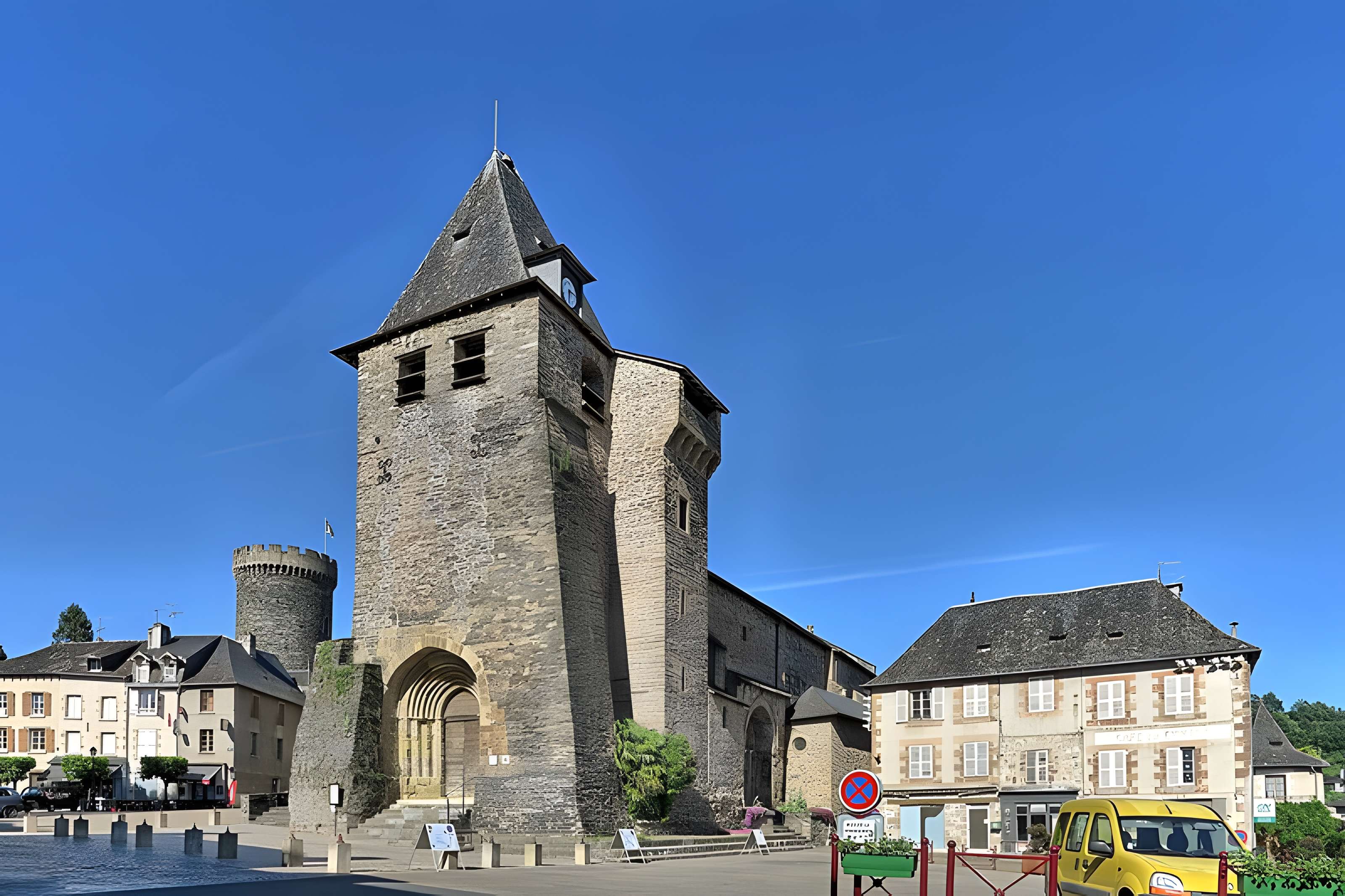
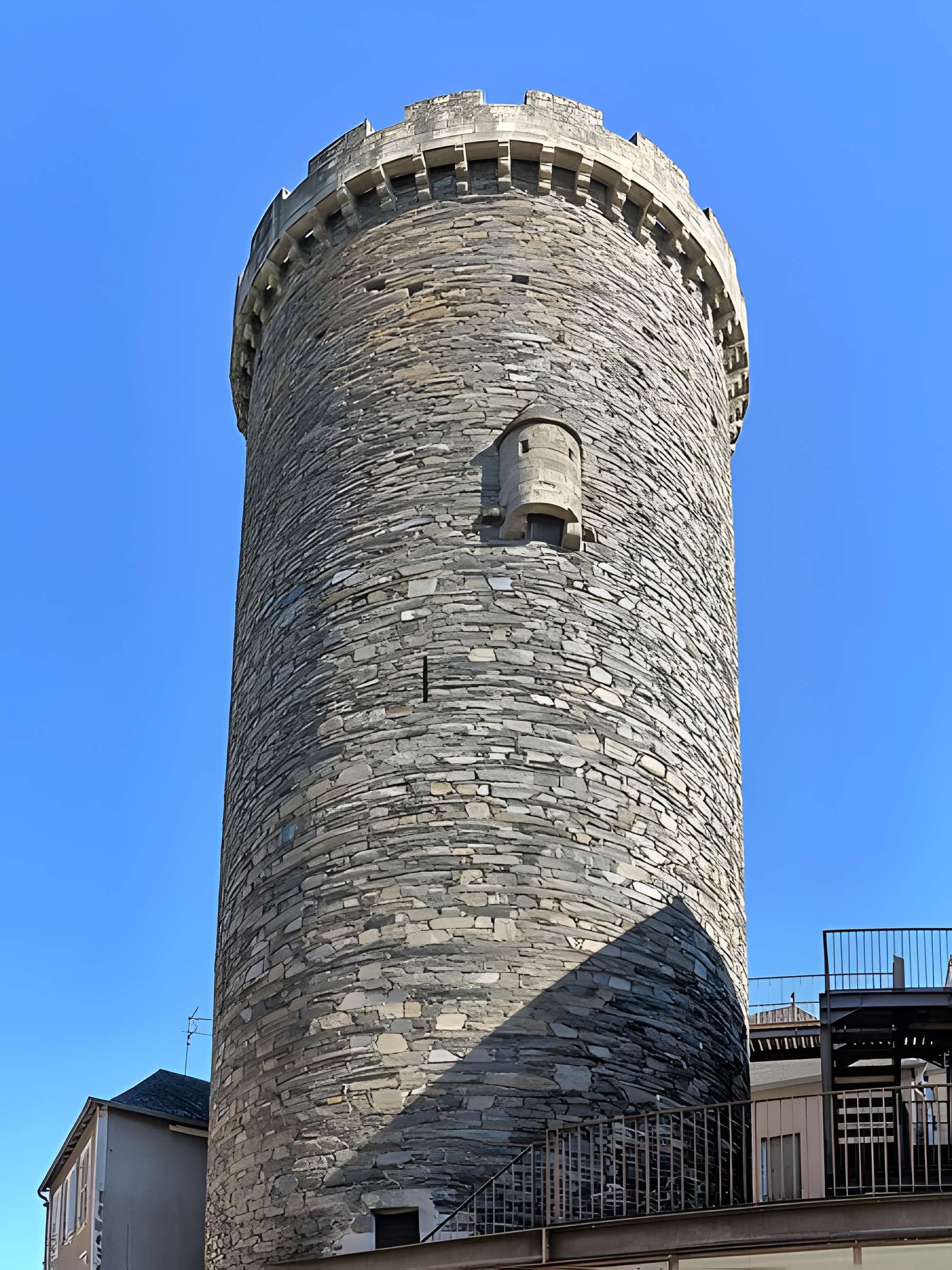
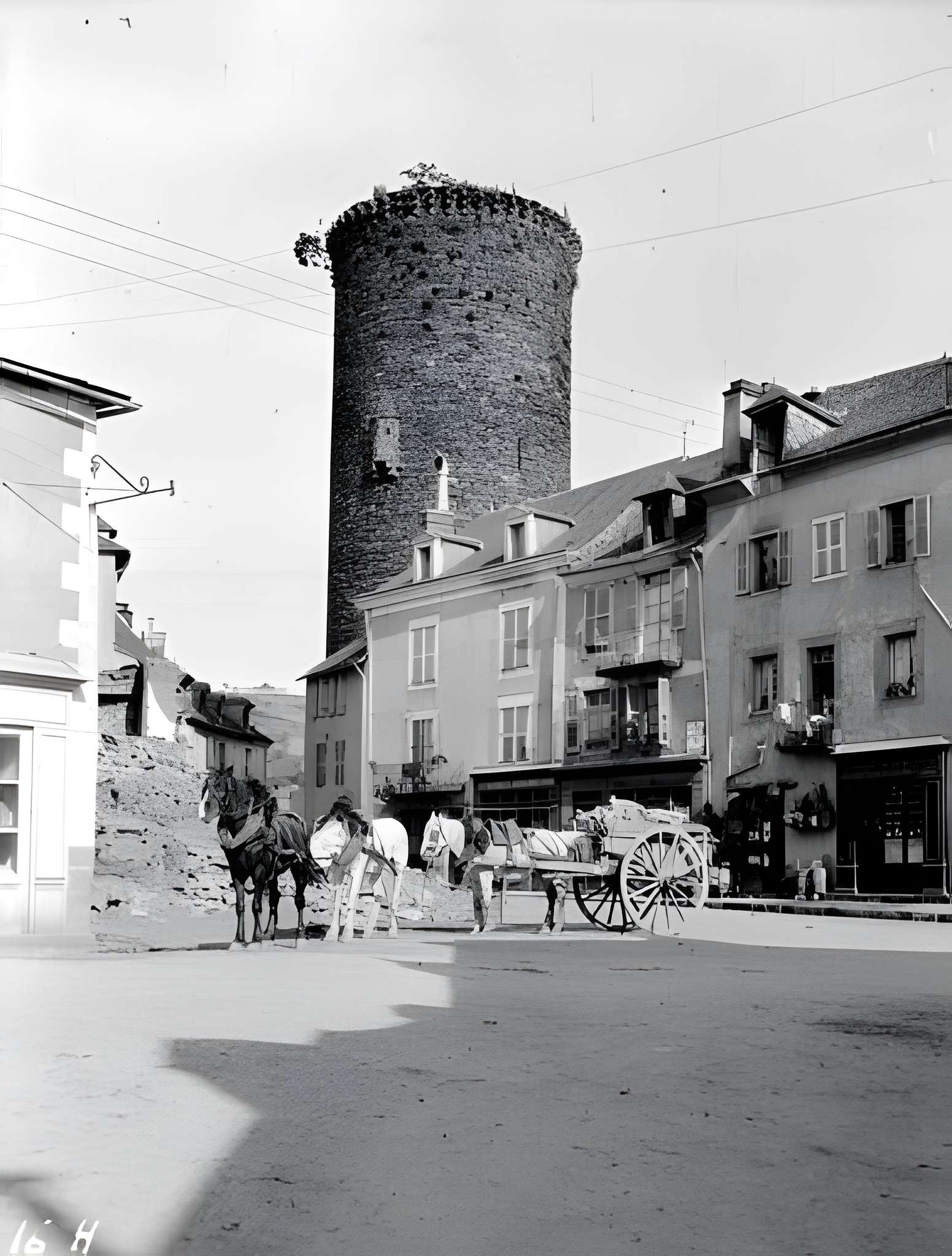
The Tower of Caesar, located in Allassac in Corrèze, is a 12th century round dungeon, modified in the 14th century. It is the last vestige of the fortified enclosure of the castle of Saint-Martial, formerly belonging to the Lord Archambaud of Comborn. Built in slate and gneiss, it served as a watchtower and defense, with murderous openings and a scauguette on its northwest face. Its mâchicoulis, now disappeared, were added in the 15th century, as evidenced by the ravens still visible at the top. The tower, 30 meters high, has been listed as historical monuments since 1949.
Allassac, then seigneury of the abbey of Saint-Martial de Limoges, established in the 14th century a second enclosure consisting of 17 towers, 8 gates and 6 castles. This fortification reflected the tensions of the time, especially during the Hundred Years War, where the bishop of Limoges fought to preserve his territory. The tower, with its square base and two bunk rooms, illustrates limousine military architecture, rare in its round shape in the region.
The city of Allassac, crossed by the Vézère and the Loyre, experienced an economic boom thanks to its quarries d'ardoise from ancient times. In the Middle Ages, it became a co-seigneurie shared among several families, including the Roffignac, nicknamed "the first Christians of Limousin". The Tower of Caesar, symbol of this defensive power, was integrated into a complex urban system, including forges and seigneurial dwellings, as attested by the gifts of Saint Yrieix in the sixth century.
Over the centuries, Allassac retained its strategic importance, especially during the religious conflicts of the sixteenth and seventeenth centuries. The tower, although partially modified, remained a central point of local defence. Today, it bears witness to the medieval history of the city, linked to the extraction of slate and feudal struggles in Limousin.
The monument is part of a larger heritage, including other remains such as the Château de la Motte Roffignac (14th-15th centuries) or the fortified church of the Décollation-de-Saint-Jean-Baptiste. These elements, combined with the dardian careers still active, underline the historic role of Allassac as an economic and military crossroads in Bas-Limousin.
Finally, the Tower of Caesar, owned by the commune, is a remarkable example of medieval architecture adapted to local resources (slate, gneiss). Its inscription in 1949 and its preservation reflect the attachment to this heritage, which is now highlighted in the framework of the Vezère-Ardoise Country of Art and History.






Announcements
Please log in to post a review