Initial construction Début XIIe ou XIIIe siècle (≈ 1304)
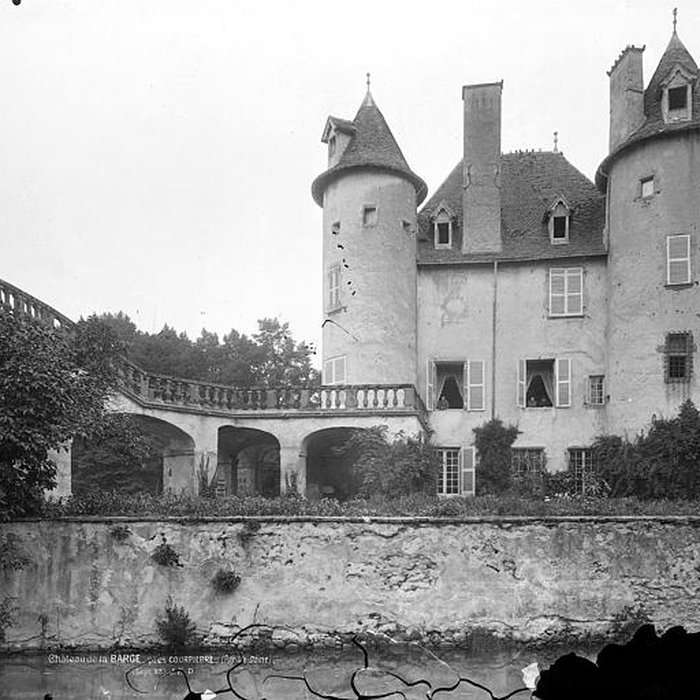
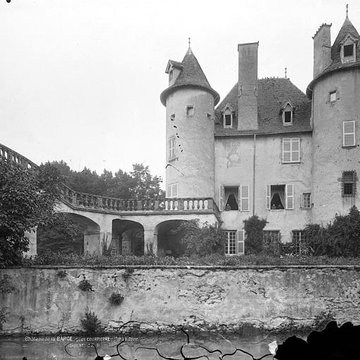
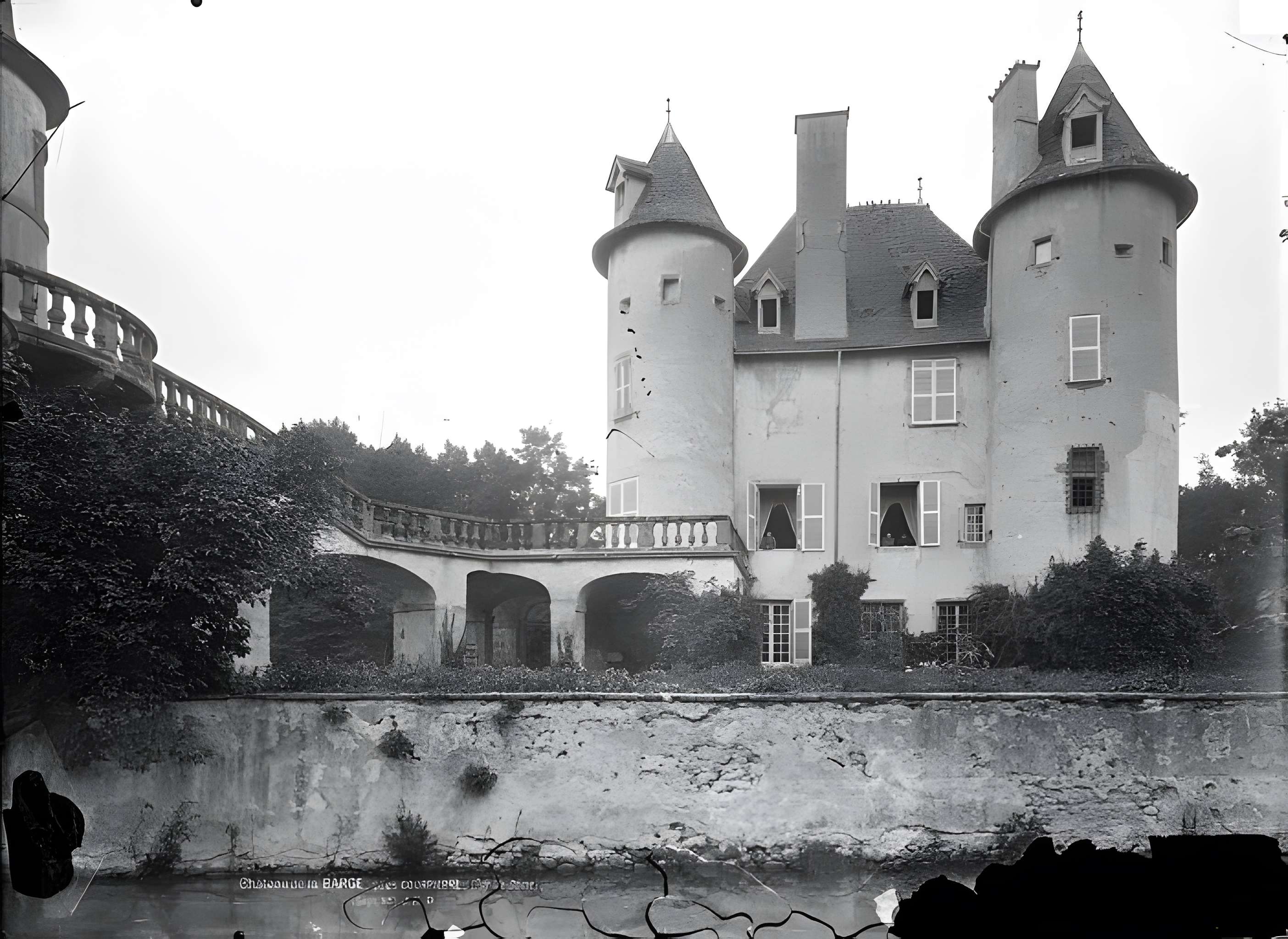
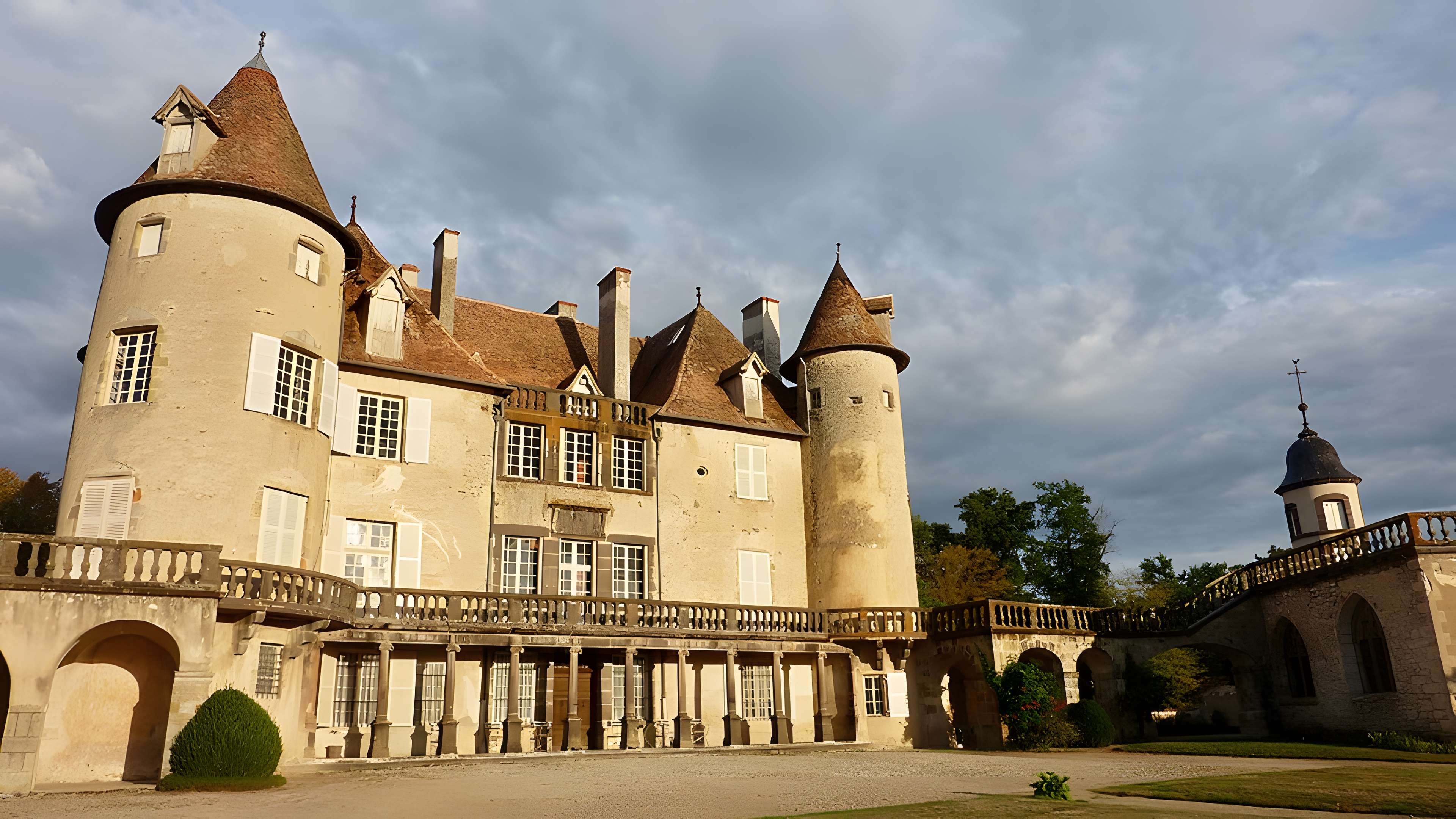
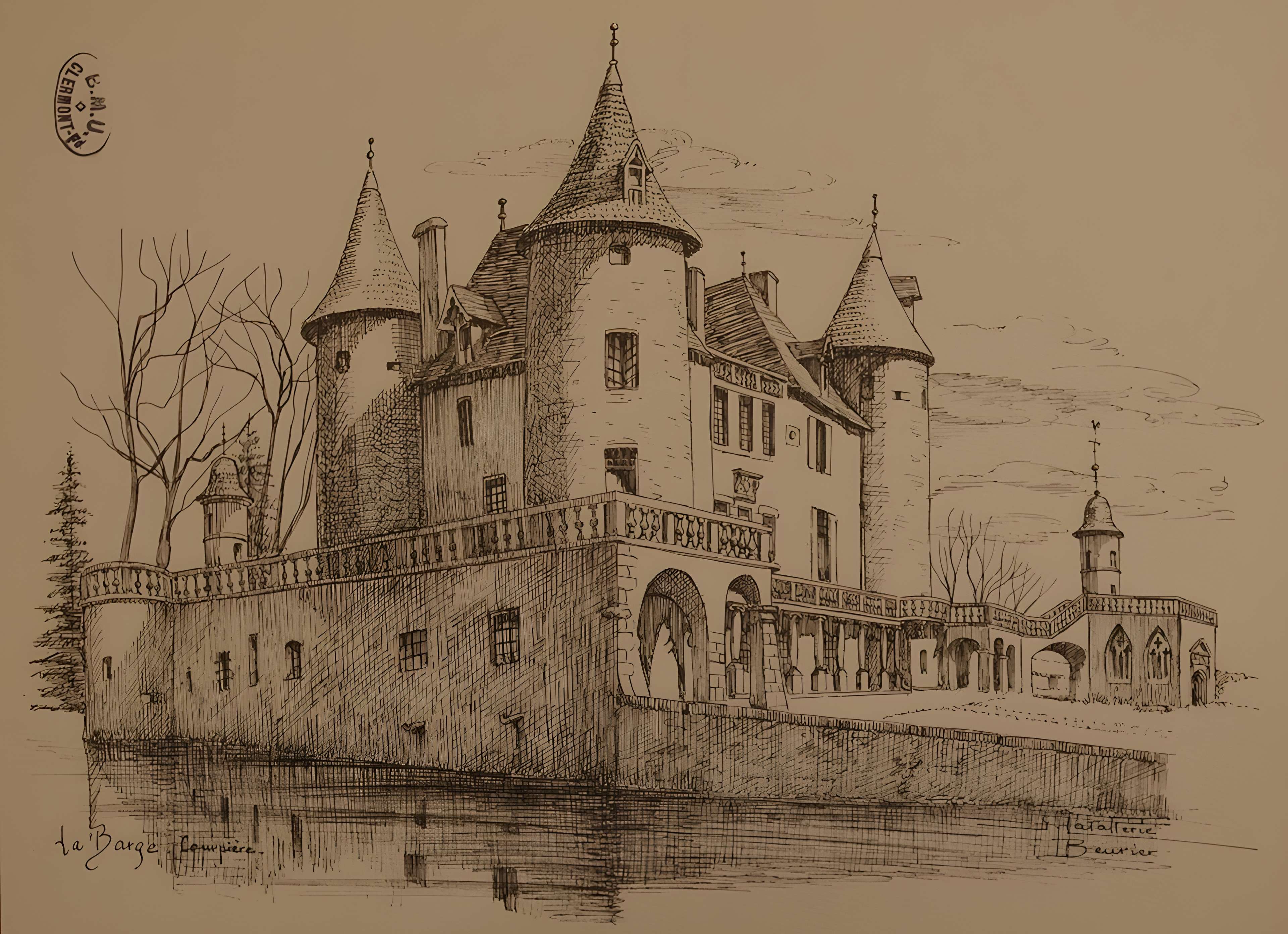
Feudal castle with dungeon and towers.
XVIe siècle
Italianizing decor added
Italianizing decor added XVIe siècle (≈ 1650)
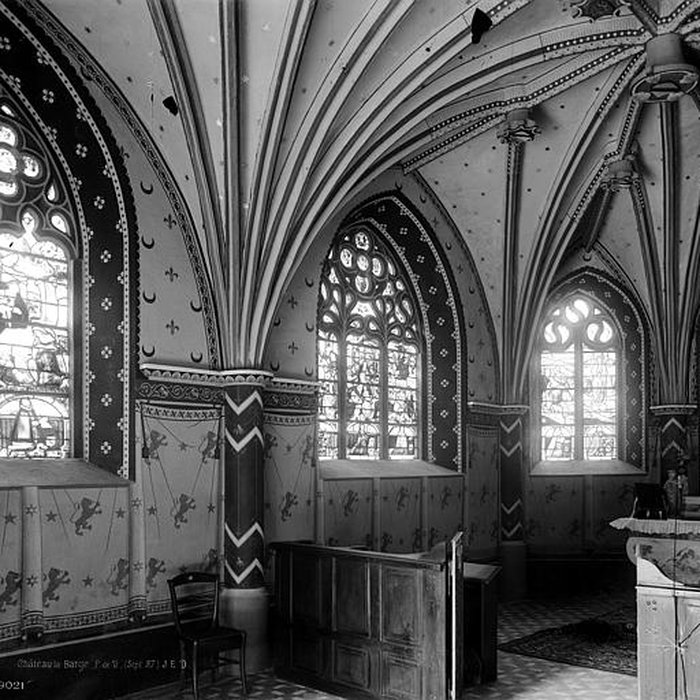
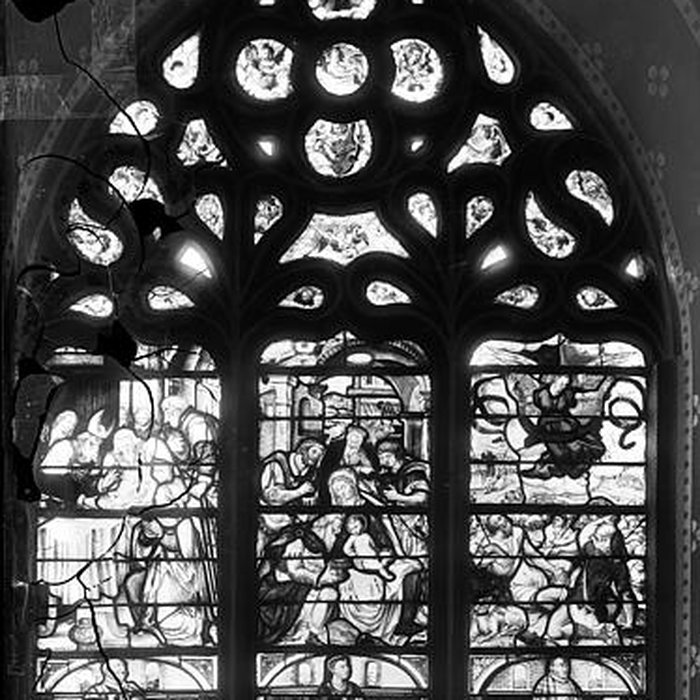
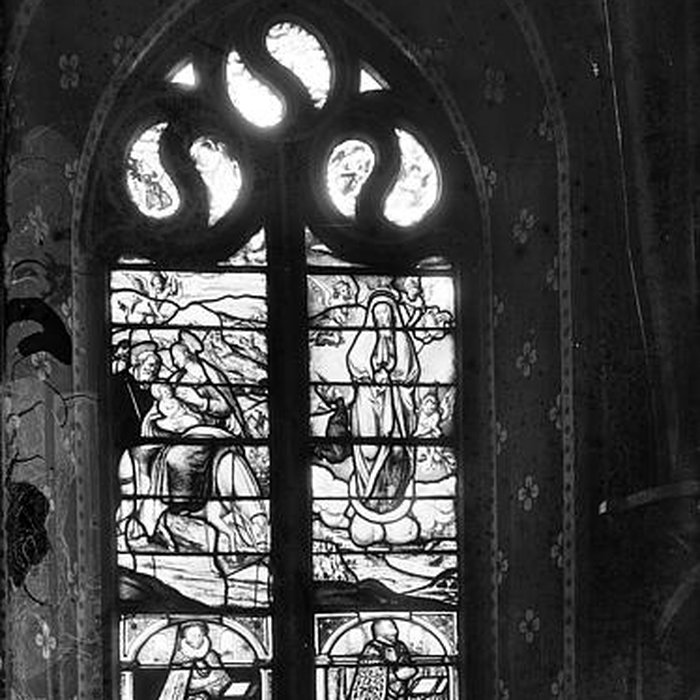
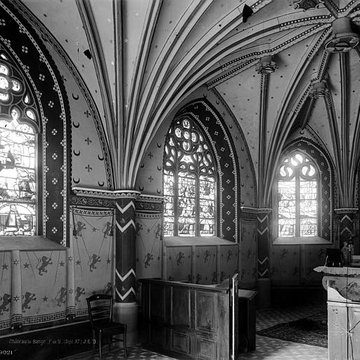
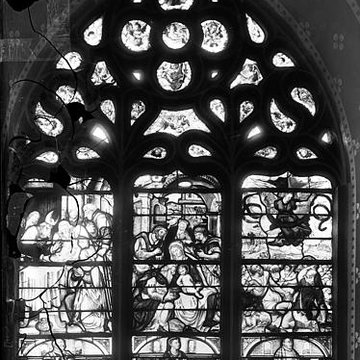
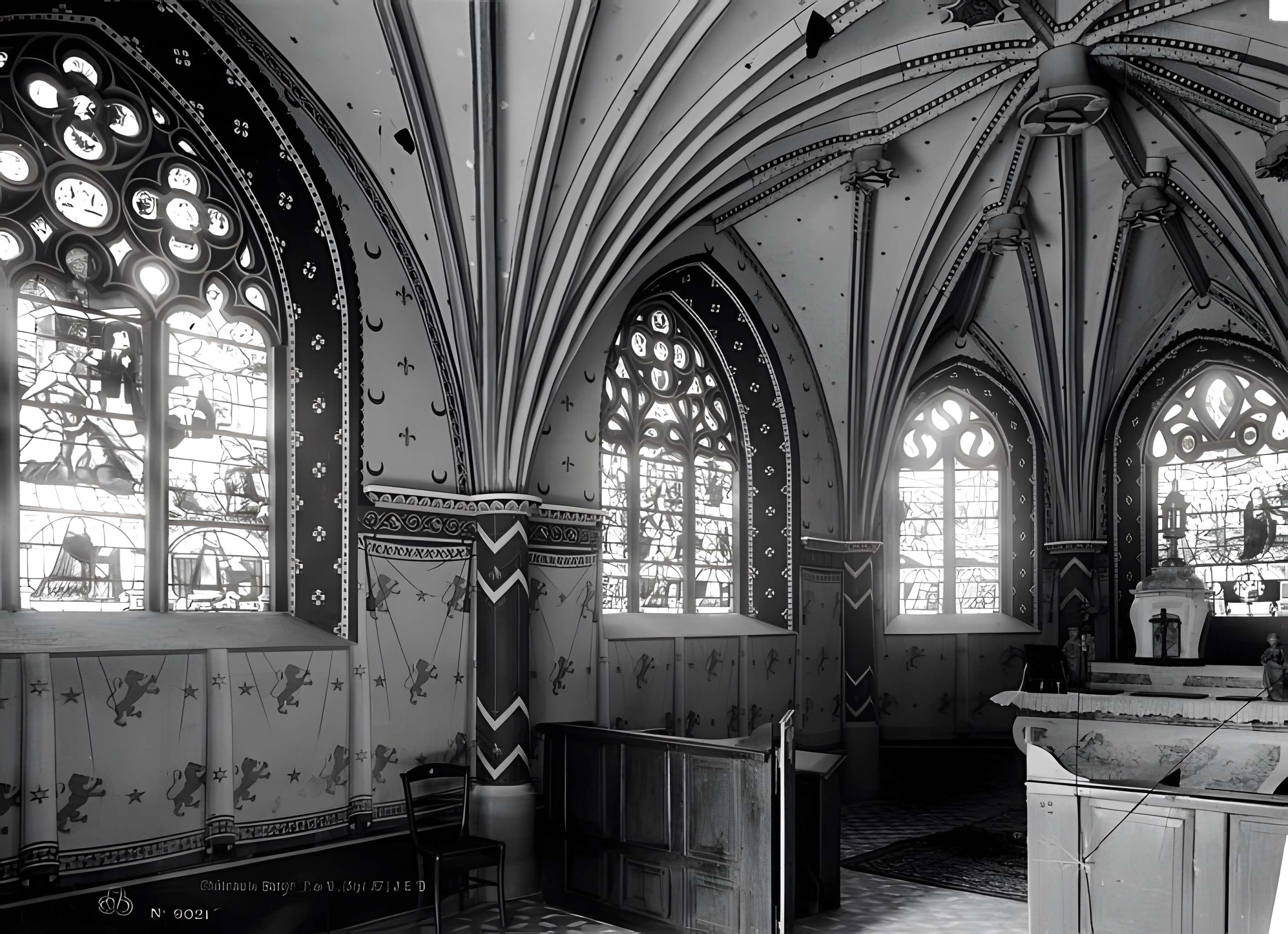
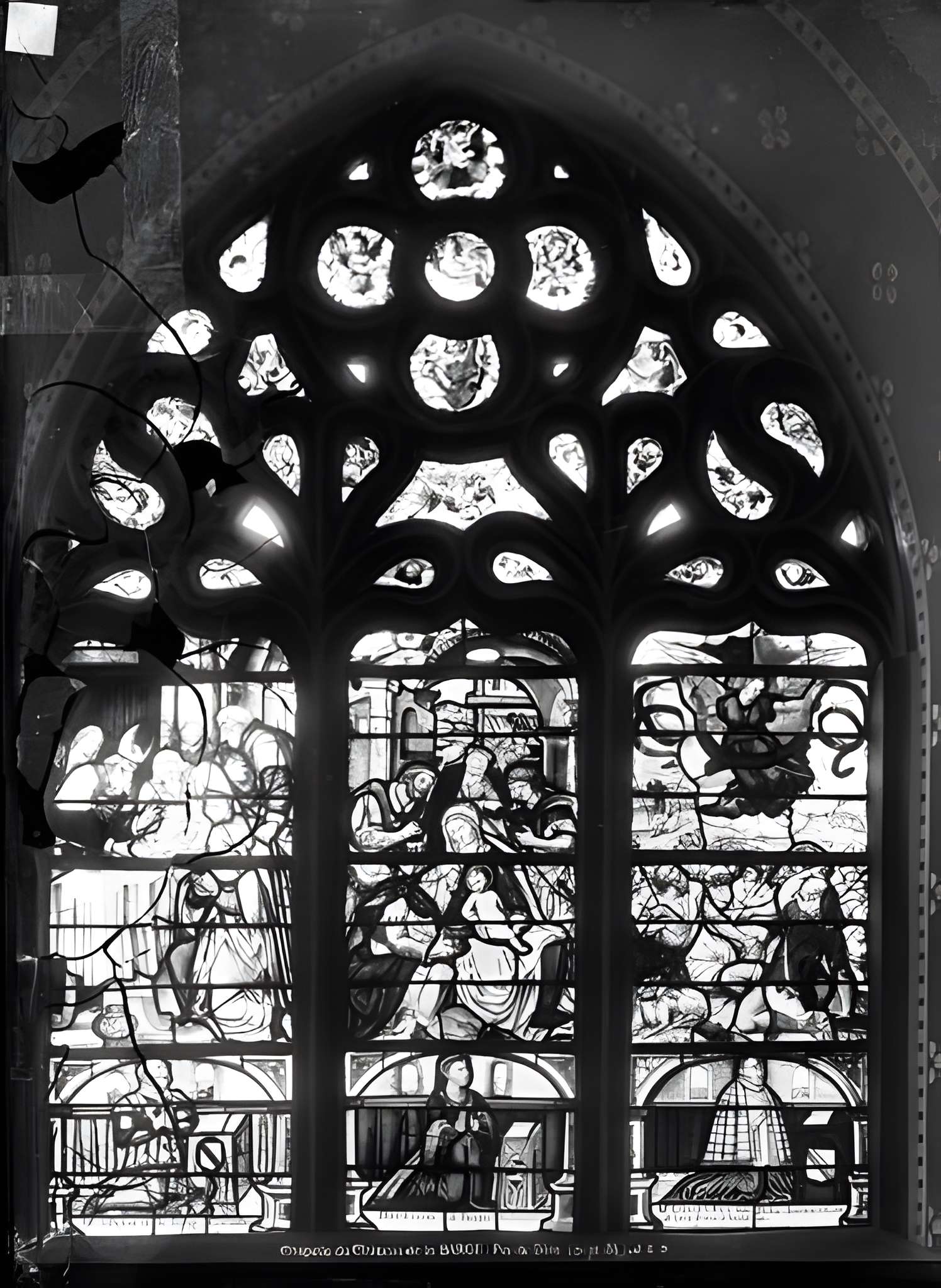
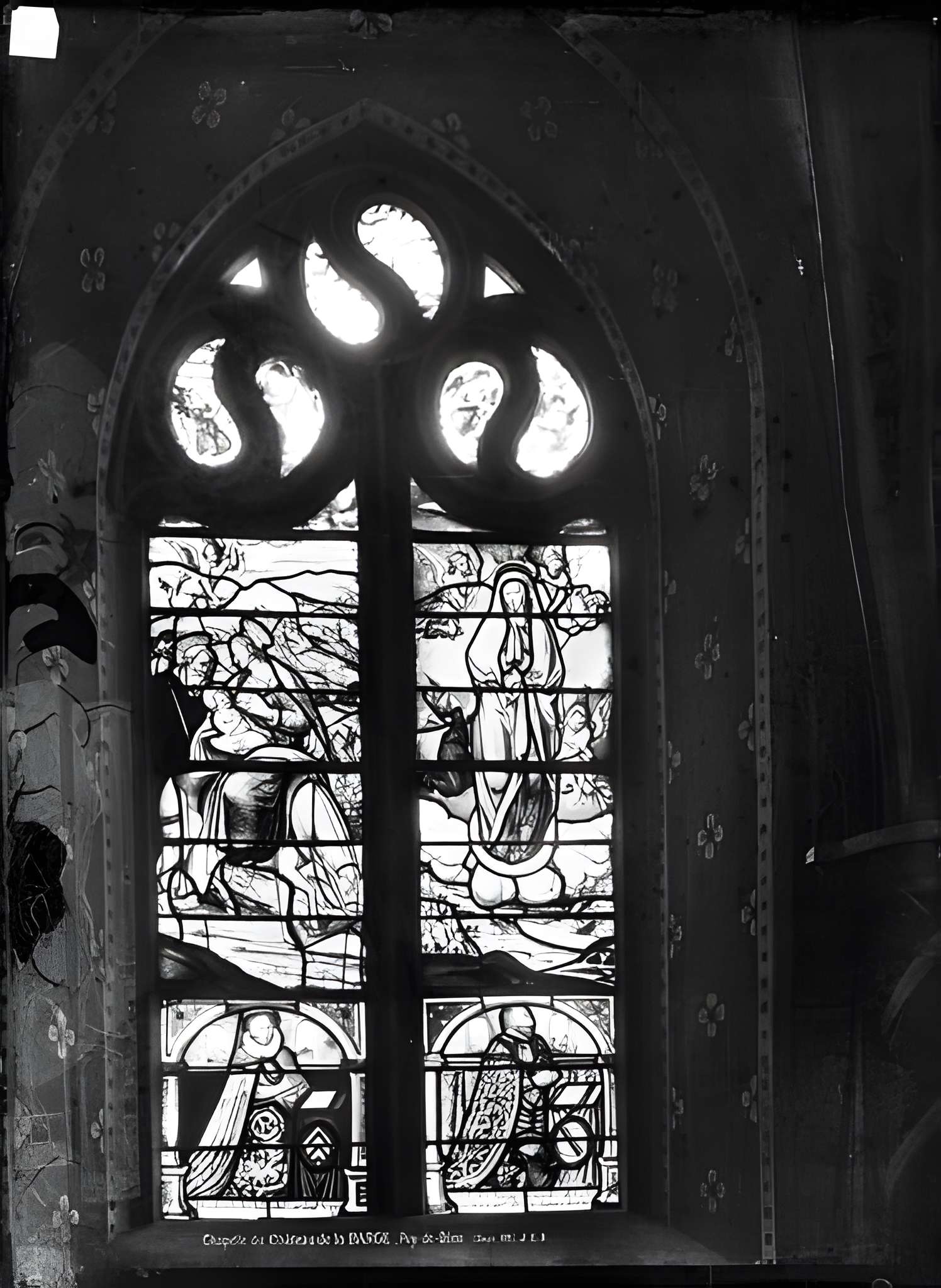
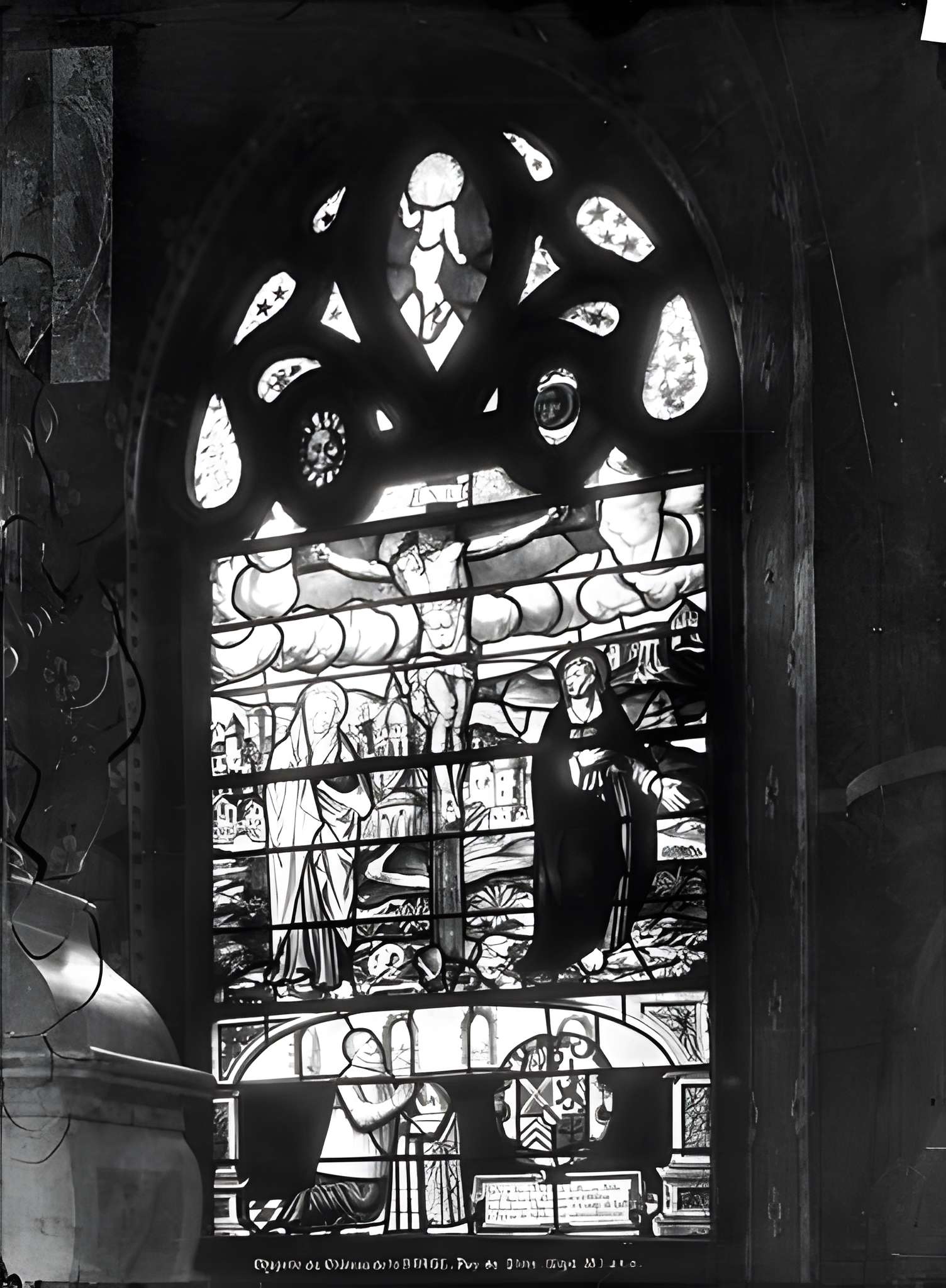
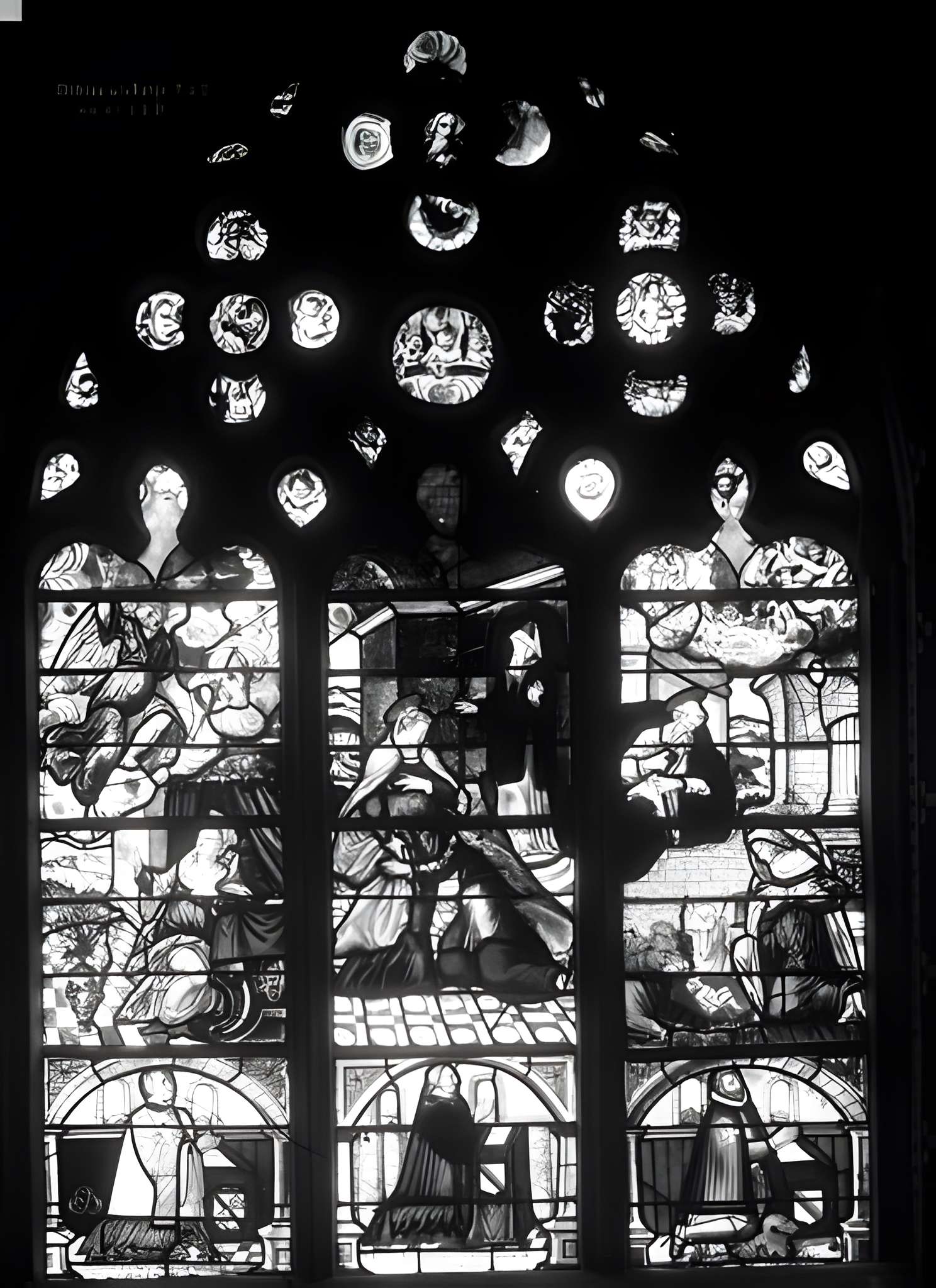
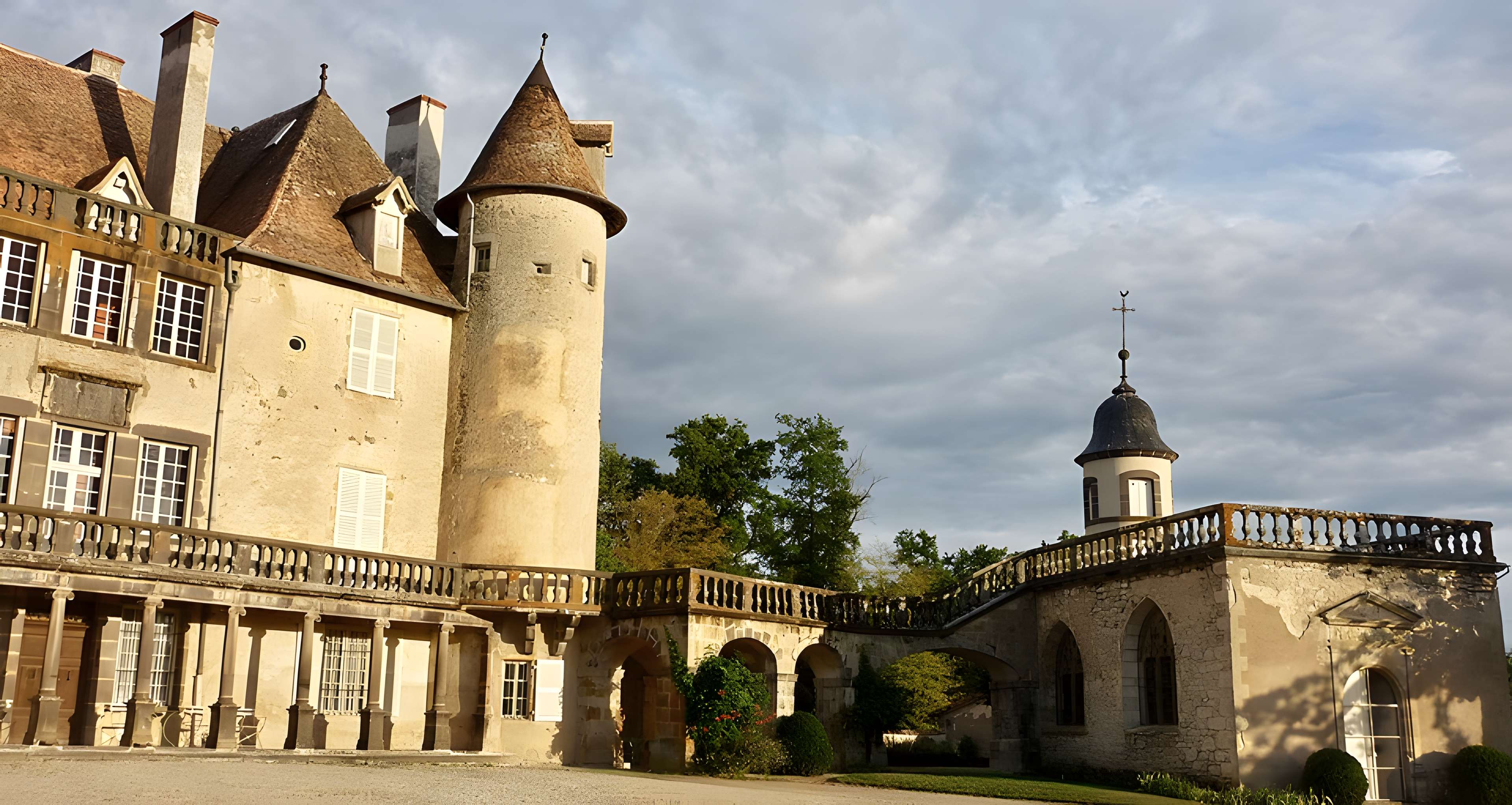
Galleries and chapel with stained glass windows.
XVIIe et XVIIIe siècles
Interior transformations and park
Interior transformations and park XVIIe et XVIIIe siècles (≈ 1850)
Dining room, living room, basins and pavilions.
3 juin 1975
Registration of communes
Registration of communes 3 juin 1975 (≈ 1975)
Partial protection by order.
16 octobre 1989
Classification of the castle
Classification of the castle 16 octobre 1989 (≈ 1989)
Total protection of the domain.
Aujourd'hui
Aujourd'hui
Aujourd'hui Aujourd'hui (≈ 2025)
Position de référence.
Heritage classified
All the communes (AK 71, 93): entry by order of 3 June 1975; Castle, including its terraces with the colonnade that supports them; chapel; moat; garden with its two pavilions; main gate with its wrought iron gate; Three basins in the old garden (cad. AK 66 to 69, 71, 72, 93): Order of 16 October 1989
Key figures
Information non disponible - No character cited
The source text does not mention any names.
Origin and history
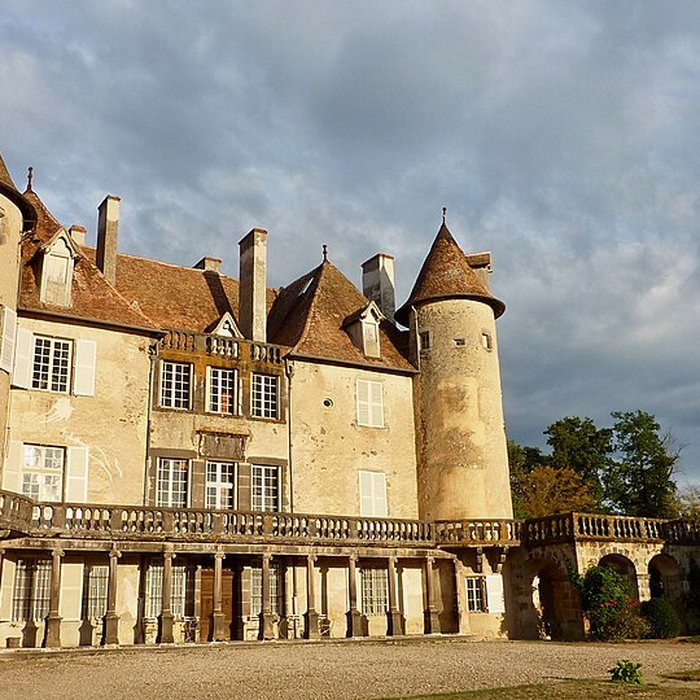
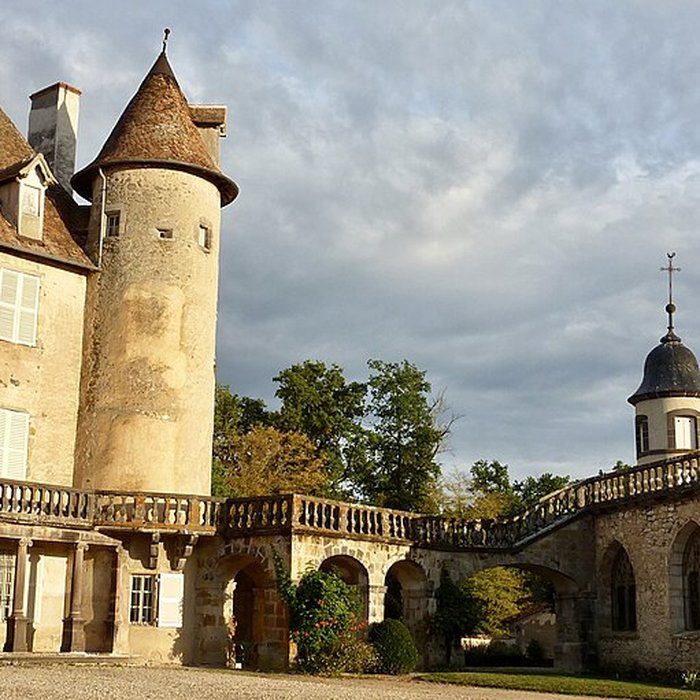
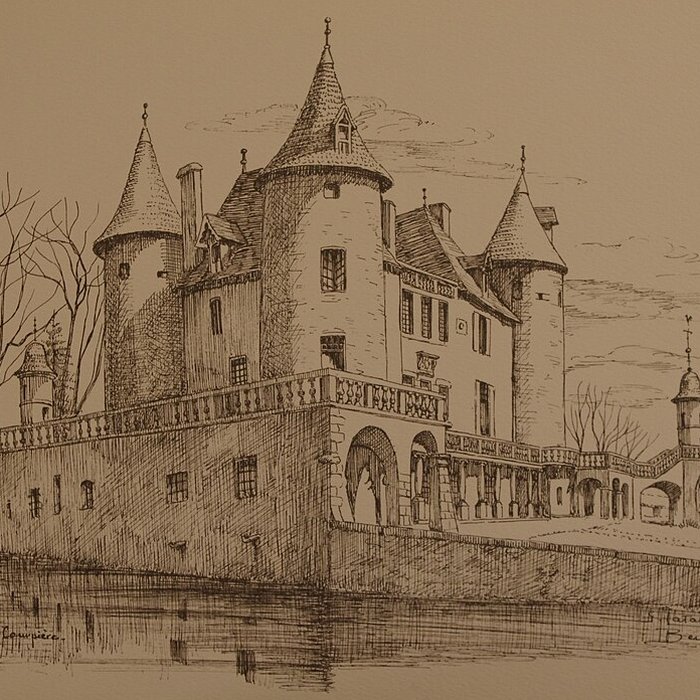
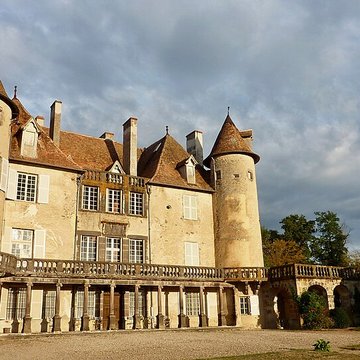
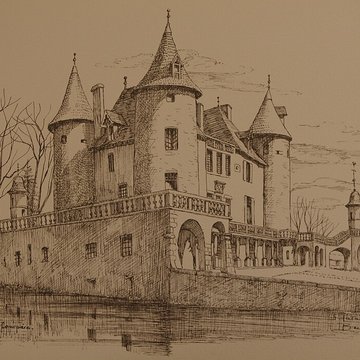
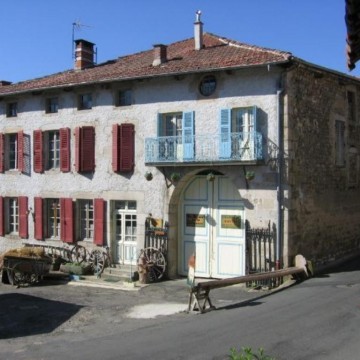
The Château de la Barge, located in Courpière in Puy-de-Dôme, finds its origins in the early 12th or 13th century as a feudal castle. It was initially composed of a massive dungeon surrounded by four towers, protected by three separate towers connected by a enclosure and girded with moat. This defensive arrangement reflected the military needs of the medieval era, typical of fortresses built to control a territory and ensure the protection of local lords.
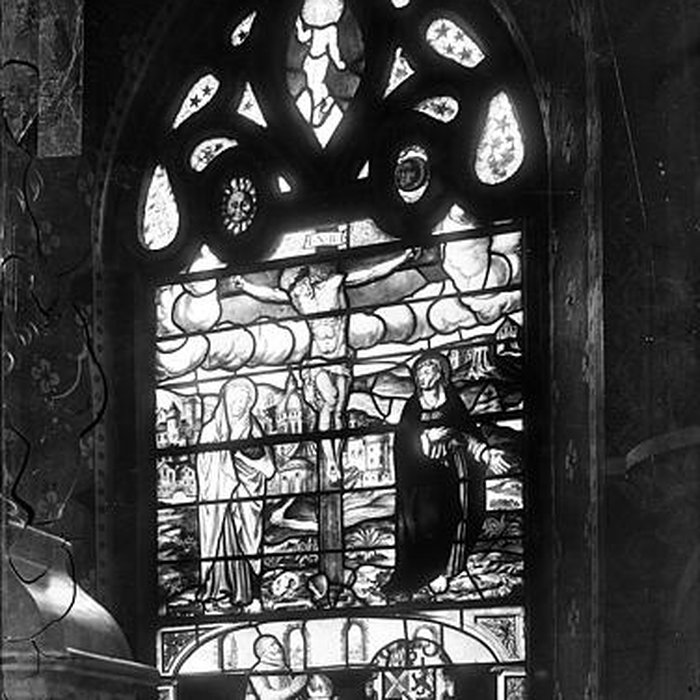
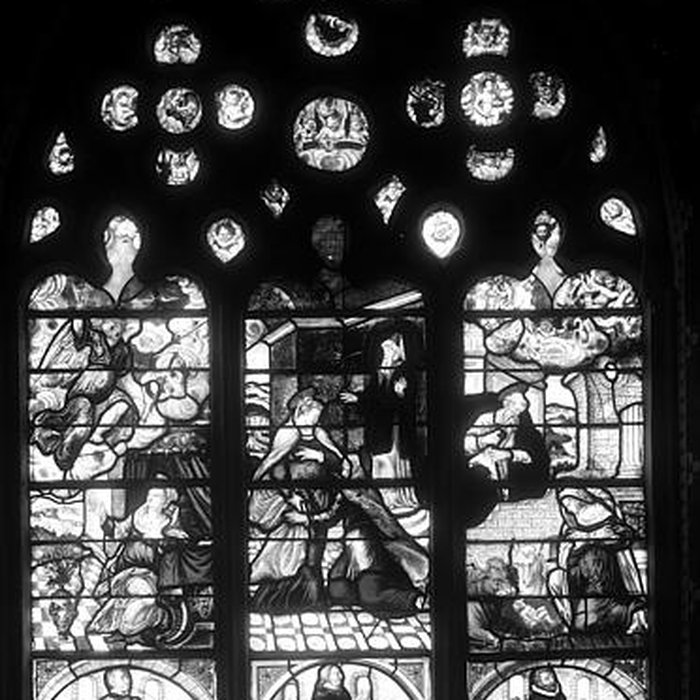
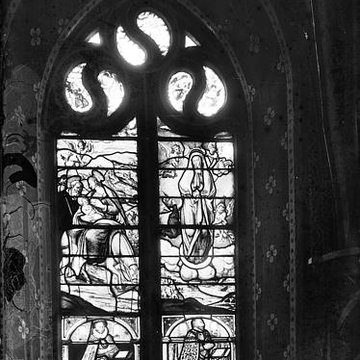
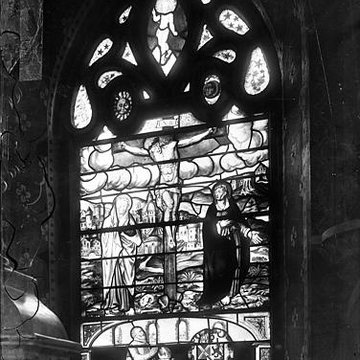
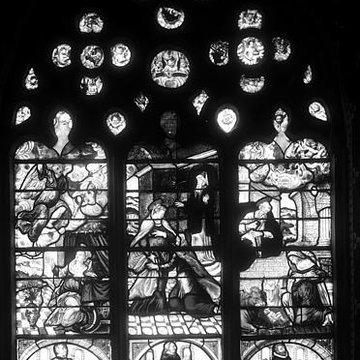
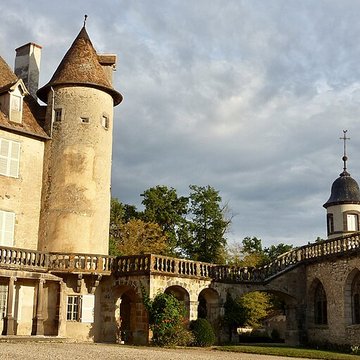
In the 16th century, the castle underwent a major transformation with the addition of an Italianizing decor, especially on the outdoor galleries supporting terraces. The chapel, whose stained-glass windows date back to the 16th and 17th centuries, was also built during this period. These changes illustrate the influence of the Italian Renaissance in France, marking a shift towards aesthetic and residential concerns rather than purely defensive.
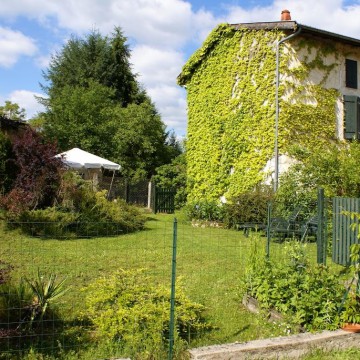
The 17th and 18th centuries saw the renovation of the interiors, with notable transformations in the dining room and the large living room, with a painted ceiling. The park, designed in the 17th century, was partially preserved despite an aborted project of transformation in the late 18th century. Today, there are three basins and two 18th-century pavilions, which bear witness to the landscape ambition of the owners of the time. The commons, dated from the 18th century, complete this architectural ensemble.
Ranked a Historic Monument, the castle of the Barge has been protected since 1975 for its communes and since 1989 for the entire castle, including its terraces, chapel, moats, garden with pavilions, and wrought iron gate. These protections highlight the heritage value of a building that combines medieval heritage, Renaissance beautifications and classical centuries.
Currently owned by a private company, the castle is open to visit in summer and offers the rental of its rooms, park and gardens for receptions. This openness to the public makes it possible to value a rich heritage, while ensuring its preservation for future generations.
Propose an amendment
Future
The Château de La Barge is open to visitors during the summer season. Open all year round for groups upon reservation.