Construction of the castle XVe siècle (≈ 1550)
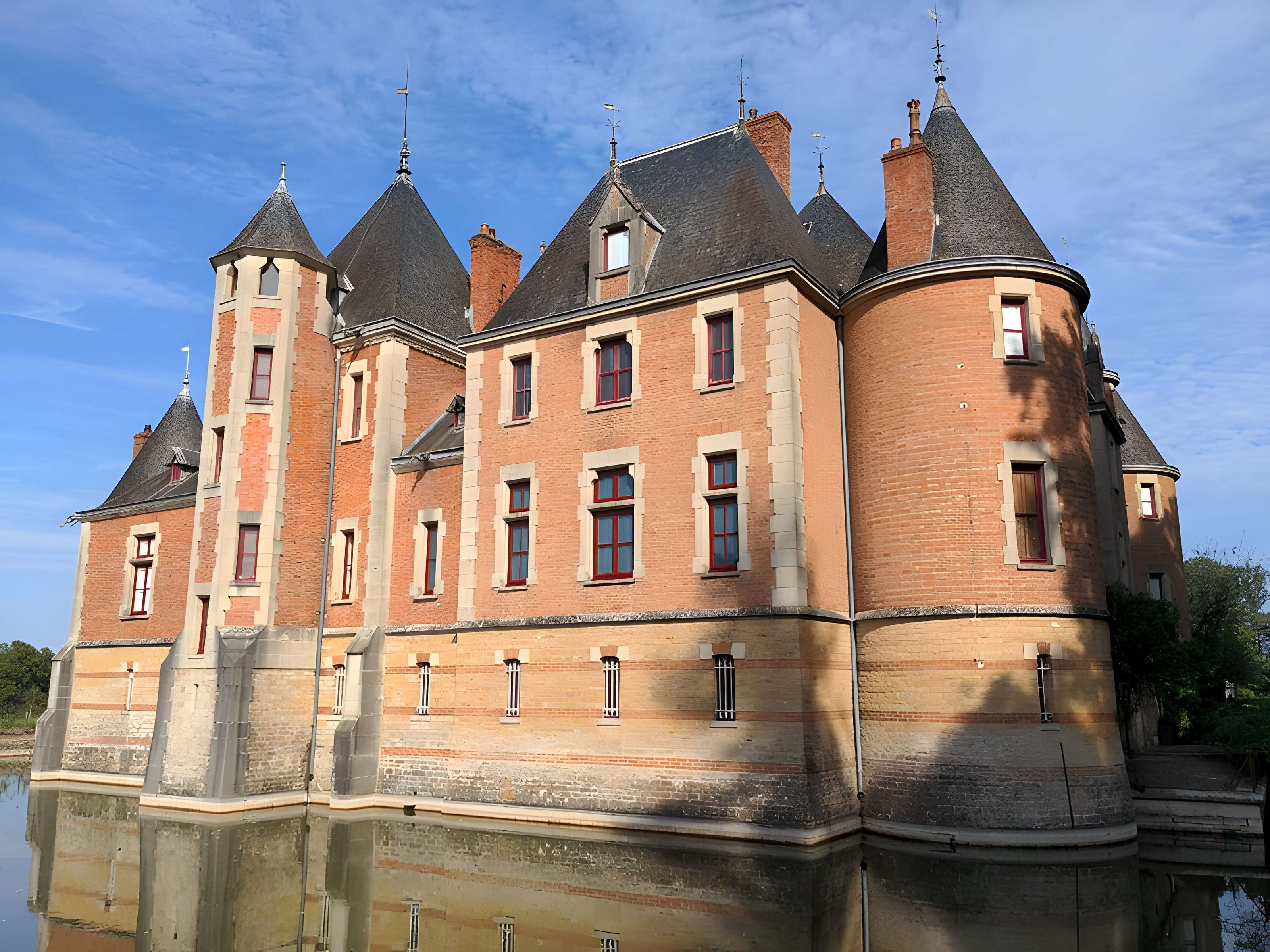
Quadrilateral fortress with four circular towers.
2e moitié du XIXe siècle
Transformation style troubadour
Transformation style troubadour 2e moitié du XIXe siècle (≈ 1865)
Restoration by Maurice Ouradou for Henry de la Roche-Nully.
21 mai 2013
Registration for Historic Monuments
Registration for Historic Monuments 21 mai 2013 (≈ 2013)
Protection of the estate and its park.
Aujourd'hui
Aujourd'hui
Aujourd'hui Aujourd'hui (≈ 2025)
Position de référence.
Heritage classified
The entire castle estate, including the castle and its outbuildings, its park with its amenities (cad. A 148-152, 154, 241, cf. cadastral plan annexed to the decree): registration by order of 21 May 2013
Key figures
Henry de la Roche-Nully - Sponsor of work
Initiator of the 19th century transformation.
Maurice Ouradou - Architect
Author of the restoration style troubadour.
Origin and history
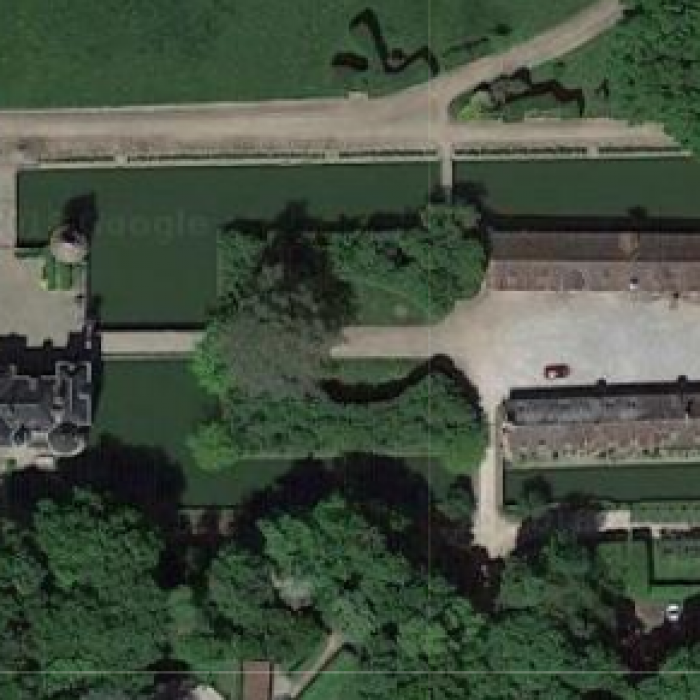
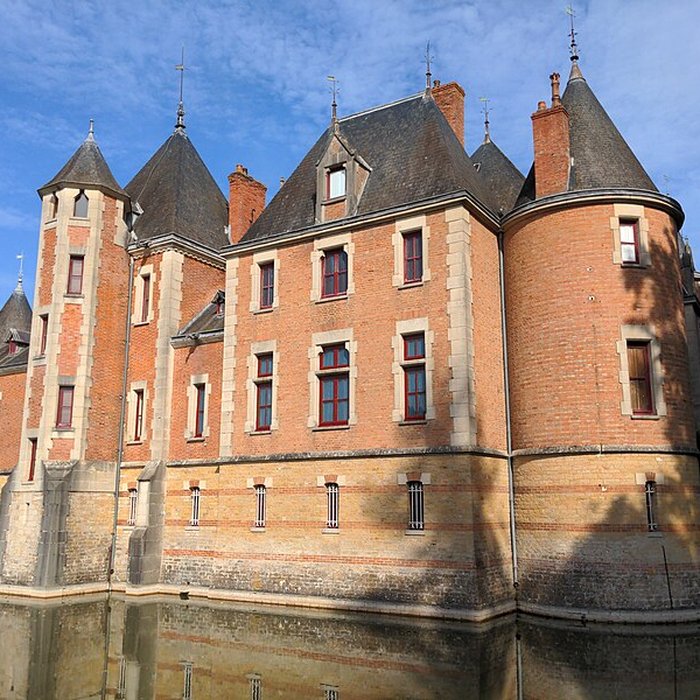
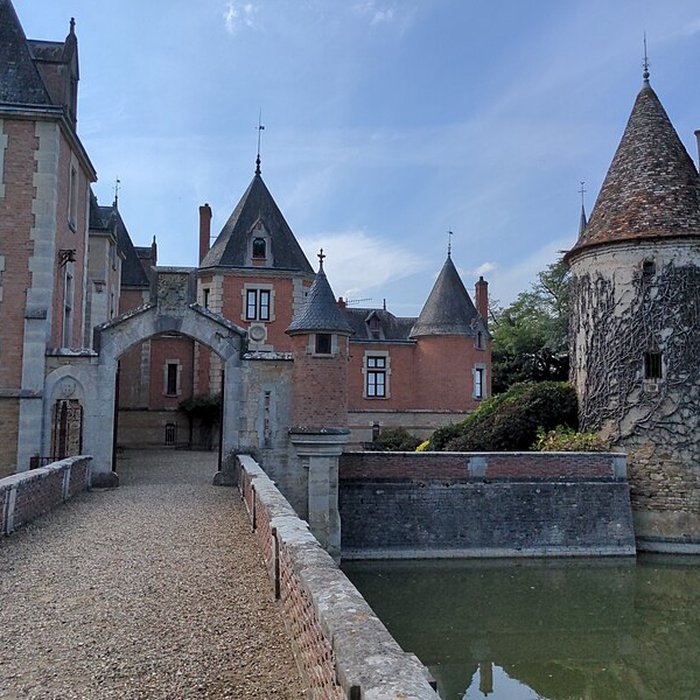
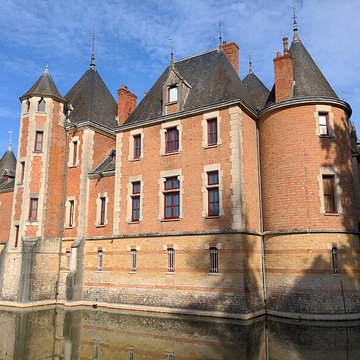
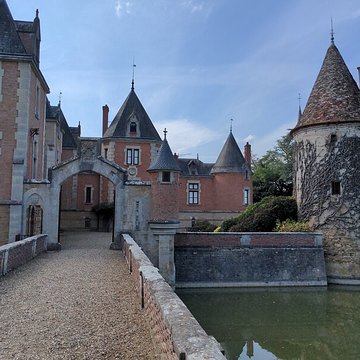
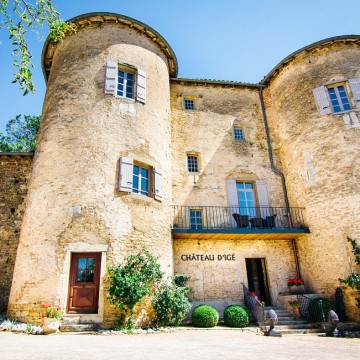
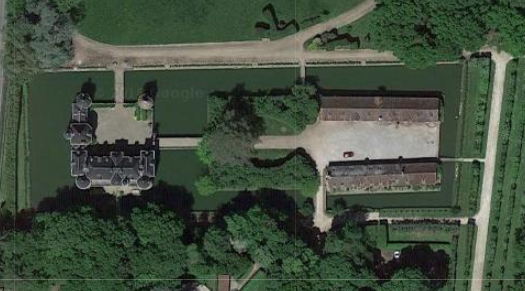
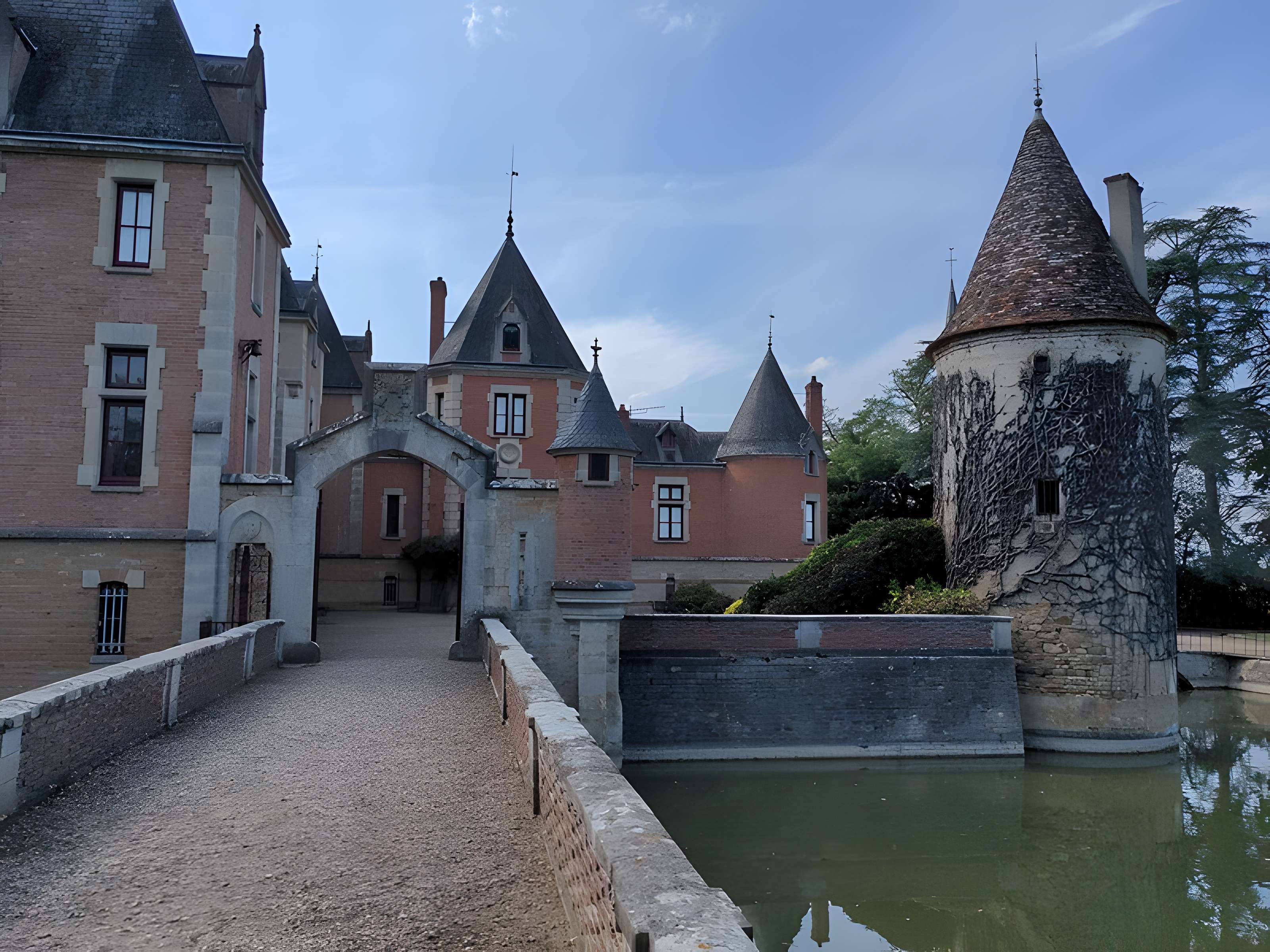
The castle of Saint-Germain-lès-Buxy came into being in the 15th century, when a castle already occupied the present site. This first building, with a quadrilateral plan flanked by four circular towers, probably served as a defensive fortress, typical of medieval military architecture in Burgundy. The moat surrounding the site, still visible today, bears witness to this initial vocation, while two stone dormant bridges allowed access to the castral platform.
In the 19th century, under the impetus of Henry de la Roche-Nully, the castle was deeply reshaped in the troubadour style, a romantic current taking on the picturesque reinterpretations of the Middle Ages. The works are entrusted to Maurice Ouradou, architect and son-in-law of Viollet-le-Duc, who retains the medieval bases while grafting neo-Gothic elements. The result combines brick walls with stone harps, and two housing bodies in square. The communes, located in the former courtyard, complete the ensemble, surrounded by an English park planted with exotic essences, decorated with a piece of water, a spring and a cave.
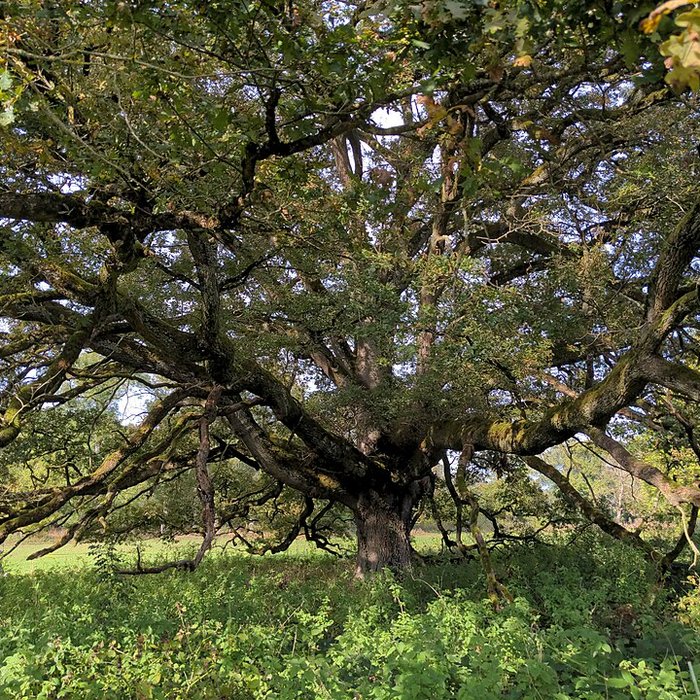
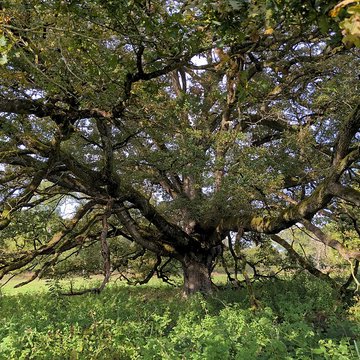
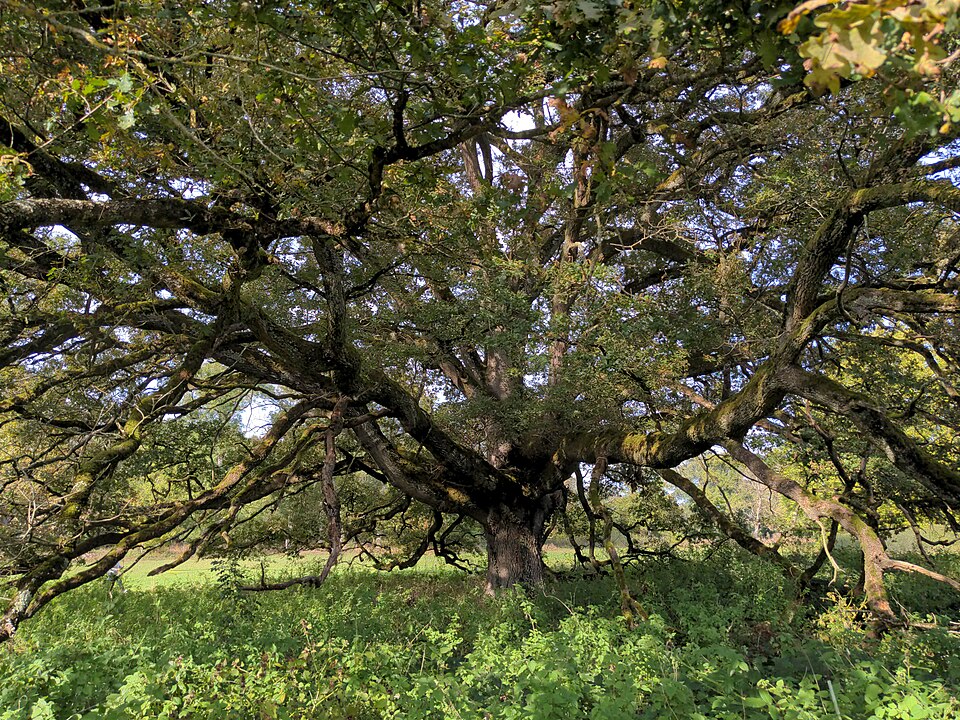
The estate, including the castle, its outbuildings and its park, has been listed as historical monuments since May 21, 2013. Among its particularities, a pedunculate oak from the park is classified as a remarkable tree of France, highlighting the architectural and landscape heritage value of the site. The moat, cave and 19th century amenities illustrate the transition from a medieval fortress to a romantic residence, characteristic of the Burgundian aristocracy of the time.







Announcements
Please log in to post a review