Establishment of the school 1765 (≈ 1765)
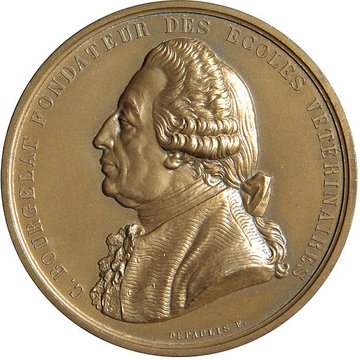
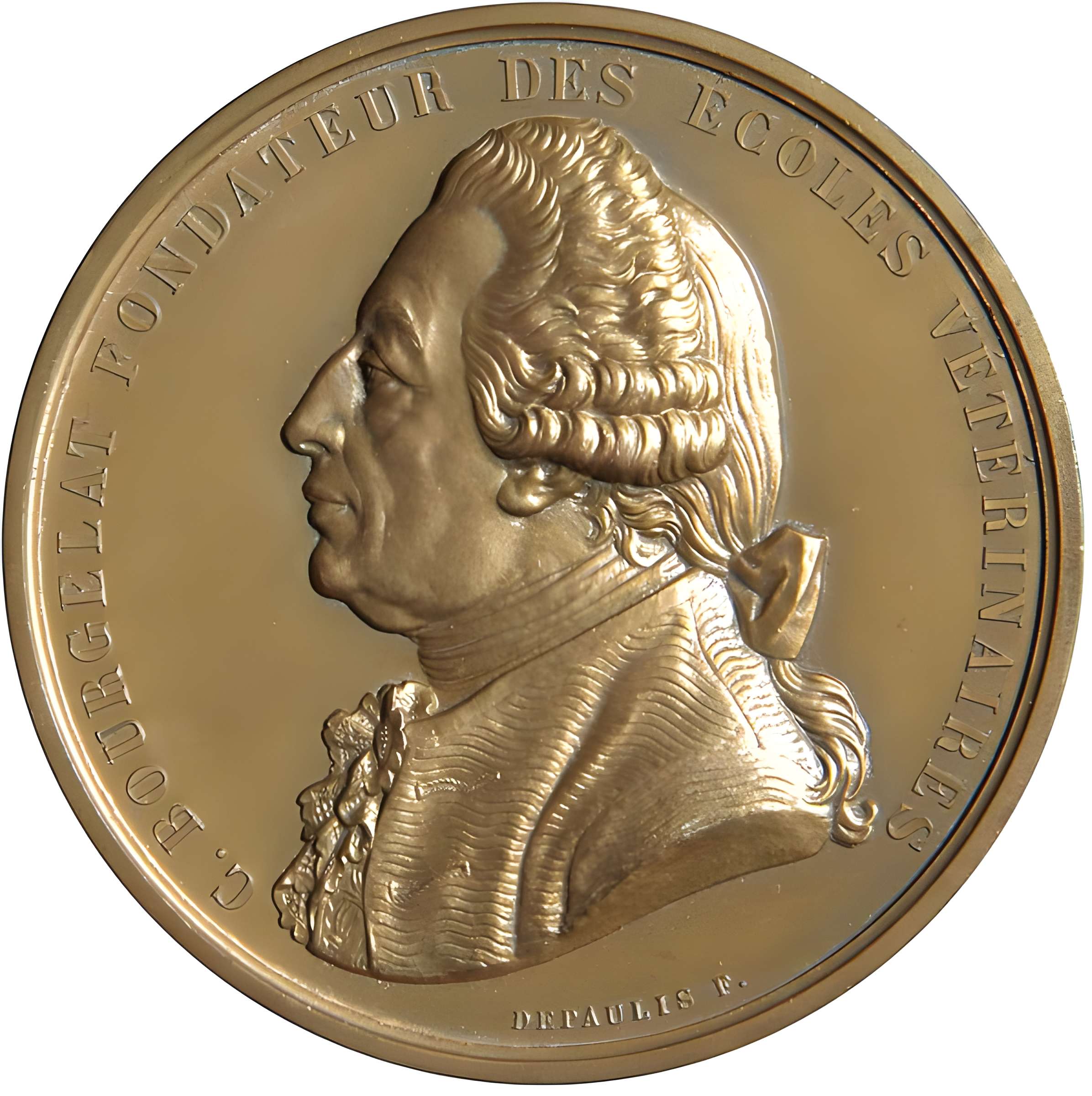
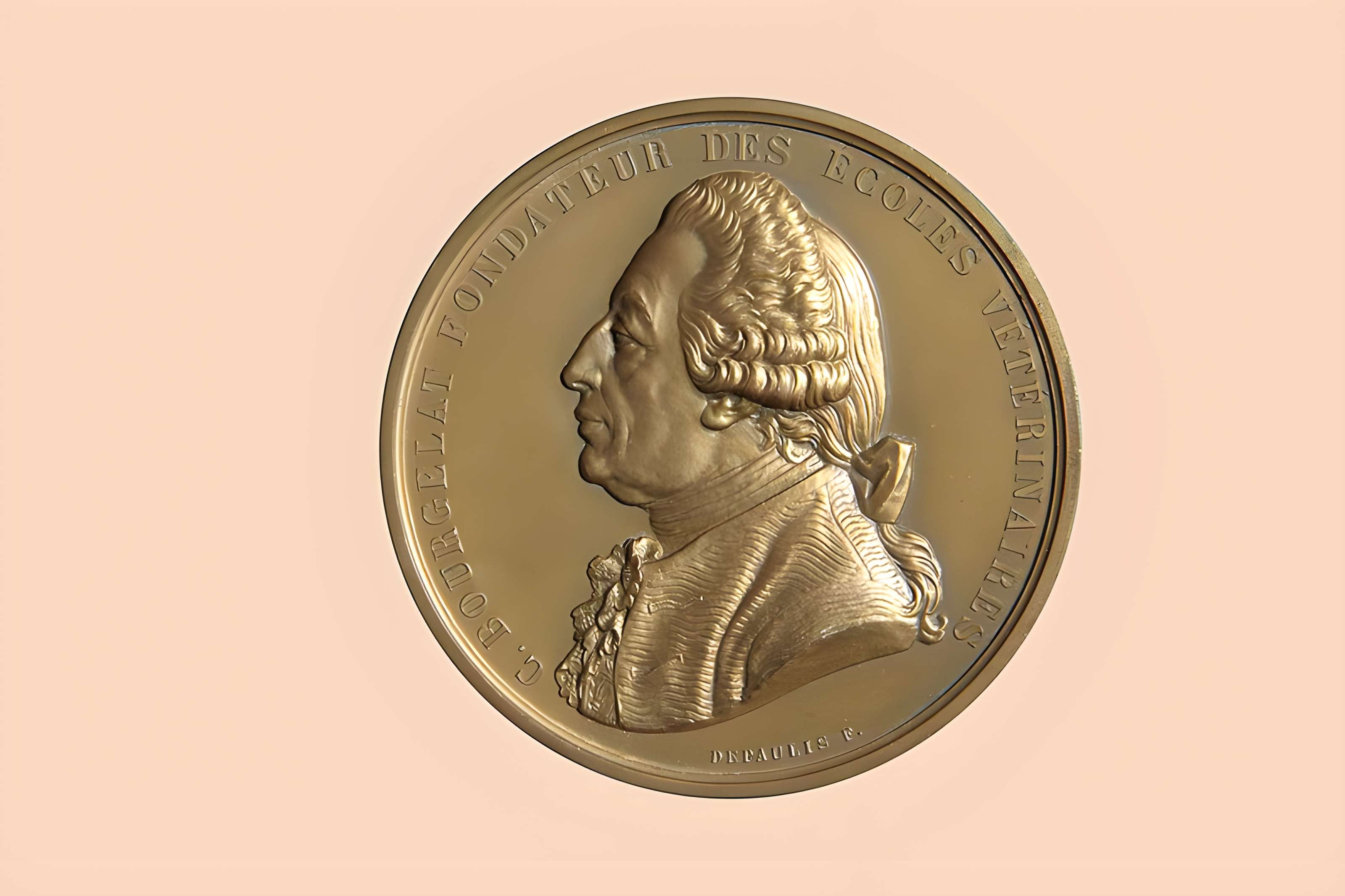
Foundation by Claude Bourgelat under Louis XV.
octobre 1766
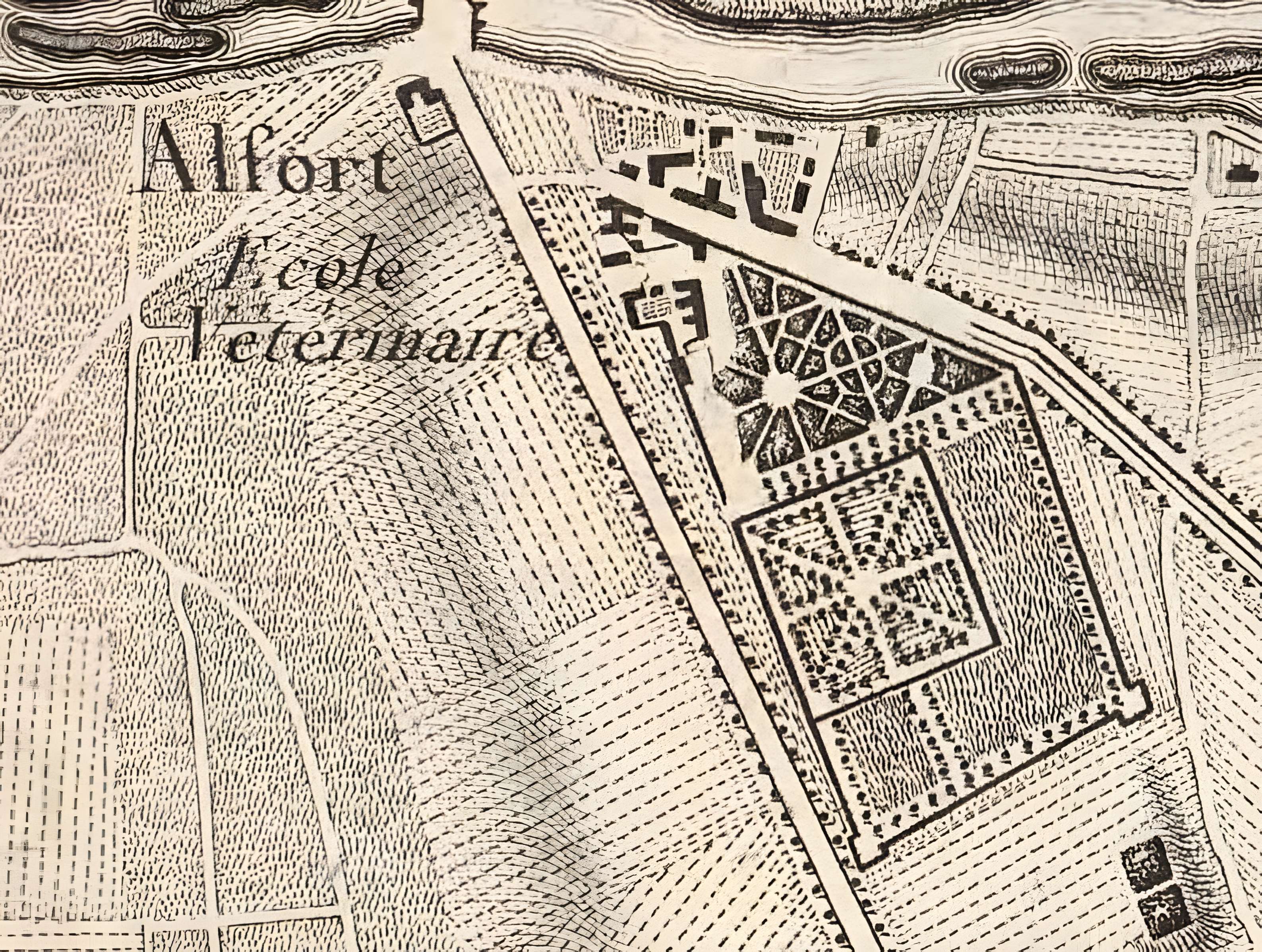
Installation in Alfort
Installation in Alfort octobre 1766 (≈ 1766)
Transfer to the old castle of Alfort.
1814
Alfort Battalion
Alfort Battalion 1814 (≈ 1814)
Students defend Paris against the Allies.
1897
First female graduate
First female graduate 1897 (≈ 1897)
Marie Kapsevich, first female veterinarian in France.
2009
Opening of the veterinary CHU
Opening of the veterinary CHU 2009 (≈ 2009)
Modern pet hospital.
2015-2017
European accreditation
European accreditation 2015-2017 (≈ 2016)
Renovations and validation by EEAEV.
Aujourd'hui
Aujourd'hui
Aujourd'hui Aujourd'hui (≈ 2025)
Position de référence.
Heritage classified
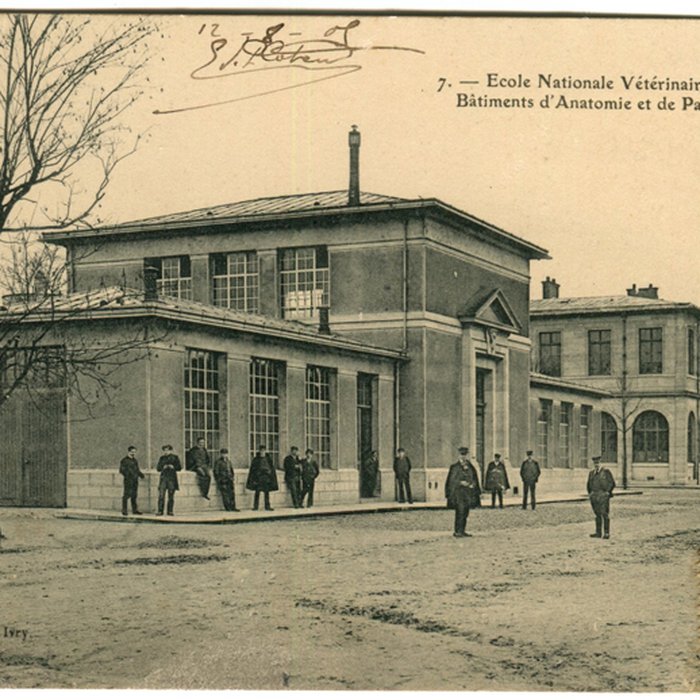
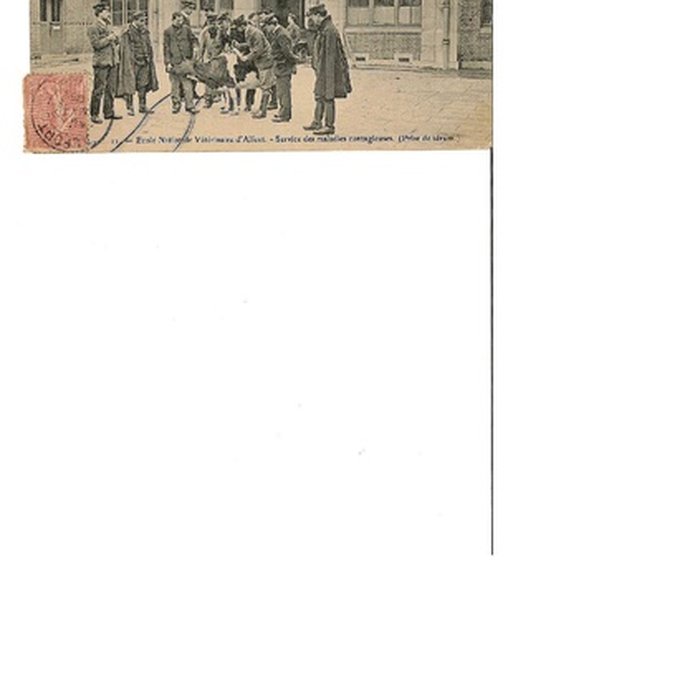
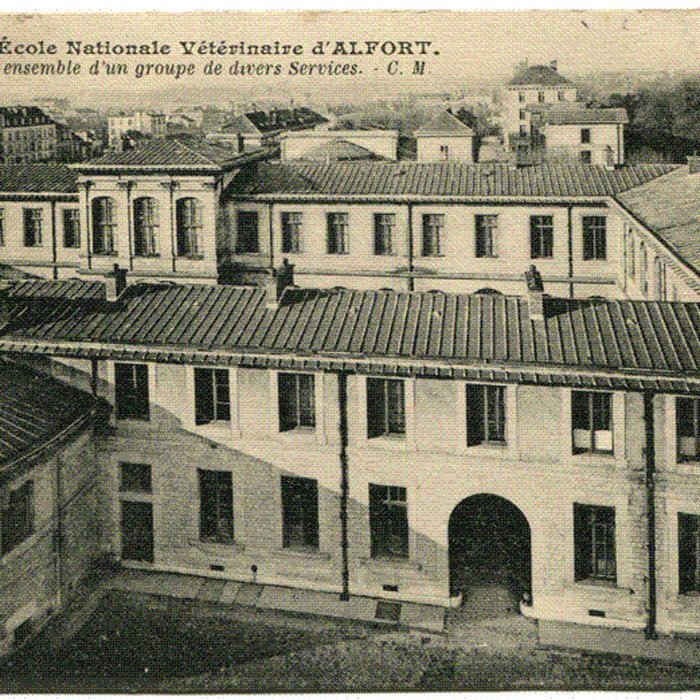
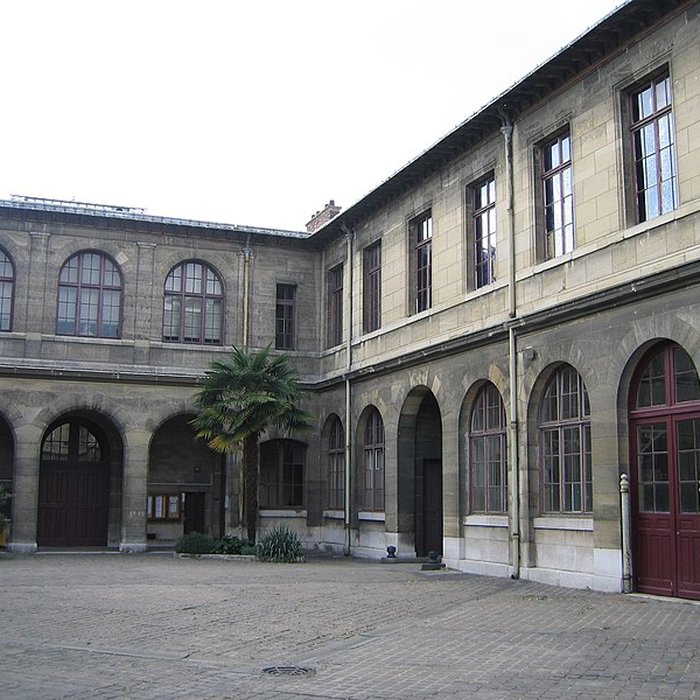
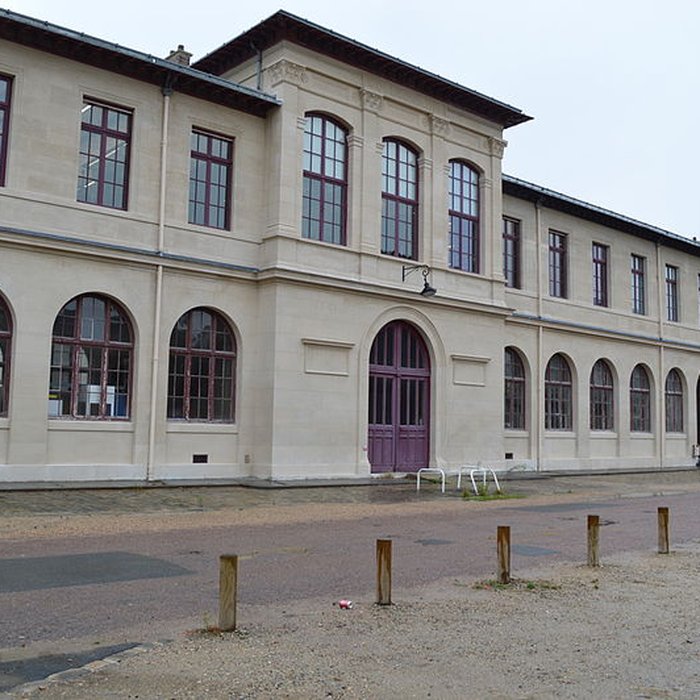
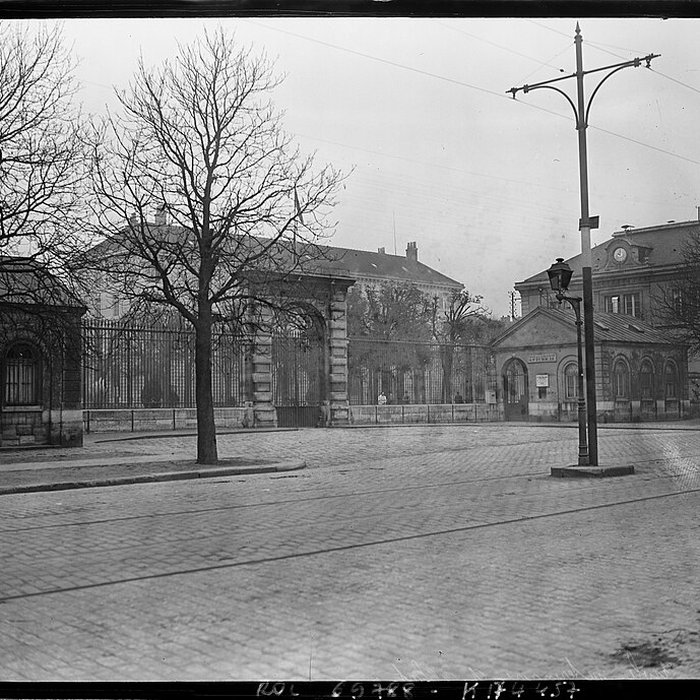
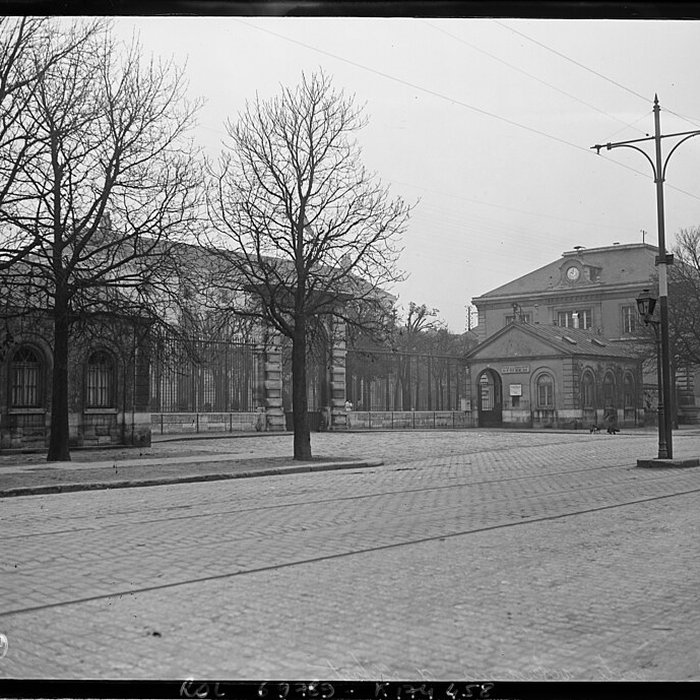
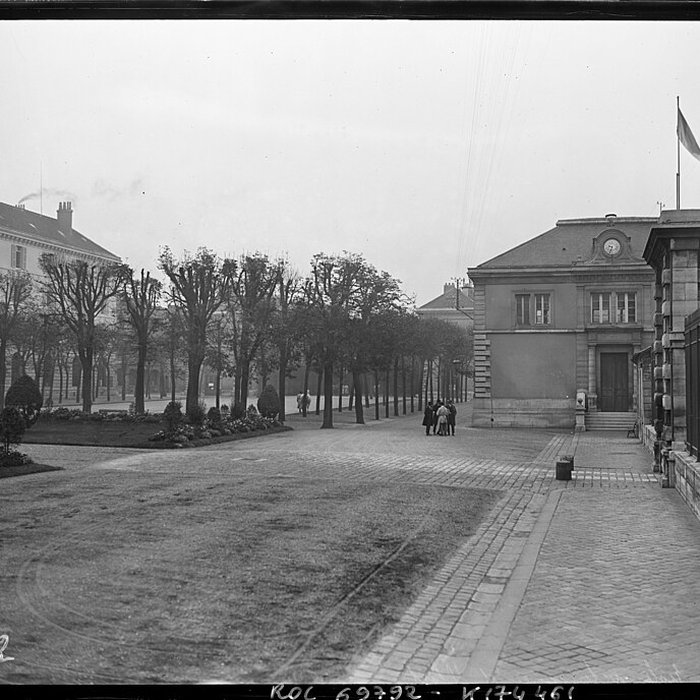
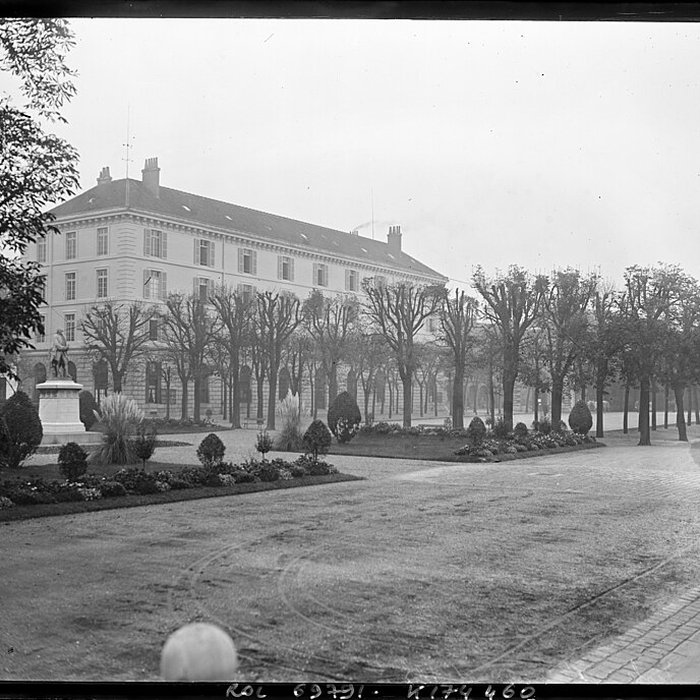
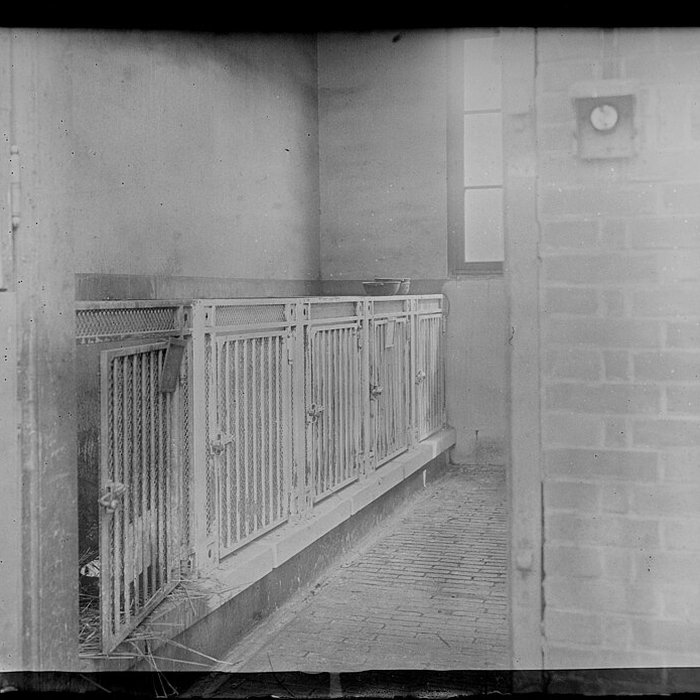
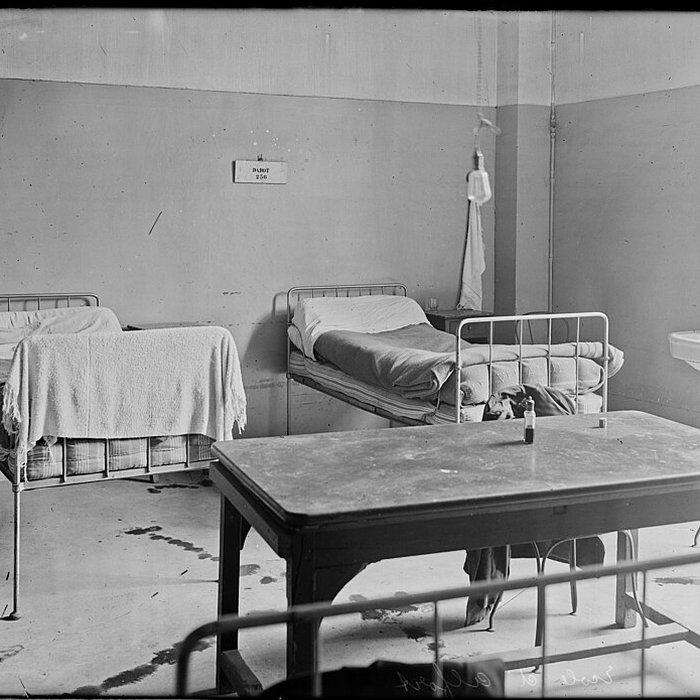
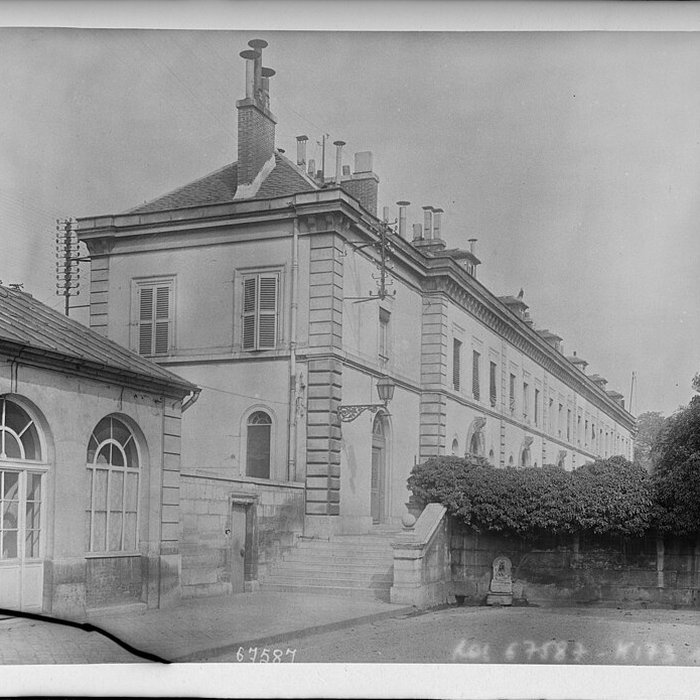
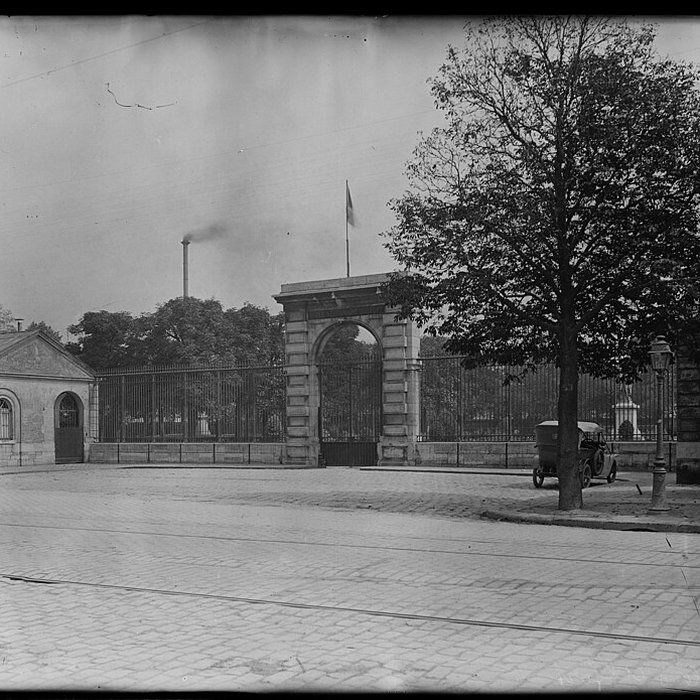
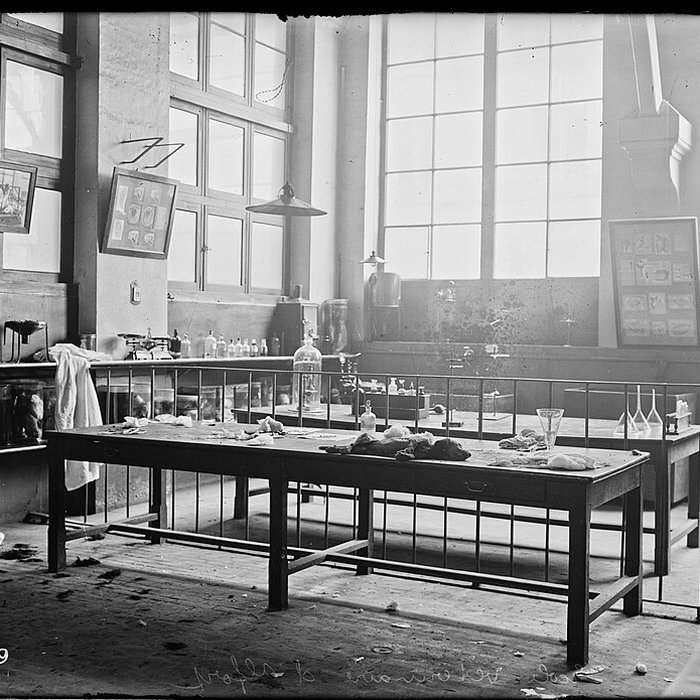
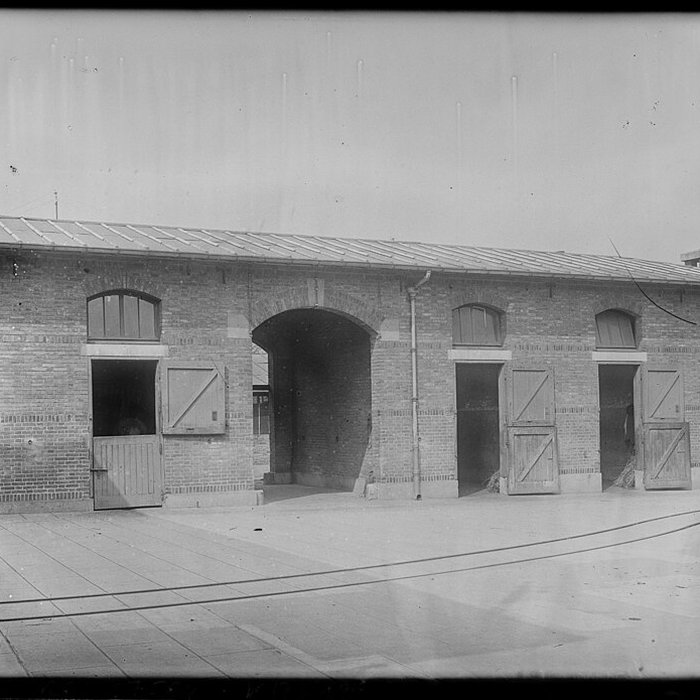
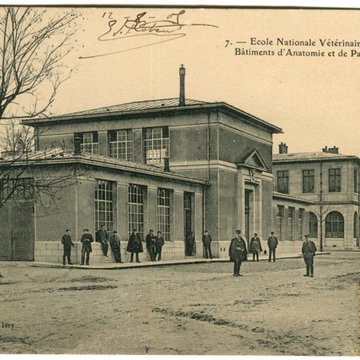
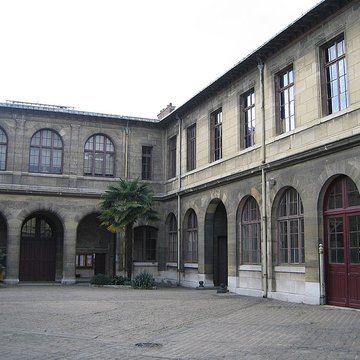
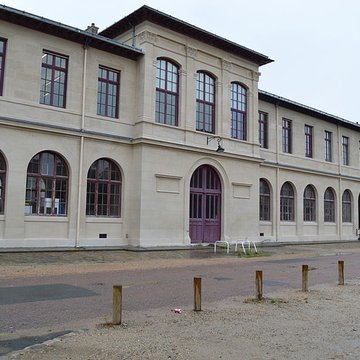
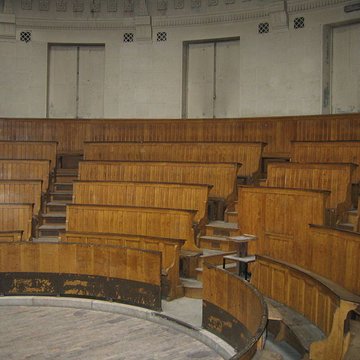
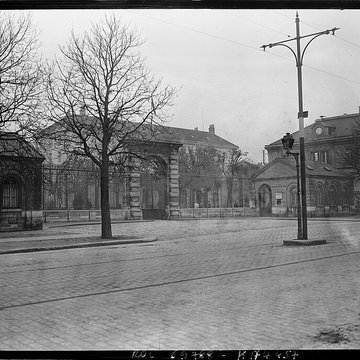
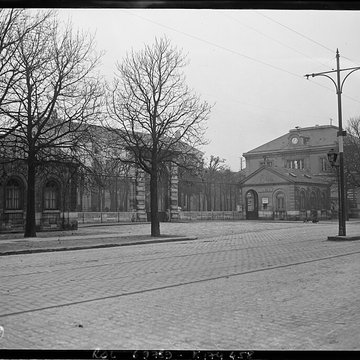
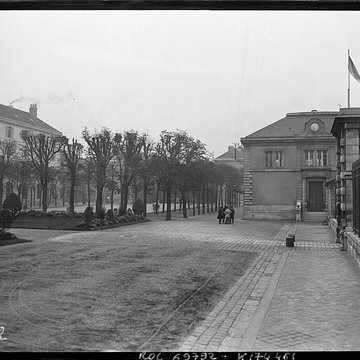
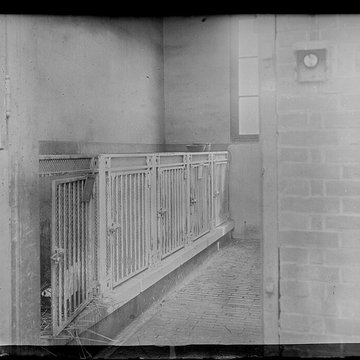
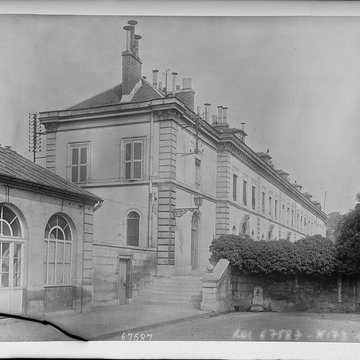
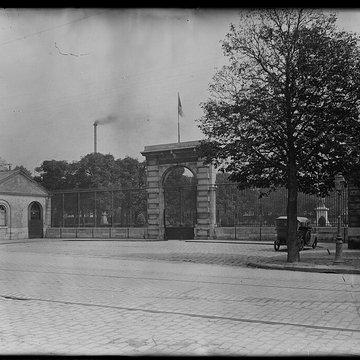
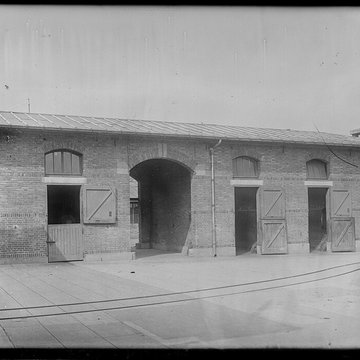
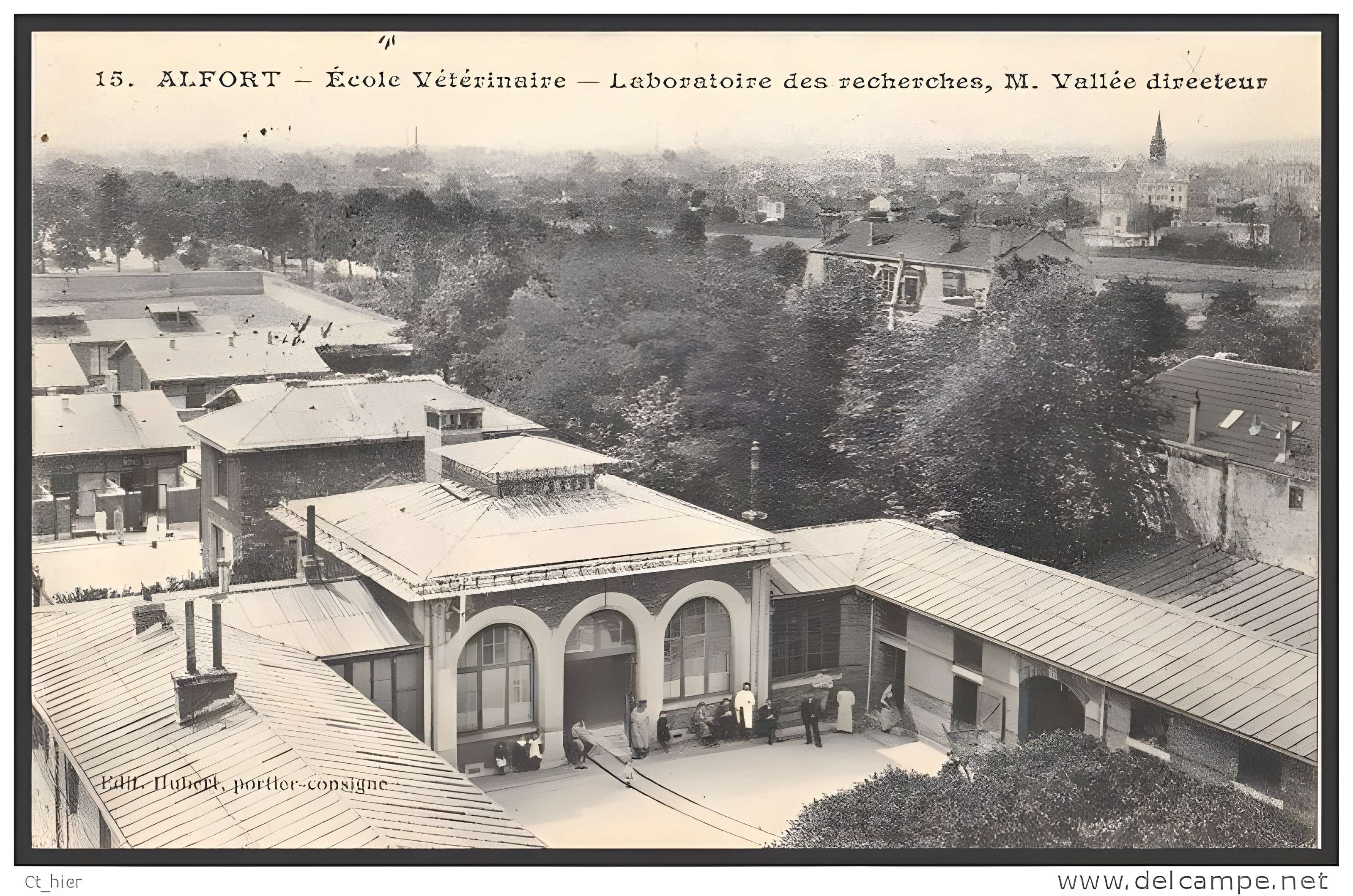
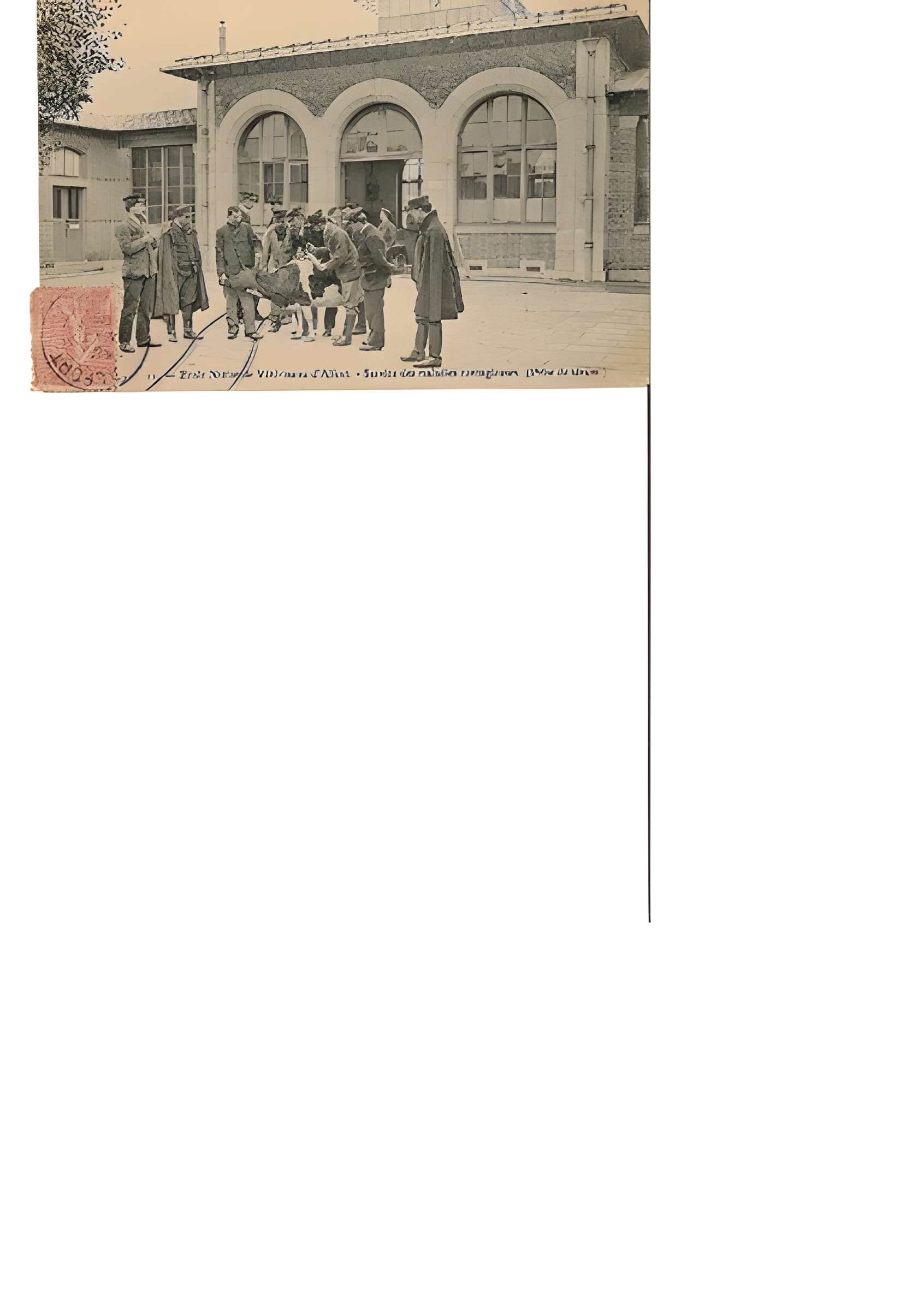
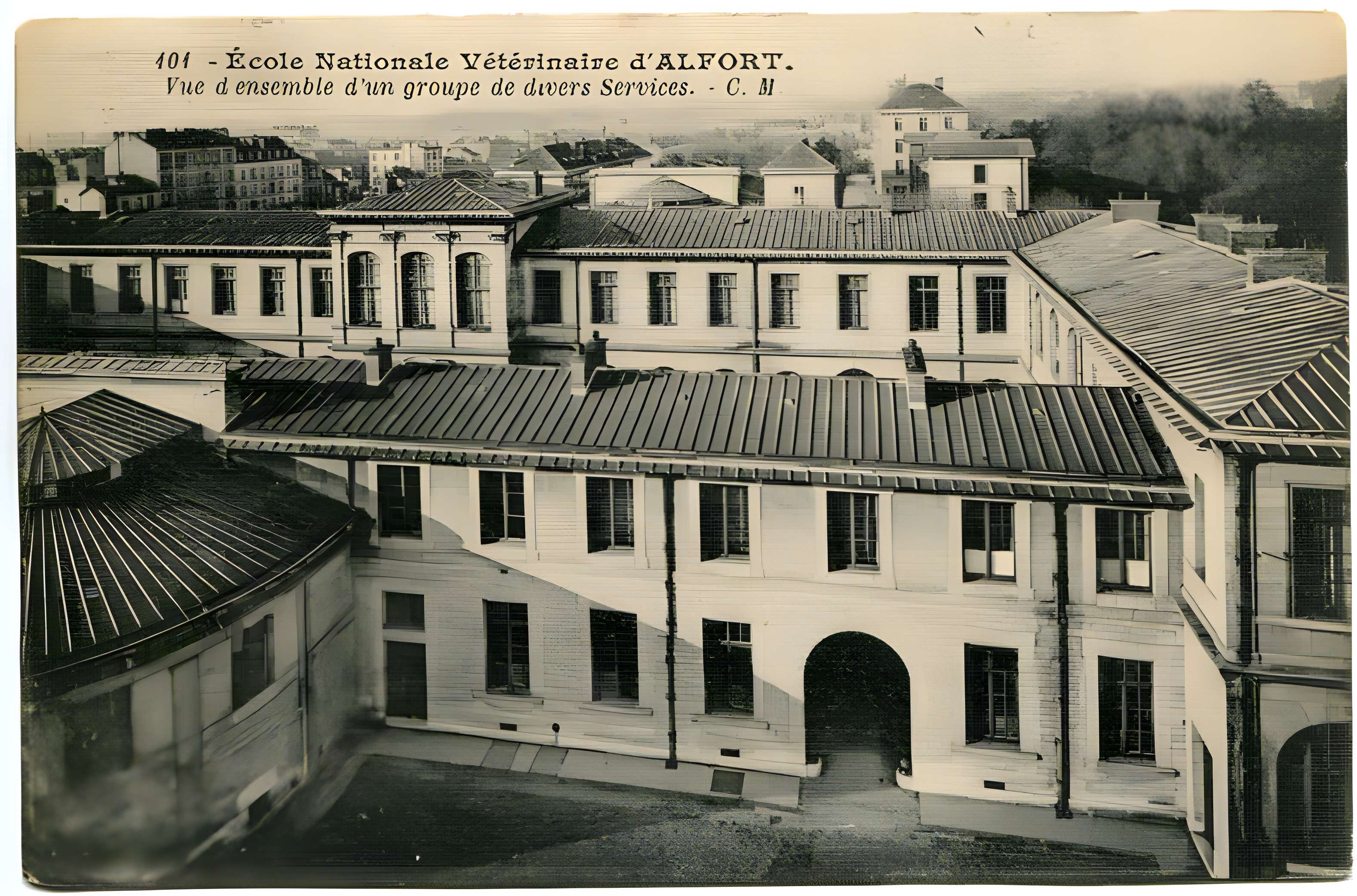
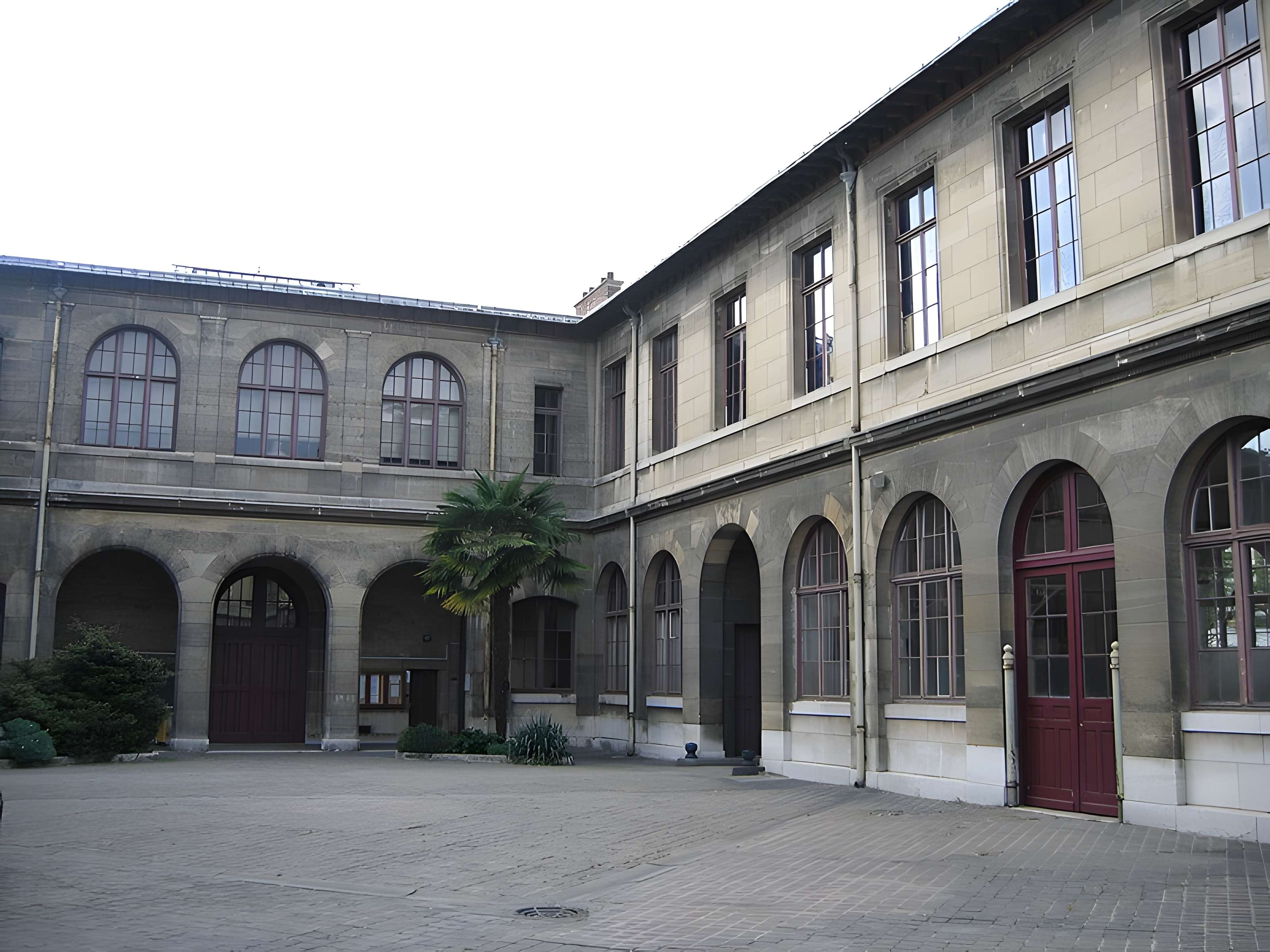
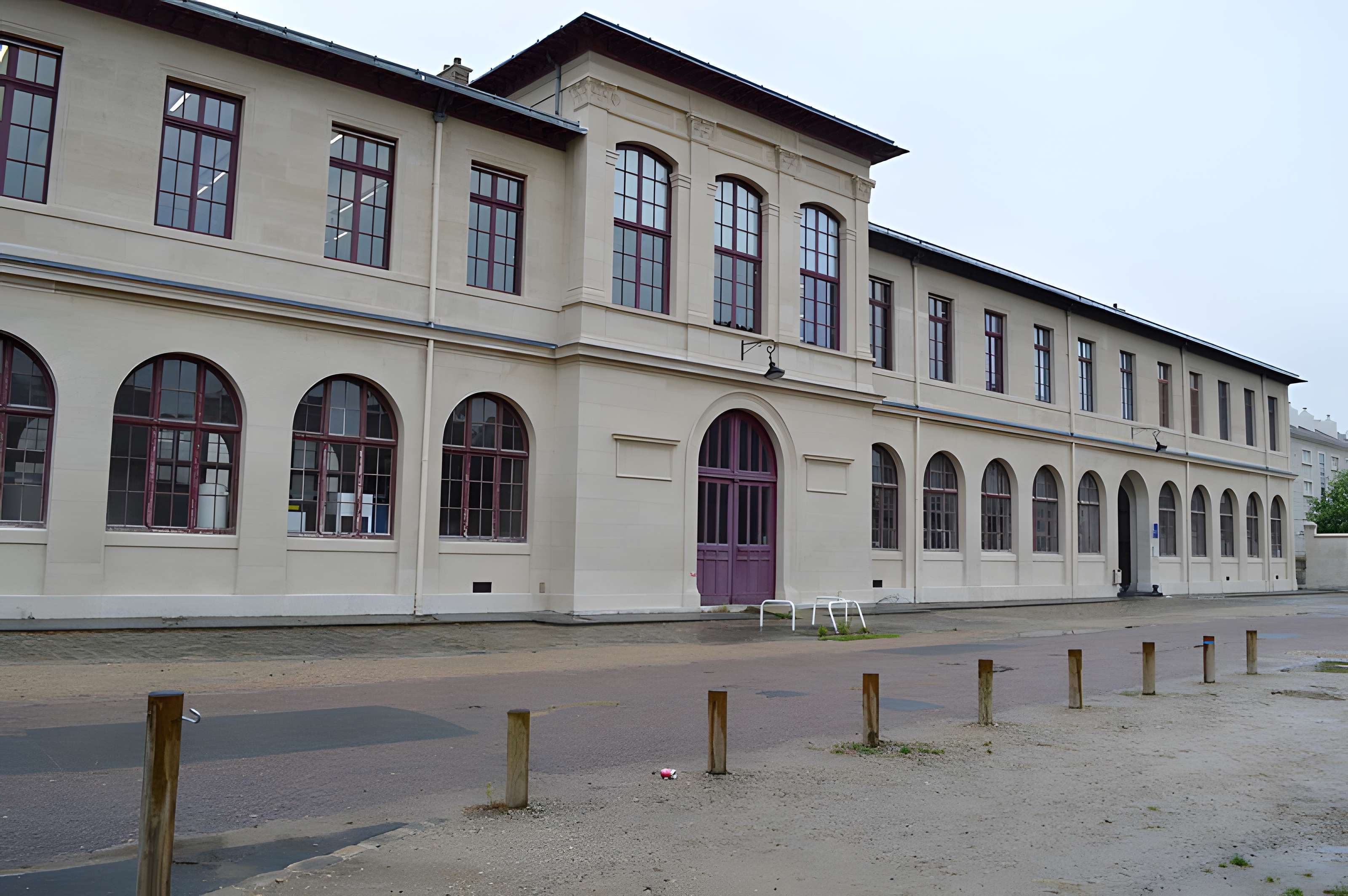
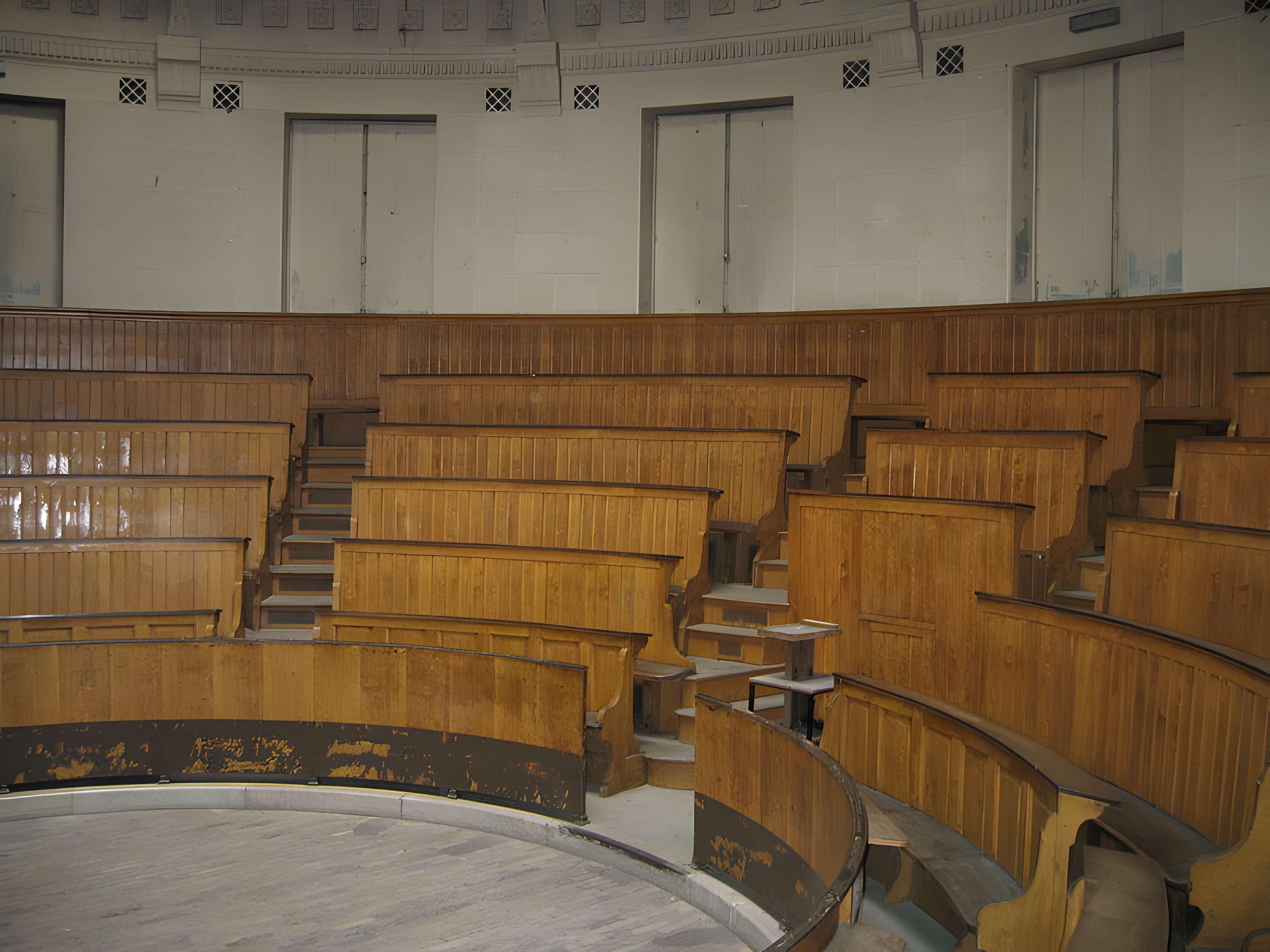
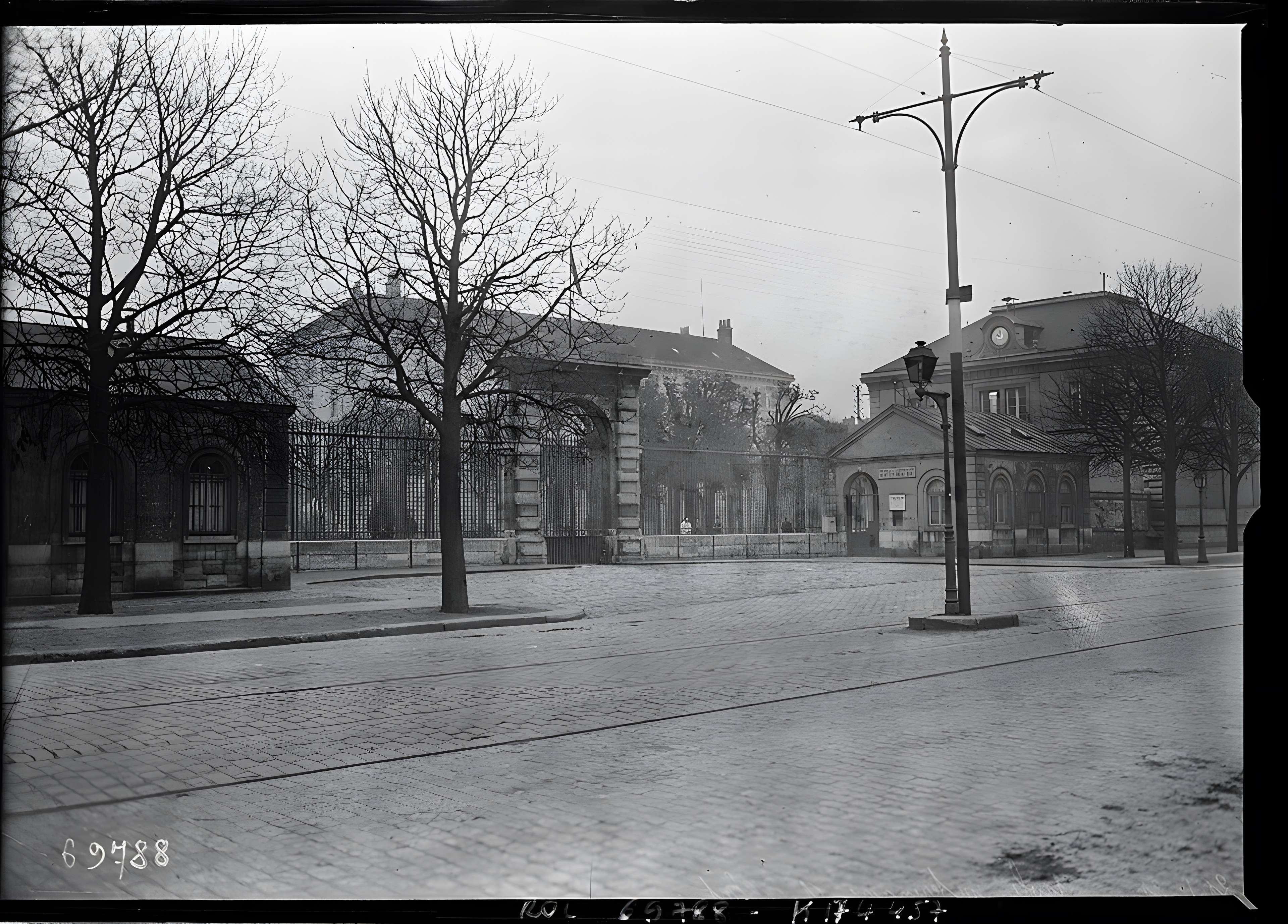
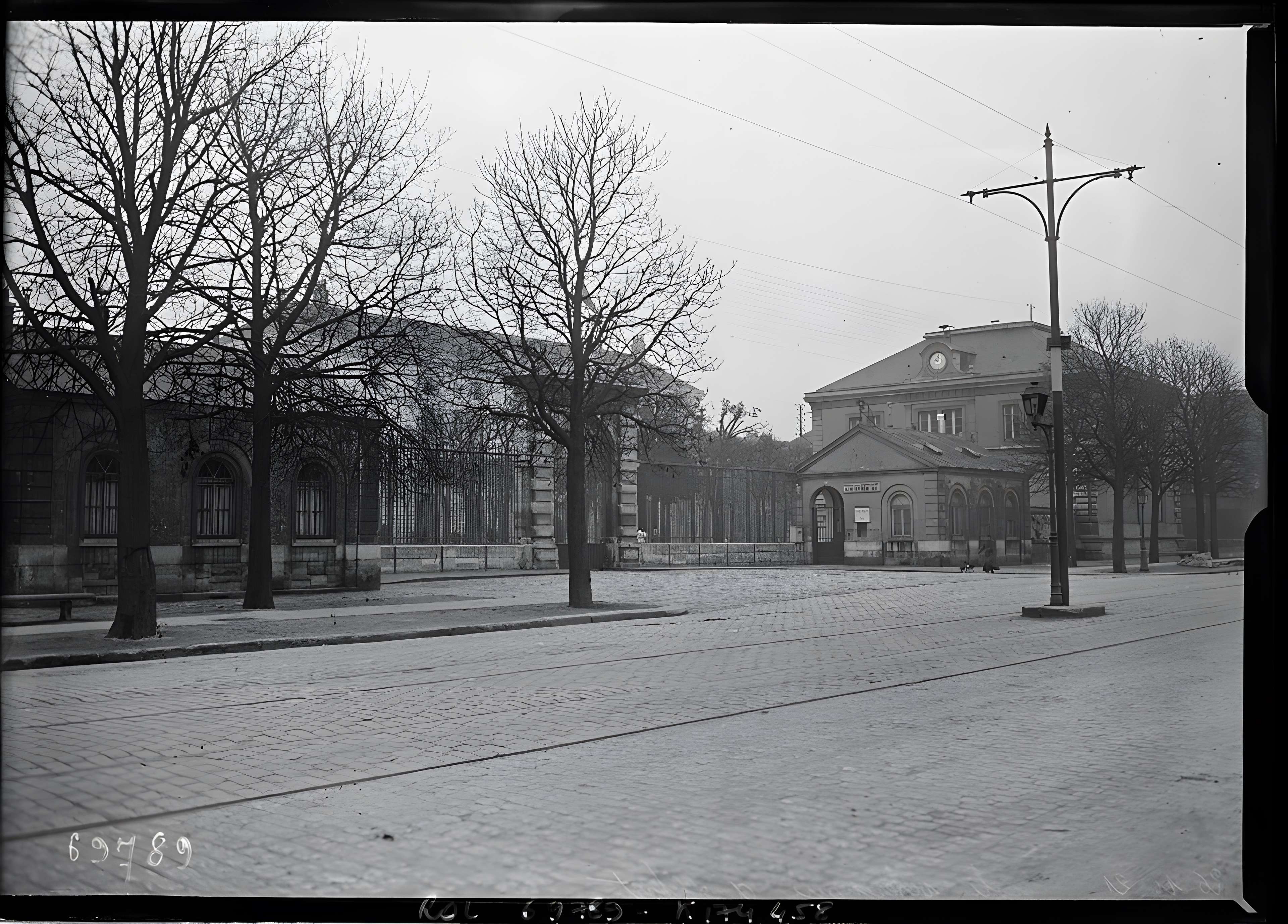
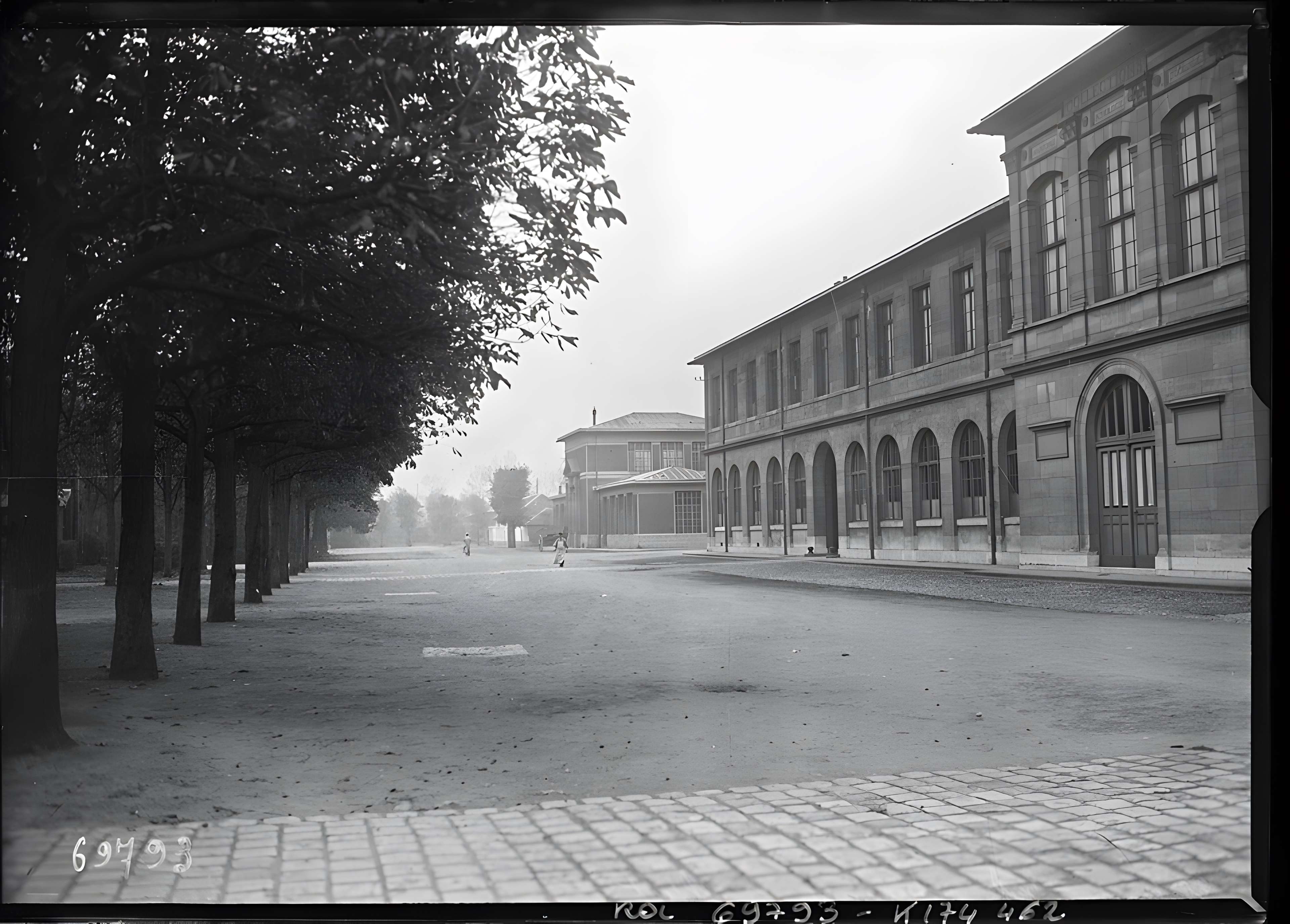
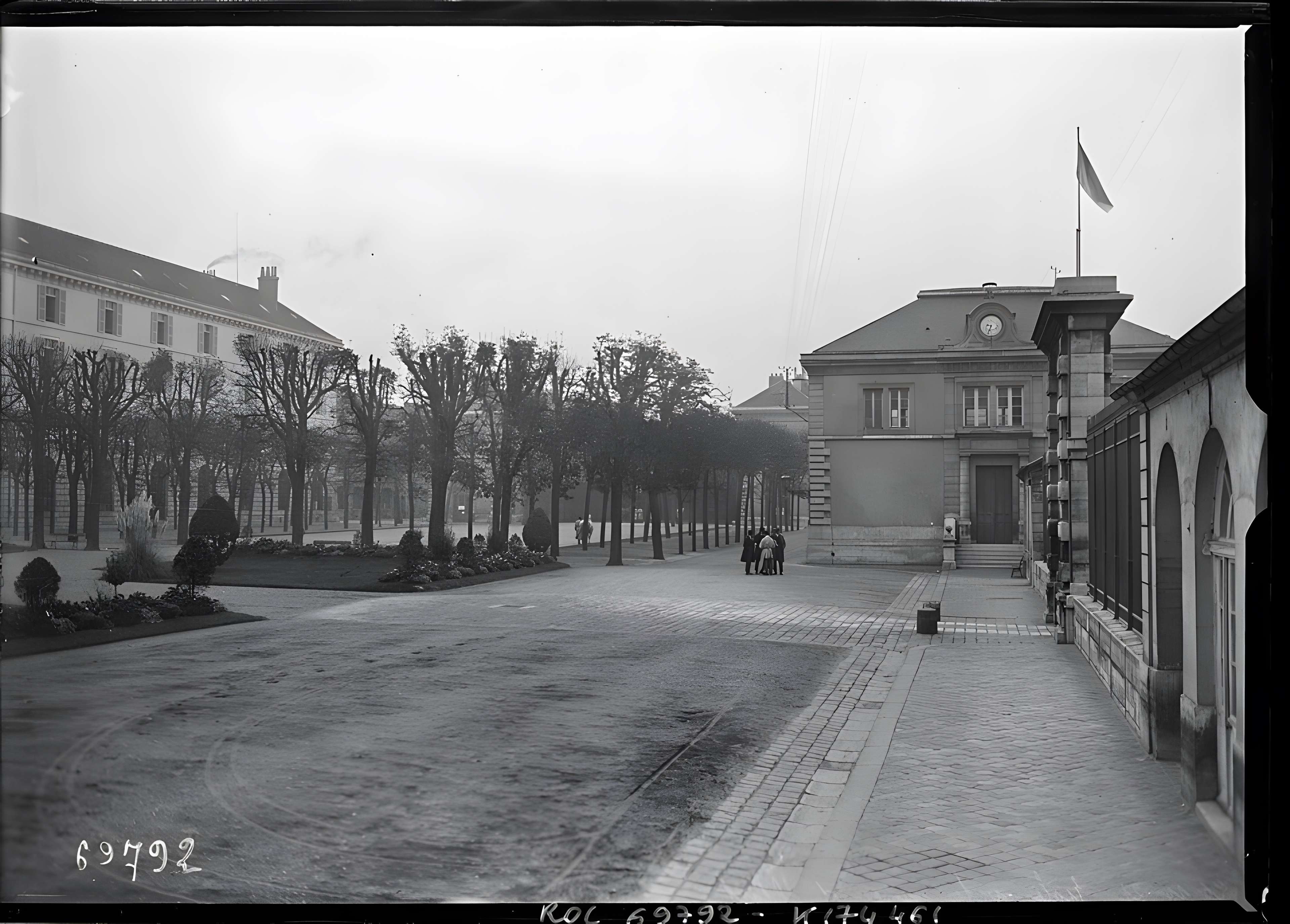
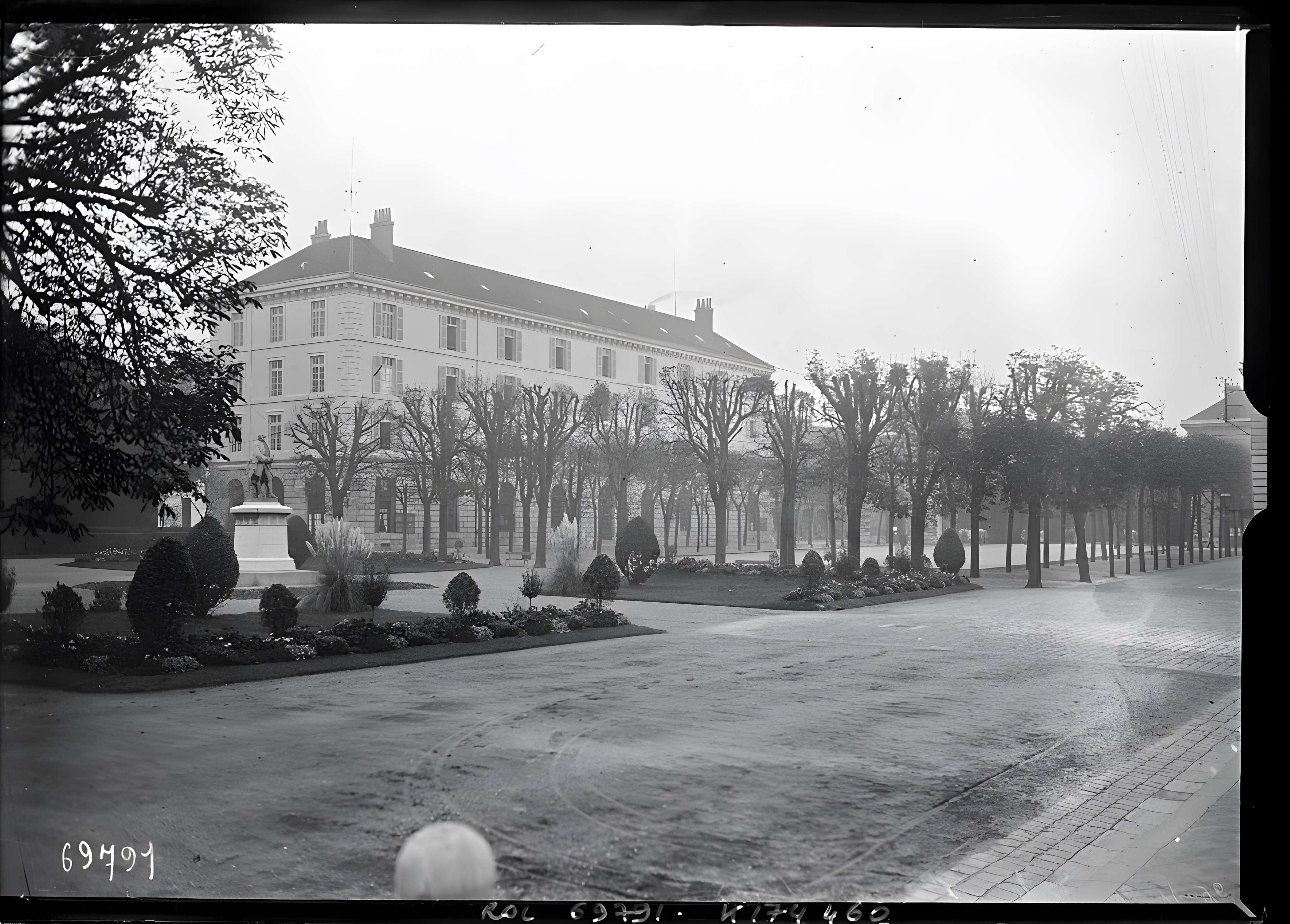
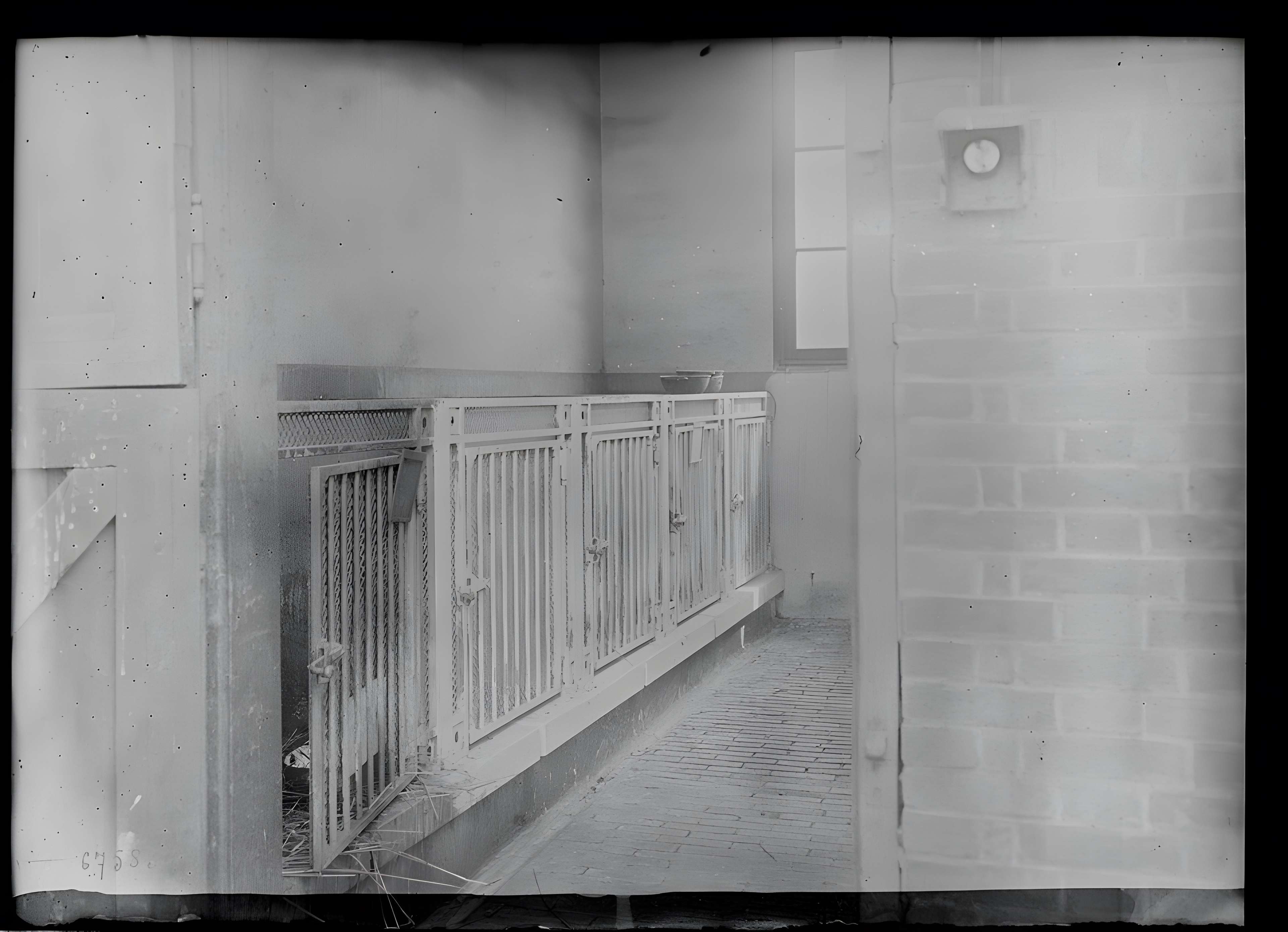
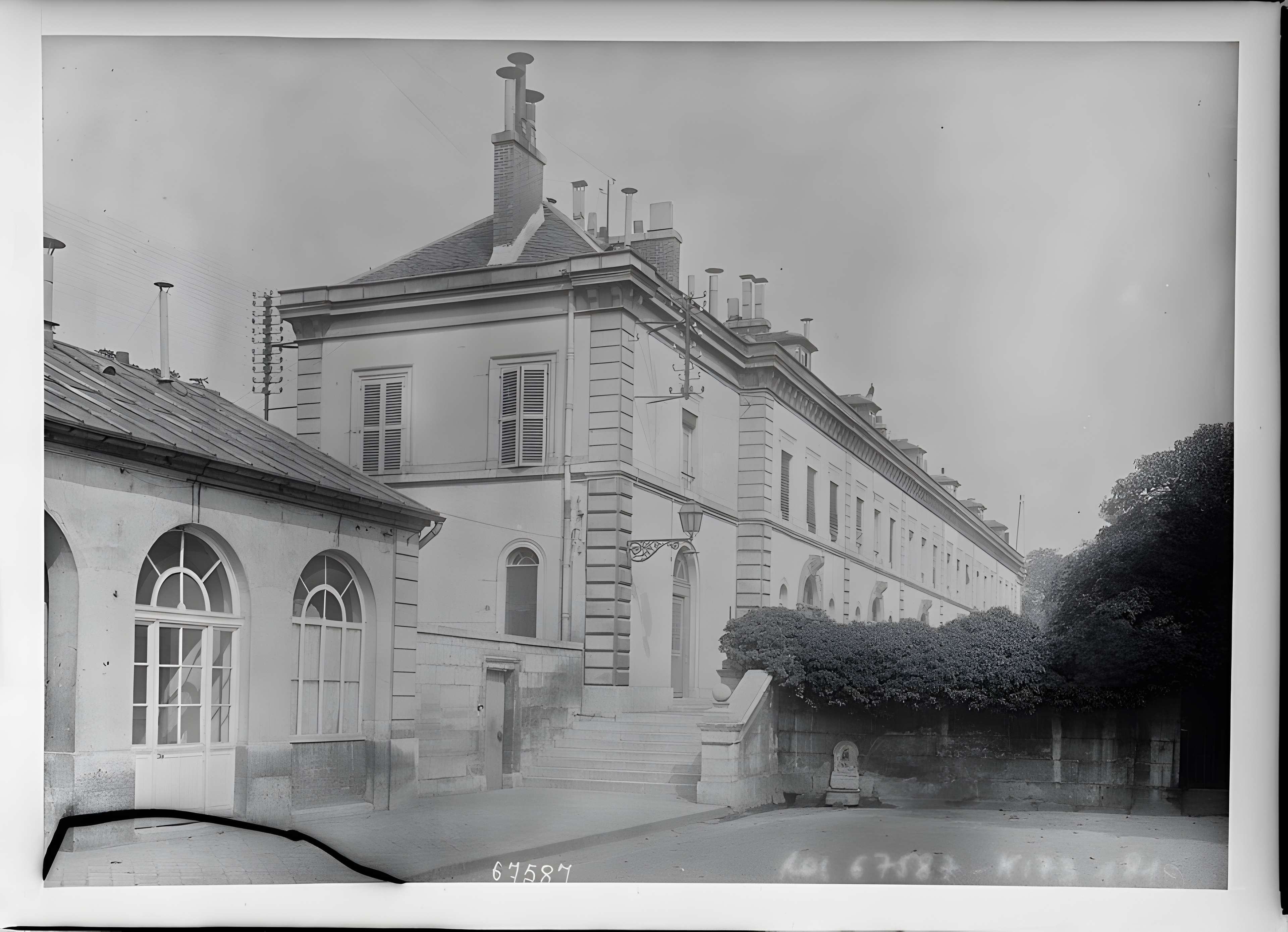
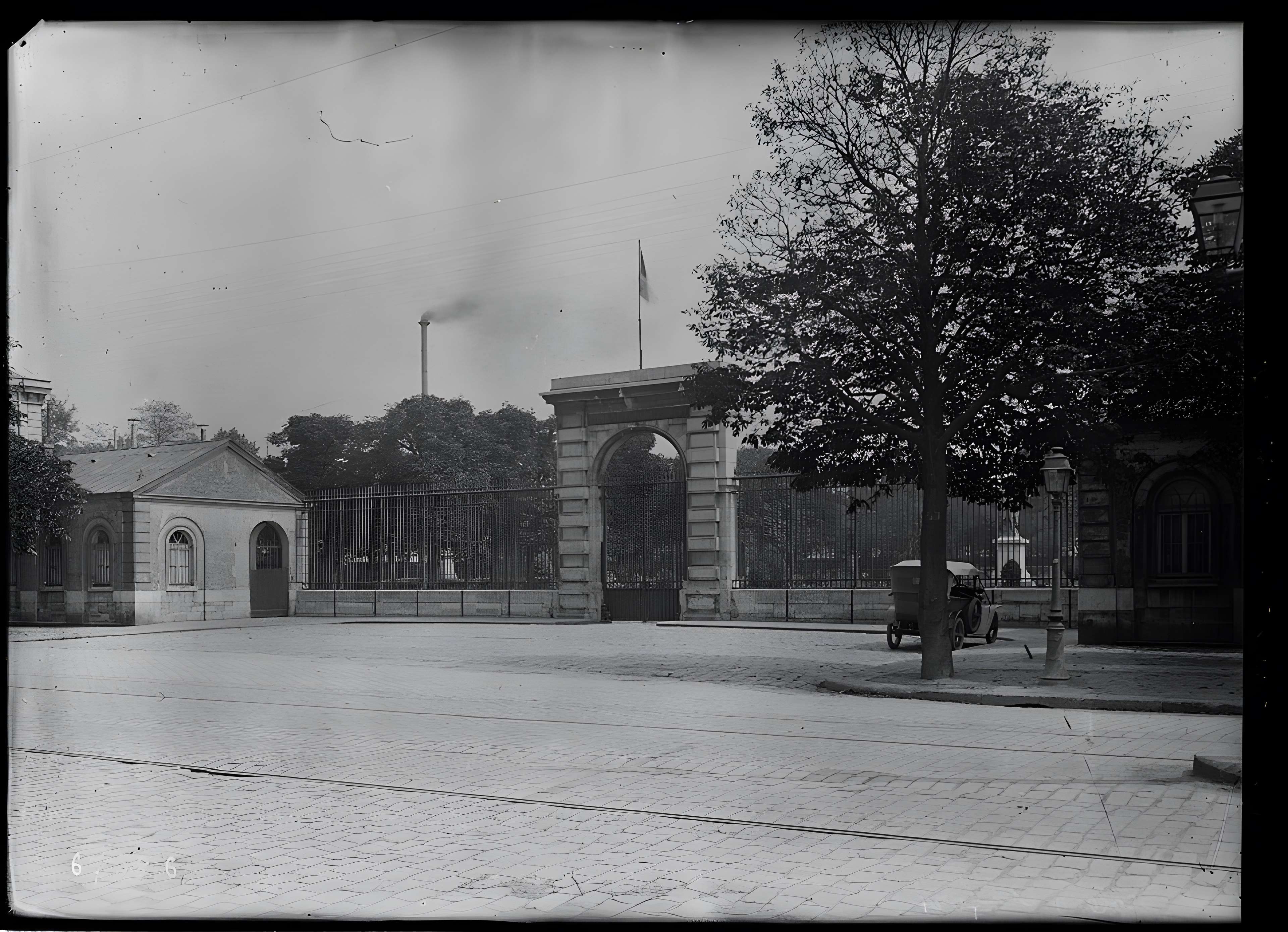
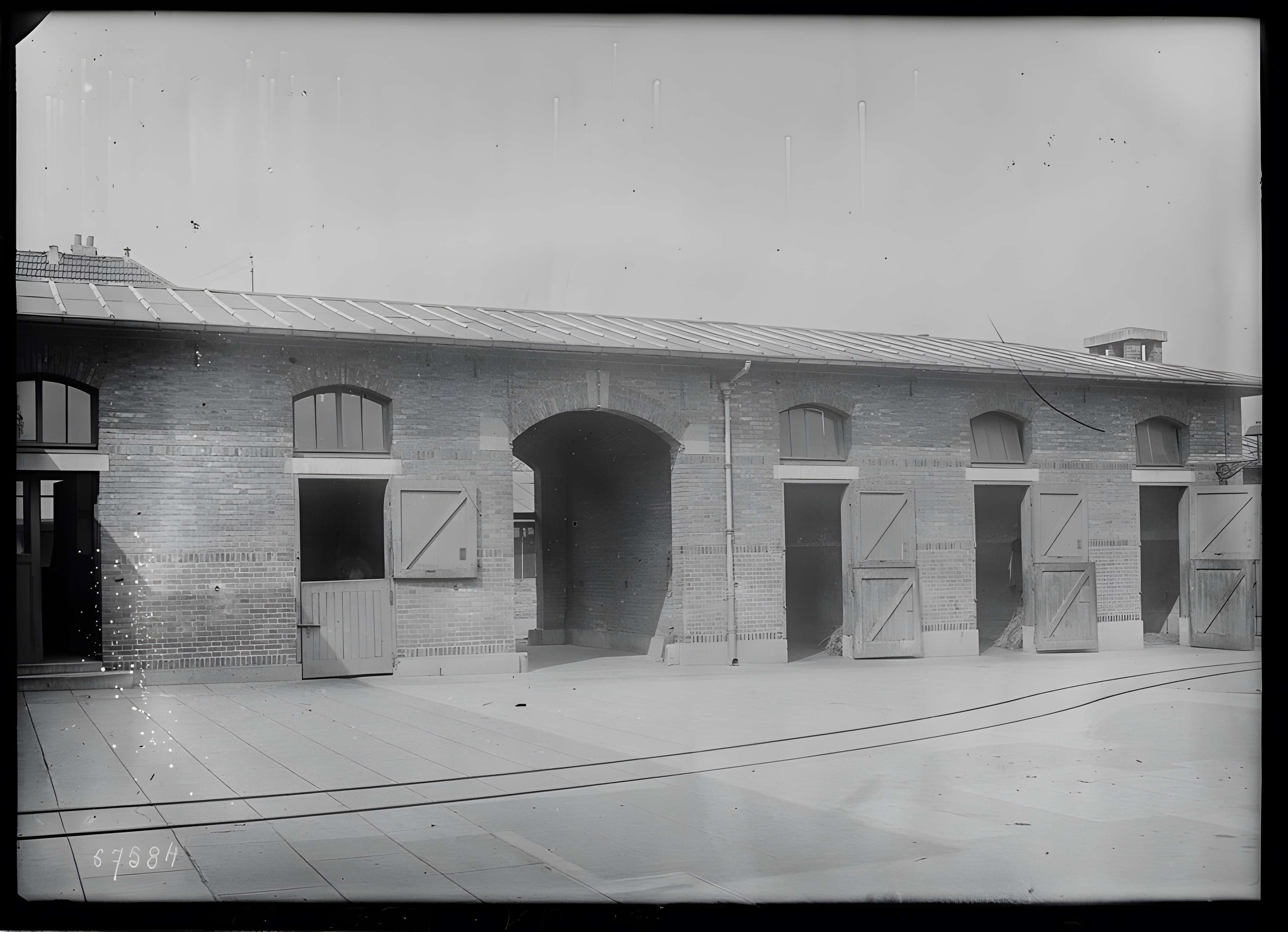
Façades and roofs of the two entrance pavilions (with gate of the entrance gate) , the management and administration building, the physics and chemistry building, the hemicycle part of the hospital buildings, including the facade on the open courtyard and the horse boxes (Box C 8): inscription by order of 20 July 1979. Ground of the plot; facades and roofs of the surgical services building, the boiler room building, the contagious disease building; Anatomy and Armoury Building (Case C 8): Registration by Order of 1 March 1995
Key figures
Claude Bourgelat - Founder of school
Created in 1765, pioneer of veterinary education.
Honoré Fragonard - Anatomist and Professor
Author of the museum's famous scars.
Marie Kapsevitch - First female graduate
He graduated in 1897, breaking gender barriers.
Camille Guérin - Vaccine Researcher
Co-inventor of BCG TB vaccine.
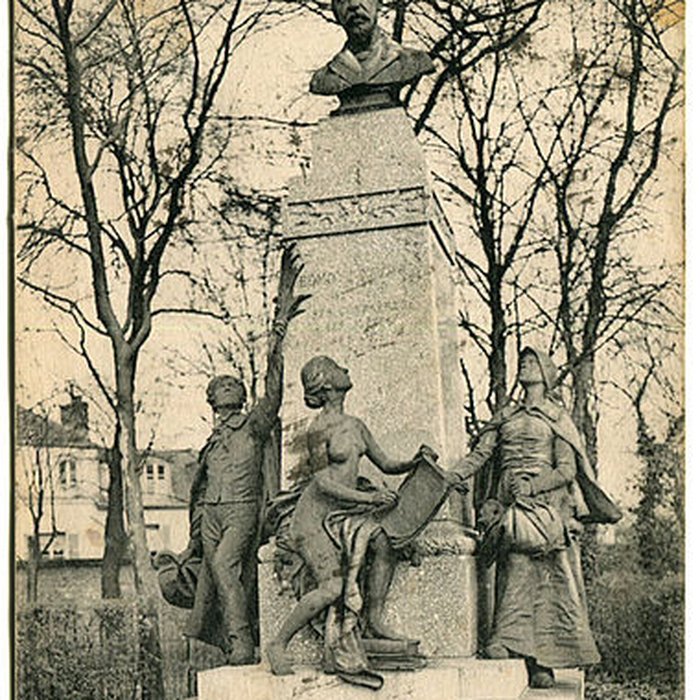
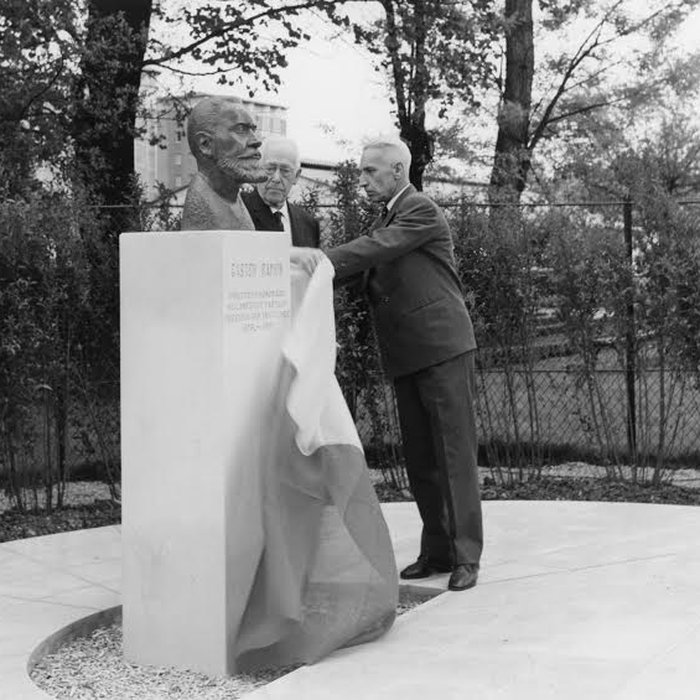
Gaston Ramon - Immunologist
Developed tetanus and diphtheria vaccines.
Philibert Chabert - Director and Marshal Ferrant
Collaborator of Bourgelat, director from 1779 to 1795.
Origin and history
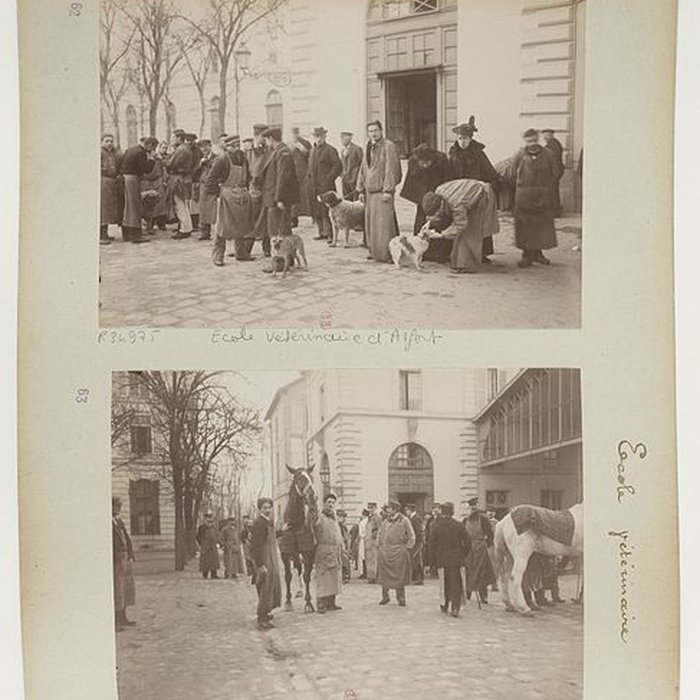
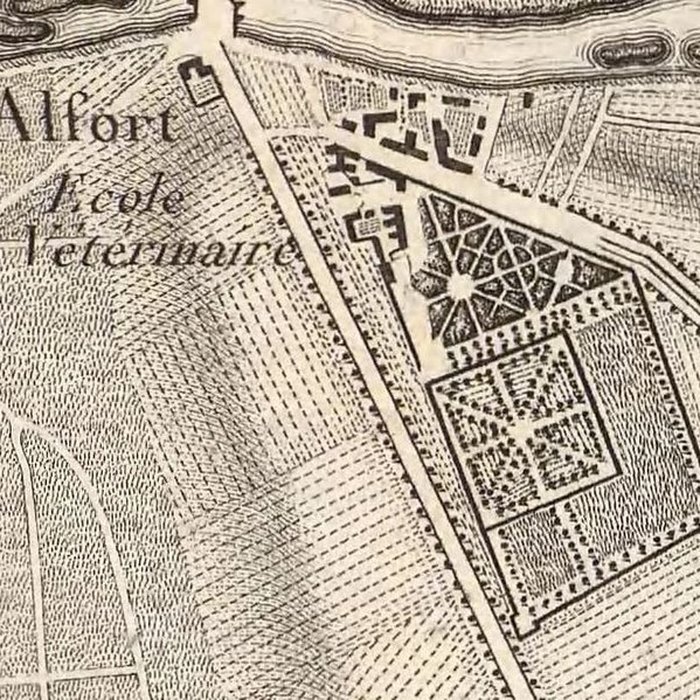
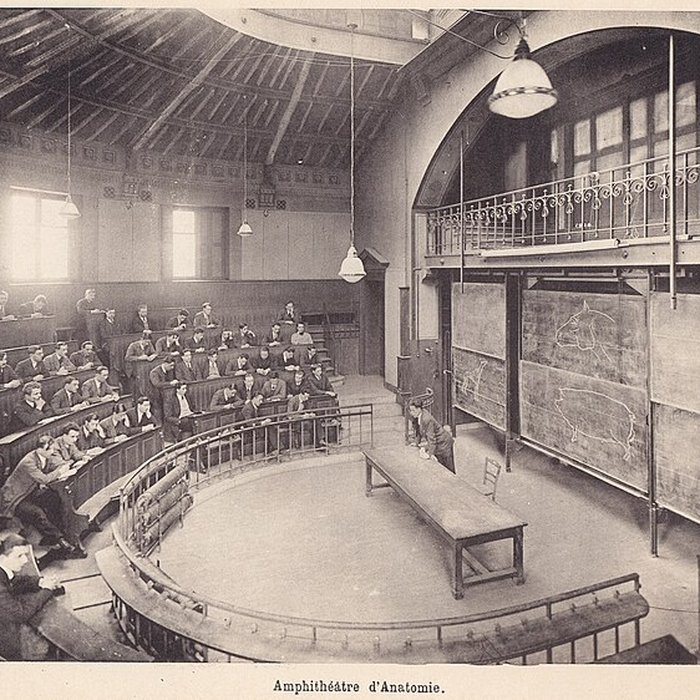
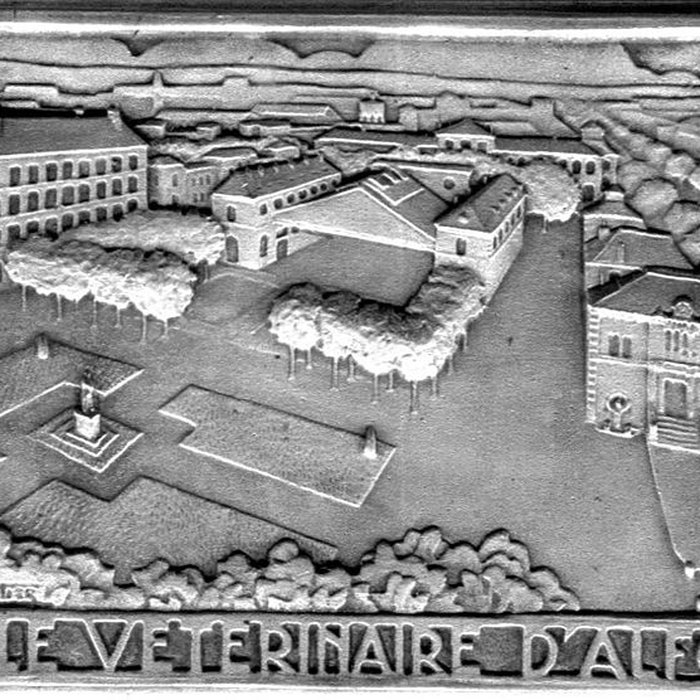
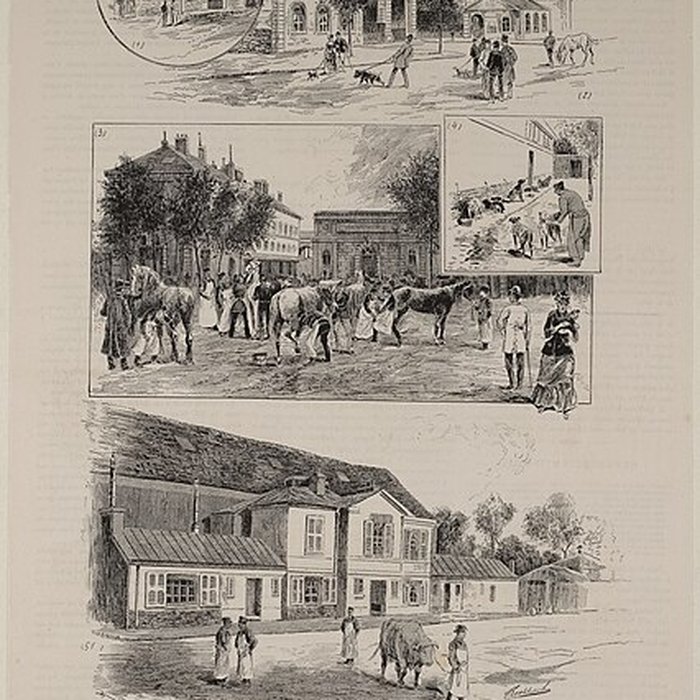
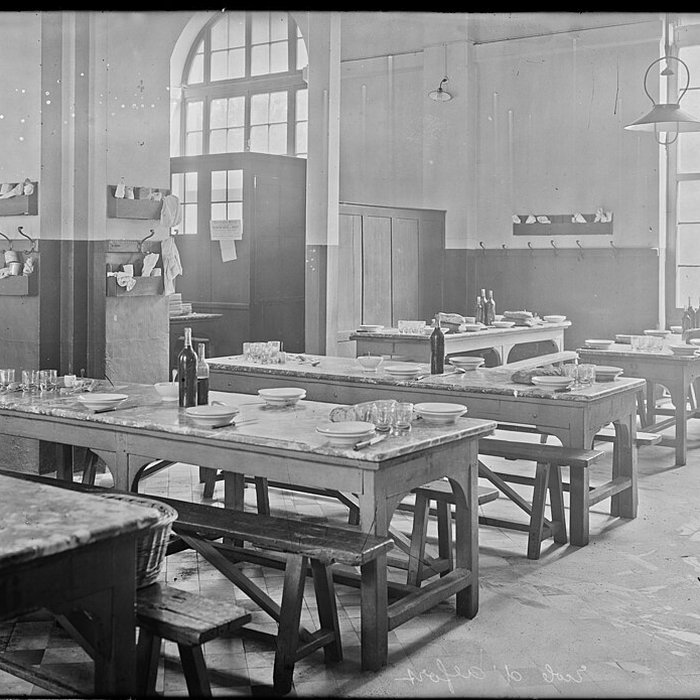
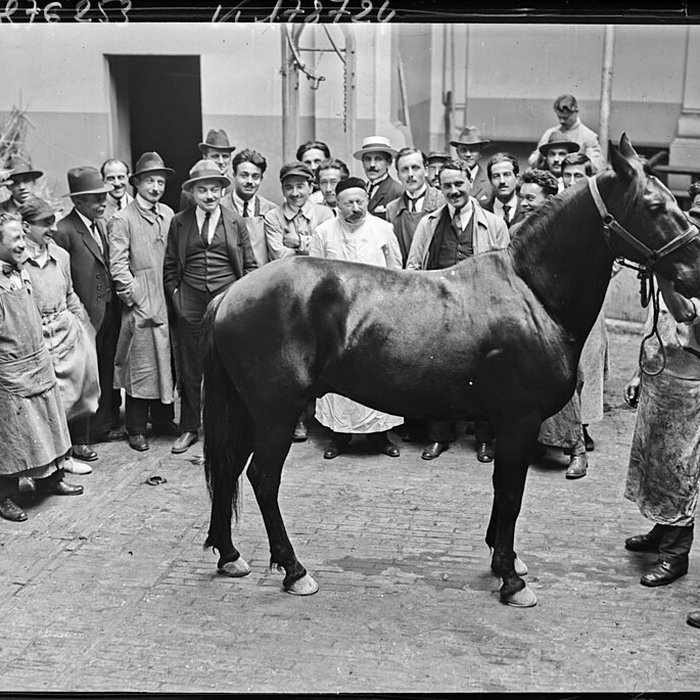
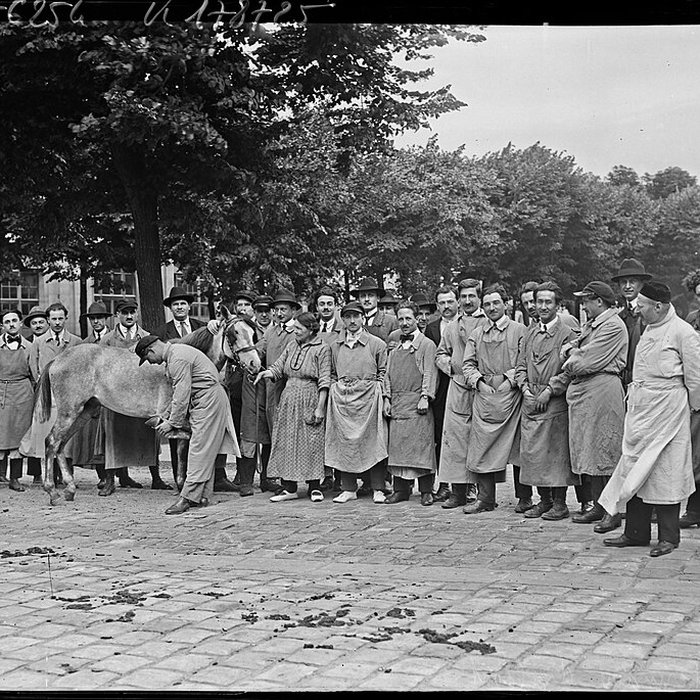
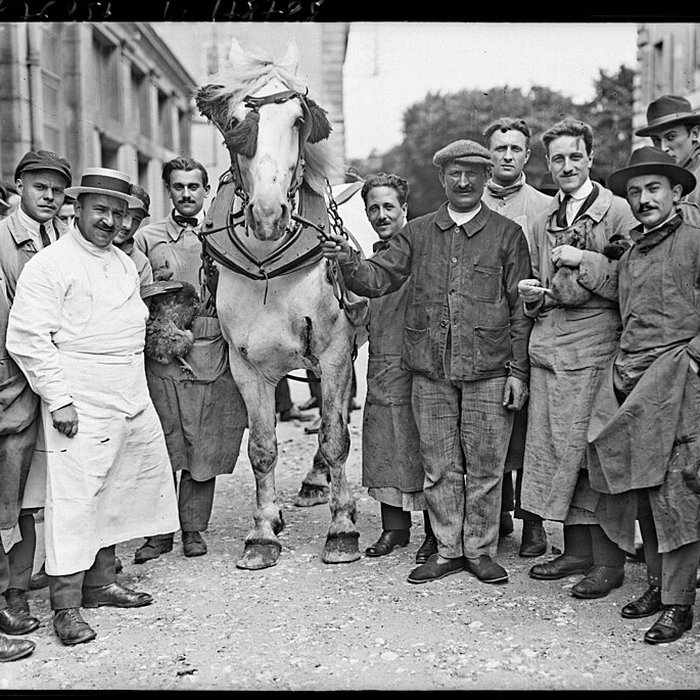
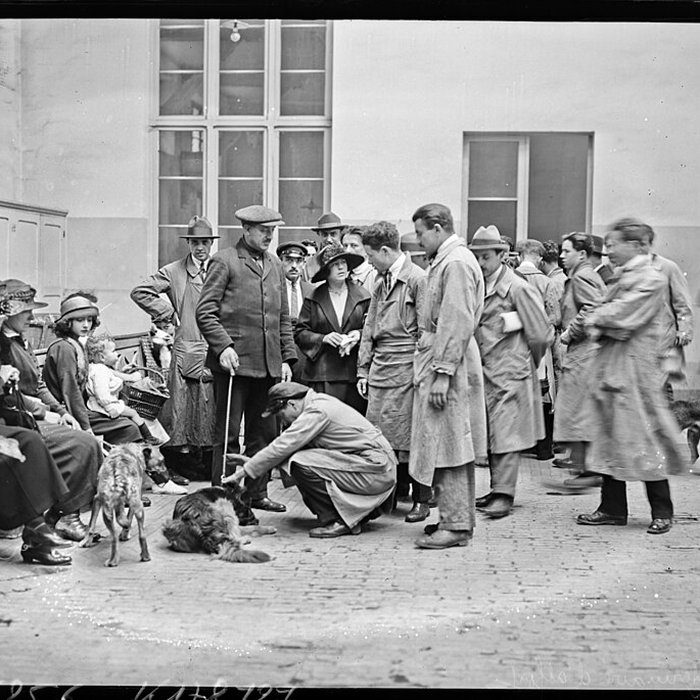
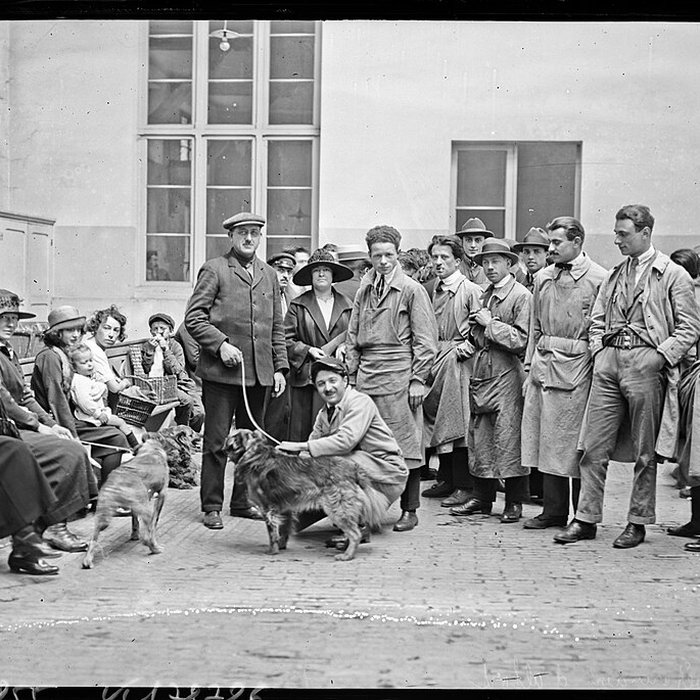
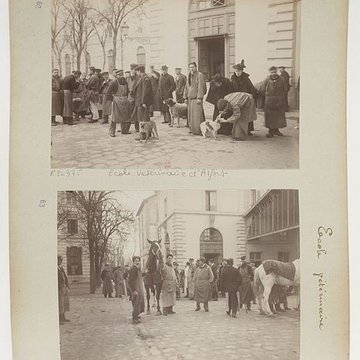
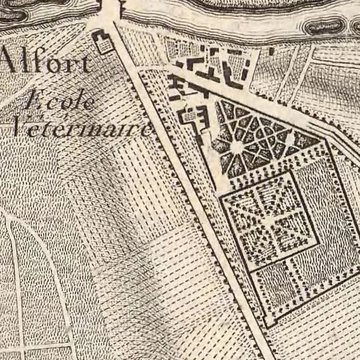
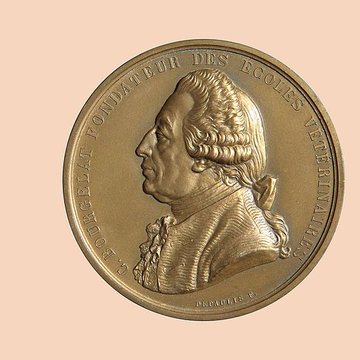
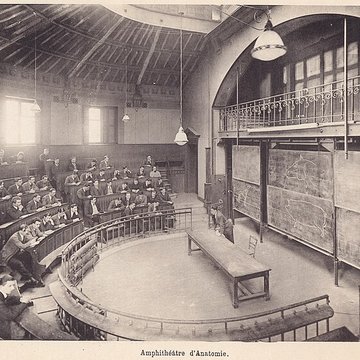
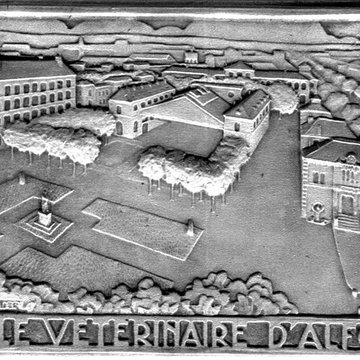
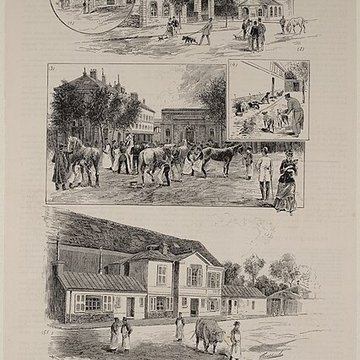
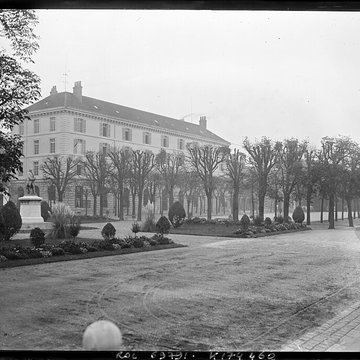
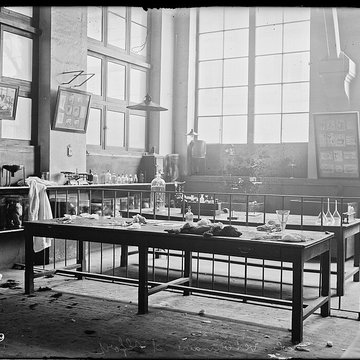
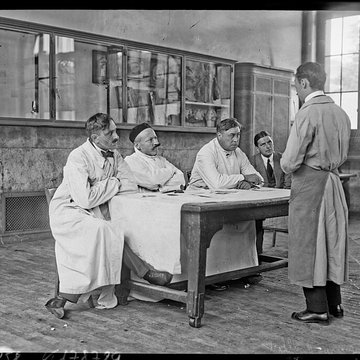
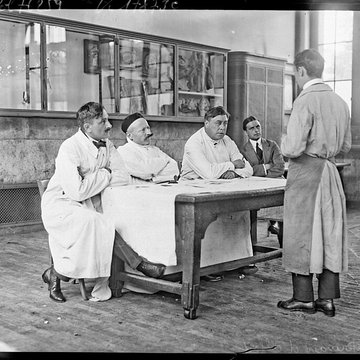
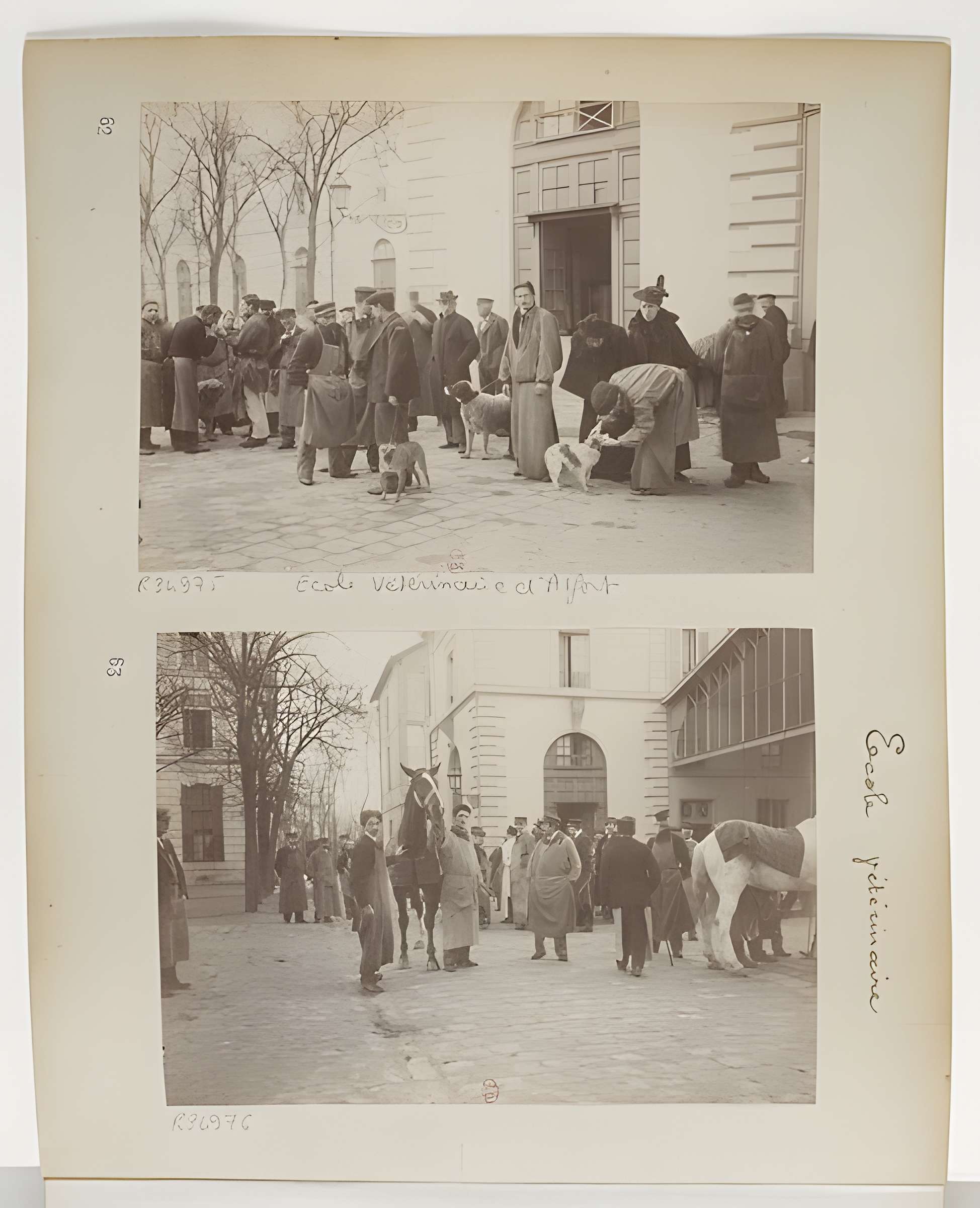
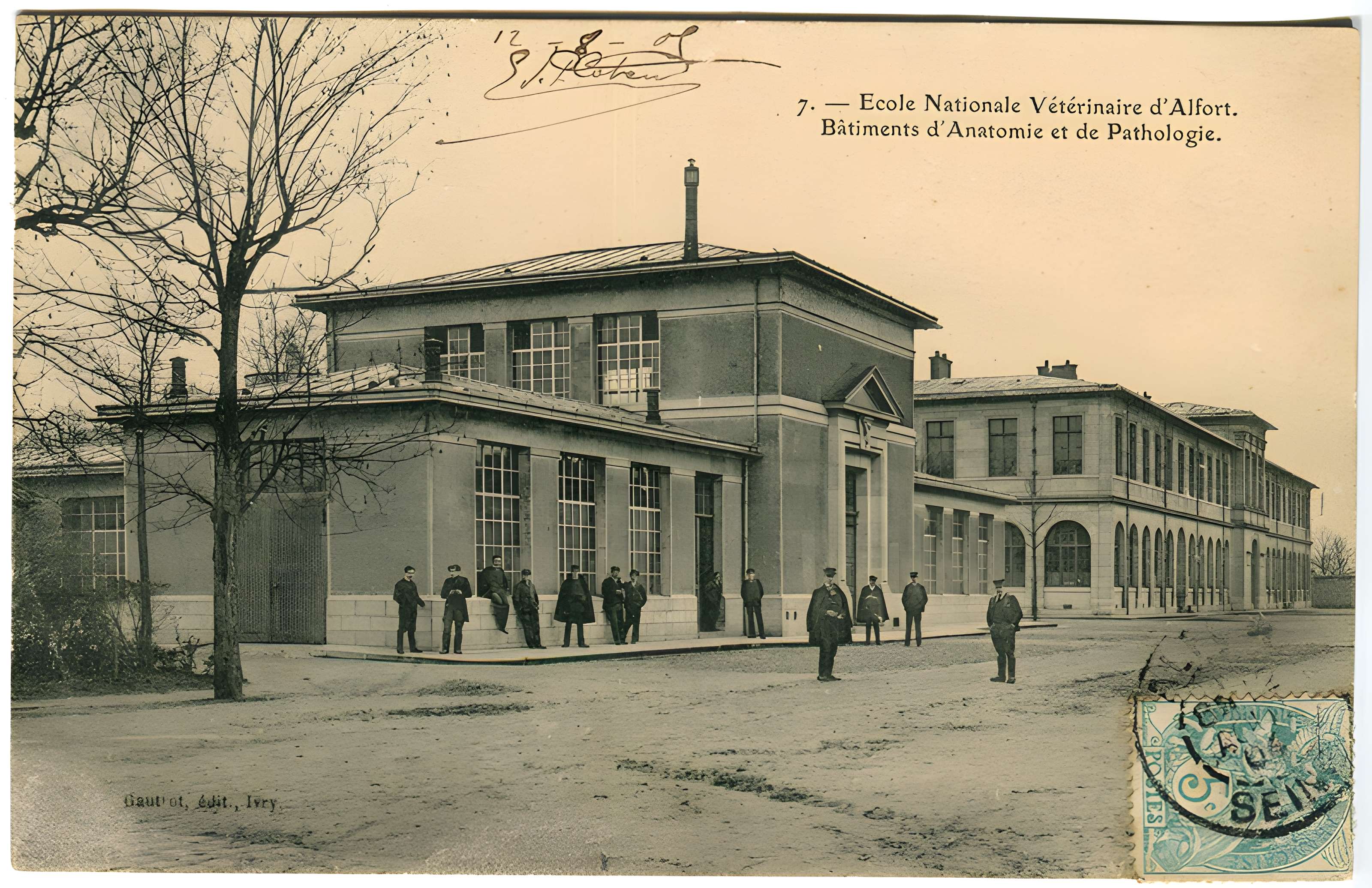
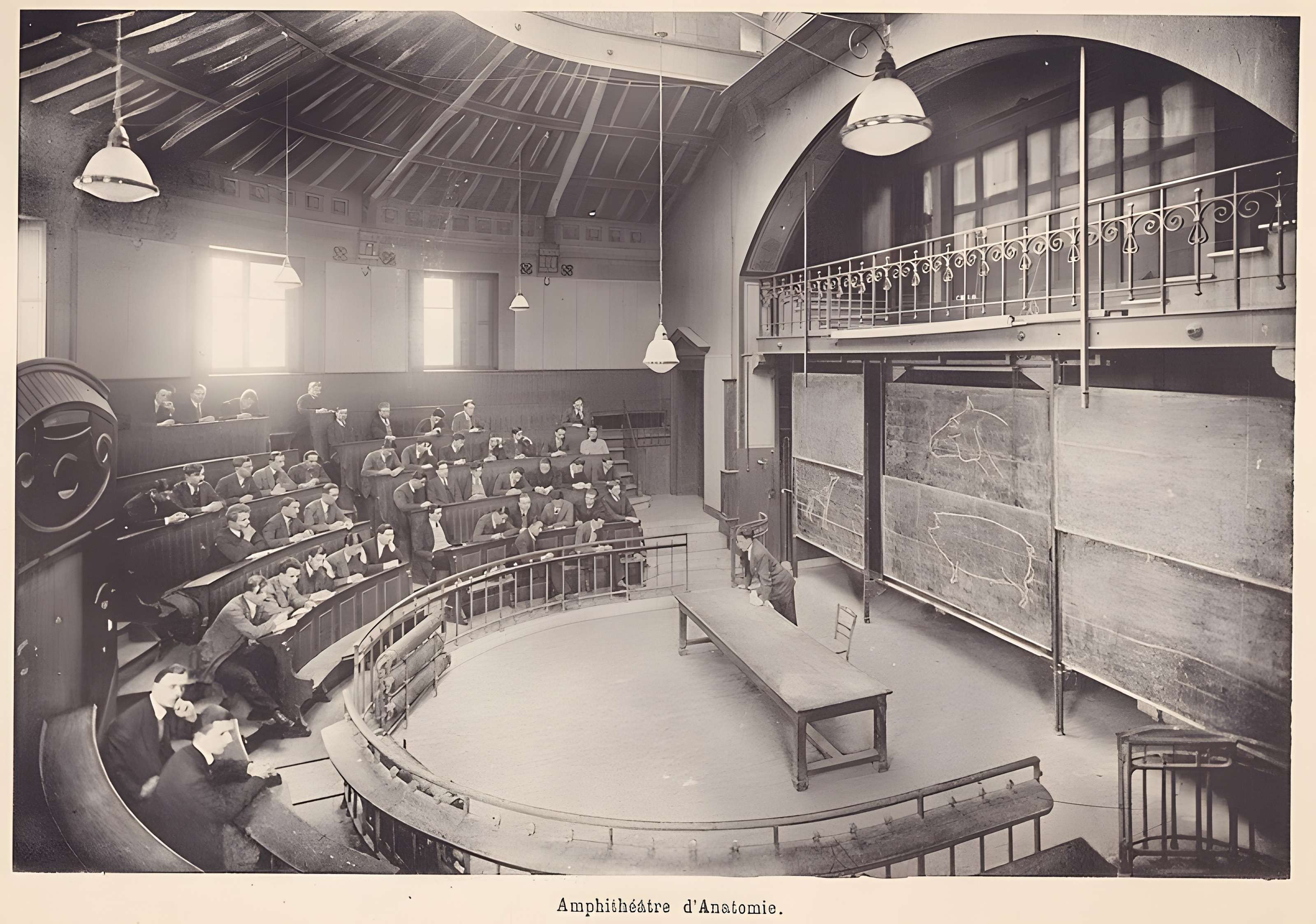
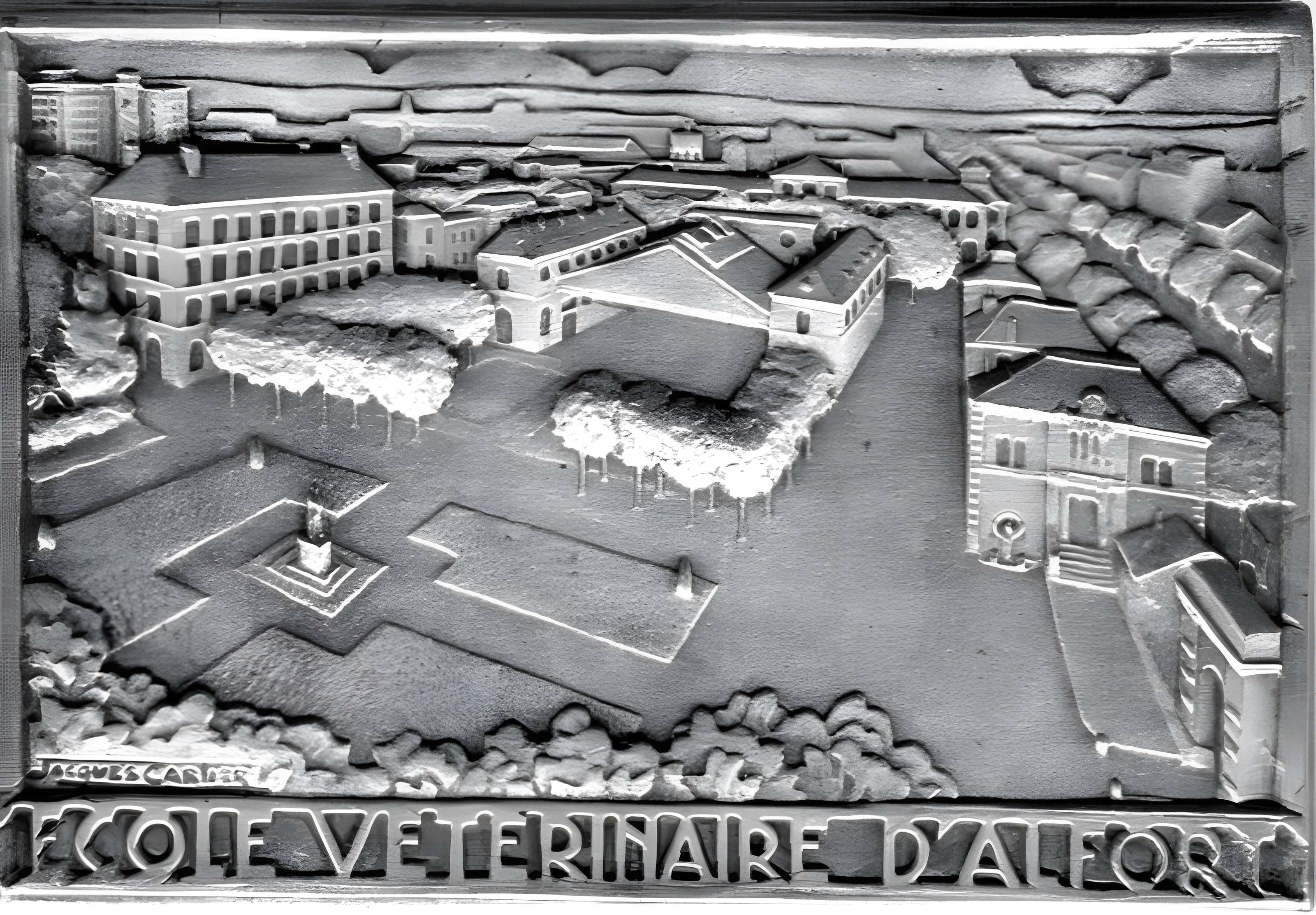
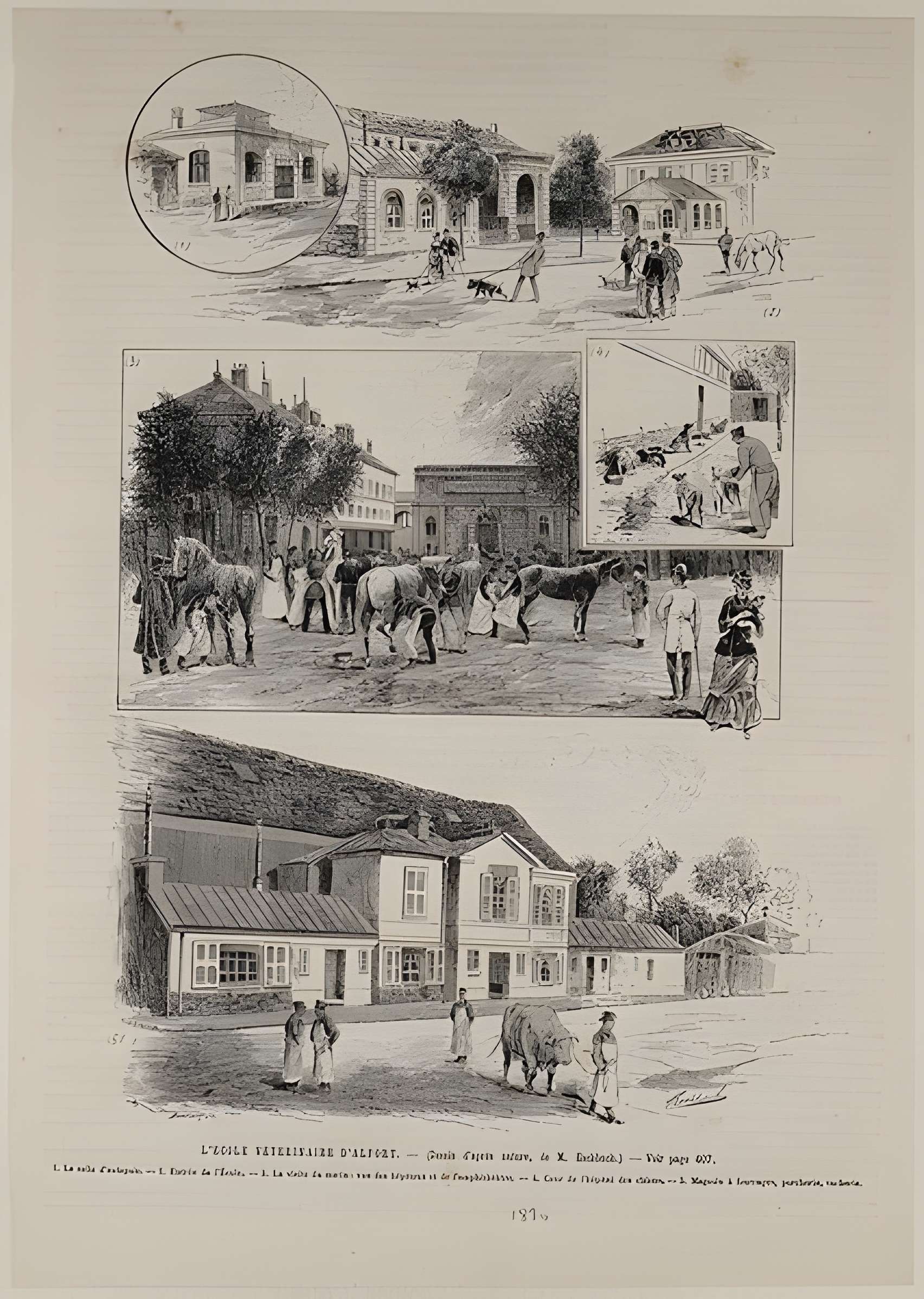
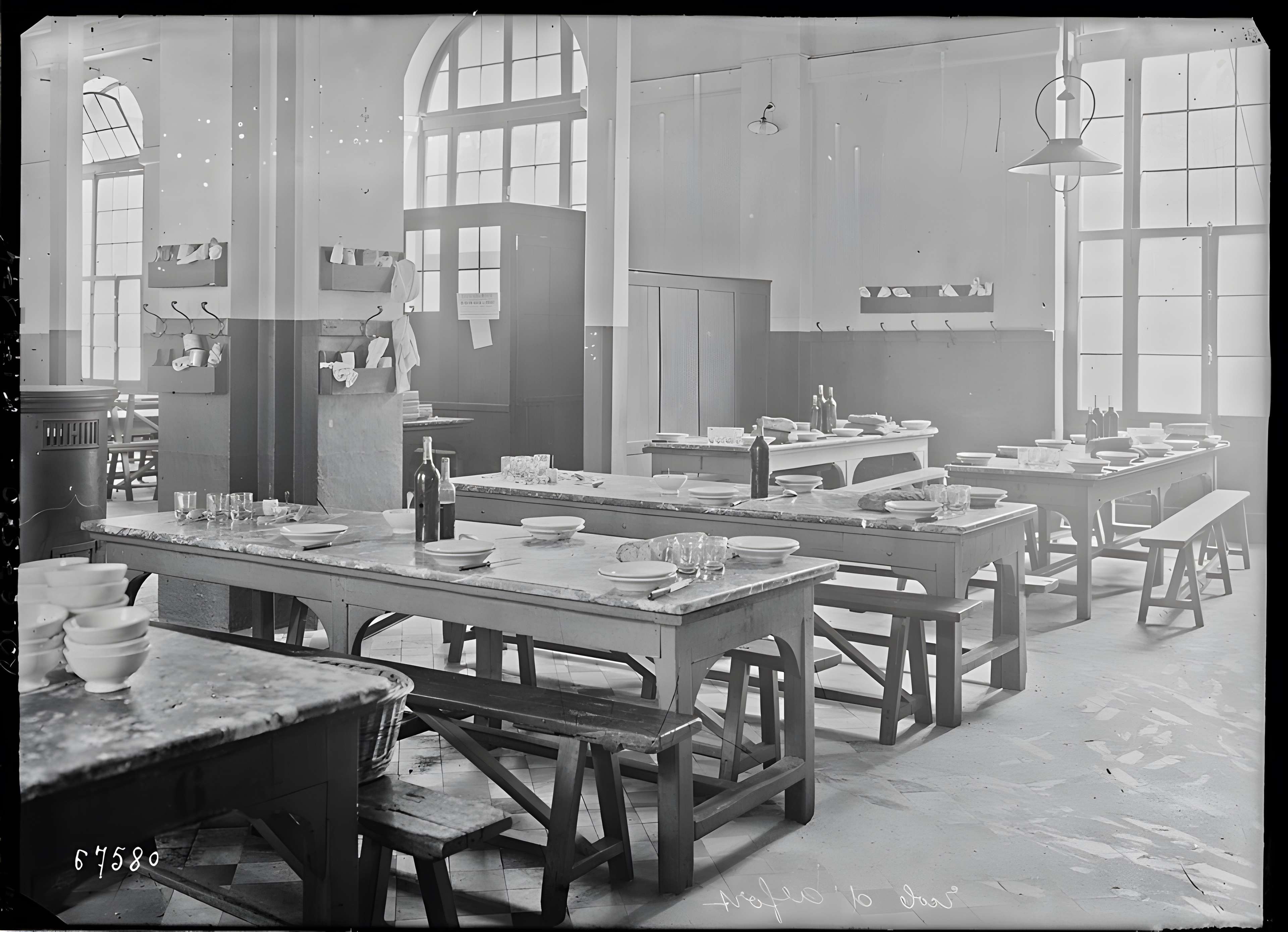
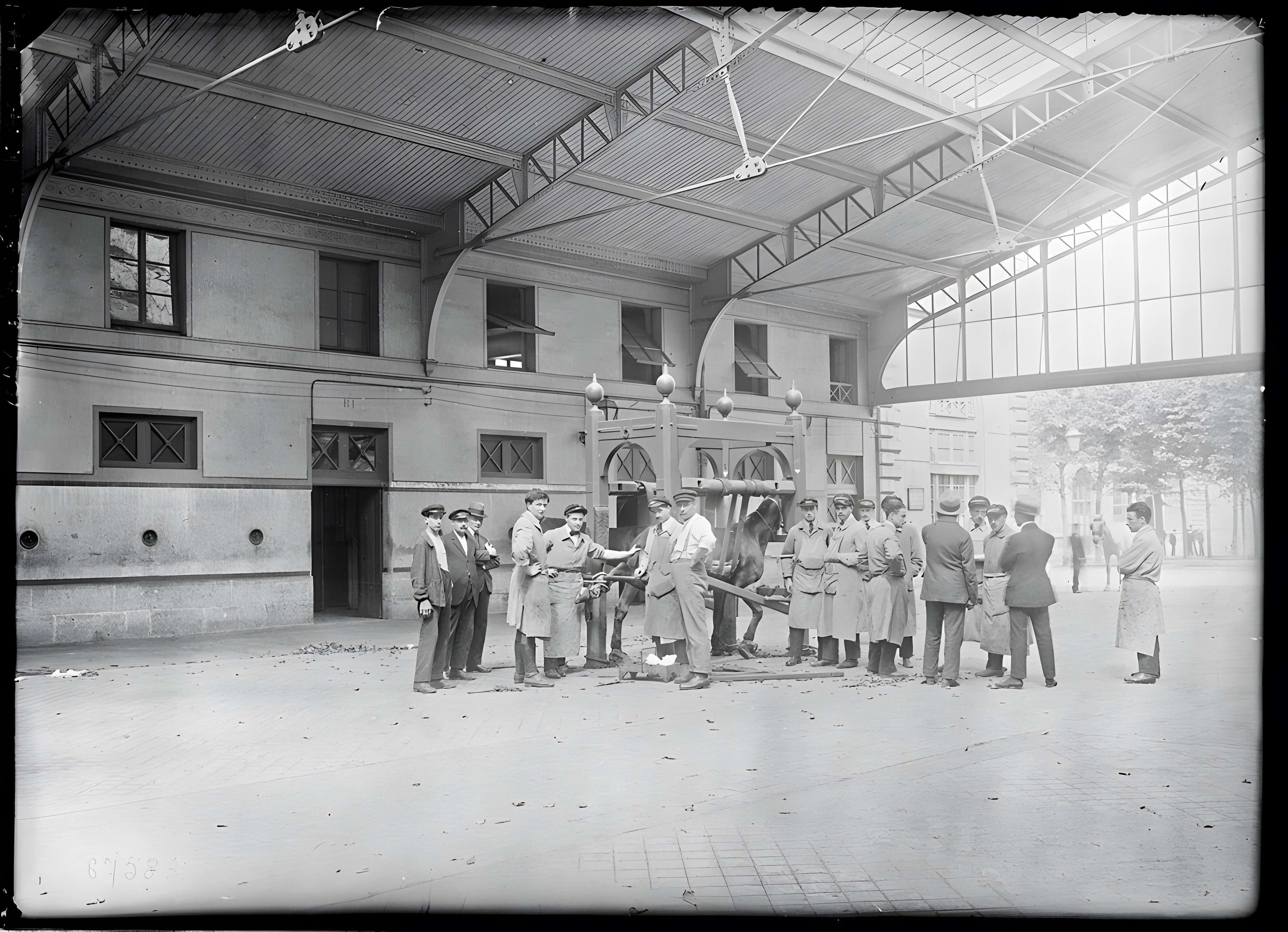
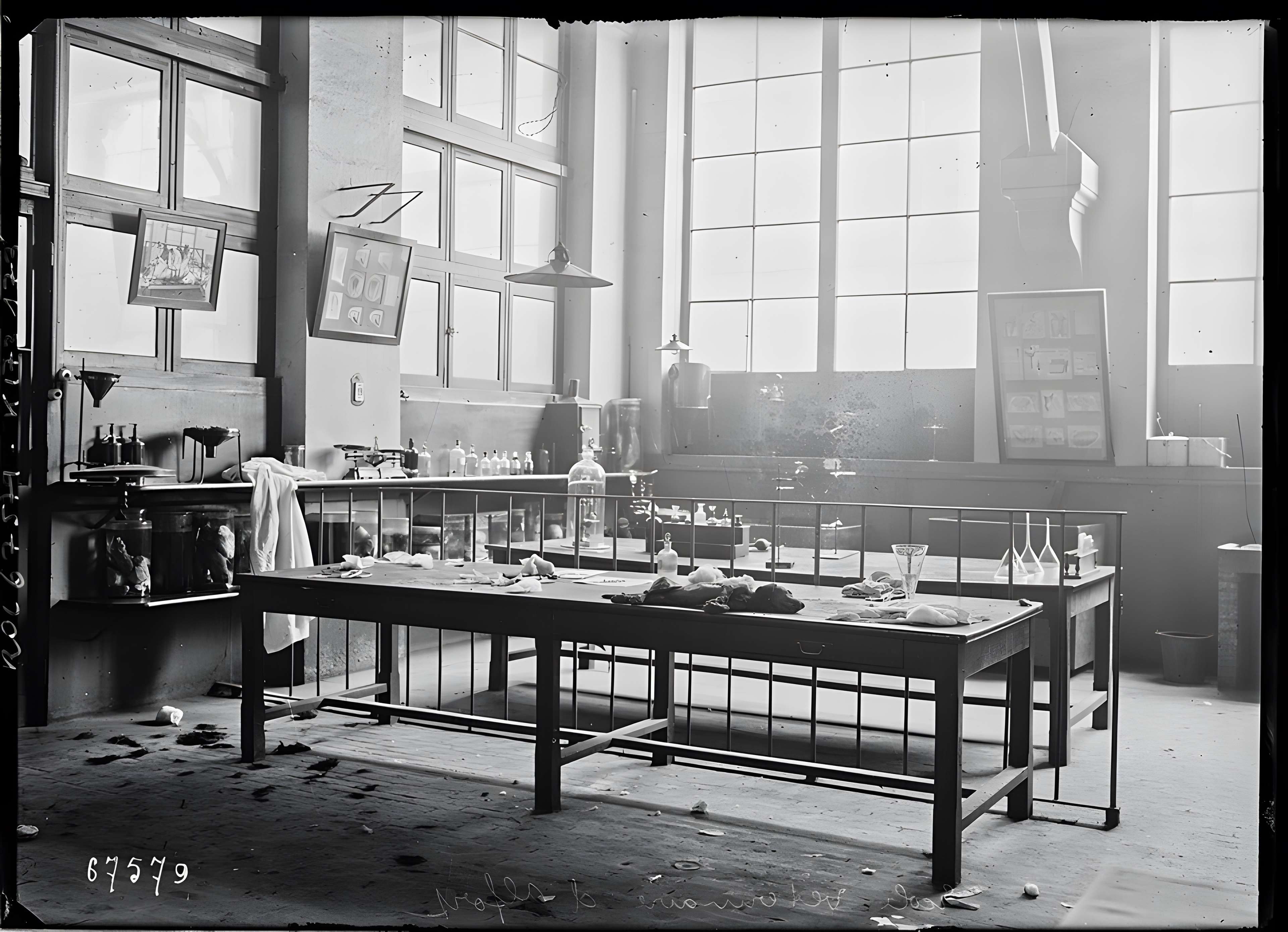
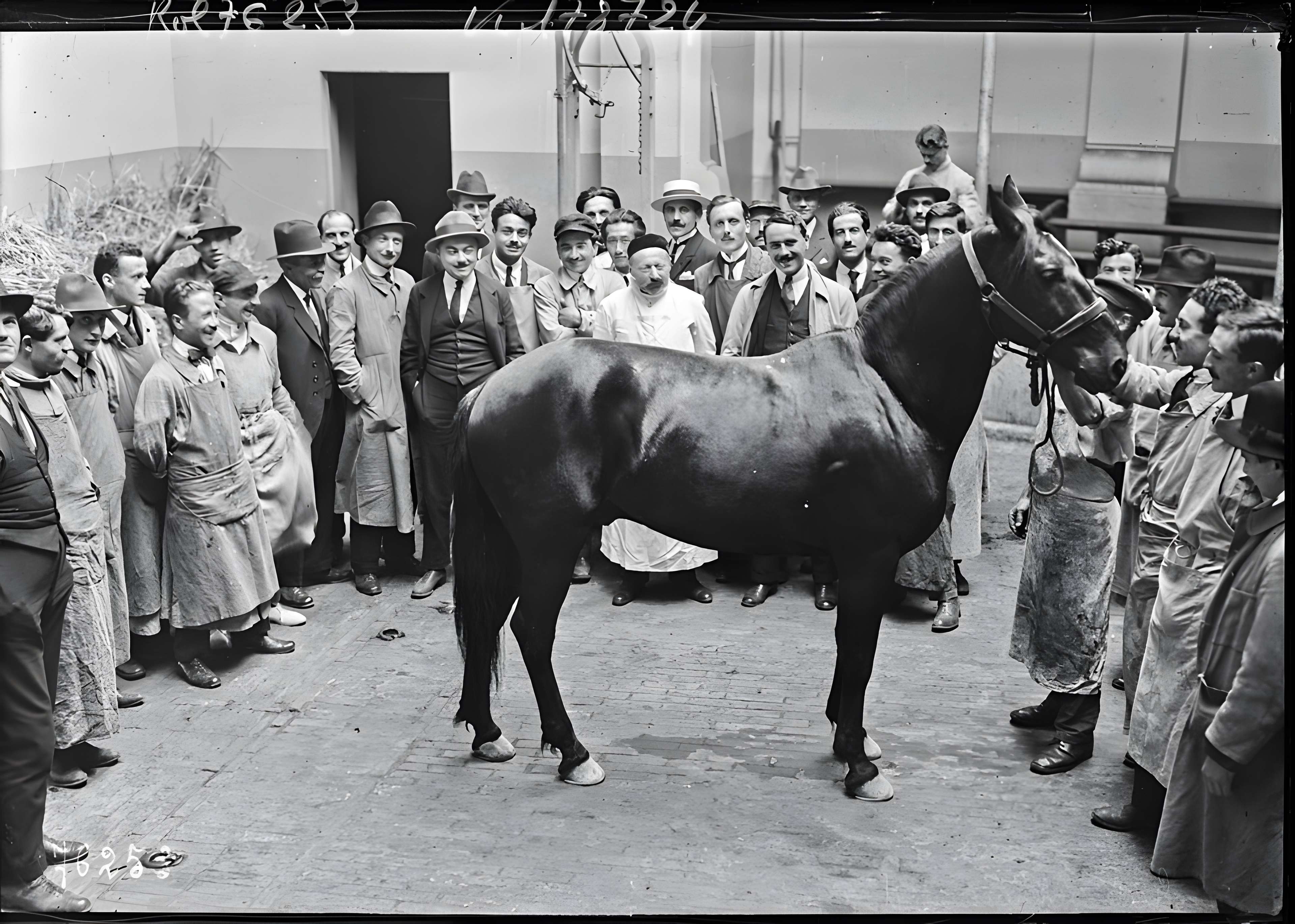
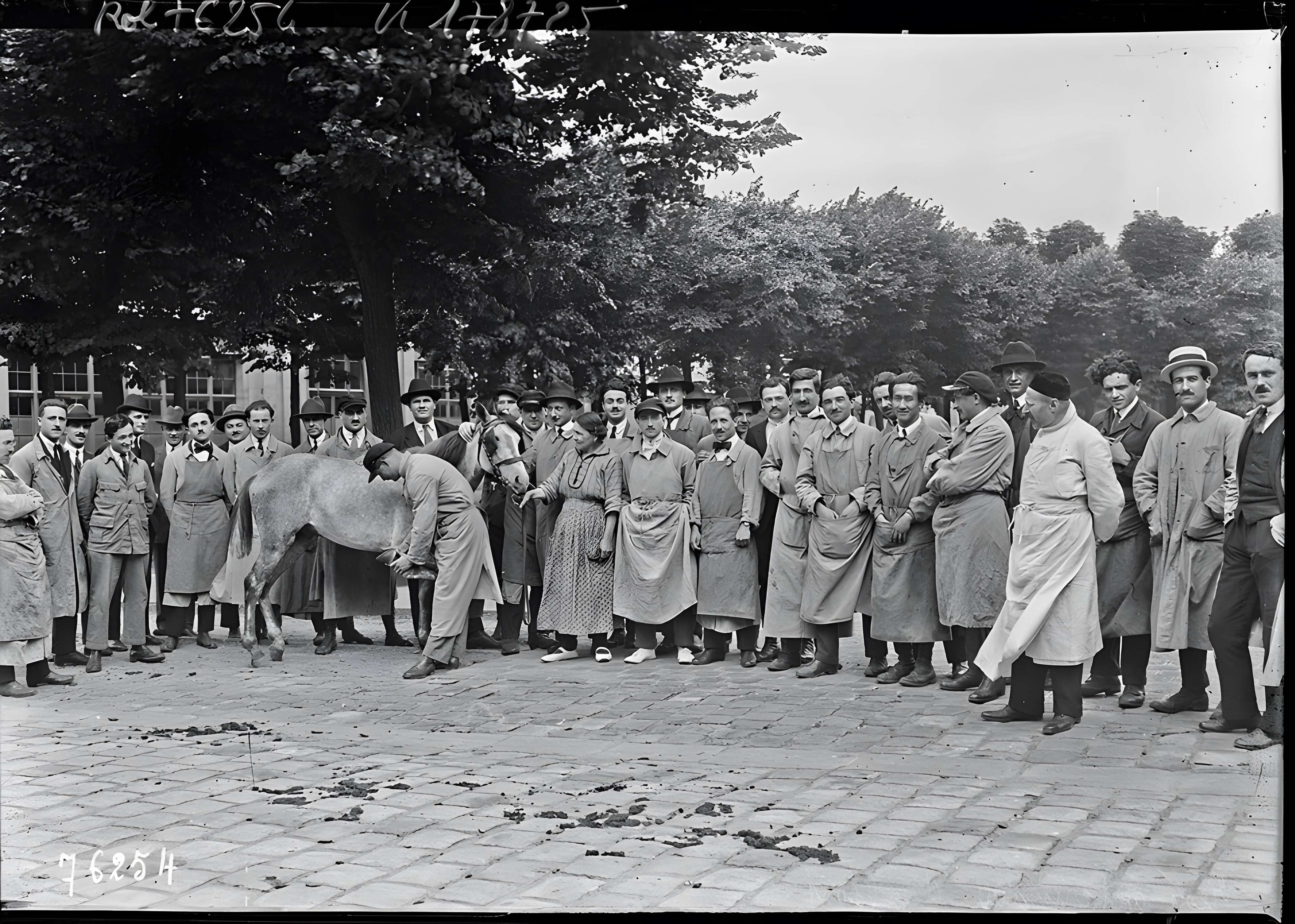
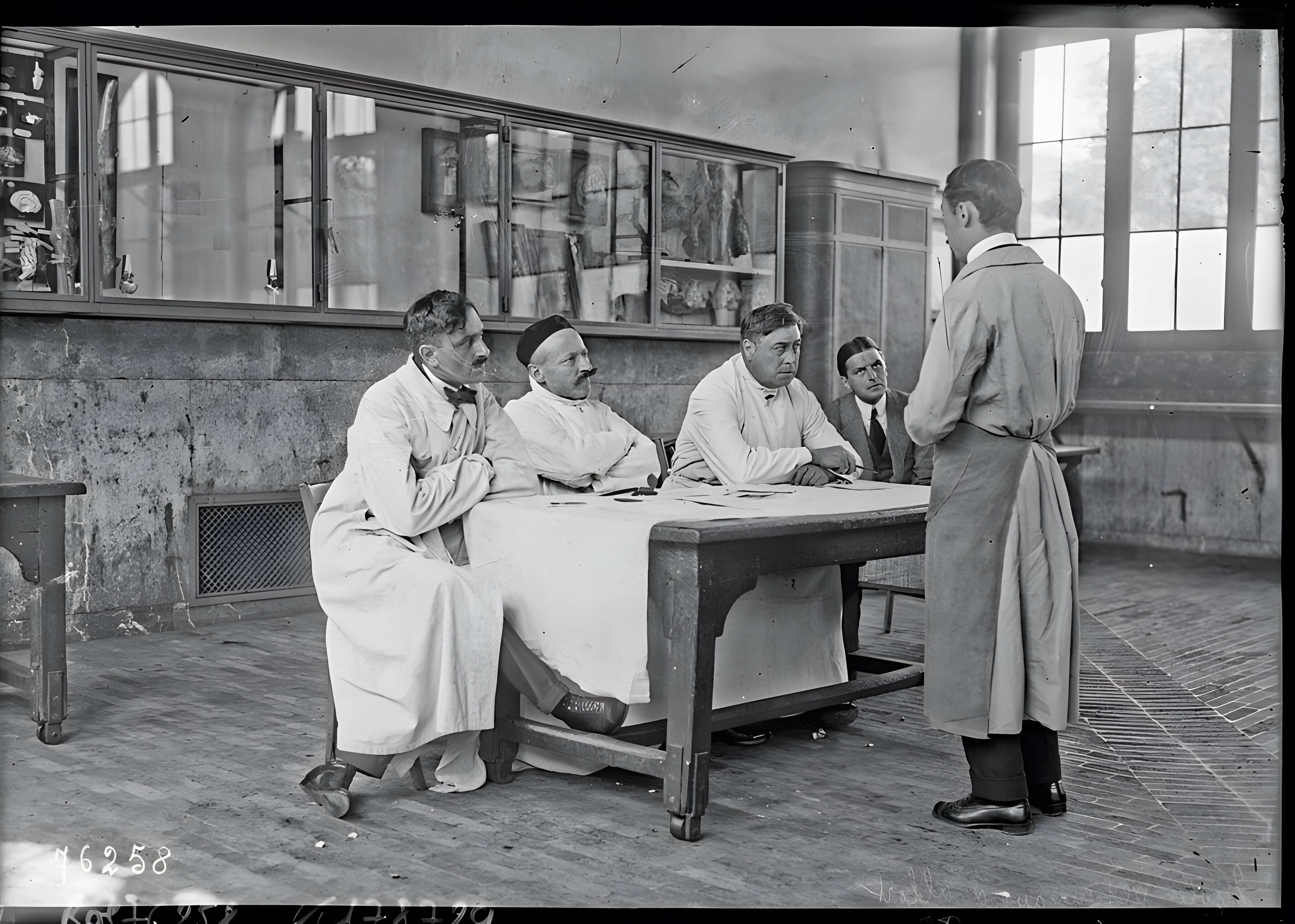
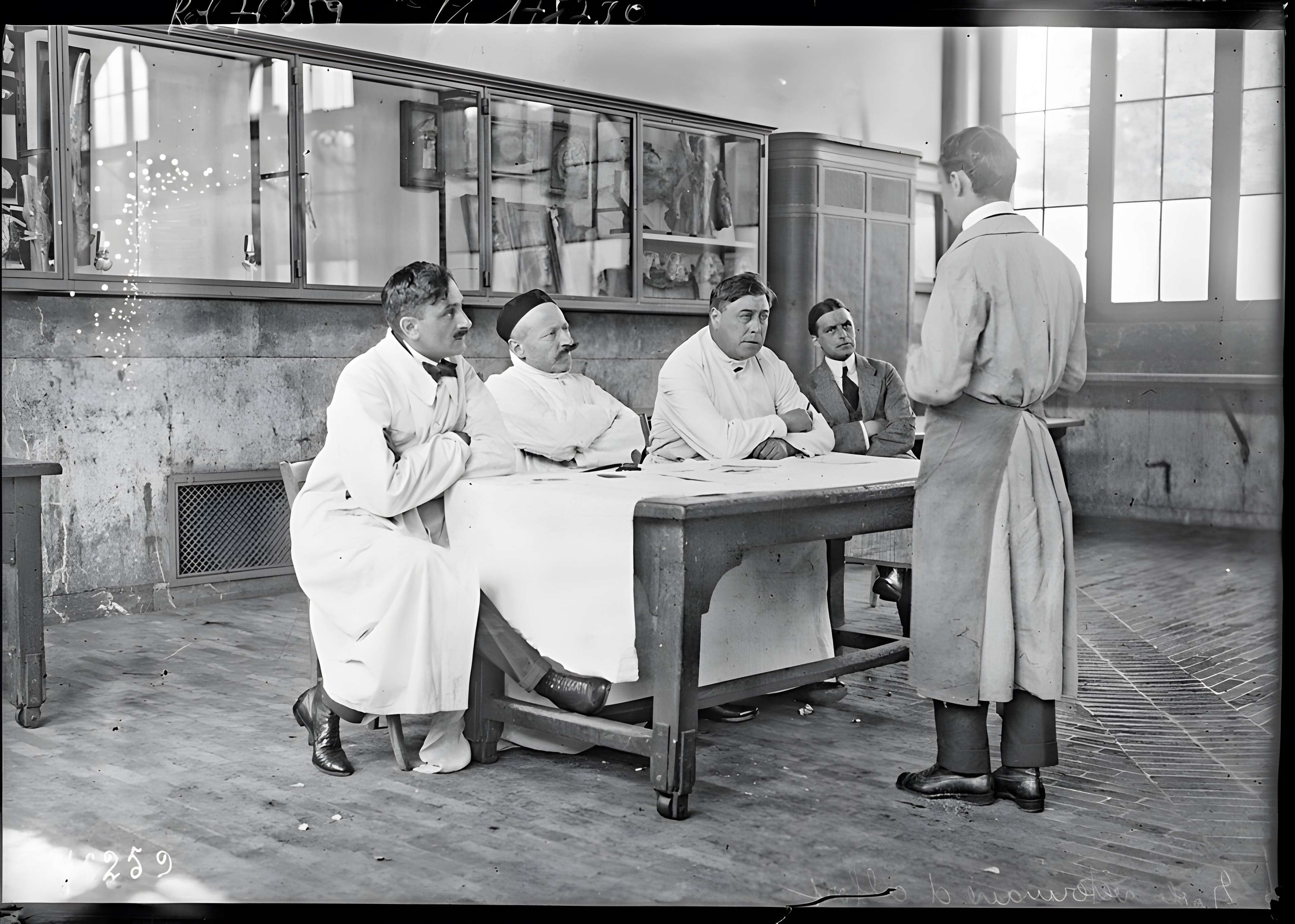
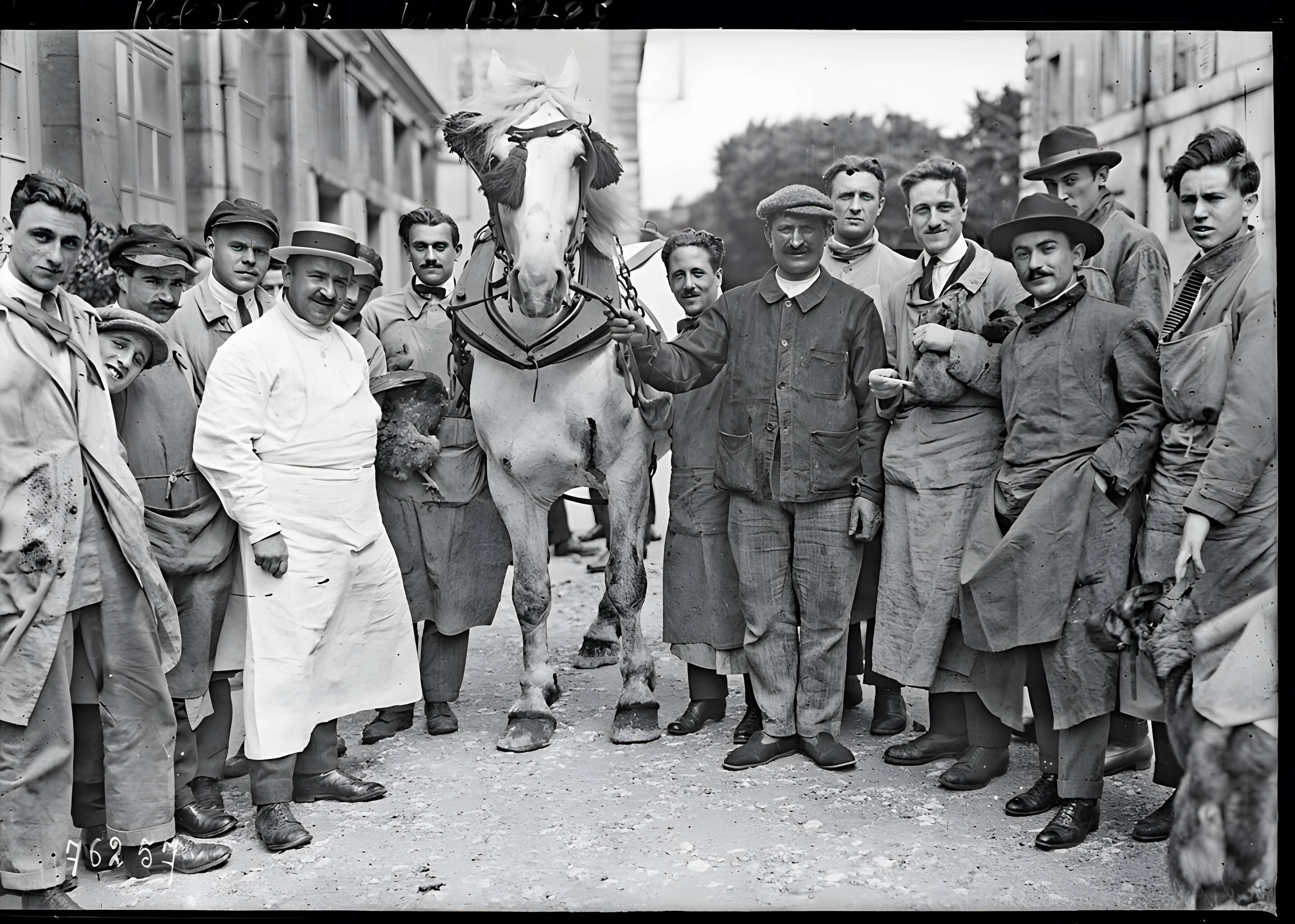
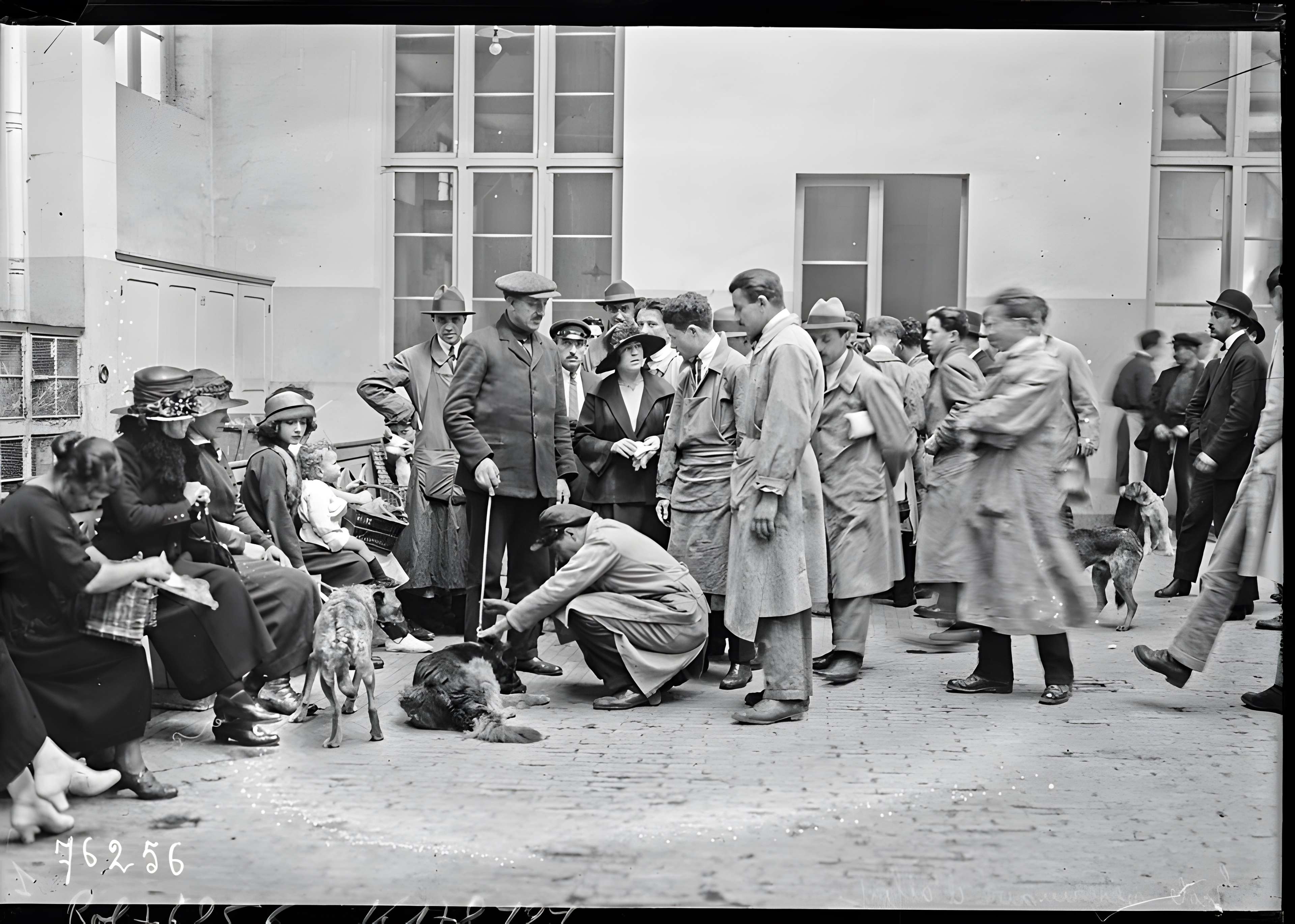
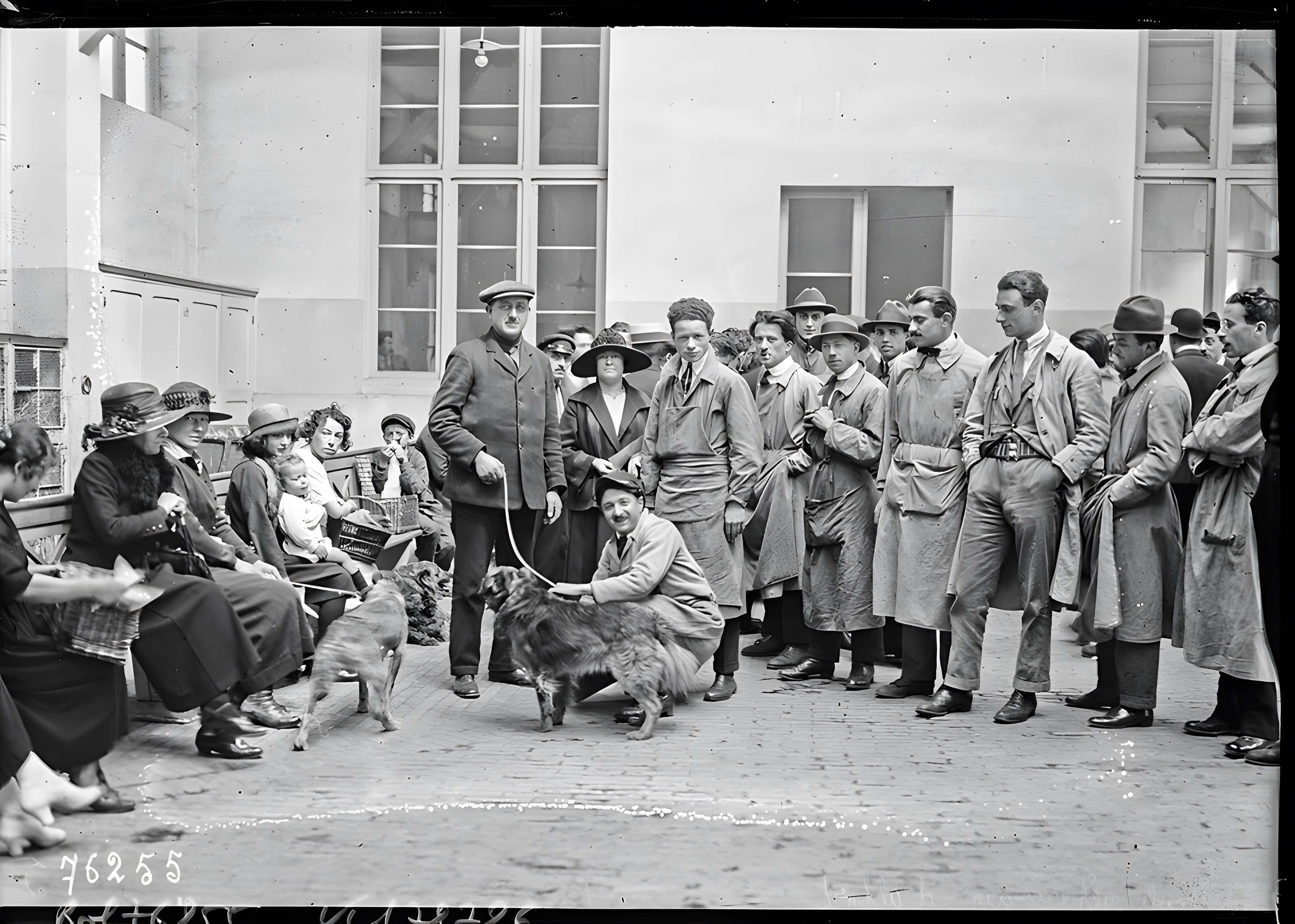
The National Veterinary School of Alfort (EnvA), founded in 1765 under the impulse of Claude Bourgelat, settled permanently in 1766 in the former castle of Alfort in Maisons-Alfort, after a brief visit to the 10th arrondissement of Paris. Founded to meet animal health needs under Louis XV, it becomes the world's first permanent veterinary school. His initial teaching, focusing on anatomy, surgery and ironing, is based on innovative methods such as the anatomical preparations of Honoré Fragonard, whose skins, still visible today, mark the history of veterinary pedagogy.
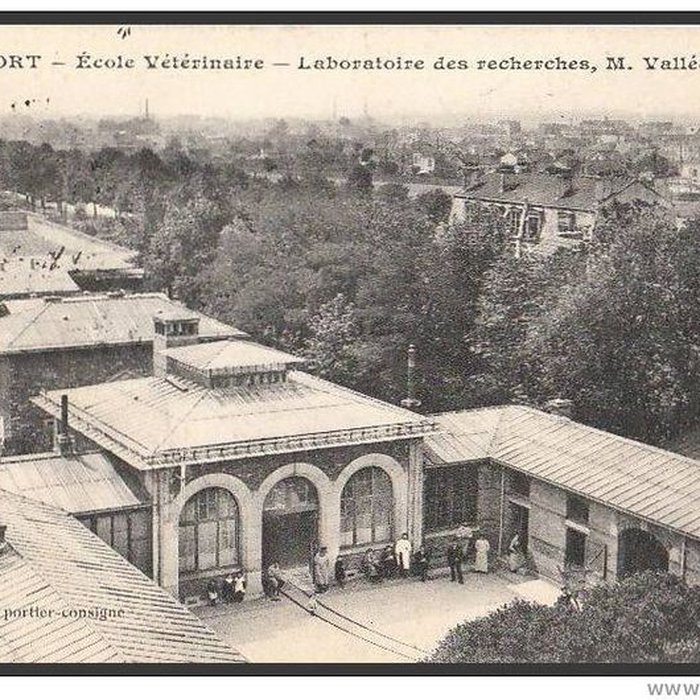
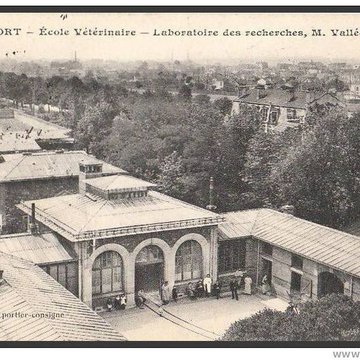
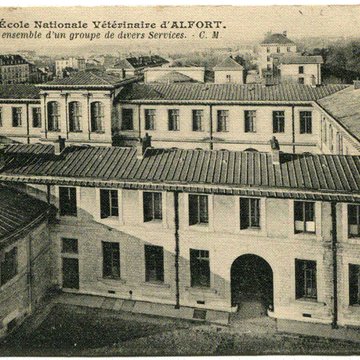
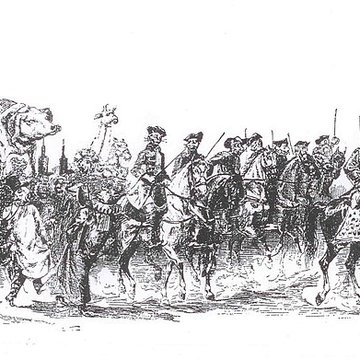
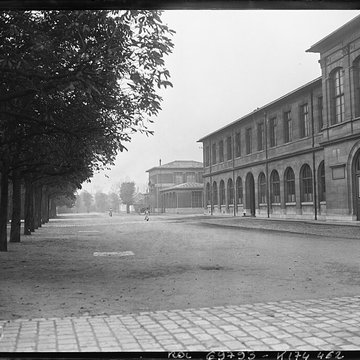
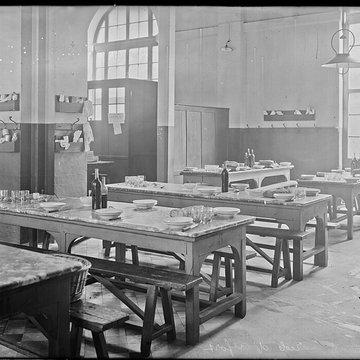
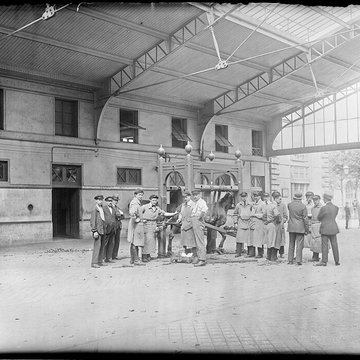
In the 19th century, the school experienced several major construction campaigns, with architects such as Robelin (1834-1854) or Diet (1867-1887), which erected emblematic stone, mill or brick buildings, seven of which are now listed as historical monuments. The school also played a military role: in 1814 its students formed the battalion of Alfort to defend the Charenton bridge against the Allied troops. In 1897, Marie Kapsevich became the first woman graduate of veterinary medicine in France, marking a breakthrough for equality in science.
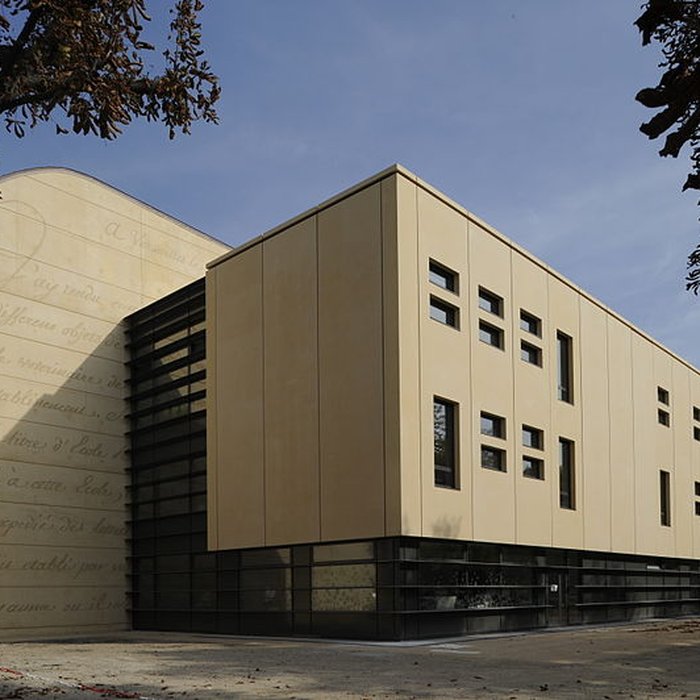
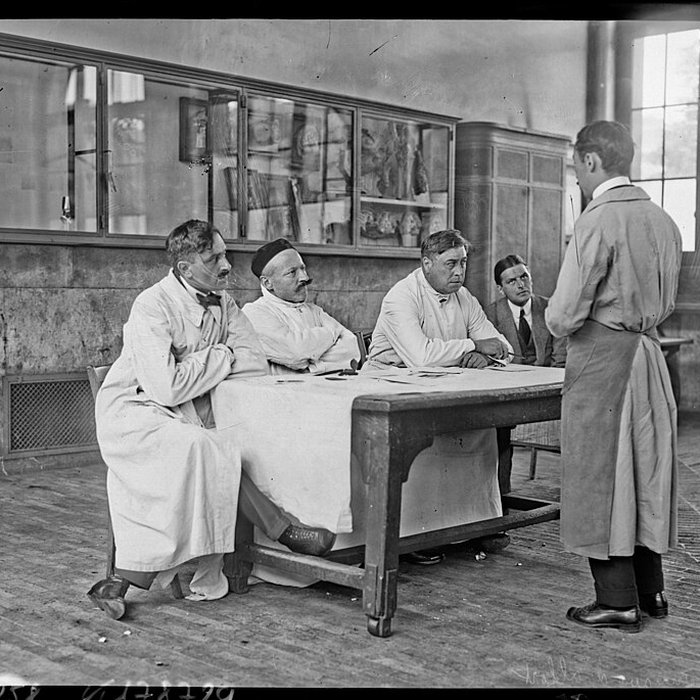
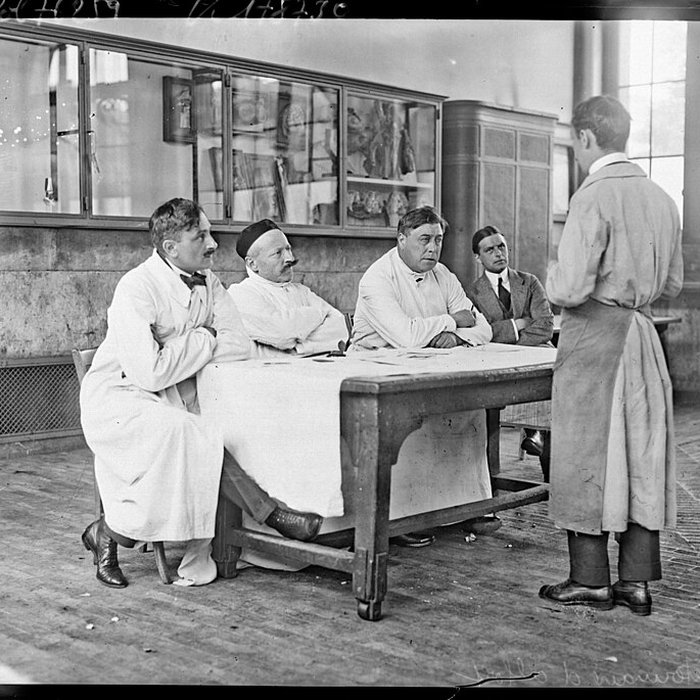
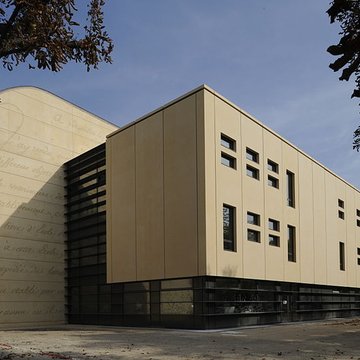
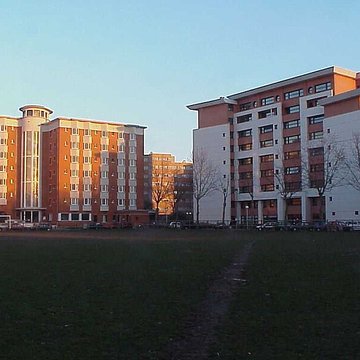
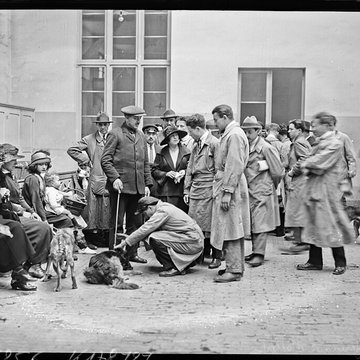
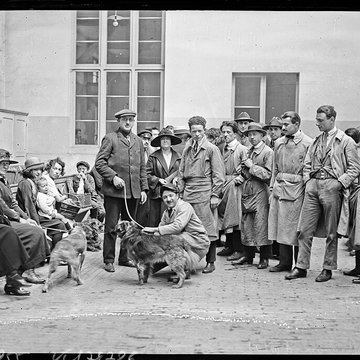
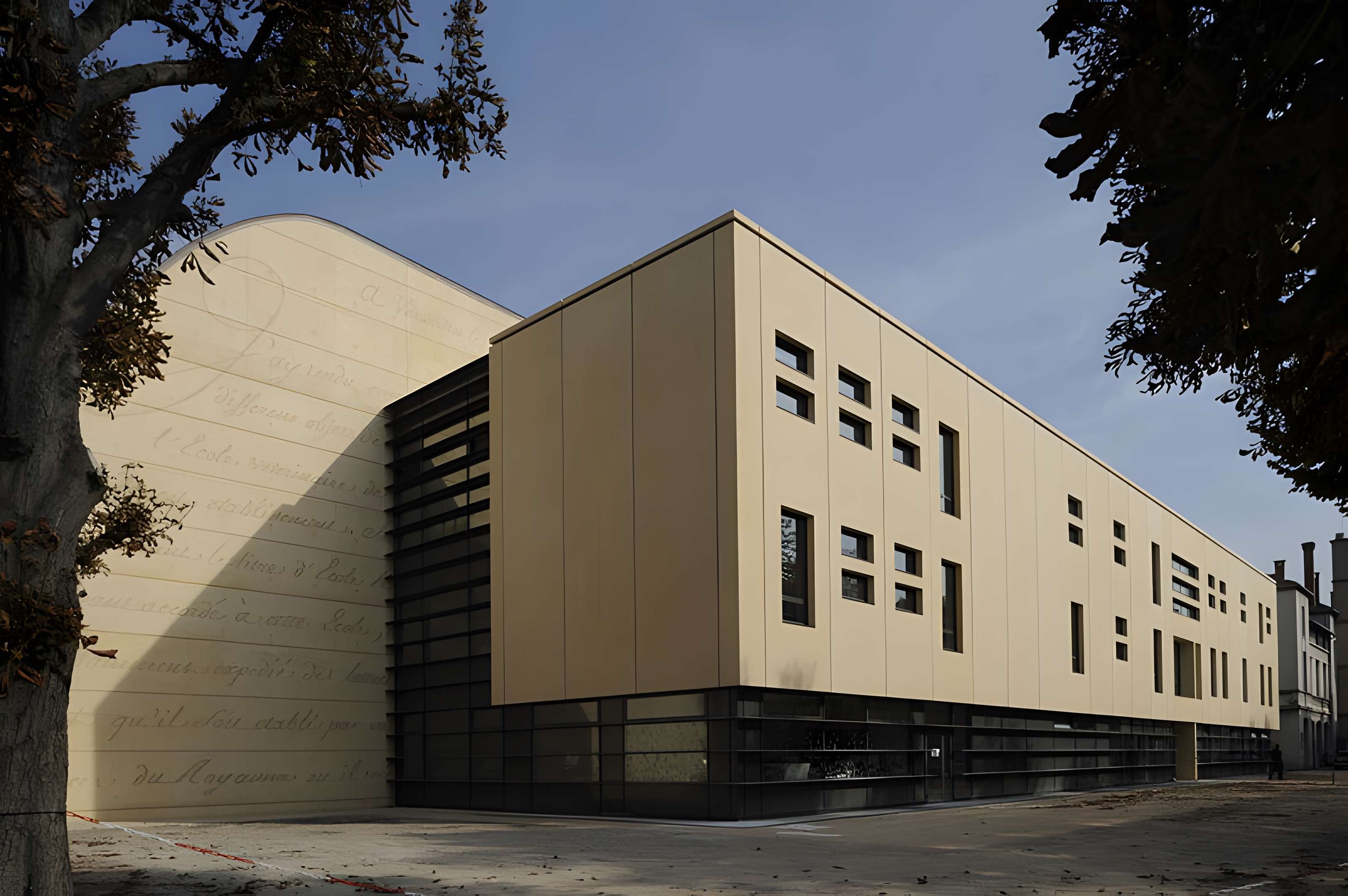
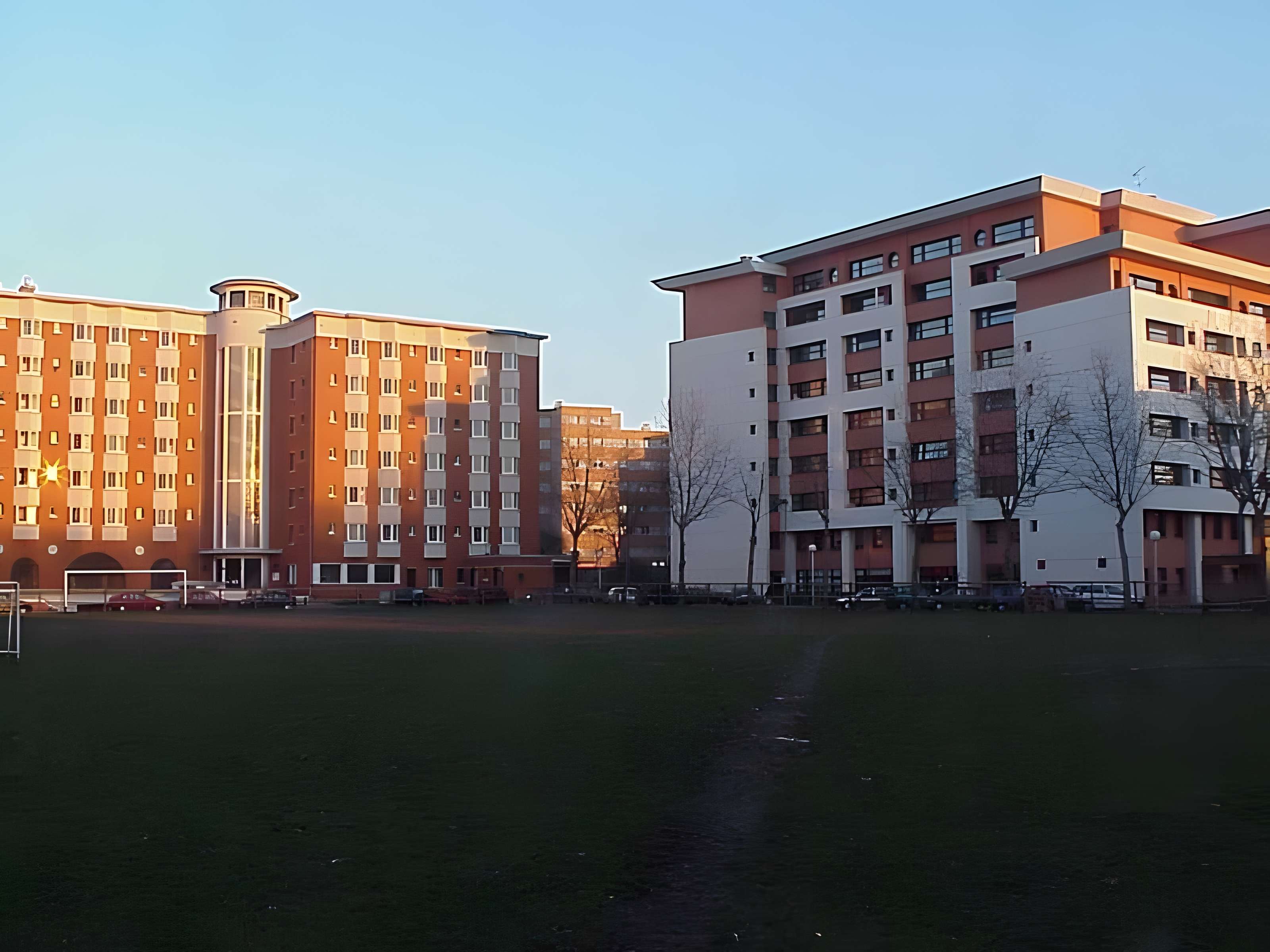
The 20th century saw EnvA adapt to modern requirements, despite an aging housing stock. The creation of teacher-researcher status in 1992 and European standards (AEEBV) are driving major renovations, such as the University Veterinary Hospital (2009) or the Camille Guérin building (2015). The "Grand project Alfort", launched in 2008 with a funding of 30 million euros, aims to modernize the campus, integrating partners such as the ANSES. Despite recent financial challenges and controversy (harassment investigation in 2025), the school remains a pillar of veterinary research, ranked 49th in the world in veterinary sciences (Shanghai ranking 2017).
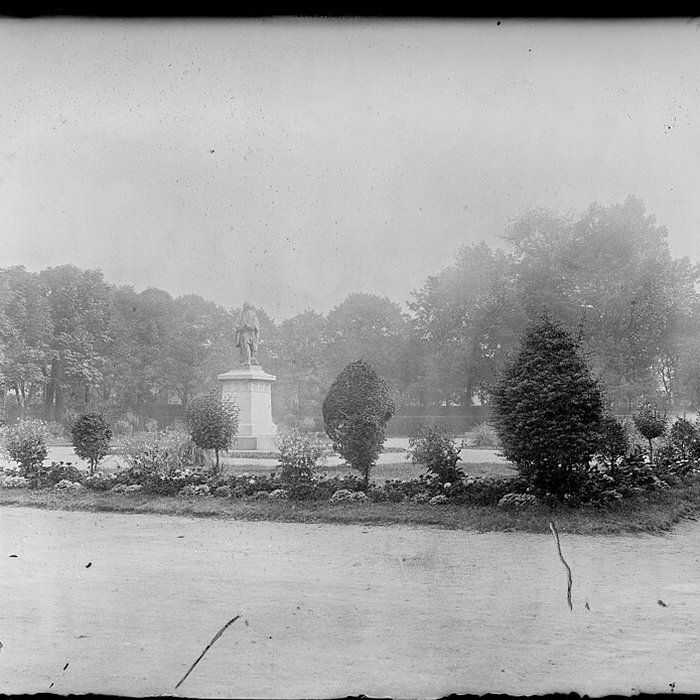
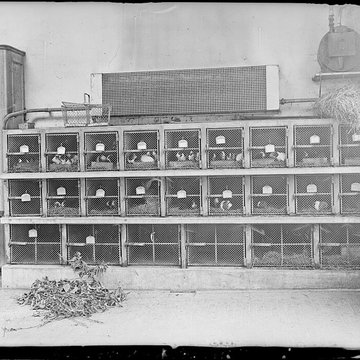
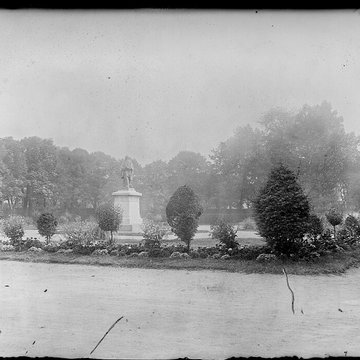
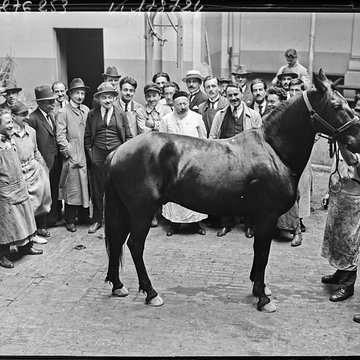
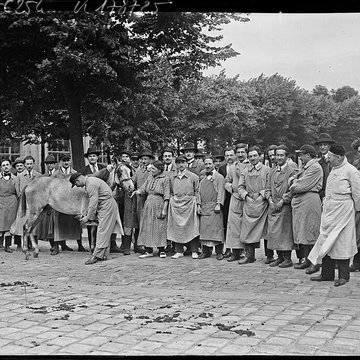
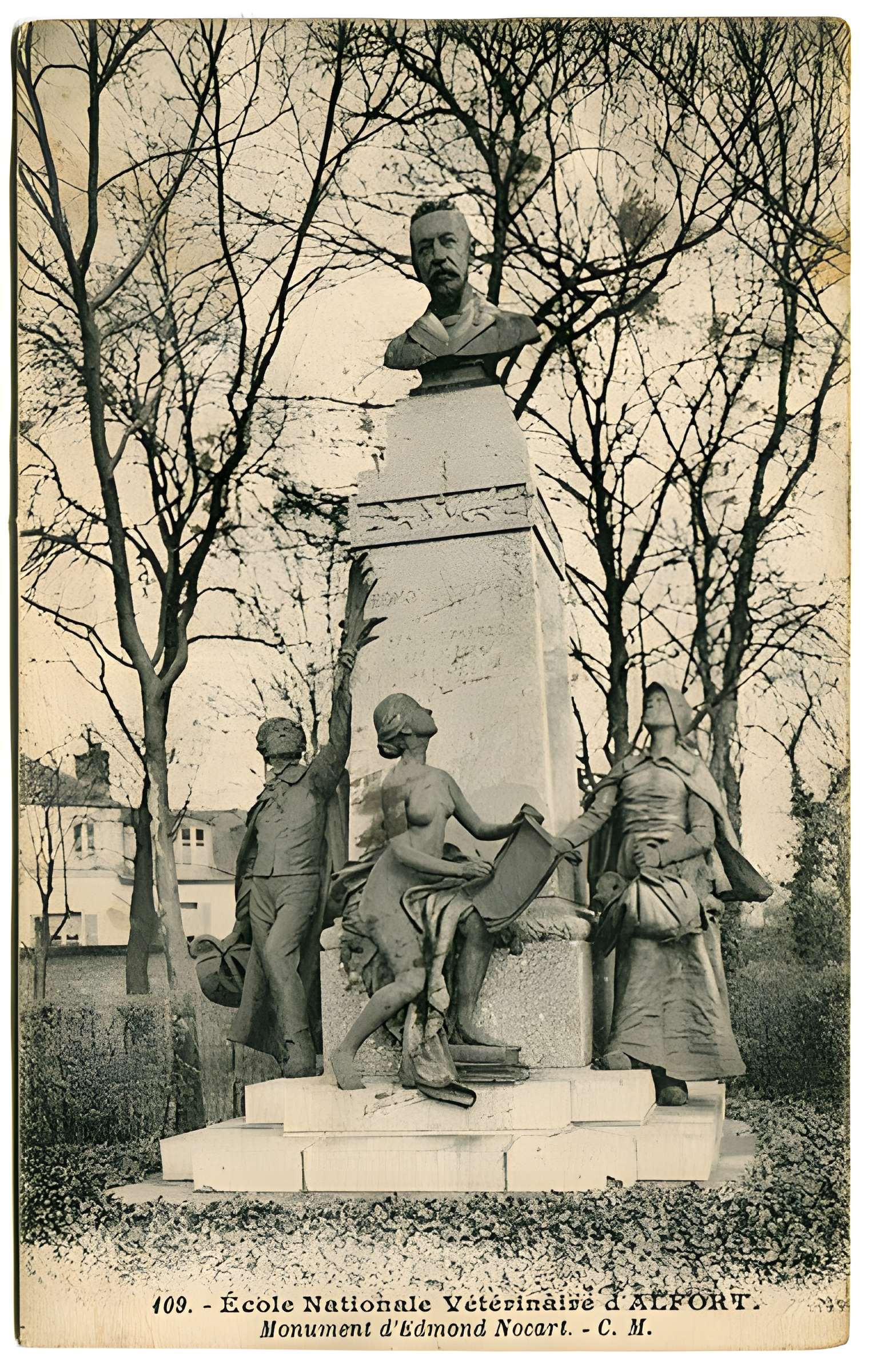
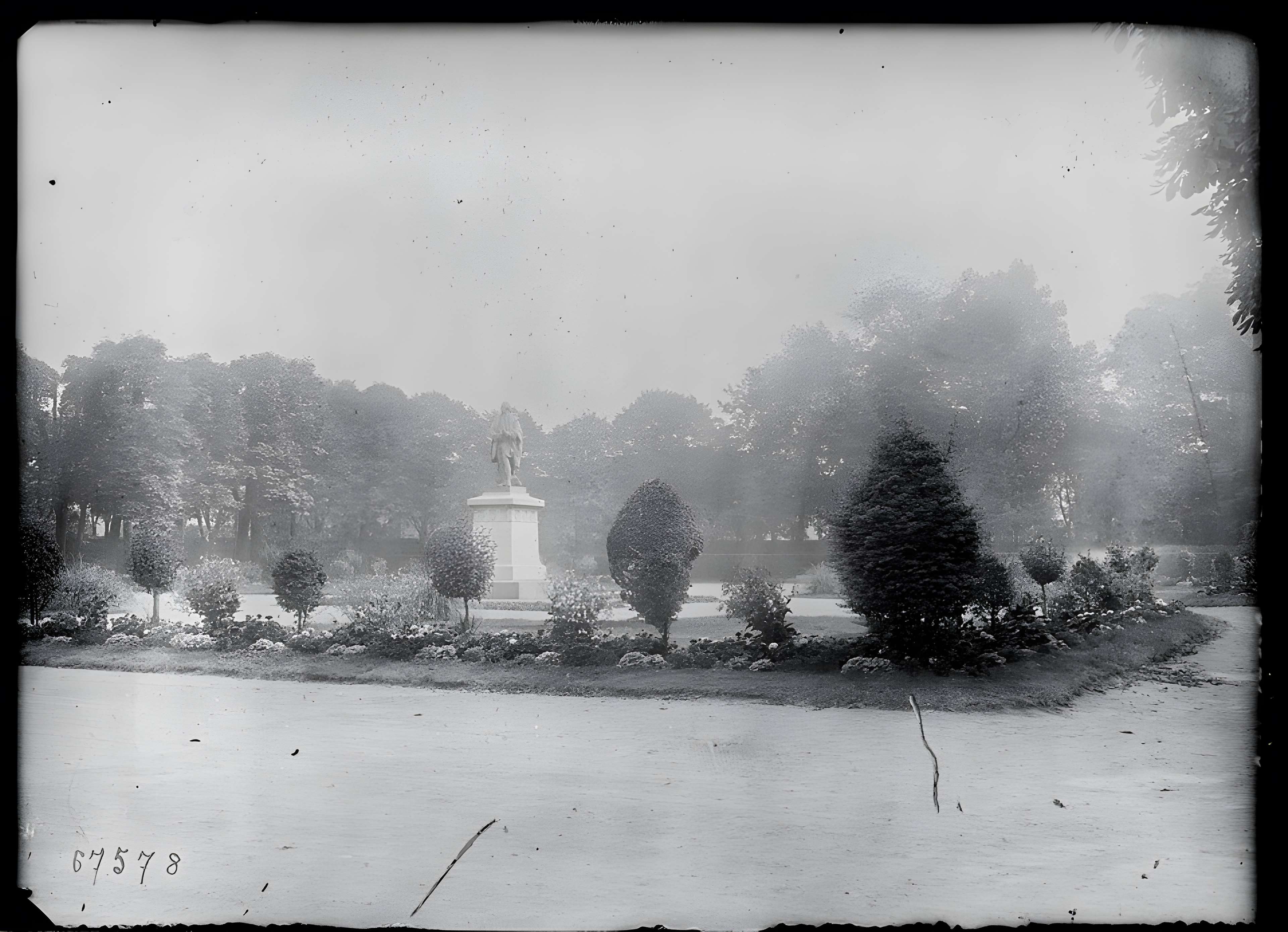
The 12-hectare site houses heritage jewels: the Fragonard Museum, which has been open to the public since 1989, exhibits unique anatomical pieces, while the Botanical Garden (1766), which specializes in honey and toxic plants, has been visited since 2003. The library preserves 170,000 books, including 16th century manuscripts, and works with the BnF to digitize historical periodicals. Today, EnvA trains 800 students a year, with state-of-the-art clinical platforms (43,000 animals treated annually) and interdisciplinary research units, such as the "One Health" cluster, linking animal, human and environmental health.
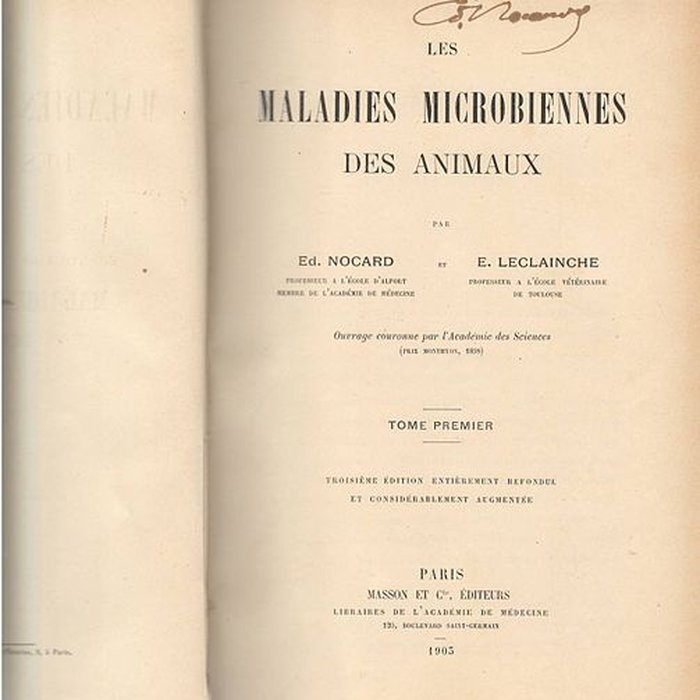
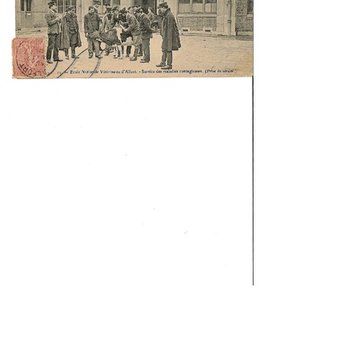
In Normandy, the CIRALE (Goustranville), a global reference centre for equine locomotor diseases, completes the educational and scientific offer. Despite the closure of its Yonne application centre in 2020, the school is strengthening its links with the Paris-Est Créteil University and institutes such as INSERM or the Institut Pasteur. His story, marked by figures such as Camille Guérin (co-inventor of BCG vaccine) or Gaston Ramon (tetanus vaccines), makes him a key player in public health and biomedical innovation.
Ranked as historical monuments for its facades and roofs (decrees of 1979 and 1995), EnvA embodies both an architectural heritage of the 19th century and a contemporary scientific dynamism. Its current challenges — real estate renewal, European accreditation, and internal crisis management — are part of a permanent quest for excellence, while preserving a unique heritage, witness to 250 years of veterinary history.



















Announcements
Please log in to post a review