Origin and history
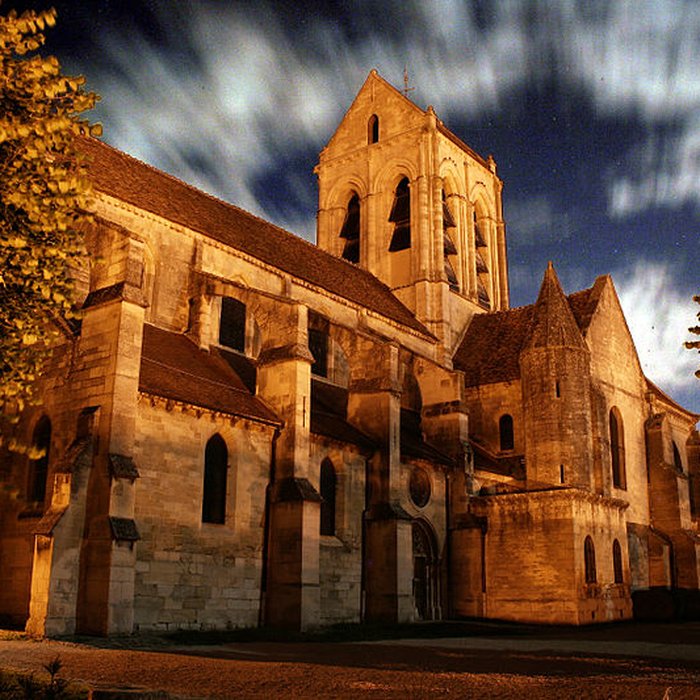
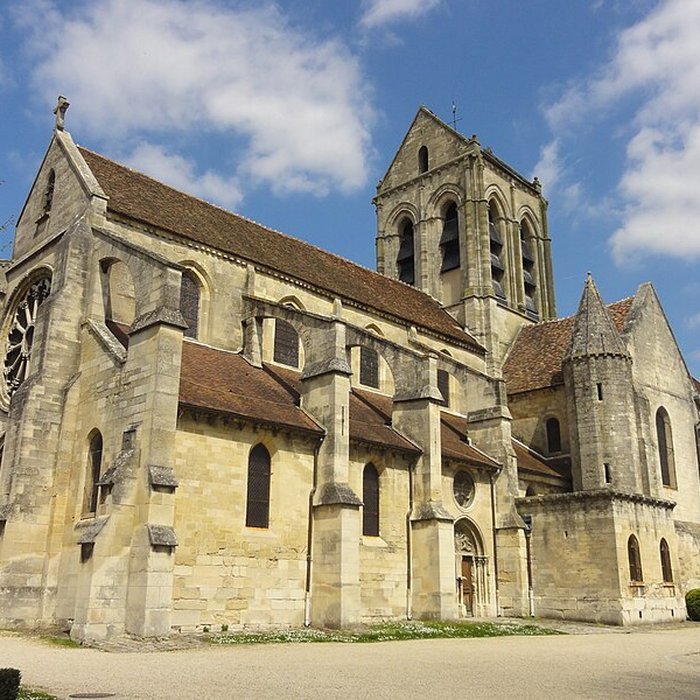
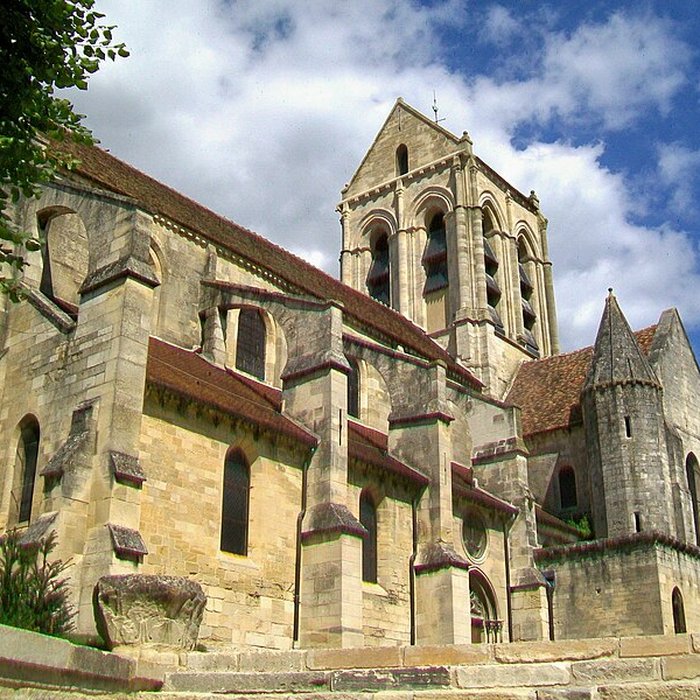
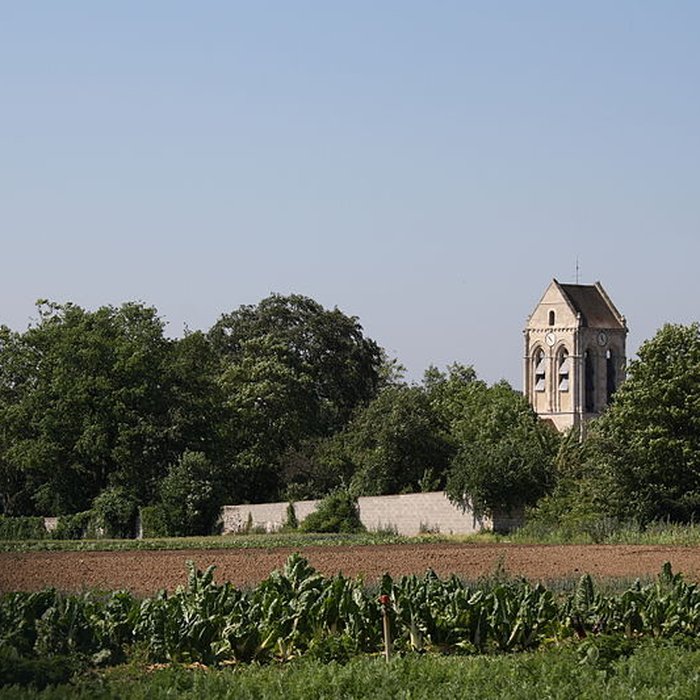
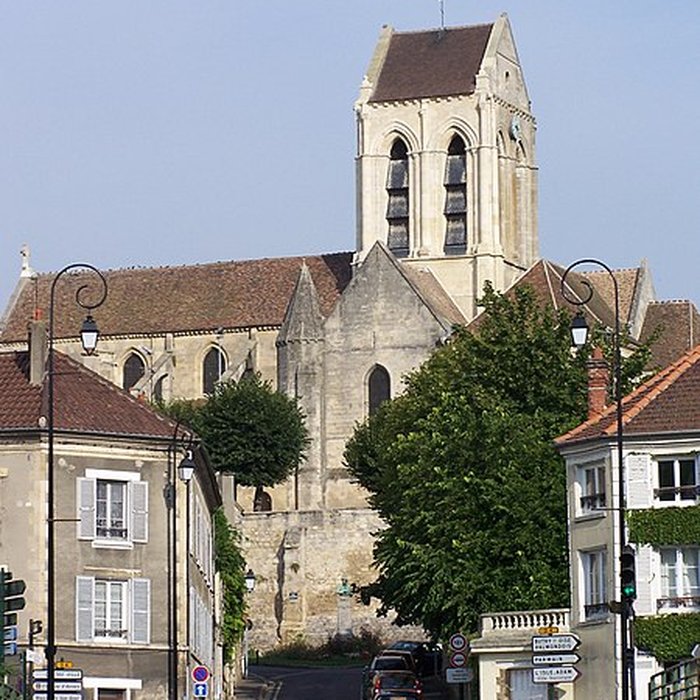
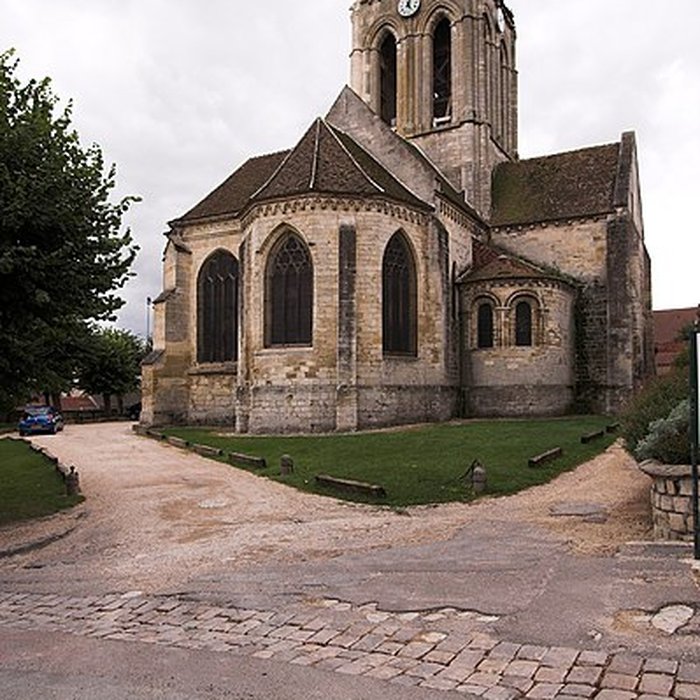
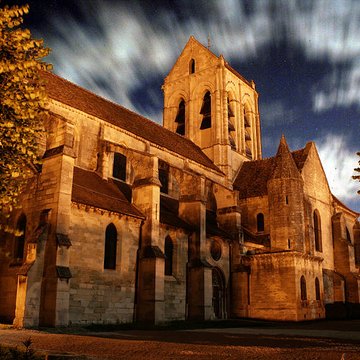
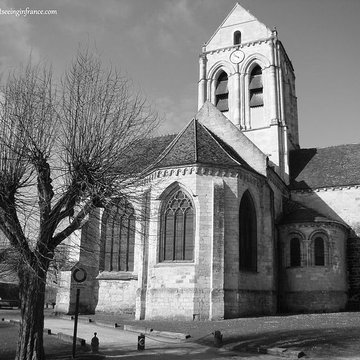
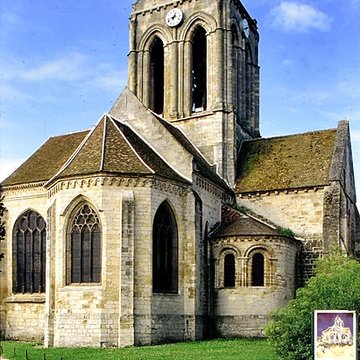
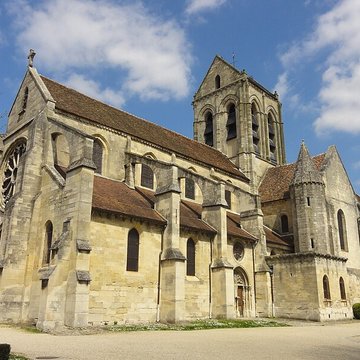
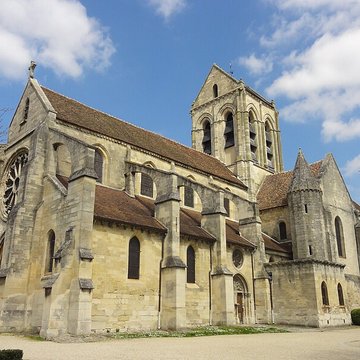
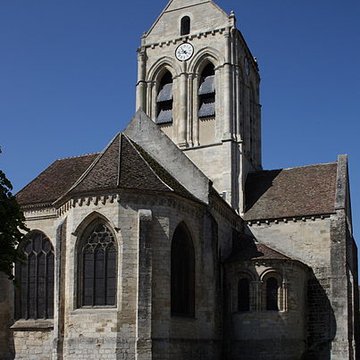
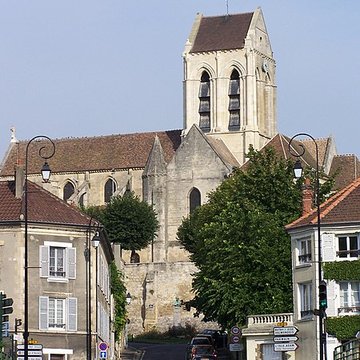
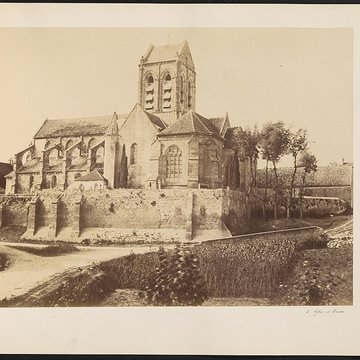
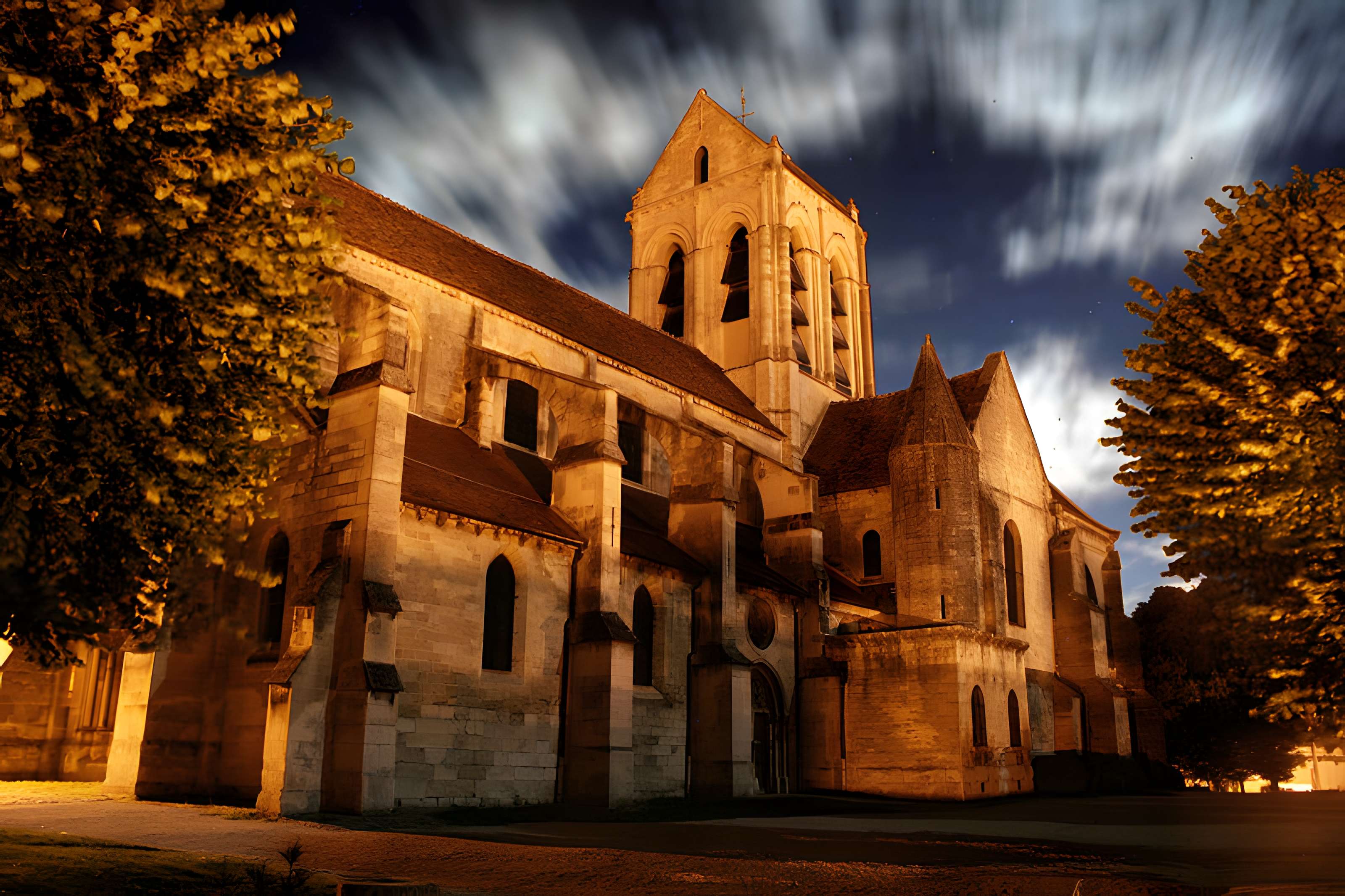
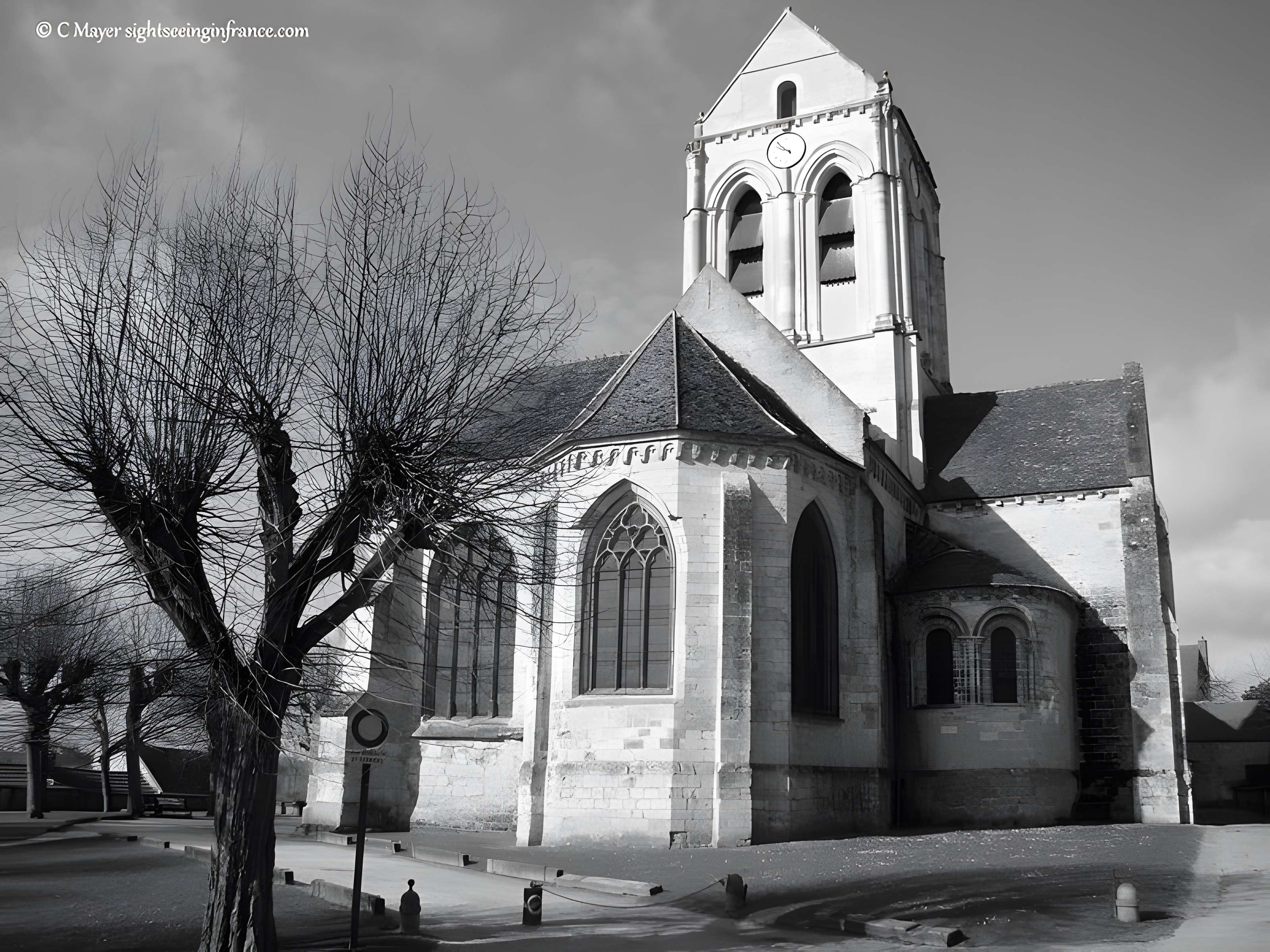
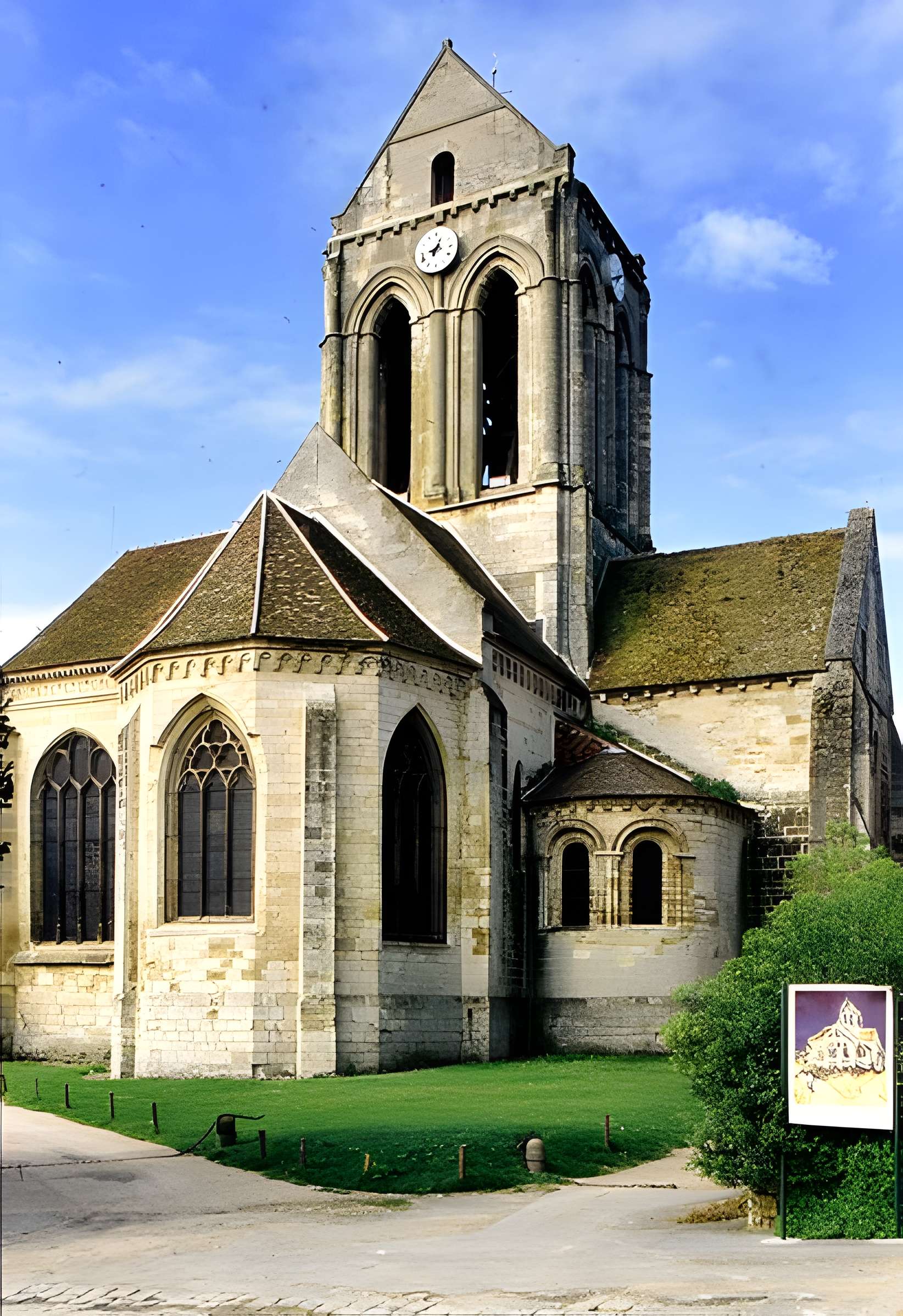
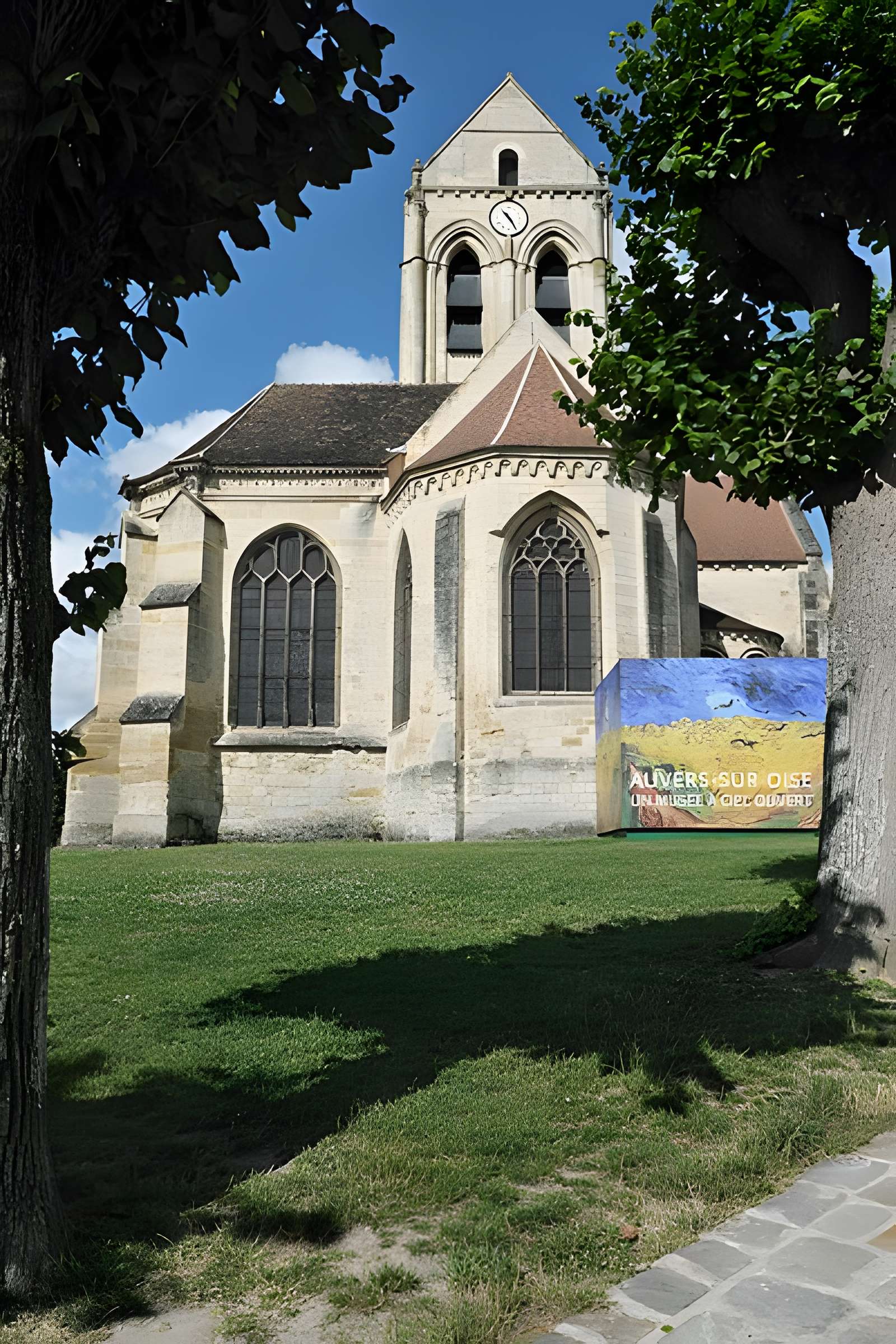
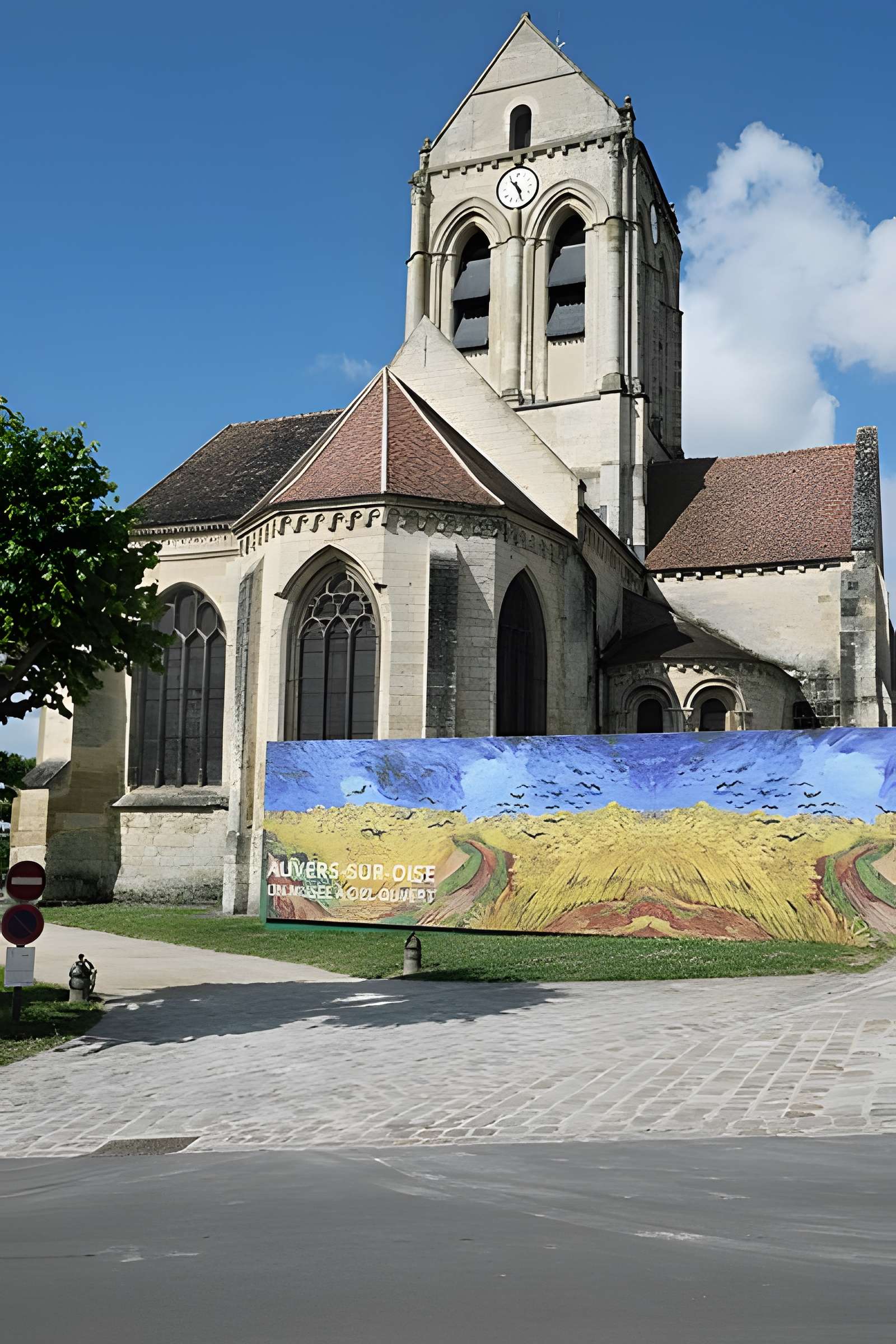
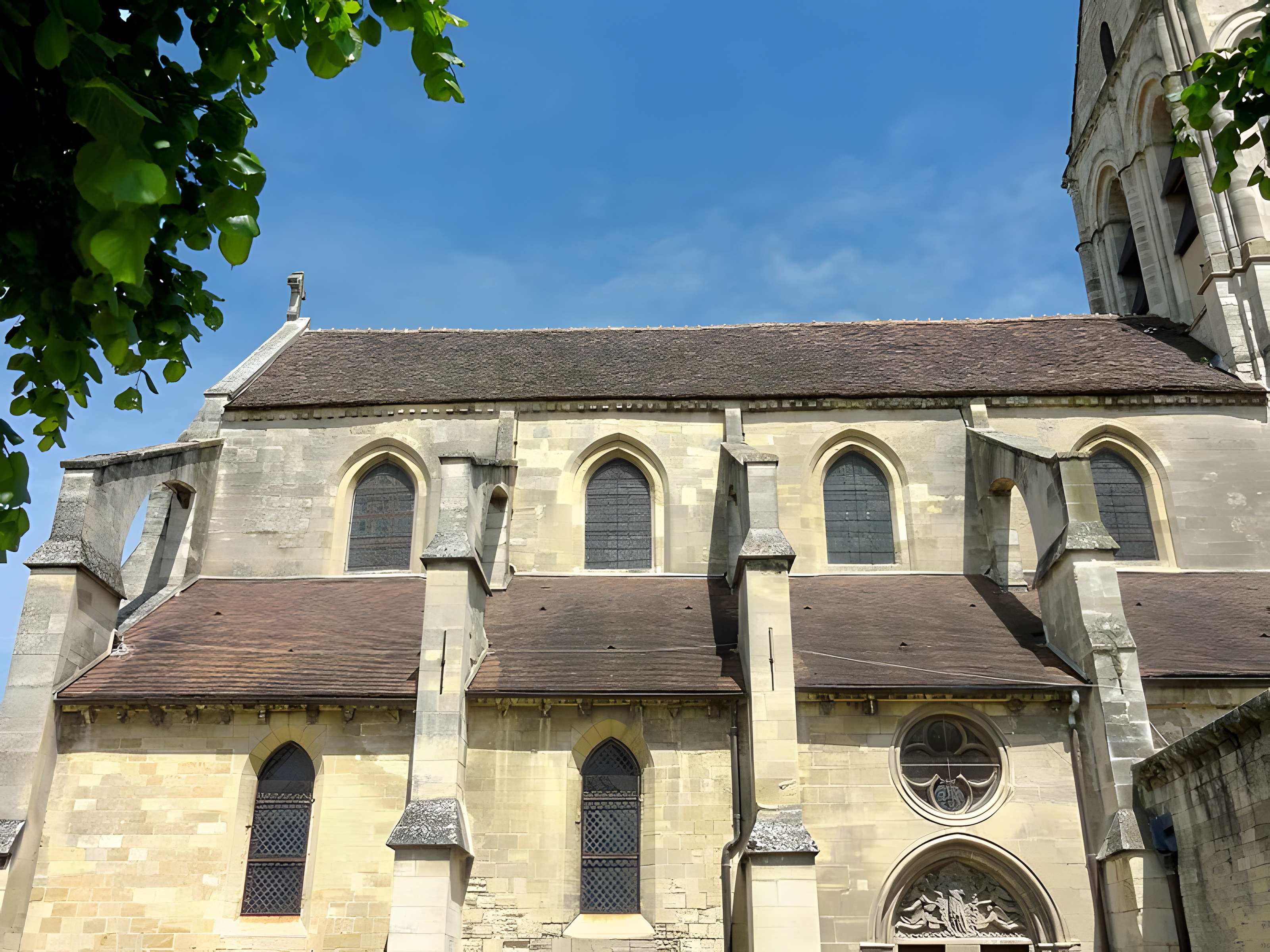
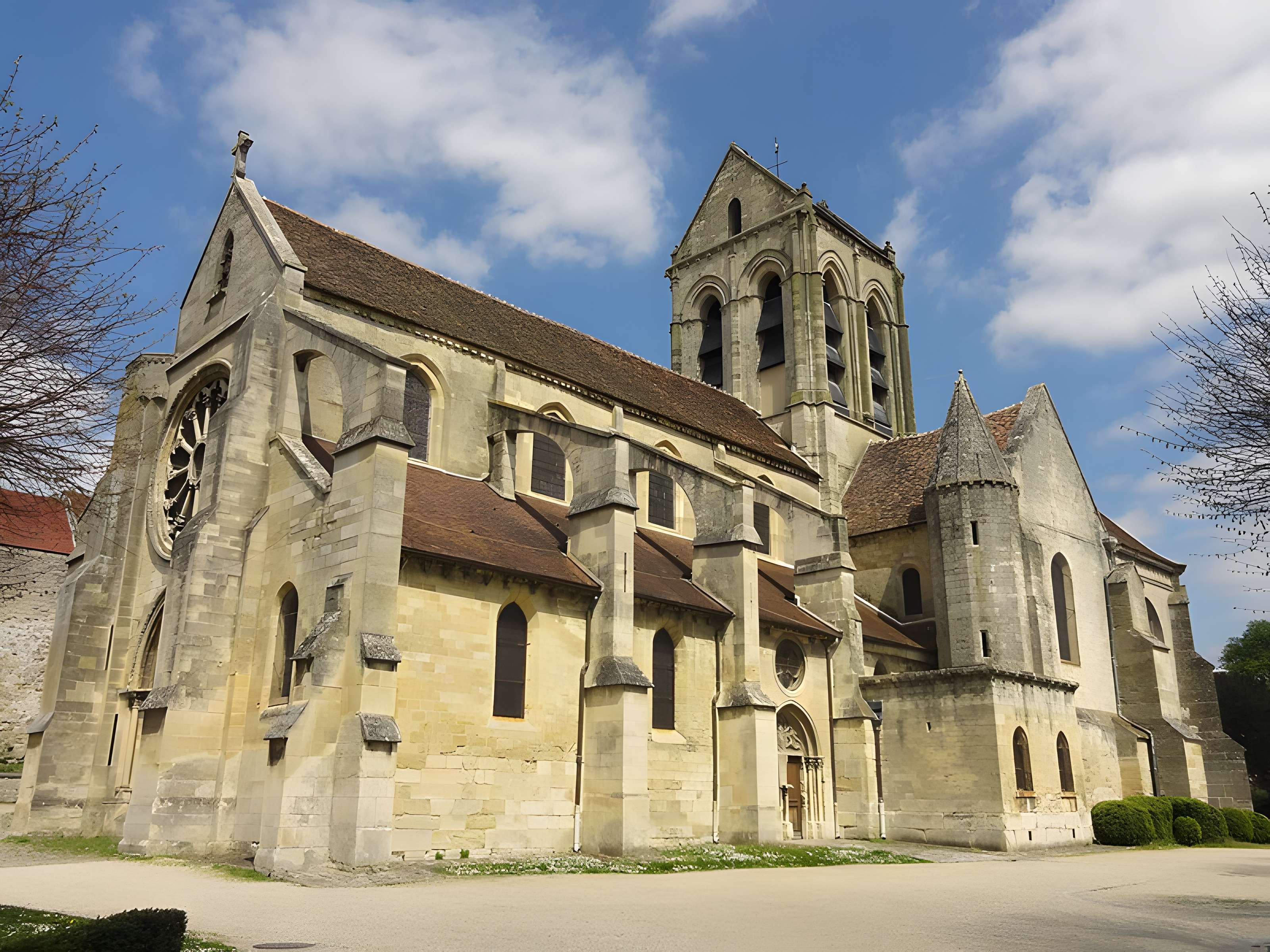
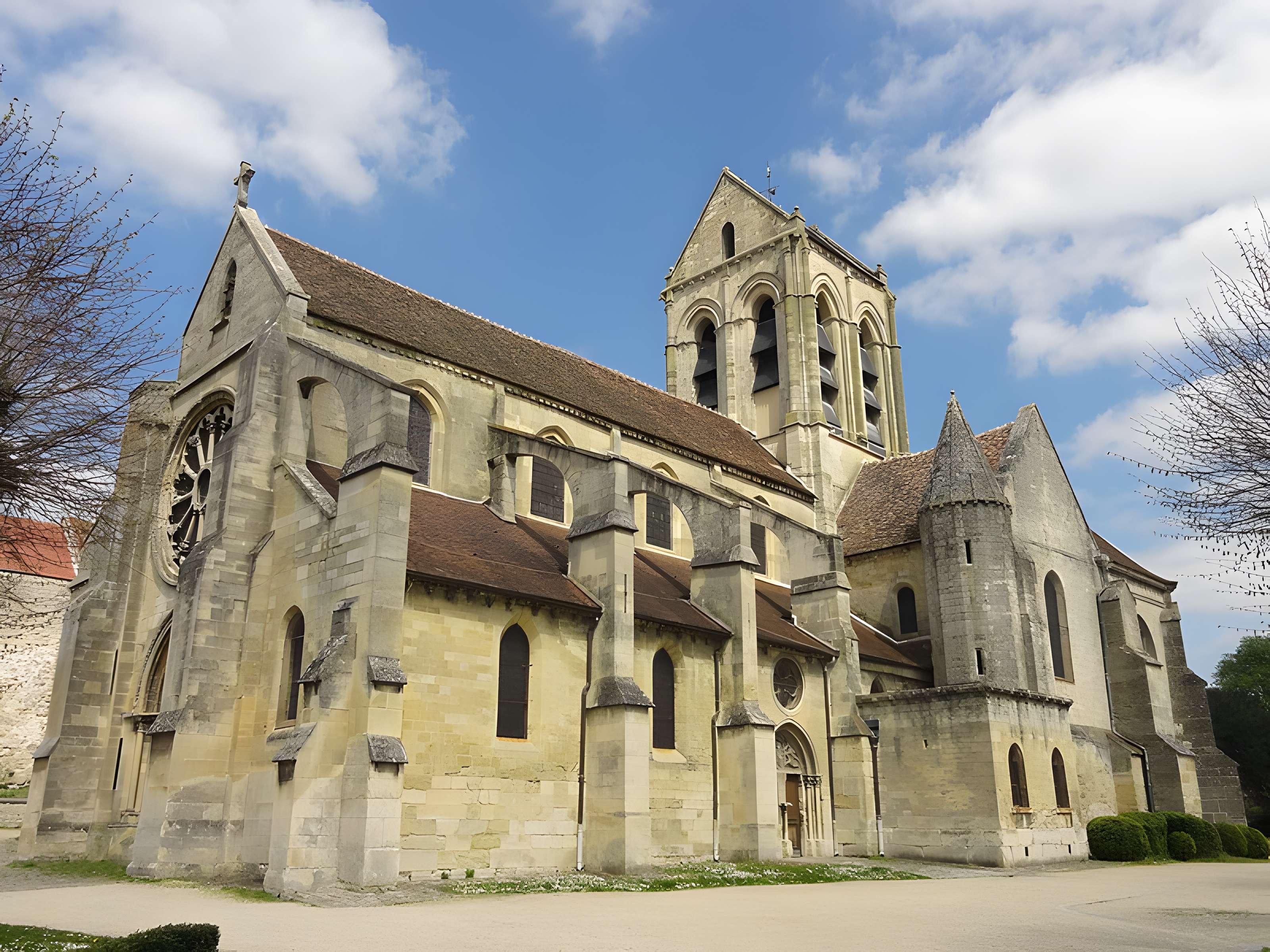
The church of Notre-Dame-de-l'Assomption in Auvers-sur-Oise, located in Val-d-Oise in Île-de-France, finds its origins at the end of the 11th century under the impulse of Philippe I. Reconstructed in the 12th century by Adelaide de Savoie after 1137, it blends late Romanesque and early Gothic styles, visible in its capitals and dogive vaults. The choir and transept, built around 1140-1170, precede the nave (1190-1225), inspired by Notre-Dame de Paris, with its elevation on three levels including a rare triforium for a rural church.
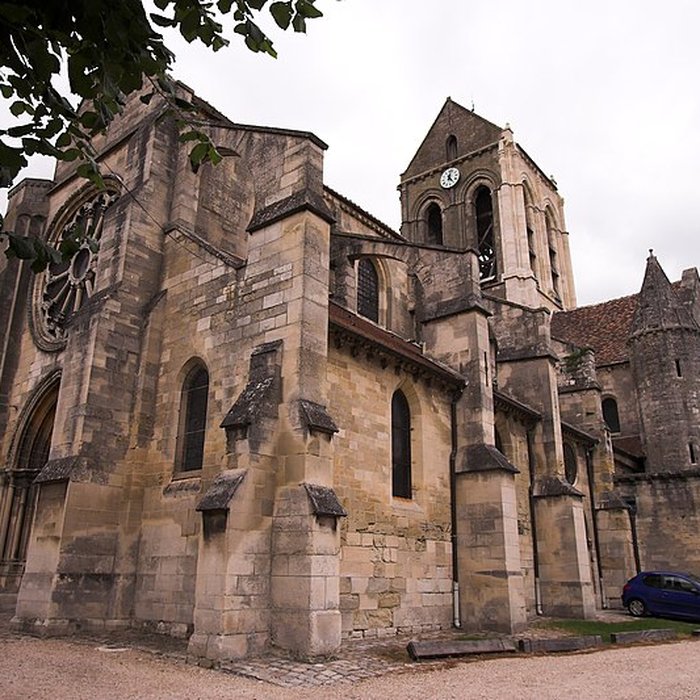
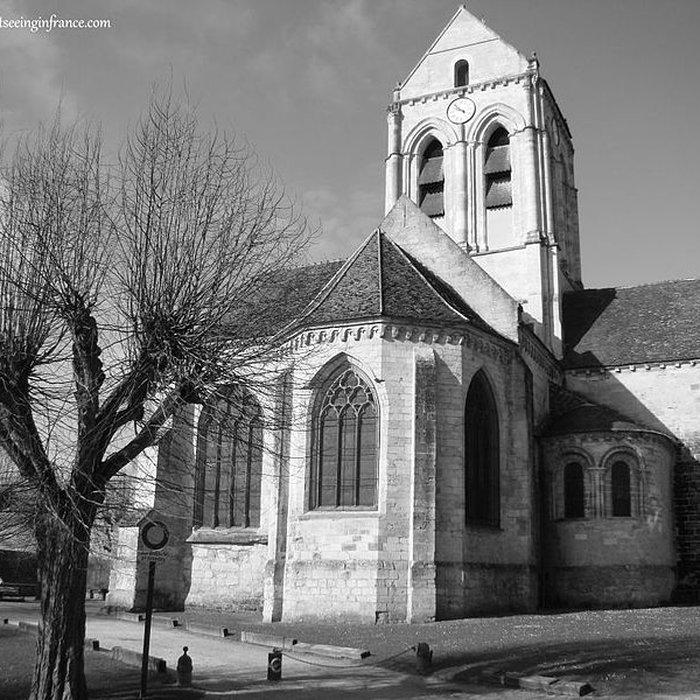
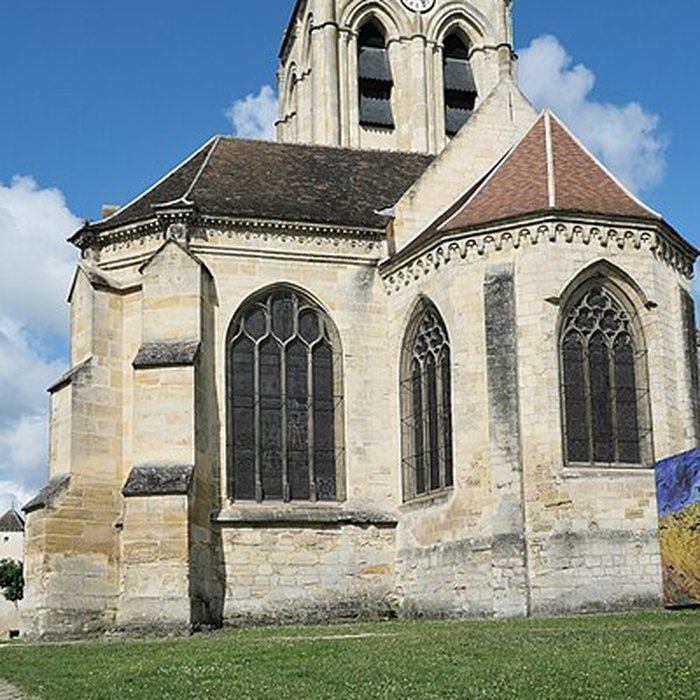
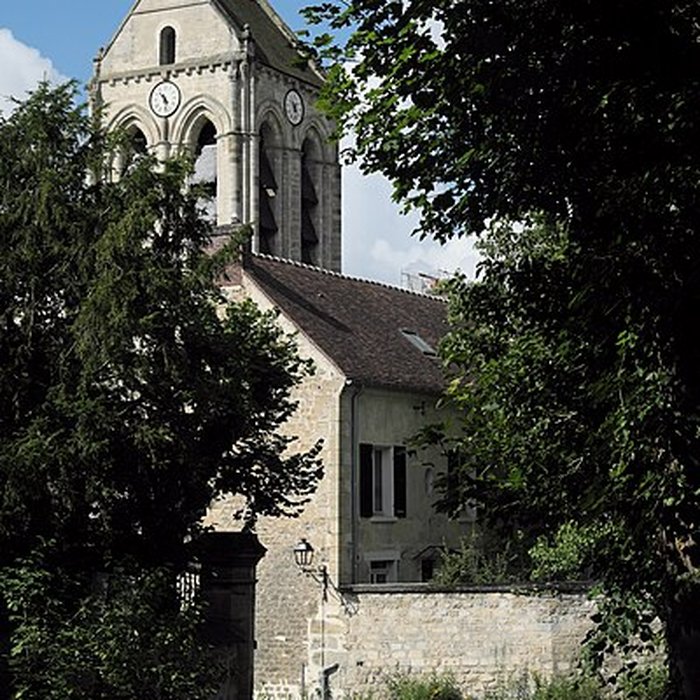
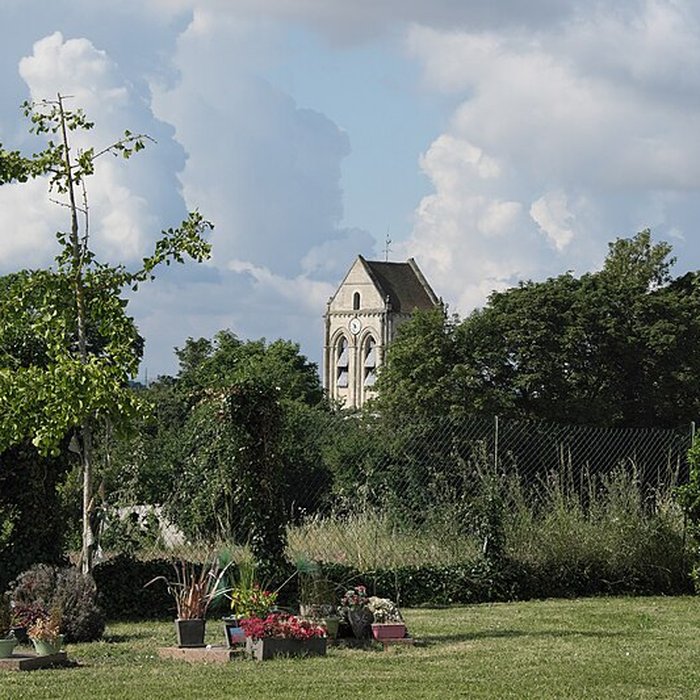
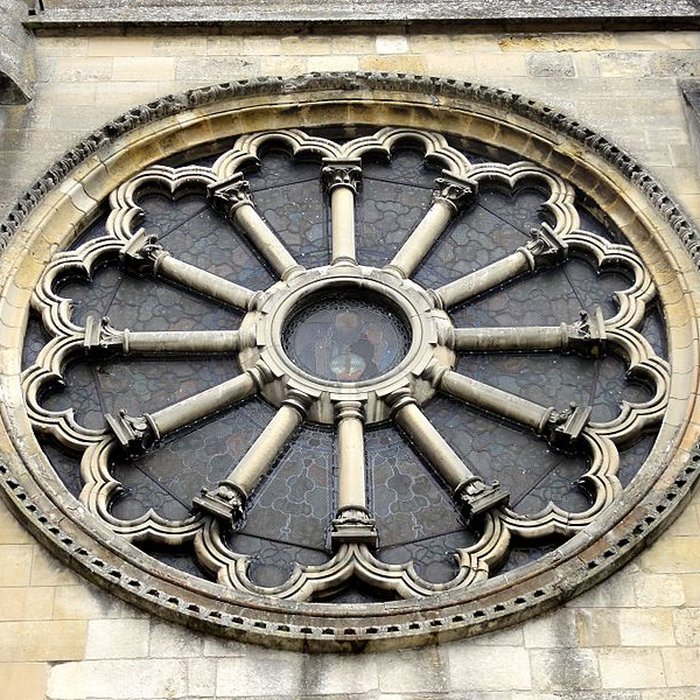
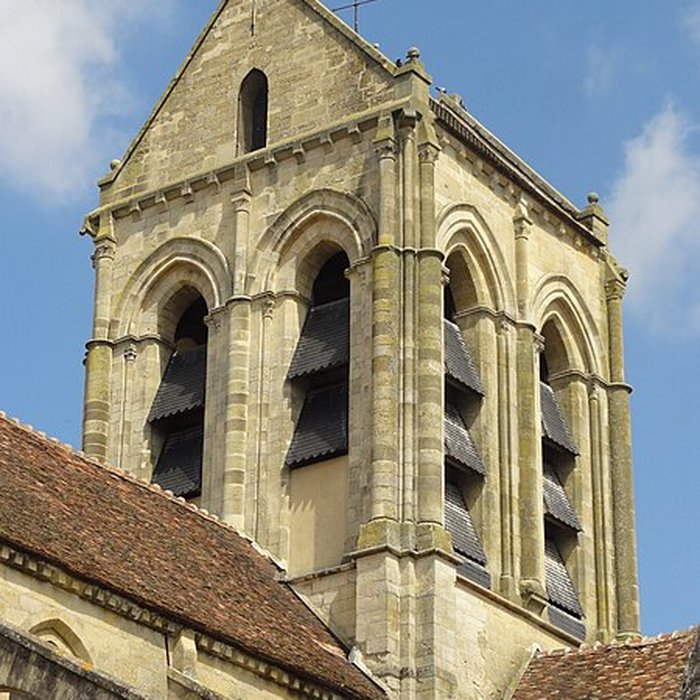
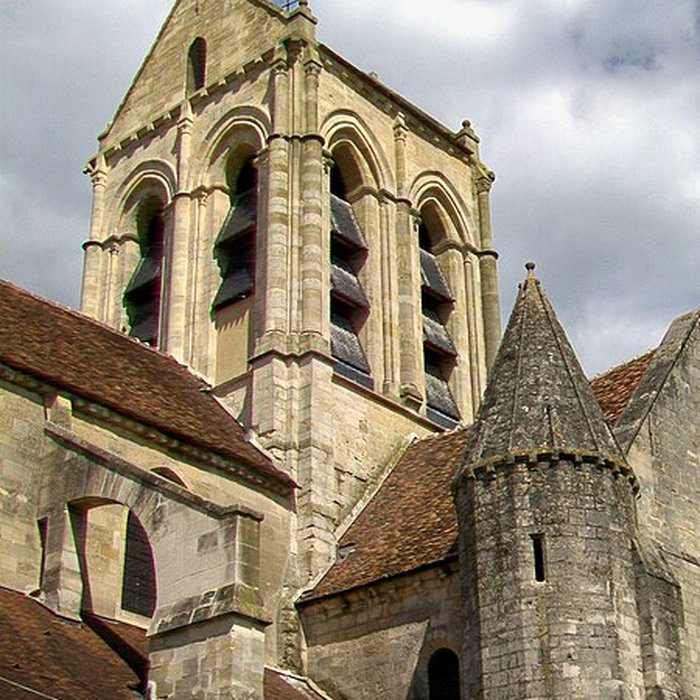
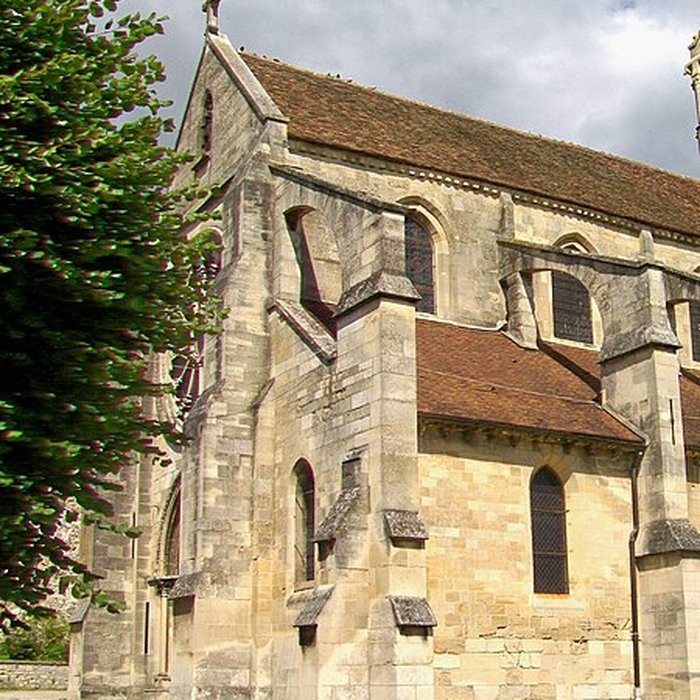
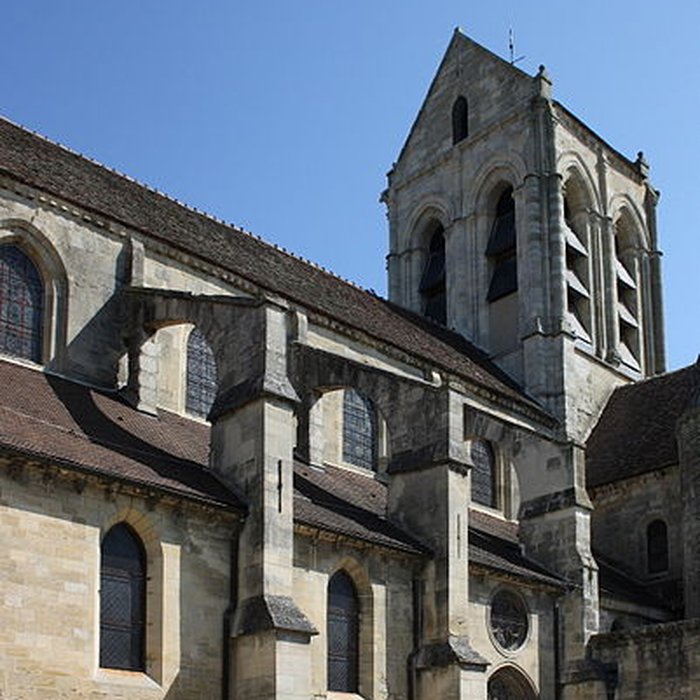
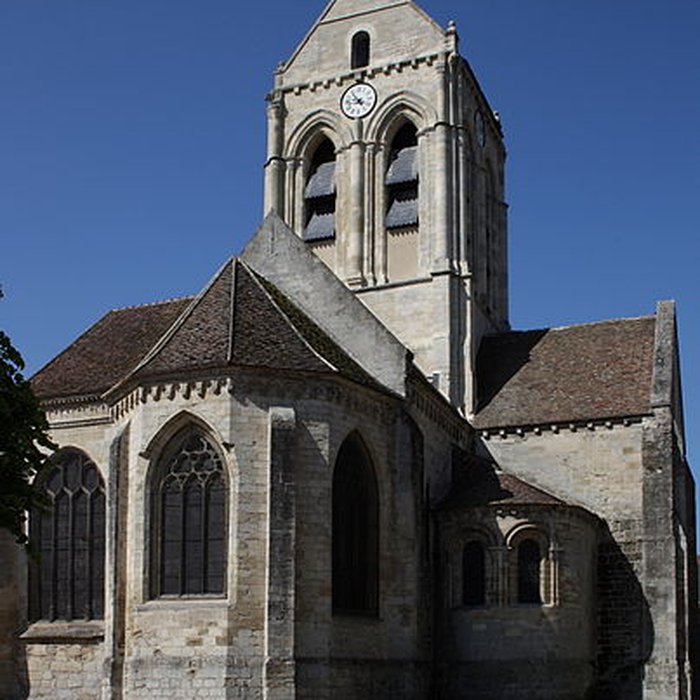
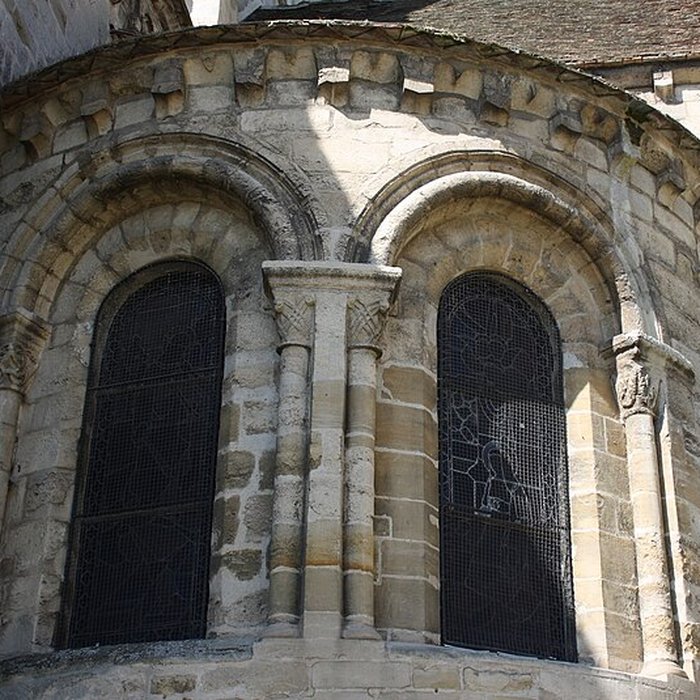
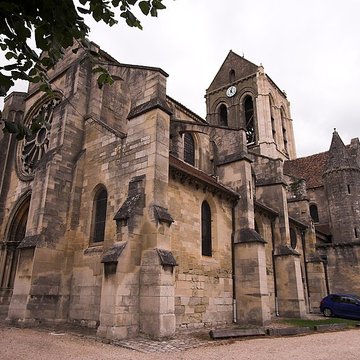
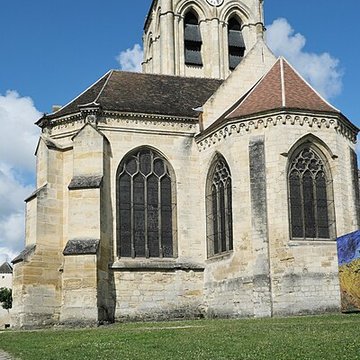
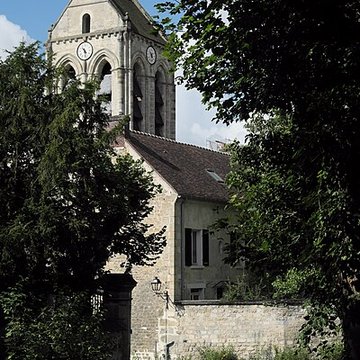
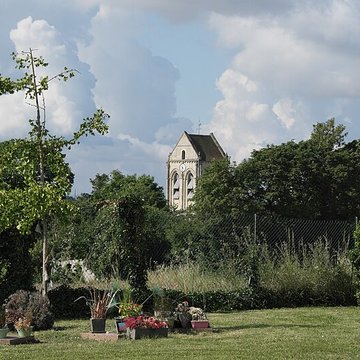
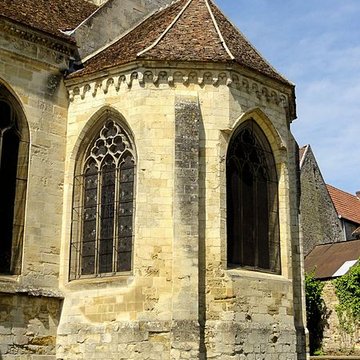
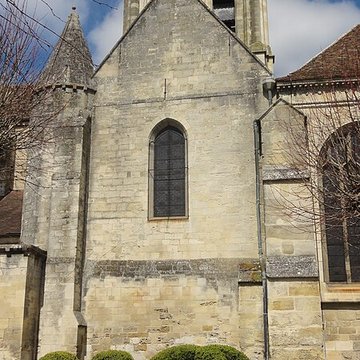
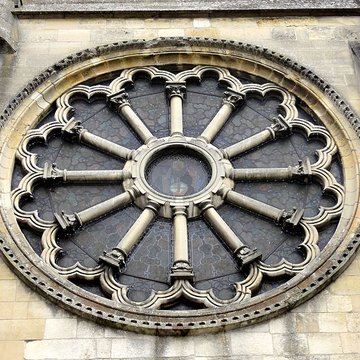
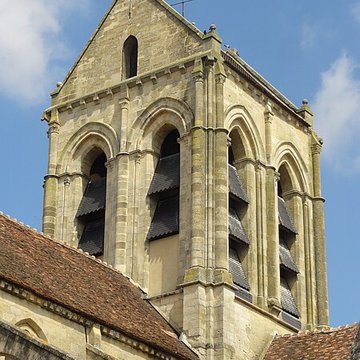
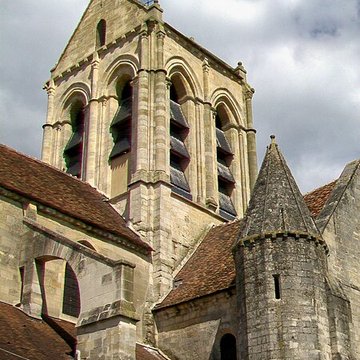
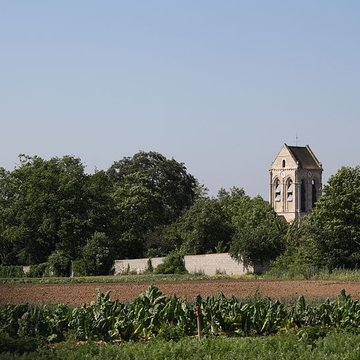
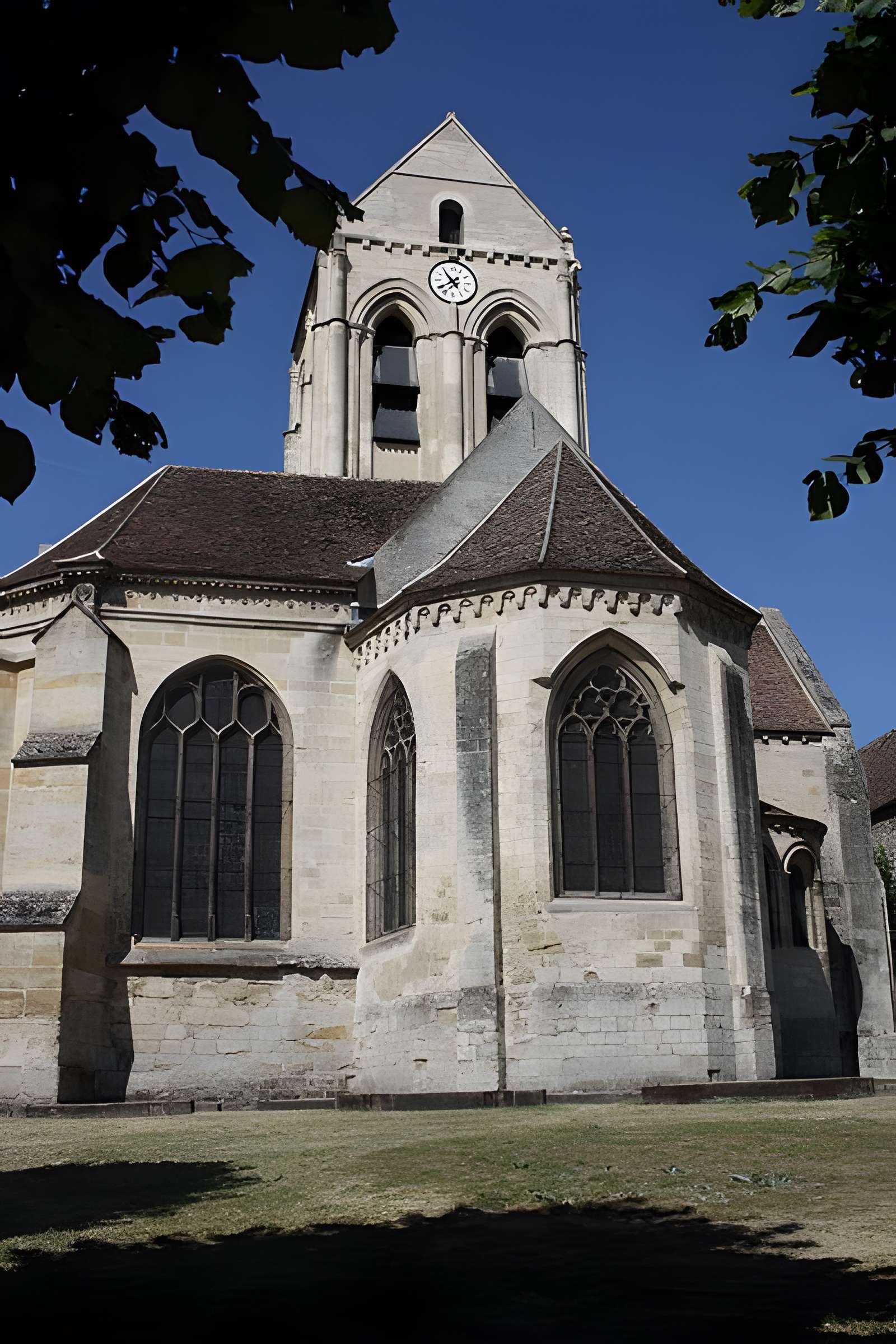
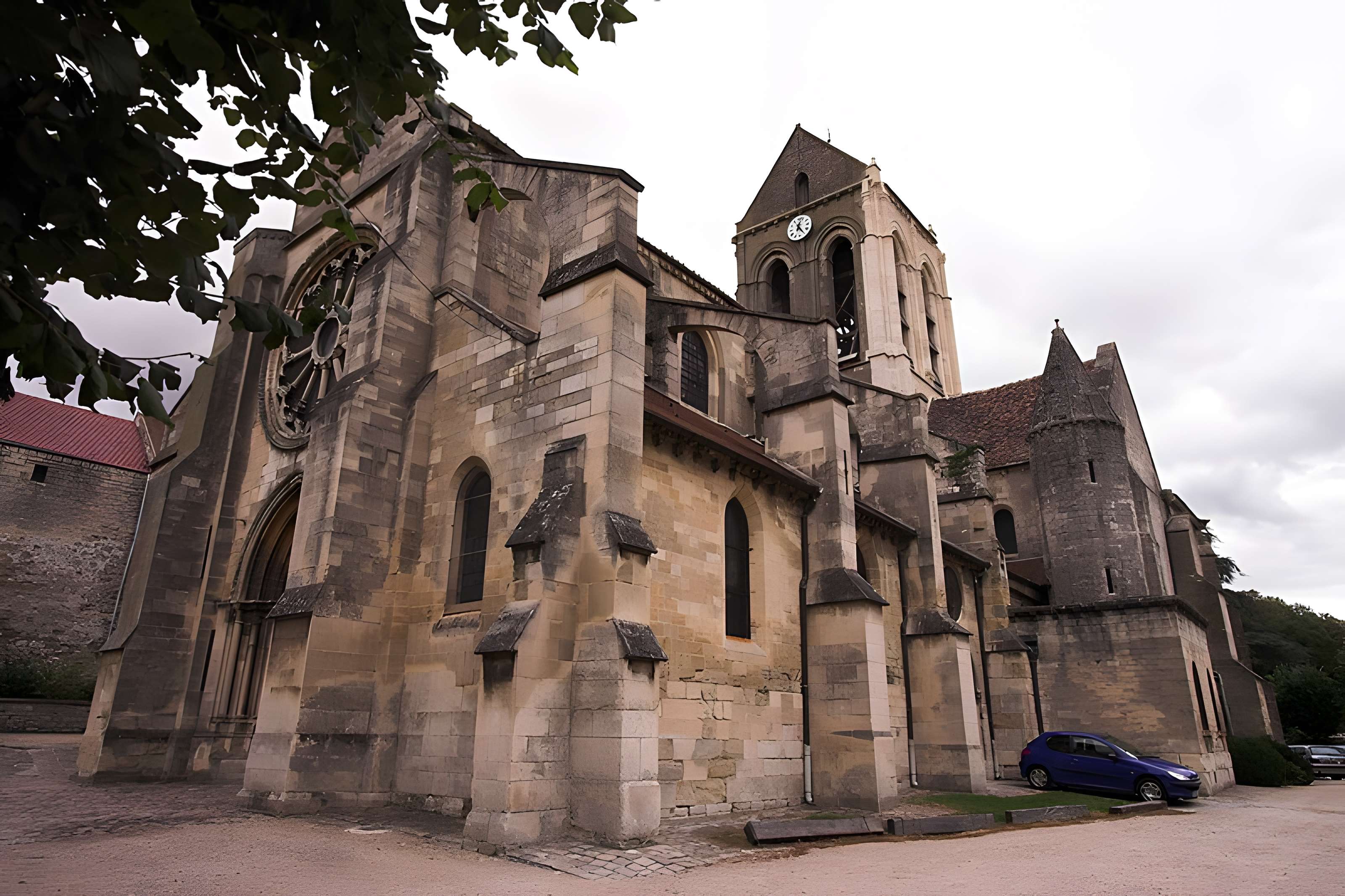
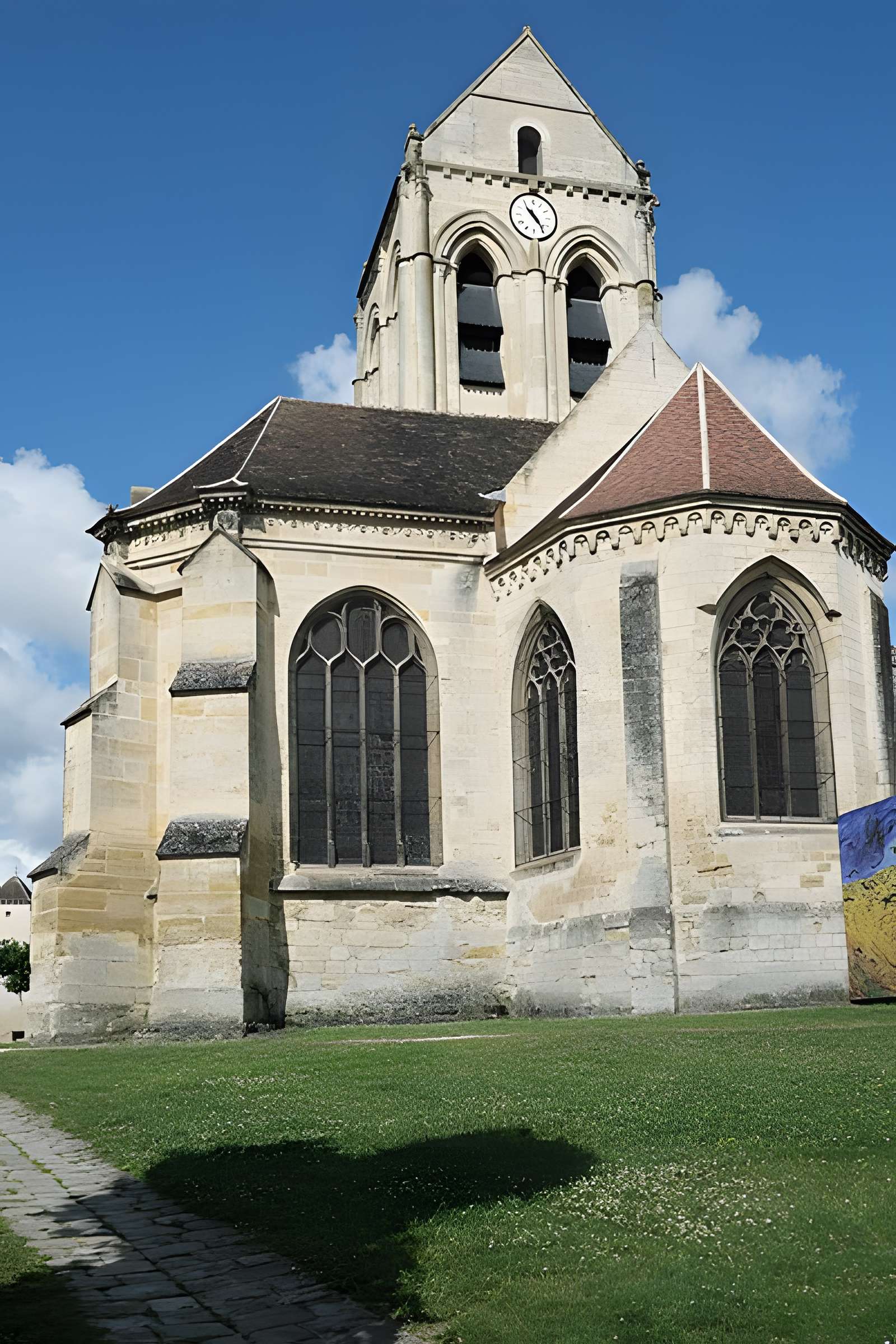
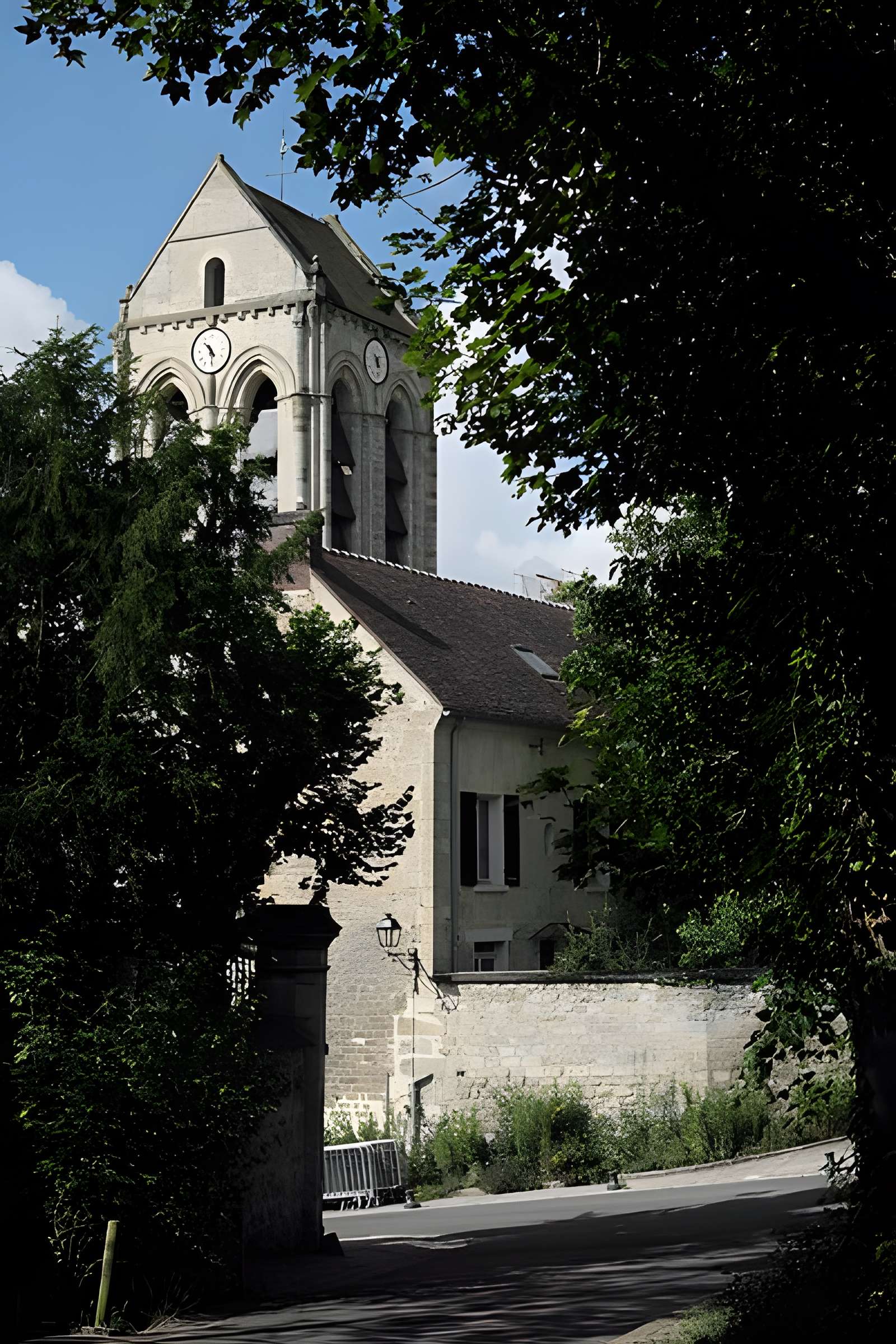
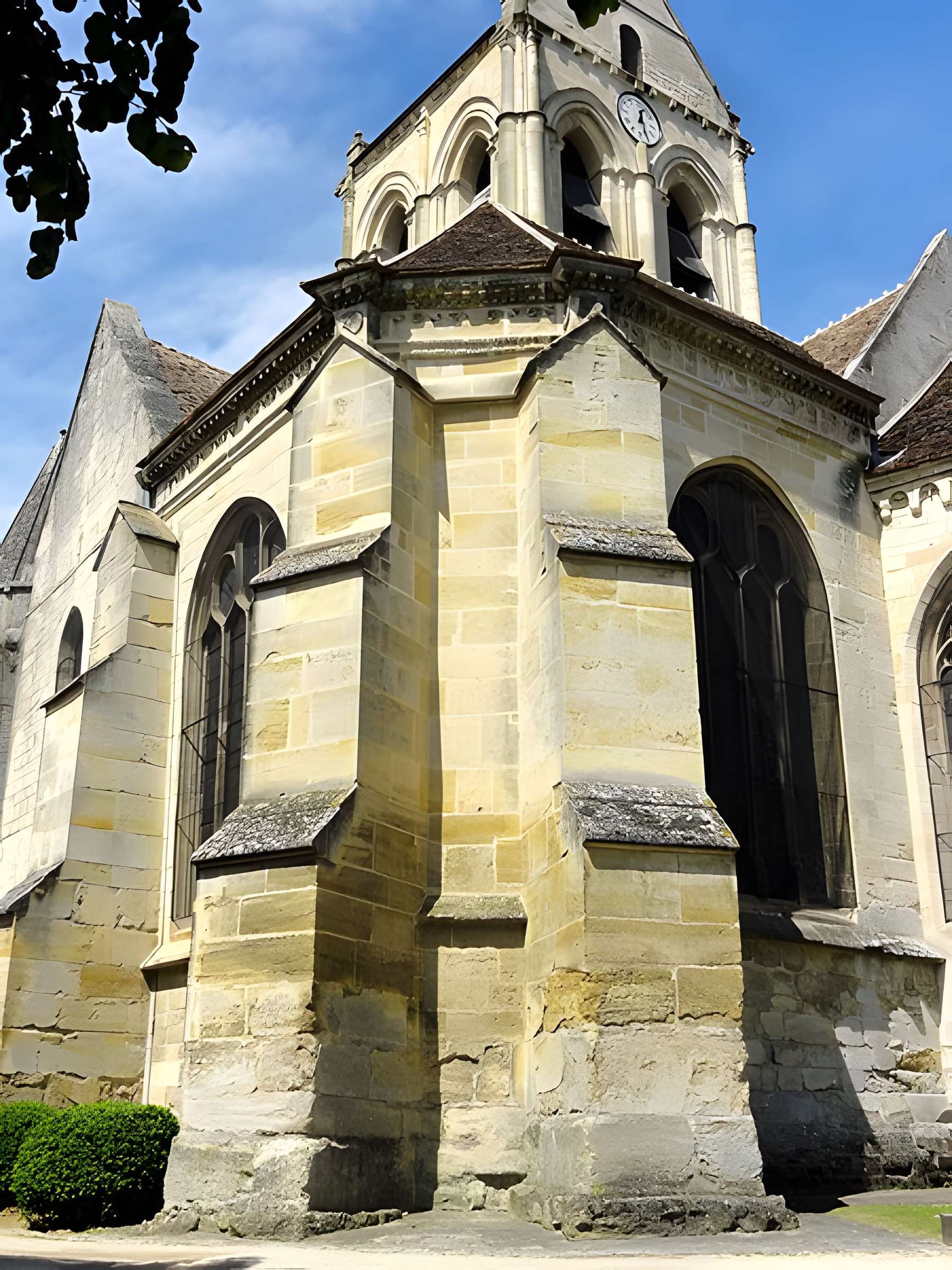
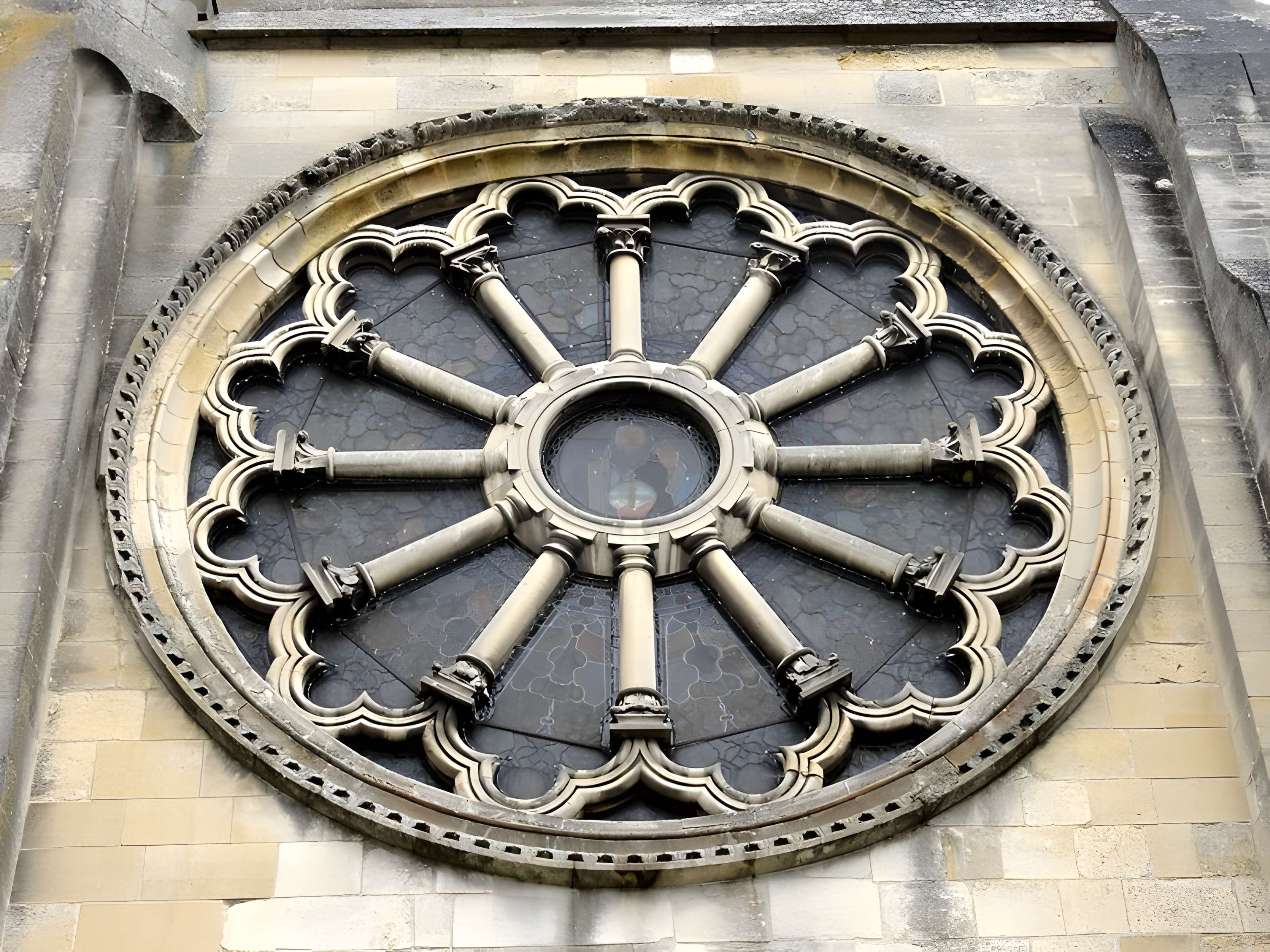
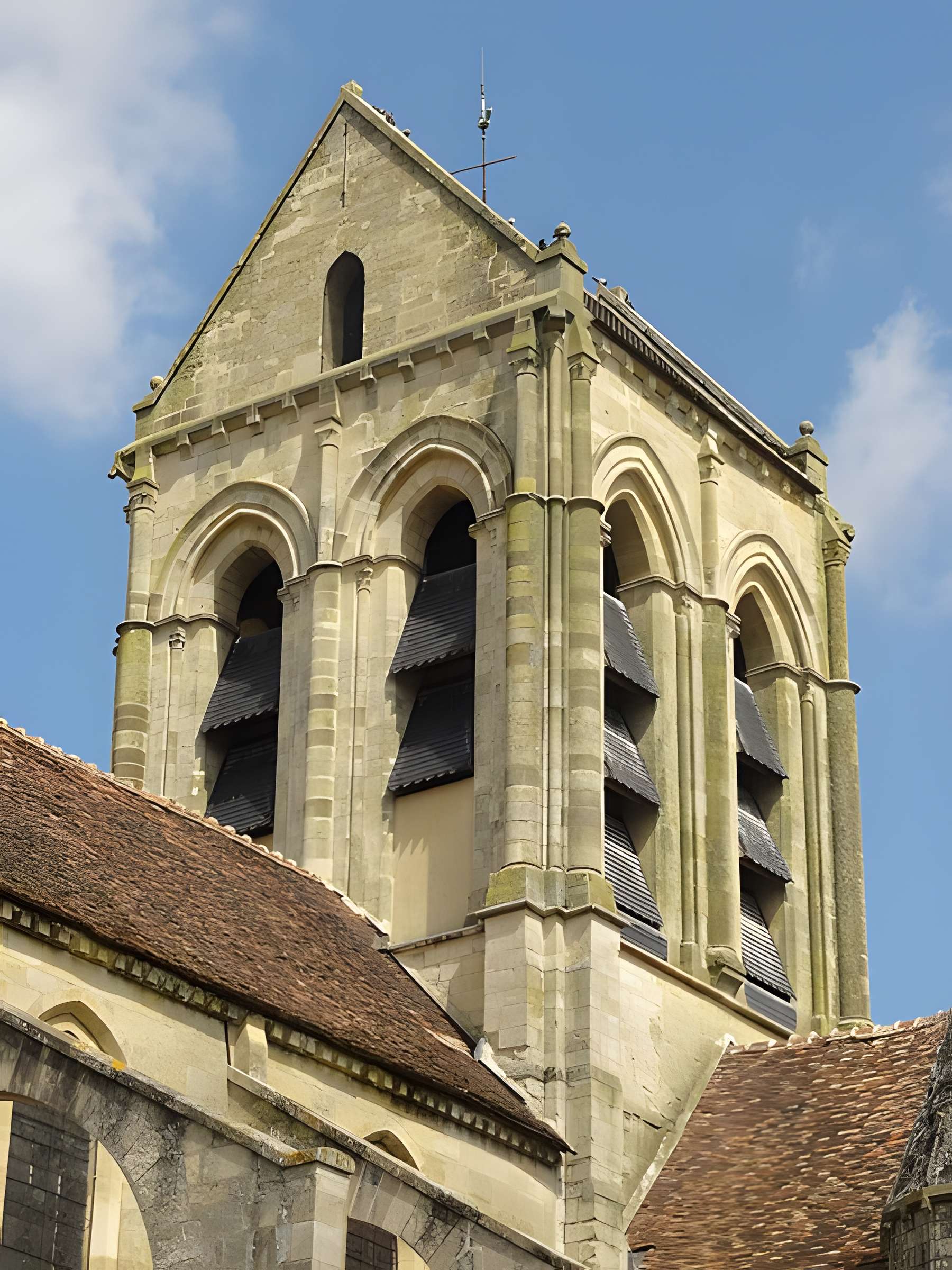
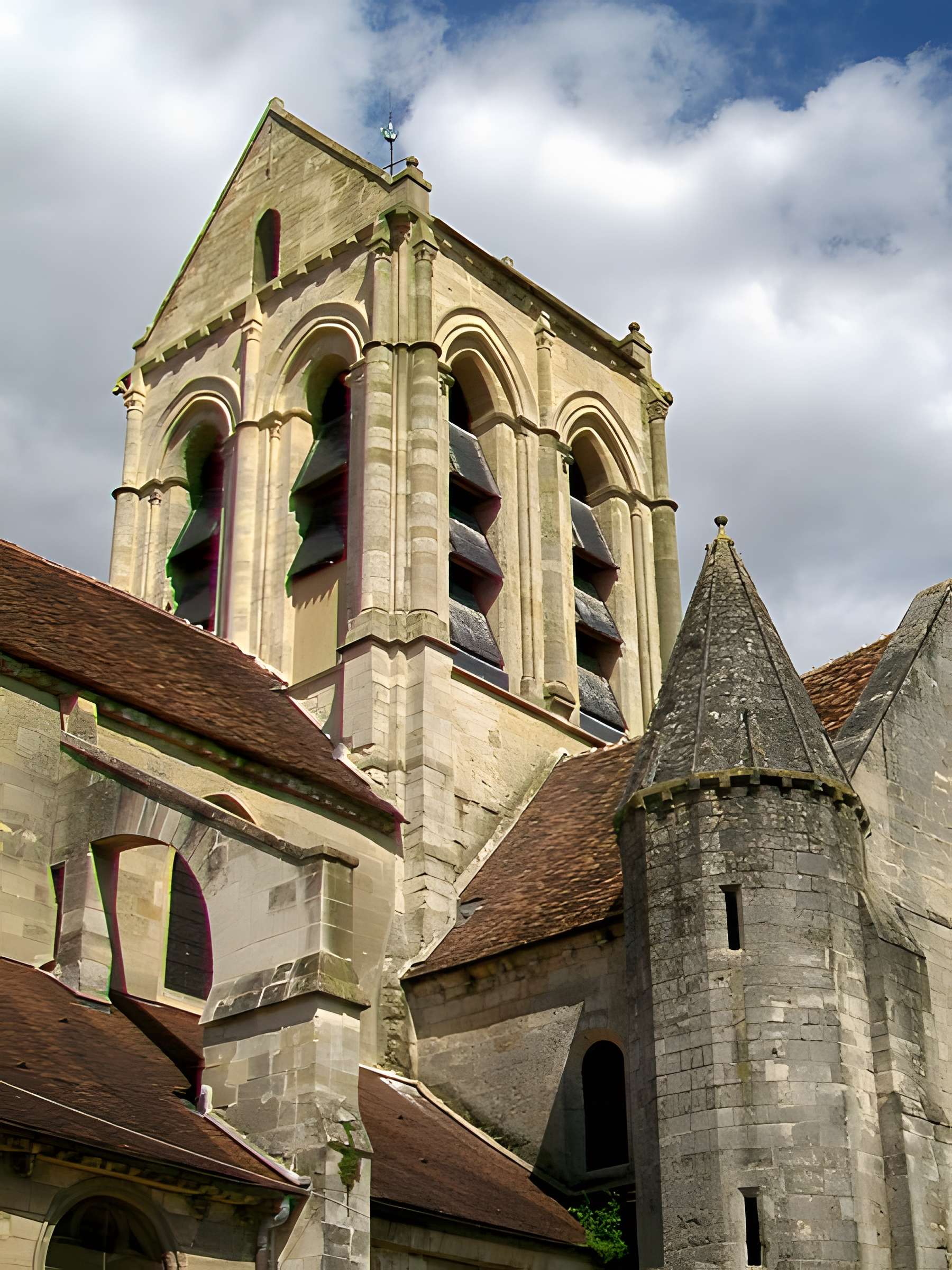
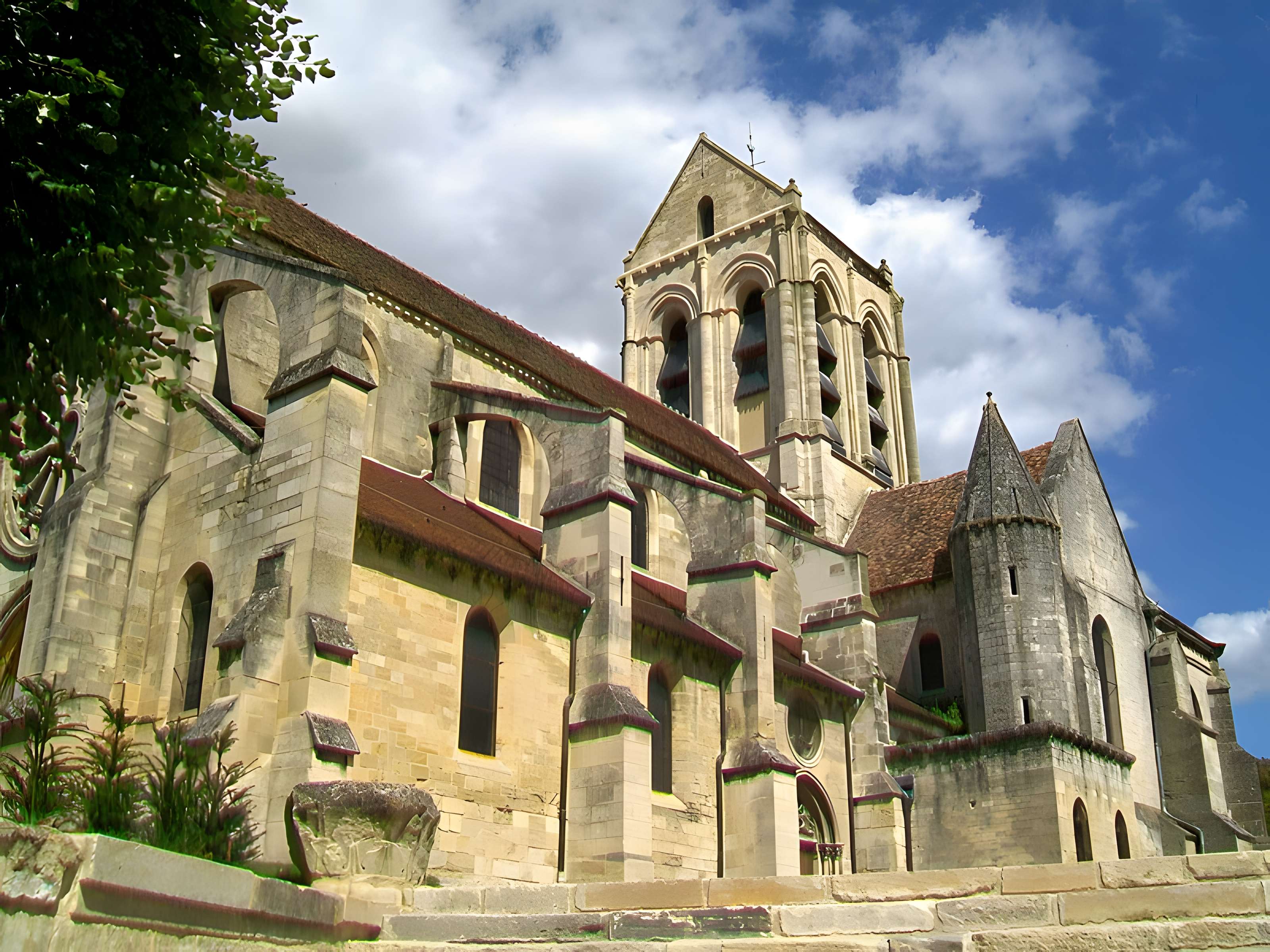
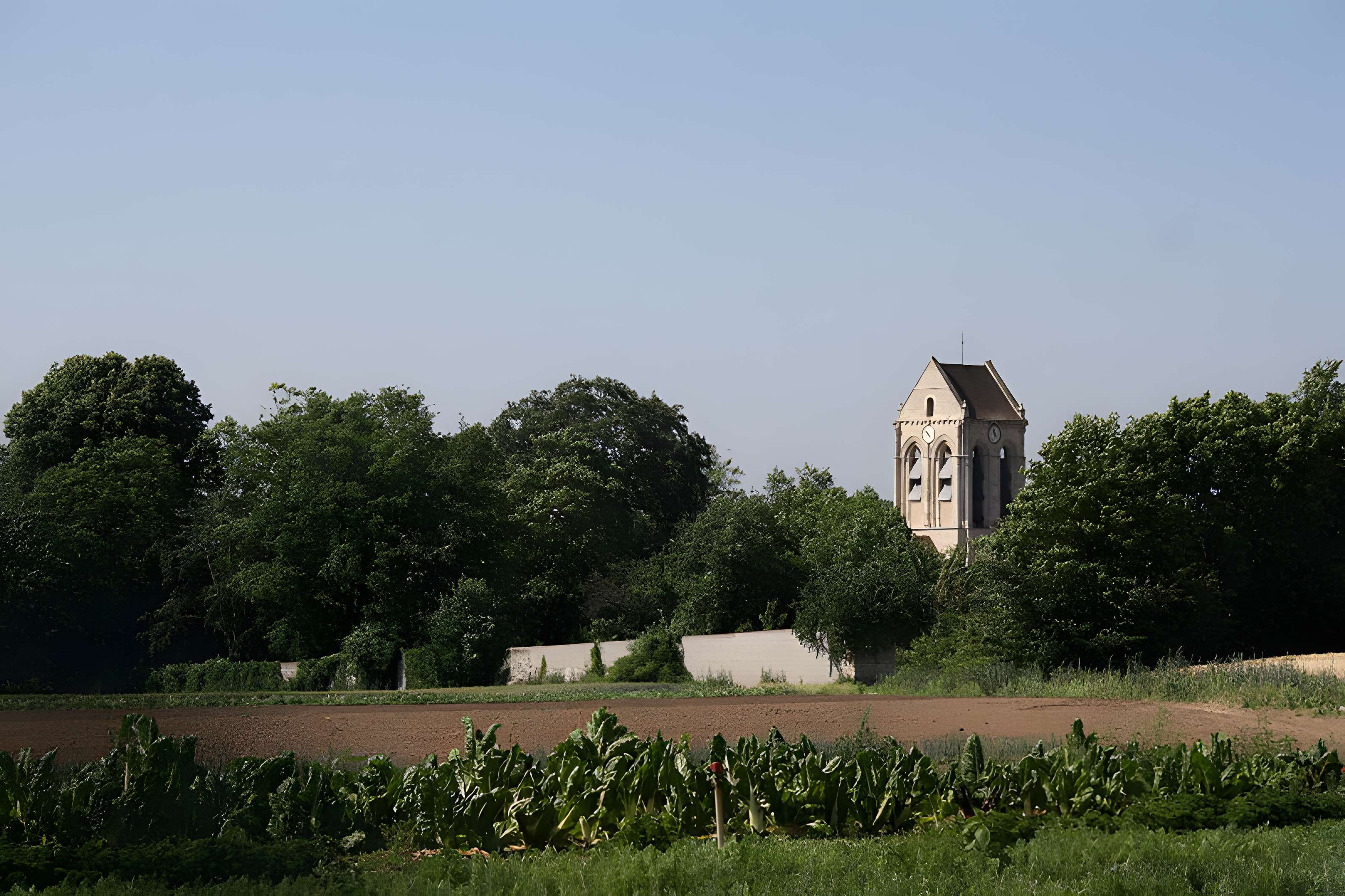
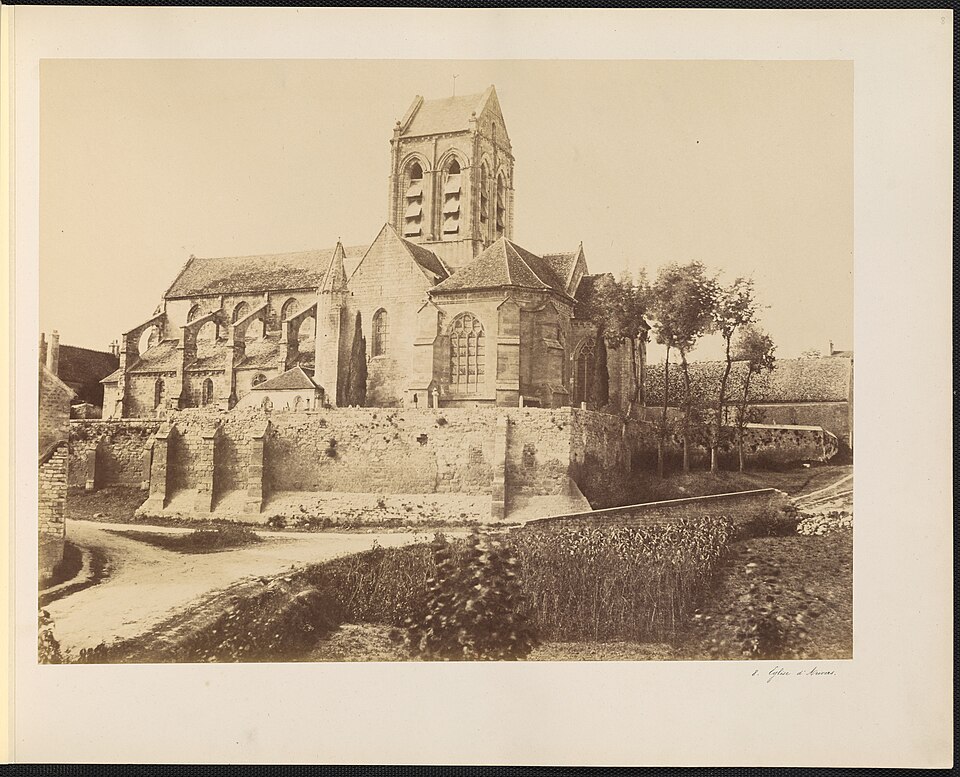
In the 13th century, radiant Gothic windows transformed the bedside, while in the 16th century, the late flamboyant Virgin's chapel replaced a hypothetical southern apsidiole. The church, classified as a Historic Monument in 1856 and declassified in 1874 due to clumsy restorations, was again protected in 1915. Its building bell tower, typical of the Vexin, and its rose in 1876 after a storm, illustrate its architectural evolution.
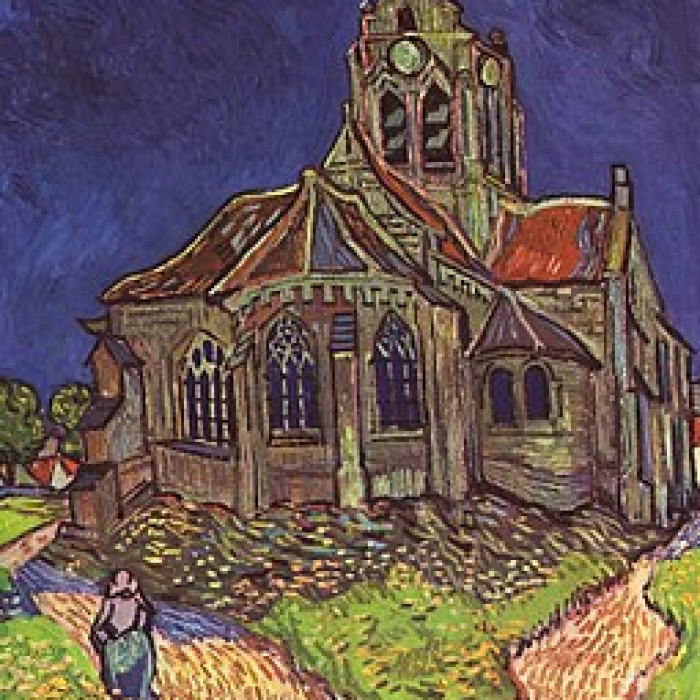
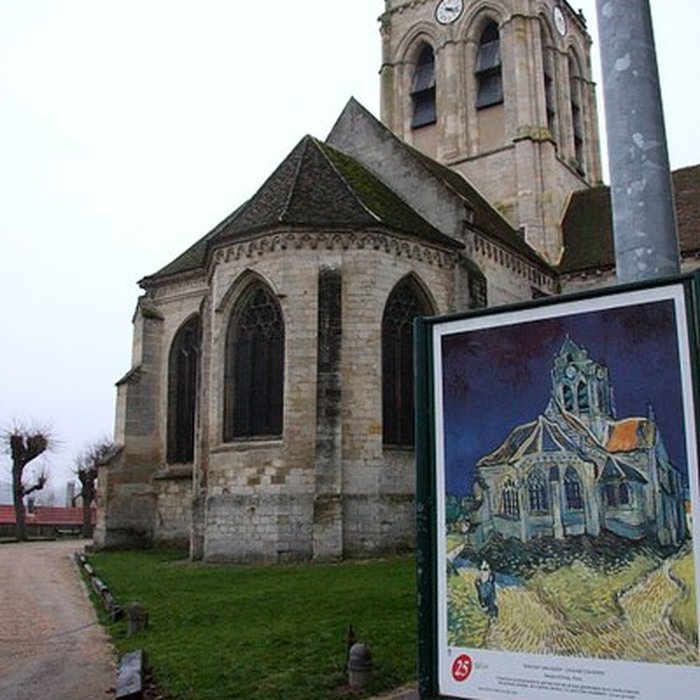
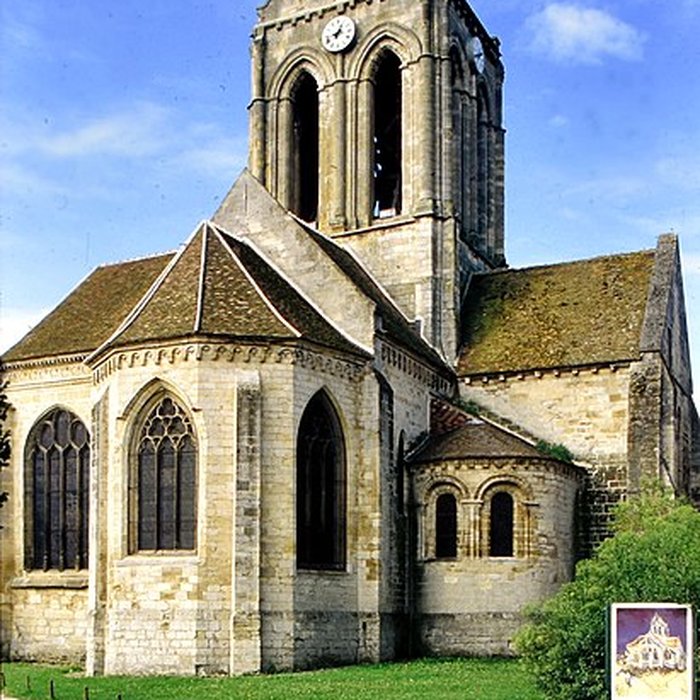
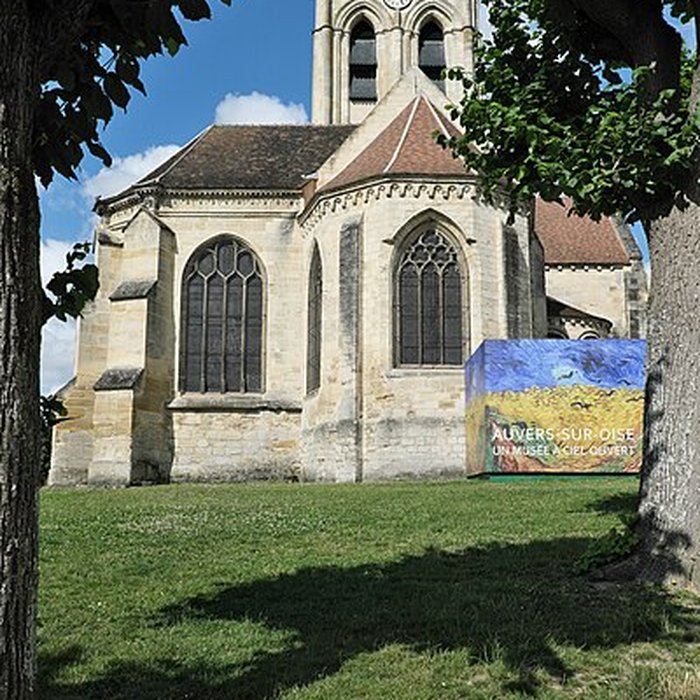
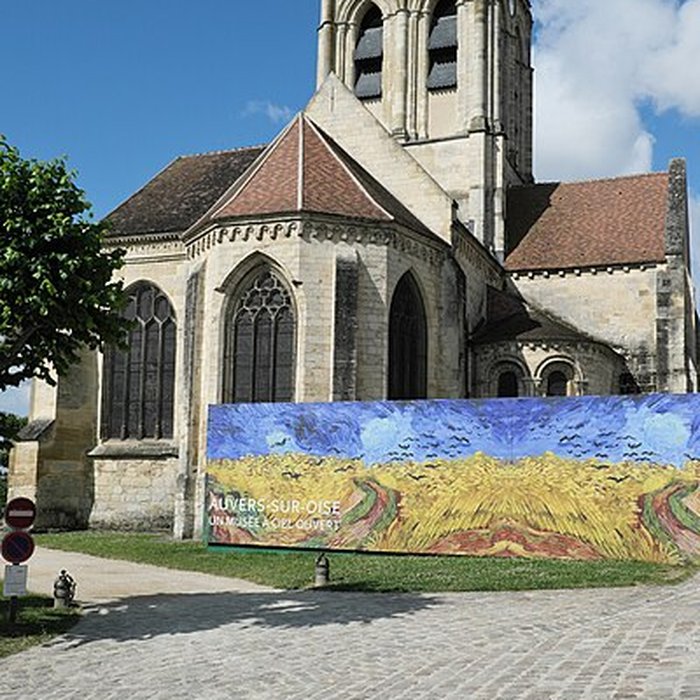
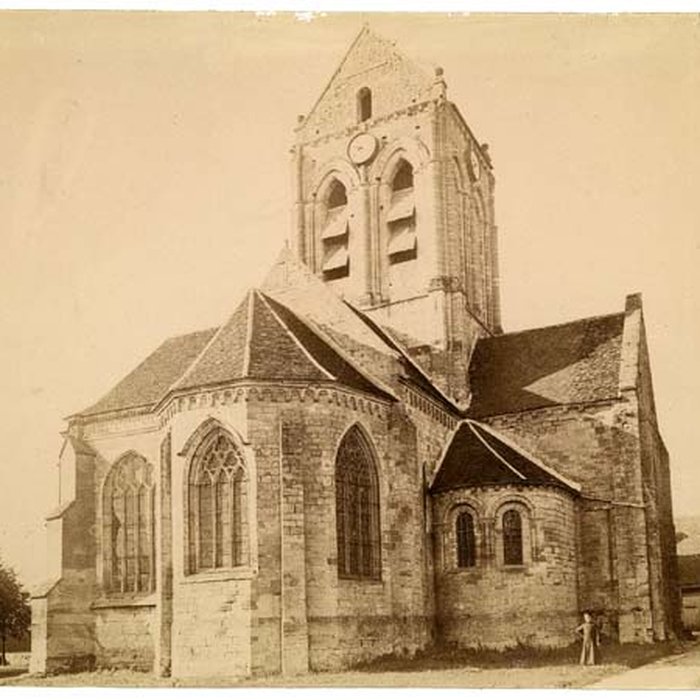
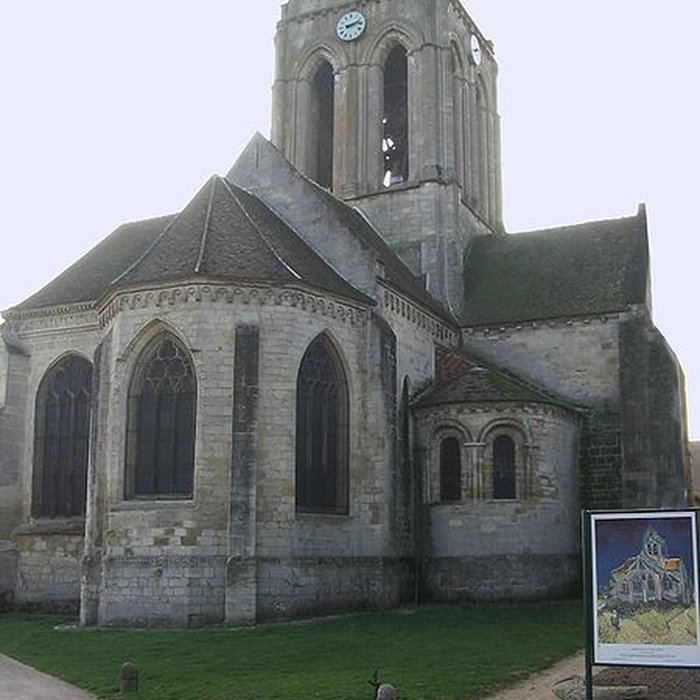
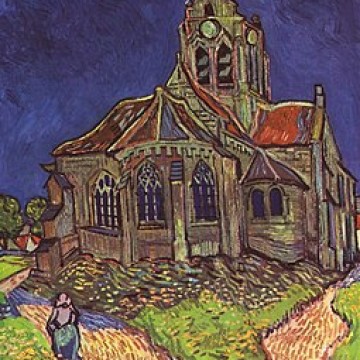
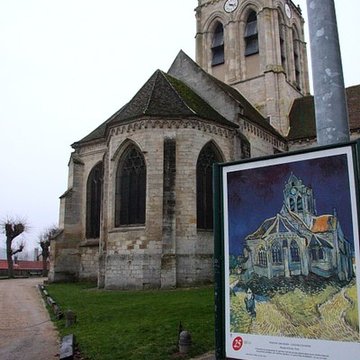
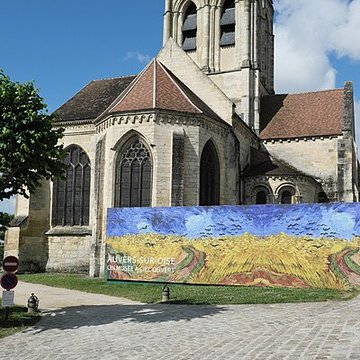
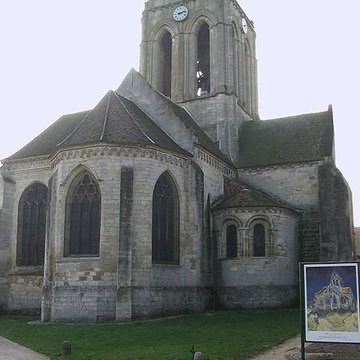
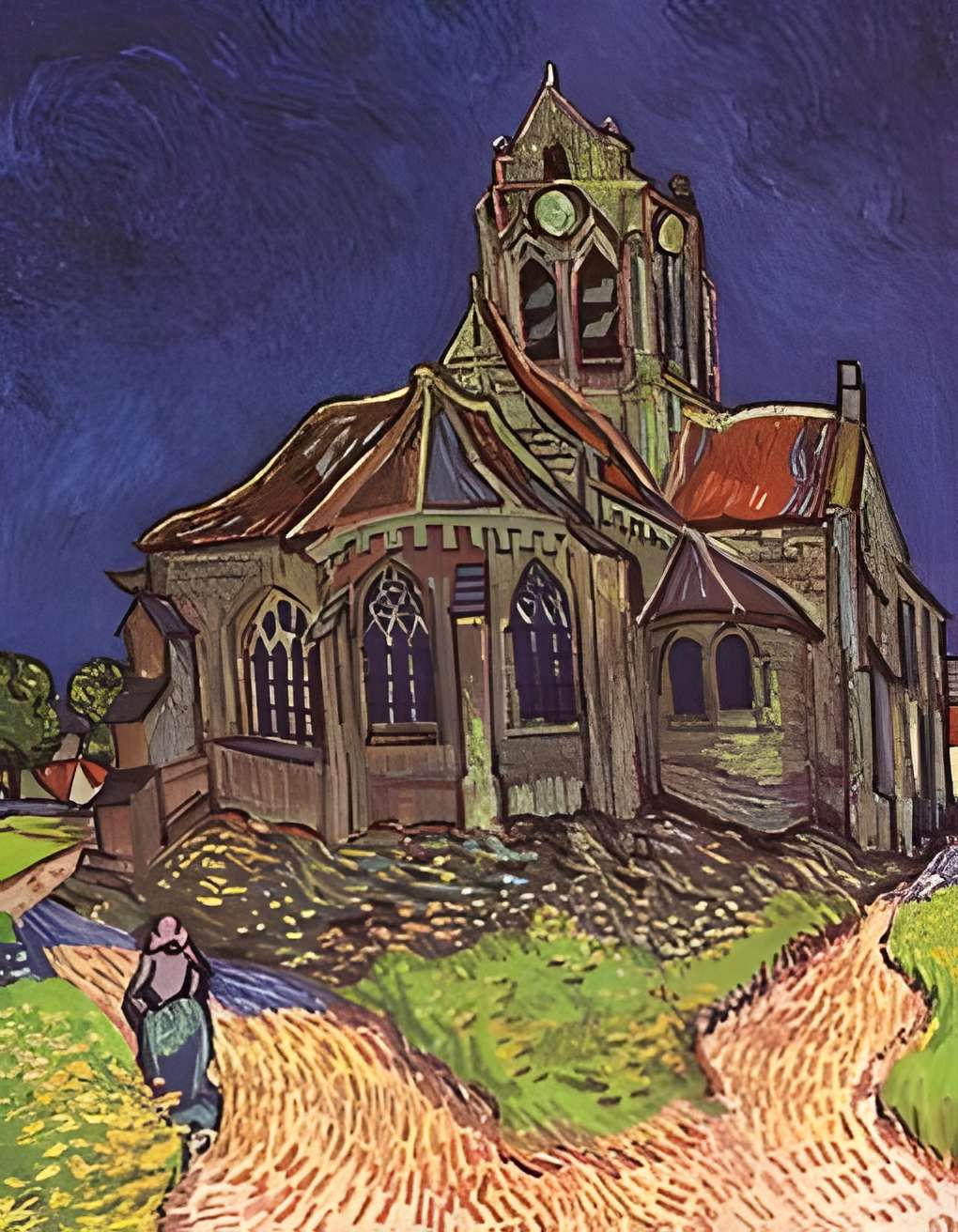
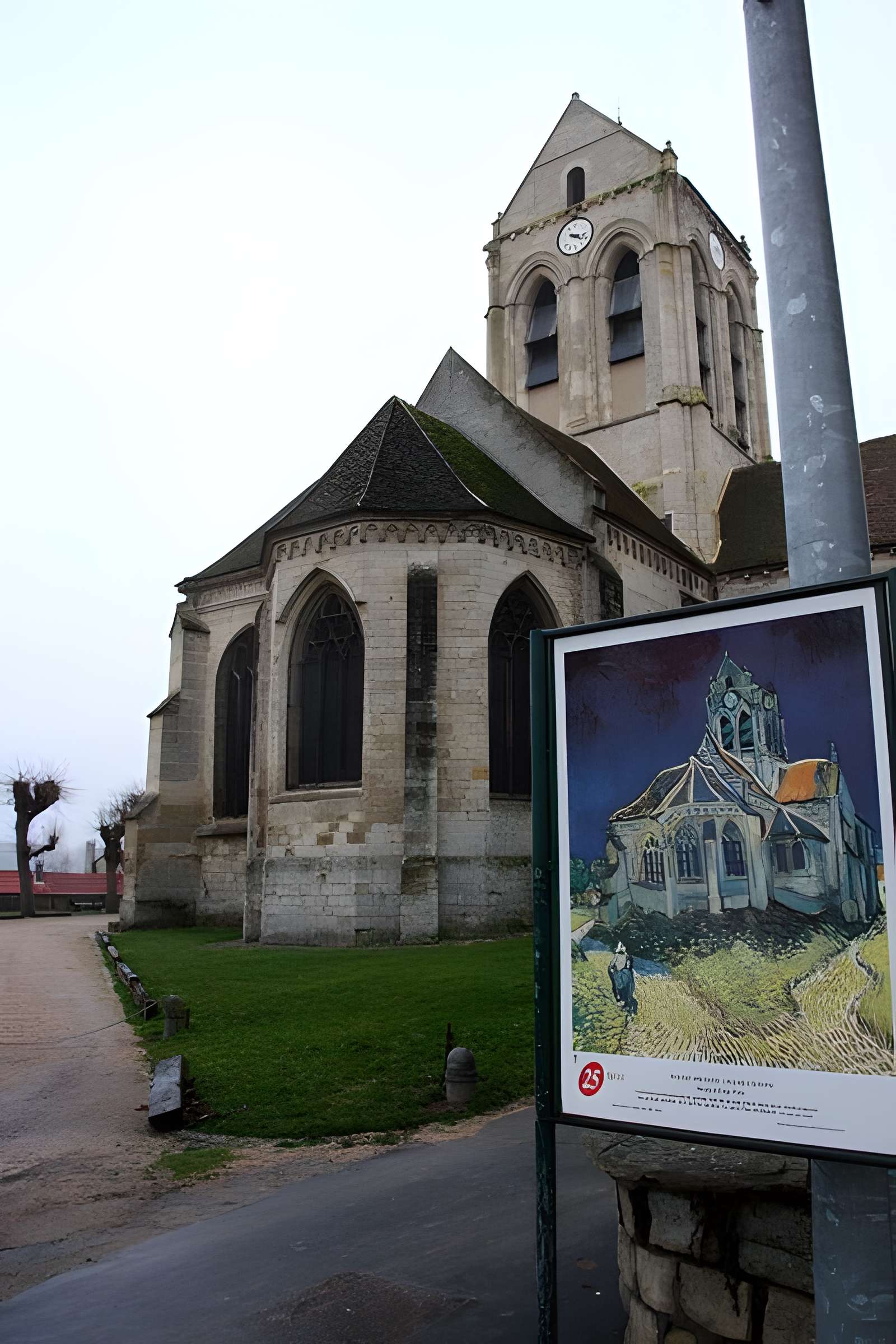
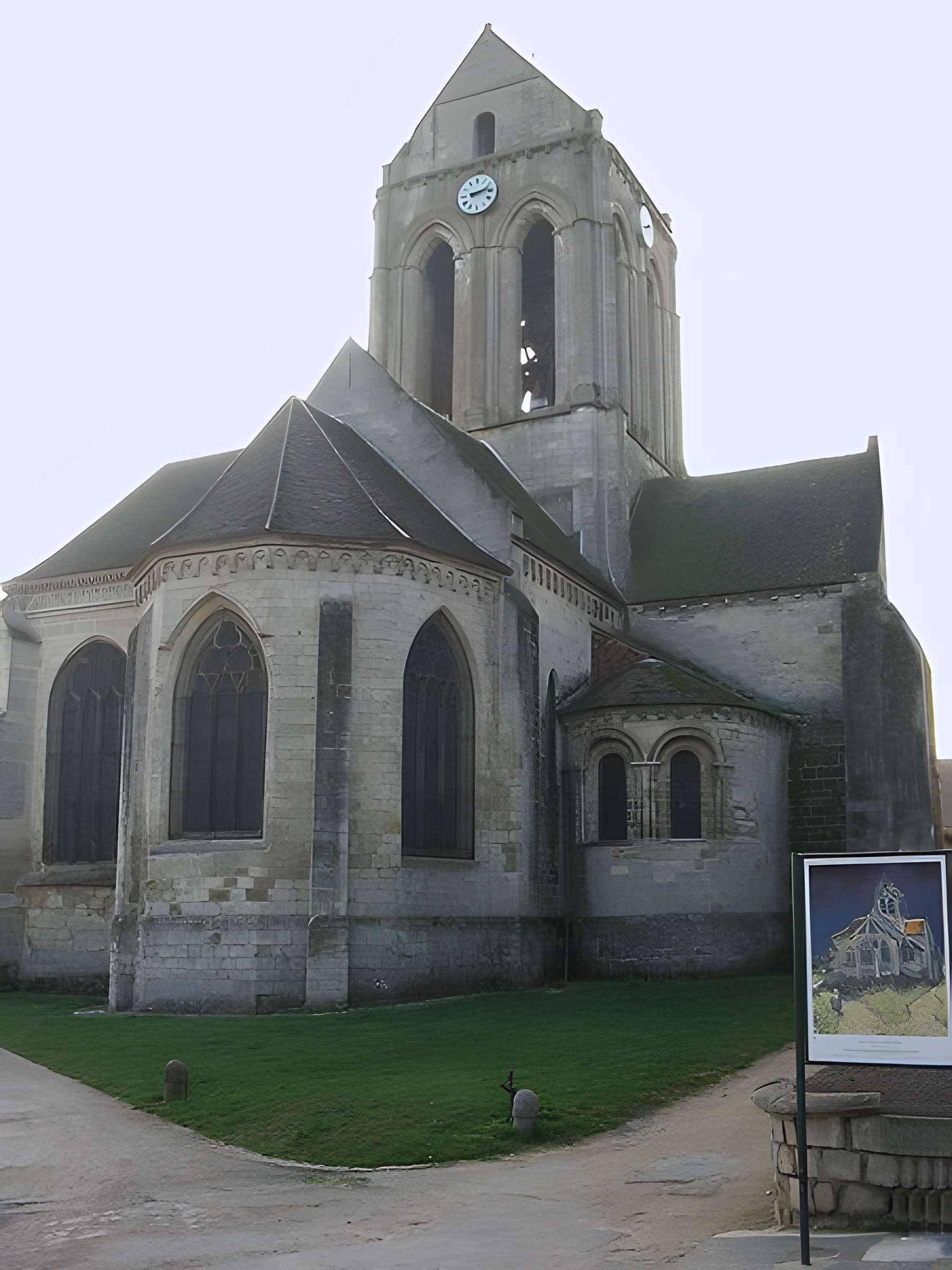
In the 20th century, the church gained worldwide fame thanks to Vincent van Gogh, who immortalized in 1890 in the Church of Auvers-sur-Oise. Its furniture, including a 17th century tabernacle and a 14th century Virgin with Child, as well as classified paintings, testify to its rich heritage. Recent restorations (2016) aim to preserve this emblematic monument, marked by centuries of local and artistic history.
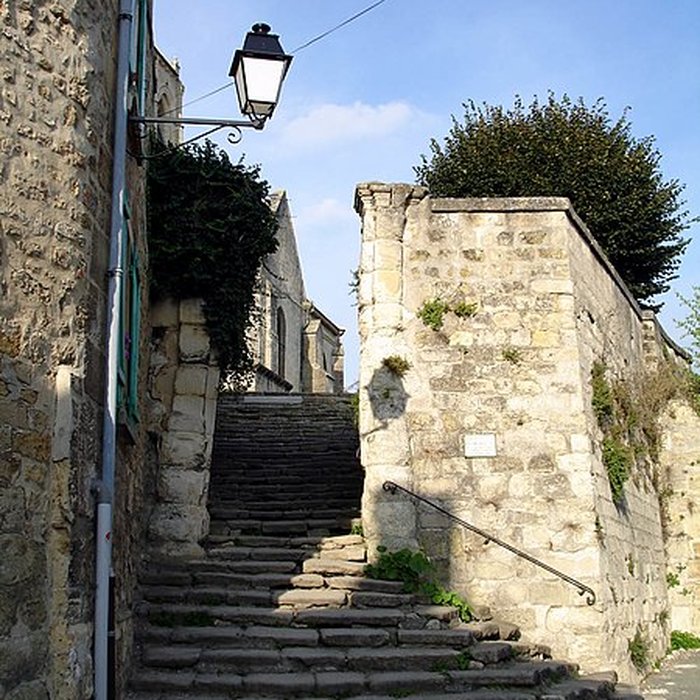
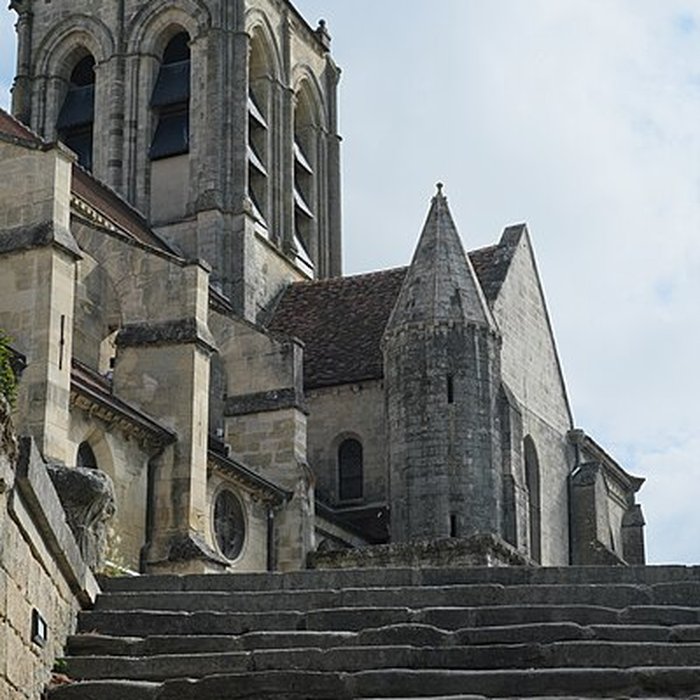
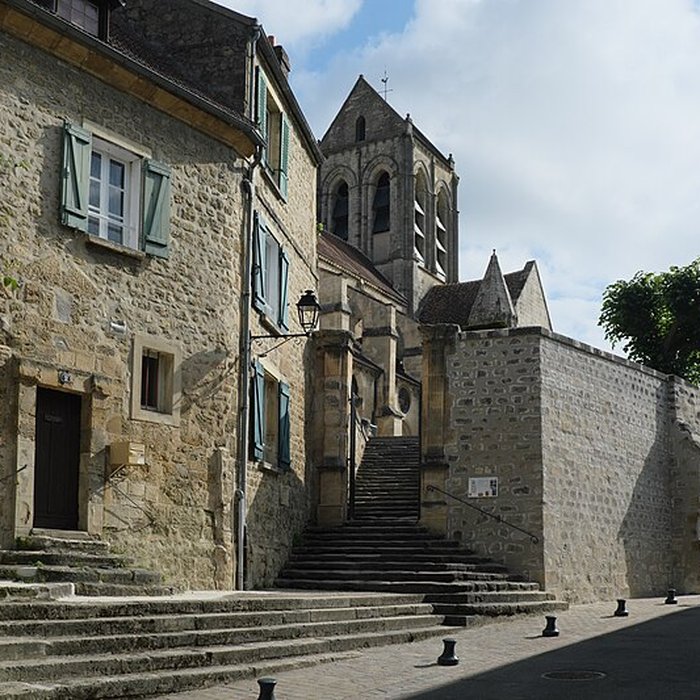
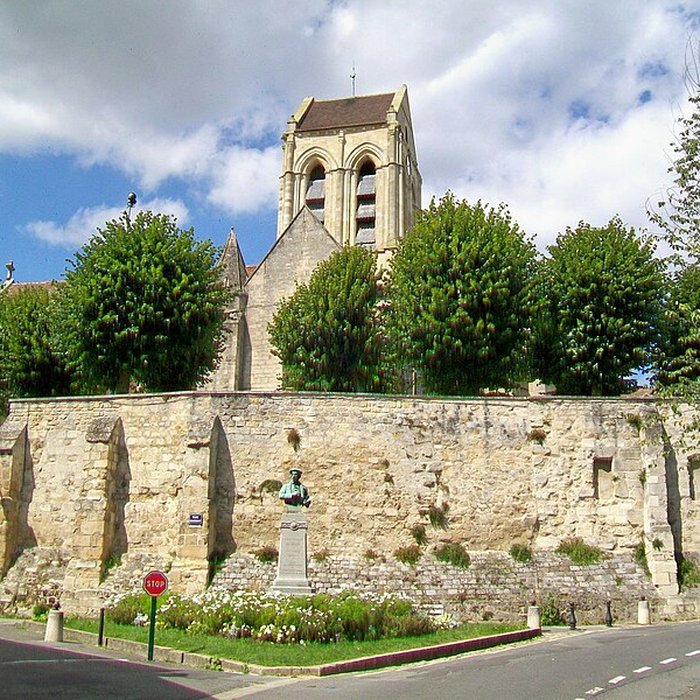
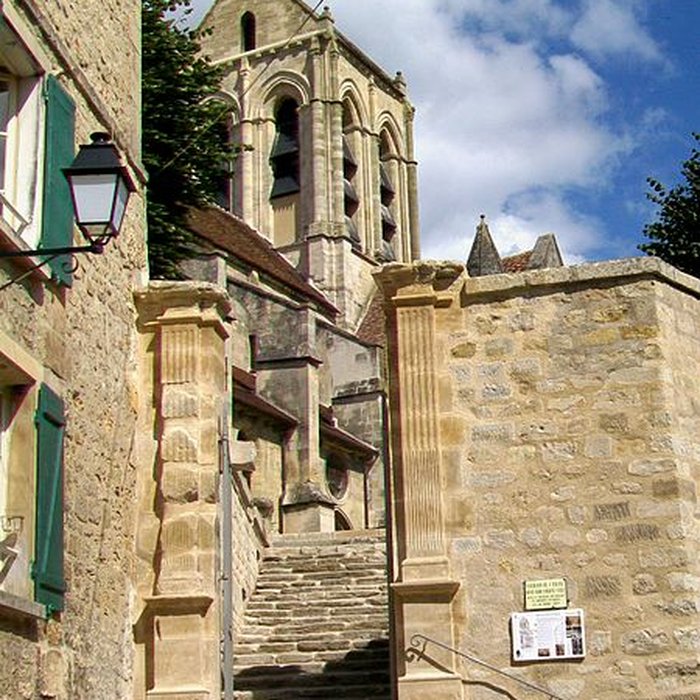
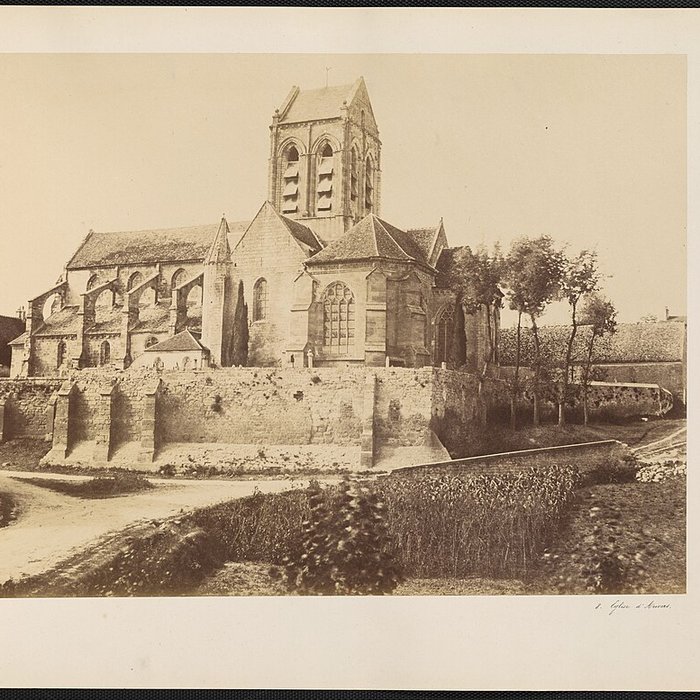
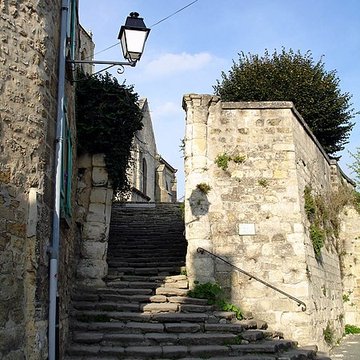
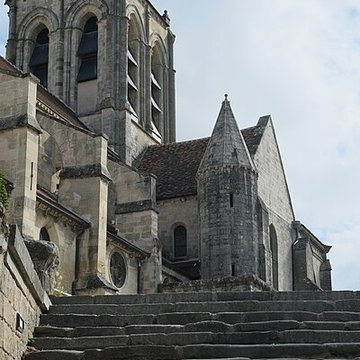
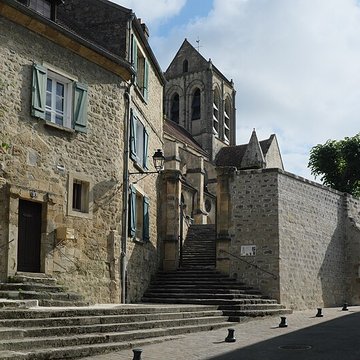
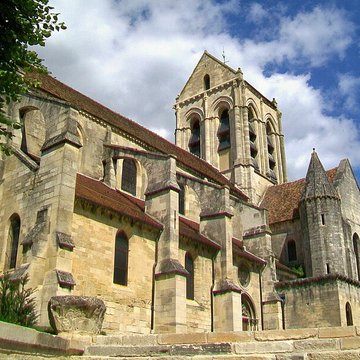
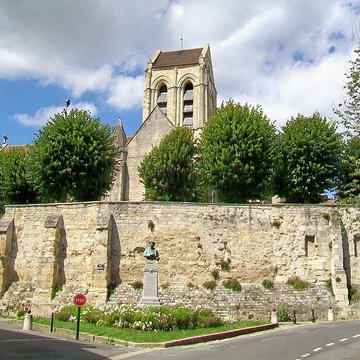
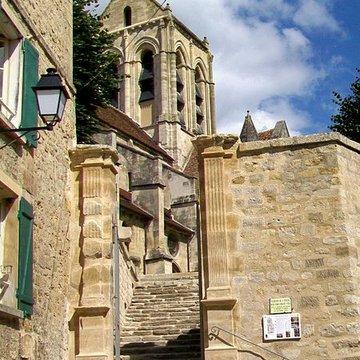
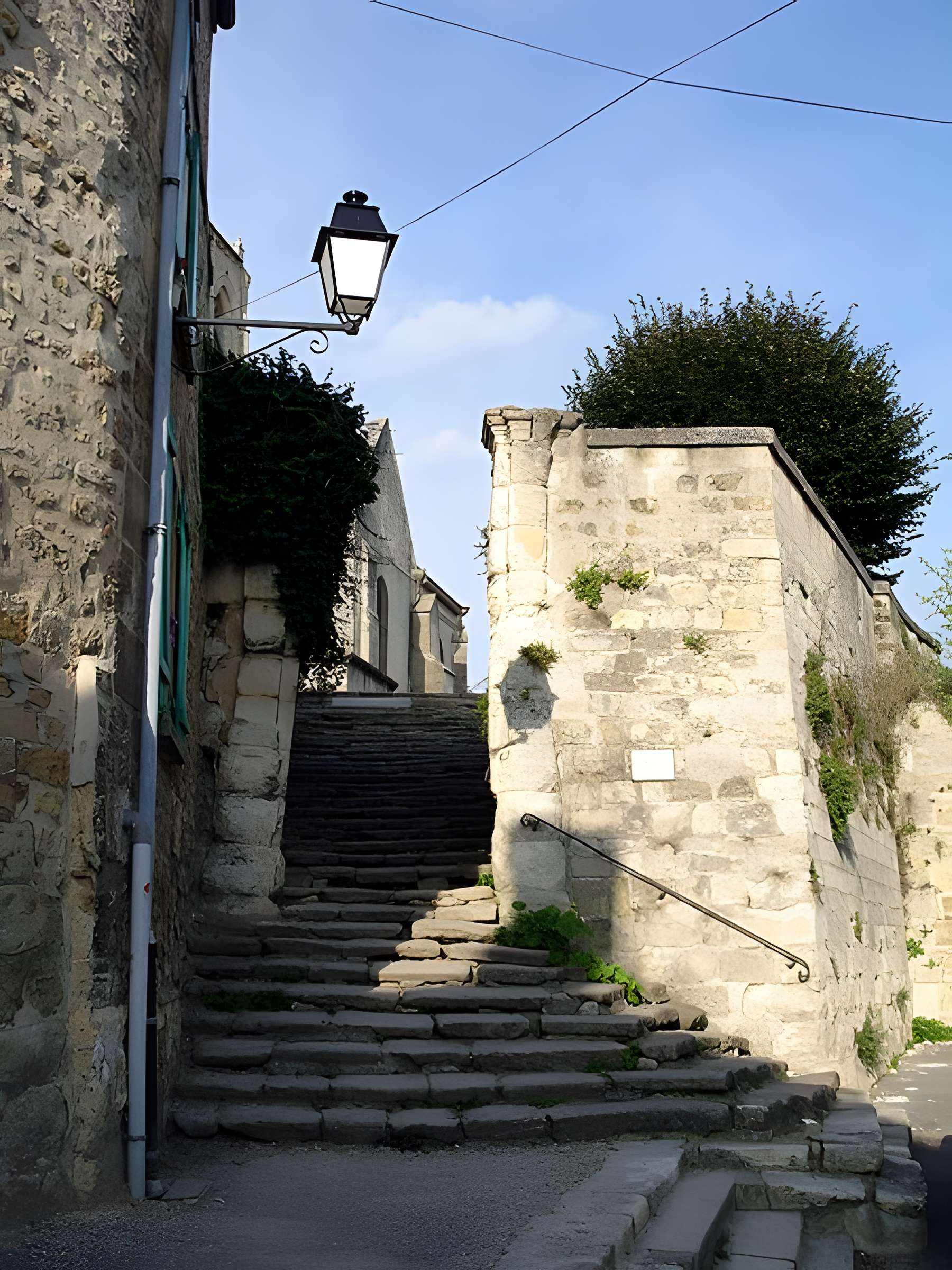
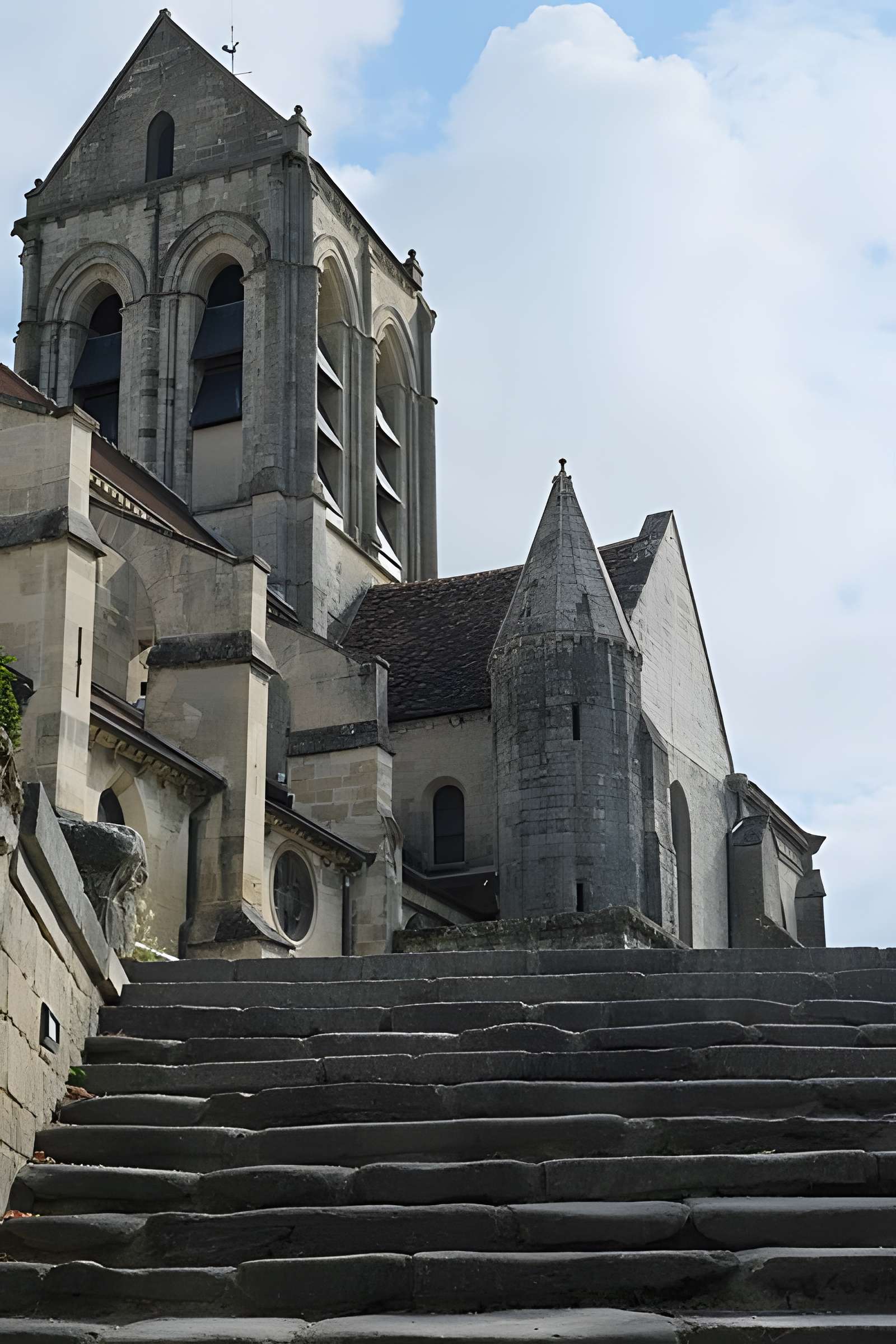
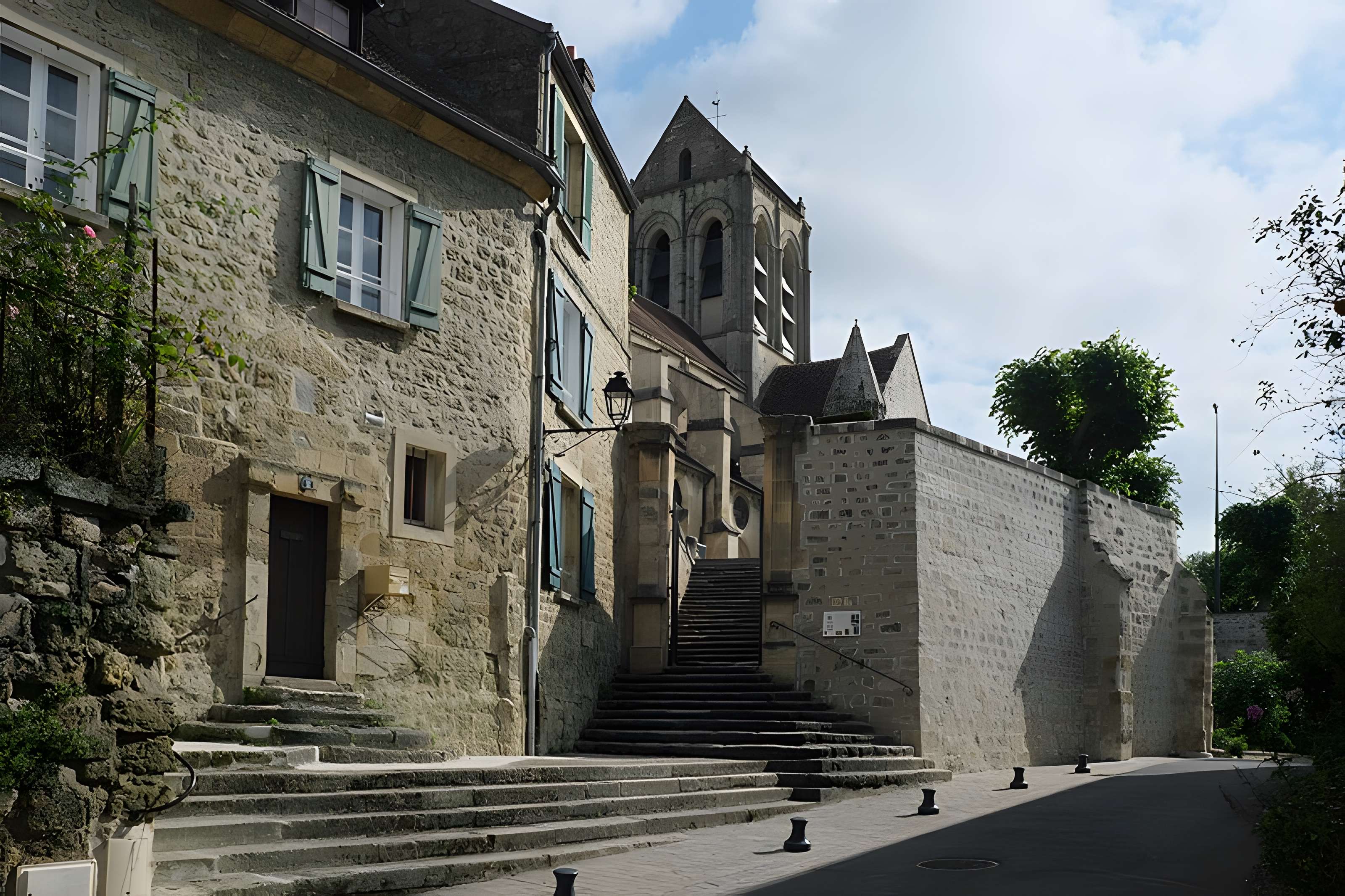
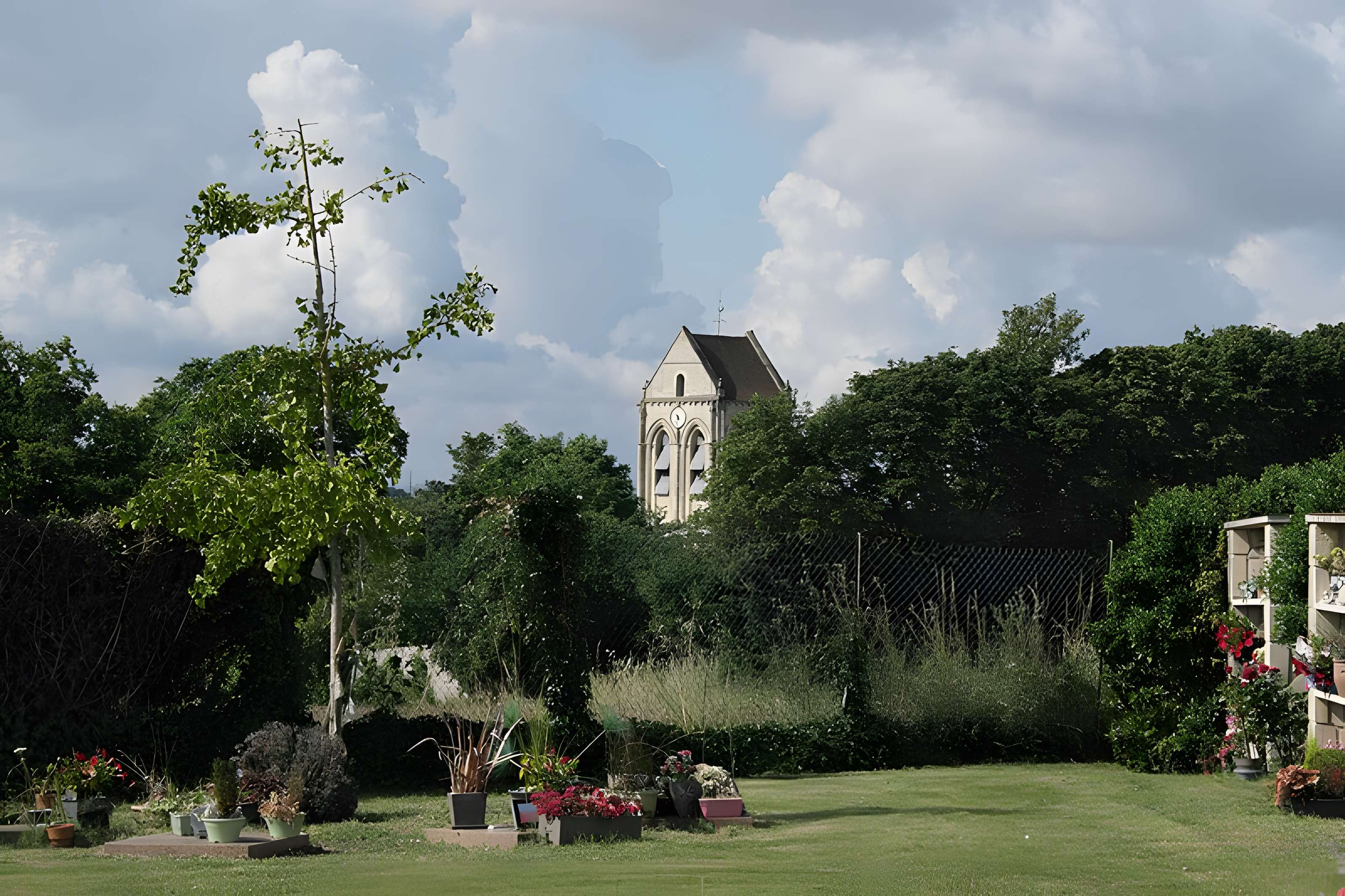
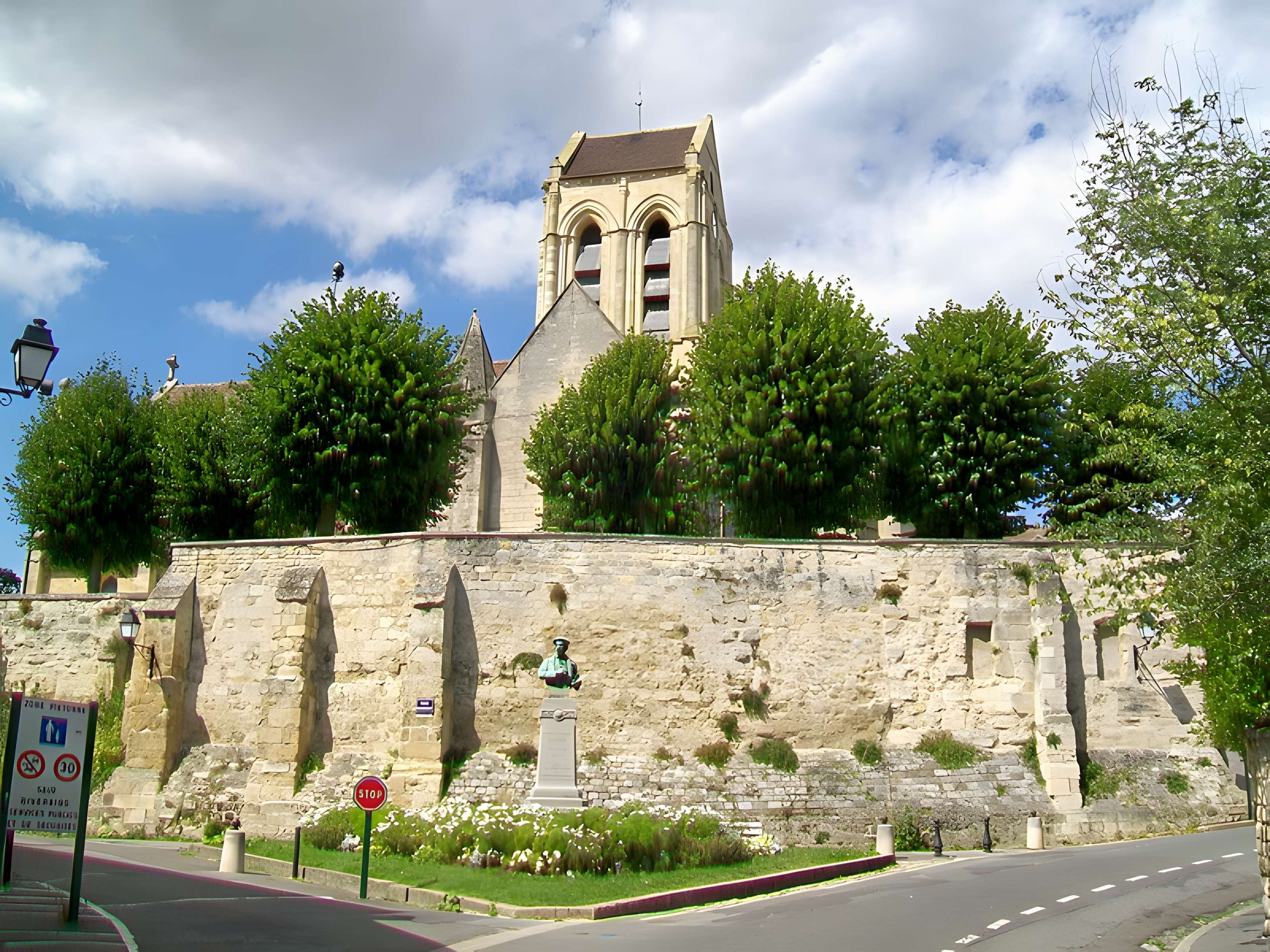
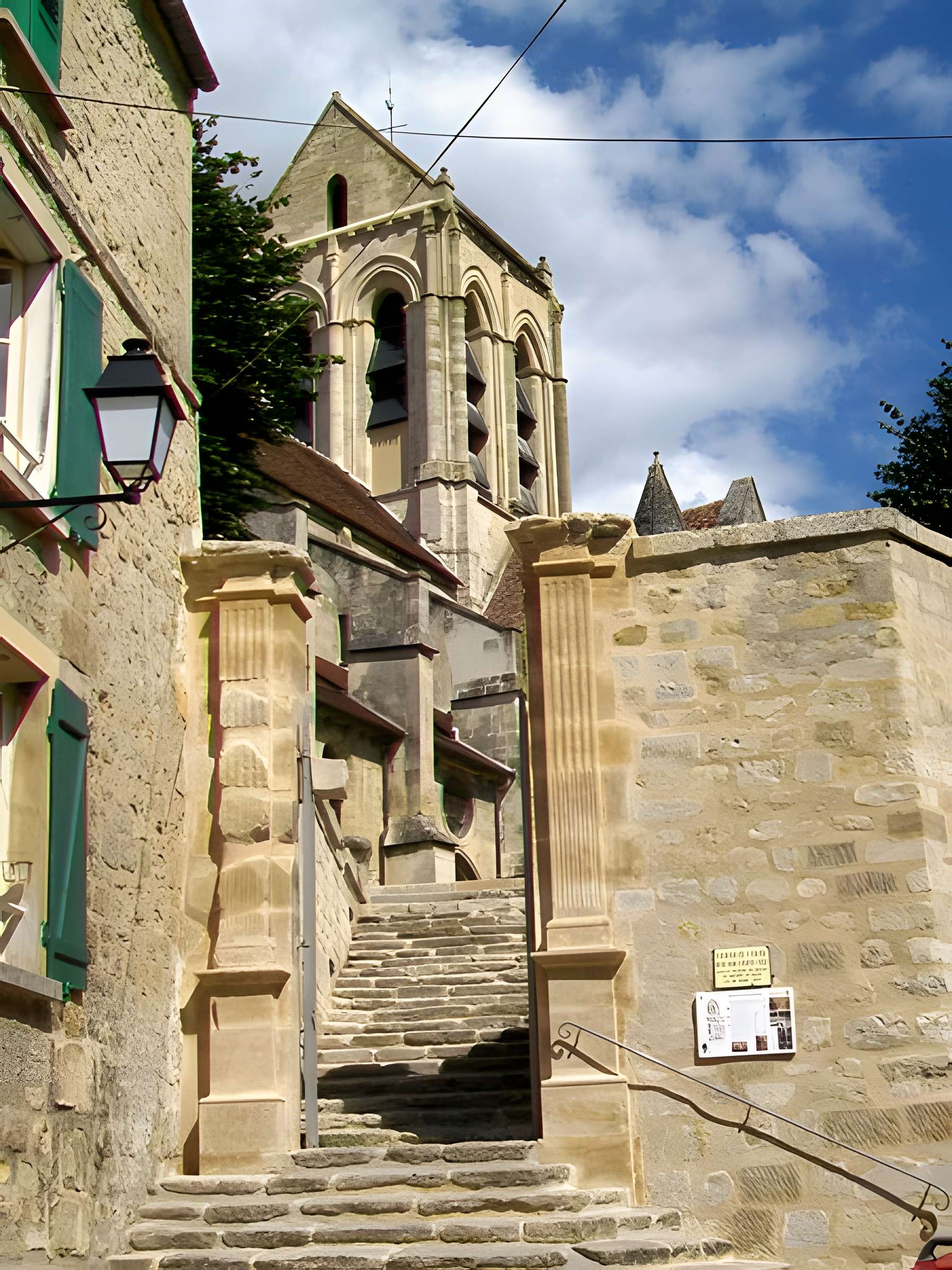
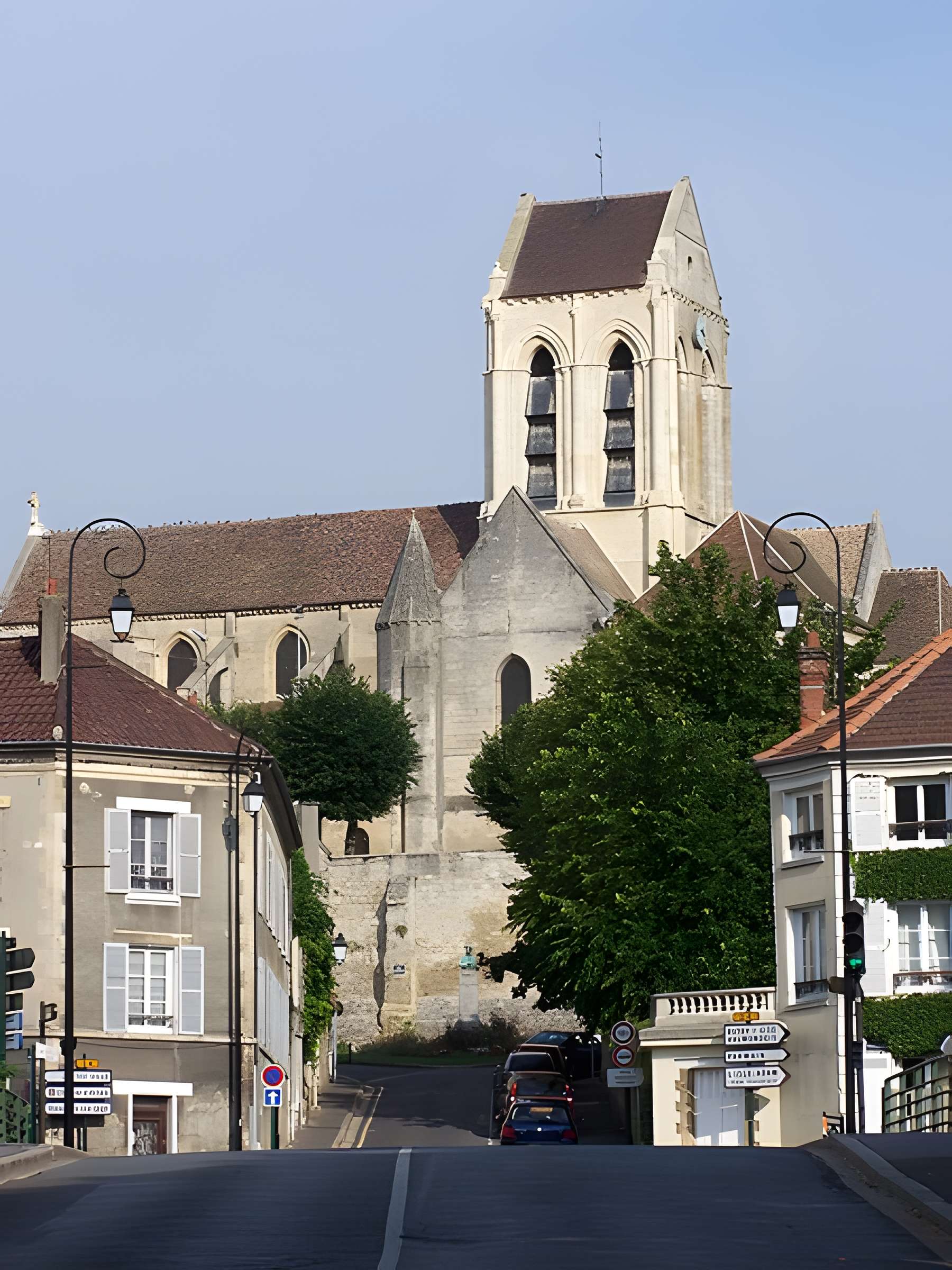
The building, built on a promontory overlooking Oise, was once surrounded by a cemetery and a draft fortified enclosure, reflecting its central role in medieval community life. Its access staircase, dated from the 16th-17th century and inscribed in 1947, highlights its integration into the urban landscape. Structural disorders (replaced pillars, redone vaults) and late additions, such as the chapel of the Virgin, reveal a constant adaptation to liturgical needs and historical hazards.
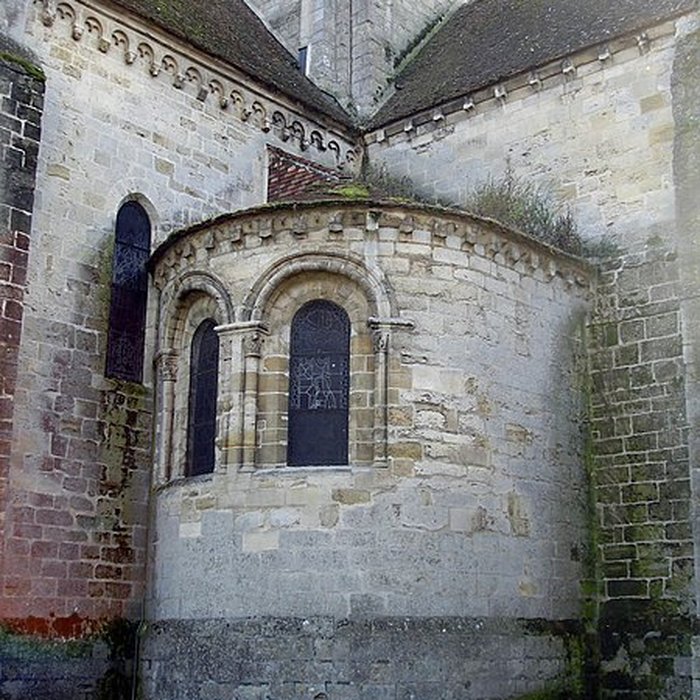
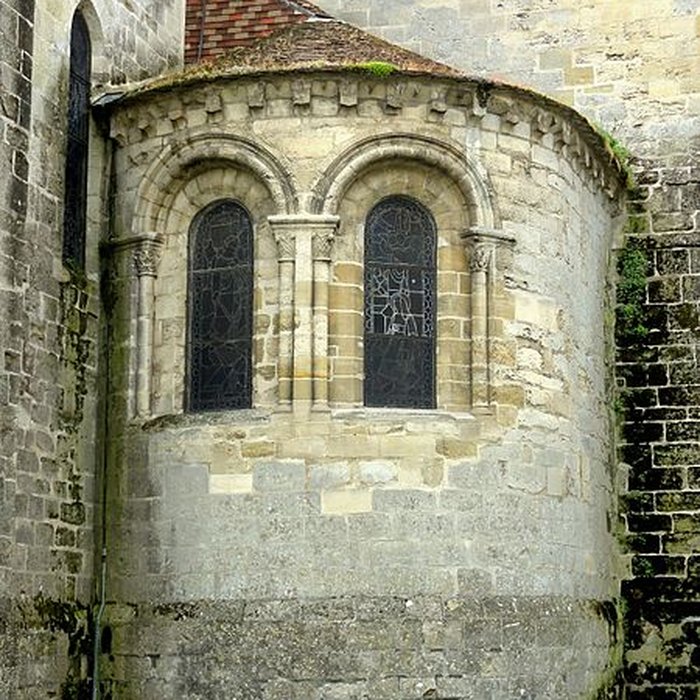
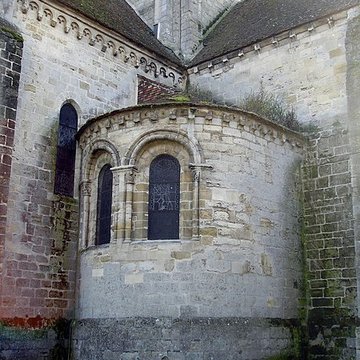
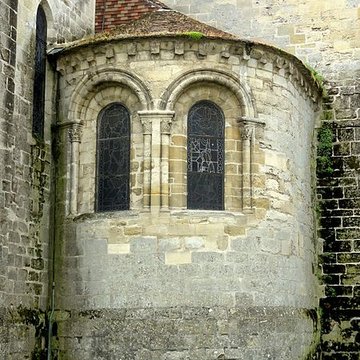
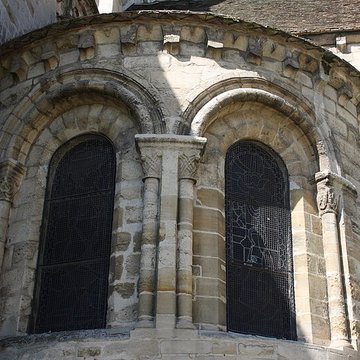
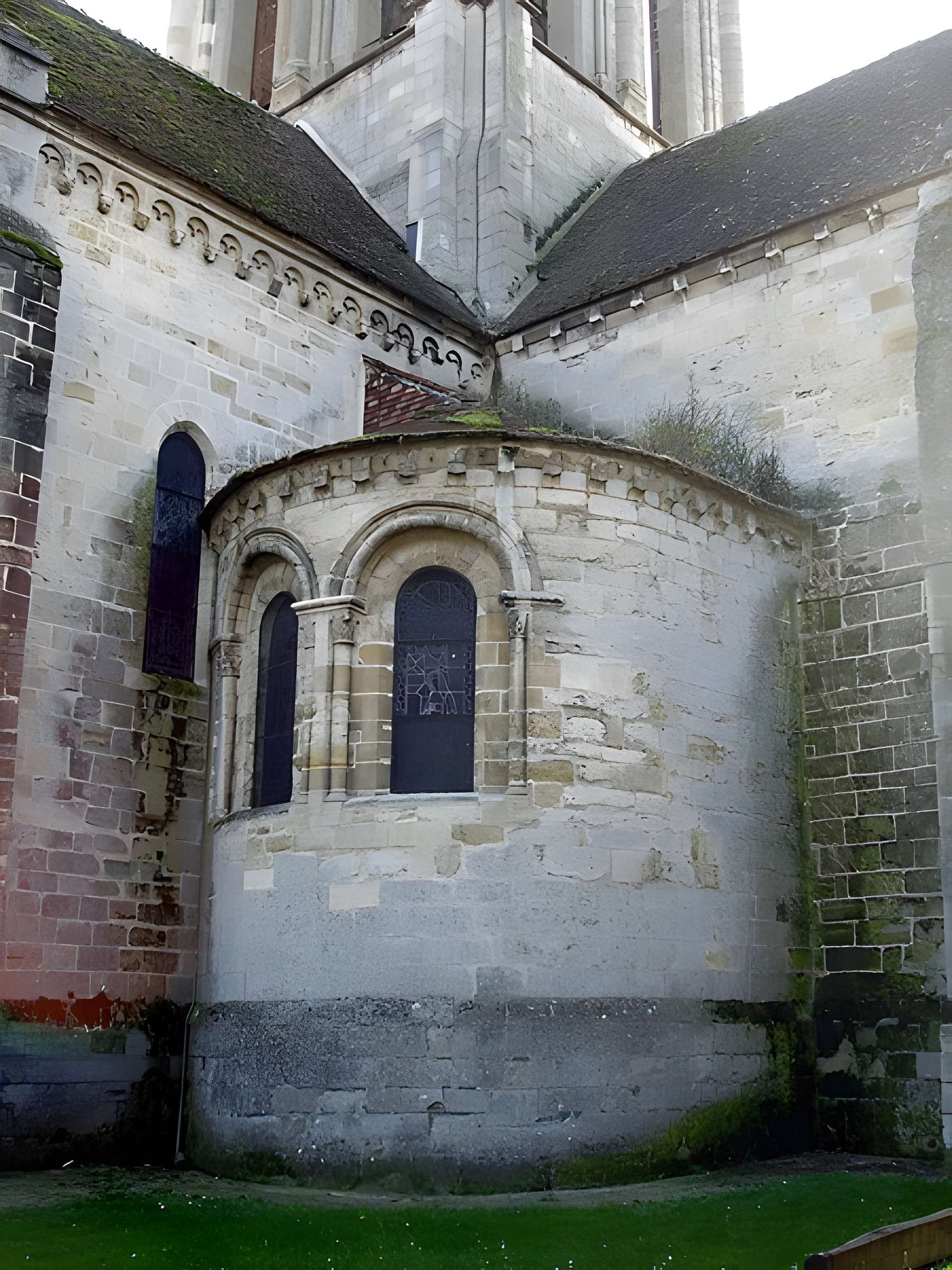
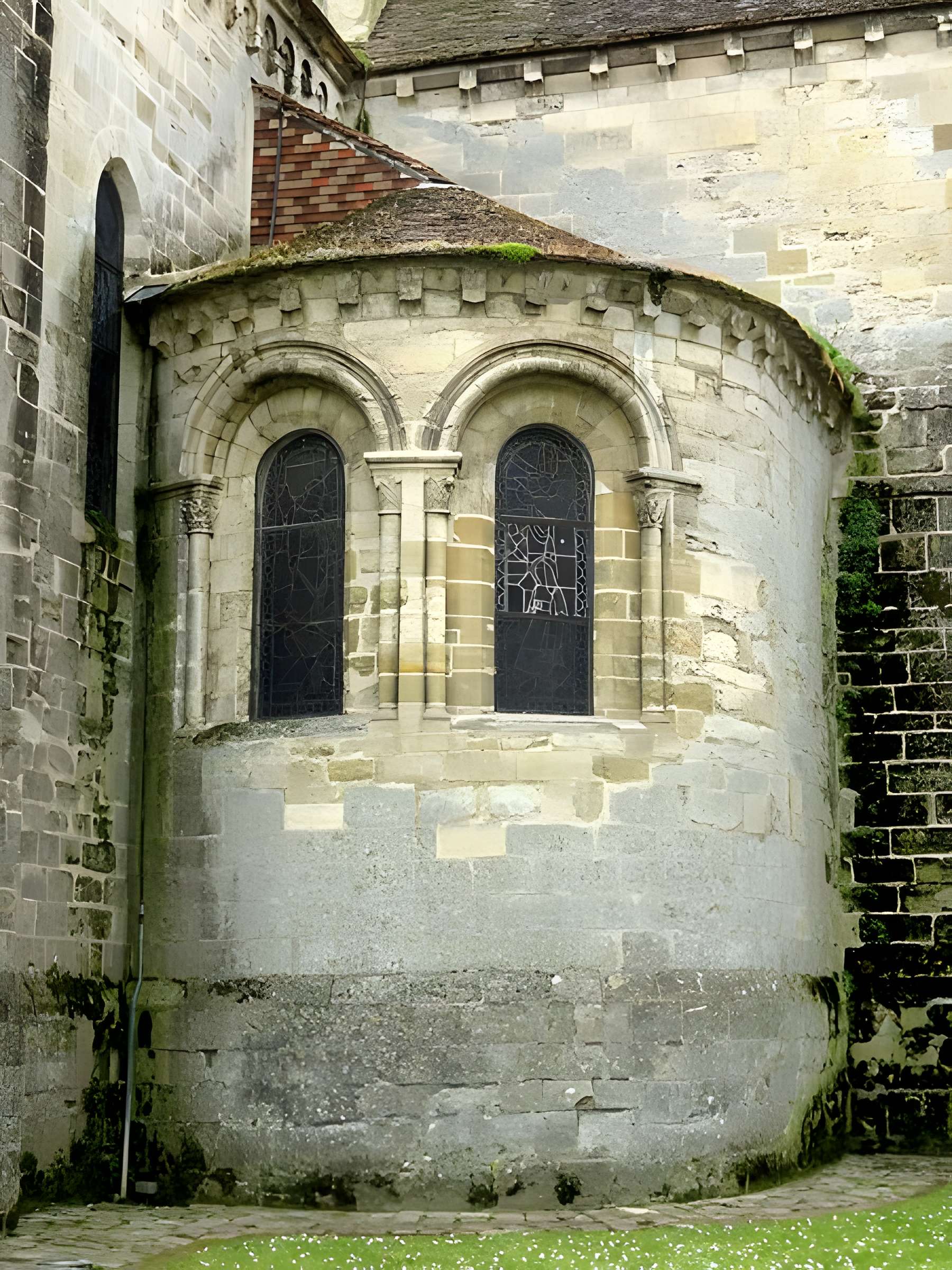
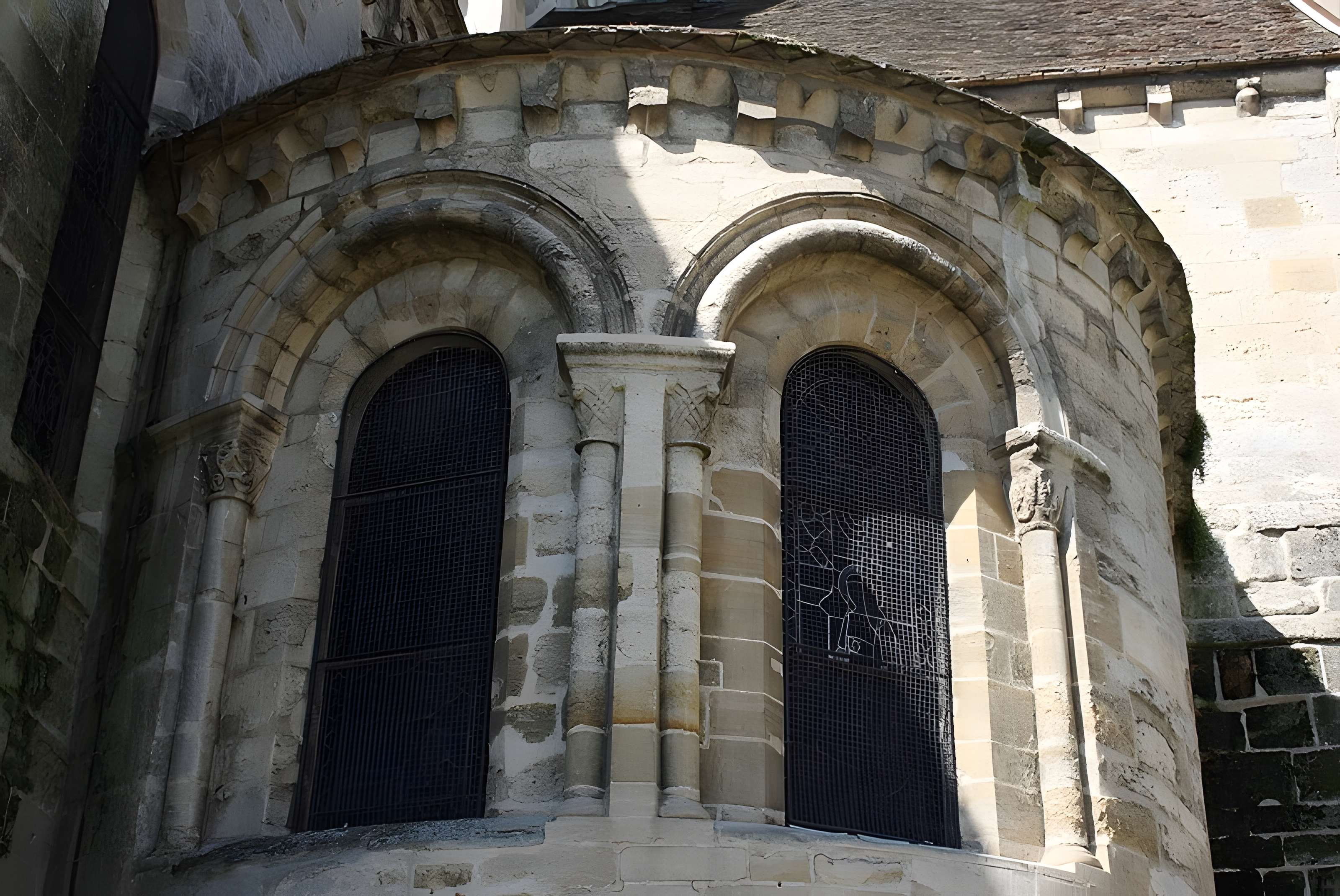
The interior architecture, including the nave with harmonious proportions and the choir with historied capitals (like the one representing Daniel in the lions pit), enhances exceptional craftsmanship. Stylistic influences, ranging from the novel to the radiant gothic, and traces of restorations (gratting of capitals, recasting of bays) offer a palimpsest of constructive techniques throughout the ages. Northern absidiole, the only purely Romanesque part, contrasts with later Gothic additions.
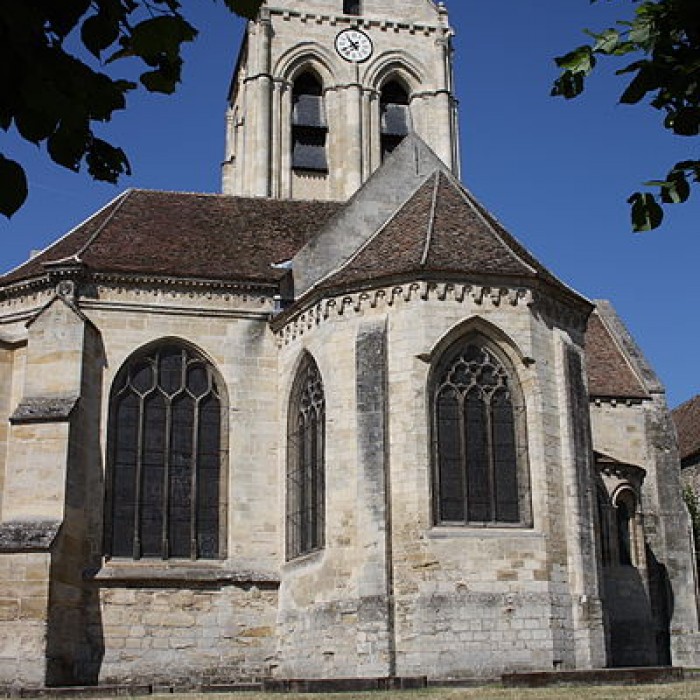
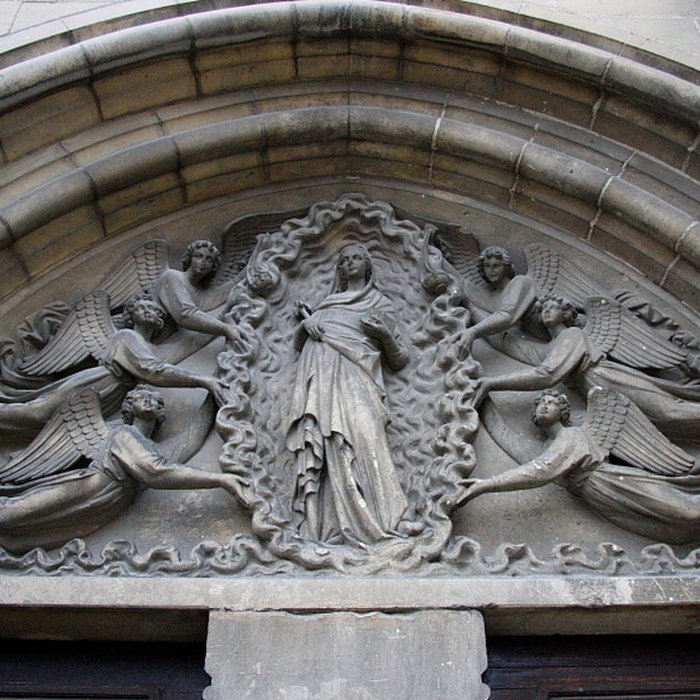
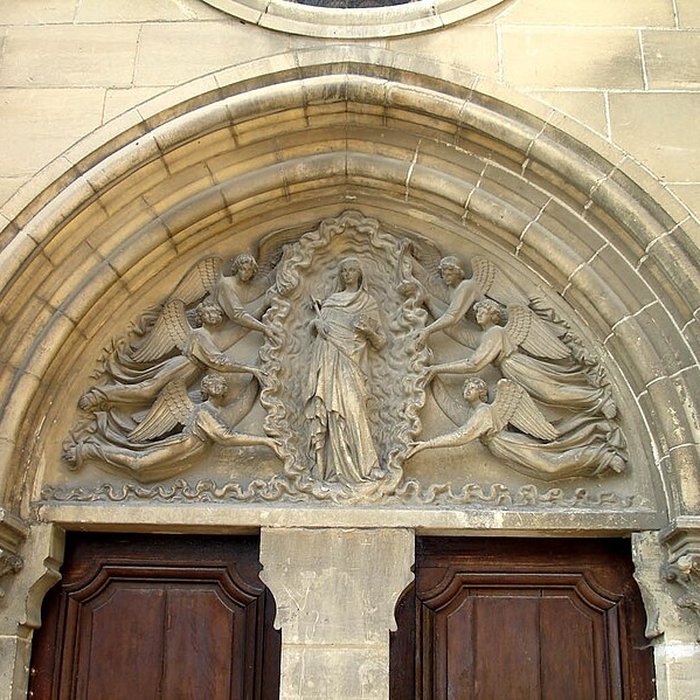
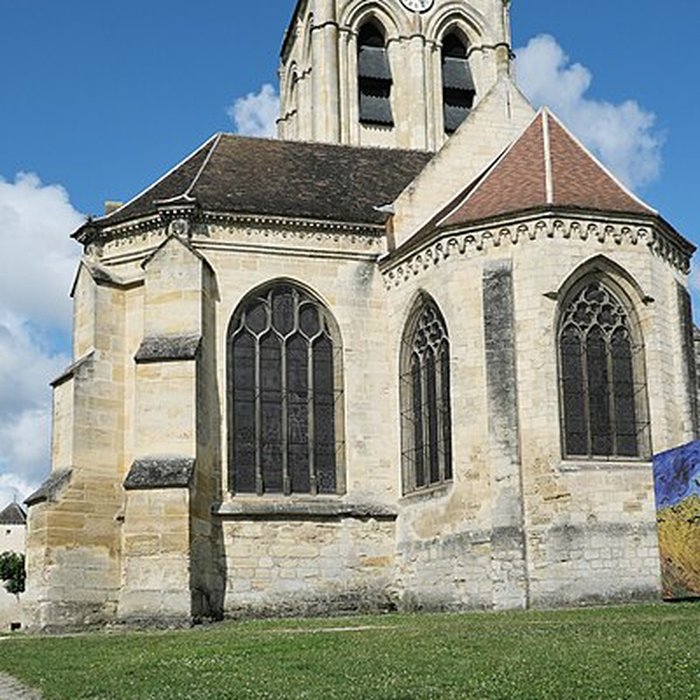
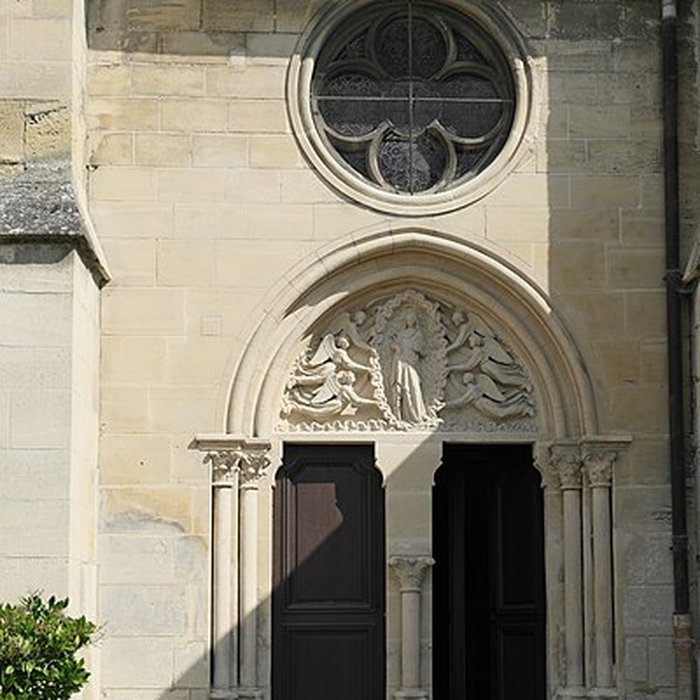
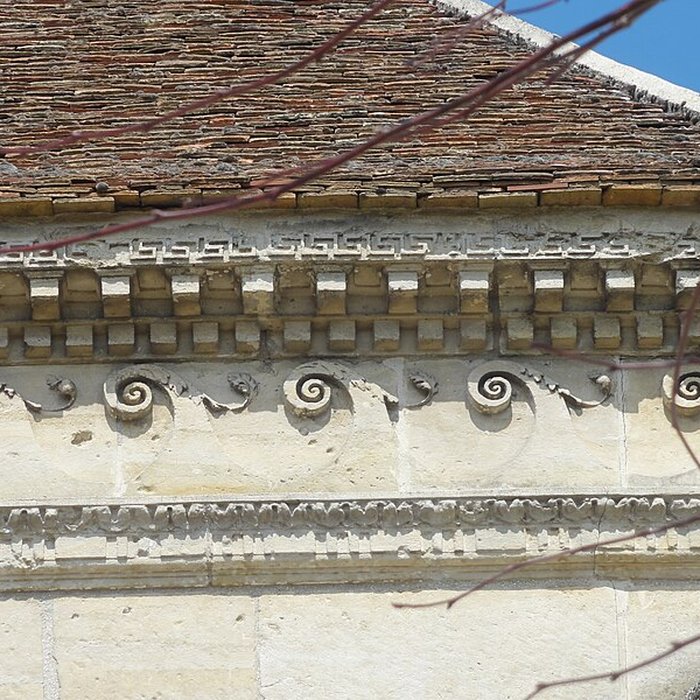
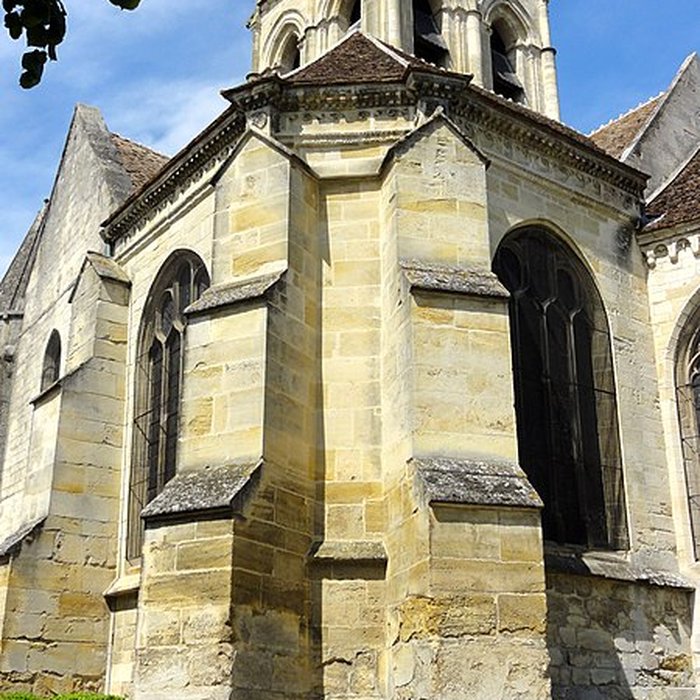
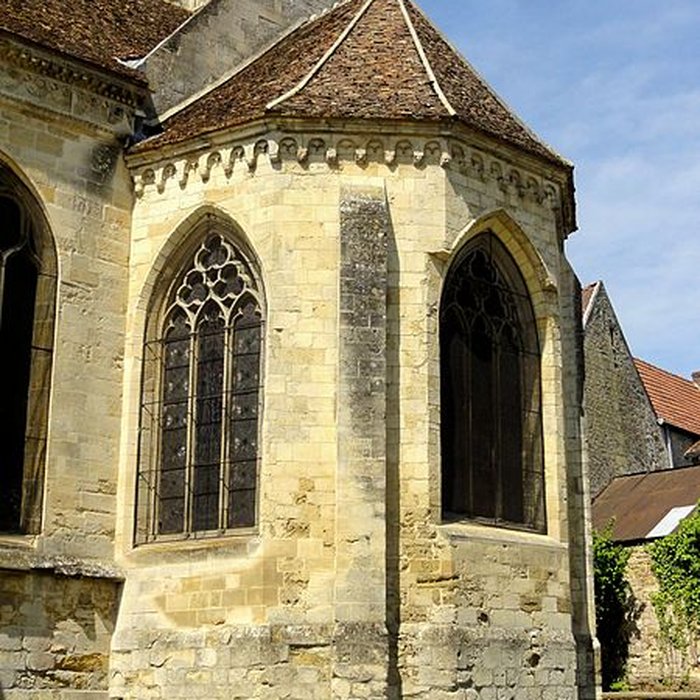
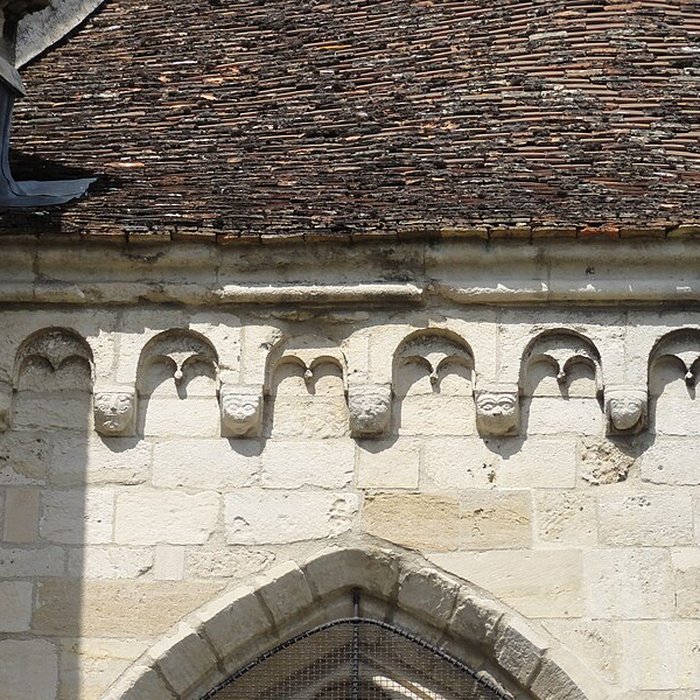
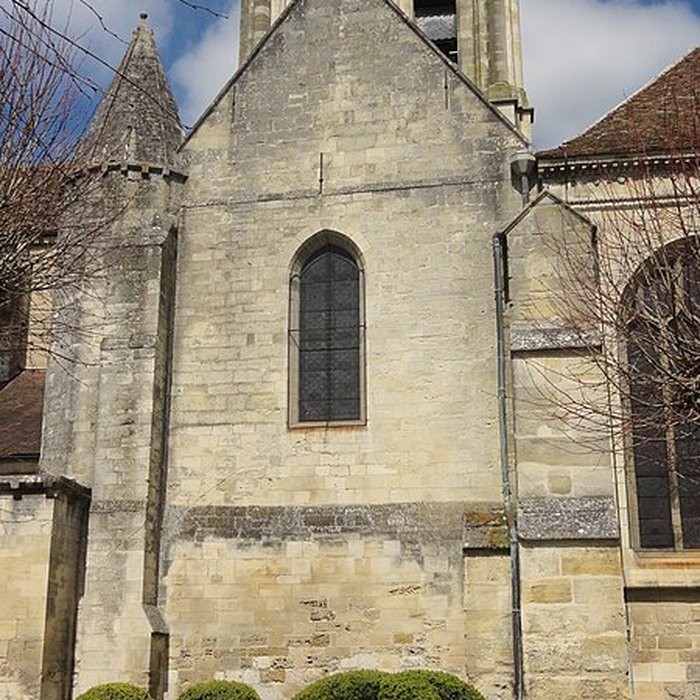
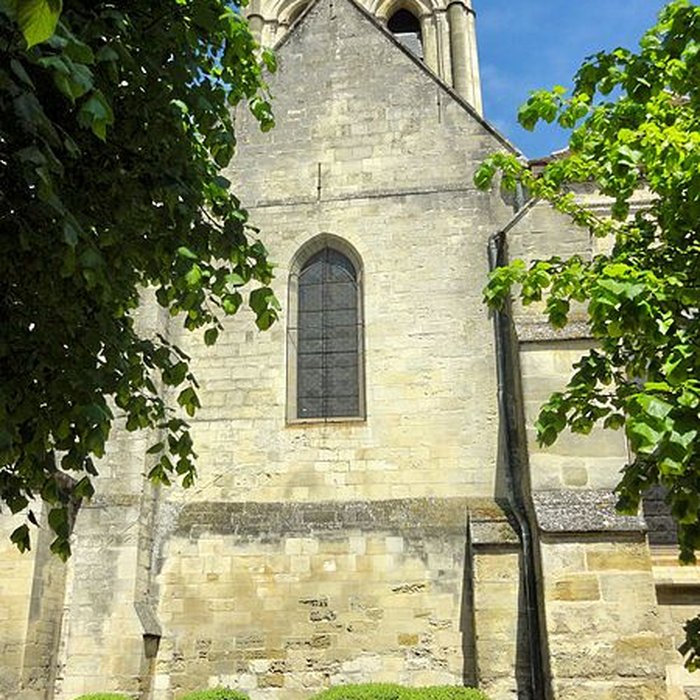
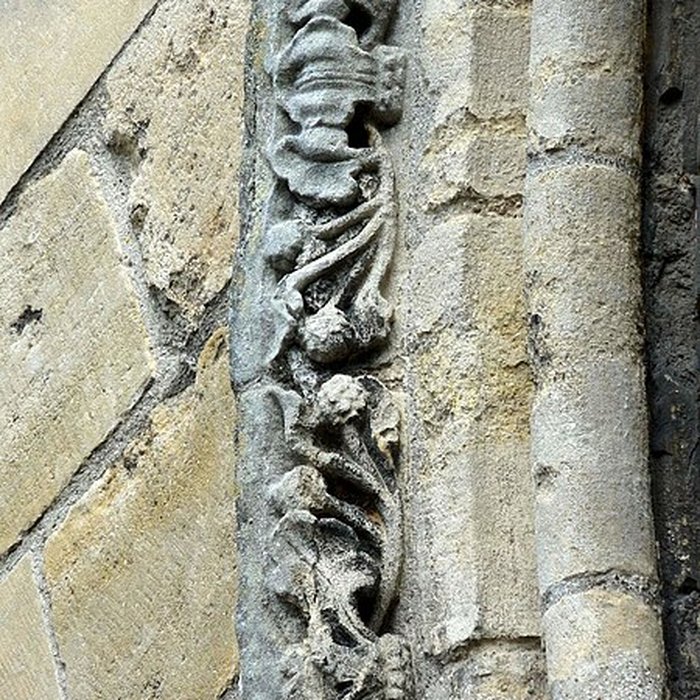
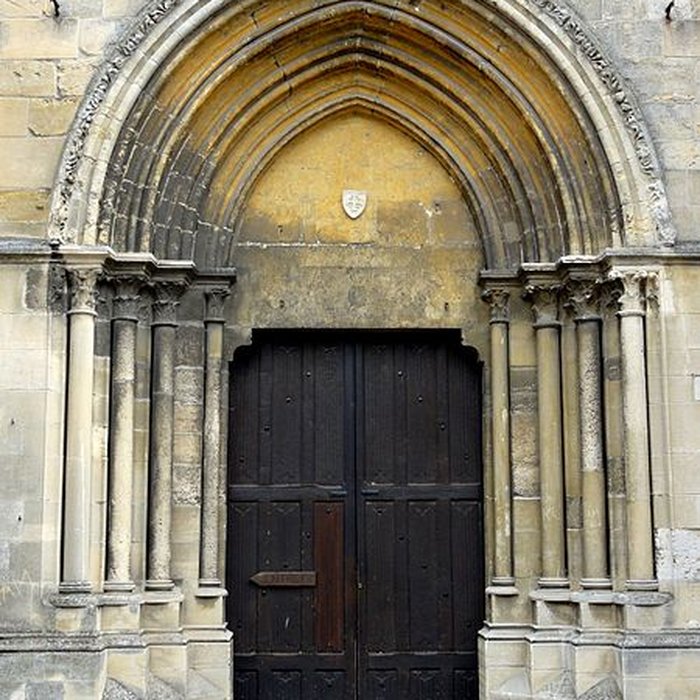
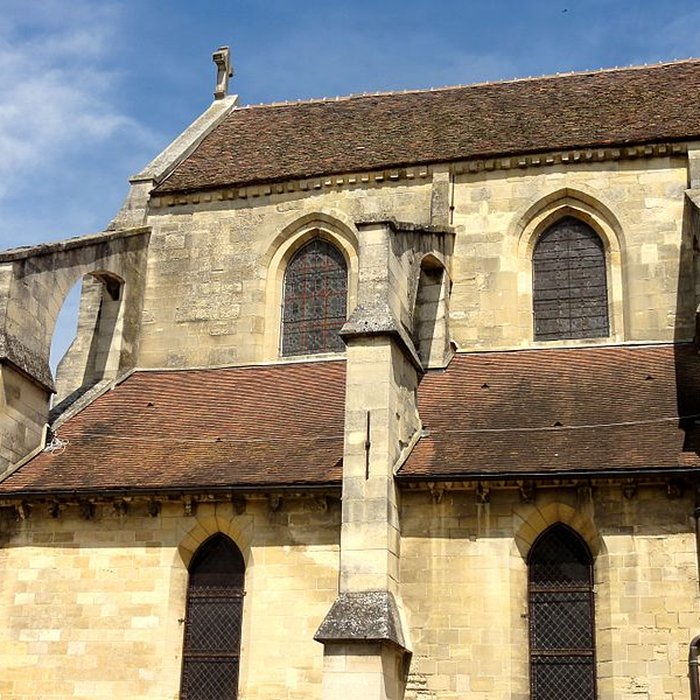
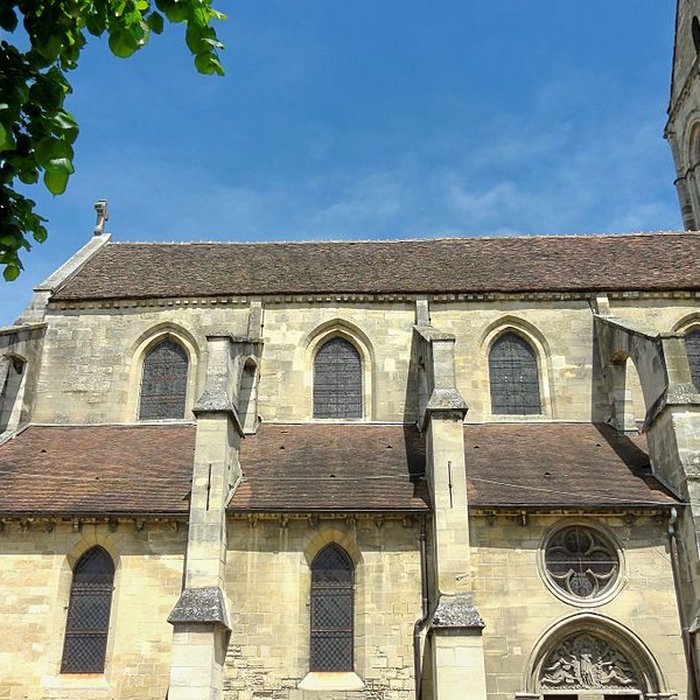
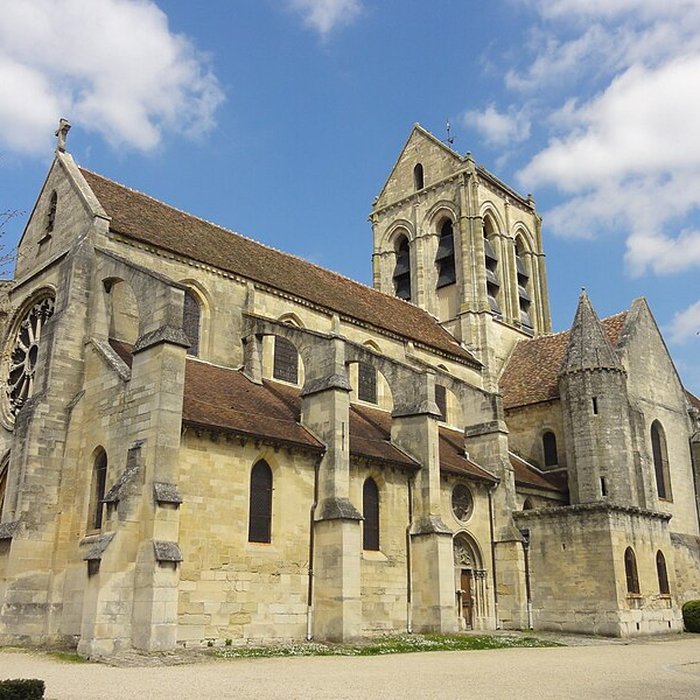
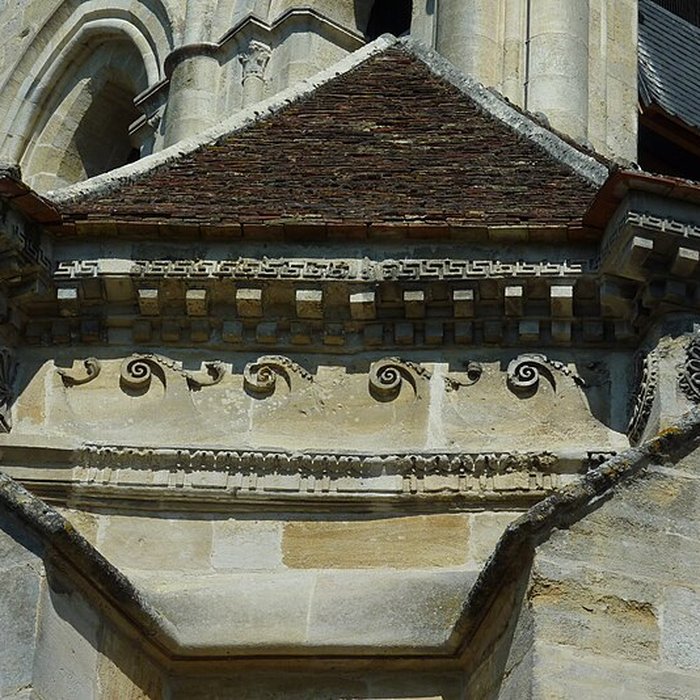
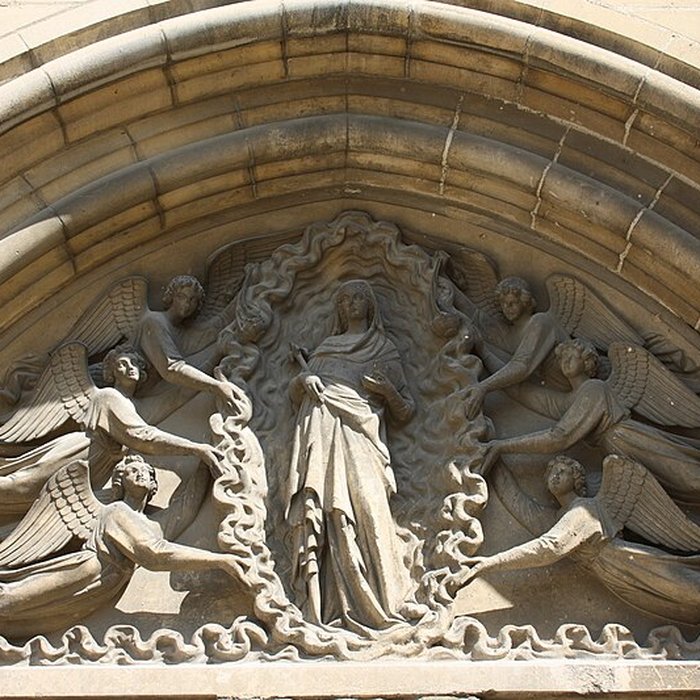
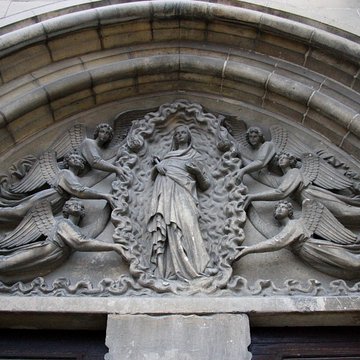
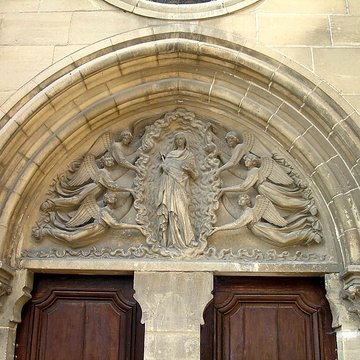
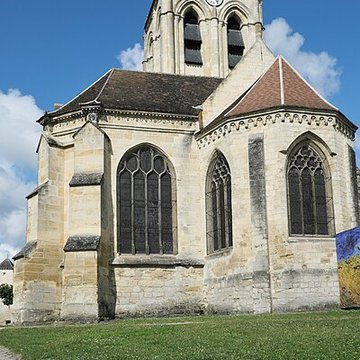
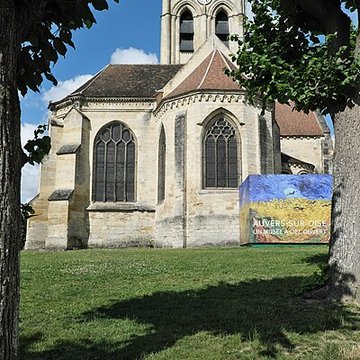
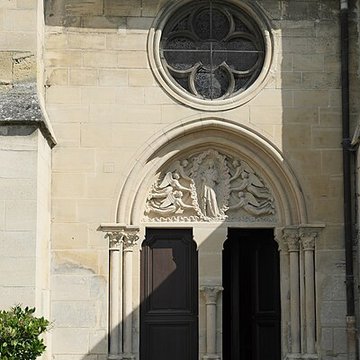
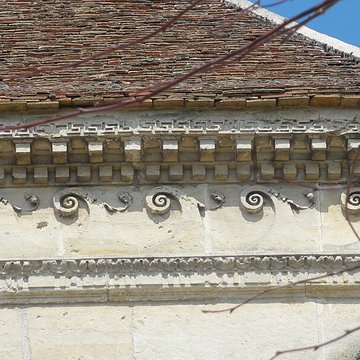
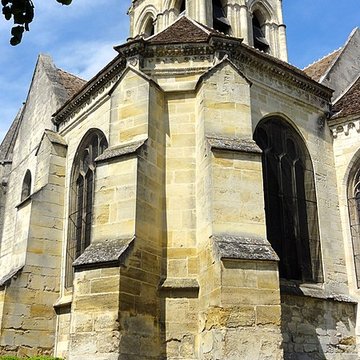
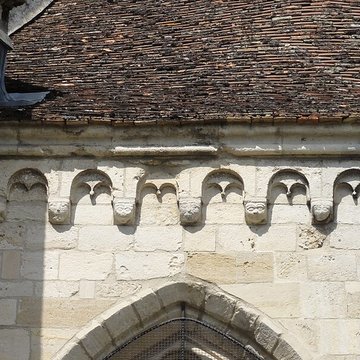
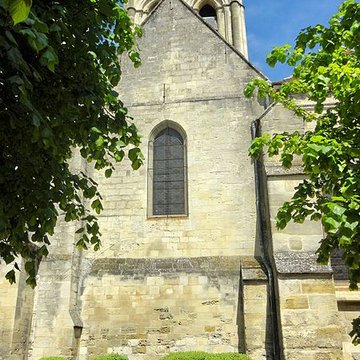
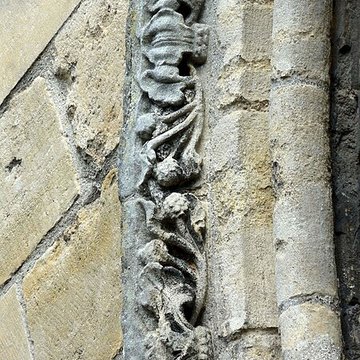
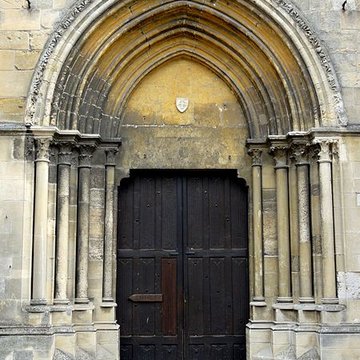
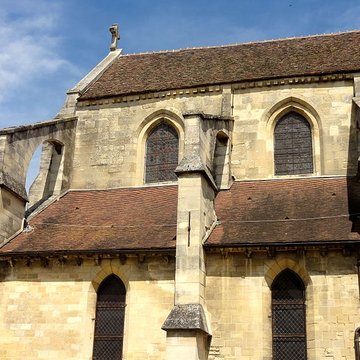
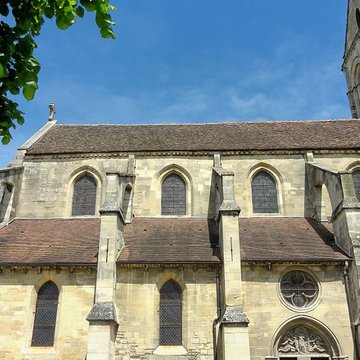
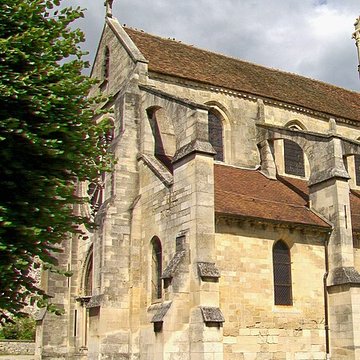
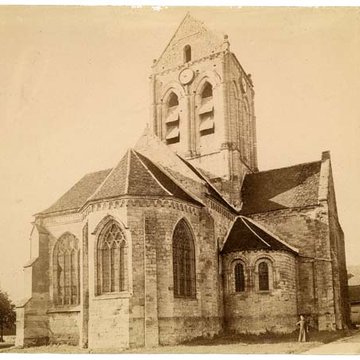
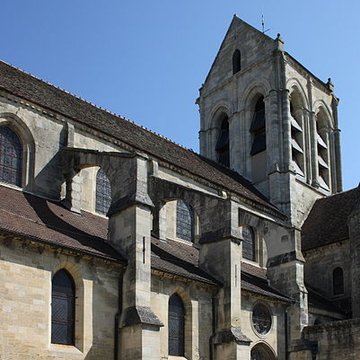
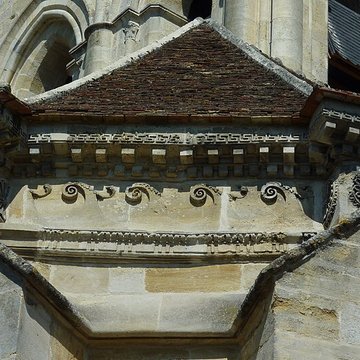
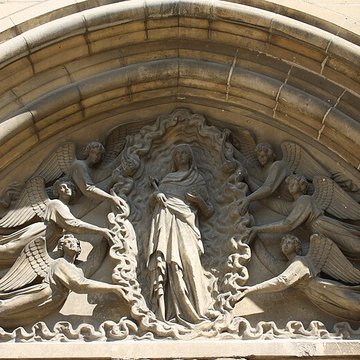
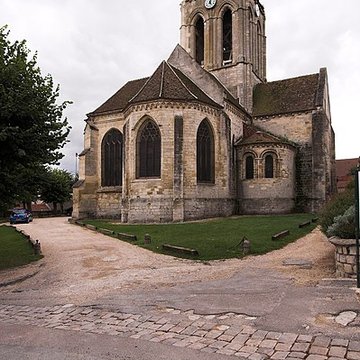
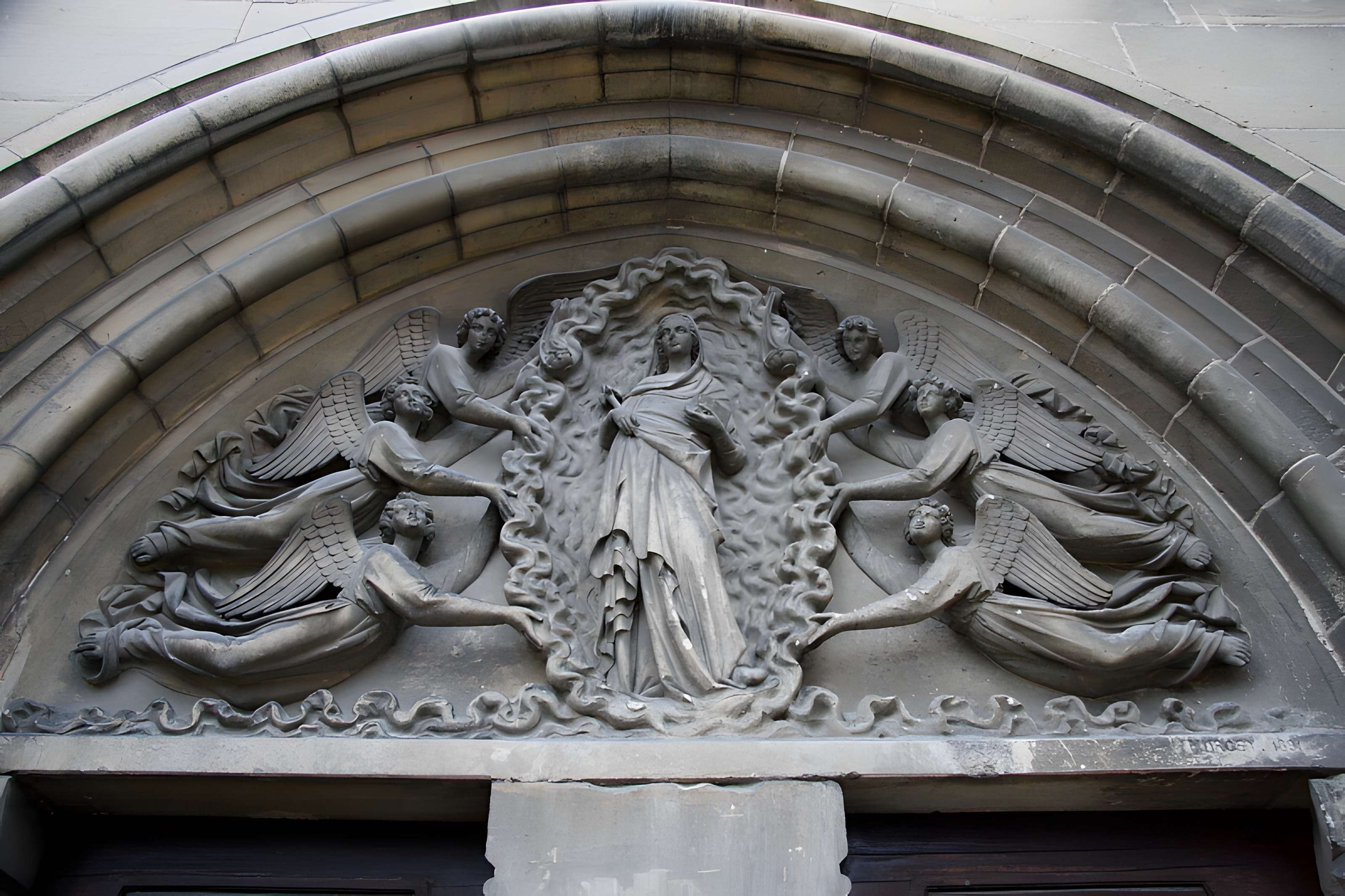
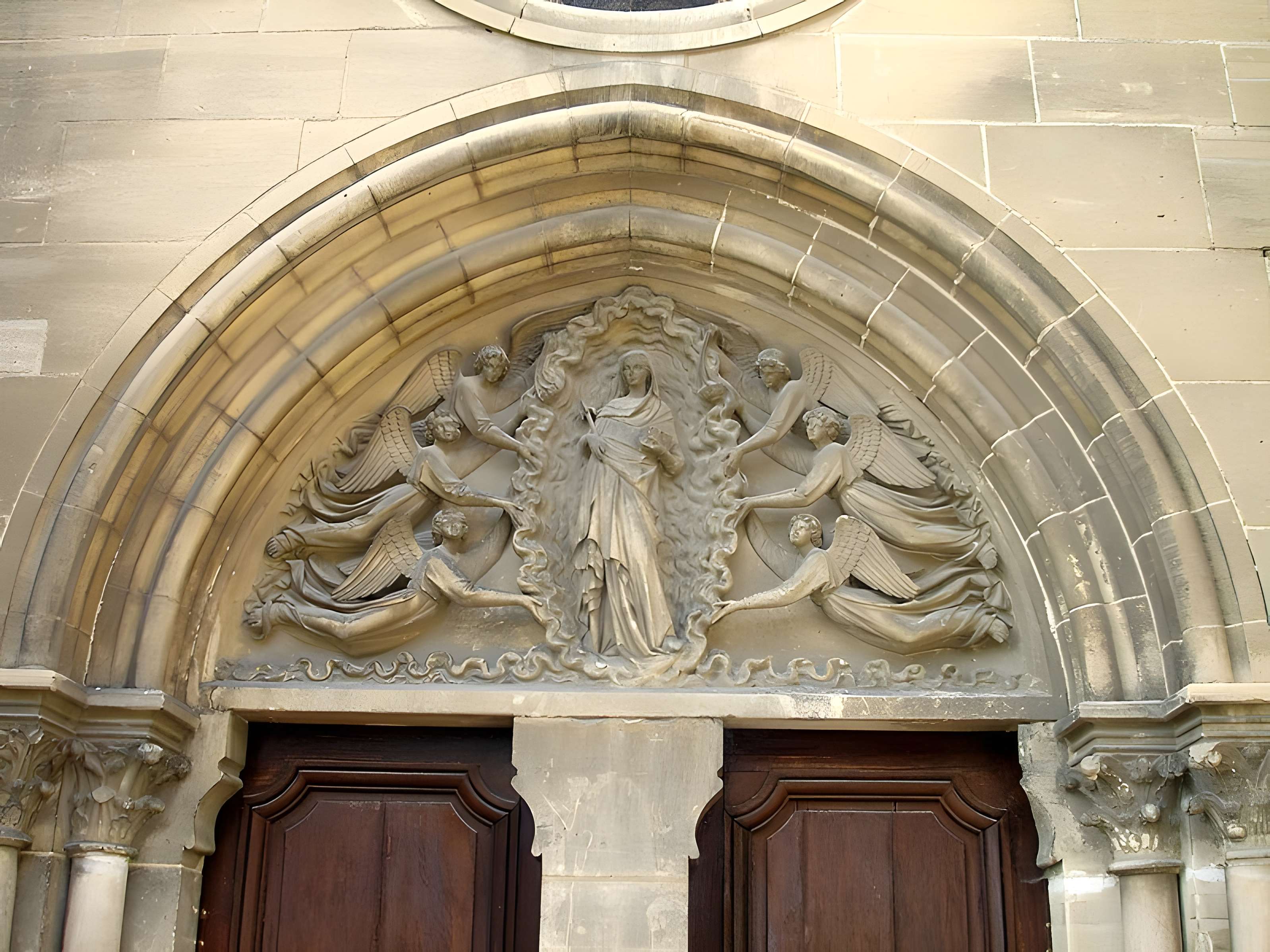
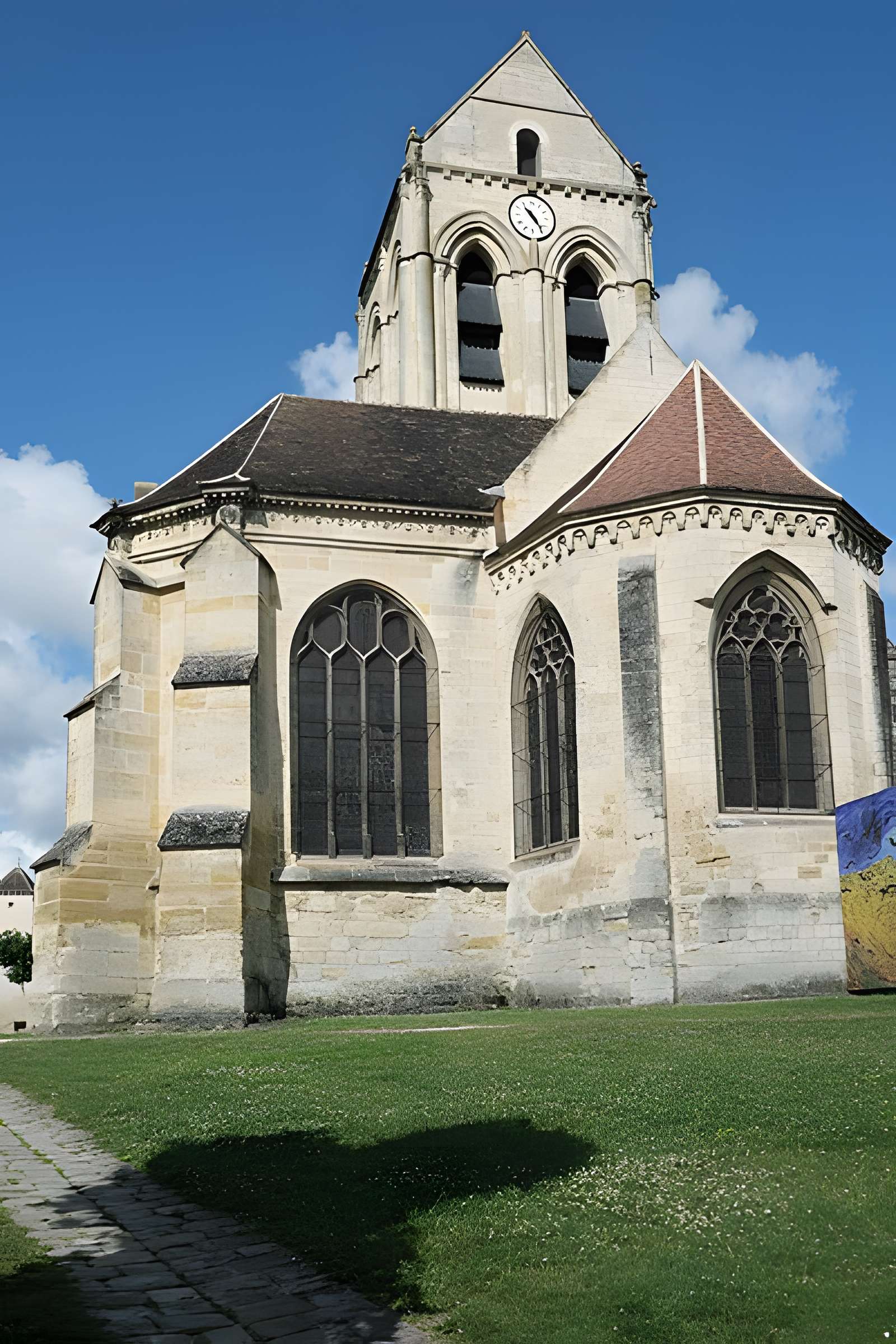
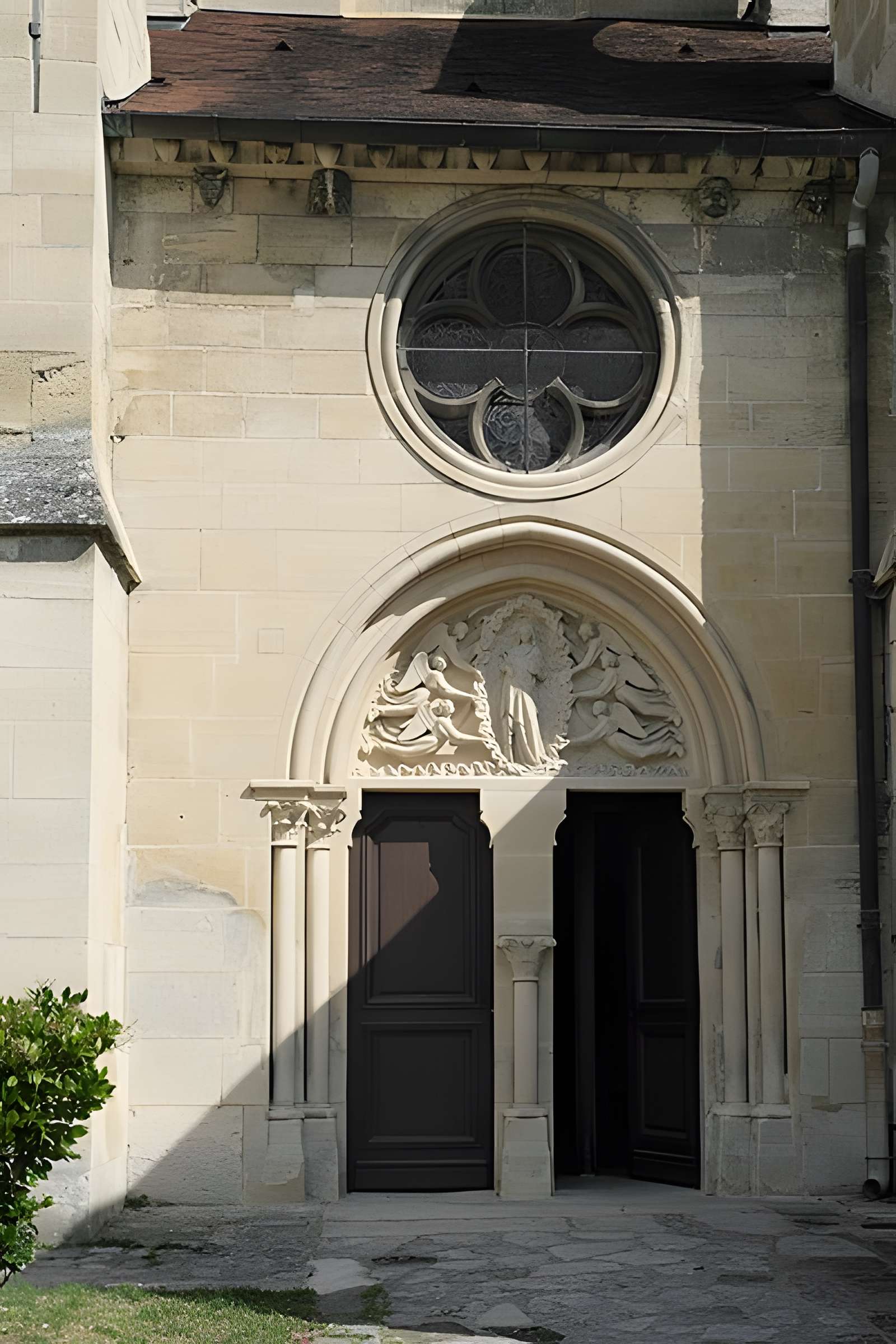
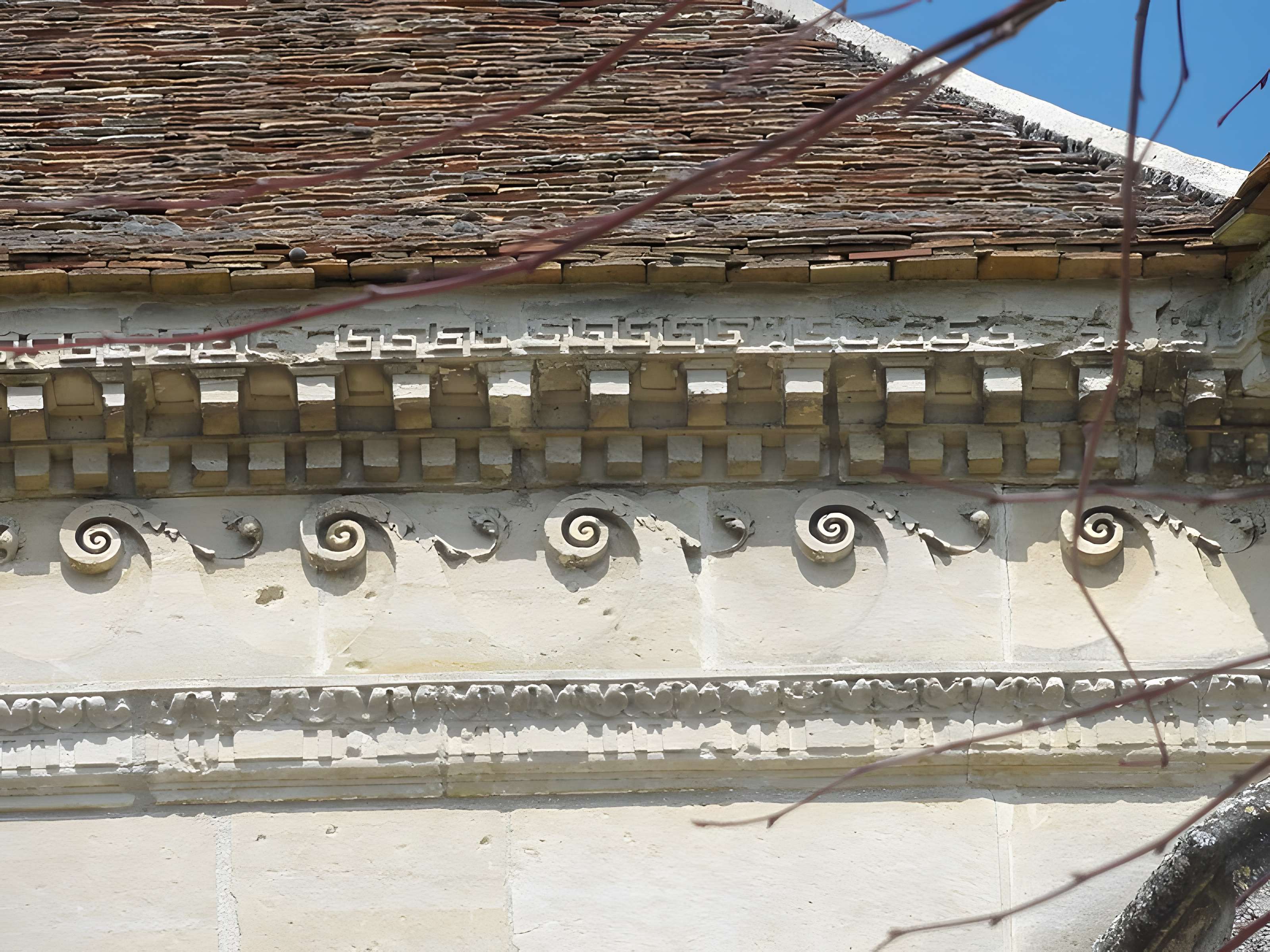
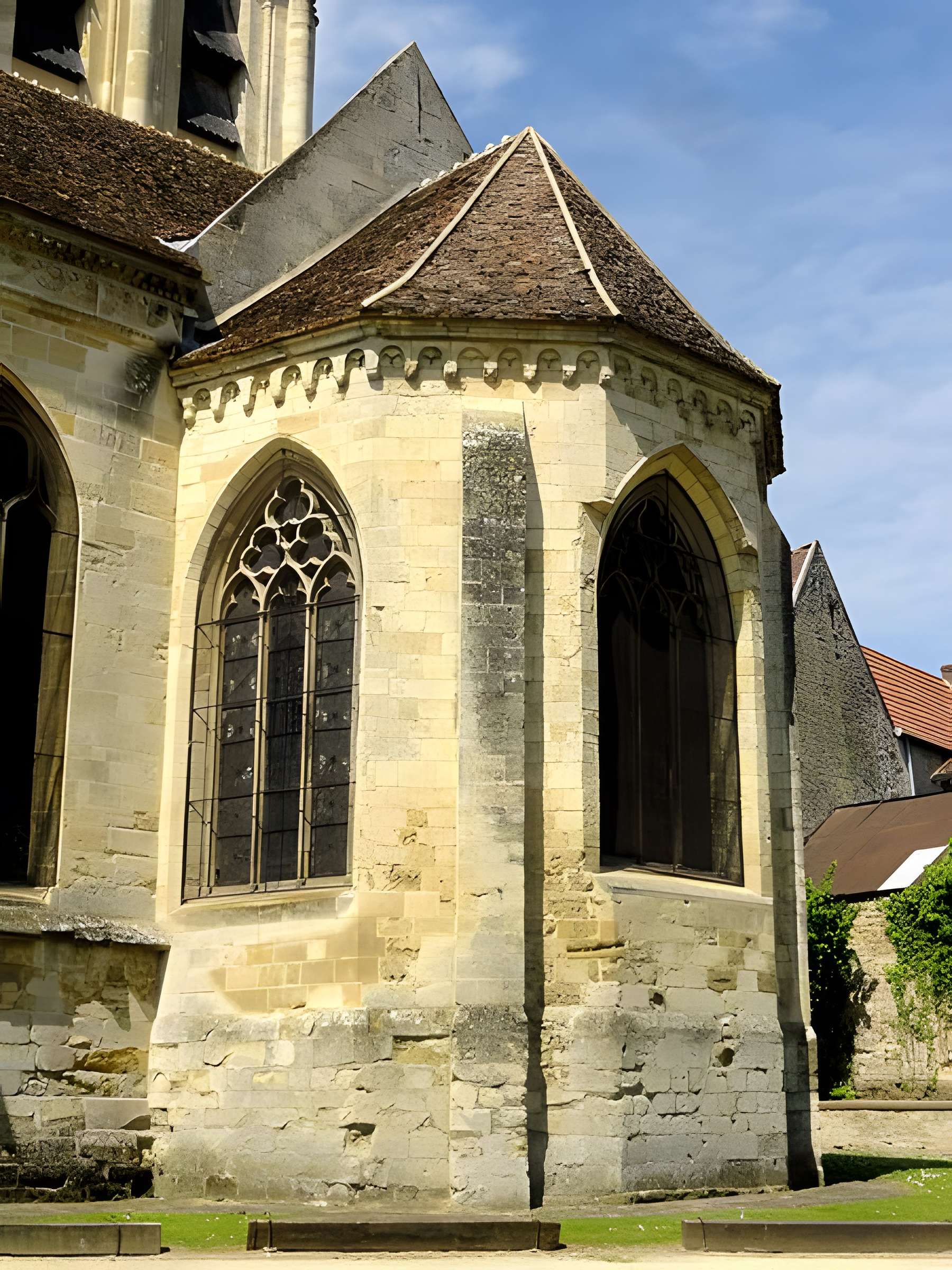
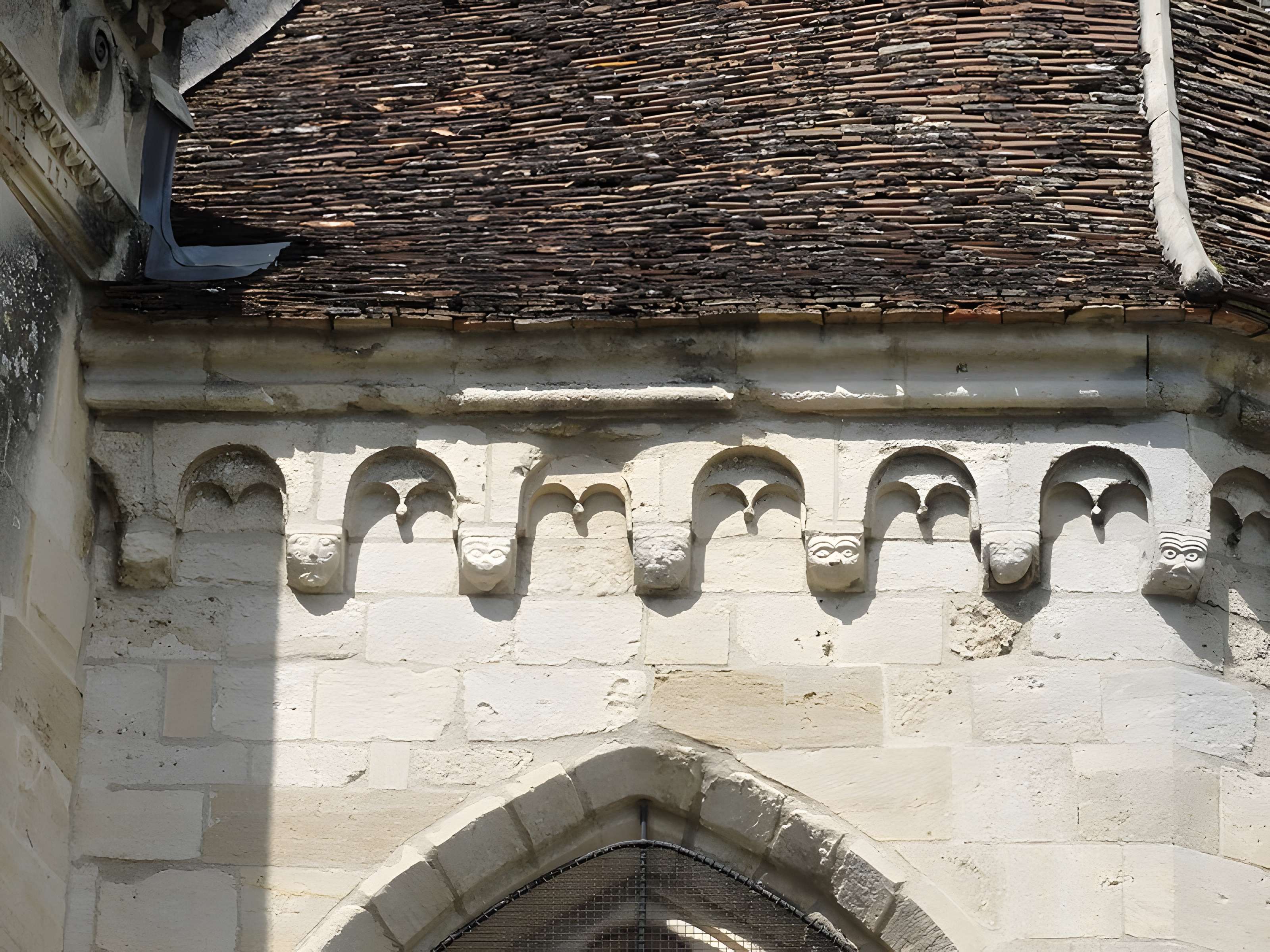
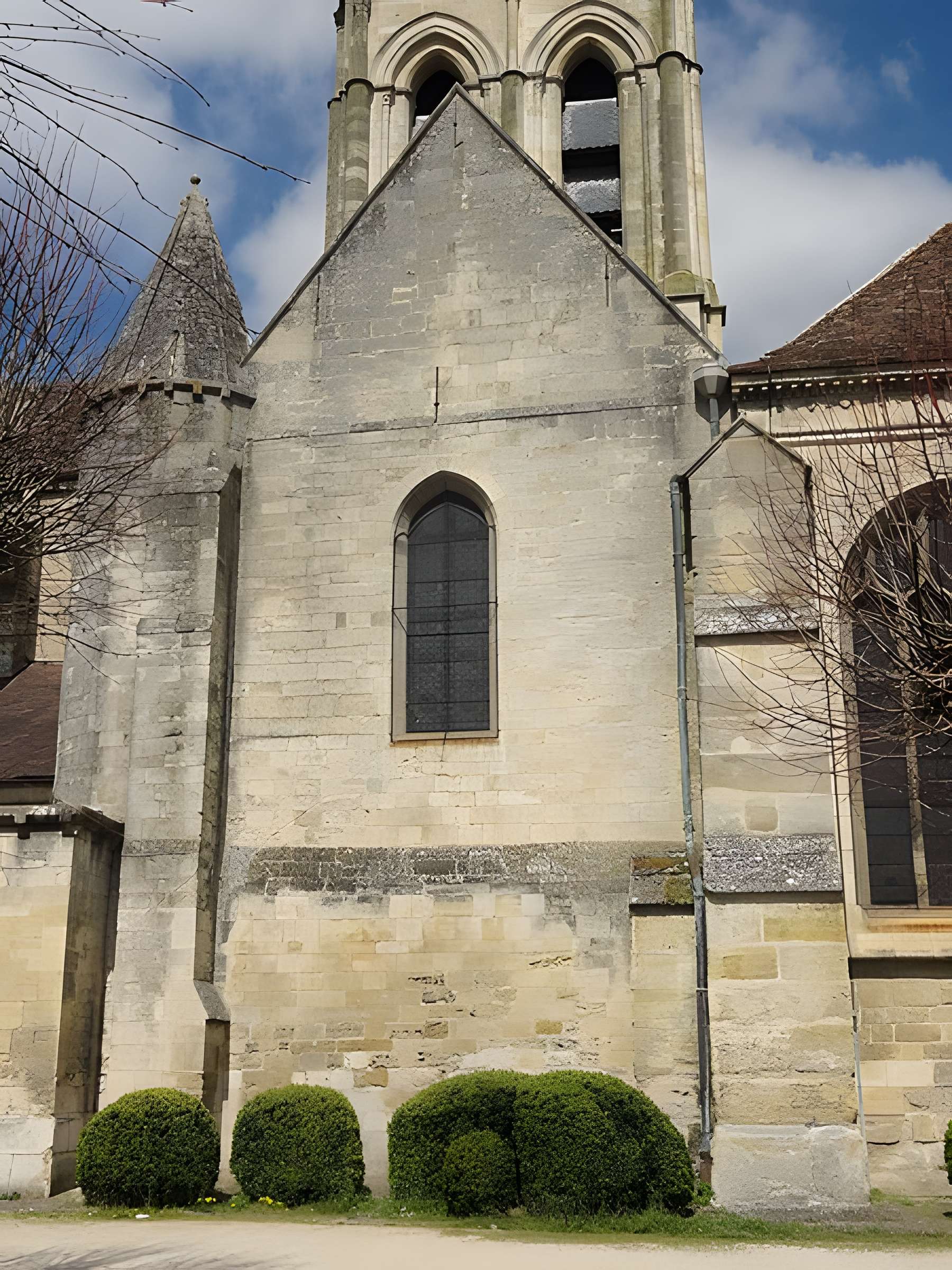
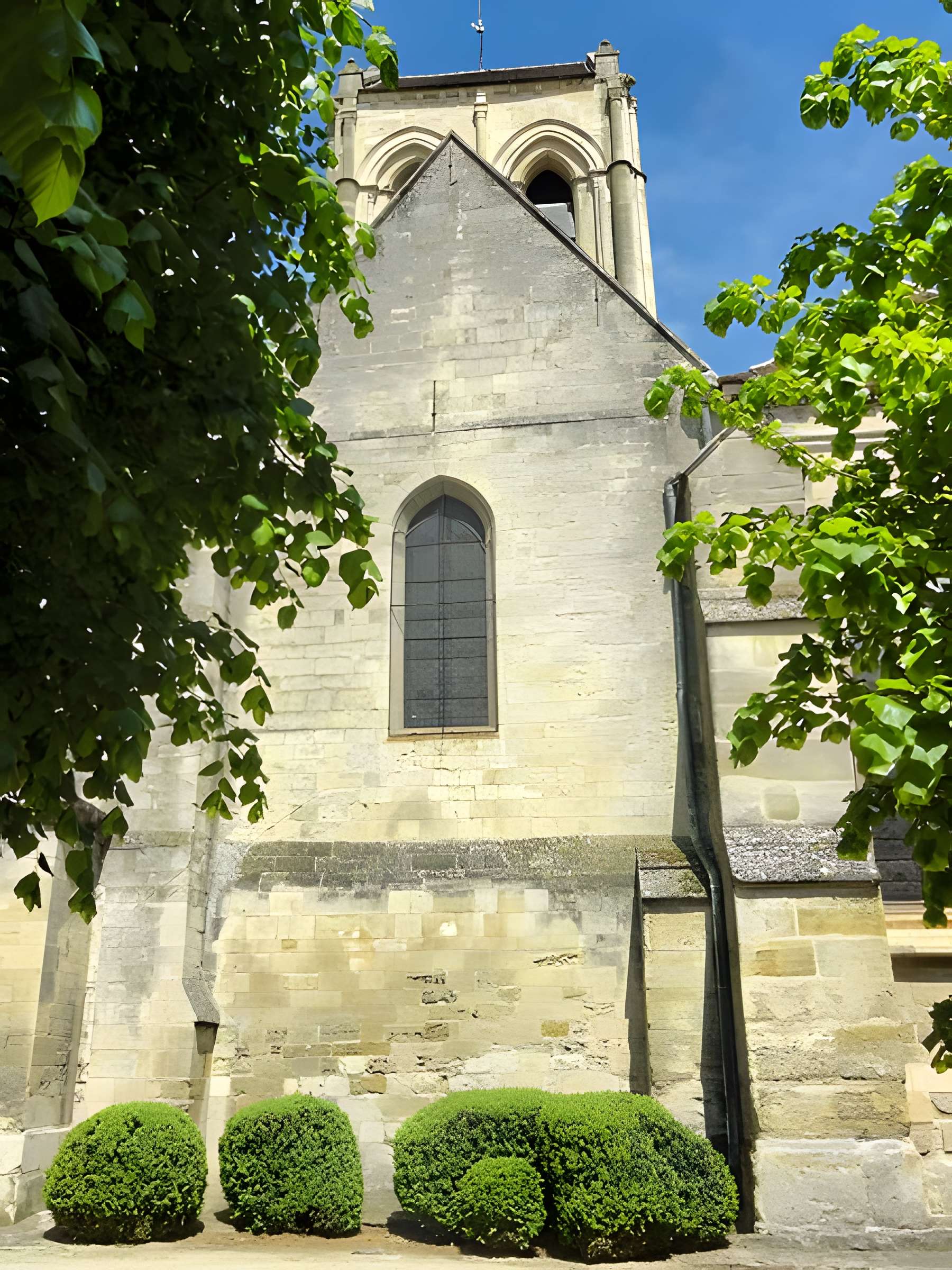
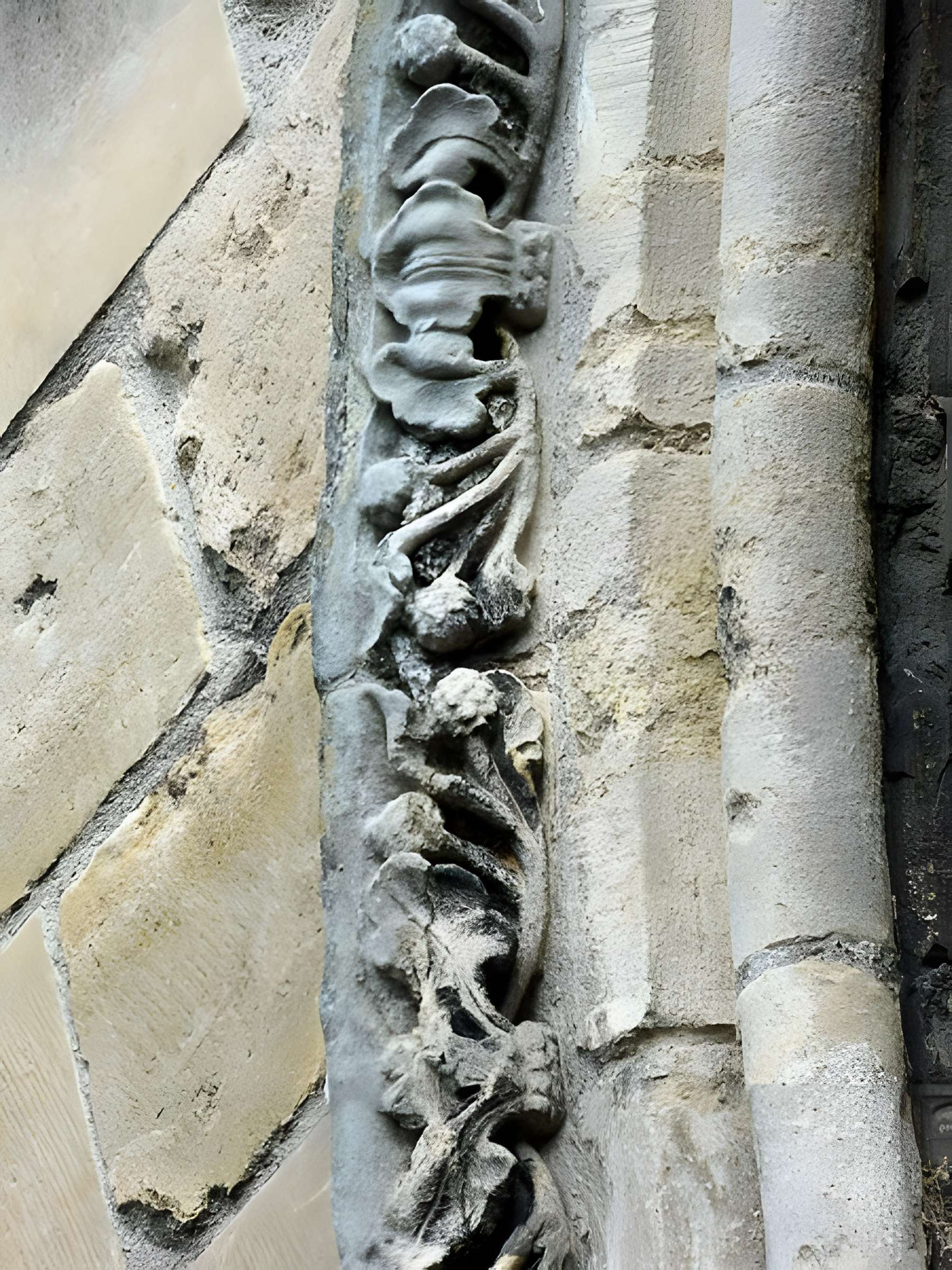
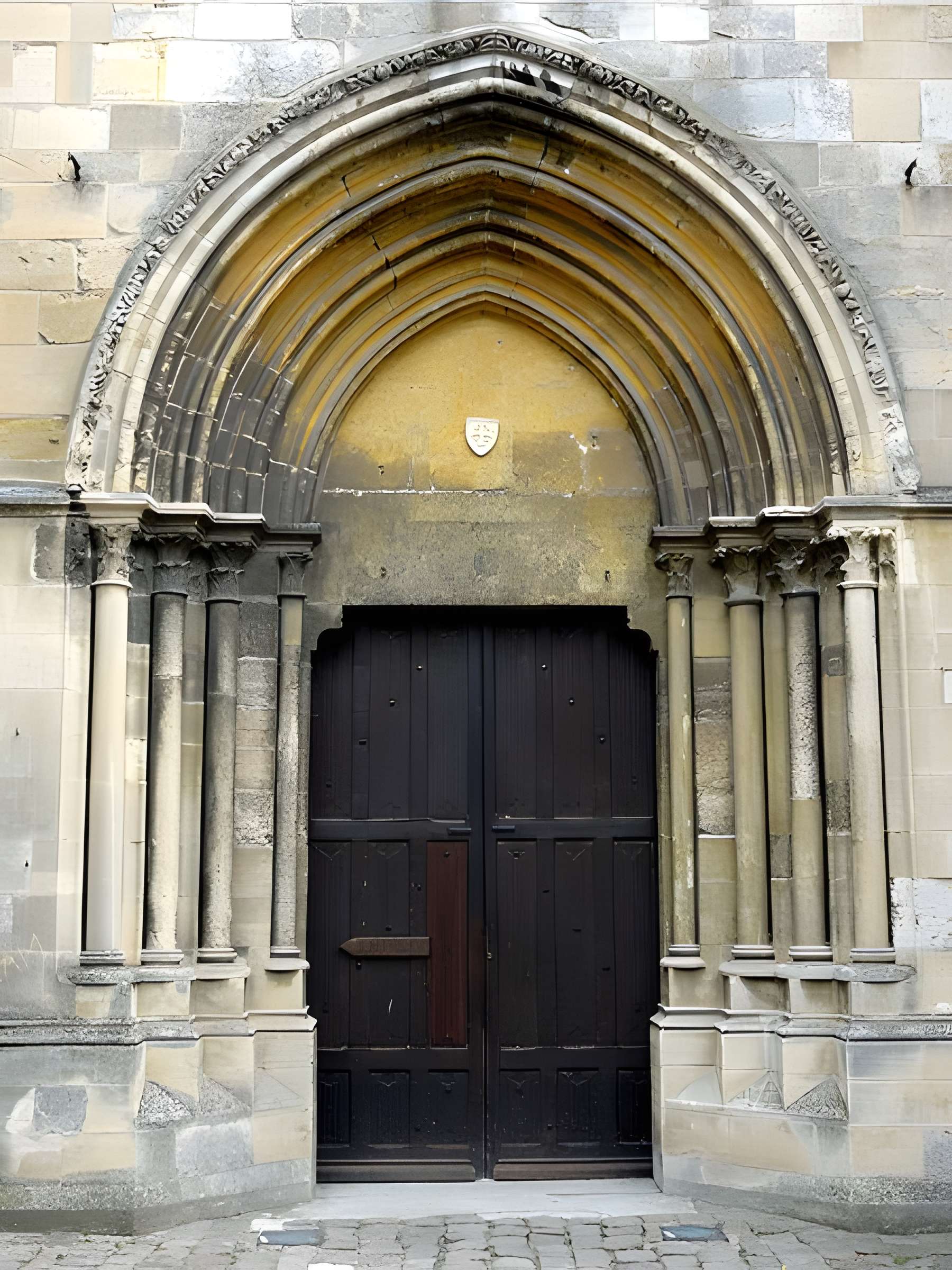
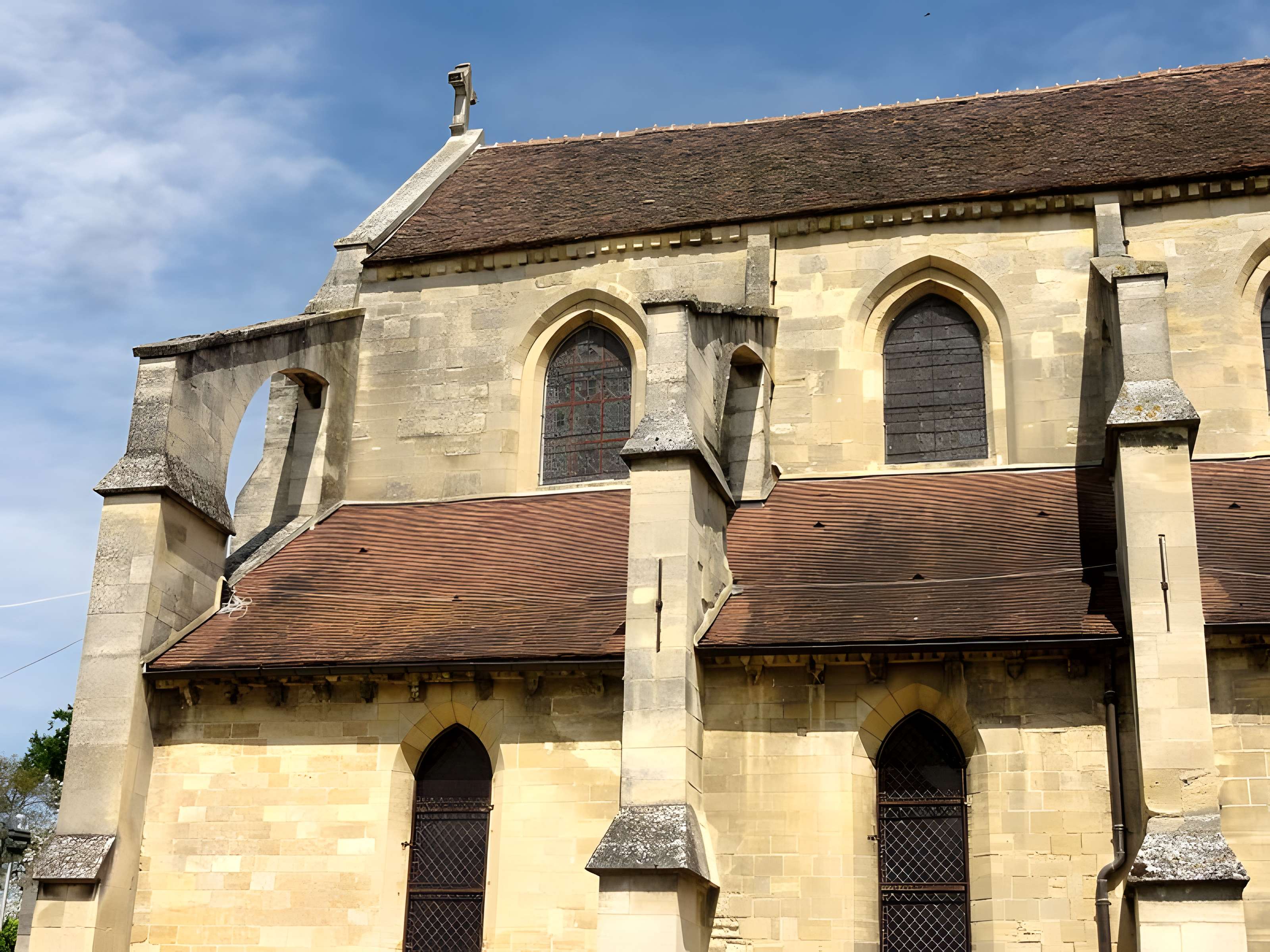
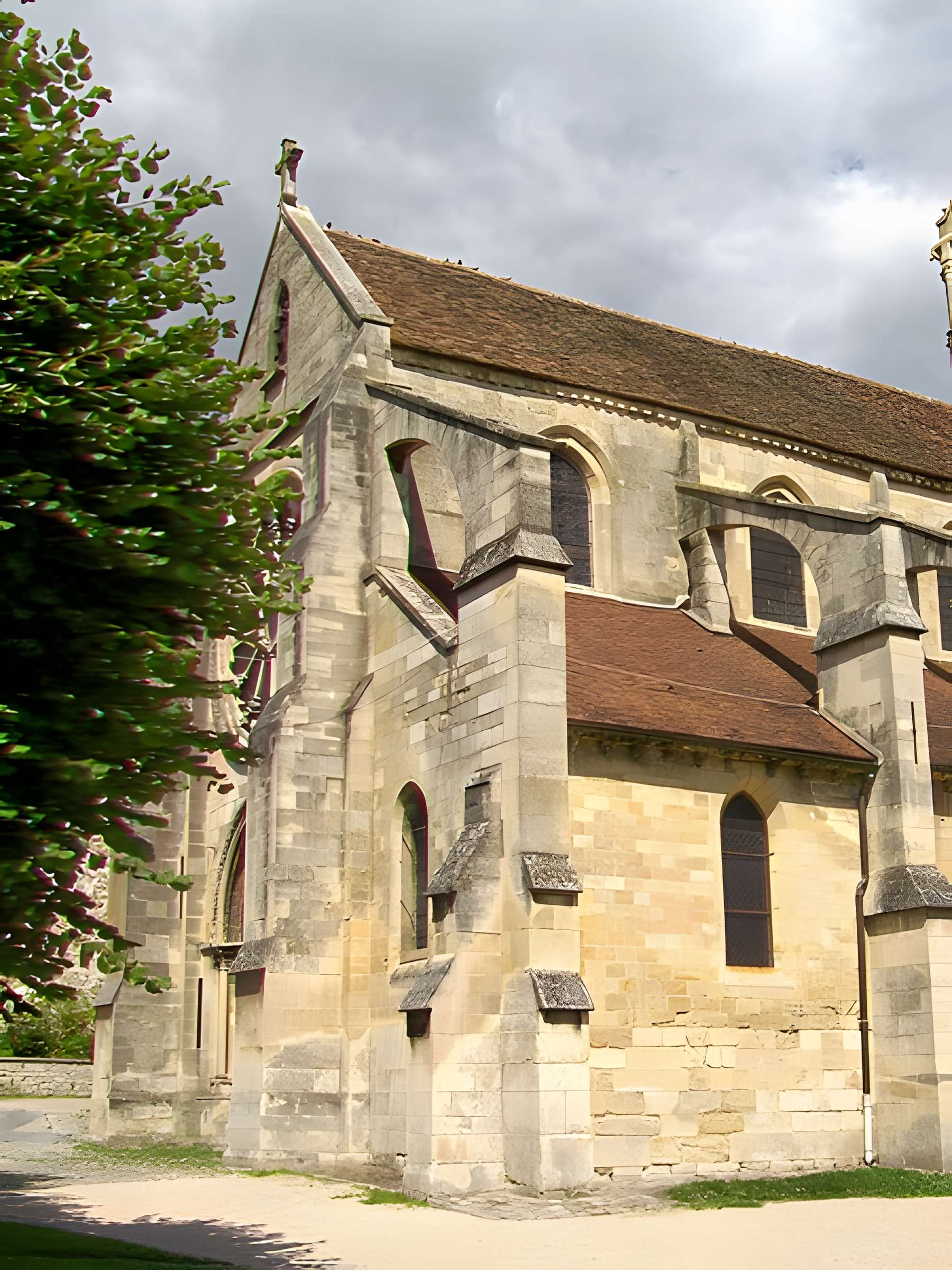
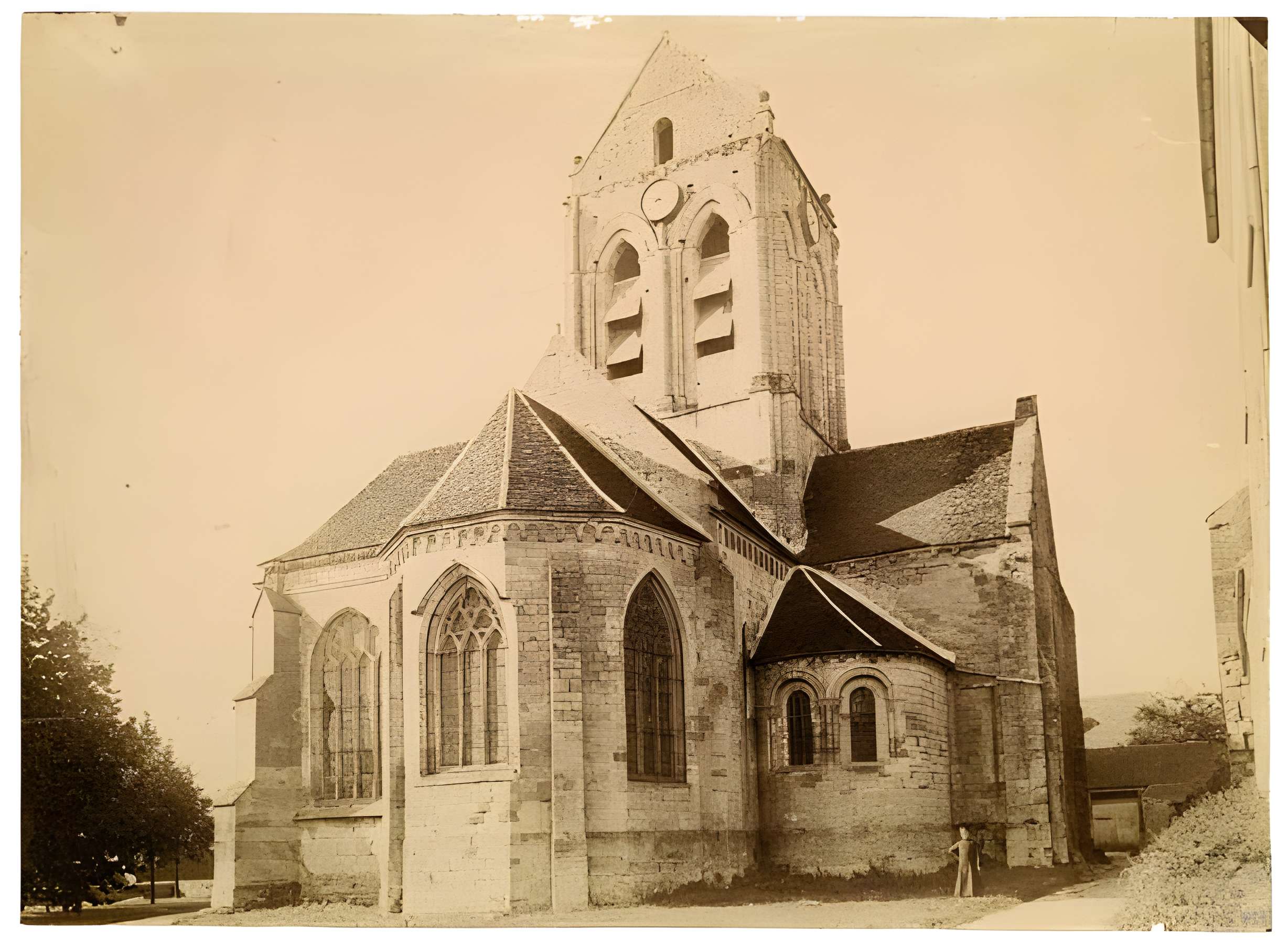
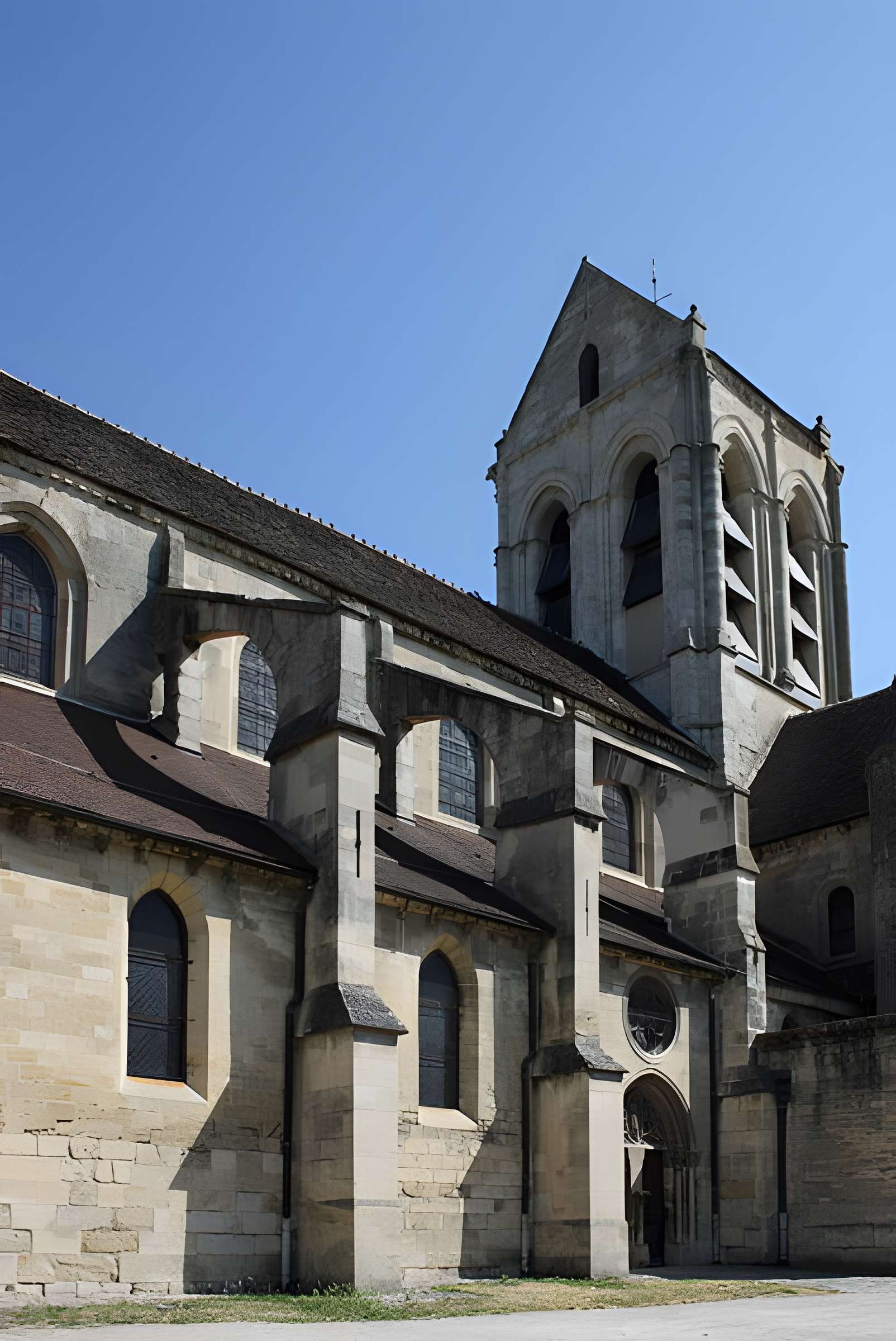
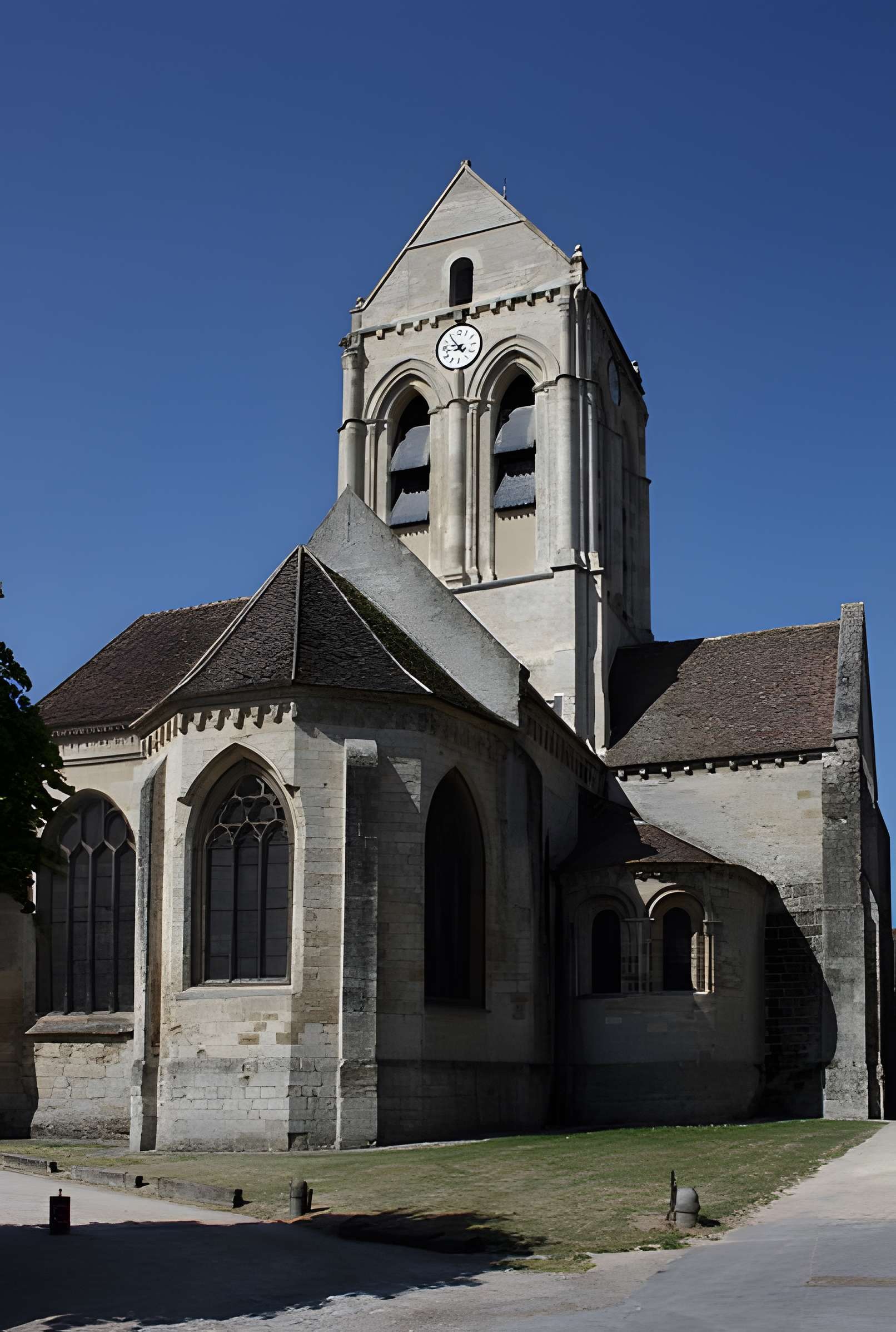
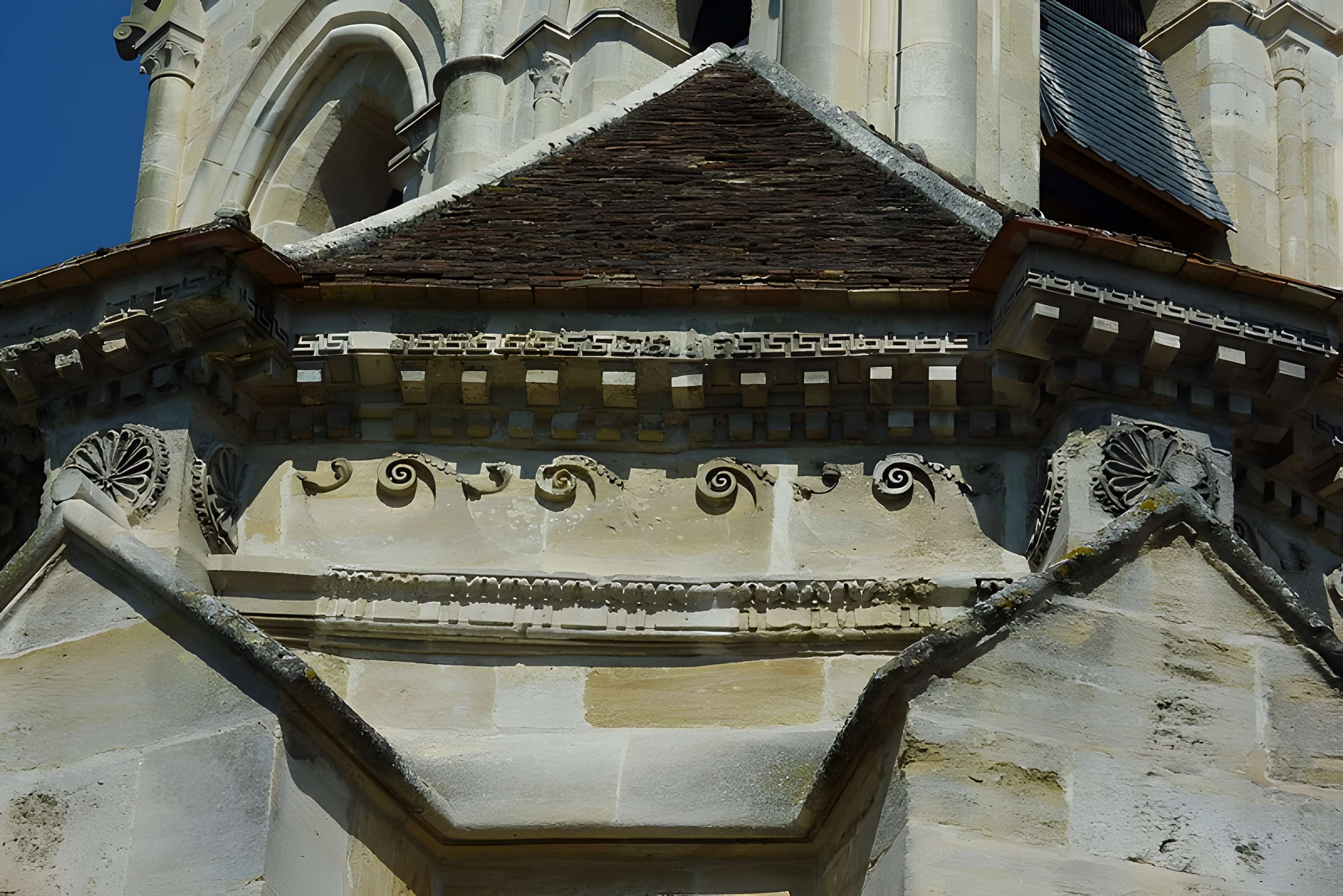
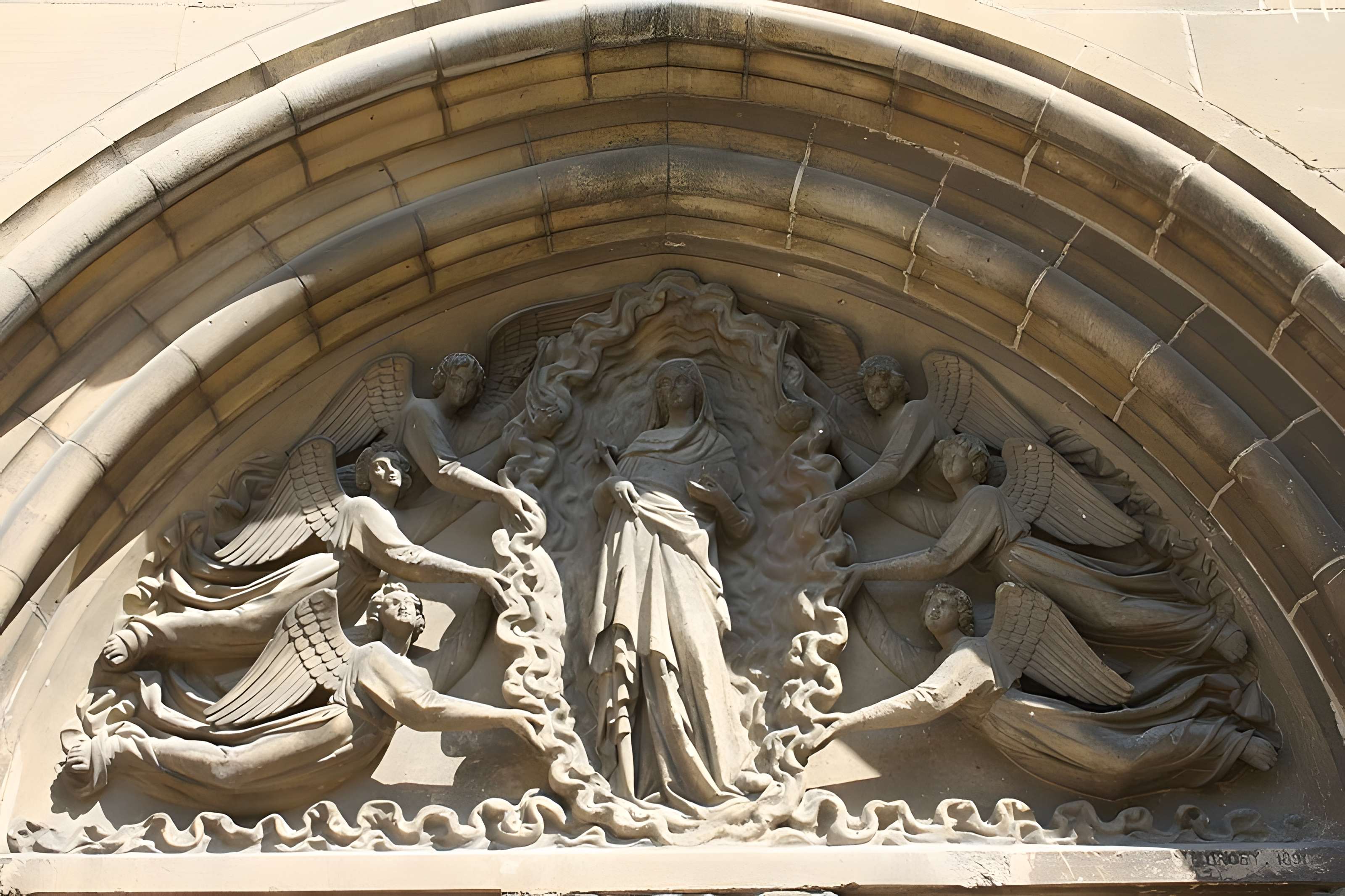
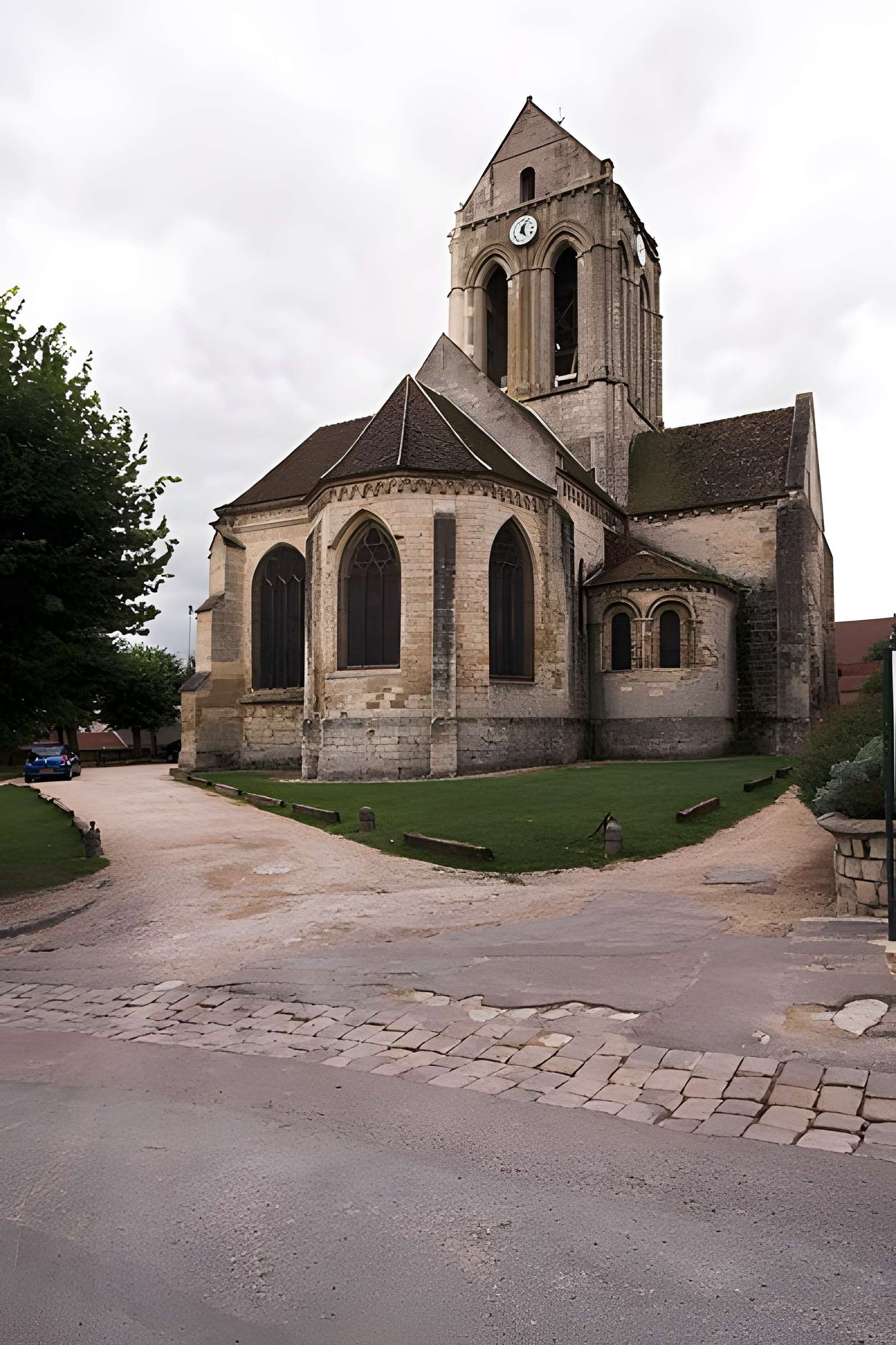
Externally, the western facade, with its 13th century portal with carved archvolts, and the asymmetric bedside (round absidiole, polygonal apse, square chapel) create a picturesque silhouette, captured by Van Gogh. The foothills, cornices beauvaisines, and bow-buttons, although partially redone, retain their medieval character. The chapel of the Virgin, despite its massive foothills, illustrates the transition towards the Renaissance with its doric metope entabment.
The classified furniture, such as the golden tabernacle of the seventeenth century or the statue of the mutilated Virgin during the Revolution, recounts the religious and political upheavals that affected the building. The paintings, including a Descent of the Cross by Émile Bernard (1937) and a Decolletation of Saint John the Baptist attributed to Louis Finson (early XVII), enrich his artistic heritage. These elements, combined with architectural history, make the church a major witness of sacred art in Île-de-France.
Modern excavations and restorations (such as that of 2016 for the roof) reveal a constant desire to preserve this monument, classified as Historical Monuments for its archaeological and artistic interest. Its exterior staircase, missing stained glass windows, and structural changes (such as the corrugated 16th century pillar) provide an overview of the conservation challenges posed by a constantly evolving building.
Finally, the church of Auvers-sur-Oise embodies the synthesis between local heritage and international influence, thanks to Van Gogh and his eclectic architecture. Its history, from the Counts of Vexin to the modern parishioners, makes it a place of living memory, where each stone tells a fragment of French history, from Capetians to Impressionists.








Announcements
Please log in to post a review