Logo Musée du Patrimoine

All French heritage classified by regions, departments and cities

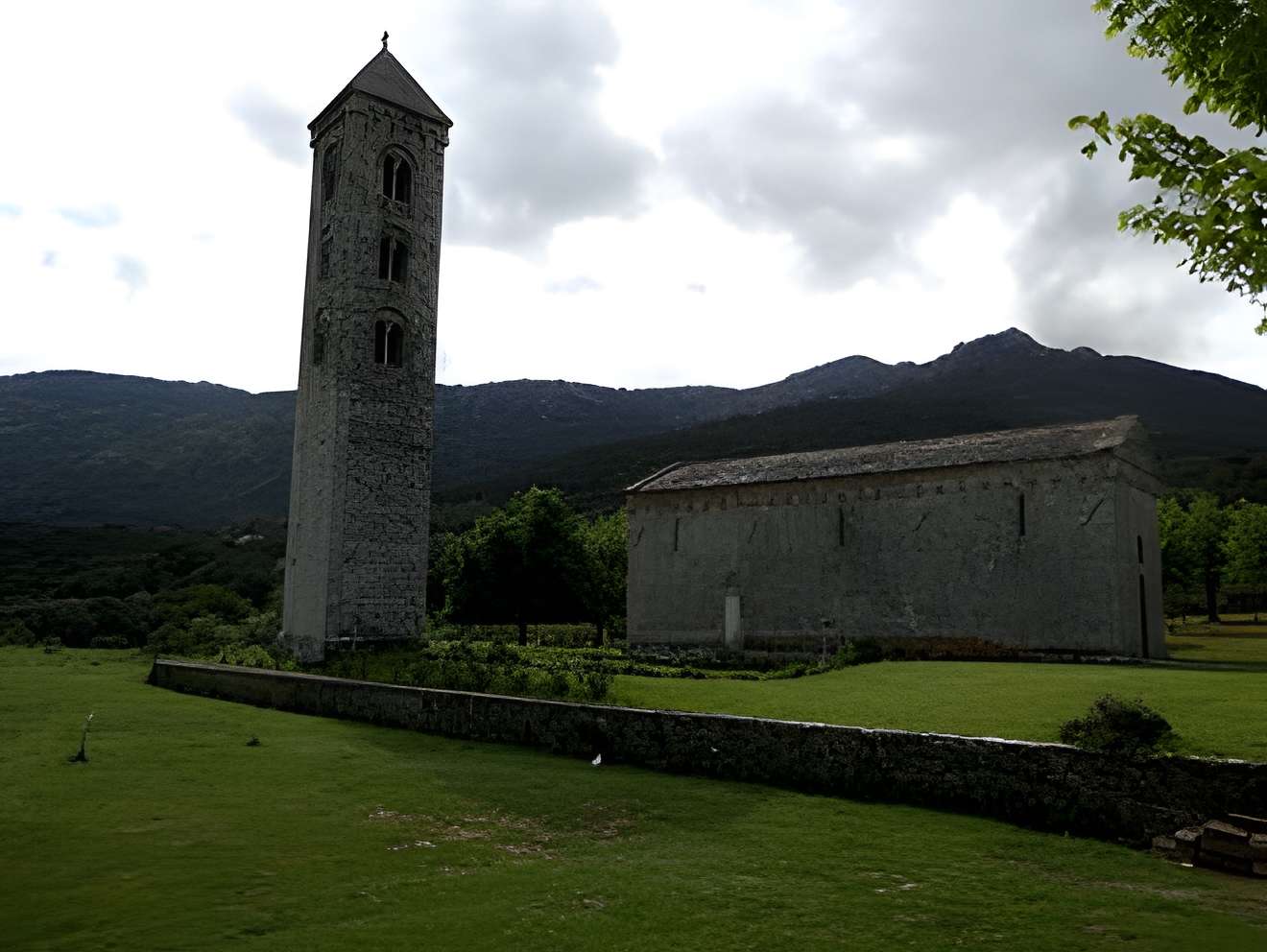
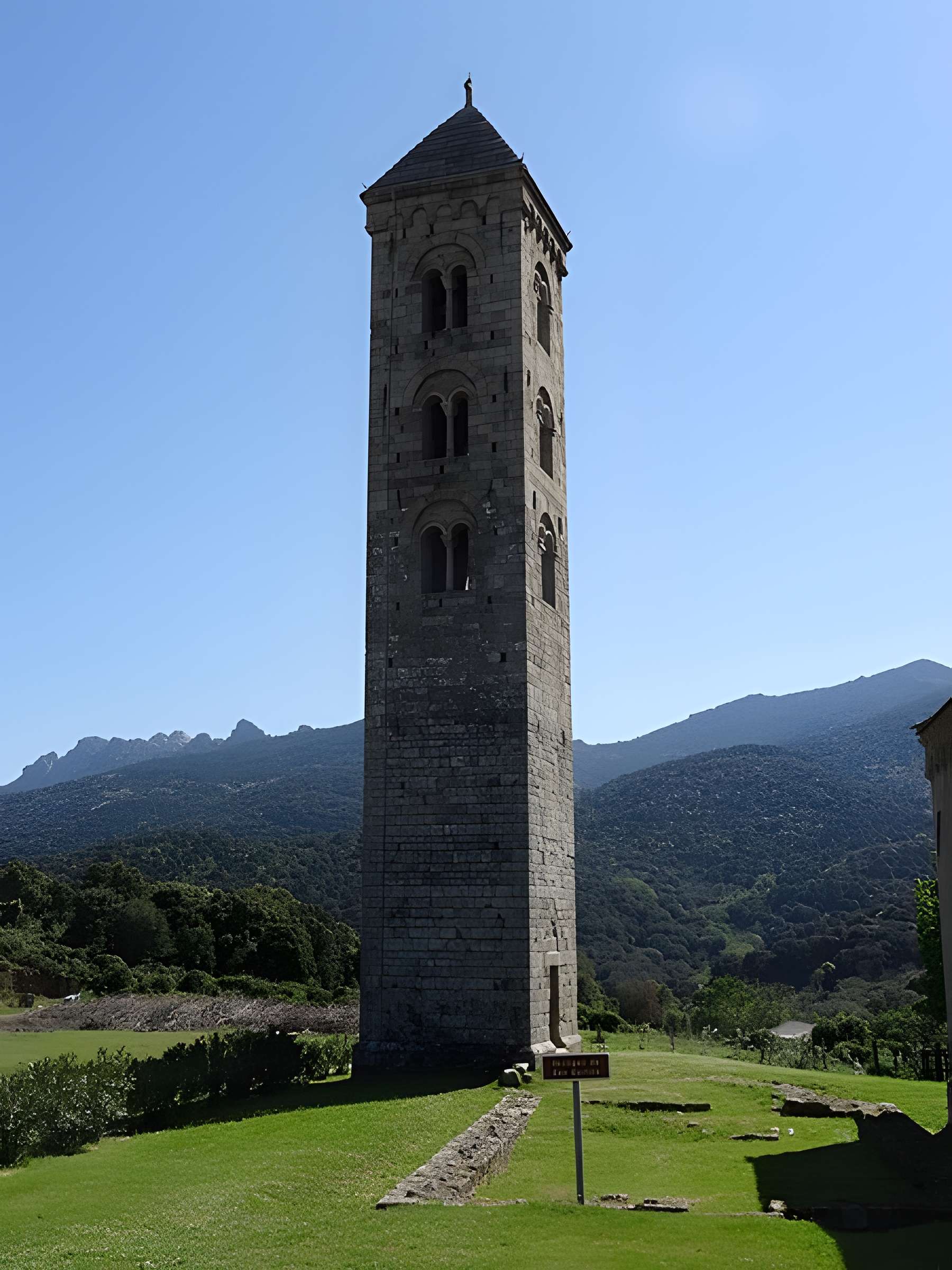
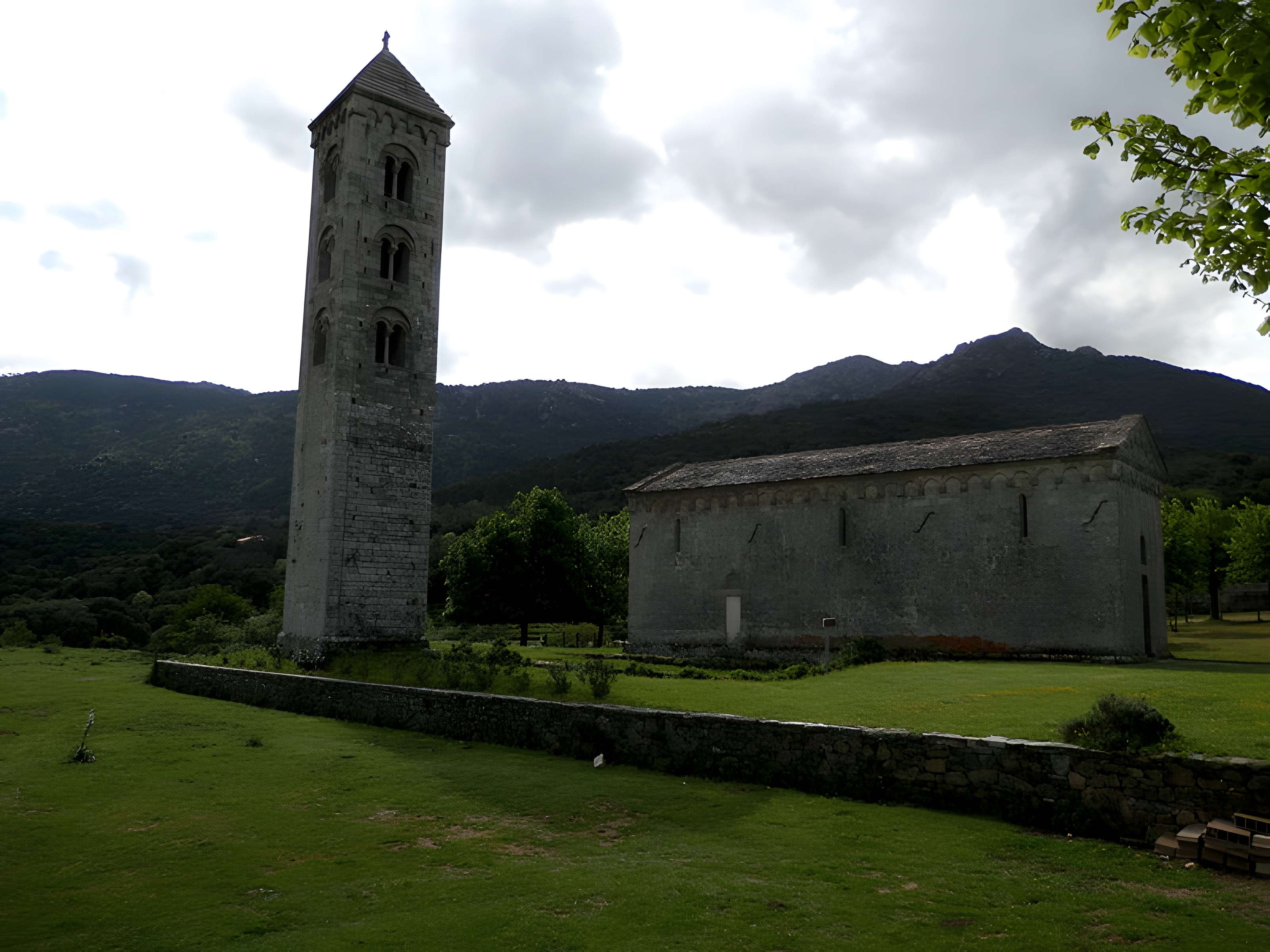
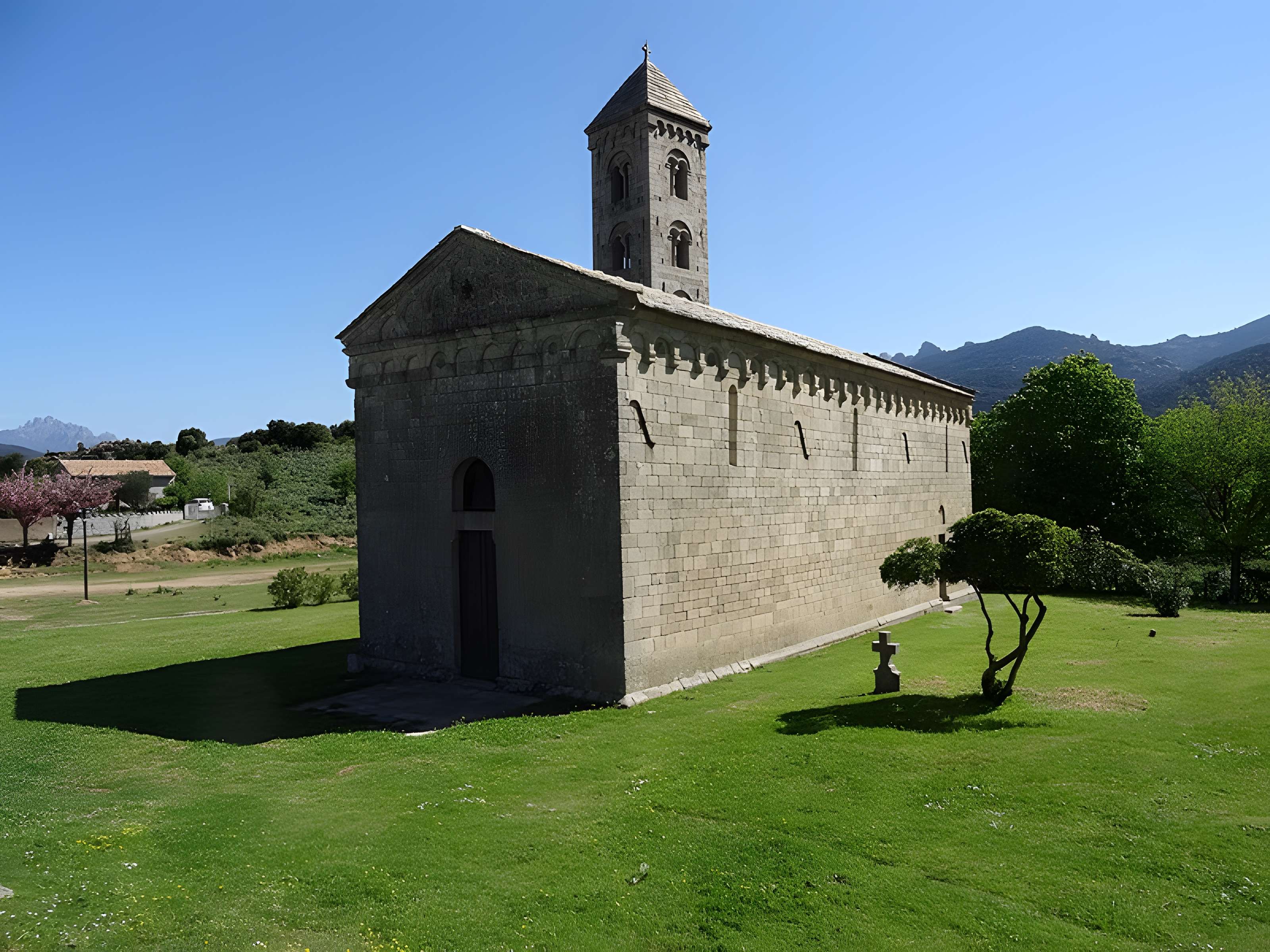
Saint John of Carbini Church en Corse-du-sud

Patrimoine classé
Patrimoine religieux
Eglise de style pisan

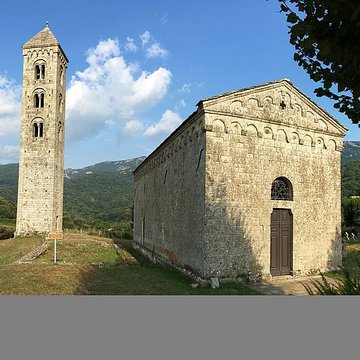
Saint John of Carbini Church

    D59
    20170 Carbini
Ownership of the municipality
Église Saint-Jean de Carbini
Crédit photo : François Collard - Sous licence Creative Commons

Timeline

Moyen Âge central
Bas Moyen Âge
Renaissance
Temps modernes
Révolution/Empire
XIXe siècle
Époque contemporaine
1200
1300
1400
1800
1900
2000
XIIe siècle
Construction of church
1354
Excommunication of Giovannali
1886
Historical Monument
1983
Church Restoration
Fin XIXe siècle
Restoration of the campanile
Aujourd'hui
Aujourd'hui

Heritage classified

Church: by decree of 12 July 1886

Key figures

Innocent VI - Pope (1352–1362) Excommunia the Giovannali in 1354.
Prosper Mérimée - Writer and Inspector of Monuments Initiated the classification of the church in 1886.
Paul et Henri d'Attala - Founders of the Giovannali Leaders of the sect in the 14th century.
Maestro Maternato - Suspected architect Would have built church and bell tower.

Origin and history

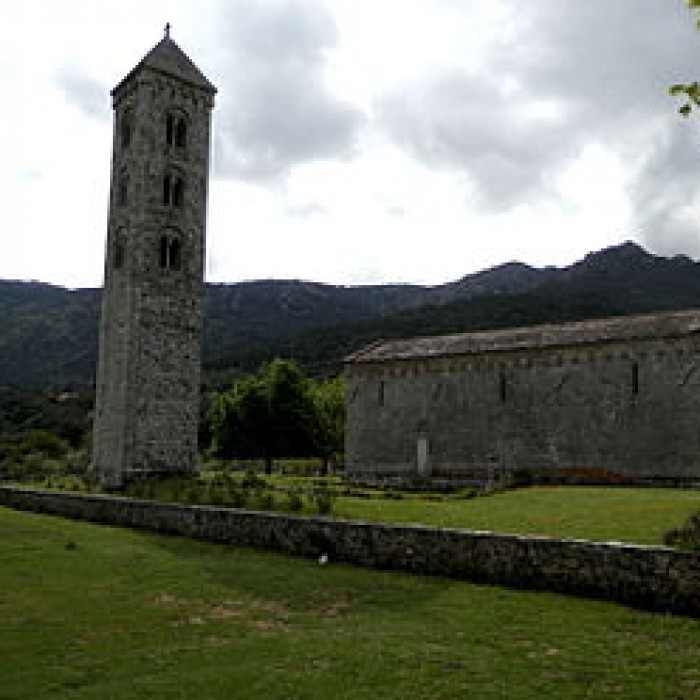
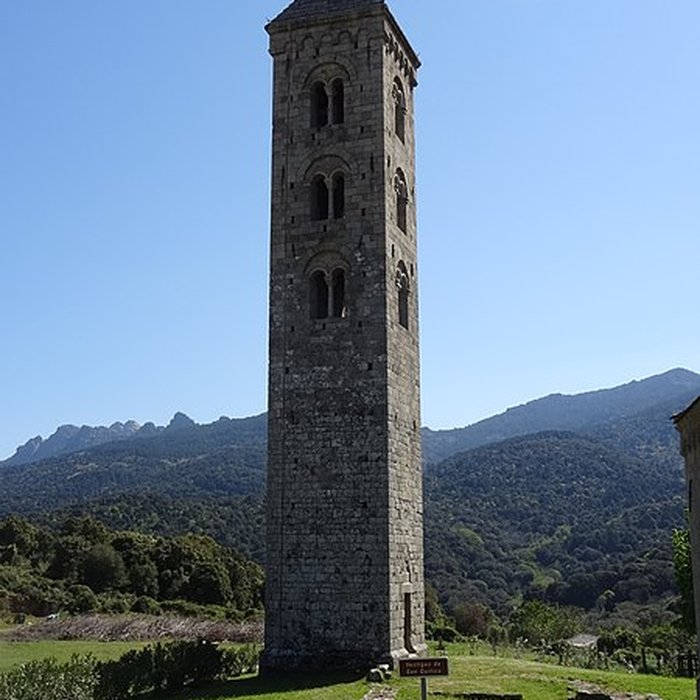
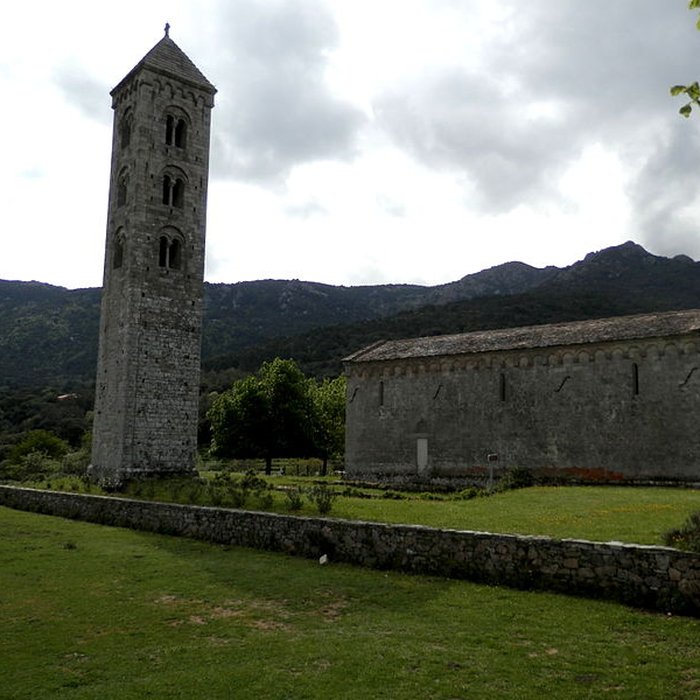
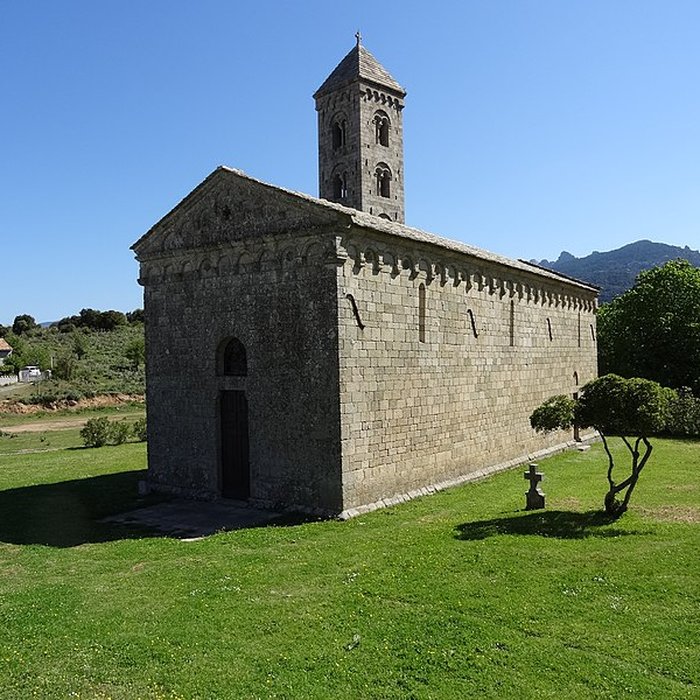
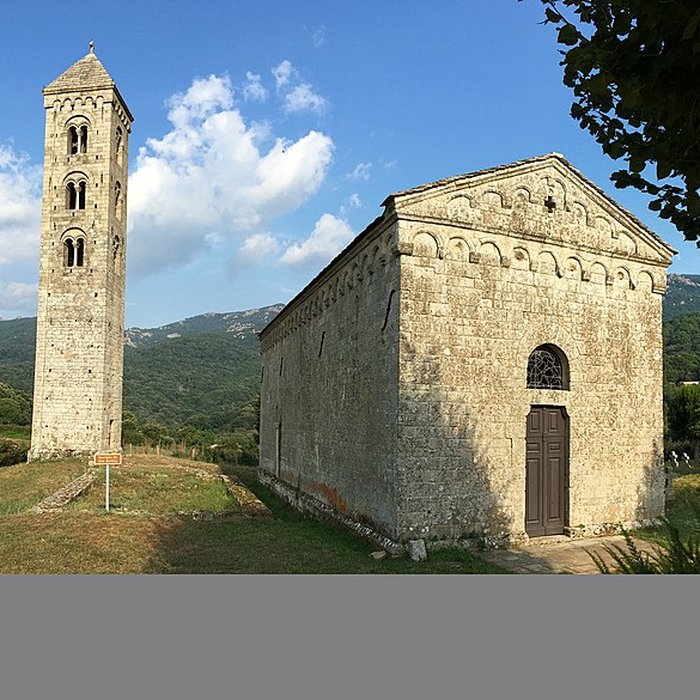
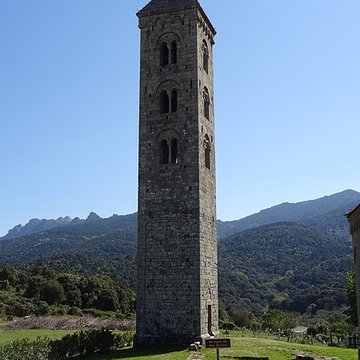
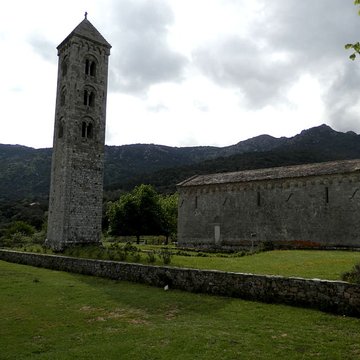
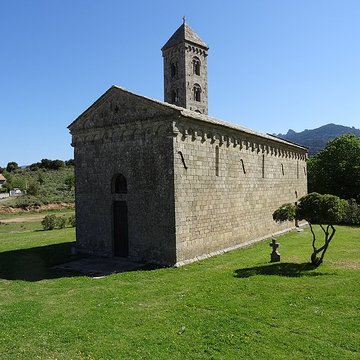
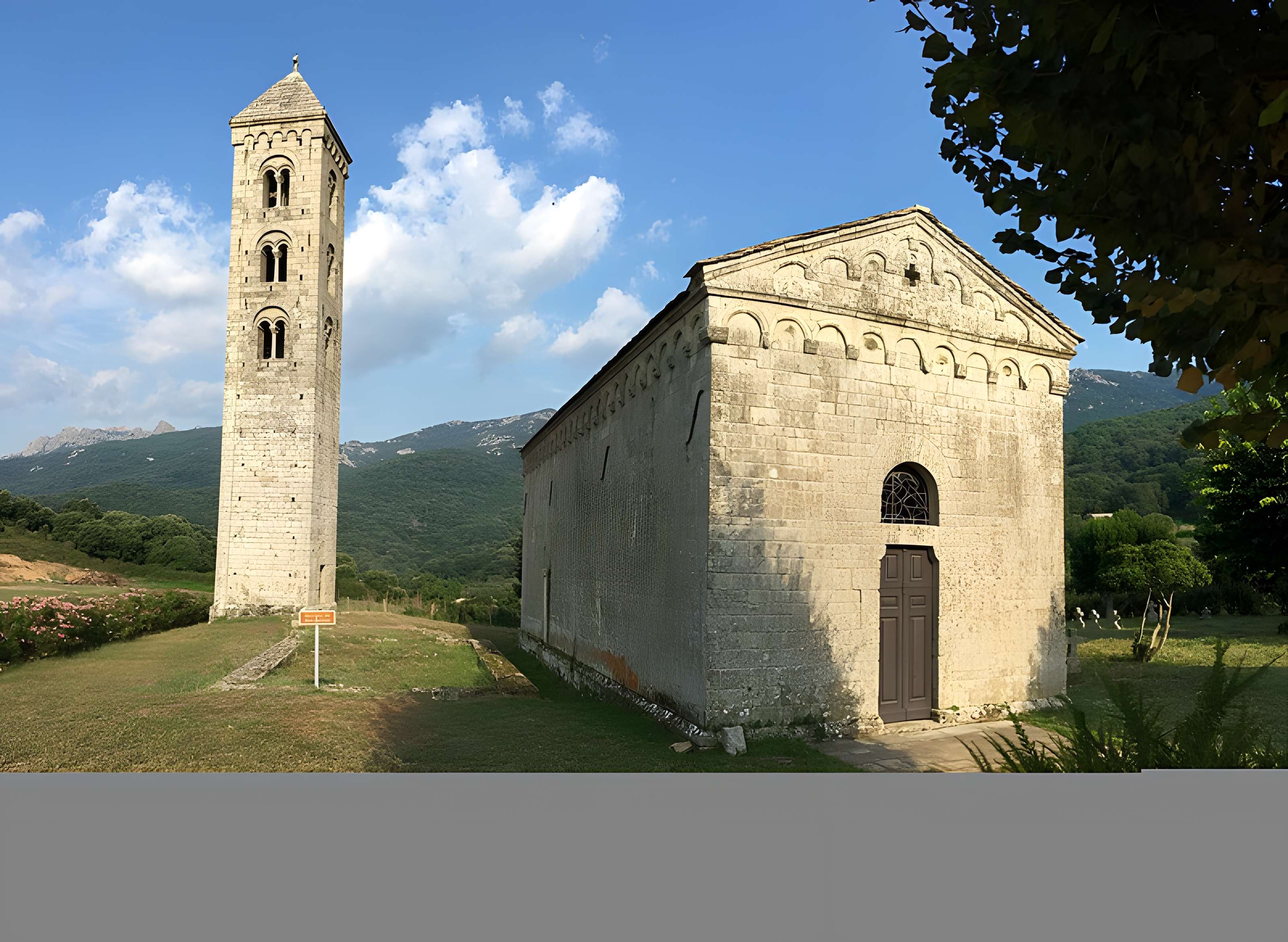
The Romanesque church of San Giovanni de Carbini, dated from the 12th century, is considered one of the oldest in Corsica. In the pisan style, it was part of a cultural ensemble including a campanile and a baptistery, only the church and the bell tower partially rebuilt in the 19th century. Its elegant proportions and its frieze of external archatures make it a remarkable example of island Romanesque art. The excavations revealed the foundations of a nearby Paleo-Christian church, San Quilico, today in ruins.

In the Middle Ages, Carbini was the cradle of the Giovannali, an egalitarian sect declared heretical in 1354 by Pope Innocent VI. The Giovannali, inspired by a radical interpretation of John's Gospel, advocated the sharing of goods and women, and refused seigneurial authority. According to the chronicles, their nocturnal meetings in the churches degenerated into orgies. The sect was exterminated by the Corsicans by pontifical order, and the village, deserted, was repopulated by families of Sartene. The church of San Giovanni was reserved for the nobles, while San Quilico served the Giovannali.

The building was classified as a historic monument in 1886 thanks to the intervention of Prosper Mérimée, who emphasized its heritage value. The restoration of the campanile in the late 19th century and that of the church in 1983 preserved its original characteristics. Today, the church houses notable religious furniture, including a statue of Saint John the Baptist of the 19th century, and remains a key testimony to the medieval and religious history of Corsica.

The archaeological site also reveals traces of ancient occupation, mentioned from the 2nd century by Ptolemy. Carbini's piève, on which the church depended, was once one of the most extensive on the island, extending from Bavella to Figari. The village, now classified as a scattered rural area, preserves a traditional 17th-18th century building and belongs to the Regional Natural Park of Corsica, in the territory of Alta Rocca.

External links