Logo Musée du Patrimoine

All French heritage classified by regions, departments and cities

Mareste Castle à Chavannes-sur-Reyssouze dans l'Ain

Patrimoine classé
Patrimoine défensif
Demeure seigneuriale
Château de plaisance
Ain

Mareste Castle

    Clos de Marethe
    01190 Chavannes-sur-Reyssouze
Private property
Château de Mareste
Château de Mareste
Château de Mareste
Château de Mareste
Château de Mareste
Château de Mareste
Château de Mareste
Château de Mareste
Château de Mareste
Château de Mareste
Château de Mareste
Château de Mareste
Château de Mareste
Château de Mareste
Château de Mareste
Crédit photo : Chabe01 - Sous licence Creative Commons

Timeline

Renaissance
Temps modernes
Révolution/Empire
XIXe siècle
Époque contemporaine
1600
1700
1800
1900
2000
vers 1610
Construction of existing buildings
1541–1948
Period of family possession
1962
Repurchase and start of restoration
26 septembre 1969
Registration for Historic Monuments
1974
Resumption of work
Aujourd'hui
Aujourd'hui

Heritage classified

Facade and roofing of all buildings (Case C 986): inscription by decree of 26 September 1969

Key figures

Famille de Mareste - Historical owners Possession from 1541 to 1948.
Collectionneur anonyme (1962) - Saviour of the domain Buyer and initiator of restorations.
Propriétaires actuels (depuis 1974) - Contemporary restaurants Continuation of preservation work.

Origin and history

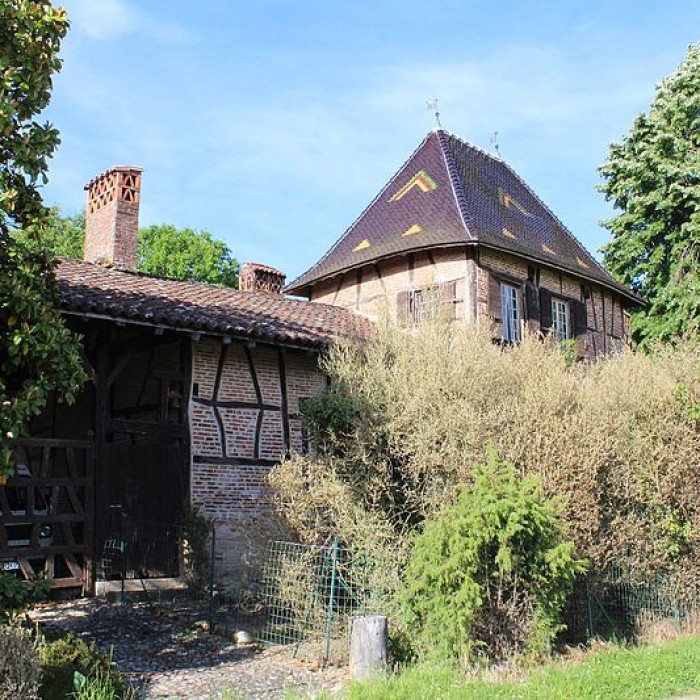
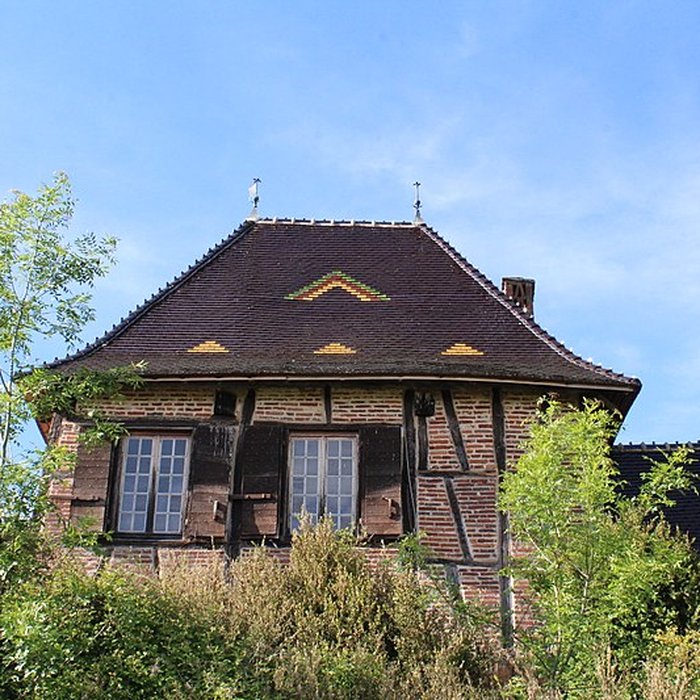
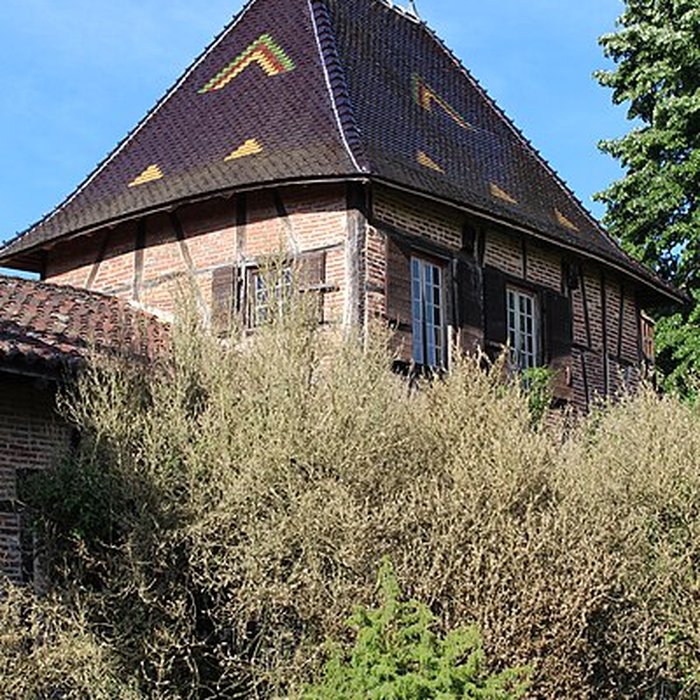
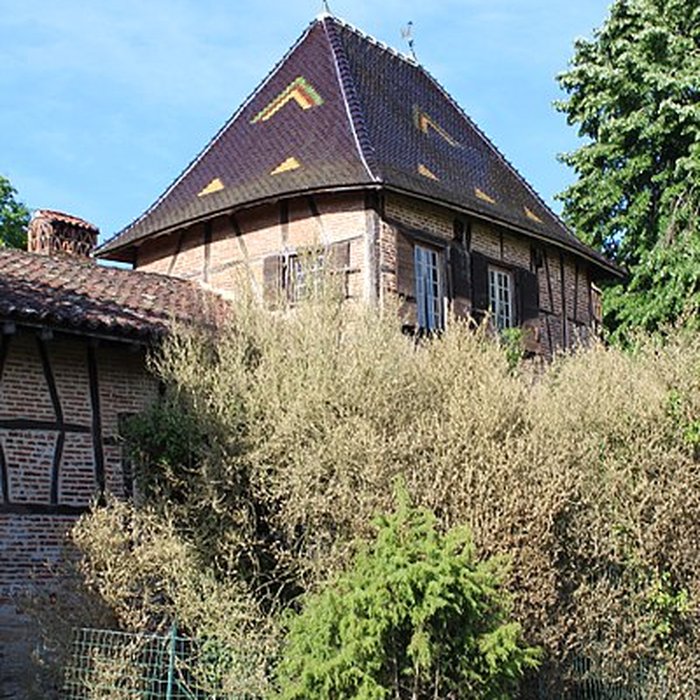
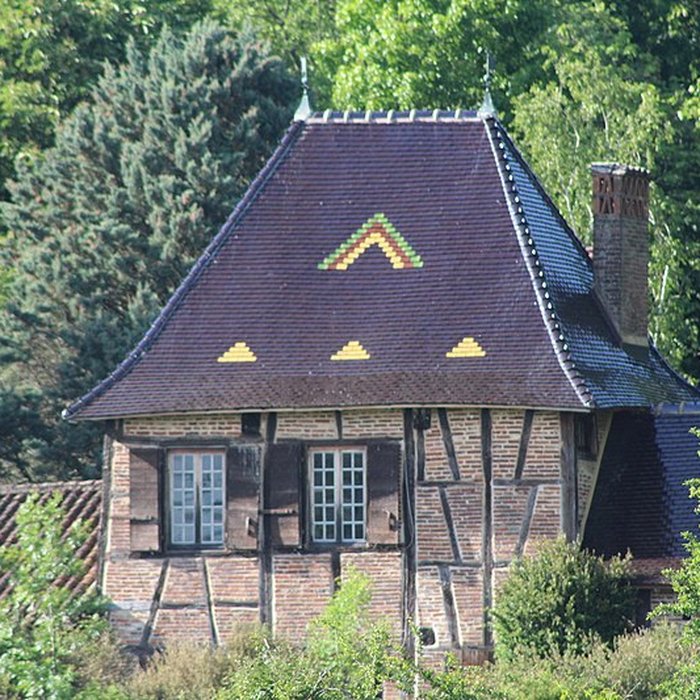
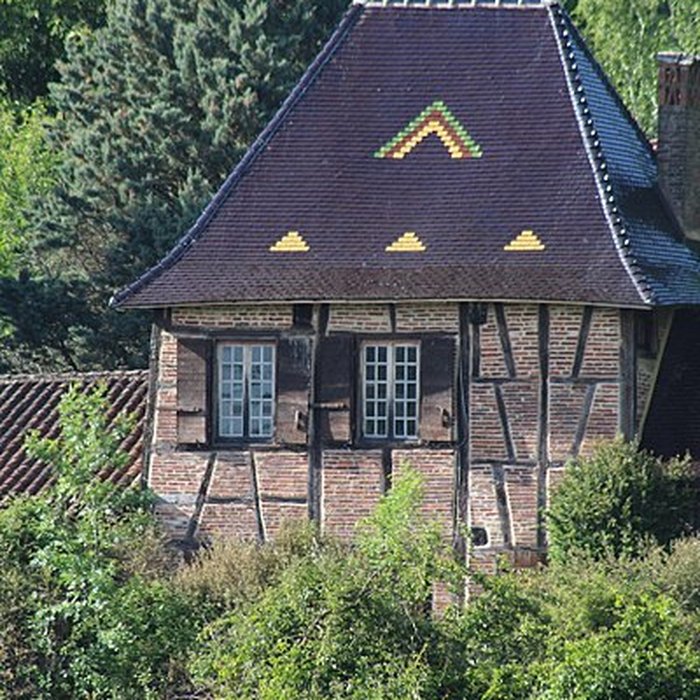
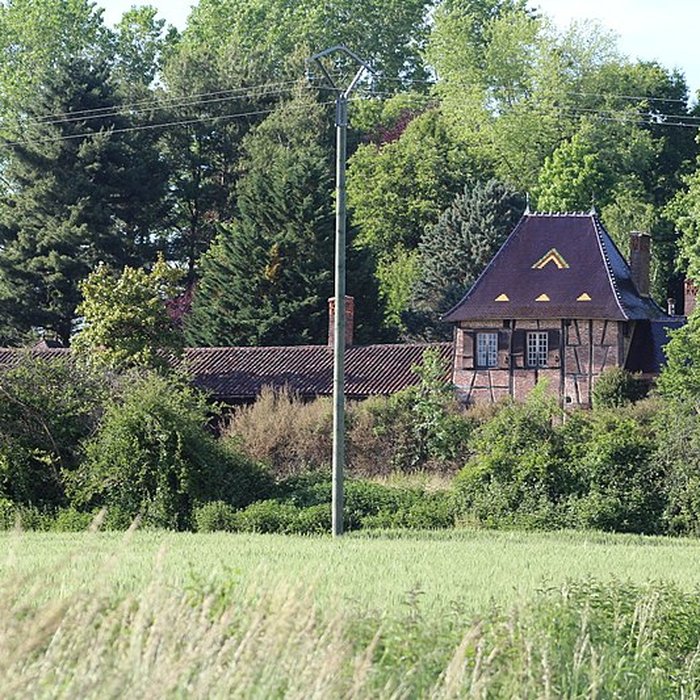
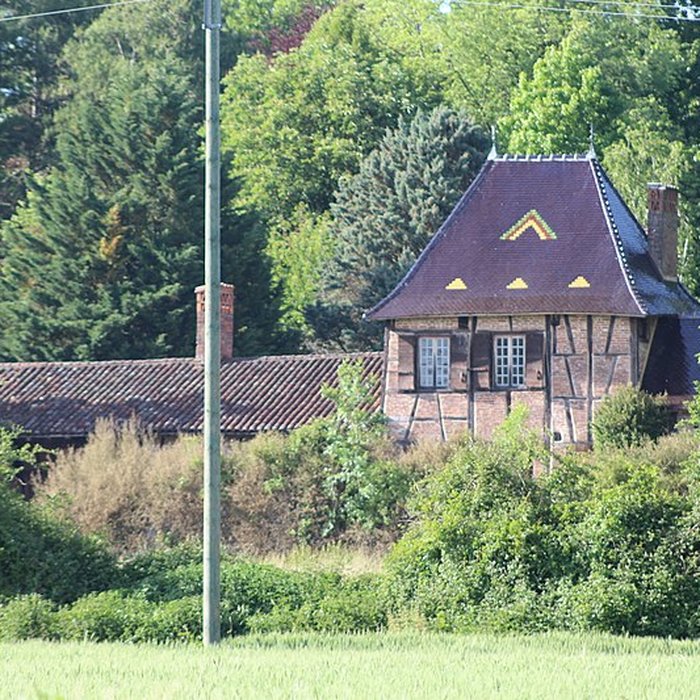
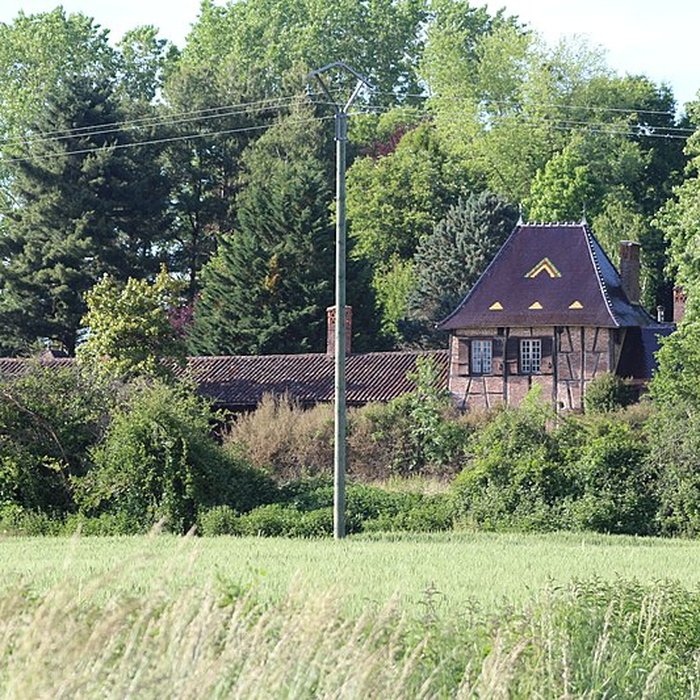
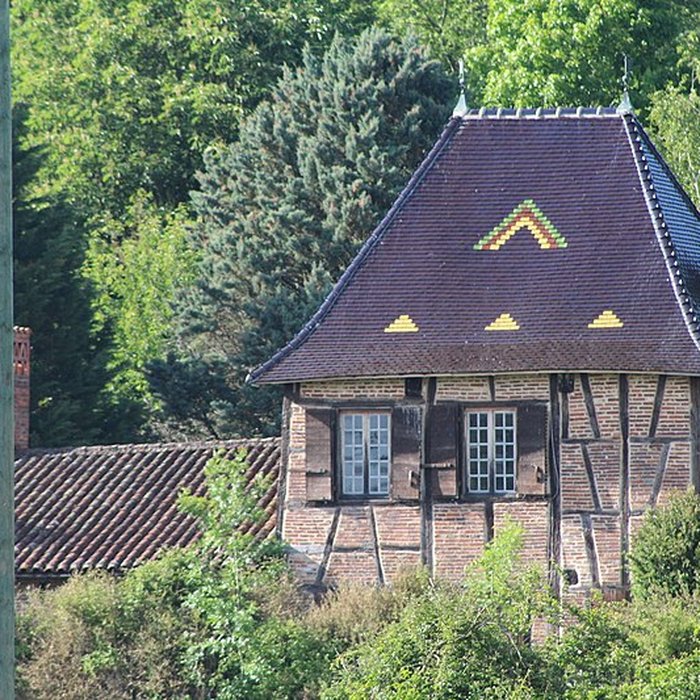
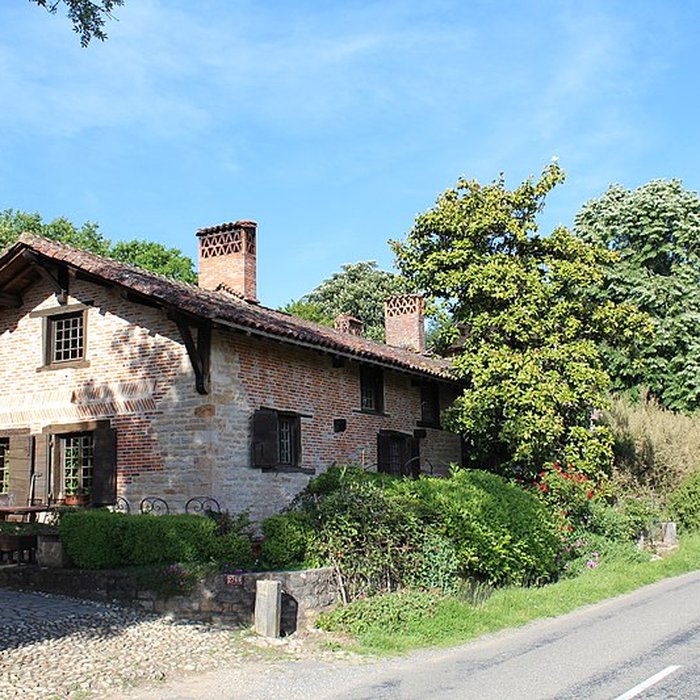
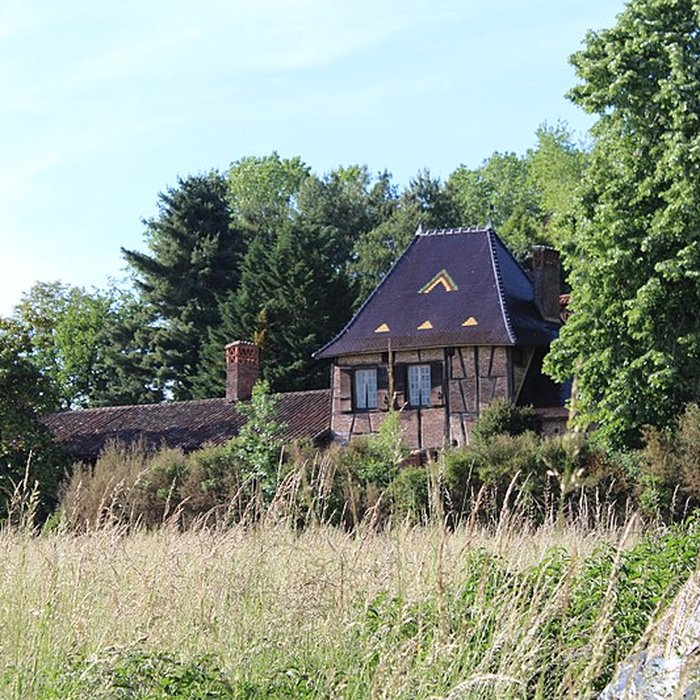
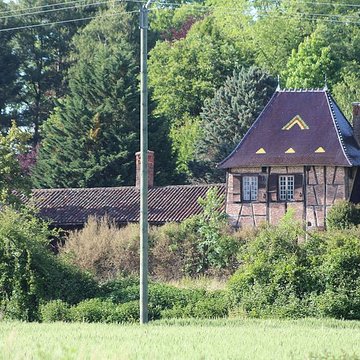
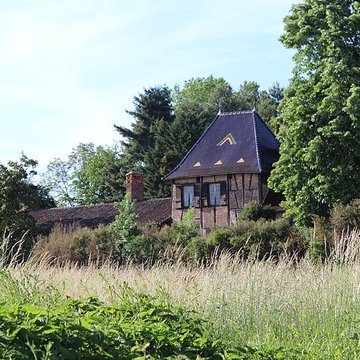
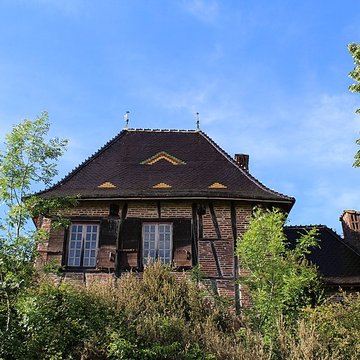
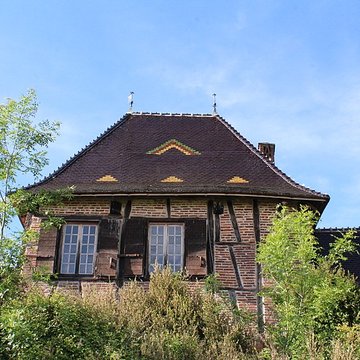
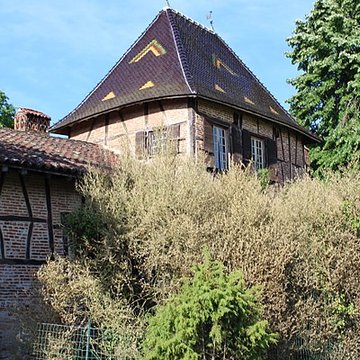
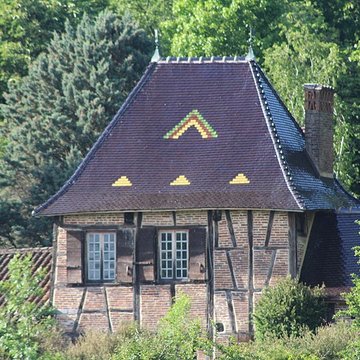
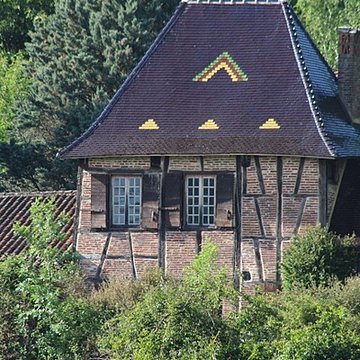
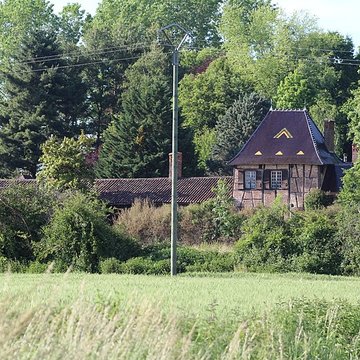
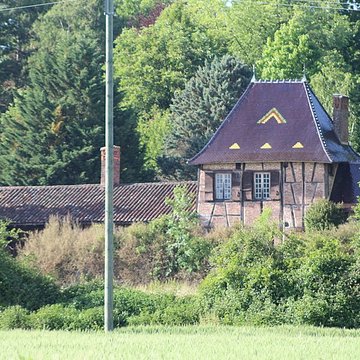
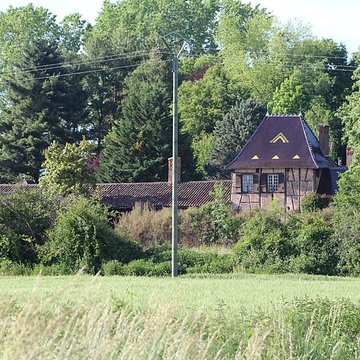
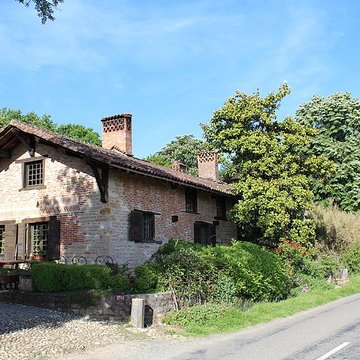
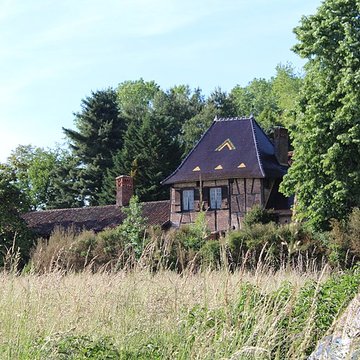
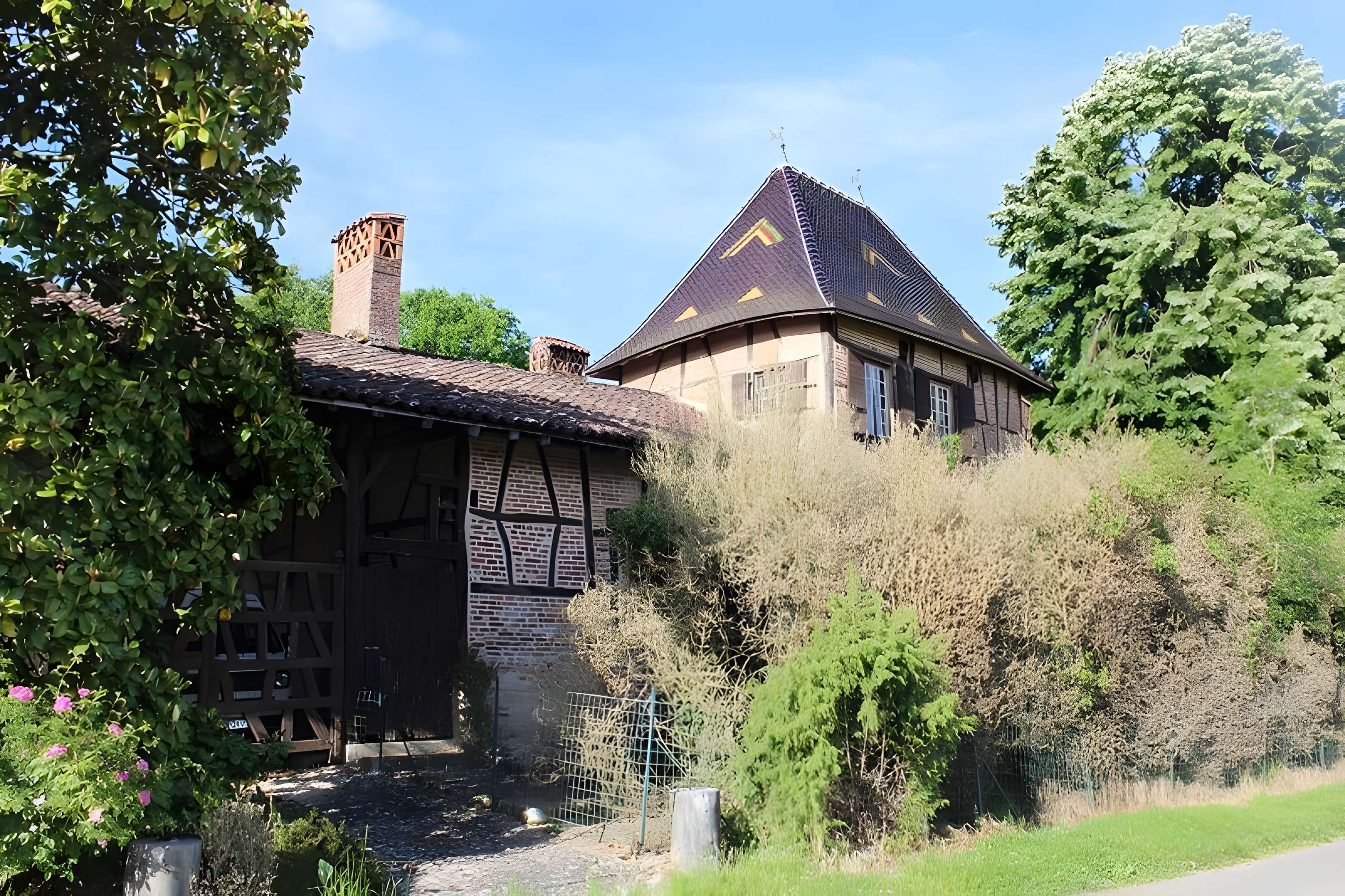
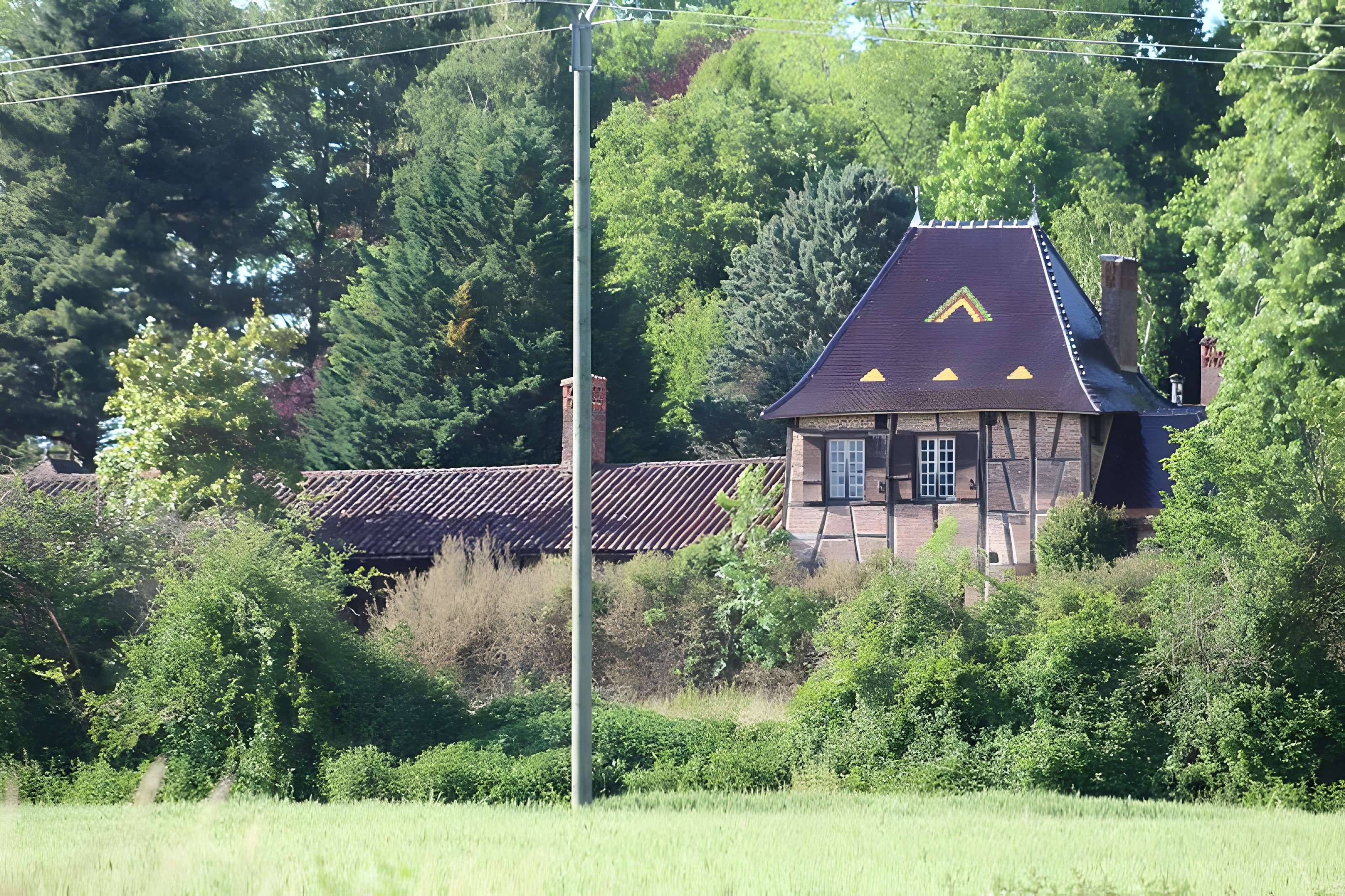
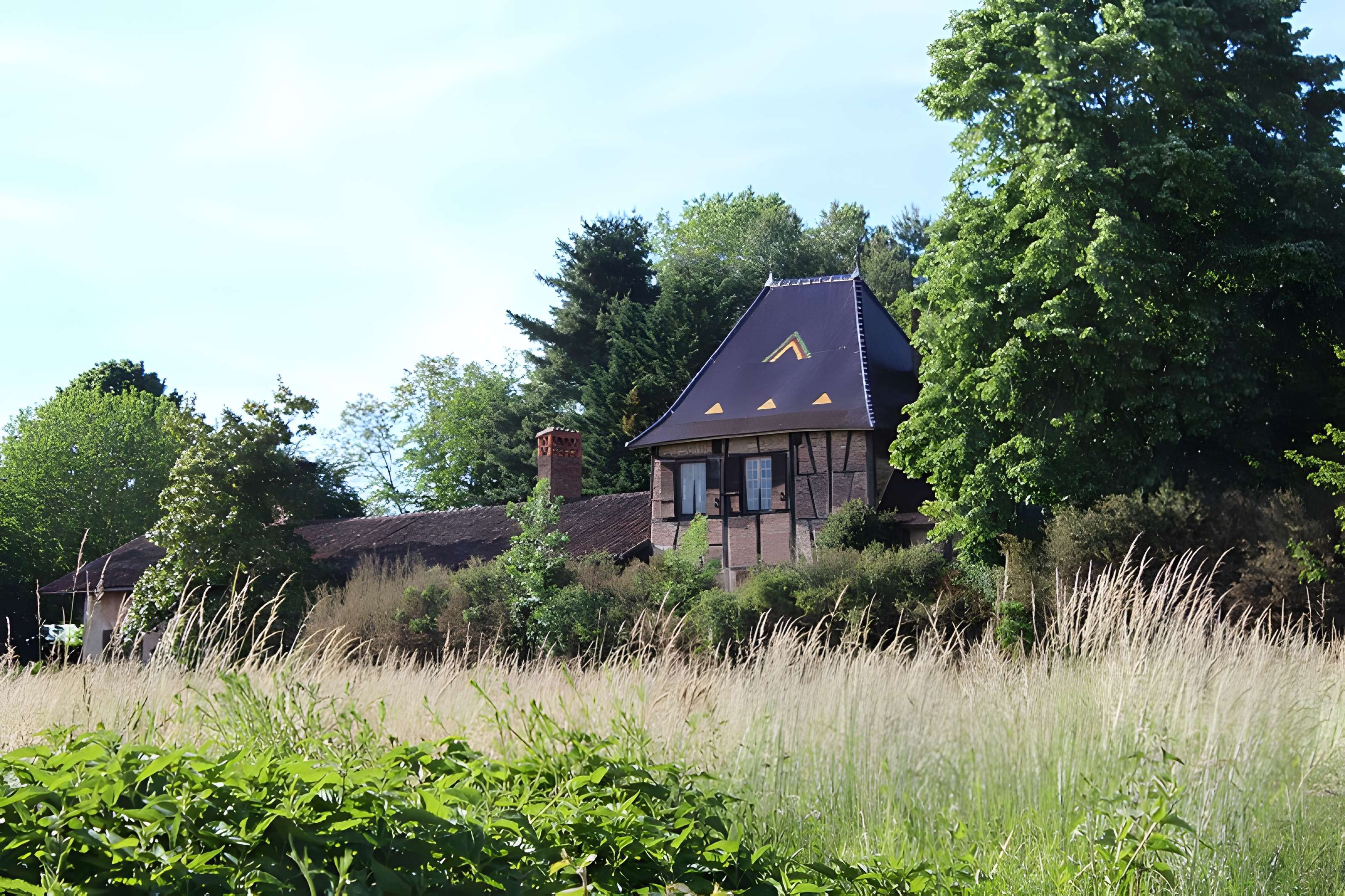
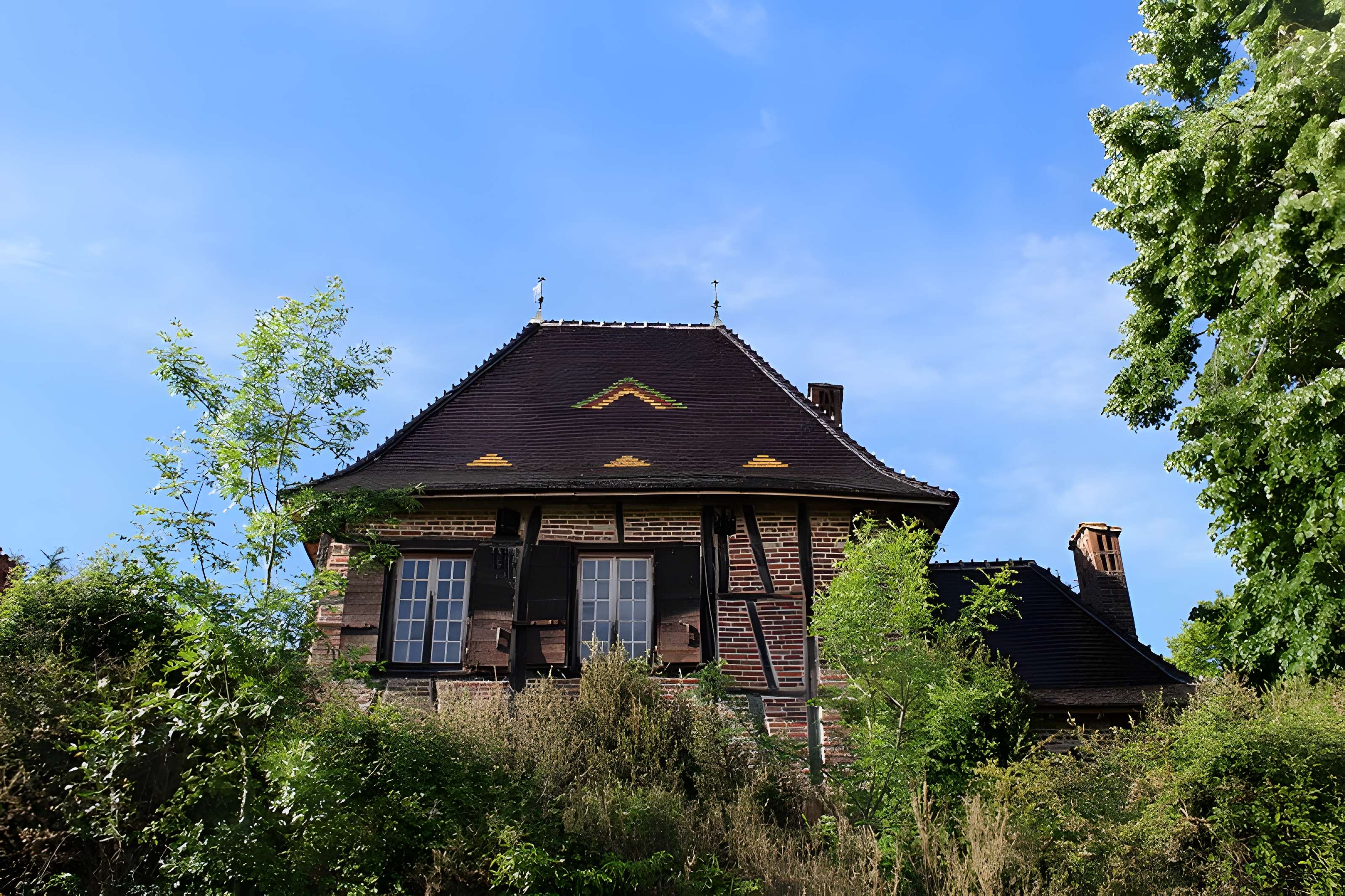
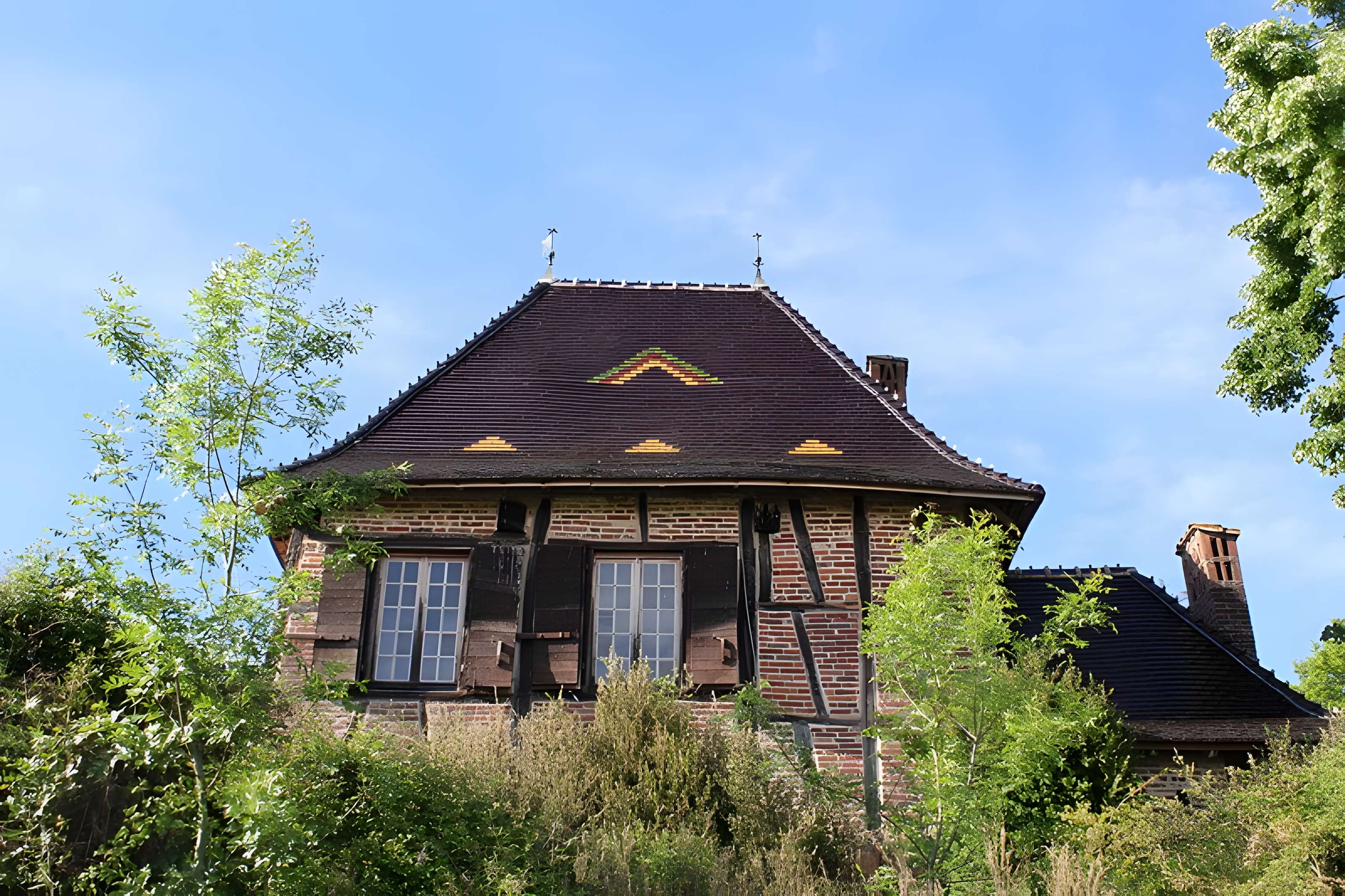
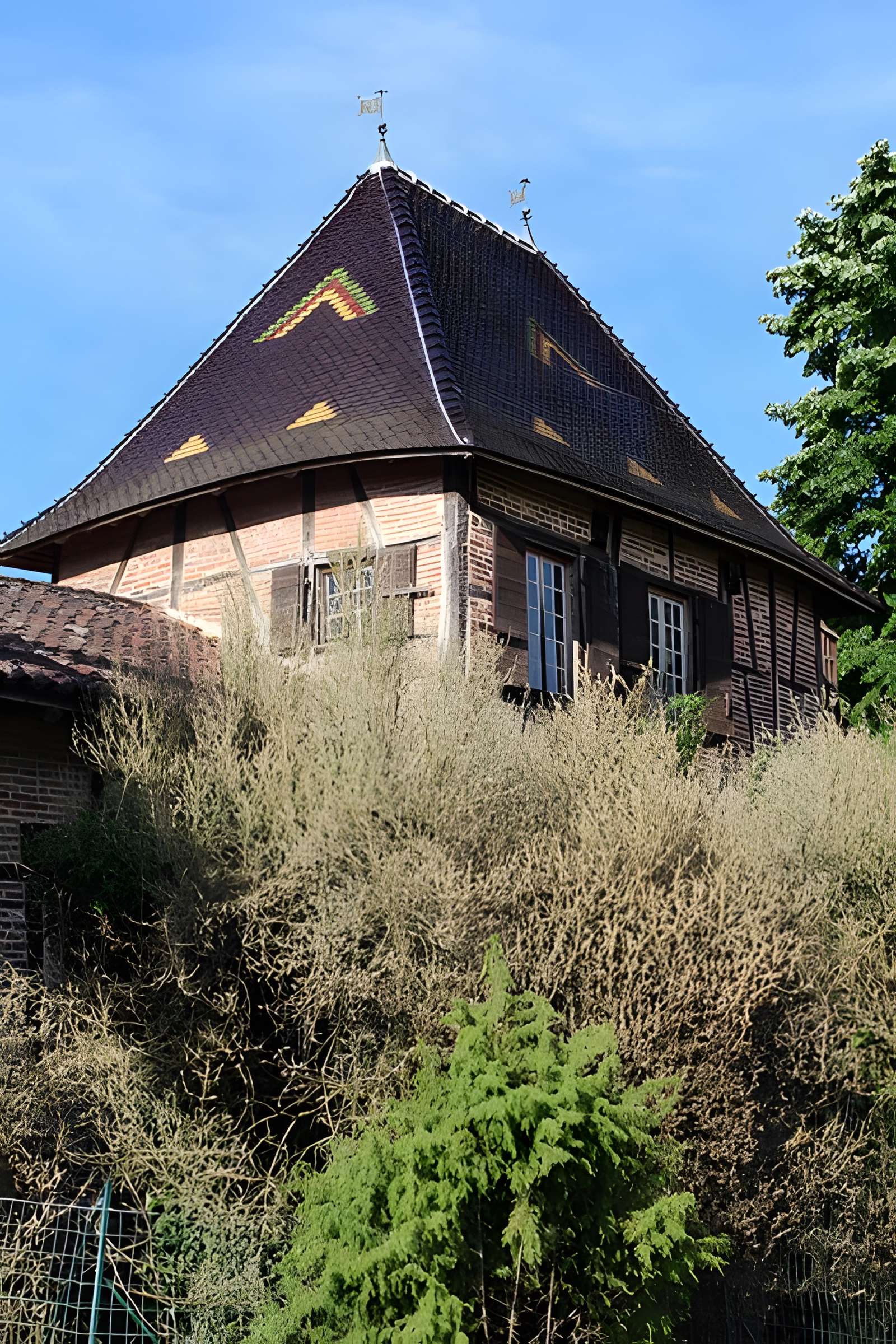
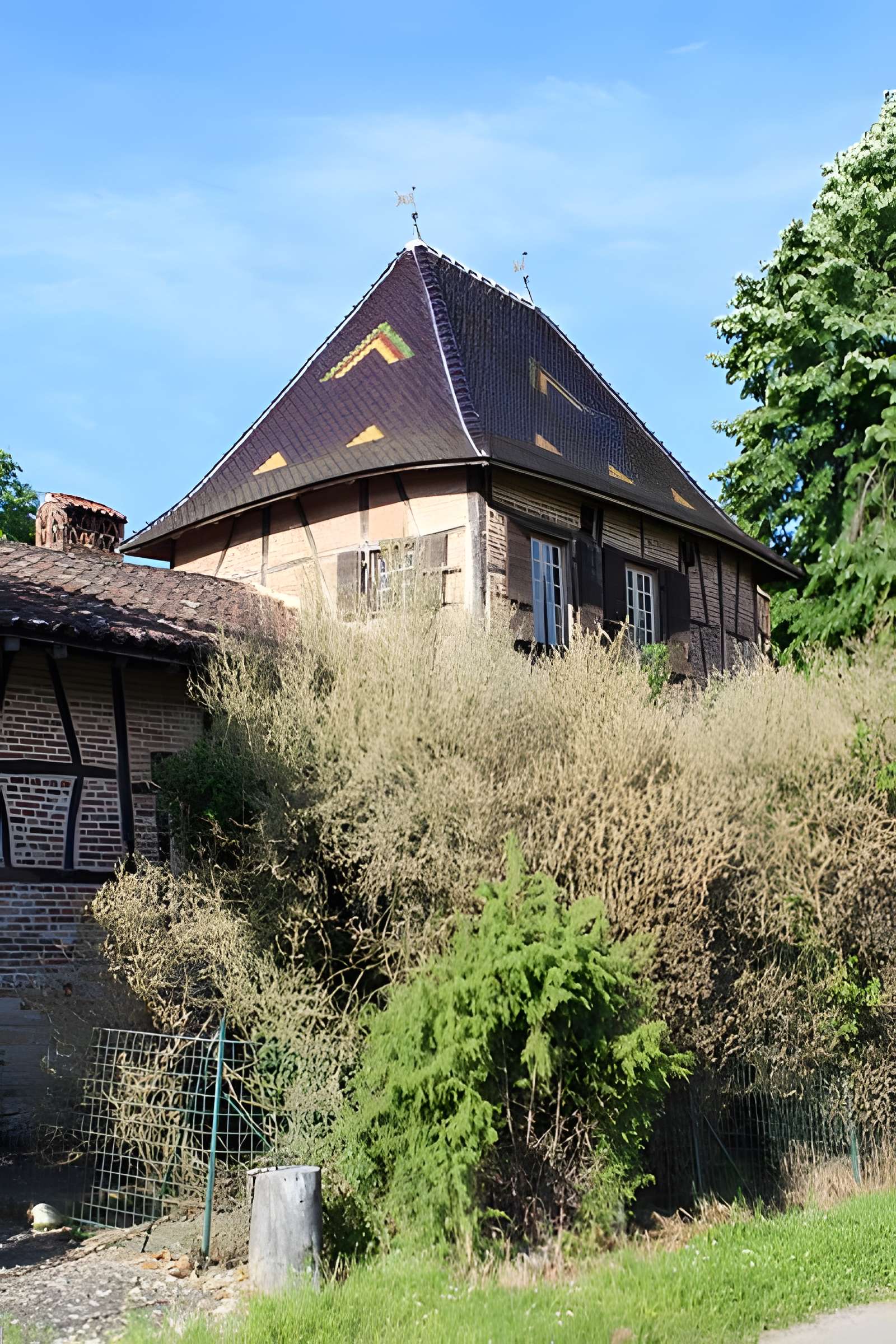
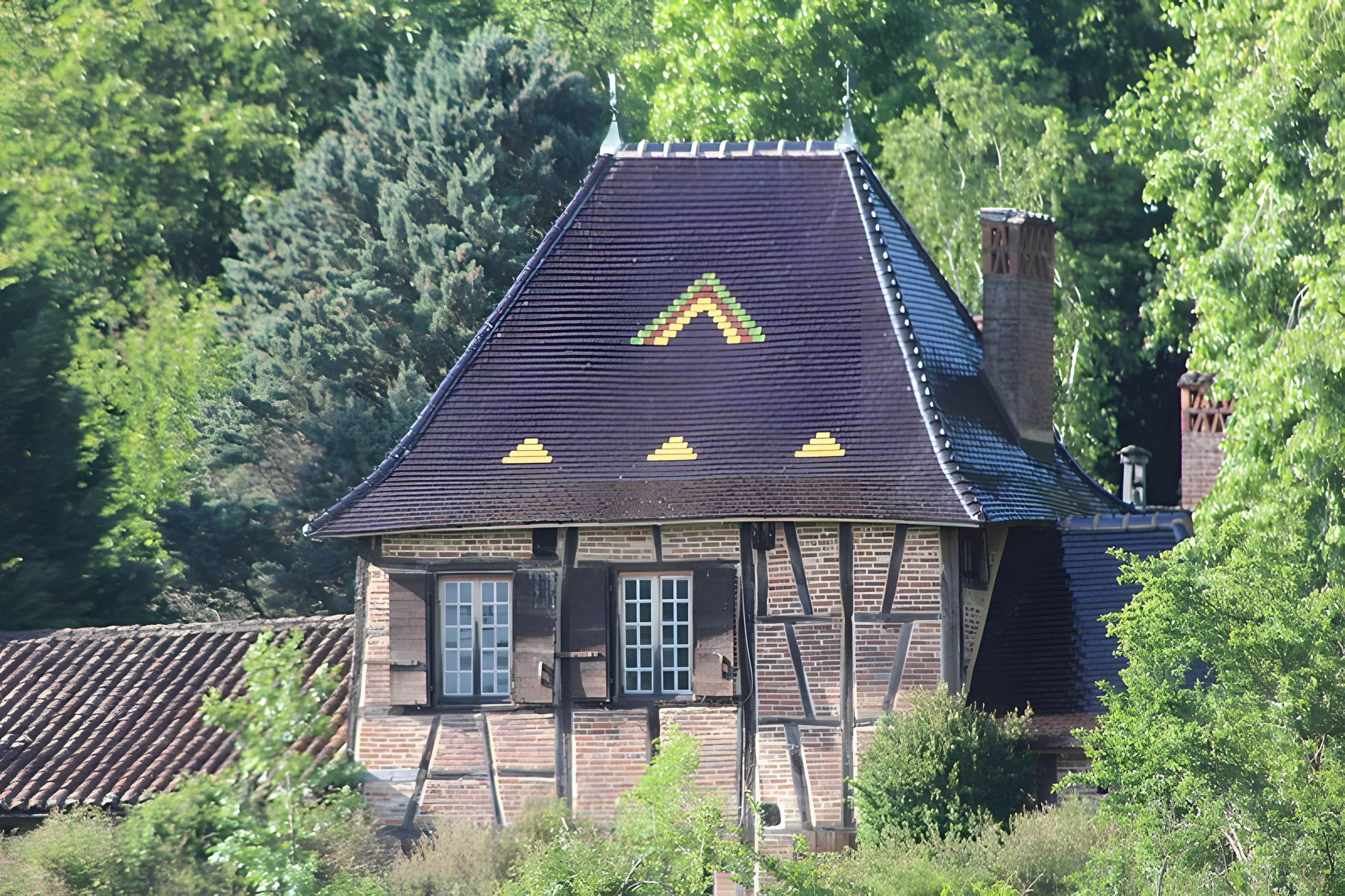
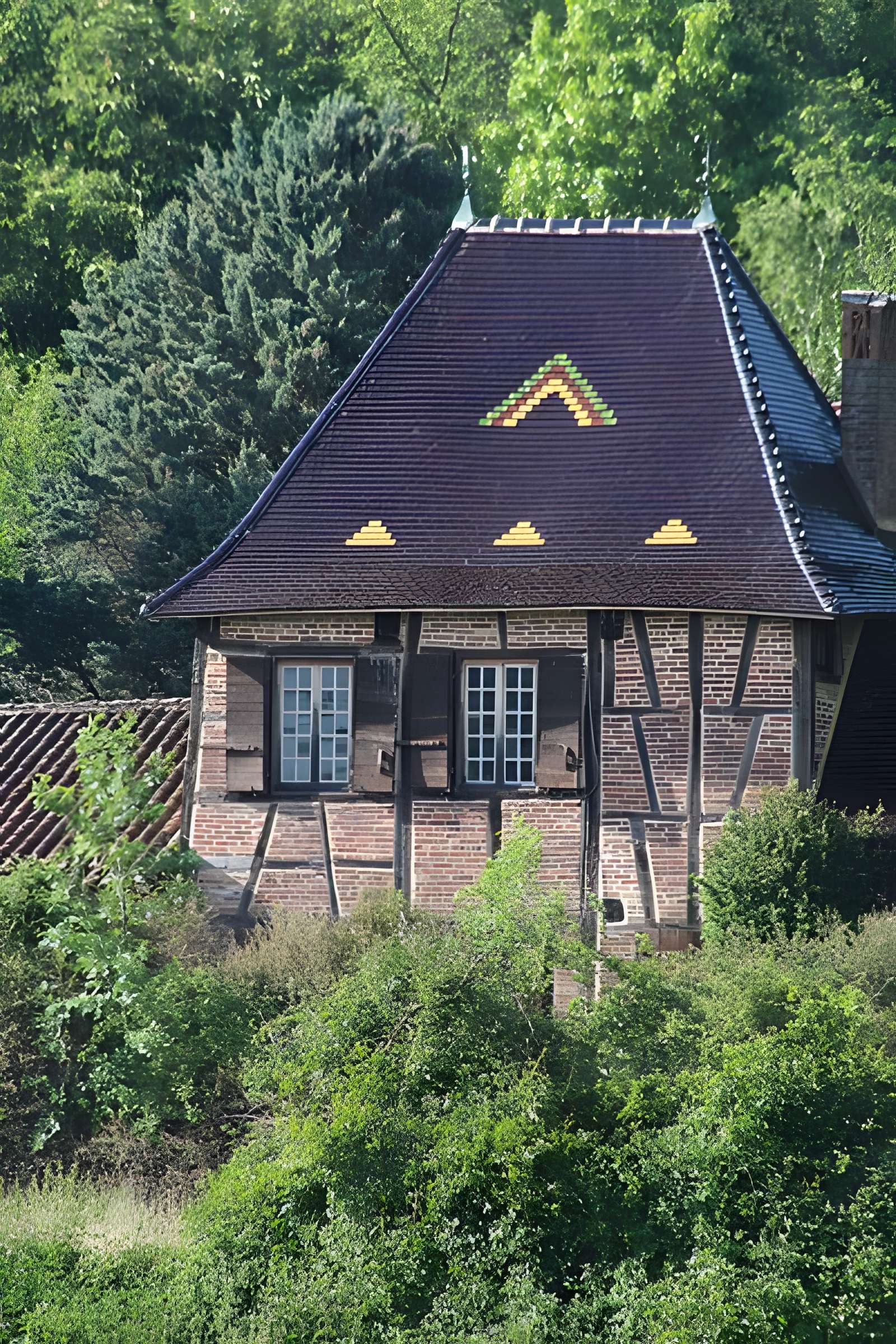
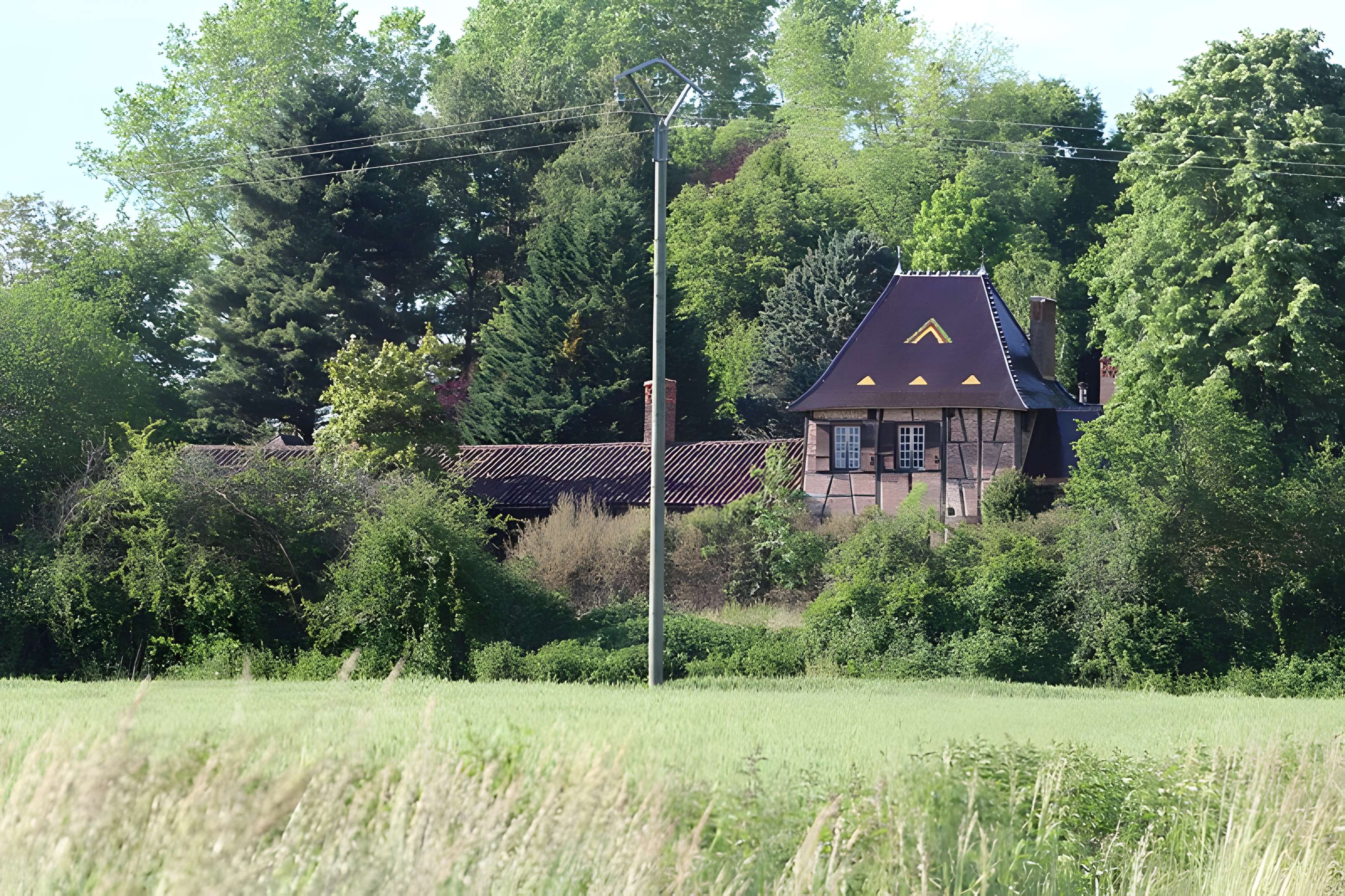
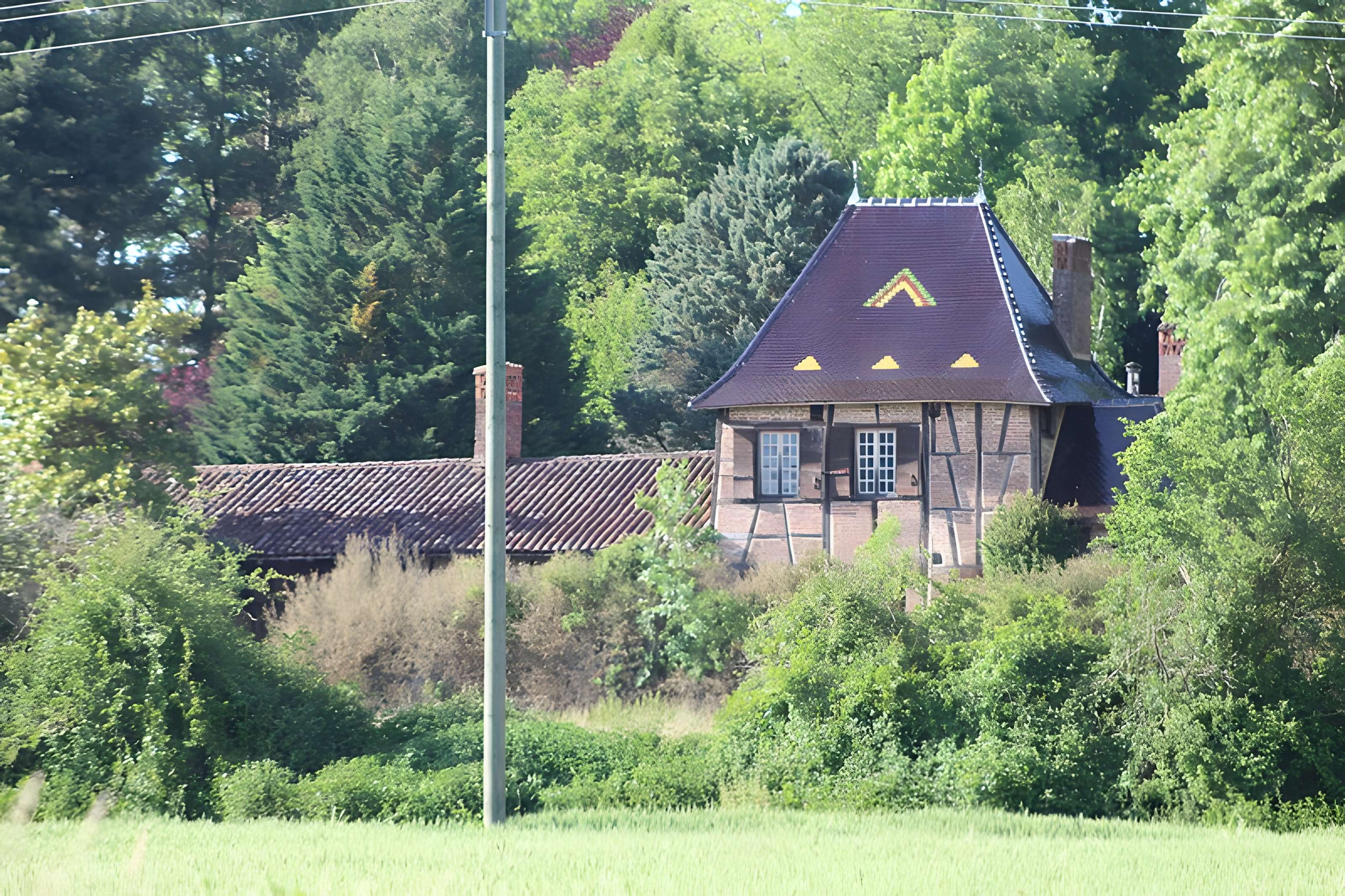
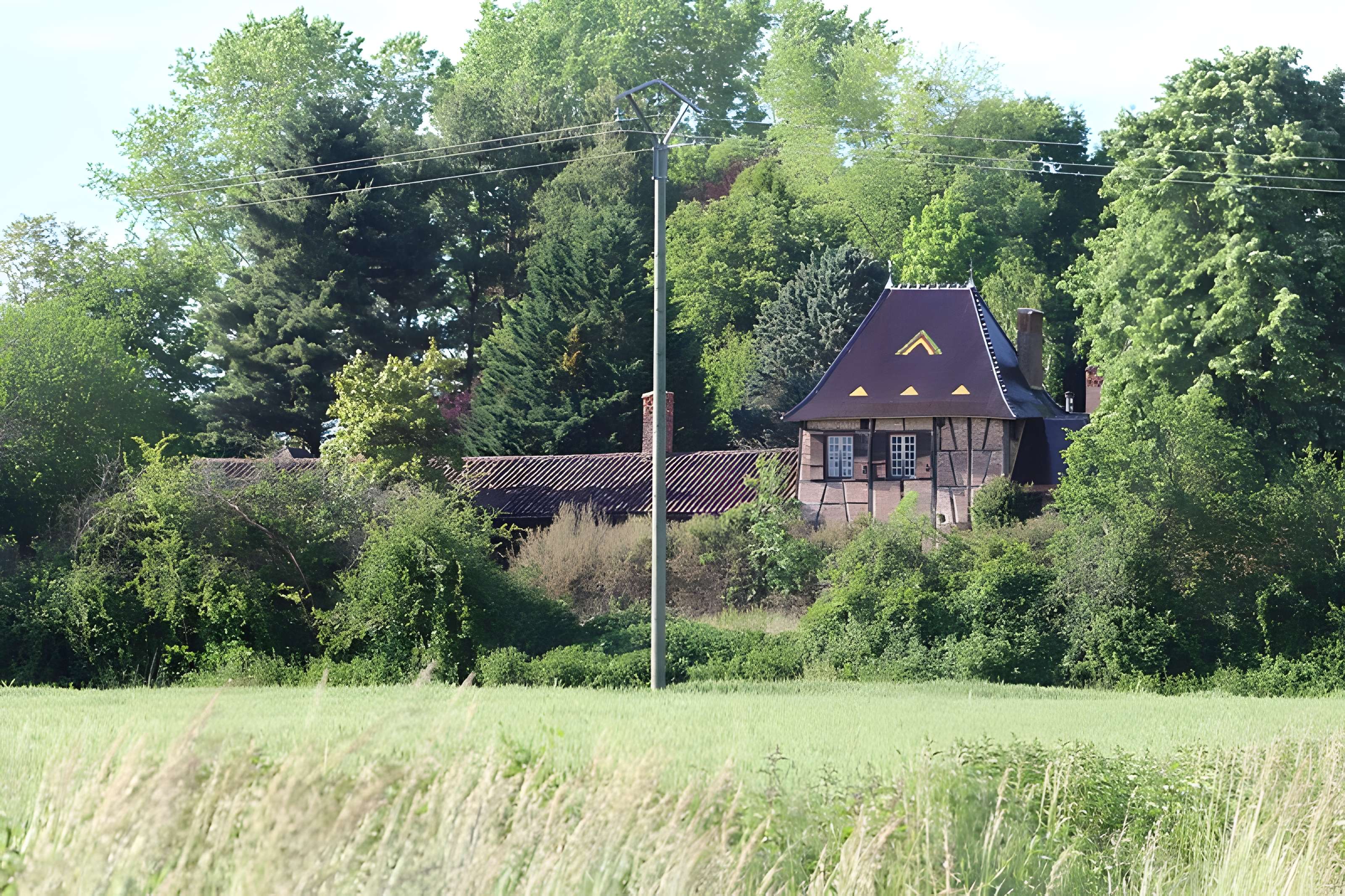
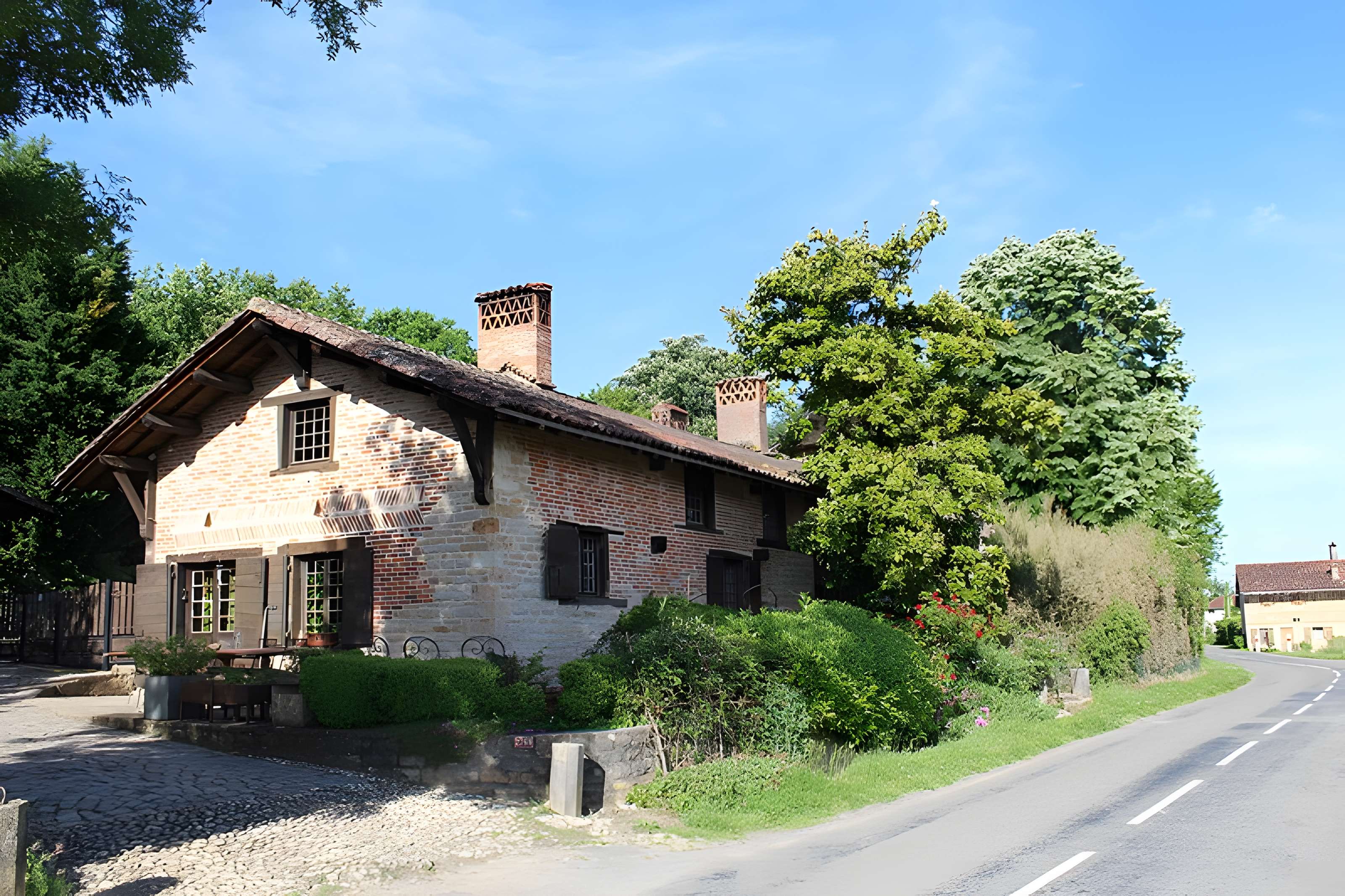
Mareste Castle, located in Chavannes-sur-Reyssouze in the department of Ain, is an architectural complex whose oldest parts date back to the 11th or 12th centuries. He was initially a commander of the Order of Hospitallers of St John of Jerusalem in the Middle Ages. The main body in the shape of "L" dates from the 16th century, while the current buildings, organized in a "U" plan, seem to date from around 1610. This estate was then used as a hunting lodge with agricultural outbuildings, typical of the Bressian construction of the early seventeenth century made of wood and brick.

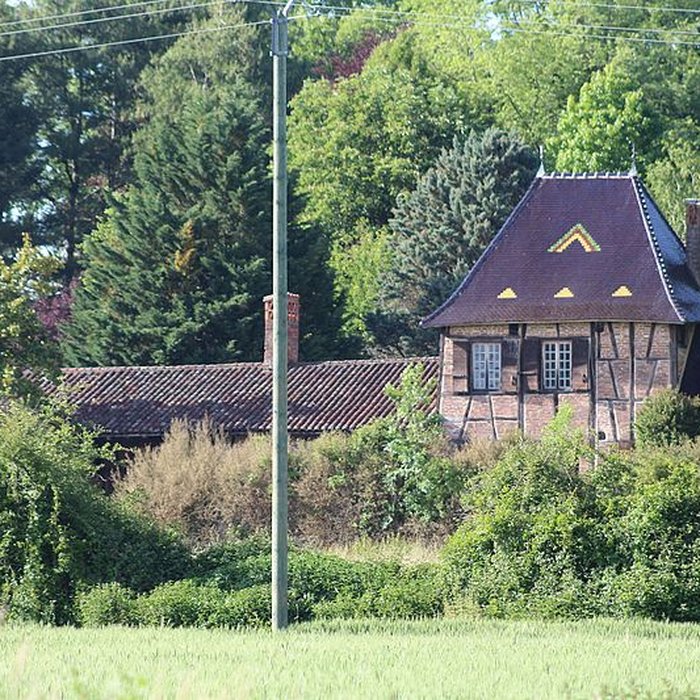
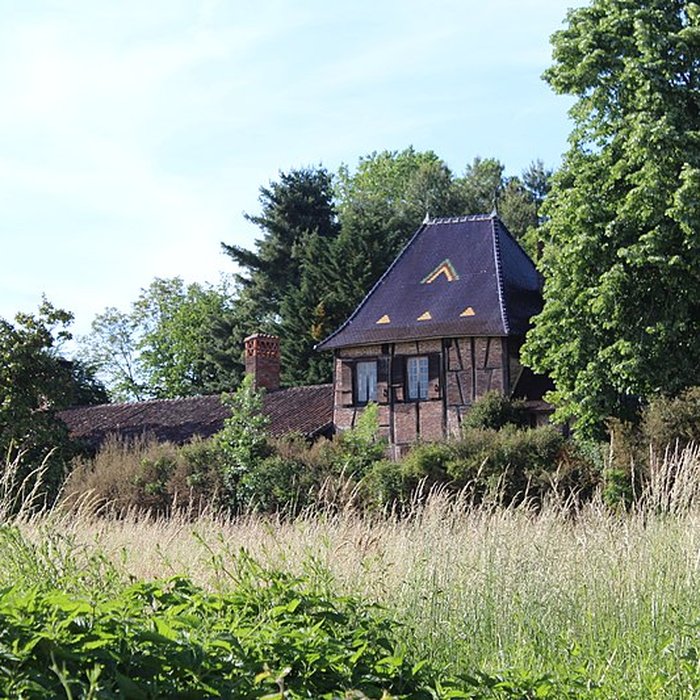
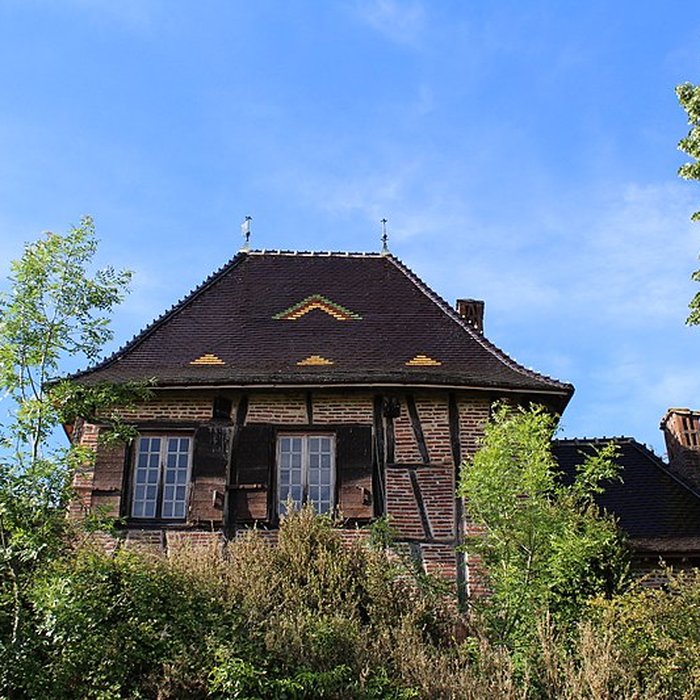
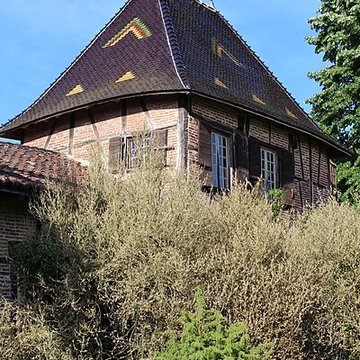
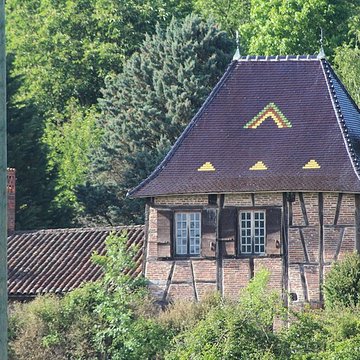
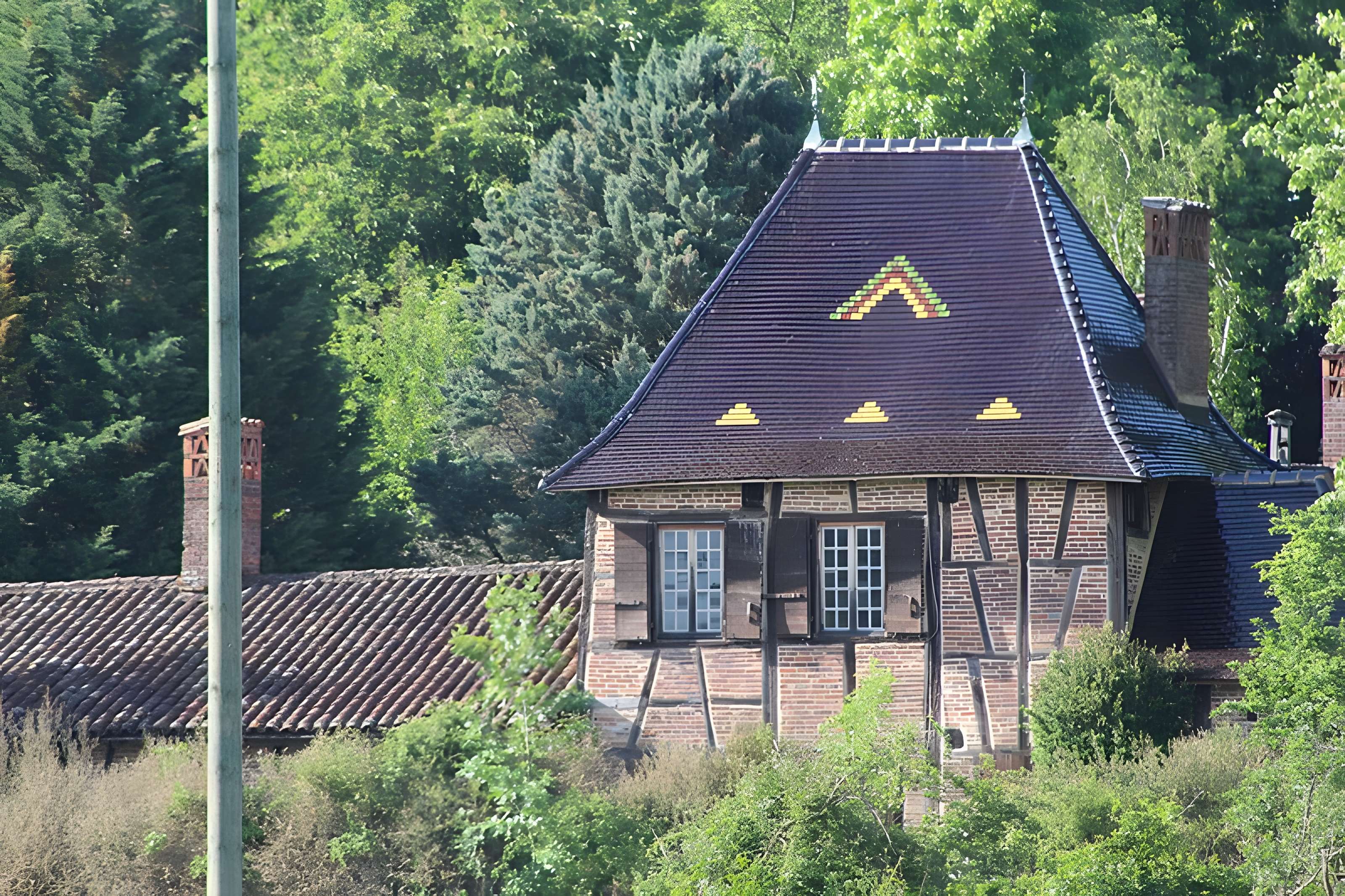
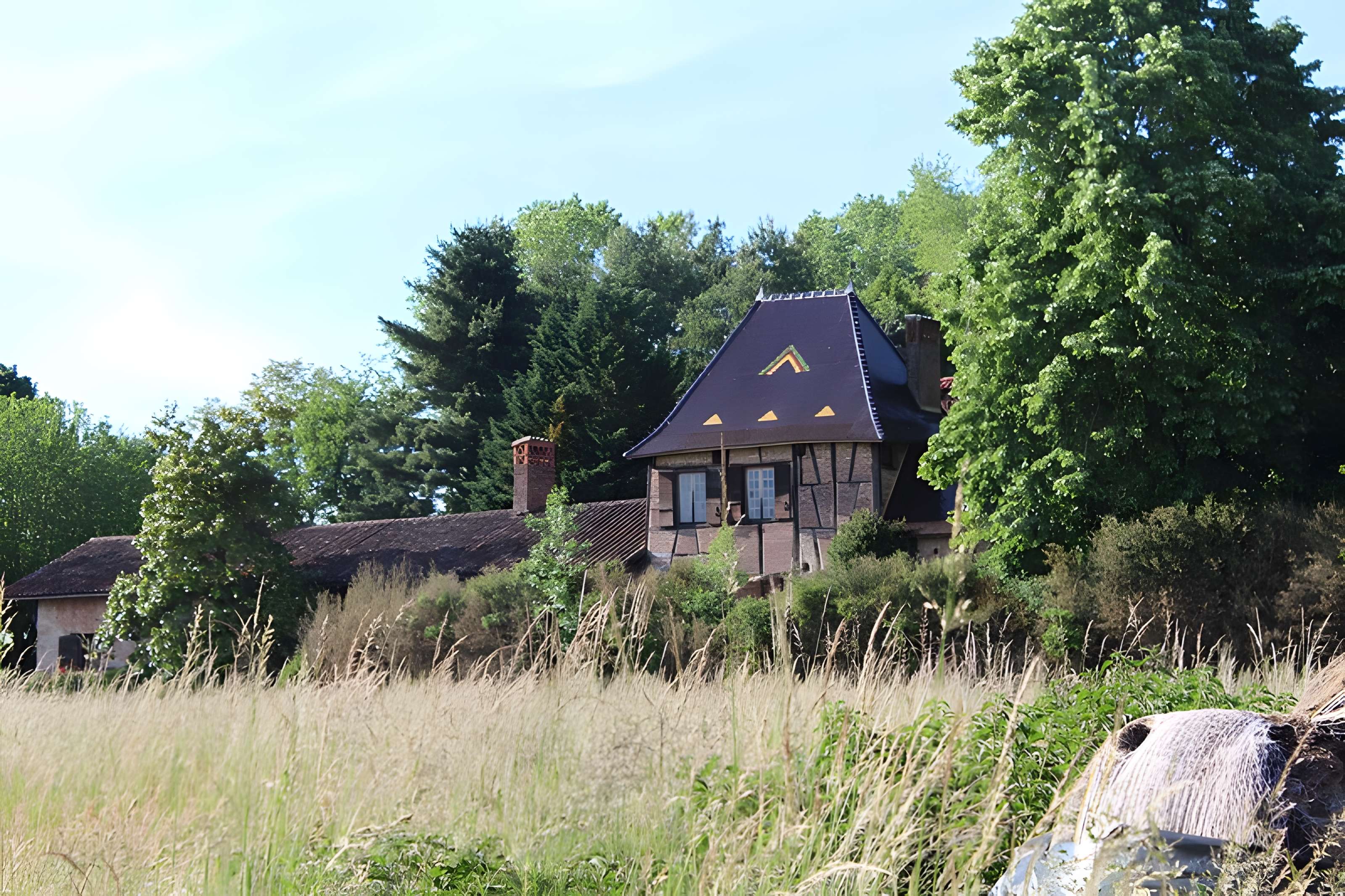
Mareste's family owned the estate for 407 years, from 1541 to the beginning of the 20th century, before a fire destroyed the family archives. When the castle was abandoned, it was bought in 1962 by a collector who undertook its restoration with the help of the Historical Monuments. Since 1974, the current owners have continued this work. The facades, in half-timbered bricks, and the roofs, some of which are covered with varnished polychrome tiles, illustrate a unique blend of Brassan and Burgundy styles.

The estate has been partially listed as historical monuments since 26 September 1969, protecting its facades and roofs. The interiors retain elements such as a Louis XIII staircase, Louis XV fireplaces, and a brick well with stone margins. Despite limited modernizations, the whole remains an authentic testimony of 17th century rural architecture, where stables were alongside living spaces.

Before becoming part of the Mareste, Chavannes-sur-Reyssouze was a fief of the Dukes of Savoie, who had been in alliance with this family in the 16th century. The estate, never modernized, offers today a rare example of preserved heritage, where traditional constructive techniques (wood, bricks, wicker) and interior decorations (apparent beams, Bressane chimneys) coexist. The current owners continue its restoration while partially opening the site to visit.

External links