Construction of the mansion and chapel XVIe siècle (≈ 1650)
Estimated period for ruins and chapel
18 octobre 1926
Registration for Historic Monuments
Registration for Historic Monuments 18 octobre 1926 (≈ 1926)
Partial protection of the chapel
Aujourd'hui
Aujourd'hui
Aujourd'hui Aujourd'hui (≈ 2025)
Position de référence.
Heritage classified
Chapel (Box D 521): inscription by order of 18 October 1926
Key figures
Simon de Troménec - Local Lord
Tomb preserved in the chapel
François de Kermavan - Noble Breton
Sitting in the chapel
Origin and history
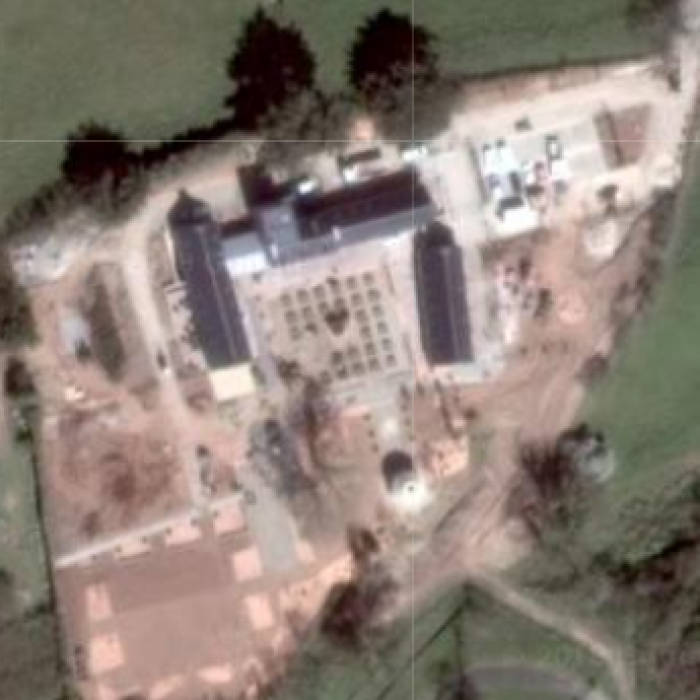
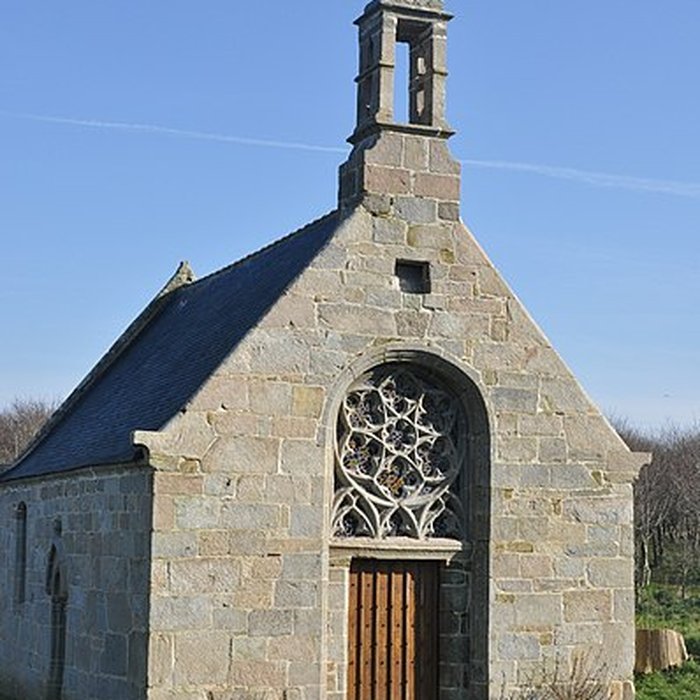
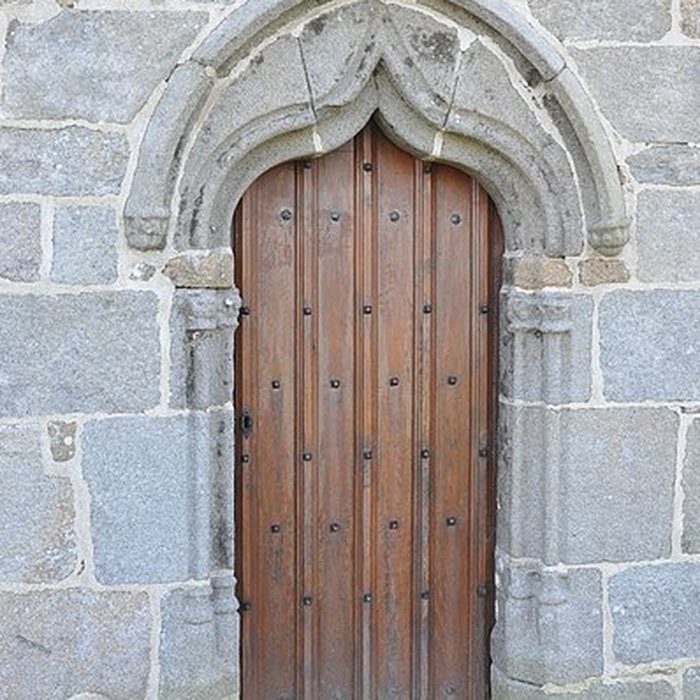
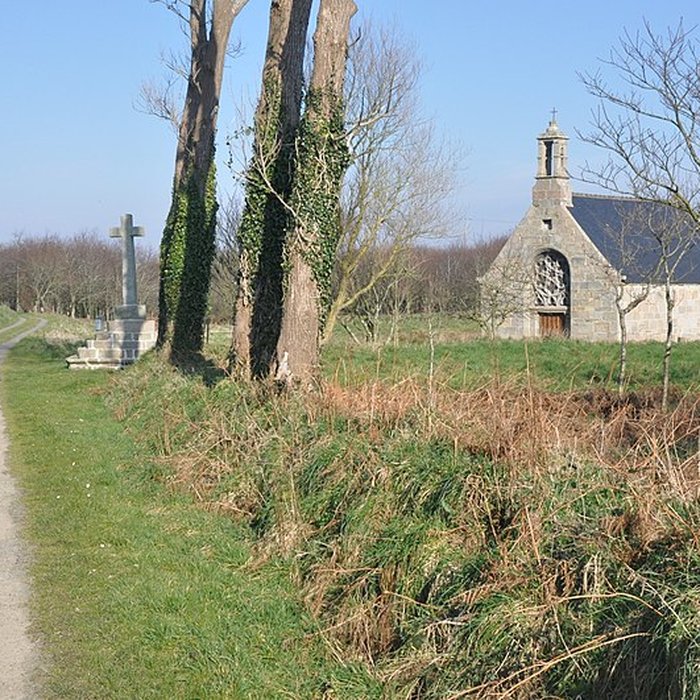
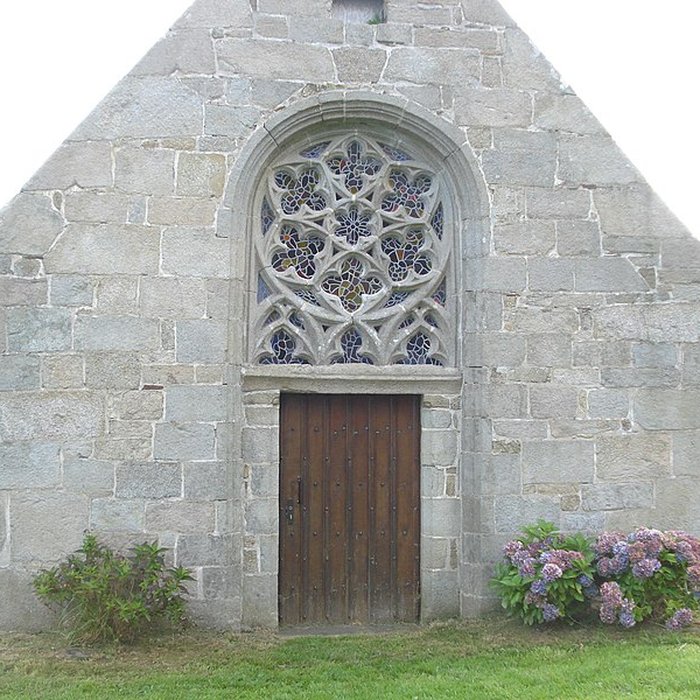
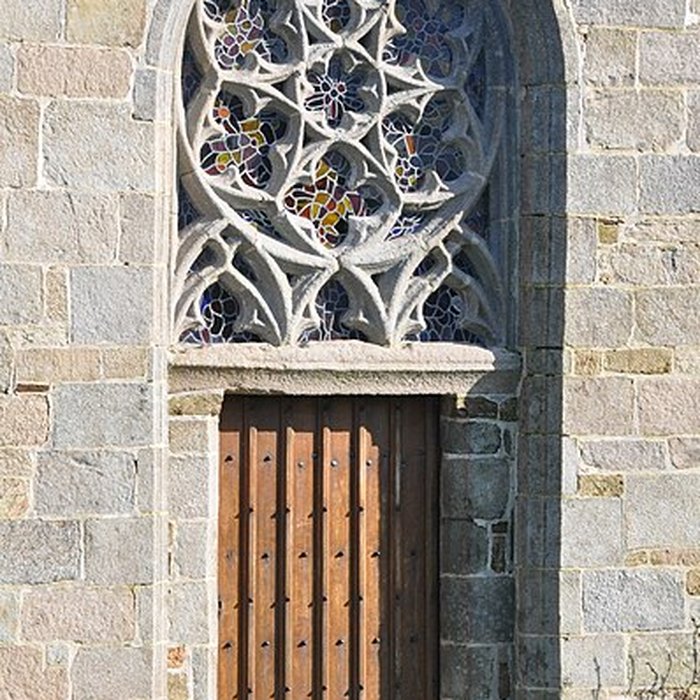
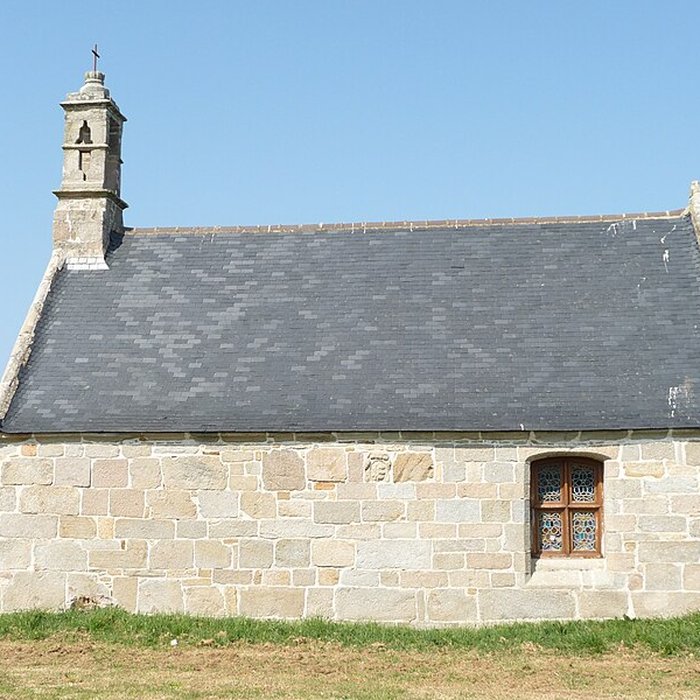
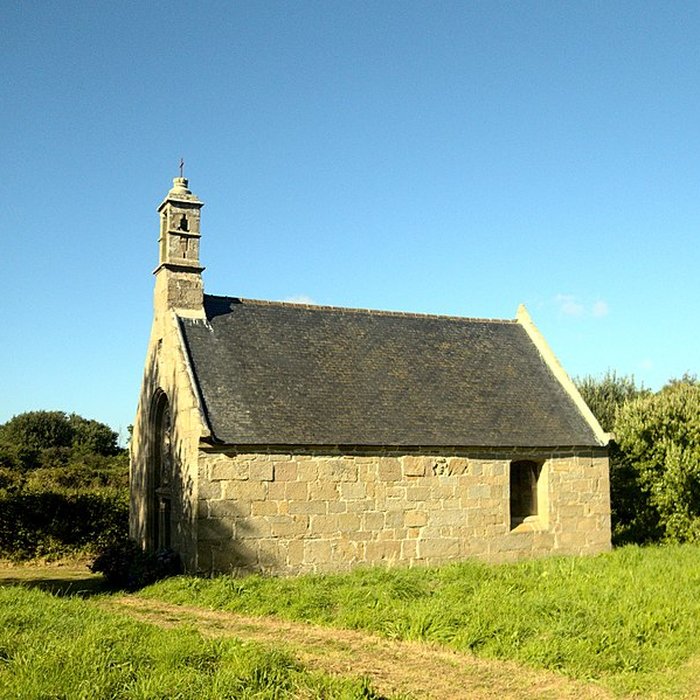
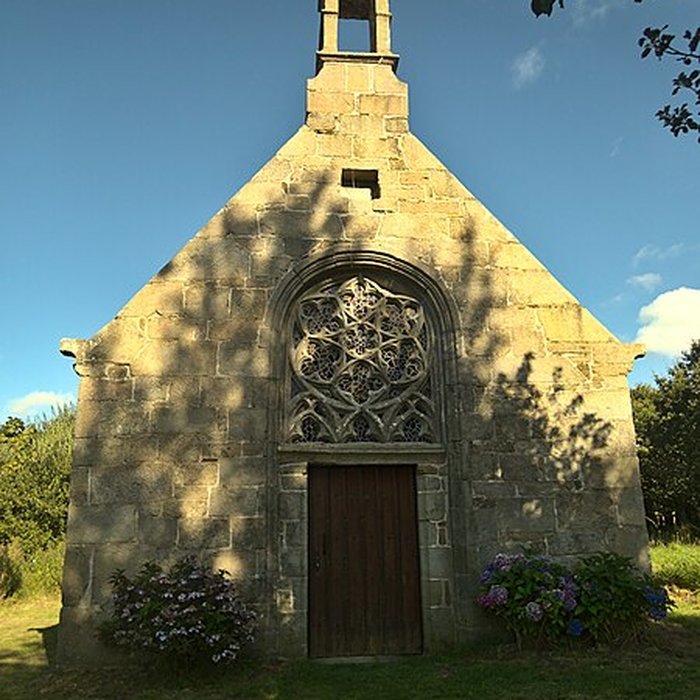
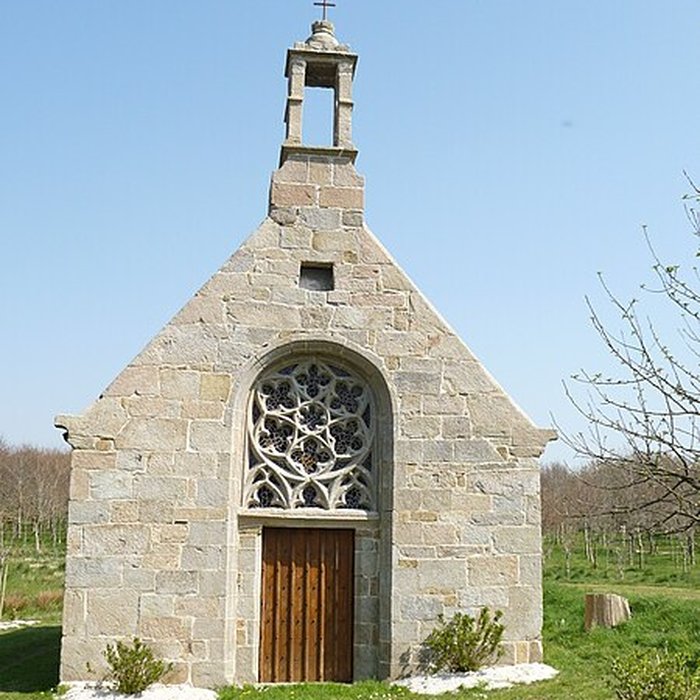
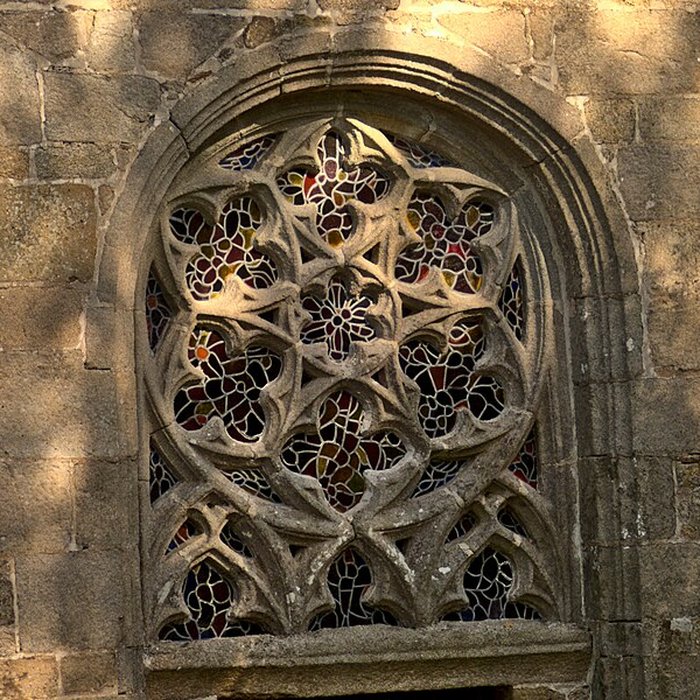
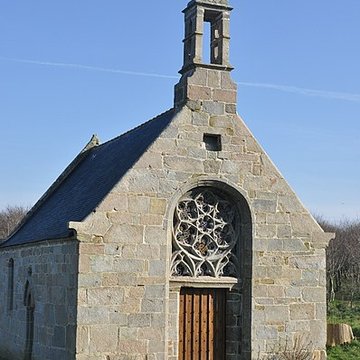
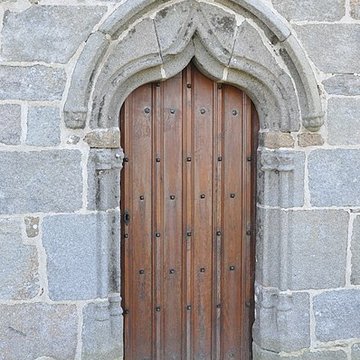
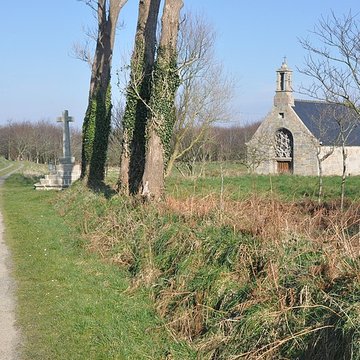
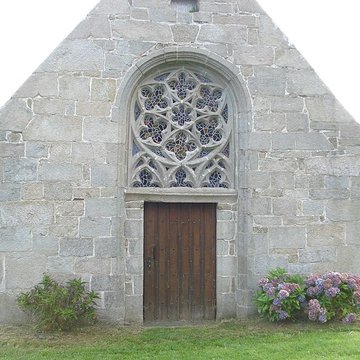
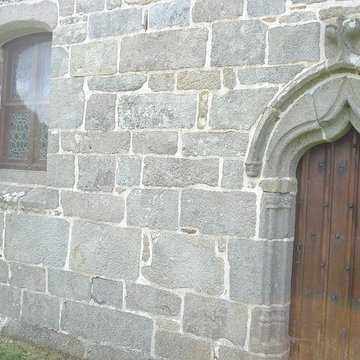
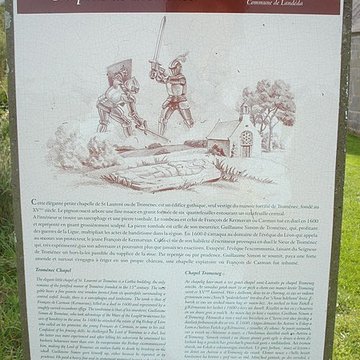
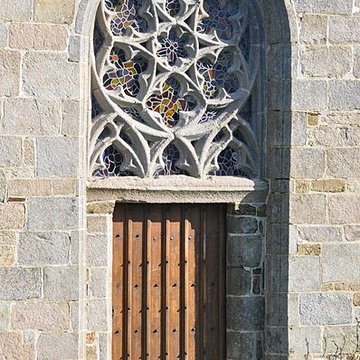
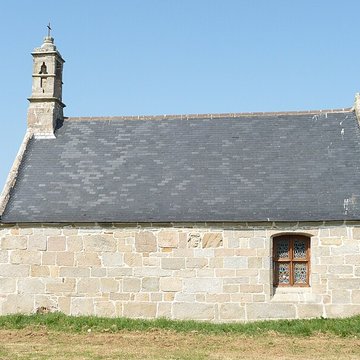
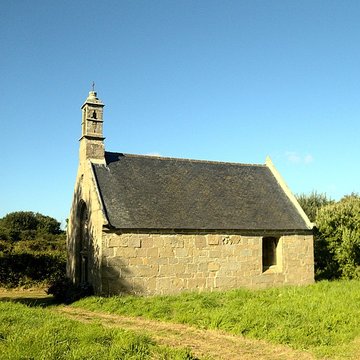
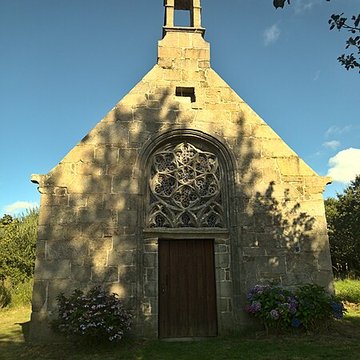
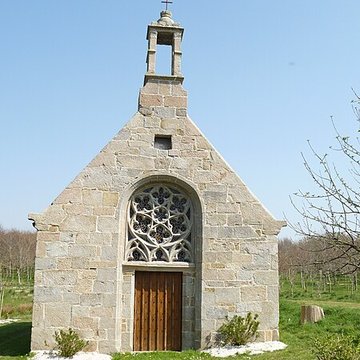
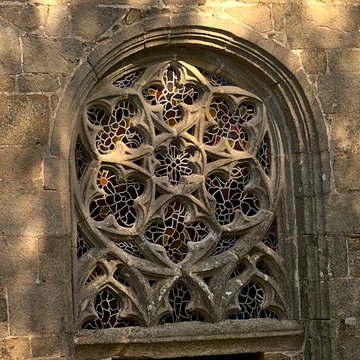
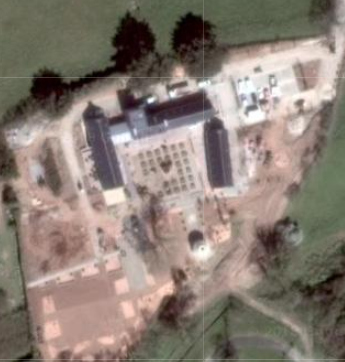
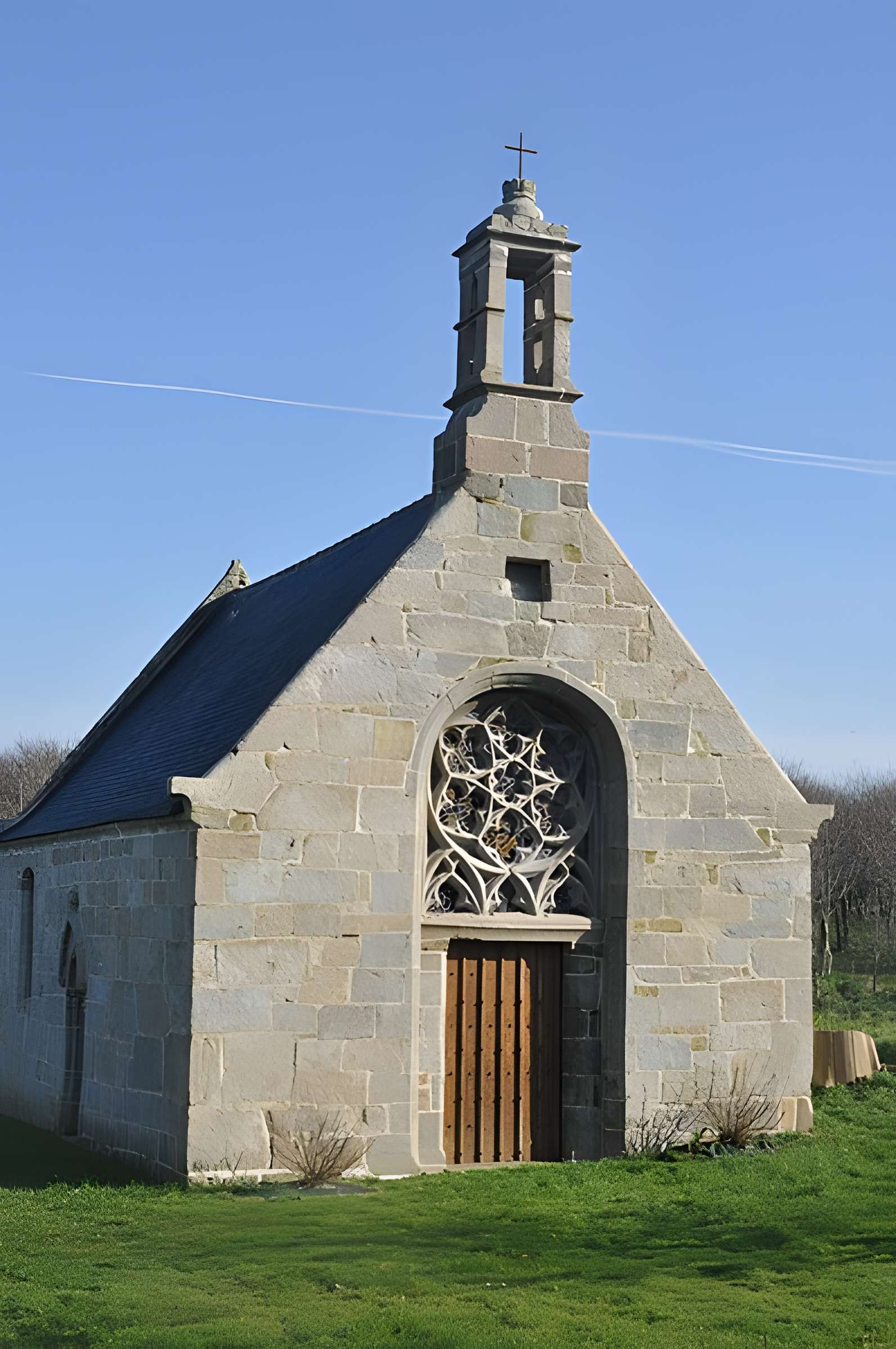
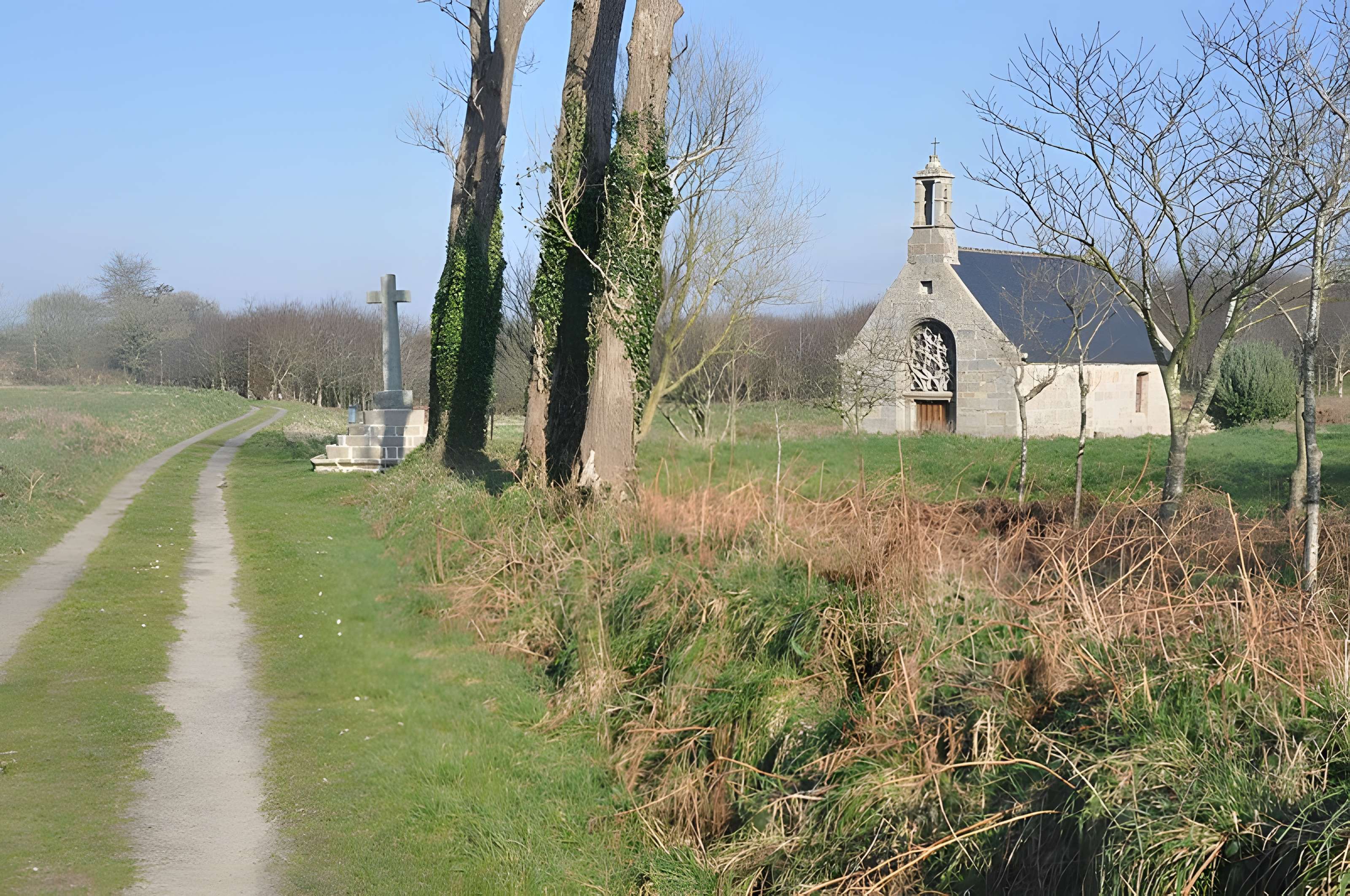
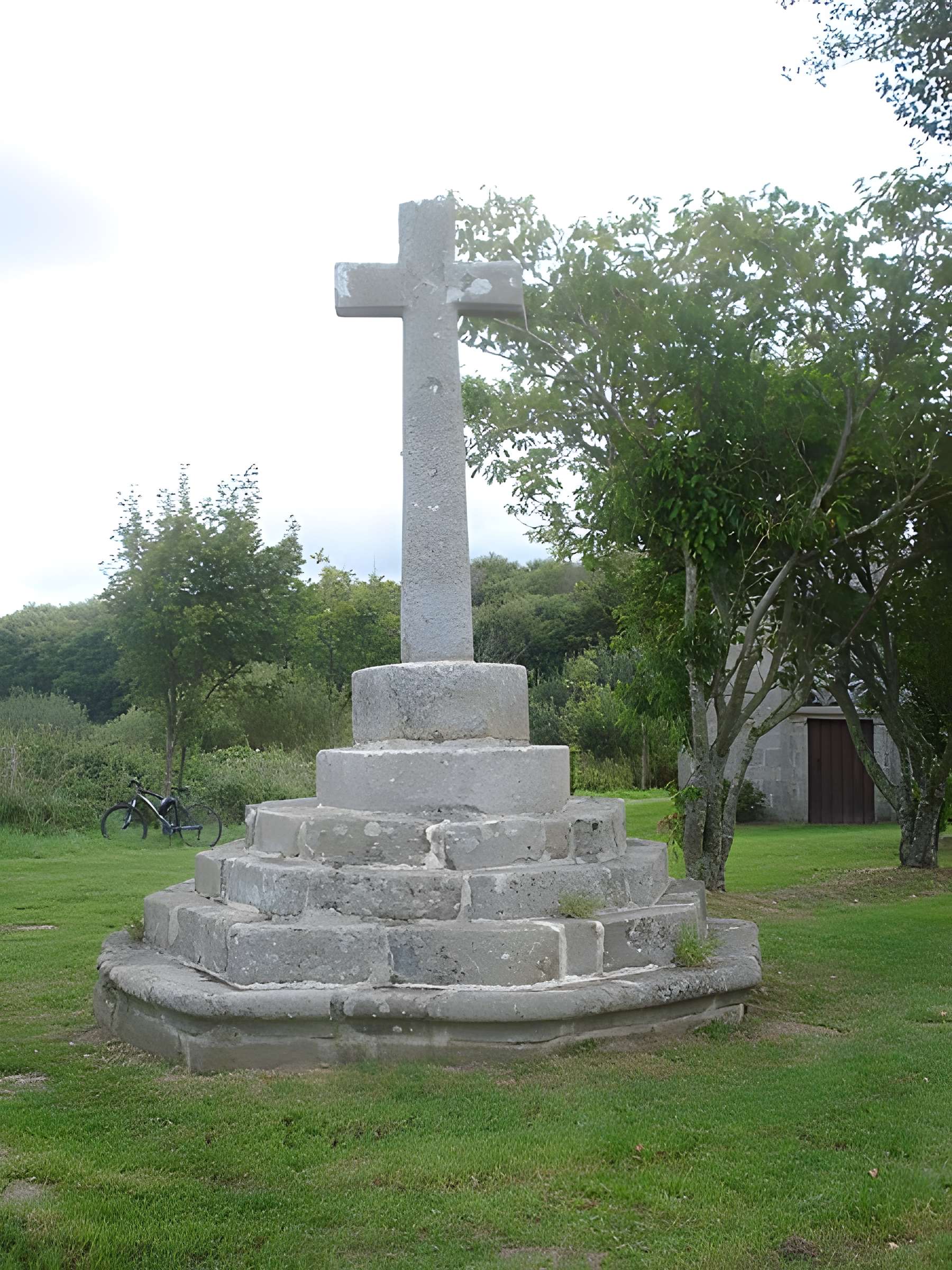
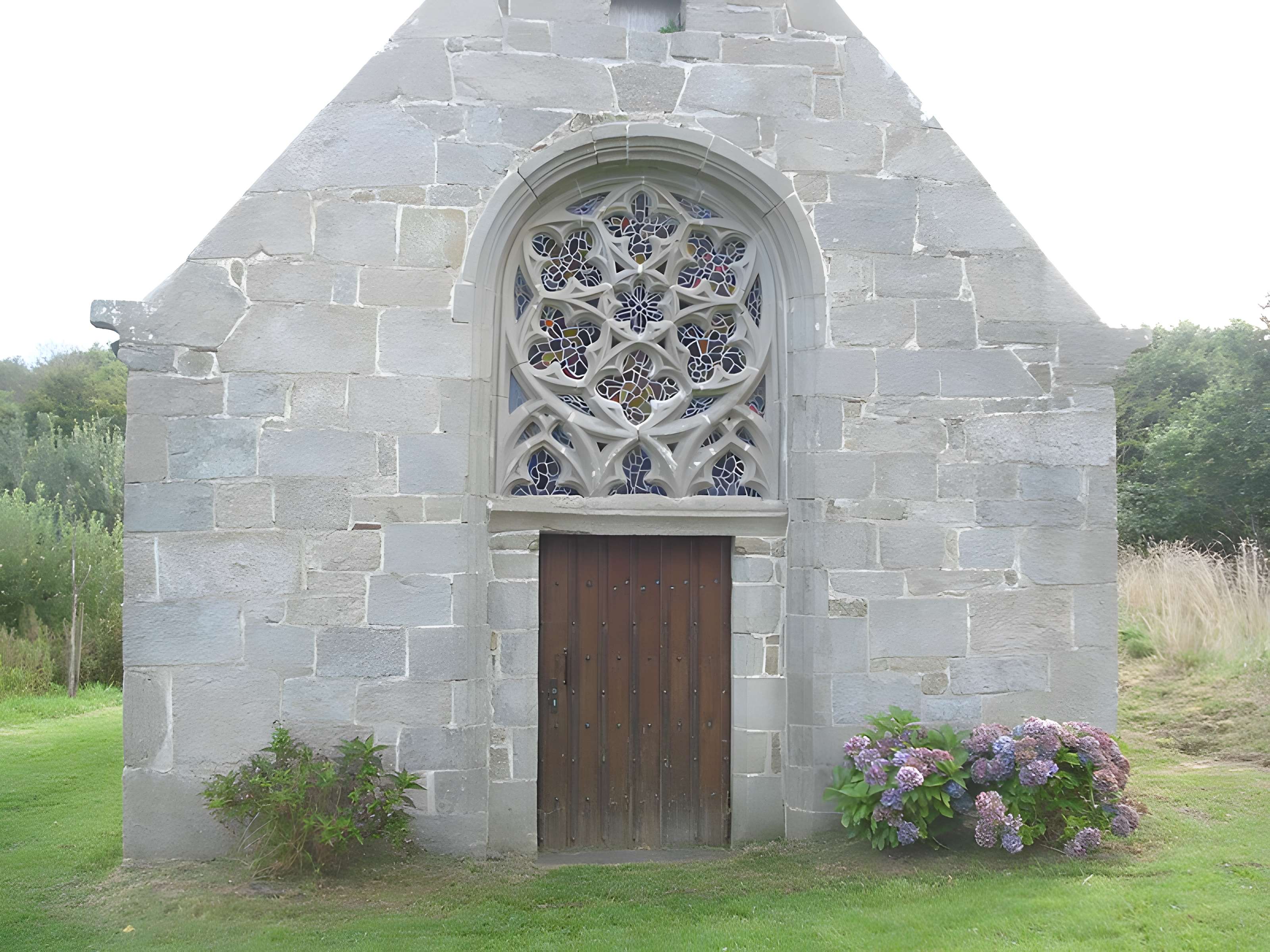
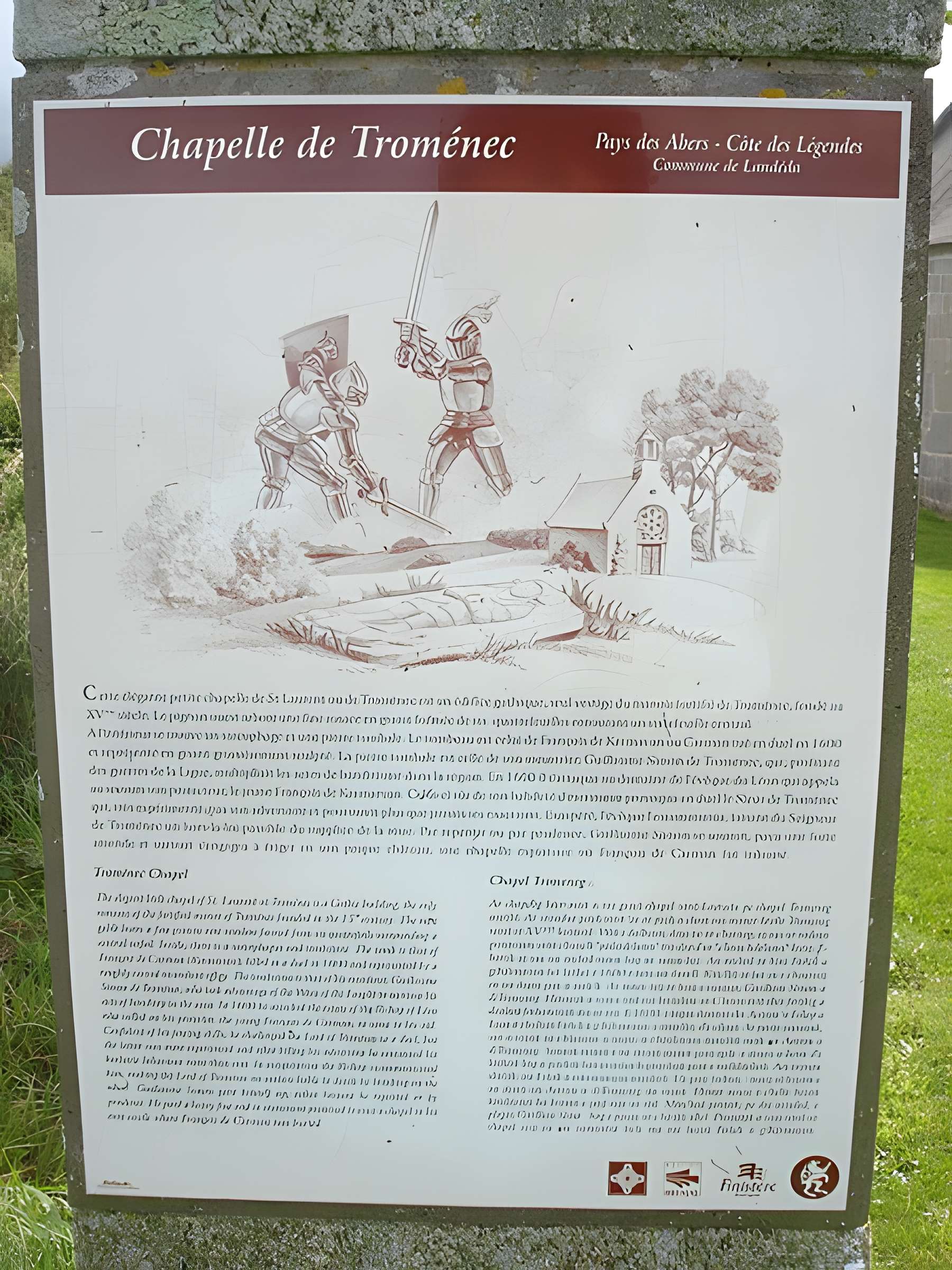
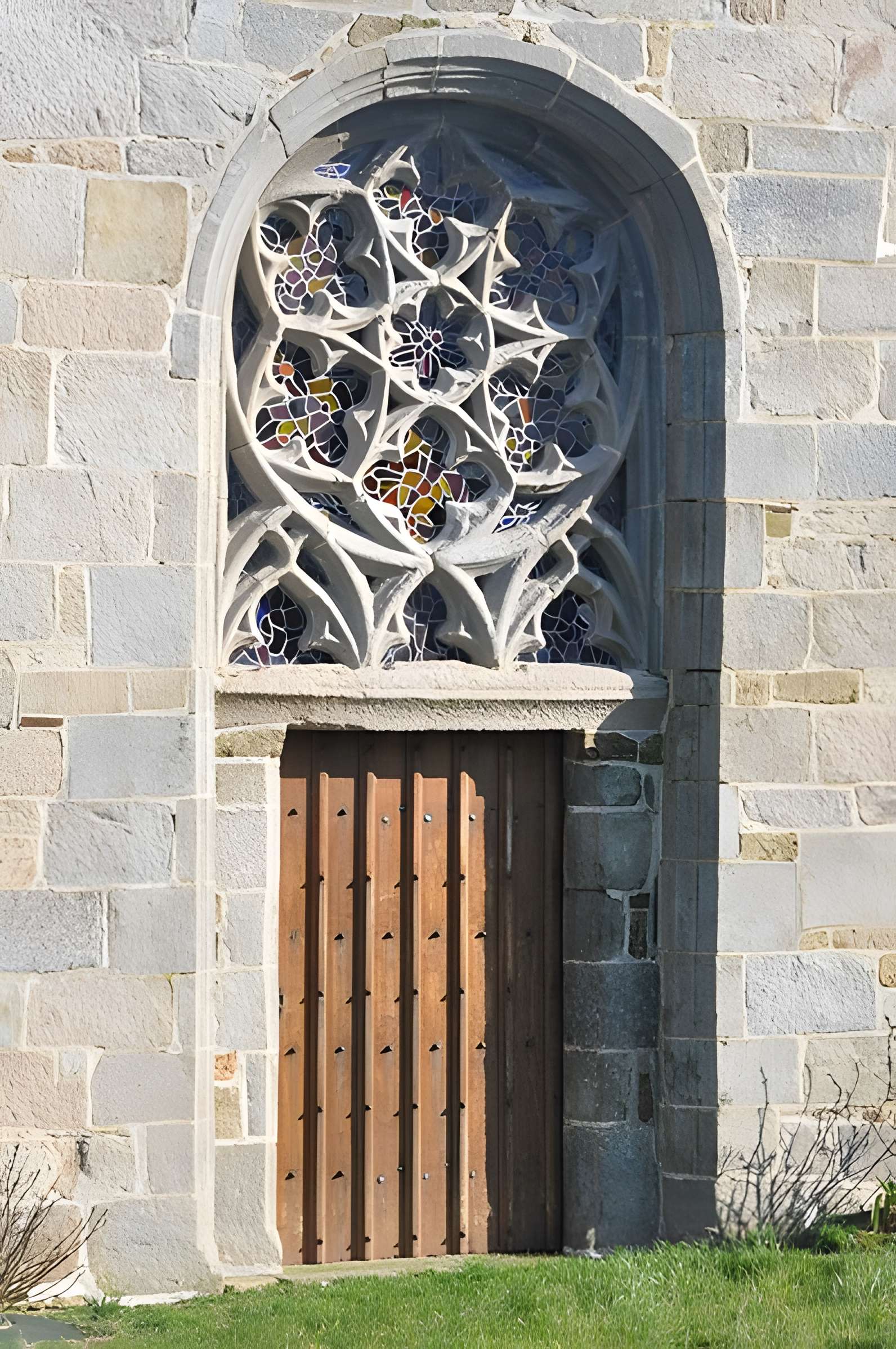
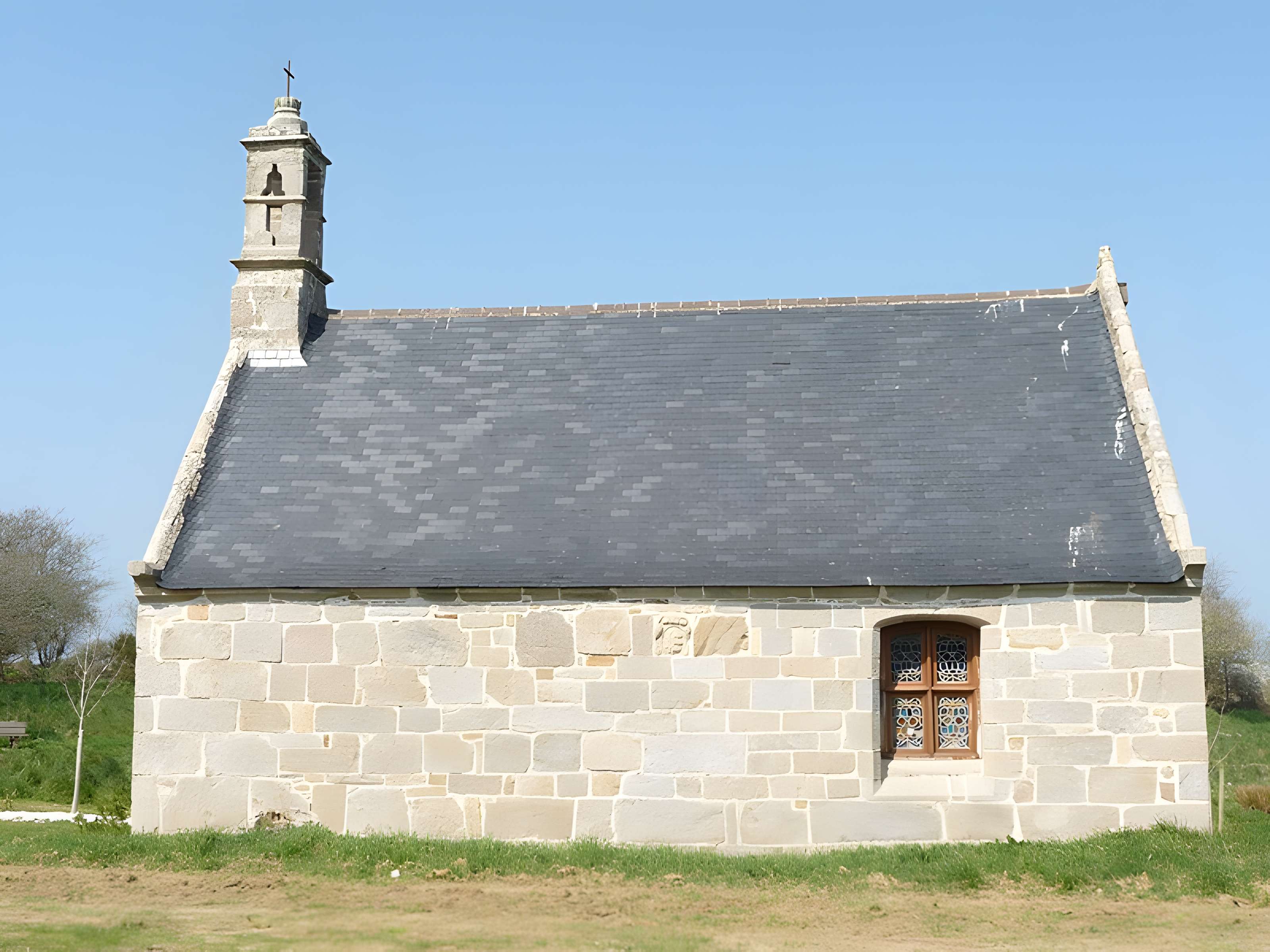
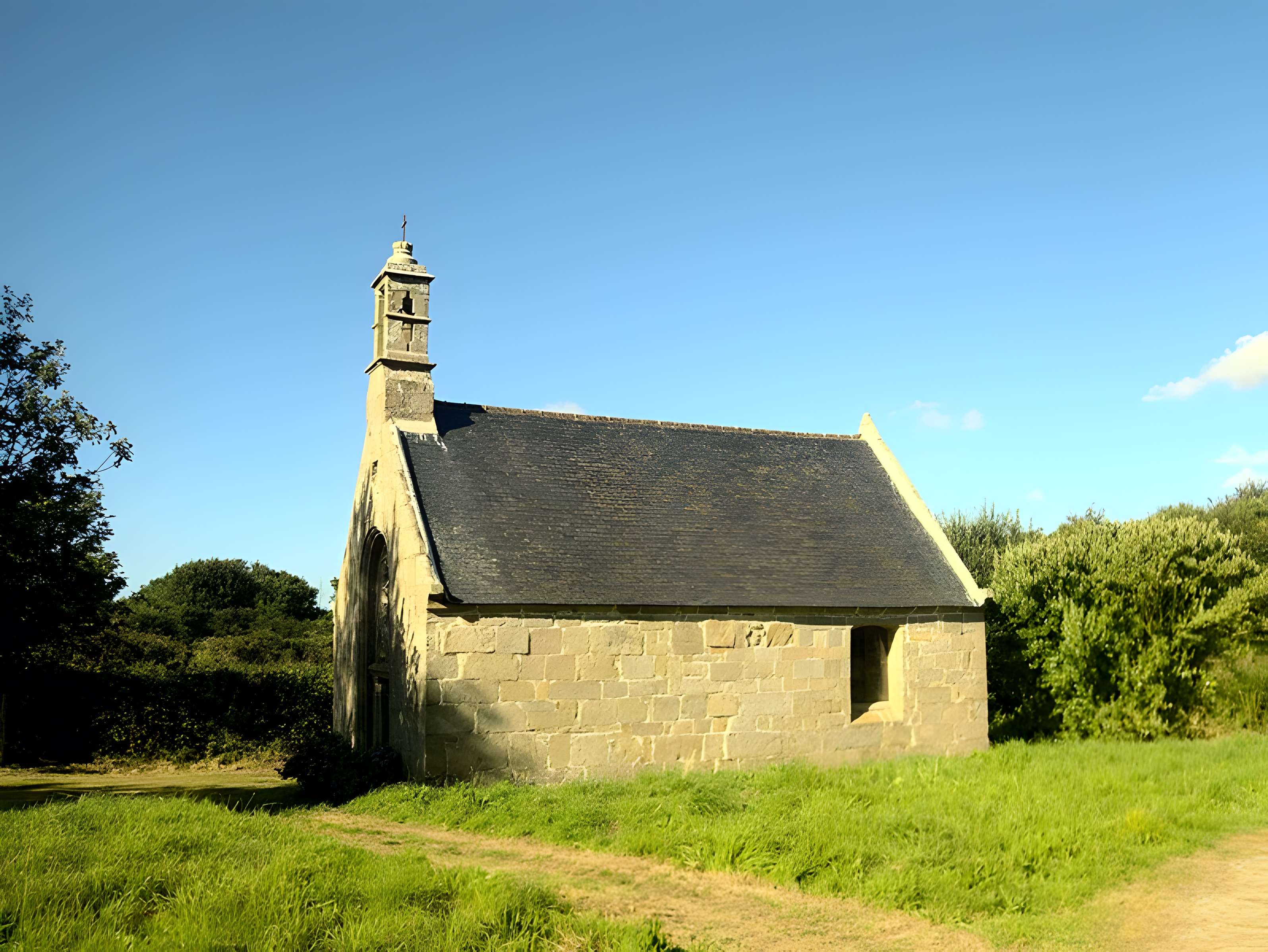
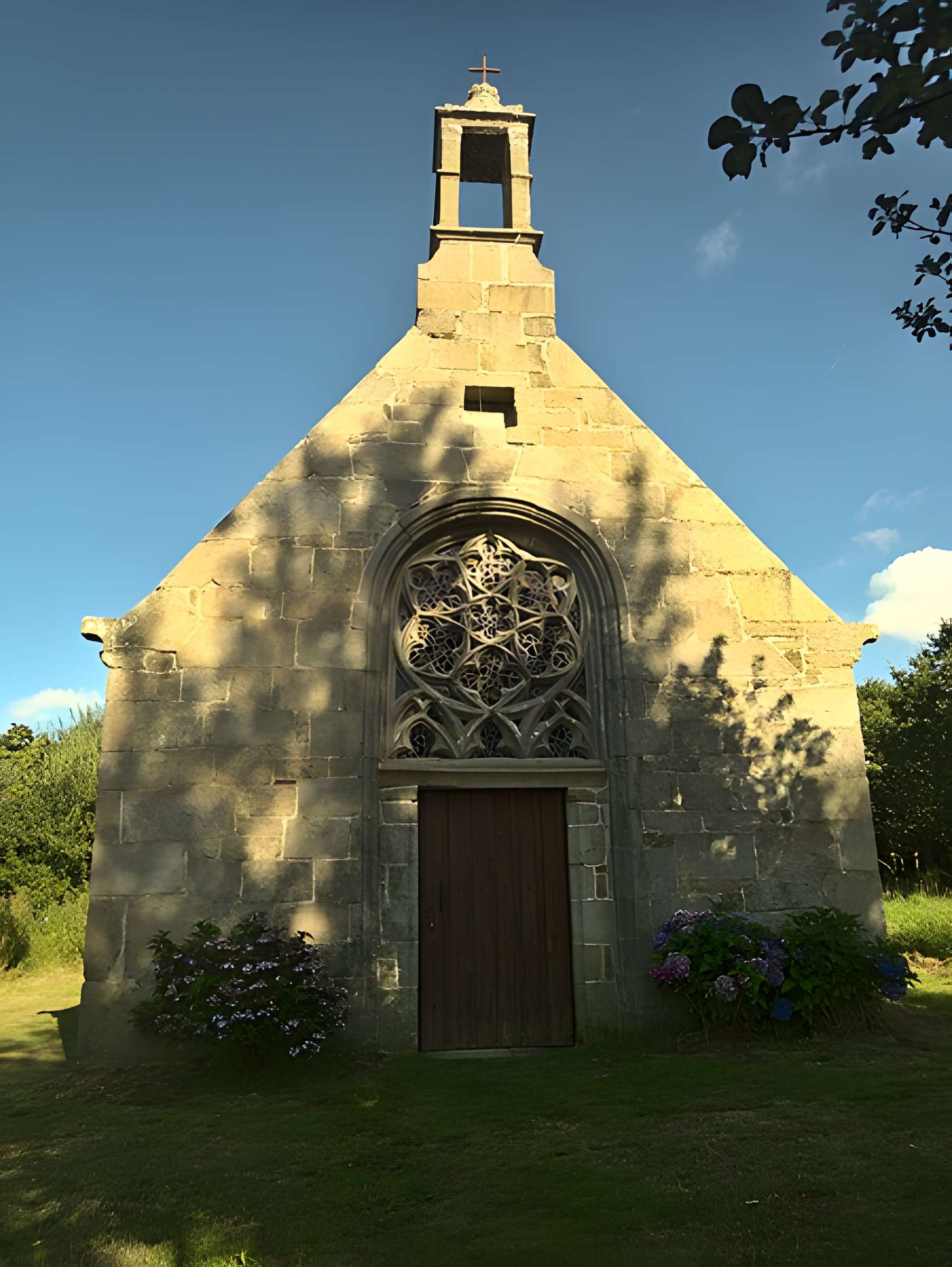
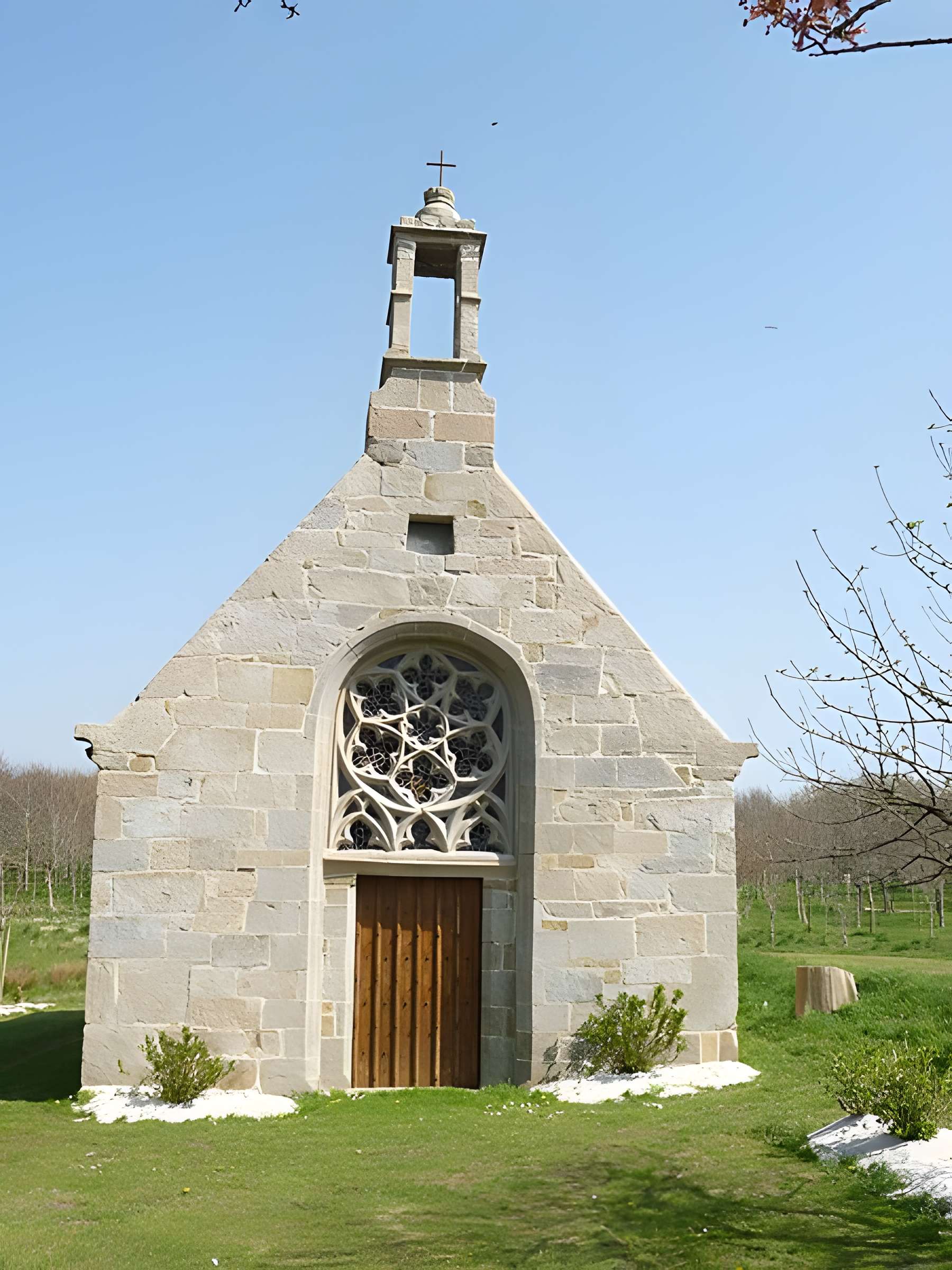
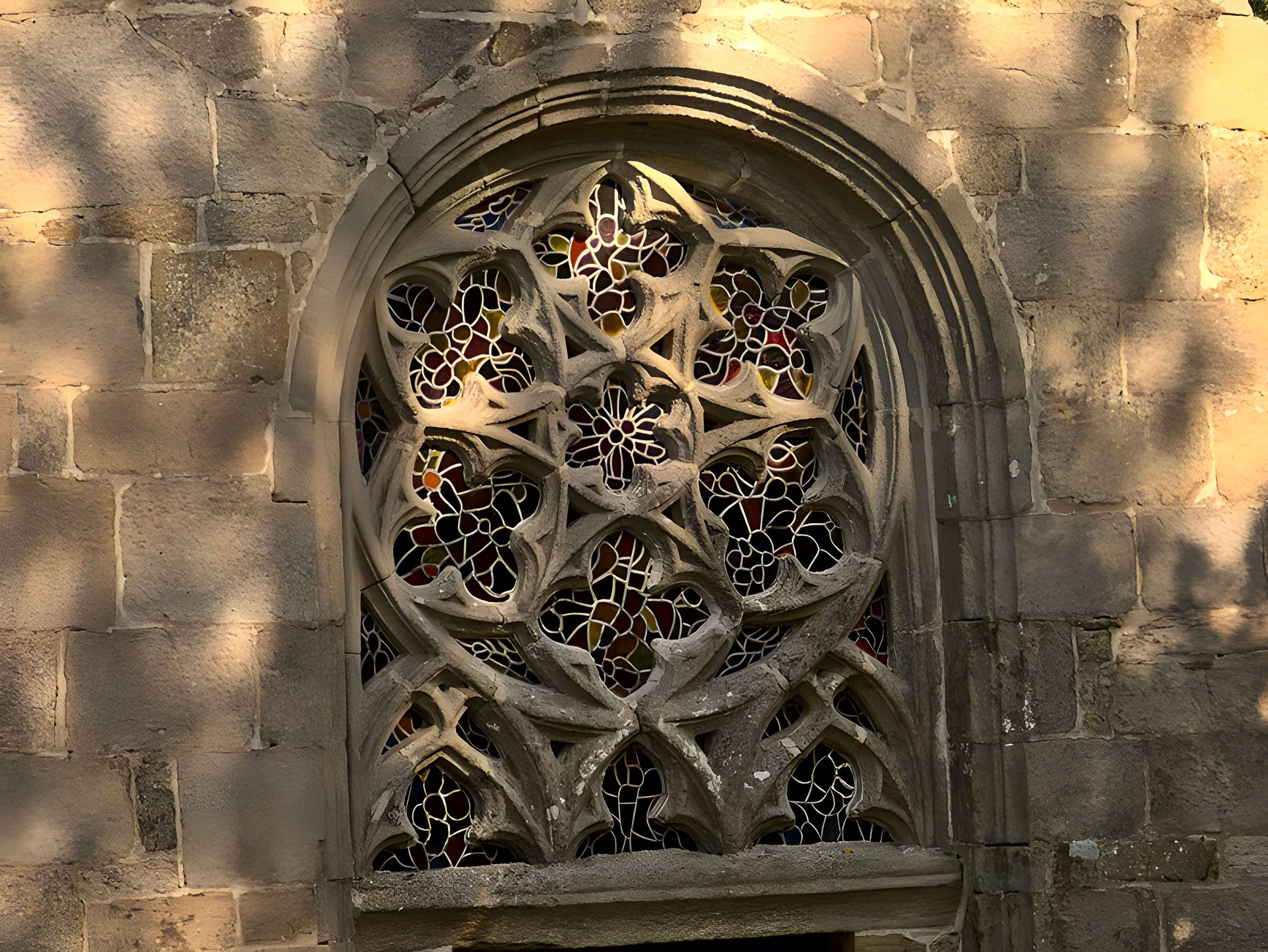
The castle of Tromenec, located in the commune of Landeda in the Finistère, is mainly known today by the remains of its 16th century mansion and chapel, still standing. The latter, built on a rectangular plane with two gables and a bell, is distinguished by a granite rosette decorated with stylized plant motifs (six four leaves surrounding a six sheet). The ruins of the manor house, about 300 metres away, suggest a contemporary construction of the chapel, although their present state does not allow to specify its original use.
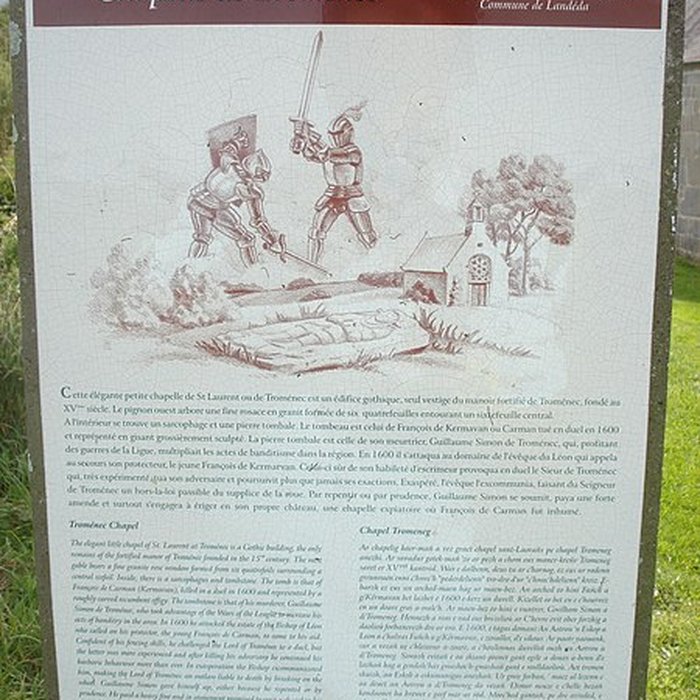
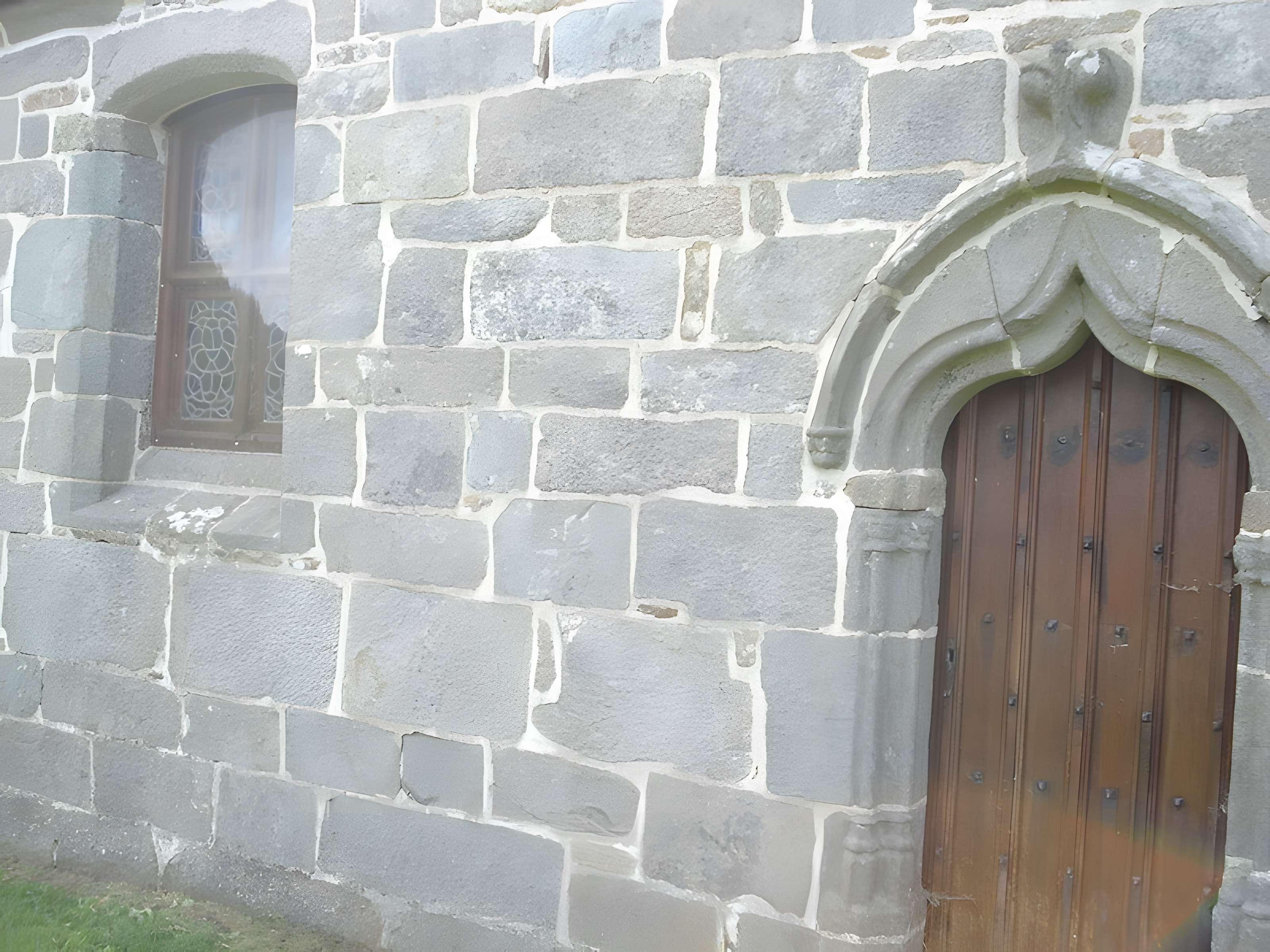
The chapel houses two notable funeral elements: the tomb of Simon de Tromenec, moved from the parish church during its reconstruction, and the laying of François de Kermavan. These remains demonstrate the importance of the site for local noble families. The chapel itself was partially listed as historical monuments by order of 18 October 1926, thus recognizing its heritage value. Today owned by the municipality of Landeda, it remains a characteristic example of the Breton religious architecture of the Renaissance.
The site is part of a historical landscape marked by private chapels, often linked to seigneuries or influential families. In Landeda, as in much of Finistère, these buildings played a central role in community life, serving as places of worship, burial for local elites, and as territorial markers. The granite rosette of Tromenec chapel, typical of Breton art of the time, illustrates the know-how of the stone tailors of the region, as well as the influence of late Gothic motifs in the countryside in the sixteenth century.









Announcements
Please log in to post a review