Construction attributed to the Prince of Conti XVIIe siècle (seconde moitié) (≈ 1750)
The governor's supposed hunting appointment.
Fin du XVIIIe siècle
Gypster decor added
Gypster decor added Fin du XVIIIe siècle (≈ 1895)
Fine interior ornamentation.
18 février 1993
Historic Monument Protection
Historic Monument Protection 18 février 1993 (≈ 1993)
Fronts, roofs and classified interior decorations.
Aujourd'hui
Aujourd'hui
Aujourd'hui Aujourd'hui (≈ 2025)
Position de référence.
Heritage classified
Facades and roofs of the housing body; interior decoration of four rooms on the ground floor: dining room, large living room, small living room and decorated bedroom (C 1156): inscription by decree of 18 February 1993
Key figures
Prince de Conti - Governor of Languedoc
Awarded as a sponsor by tradition.
Famille de parlementaires toulousains - Initial owners
Residence of pleasure and prestige.
Origin and history
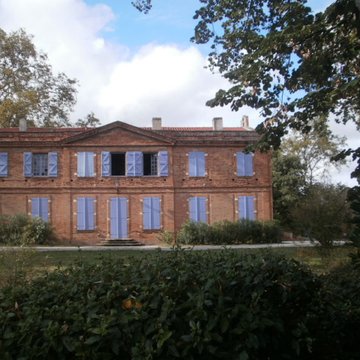
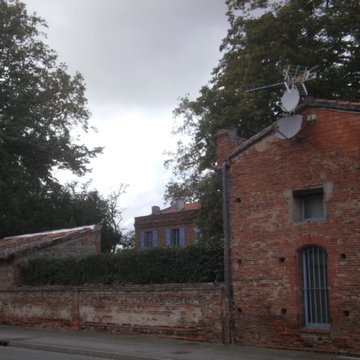
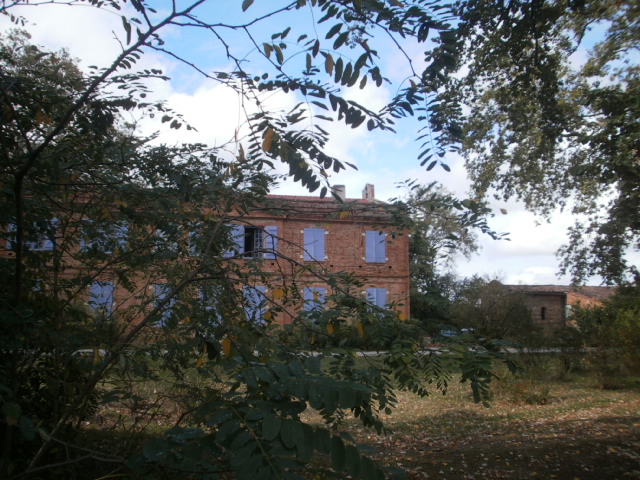
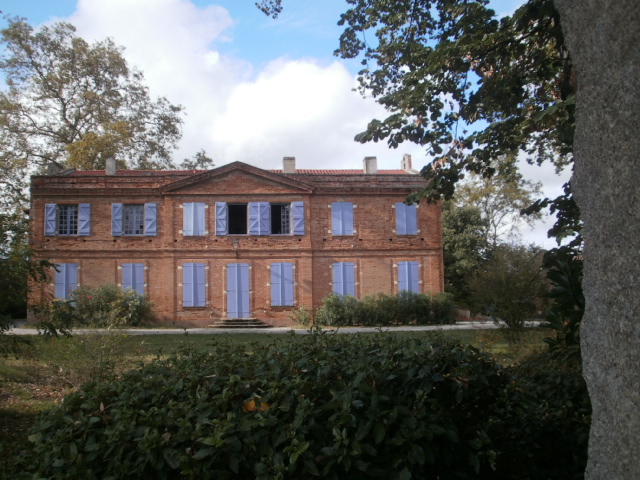
The Château des Vitarelles, located in Plaisance-du-Touch in Occitanie, is a marina built in the 17th and 18th centuries. This historic monument belonged to a family of Toulouse parliamentarians, and the family tradition attributed to the prince of Conti, governor of Languedoc in the second half of the seventeenth century. It would have served as a hunting appointment, reflecting the aristocratic lifestyle of the time.
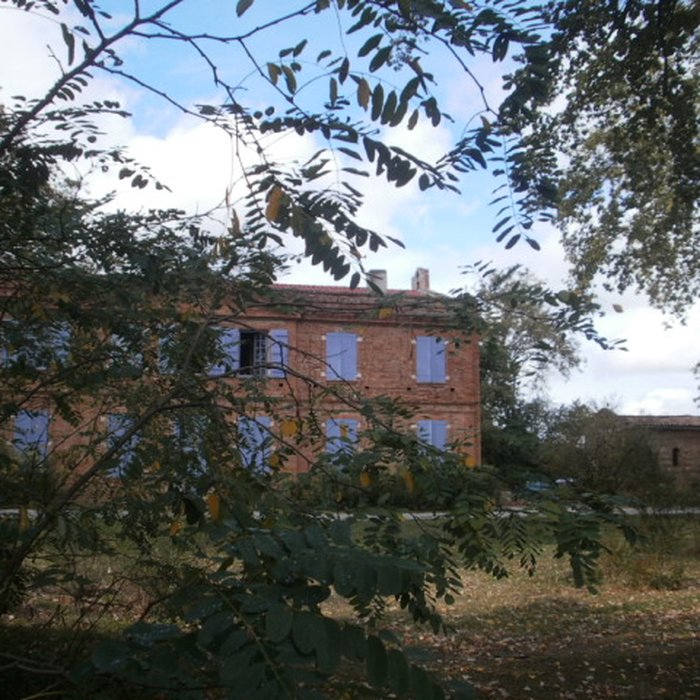
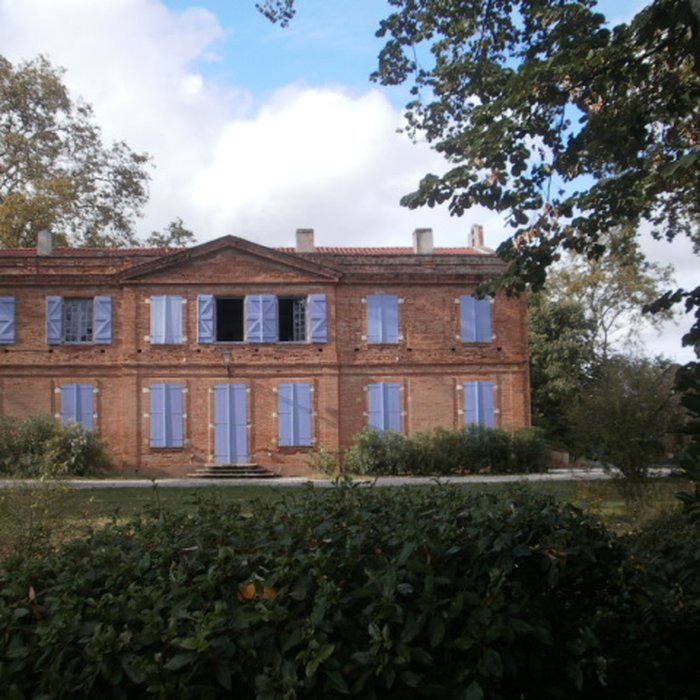
The architecture of the castle is distinguished by two long facades divided into nine spans, each driven by a central advance surmounted by a triangular pediment. Inside, the gypsum decoration dating from the late eighteenth century adorns the rooms, with marble fireplaces, moulded glass and studded panels. The double-flying doors feature rural or cynegetic musical motifs, illustrating the artistic refinement of the era.
Listed as a Historic Monument, the Vitarelles Castle has seen its facades, roofs and interior decorations of four rooms (dining room, large living room, small living room and decorated room) protected by an order of 18 February 1993. This architectural heritage reflects both the influence of the Toulouse parliamentarians and the artistic heritage of Languedoc under the Old Regime.







Announcements
Please log in to post a review