Construction of church 1516 (≈ 1516)
Edited by Amanieu d'Albret on a chapel.
XVIIe siècle (vers 1653)
Addition of chapels
Addition of chapels XVIIe siècle (vers 1653) (≈ 1750)
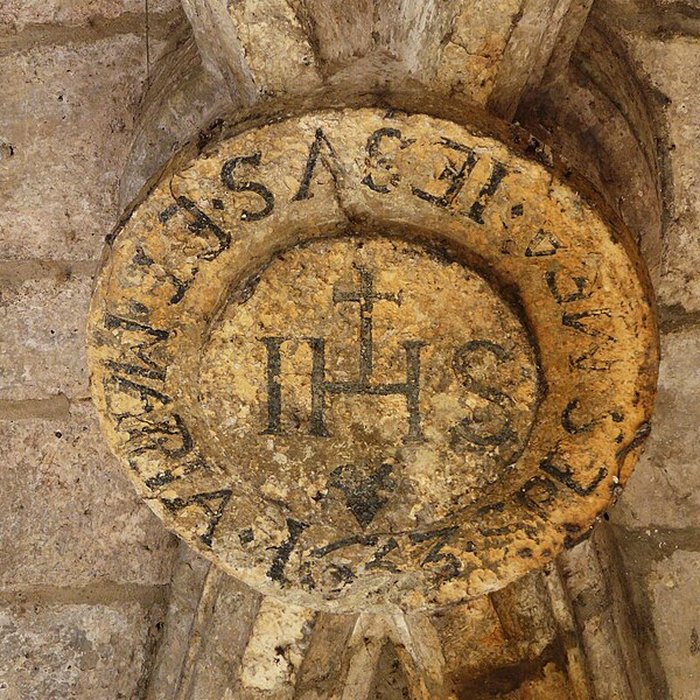
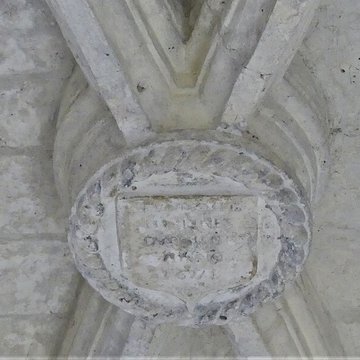
Four chapels between foothills, vintage 1653.
30 décembre 1858
End of parish function
End of parish function 30 décembre 1858 (≈ 1858)
Replaced by Brantôme Abbey.
milieu du XIXe siècle
Transformation into halls
Transformation into halls milieu du XIXe siècle (≈ 1950)
Commercial reallocation after de-acralization.
25 octobre 1958
Historical Monument
Historical Monument 25 octobre 1958 (≈ 1958)
Additional inventory.
années 1960
Becoming a party room
Becoming a party room années 1960 (≈ 1960)
New cultural and festive use.
Aujourd'hui
Aujourd'hui
Aujourd'hui Aujourd'hui (≈ 2025)
Position de référence.
Heritage classified
Notre Dame Church (former) (Box J 645): inscription by order of 25 October 1958
Key figures
Amanieu d’Albret - Cardinal and Abbé de Brantôme
Church commander in 1516.
Origin and history
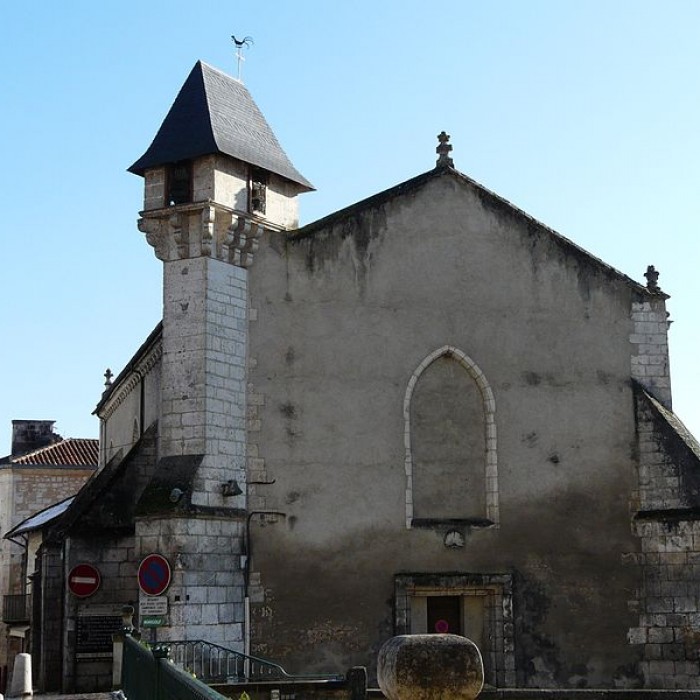
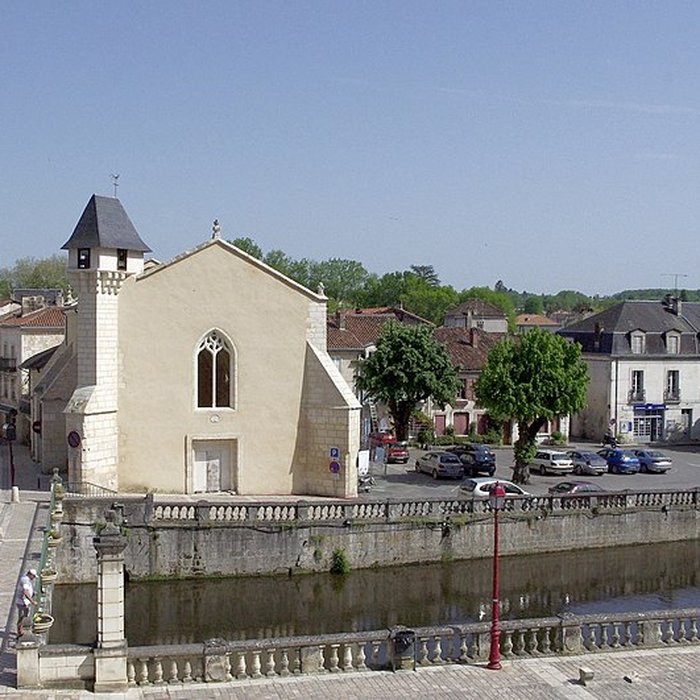
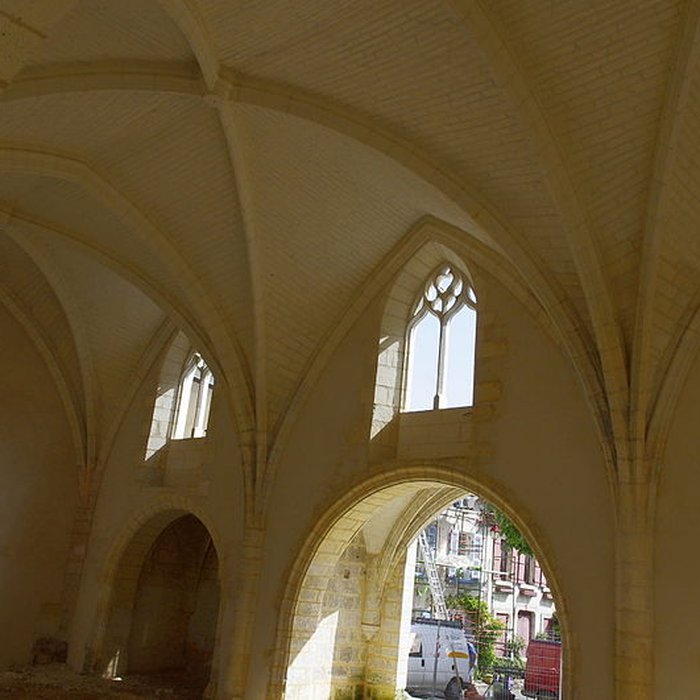
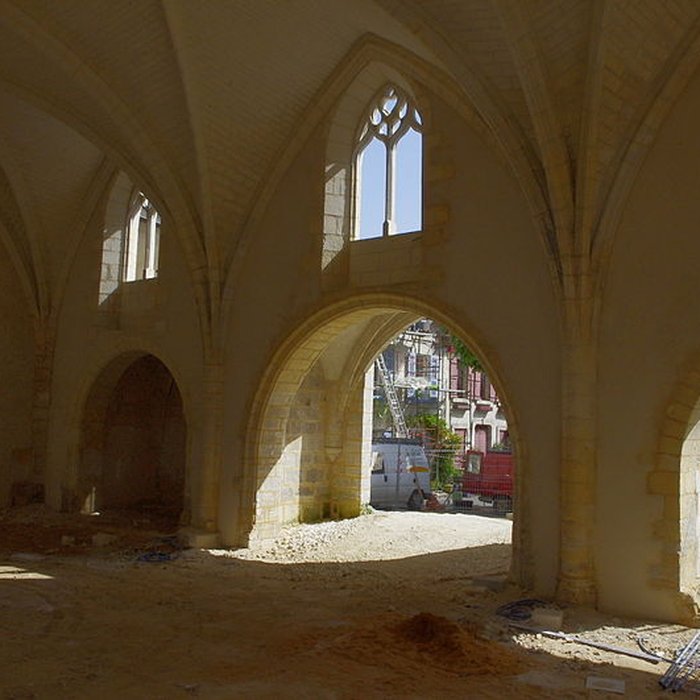
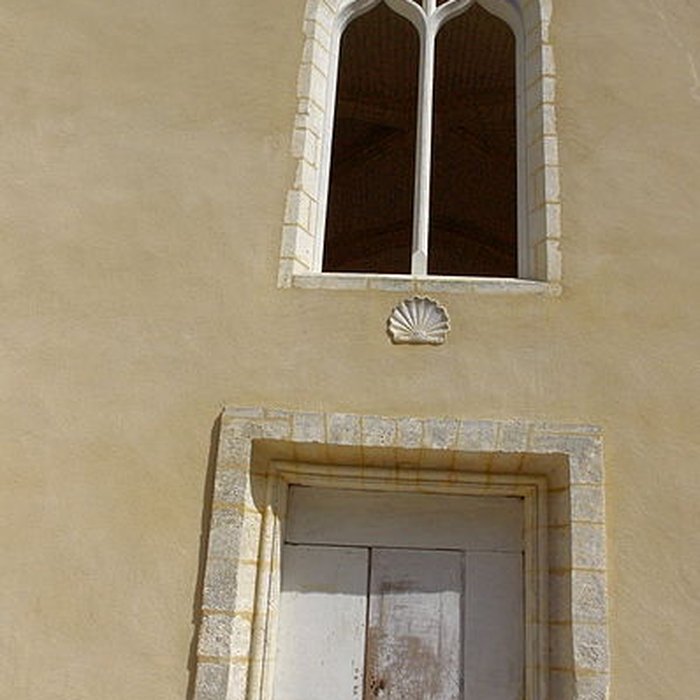
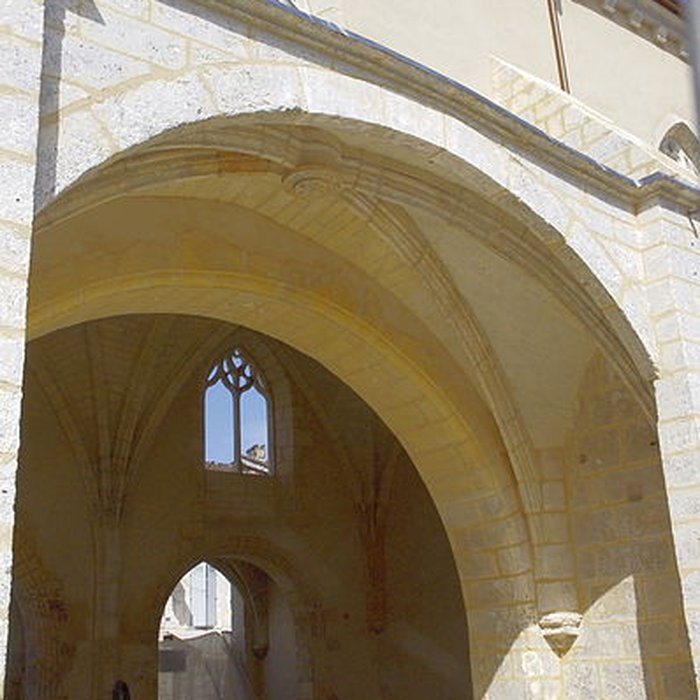
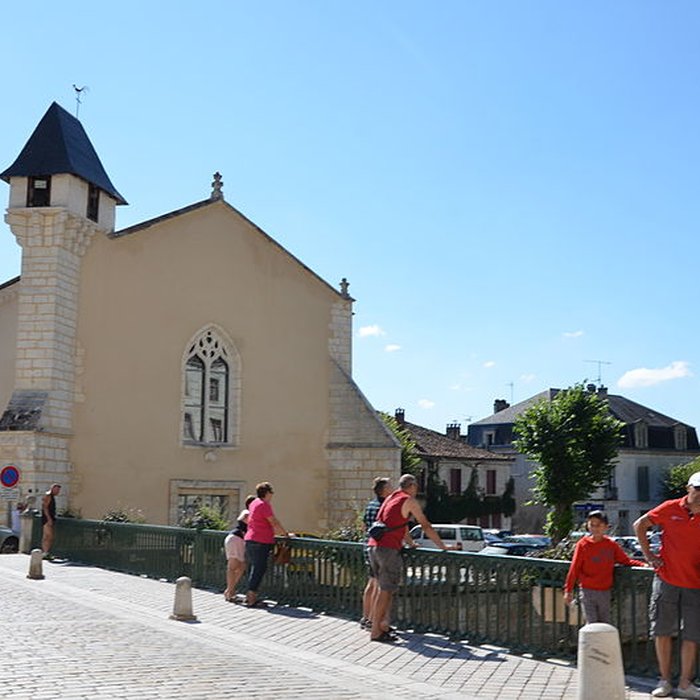
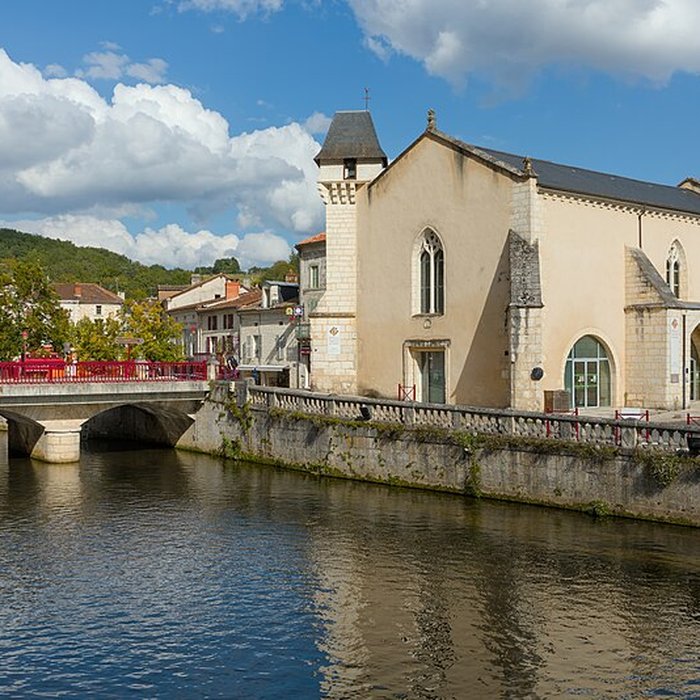
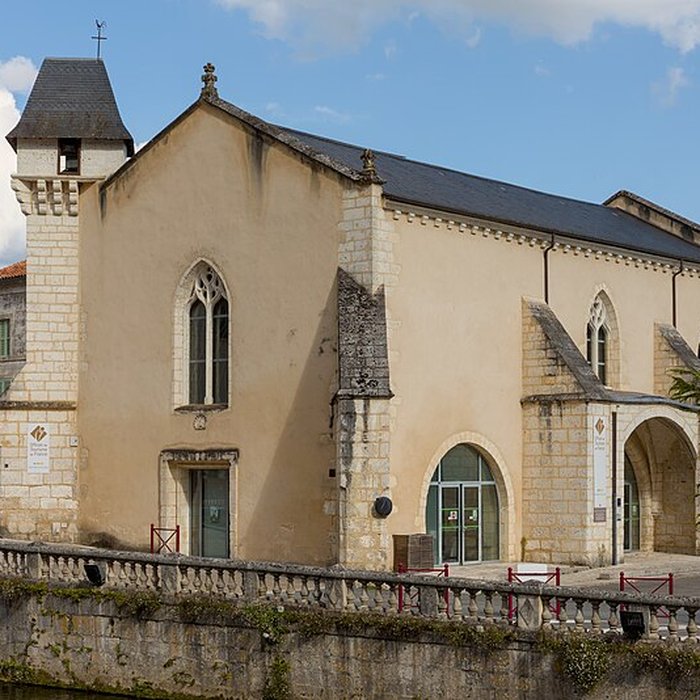
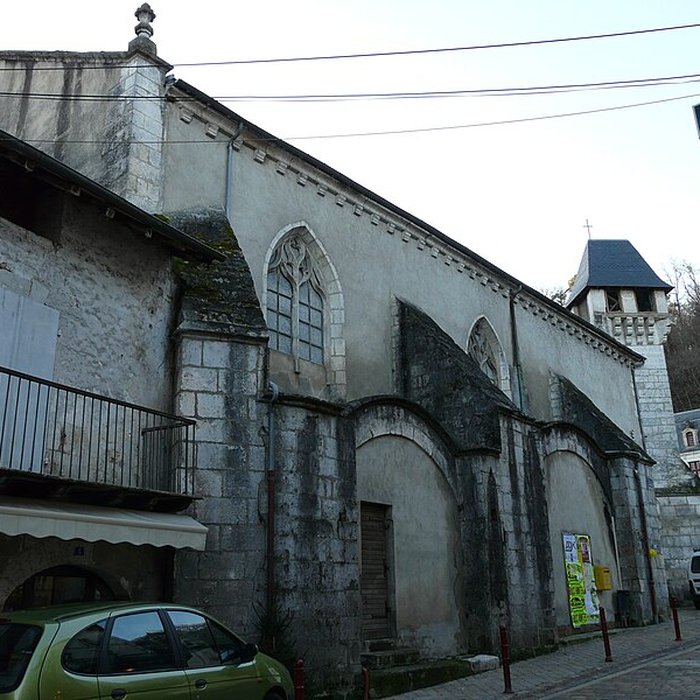
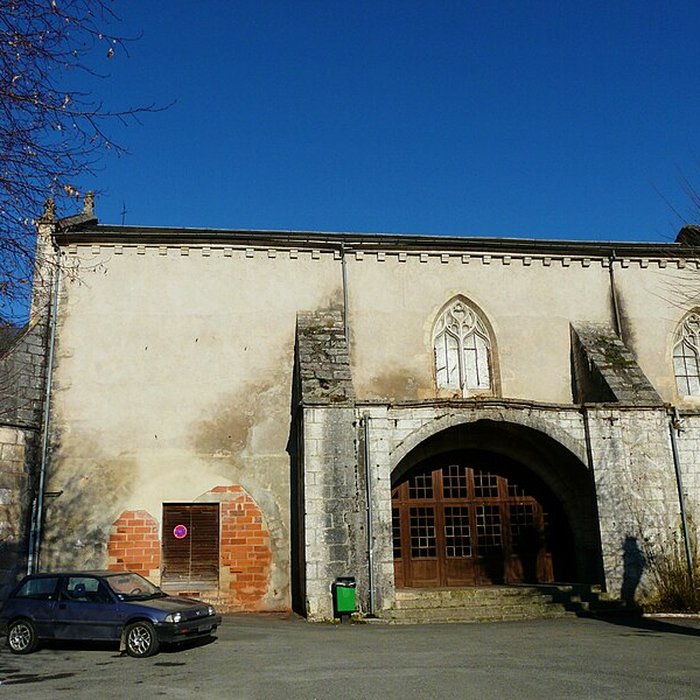
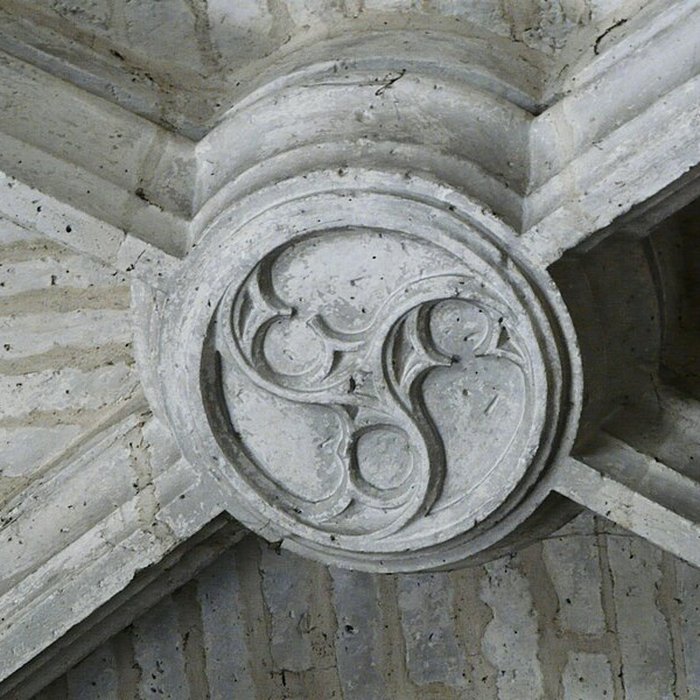
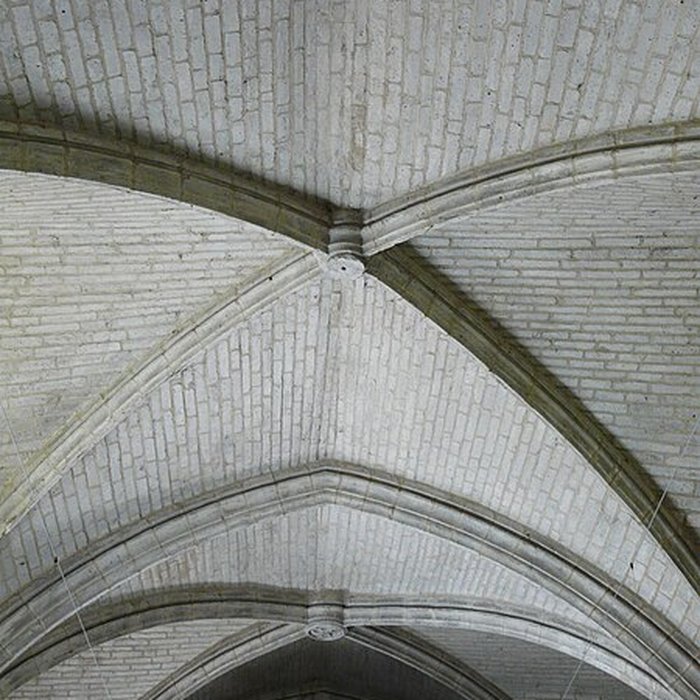
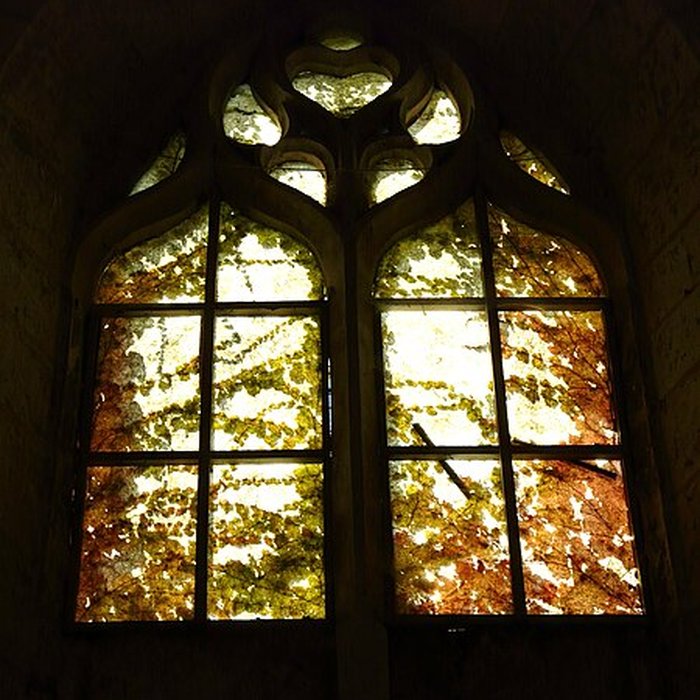
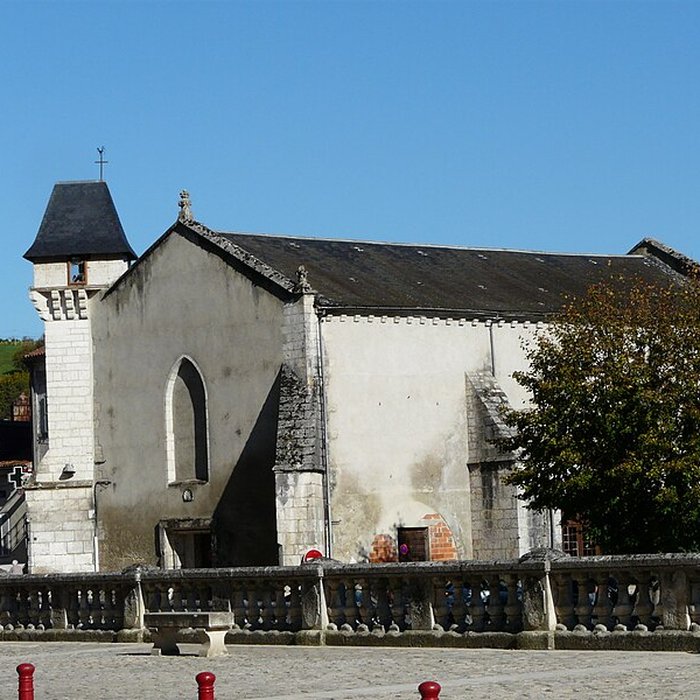
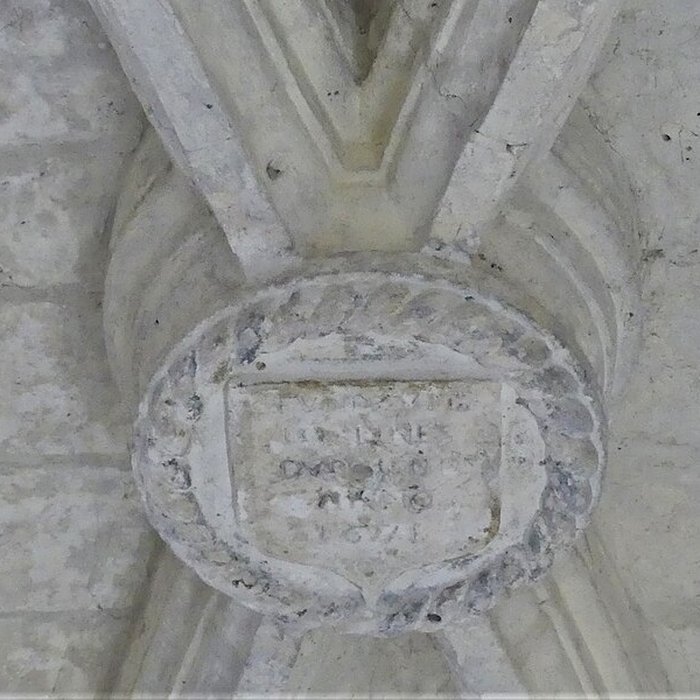
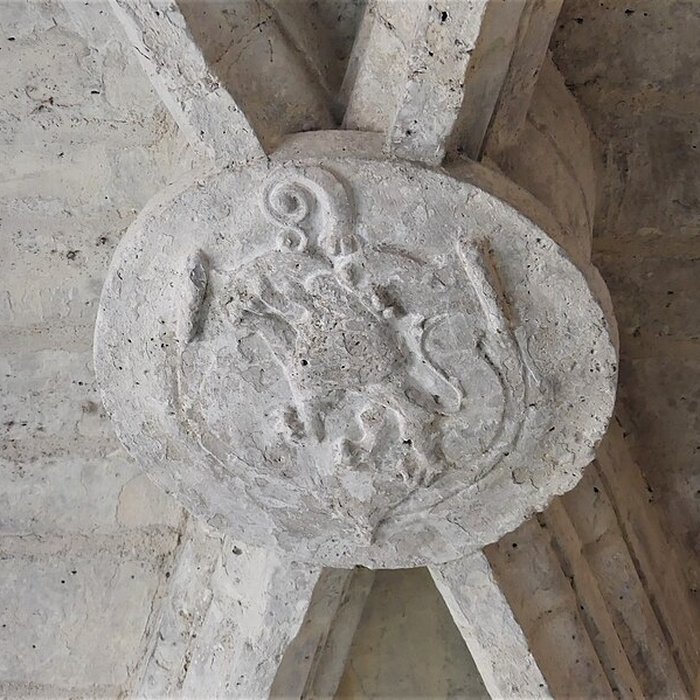
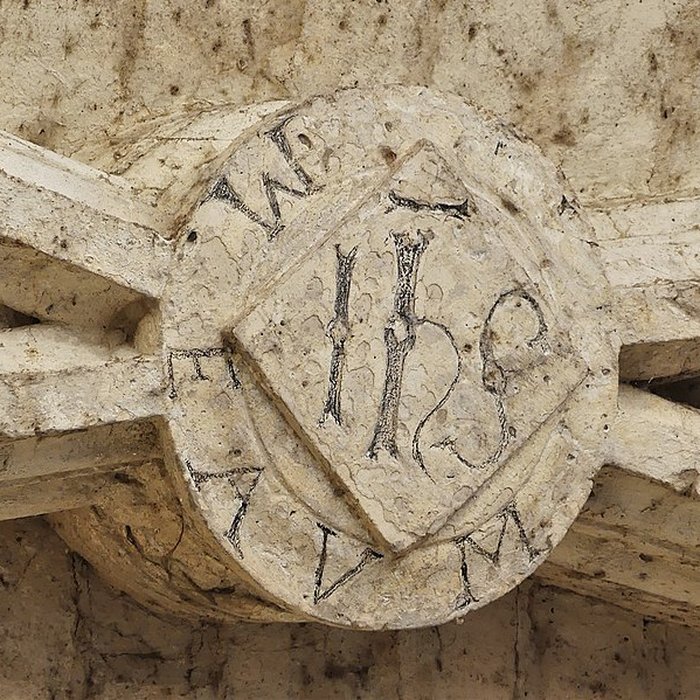
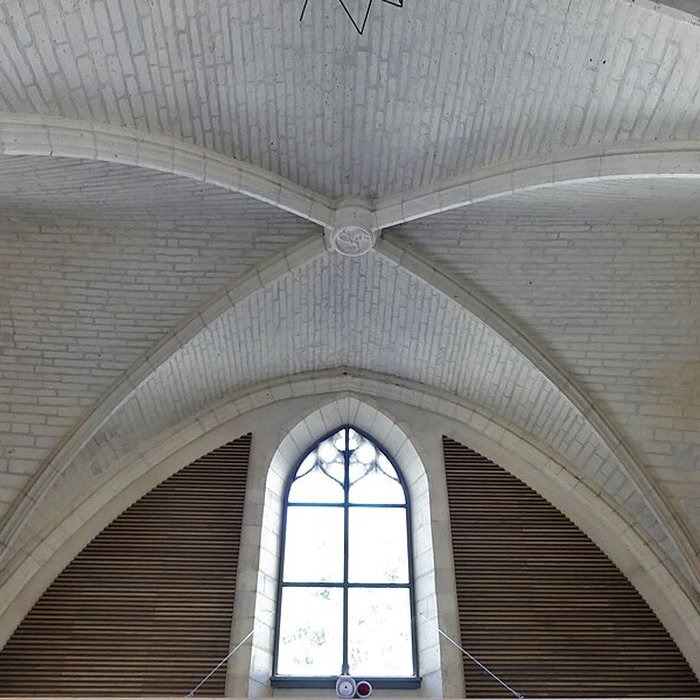
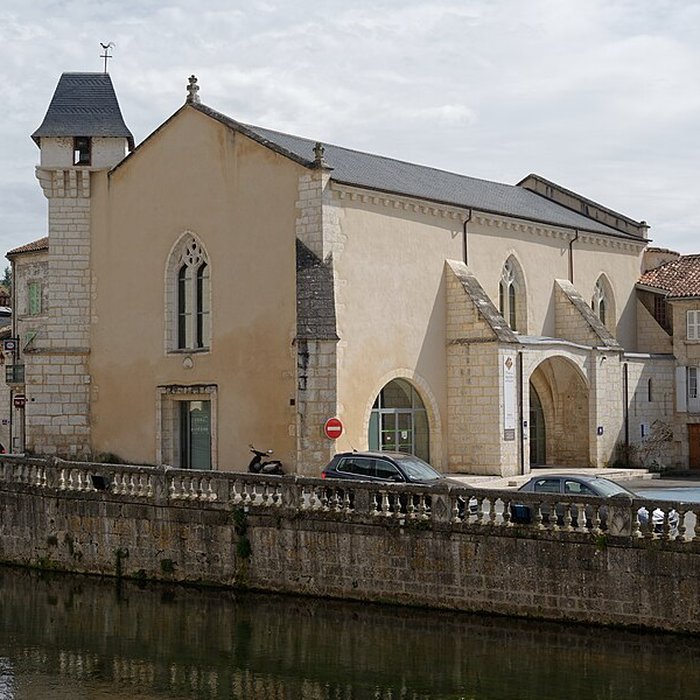
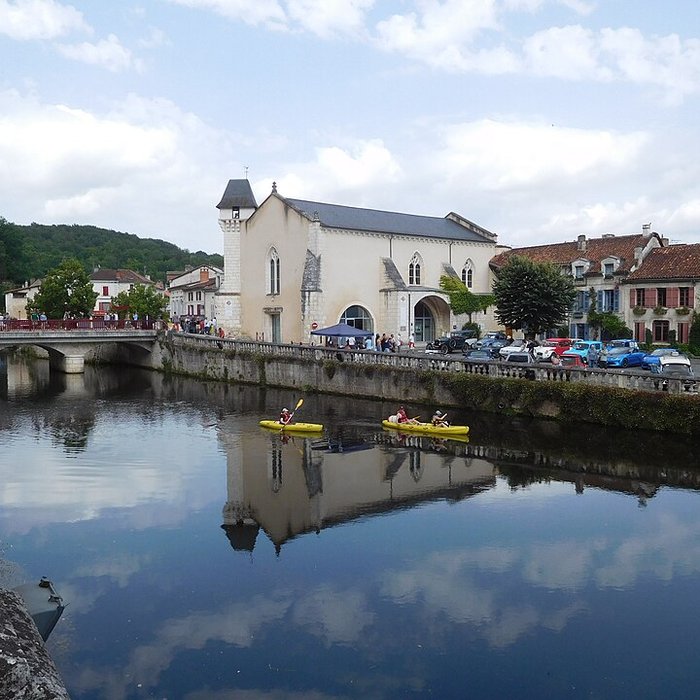
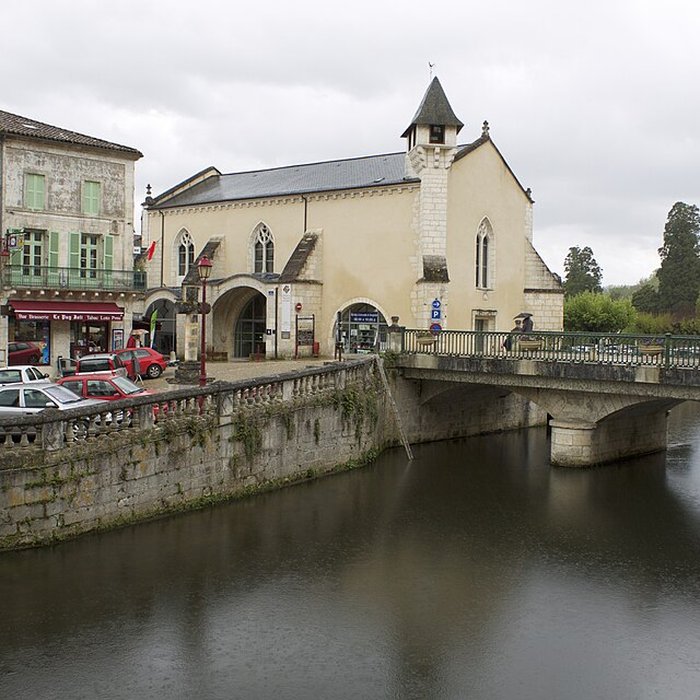
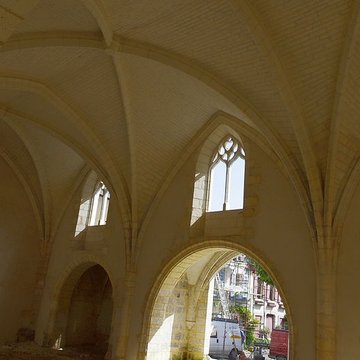
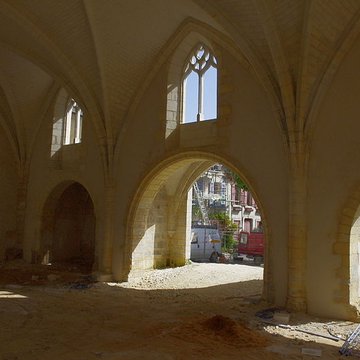
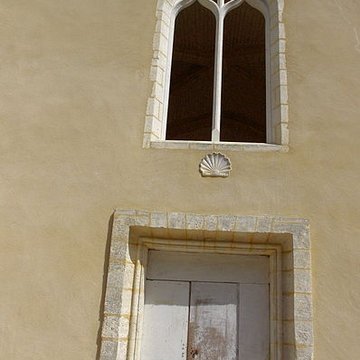
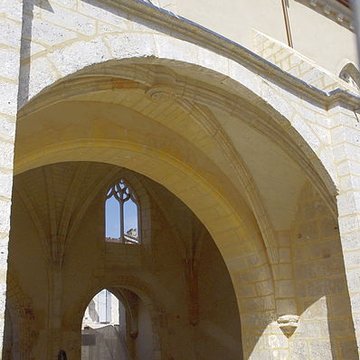
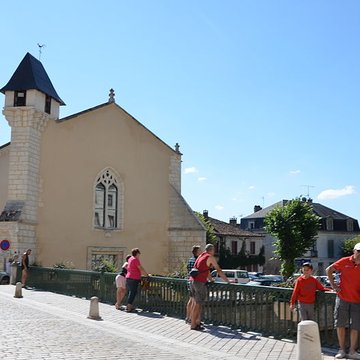
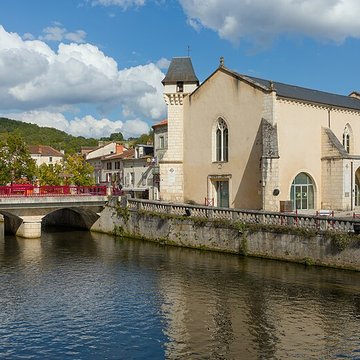
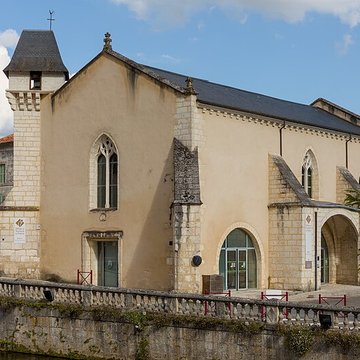
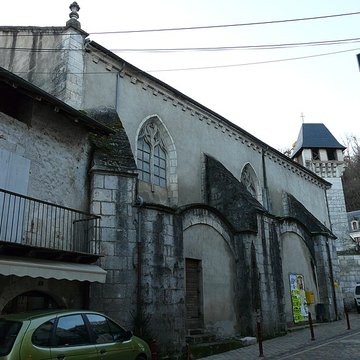
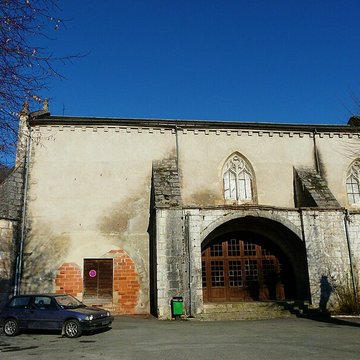
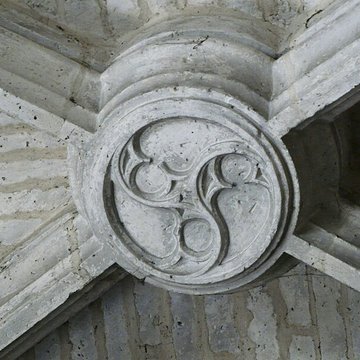
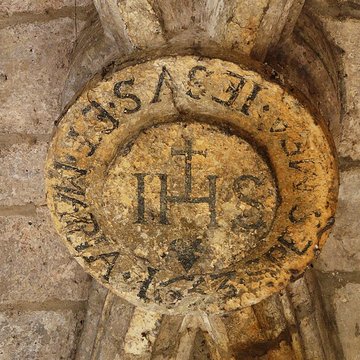
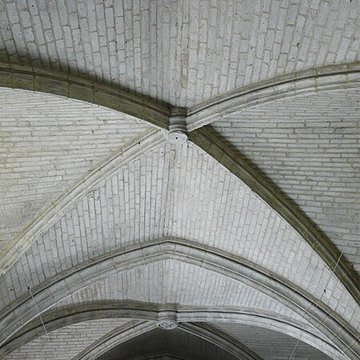
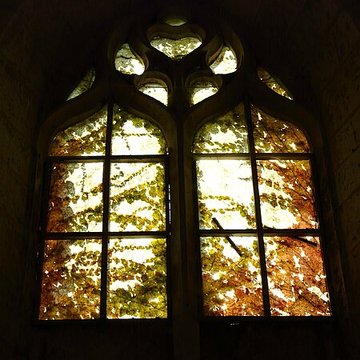
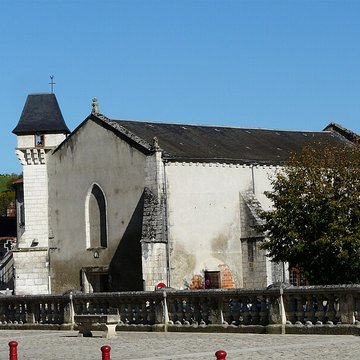
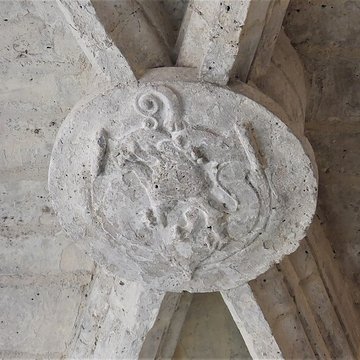
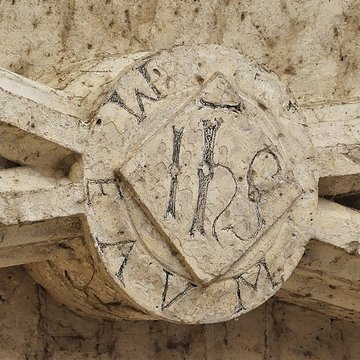
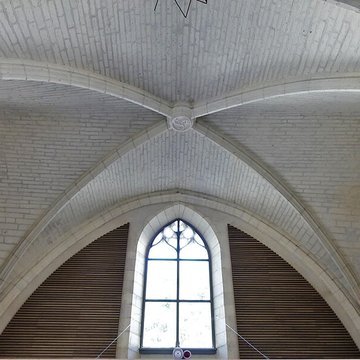
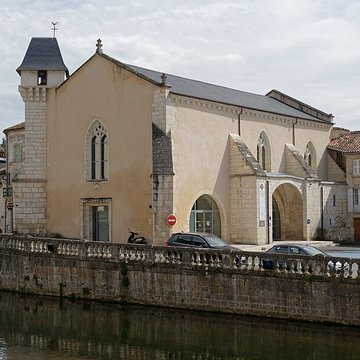
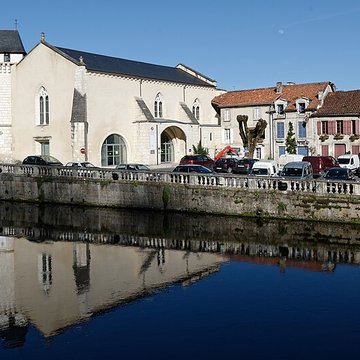
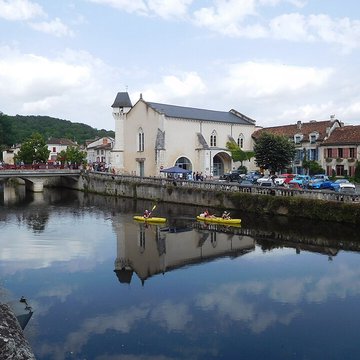
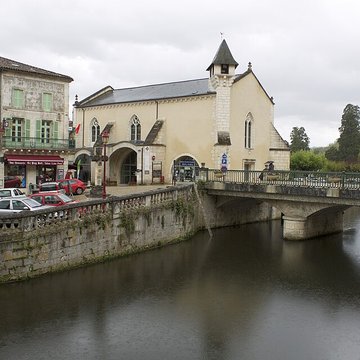
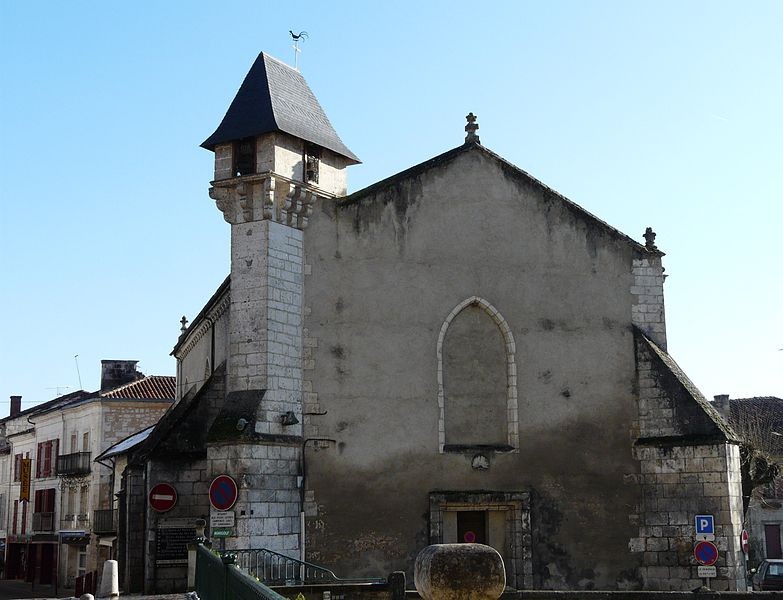
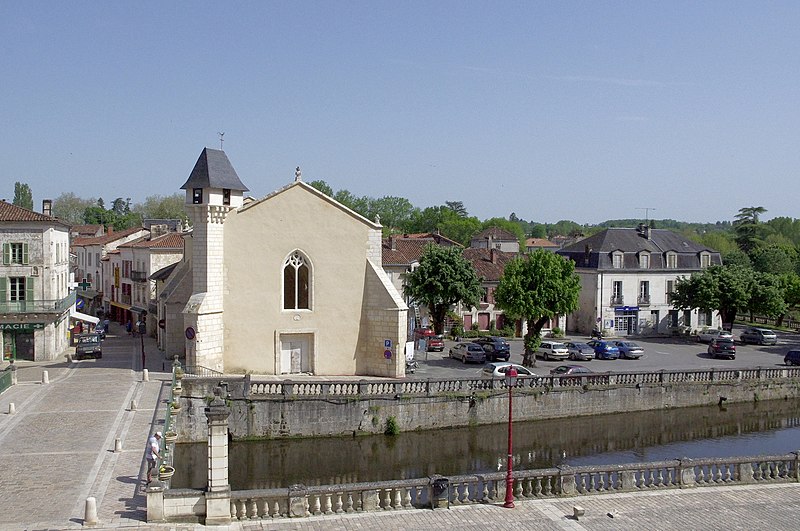
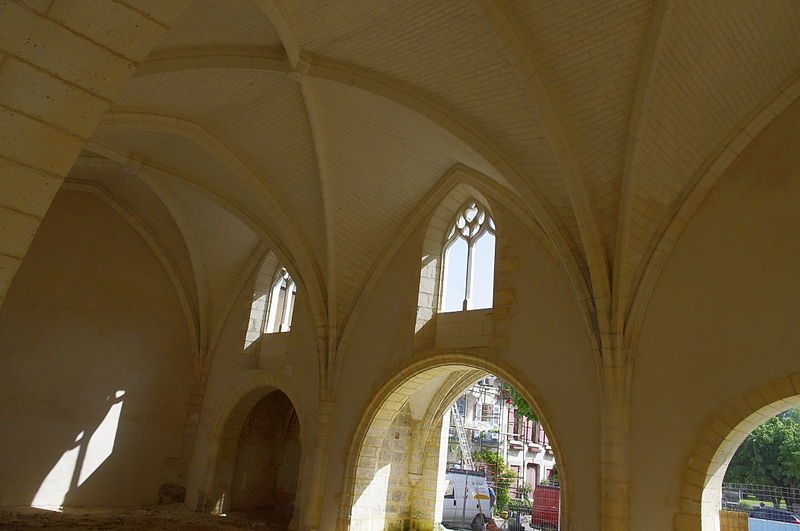
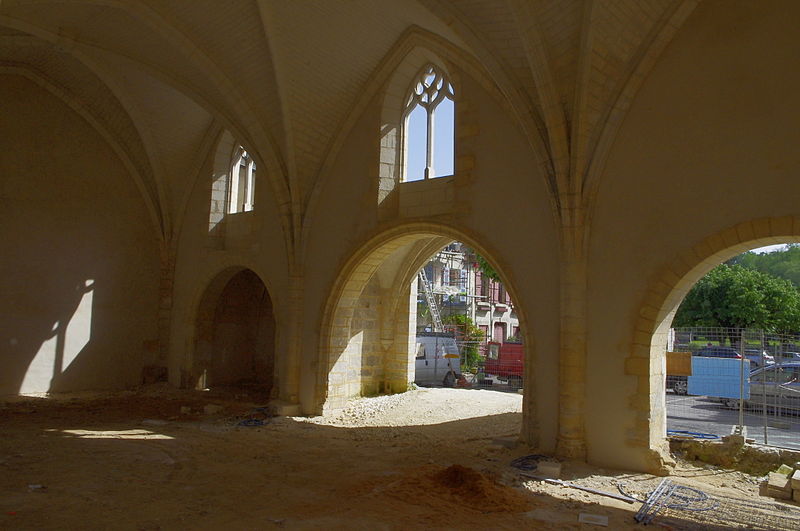
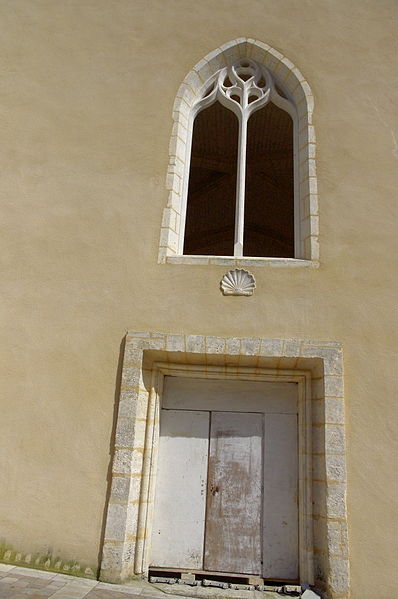
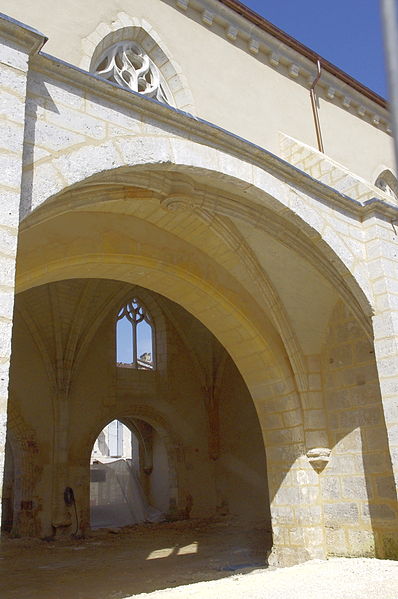
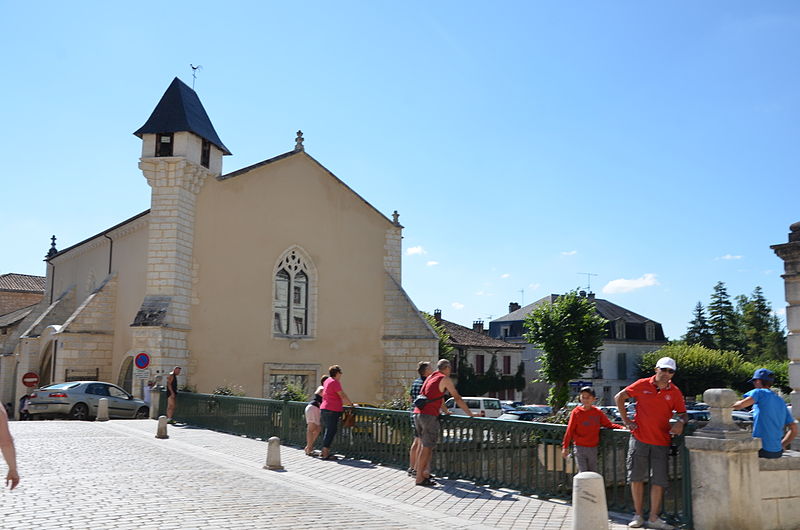
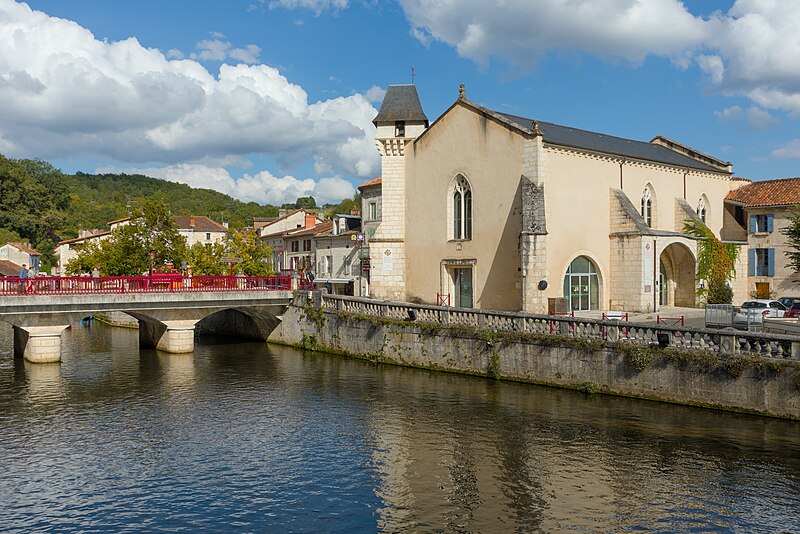
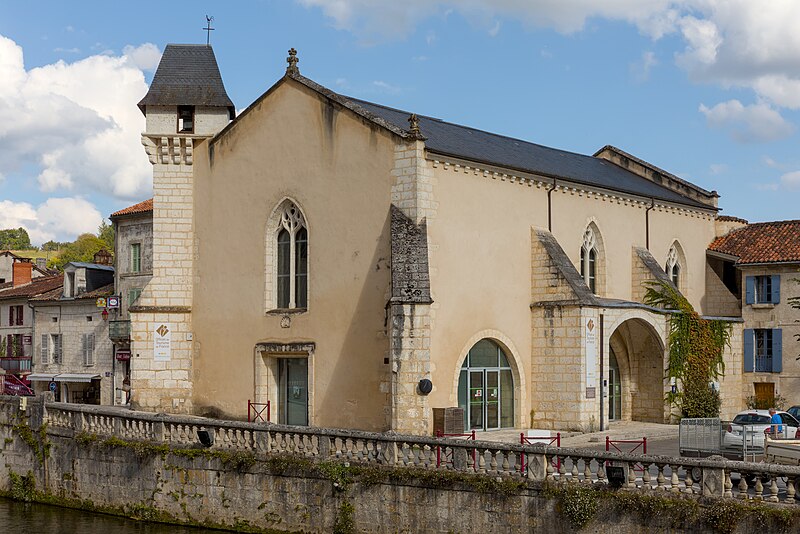
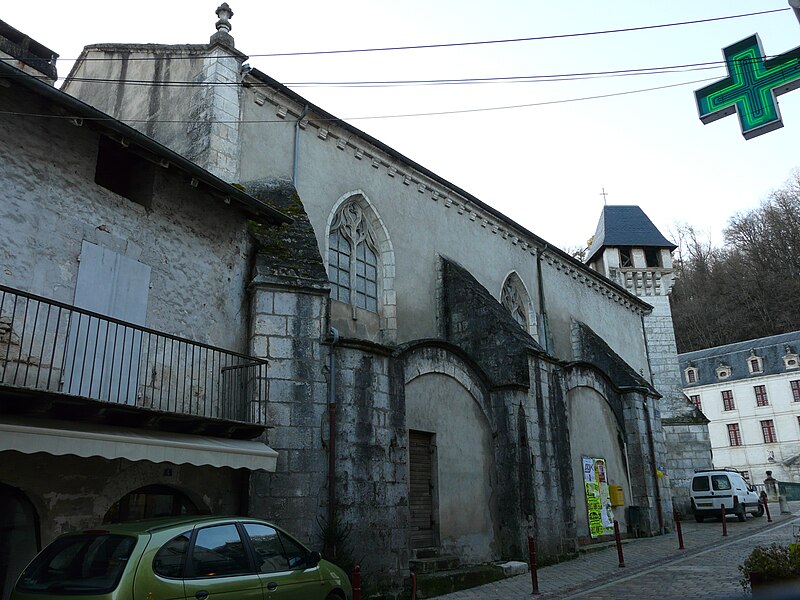
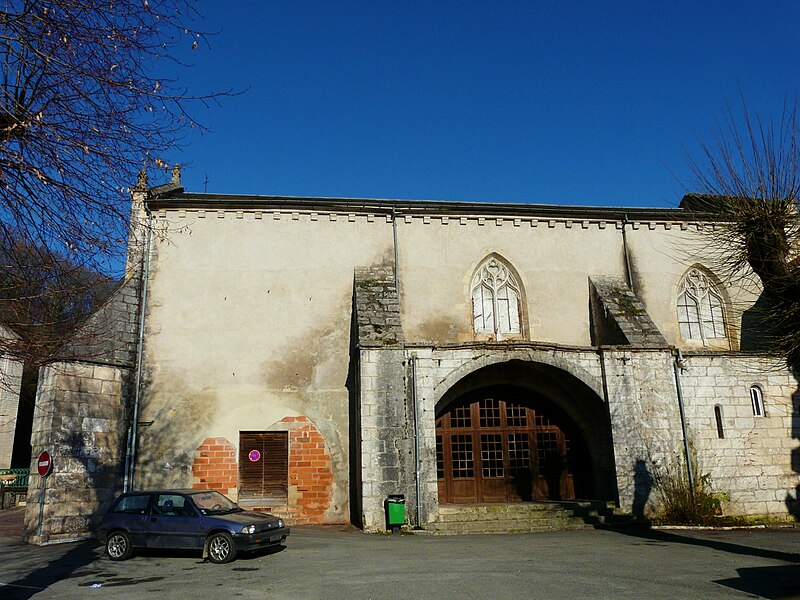
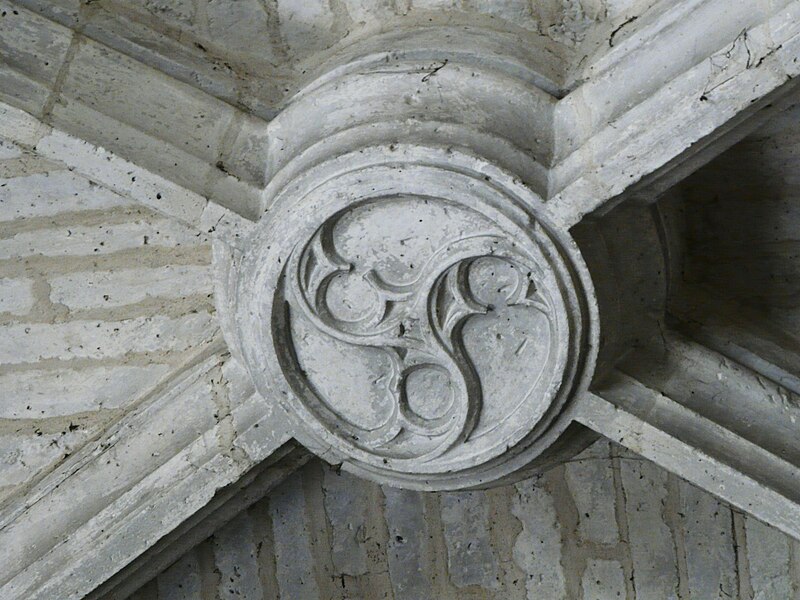
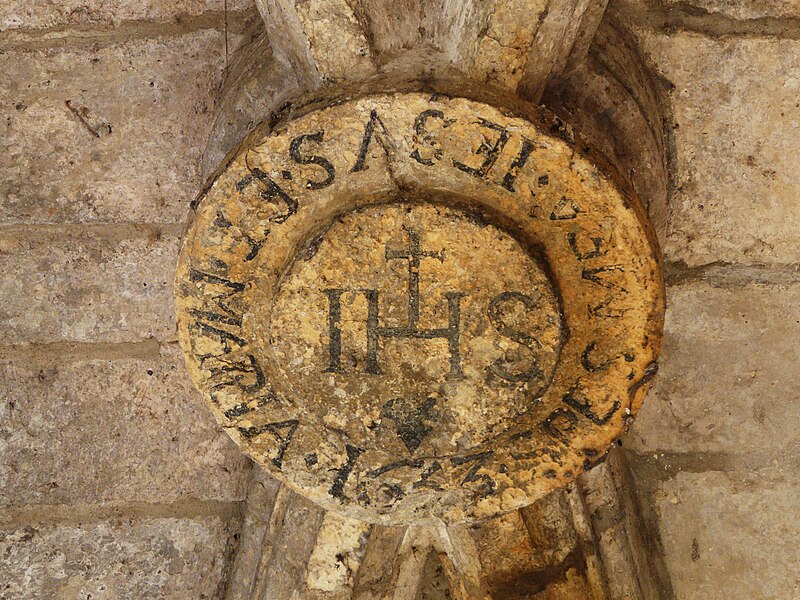
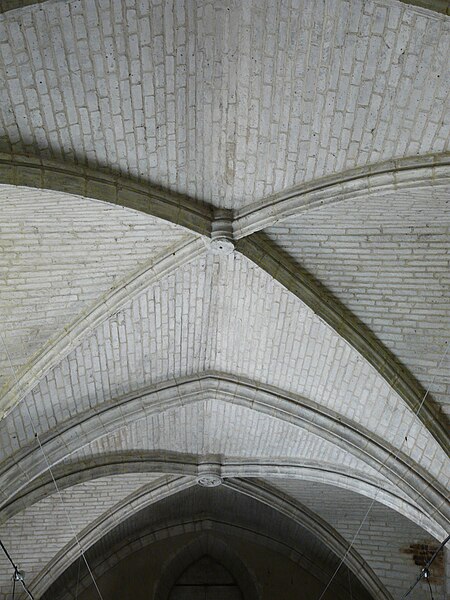
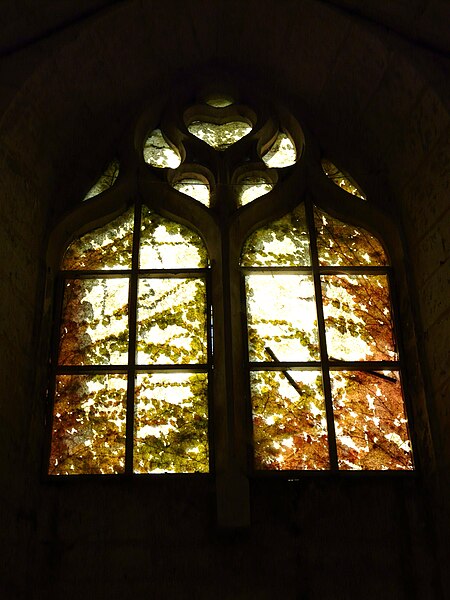
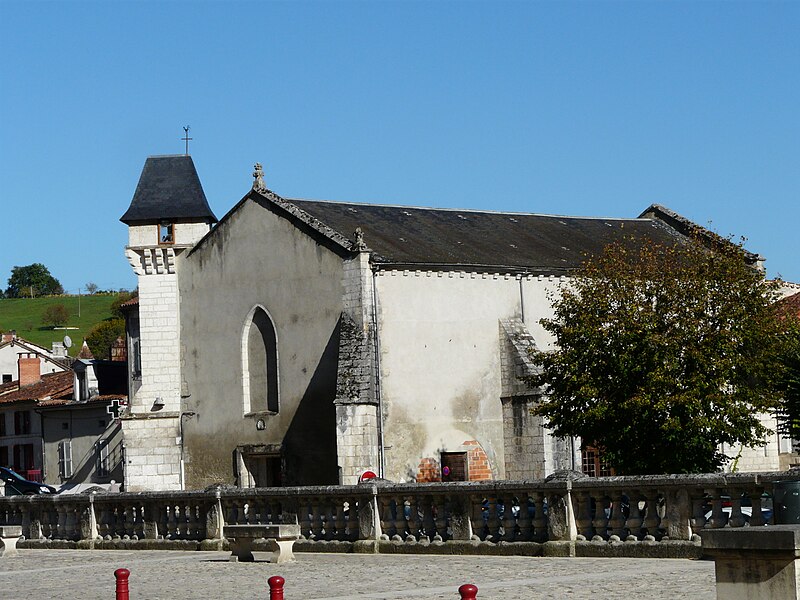
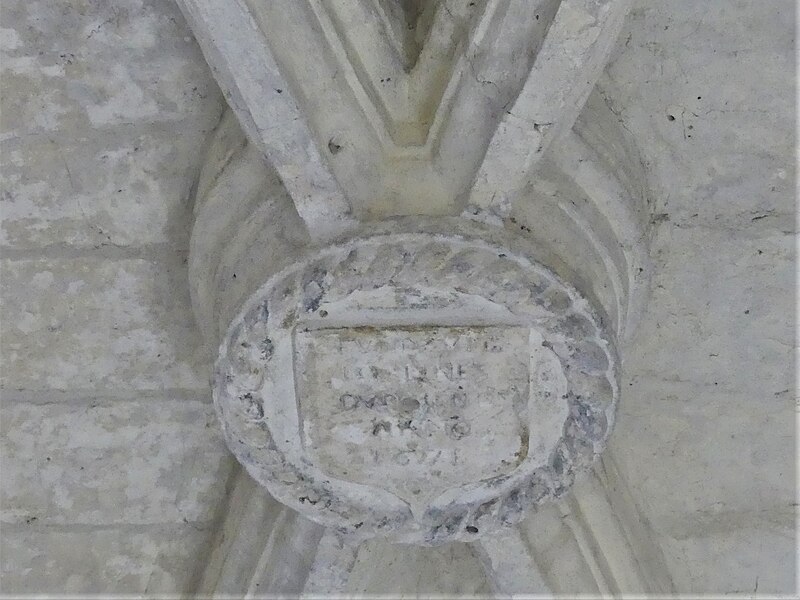
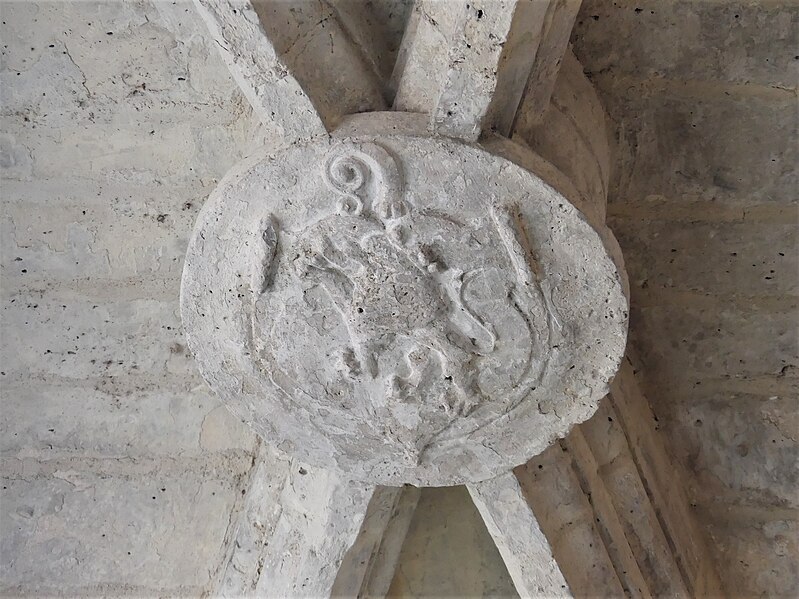
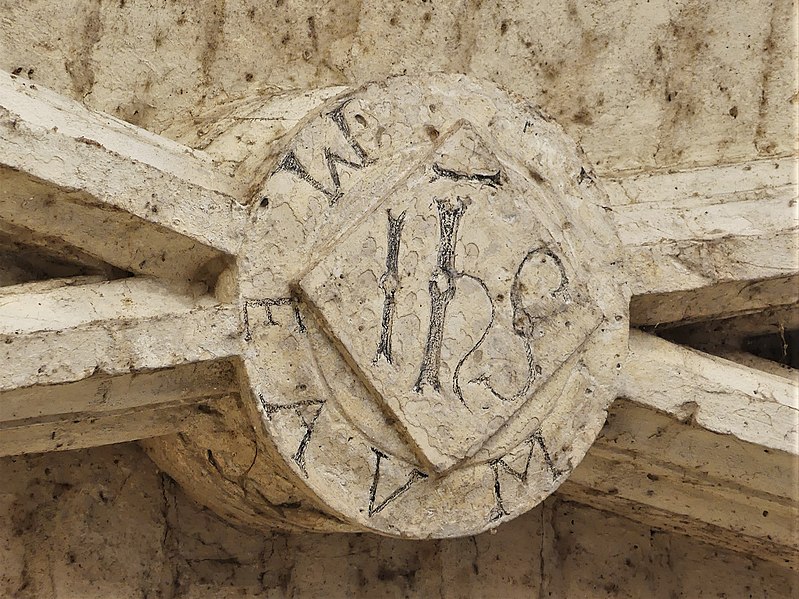
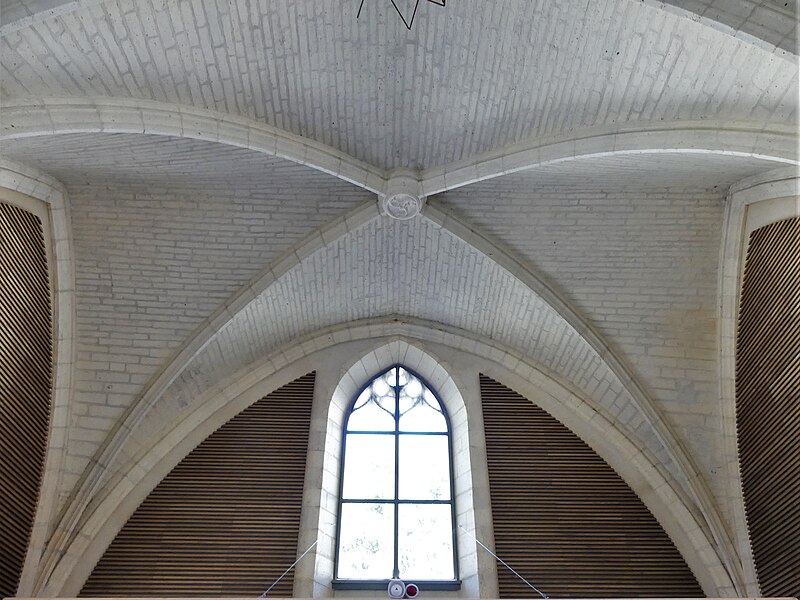
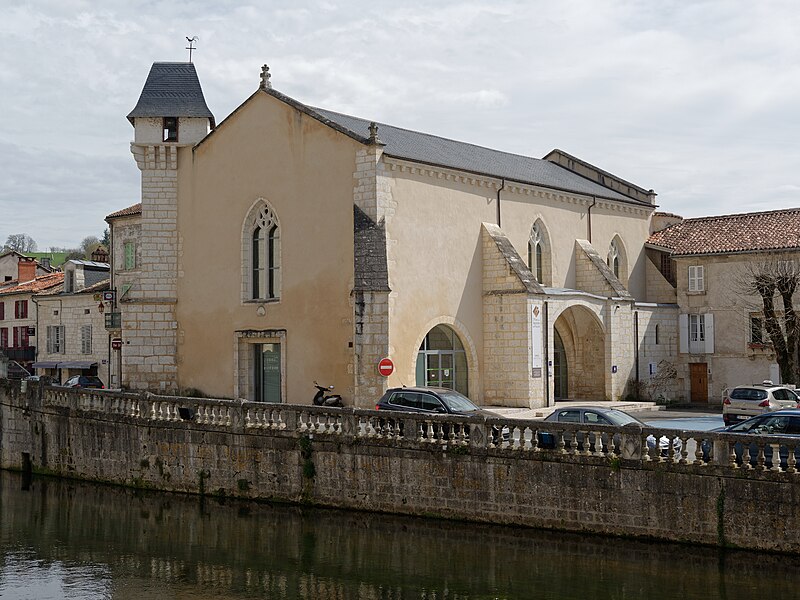
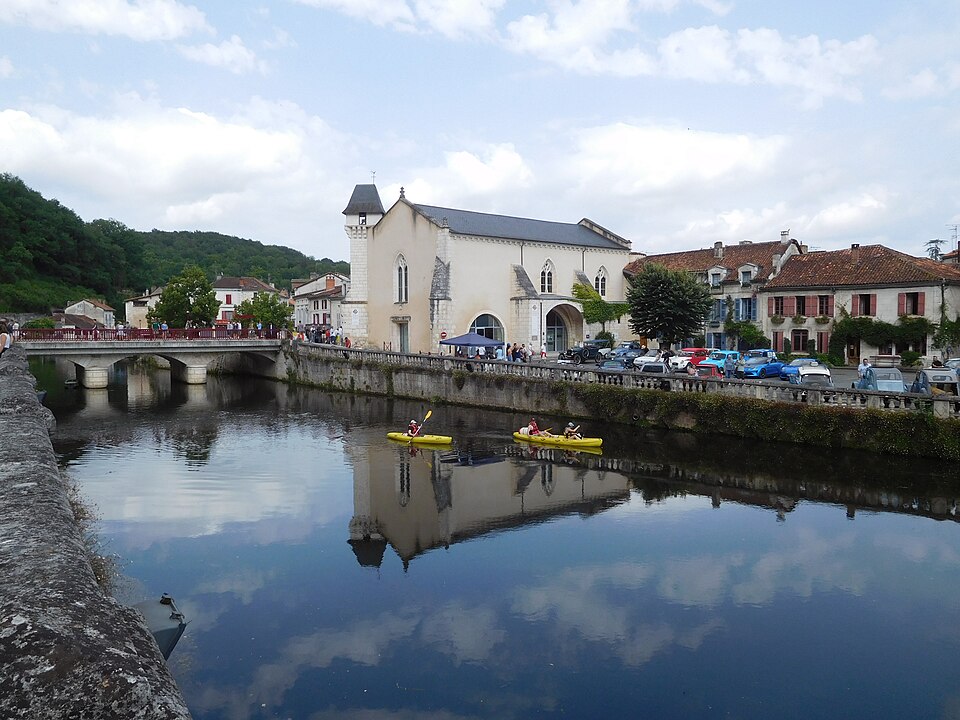
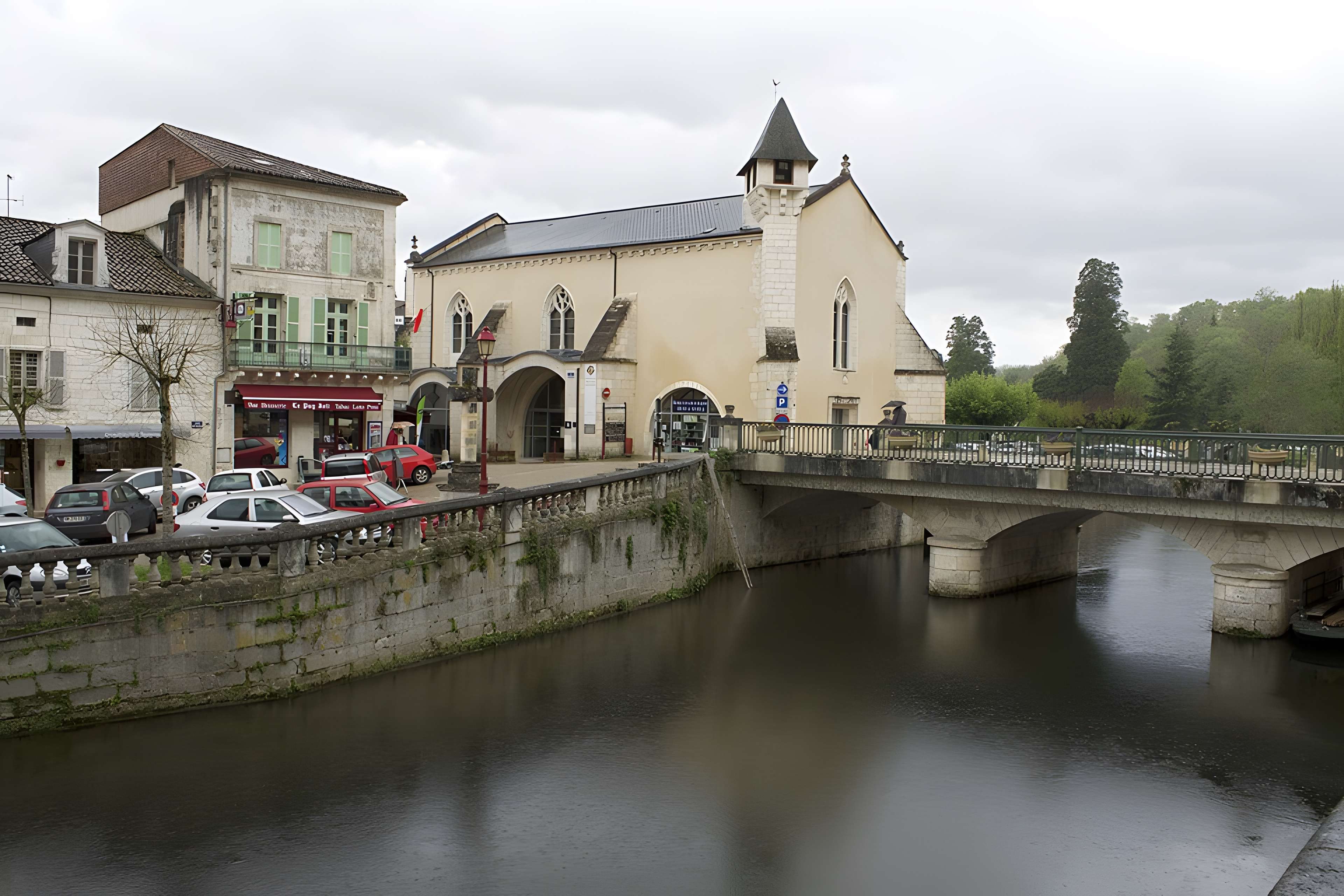
The church of Our Lady of Brantôme was built in the early 16th century, around 1516, by Cardinal Amanieu d'Albret, abbot of Brantôme and brother of the king of Navarre. This building, erected on the site of an old chapel, responded to the creation of a second parish for Brantôme and its surroundings, distinct from that of Saint-Pardoux-de-Feix. Late Gothic architecture is manifested by a unique nave with three arched bays prismatic dogives, a flat apse, and windows with characteristic shapes. Four chapels, added between the foothills in the seventeenth century, including a door the 1653 vintage, complete the whole.
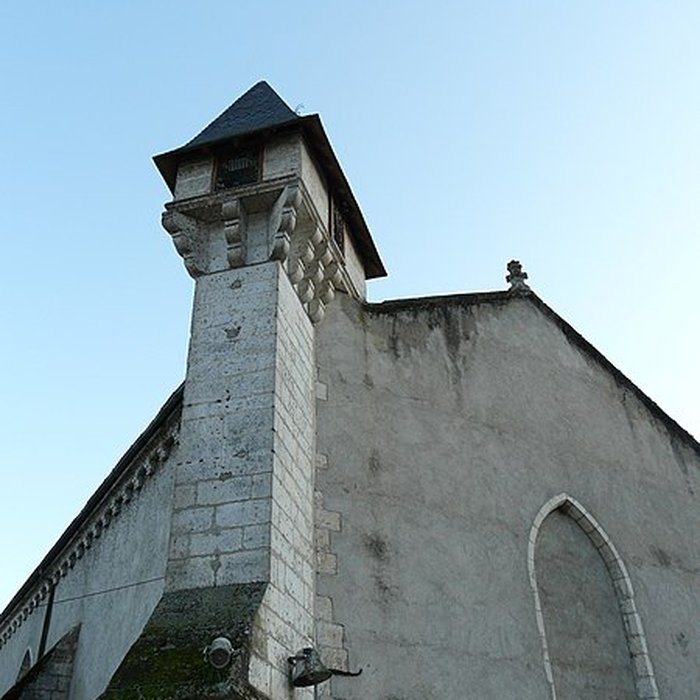
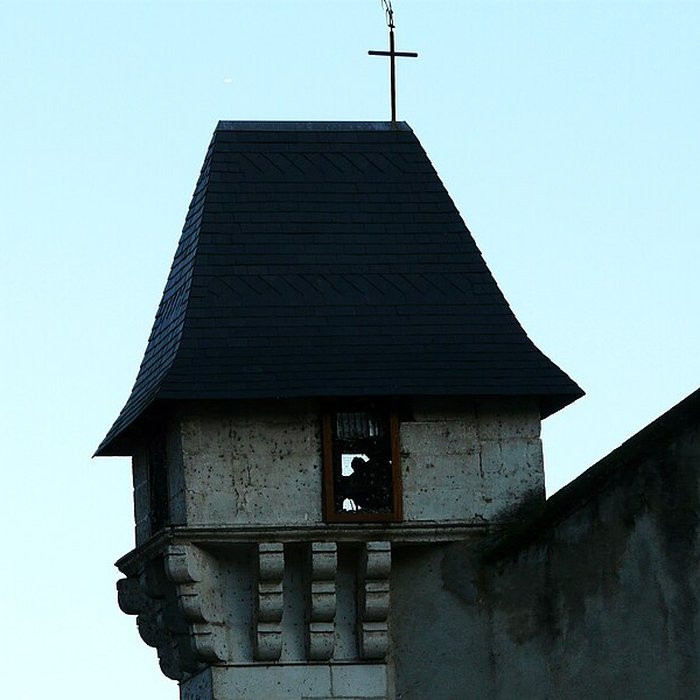
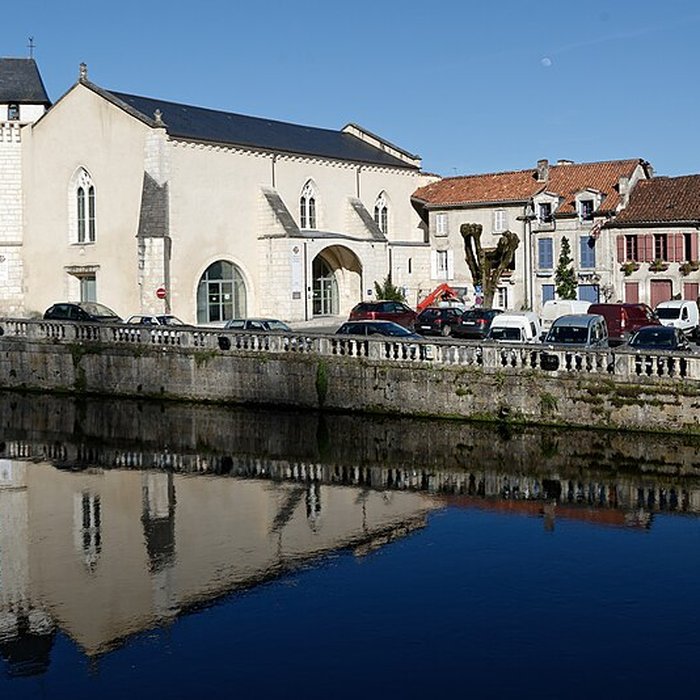
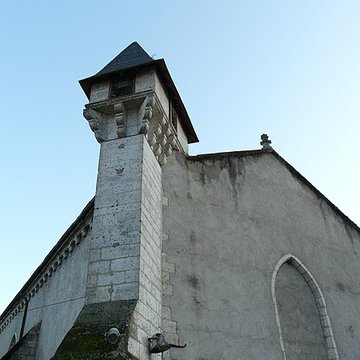
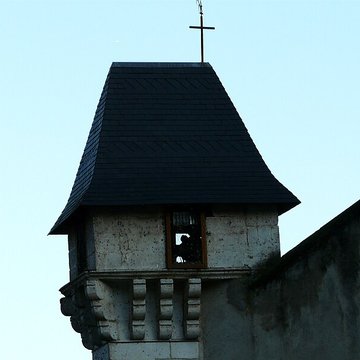
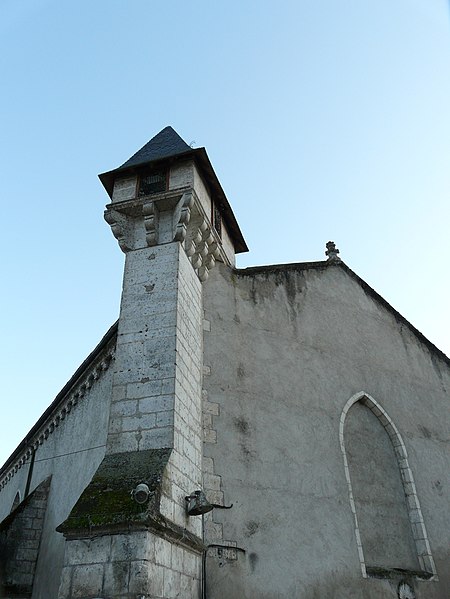
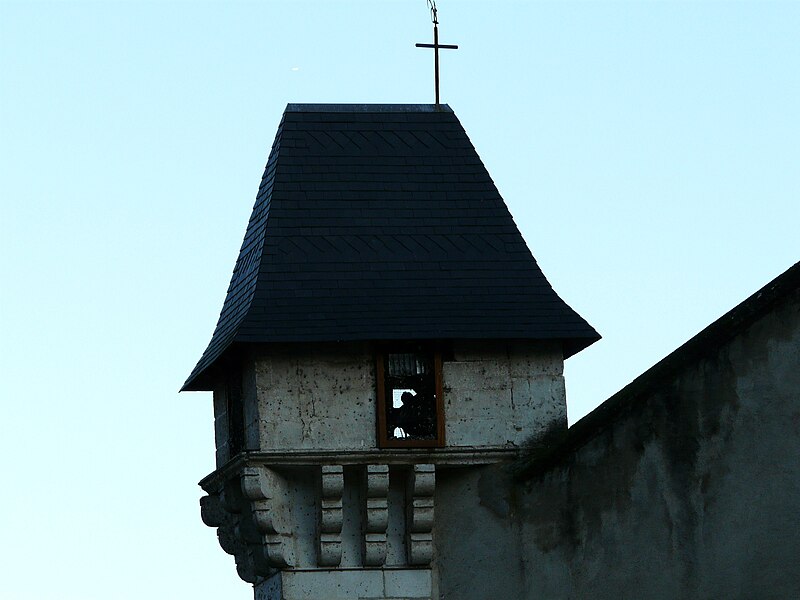
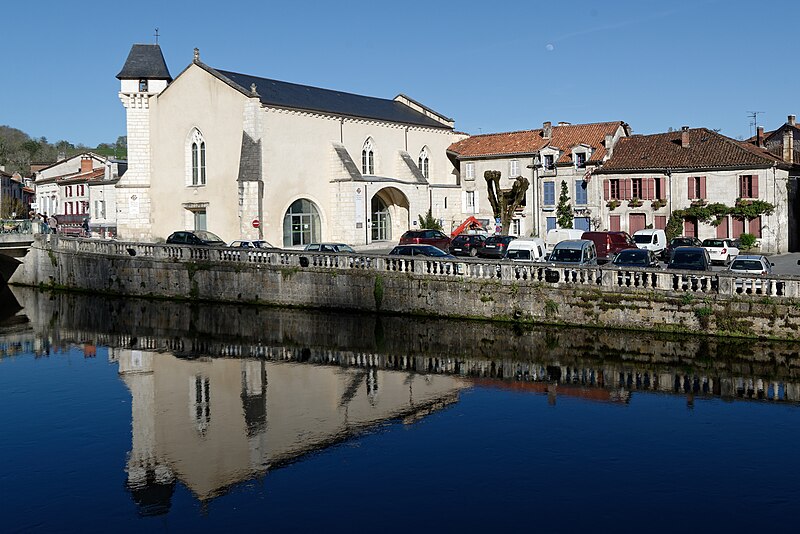
In the mid-19th century, the church lost its parish function in favour of Brantôme Abbey (1858) and was transformed into halls and then into a festive hall in the 1960s. The lateral chapels, initially closed, were opened to facilitate its commercial use. Recent surveys have revealed the presence of a cemetery south of the building. Decorative chopstick on the northwest foothills and the bell tower on the edge of the bridge bear witness to its medieval heritage, despite its successive reallocations.
Classified as a Historical Monument in 1958, the former Church of Notre-Dame illustrates the urban and religious changes of Brantôme, moving from a place of worship to a versatile public space. Its inscription in the base Mérimée (cadastre J 645) and its precise location (rue Puyjoli de Meyjounissas) make it an emblematic heritage of the Dordogne, today communal property and partially open to cultural or festive uses.






Announcements
Please log in to post a review