Construction of the choir and portal Fin XIe - Début XIIe siècle (≈ 1225)
Choir, interior gate and south wall built.
XIIe siècle
Construction of apse
Construction of apse XIIe siècle (≈ 1250)
Apse Romanesque later redesigned.
XIIIe siècle
Renovation of the apse
Renovation of the apse XIIIe siècle (≈ 1350)
Added cul-de-four vault.
XIVe siècle
Reconstruction of the porch and bell tower
Reconstruction of the porch and bell tower XIVe siècle (≈ 1450)
Nef transformed, arches in warheads.
1715, 1745, 1840
Decors painted on the vaults
Decors painted on the vaults 1715, 1745, 1840 (≈ 1840)
Dates engraved on the double arches.
1880
Construction of sacristy
Construction of sacristy 1880 (≈ 1880)
Late addition to the building.
8 mai 1933
Historical Monument
Historical Monument 8 mai 1933 (≈ 1933)
Registration by ministerial decree.
Aujourd'hui
Aujourd'hui
Aujourd'hui Aujourd'hui (≈ 2025)
Position de référence.
Heritage classified
Church: registration by decree of 8 May 1933
Key figures
Information non disponible - No characters cited in the sources
The archives do not mention any specific actors.
Origin and history
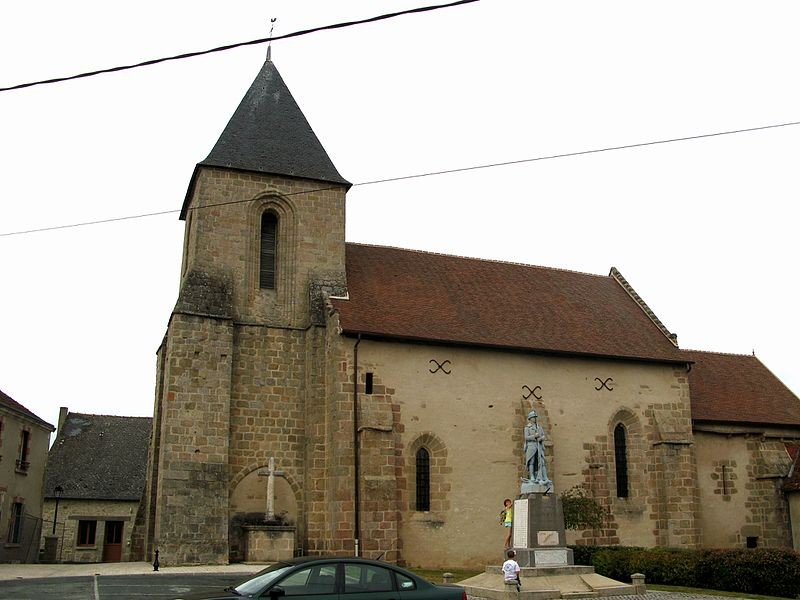
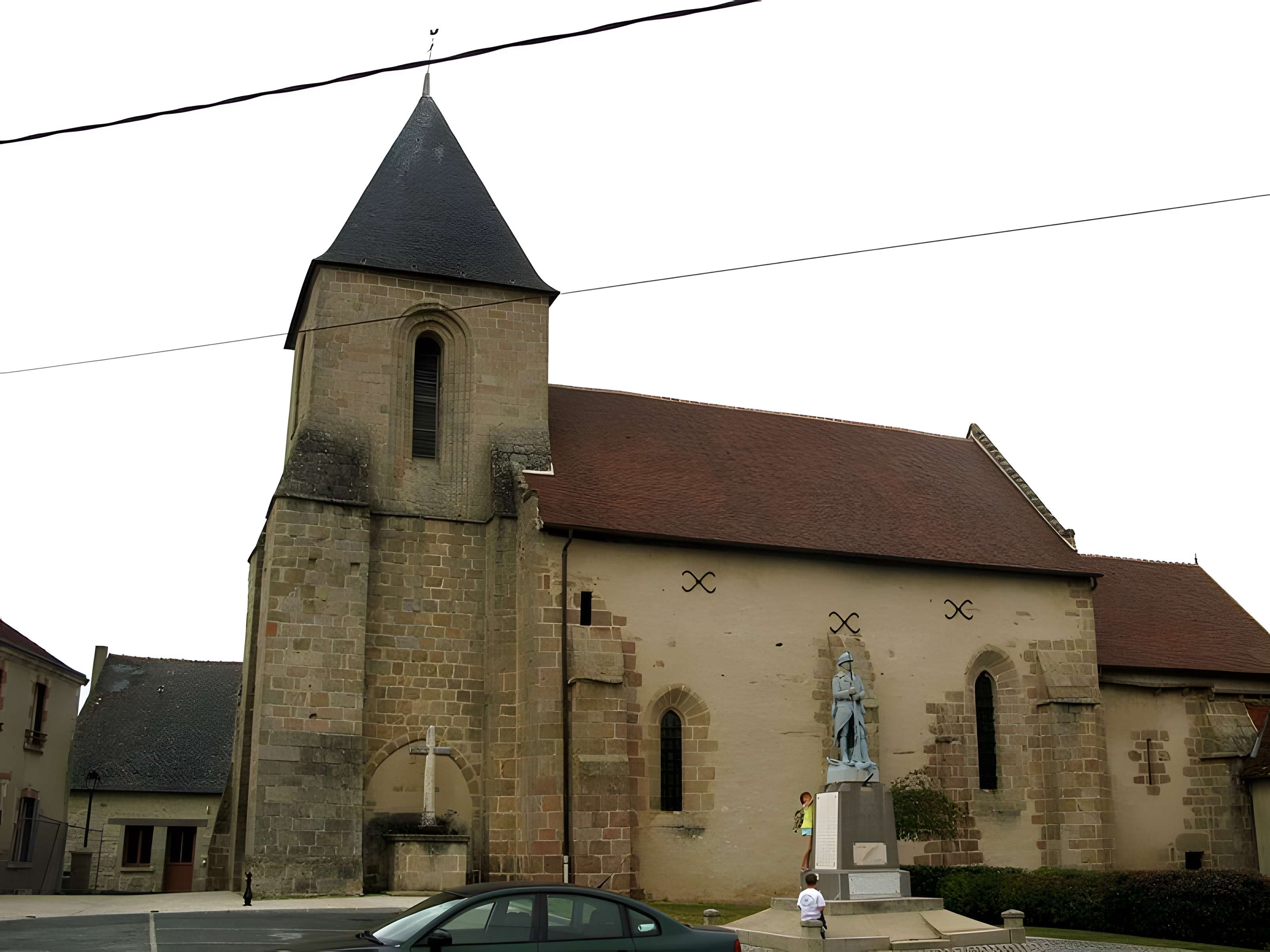
Saint-Agnan's church in Saint-Agnant-de-Versillat, listed as a Historic Monument in 1933, features architecture combining Romanesque and Gothic styles. Its unique nave, consisting of two vaulted bays of ivy warheads, preserves a southern collateral of the primitive building. The choir, vaulted with ridges, ends with a five-sided bedside, while a porch surmounted by a square bell tower precedes the nave, sheltering the 12th century Romanesque portal. The carved capitals and the murals (foils, rinsels, birds) adorning the vaults date from the 17th and 18th centuries, as evidenced by the dates of 1715, 1745 and 1840 engraved on the double arches.
The monument initially depended on the Abbey of Bénévent, an influential religious establishment in the region. The choir, interior gate and south wall date back to the late 11th or early 12th century, while the porch and bell tower were rebuilt in the 14th century, when the nave was transformed. She saw her vault in a cradle replaced by cross-guards of warheads. The apse of the 12th century, rebuilt in the 13th century, has a cul-de-four vault supported by columns and pilasters. A sacristy was added around 1880, completing this building marked by centuries of architectural evolution.
The protected elements include the church itself, whose painted decorations and medieval structures illustrate stylistic transitions between Romanesque and Gothic. The approximate location (diagnostic precision) and the communal management of the site underline its anchoring in the local heritage of the Creuse, in New Aquitaine. Sources, such as Monumentum, confirm its designation as Historic Monuments since 1933, guaranteeing its preservation for future generations.







Announcements
Please log in to post a review